Bigkis is the act of binding. In Tagalog, the word can refer to something used to bind or encircle, as well as a bundle formed by tying several separate elements together. Figuratively, it can also mean a bond, union, or unity. The meanings move from the physical act of joining things together to the connection […]

‘Rituals of Recovery’: Honing into the Practices of Self-Care


Shannah Orencio’s Rituals of Recovery is her new exhibit at the Vinyl on Vinyl Gallery, debuting on May 4, 2024. Orencio paints flowers in different perspectives, focusing on creating a colorful mirage of flora piled on top of each other.
The exhibit, as described by Carlomar Daoana, provides a view of the natural world that embodies the needs of humanity well: routine and the need for recovery in discovering the meaning of the rituals we create.


“Caring for something—or somebody—is a species of ritual,” they said. “After all, to attend to the well-being of another living being takes time, repetition, attentiveness. This attentiveness to another being—to fully exercise one’s capacity to care—is a ritual of recovery.”
Flowery Effects
The paintings render this collage-like look where they seem to exist on top of the other in a messy compression. Orencio reportedly would take the flowers that she pruned in her garden and would use that disconnected chaotic array of flora as inspiration/models for the artworks she created.
In a strange way, the works present a careful craft not just in the art of painting, but in gardening. One has to be deliberate when pruning stems, leaves, and flowers so that it looks aesthetically cohesive without affecting the growth of the plant for the future. And one doesn’t just throw away the leftovers. It can be recycled to become compost that returns its nutrients back to the environment.


Rituals of Recovery posits that even these pruned portions serve a wider purpose of precision in nature. The way that Orencio paints them—stacked up on top of each other, wrinkled but vibrant—presents itself not as detritus but as an explosion of nature’s variety, beautiful even in its cutoff state.
The oil on canvas works also add a sense of dimension to the flowers. The technique shown in Orencio’s brushstrokes gives the flowers a sense of regal quality even as they appear scattered along the canvas. It pulses with life even in death.
A Documentation of Responsibility
Daoana in their write-up said that Orencio’s work highlights the importance of routine as a way of cleansing and keeping our internal spaces and thoughts to be at peace with each other. They compare the pruning of the flowers to a morning walk or a cup of coffee: practices that keep our spiritual minds grounded.

In that sense, it’s curious to see Rituals of Recovery as a way of documenting the byproduct of our practices to find ourselves again, day in and day out. It feels like seeing parts of ourselves that we’ve outgrown, parts of ourselves that we don’t need anymore despite their usefulness in the past.
It highlights the beauty of those outmoded parts. But it also shows the necessity of pruning them: these flowers are overgrown, aging, and preventing it from achieving its full potential. It’s the gardener’s responsibility to ensure that these parts don’t overwhelm and keep the plant from adapting.

Rituals of Recovery gives us a visual metaphor of the need to create daily practices that calm our interior selves to continue our proper growth as human beings. It’s also a beautiful documentation of nature as a whole, that lovely things can exist even in the byproducts of nature as a whole. Nothing is wasted, and nobody is a waste.
Related reading: How “Malasakit” is Future-Proofing Philippine Design Culture
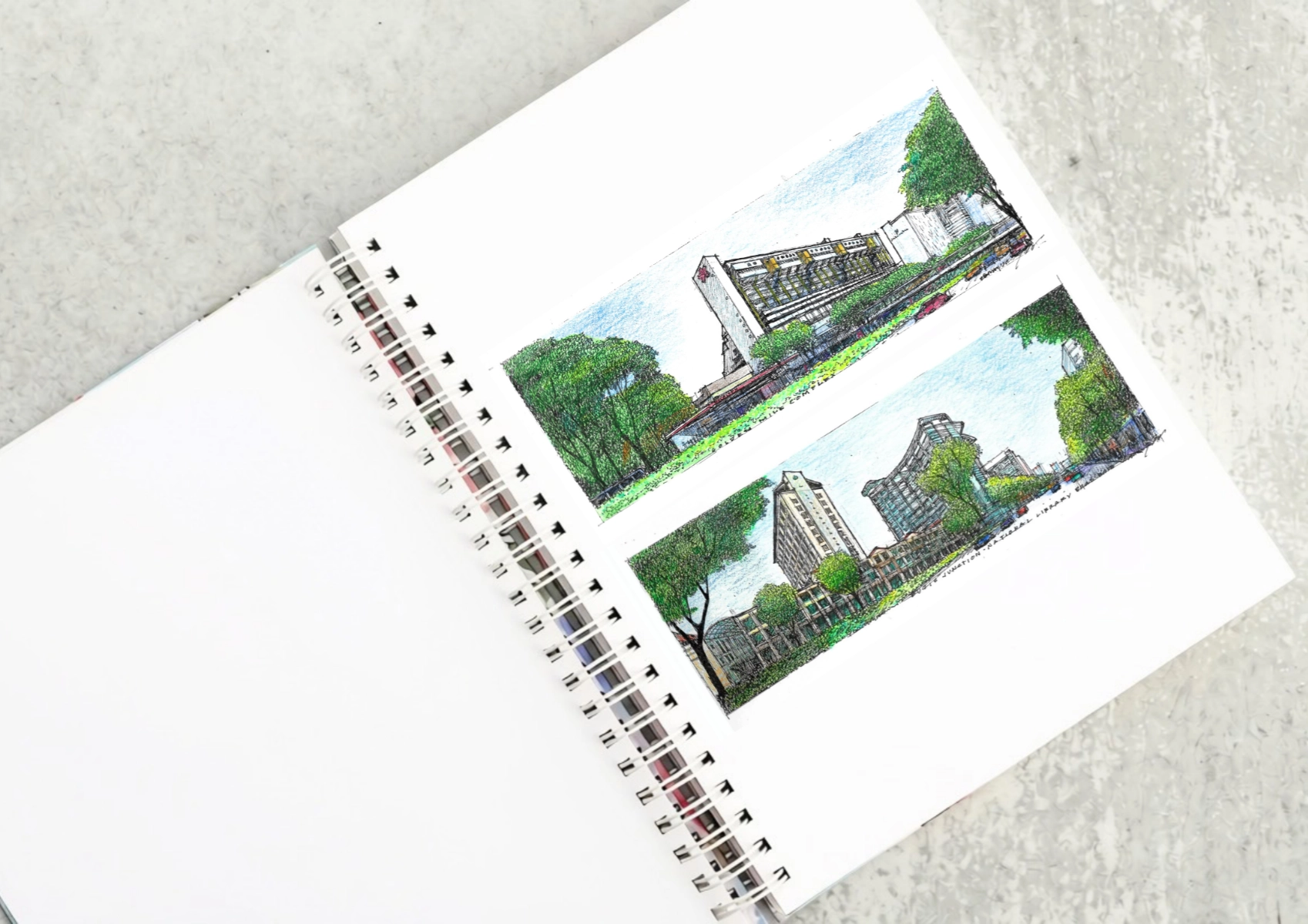
Two sketches of Singapore connect BluPrint Editor in Chief Paulo G. Alcazaren’s personal and professional history with Shared Ground: ArchitectureArchitectureThe art and science of designing and constructing buildings, structures, and spaces that are functional, safe, and aesthetically pleasing. It encompasses the planning, design, materials, and techniques used to createGo to Architecture Glossary of Care, Culture, […]
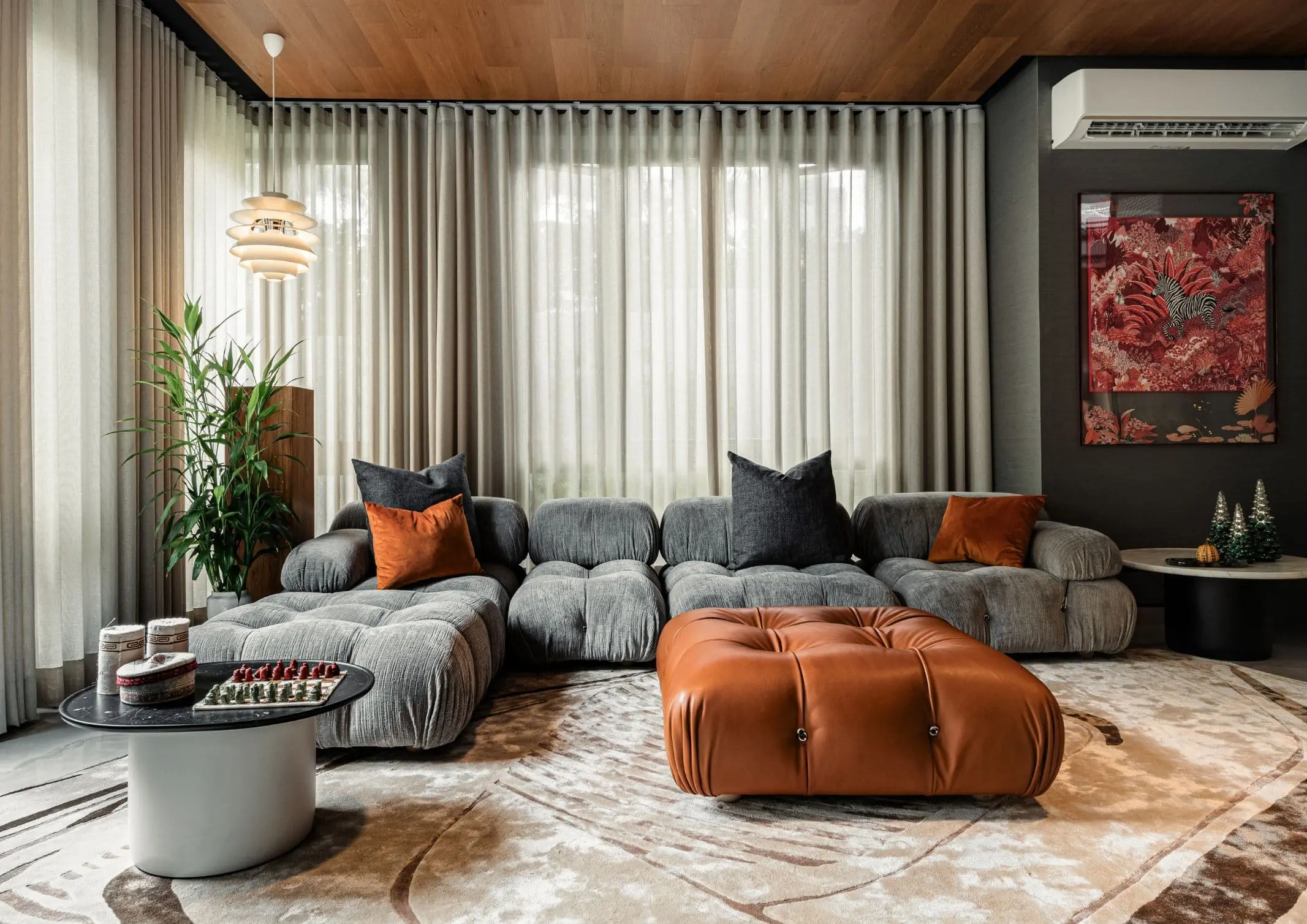
Some have become household names – Coleman, Oster, and KitchenAid – products that have found their way into Filipino kitchens, homes and family routines. In home furnishings, brands such as B&B Italia, Ethan Allen, Sub-Zero, Miele, SieMatic, Louis Poulsen, Hunter Douglas, Tempur, and Technogym, have helped shape the way Filipinos live. From everyday essentials to […]

In a way, designers are the modern-day soothsayers and prophets. They design for the future, predicting how a room, a house, a building or a whole city will be used by people. They foresee how users will interact with a space, conjure exact shades of colors to elicit specific behavior and arrange furniture to build […]
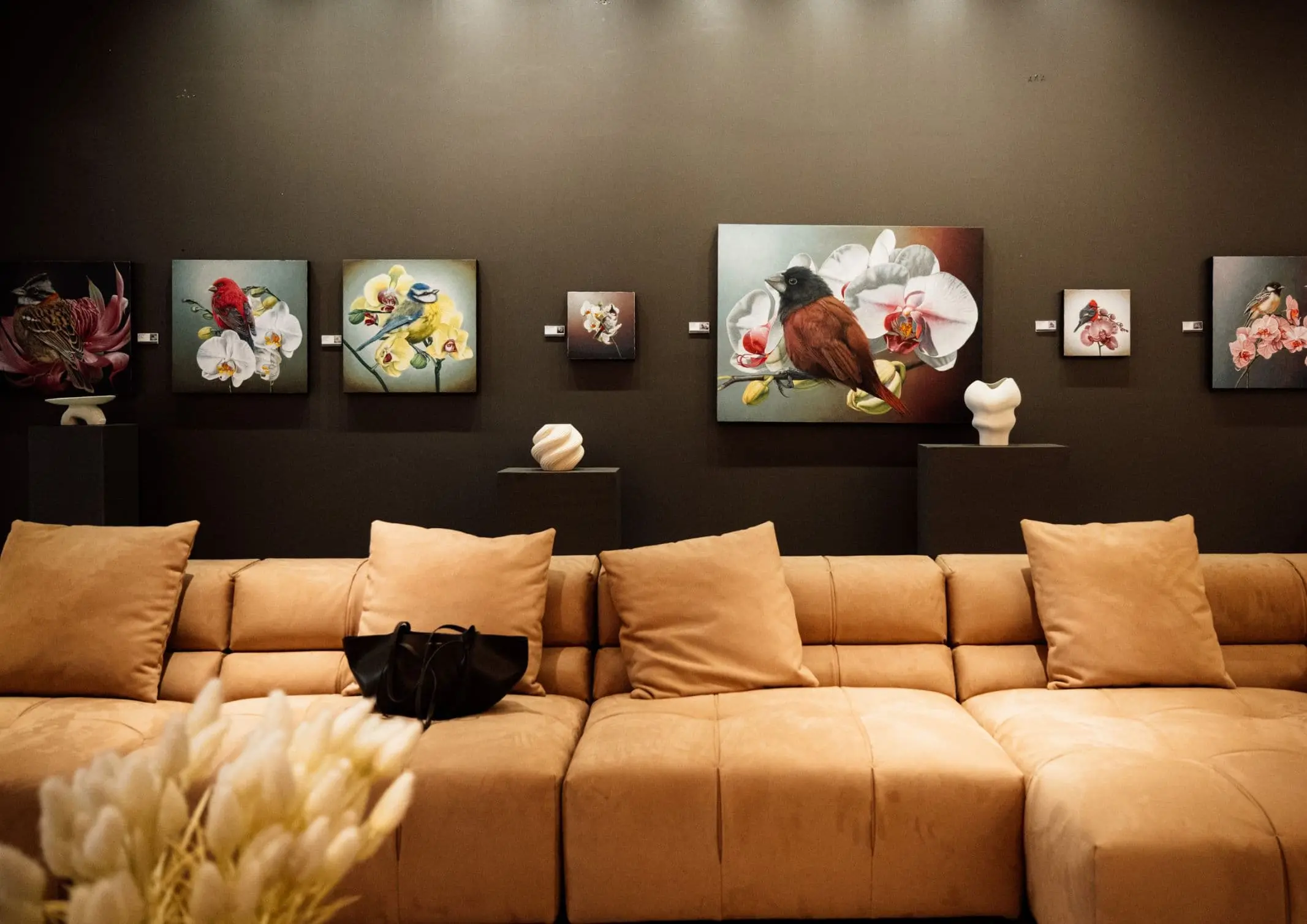
Art and furniture are often selected separately, yet their relationship can shape how a room looks and feels. The collaboration between Hooga and Galerie Joaquin explores how these elements can work together, bringing contemporary artworks into furnished residential settings at Hooga’s showroom in Uptown Mall, Bonifacio Global City. For Hooga, which curates furniture, lighting, and […]
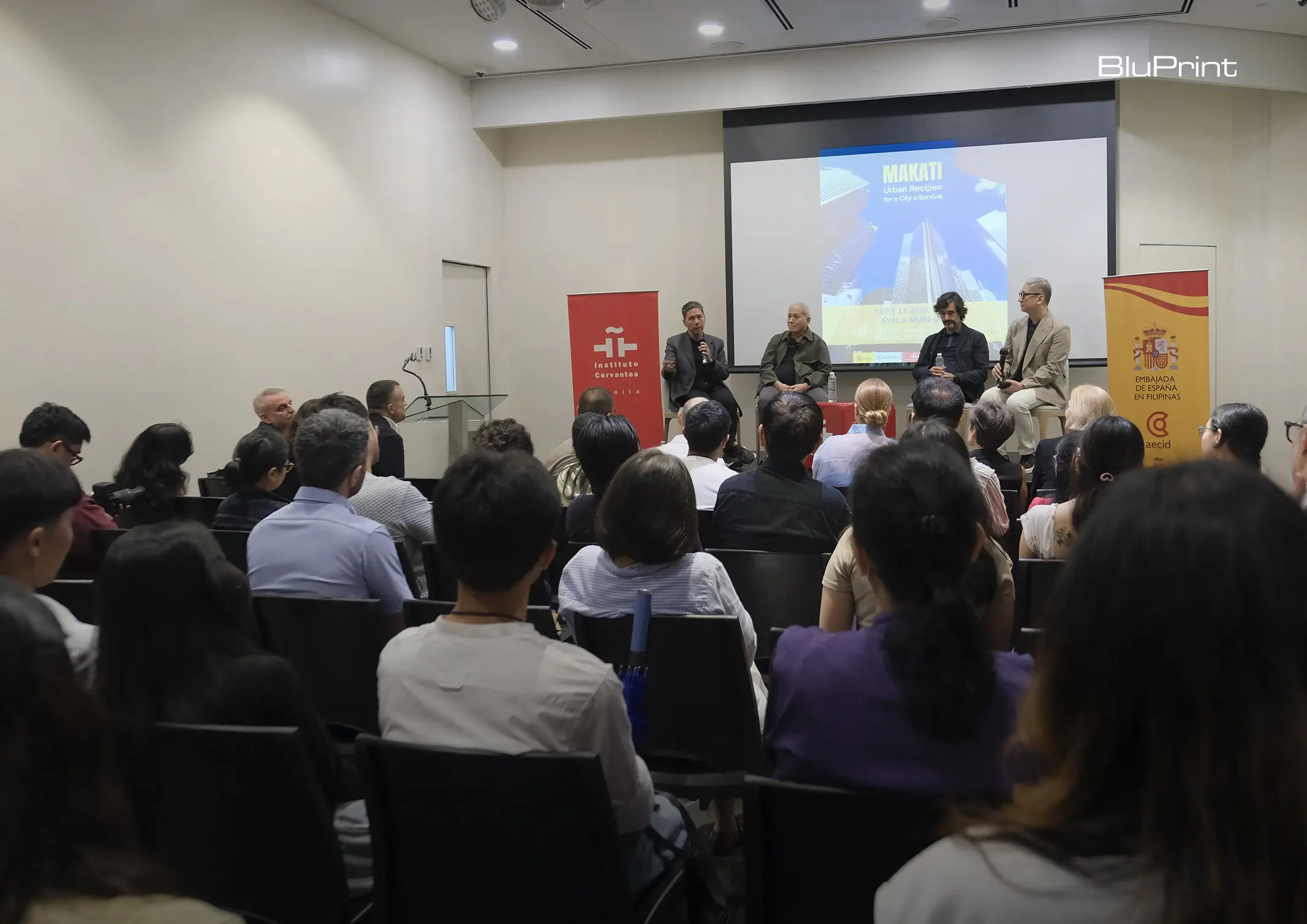
How can better-planned cities create the conditions for more creative, livable, and resilient urban environments? “Makati Urban Recipes for a City’s Survival,” a colloquium held at the Ayala Museum on September 15, brought together architects and practitioners from the fields of urbanism and the creative economy to discuss how design, planning, and collaboration can address […]
Read the issues.

Collect the volumes.

Recommended Video
Tap to Unmute
Unmute
0:00
0:00