A kitchen is one of the hardest-working spaces in a home. It must withstand daily wear, changing routines, evolving technologies, and shifting lifestyle needs while remaining visually coherent within the larger architectural narrative. While every project has its own requirements, experienced designers often return to a similar set of considerations when evaluating a kitchen. Here […]
How Much Should an Architect Charge?



The conversation of how much an architect should charge their clients is an uncomfortable topic. It is a complicated question with an equally complex answer, as many factors and considerations come into play. BluPrint magazine interviewed United Architects of the Philippines (UAP) National President Richard Garcia for his expert insight and perspective on how architects can get fair compensation for their work.
Working with the DAEDS and SPP
An architect should typically charge anywhere between 6-12% of the total cost of construction. A variety of factors determine what can be shared such as type of project, specialization required, and any additional overhead or changes.

The Detailed Architectural & Engineering Design Services (DAEDS) serves as the primary basis that architects use in contracting their services. It contains the scope of work, services to be provided, and the responsibilities of both parties, architect and client, throughout the duration of a project. An industry standard is to base the fee for the work done on the cost of construction of the project.
The Standards of Professional Practice (SPP) are guidelines for conducting an architect’s practice and pricing their services. It outlines the criteria and situations that can be referred to when computing what to charge a client for the work performed, based on the DAEDS. Methods of compensation are iterated as well as to what extent an architect’s services should be paid for.
Using the SPP, architects have the freedom to approach how they wish to charge for their work. The guidelines offer a flexible framework that considers the vast scope of services that an architect can provide for their clients.
How Architects Charge for Their Work
Based on the SPP, there are six primary ways that an architect can go about charging for their work. Often, payment is broken down into tranches based on the progress of the project. These forms of payment can help both clients and architects arrive at a fair and manageable price and payment schedule for the work done. Here is a brief overview of these methods of compensation.
1. Percentage of Project Construction Cost (PCC)
The architect’s fee is determined by multiplying a specified percentage by the estimated, awarded, or final project construction cost. The percentage is based on the project’s size, complexity, and type of construction contract.
2. Unit Cost Method
A variation of the percentage method, the architect’s fee is based on the cost per square meter of the project. The unit cost is derived from historical data on the average construction cost per square meter of similar projects and applying the appropriate percentage for the professional fee.
3. Lump Sum or Fixed Fee
The lump sum fee is determined either by calculating an appropriate percentage of the estimated project cost or by directly estimating the cost of individual elements plus a reasonable profit margin. The fee remains fixed, but provisions for additional compensation should be included if the project scope changes significantly.
4. Time Basis (Hourly or Per Diem Rates)
The architect charges an agreed-upon hourly or daily rate, which varies based on experience, seniority, and local market rates. This method is suitable for services that are interim, not well-defined, or short in duration.
5. Multiple of Direct Personnel Expenses
Used for non-creative work like research or data gathering, the fee is calculated by multiplying the total salaries of the architect and staff by a factor to cover overhead and profit. This method is best for projects where costs are difficult to predetermine.
6. Professional Fee Plus Expenses
Commonly used for ongoing relationships, this method establishes a fixed sum or agreed-upon rate for the architect’s services, plus reimbursement for expenses. An agreement on the general scope of work is necessary to set an equitable fee.
7. Mixed Methods
Depending on the nature of the project, a combination of the above methods may be used to determine the most appropriate and equitable compensation. For example, pre-design services could be compensated on a time basis, while design services are calculated as a percentage of the construction cost.
What Services Can Architects Provide?
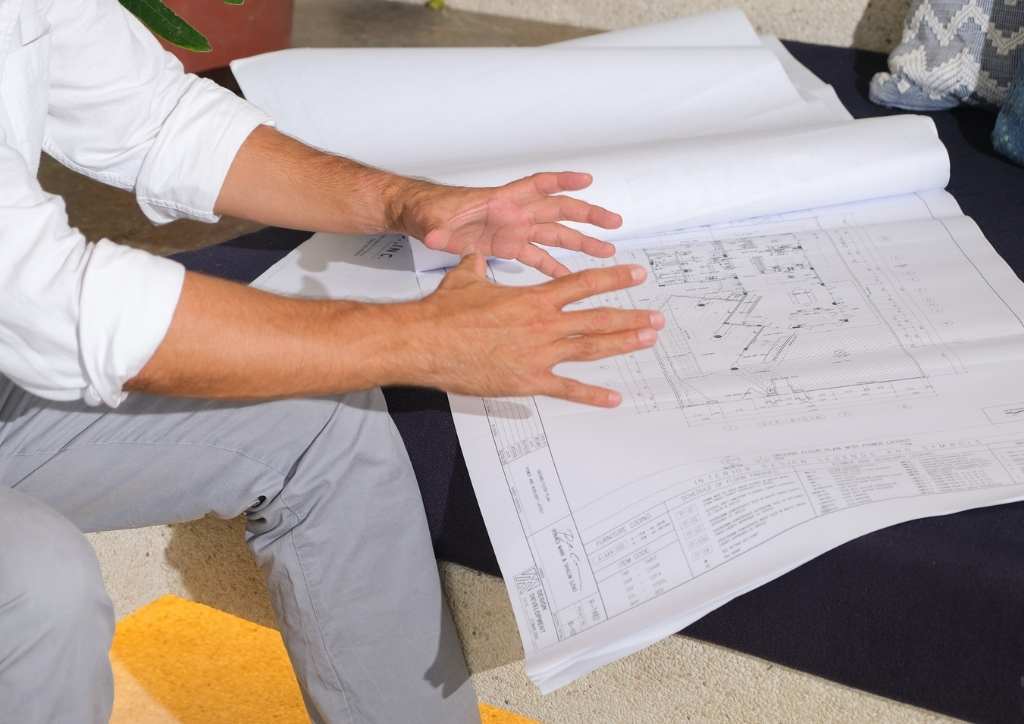
Unfortunately, there is an infamous perception that the architect’s work is “drawing lang yan” (just a drawing). If taken at face value, it may appear to be that way at a glance. However, these outputs come with a valuable service as architects work towards making them reality. It attests to their acumen in building construction and design to handle its various aspects.
1. Pre-Design Services (SPP Doc. 201)
The architect helps the client define the project requirements, budget, and schedule, and prepares initial design concepts and estimates. These services include consultation, feasibility studies, site analysis, space planning, and project programming.
2. Regular Design Services (SPP Doc. 202)
This encompasses the core design phases: schematic design, design development, contract documents, and construction administration. The architect translates the client’s requirements into detailed plans, specifications, and drawings, and oversees the construction process to ensure compliance with the design intent.
3. Specialized Architectural Services (SPP Doc. 203)
These services require specific expertise and may include architectural interiors, acoustics, lighting design, site development planning, heritage conservation, security evaluation, and building systems design.
4. Full-Time Supervision Services (SPP Doc. 204-A)
The architect or their representative provides full-time supervision during construction to ensure quality control, evaluate work progress, and maintain records.
5. Construction Management Services (SPP Doc. 204-B)
The architect acts as the construction manager, coordinating and supervising all aspects of the construction process, including scheduling, cost control, and quality assurance.
6. Post-Construction Services (SPP Doc. 205)
After project completion, the architect may provide services such as facility management, post-occupancy evaluations, and warranty reviews.
7. Comprehensive Architectural Services (SPP Doc. 206)
This all-encompassing service combines pre-design, design, specialized services, construction-related services, and post-construction services under a single contract.
8. Design-Build Services (SPP Doc. 207)
The architect assumes responsibility for both the design and construction of the project, offering a single point of contact for the client and streamlining the delivery process.
9. Architectural Design Competition (SPP Doc. 208)
The architect participates in or organizes design competitions to generate innovative solutions and promote excellence in design.
10. Professional Architectural Consulting Services (SPP Doc. 209)
The architect provides expert advice, technical assistance, and peer review services to clients, government agencies, or other professionals.
The Necessity of Collaboration
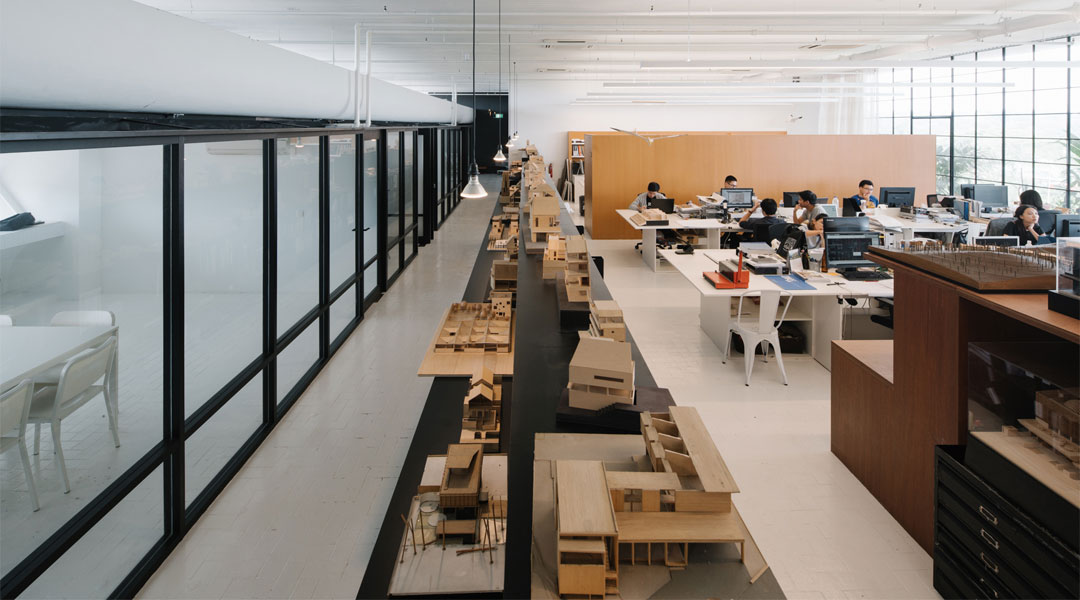
As of 2024, there are now around 57,000 professionals in the field, with the number growing by at least 5,000 annually. As the workforce increases, competition can cause up and coming architects to attract clients by offering lower prices to compete with established firms. This can unfortunately drive down the value of the architect’s practice as a whole.
To address this concern, the industry has to be open to cooperation and collaboration. Just like other professional practices, such as doctors and lawyers, the industry has to take a strong stance in how they conduct their business. The UAP fosters building such relationships between architects as seen in the recent success of NATCON 49, the largest gathering of Filipino architects to date.
Addressing the Woes of the Industry
The regrettable reality is that there are factors that impede the state of the industry in the country. There are challenges in terms of which the practice stands in relation to the market. The UAP actively works towards providing solutions for these issues as to make architecture a more profitable endeavor for all.
Dealing with Non-Professionals
It’s unfortunate that the practice of building design is subverted by non-professionals. They hold the promise of charging a lower fee, but in truth, these come with a higher cost in many ways. It’s a shortcut that removes architects from the picture, as non-regulated plans are used to build.
There are architects who sign projects, designed by non-professionals, for easy compensation. Another reason is it allows them to claim these projects in their own practice, bolstering their portfolio. But by doing so, these architects endanger their own professional integrity as they misrepresent themselves.
An architect’s drawings are legal documents, prompting scrutinization to ensure that they are up to standard. The UAP stands firm against these types of incidents. Their Anti Illegal Practice (AIP) department goes after these cases to protect the integrity of the practice. Furthermore, its programs gear towards informing the public of the dangers of malpractice in this regard.
Regional Competition

Another contentious topic is the competition between regionally local architects and those based in Manila. Although this is not a prominent issue, it brings up the discussion on the nuances of the professional landscape between urban and rural areas. Industry growth should be inclusive as to ensure that all Filipino architects are given a fair chance and medium to engage with the market.
The UAP aims to address these concerns with comprehensive projects like exhibits and events, such as the UAP National Conference of Architects. Their events celebrate architecture across the country and promote the industry as a whole. Other notable programs include the National Architecture Week a.k.a the Philippine Architecture Festival held annually every December.
Growing Your Personal Practice
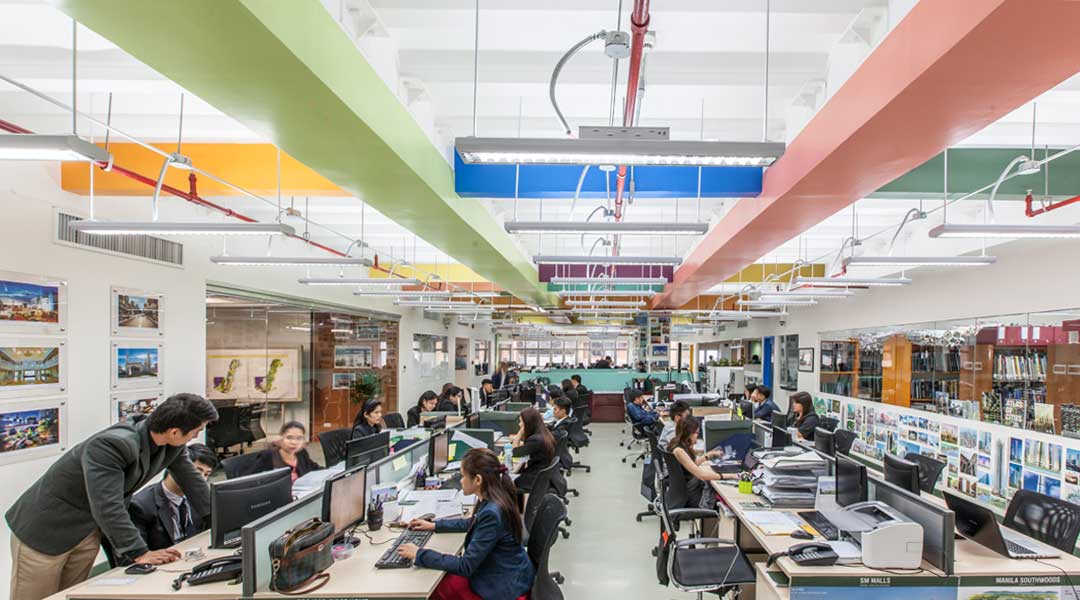
Beyond technical services, architects also have to expand in how they deal with other aspects that come with running a business. As architecture is collaborative in nature, succeeding in the profession comes with a slew of skills that architects need to be proficient in.
For those just starting out, picking the right mentor is essential to learn how to navigate the business. The apprenticeship, a defining part of any architect’s career, helps foster growth with the foundational experience that it brings. Down the line, architects still enjoy the good company of their co-practitioners. Professional organizations, such as the UAP, provide avenues for architects everywhere to get together and work towards the benefit of the practice.
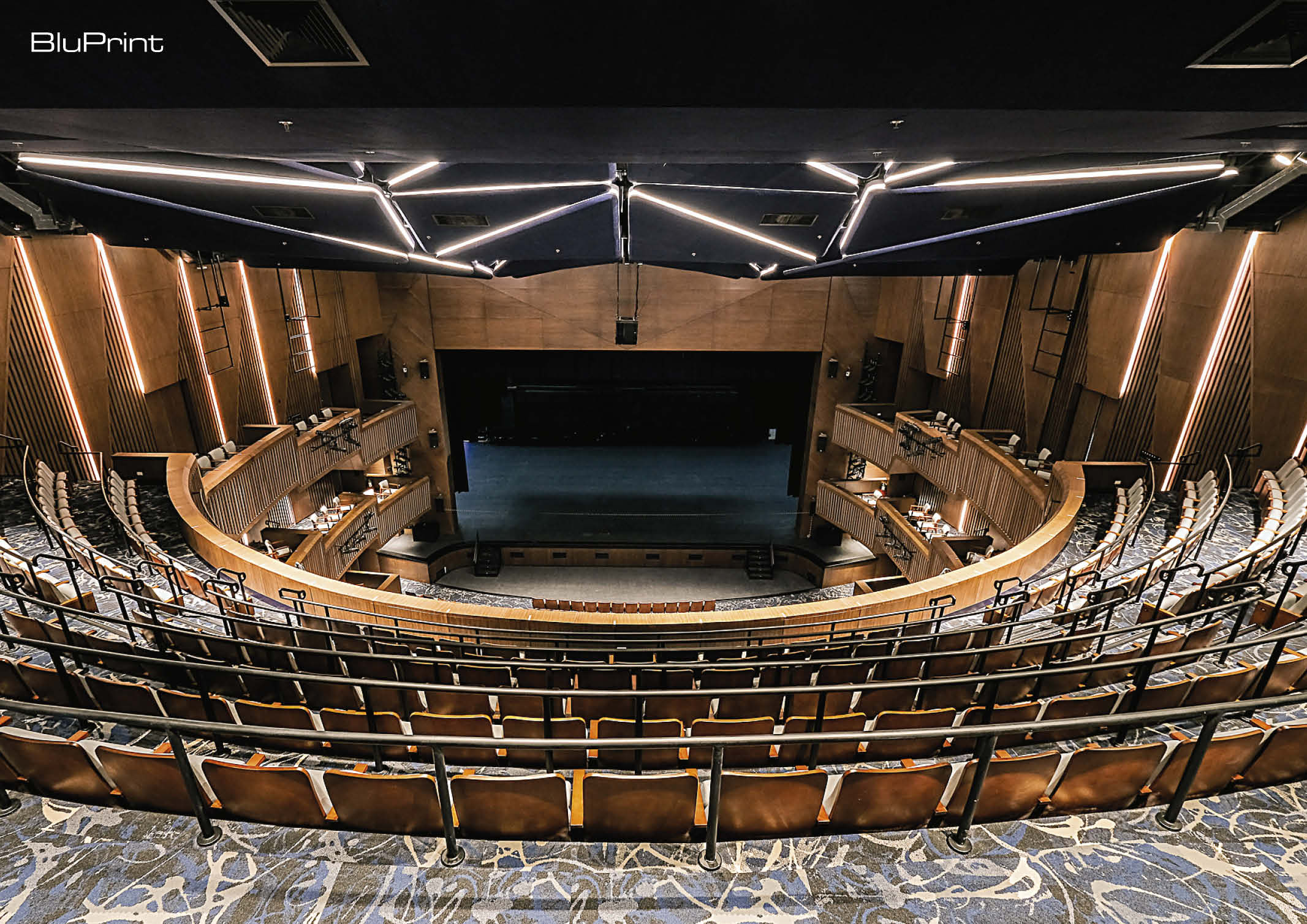
Personal and professional relationships hold a key role in determining how your practice expands. Quite often, referrals are how an architect makes new connections and grows their client base. Previous clients and projects act as qualifications that make your services attractive to potential customers. This is especially true for architects working within specific niches and locations.
The development of a brand lends credibility as one cultivates an impression on the quality and excellence of their work. As the times change, social media and the internet offer professionals platforms to connect with potential customers. Currently, the UAP is working on guidelines to establish parameters in how architects should be able to showcase their work.
Why Get An Architect

Getting an architect comes with a slew of reassurances for the quality and integrity of the design. Alongside drawings, services for construction supervision and management makes the experience much more convenient. They’re accountable for any shortcomings that may come out of the project in relation to their work, and are liable for up to 15 years. It gives clients peace of mind by assuring them of the design and build quality.
Architects can serve as a partner to help you get the most value out of a building. How much they charge is based on a fair standard that factors in each project’s particular needs. Their extensive training and rigorous professionals standards ensure that their practice delivers a quality service.
Read more: UAP NatCon 49: The Largest Gathering of Filipino Architects Ever
Note: This article should not be used as a reference for any of the professional regulatory documents mentioned. The author has rephrased its contents to make it more digestible for readers.
Frequently Asked Questions (FAQs)
An architect should typically charge anywhere between 6 and 12% of the total cost of construction. The exact percentage depends on various factors, including the type of project, level of specialization required, project complexity, and any additional overhead or changes during the project.
There are seven primary methods architects can use to charge for their services: Percentage of Project Construction Cost (PCC), Unit Cost Method, Lump Sum or Fixed Fee, Time Basis, Multiple of Direct Personnel Expenses, Professional Fee Plus Expenses, and Mixed Methods.
Architects provide a comprehensive range of services organized such as Regular Design Services, Specialized Architectural Services, Full-Time Supervision Services, Construction Management Services, and many more.
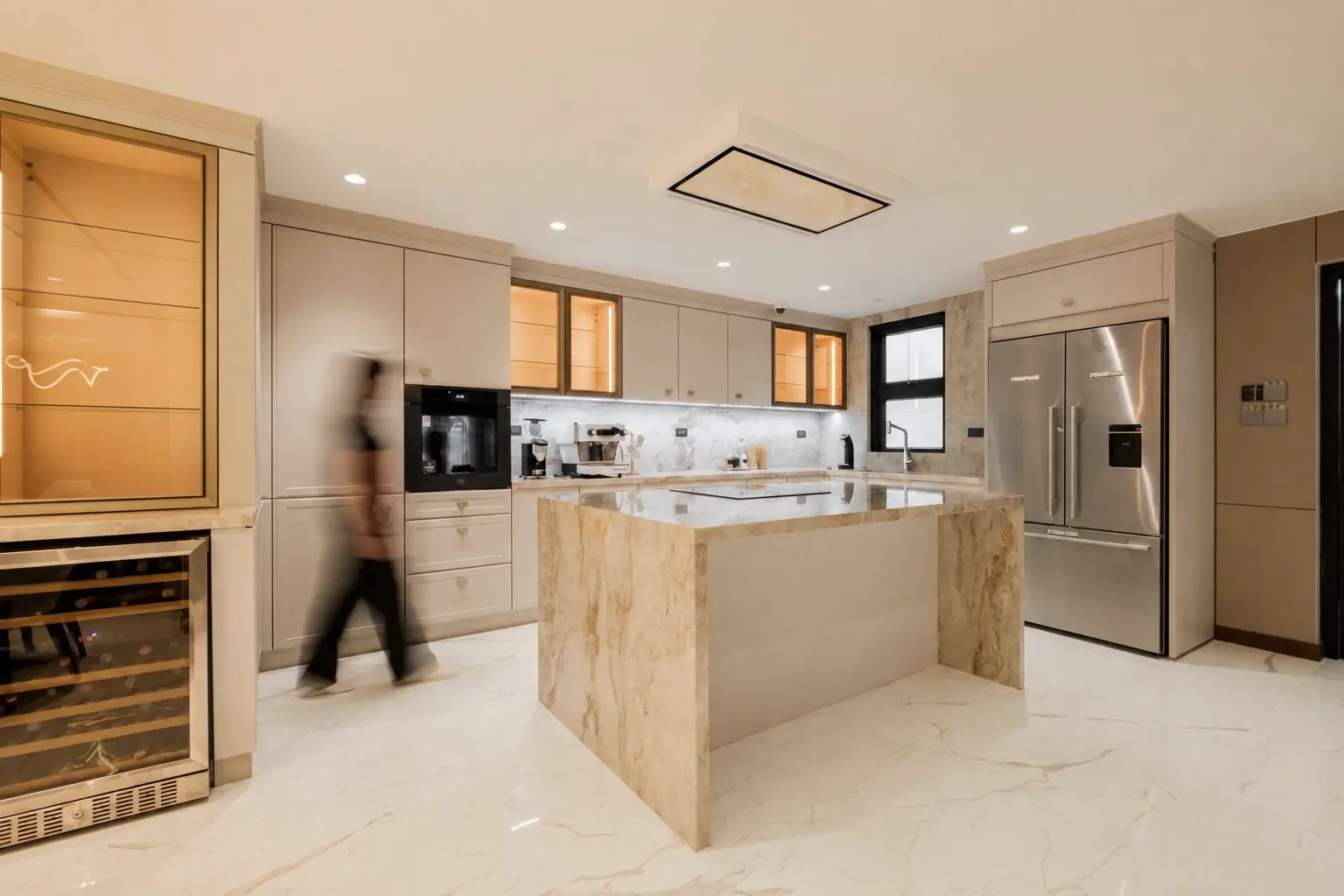
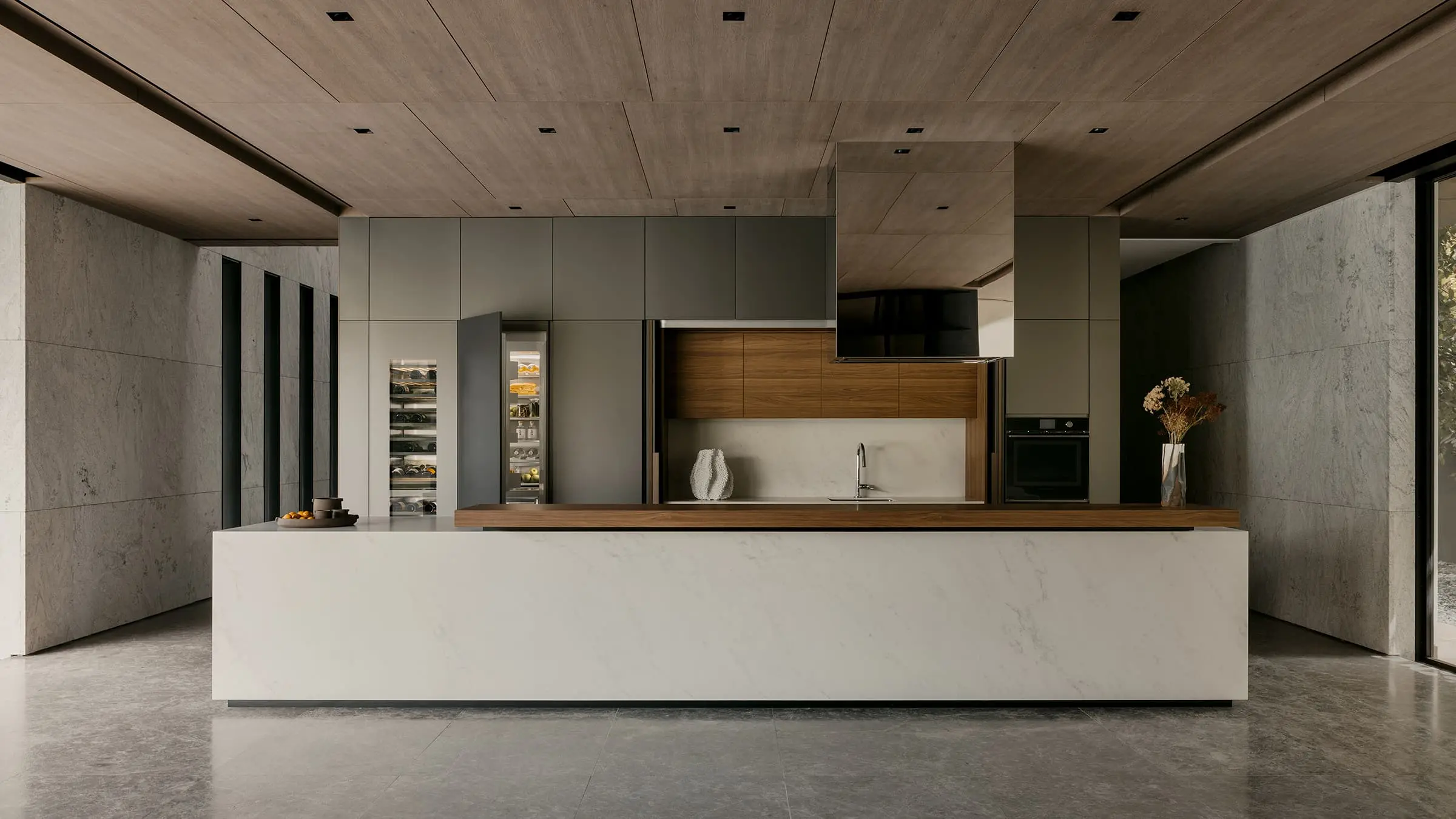
The modern kitchen has evolved beyond its traditional role as a place for preparing meals. It is the heart of the home – a space where daily rituals unfold, conversations linger and the rhythm of everyday life takes shape. As open-plan living continues to redefine residential design, the kitchen is no longer a separate room, […]
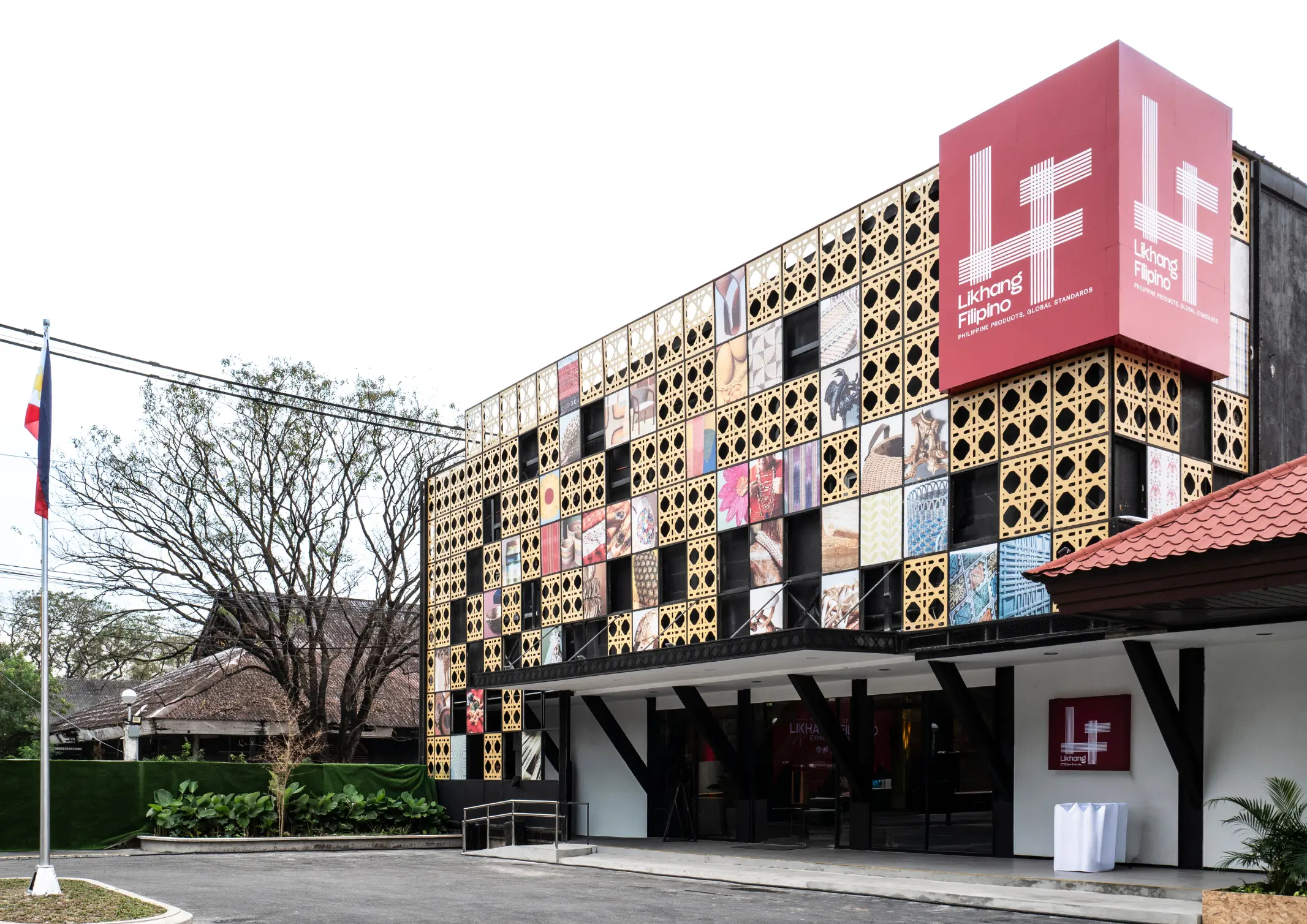
Likhang Filipino stands on the former site of the PhilTrade Center along Roxas Boulevard in Pasay City, a landmark that once symbolized the Philippines’ export ambitions and introduced Filipino craftsmanship to international audiences. Originally inaugurated in 1979, the PhilTrade Center was conceived as a national showcase for Philippine exports, with its longitudinal form and sloping […]

Presented during Milano Design Week 2026 at Palazzo Gallarati Scotti, Poltrona Frau’s flagship store in Milan, the “True Over Time” Collection celebrates one of the brand’s most enduring values: authenticity. More than a matter of craftsmanship or material quality, durability is understood as a design’s ability to preserve its meaning over time, remaining relevant across […]
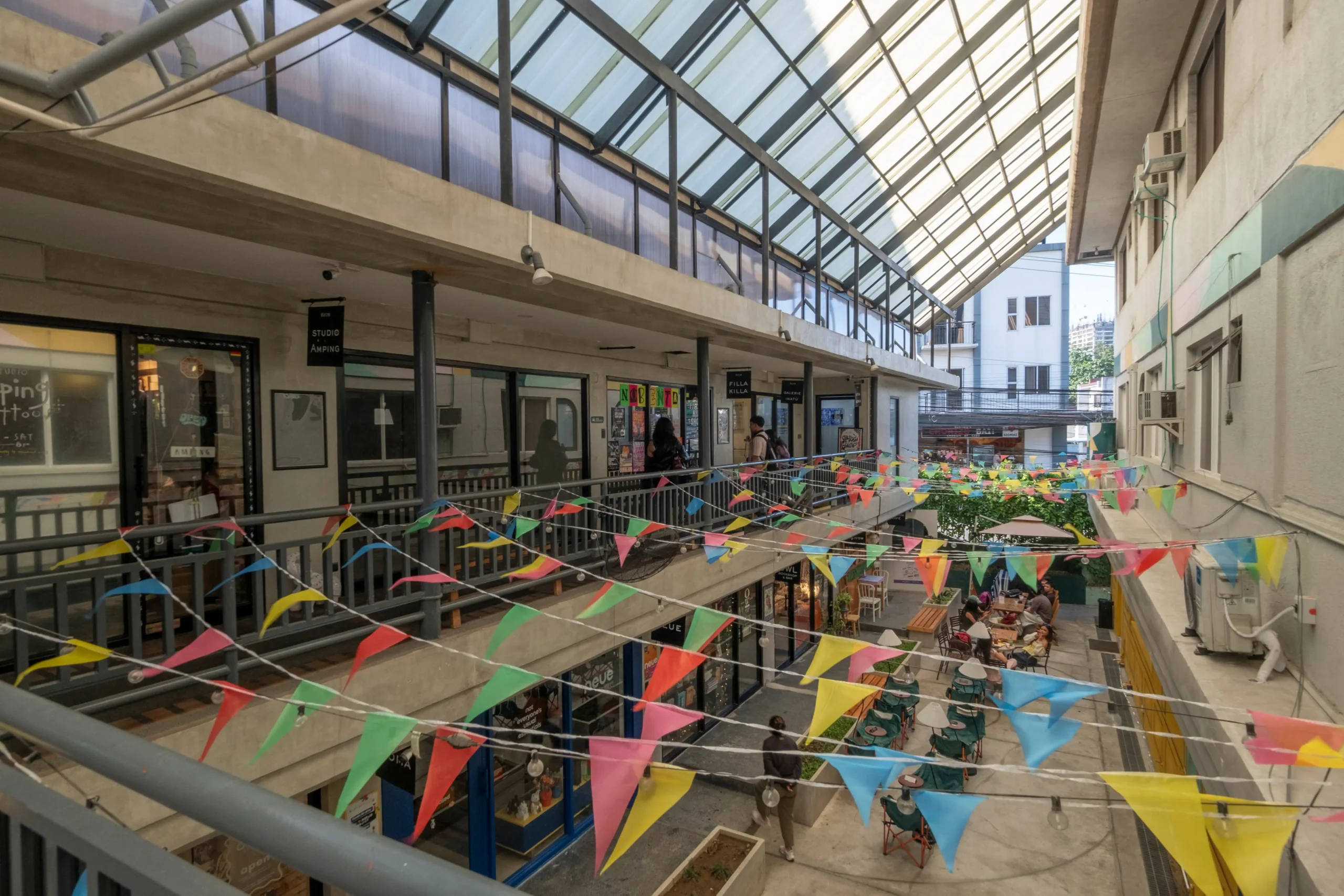
Within a two-building commercial complex organized around a central courtyard, an unexpected layout unfolds. The shops are small and quaint, uniformly sized, and directly face one another like apartment units. This is Atúa. Related Reading: Creative Placemaking: Designing Public Spaces that Reflect Shared Memory What used to be a functioning hotel in the early 1990s, […]

In a curated setting at the The Tile Gallery showroom, architects, designers, and media guests were transported into the immersive world of Italian contemporary lighting brand Lodes, where light illuminated the space through sculptural forms and innovative materiality. The Language of Light event presented a selection of Lodes’ established collections alongside new releases, revealing the […]
Download this month's BLUPRINT magazine digital copy from:



Subscribe via [email protected]
Recommended Video
Tap to Unmute
Unmute
0:00
0:00