Bigkis is the act of binding. In Tagalog, the word can refer to something used to bind or encircle, as well as a bundle formed by tying several separate elements together. Figuratively, it can also mean a bond, union, or unity. The meanings move from the physical act of joining things together to the connection […]
Uma Nota Manila: The Odd Duck Studio’s Nipo-Brasileiro Interior



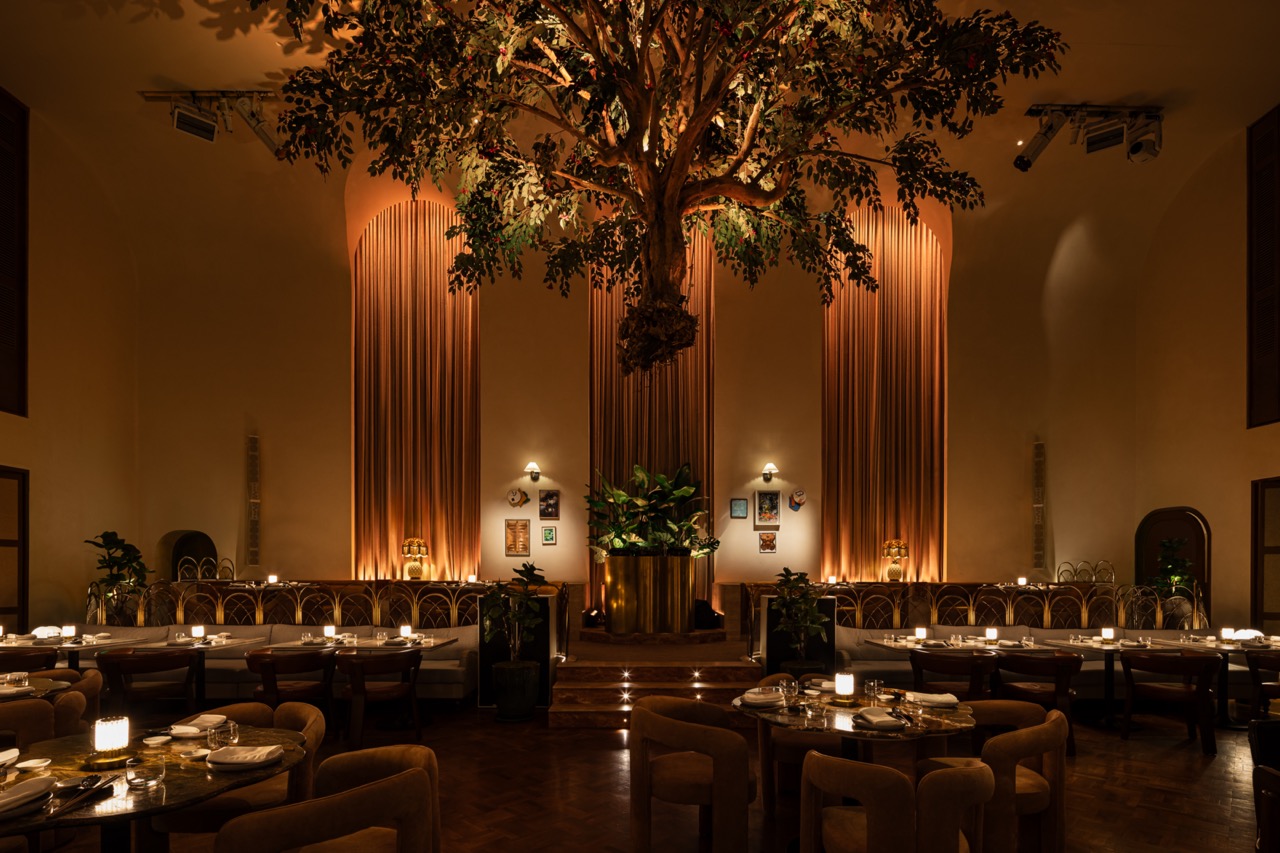
Designed by The Odd Duck Studio, Uma Nota Manila offers its patrons a captivating space filled with different cultures. The restaurant is the third of its franchise, with branches in Hong Kong and Paris, as its owners bring a world class dining experience to Shangri-La at the Fort. It pays homage to the vibrant Nipo-Brasileiro subculture that emerged in São Paulo’s Liberdade district.
How Does The Odd Duck Studio Blend Japanese, Brazilian, and Filipino Design at Uma Nota Manila?
Asmaa Said, founder of the Odd Duck, shared how they brought Uma Nota’s vision to life. The firm reaches beyond design as they also bring a full package that harmoniously presents Uma Nota’s brand. From its large arches filled with elegant drapes to the refined cutlery, the firm clearly paid careful attention to captivating the senses in an enticing and engaging manner.
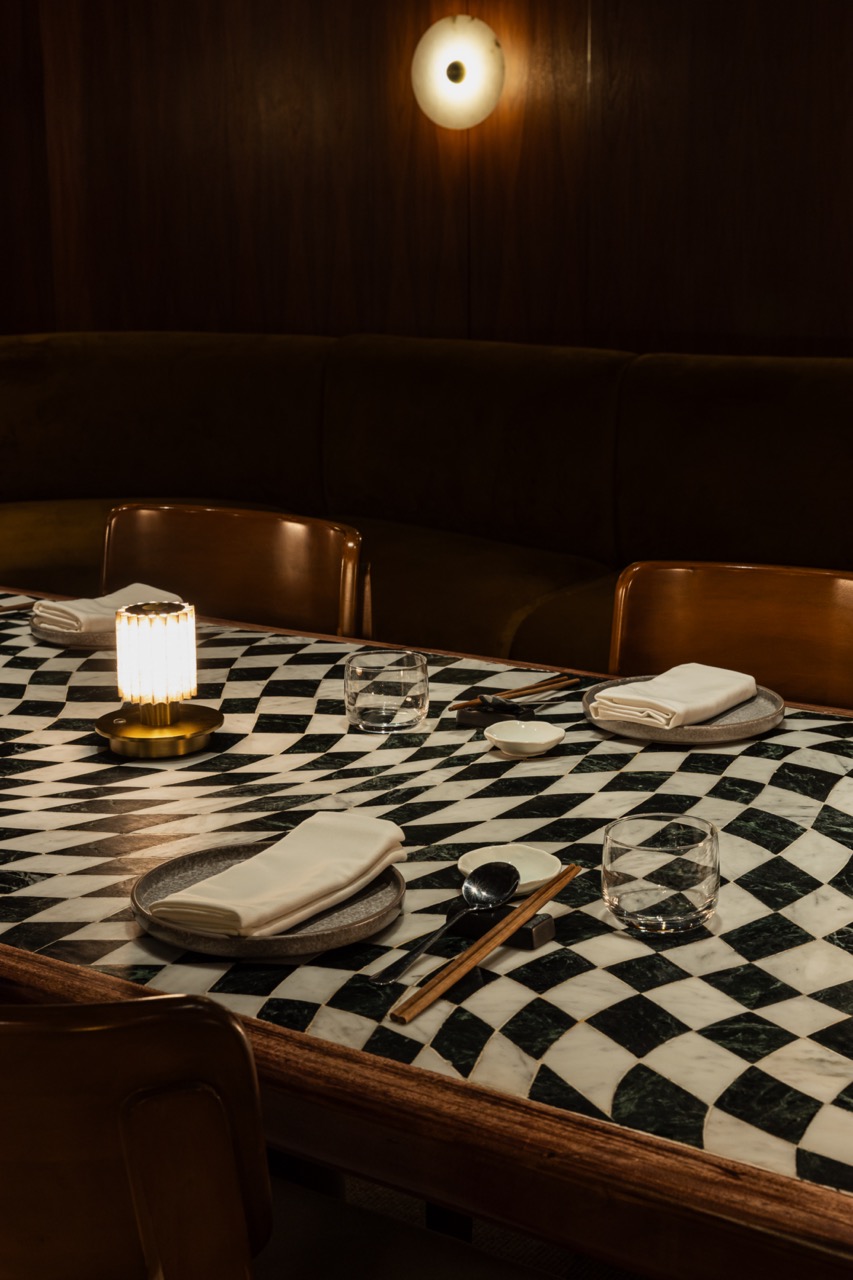
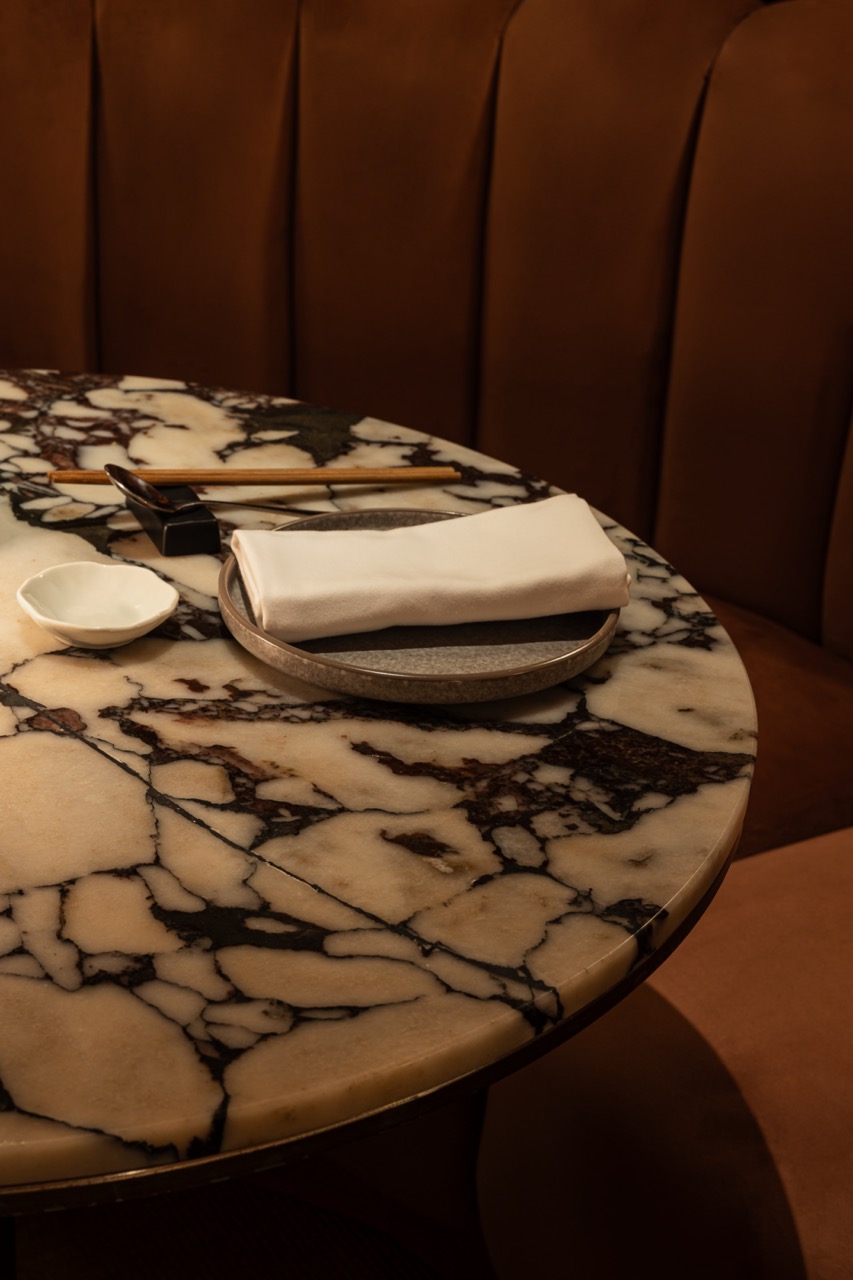
Cultural nuances are clearly established as elements from Japanese, Brazilian, and Filipino culture are deeply intertwined with each other. The result is a truly unique atmosphere that brings together the liveliness and flavors that these countries have to offer. What truly stands out is the designer’s effort to bring this international brand closer to home with notes of local design.
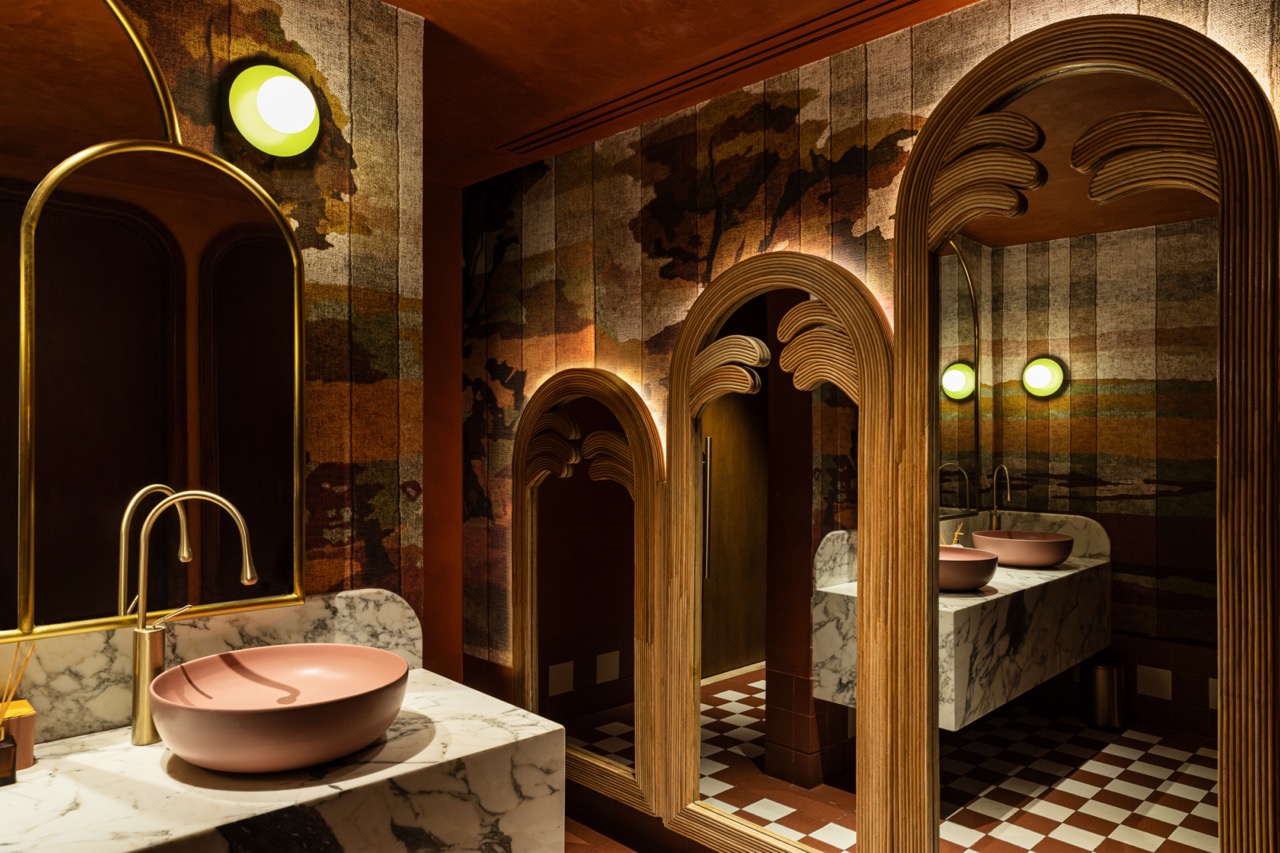
The primary theme of the interior is a special blend of vintage Brazilian charm with Japanese elegance. The soul of old-school Brazilian jazz clubs meld into the spirited zen of Sino-tastes. The cuisine, Nipo-Brasileiro infusion, was born from the widespread Japanese community based in brazil. In that regard, Uma Nota Manila resoundingly manages to tell that story within its spaces.
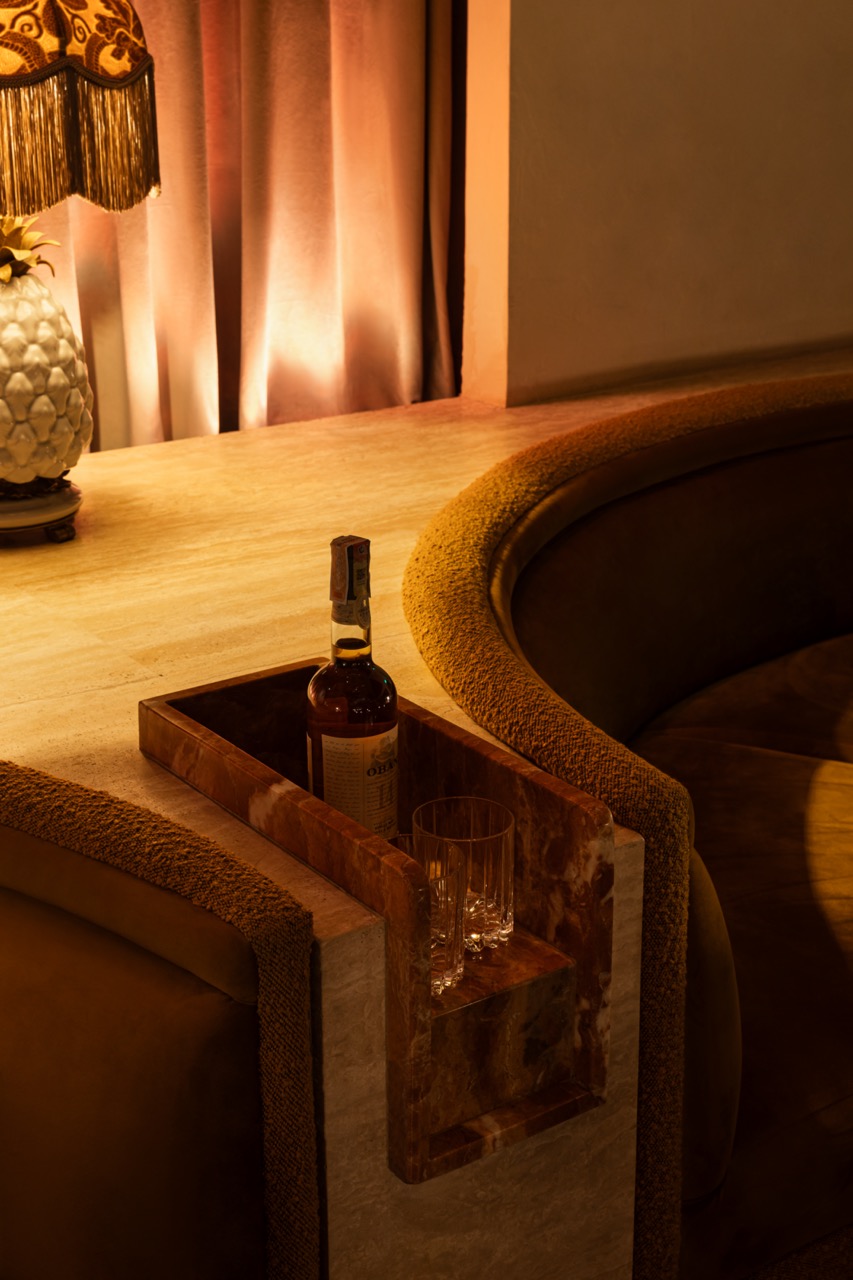
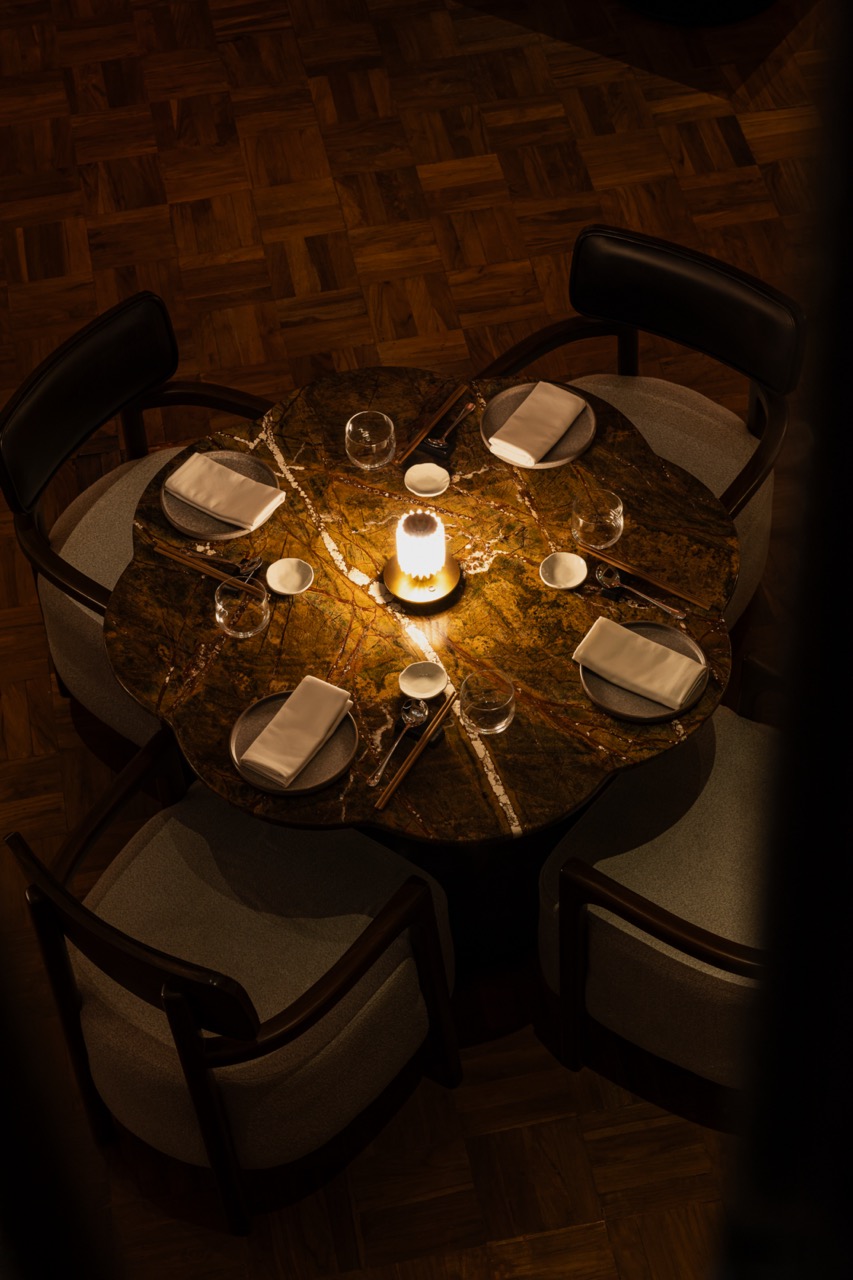
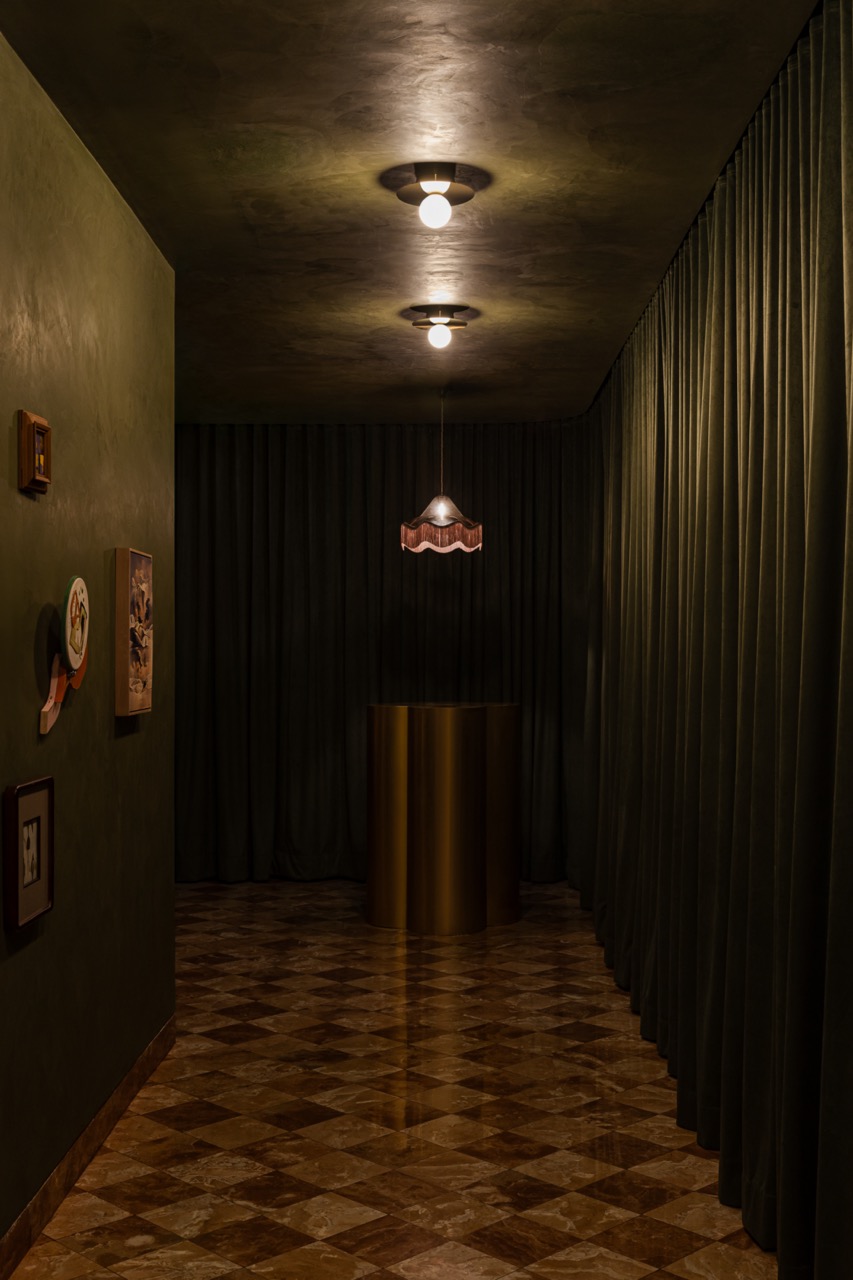
Every element, from the floor-to-ceiling drapery and ambient lights to the pops of color and vintage accents, has been carefully considered to contribute to the overall narrative. A selection of local artwork, furniture, and decor seamlessly blends Brazilian and Japanese influences in a fashion legible to Filipino sensibilities.
Uma Nota Manila’s Interior Layout: Four Distinct Dining Areas
Four distinct areas define the layout of Uma Nota Manila, each with its own unique character and purpose. As guests navigate through these spaces, they embark on a journey that showcases the rich tapestry of Brazilian and Japanese cultures.
Living Room
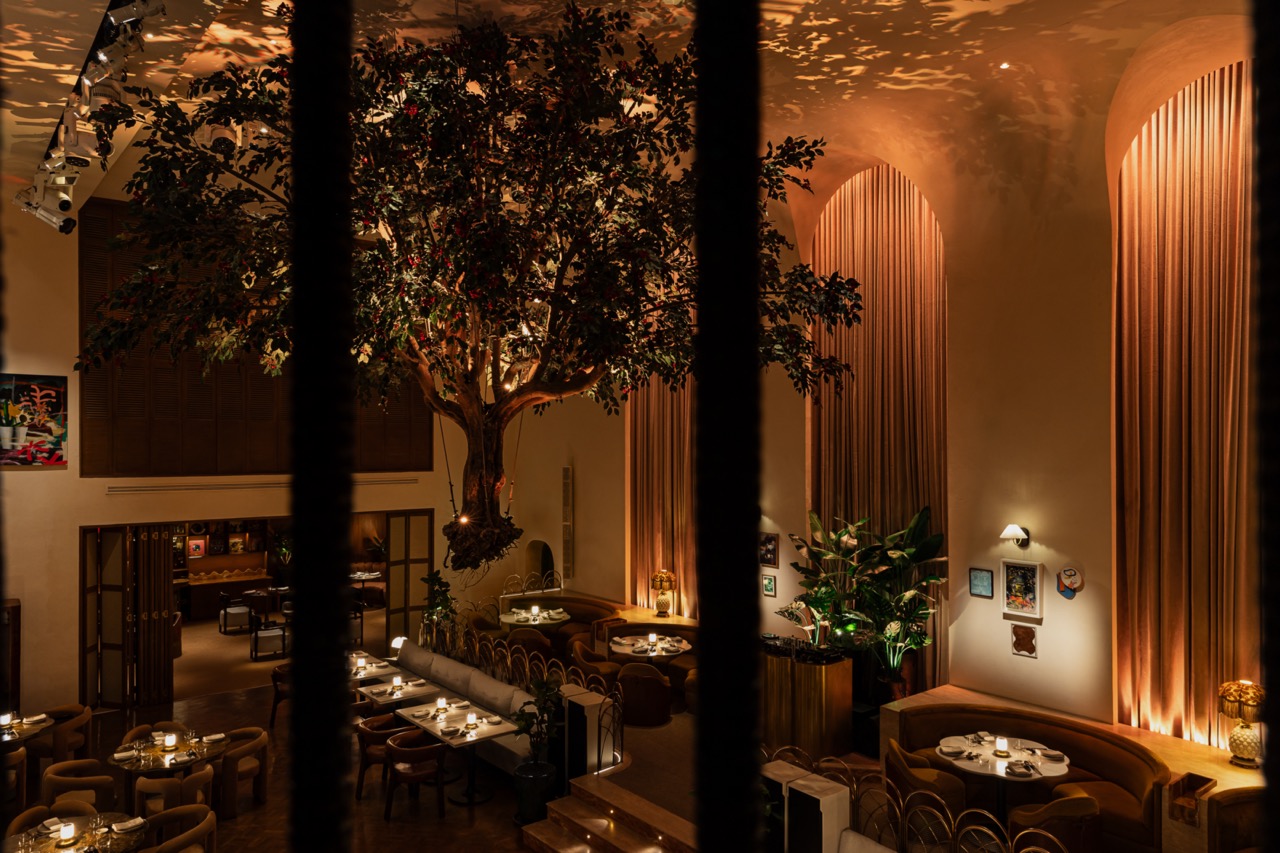
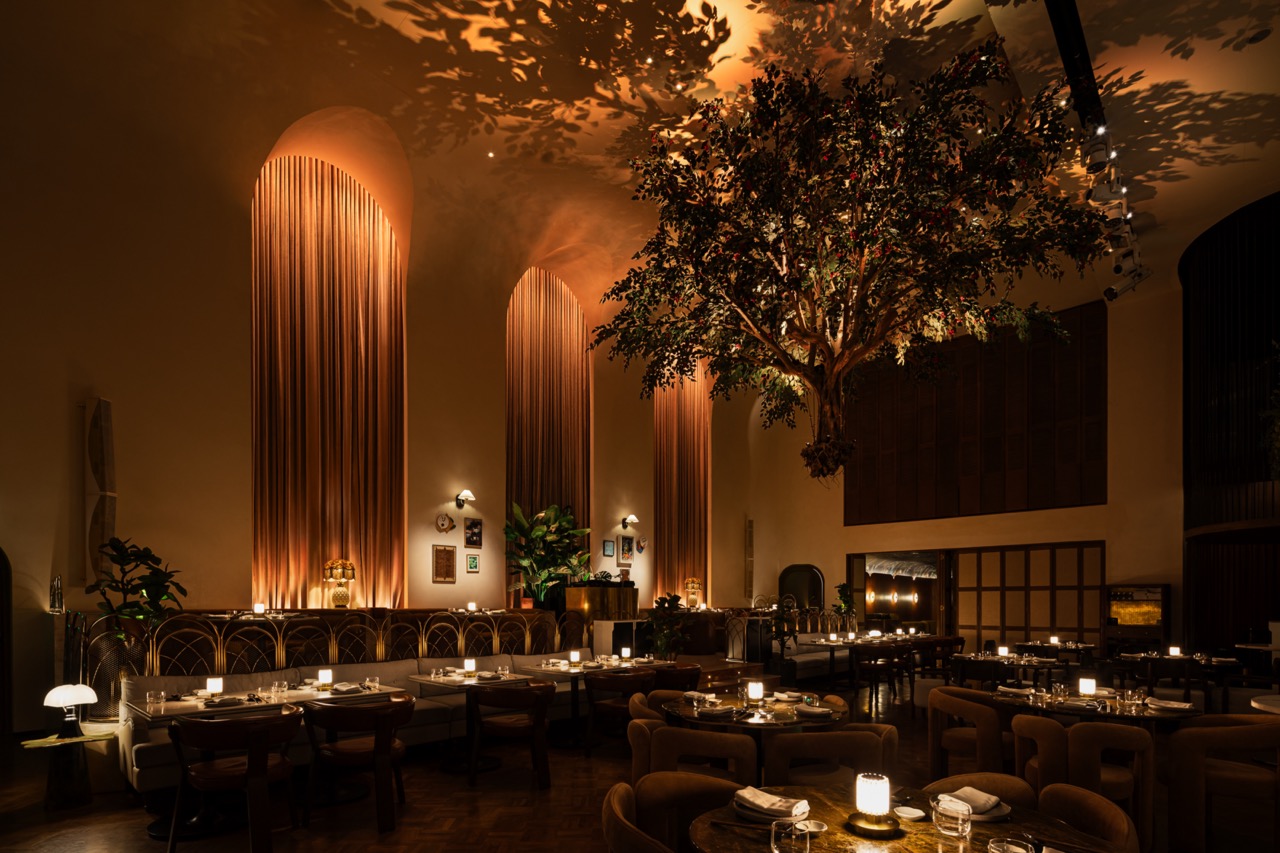
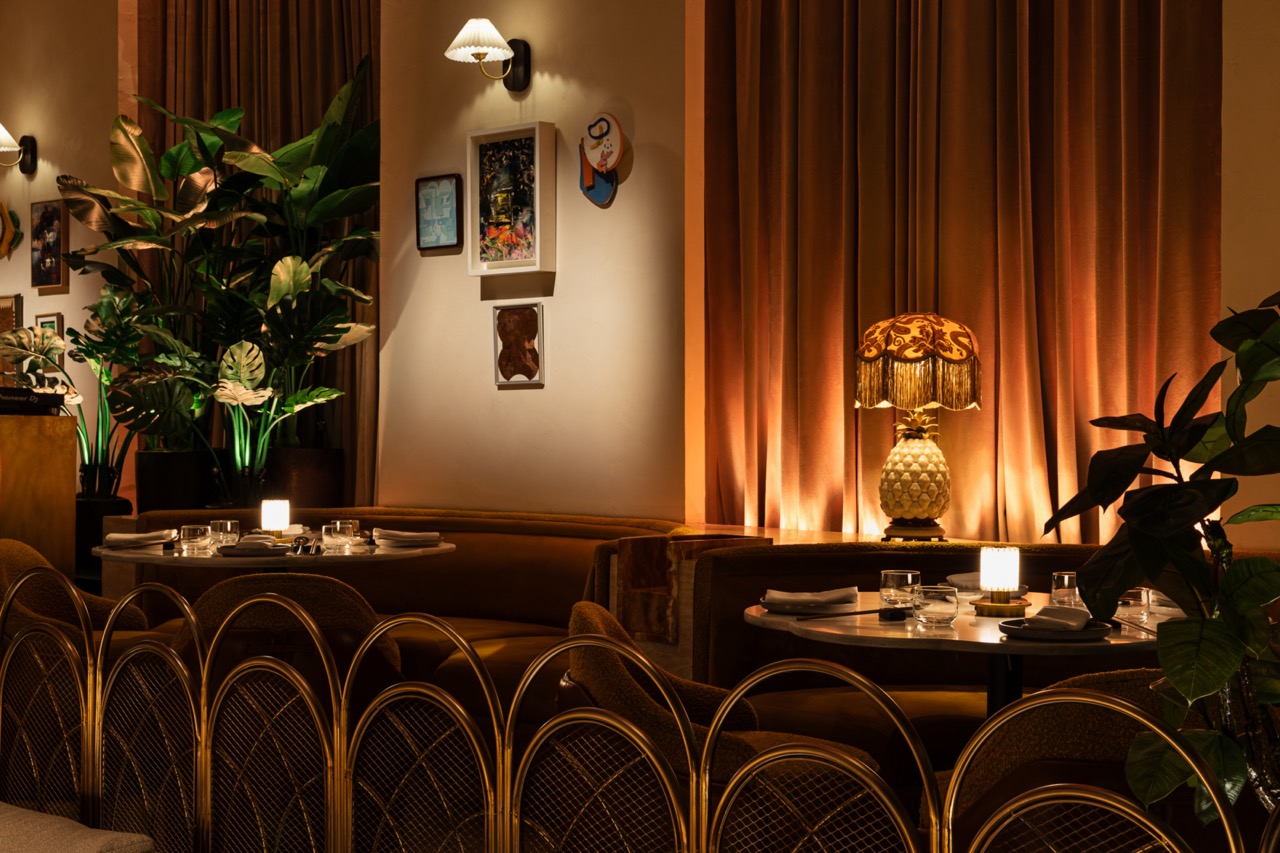
A major focal point of the Living Room is the “Hanging Tree” installation. If you’re wondering if it’s real, the answer is yes. Made from petrified wood and imported from Dubai, its artificial leaves retain the appearance of liveliness. This additional installation fills the room with a sense of awe. The space transforms throughout the day as it transitions between an upscale dining area, an intimate and seductive evening space, and a place for festive celebration.
The Bar
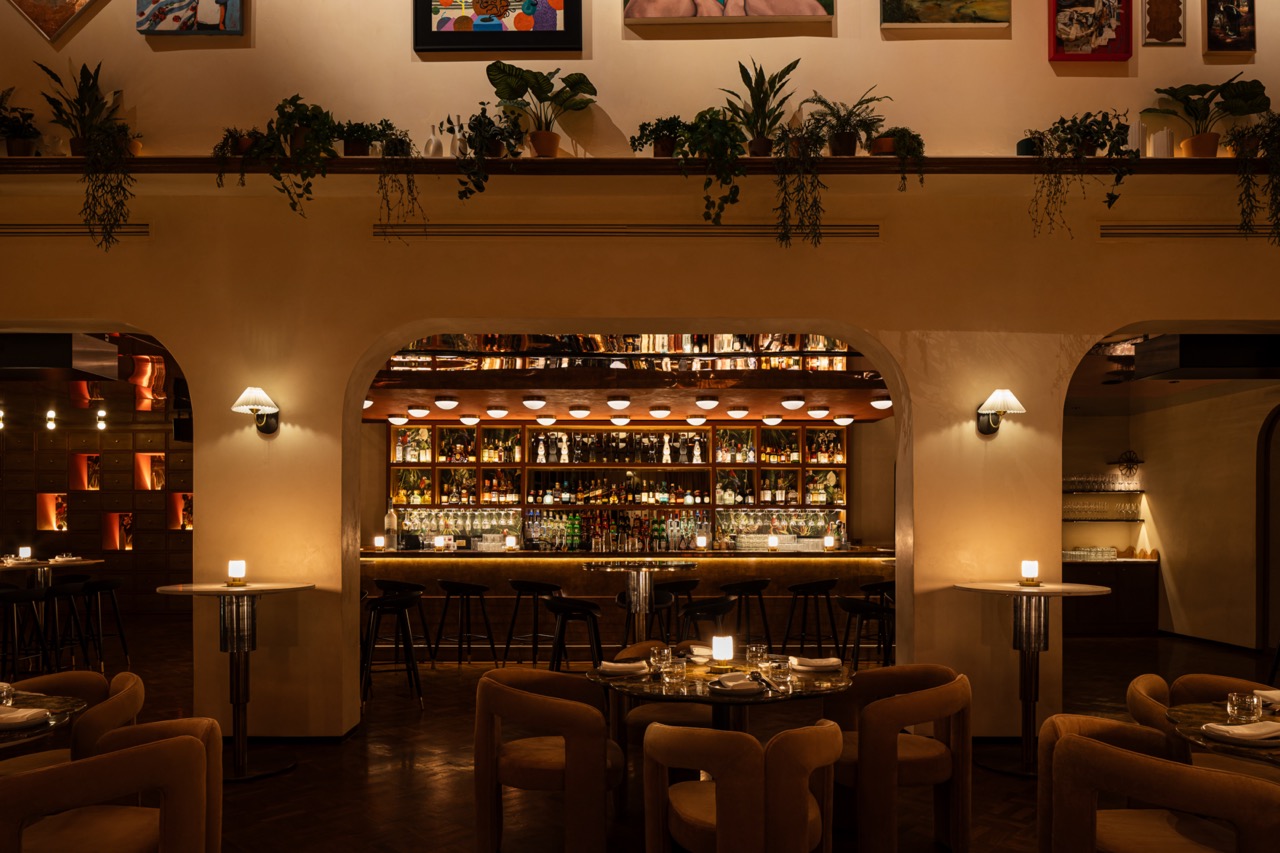
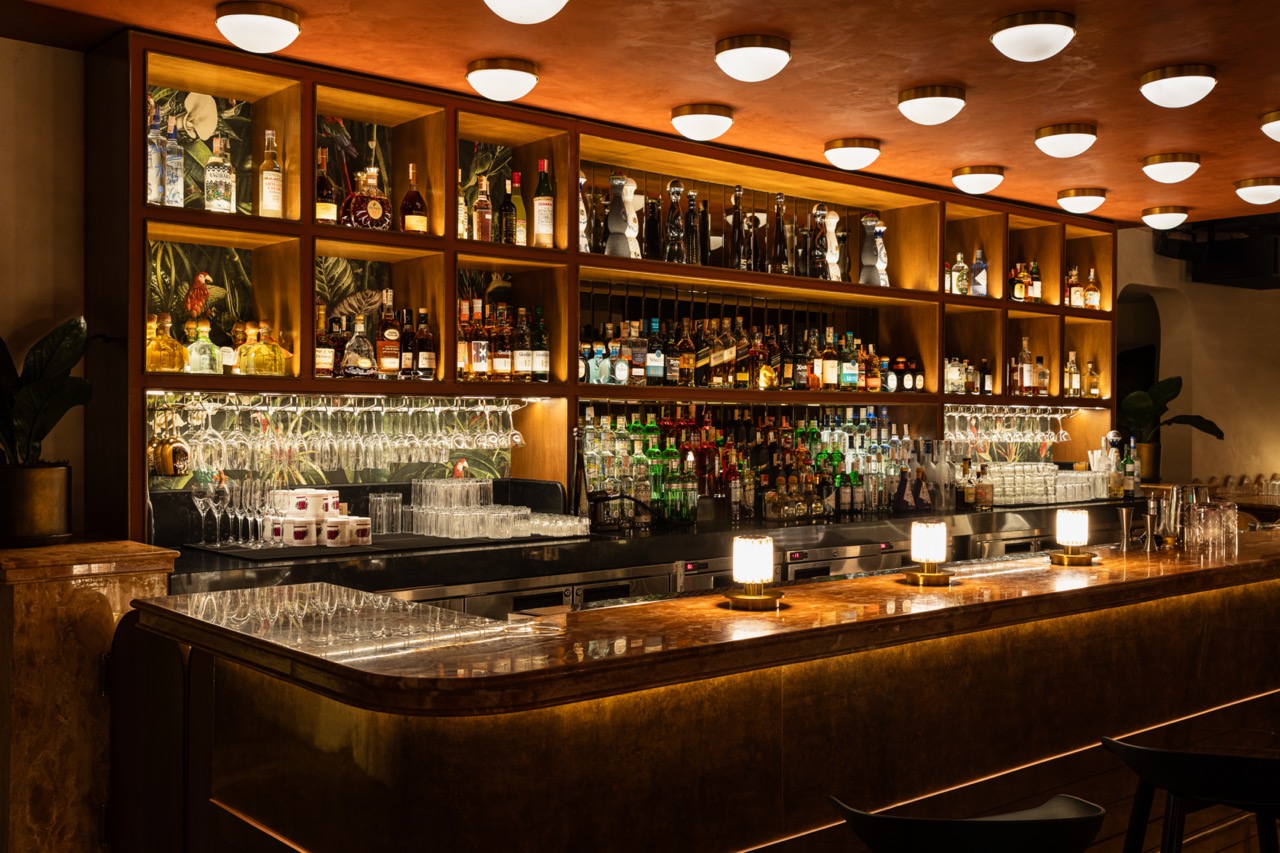
Underneath the local hanging artwork, curated by The Empty Scholar, is the restaurant’s bar. It’s designed to encourage interaction and conversation while enjoying their selection of expertly crafted cocktails. The use of marble accents and gold art decoArt DecoA decorative design style popular in the 1920s and 1930s, known for bold geometry, stepped forms, stylized ornament, and rich materials. Manila holds notable examples, including the Metropolitan Theater andGo to Art Deco Glossary railings evoke a touch of sophistication. Homey accents bring a sense of comfort and familiarity with tasteful contrast.
Tropicalia
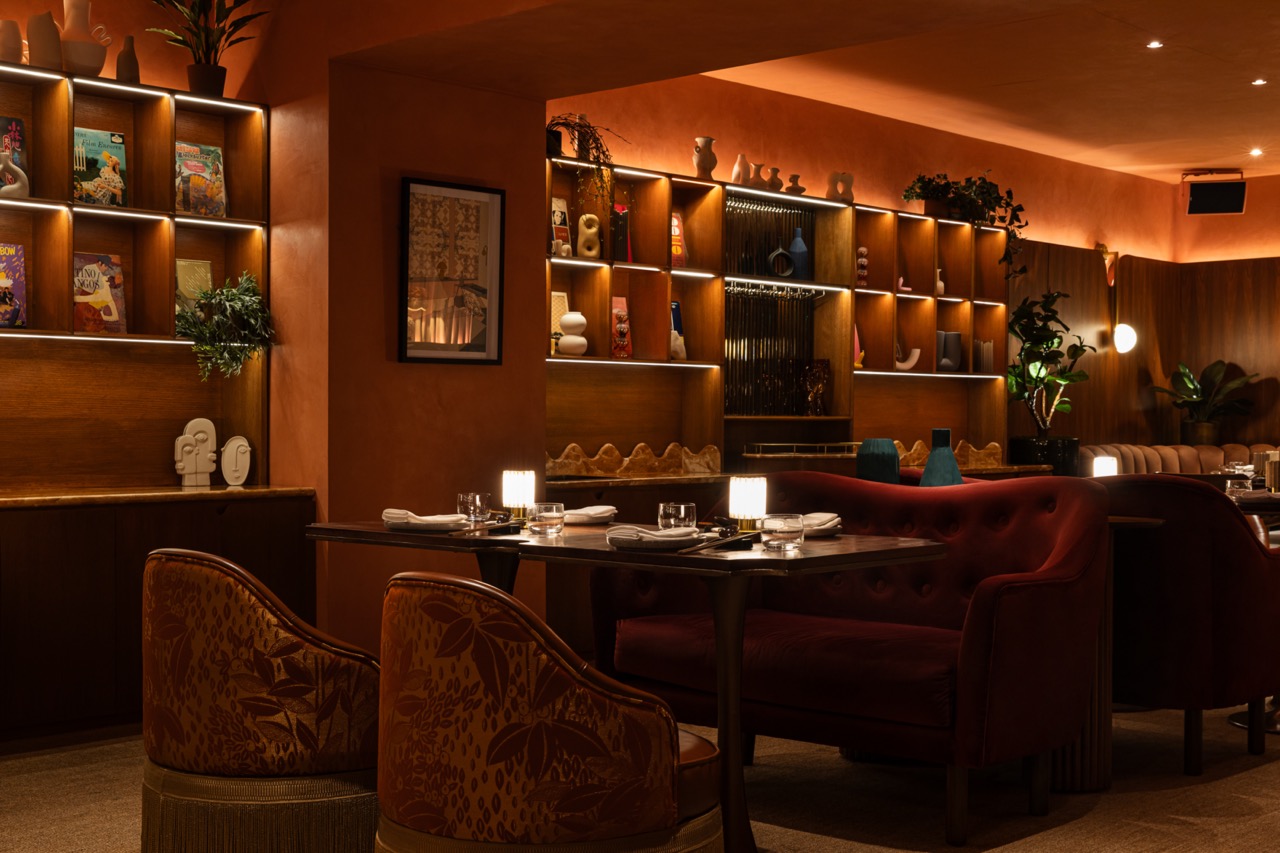
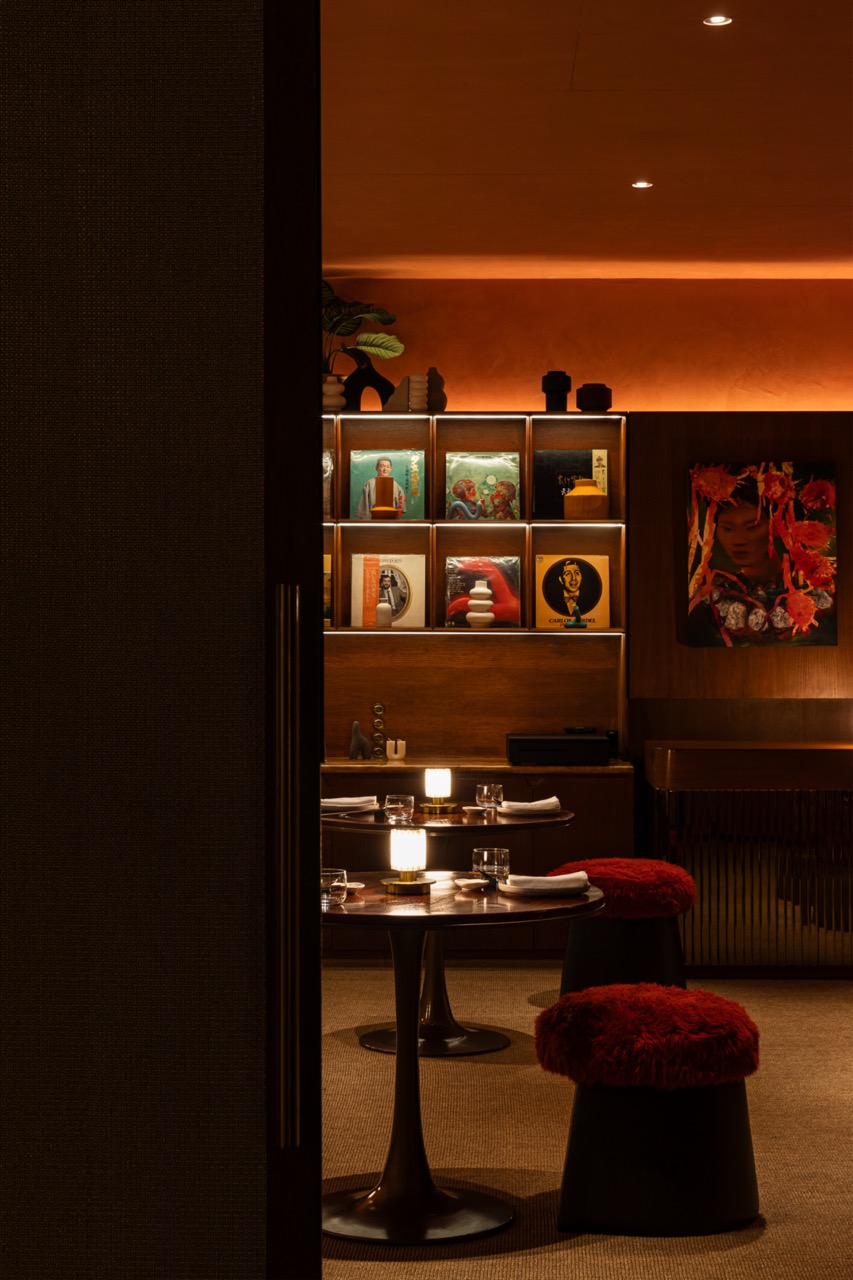
The Tropicalia room takes its inspiration from Brazilian arts, fashion, and music from the turn of the century. Vibrant terracotta hues and vinyl records reflect this influence as it establishes both nostalgia mixed in with contemporary charm. The space itself functions as a venue for celebrations as it captures the essence of movement and a suave groove. The furniture notably pops in color while artisanal artifacts fill the rows of shelving.
The Meiji Room
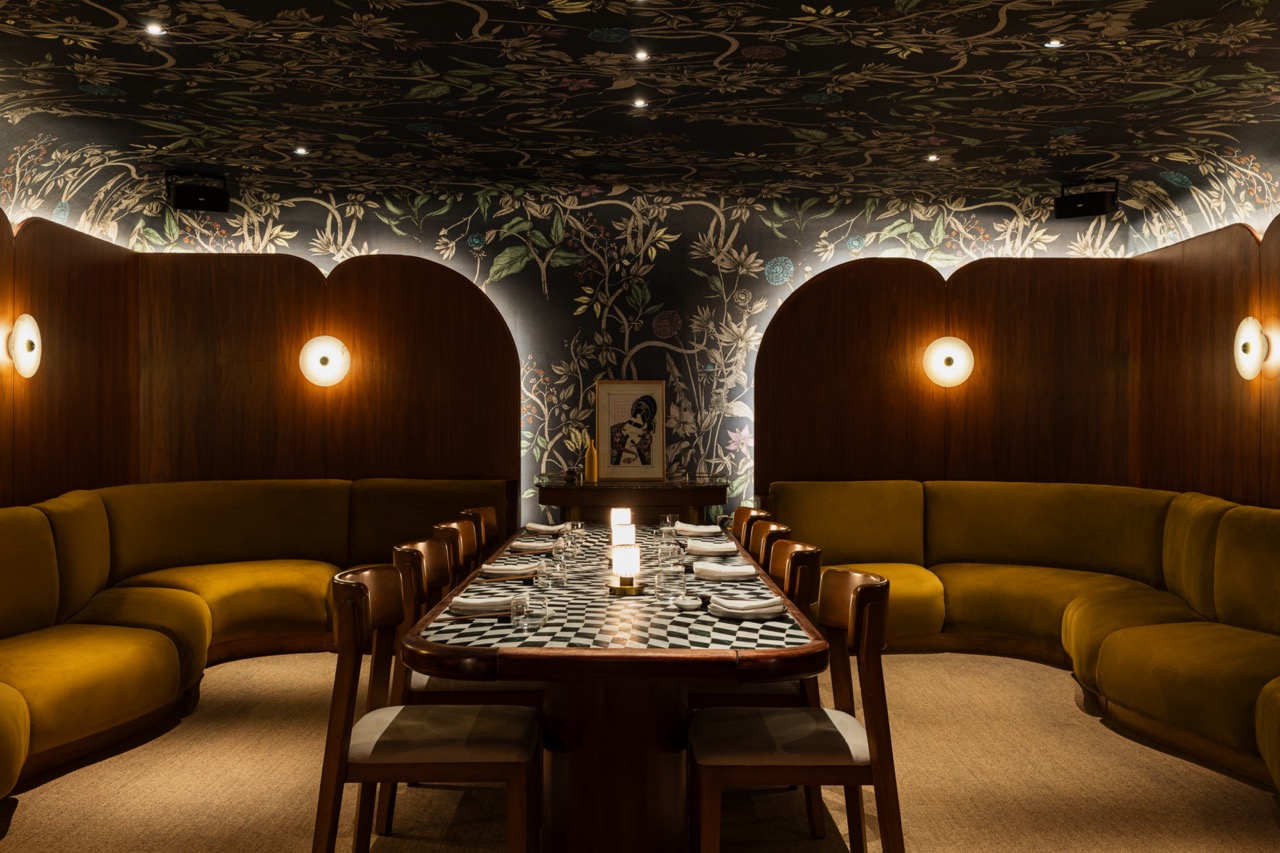
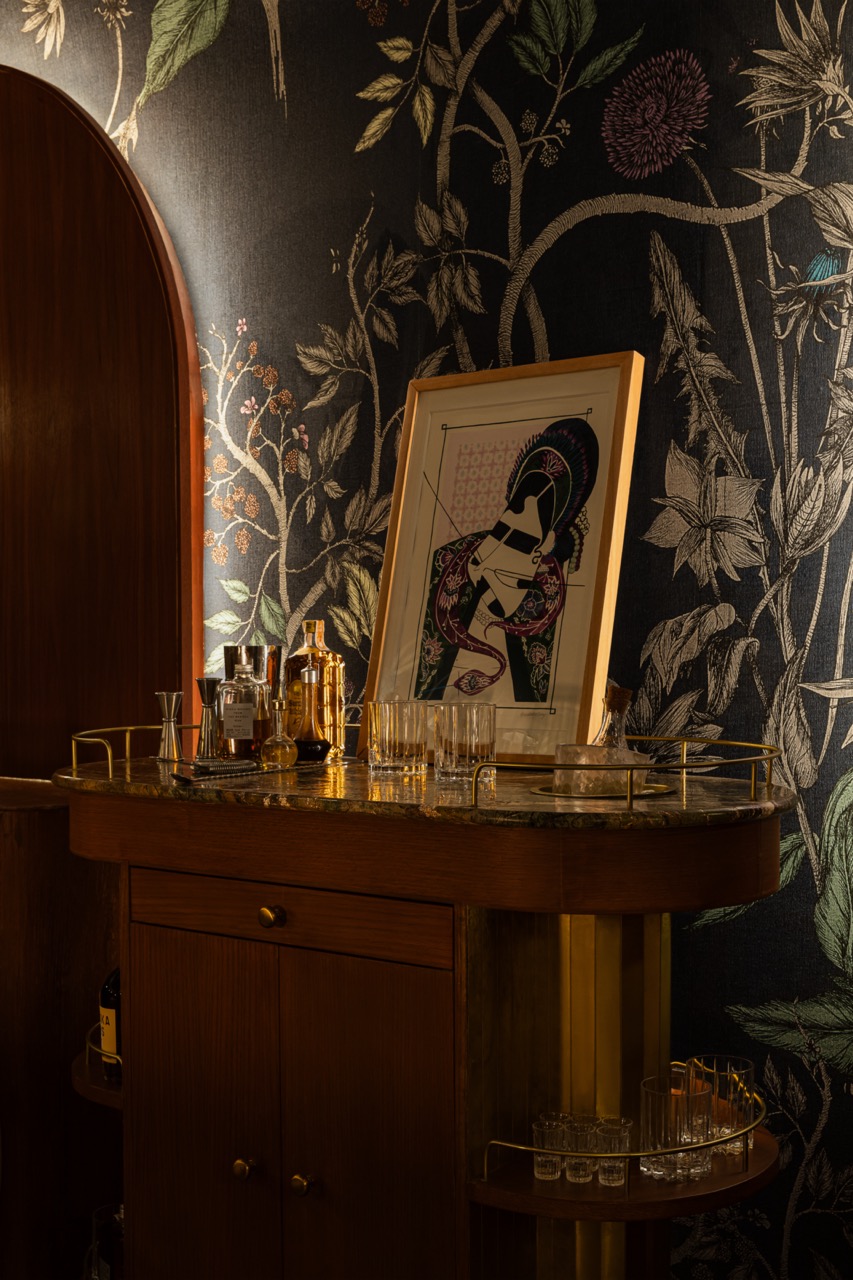
The Meiji Room refers to the first wave of Japanese migration to São Paulo during the Meiji era. A stunning Japanese mural seamlessly blends into the wall and ceiling in a compelling arrangement with the central dining table. It’s a more traditional area that values serenity with a more relaxed and seated design intention.
What Uma Nota Manila’s Lighting Design Reveals About Crafting a Multi-Sensory Dining Experience
Uma Nota Manila captivates the senses in a slew of ways. The Odd Duck enthralls the eyes with a resplendent use of light within. Baseline Lighting Design Studio curated the combination of ambient, task, and accent lighting dictates the atmosphere as it shifts throughout the day.
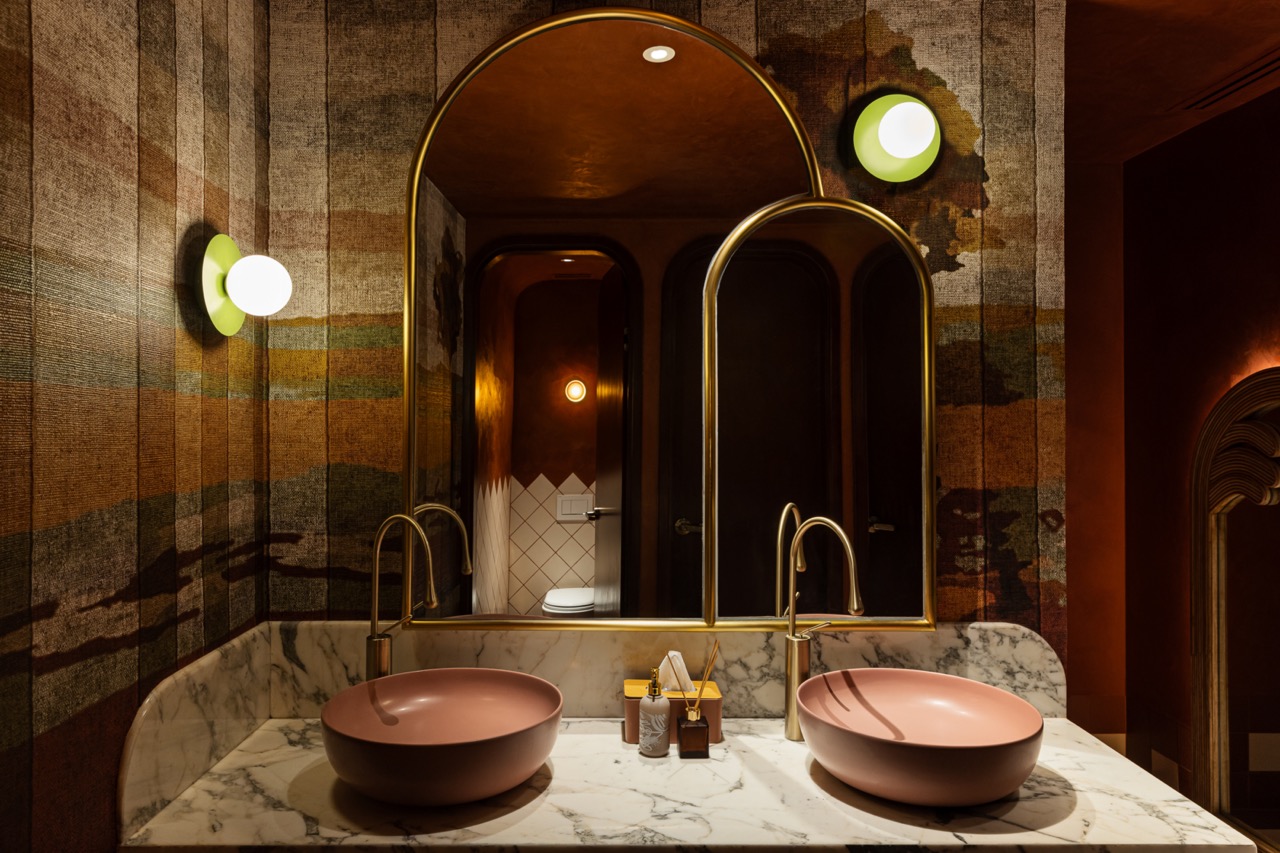
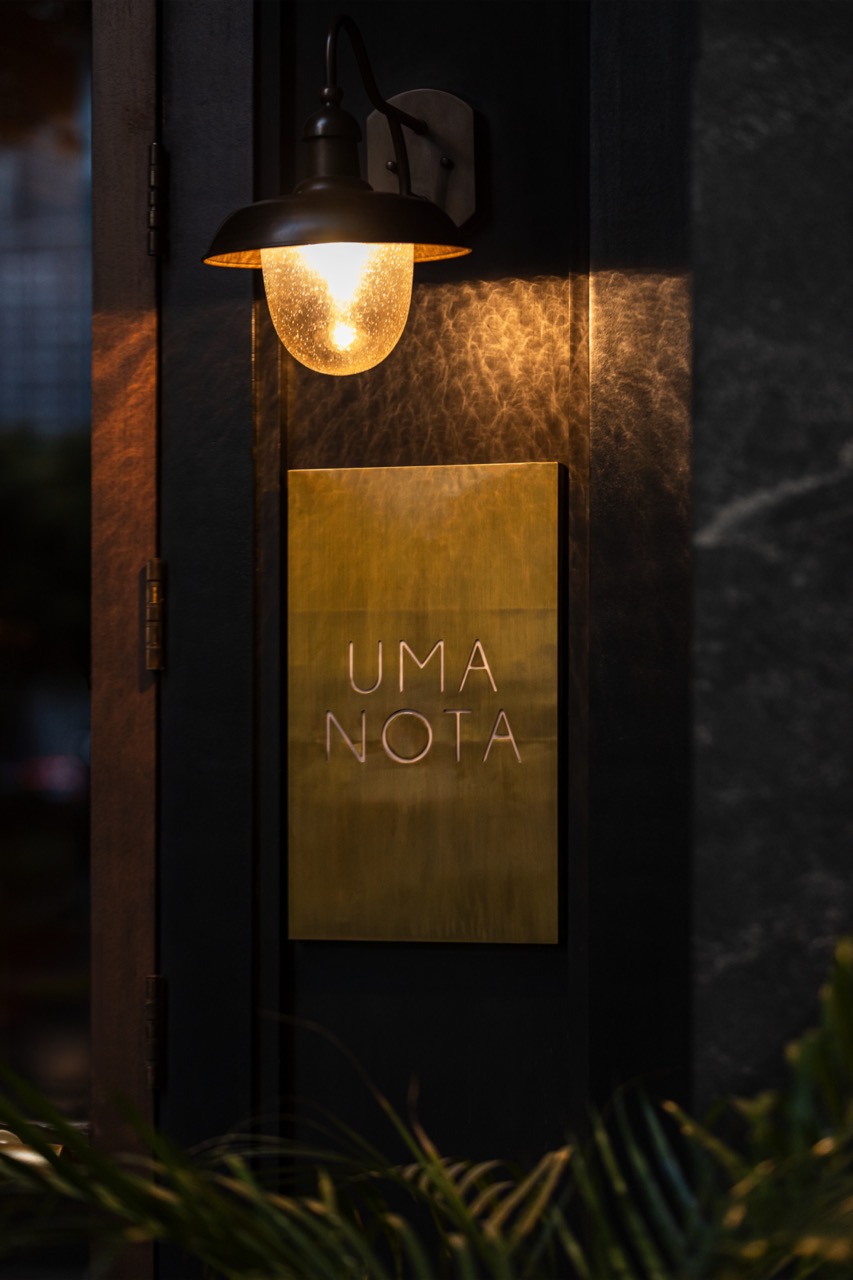
The dimly lit entryway, reminiscent of traditional Japanese ryokans, features dramatic lighting and electric lanterns that complement the deep brown hues. As guests move into the main dining area, they are greeted by a contrasting lively scene filled with colors and lights that draws the sight in all directions.
Aside from its beautiful appeal, the designer made sure that the space is functional in serving its guests and managing staff. Each area is carefully laid out as they flow in respect to their assigned use. Whether it be for intimate gatherings, large groups, or for a round of drinks, it’s all organized so that its users can truly enjoy the space they find themselves in.
The Odd Duck Studio’s International Design Portfolio and Uma Nota’s Global Expansion
More than just a restaurant, Uma Nota Manila brings diverse cultures and tastes that made its other franchises a resounding success in the first place. Through their dedicated process and experience in international design, The Odd Duck studio has managed to create a space that masterfully captures the imagination of its patrons. One cannot help but feel immersed in the sophisticated vibrancy of taste the restaurant has to offer.
Photographed by Sergei Nekrasov.
Read more: Izakaya Geronimo: A Unique Twist on Japanese Dining
Frequently Asked Questions
Nipo-Brasileiro cuisine describes the fusion born from Japan’s historic immigrant community in São Paulo, Brazil, particularly the Liberdade district. At Uma Nota Manila, The Odd Duck Studio translates this cultural blend spatially, layering vintage Brazilian charm with Japanese elegance across drapery, artwork, and furniture selections informed by Filipino sensibilities.
The Odd Duck Studio, led by founder Asmaa Said, designed Uma Nota Manila’s interior at Shangri-La at the Fort. The firm delivered a full brand package spanning architecture, furniture, and cutlery, marking the restaurant’s third global location after Hong Kong and Paris.
Uma Nota Manila is organized into four zones: the Living Room, anchored by a petrified wood Hanging Tree installation; the Bar, featuring marble and gold art deco details; Tropicalia, referencing Brazilian arts and music; and the Meiji Room, honoring Japanese migration history.
The Hanging Tree is a Living Room installation made from petrified wood imported from Dubai, fitted with artificial leaves that retain a lifelike appearance. It anchors a space that shifts throughout the day between upscale dining, an intimate evening lounge, and a celebration venue.
Uma Nota Manila is located at Shangri-La at the Fort in Bonifacio Global City, Manila. It is the third branch of the Uma Nota franchise, following earlier locations in Hong Kong and Paris, and was designed by The Odd Duck Studio.
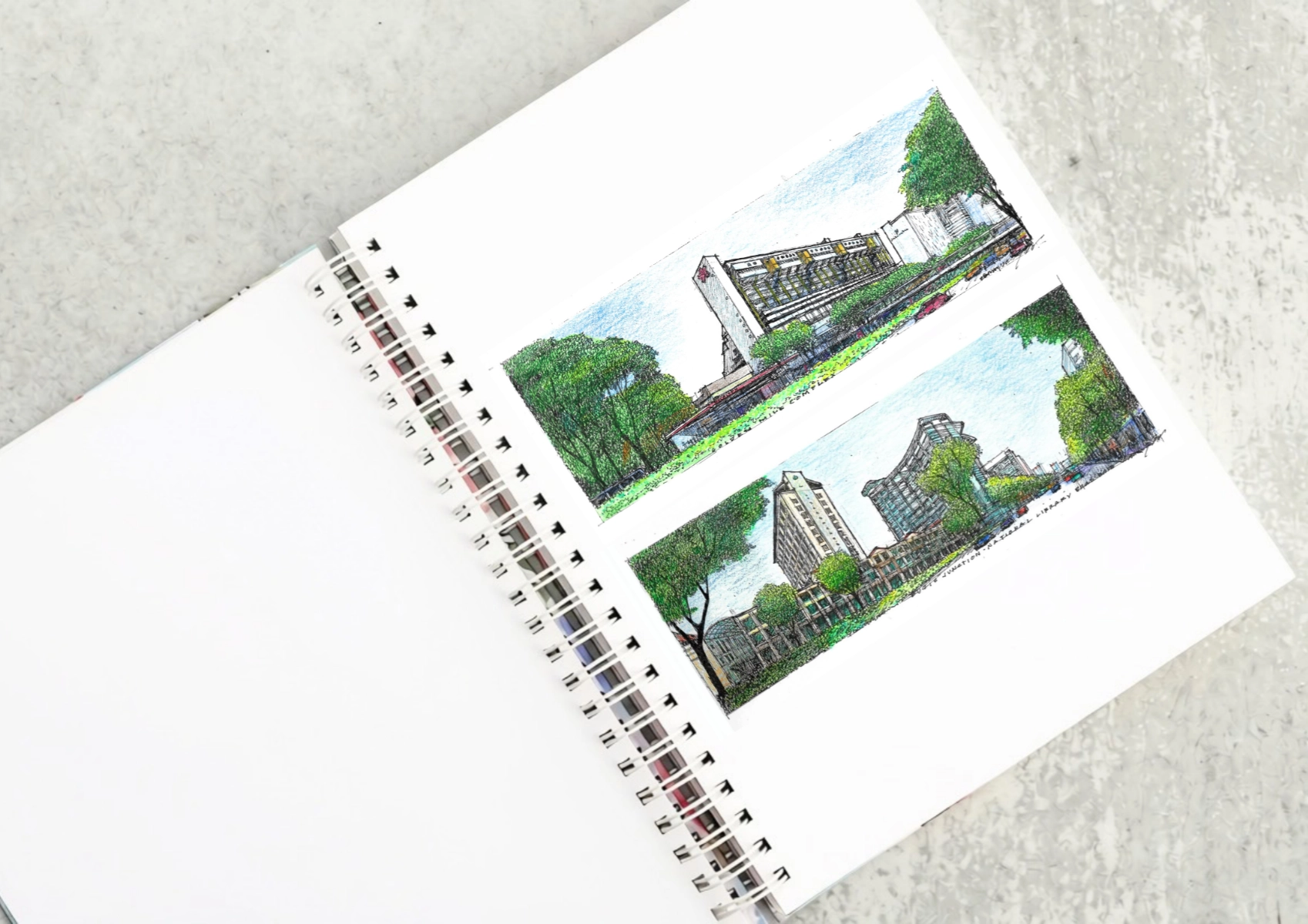
Two sketches of Singapore connect BluPrint Editor in Chief Paulo G. Alcazaren’s personal and professional history with Shared Ground: ArchitectureArchitectureThe art and science of designing and constructing buildings, structures, and spaces that are functional, safe, and aesthetically pleasing. It encompasses the planning, design, materials, and techniques used to createGo to Architecture Glossary of Care, Culture, […]
In a way, designers are the modern-day soothsayers and prophets. They design for the future, predicting how a room, a house, a building or a whole city will be used by people. They foresee how users will interact with a space, conjure exact shades of colors to elicit specific behavior and arrange furniture to build […]
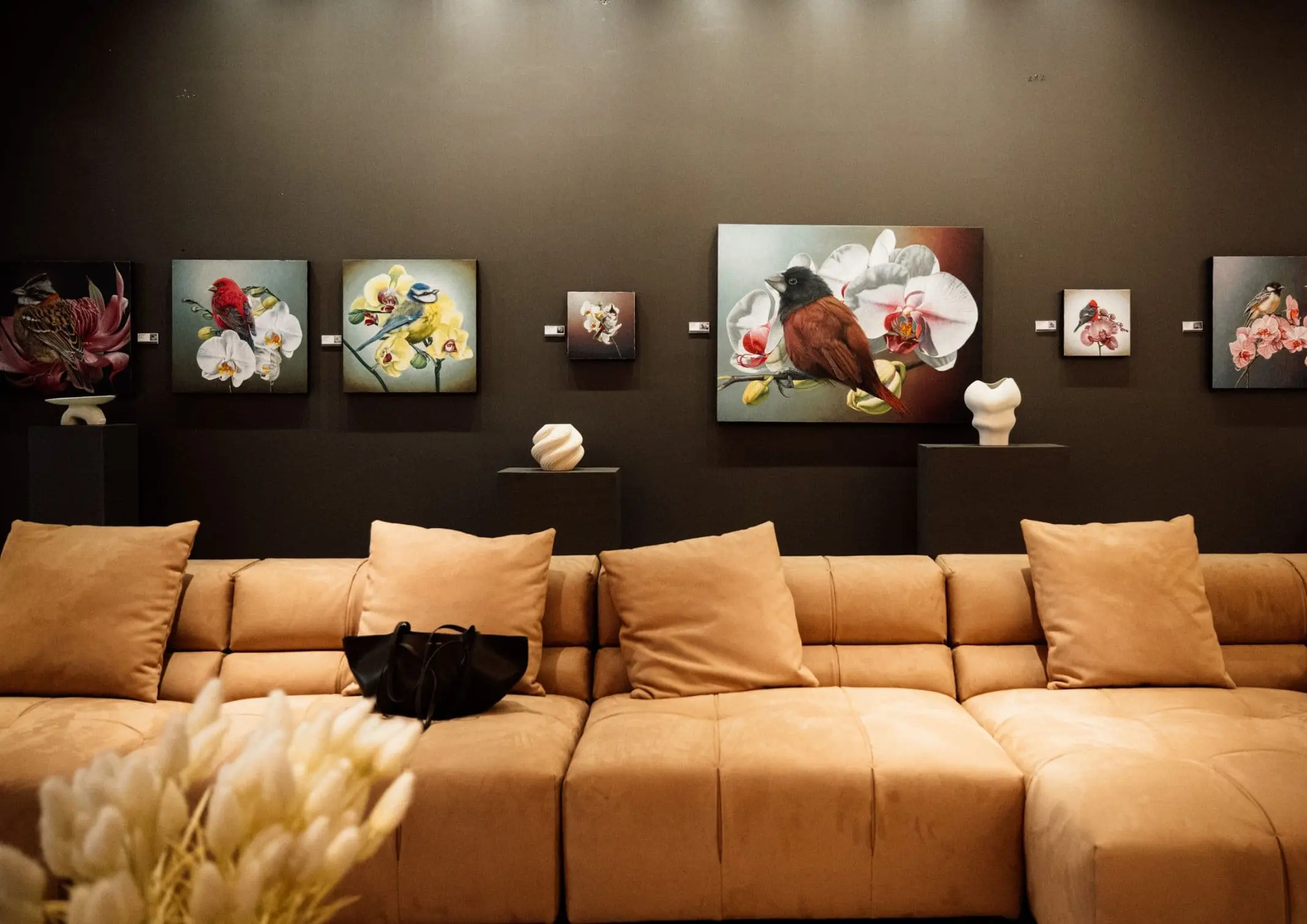
Art and furniture are often selected separately, yet their relationship can shape how a room looks and feels. The collaboration between Hooga and Galerie Joaquin explores how these elements can work together, bringing contemporary artworks into furnished residential settings at Hooga’s showroom in Uptown Mall, Bonifacio Global City. For Hooga, which curates furniture, lighting, and […]
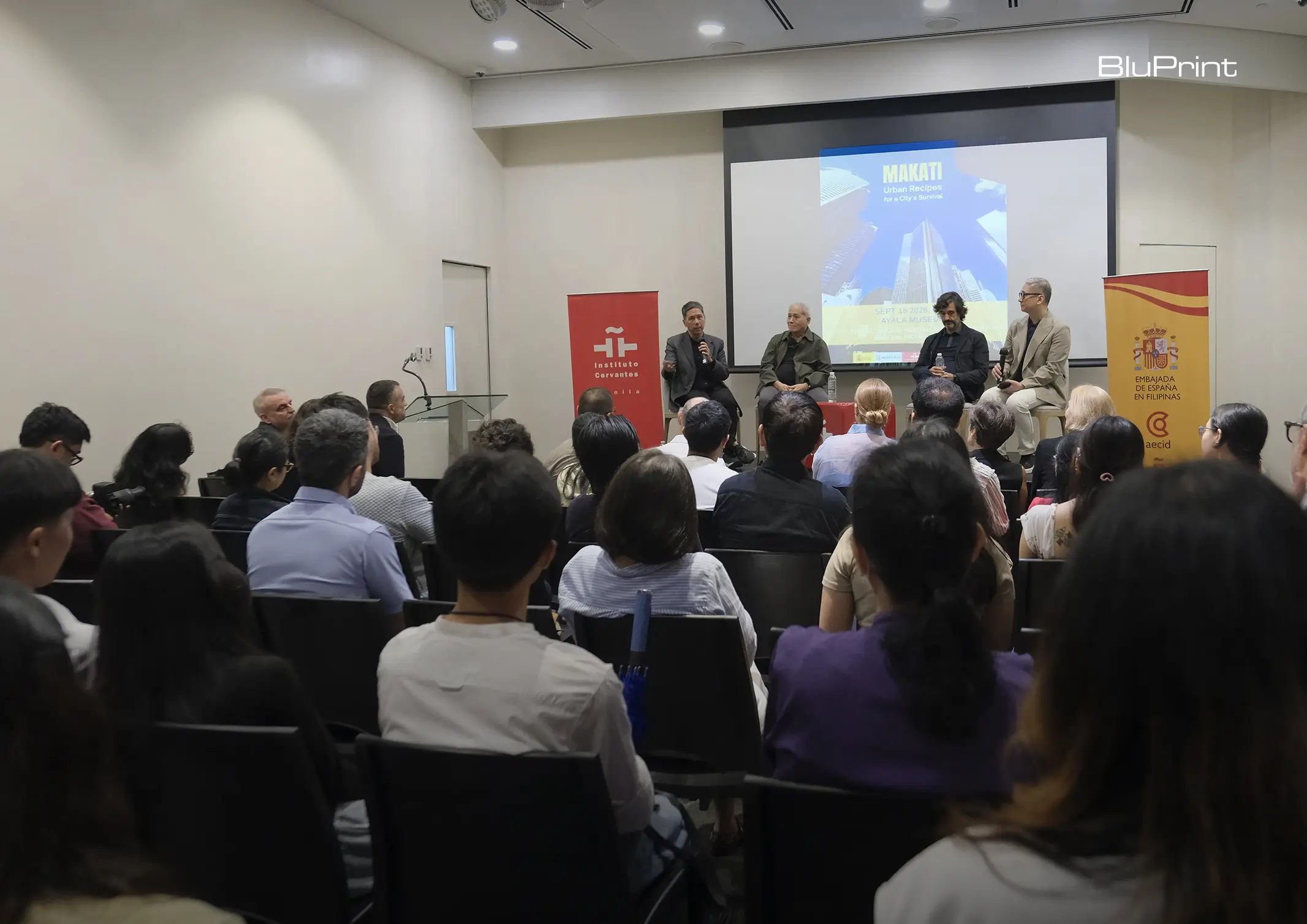
How can better-planned cities create the conditions for more creative, livable, and resilient urban environments? “Makati Urban Recipes for a City’s Survival,” a colloquium held at the Ayala Museum on September 15, brought together architects and practitioners from the fields of urbanism and the creative economy to discuss how design, planning, and collaboration can address […]
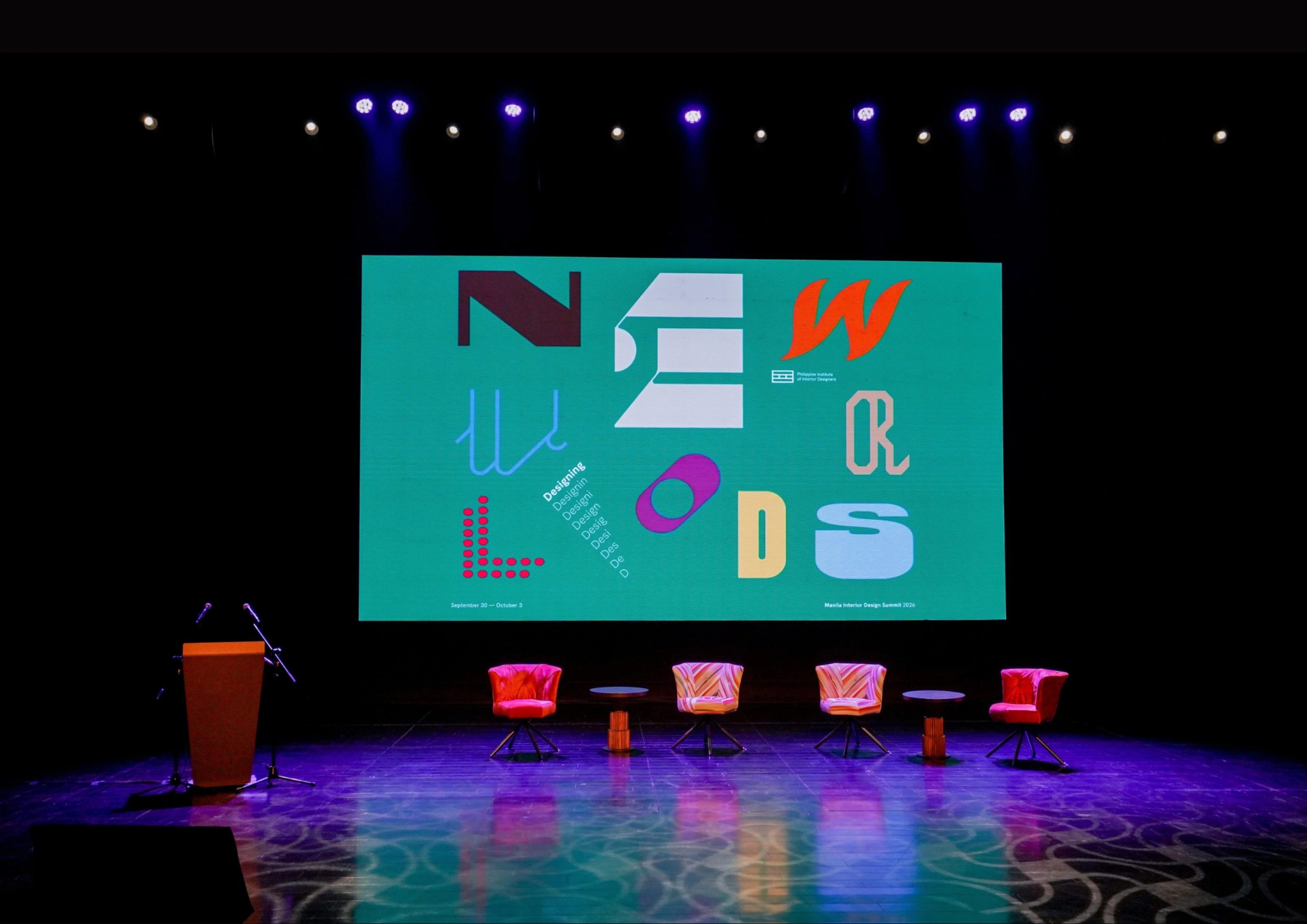
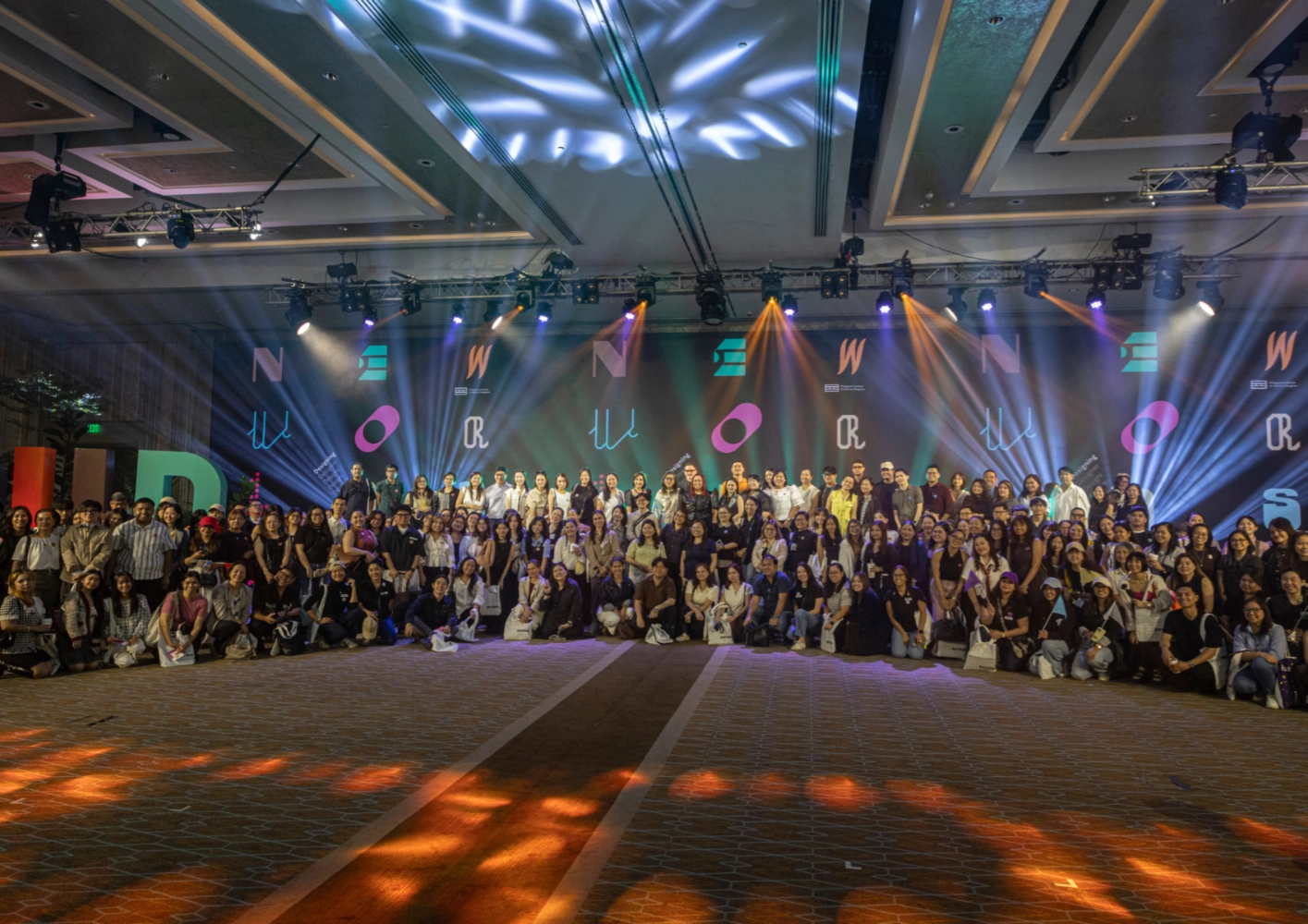
The fourth Manila Interior DesignInterior DesignThe discipline of planning and shaping interior spaces for function, comfort, safety, and beauty. It covers layout, lighting, materials, finishes, furniture, and color, and in the Philippines is a licensedGo to Interior Design Glossary Summit (MIDS) brought together more than 300 delegates for four days of conversations, exhibitions, and design […]
Read the issues.

Collect the volumes.

Recommended Video
Tap to Unmute
Unmute
0:00
0:00