Bigkis is the act of binding. In Tagalog, the word can refer to something used to bind or encircle, as well as a bundle formed by tying several separate elements together. Figuratively, it can also mean a bond, union, or unity. The meanings move from the physical act of joining things together to the connection […]
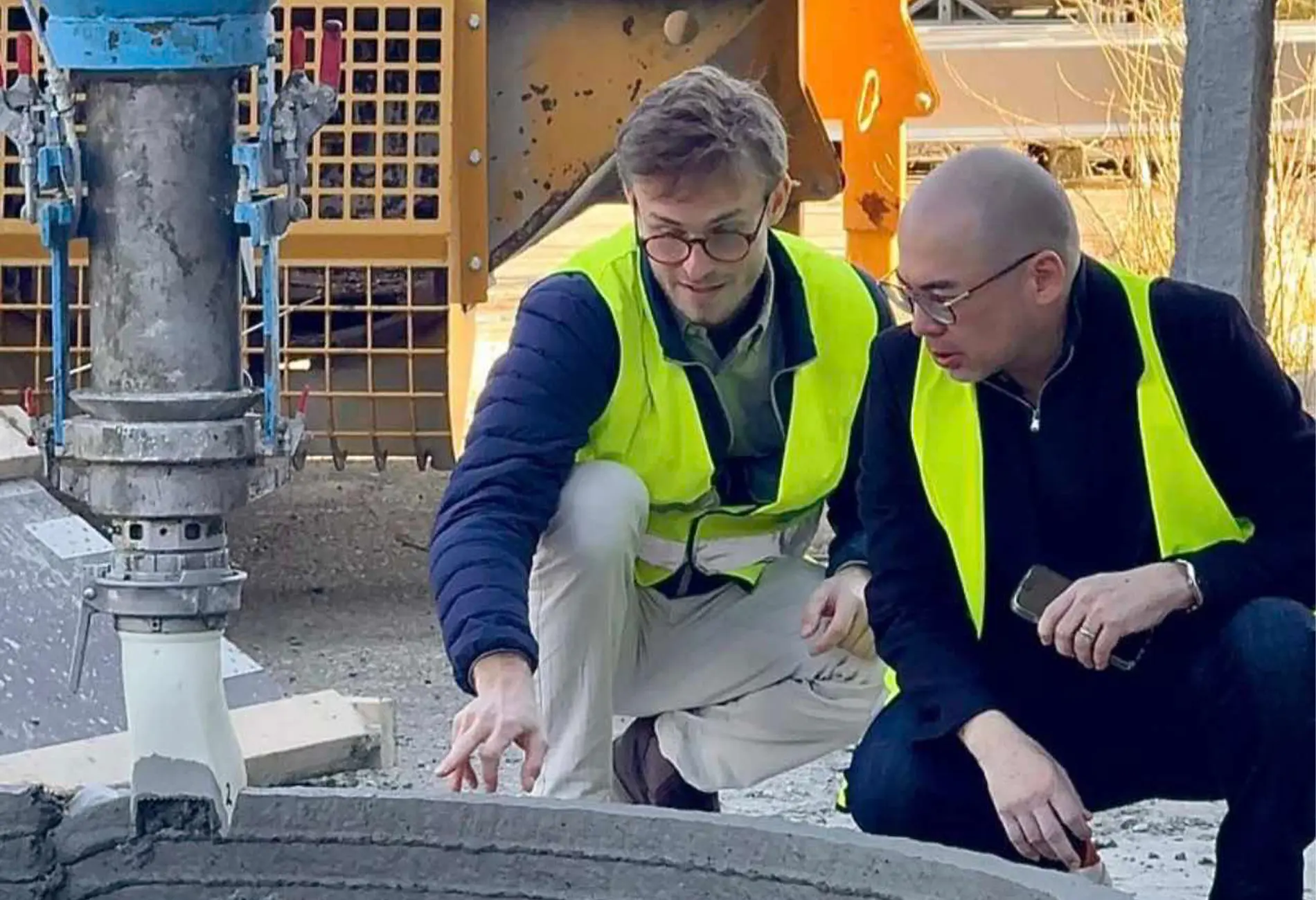
The Future of Automation: How Magis X is Transforming Philippine Construction with Robotics



Based on an August 2025 report from Research and Markets, the Philippine construction industry is facing a severe labor deficit driven by a widening skills gap. This leaves many projects vulnerable to human error, delays, and coordination challenges. In a country struggling with the slow adoption of advanced technology and a shortage of skilled labor, Magis X positions robotic construction systems as one possible response to these industry-wide issues.
How Magis X is introducing Robotics to Philippine Construction
Industry-wide challenges such as missed timelines, inconsistent material quality, and unpredictable cost overruns translate into personal risks for those interested in building a home. Founders Paolo Periquet and Gino Cariño aim to demonstrate a better way to build homes with their construction firm Magis X by introducing robot construction systems in the Philippine Market.
“We realize the real problem wasn’t effort. It was the system—the delays, the miscommunication, the duplicity, the rework,” says Periquet, “Magis X is a response to that.”

This move toward robotic tools is a pragmatic response to long-standing inefficiencies in construction. Magis X’s team spent several years studying how robotic construction systems can be integrated into local building practices. The firm views it not as a replacement for construction, but as an evolution of it.
The firm has partnered with COBOD International, the Danish firm behind some of the world’s most widely used 3D concrete painting systems. The technology platform is also supported by global industry partners, including PERI, Holcim, and General Electric.
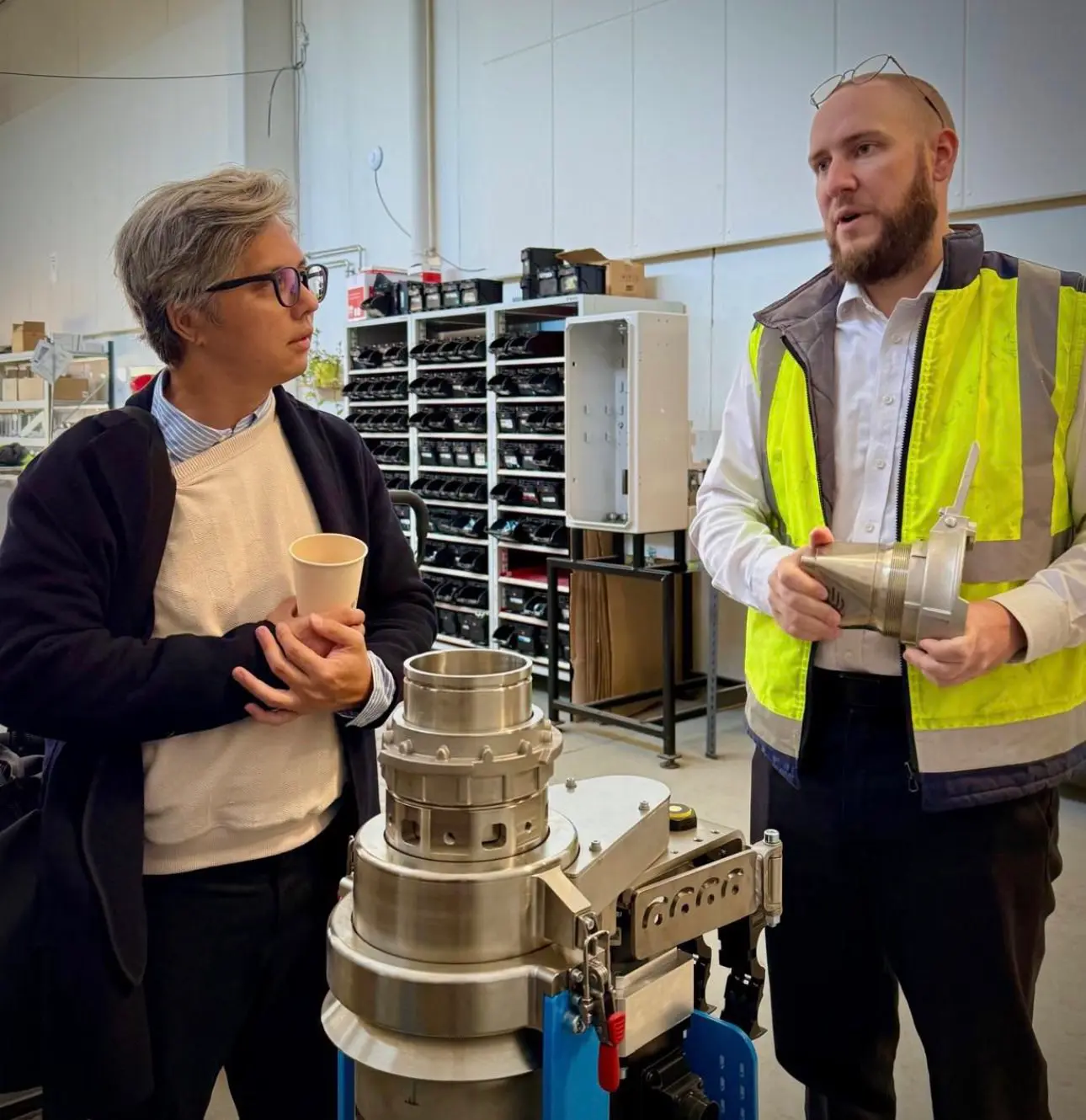
“The goal is not to replace craftsmanship, but to augment it—to take what has traditionally been a craft-driven process and evolve it into one that is more precise and consistent, “ says Cariño.
Related Reading: Reopening during a pandemic: Are architects ready for the new normal?
How Robotic Construction Tools Support Local Building Practices
Magis X sees robotic construction tools as a way to strengthen the local construction process. These systems allow certain structural tasks to be executed with greater consistency and control, helping stabilize the timelines and improve build quality. The result is a construction process that can better support site safety, reduce material waste, and give homeowners greater clarity on how their designs are executed.
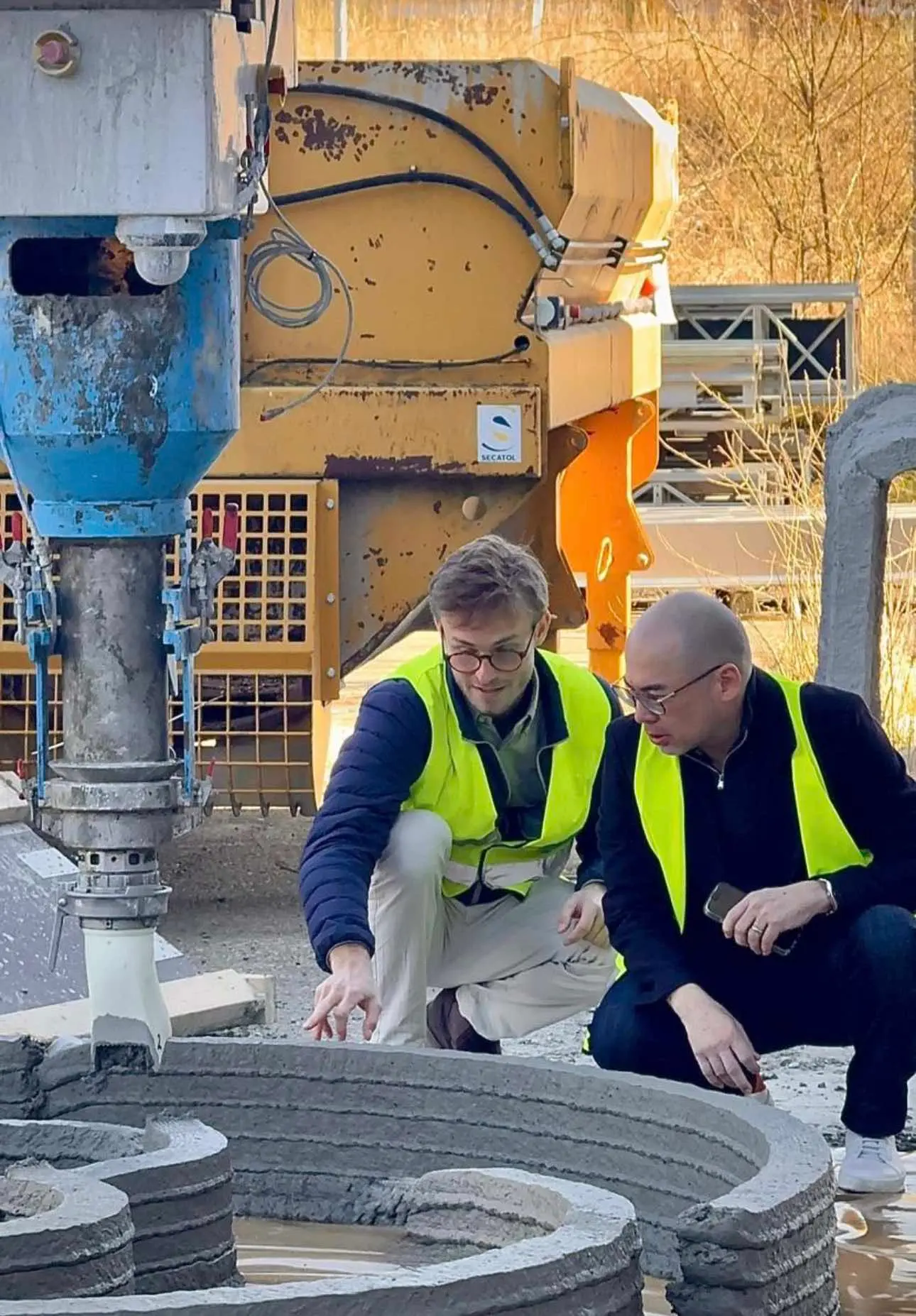
The technology is already being used across the globe for homes, apartments, buildings, commercial offices, and community structures. In Texas, construction technology company ICON and developer Lennar have completed residential communities totaling more than 300 homes using 3D concrete printing.
Having experienced firsthand the challenges of building his own home 15 years ago, Periquet began questioning how construction itself was organized. “I wasn’t searching for a better builder,” he recalls, “I was searching for a better way to build.”
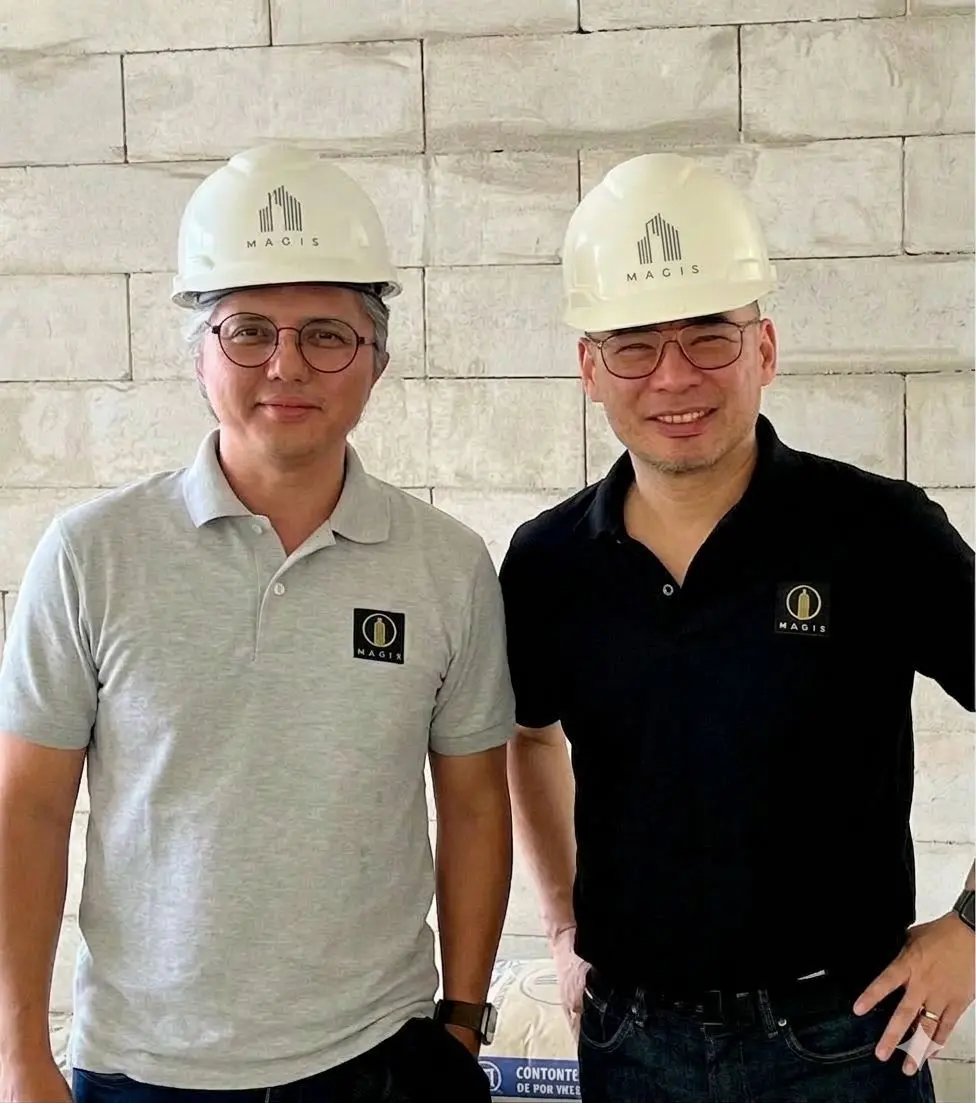
That experience eventually led to the founding of Magis, a residential construction company focused on raising the standard of how homes are delivered. The firm has over 64 completed projects, many of which were designed by architects such as Ed Calma, Dominic Galicia, Anthony Nazareno, Tina Periquet, and Jorge Yulo.
As such, the firm has built a reputation among repeat and referral clients for executing complex architectural homes with precision. Periquet and Cariño believe robotic construction systems can help architects push design further by allowing complex geometries to be executed more faithfully, reducing the compromises often required in conventional construction.
Learn More About Magis X
The firm’s first residential project using robotic construction is scheduled to break ground later this year. It is also expected to be the Philippines’ first robot-assisted home. “It is not a new kind of house,” Cariño says, “Just a new level of control. The same building code applies. Structural design, reinforcement, engineering sign-offs, and permits remain unchanged.”
“We didn’t set out to compete in construction. We set out to redesign how it works,” says Periquet. “Magis X is still Magis. It’s about giving architects their ideas back, giving homeowners certainty, and taking a real step toward ending ‘Construction Hell.’”
Discover more about Magis X and its construction projects through magisconstruction.com.
Frequently Asked Questions (FAQs)
Magis X is founded by Paolo Periquet and Gino Cariño.
Magis X is a Philippine-based construction technology firm.
Magis X sites use robotics concrete extrusion to construct structural walls. Guided by digital models, the robotic system deposits concrete layer by layer to form wall structures with high dimensional accuracy. Engineers and builders then integrate reinforcement, services, and finishing works through conventional construction methods.
Concrete 3D printing is an automated manufacturing technology that extrudes specialized cement-based mixtures layer-by-layer to create buildings. It typically uses large gantry or robotic arm systems, enabling faster construction, lower labor costs, and longer production hours.
Robot construction systems integrate AI-powered machinery, 3D printing, and autonomous vehicles to automate tasks. This includes bricklaying, welding, and concrete placement. This aims to improve efficiency and safety in the construction process.

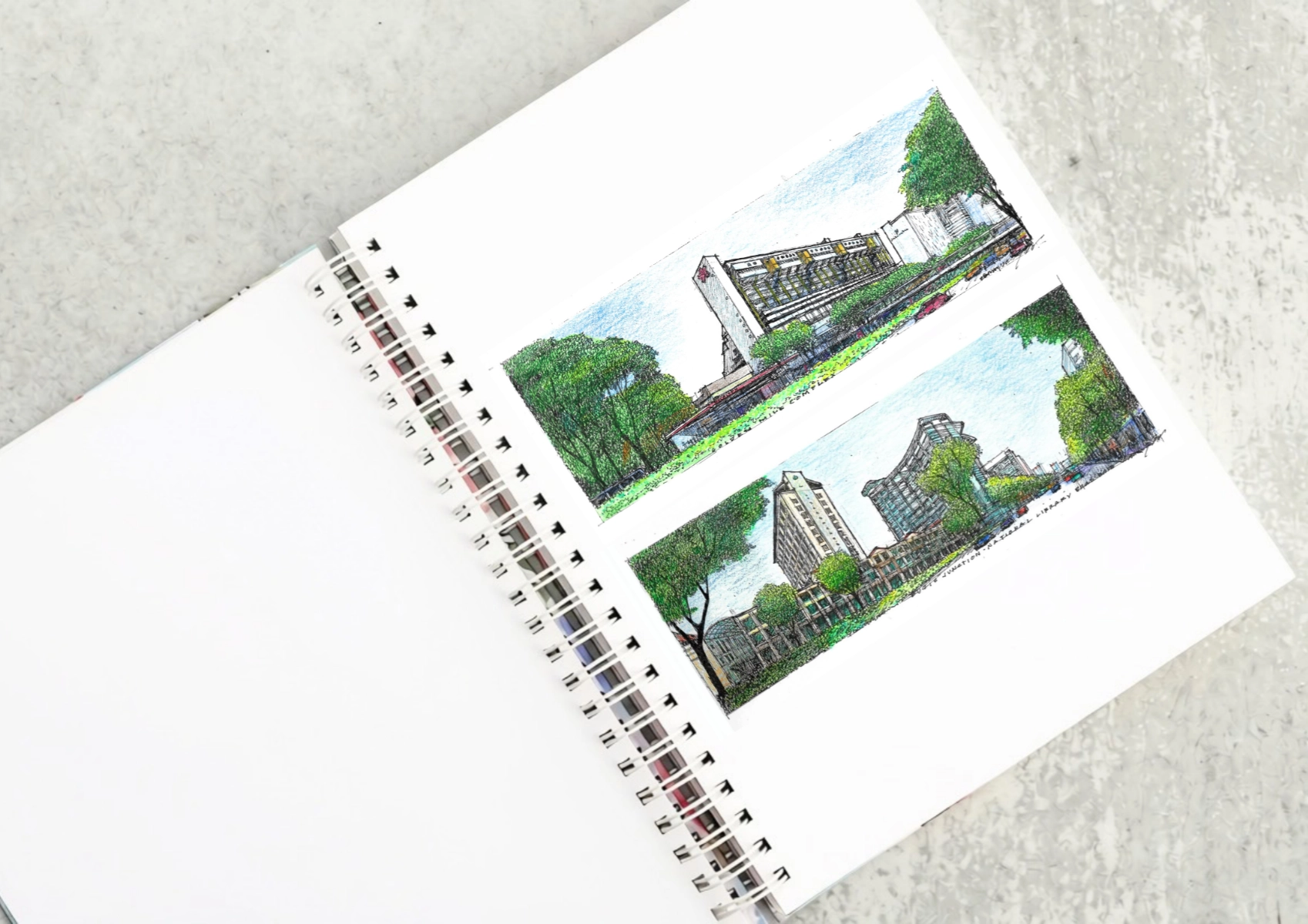
Two sketches of Singapore connect BluPrint Editor in Chief Paulo G. Alcazaren’s personal and professional history with Shared Ground: ArchitectureArchitectureThe art and science of designing and constructing buildings, structures, and spaces that are functional, safe, and aesthetically pleasing. It encompasses the planning, design, materials, and techniques used to createGo to Architecture Glossary of Care, Culture, […]
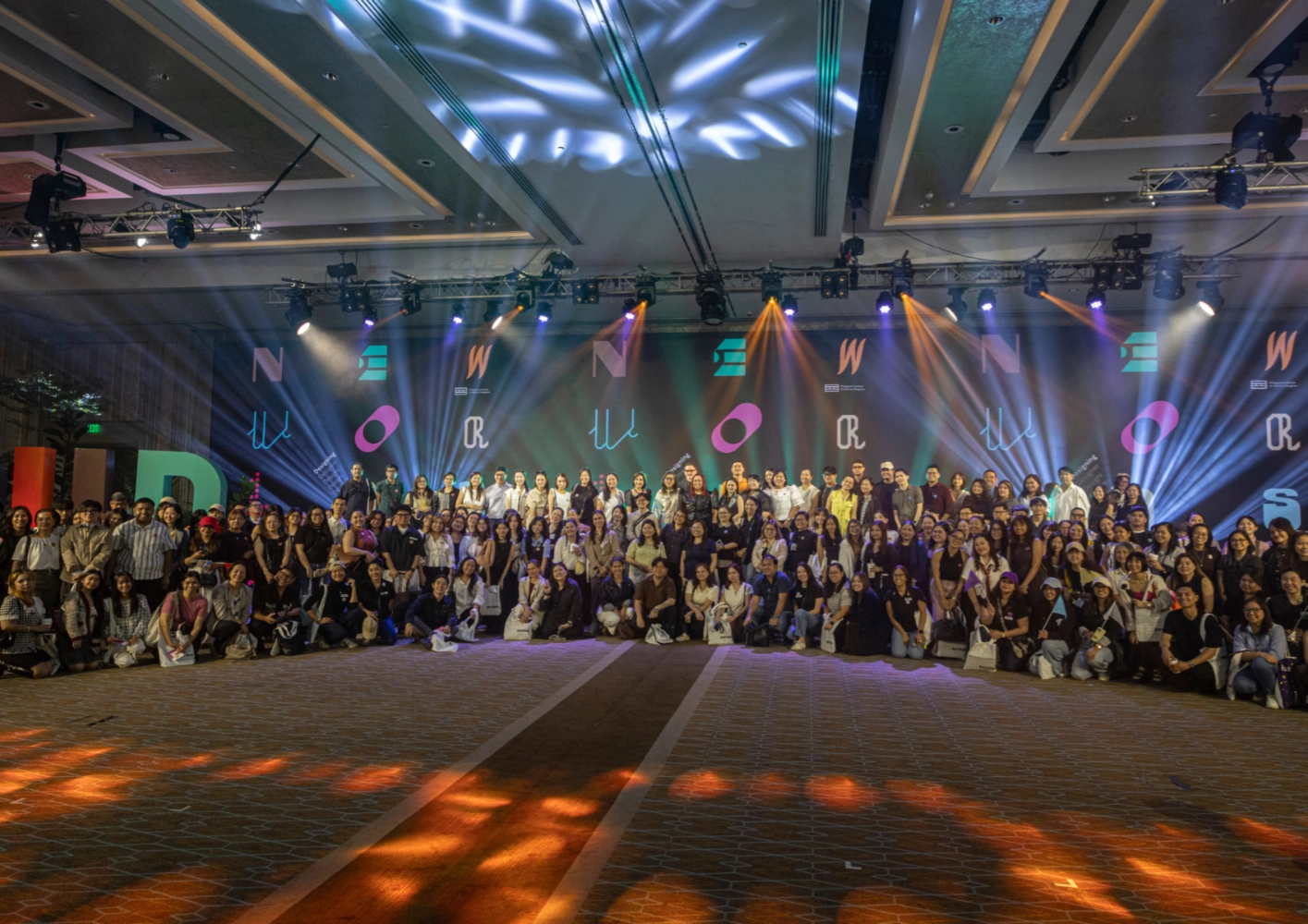
In a way, designers are the modern-day soothsayers and prophets. They design for the future, predicting how a room, a house, a building or a whole city will be used by people. They foresee how users will interact with a space, conjure exact shades of colors to elicit specific behavior and arrange furniture to build […]

Art and furniture are often selected separately, yet their relationship can shape how a room looks and feels. The collaboration between Hooga and Galerie Joaquin explores how these elements can work together, bringing contemporary artworks into furnished residential settings at Hooga’s showroom in Uptown Mall, Bonifacio Global City. For Hooga, which curates furniture, lighting, and […]
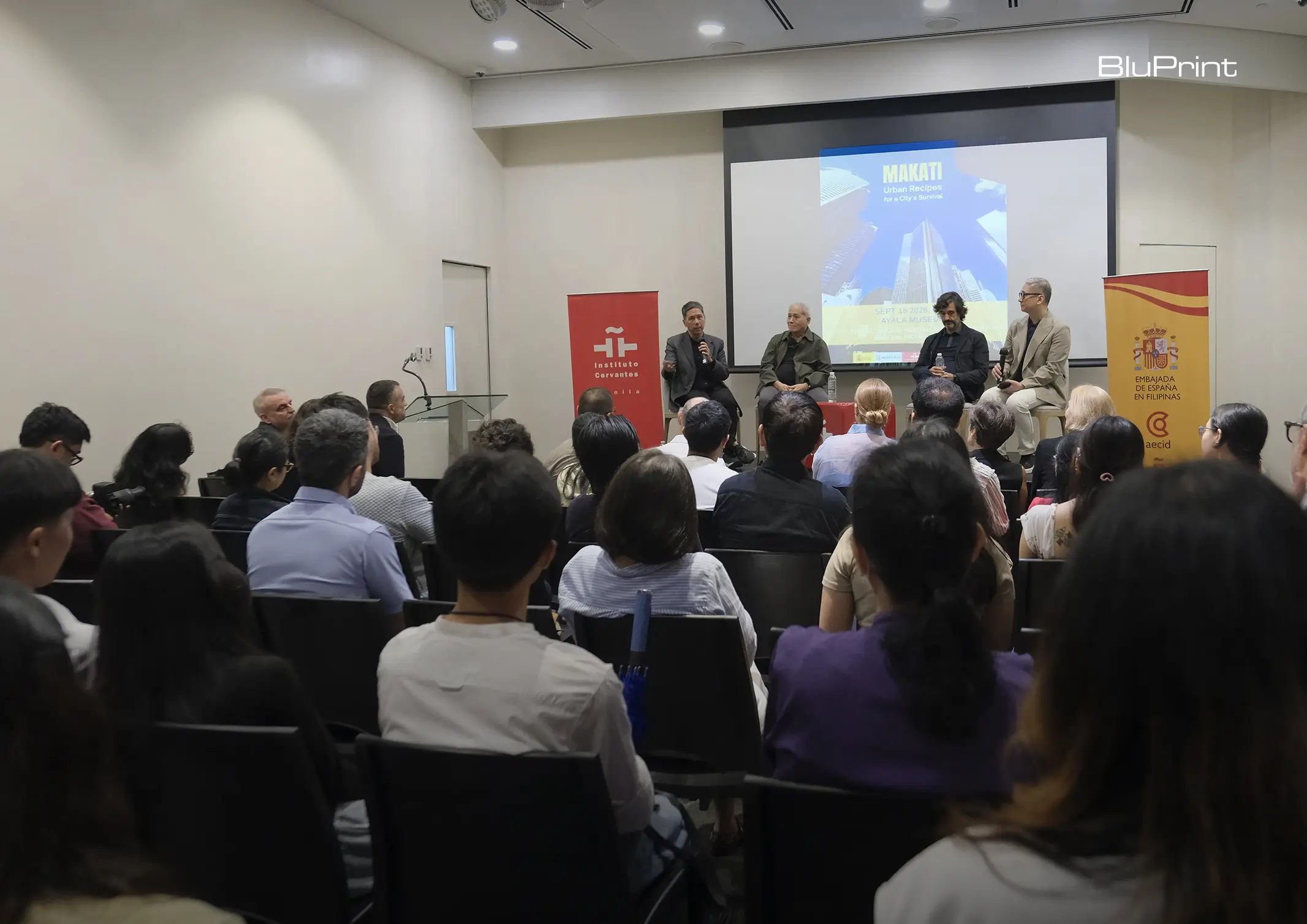
How can better-planned cities create the conditions for more creative, livable, and resilient urban environments? “Makati Urban Recipes for a City’s Survival,” a colloquium held at the Ayala Museum on September 15, brought together architects and practitioners from the fields of urbanism and the creative economy to discuss how design, planning, and collaboration can address […]
Read the issues.

Collect the volumes.

Recommended Video
Tap to Unmute
Unmute
0:00
0:00