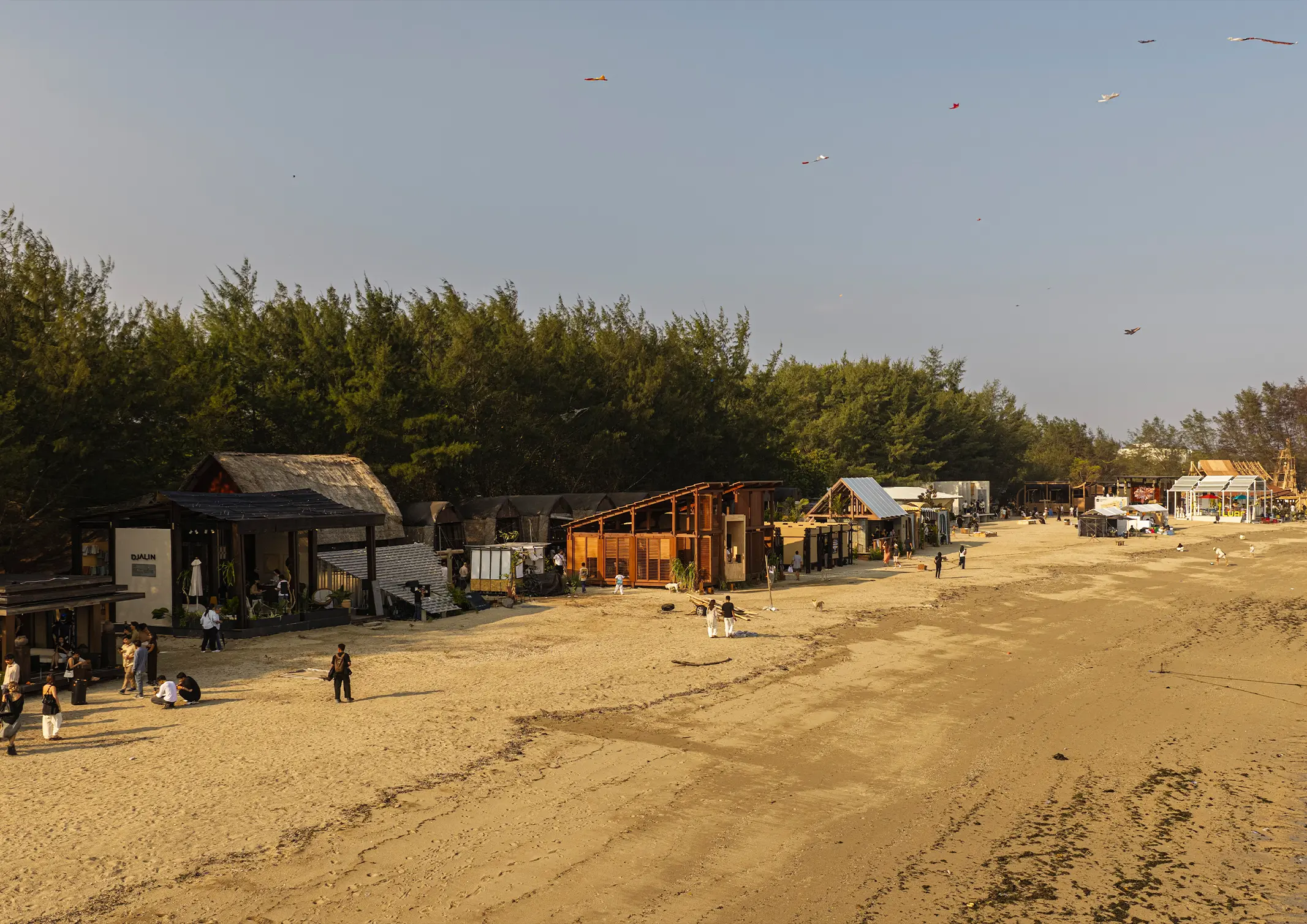
After being set amongst the ruins of an abandoned theme park in the past years, Jia CURATED found a home on the shores of Pengembak Beach, Bali for this year’s installment. It’s a unique location with multiple natural features like Sanur’s coastline, pine and mangrove forests, and a stream—making nature an important participant for how […]
Terra Cotta Workshop: Highlighting Heritage within the Workplace



Old enough professions and institutions often struggle with the idea of legacy. It goes beyond whether one can keep expanding and creating. Furthermore, it goes into the idea of how you can build a future even with a storied past, especially if that past gets too heavy to carry. However, the Terra Cotta Workshop finds balance between history and the present.
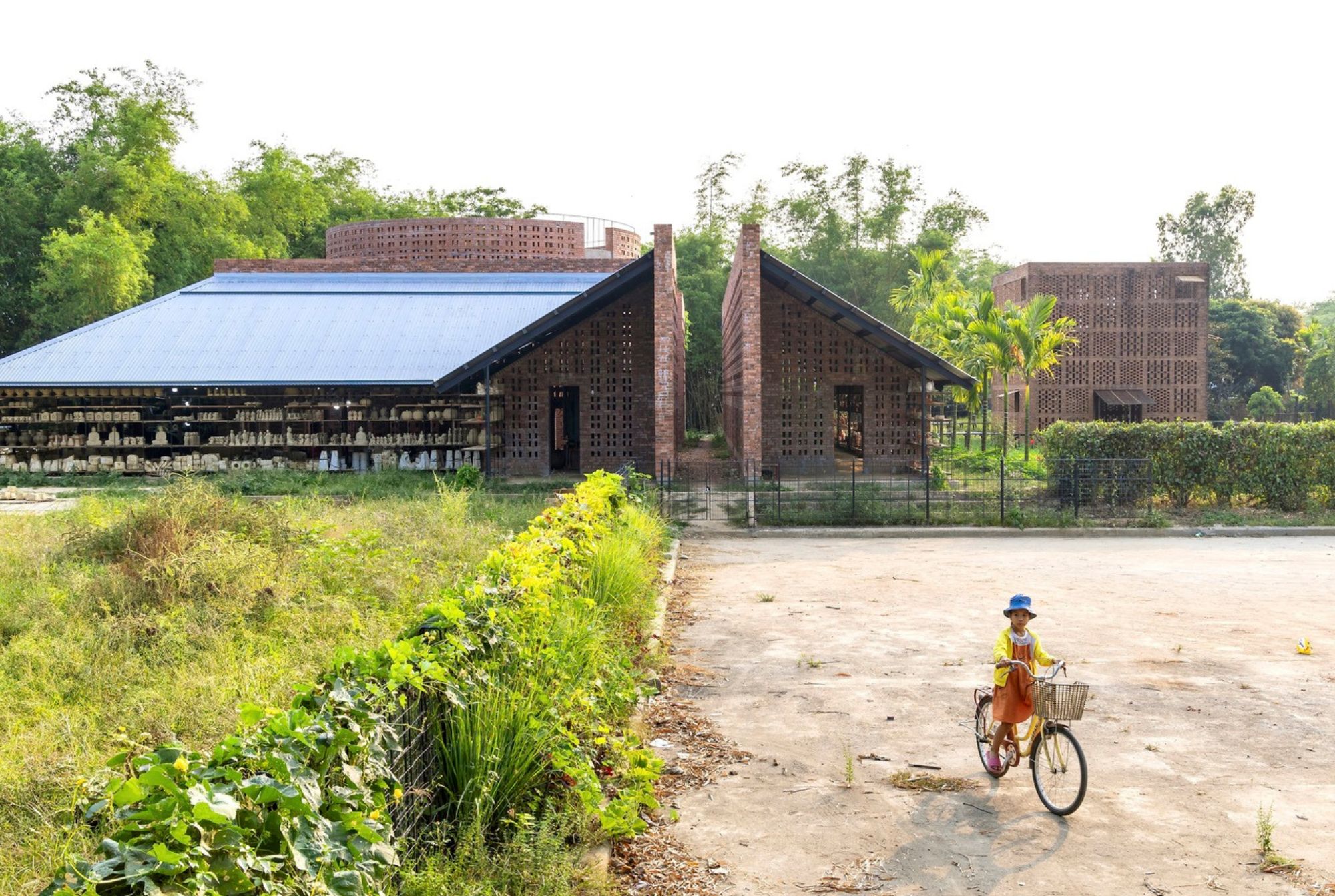
Terra Cotta Workshop, located in Quang Nam, Vietnam, is a decades-old factory of earthenware and sculptures. Tropical Space, with engineer Bach Ngoc Hoang, led the redesign of the workshop.
Quang Nam exists within the South Central Region of the country. The province is a coastal area with a strong export and manufacturing history. One of its cities, Hội An, was declared a UNESCO World Heritage Site in 1999 due to its distinctive centuries-old buildings with local and foreign influence.
Building Around Heritage
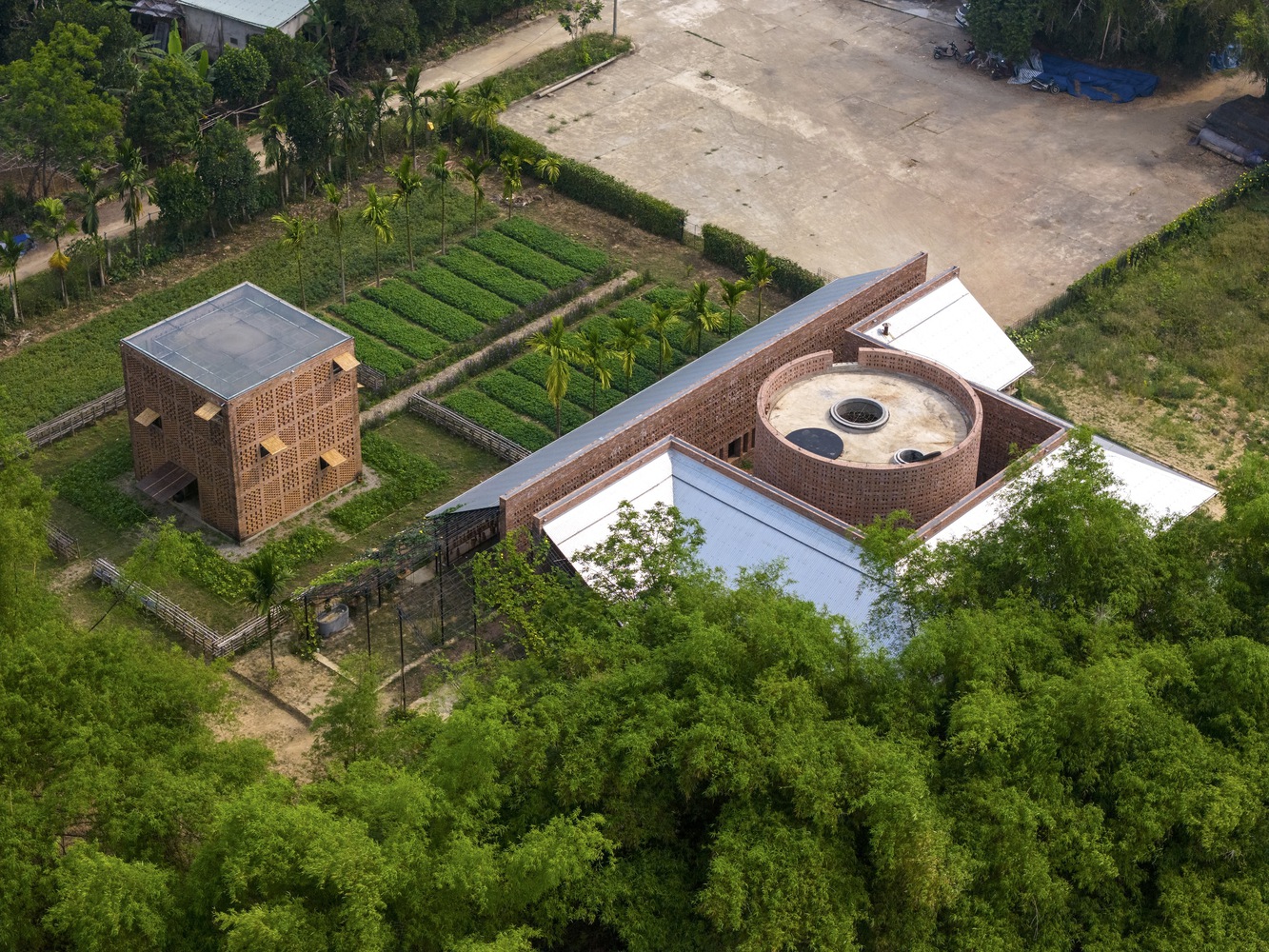
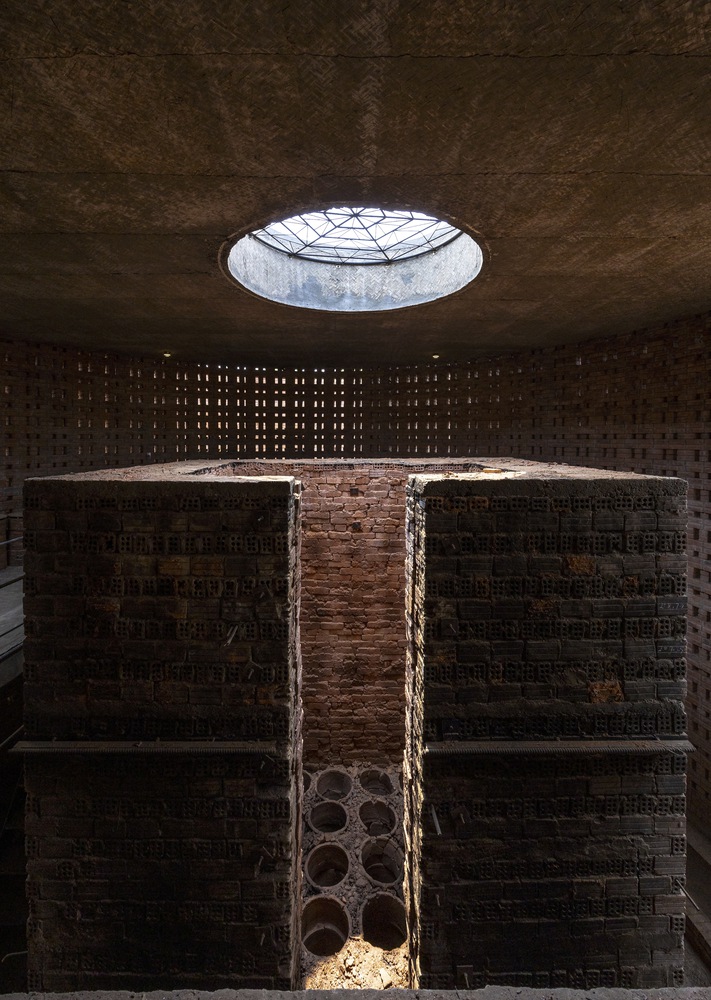
The Terra Cotta Workshop’s well-preserved original brick kiln serves as the core structure of the whole cultural hub. Two brick walls spanning the compound divide the area into three main sections. One section gives tourists access to a space for creativity, another provides a work space for craftspeople, and the third centers on the kiln itself.
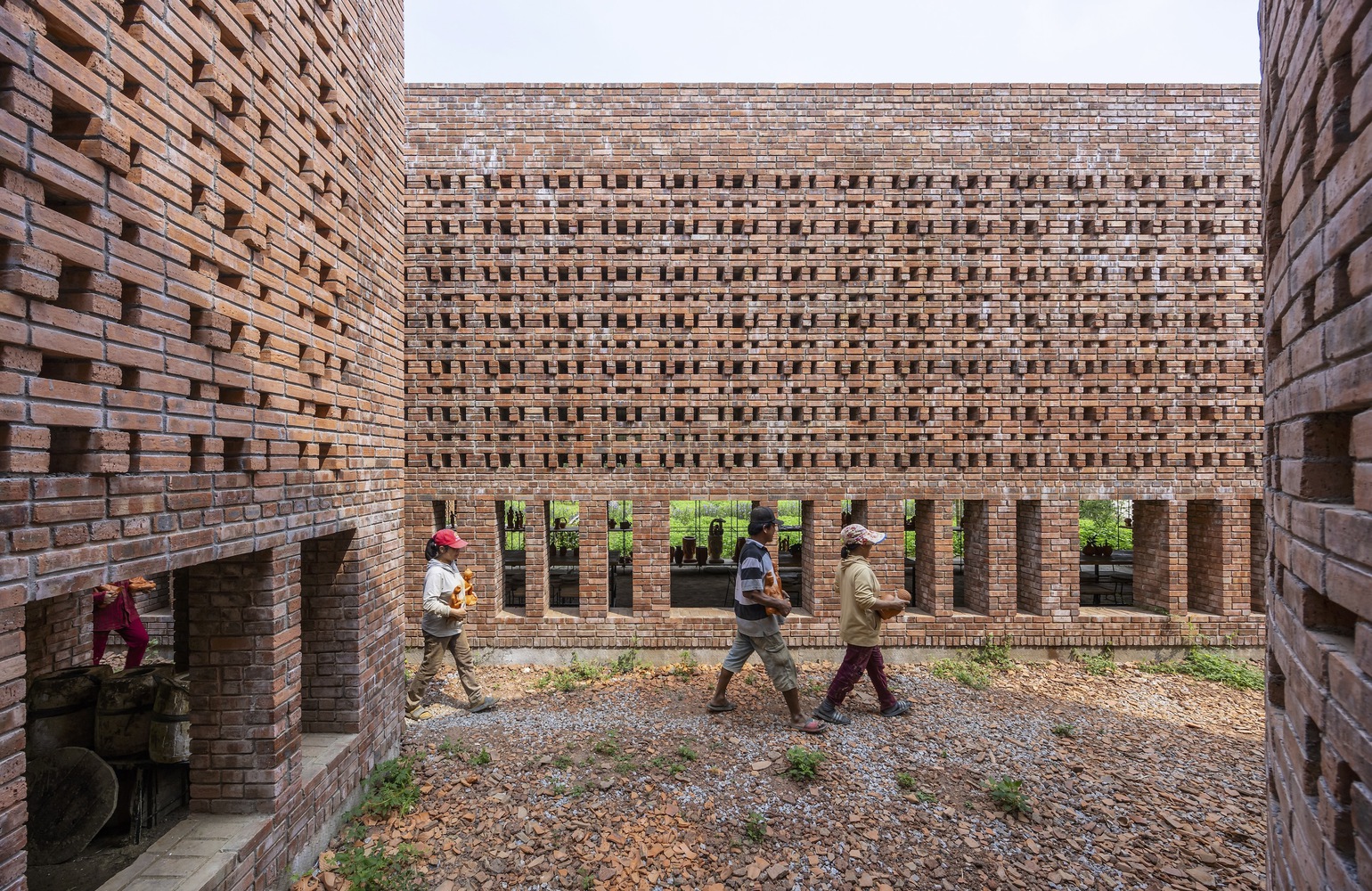
Greenery surrounds the entire space, including a small patch of farmland next to the Terra Cotta Studio. All the buildings and the brick walls spanning the property use clay bricks, presumably made from the workshops. The design allows for low windows for minimal sunlight and a perforated facade to ventilate the rooms.
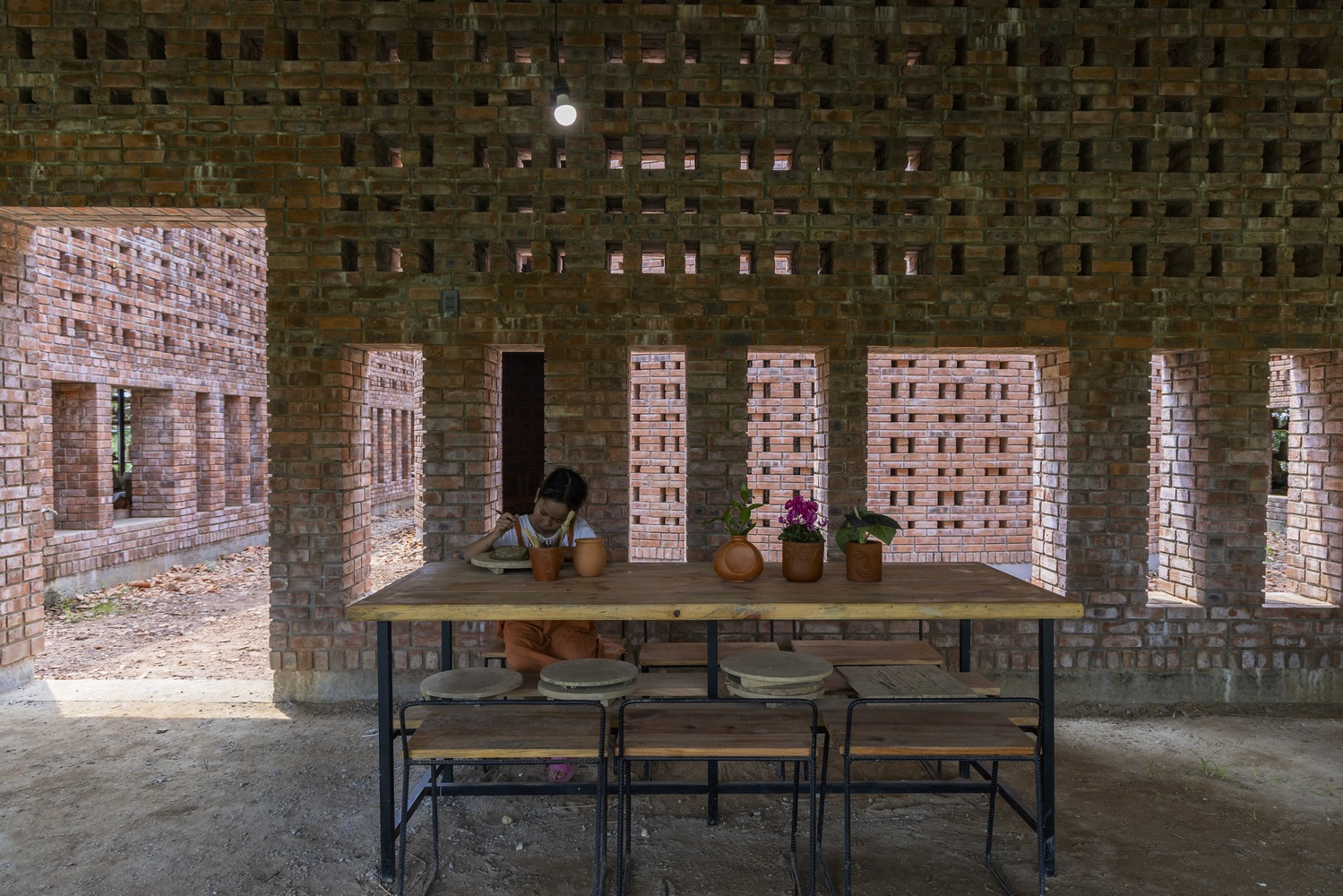
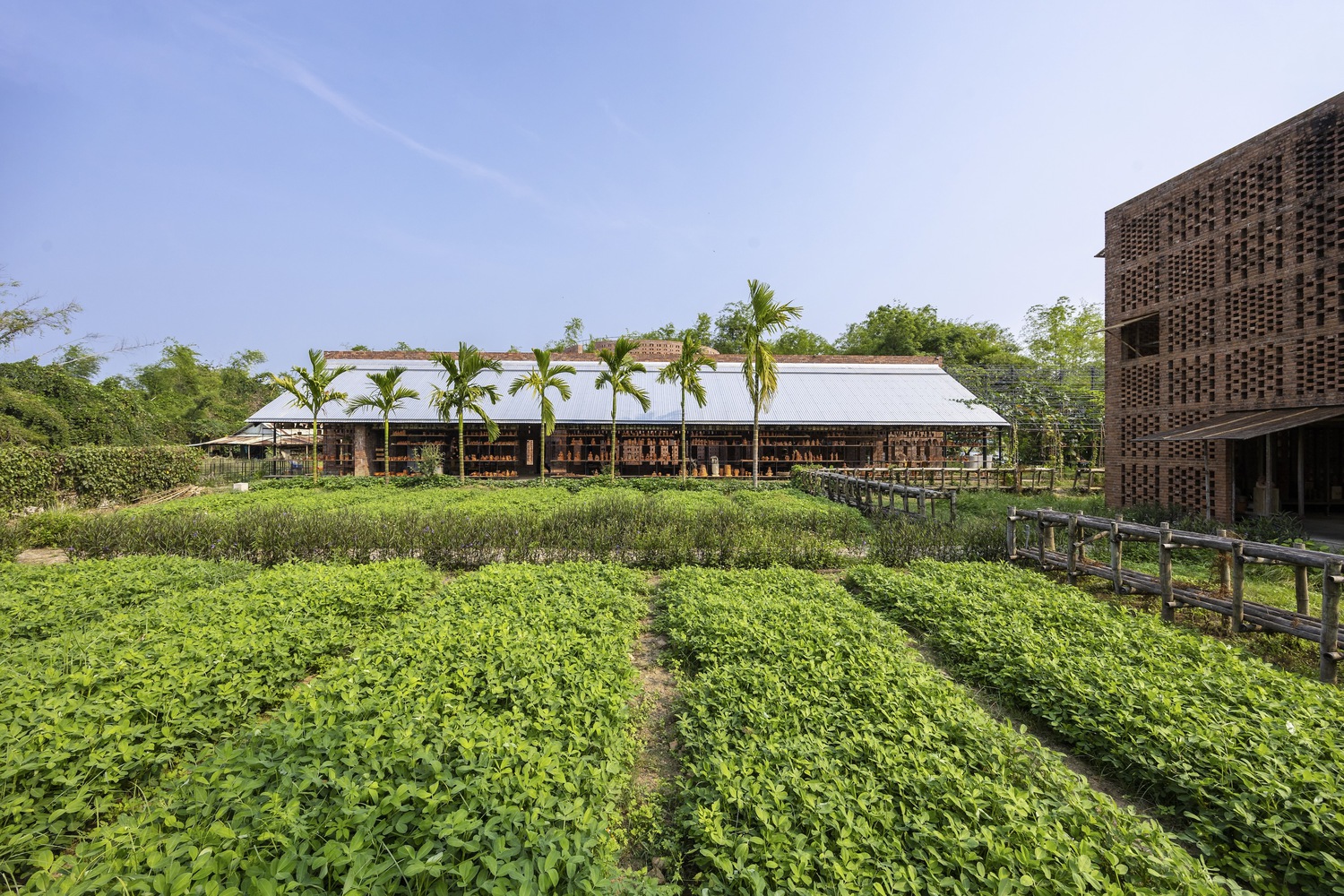
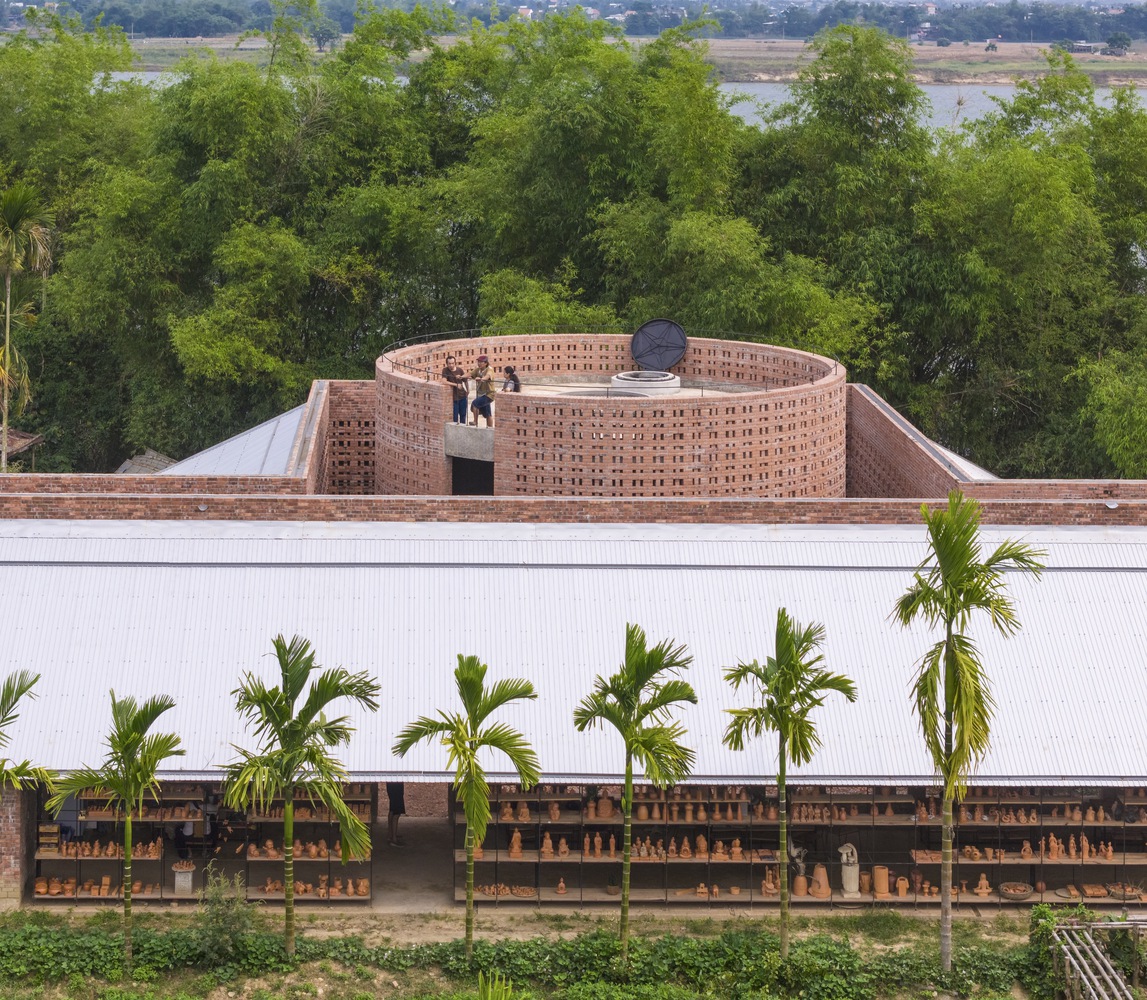
One of the workshop’s sections has an “experiential” area, where visitors can come in for activities like making their own souvenirs from clay. The area also gives the visitors an opportunity to talk to the craftspeople about their profession.
On the other side is the daily working area, filled with wooden tables and shelves full of finished products. The right side contains a sink for the staff to wash their hands, while the left side has the gas kiln. The building uses a steel frame roof for cover and a rammed earth floor for natural humidity. It faces a body of water and trees, allowing its employees to find immersion within the environment.
The Brick Kiln and Restorative Creative Environments
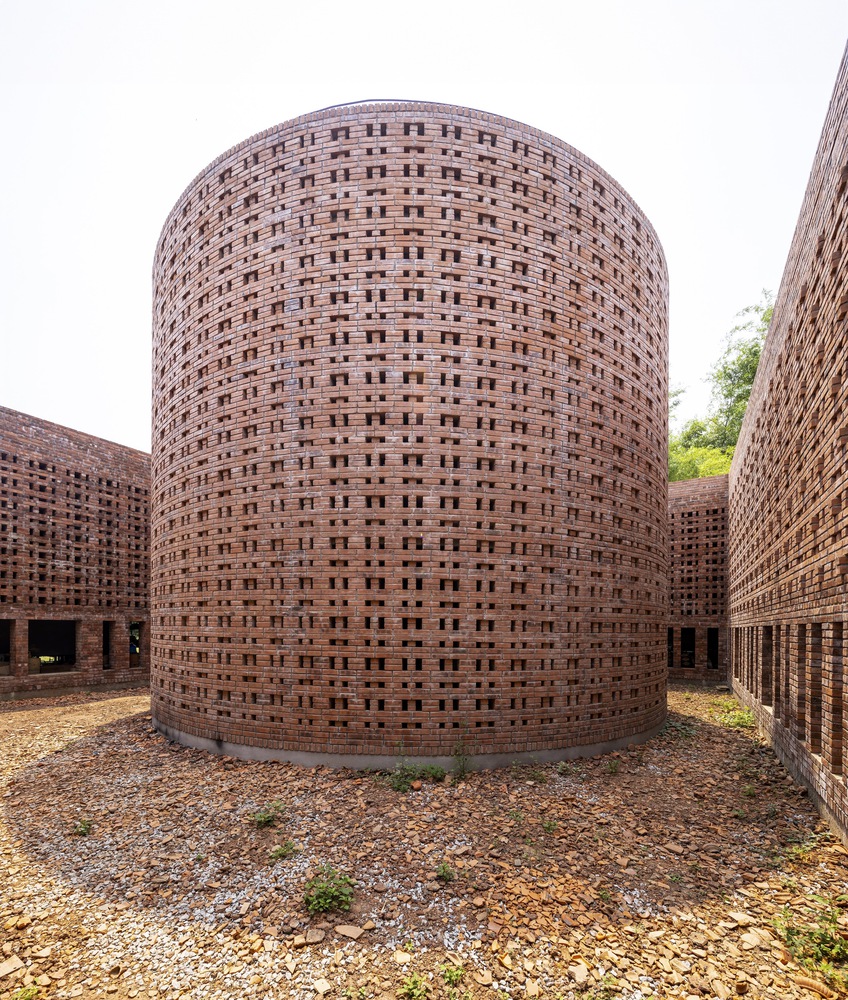
Between the “experiential” area and workshop is the old brick kiln. It is surrounded by the two giant brick walls, accessible by a corridor. An outer brick layer surrounds the kiln, and visitors can climb up to the roof to get a bird’s eye view of the property.
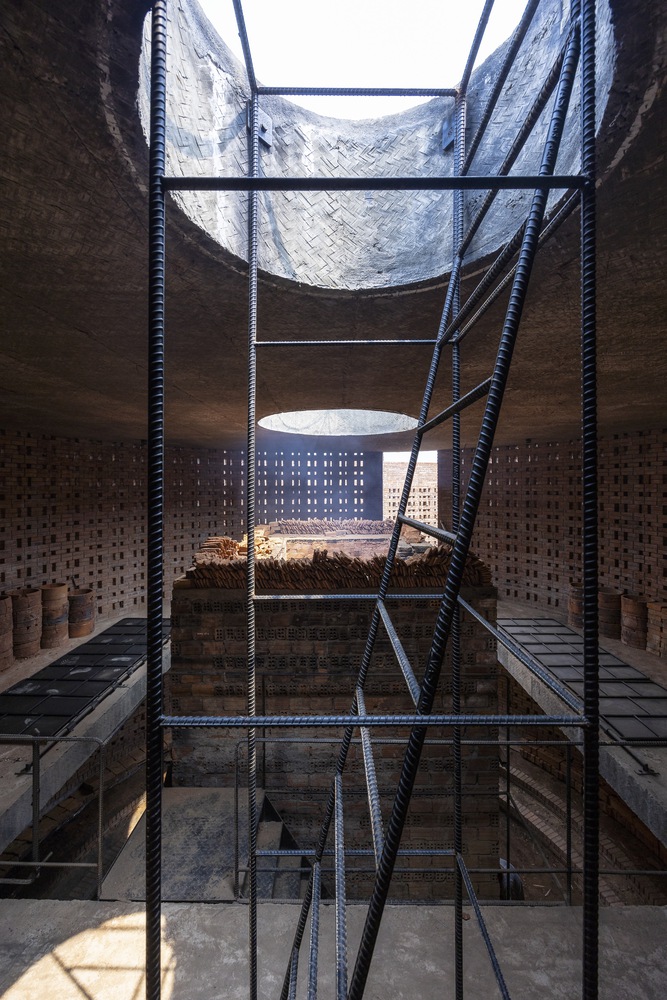
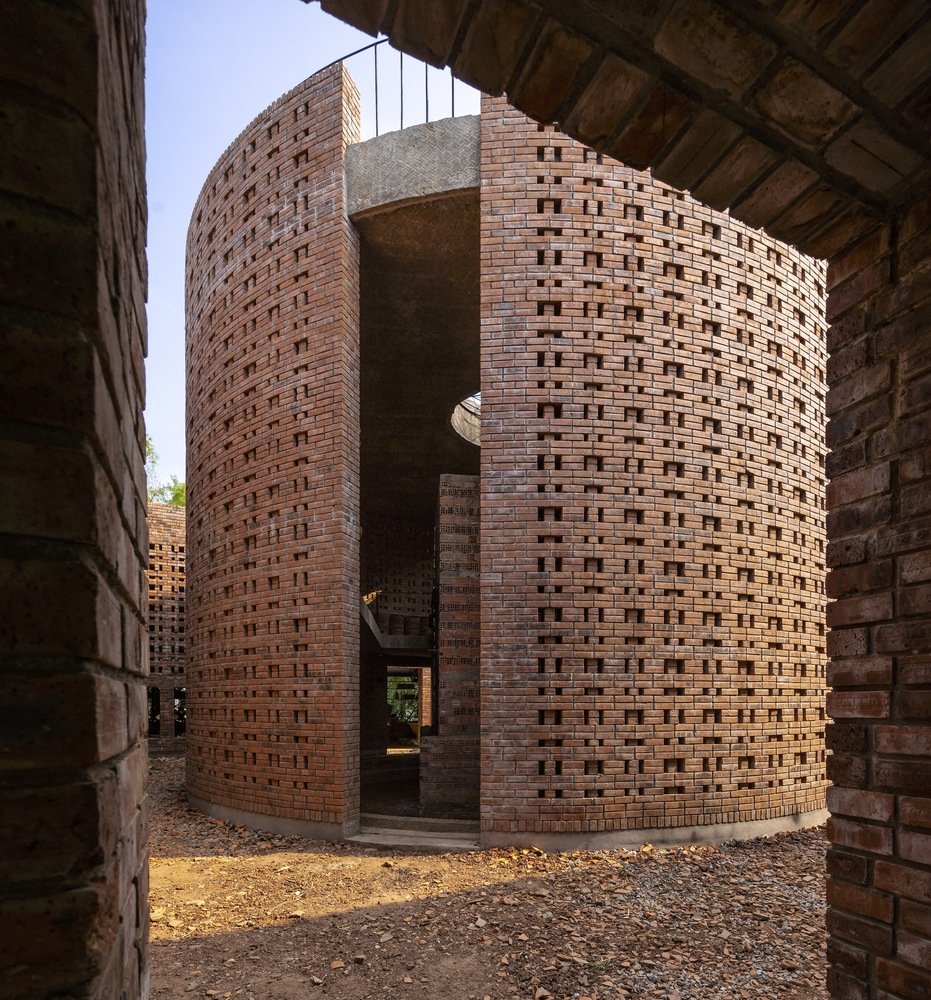
A courtyard exists right outside of the brick kiln area. They filled the floor with broken brick slag, failed products, and leftovers. Apparently, its purpose is to surround visitors and craftspeople with terra cotta, to be reused appropriately in the future. It makes one think of the history that exists within the place.
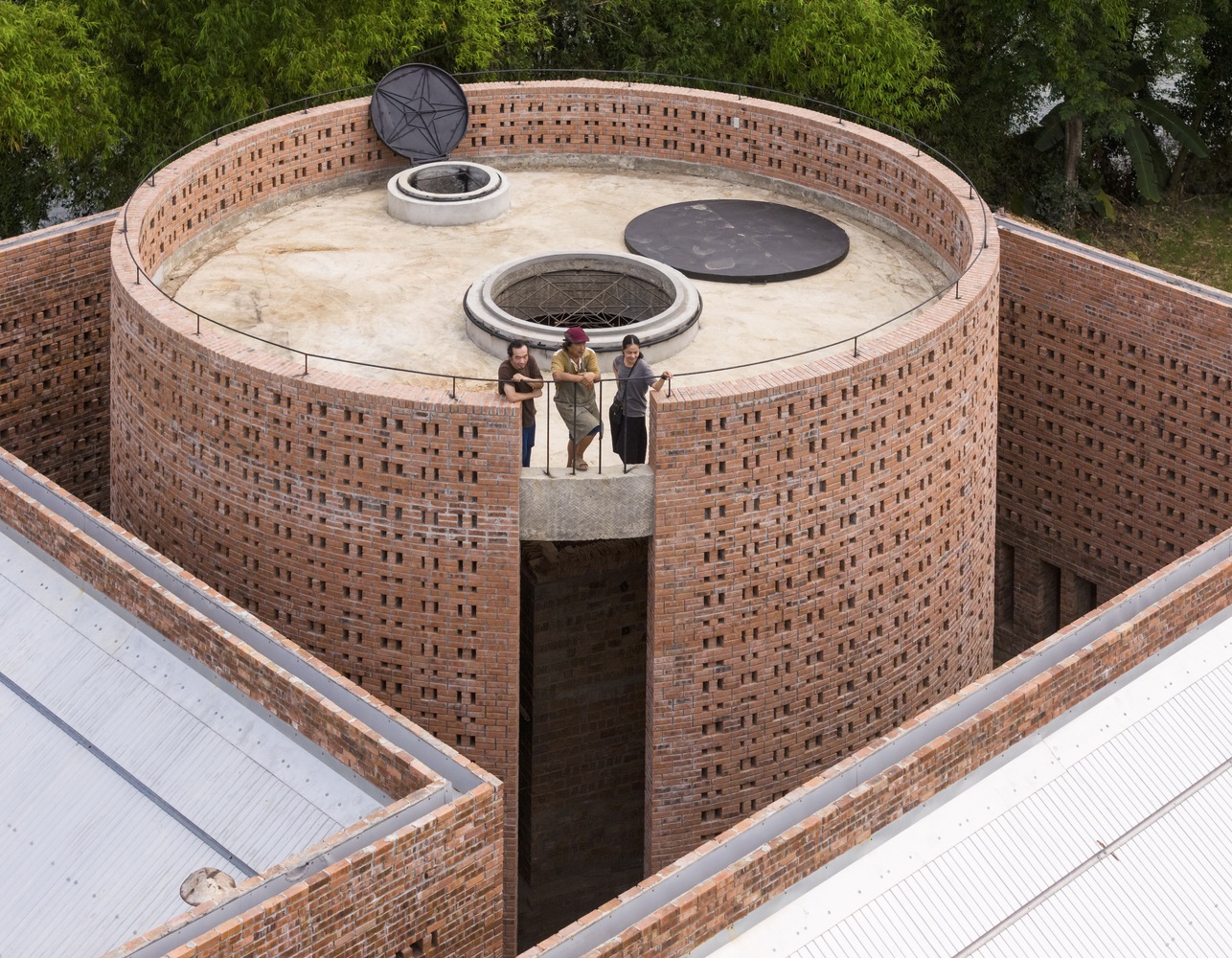
Terra Cotta Workshop shows the endurance of creativity and industry even in the face of modernity. It preserves the old ways, whether as monuments of the past or as methods of the present. More than that, it gives us a perspective that human creativity and methodology will endure no matter what.
Related reading: Tropical Space’s Terra Cotta Studio wins Wienerberger Brick Award
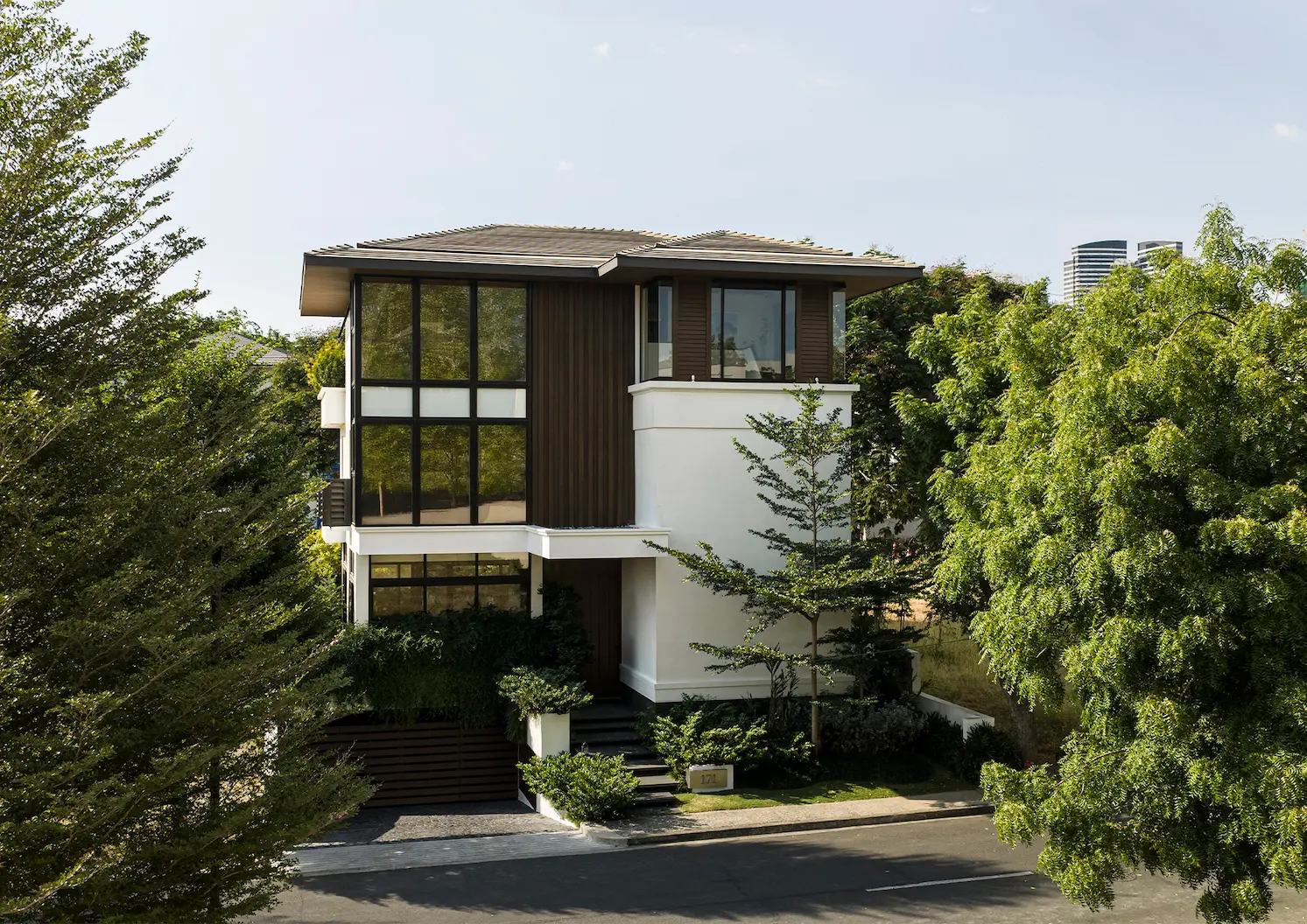
Just moments away from the bustling area of Bonifacio Global City is 171, a multi-level villa set on a 302-square-meter lot. M.CAL Architecture Design Studio, headed by Ar. Monique C. Albert-Lopez, built the residence as a minimalist modern sanctuary surrounded by landscaped gardens. This creative direction was drawn from the homeowners’ brief to create a […]
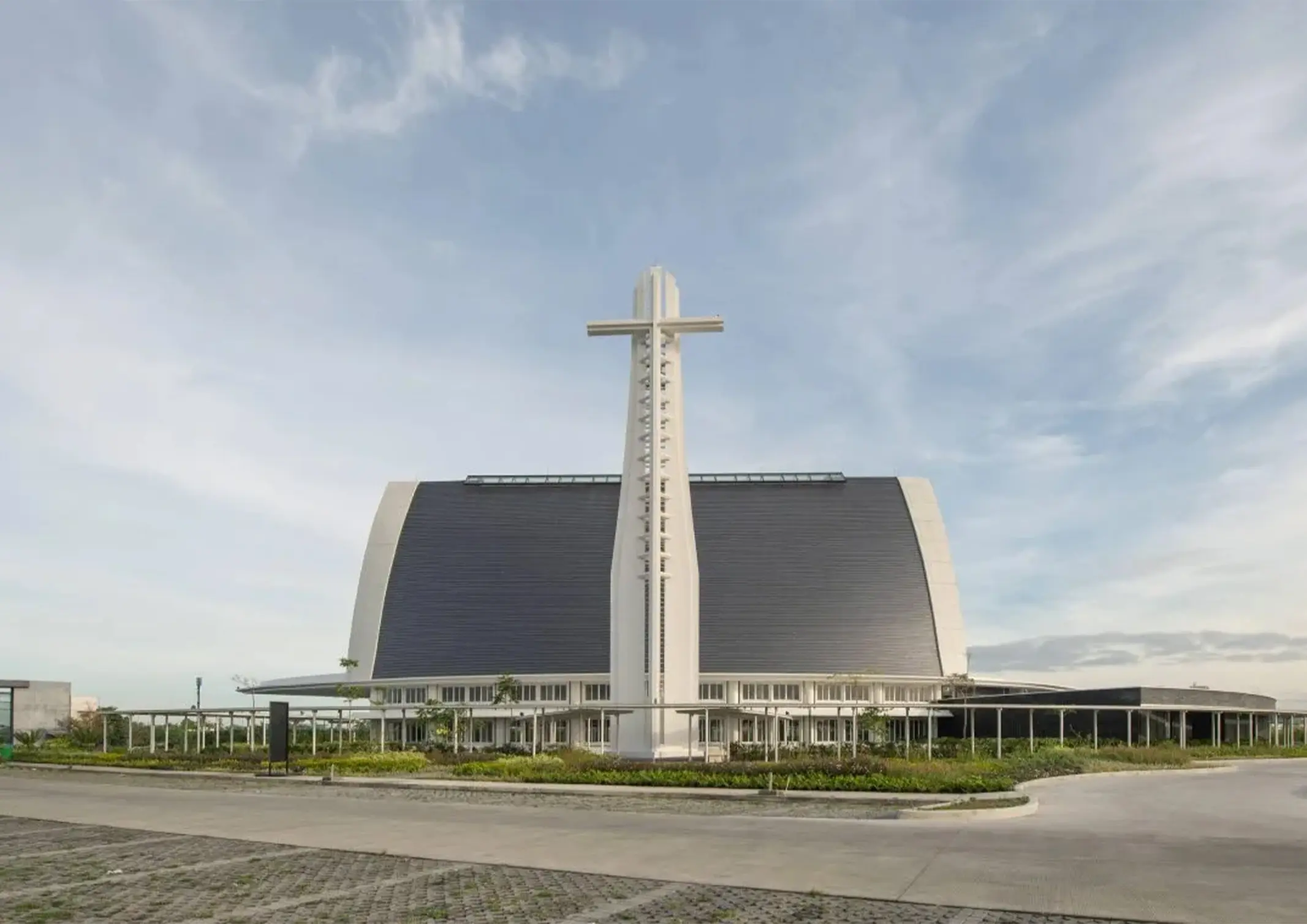
The World Architecture Festival (WAF) has announced its 2026 shortlist, with several Filipino practices earning recognition across a diverse range of categories. Across civic architectureArchitectureThe art and science of designing and constructing buildings, structures, and spaces that are functional, safe, and aesthetically pleasing. It encompasses the planning, design, materials, and techniques used to createGo to […]
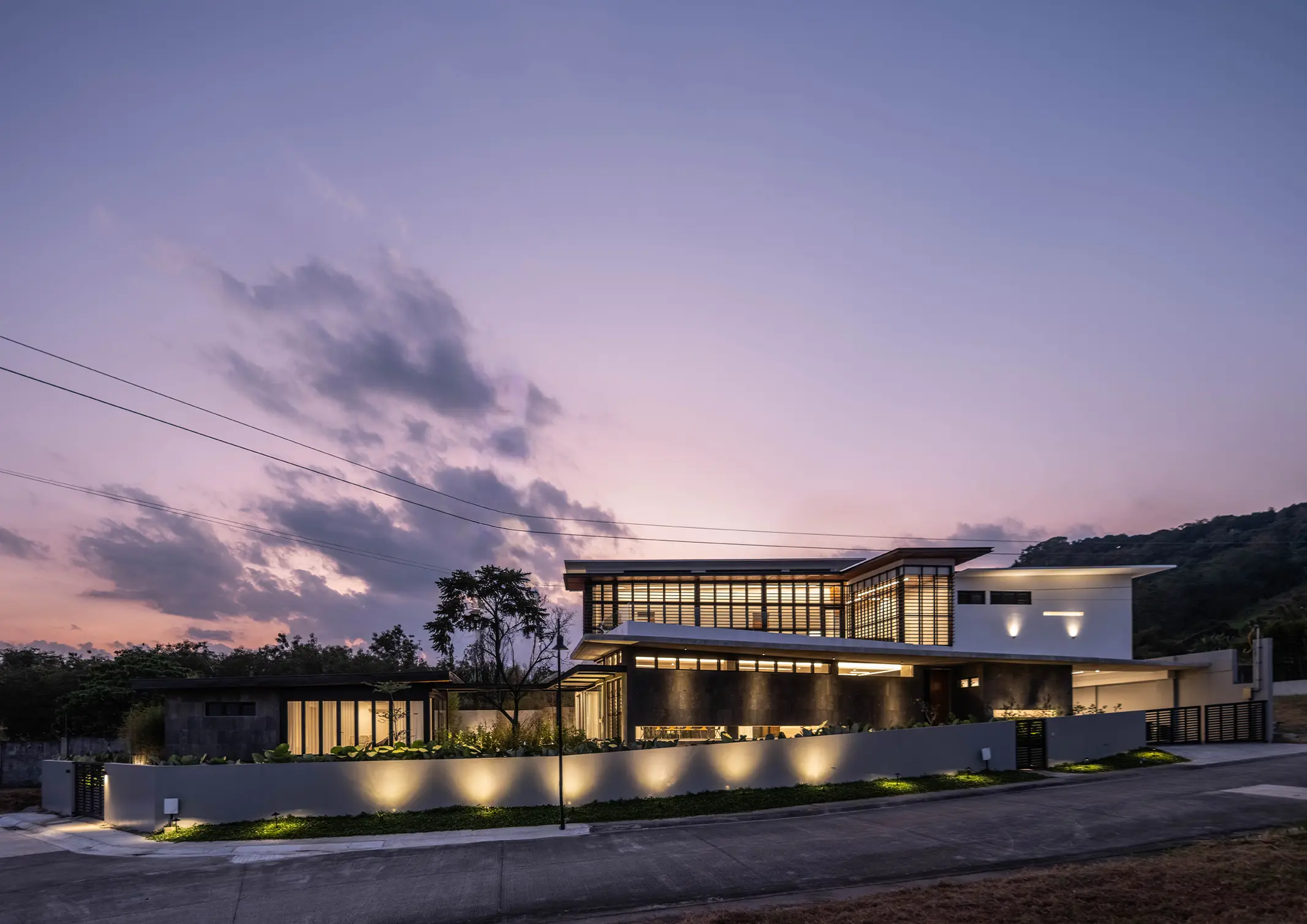
Located in Paroc, Pampanga is MQ Residence—a tropical-modern private residential home designed by Marikina-based architectureArchitectureThe art and science of designing and constructing buildings, structures, and spaces that are functional, safe, and aesthetically pleasing. It encompasses the planning, design, materials, and techniques used to createGo to Architecture Glossary firm Arkisens, spearheaded by principal architect and co-founder […]
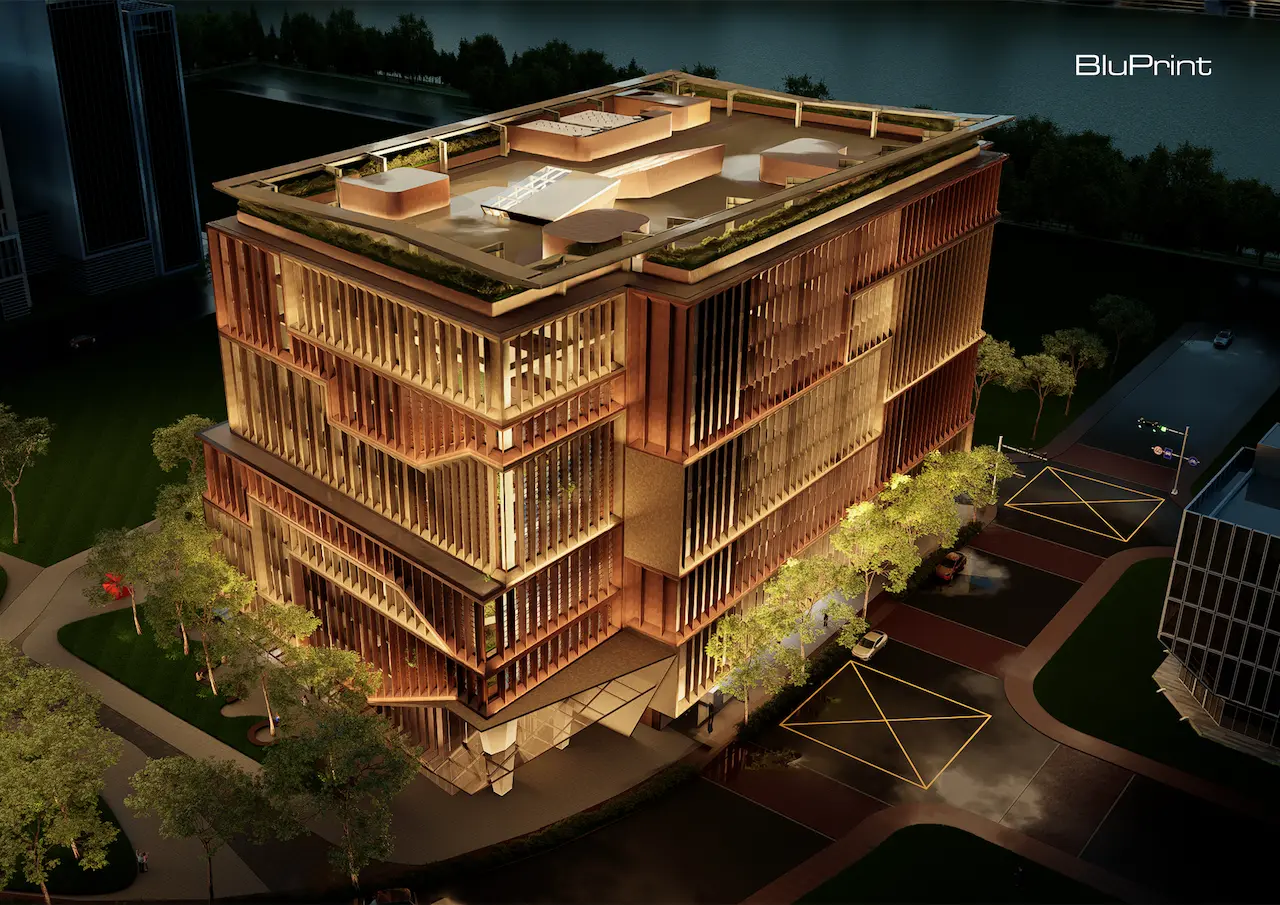
De La Salle-College of Saint Benilde (DLS-CSB) will open its new campus in Aseana City, Parañaque. Occupying a 3,845-square-meter site, the new development signals a fresh chapter for the college, where architectureArchitectureThe art and science of designing and constructing buildings, structures, and spaces that are functional, safe, and aesthetically pleasing. It encompasses the planning, design, […]
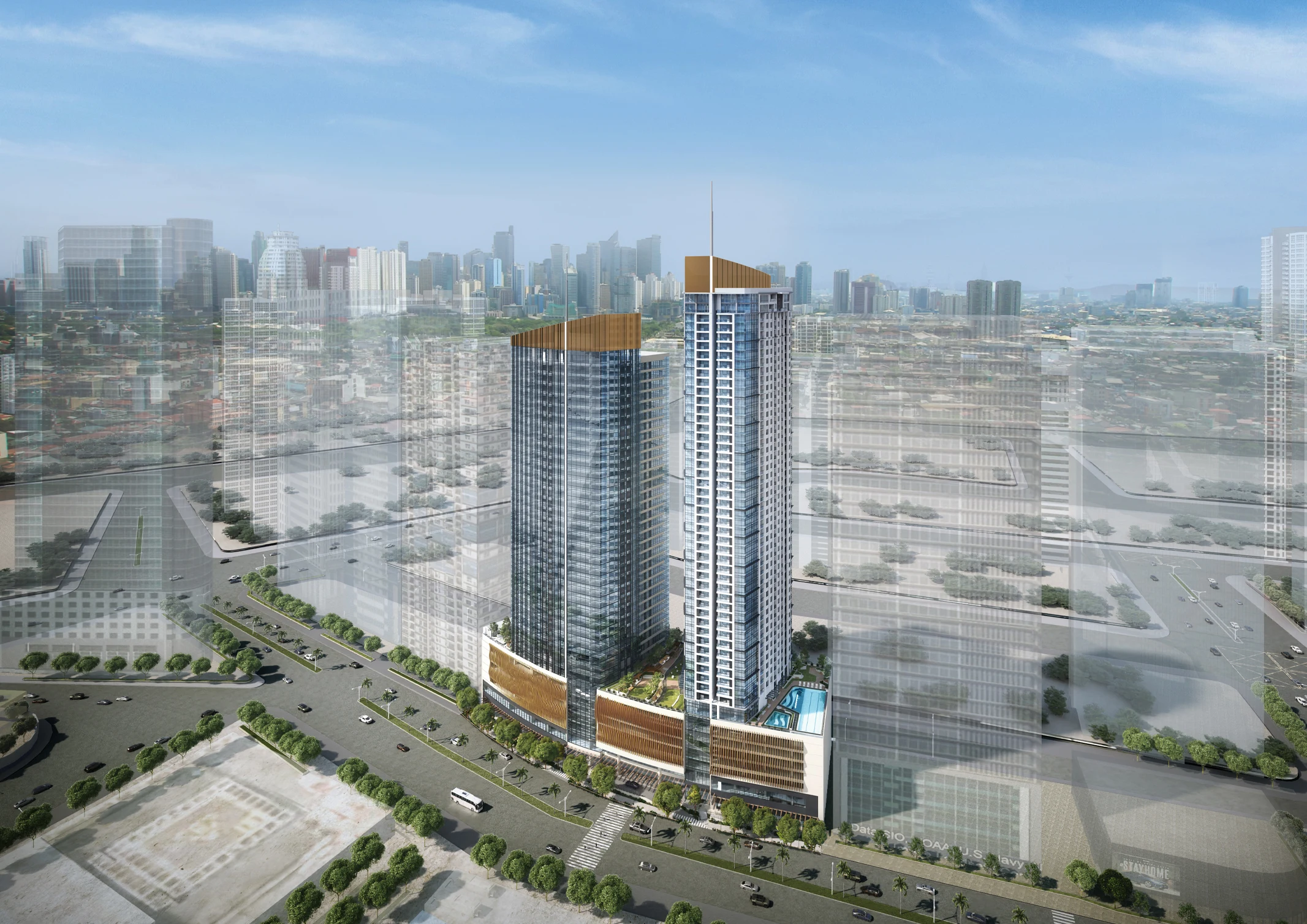
As one of Metro Manila’s established central business districts, Ortigas has grown into a vibrant center for business, commerce, and urban living, strategically spanning Pasig, Quezon, and Mandaluyong City. At the core of the district lies the Ortigas CBD, home to some of the country’s leading corporations and institutions. Adding a new dimension to this […]
Read the issues.

Collect the volumes.

Recommended Video
Tap to Unmute
Unmute
0:00
0:00