Bigkis is the act of binding. In Tagalog, the word can refer to something used to bind or encircle, as well as a bundle formed by tying several separate elements together. Figuratively, it can also mean a bond, union, or unity. The meanings move from the physical act of joining things together to the connection […]
‘Pasilip’: Maricar Tolentino Explores Femininity’s Fragility Under the Patriarchy



Maricar Tolentino’s exhibit, Pasilip, showing in Gravity Art Space until July 6, centers on the portrayal of personal spaces that toxic masculinity relegated to unimportance.
Dissecting and revisiting the effects of patriarchal beliefs on women as a whole continues to be a subject ripe for exploration due to its all-encompassing effects. Through her work, Tolentino analyzes the household and probes the power structures within it. In the home, said to be the domain of women according to the patriarchy, how much power do they really wield?
“In the undoing of personal boundaries, Tolentino reveals the defiant feminine psyche, constantly at odds with the pervasiveness of Filipino misogyny and religious sanctimony. As we gaze upon her dwelling place, like the abyss, know that it gazes back fiercely,” the exhibit write-up said.
Toxicity in a Personal Space
Pasilip utilizes household objects commonly associated with women as a way of commentating on the gender’s objectification under society’s gaze. The works are hand-stitched, exuding a home-made quality that punctures through with meaning.
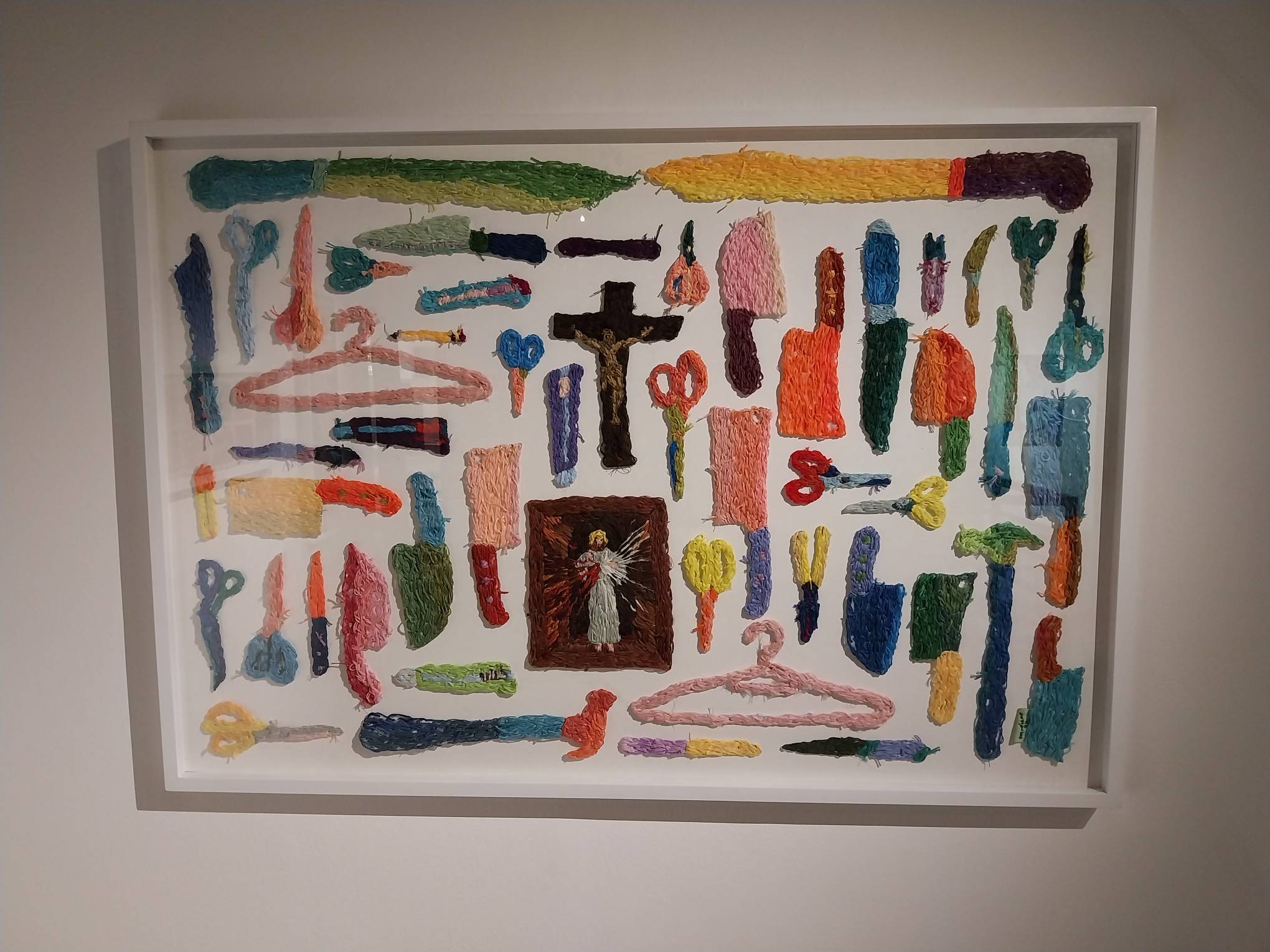
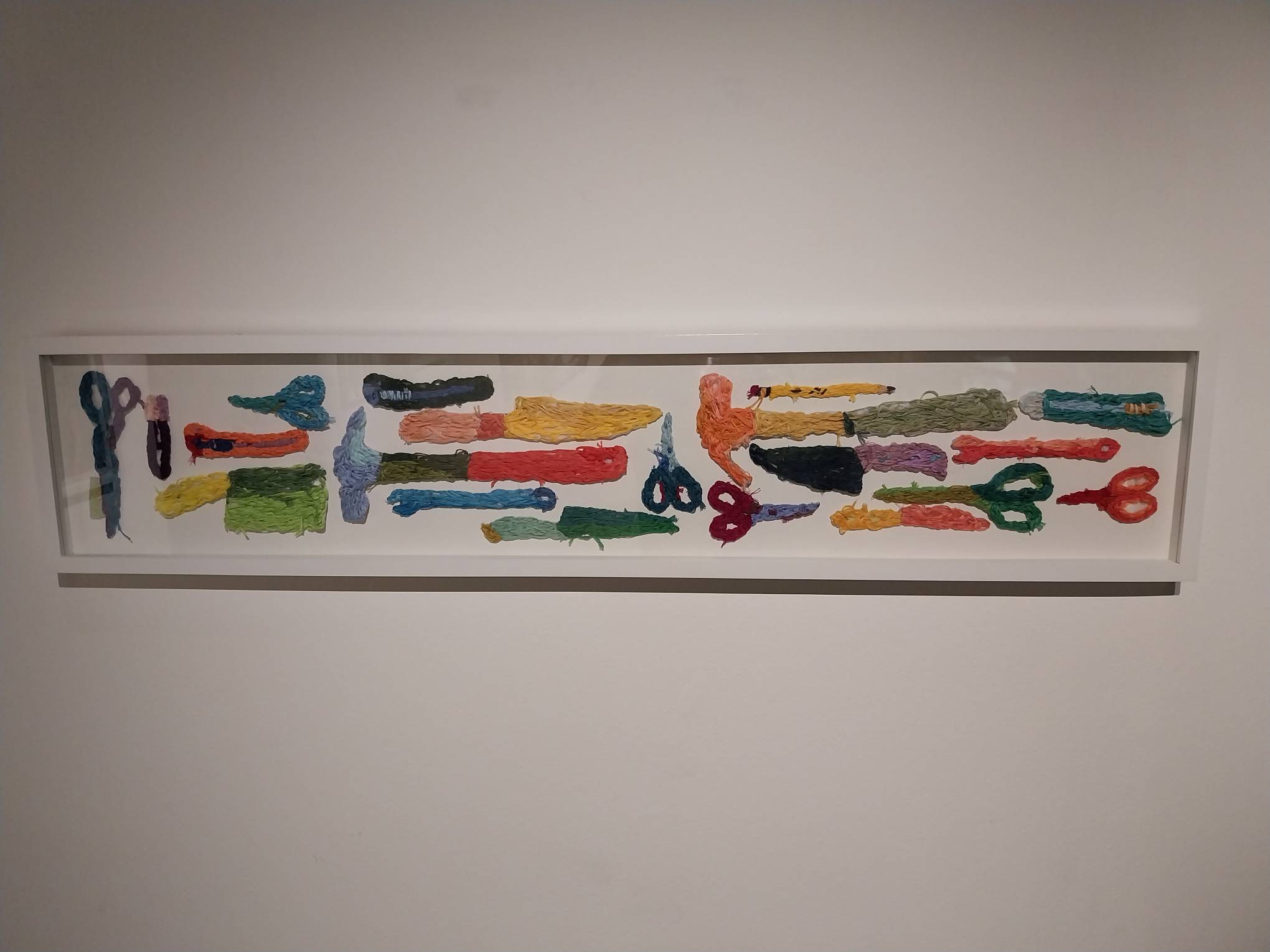
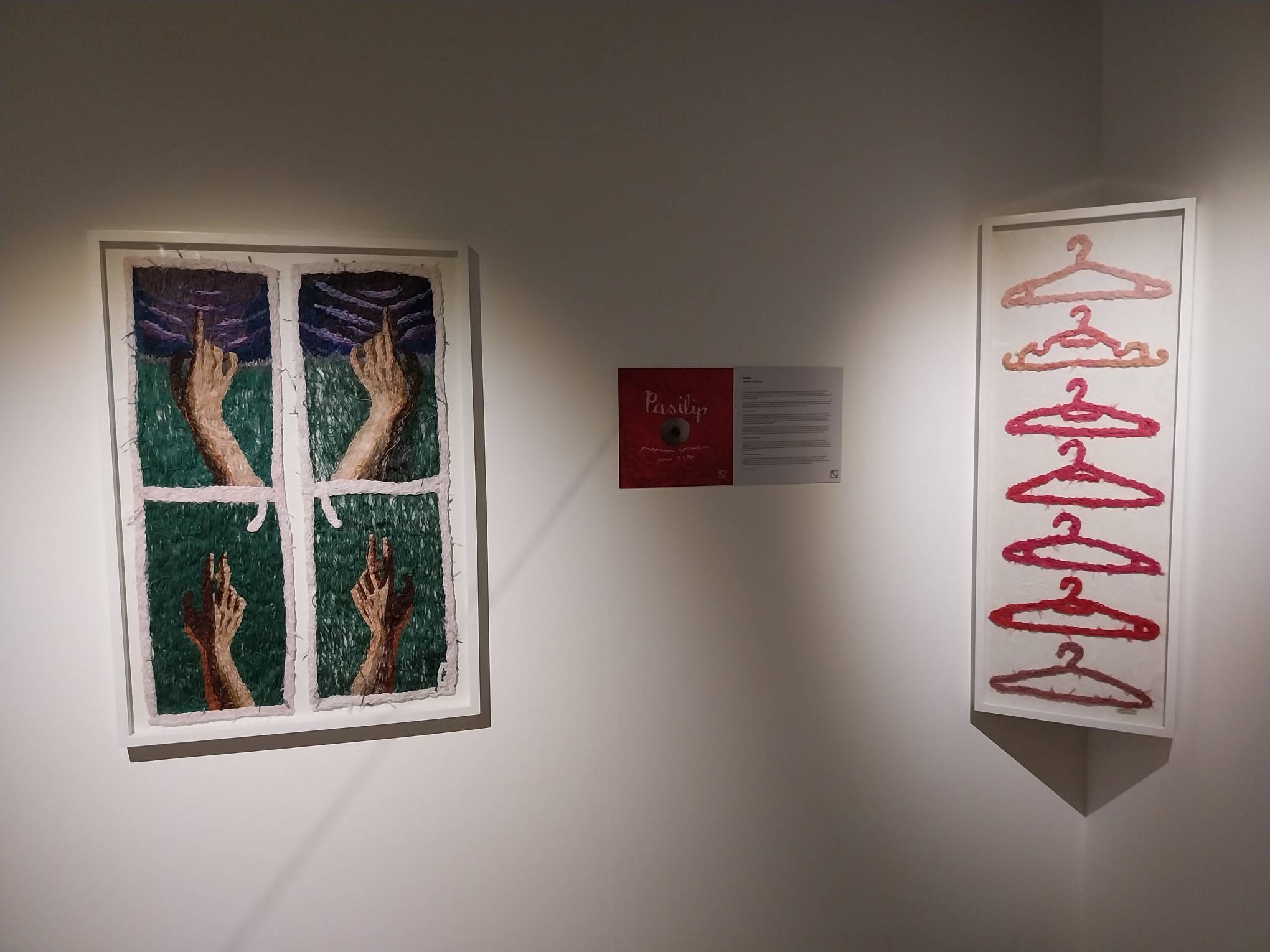
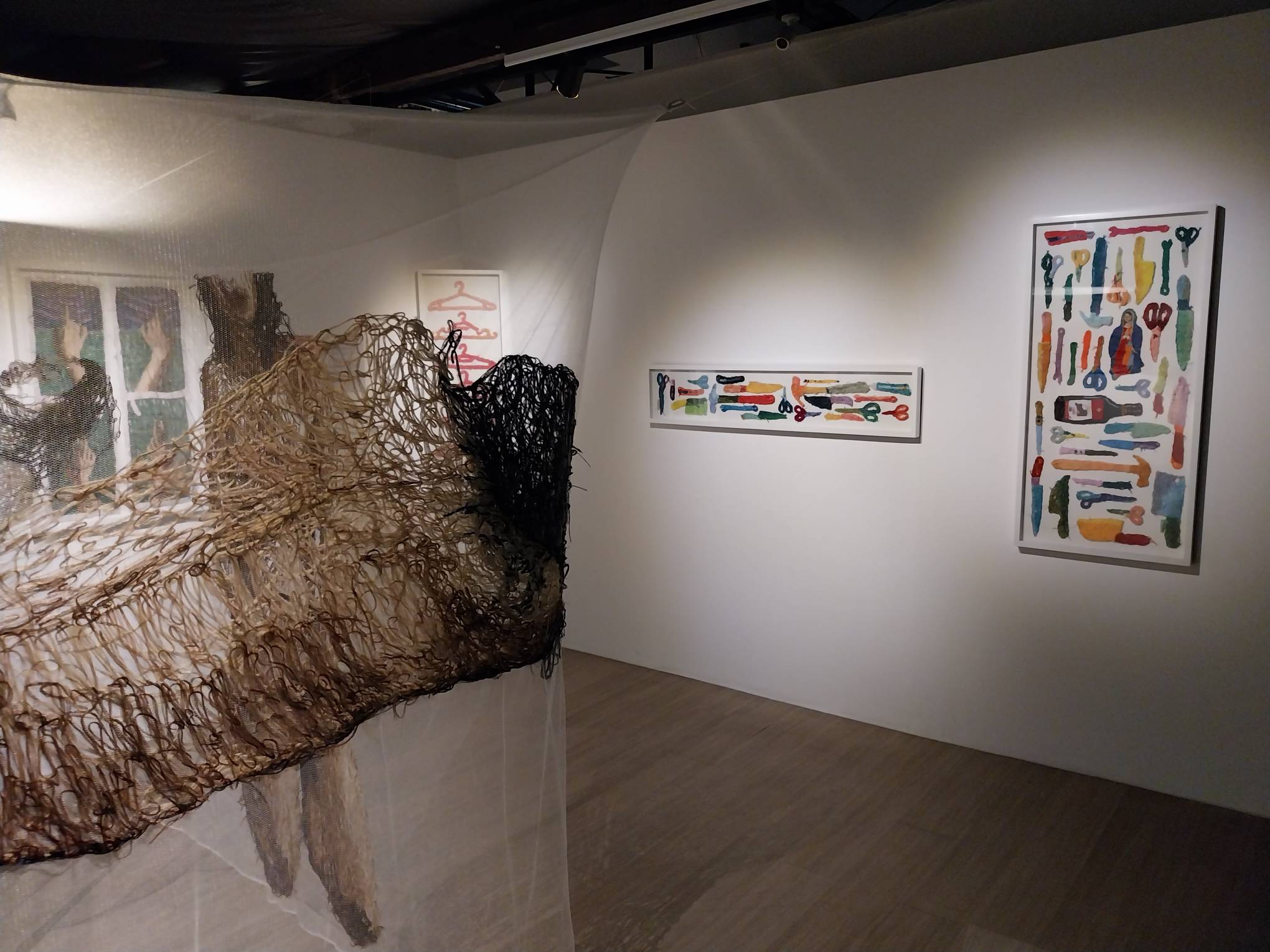
“Self-defense I to III” uses that home-made quality to frame daily household objects with any type of power associated with them—knives, scissors, hammers, religious symbols—as something feeble, playthings in the specter of bigger powers. There, we are asked to ponder the true power of these objects. Can these keep a woman safe from tyranny?
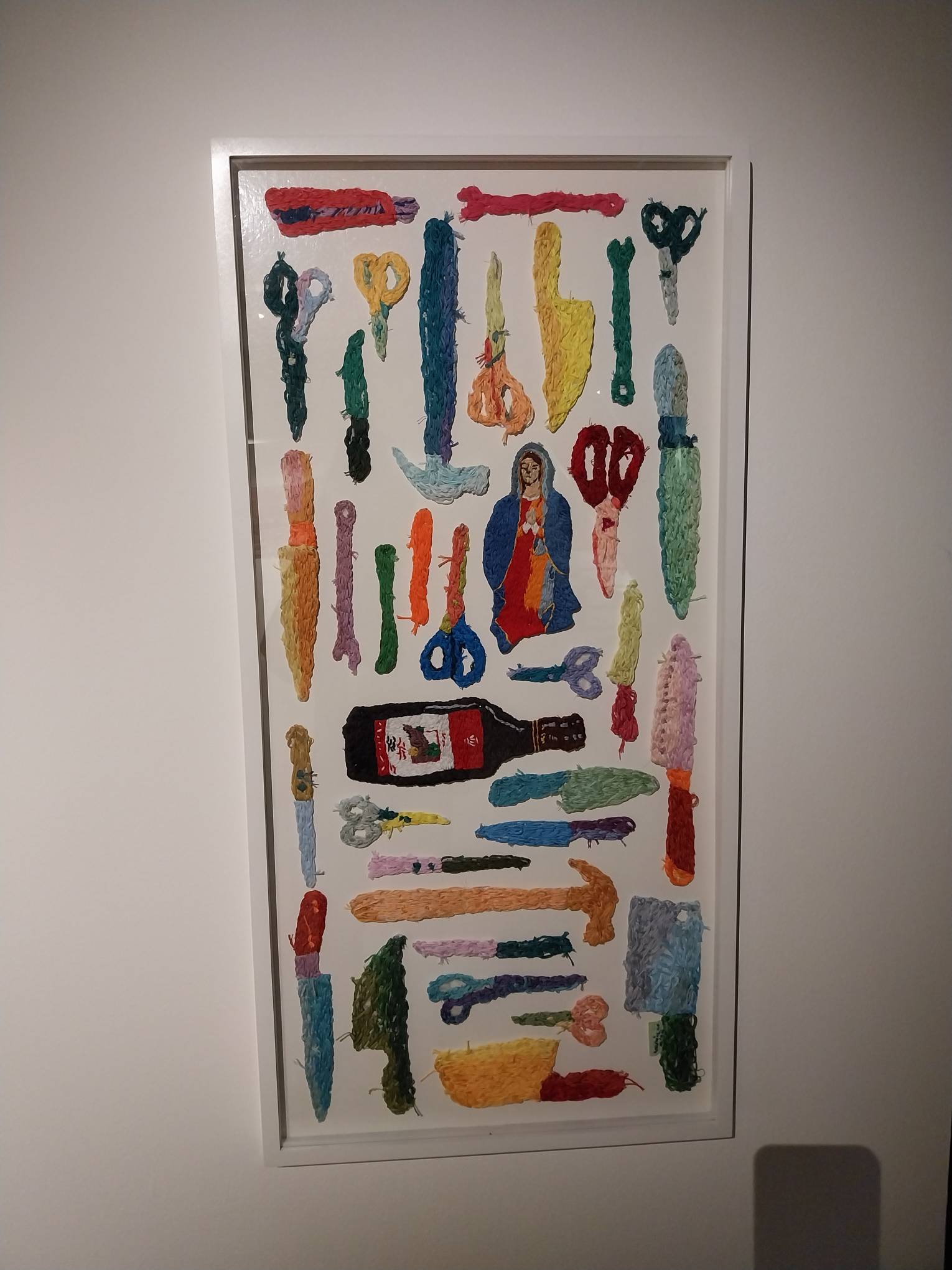
The works circle around similar ideas all throughout. The write-up describes “Kamiseta” as “a series of seven hangers in ostensibly menstrual colors, a meditation on the weekly routine of dressing and cleaning up.” The series invites comparisons to how hangers have been used historically as a way to perform abortions for women with no access to safe methods.
A Room of One’s Own
It reminds its audience that there is no purity of womanhood in society. Even in its patriarchal idea, womanhood is grizzly business, affording women no rights and freedom on their own terms.
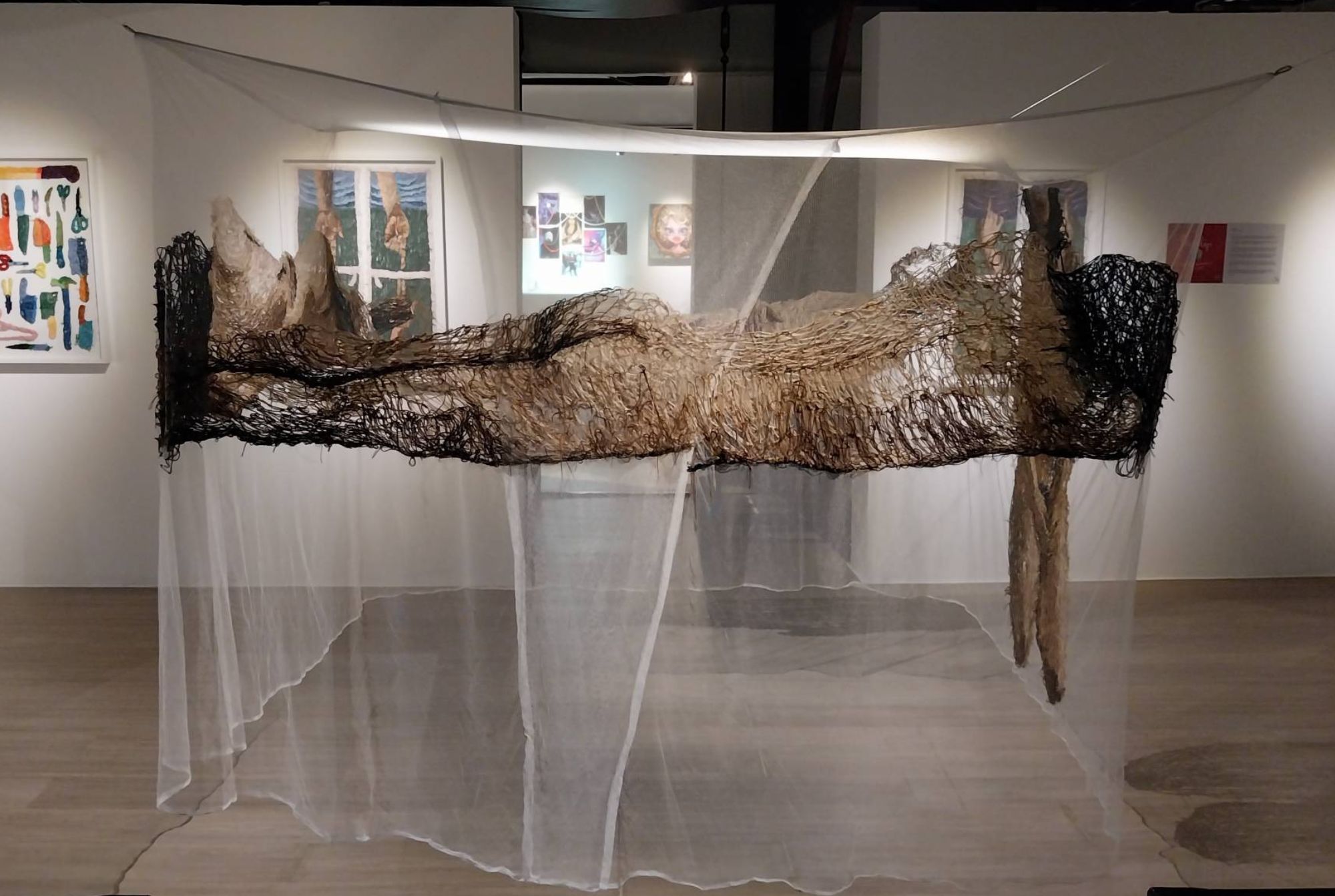
The exhibit’s centerpiece features this giant fabric work, “Kulambo,” showing a nude woman in different positions of rest. This specific work builds itself around a mosquito net, the type one puts above a bed in the provinces. A sense of intimacy pervades the work, blurred visions of the woman stitched directly into the fabric of the net.
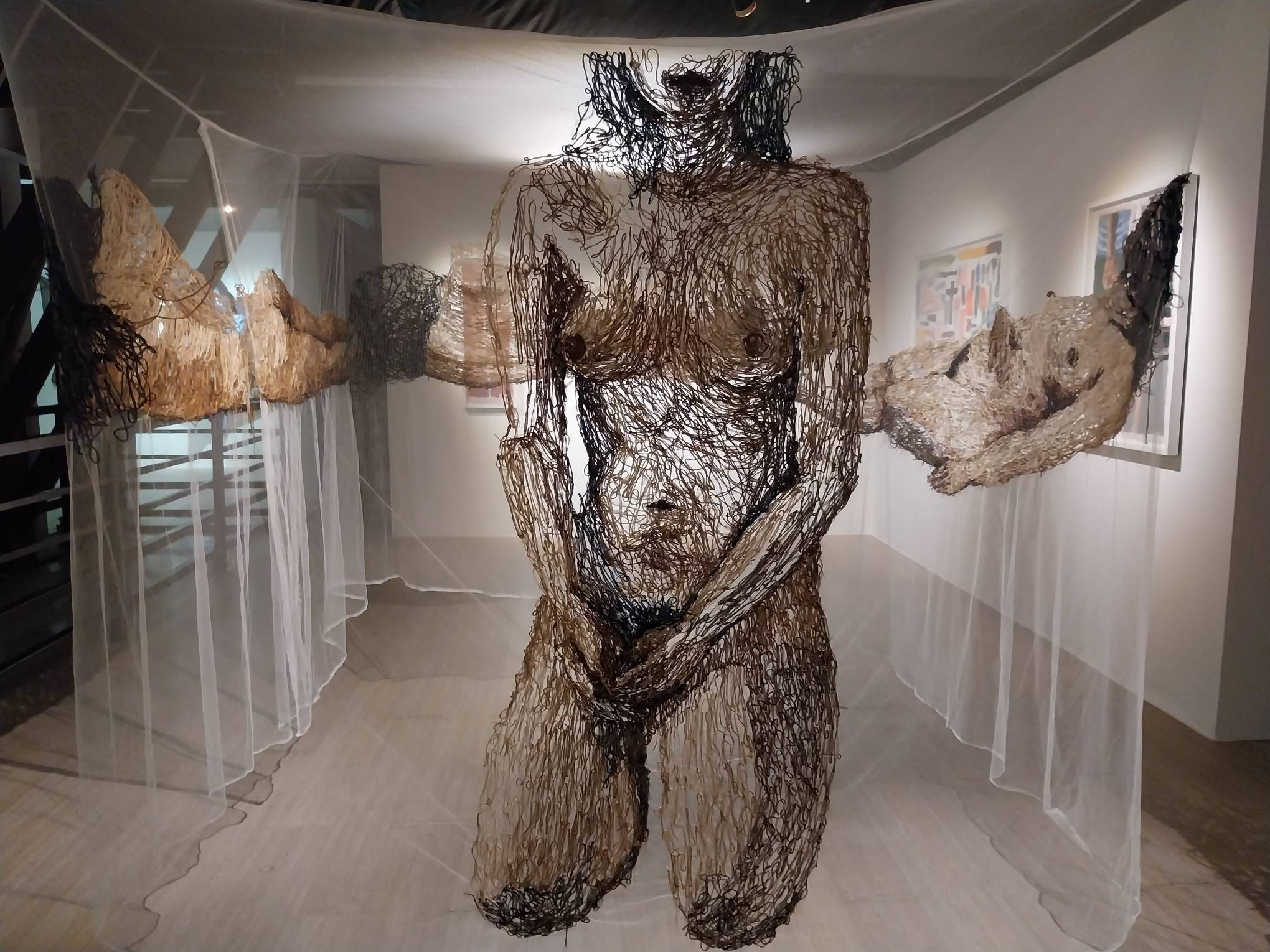
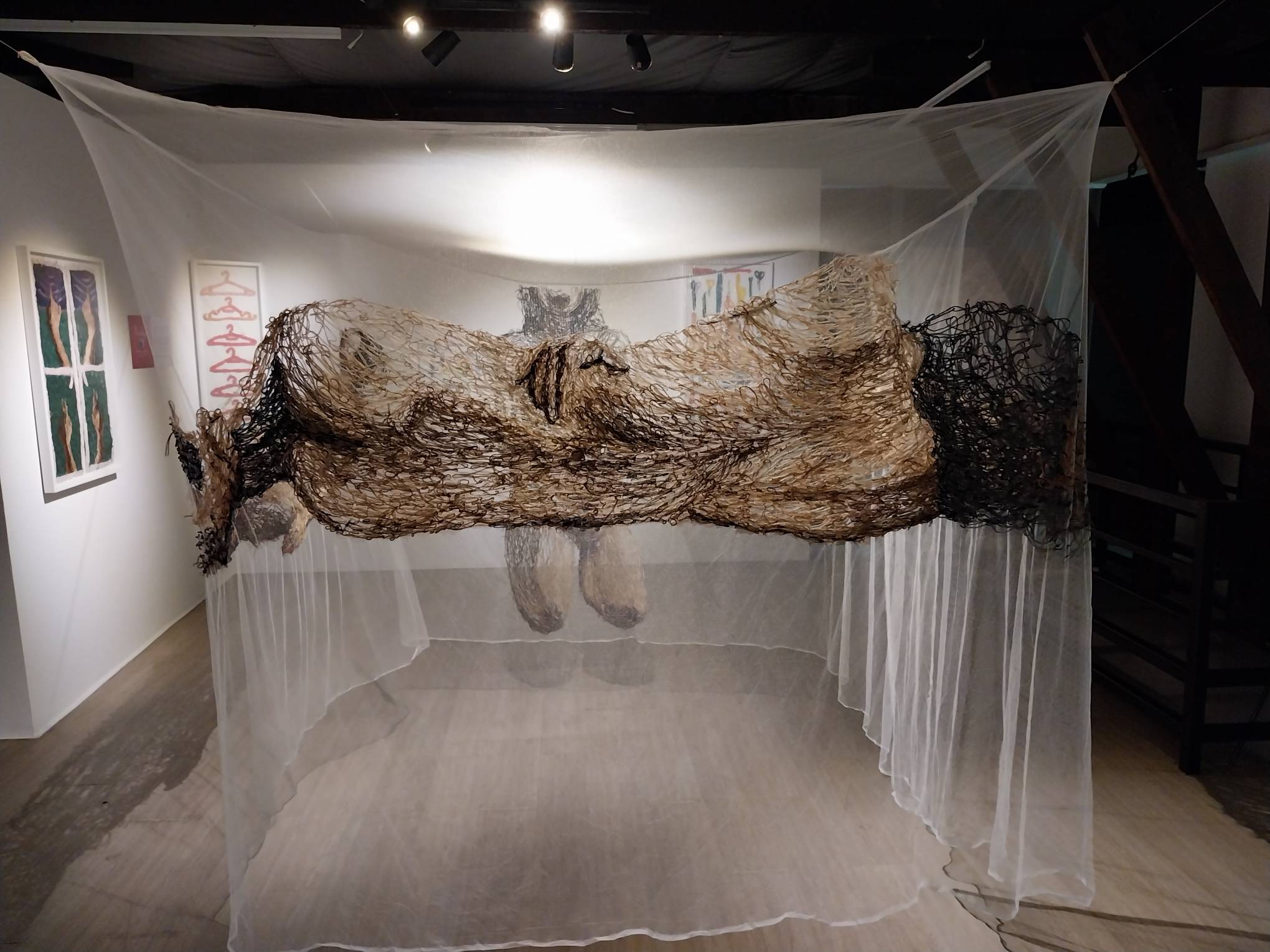
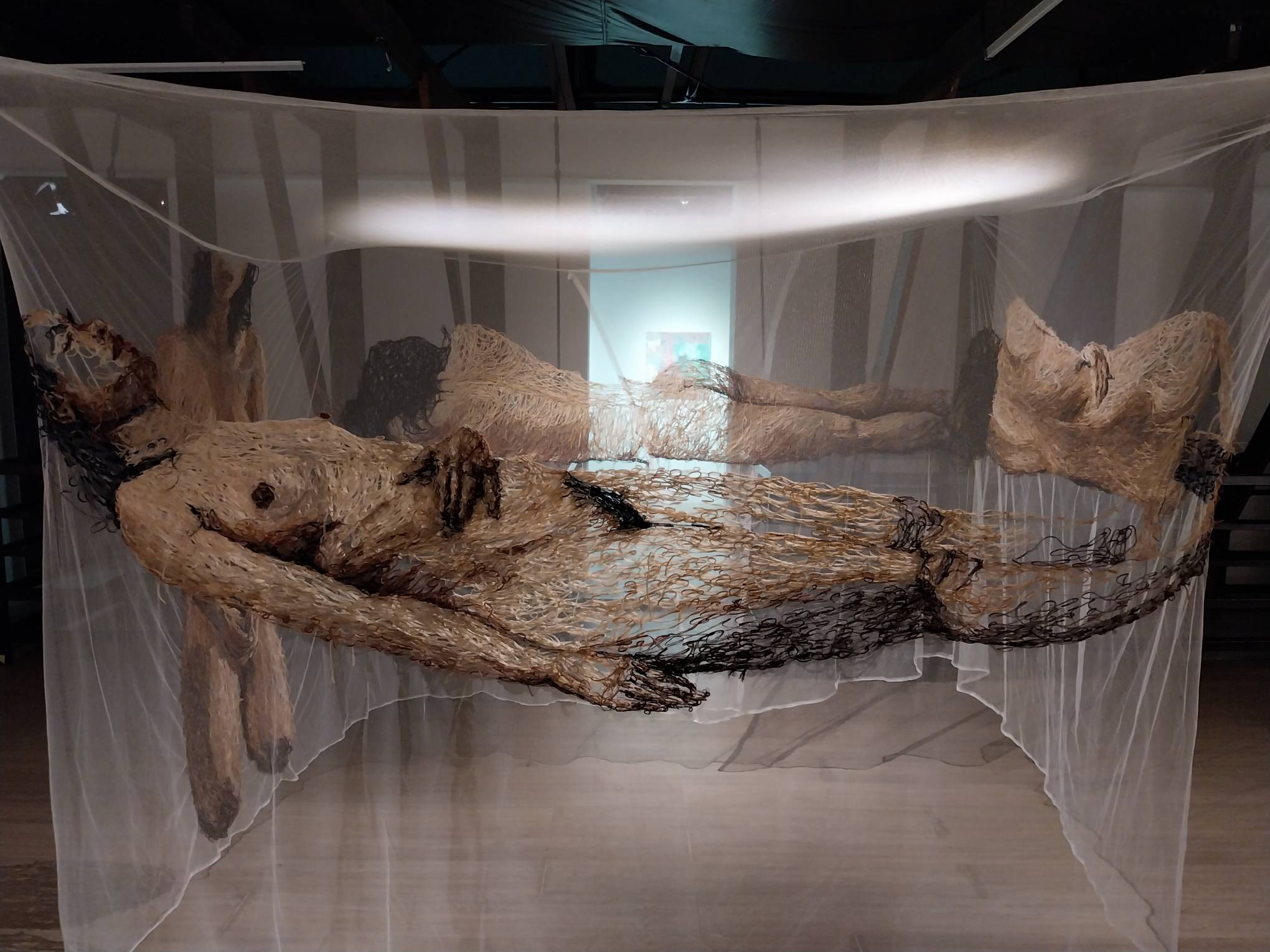
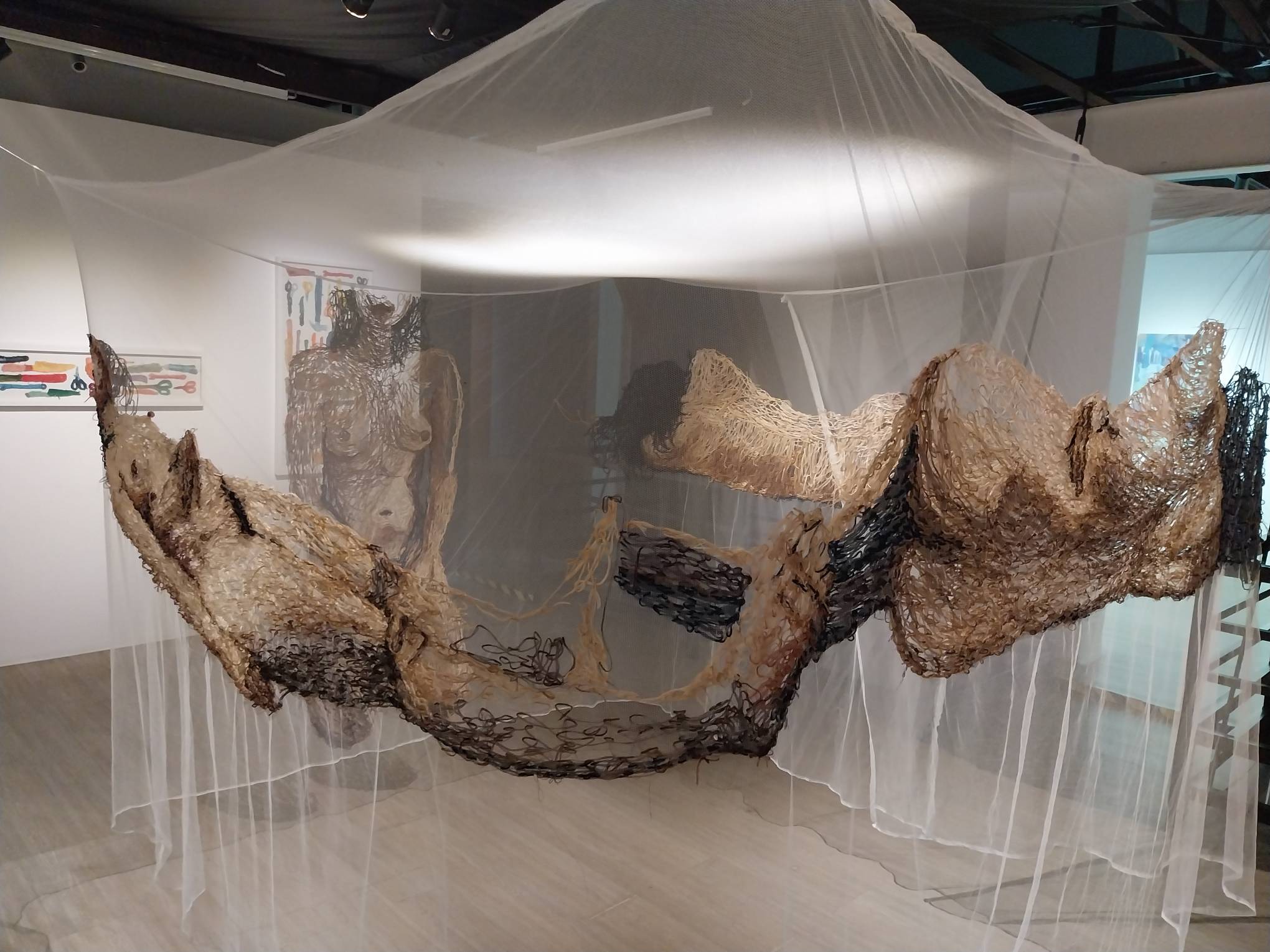
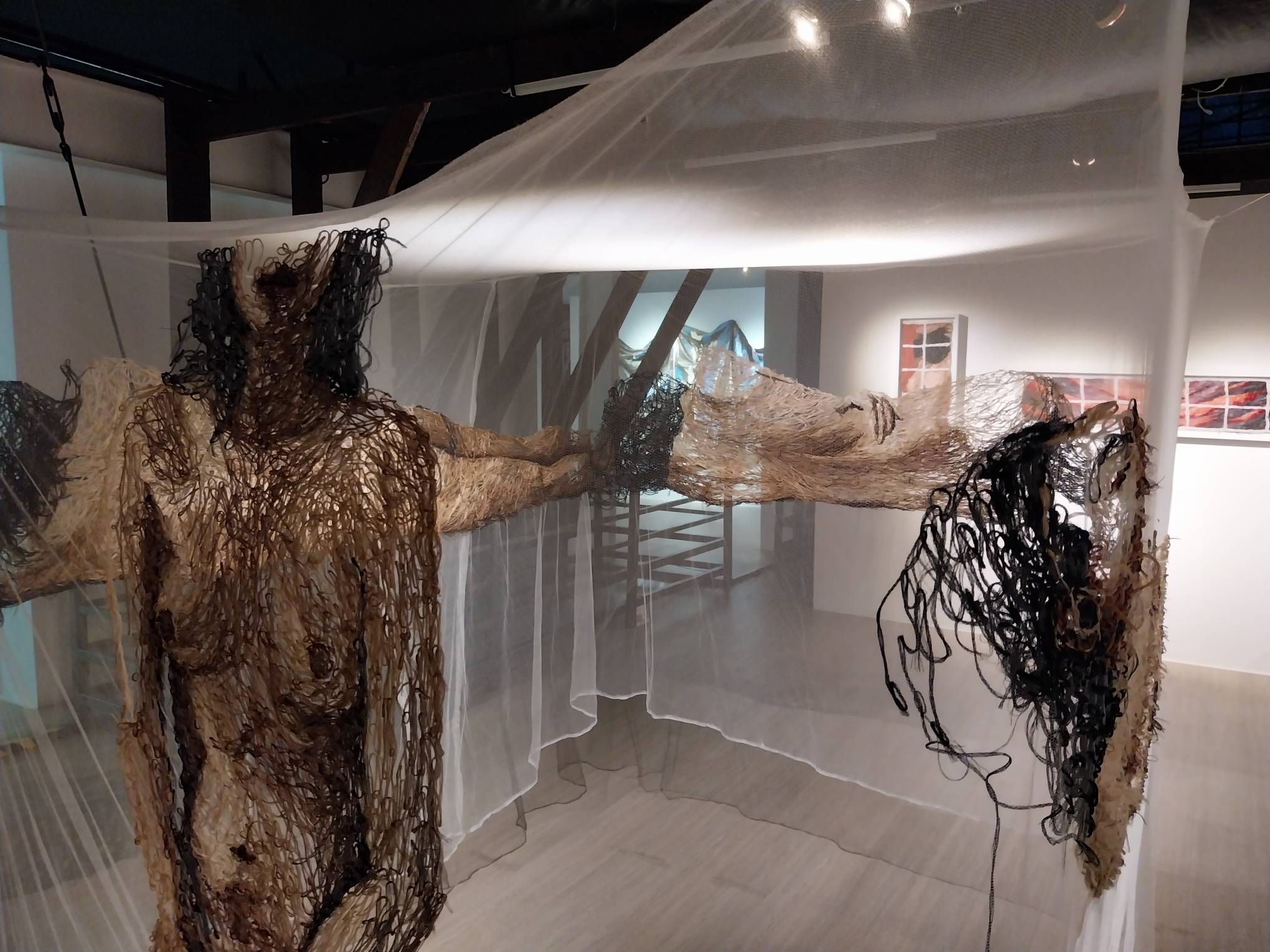
As the only work that showcases the subject’s body in its entirety, it feels like it’s revealing something innate about womanhood as a whole. If the other exhibits question the things that can protect us, “Kulambo” strips down its subject to show it at rest, giving us a look at how the marginalized would look protected—or perhaps not needing to worry about protection in the first place.
Reinterpreting a Woman’s Fragility and Power
What does Maricar Tolentino say about the power of women under the patriarchy? Mostly that whatever power women can achieve under it exists in a fragile state. Protection and power changes with the circumstances, something that can be uncontrollable even for the most privileged person under the system.
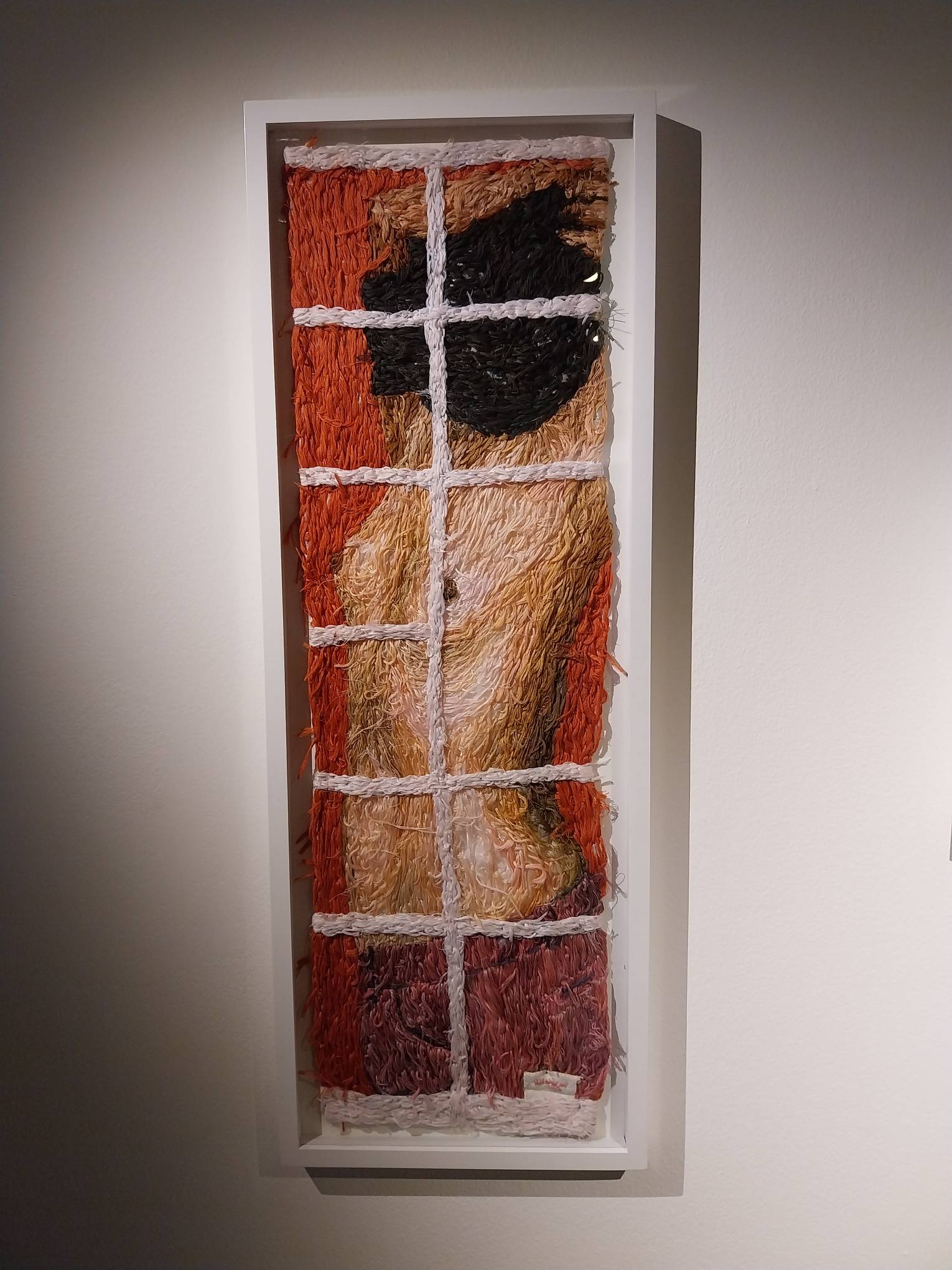
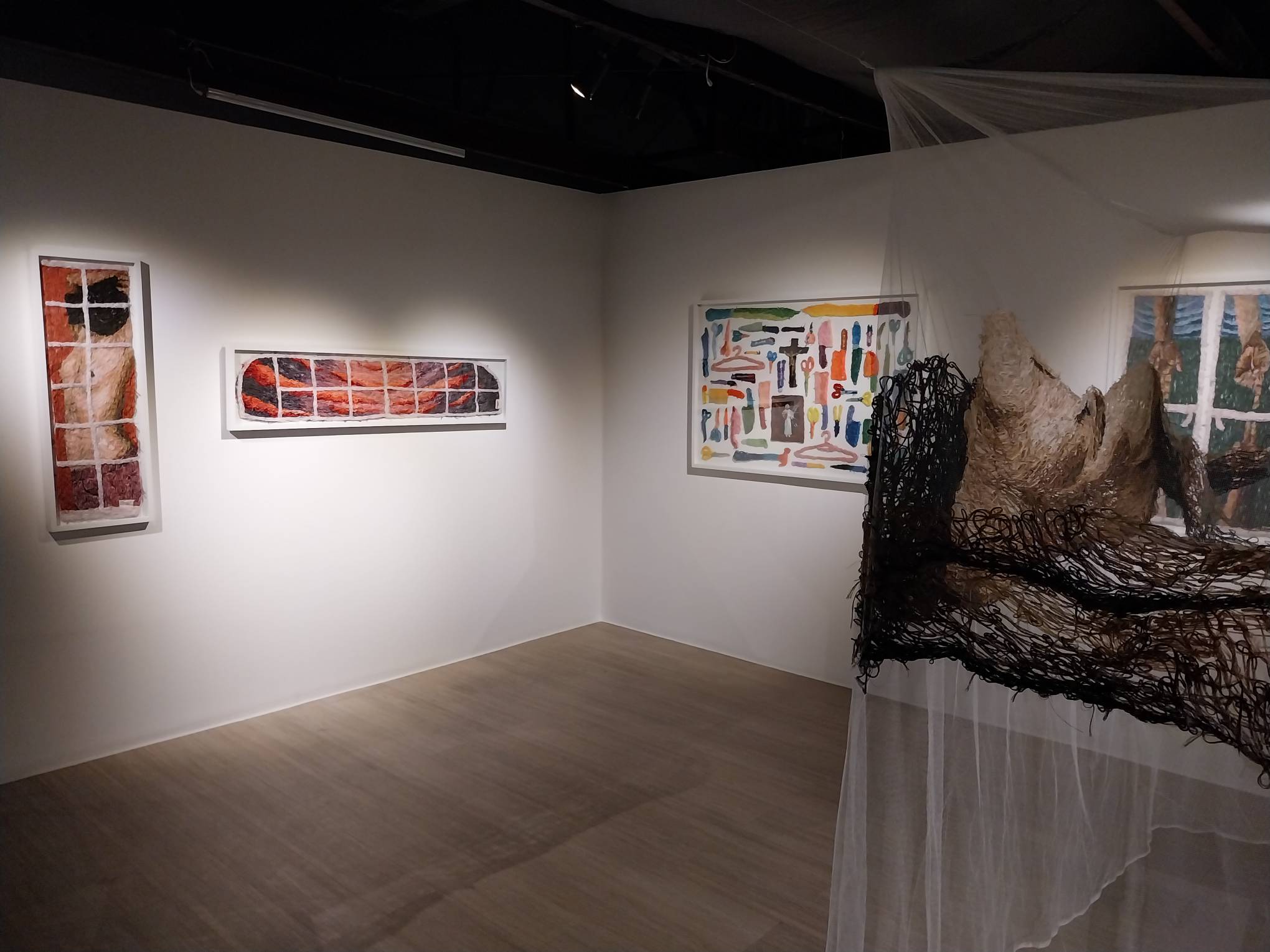
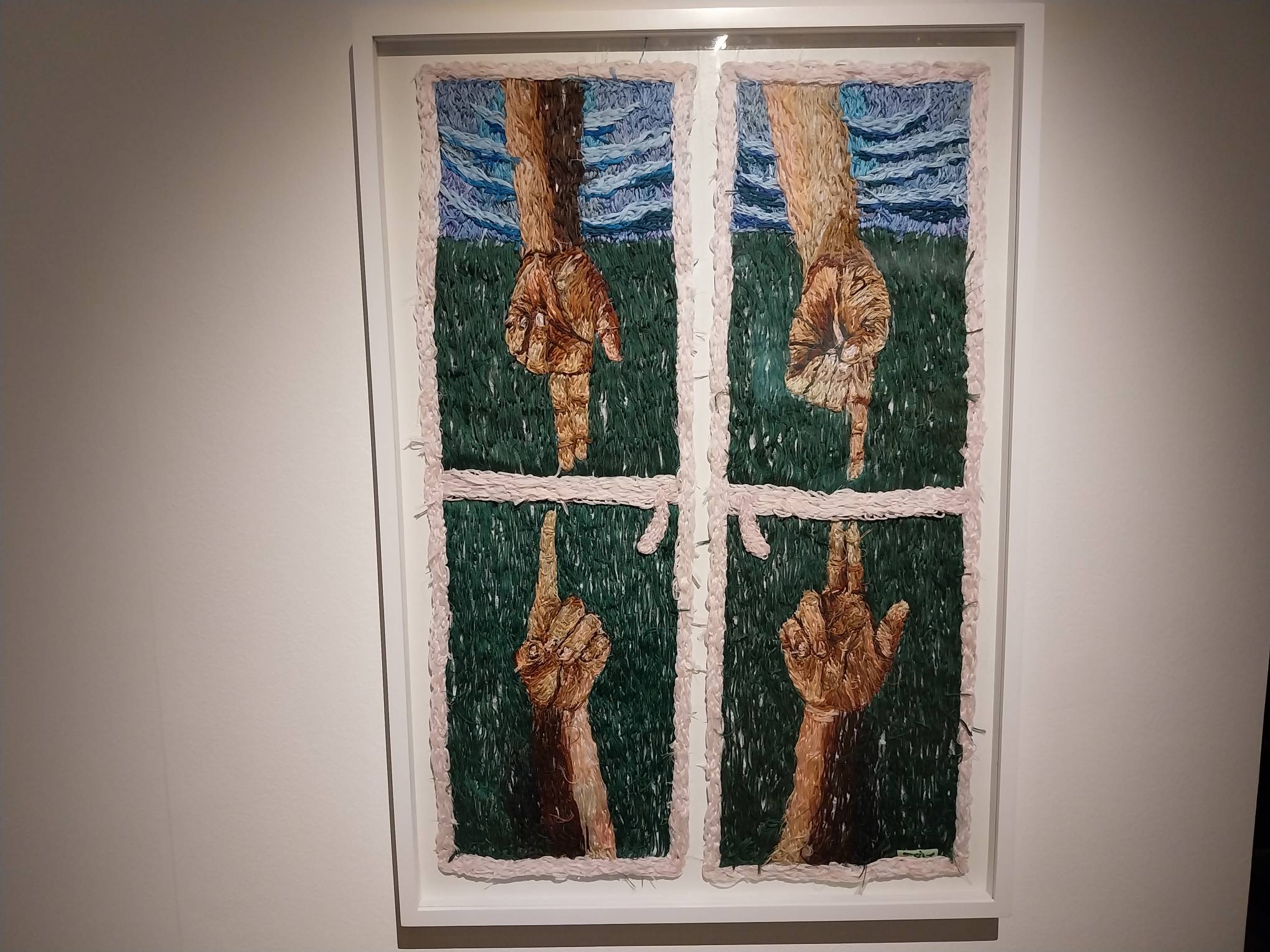
Something like “Kwadra,” which shows a woman’s body behind bars, gives the idea of the cloistered existence under the patriarchy. “Sundot” and “Sundutan,” meanwhile, give us the perspective where they literally reach out to another person for help, but the barriers between them prevent this salvation from happening. Within the system’s barriers, the power women have is limited and easily-retractable.
Currently, the world is undergoing a rightward political shift that compromises the rights of marginalized people around the world, including women. Especially in social media, a pervasive “tradwife” movement infiltrates many people’s feeds daily. It seeds the idea that women only belong in the home, under the rule of men; that women are happier under subjugation.
Pasilip reminds us of the dangers of returning to such a reality. Maricar Tolentino portrays the fragility of women under the patriarchy, as she gives us a perspective most people would not be privy to. There is no freedom in subjugation; the only true freedom is where we all can make our own choices.
Related reading: Women’s Month as Seen Through the Artist’s Lens
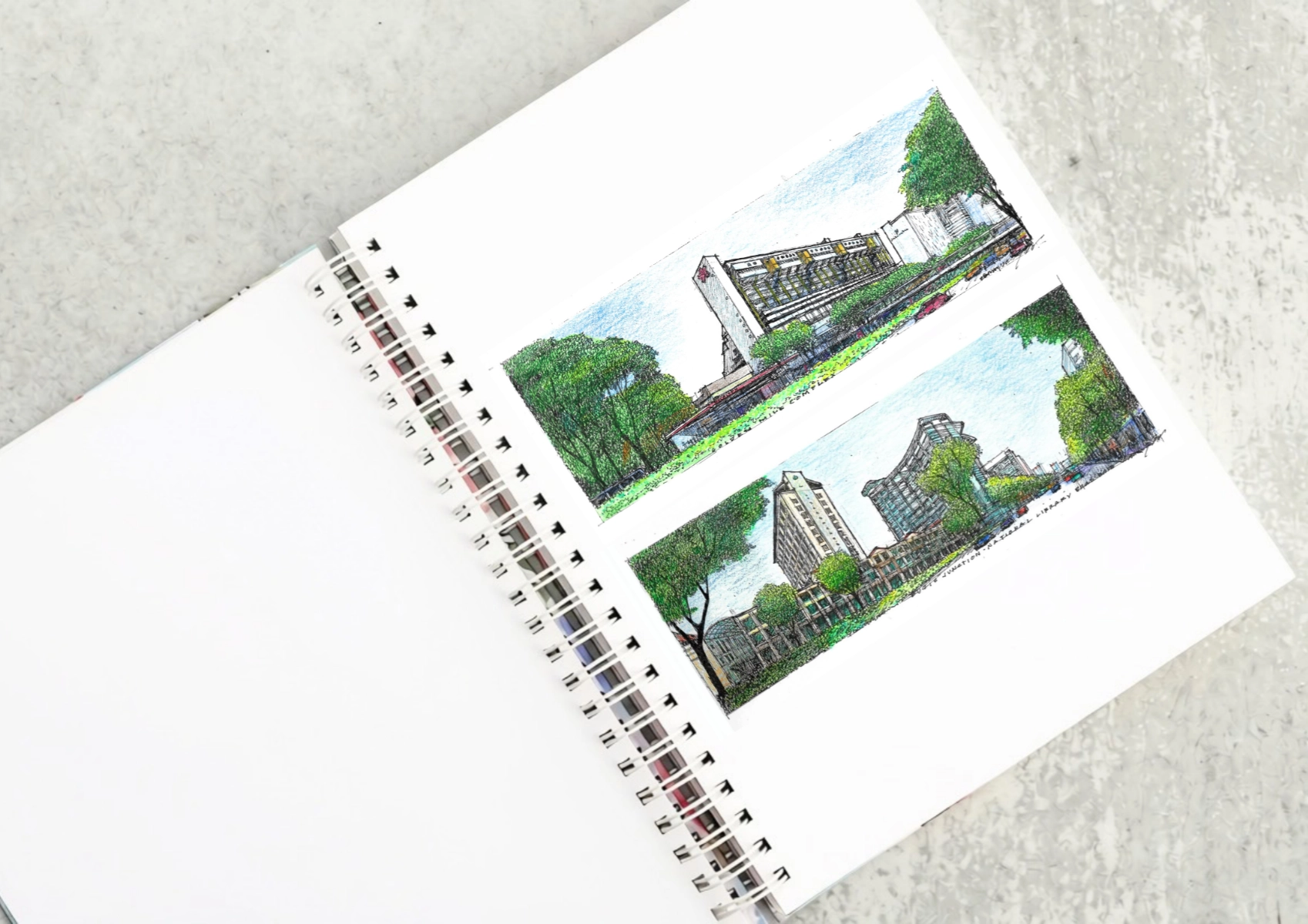
Two sketches of Singapore connect BluPrint Editor in Chief Paulo G. Alcazaren’s personal and professional history with Shared Ground: ArchitectureArchitectureThe art and science of designing and constructing buildings, structures, and spaces that are functional, safe, and aesthetically pleasing. It encompasses the planning, design, materials, and techniques used to createGo to Architecture Glossary of Care, Culture, […]
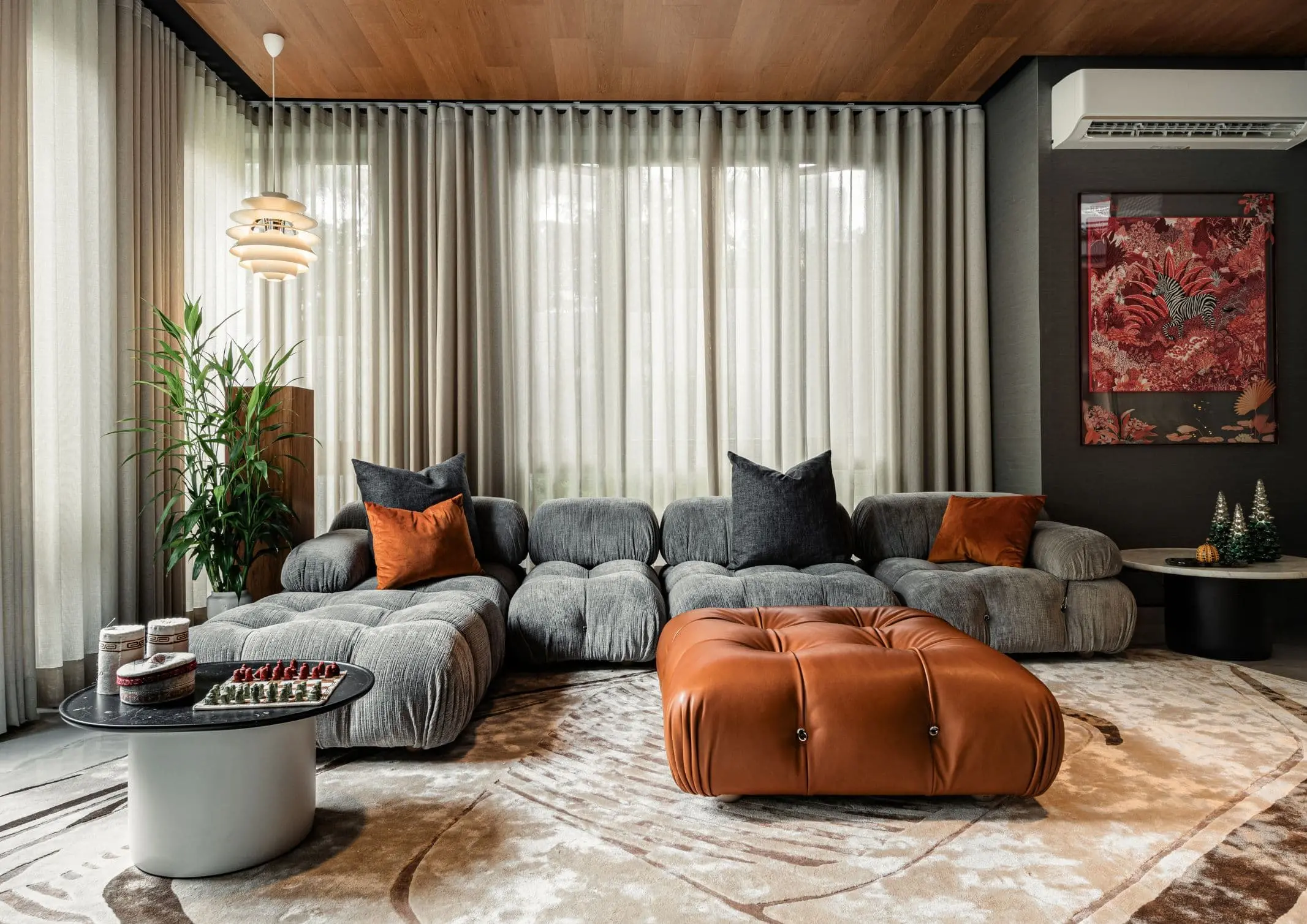
Some have become household names – Coleman, Oster, and KitchenAid – products that have found their way into Filipino kitchens, homes and family routines. In home furnishings, brands such as B&B Italia, Ethan Allen, Sub-Zero, Miele, SieMatic, Louis Poulsen, Hunter Douglas, Tempur, and Technogym, have helped shape the way Filipinos live. From everyday essentials to […]
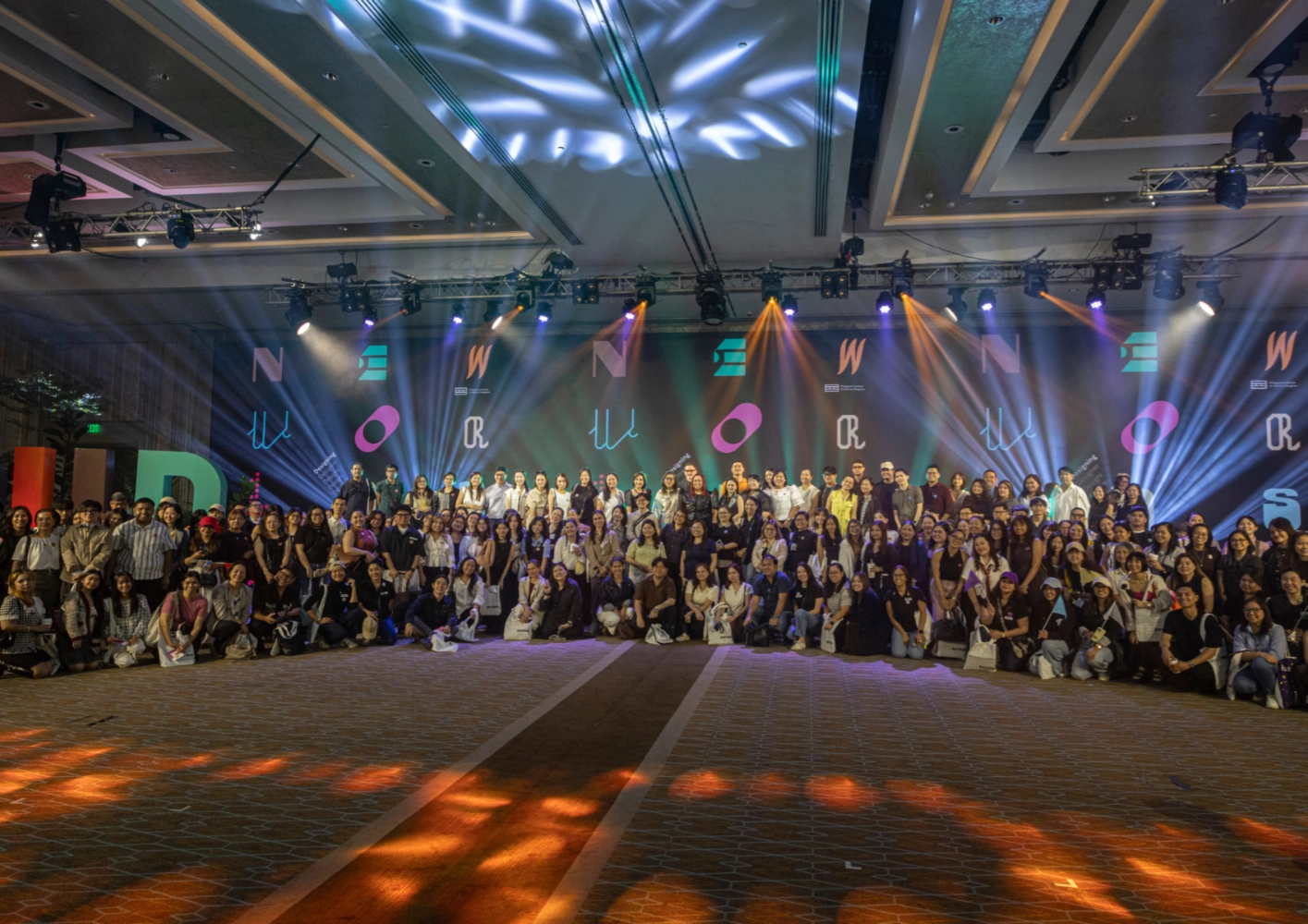
In a way, designers are the modern-day soothsayers and prophets. They design for the future, predicting how a room, a house, a building or a whole city will be used by people. They foresee how users will interact with a space, conjure exact shades of colors to elicit specific behavior and arrange furniture to build […]
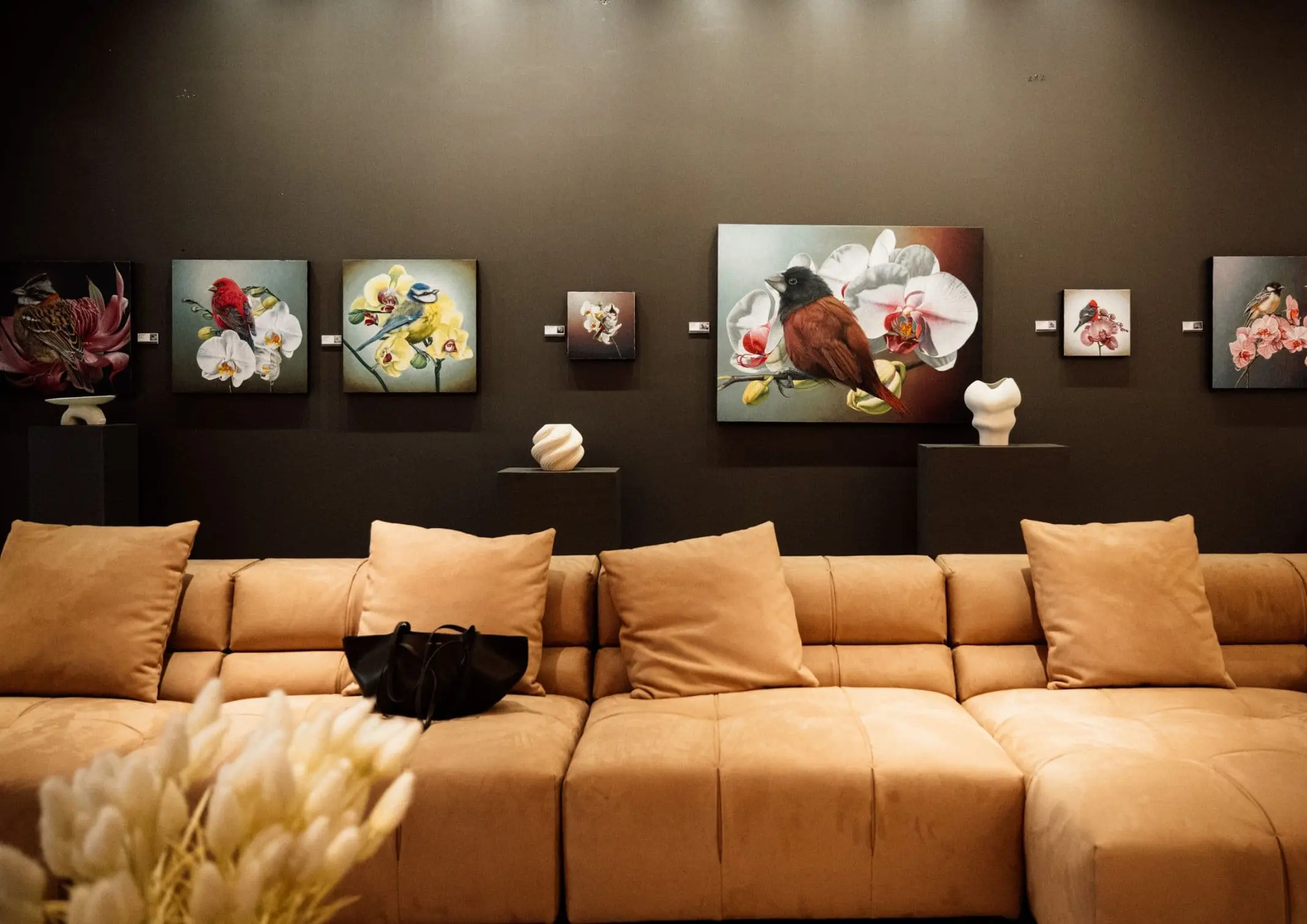
Art and furniture are often selected separately, yet their relationship can shape how a room looks and feels. The collaboration between Hooga and Galerie Joaquin explores how these elements can work together, bringing contemporary artworks into furnished residential settings at Hooga’s showroom in Uptown Mall, Bonifacio Global City. For Hooga, which curates furniture, lighting, and […]
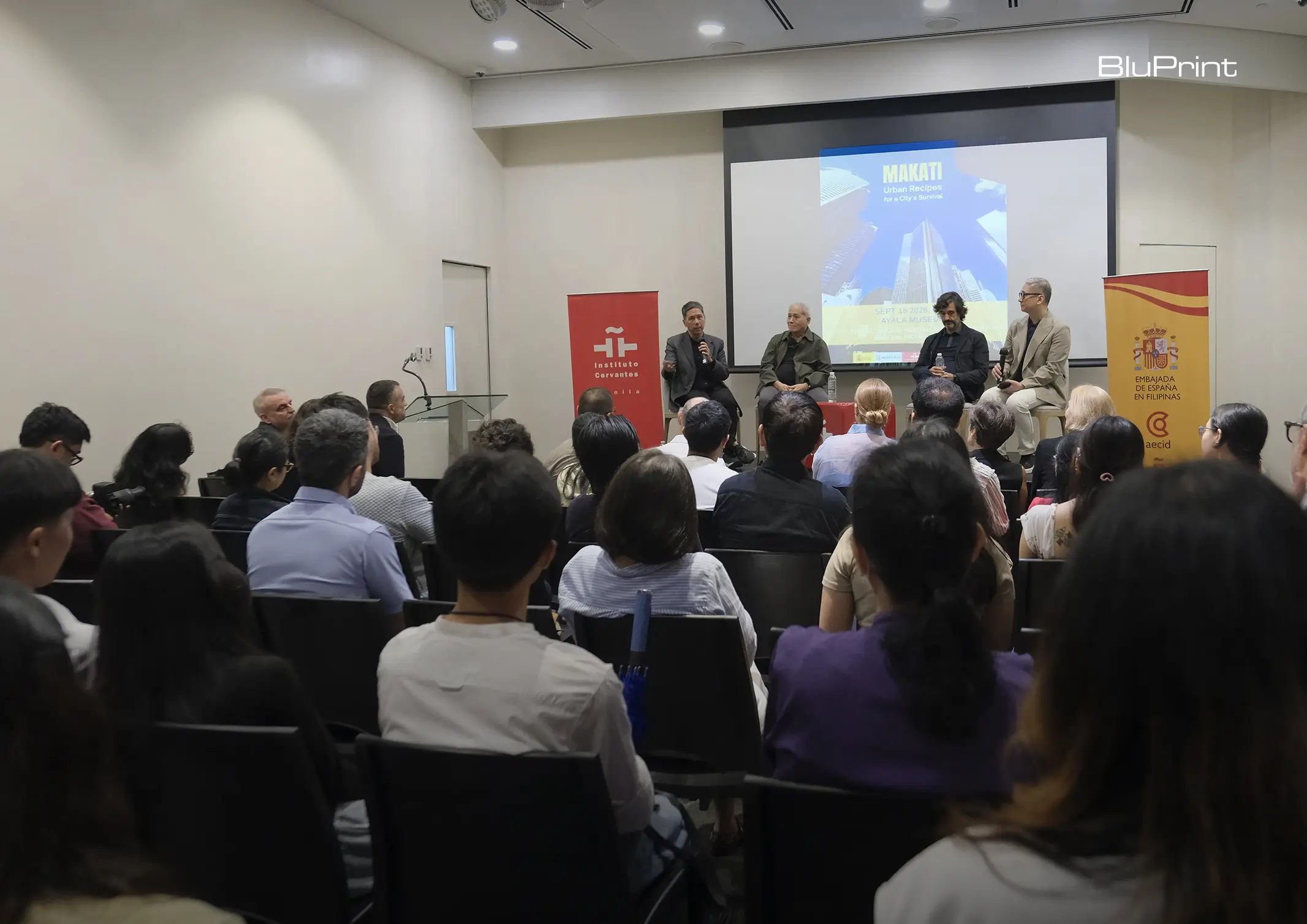
How can better-planned cities create the conditions for more creative, livable, and resilient urban environments? “Makati Urban Recipes for a City’s Survival,” a colloquium held at the Ayala Museum on September 15, brought together architects and practitioners from the fields of urbanism and the creative economy to discuss how design, planning, and collaboration can address […]
Read the issues.

Collect the volumes.

Recommended Video
Tap to Unmute
Unmute
0:00
0:00