A Filipino Interpretation of Modernist Architecture Unlike the rest of Makati today, the northern end of Paseo de Roxas in Makati is anchored by a low complex rather than a tall skyscraper. This is the elegant Asian Institute of Management, designed by architect Gabriel Formoso and completed in 1971. In my opinion, the building is […]
‘Gyre Dominion’: Jose Olarte Digs Up Meta-Commentary for Industrial Progress



Is all progress good progress? Jose Olarte’s Gyre Dominion struggles with the question throughout his exhibit, showing in Mono8 Gallery until July 18. In it, he utilizes symbols of industrial might and power to probe how we portray the reality of industry.
The artist said that he researched different dams across the country, including the Angat dam in Bulacan and the Caliraya dam in Laguna. While he highlights the positive things they provide, like electricity and light, he also finds himself ruminating on their negative side effects and how they reinforce the practice of imperialism and foreign rule.
He points out the underpaid and overworked laborers treated badly in the project. Olarte also underscores the displacement of indigenous groups and farmers from their lands. “These projects are instrumental in driving neo-liberal capitalist forces as they are more used as structures for profit,” he said.
Defining Progress Through Infrastructure
With that mindset, Gyre Dominion finds its footing by dissecting power structures of society, including the literal power-generation dams mentioned earlier. The exhibit has a grimy, bare-concrete look akin to Nine Inch Nails’ music videos of the 1990s. Olarte’s chosen aesthetic contributes to this feeling of dread.
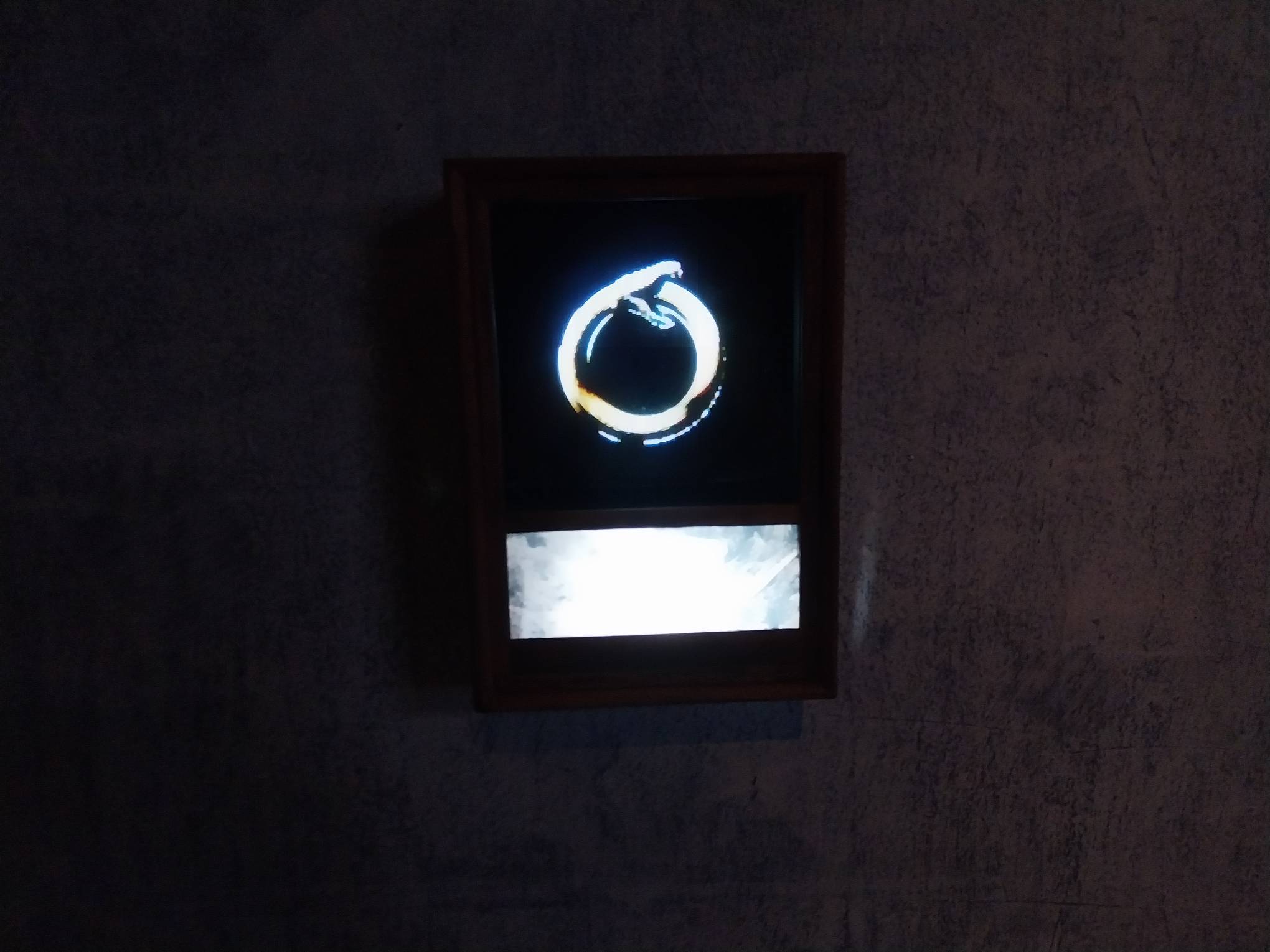
He uses an interesting mix of low and high technology to create strange visions to entrance the audience. “Downward Spiral,” for example, is a wooden plaque with an ouroboros symbol at the center. The artist uses a holographic image to create the effect of the snake eternally circling around and eating itself inside.
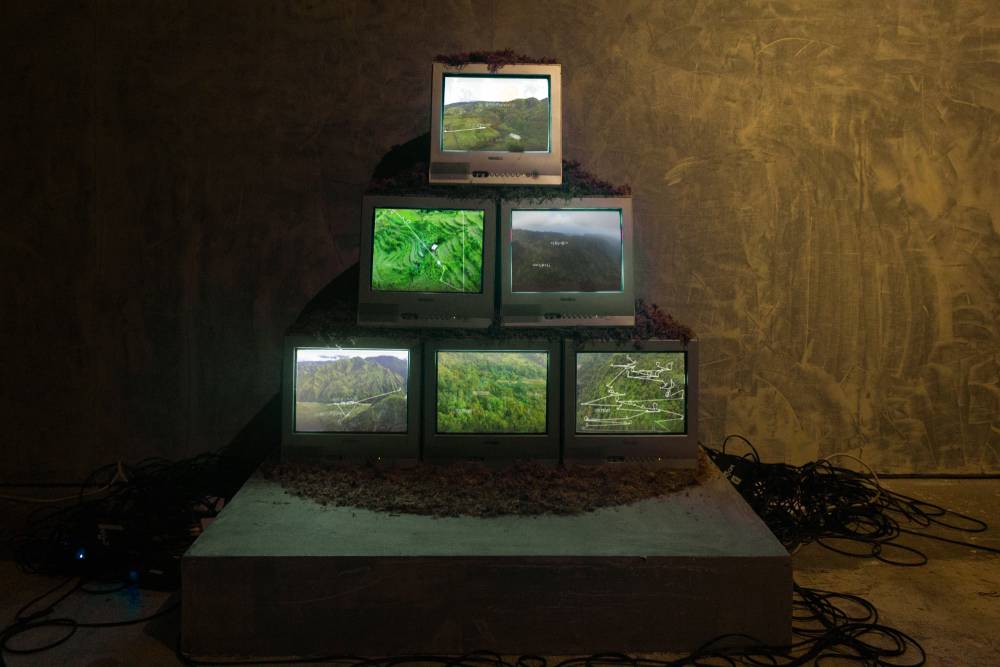
Multiple parts of the exhibit mix the old and the new to make a point about the decay of industry. On one side of the room, multiple televisions stacked up together show footage of lush mountainside. One looks at it and realizes that it presents the areas lost to progress, how industrialization destroys the environment instead of working for it.
Perspectives and Schematics
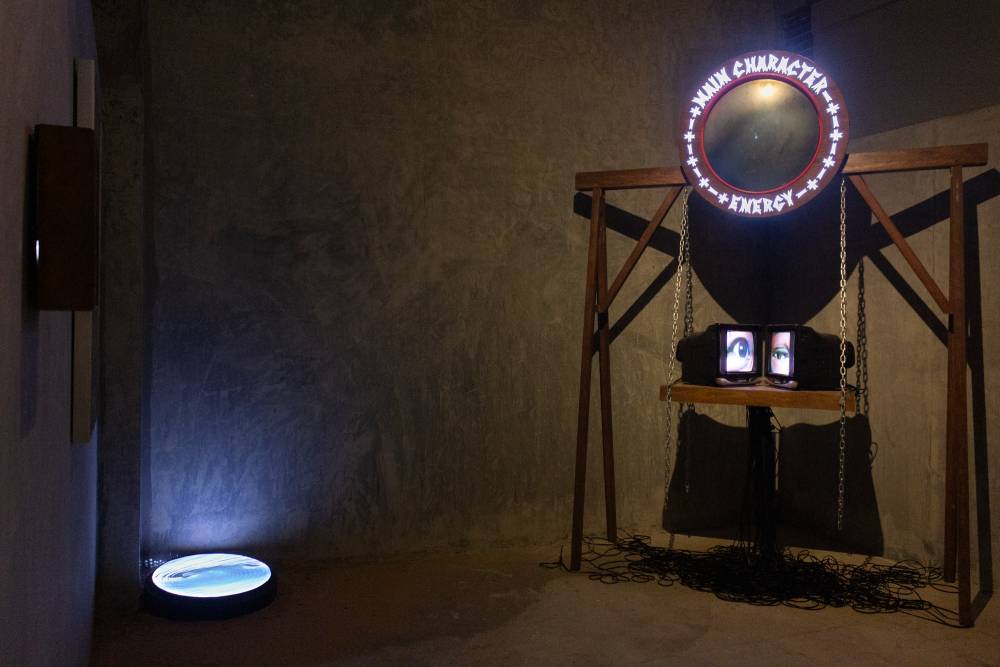
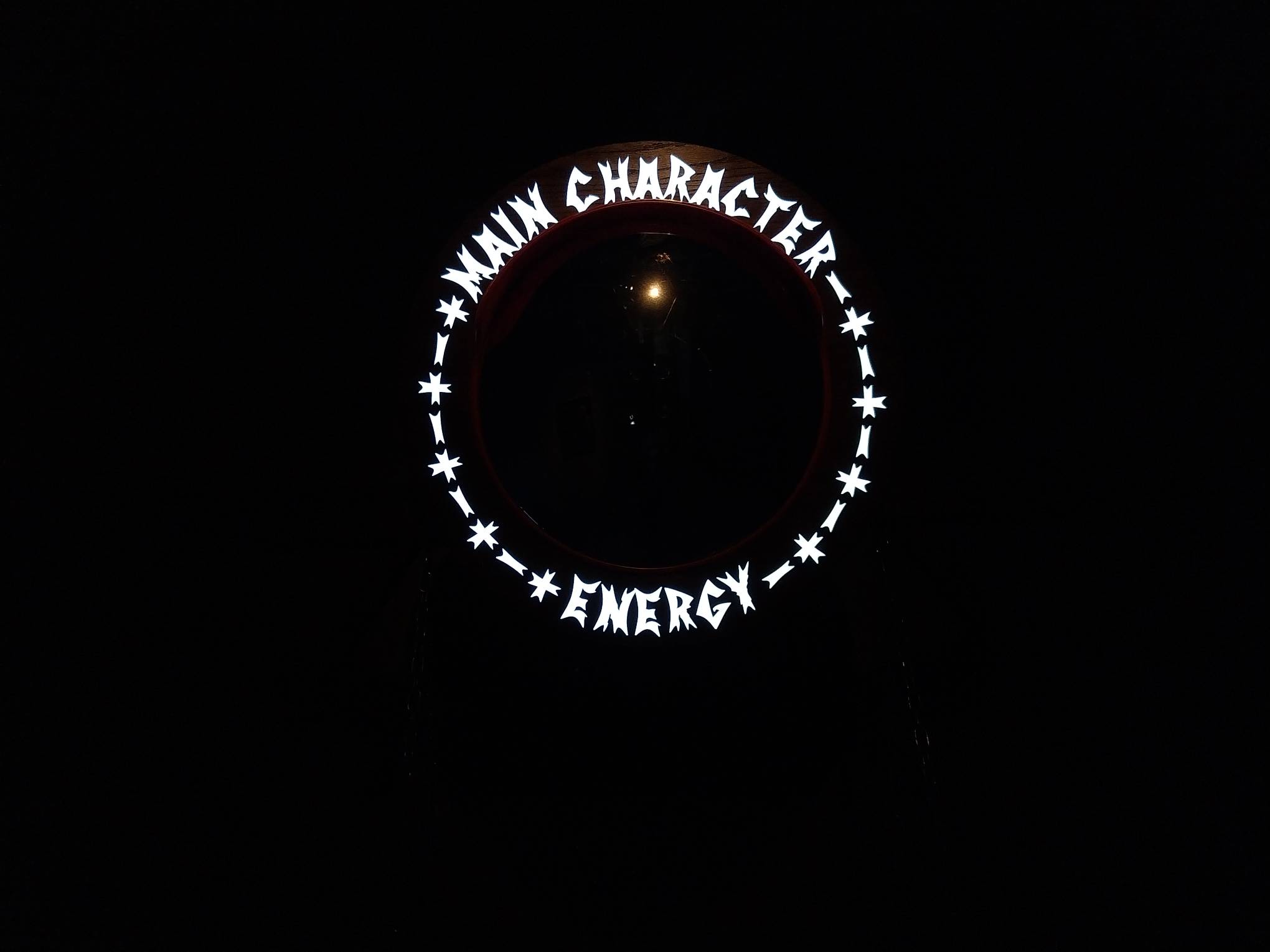
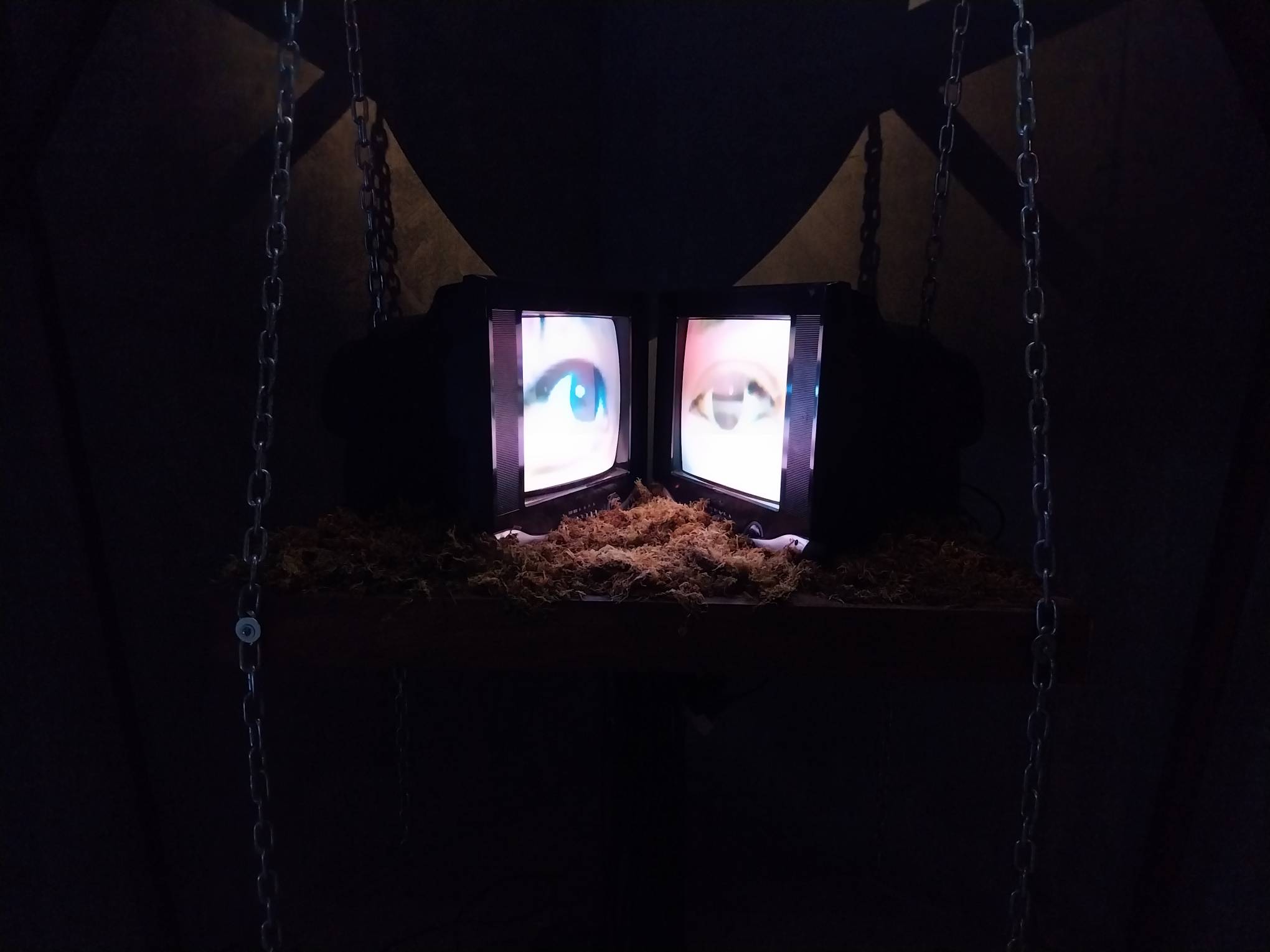
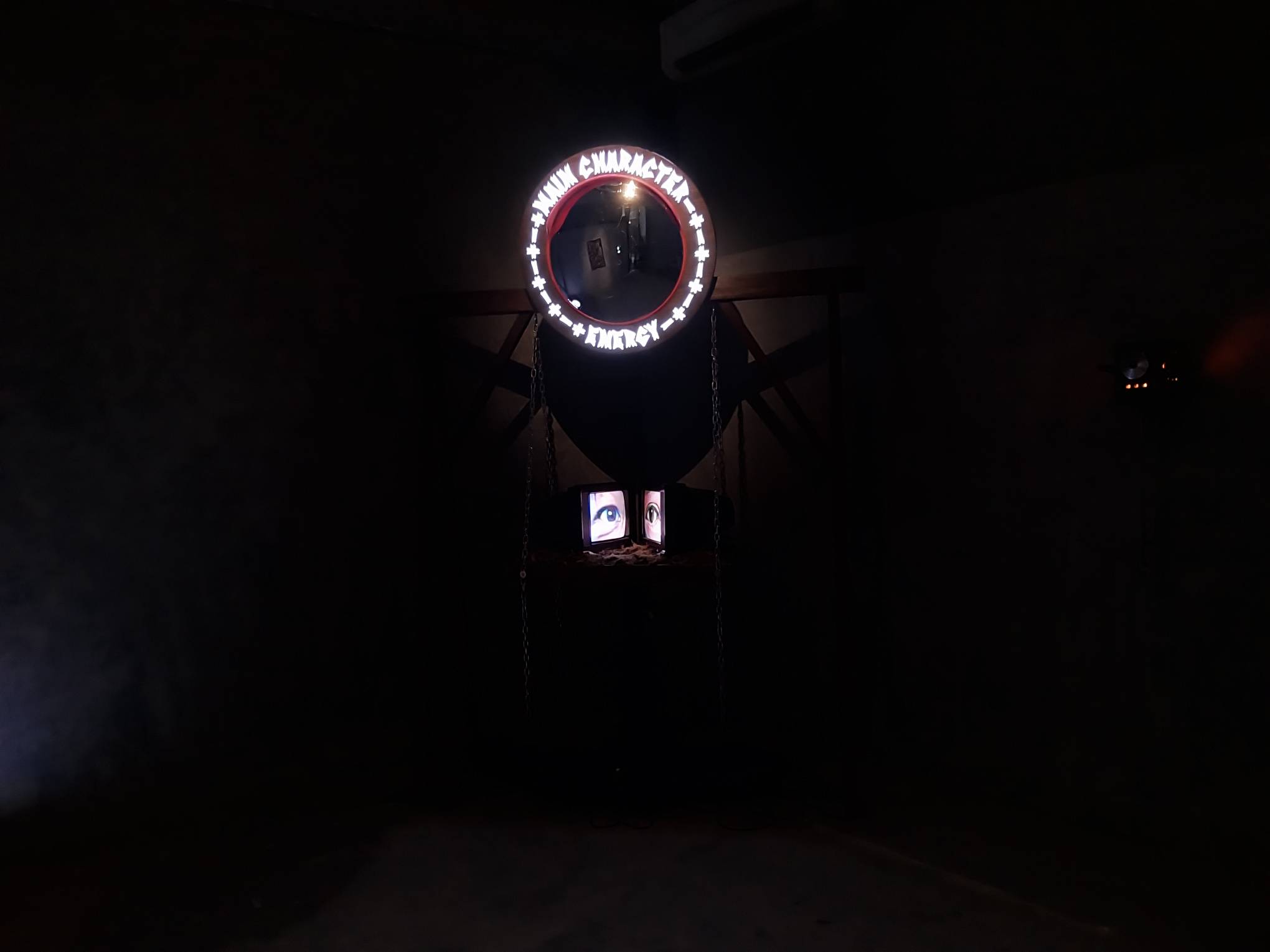
The centerpiece of the exhibit, “Forced Perspective (Six Degrees of Separation),” uses two televisions showing eyeballs while they stare passively into the distance. The artist took the eyeballs from images of the current sitting president and vice president of the country. It sits on a table held together by chains, while a mirror glows above with the words “Main Character Energy” on top of it.
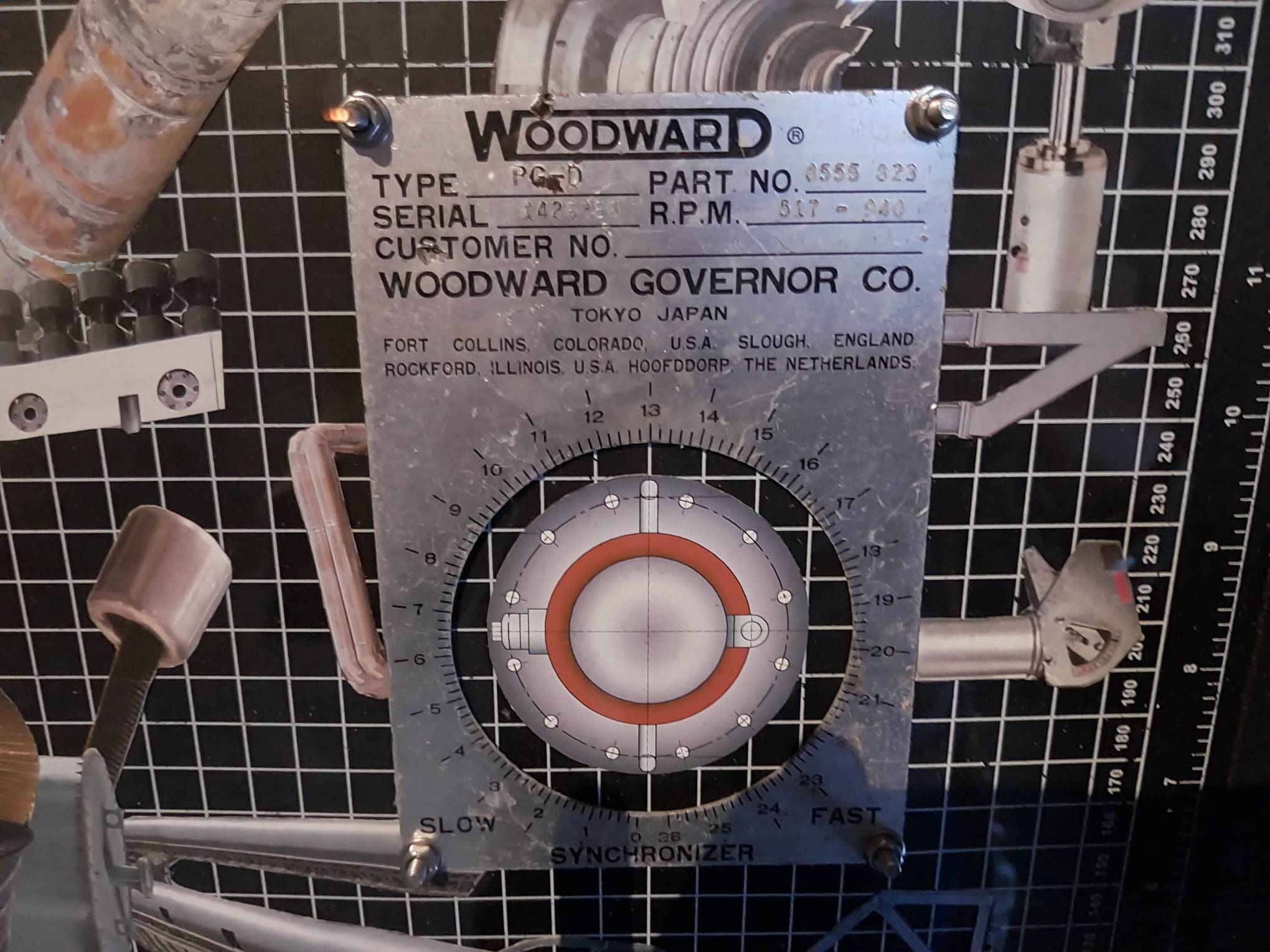
Another work showcased is “Tertiary Growth.” A collage of different mechanisms used in building a dam, it deconstructs the pieces as a way of discussing the idea of power further. We see the different important parts of a hydro-dam, from the gears to the propellers to the engines that power it. Prominent on the side of “Tertiary Growth” is the information of the Japanese company that we assume provided the tools.
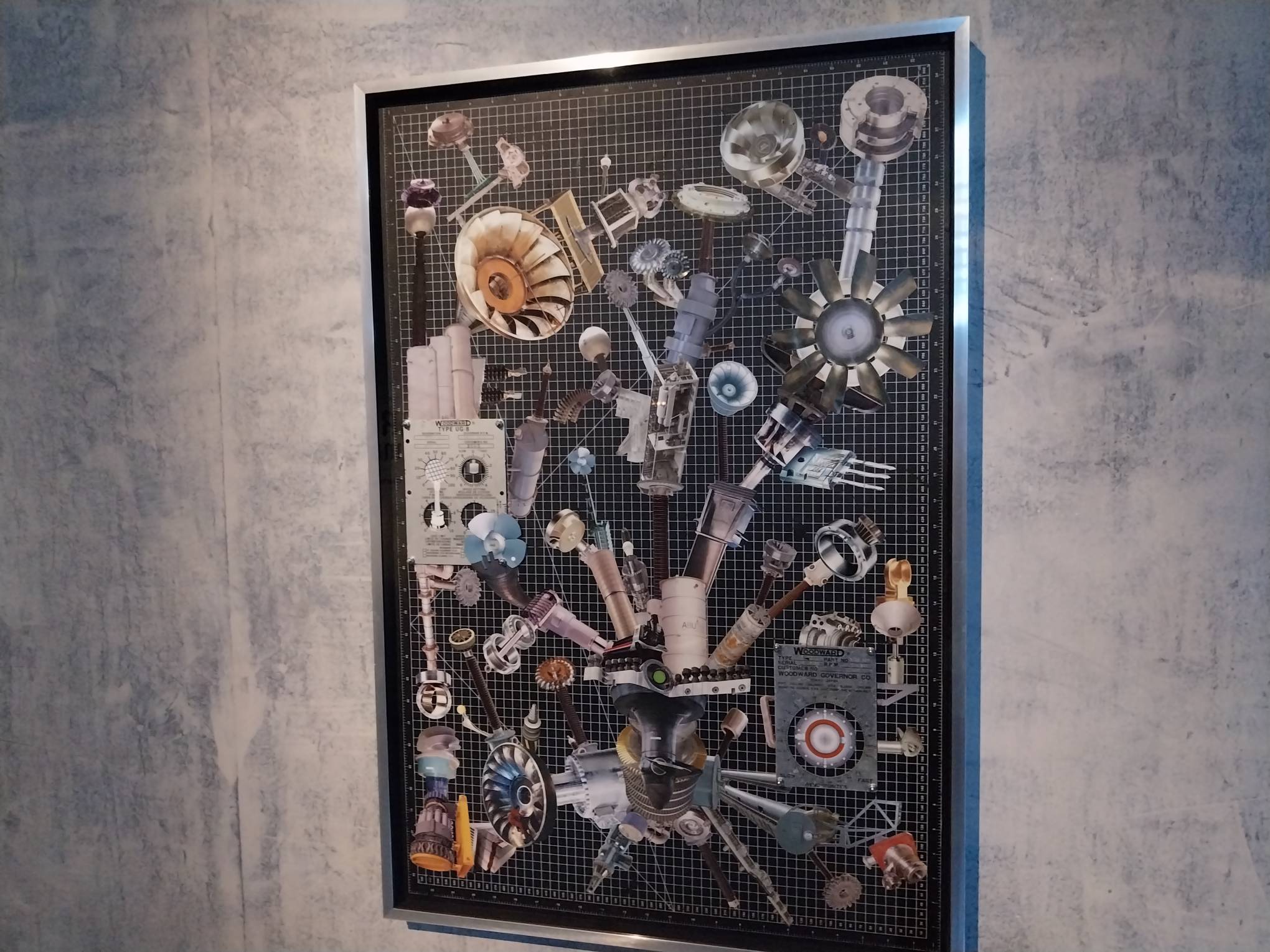
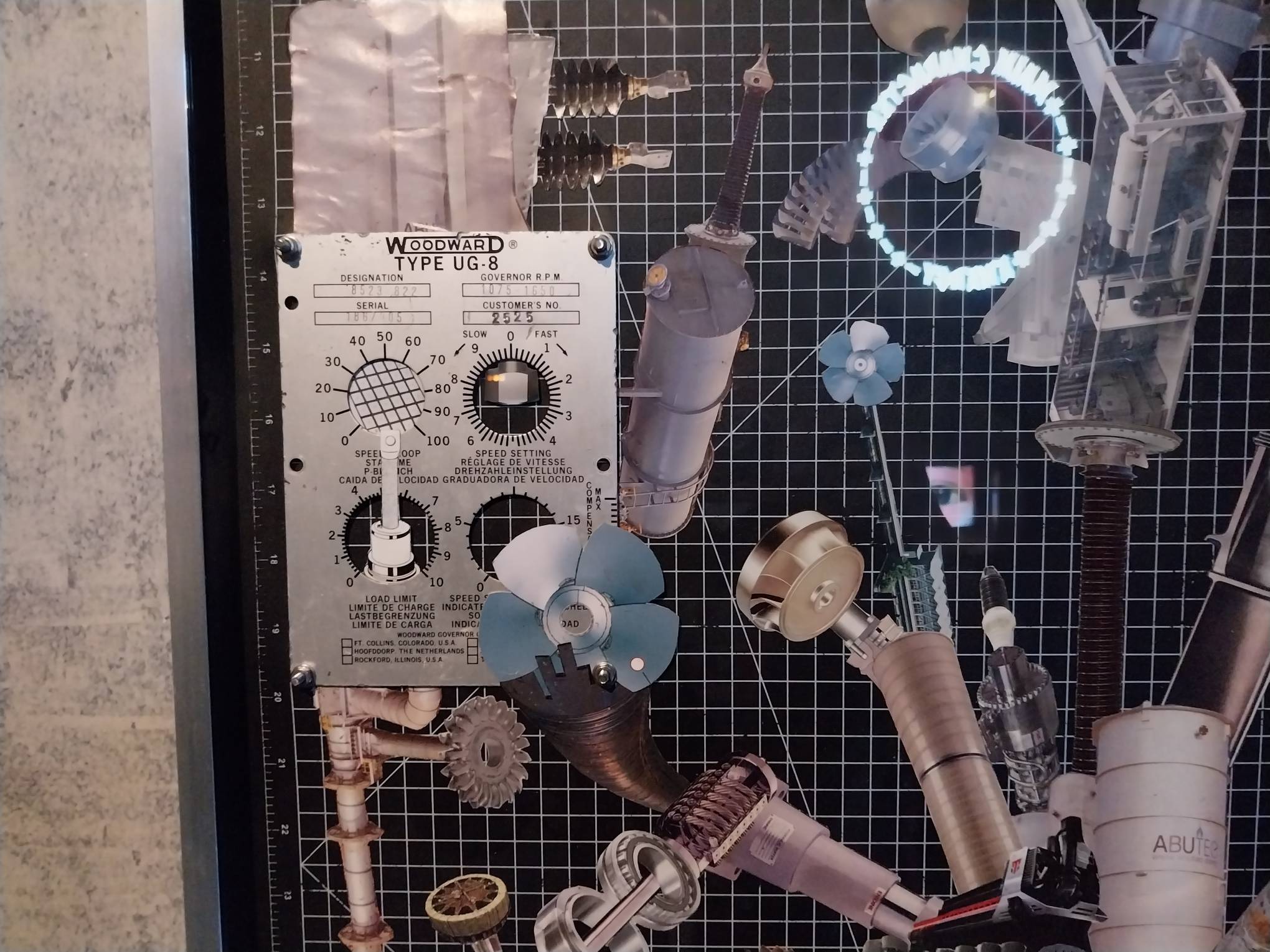
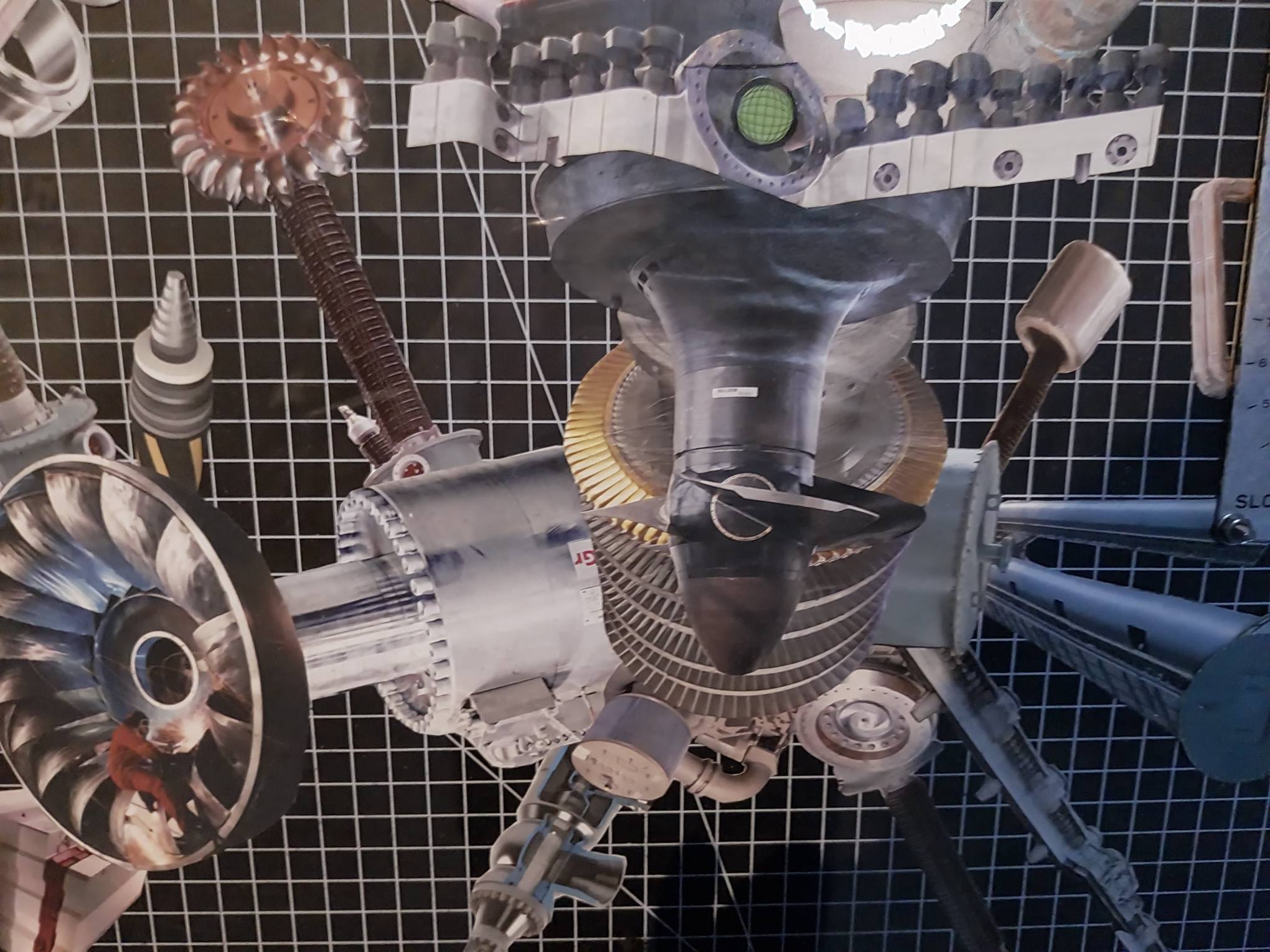
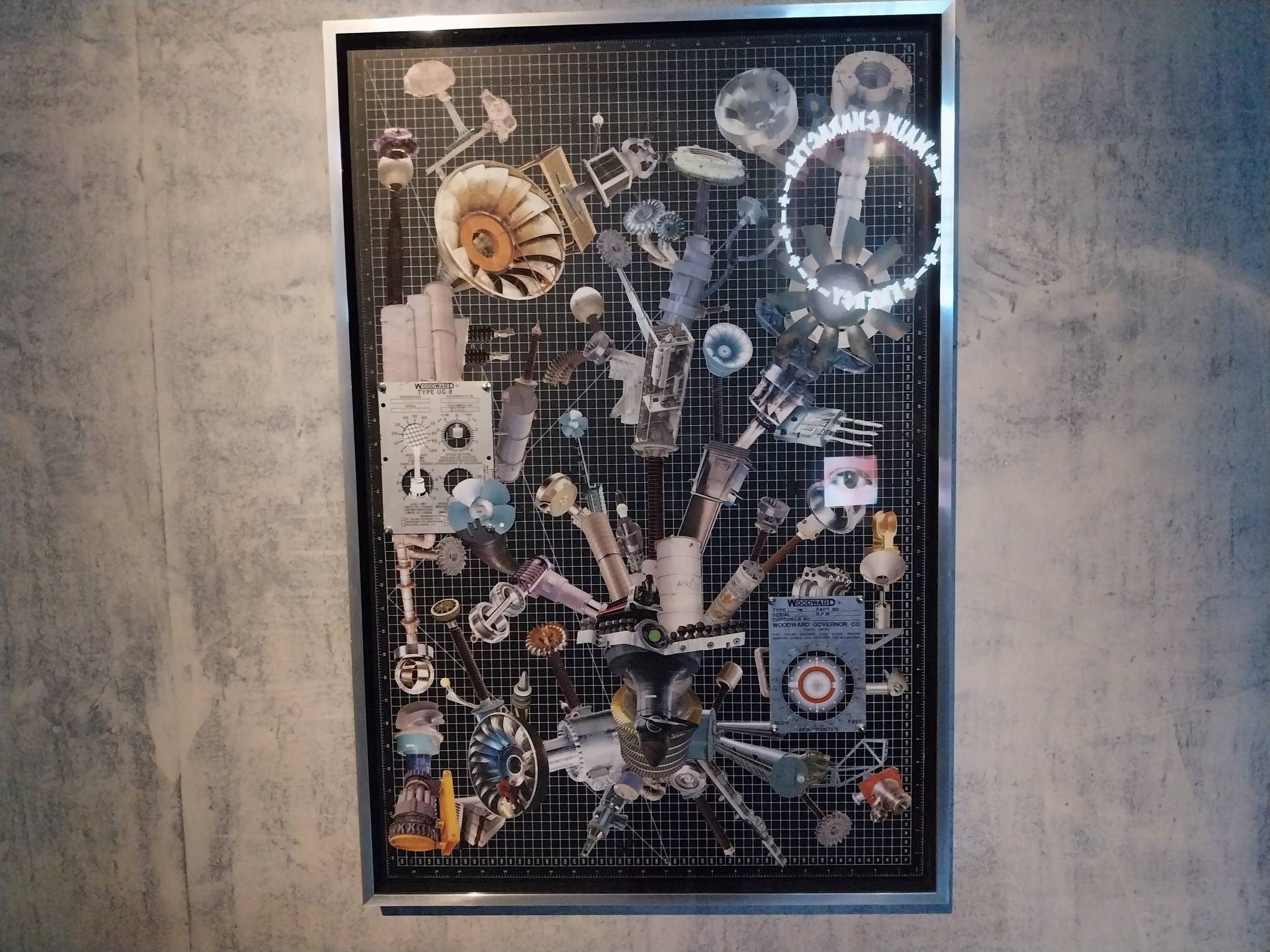
The collage incorporates various components and imagery associated with a hydroelectric dam. The pieces include items resembling turbines, gears, pipes, and other mechanical parts commonly found in hydroelectric systems. These elements are arranged in a dynamic and somewhat chaotic fashion on a grid background, suggesting a sense of movement and complexity.
Exploitation at the Core
The exhibit highlights how the exploitation of labor benefits only a few. Olarte notes that the dams probably enriched foreign companies, investors, and high-level officials more than the public.
While hydro-dams offer cheap energy to nearby residents, they also harm livelihoods, farmer and indigenous rights, and the environment. This industrial progress often subjugates those within the system.
“Gyre Dominion” explores the complex morality and politics of energy production. It reveals how marginalized people are sidelined for industrial gains, even as many enjoy increased comfort. Jose Olarte challenges us to question if this is the only path forward.
Related reading: Stainless steel ribbons clads Petersen Automotive Museum in LA
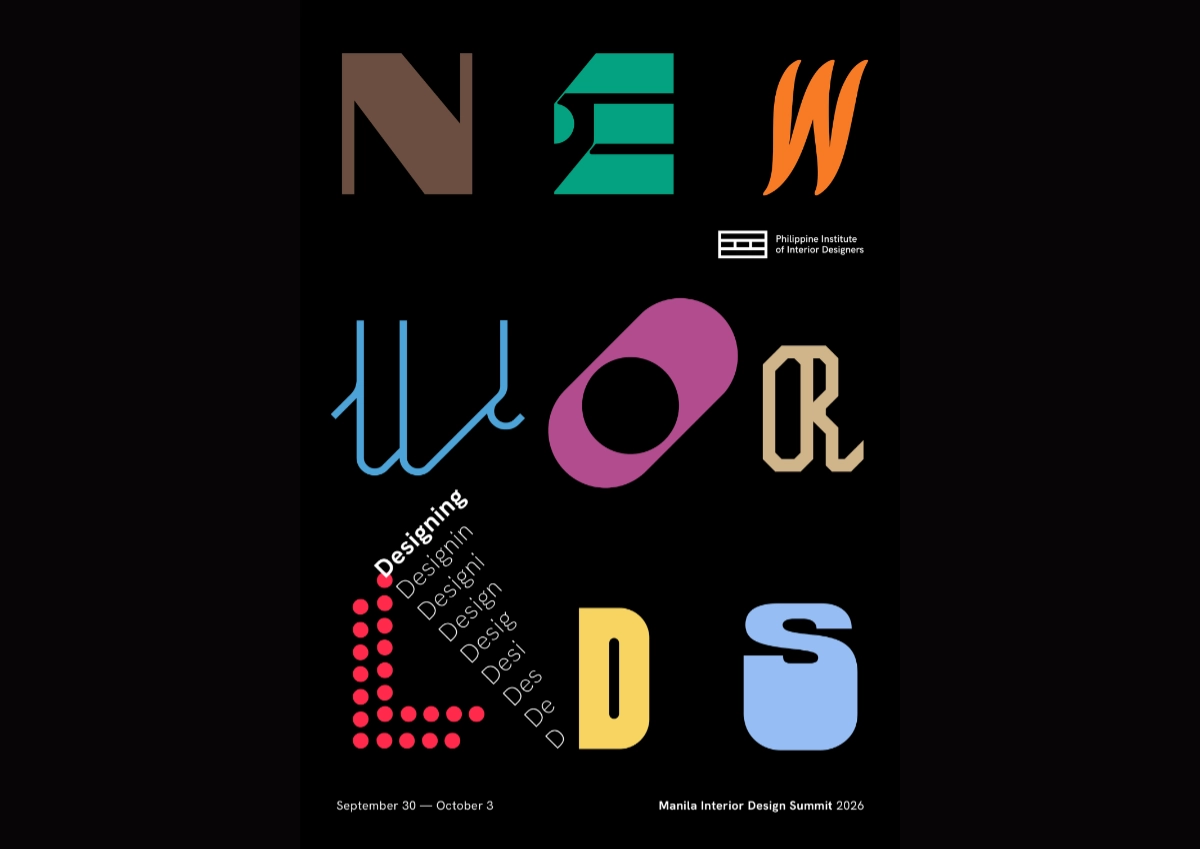
“Thailand has claimed urban creativity and livability. Singapore has institutional design leadership. Indonesia is emerging as a design hub. Vietnam is moving into design innovation. And the Philippines? Its position is not weak. It is simply unclaimed.” For IDr. Cecil Ravelas, National President of the Philippine Institute of Interior Designers (PIID), the challenge is not […]
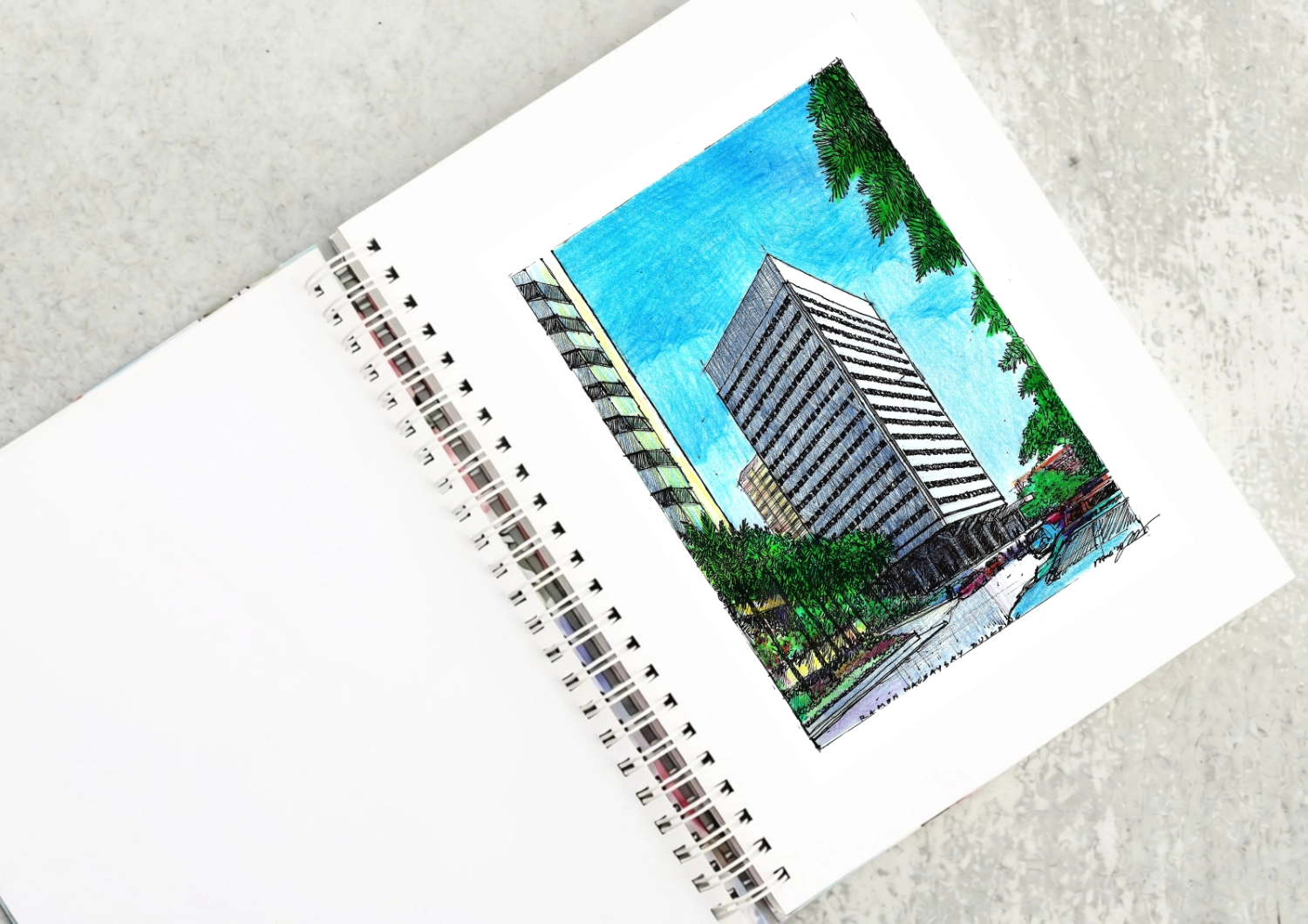
The Ramon Magsaysay Center as a Modernist Landmark Driving down Roxas boulevard from Rizal Park, what will catch your eye is the most elegant modernist structure in the country, the Ramon Magsaysay Center. Most established Filipino architects put it in their top ten lists of favorite buildings. It was designed by Alfredo J. Luz, who […]

Rinna Soriano’s favorite part of her work is sanding. At her workbench, she stays focused, following the grain, adjusting to changes in its direction. Narra, she has learned, can have interlocking grain. A piece of mango once proved particularly difficult until a worker explained that she had reached the point where a branch once grew […]
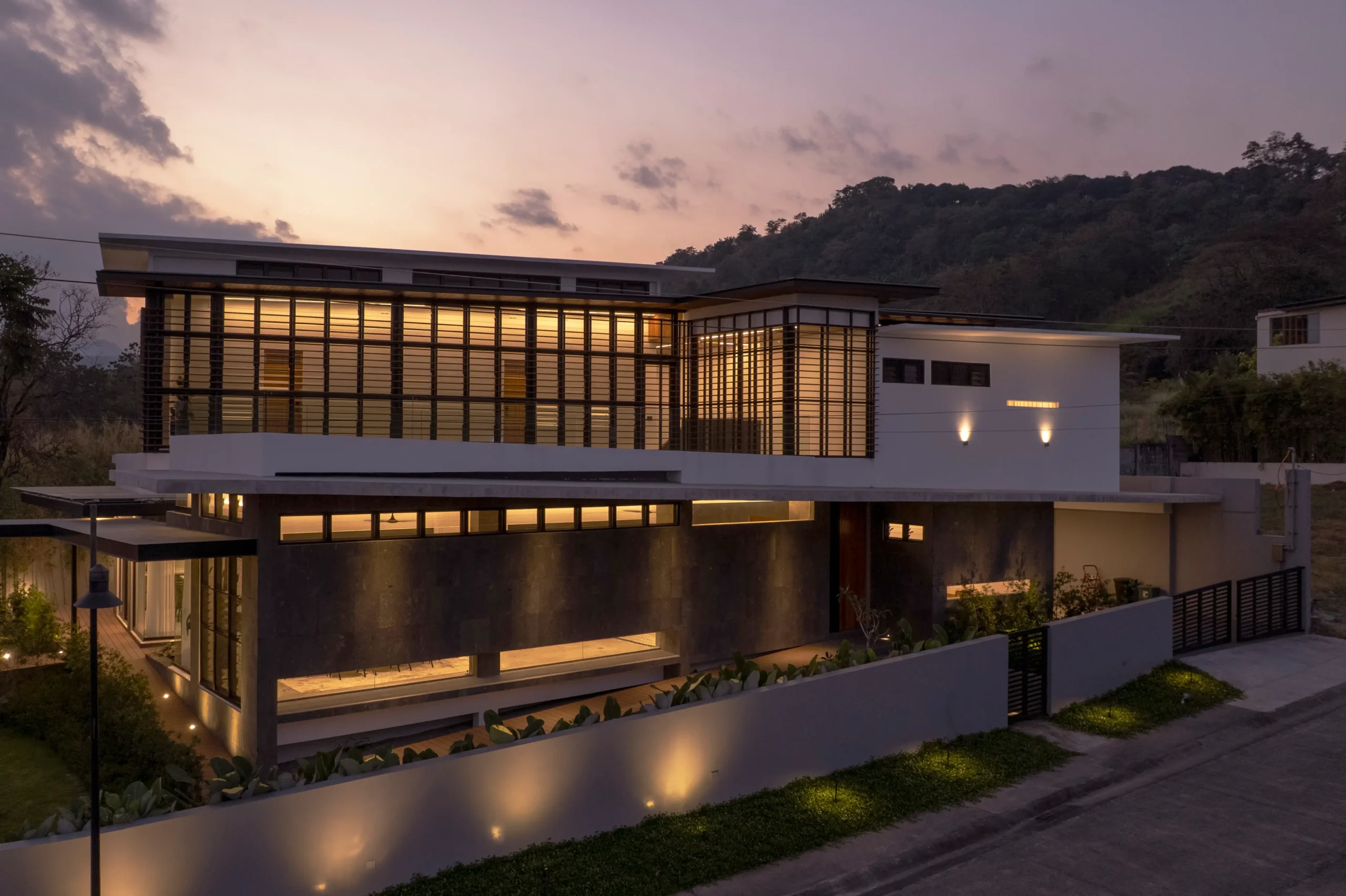
Filipino architectureArchitectureThe art and science of designing and constructing buildings, structures, and spaces that are functional, safe, and aesthetically pleasing. It encompasses the planning, design, materials, and techniques used to createGo to Architecture Glossary has long been associated with indigenous materials and vernacular design strategies, from bamboo and timber construction to jalousie windows, generous spaces, […]
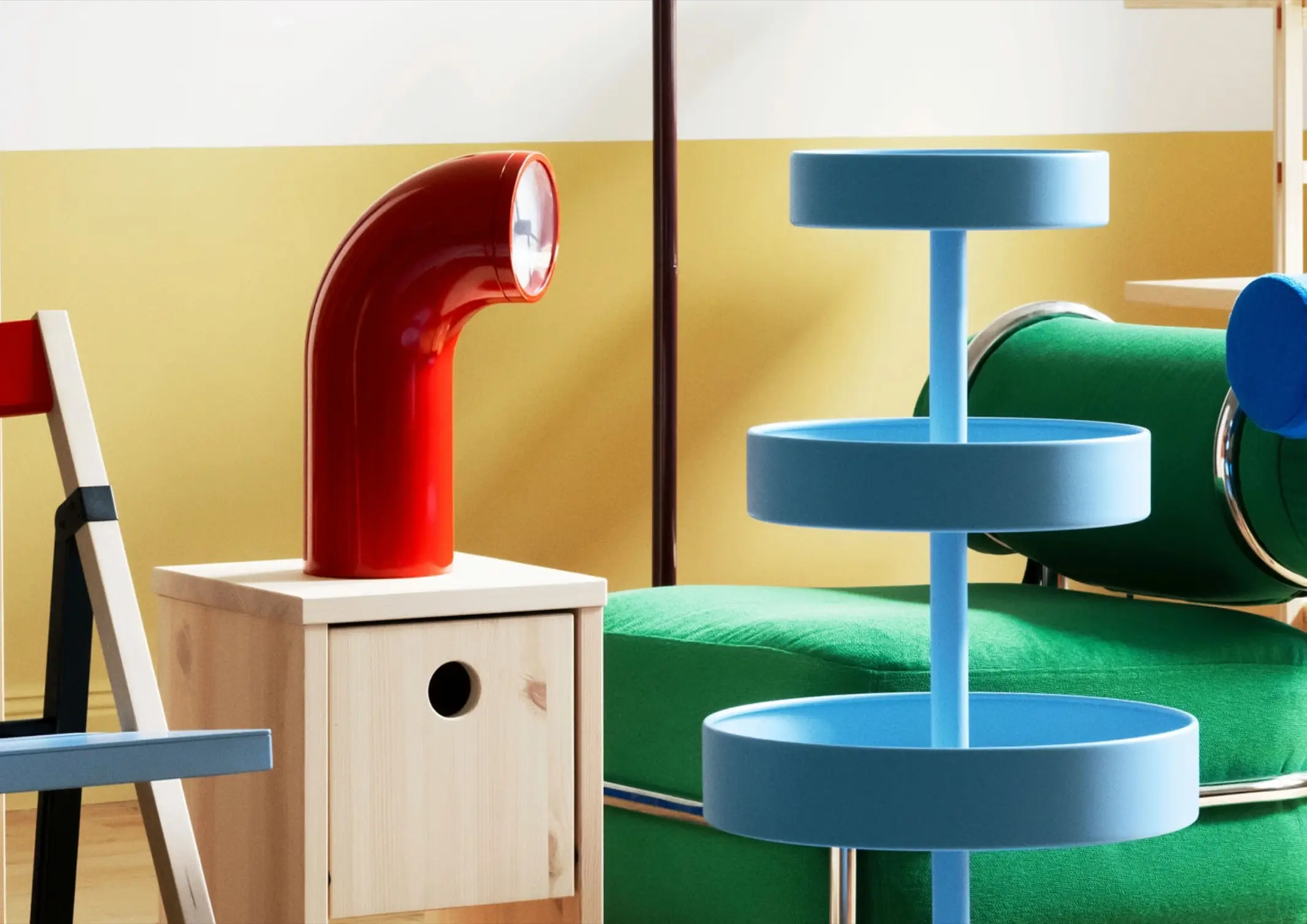
A chair does not always prescribe how to sit in it. A lamp can be more than a source of light. A clock can be more than a way to tell the time.These small departures from convention are at the center of IKEA PS 2026. The latest iteration of IKEA’s experimental PS series comprises more […]
Read the issues.

Collect the volumes.

Recommended Video
Tap to Unmute
Unmute
0:00
0:00