The seventh edition of the Anthology ASEAN ArchitectureArchitectureThe art and science of designing and constructing buildings, structures, and spaces that are functional, safe, and aesthetically pleasing. It encompasses the planning, design, materials, and techniques used to createGo to Architecture Glossary Festival brought together over 4,000 delegates from across the Philippines and Southeast Asia for three […]
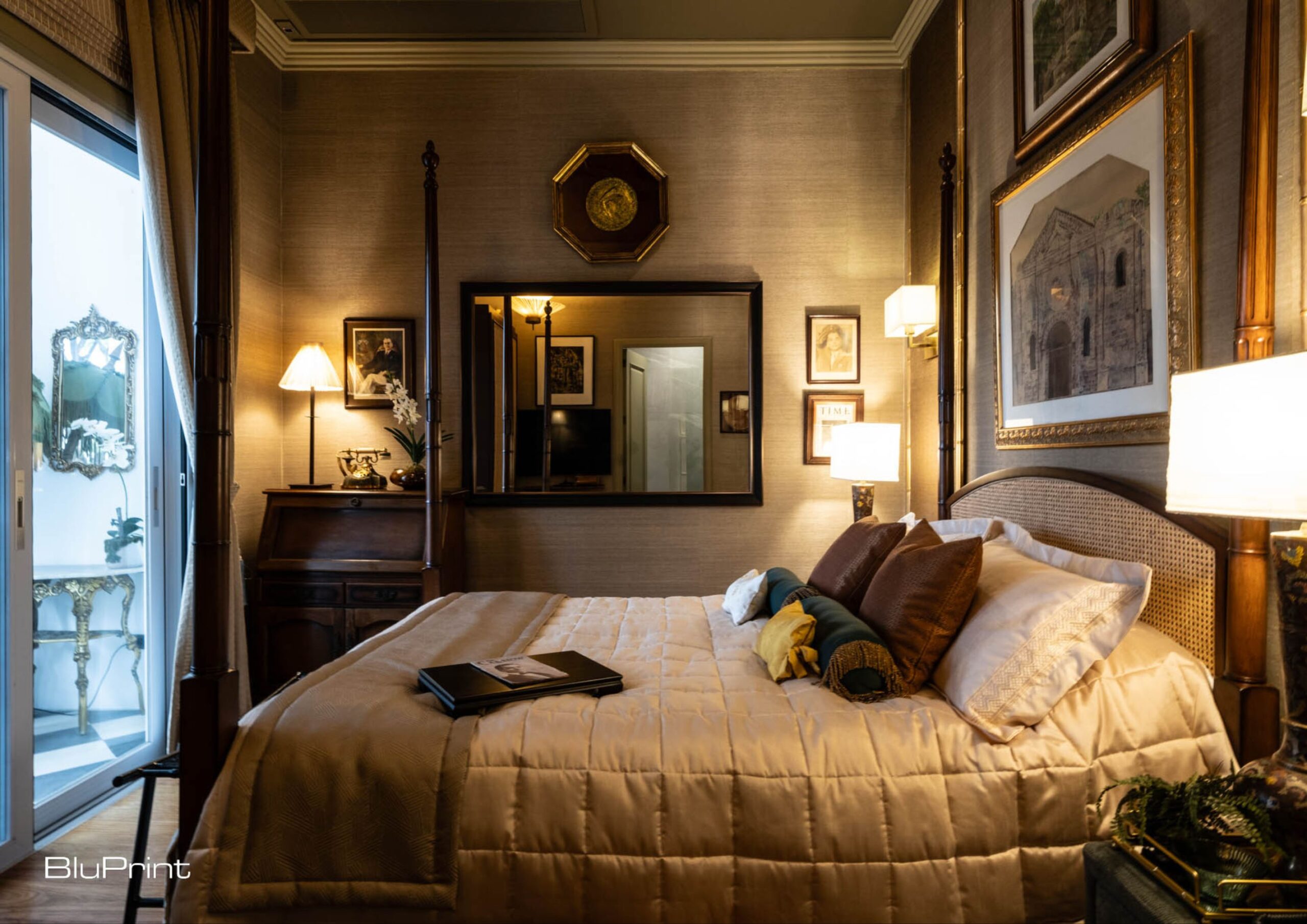
Common Bedroom Layout Mistakes and How to Fix Them



Having a good night’s sleep isn’t just a result of a healthy mind and routine. A well-appointed bedroom works wonders when it comes to getting some much-needed rest. But it’s also easy to overthink its design, which could inadvertently disrupt your sleeping schedule. To help you spot these design errors, here are the most common bedroom layout mistakes to avoid.
Compromising on Bedroom Essentials
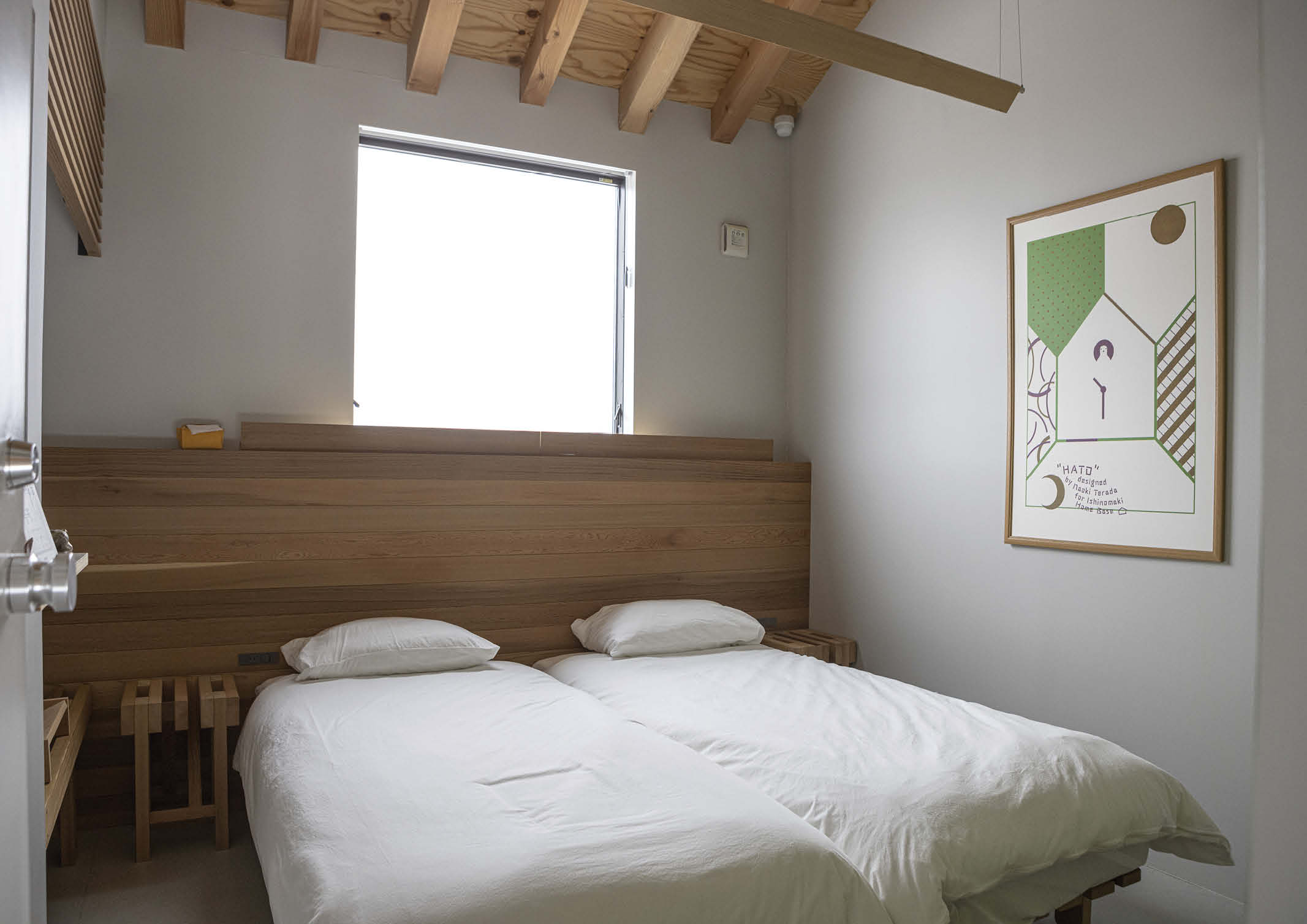
This focuses on the crucial elements that can make or break your relaxation experience—the bed itself and the storage situation. They may be basic aspects in a bedroom layout, but they are also the most frequently disregarded.
When it comes to bed, its size and placement are the two vital factors people habitually forget to prioritize. While it’s desirable to invest on a larger bed size, it’s also important to scale it according to the room’s area. The rule of thumb is to not make the bed look minute in large bedrooms or gigantic in smaller spaces.
The same goes for the bed’s placement. An off-center bed might look interesting, but it can disrupt the flow of the room and make getting in and out of bed inconvenient. Ideally, it should be away from the entry with an unobstructed view of a window. Better if it has enough space on both sides to easily maneuver around.
Furthermore, overcrowding your bedroom with decor only makes it harder to quiet your mind. Since bedrooms are private spaces, it’s tempting to fill them with sentimental items and trinkets to personalize their design. However, this visual clutter limits space for other essential items and unconsciously creates a low-grade stress response.
The key is to not turn your bedroom into a storage room. As much as possible, restrict your bedroom furniture to closets, nightstands, and maybe a desk. But if you must have decorative items, curate them carefully by dedicating a separate storage or rotating them occasionally.
Addressing these two core bedroom layout mistakes lays the groundwork for creating a sleep-promoting environment.
Improper Lighting
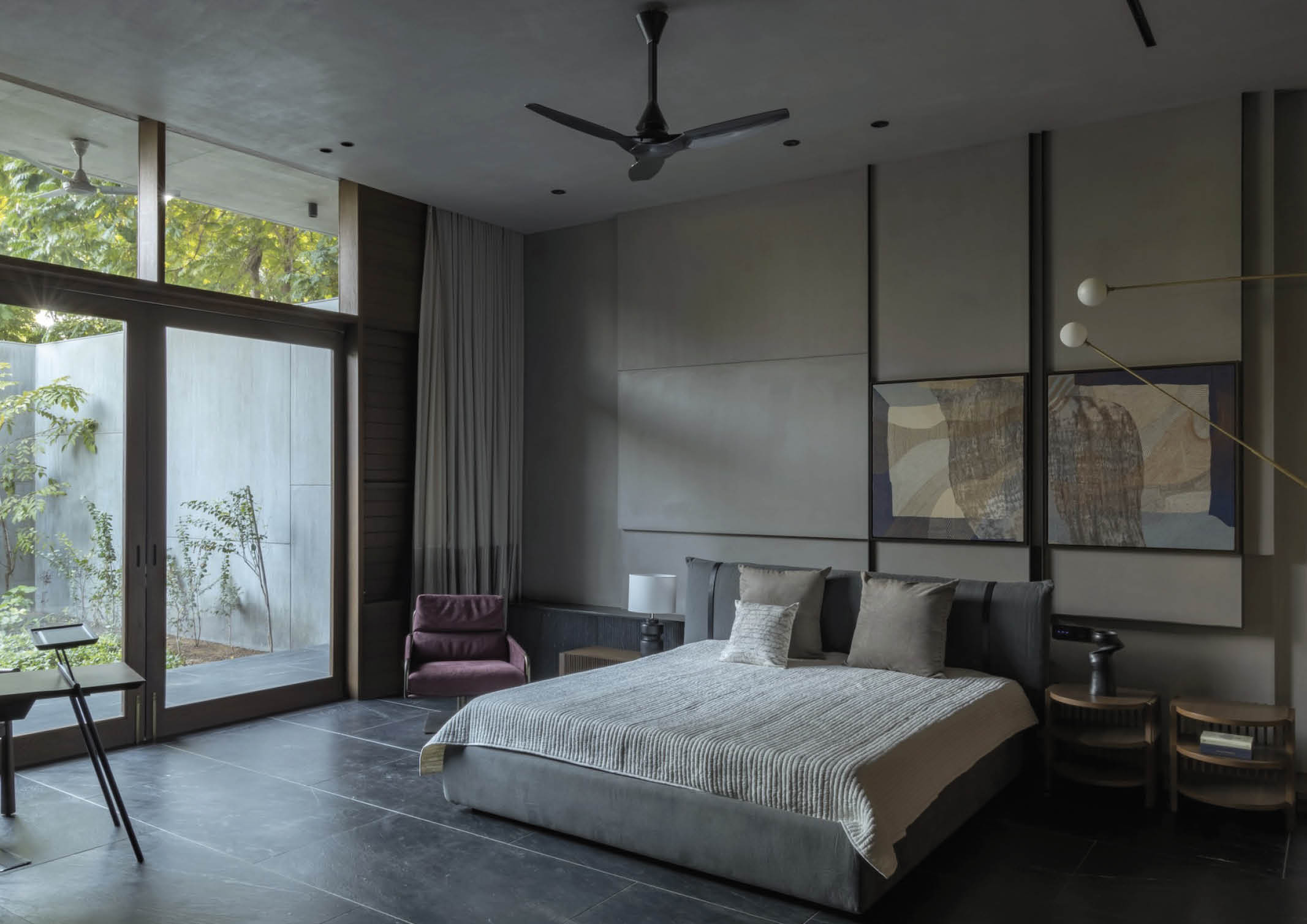
Wen et al. (2021) found that lower correlated color temperature (CCT) light exposure before bedtime produced better sleep quality. These low CCT lights are generally known as warm white lights that sit around 2000 Kelvin.
This means swapping out harsh overhead lights for properly layered warm lighting makes the bedroom layout more ideal for sleeping. Unlike harsh lights that suppress melatonin production necessary for regulating sleep cycles, layered lighting promotes the production of this hormone.
Consider overhead lights and table lamps with warm colored bulbs to adjust your body clock to a natural evening light decrease. Task lighting also helps program your brain associate specific light levels with certain activities. Focused lamps signal a time to concentrate, while switching to dimmer lamps before bed helps your body to prepare for sleep.
Aside from giving you more flexibility to control your room’s ambiance, layered lighting also creates an ideal bedroom setting. Beyond practicality, it adds depth to the space, making it more inviting for relaxation and sleeping.
Inattention to Natural Light and Privacy
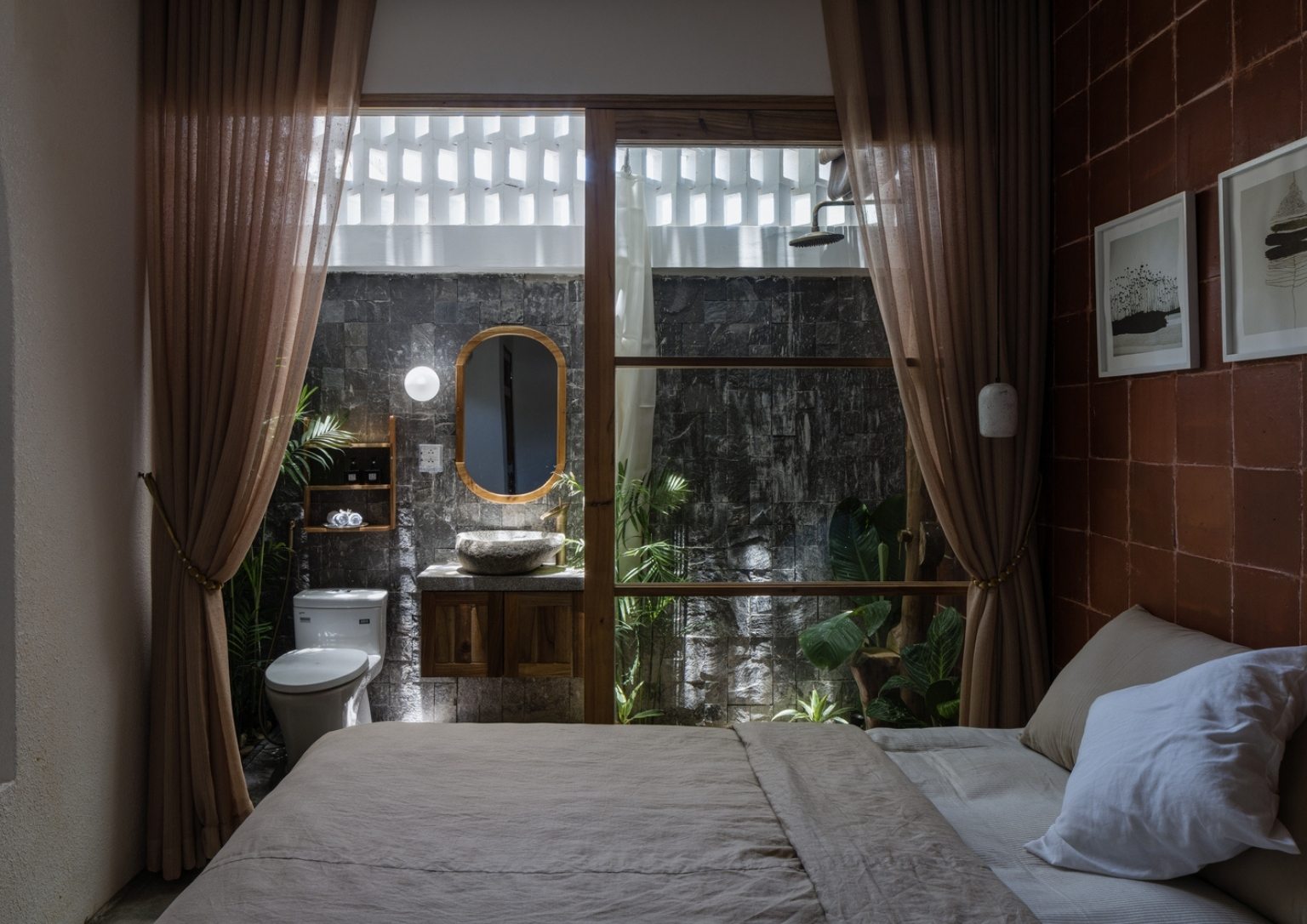
While it’s essential for bedrooms need privacy, it shouldn’t be completely shut off from the outside world.
Solving this bedroom layout mistake all comes down to how you treat your windows. As some crave peace and solitude, particularly in urban areas, they tend to cover their bedroom windows with furniture or heavy drapes. But in doing so, this layout mistake sacrifices the benefits of natural light and makes the room feel smaller.
As much as layered artificial lighting can promote good sleep, natural light regulates your circadian rhythm to prevent health risks. Sunlight exposure in the morning contributes to suppressing melatonin production, making us feel more alert and energized throughout the day.
To allow natural light to flow freely, consider choosing low-profile furniture or positioning your current pieces away from the windows.
On the other hand, curtains also play a huge role in balancing natural light and privacy in bedrooms. Although heavy drapes completely block-off light pollution at night and provide enough privacy, it’s not as functional during daytime. At the same time, sheer curtains may not offer the same security but they’re more beneficial in creating a cozier bedroom.
So to get the best of both worlds, pair blackout curtains with lighter curtains. In this way, you can have the option to let in natural light during the day and sleep peacefully and securely at night.
Getting a good sleep is a cornerstone of physical and mental well-being. Combined with a healthy lifestyle, a good setup is instrumental in achieving a restful slumber. As this guide sheds light on the most common bedroom layout mistakes, take a critical look at your bedroom. With these tips in mind, you’ll be able to figure out if you’ve unknowingly made the same errors and address them to finally get the sleep you deserve.
Read more: 5 Questions to Ask Yourself before Buying a New Home

Bigkis is the act of binding. In Tagalog, the word can refer to something used to bind or encircle, as well as a bundle formed by tying several separate elements together. Figuratively, it can also mean a bond, union, or unity. The meanings move from the physical act of joining things together to the connection […]

Two sketches of Singapore connect BluPrint Editor in Chief Paulo G. Alcazaren’s personal and professional history with Shared Ground: ArchitectureArchitectureThe art and science of designing and constructing buildings, structures, and spaces that are functional, safe, and aesthetically pleasing. It encompasses the planning, design, materials, and techniques used to createGo to Architecture Glossary of Care, Culture, […]
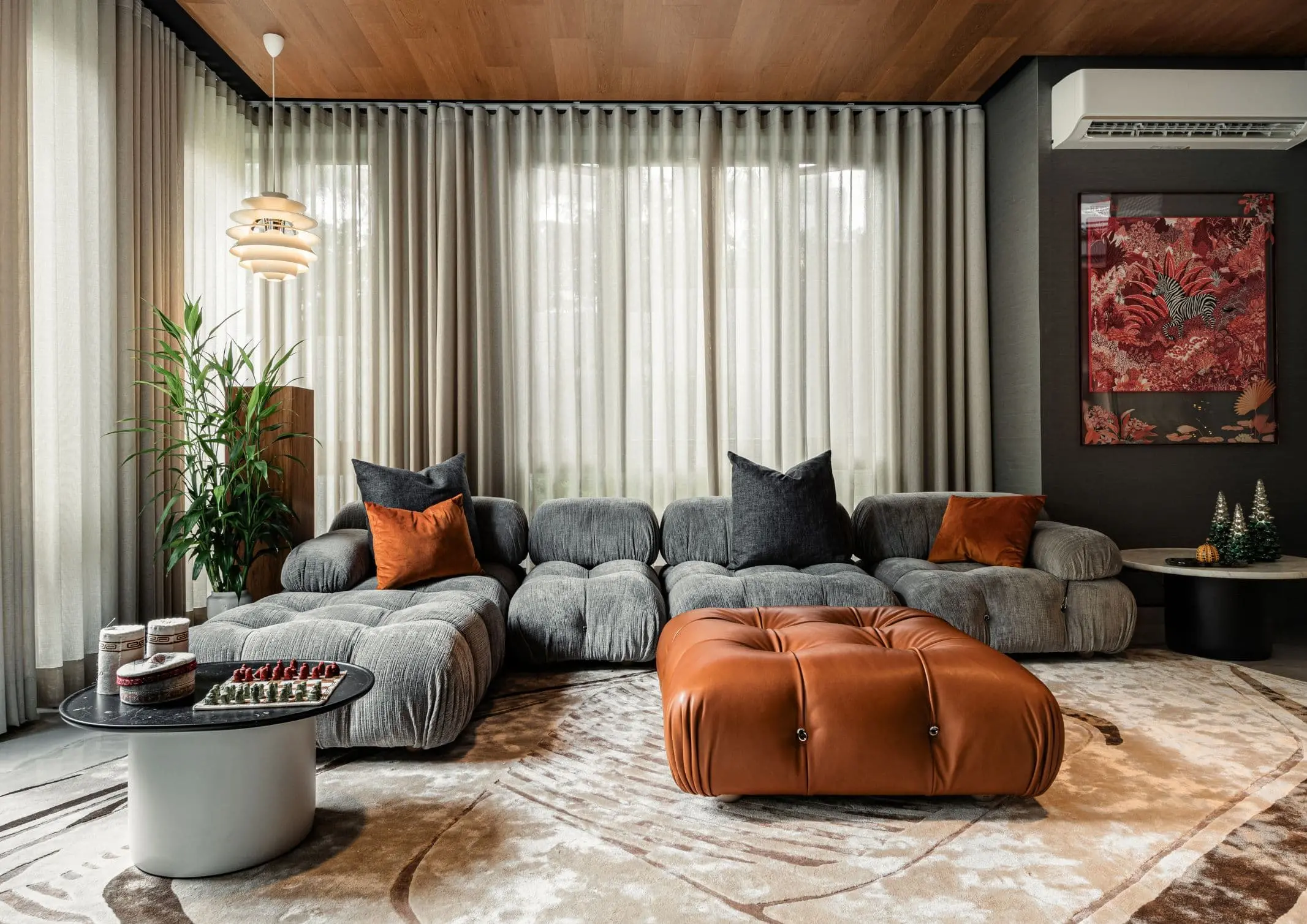
Some have become household names – Coleman, Oster, and KitchenAid – products that have found their way into Filipino kitchens, homes and family routines. In home furnishings, brands such as B&B Italia, Ethan Allen, Sub-Zero, Miele, SieMatic, Louis Poulsen, Hunter Douglas, Tempur, and Technogym, have helped shape the way Filipinos live. From everyday essentials to […]

In a way, designers are the modern-day soothsayers and prophets. They design for the future, predicting how a room, a house, a building or a whole city will be used by people. They foresee how users will interact with a space, conjure exact shades of colors to elicit specific behavior and arrange furniture to build […]
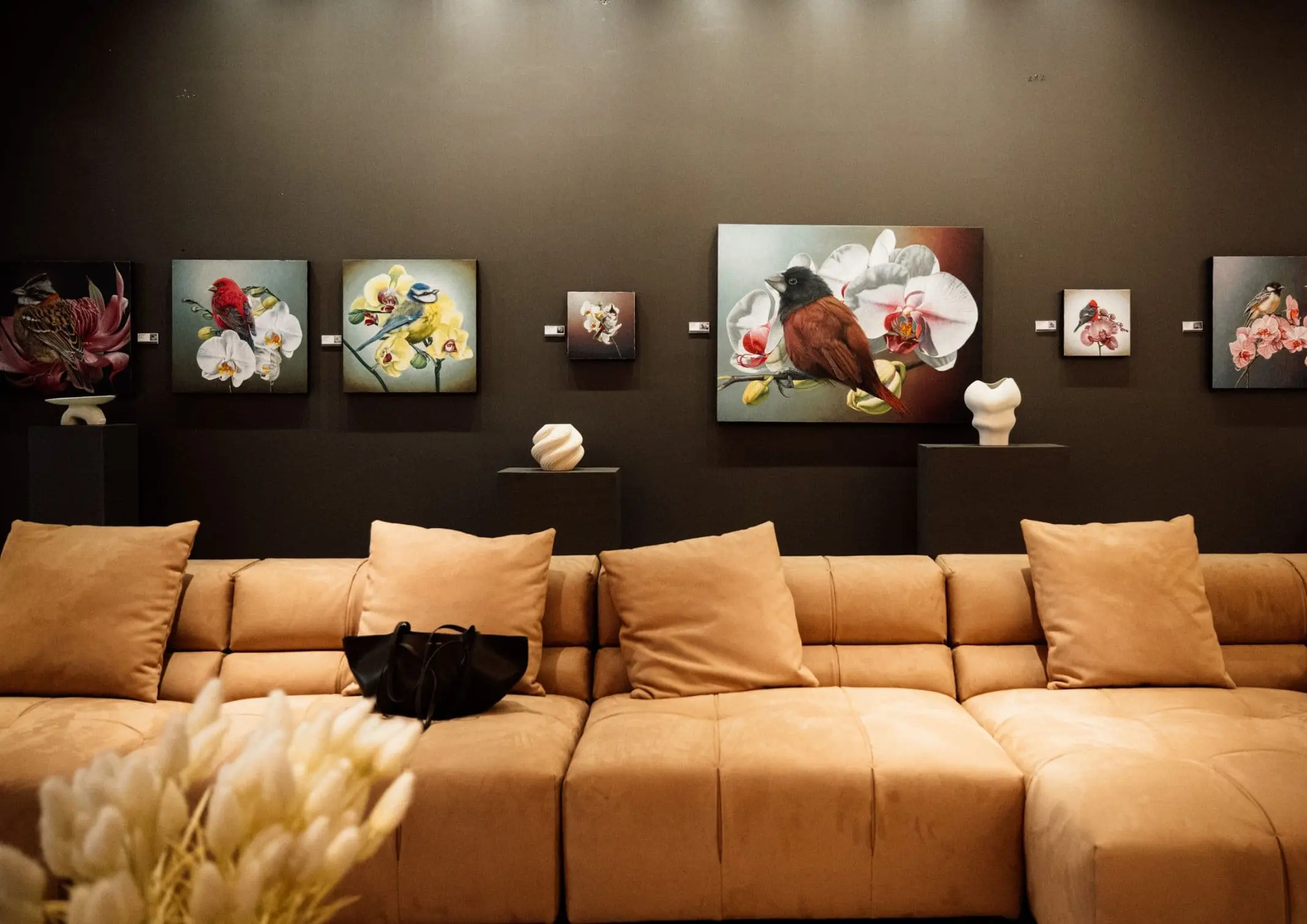
Art and furniture are often selected separately, yet their relationship can shape how a room looks and feels. The collaboration between Hooga and Galerie Joaquin explores how these elements can work together, bringing contemporary artworks into furnished residential settings at Hooga’s showroom in Uptown Mall, Bonifacio Global City. For Hooga, which curates furniture, lighting, and […]
Read the issues.

Collect the volumes.

Recommended Video
Tap to Unmute
Unmute
0:00
0:00