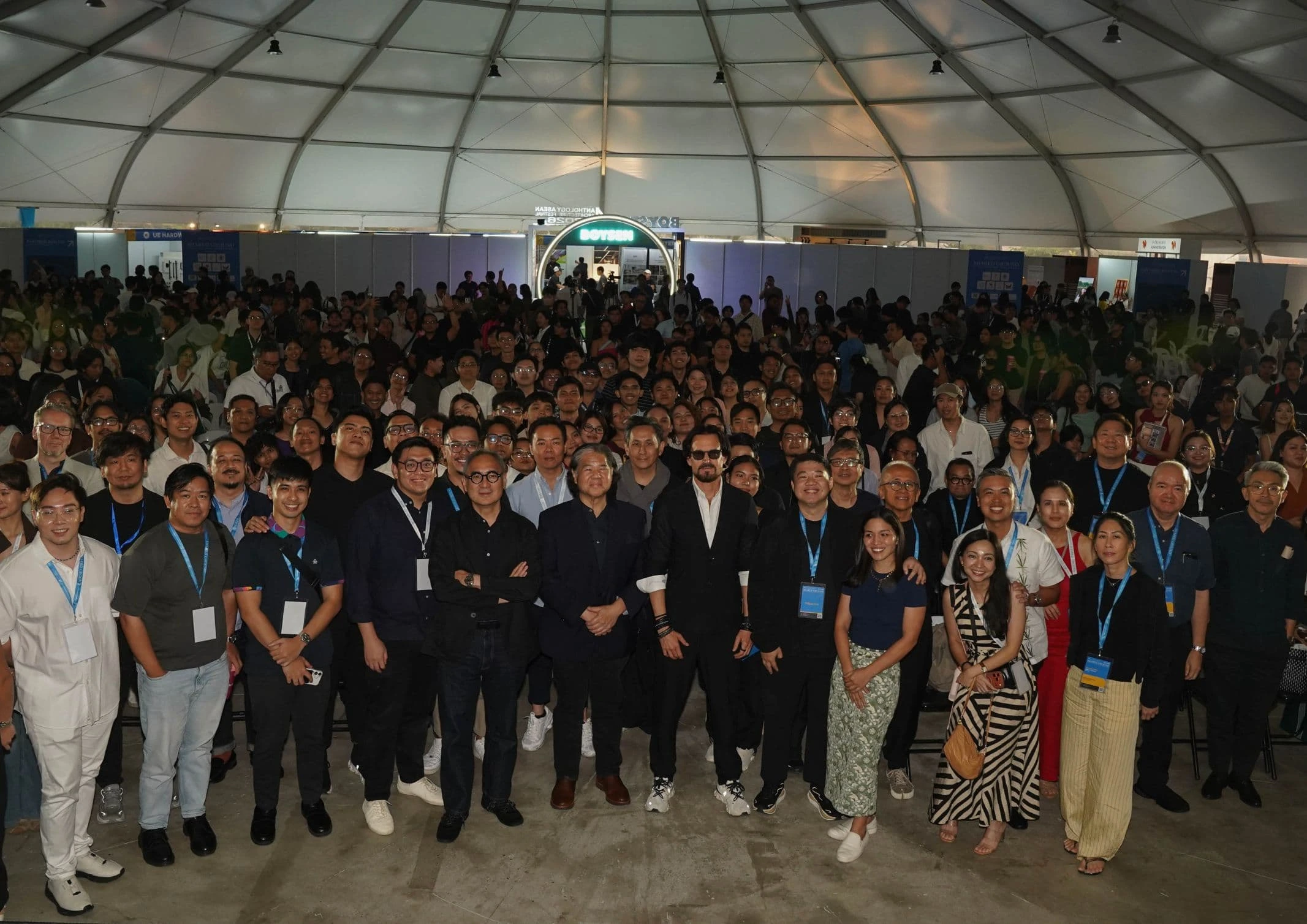
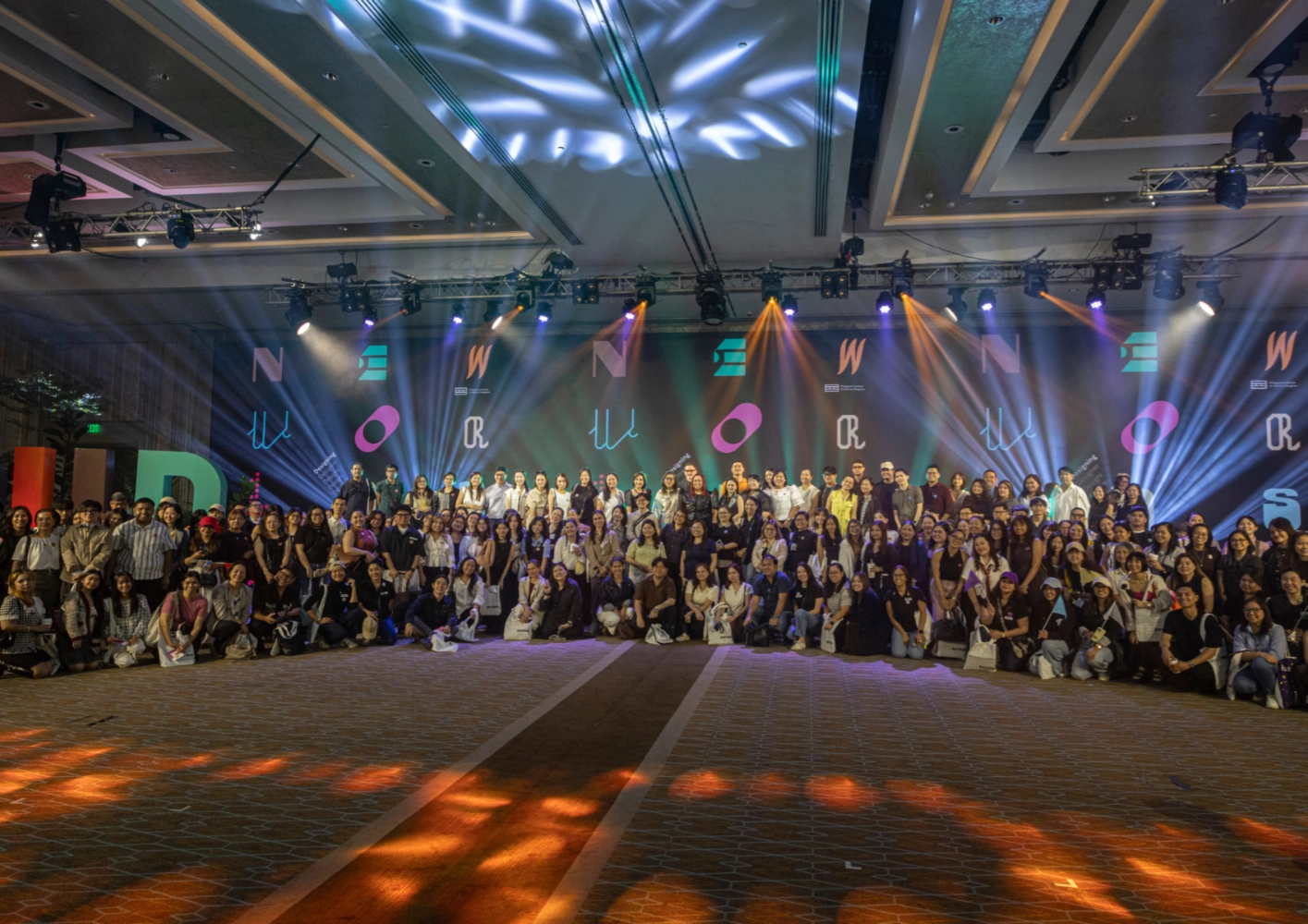
The seventh edition of the Anthology ASEAN ArchitectureArchitectureThe art and science of designing and constructing buildings, structures, and spaces that are functional, safe, and aesthetically pleasing. It encompasses the planning, design, materials, and techniques used to createGo to Architecture Glossary Festival brought together over 4,000 delegates from across the Philippines and Southeast Asia for three […]
Rudolf Steiner University: A Holistic, Nature-Centric Building for Learning



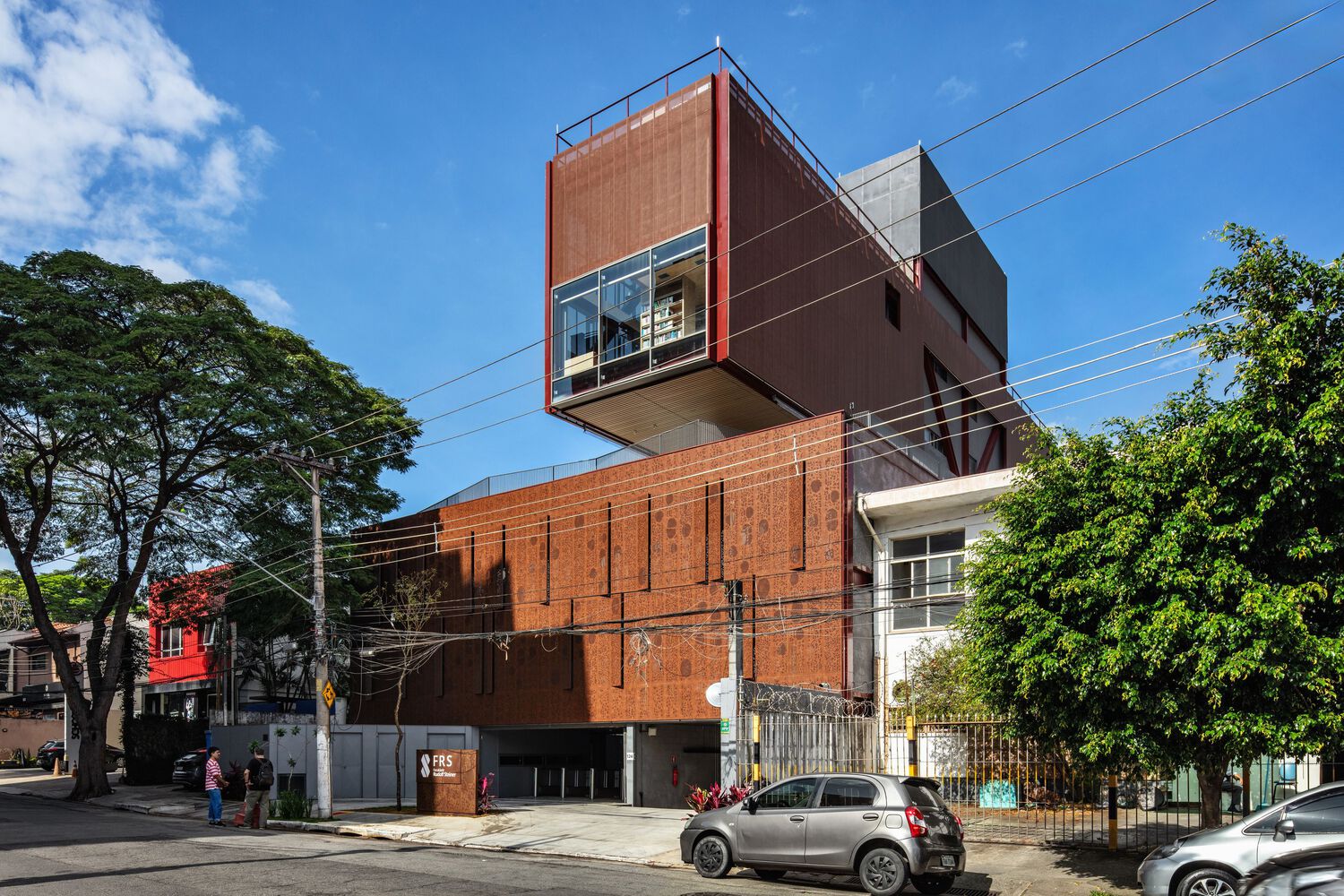
For many people, college represents a time of freedom and learning. Universities ensure this through a myriad of ways, from strong free speech policies to open spaces within the campus. Rudolf Steiner University’s new headquarters for Pedagogy and Psychology, inspired by the holistic principles of Waldorf education and its deep connection to nature, encourages students to explore and expand their minds.
The building, located in Alto da Boa Vista, São Paulo, Brazil, was designed and constructed by Biselli Katchborian Arquitetos in collaboration with various entities.
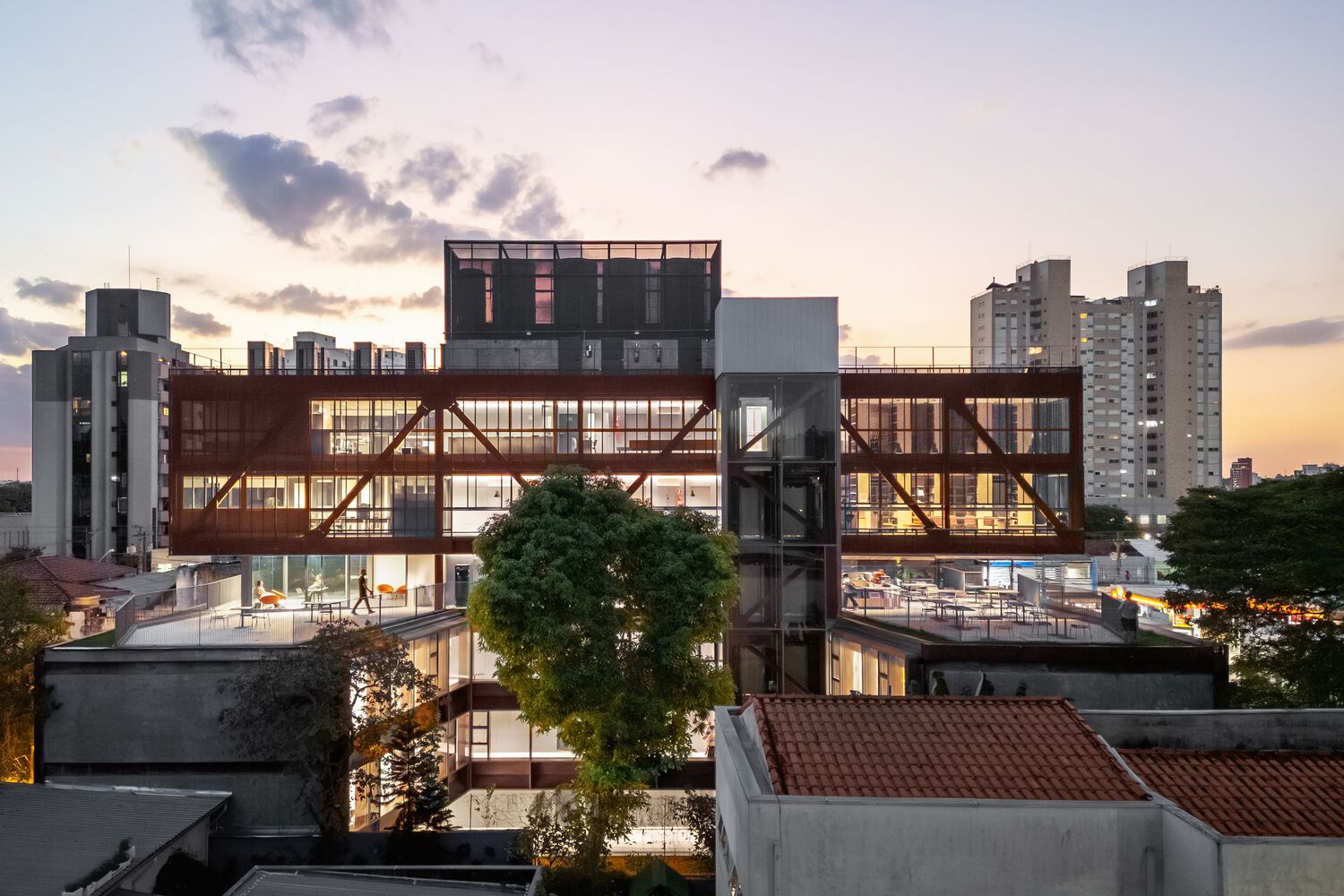
The university aimed to create a building that fosters a strong connection with nature for its students, despite the challenges posed by its location in a highly urbanized area. The limited plot of land also presented difficulties in material selection and usage.
The design takes into account a century-old mango tree, which became the focal point of the compound. The building features a U-shaped structure on the lower floors, with a rectangular upper portion stacked on top.
Referencing Organic Patterns
The Rudolf Steiner University presents itself as a hybrid of nature-centric architectureArchitectureThe art and science of designing and constructing buildings, structures, and spaces that are functional, safe, and aesthetically pleasing. It encompasses the planning, design, materials, and techniques used to createGo to Architecture Glossary and modern building techniques. Biselli Katchborian Arquitetos chose a combination of steel and wood as a way to create the outer facade and maximize space.
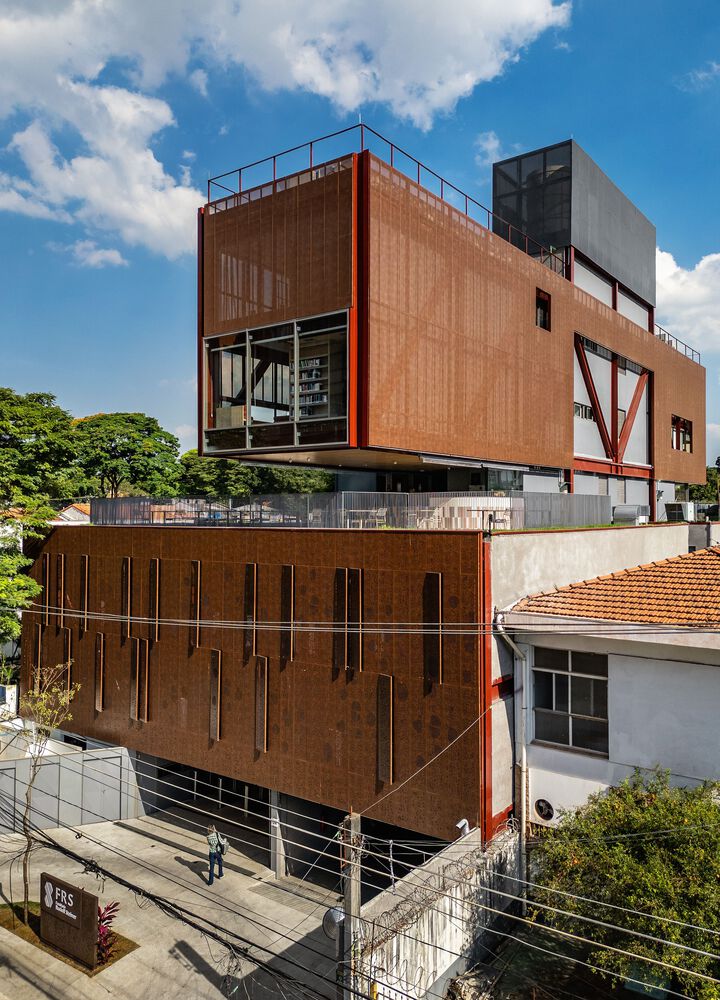
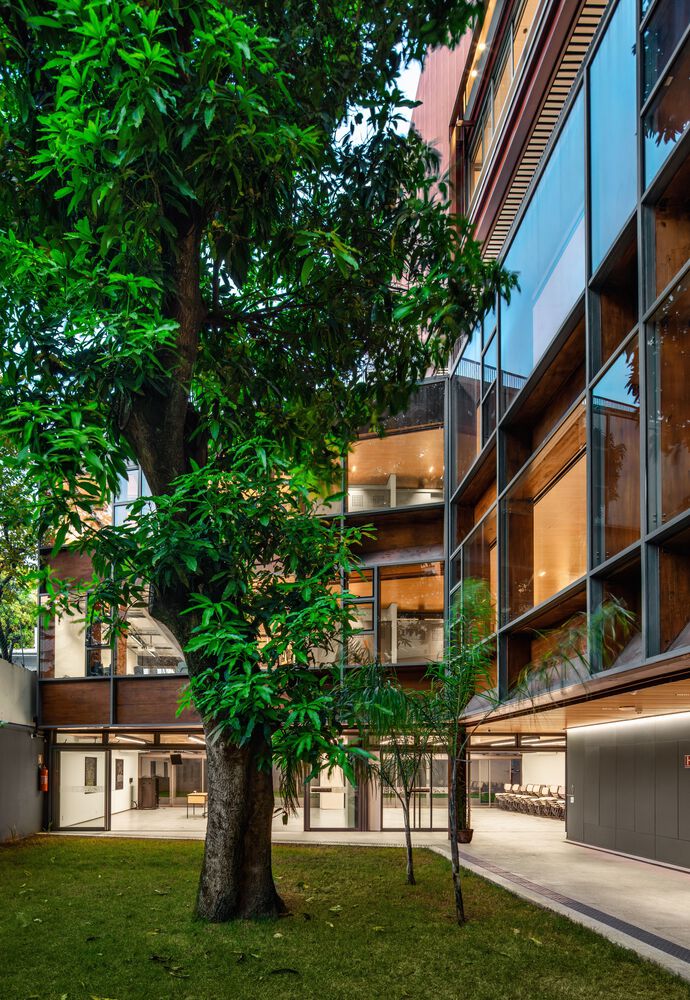
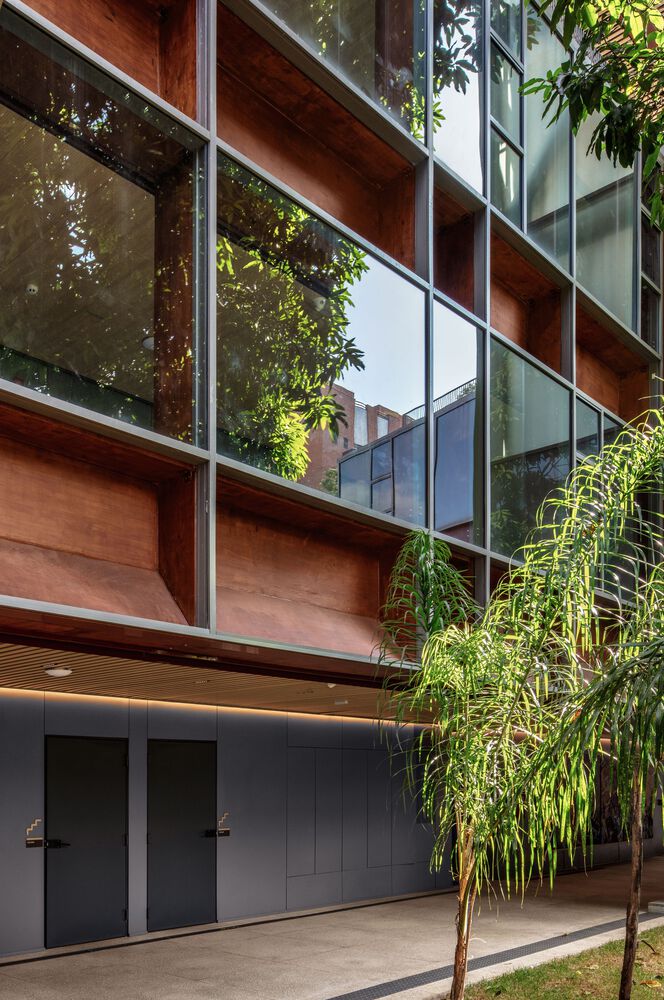
The steel’s capacity to support larger volumes meant doing away with pillars on the ground floor, leaving more space for the courtyard, “designed to be inviting with minimal interference.”
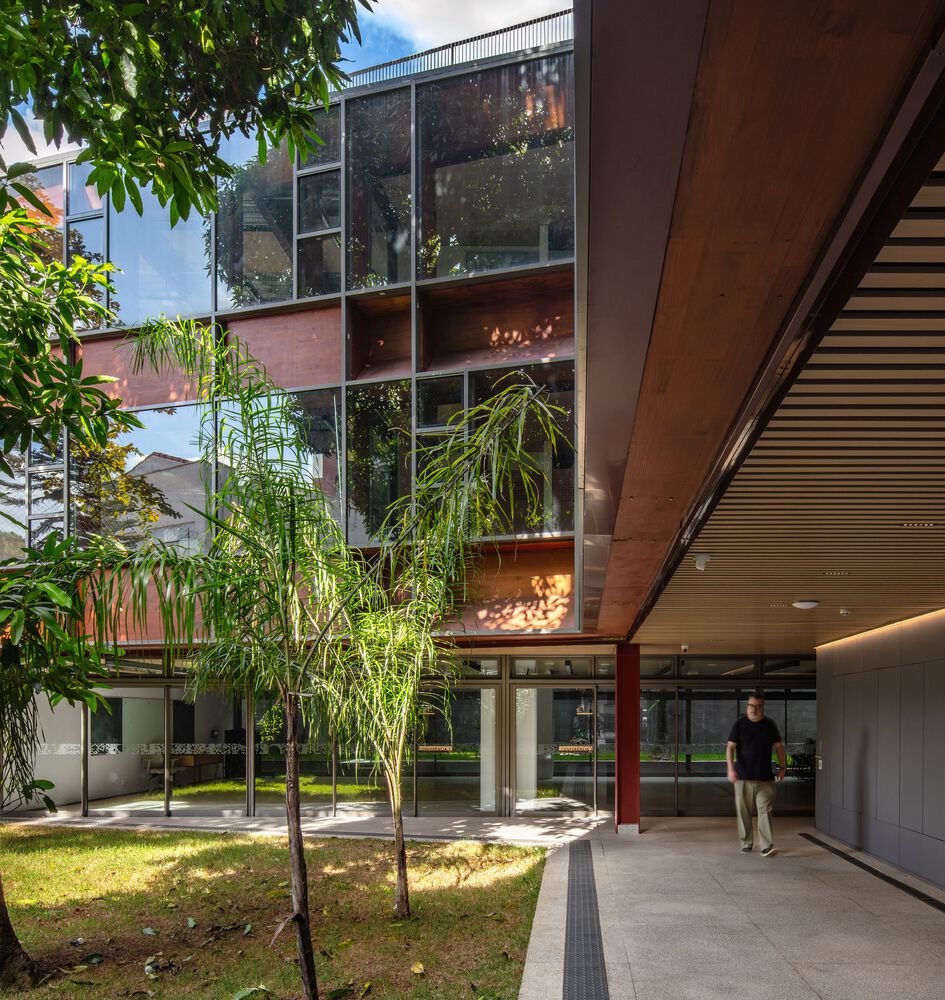
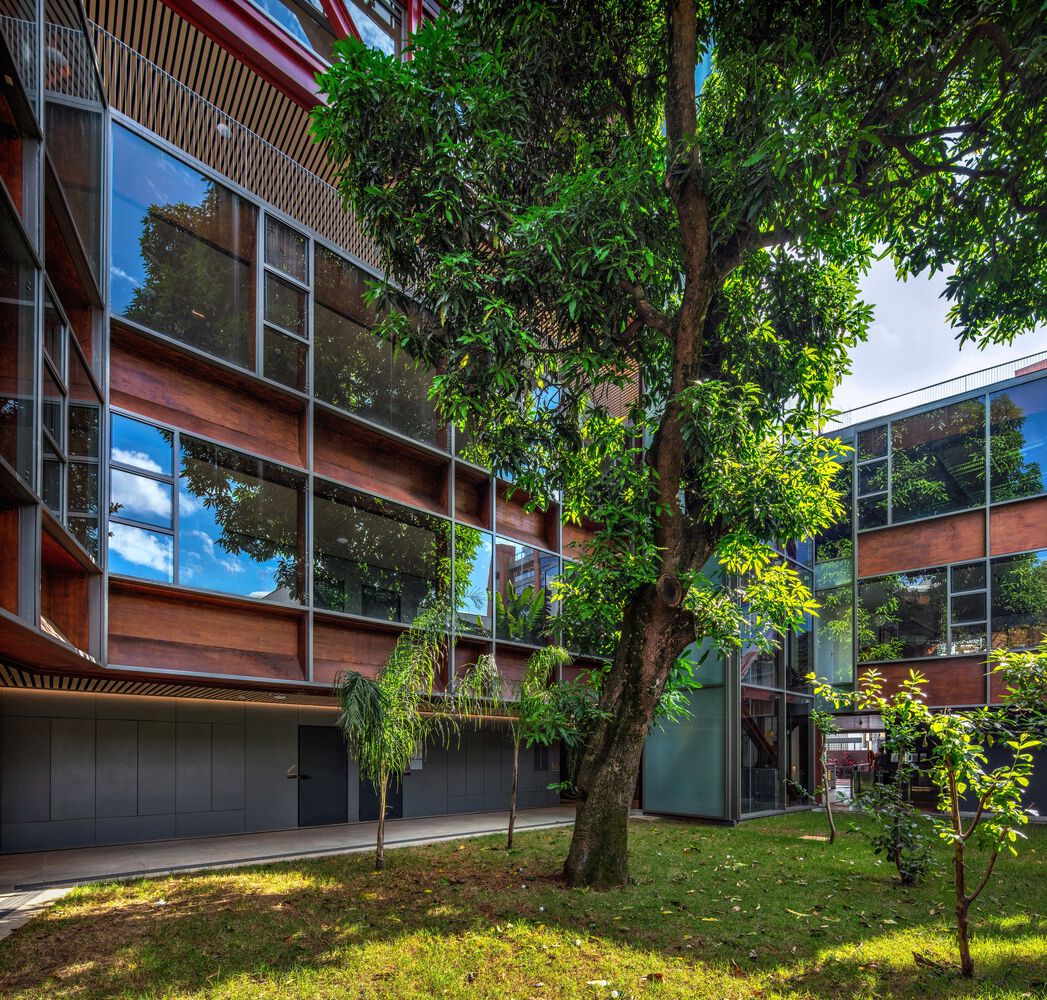
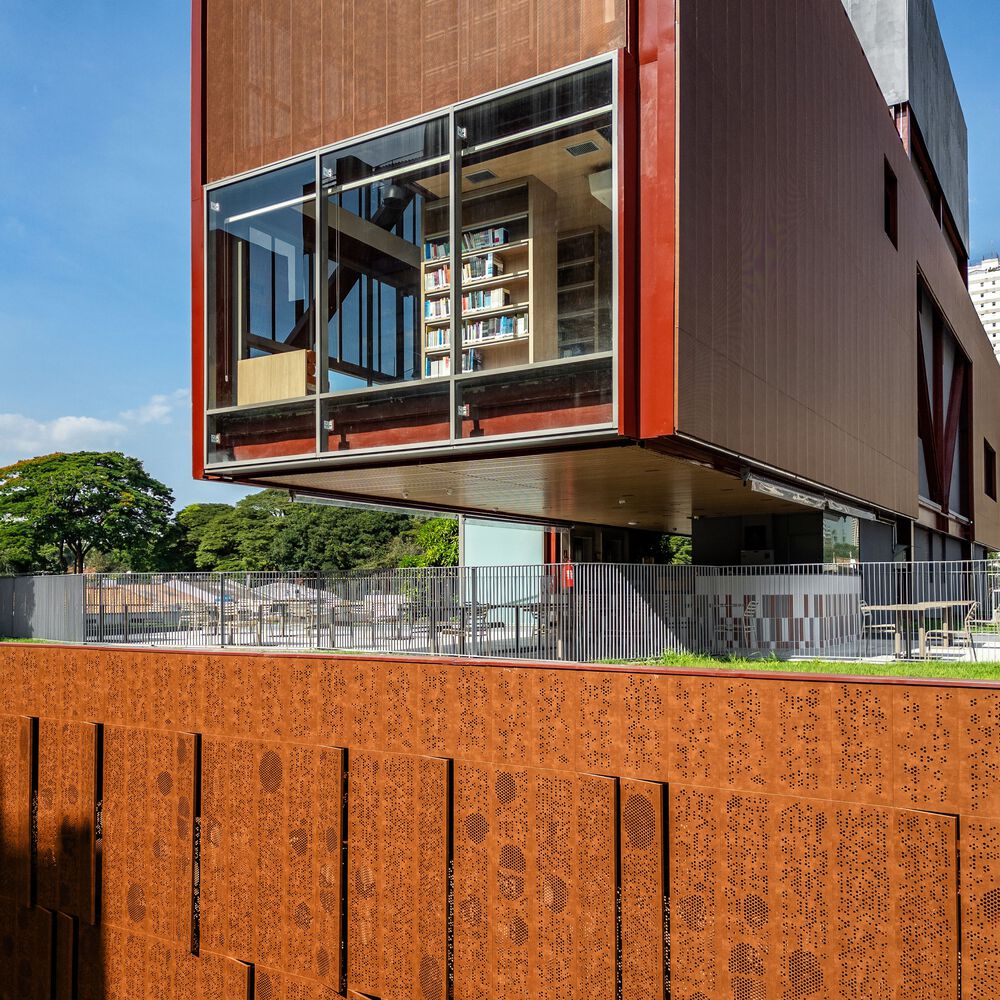
An engineered wood structure fixed to the slab system supports the joinery facing the inner courtyard. The structure also doubles as integrated furniture inside the building. The metal cladding and shading devices incorporate ‘organic patterns of wood.’ “It’s a reference to wood without using the material,” shares architect Mario Biselli. The perforated facade allows for enhanced ventilation flexibility while preserving the university’s nature-centric aesthetic.
Fostering Relaxation Within Learning Spaces
Many areas of the building contain open spaces for students. The design devises areas in the two ends of the U-shaped structure for outdoor rooftop patios. There, benches and tables are placed where students can hang around in between classes, encouraging socialization.
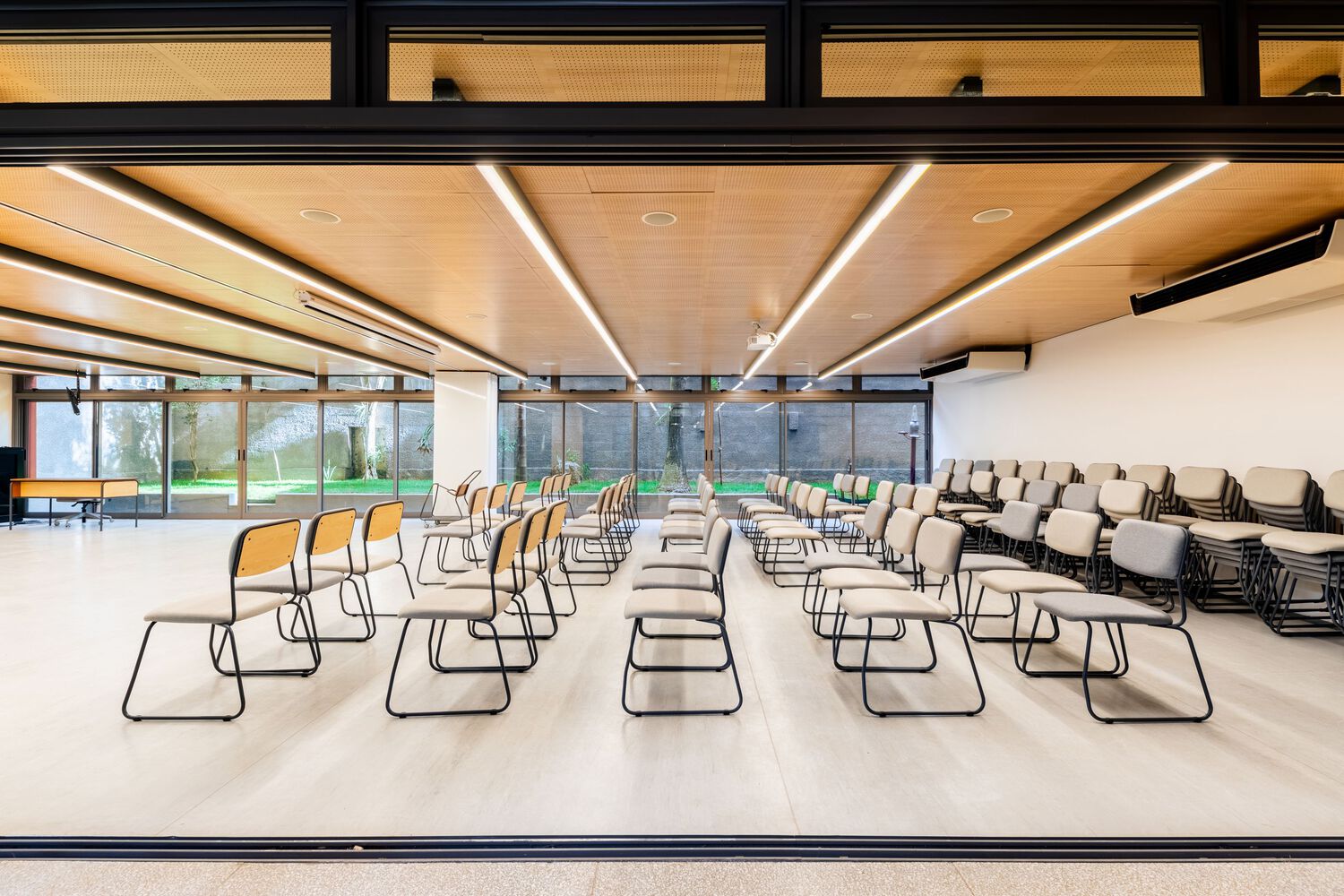
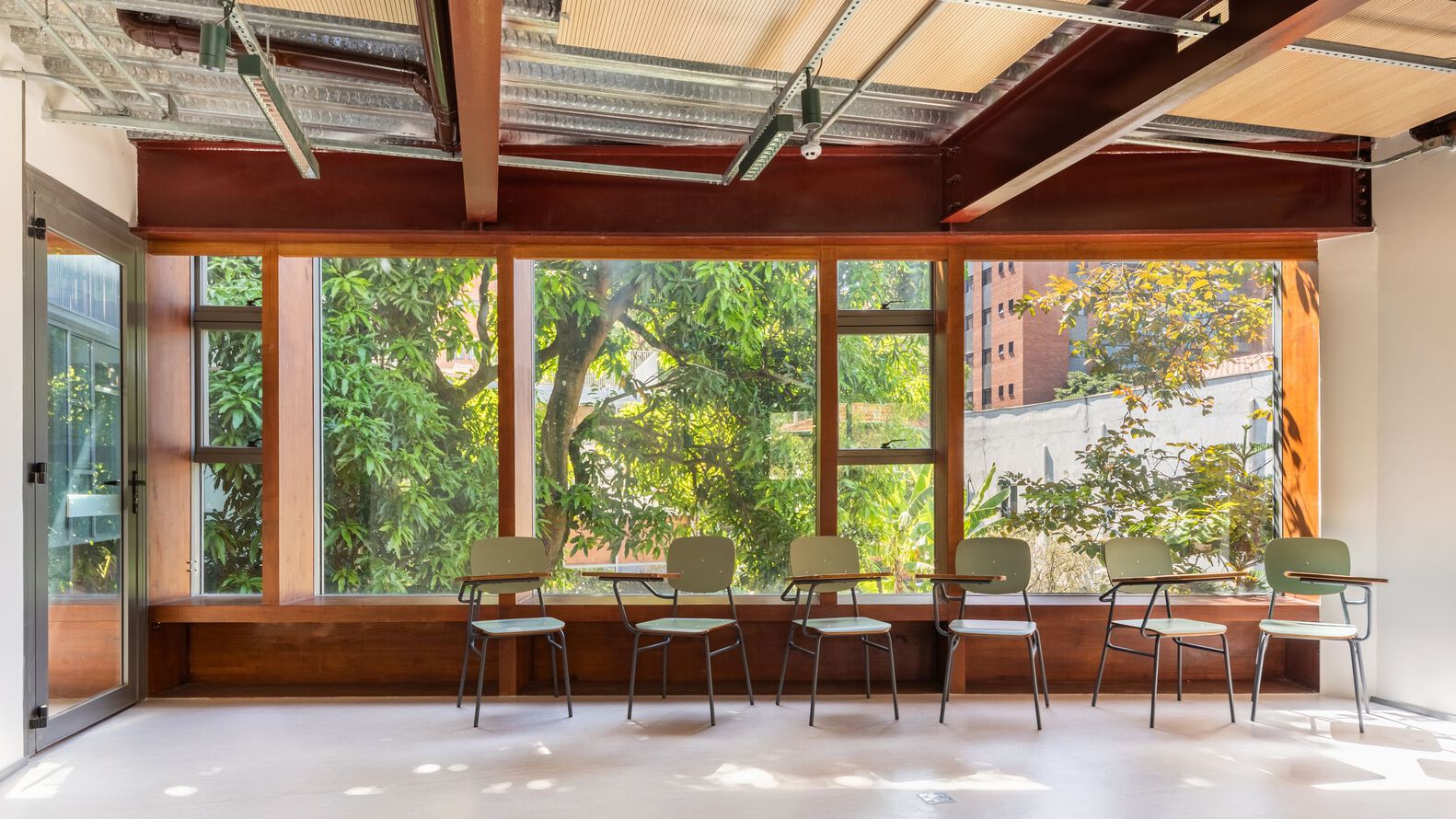
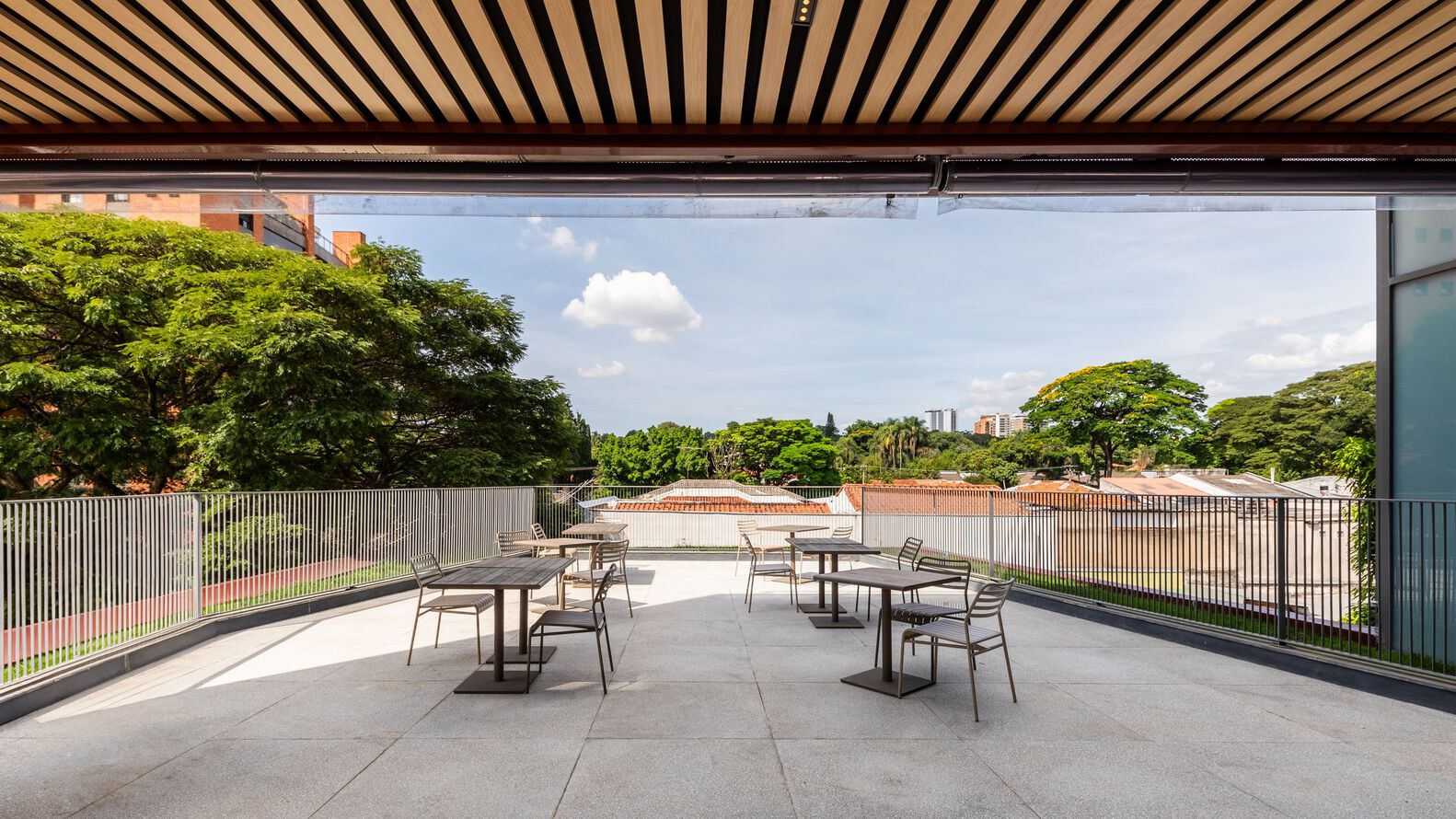
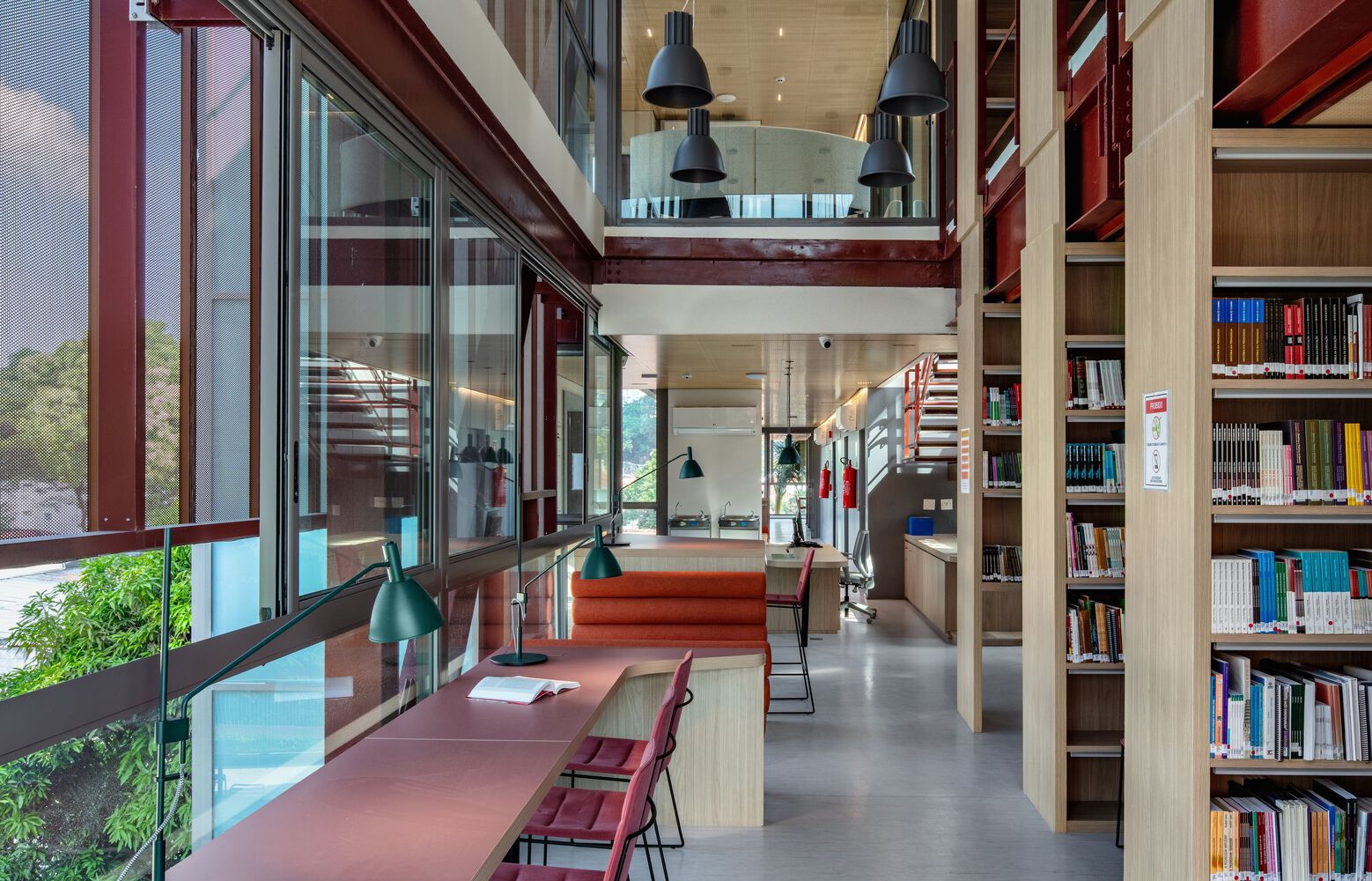
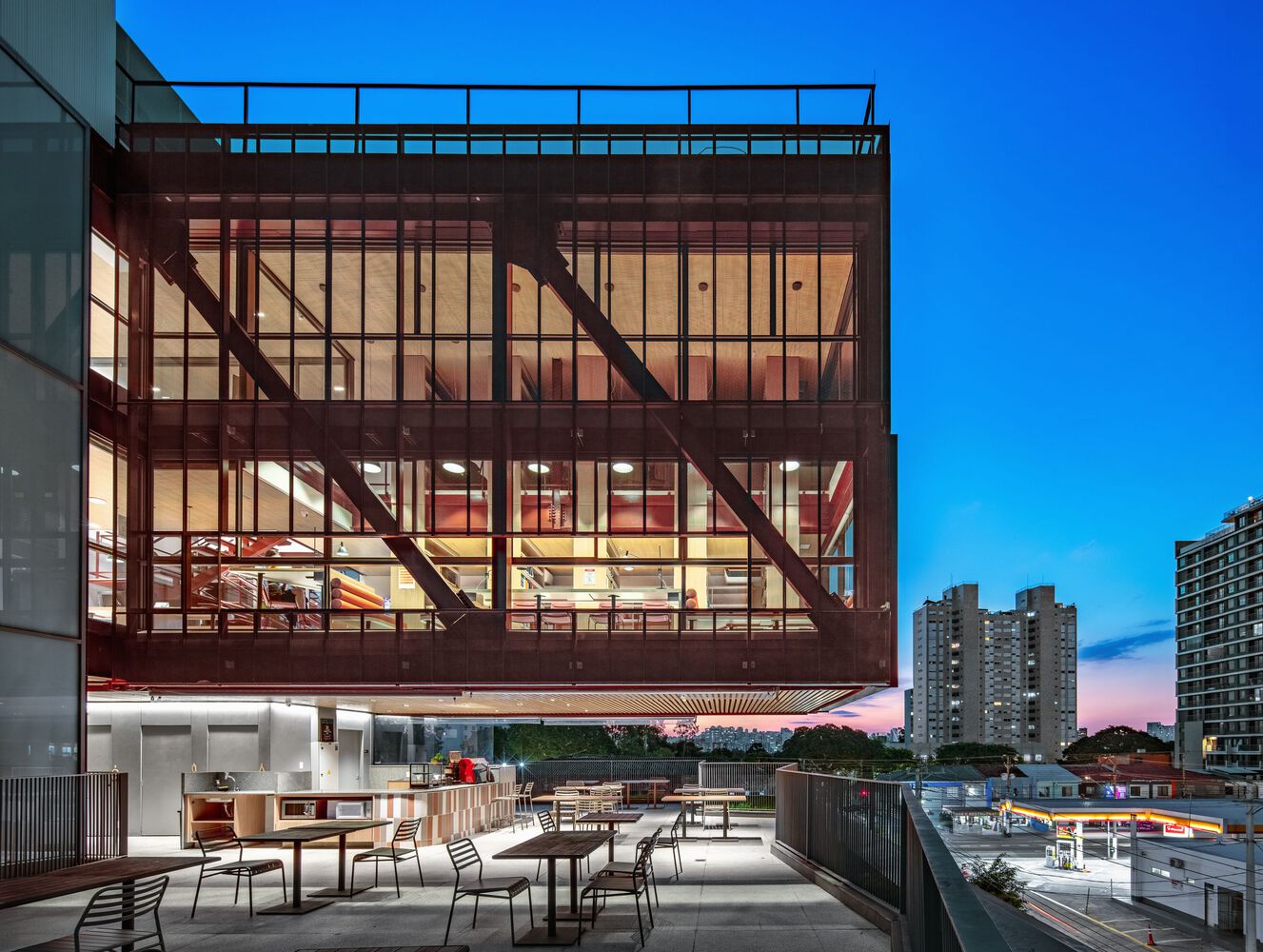
“The Patio line, with its semi-open aesthetic, light and flexible furniture, creates a very interesting scene with the architectural concept, interacting with the grids, flooring, and metal plates of the facade,” José Machado, who worked on the furniture design of the building, said.
To highlight its open design, the building’s elevators provide a panoramic view of the courtyard. The interior designInterior DesignThe discipline of planning and shaping interior spaces for function, comfort, safety, and beauty. It covers layout, lighting, materials, finishes, furniture, and color, and in the Philippines is a licensedGo to Interior Design Glossary incorporates wood to shape the building’s learning environment. Each floor features six classrooms, complemented by the library, patio, and social areas. The combination of wide glass windows and wood creates a well-lit, inviting space for students throughout the building.
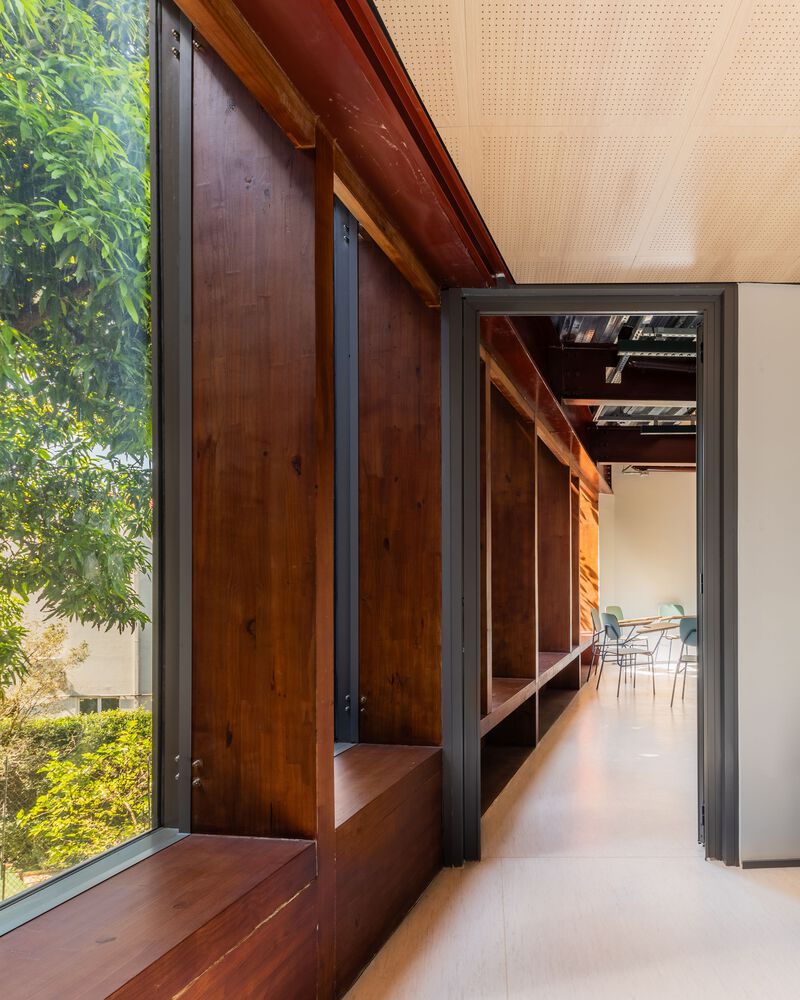
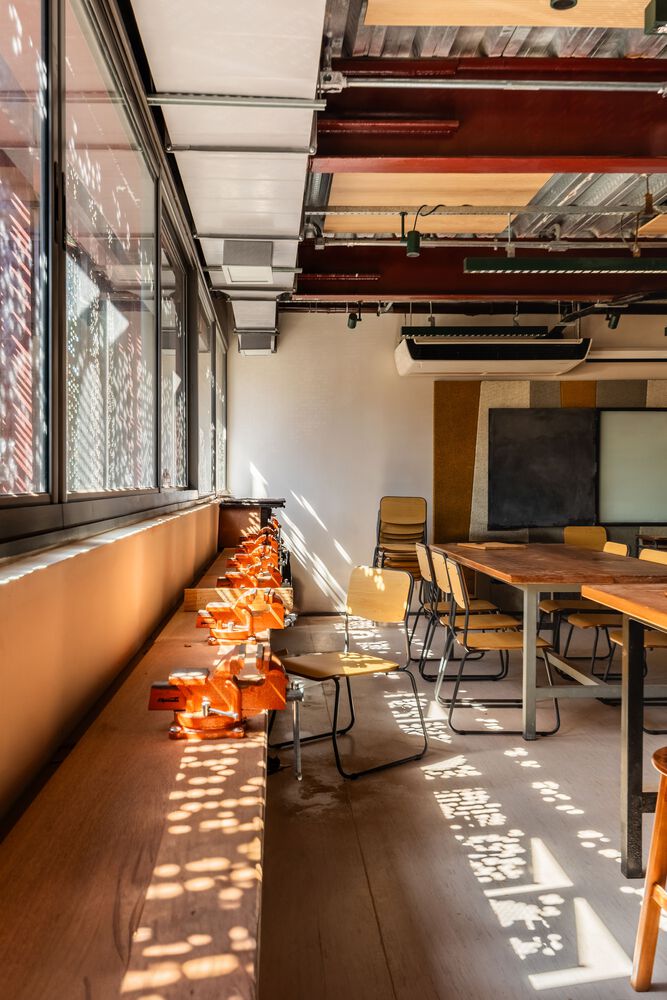
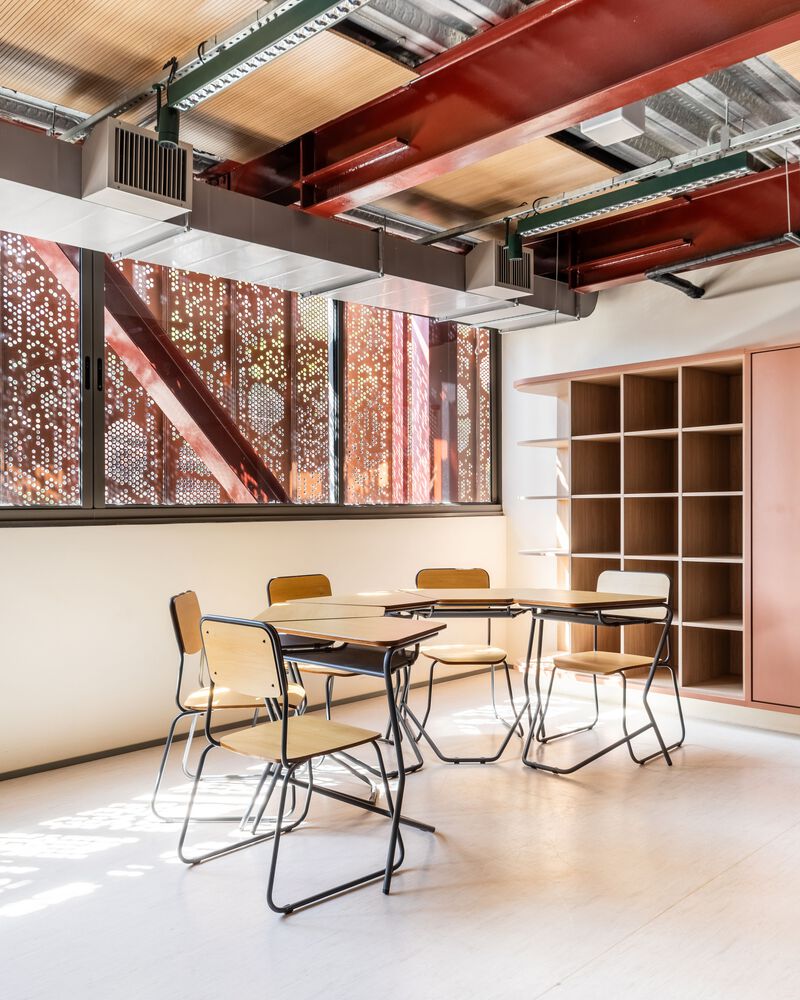
The Rudolf Steiner University maximizes the use of space for a holistic learning environment. It finds a way to create something nature-centric and open for its students despite its urban setting. This building abides by the principles set out by its university, and works out creative solutions for that mandate.
Related reading: Studio Infinity’s Out School Enthusiastically Engages Young Learners
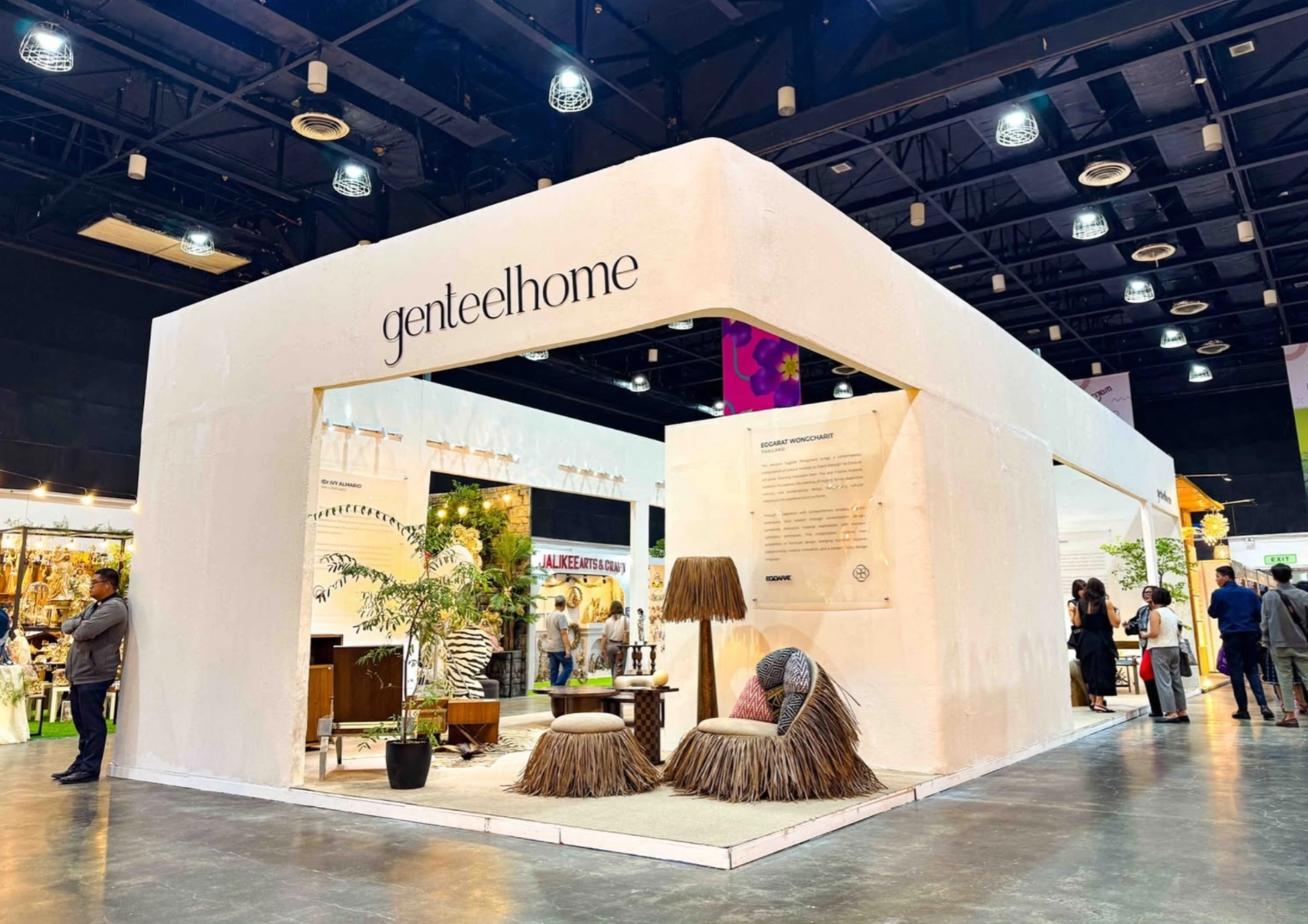
Bigkis is the act of binding. In Tagalog, the word can refer to something used to bind or encircle, as well as a bundle formed by tying several separate elements together. Figuratively, it can also mean a bond, union, or unity. The meanings move from the physical act of joining things together to the connection […]
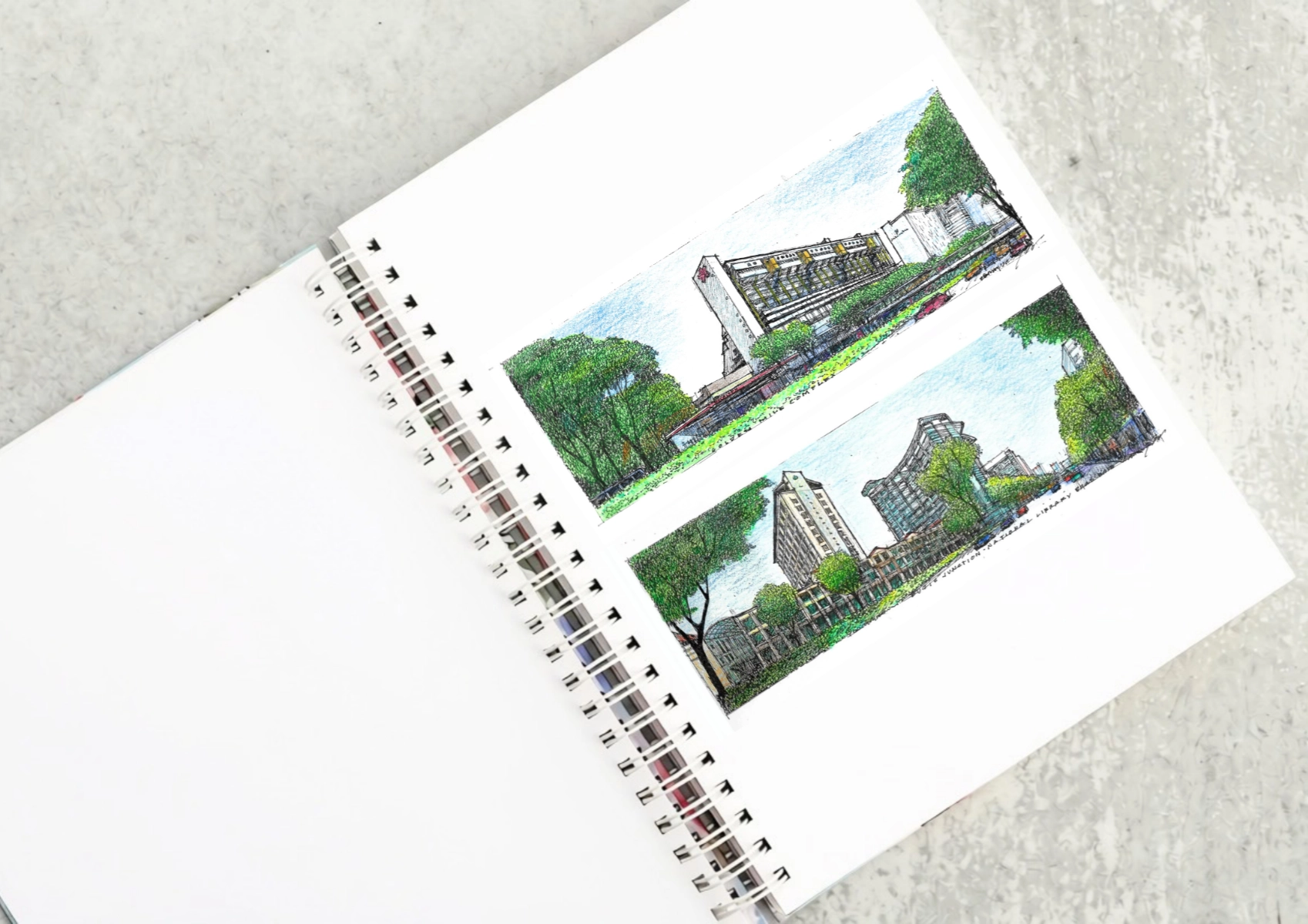
Two sketches of Singapore connect BluPrint Editor in Chief Paulo G. Alcazaren’s personal and professional history with Shared Ground: ArchitectureArchitectureThe art and science of designing and constructing buildings, structures, and spaces that are functional, safe, and aesthetically pleasing. It encompasses the planning, design, materials, and techniques used to createGo to Architecture Glossary of Care, Culture, […]
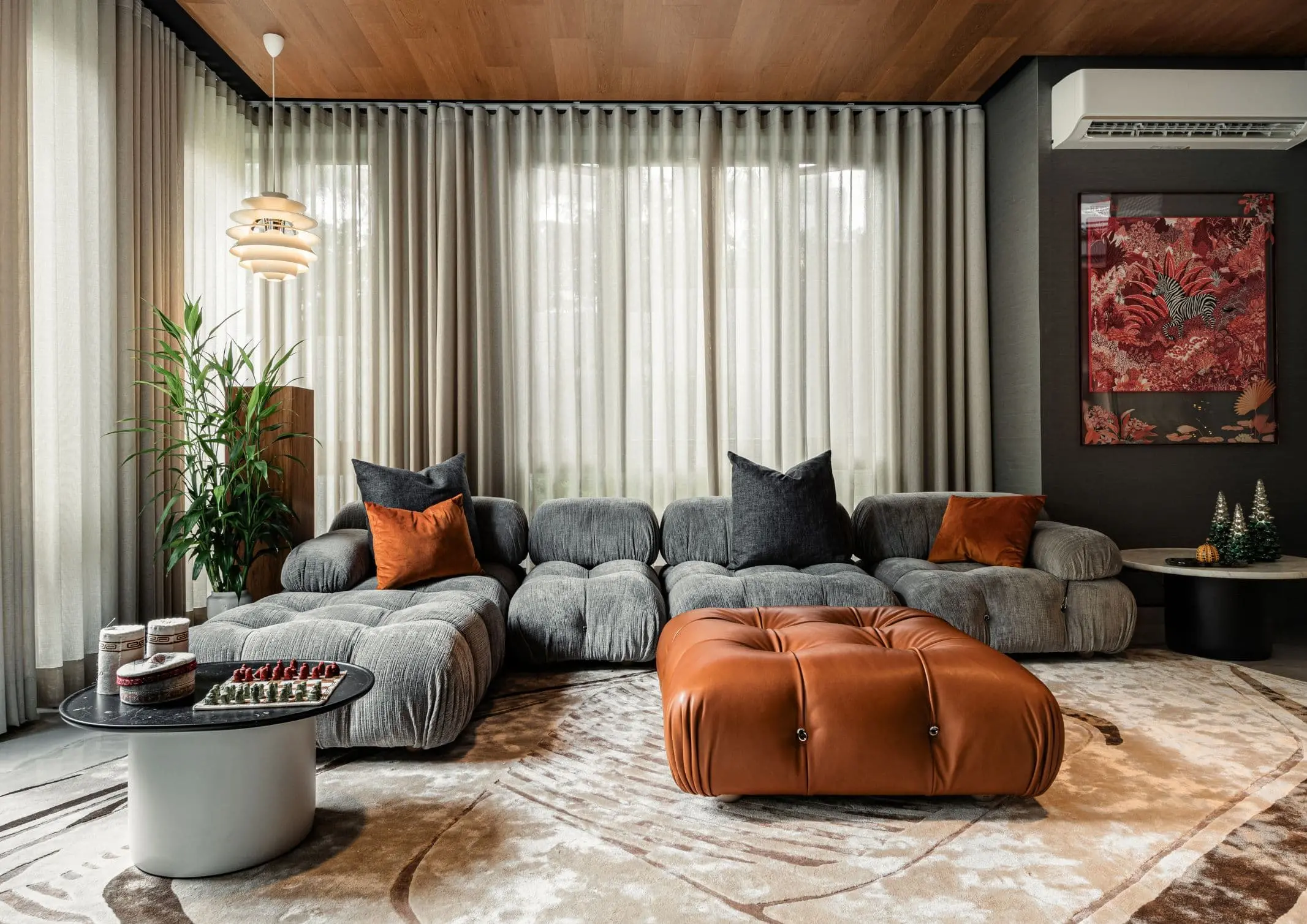
Some have become household names – Coleman, Oster, and KitchenAid – products that have found their way into Filipino kitchens, homes and family routines. In home furnishings, brands such as B&B Italia, Ethan Allen, Sub-Zero, Miele, SieMatic, Louis Poulsen, Hunter Douglas, Tempur, and Technogym, have helped shape the way Filipinos live. From everyday essentials to […]
In a way, designers are the modern-day soothsayers and prophets. They design for the future, predicting how a room, a house, a building or a whole city will be used by people. They foresee how users will interact with a space, conjure exact shades of colors to elicit specific behavior and arrange furniture to build […]
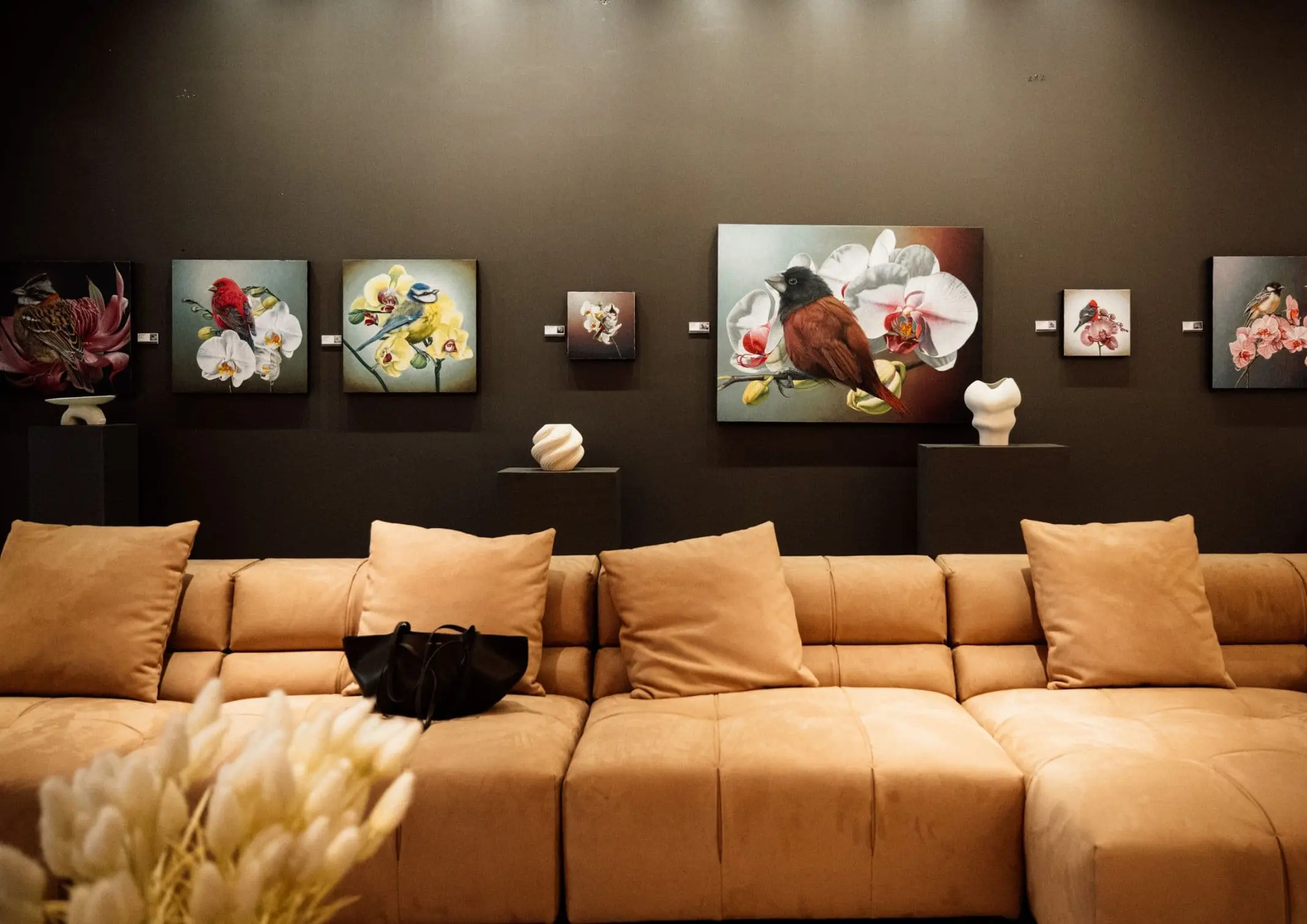
Art and furniture are often selected separately, yet their relationship can shape how a room looks and feels. The collaboration between Hooga and Galerie Joaquin explores how these elements can work together, bringing contemporary artworks into furnished residential settings at Hooga’s showroom in Uptown Mall, Bonifacio Global City. For Hooga, which curates furniture, lighting, and […]
Read the issues.

Collect the volumes.

Recommended Video
Tap to Unmute
Unmute
0:00
0:00