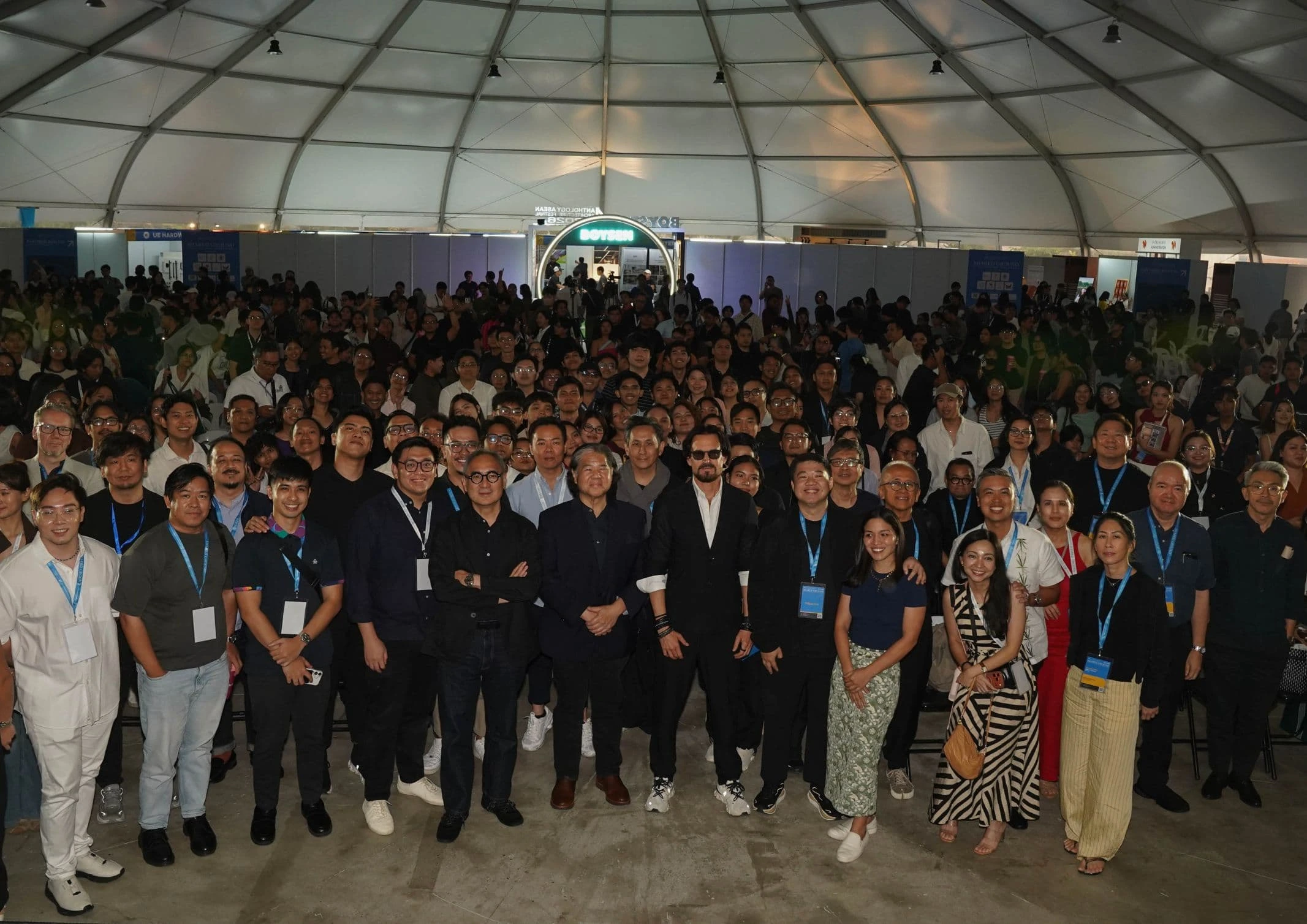
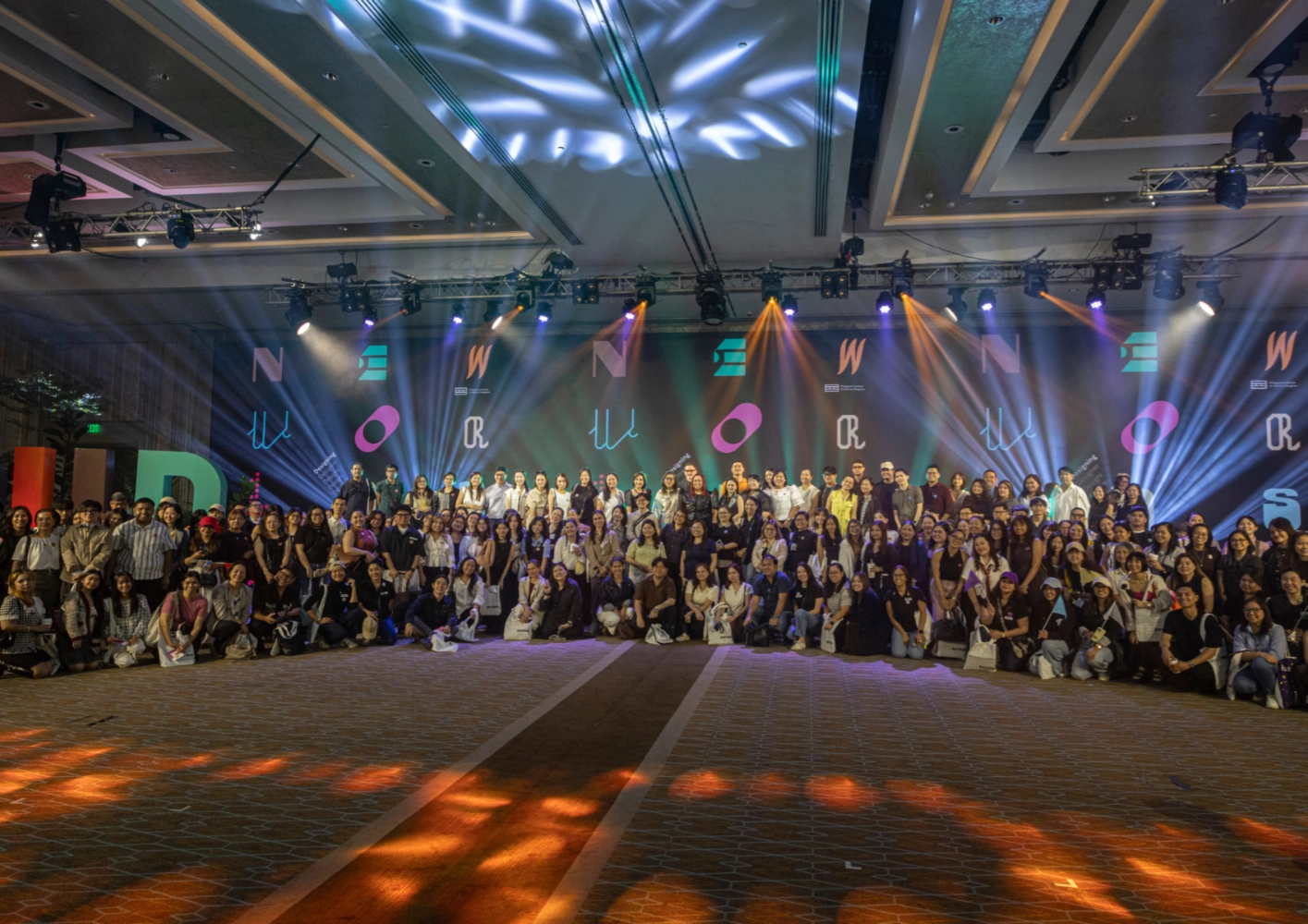
The seventh edition of the Anthology ASEAN ArchitectureArchitectureThe art and science of designing and constructing buildings, structures, and spaces that are functional, safe, and aesthetically pleasing. It encompasses the planning, design, materials, and techniques used to createGo to Architecture Glossary Festival brought together over 4,000 delegates from across the Philippines and Southeast Asia for three […]
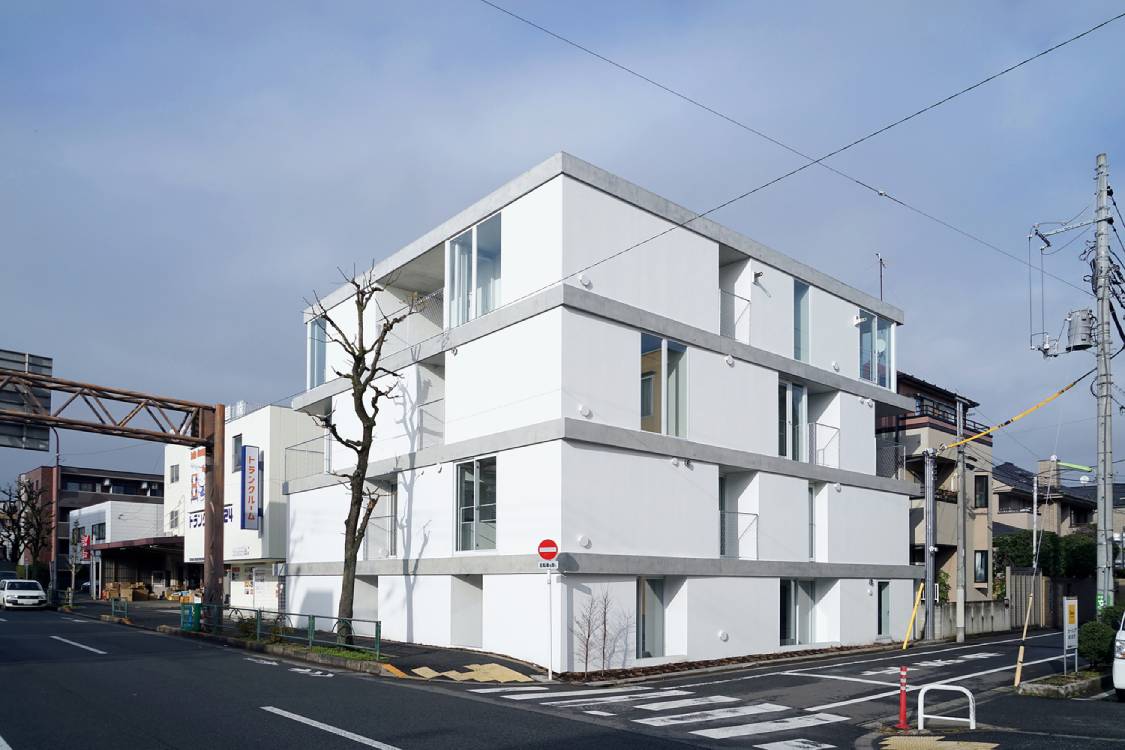
Higashi Tamagawa Apartment Complex Blurs Public and Private Spaces



Higashi Tamagawa Apartment Complex’s philosophy finds the community in crowded, antiseptic urban environments. Its architects desired a balance between ownership and renting, giving people the private spaces they needed without removing the communal nature of an apartment building.
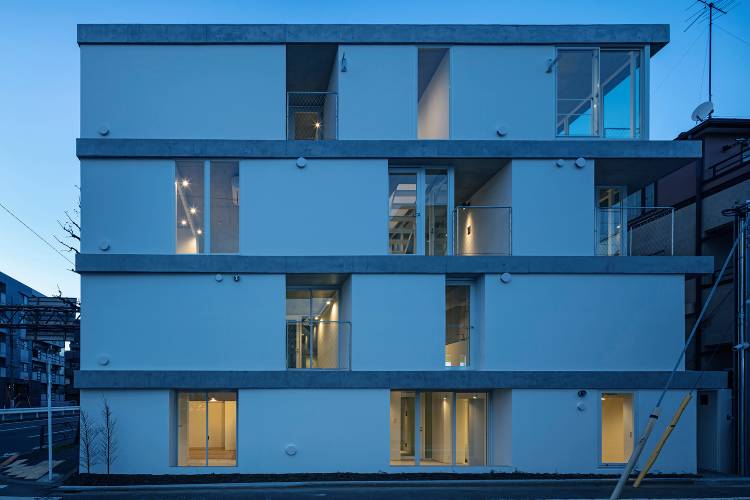
Located in Setagaya, Tokyo in Japan, Tomoyuki Kurokawa Architects designed the building to thread the line between giving occupants privacy and providing opportunities for socialization.
“[The] common perception still remains of a conventional delimited space that provides privacy and security to the users,” they said. “ […] we tried to create a housing building that could feature a succession of fills and voids, aiming to create a shared way of living between various landowners.”
Building Blocks
The four-story Higashi Tamagawa Apartment Complex features a white concrete facade interrupted by raw concrete slabs for each floor. It incorporates strategically placed voids to create spaces for windows and balconies. This effectively breaks up the otherwise box-like, industrial aesthetic, giving the appearance of stacked blocks.
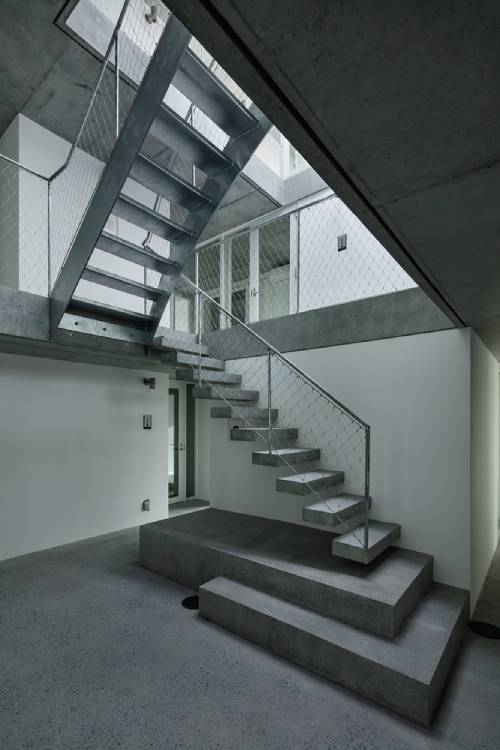
A central atrium simulates the look of a public square. The architects crafted a “concrete podium” for the bottom steps, so that it can be “used as a bench suitable for people to sit and share the space together.”
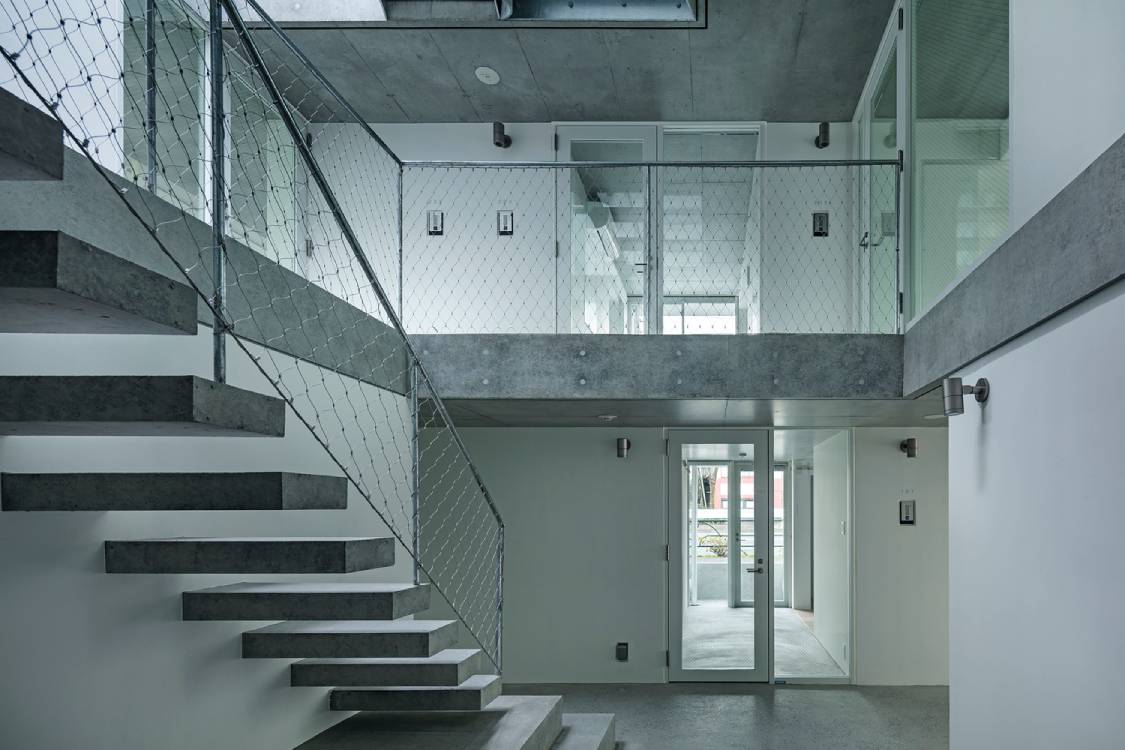
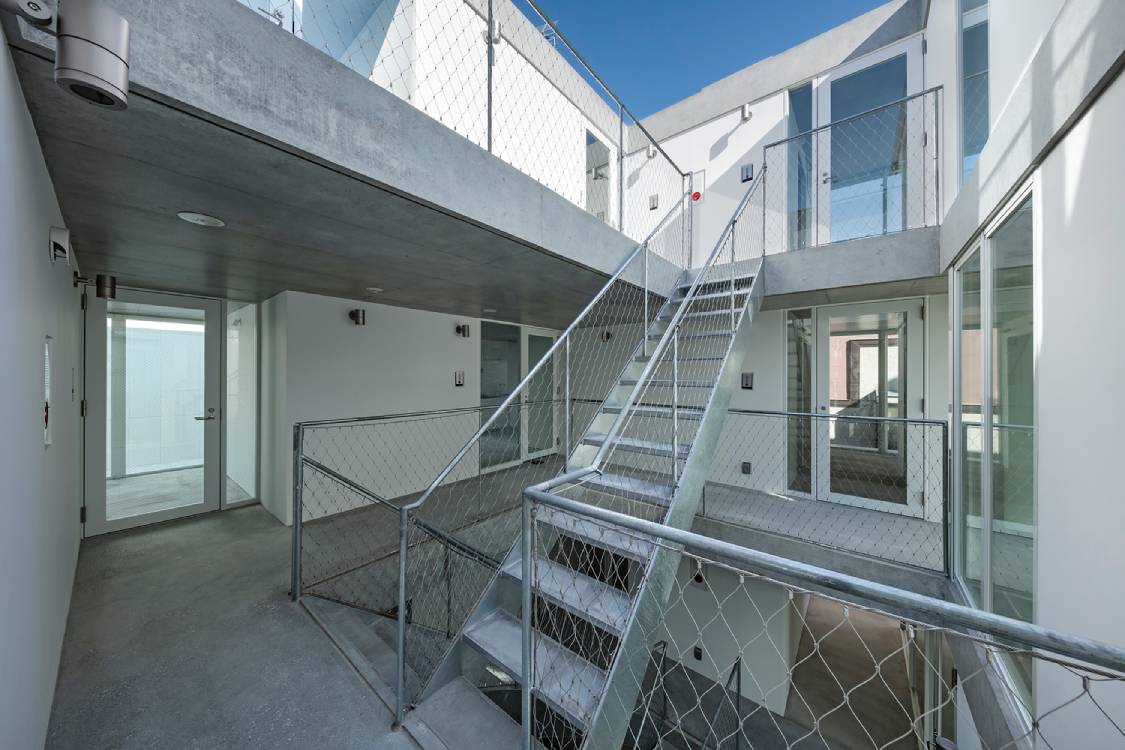
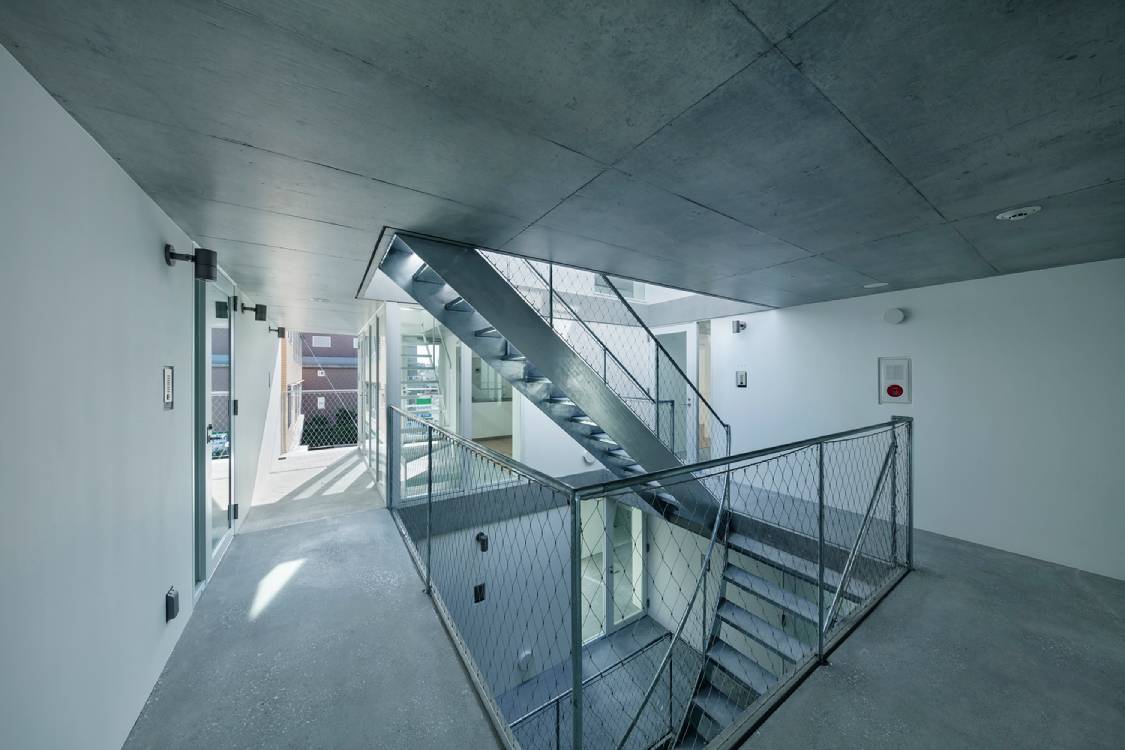
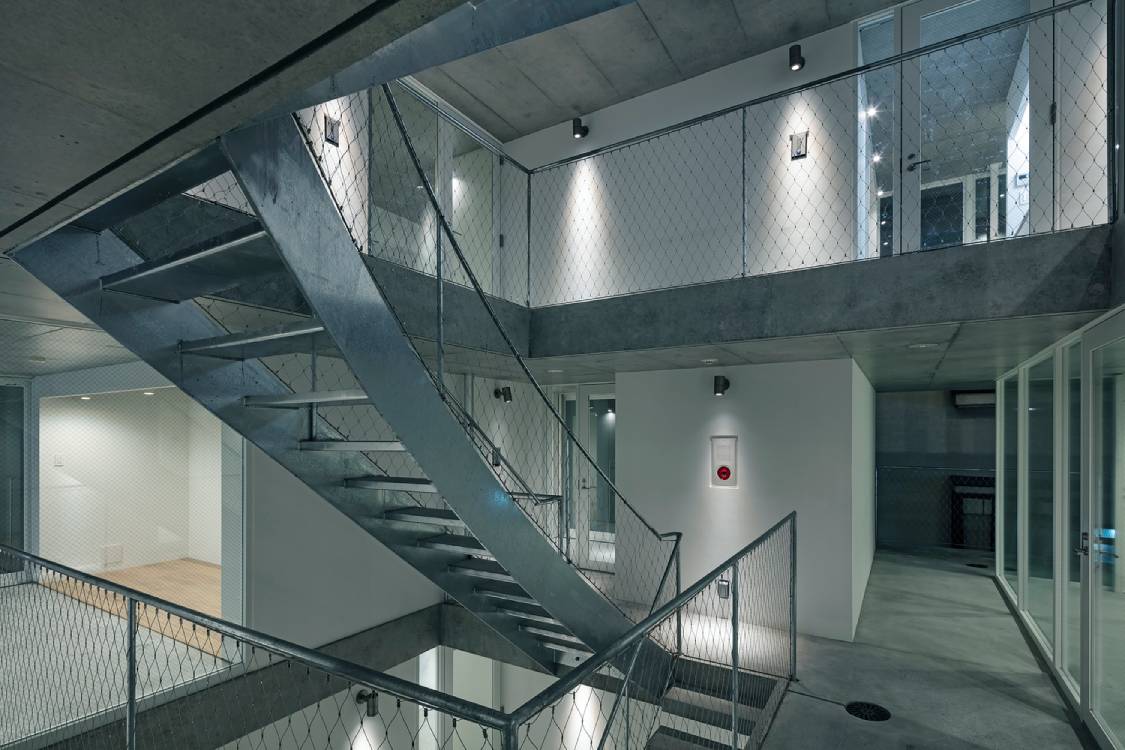
The first flight of stairs uses floating concrete steps paired with mesh wire and steel poles for the railing. The central staircase transitions to metal steps, leading to the open roof above to allow light into the building naturally.
Communal Urban Spaces
Tomoyuki Kurokawa Architects wanted the Higashi Tamagawa Apartment Complex to illustrate the merging of communal spaces and owned spaces. Each of the nineteen 25-square meter units are visibly separated by the building’s structural beams.
The project blurs the lines between public and residential spaces, creating a more integrated and cohesive living environment. The concept involves opening up the ground floor to both the external urban surroundings and the interior common areas of the building. By doing so, it softens once distinct boundaries between urban, private, and communal spaces, creating “gradations” between these areas.
This design approach encourages a more fluid interaction between residents and the city, allowing individual lives to merge with the urban landscape. As a result, a new, interconnected urban scene emerges, where living together fosters a unified community and a fresh perspective on city living.
Transitional Spaces
In the same vein, each apartment utilizes glass doors and walls. This design choice was made to ensure adequate natural light and to “[negate] the seclusion of the apartments.” Wooden partitions provide privacy for the bedrooms and bathrooms.
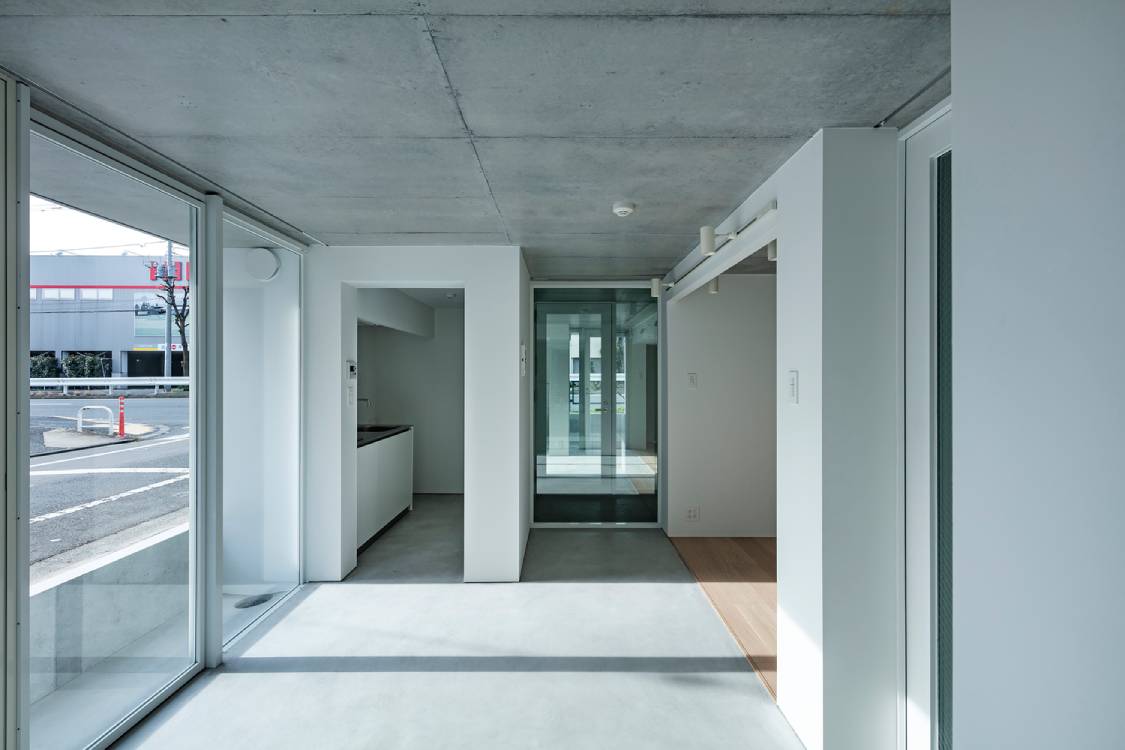
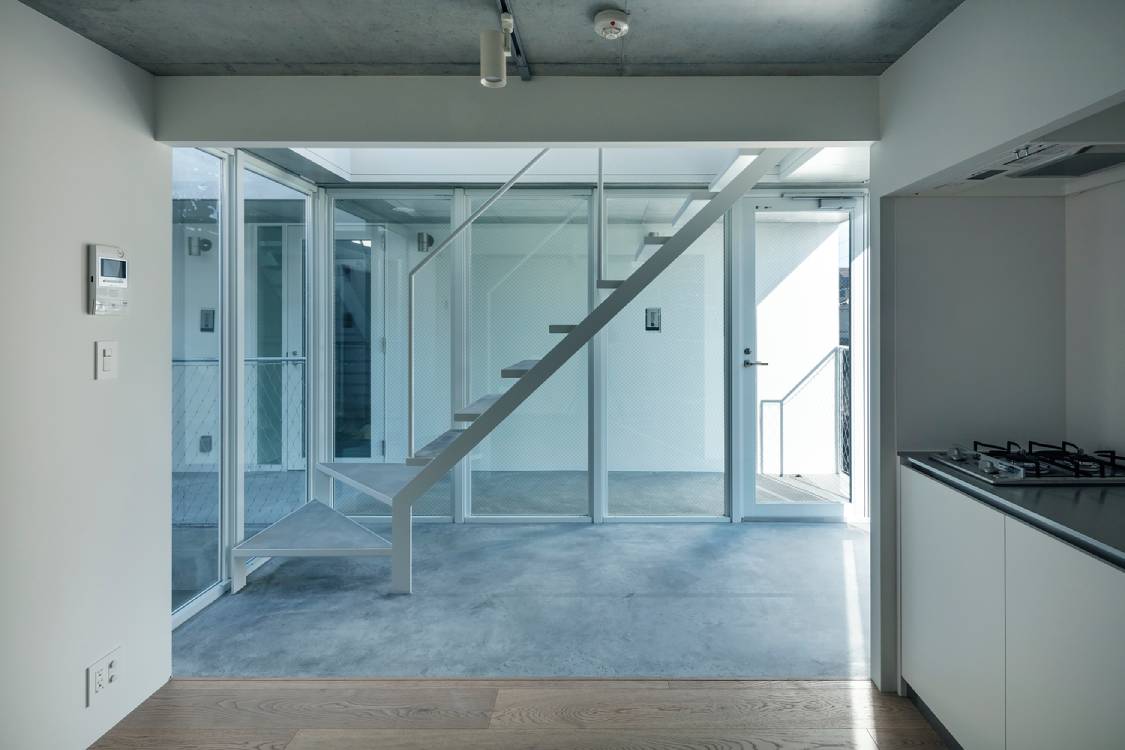
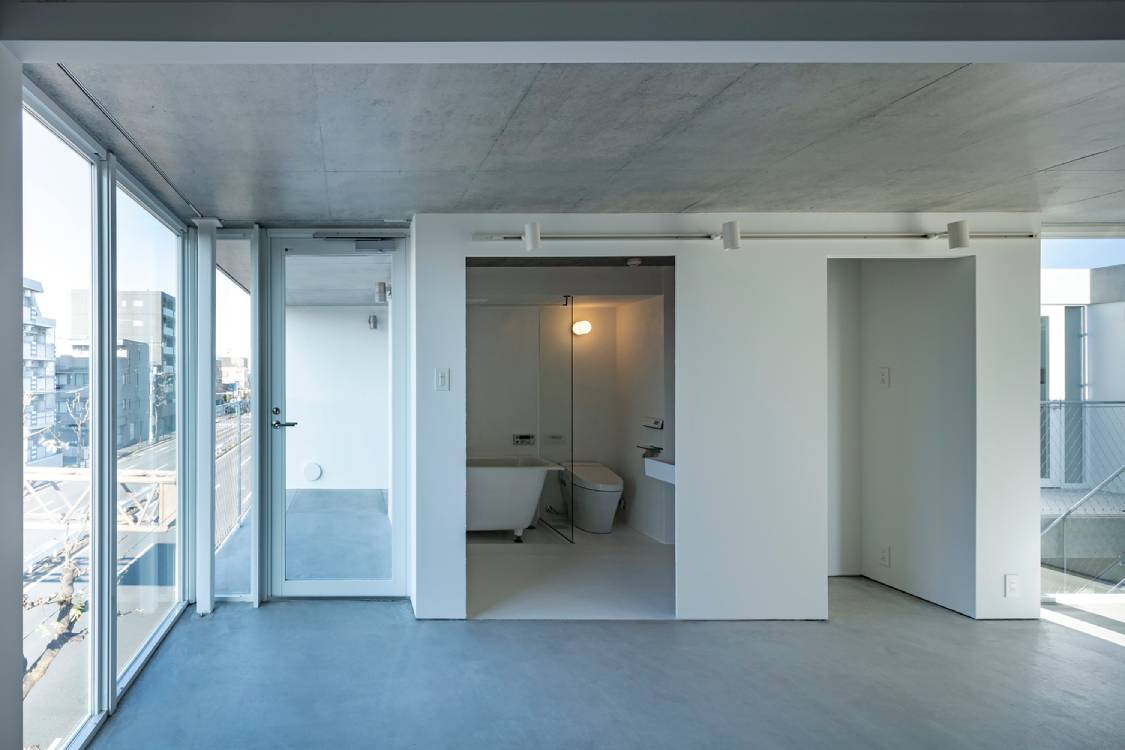
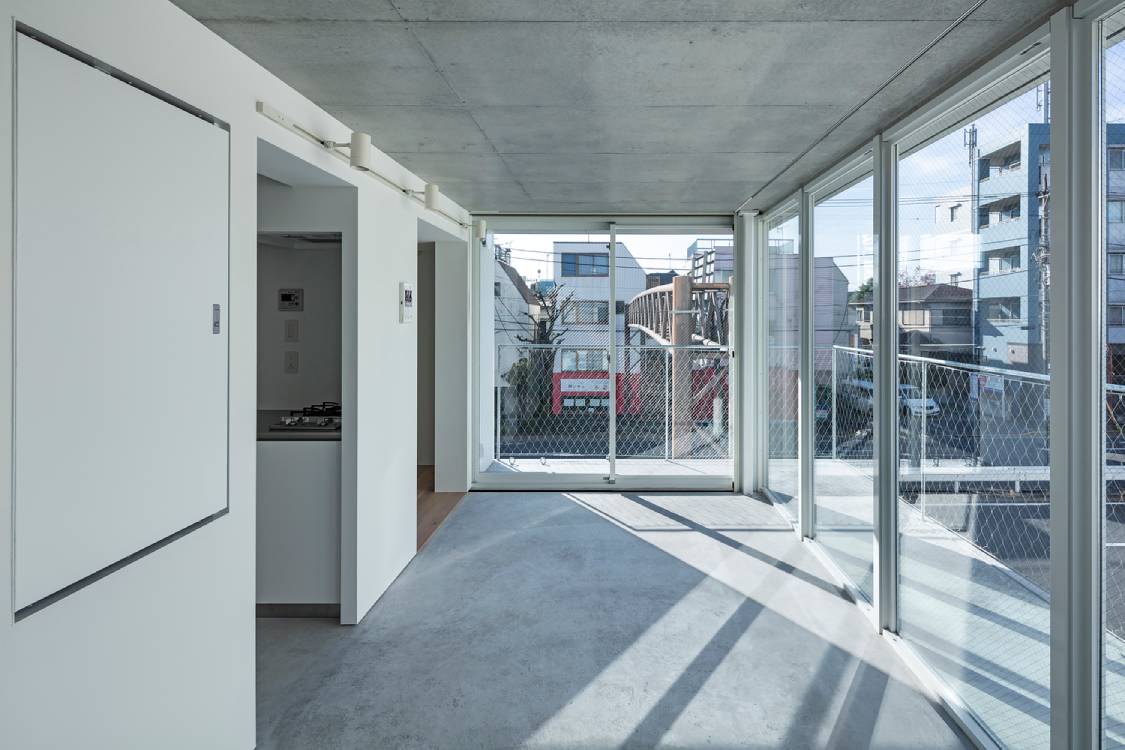
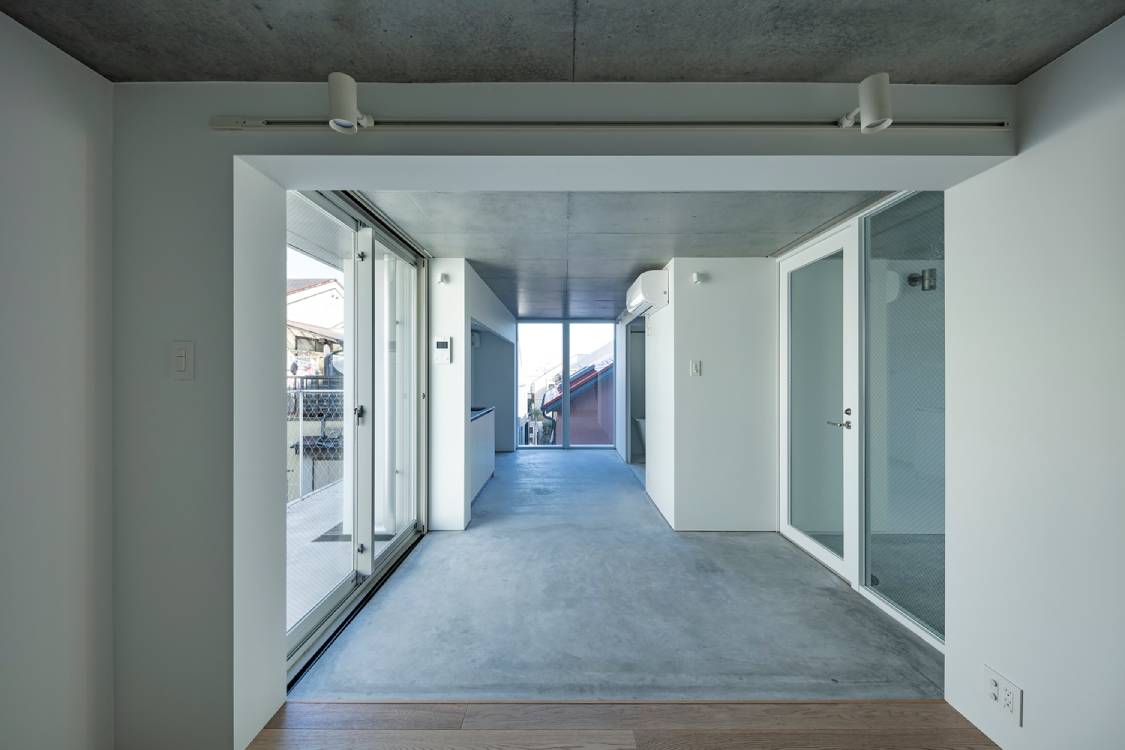
Another aspect to ensure the similar communal nature of the building is the standardized floors. The hallways and the apartments use the same concrete flooring and ceilings in each place. The white interior walls match the exterior facade.
For the architects, these choices allow for transitional spaces that blend the public and private areas of the building together. It pushes for gradual changes in the architectureArchitectureThe art and science of designing and constructing buildings, structures, and spaces that are functional, safe, and aesthetically pleasing. It encompasses the planning, design, materials, and techniques used to createGo to Architecture Glossary to let people get used to the surroundings rather than strictly-defined lines for spaces.
Higashi Tamagawa Apartment Complex blends the way we use space in our lives. It shows us that there are no defined boundaries in how we use space—we can use them however we need to and however we prefer to create the kind of world we want to have.
Related reading: Pear Tree House: Creating a Harmonious Coexistence Between Old and New
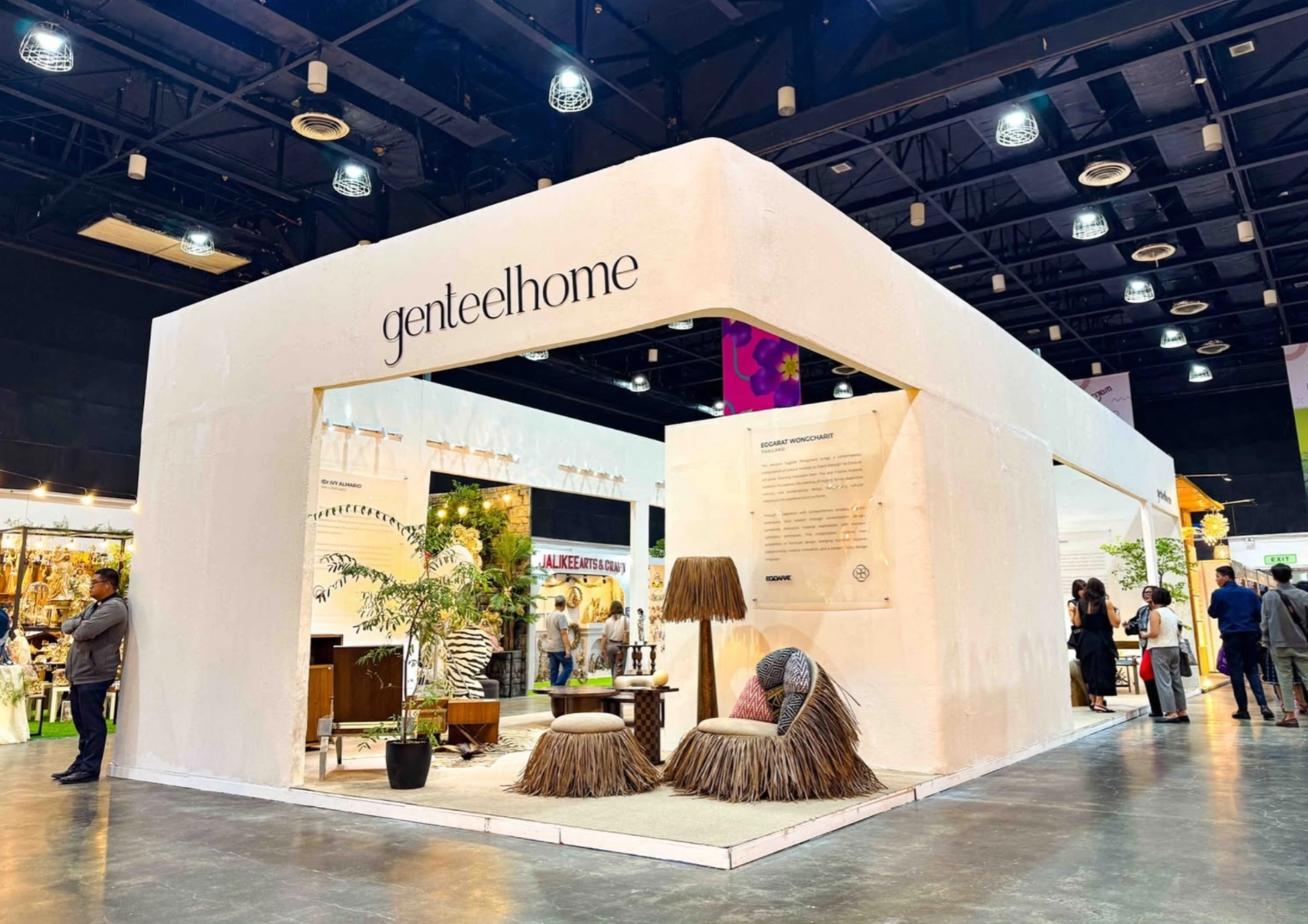
Bigkis is the act of binding. In Tagalog, the word can refer to something used to bind or encircle, as well as a bundle formed by tying several separate elements together. Figuratively, it can also mean a bond, union, or unity. The meanings move from the physical act of joining things together to the connection […]
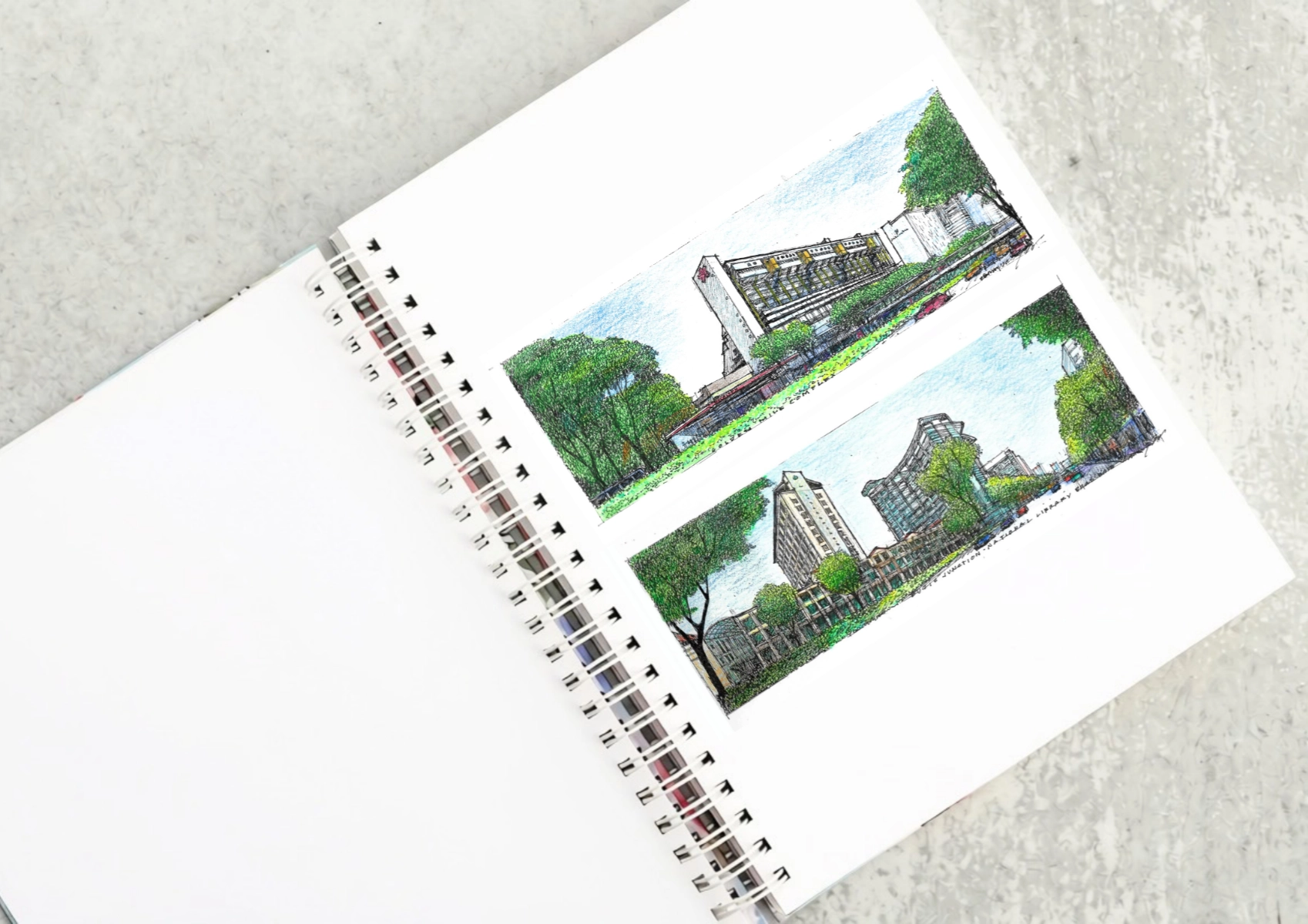
Two sketches of Singapore connect BluPrint Editor in Chief Paulo G. Alcazaren’s personal and professional history with Shared Ground: ArchitectureArchitectureThe art and science of designing and constructing buildings, structures, and spaces that are functional, safe, and aesthetically pleasing. It encompasses the planning, design, materials, and techniques used to createGo to Architecture Glossary of Care, Culture, […]
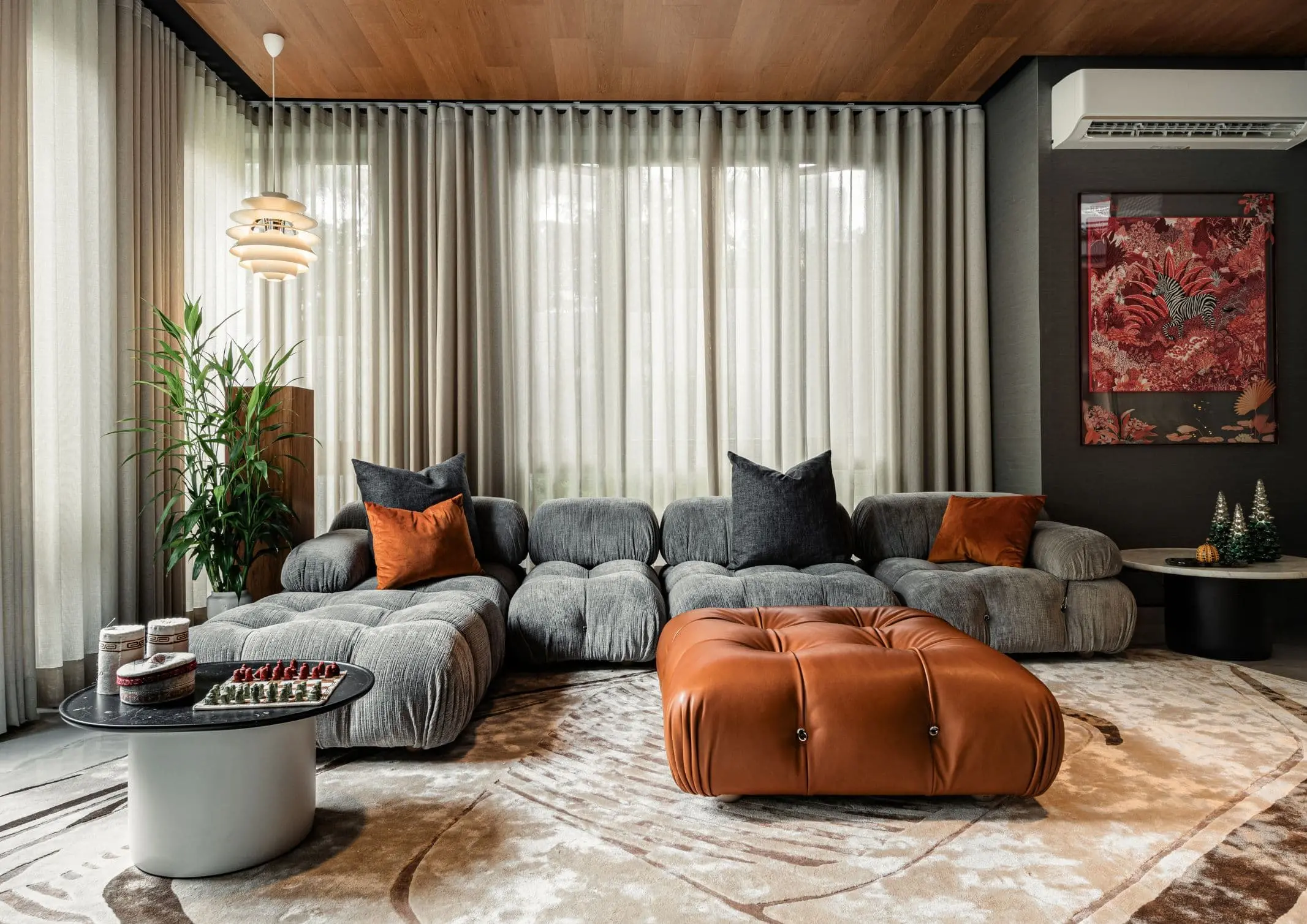
Some have become household names – Coleman, Oster, and KitchenAid – products that have found their way into Filipino kitchens, homes and family routines. In home furnishings, brands such as B&B Italia, Ethan Allen, Sub-Zero, Miele, SieMatic, Louis Poulsen, Hunter Douglas, Tempur, and Technogym, have helped shape the way Filipinos live. From everyday essentials to […]
In a way, designers are the modern-day soothsayers and prophets. They design for the future, predicting how a room, a house, a building or a whole city will be used by people. They foresee how users will interact with a space, conjure exact shades of colors to elicit specific behavior and arrange furniture to build […]
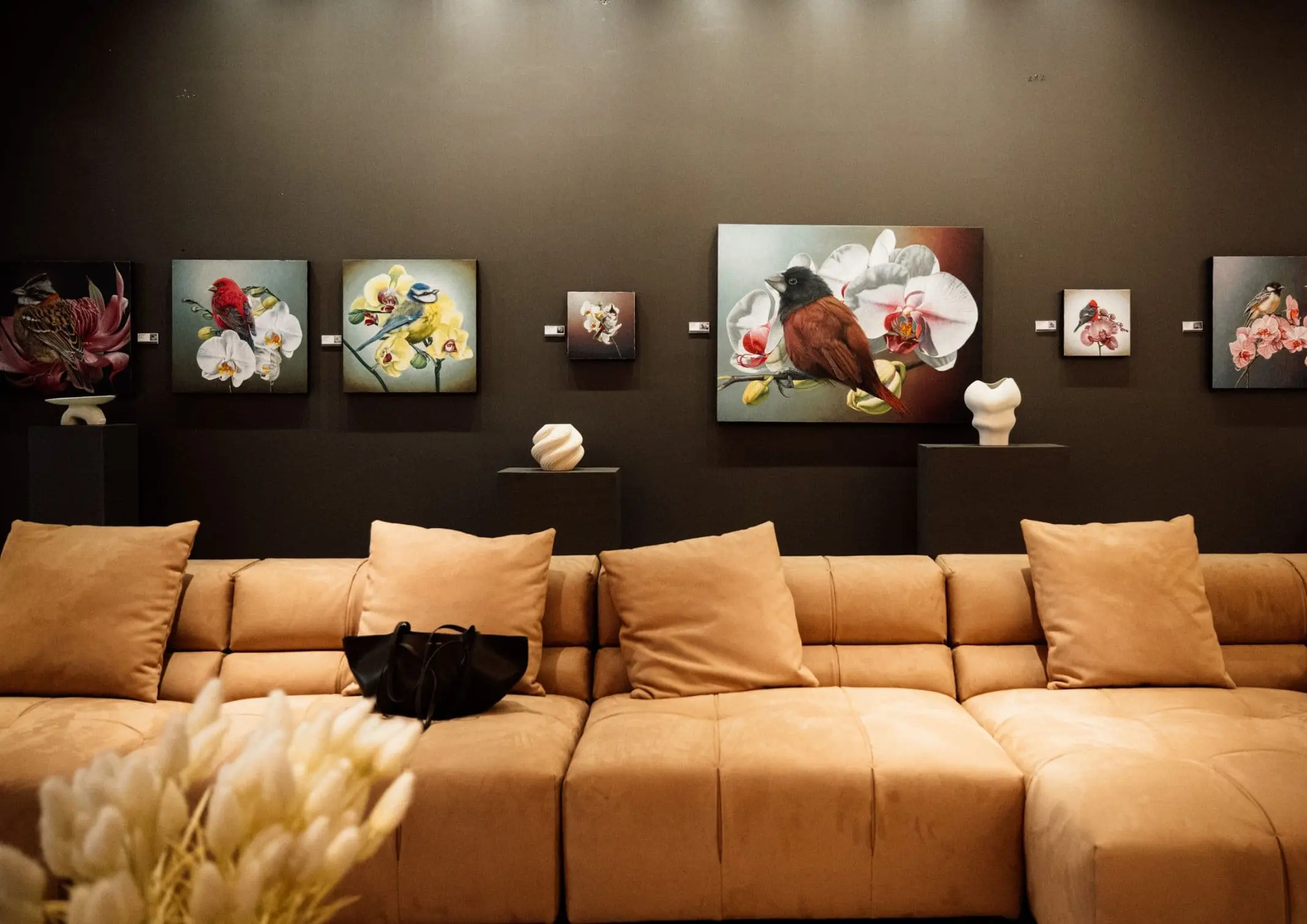
Art and furniture are often selected separately, yet their relationship can shape how a room looks and feels. The collaboration between Hooga and Galerie Joaquin explores how these elements can work together, bringing contemporary artworks into furnished residential settings at Hooga’s showroom in Uptown Mall, Bonifacio Global City. For Hooga, which curates furniture, lighting, and […]
Read the issues.

Collect the volumes.

Recommended Video
Tap to Unmute
Unmute
0:00
0:00