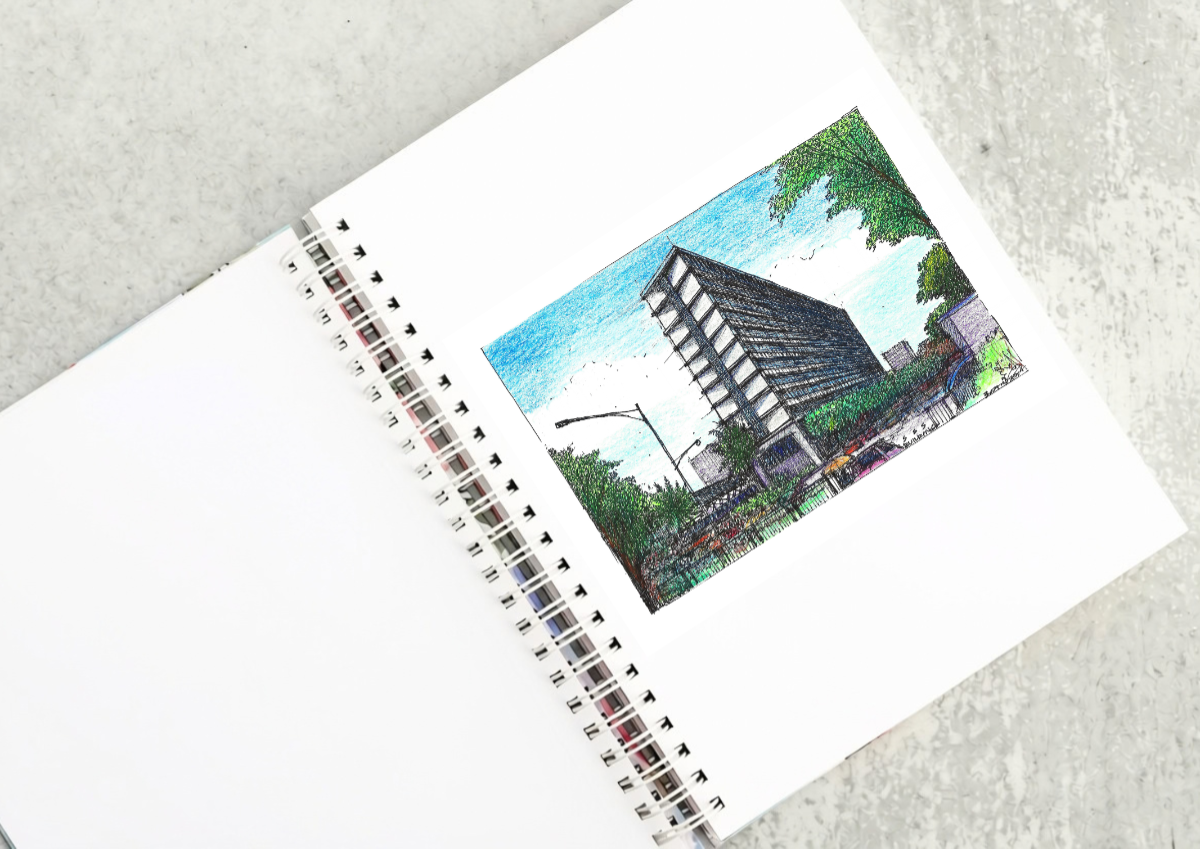
The SSS Building as an Expression of Civic Modernism My favorite modernist landmark in Quezon City is the SSS building on East Avenue. Designed by National Artist for ArchitectureArchitectureThe art and science of designing and constructing buildings, structures, and spaces that are functional, safe, and aesthetically pleasing. It encompasses the planning, design, materials, and techniques […]
CP Vietnam Headquarters Merges A Nature and Office Park



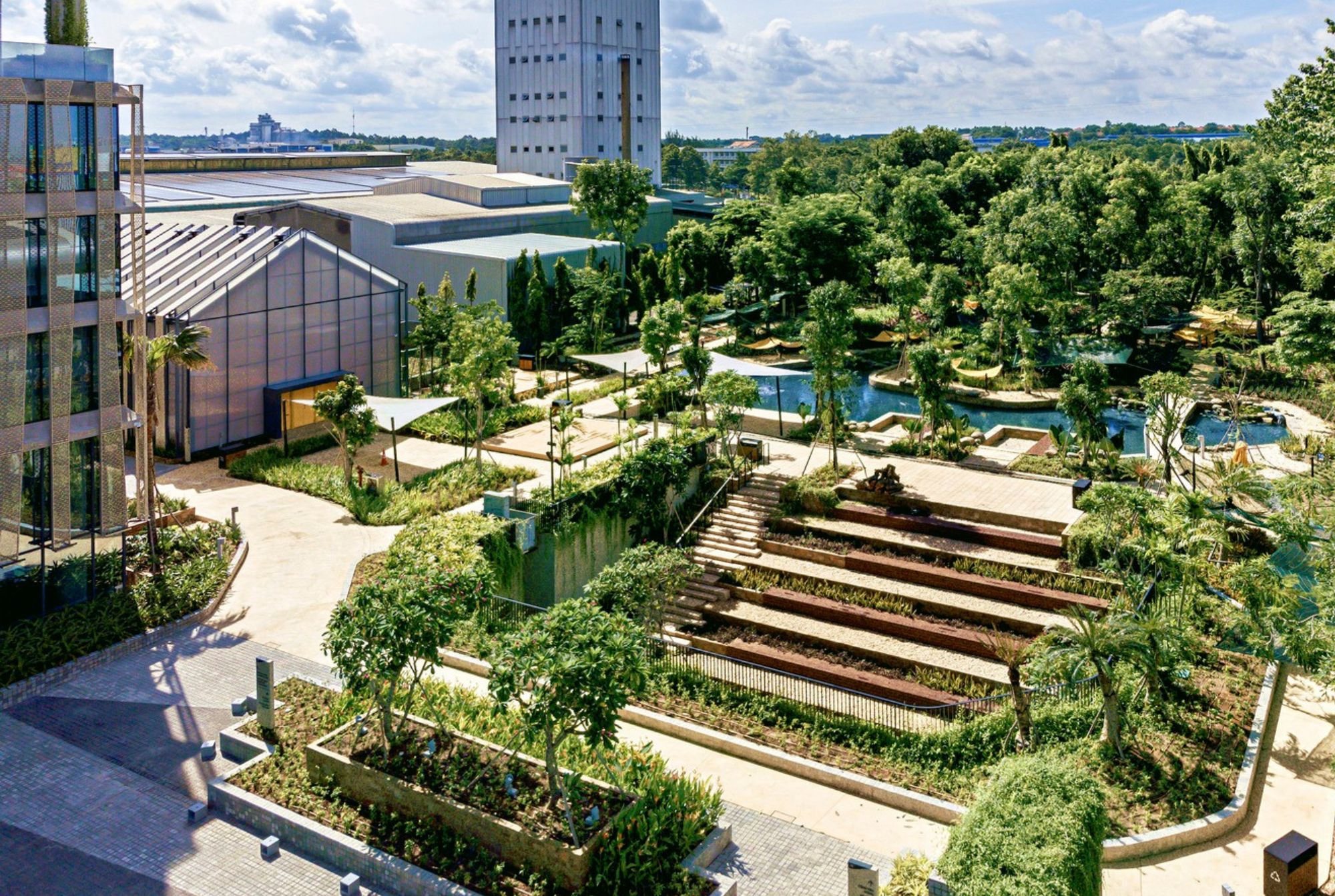
CP Vietnam Headquarters combines nature with a typical office park to create an environmentally-friendly space not just for workers, but for the community. LJ-Group Landscape ArchitectureLandscape ArchitectureThe design of outdoor environments, including gardens, parks, plazas, campuses, streetscapes, and waterfronts. It integrates plants, water, topography, and built elements to support ecology, recreation, and wellbeing. In the Philippines,Go to Landscape Architecture Glossary designed the whole area, with six architects working on the building and the landscape.
Found in Dong Nai province east of Ho Chi Minh City, it offers the community a mix of urban progress and a welcoming outdoorsy escape. For the architects and food company CP Vietnam, it represents their desire to find an innovative approach to built environments.
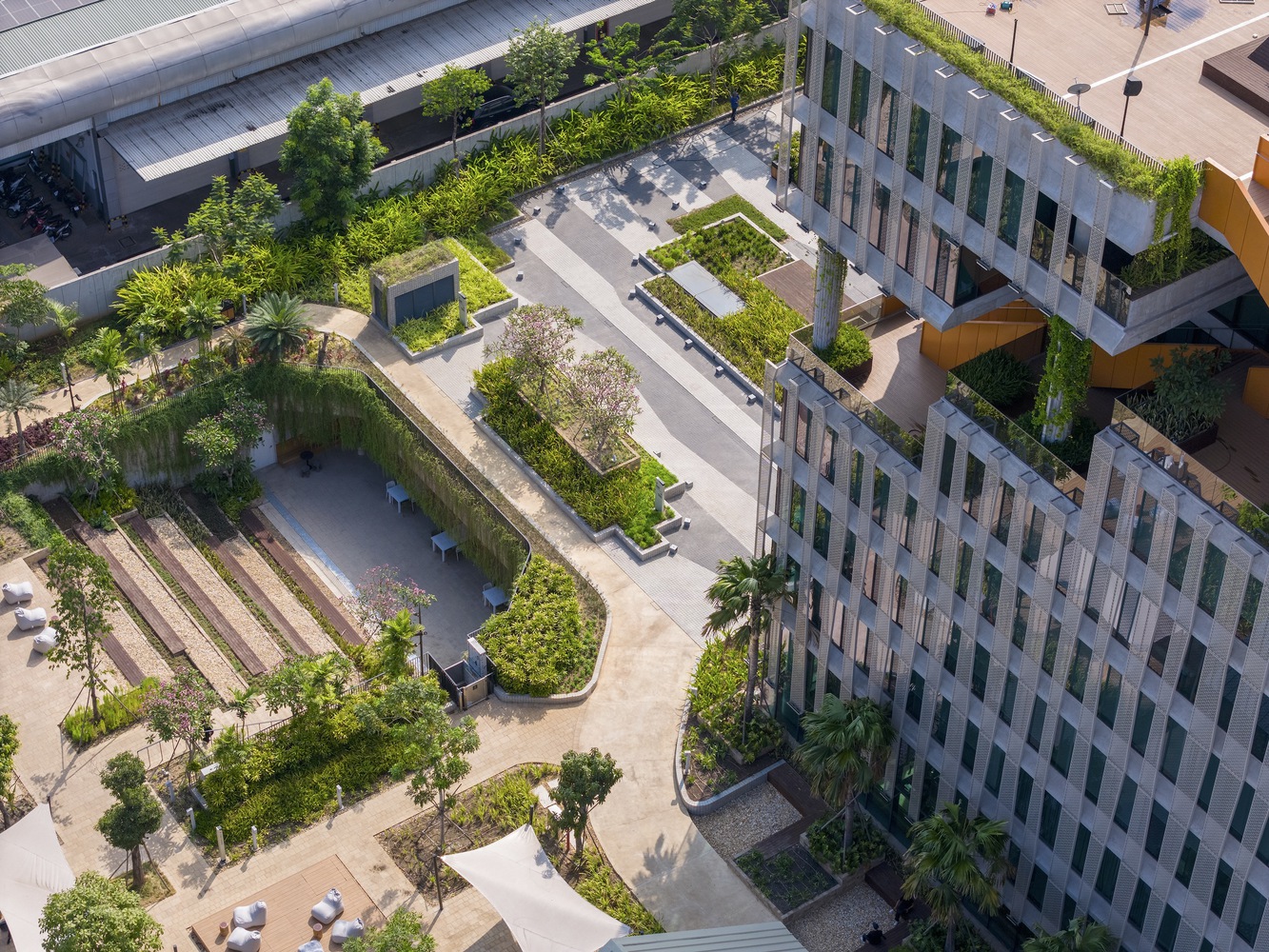
“[The] CP Vietnam Head Office landscaping project demonstrates a thoughtful and innovative approach to landscape design. By addressing the site’s specific challenges and creating a variety of outdoor spaces that promote wellness and community engagement, a new set of standards for sustainable and functional office environments is created,” the architects said.
Functional Offices and Public Spaces
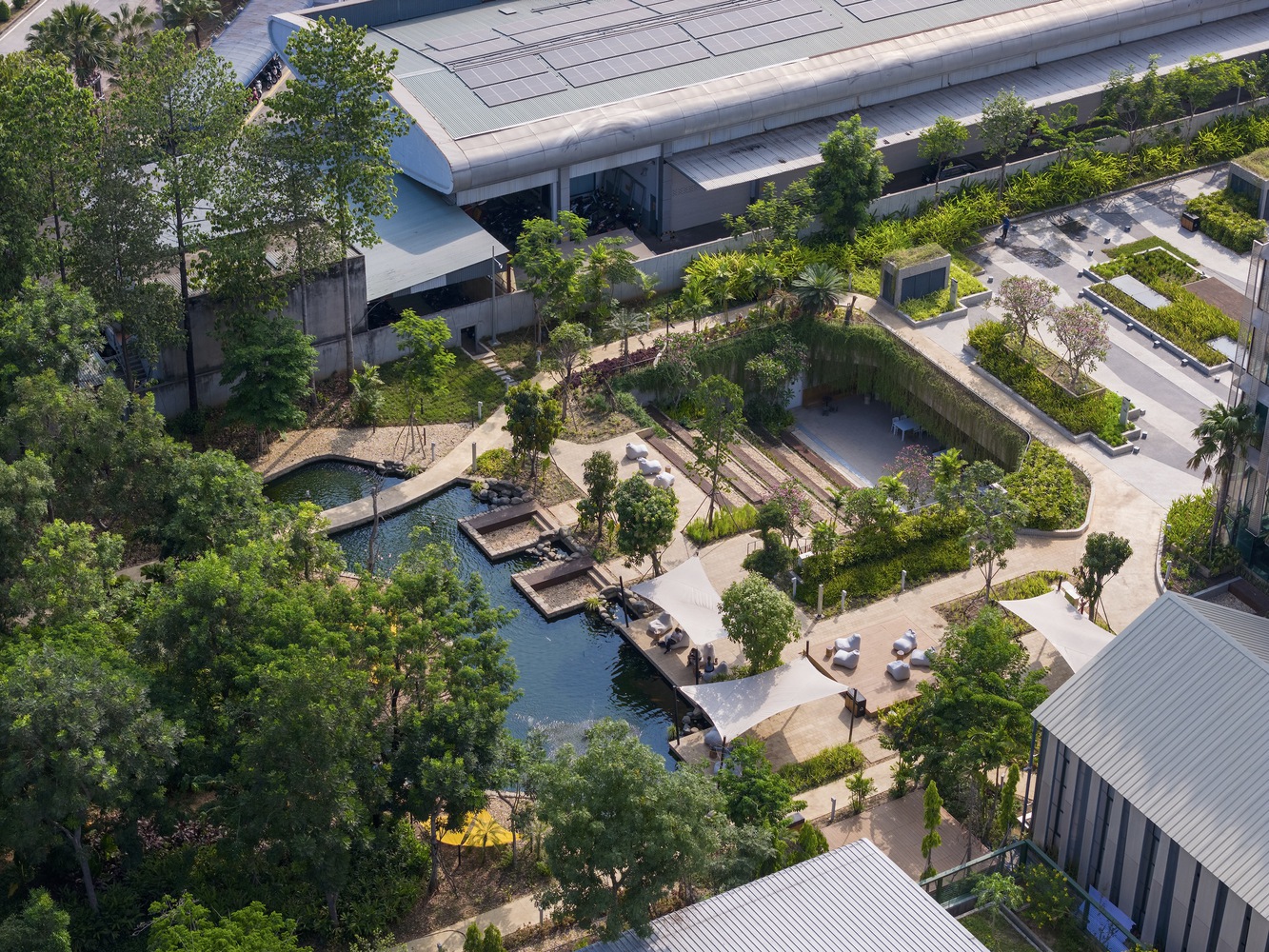
CP Vietnam Headquarters’ landscape can be divided into three distinct zones: the nature park, the public space, and the workers’ retreat space. An office park with two buildings stands in the center of the three zones.
Most of the architects’ work for the headquarters focused on the landscape surrounding the two buildings. They envisioned the forest-like scenery to connect with the offices, providing transitionary points that allow workers to move seamlessly between environments. The choice of native plants came due to a desire to invite wildlife like birds to the forestry around it.
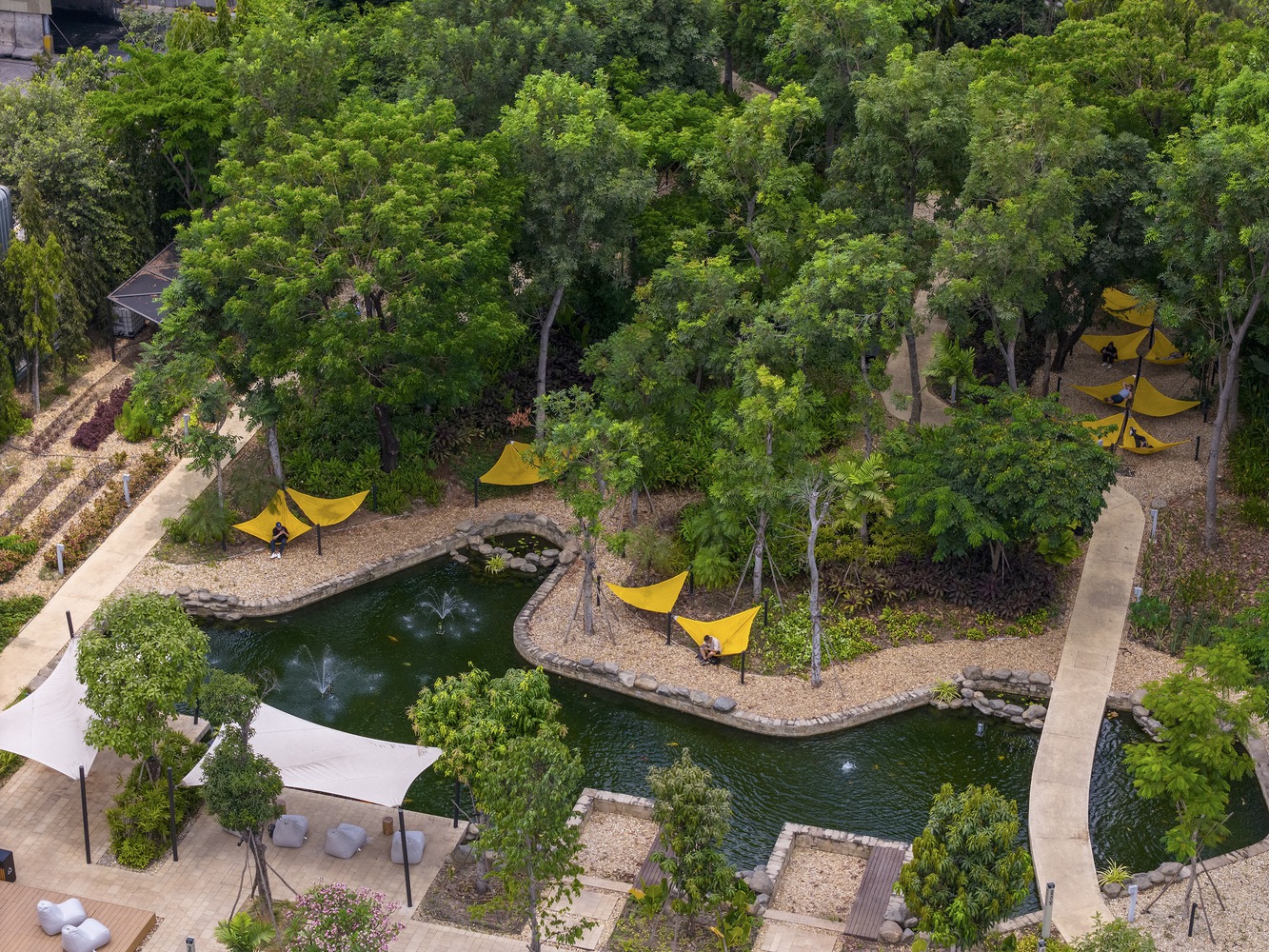
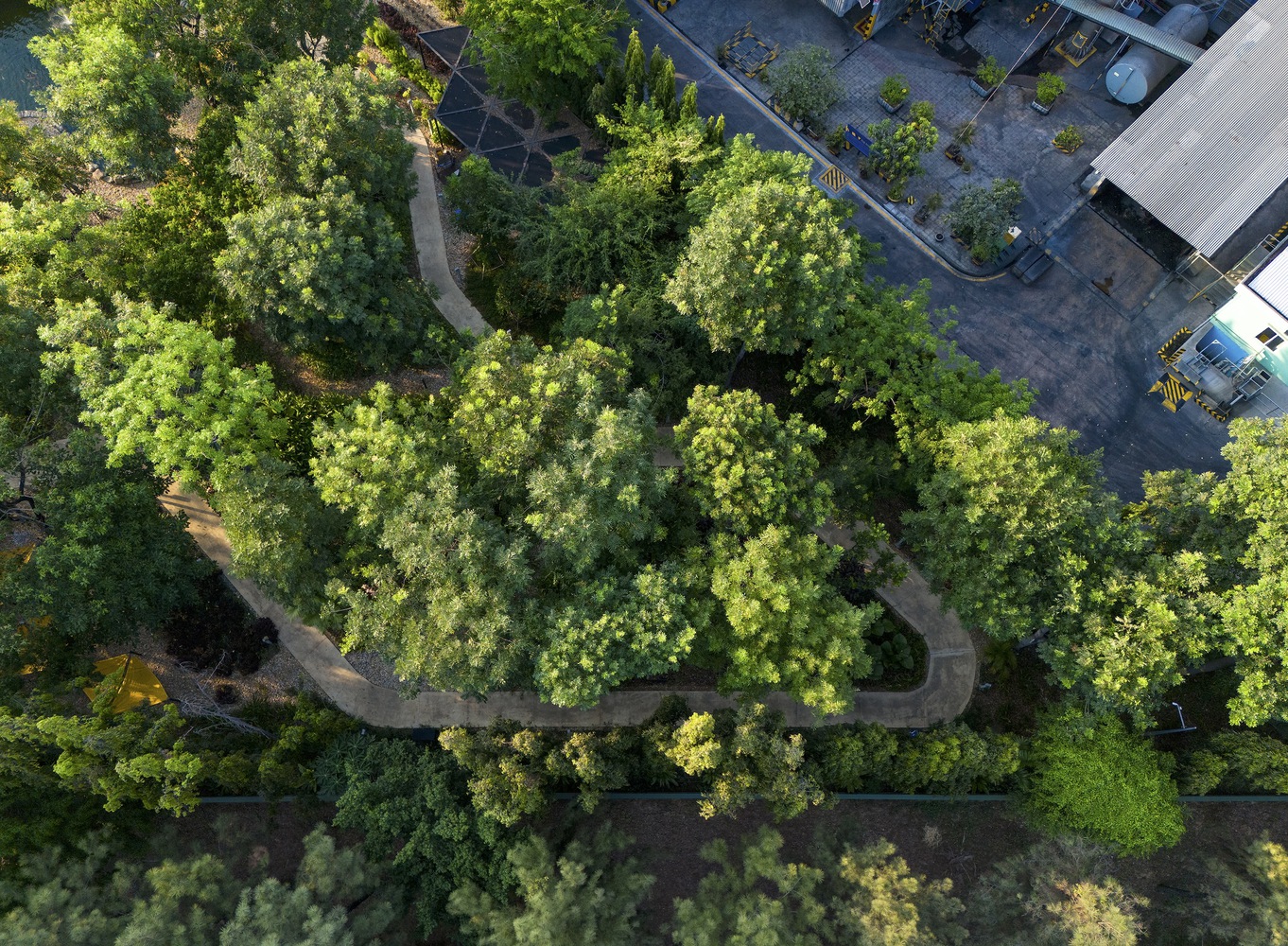
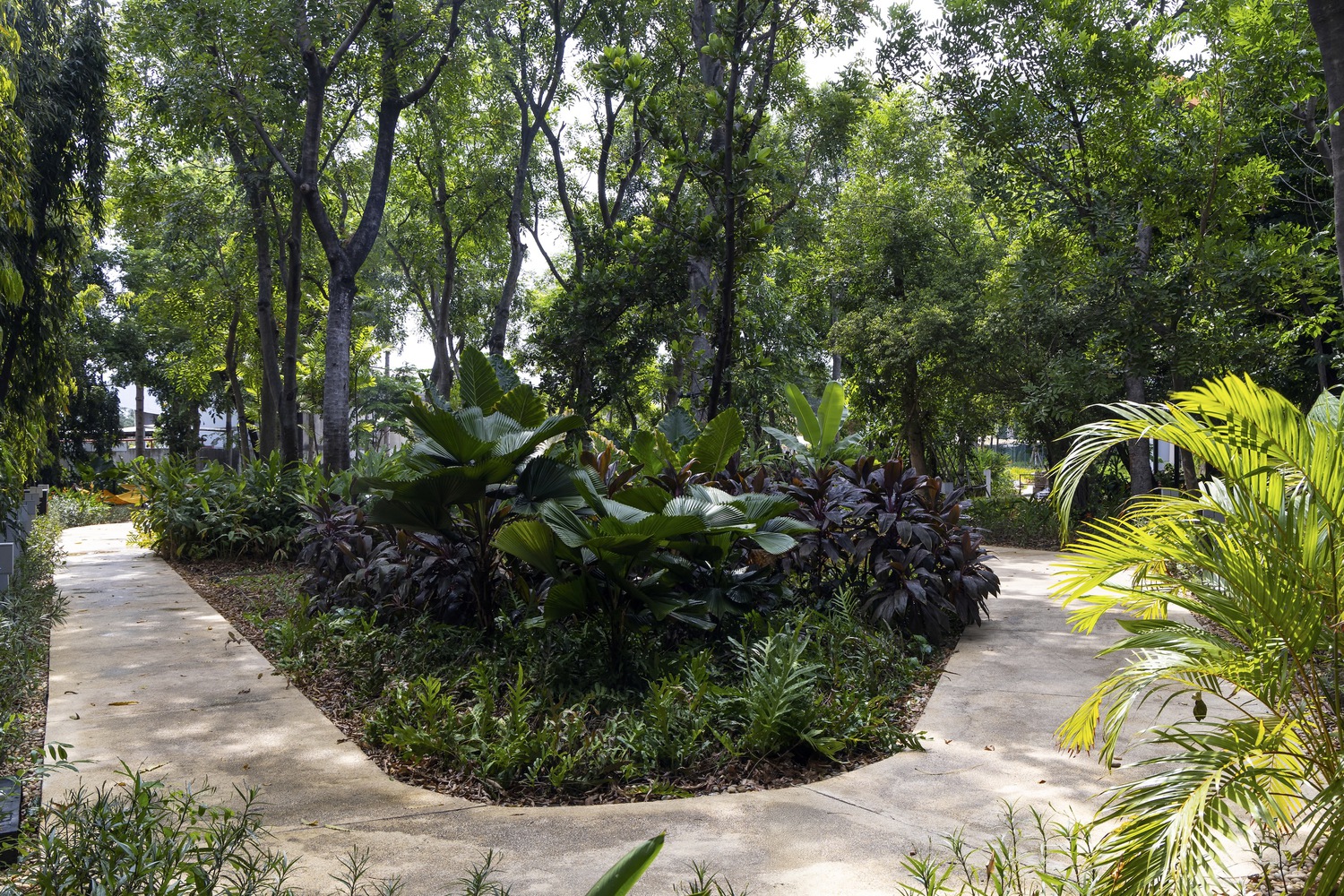
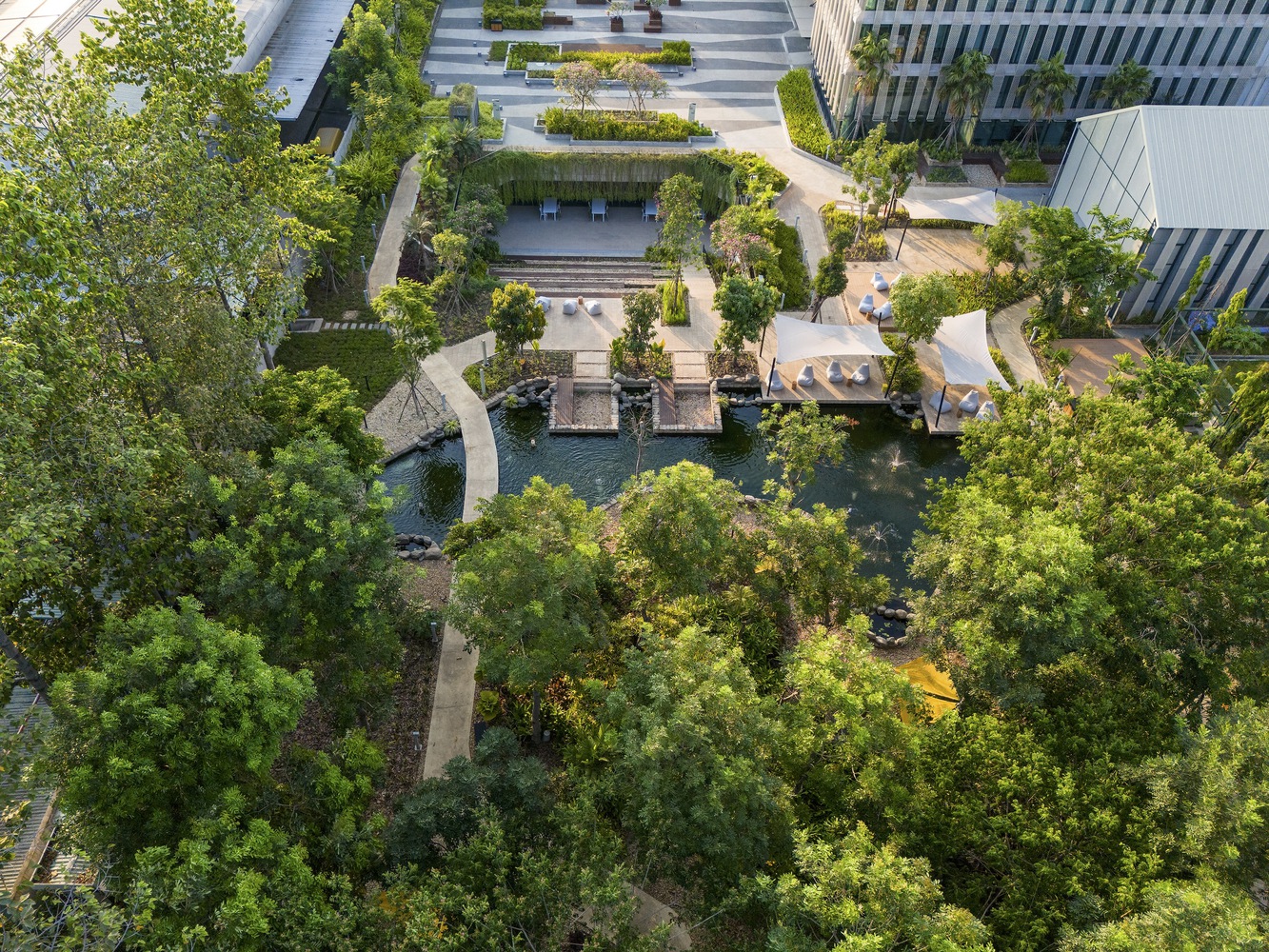
There’s a complexity to the creation of the environment around the office. They utilized an existing drain channel in the area to create a water current flow for the pond sites in the building. They also carefully planned the locations of different trees to serve different focuses, planting native decorative trees around the office, and fruit and shading trees closer to the park area.
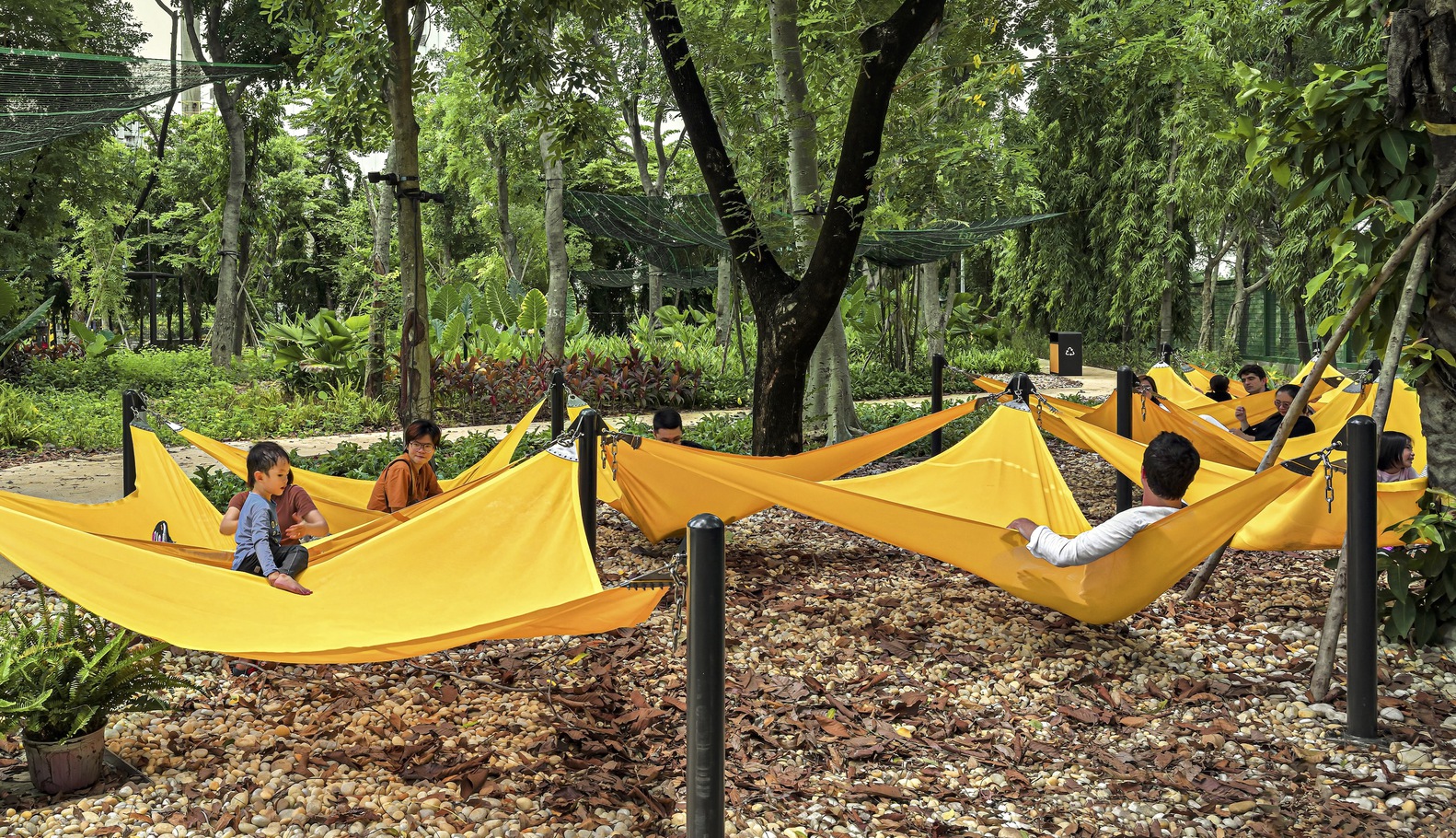
The nature park’s most distinctive feature are the customized yellow hammocks littered across the trail. It gives visitors points where they can rest and enjoy the nature around them.
Meanwhile, the retreat space for workers contains a koi pond due to its importance in local culture. “These gatherings often involve employees and guests feeding the koi fish, which helps to strengthen community bonds and promote a peaceful work environment,” the architects noted.
Building a Spot for the Community
The third zone, which is the public space, gives the community the most benefit. This area was built with social and communal gatherings in mind, structured for formal and informal events or just general hanging out for everyone.
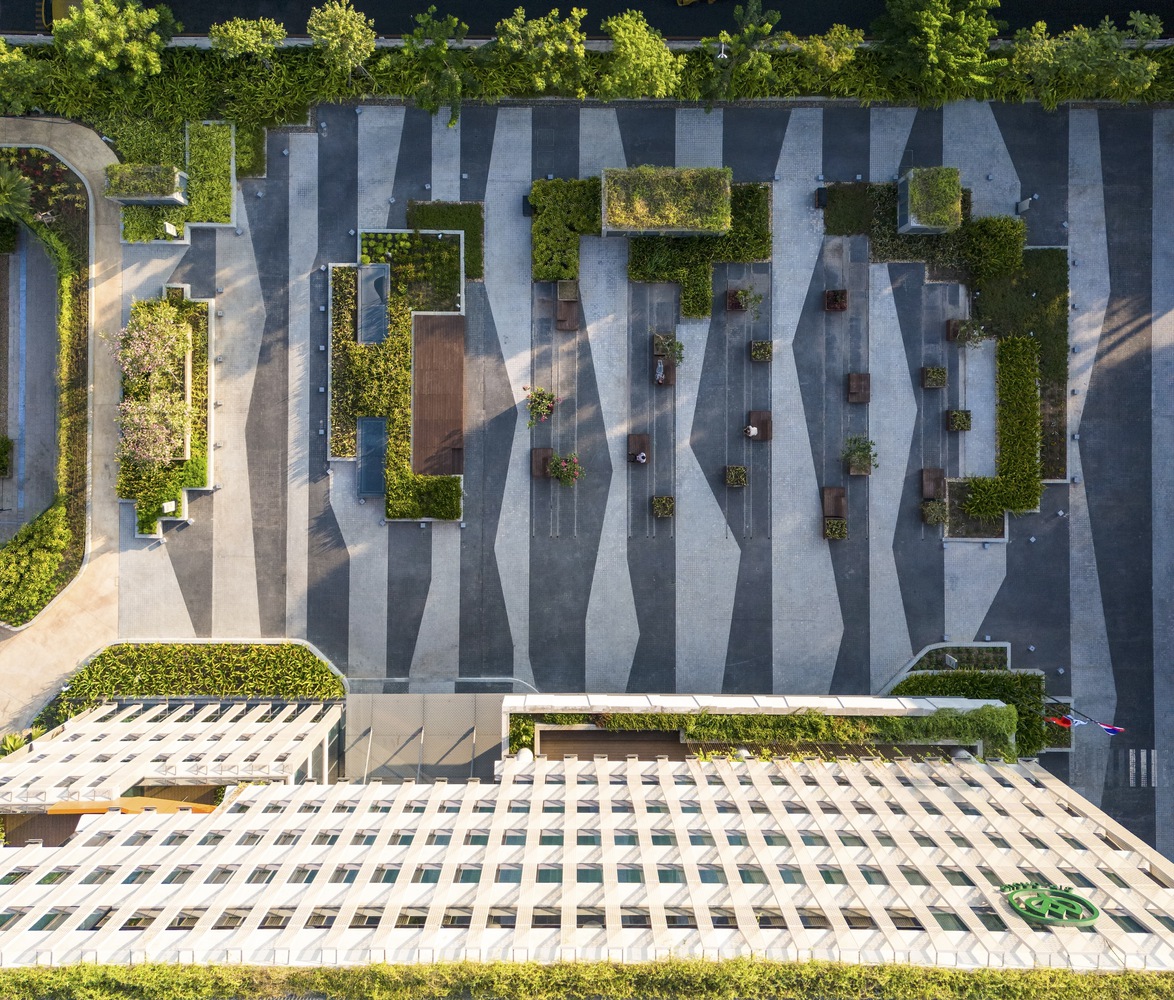
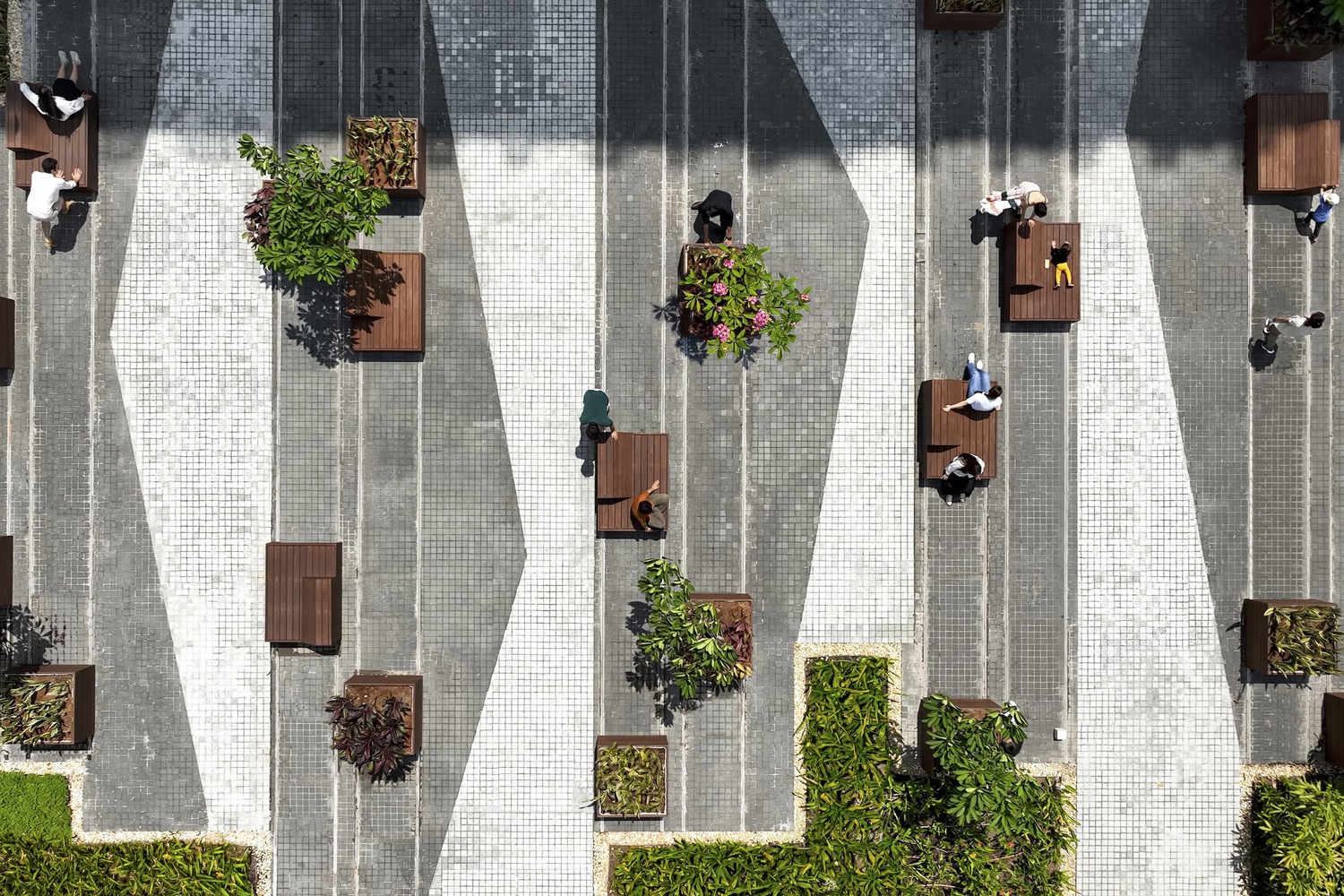
Its central area is the arrival plaza, a giant public space built close to one of the office buildings. The plaza contains wooden benches and planters filled with native plants. These comfy benches and planters can be moved depending on the crowd size.
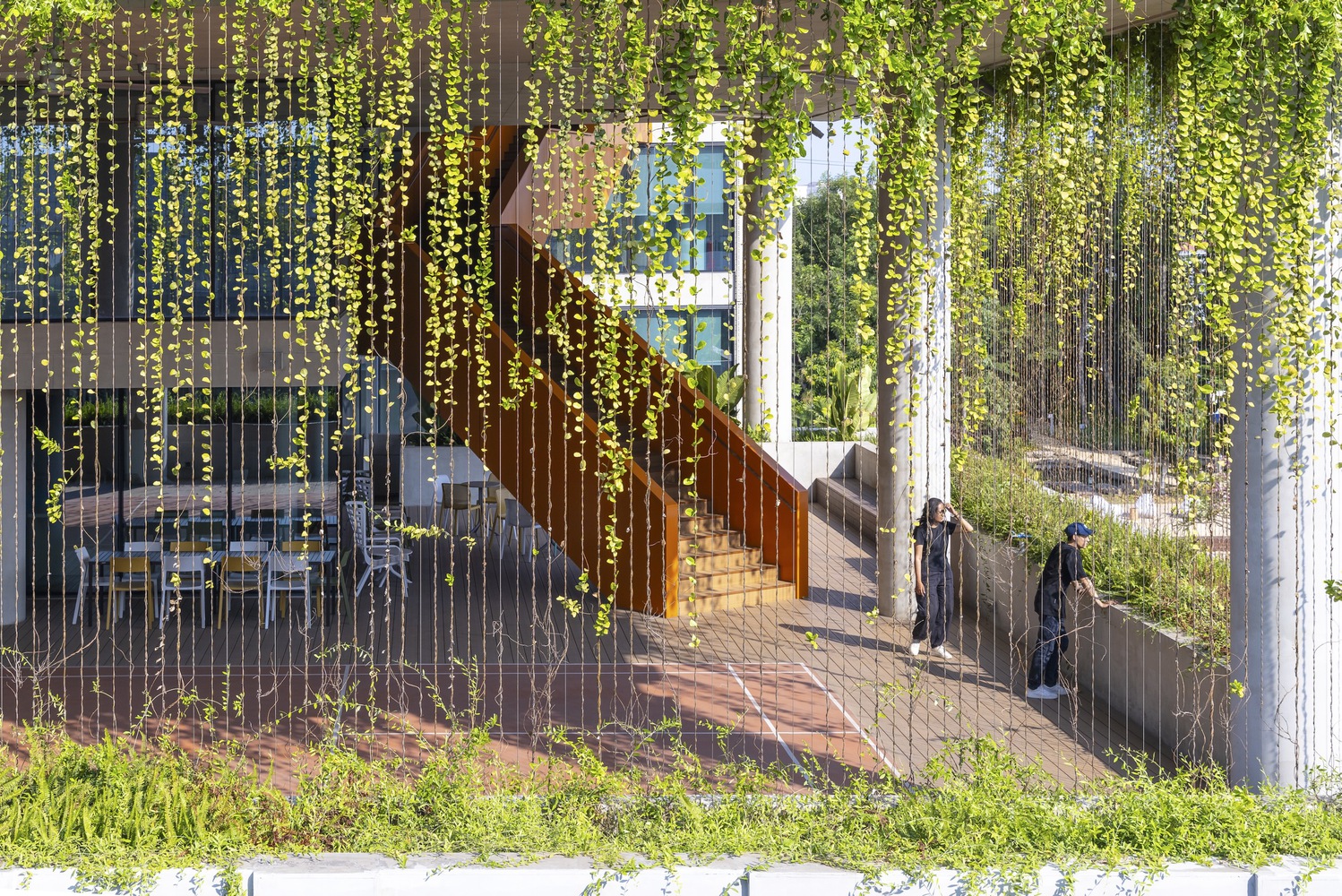
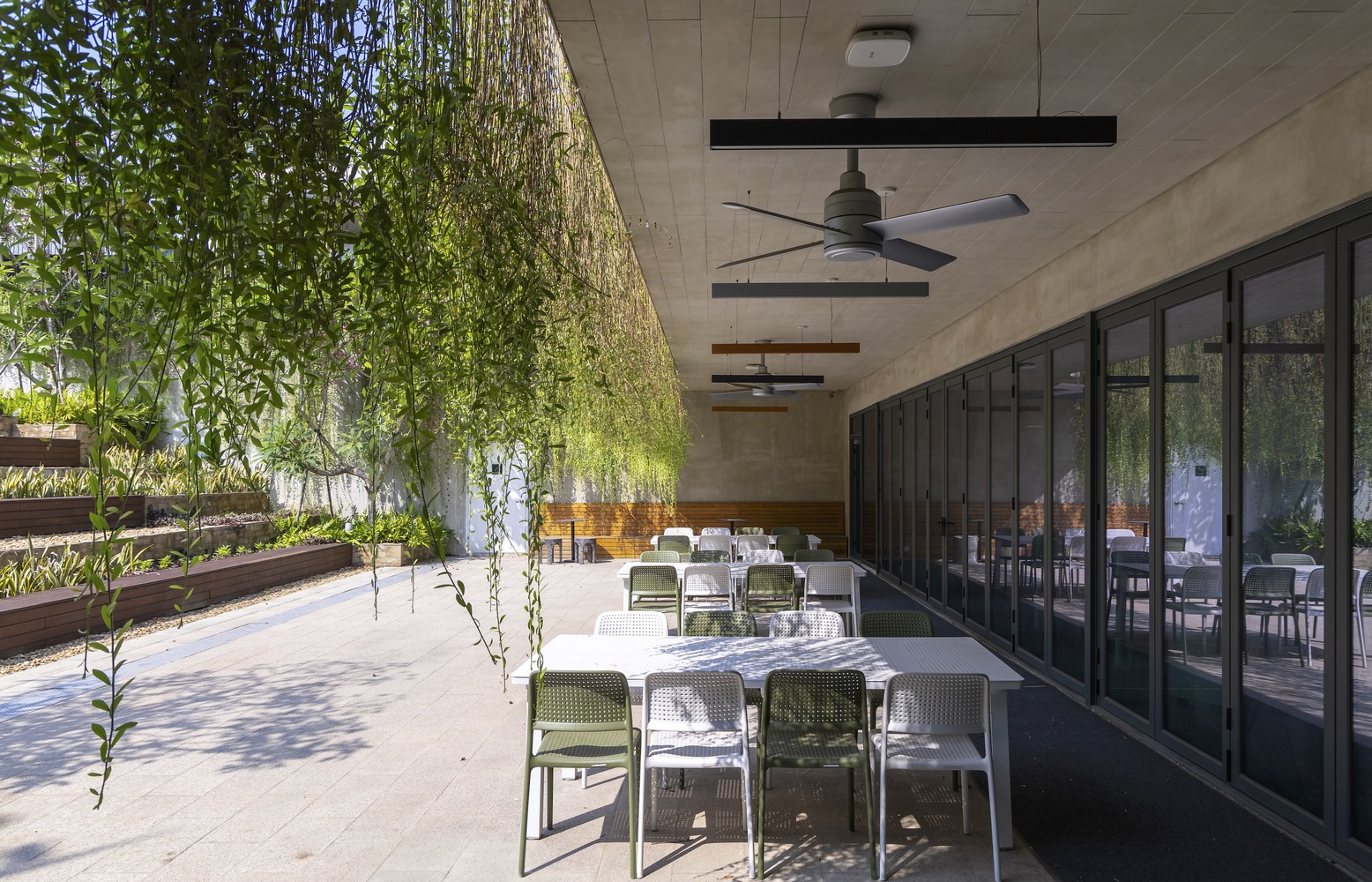
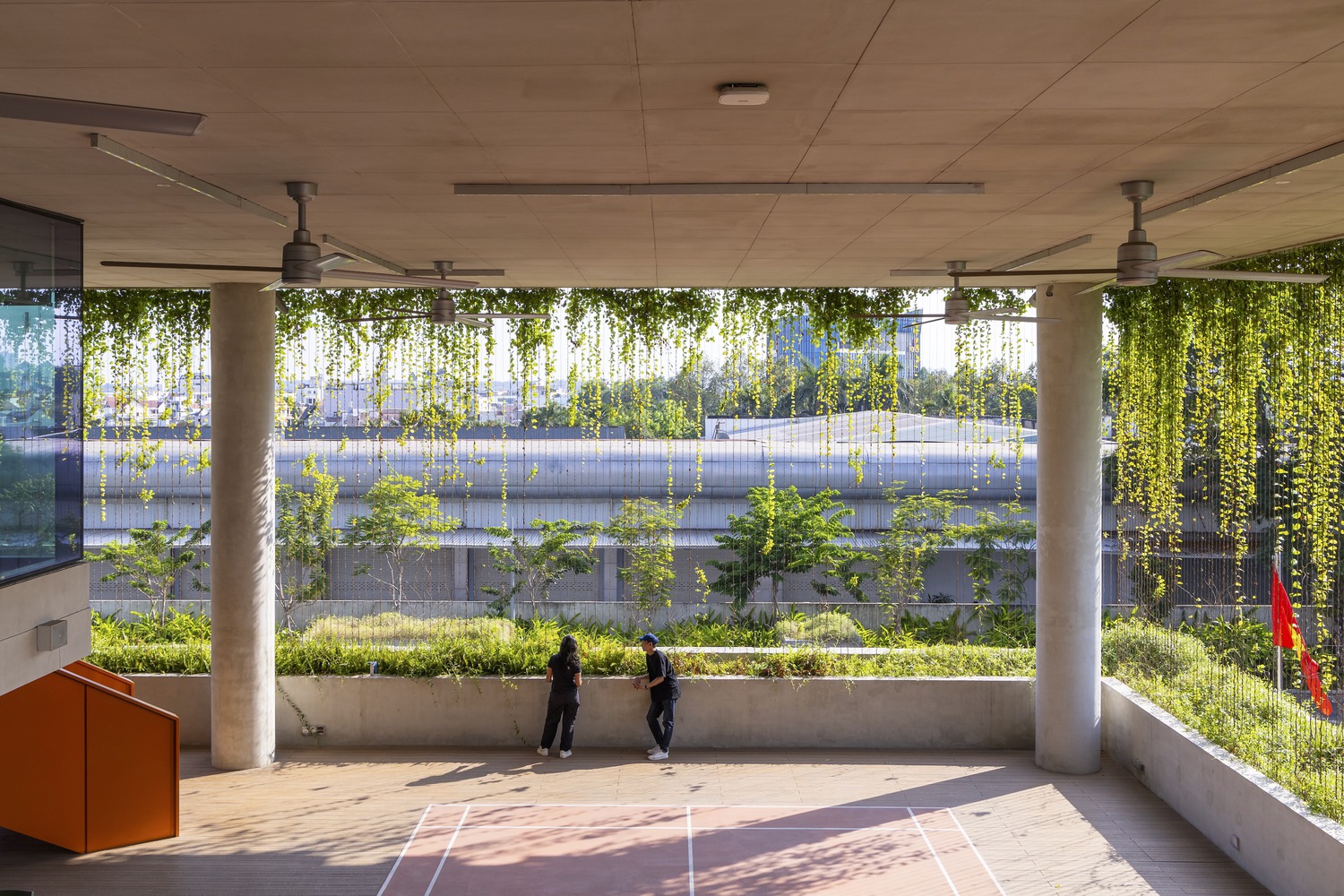
A dining building exists next to the plaza. With two floors and a rooftop deck, they created this part with events and meetings in mind as it is able to accommodate large groups of people at one time. The rooftop deck includes an edible community garden, allowing residents to participate in the proliferation of nature in the urban environment.
Altogether, the combination of the three zones with the office park provides us an interesting blueprint for building communities in our cities. CP Vietnam Headquarters connects nature and industry together, erasing artificial barriers to create an environment made for the public’s needs.
Related reading: NICE Headquarters Brazil: Pivoting Towards Nature-Friendly Solutions
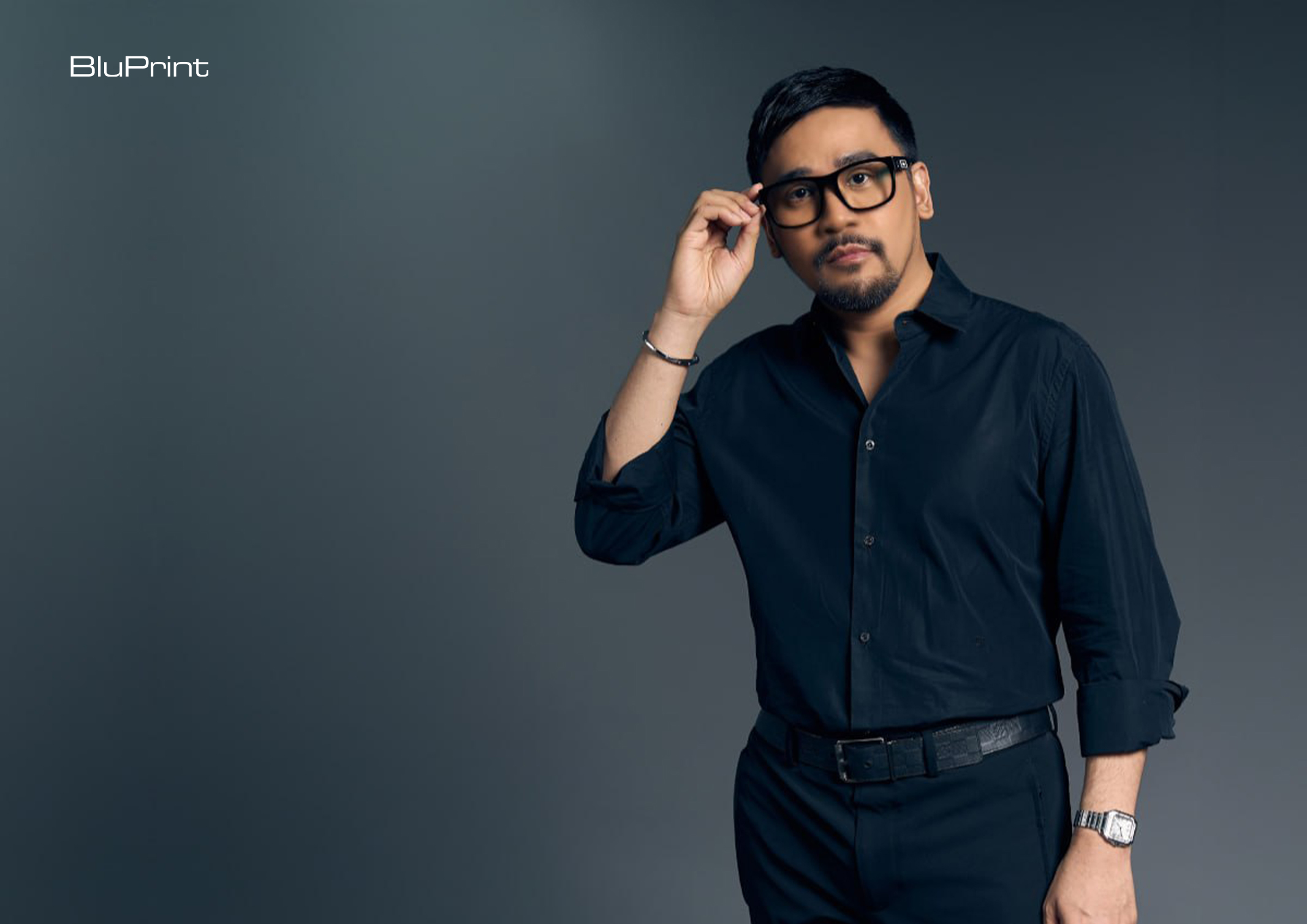
Archie G. Carrasco, Chairman and CEO of AGC Power Holdings Corp. (AGC PHC), has been named to The BoF 500 Class of 2026 under the Media category, joining The Business of Fashion’s global community of individuals shaping the fashion industry. Carrasco is among 100 new members from 33 countries and 48 nationalities selected for the […]
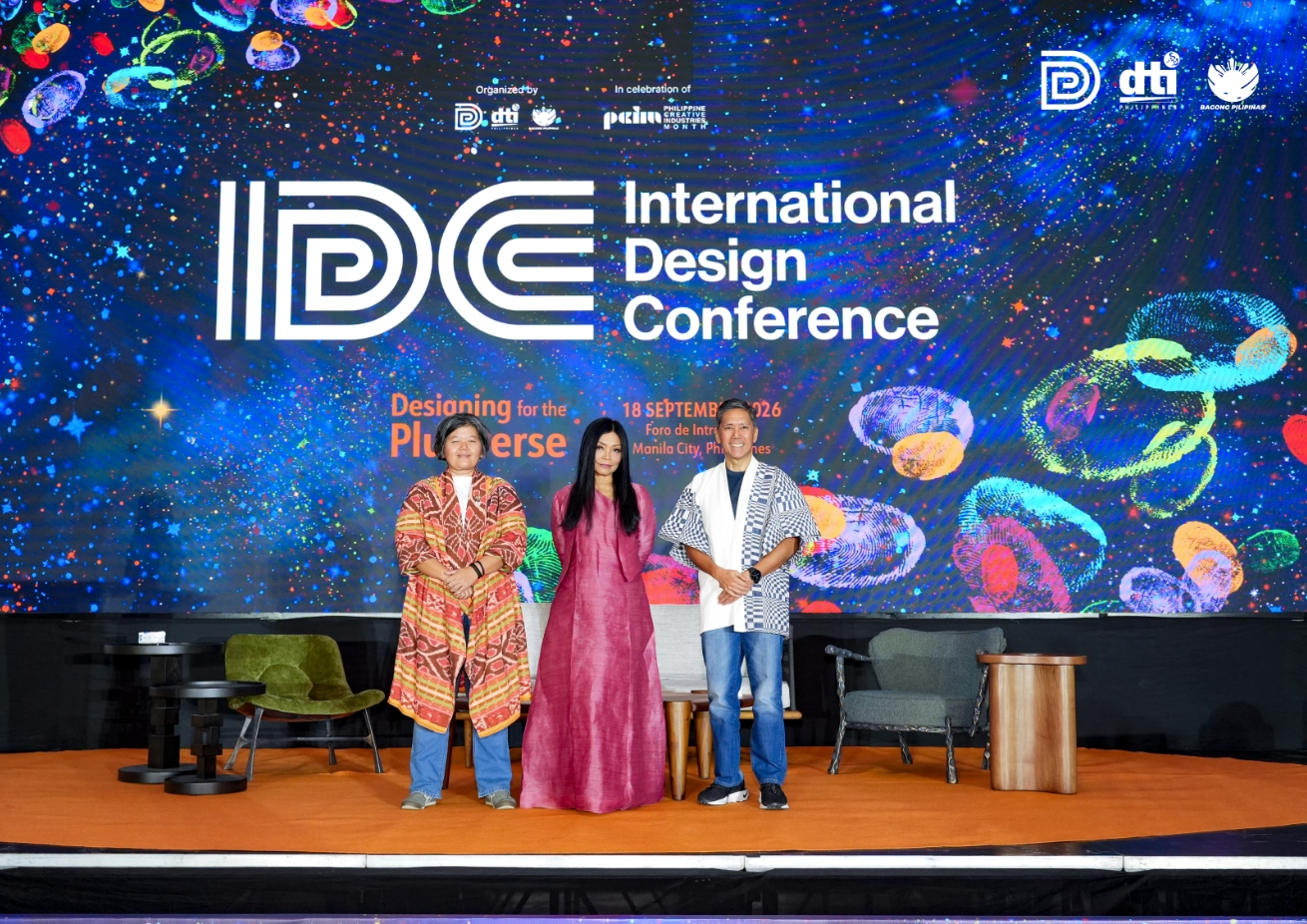
Culture in design does not always announce itself through a recognizable motif, material, or symbol. It can also be embedded in the relationships designers build, the knowledge they listen to, the materials they choose, and the decisions they make in response to communities and their environments. This distinction emerged throughout the 2026 International Design Conference […]
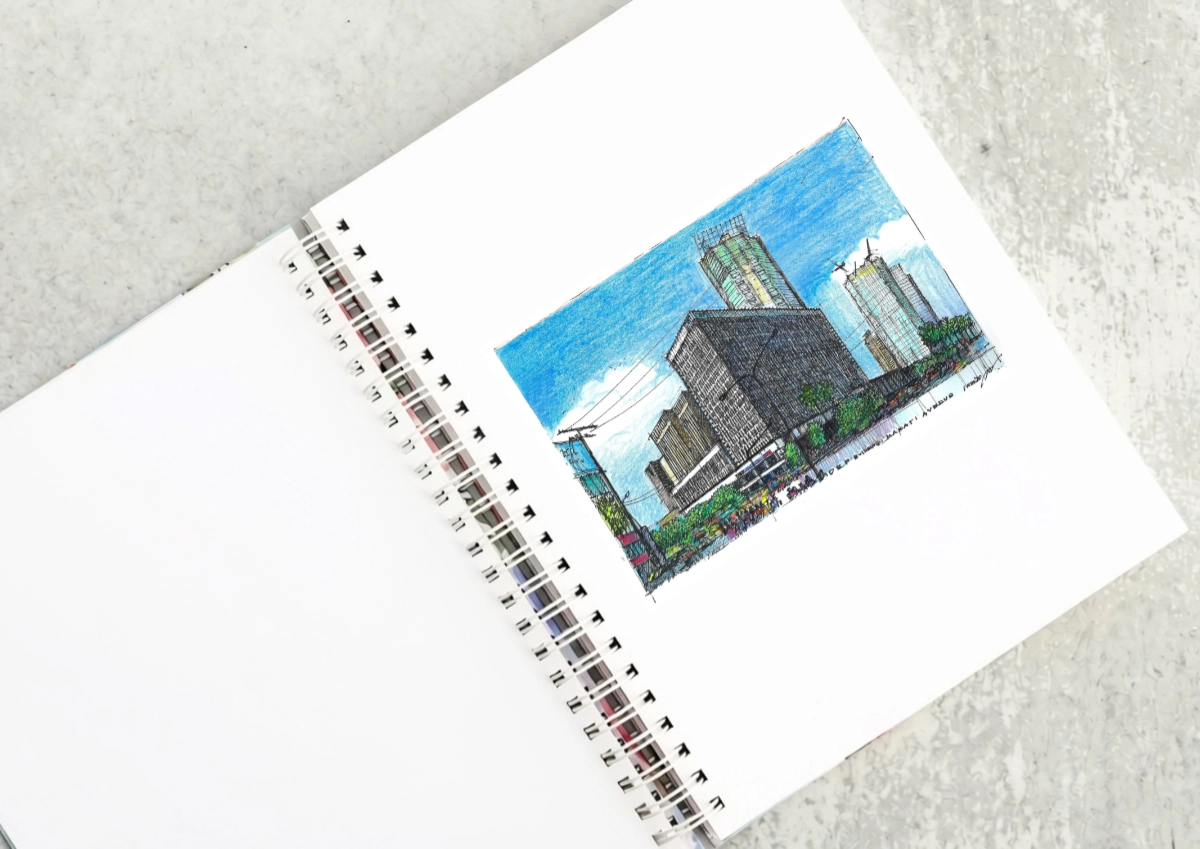
The DBP Building as a Landmark of the International Style At the corner of Sen. Gil Puyat Avenue and Makati Avenue stands a landmark of the Makati Central Business District. It is one of the last still standing that were built in the first wave of construction in district fifty years ago. The Development Bank […]
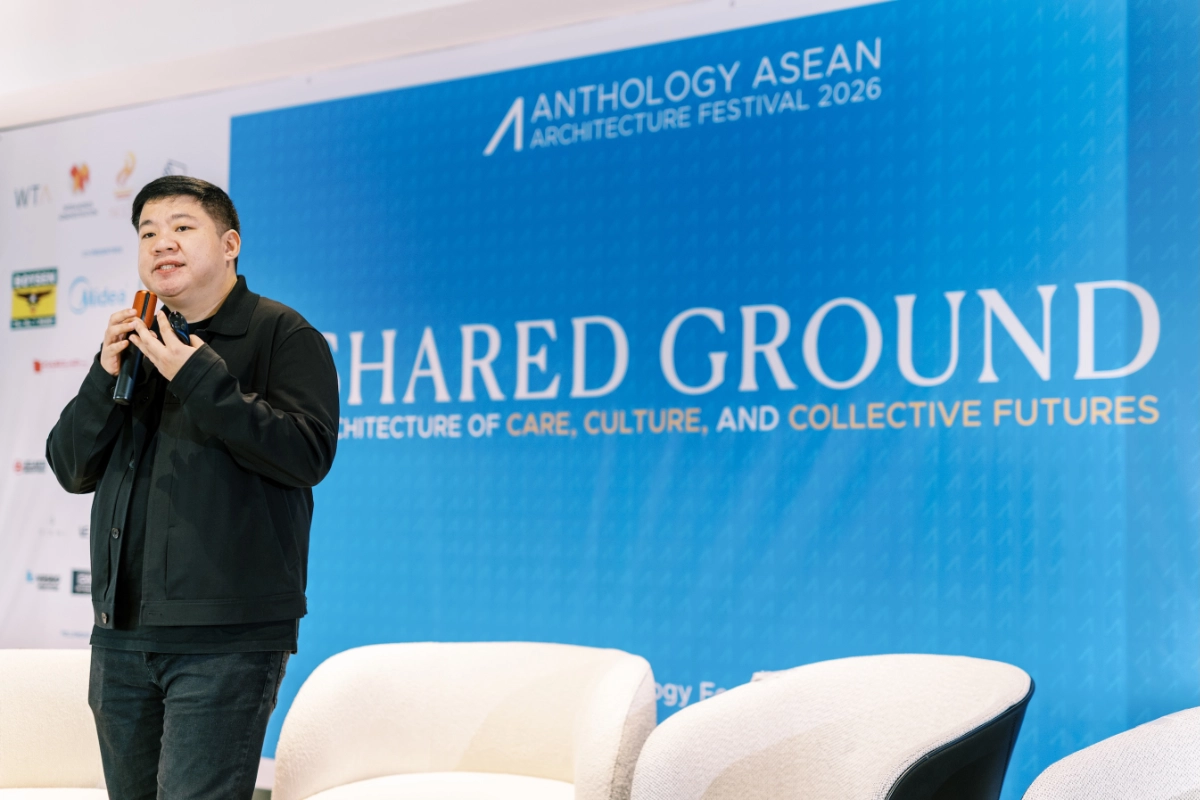
“Buildings only become architectureArchitectureThe art and science of designing and constructing buildings, structures, and spaces that are functional, safe, and aesthetically pleasing. It encompasses the planning, design, materials, and techniques used to createGo to Architecture Glossary when they are shared,” said William Ti Jr., founder of the Anthology Festival and WTA Architecture and Design Studio, […]
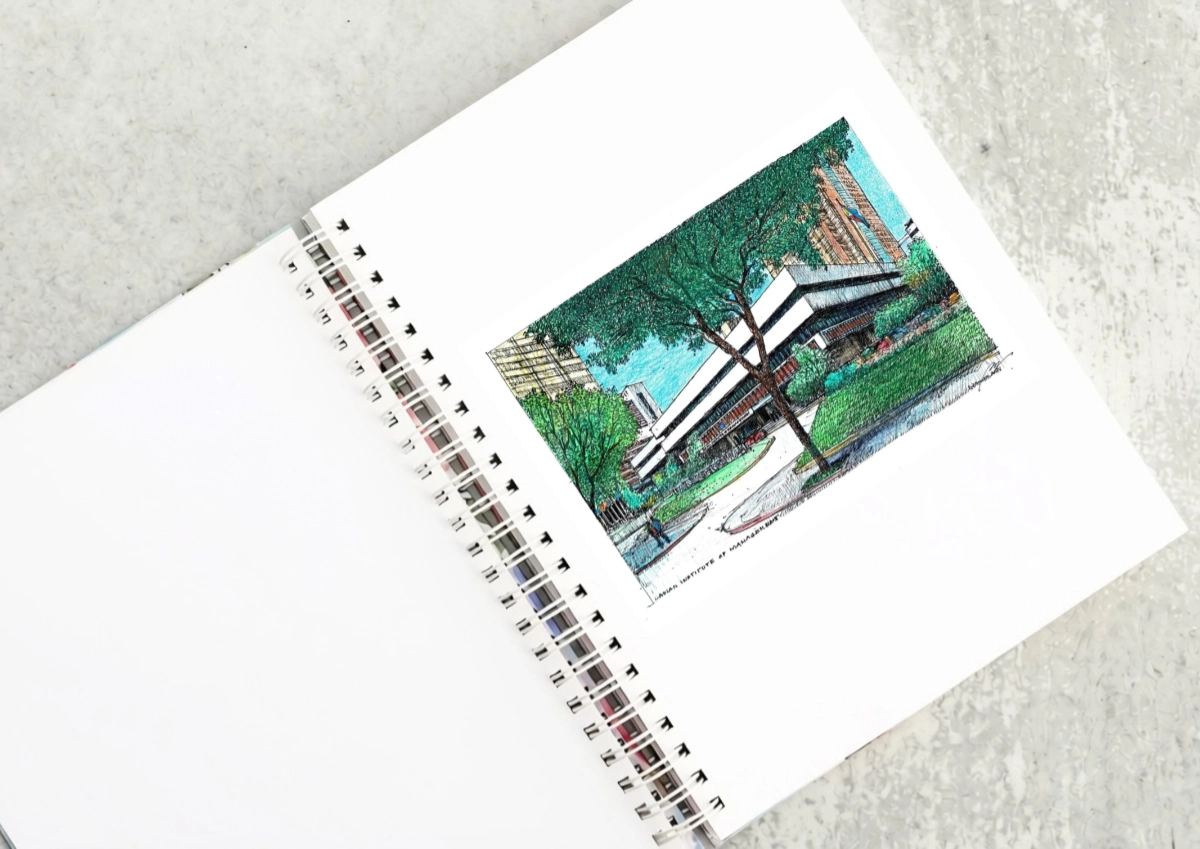
A Filipino Interpretation of Modernist Architecture Unlike the rest of Makati today, the northern end of Paseo de Roxas in Makati is anchored by a low complex rather than a tall skyscraper. This is the elegant Asian Institute of Management, designed by architect Gabriel Formoso and completed in 1971. In my opinion, the building is […]
Read the issues.

Collect the volumes.

Recommended Video
Tap to Unmute
Unmute
0:00
0:00