Bigkis is the act of binding. In Tagalog, the word can refer to something used to bind or encircle, as well as a bundle formed by tying several separate elements together. Figuratively, it can also mean a bond, union, or unity. The meanings move from the physical act of joining things together to the connection […]
The Hive: Redefining Early Childhood Spaces with Cordilleran Heritage



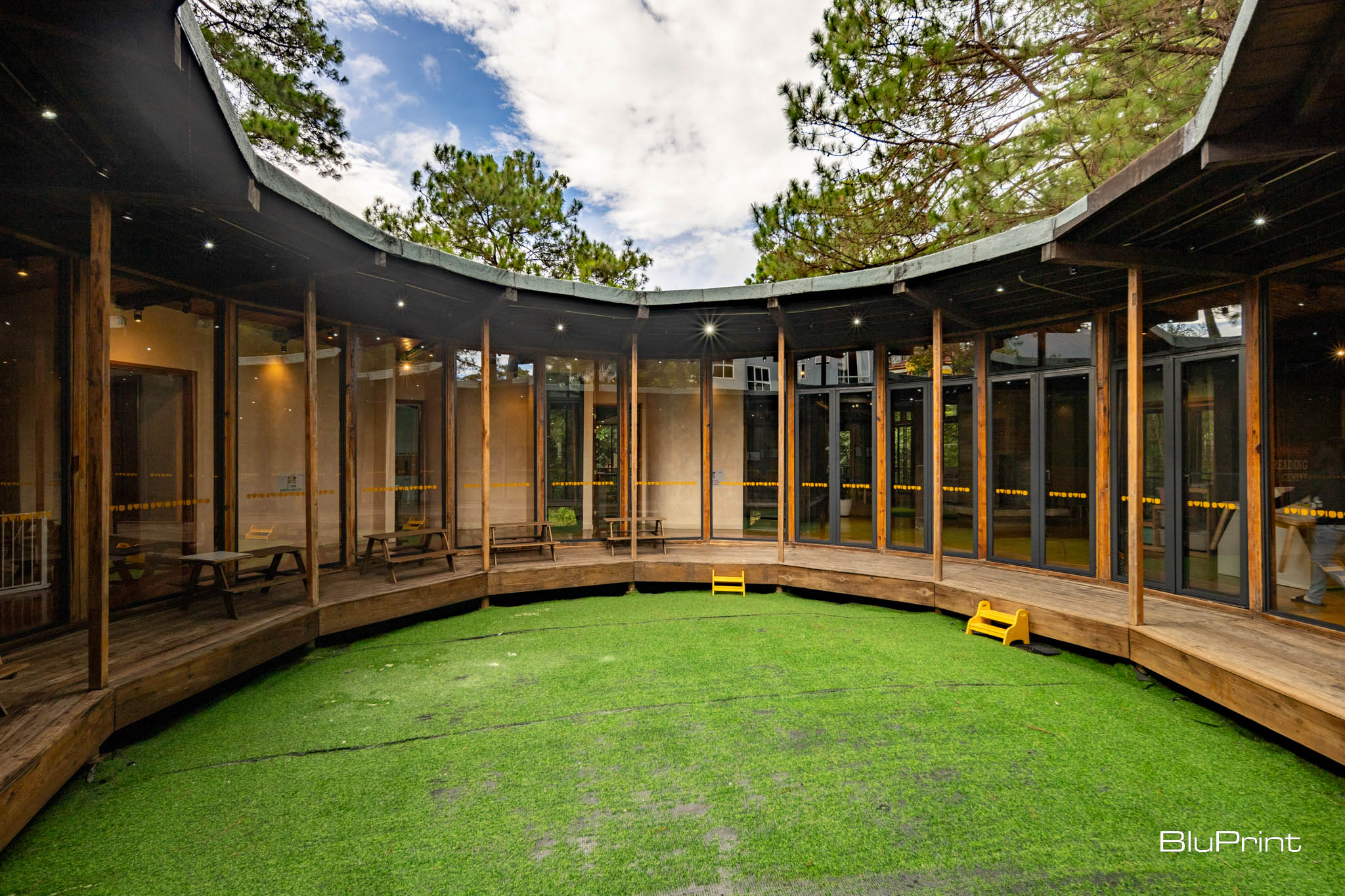
Nestled in the highlands of the Cordilleras, The Hive by Ninety Design Studio serves as the daycare center of Berkeley School Baguio. This innovative structure seamlessly blends the rich cultural heritage of the region with modern design principles.
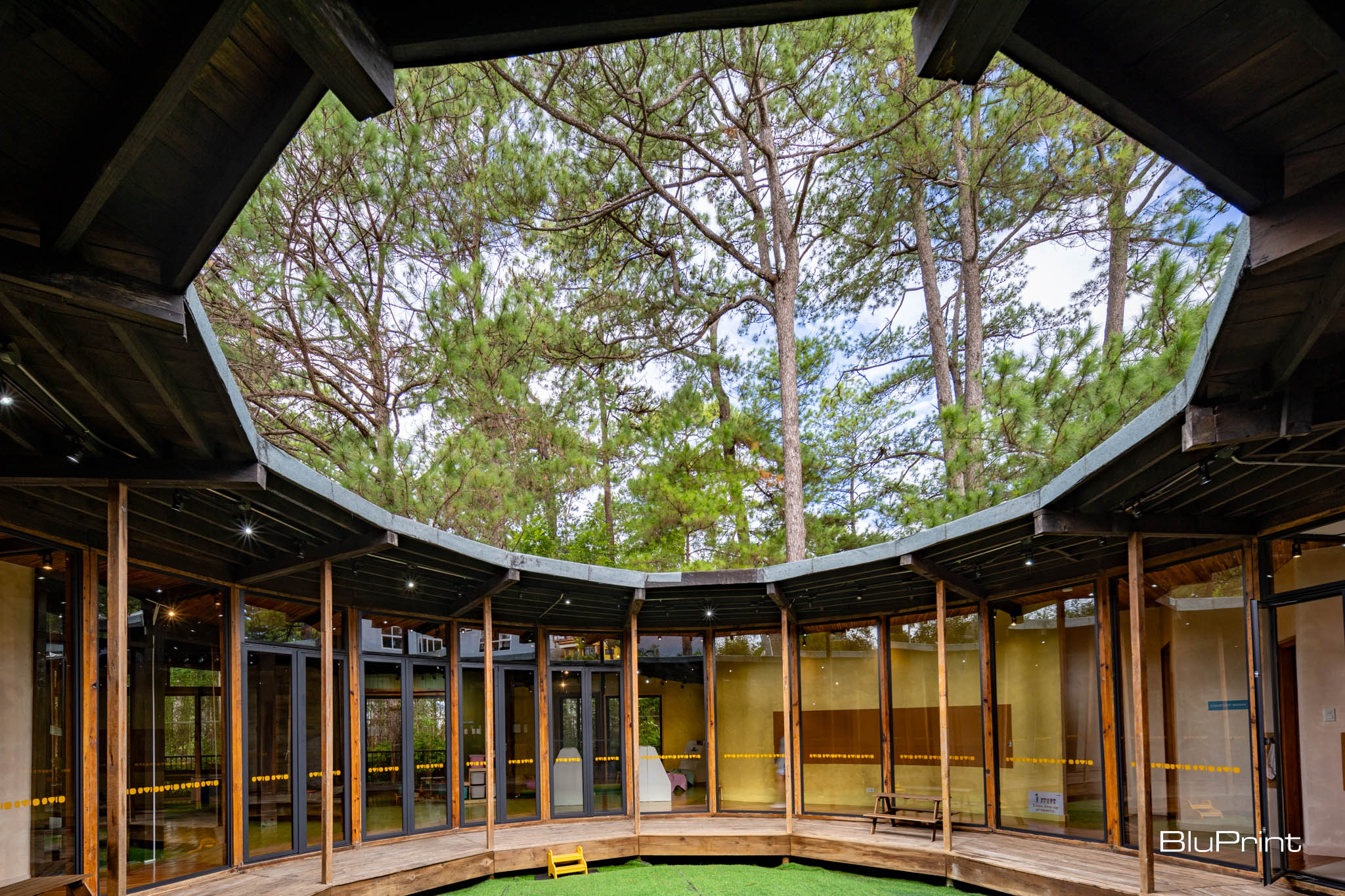
The Hive is a place where the old and the new merge seamlessly, creating a harmonious blend of tradition and innovation. It exemplifies how architectureArchitectureThe art and science of designing and constructing buildings, structures, and spaces that are functional, safe, and aesthetically pleasing. It encompasses the planning, design, materials, and techniques used to createGo to Architecture Glossary can transcend aesthetics, offering a nurturing environment deeply rooted in cultural identity while promoting the well-being and development of young learners.
A Concept Grounded in Culture
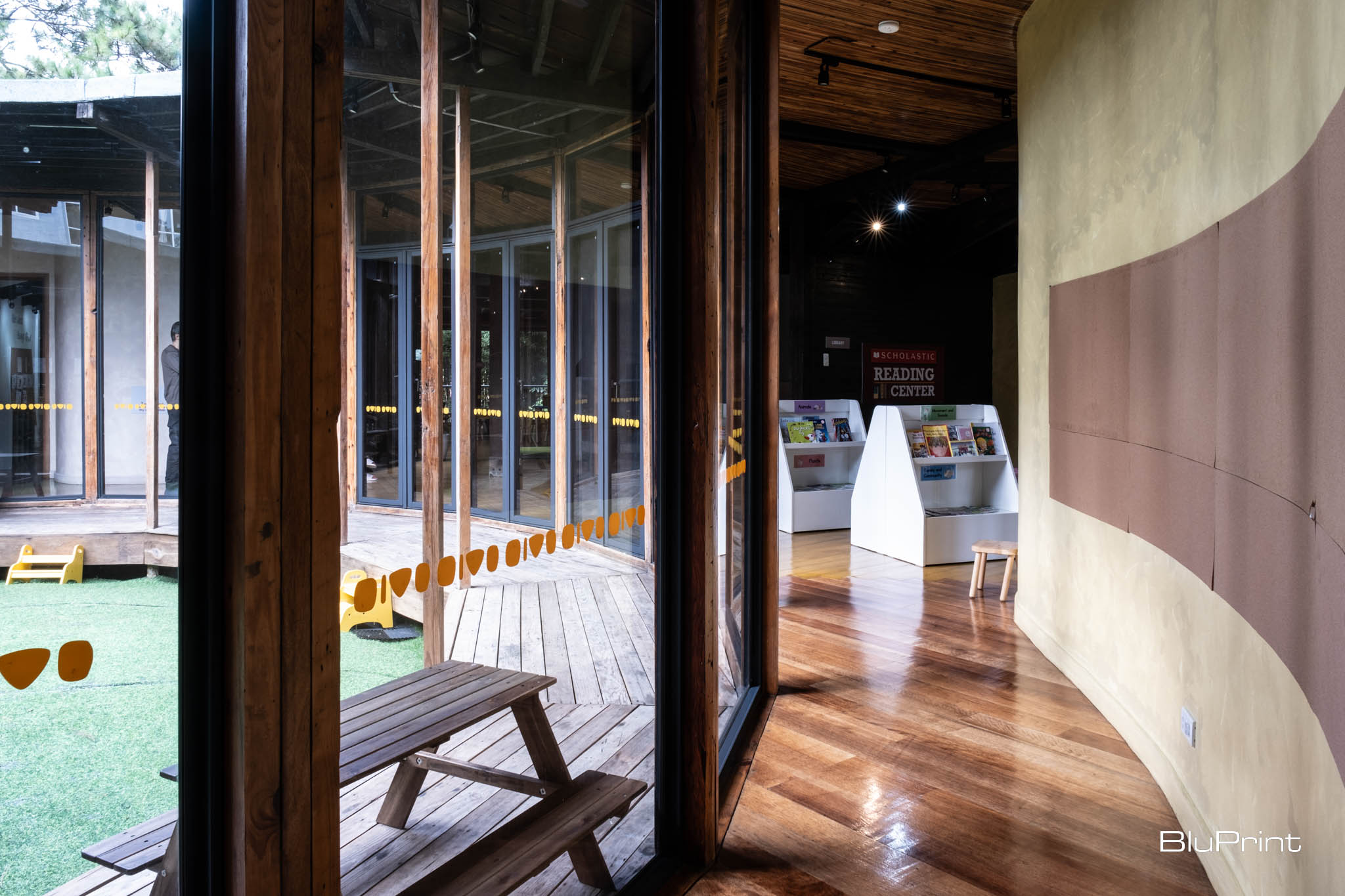
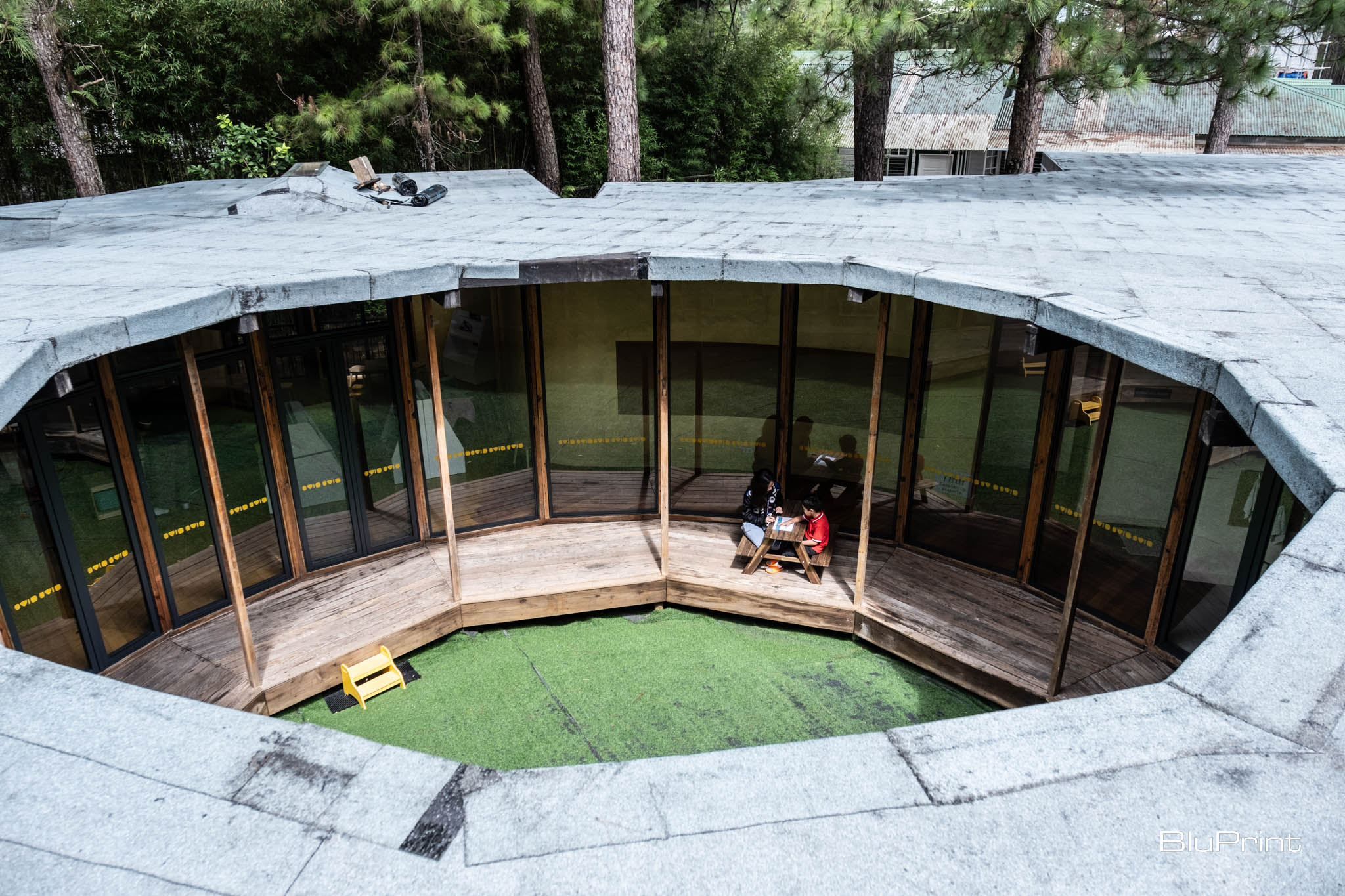
The Hive’s design journey began with several concepts, but it quickly centered around a radial plan—a circular layout inspired by the communal living spaces found in traditional Cordilleran architectureArchitectureThe art and science of designing and constructing buildings, structures, and spaces that are functional, safe, and aesthetically pleasing. It encompasses the planning, design, materials, and techniques used to createGo to Architecture Glossary, particularly the Bontoc houses. In these traditional settings, people arrange functional spaces around a central outdoor area, actively fostering a strong sense of community. Principal Architect Aris Go and his team adapted this idea into a single-story structure with a central courtyard, creating a space that encourages interaction, play, and a connection to nature.
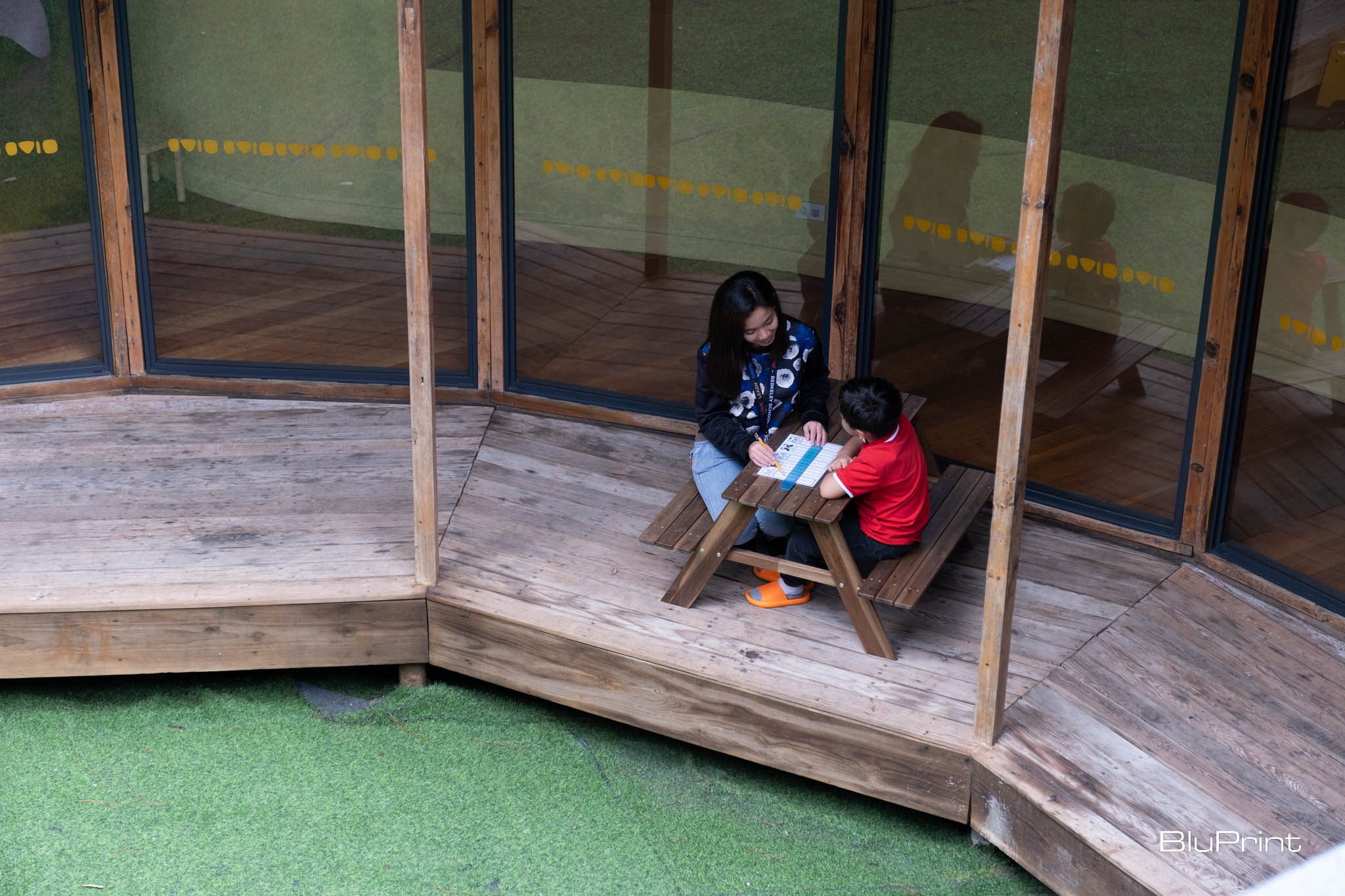
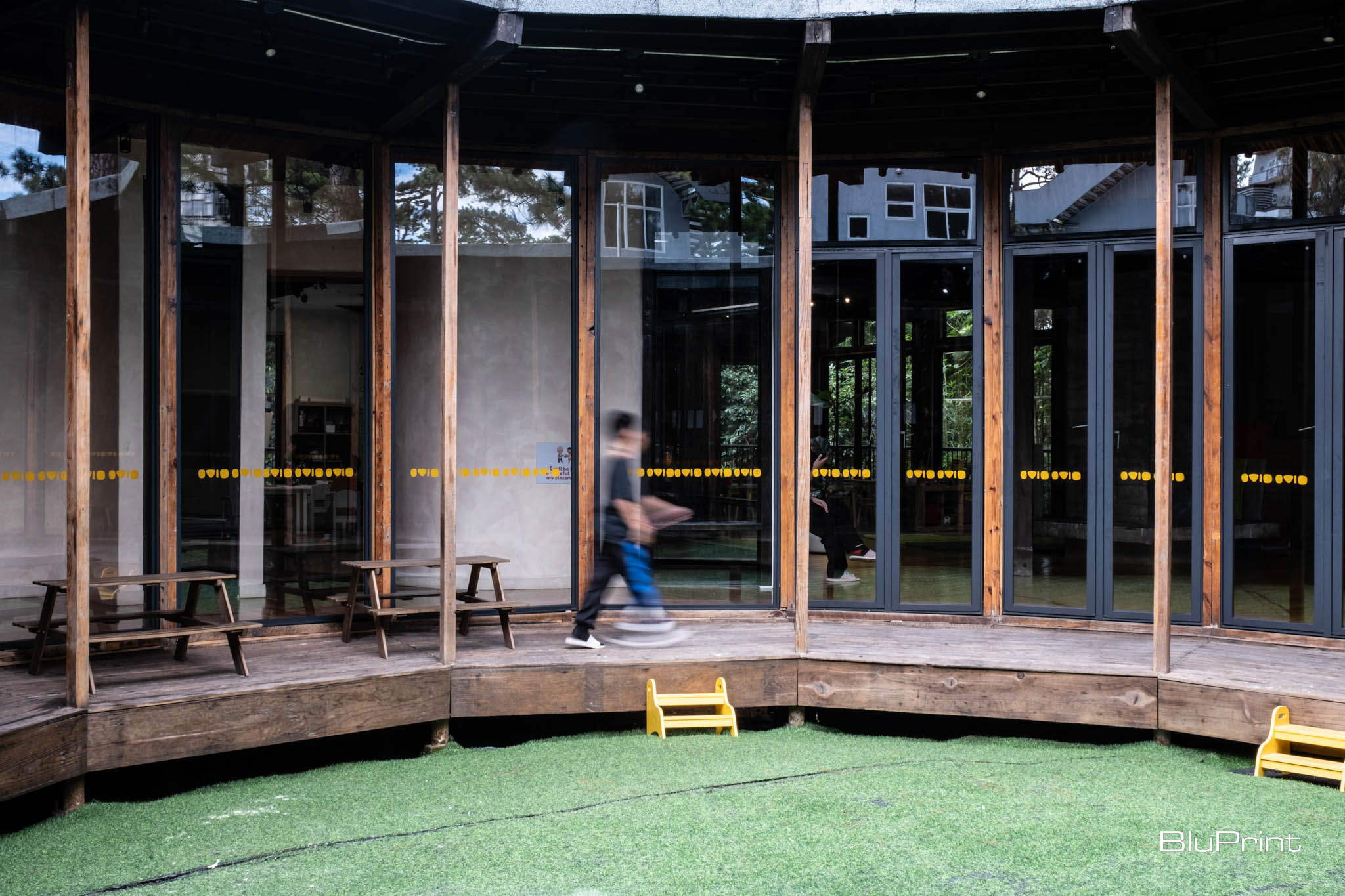
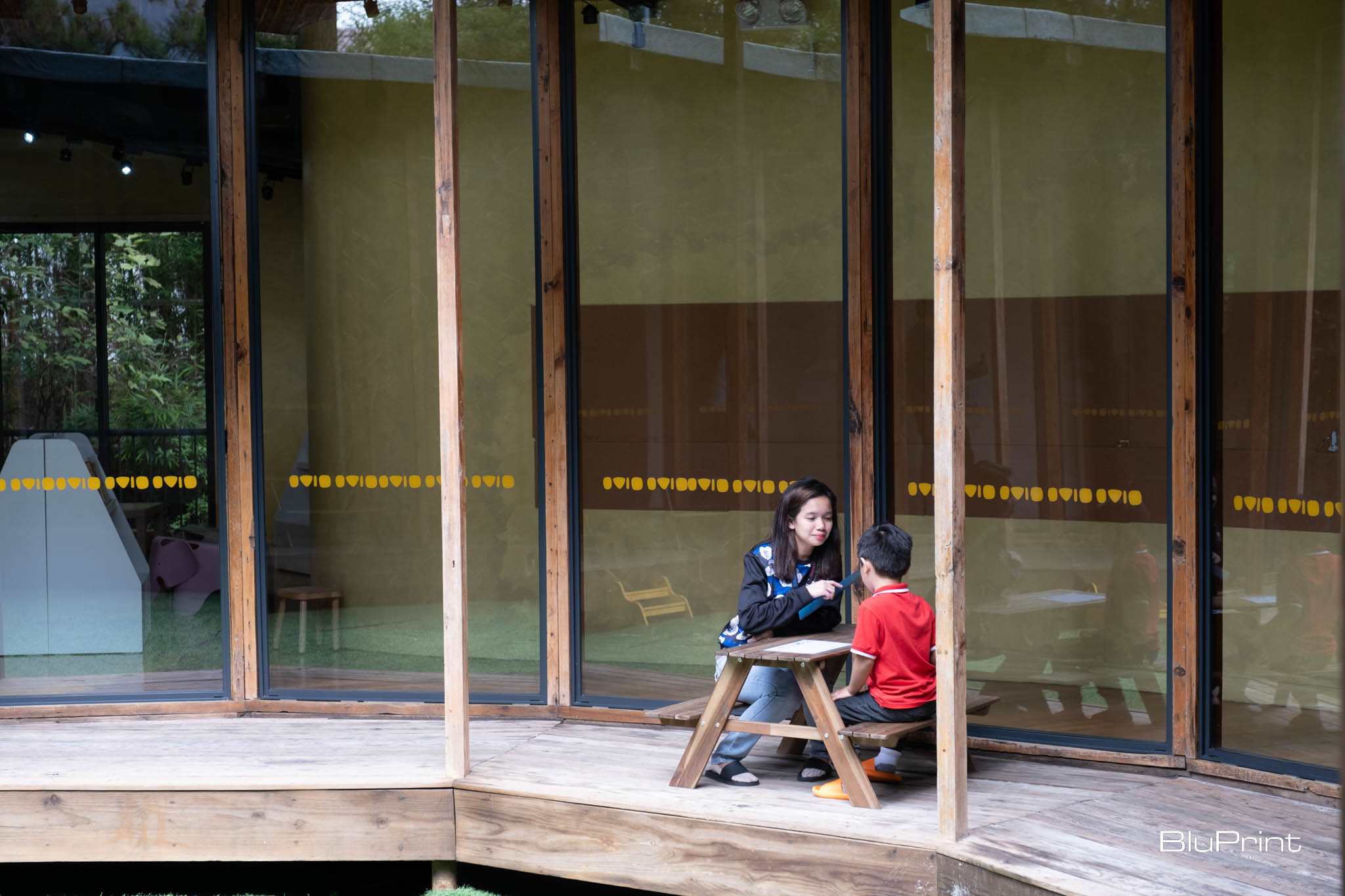
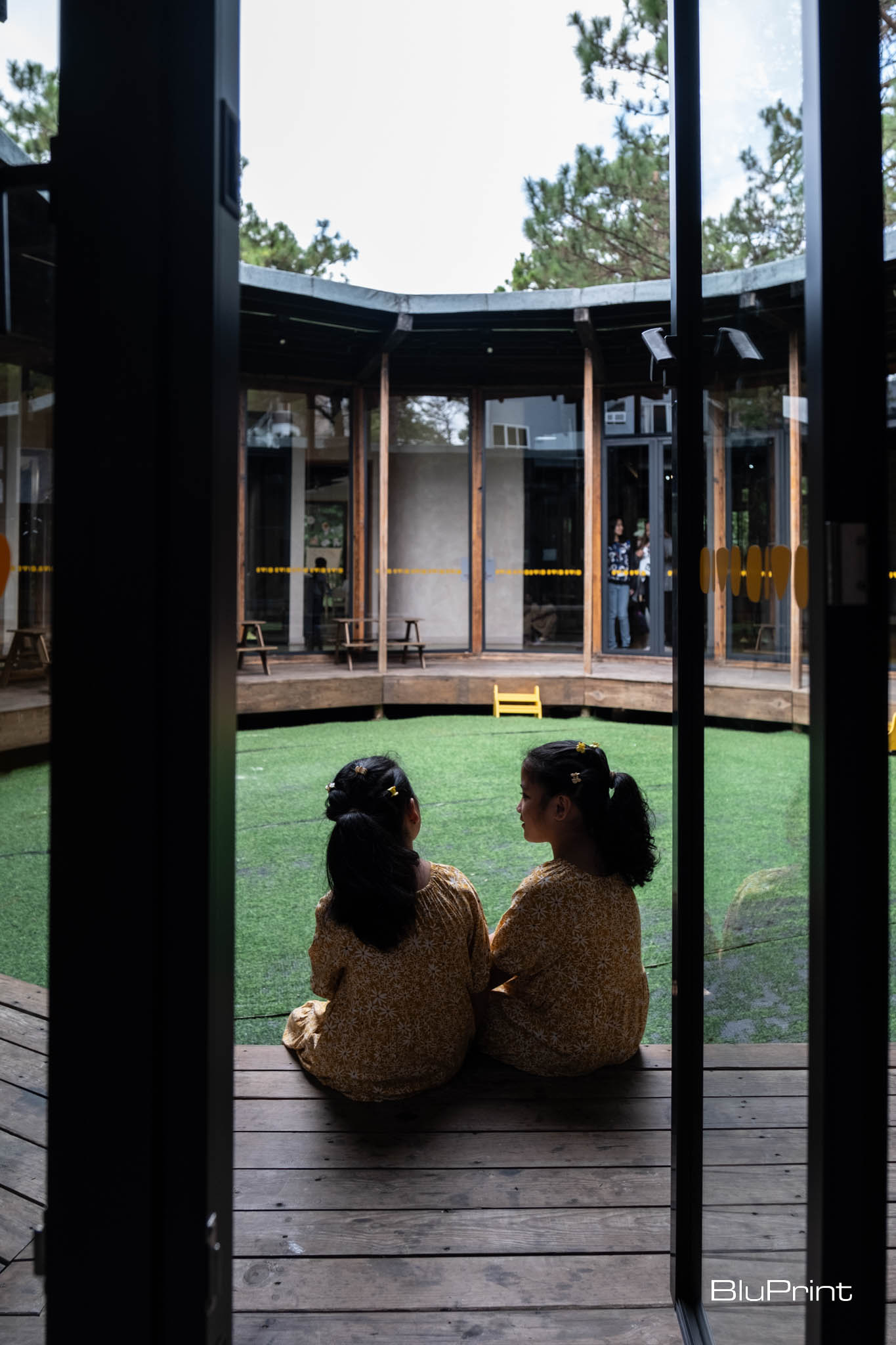
The inspiration for The Hive’s circular layout also came from the renowned kindergarten project by Tezuka Architects in Japan. However, while the Japanese project spans a sprawling 3,000 square meters, Go scaled down the concept to fit the more intimate context of Baguio. This adjustment not only preserved the site’s existing pine trees but also maintained the region’s ecological integrity, further grounding the design in its environment.
Maximizing Well-Being, Not Space
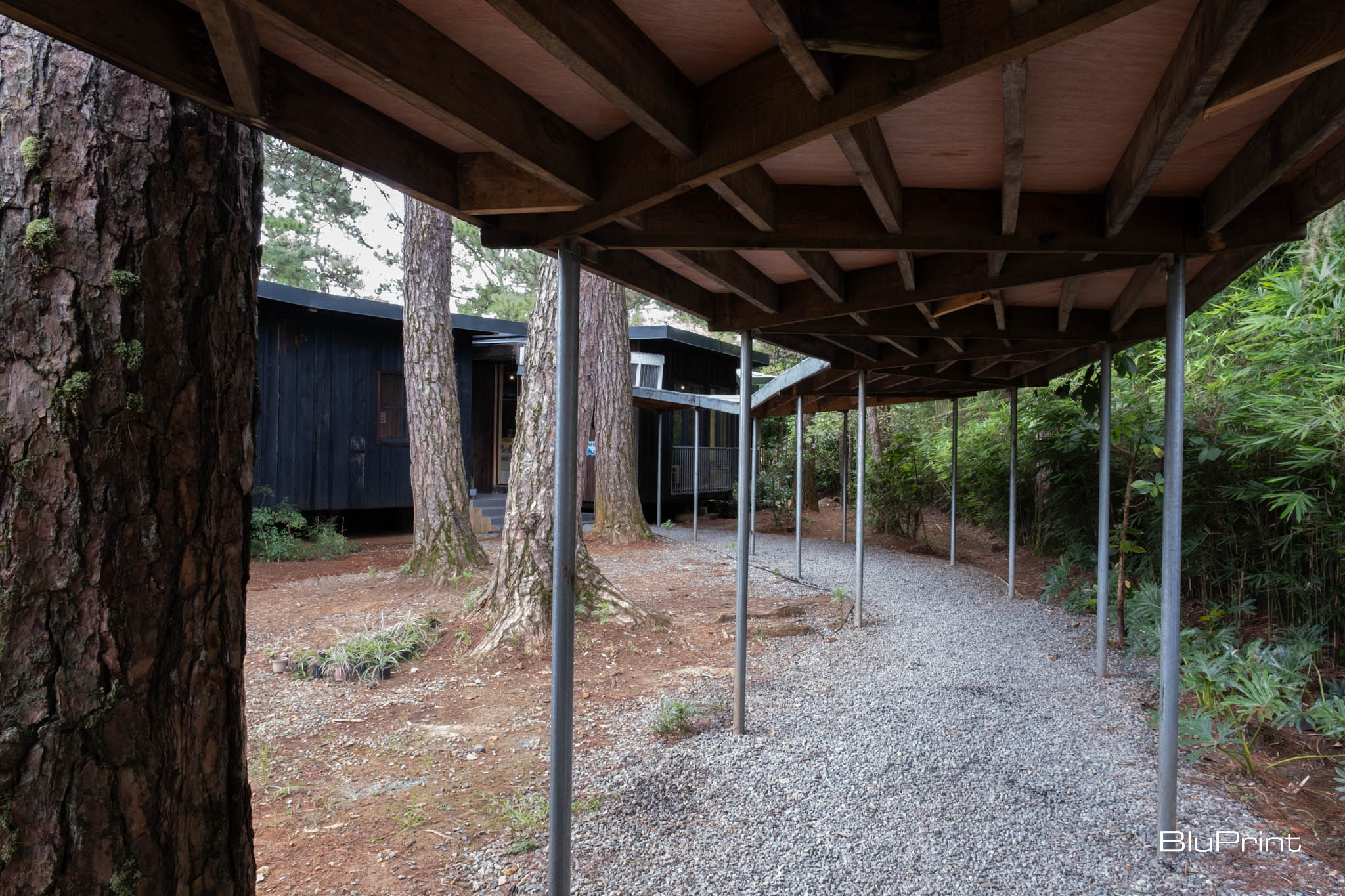
A counterintuitive yet powerful philosophy drove the design of The Hive—maximizing well-being rather than space. In a world where urban development often prioritizes square footage, The Hive takes a different approach. It embraces the outdoors as an integral part of the living experience, urging occupants to engage with the natural surroundings. The decision to keep the structure low-rise, even when the site’s gentle slope could have allowed for a more towering design, reflects a commitment to preserving the natural landscape and maintaining a sense of harmony with the environment.
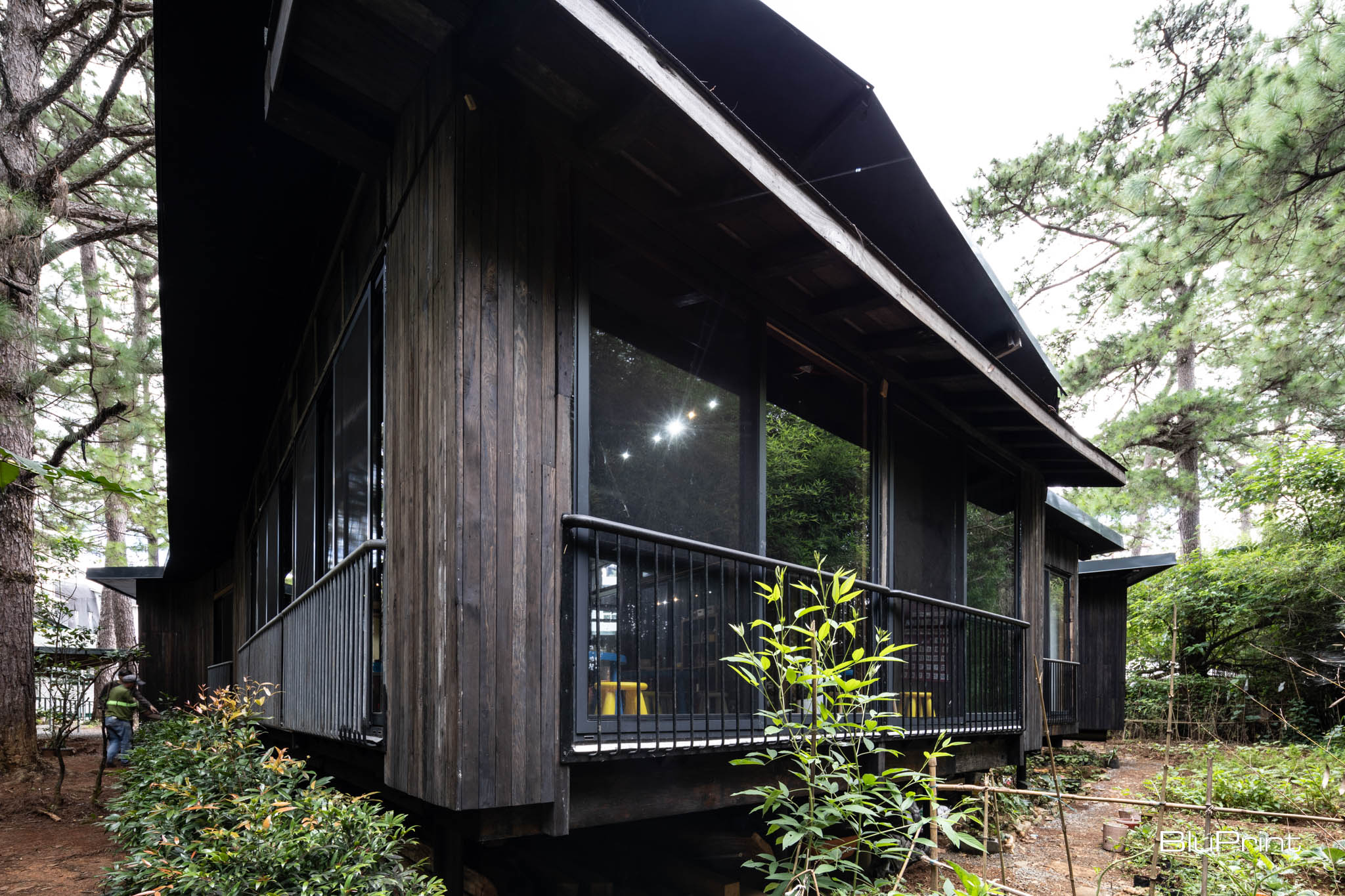
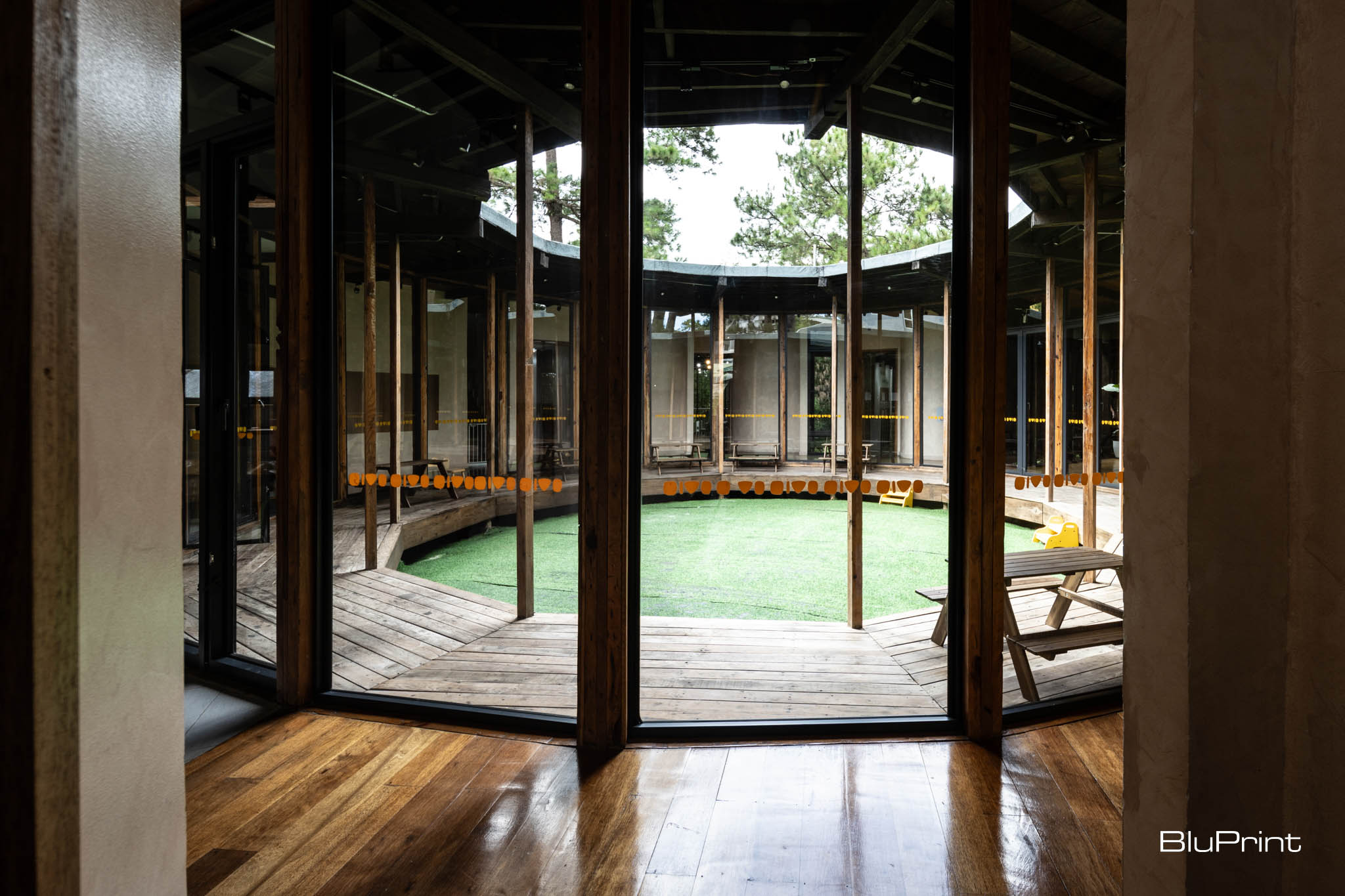
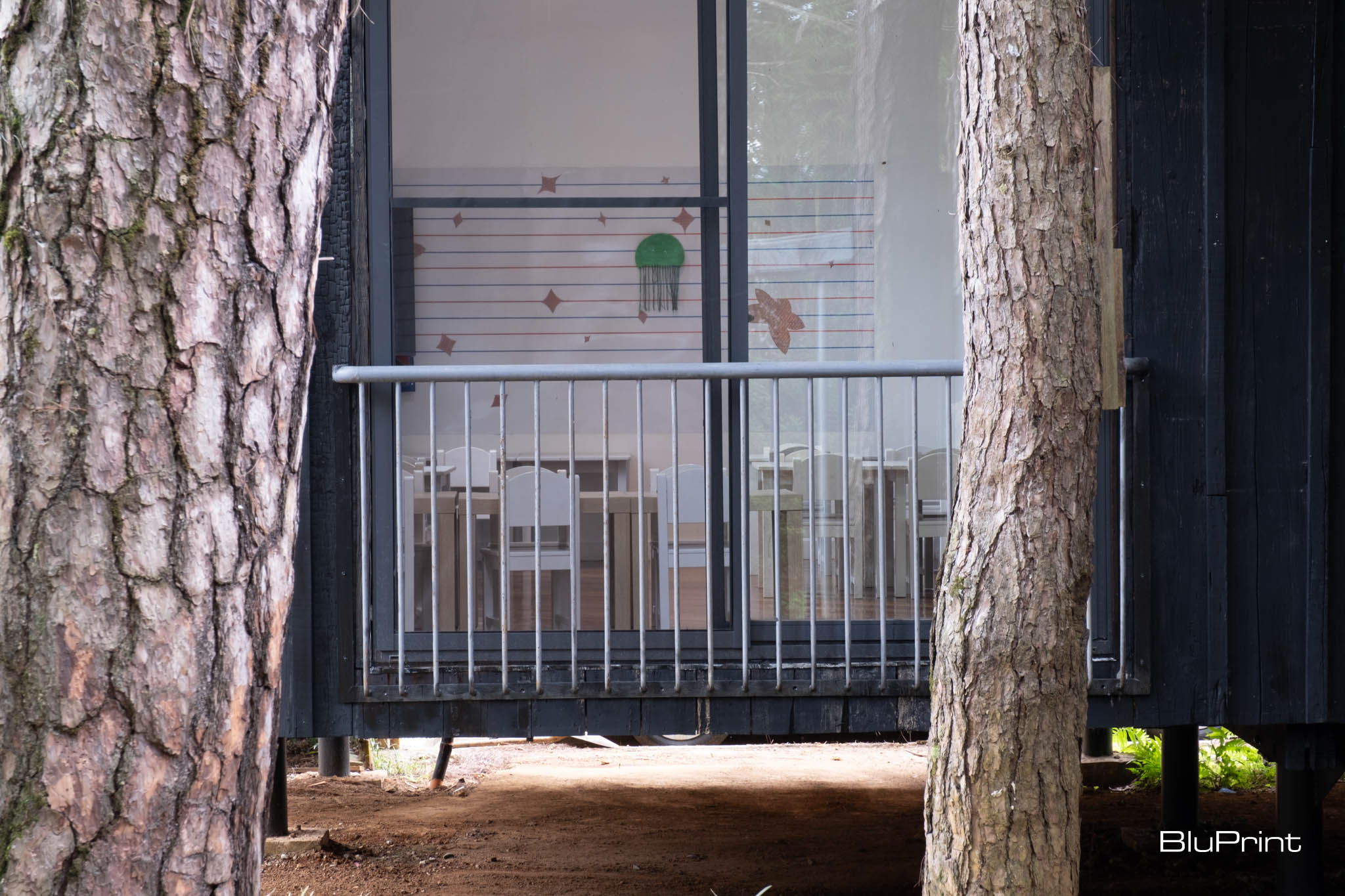
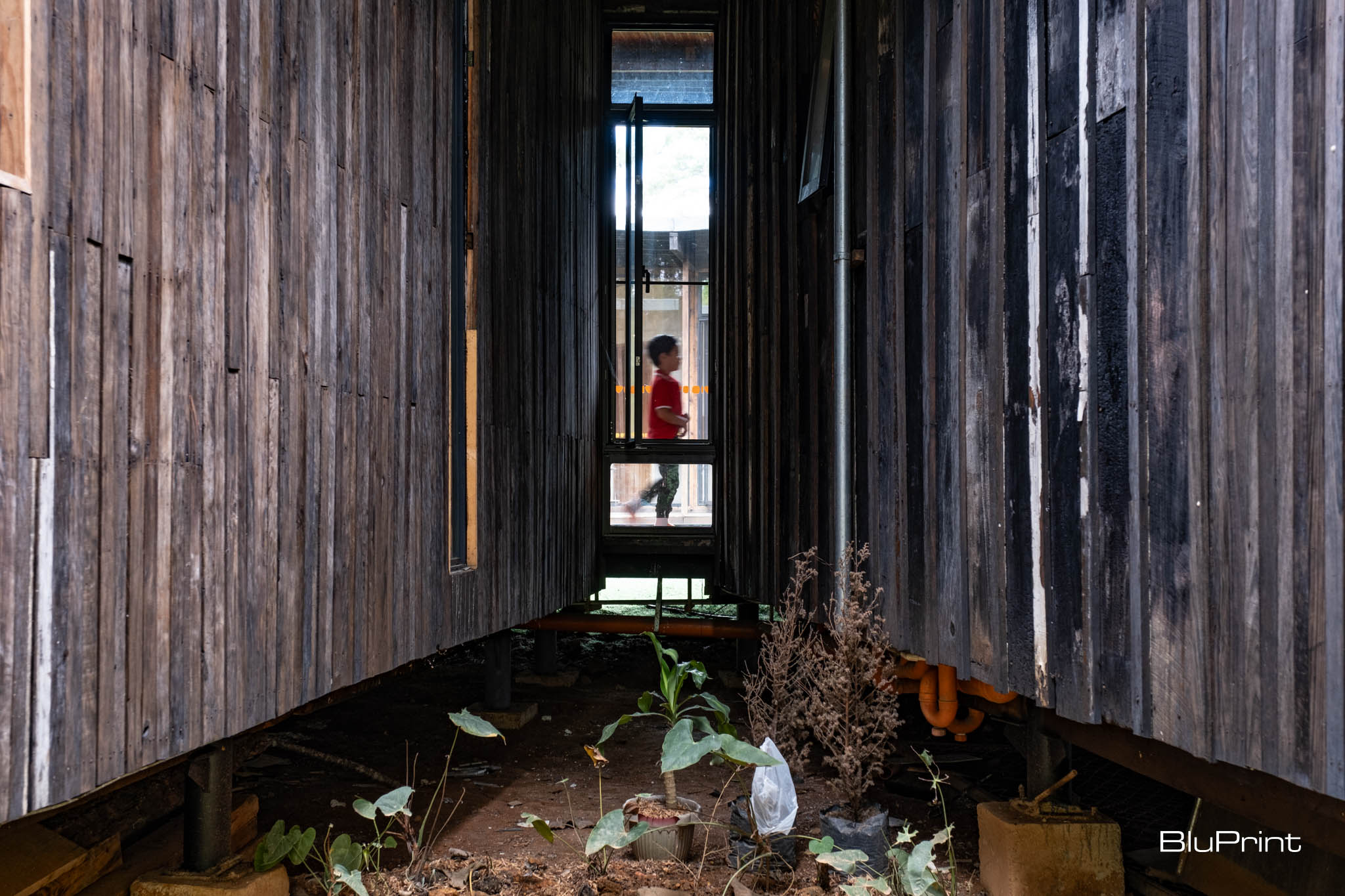
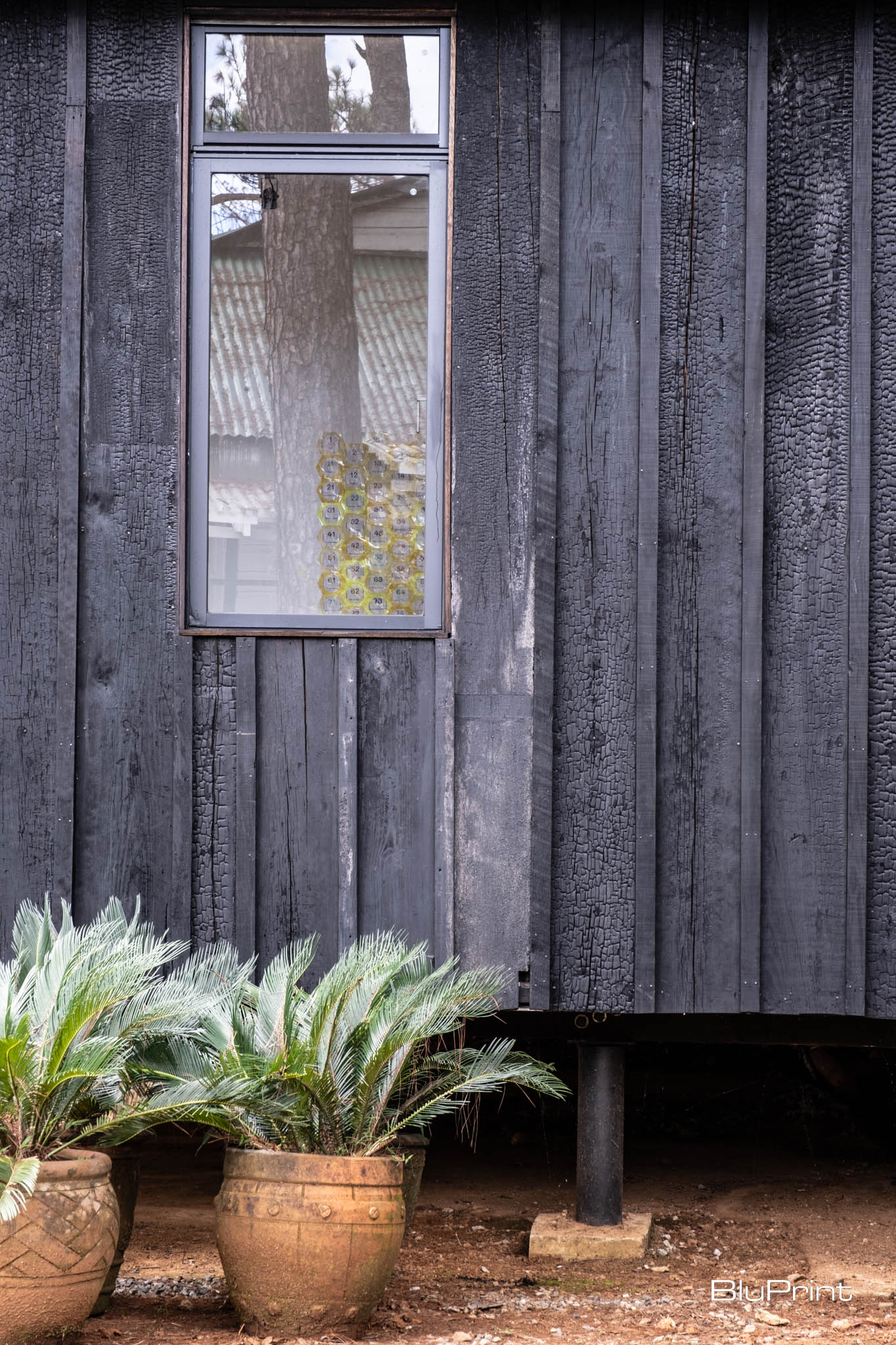
The building’s roof is another nod to the region’s terrain, designed not as a simple flat surface but as a terrain in itself. This innovative feature pays homage to the Cordilleran landscape, subtly blending the built environment with the natural one. The use of stilts—a common feature in traditional Baguio houses—further reinforces this connection to local architectural practices, providing both practical benefits and a cultural link to the past.
Crafting with Purpose
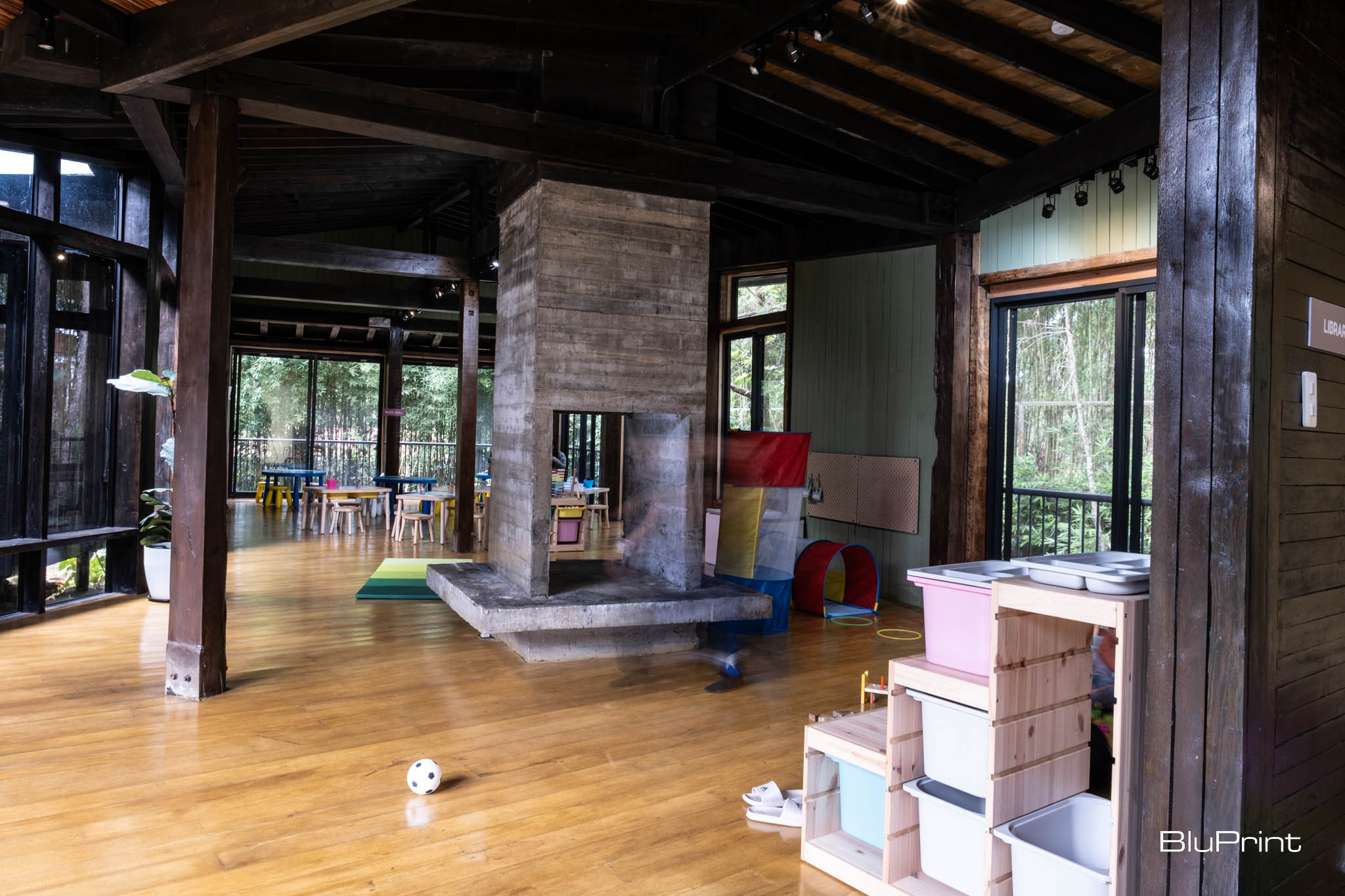
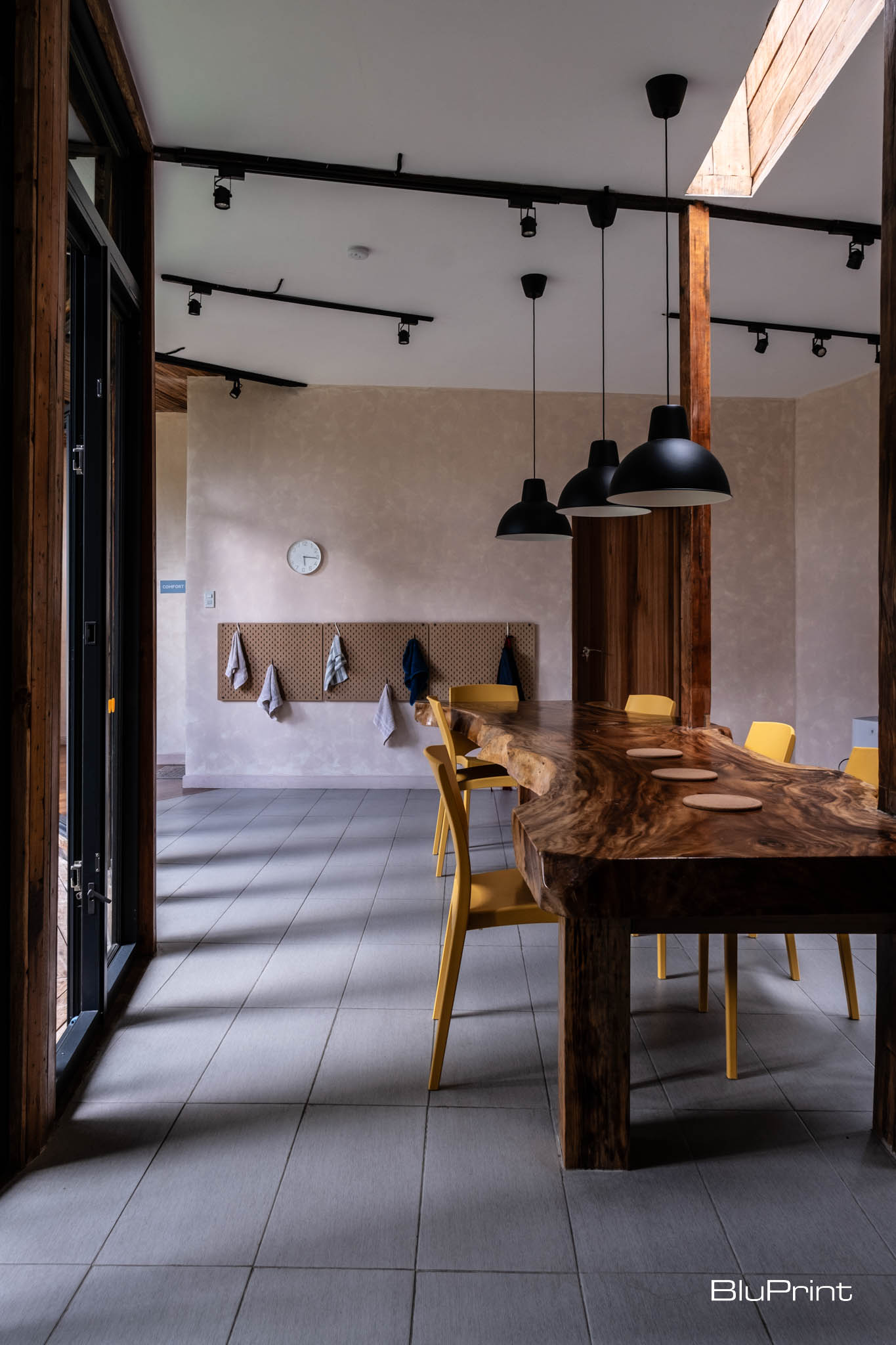
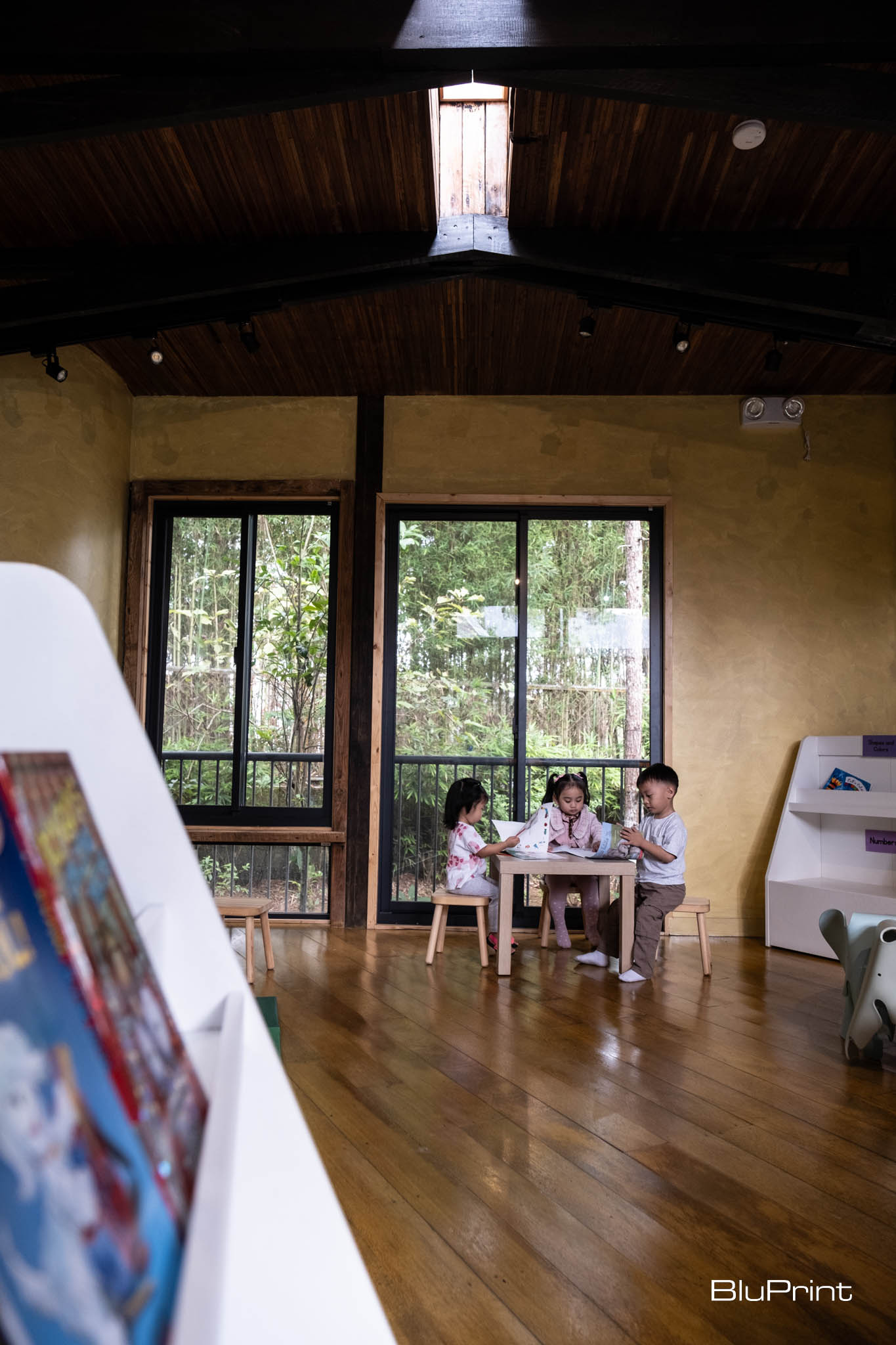
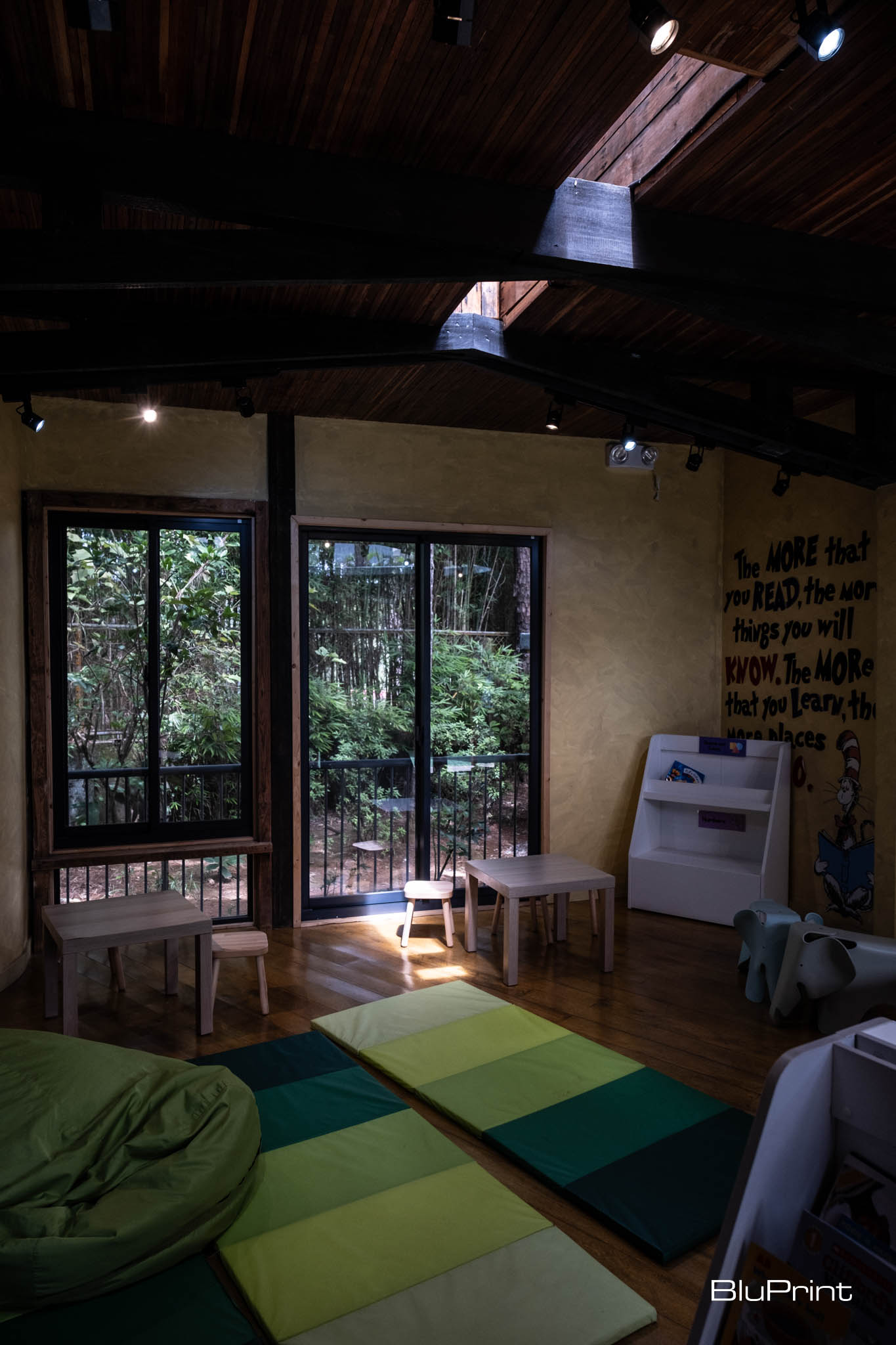
The Hive is as much a story of sustainability as it is of design. The primary building material—reclaimed wood—was sourced from a 1940s house slated for demolition. Go’s team painstakingly salvaged the wood, treating it and repurposing it throughout the new structure. This approach not only conserved resources but also infused the building with a sense of history and continuity. The wood’s dark, charred finish, reminiscent of traditional Cordilleran techniques, adds a layer of authenticity and cultural significance to the design.
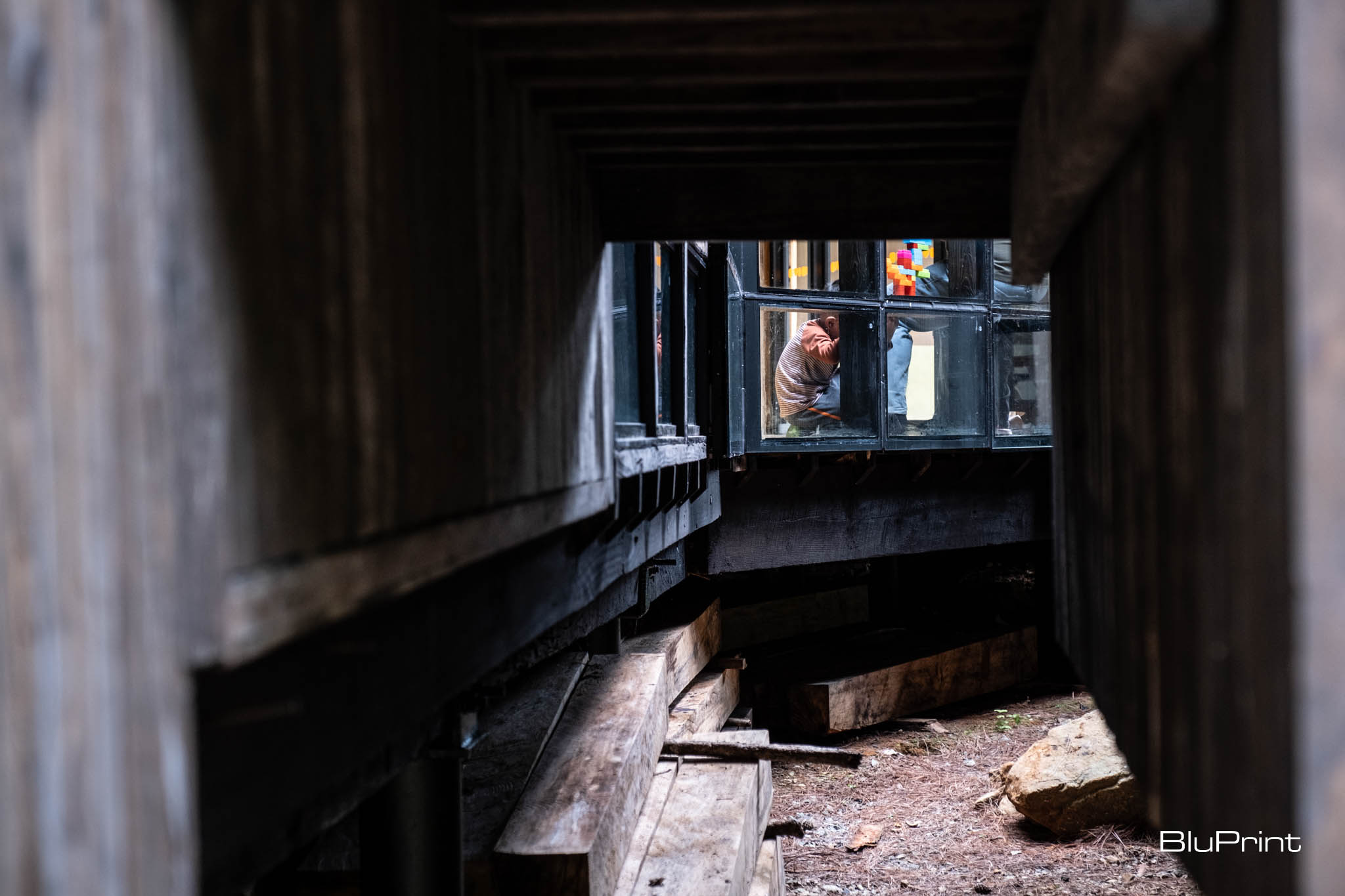
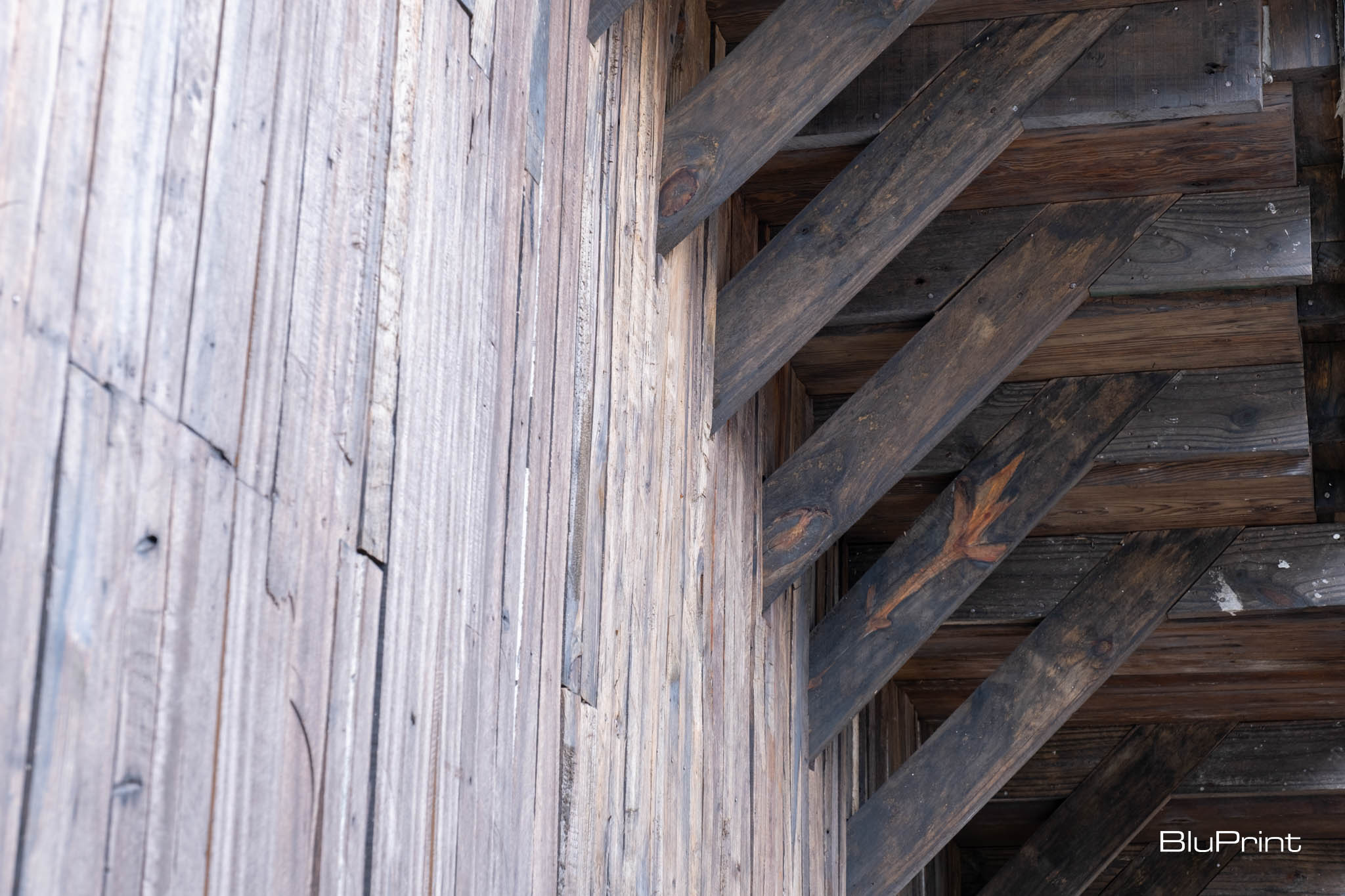
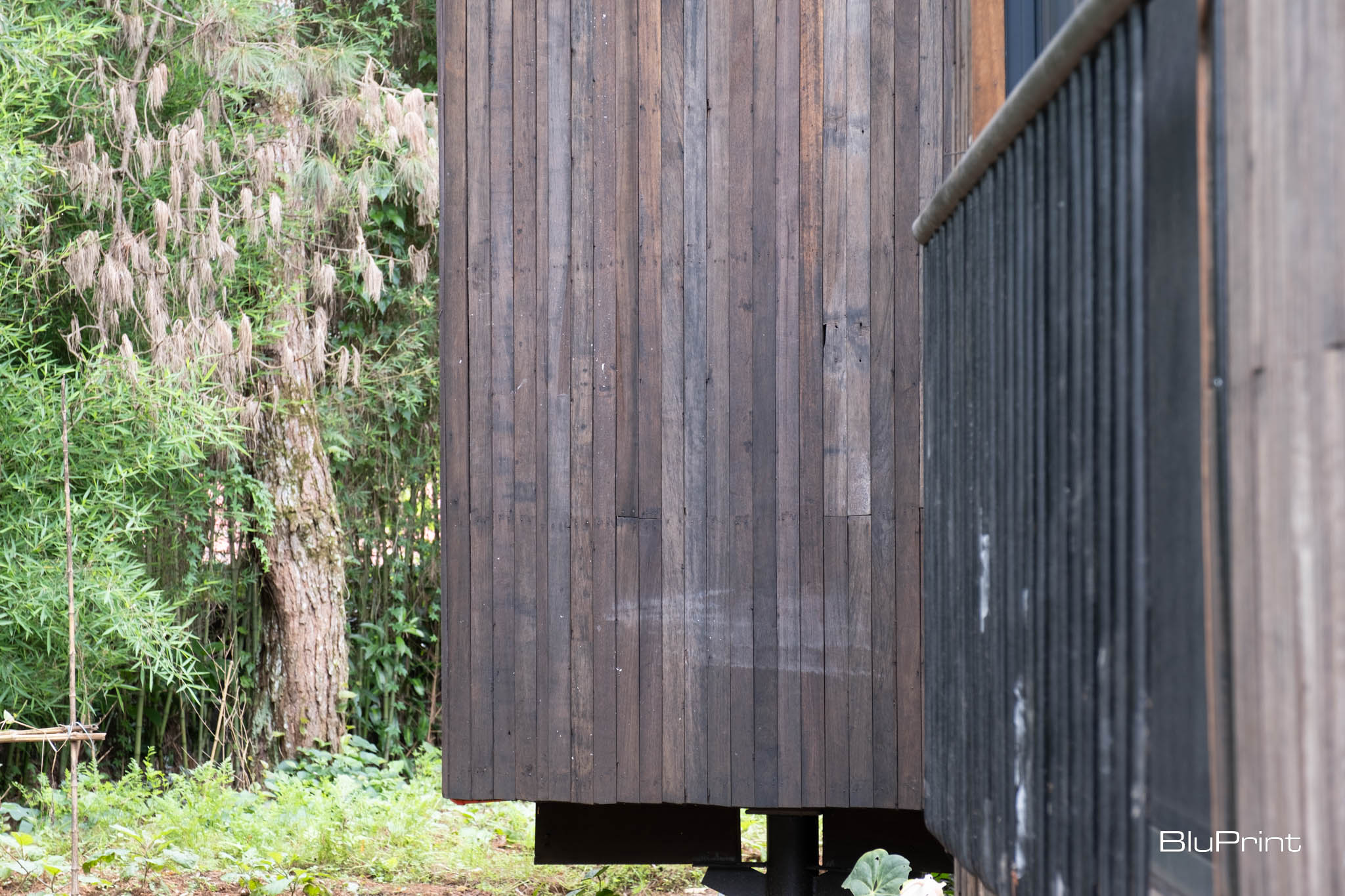
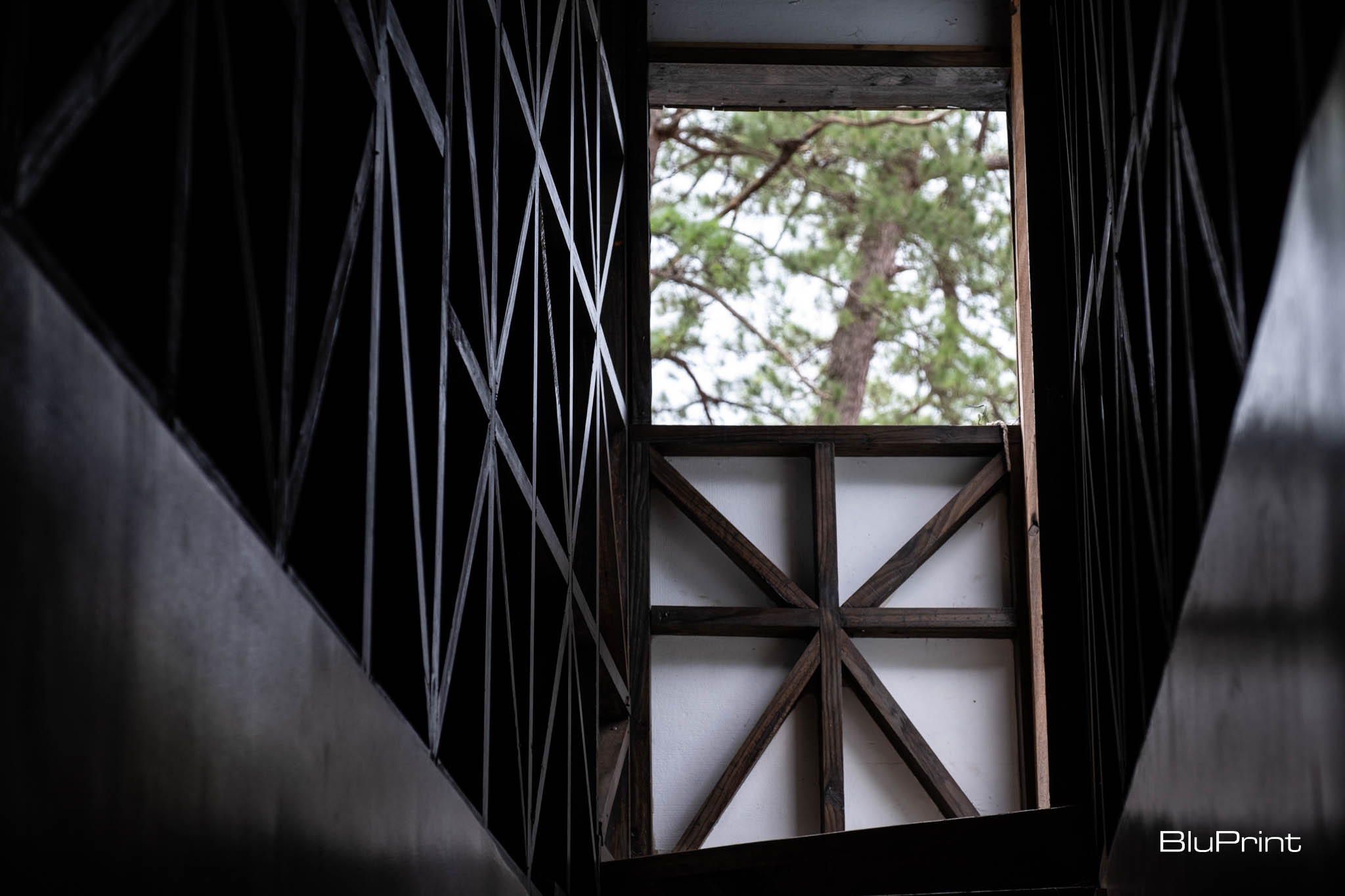
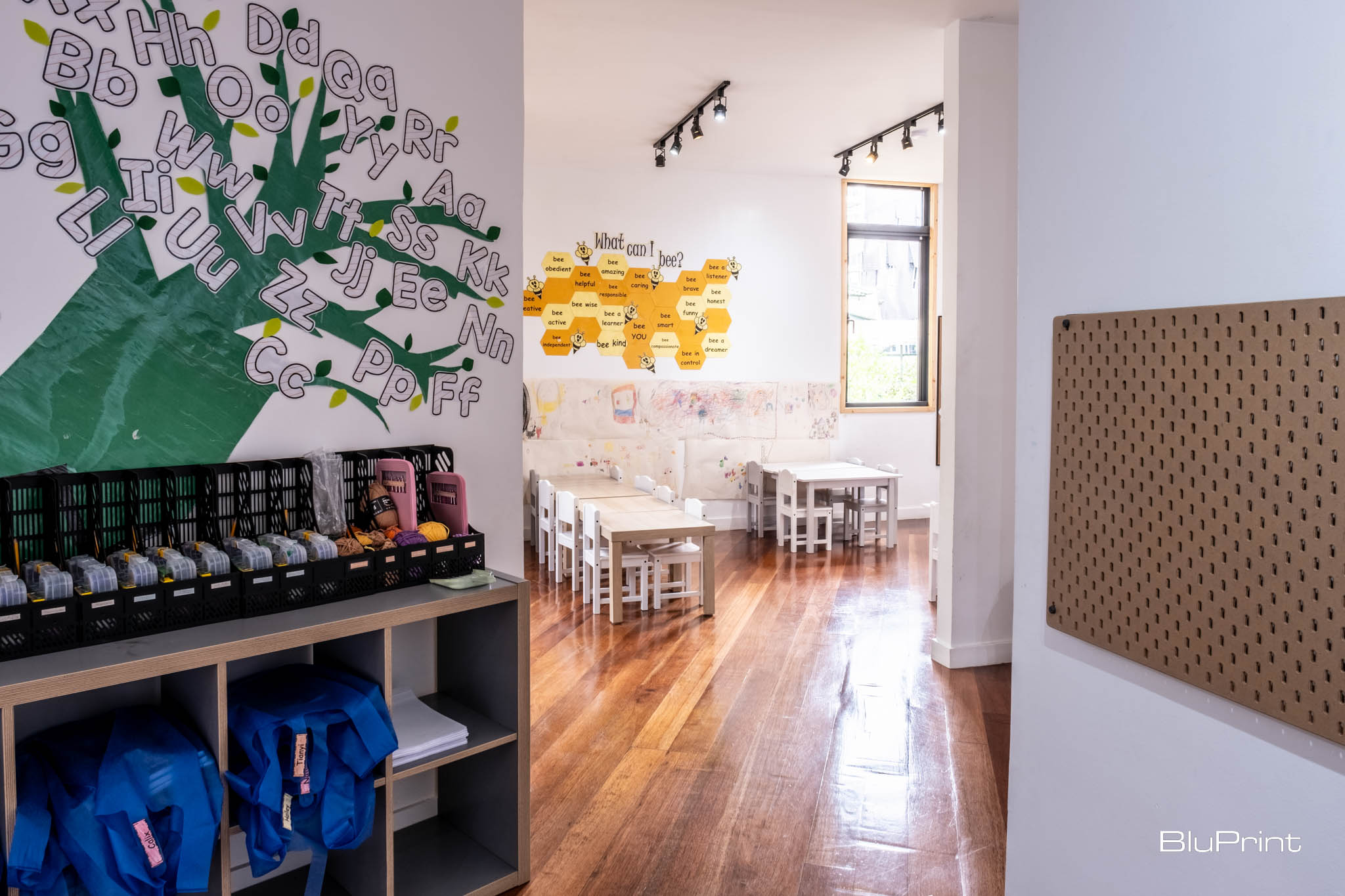
Inside, the design ensures flexibility and functionality. The deign team distribute separate areas for art, music, and reading around the central courtyard, enabling a variety of activities to occur simultaneously. This layout encourages children to explore and engage with different environments, both indoors and out. The deliberate choice to keep indoor spaces modest in size ensures that outdoor areas become natural extensions of the home, reinforcing the connection between the built environment and nature.
Looking to the Future of The Hive
The Hive is not just a static piece of architecture; it’s a living, evolving space. Plans are already in place to expand the rooftop into a timber deck, which will serve as a play area and additional classroom space. This new addition will continue the building’s theme of flexibility, offering yet another layer of interaction between the occupants and their surroundings.
The Hive’s design embodies a vision that goes beyond the traditional bounds of architectureArchitectureThe art and science of designing and constructing buildings, structures, and spaces that are functional, safe, and aesthetically pleasing. It encompasses the planning, design, materials, and techniques used to createGo to Architecture Glossary. It is a space that celebrates Cordilleran heritage while embracing the needs of modern living. By focusing on well-being, community, and sustainability, Ninety Design Studio has created a sanctuary that is as innovative as it is timeless—a true reflection of the values and spirit of the Cordillera region.
Photography by Ed Simon
Read more: Canto Bogchi Joint Breathes Life into Baguio’s Vibrant Cultural Scene
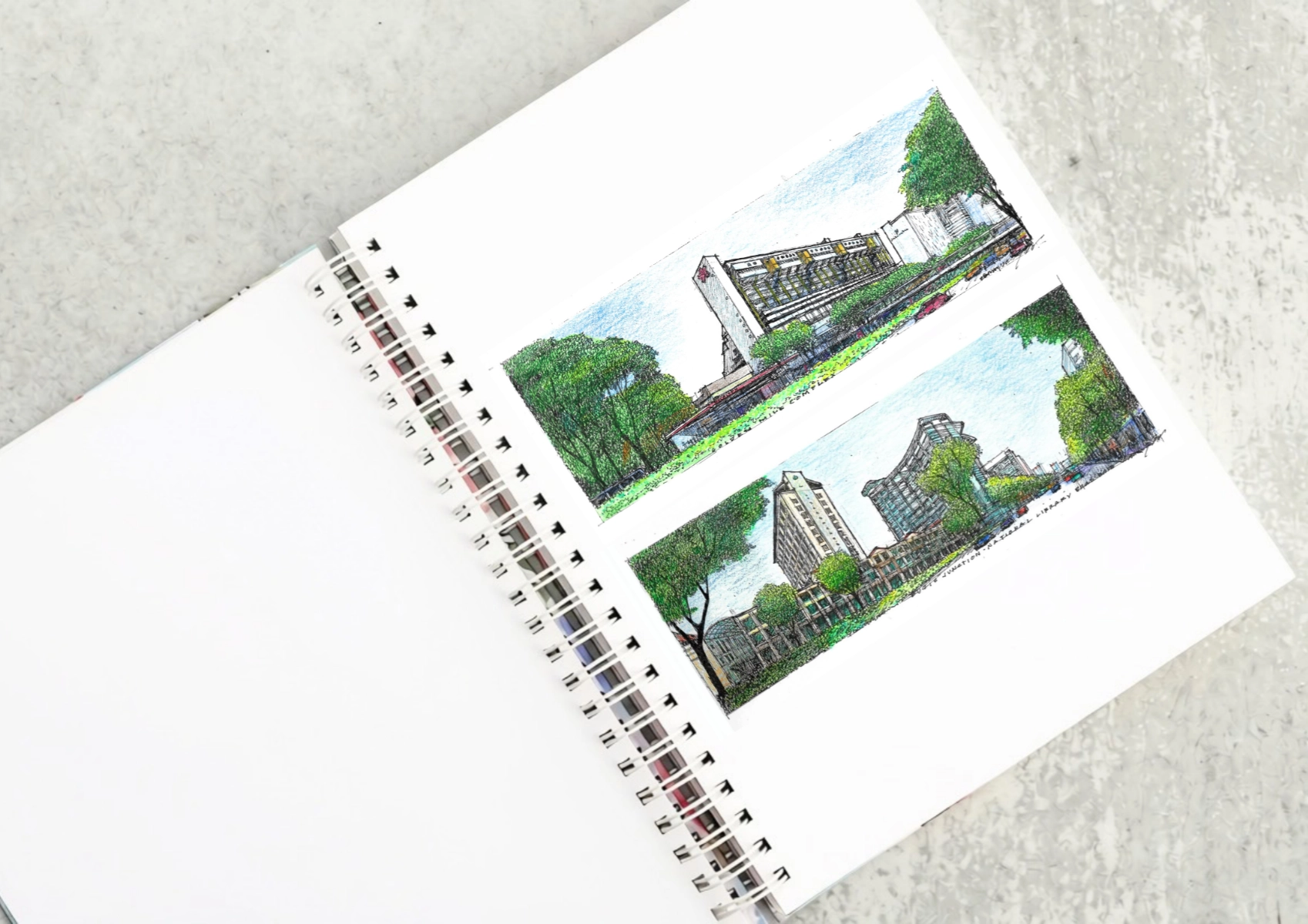
Two sketches of Singapore connect BluPrint Editor in Chief Paulo G. Alcazaren’s personal and professional history with Shared Ground: ArchitectureArchitectureThe art and science of designing and constructing buildings, structures, and spaces that are functional, safe, and aesthetically pleasing. It encompasses the planning, design, materials, and techniques used to createGo to Architecture Glossary of Care, Culture, […]
In a way, designers are the modern-day soothsayers and prophets. They design for the future, predicting how a room, a house, a building or a whole city will be used by people. They foresee how users will interact with a space, conjure exact shades of colors to elicit specific behavior and arrange furniture to build […]
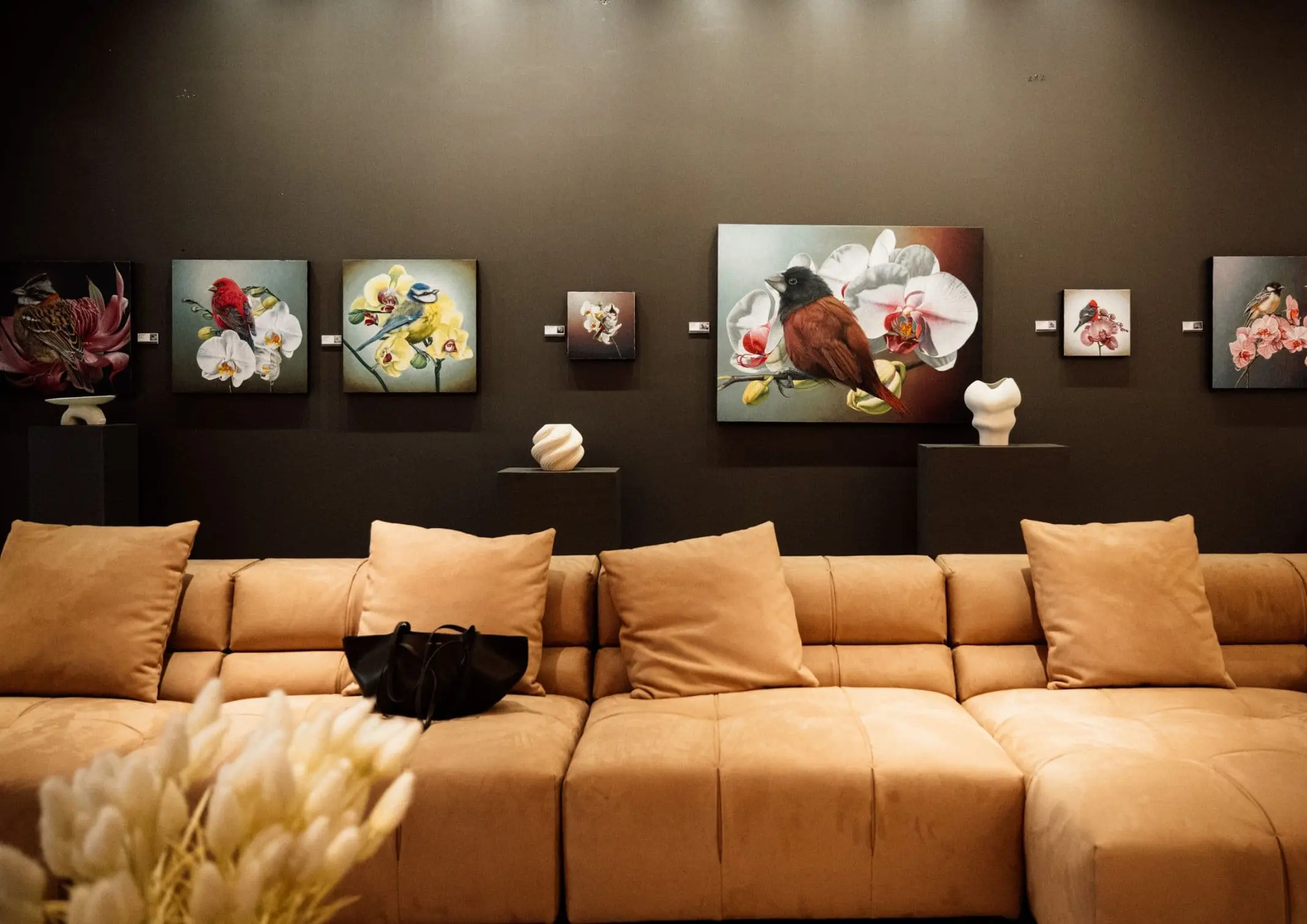
Art and furniture are often selected separately, yet their relationship can shape how a room looks and feels. The collaboration between Hooga and Galerie Joaquin explores how these elements can work together, bringing contemporary artworks into furnished residential settings at Hooga’s showroom in Uptown Mall, Bonifacio Global City. For Hooga, which curates furniture, lighting, and […]
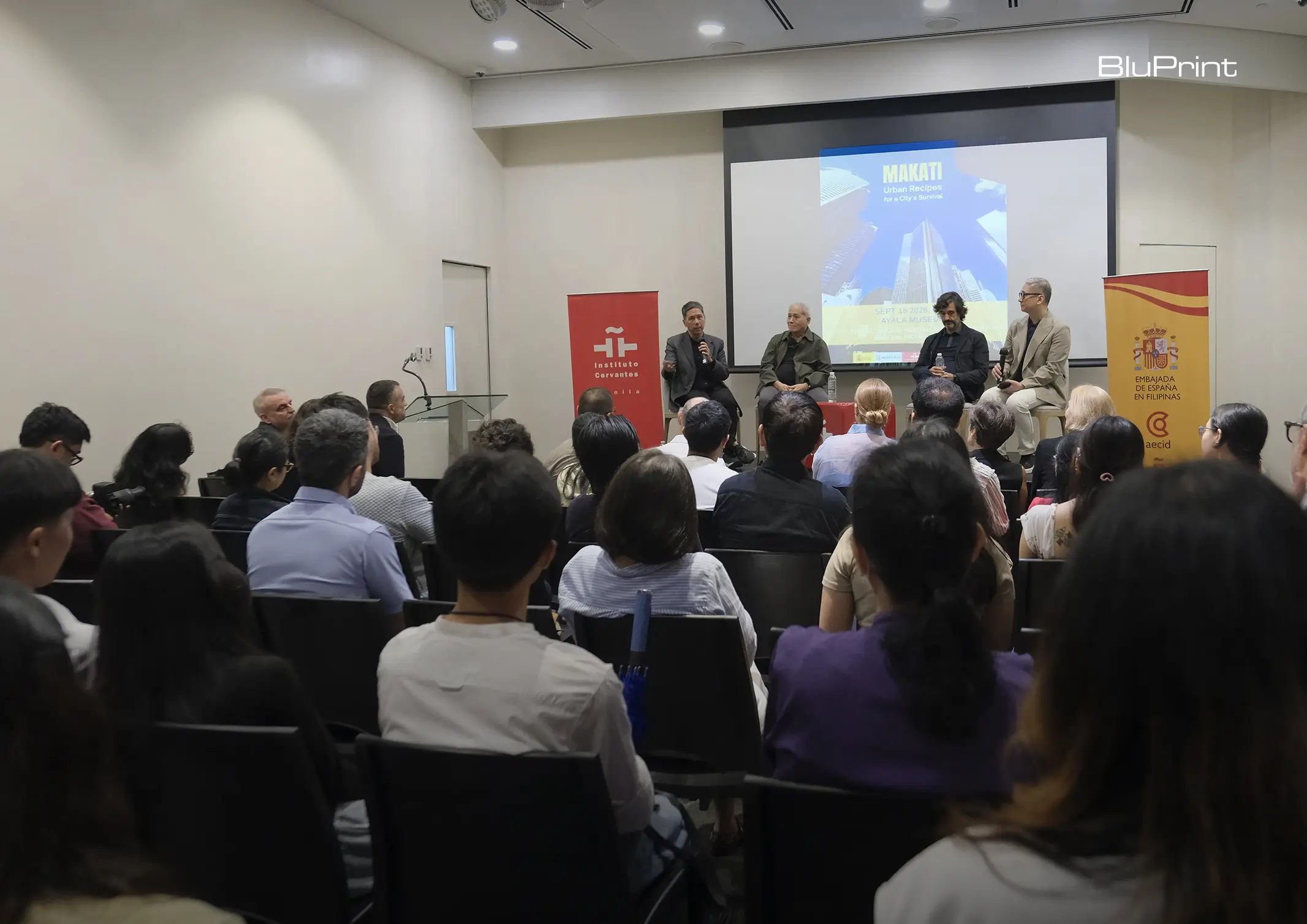
How can better-planned cities create the conditions for more creative, livable, and resilient urban environments? “Makati Urban Recipes for a City’s Survival,” a colloquium held at the Ayala Museum on September 15, brought together architects and practitioners from the fields of urbanism and the creative economy to discuss how design, planning, and collaboration can address […]
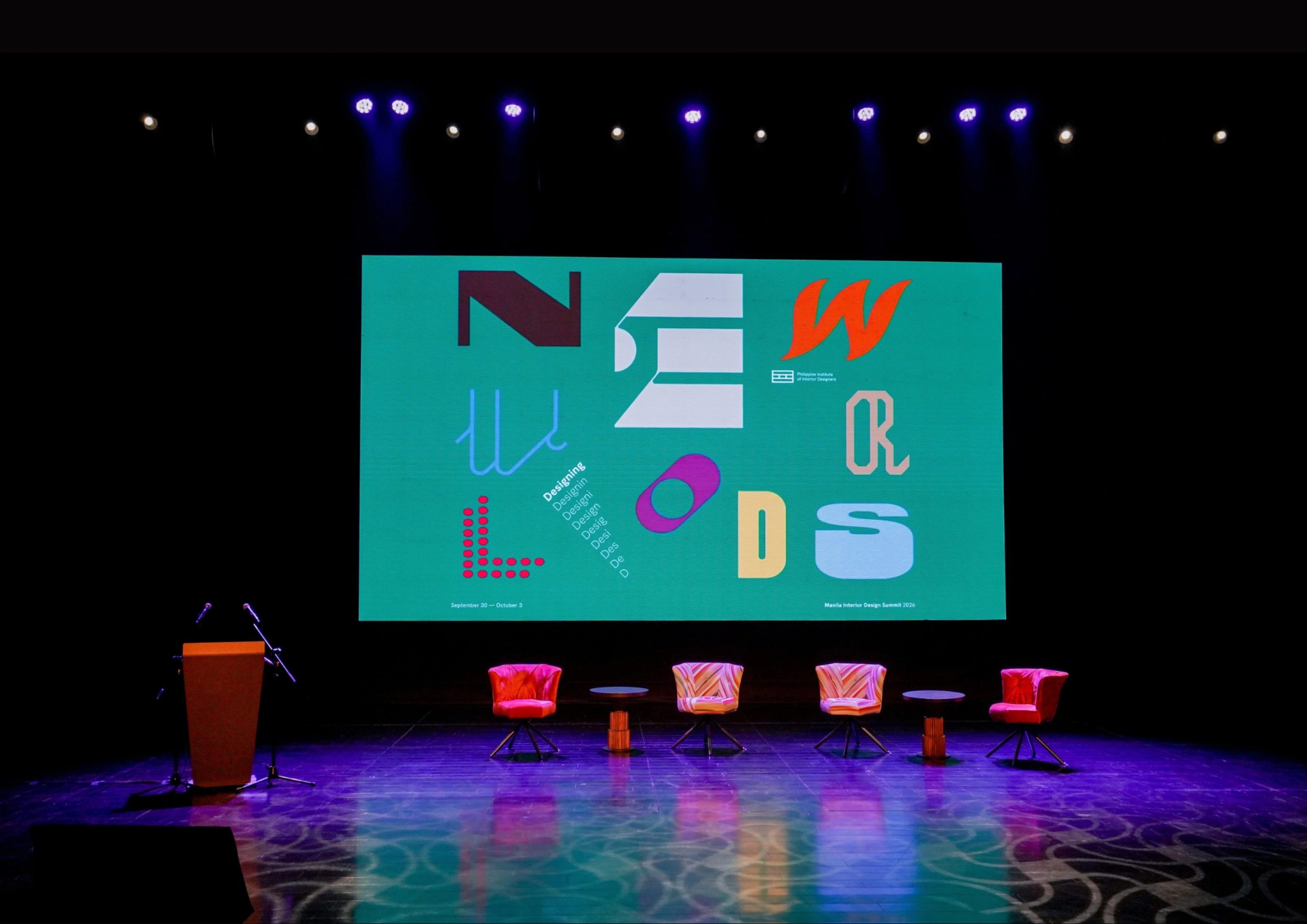
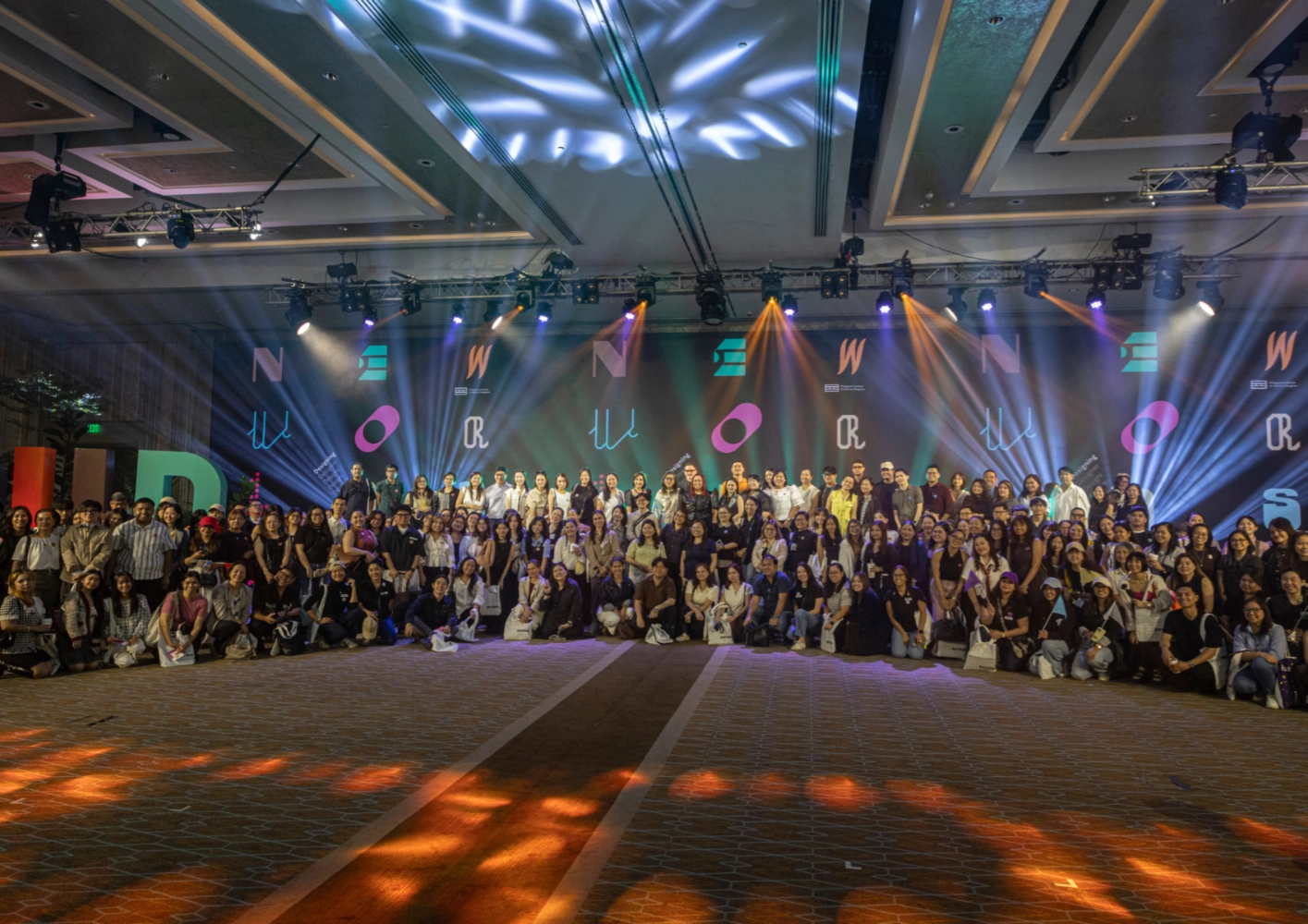
The fourth Manila Interior DesignInterior DesignThe discipline of planning and shaping interior spaces for function, comfort, safety, and beauty. It covers layout, lighting, materials, finishes, furniture, and color, and in the Philippines is a licensedGo to Interior Design Glossary Summit (MIDS) brought together more than 300 delegates for four days of conversations, exhibitions, and design […]
Read the issues.

Collect the volumes.

Recommended Video
Tap to Unmute
Unmute
0:00
0:00