Bigkis is the act of binding. In Tagalog, the word can refer to something used to bind or encircle, as well as a bundle formed by tying several separate elements together. Figuratively, it can also mean a bond, union, or unity. The meanings move from the physical act of joining things together to the connection […]
Castanheiras House: Organizing Housing Around the Needs of Nature



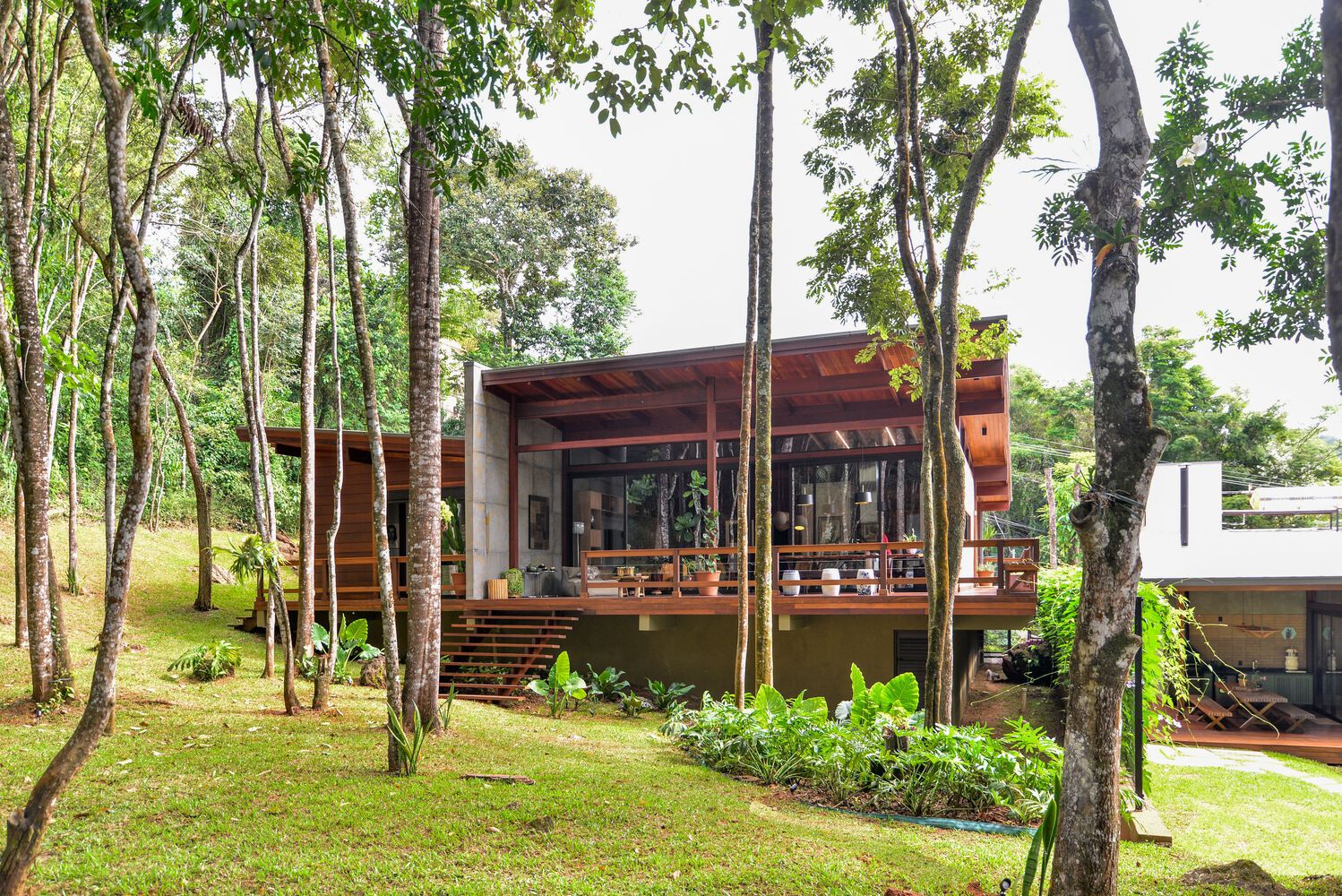
Castanheiras House, built in the forests of Nova Lima in Brazil, provides its residents with a tranquil abode smack dab in the middle of nature. The careful design of architects Mateus Castilho and Patricia Bueno integrates with its environment well.
Its location was chosen to be close to the city of Belo Horizonte, the sixth-biggest city in Brazil, without the need to leave nature behind. They built it to be close to, among other locations, the Mata do Jambreiro Private Natural Heritage Reserve.
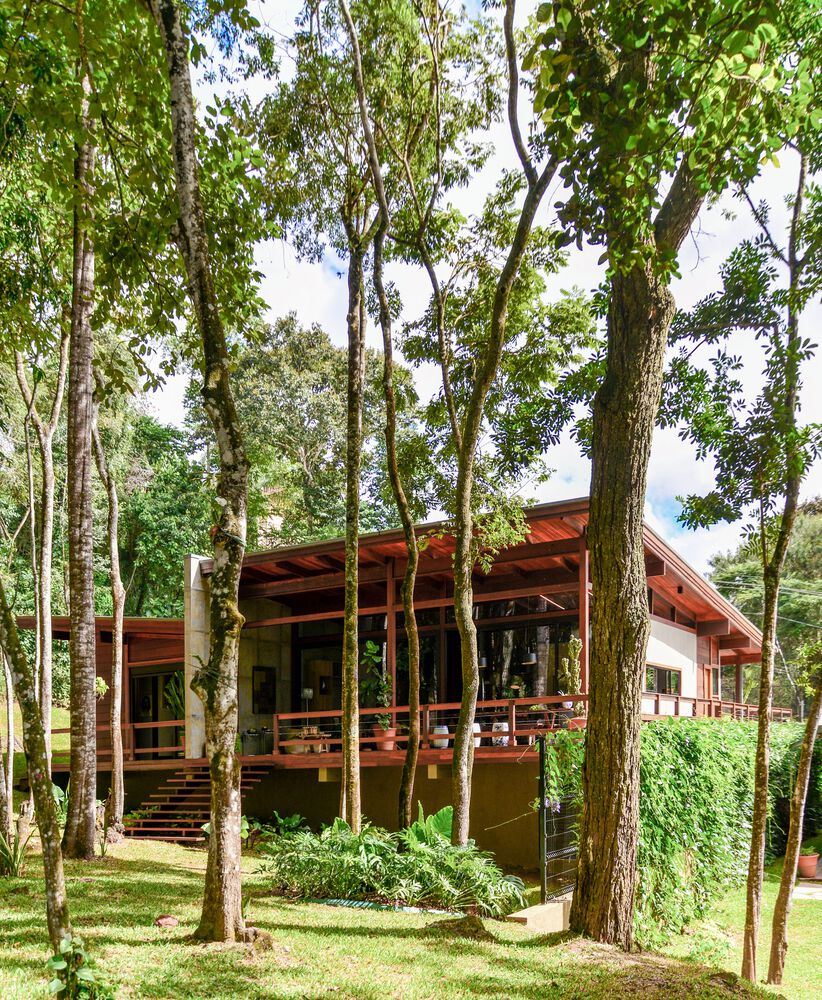
Its construction came with many challenges, stemming mostly from government regulations in the area. The desire to leave nature undisturbed also meant that the construction needed to be careful in terms of how it worked with the environment.
Careful Planning and Design
Castanheiras House was built on a sloping plot of land. It’s a single-story home, with three bedrooms and an open-floor planFloor PlanA scaled drawing showing a building's layout as seen from above, as if sliced horizontally at roughly waist height. It maps rooms, walls, doors, windows, circulation, and fixed furniture, helpingGo to Floor Plan Glossary for the living room, dining area, and kitchen. This was done due to legal restrictions demanding the preservation of the trees in the land that reduced the size of the house.
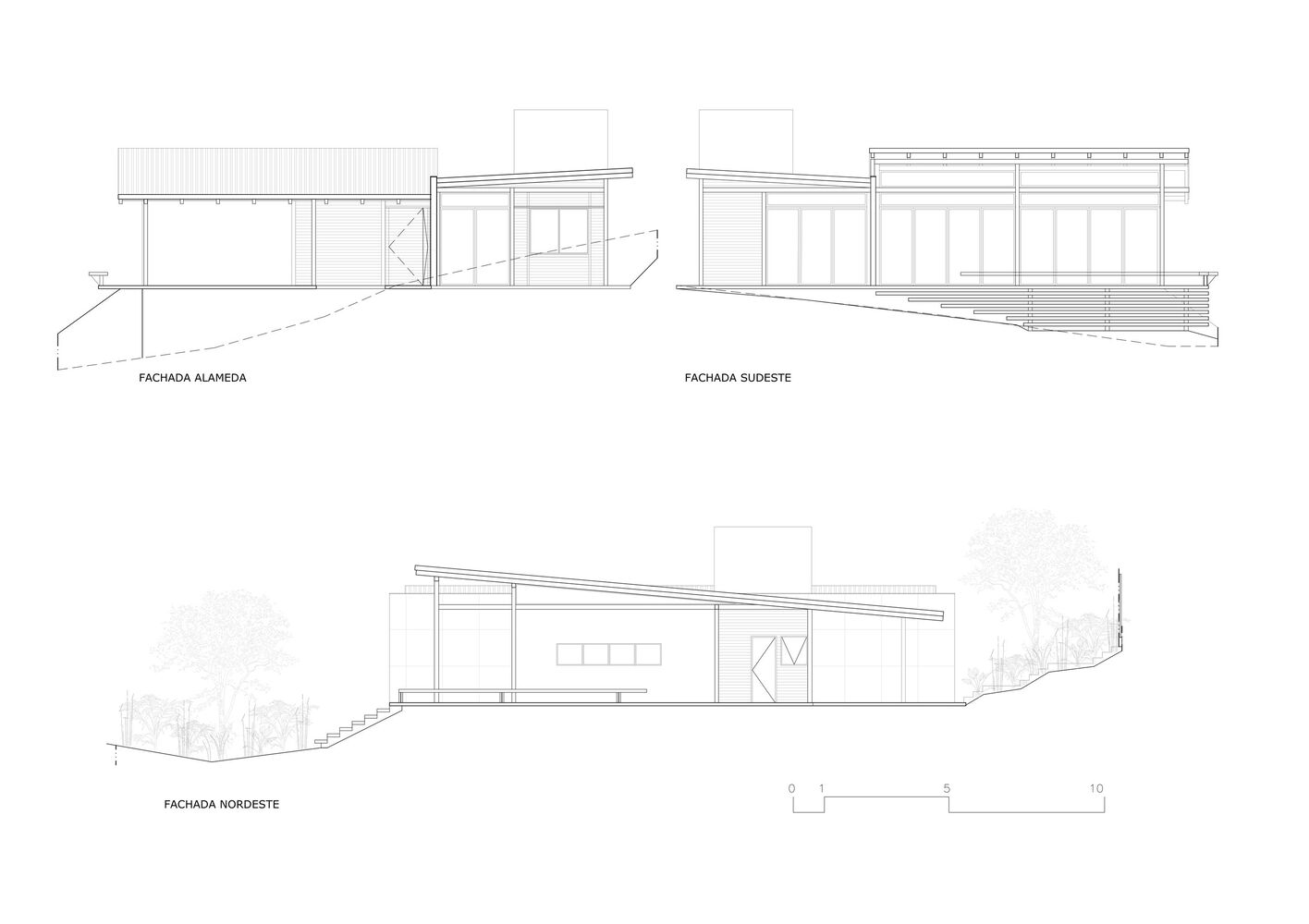
The architects used a mix of wood and concrete for the project. Prefabricated wooden structures were used in the construction of the abode. The floors of the home also used “a prefabricated system of reinforced concrete with polystyrene panel filling.”
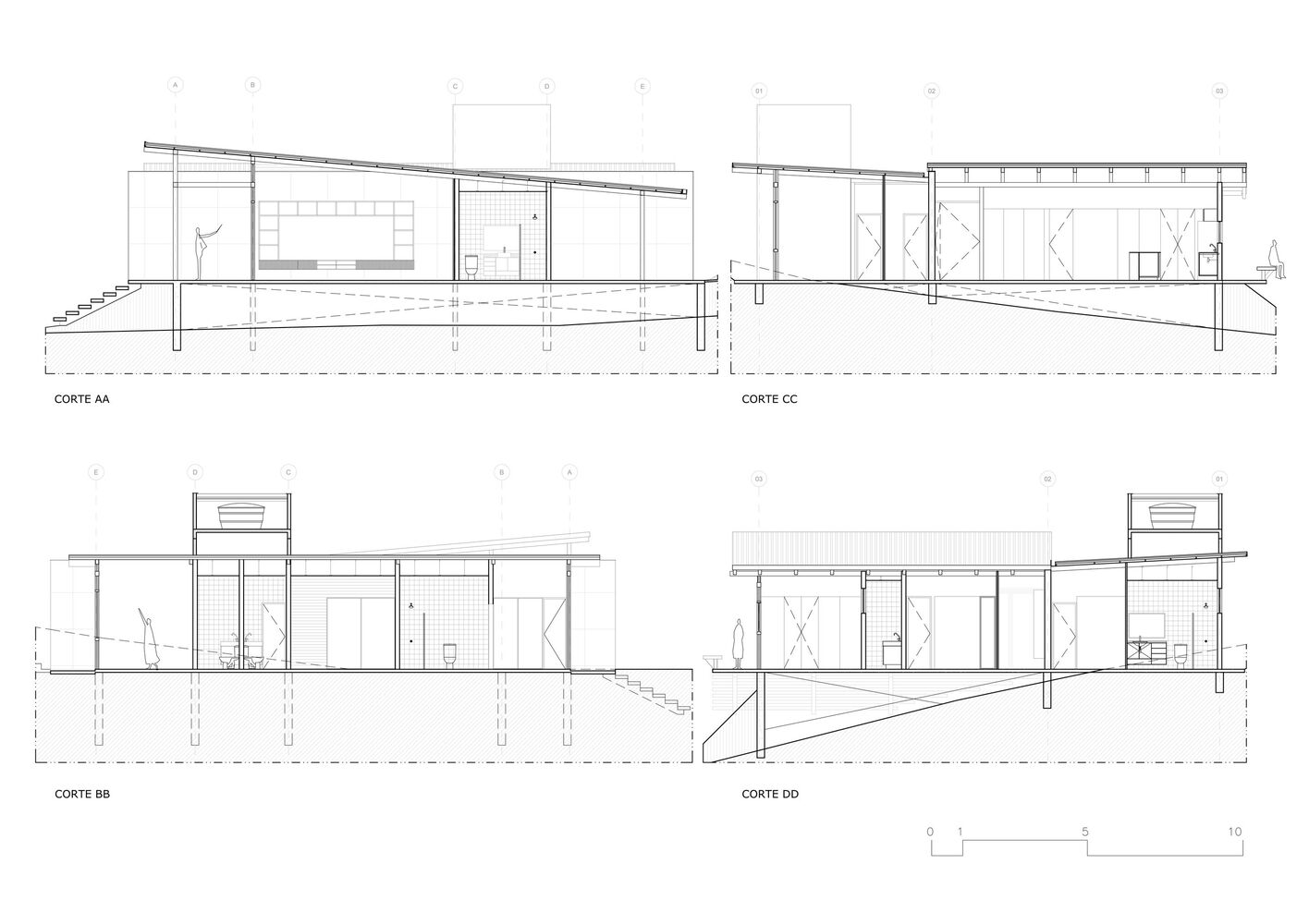
To ensure the stability of other areas of the home, they applied reinforced concrete and block masonry sealing for wet areas and the water tank. This allowed them to reduce the amount of waste products to come out of the construction of the project, and lessened the potential impact on the environment that the building had.
Its outer facade combines floor-to-ceiling glass panels, and a combination of wood pillars and pigmented concrete board. They also used wood panels for the ceiling. The blend is such that the wood stands out brightly in the forest without clashing with the trees in the area.
Cozy Dwelling Near the City
Castanheiras House’s communal spaces benefit from an open-floor planFloor PlanA scaled drawing showing a building's layout as seen from above, as if sliced horizontally at roughly waist height. It maps rooms, walls, doors, windows, circulation, and fixed furniture, helpingGo to Floor Plan Glossary that gives its residents a clear pathway from the veranda to the living and dining rooms. The sliding glass doors expand the space towards the veranda and forests outside.
They decked out the kitchen with modern amenities, including a marble cooking island with four burners on the countertop. The open layout allows the glass dining table to sit side-by-side with the kitchen island and living room sofas, creating a harmonious, barrier-free space.
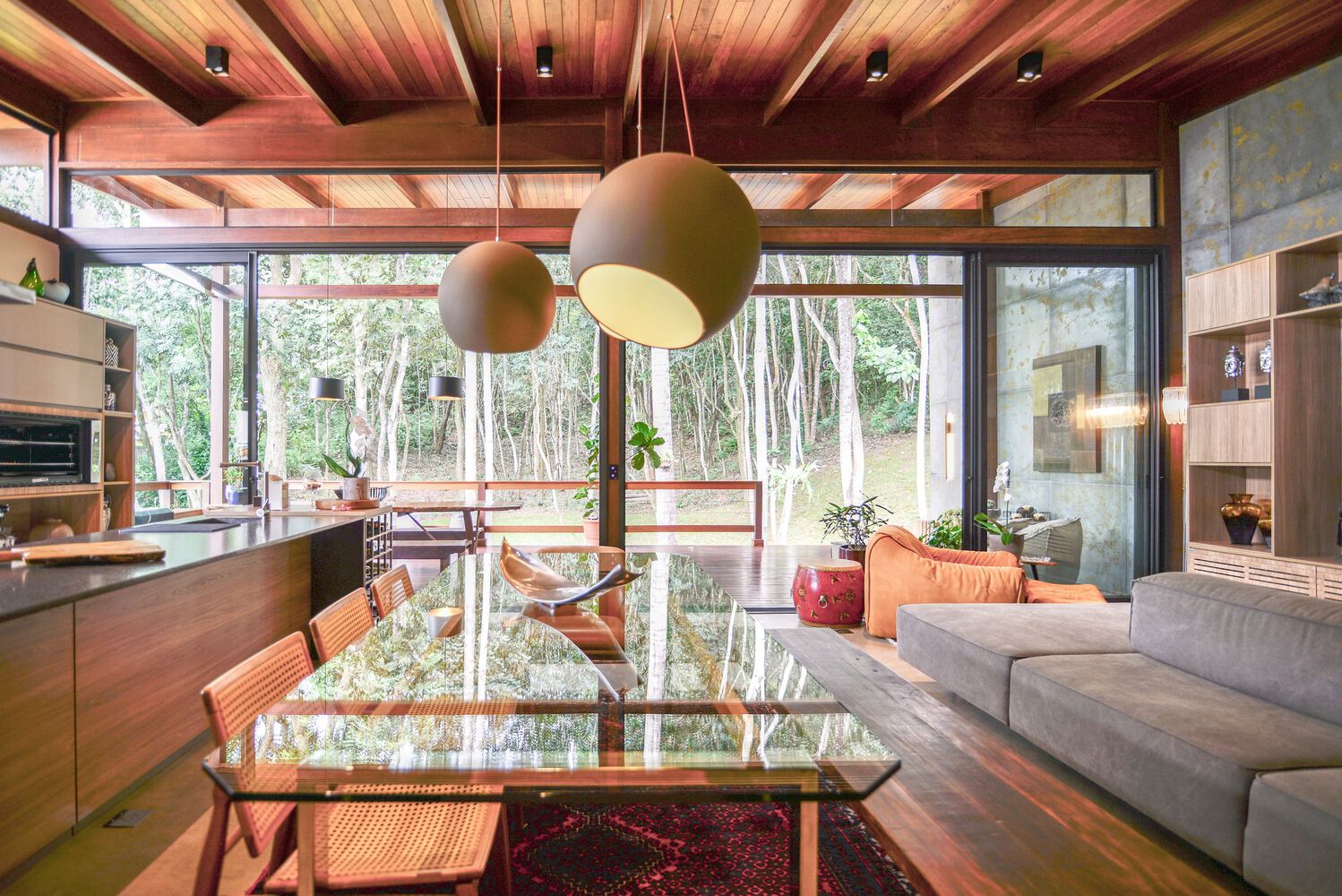
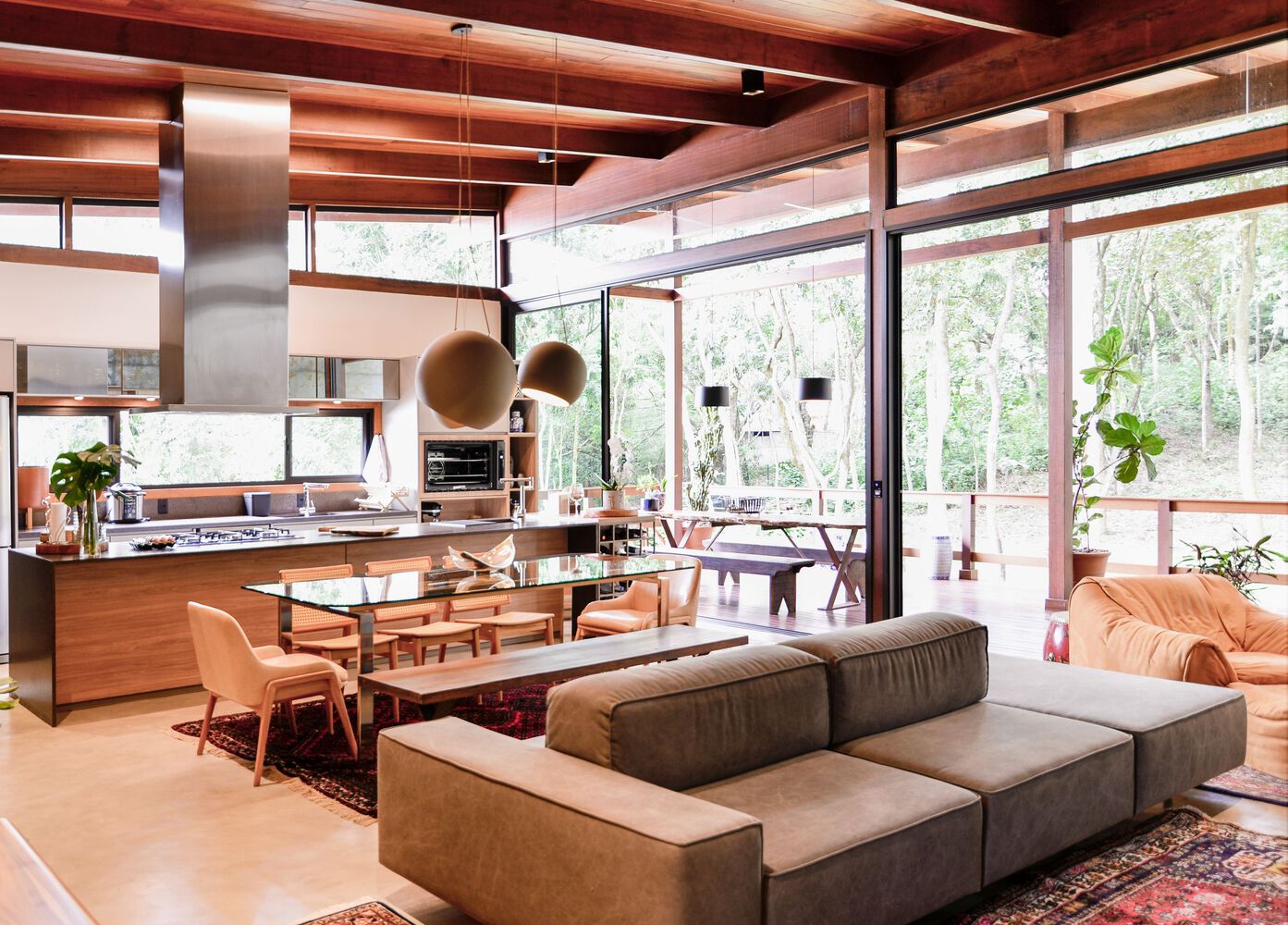
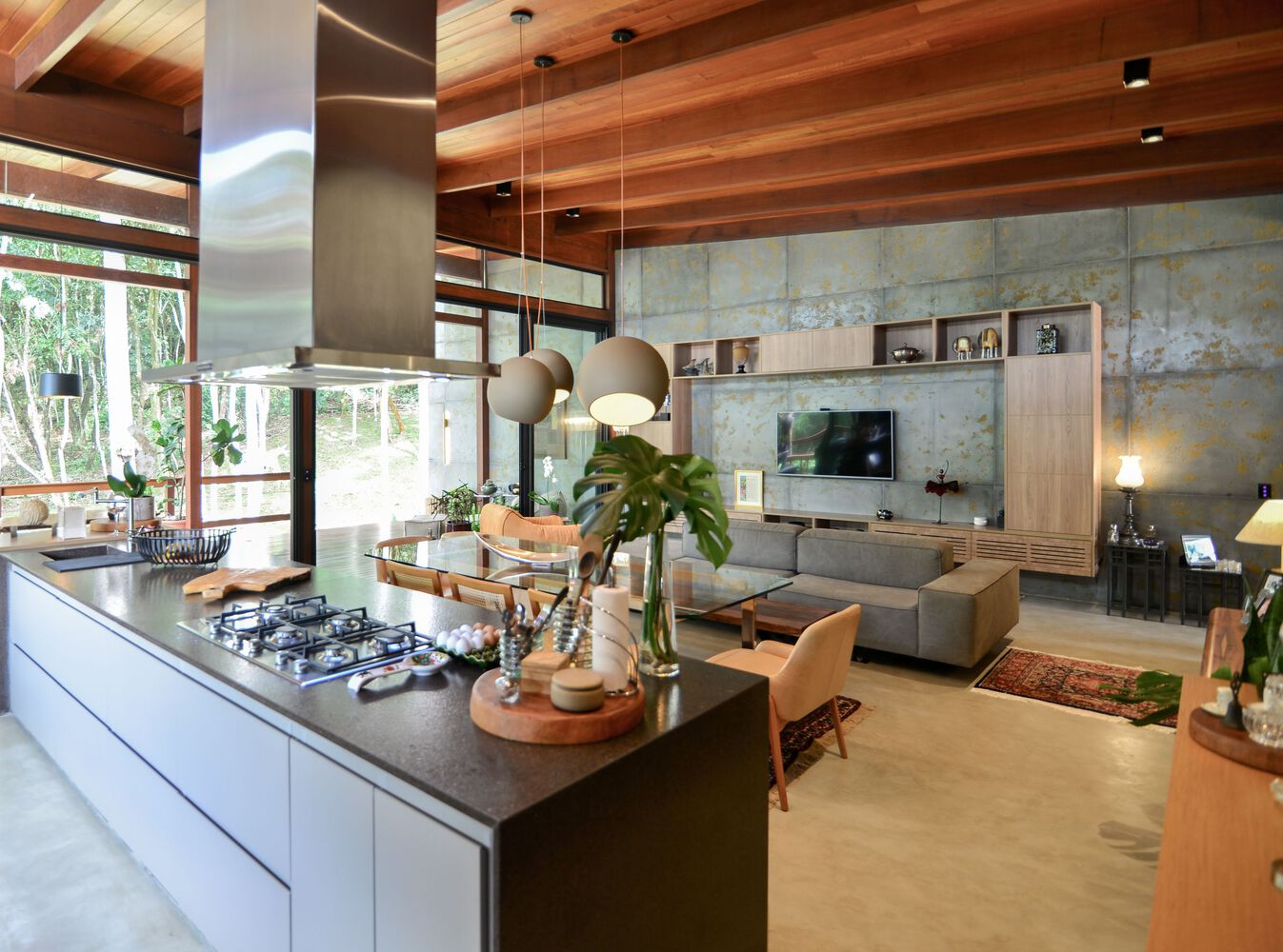
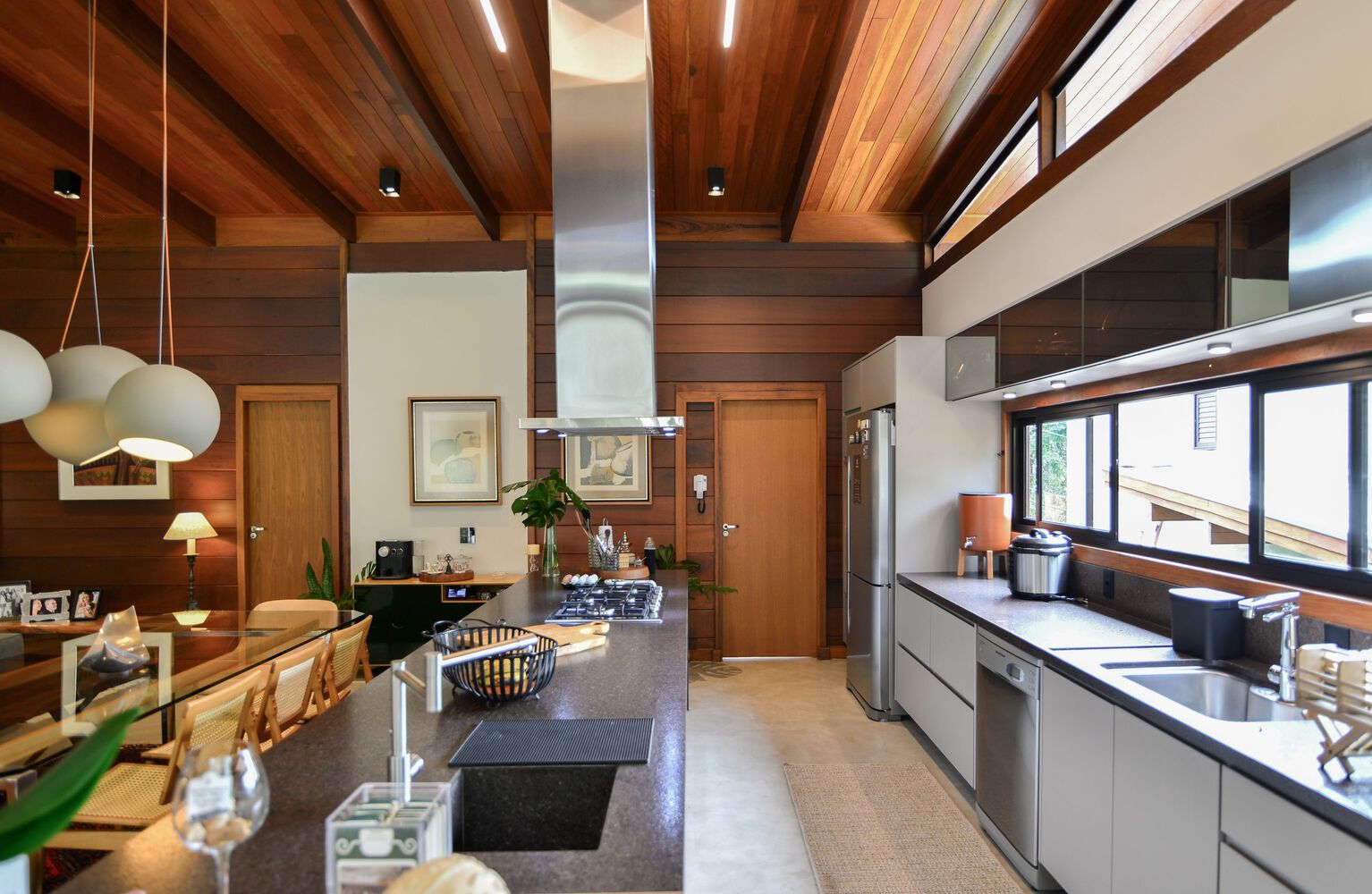
The sofas, designed with a central backrest, allow for more space and an ability to shift attention depending on where the activity is. The architects designed the open-floor plan in such a way that these different points are all oriented towards the TV.
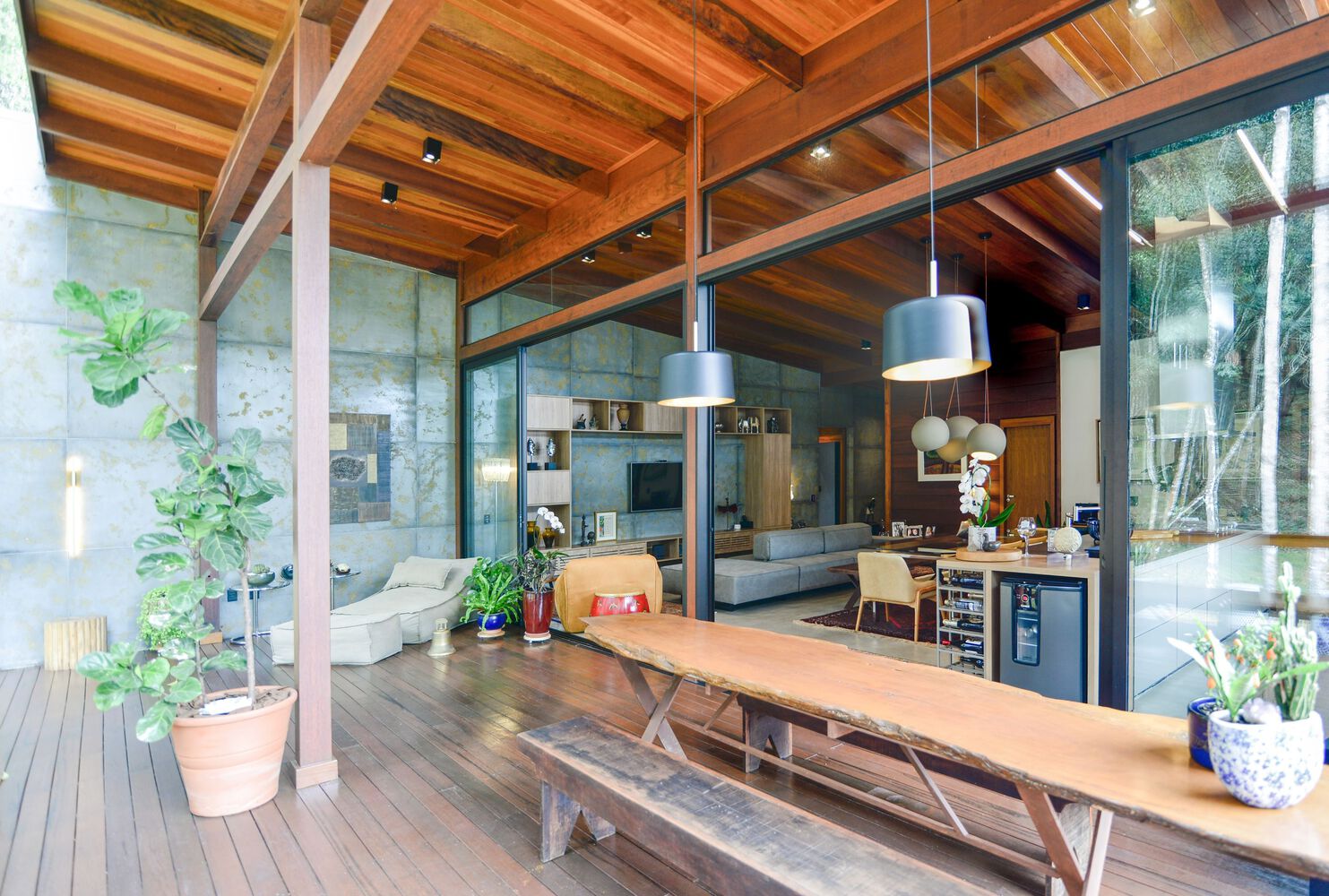
The veranda embraces the cozy charm of the forests around them. Wooden railings encircle the small area, while an unpolished wood table and benches further enhance the natural aesthetic. This design immerses residents in nature while retaining the comforts of modern living.
Castanheiras House finds the middle ground of modern-day amenities and a nature-centric lifestyle. This residence in Brazil provides its resident family comfort and security, while keeping intact the trees and woodland surrounding the home.
Related reading: NICE Headquarters Brazil: Pivoting Towards Nature-Friendly Solutions
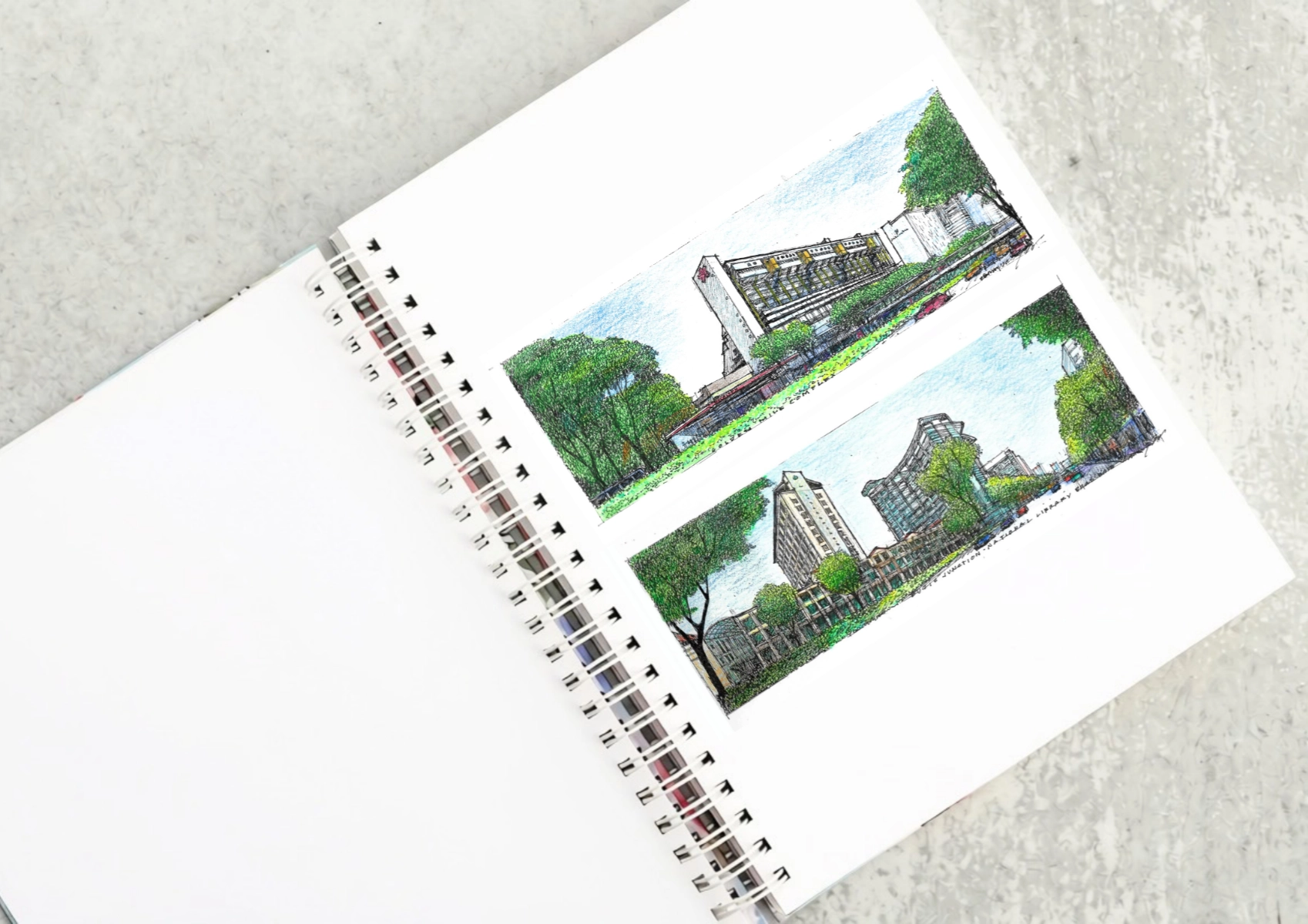
Two sketches of Singapore connect BluPrint Editor in Chief Paulo G. Alcazaren’s personal and professional history with Shared Ground: ArchitectureArchitectureThe art and science of designing and constructing buildings, structures, and spaces that are functional, safe, and aesthetically pleasing. It encompasses the planning, design, materials, and techniques used to createGo to Architecture Glossary of Care, Culture, […]

In a way, designers are the modern-day soothsayers and prophets. They design for the future, predicting how a room, a house, a building or a whole city will be used by people. They foresee how users will interact with a space, conjure exact shades of colors to elicit specific behavior and arrange furniture to build […]
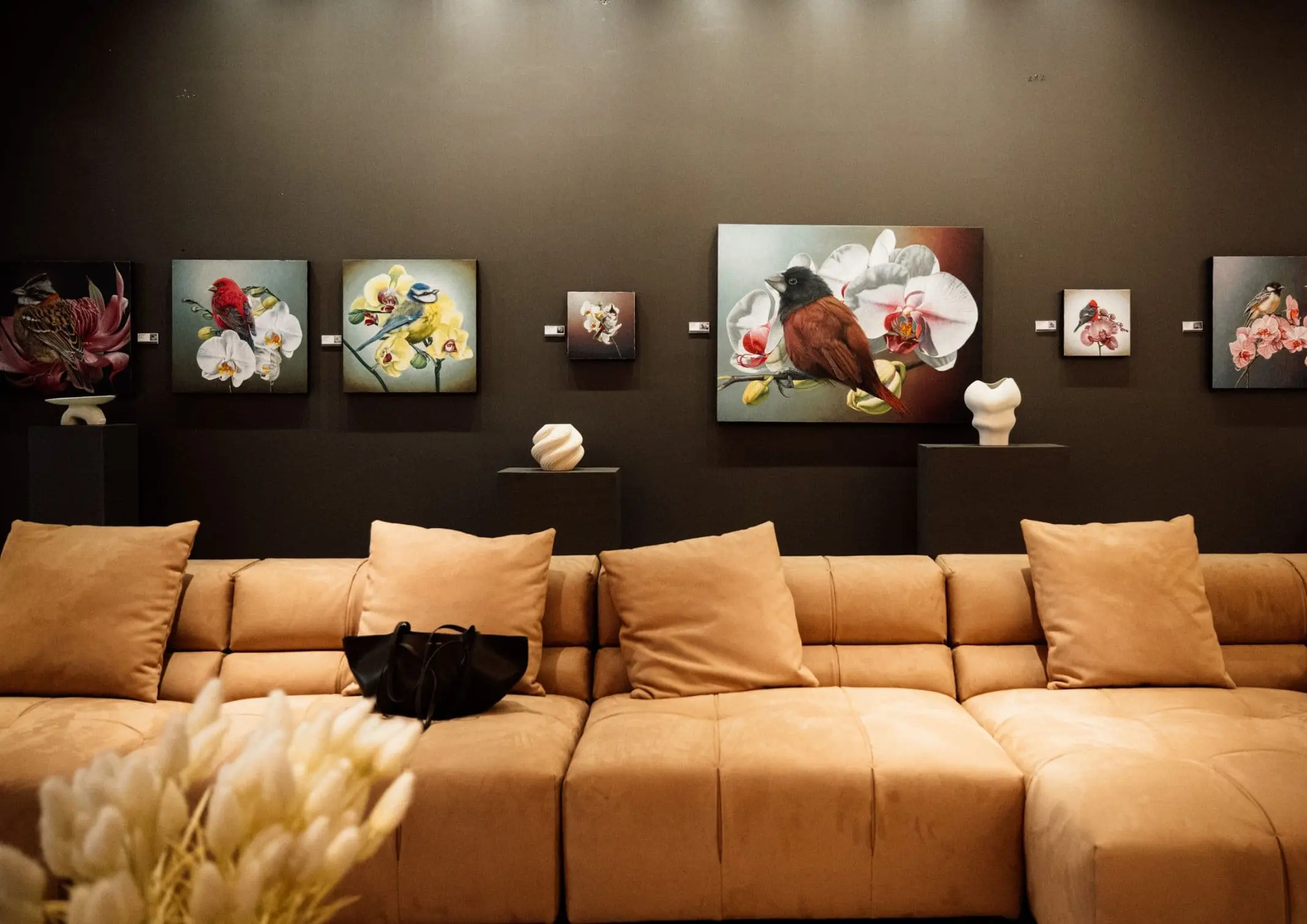
Art and furniture are often selected separately, yet their relationship can shape how a room looks and feels. The collaboration between Hooga and Galerie Joaquin explores how these elements can work together, bringing contemporary artworks into furnished residential settings at Hooga’s showroom in Uptown Mall, Bonifacio Global City. For Hooga, which curates furniture, lighting, and […]

How can better-planned cities create the conditions for more creative, livable, and resilient urban environments? “Makati Urban Recipes for a City’s Survival,” a colloquium held at the Ayala Museum on September 15, brought together architects and practitioners from the fields of urbanism and the creative economy to discuss how design, planning, and collaboration can address […]
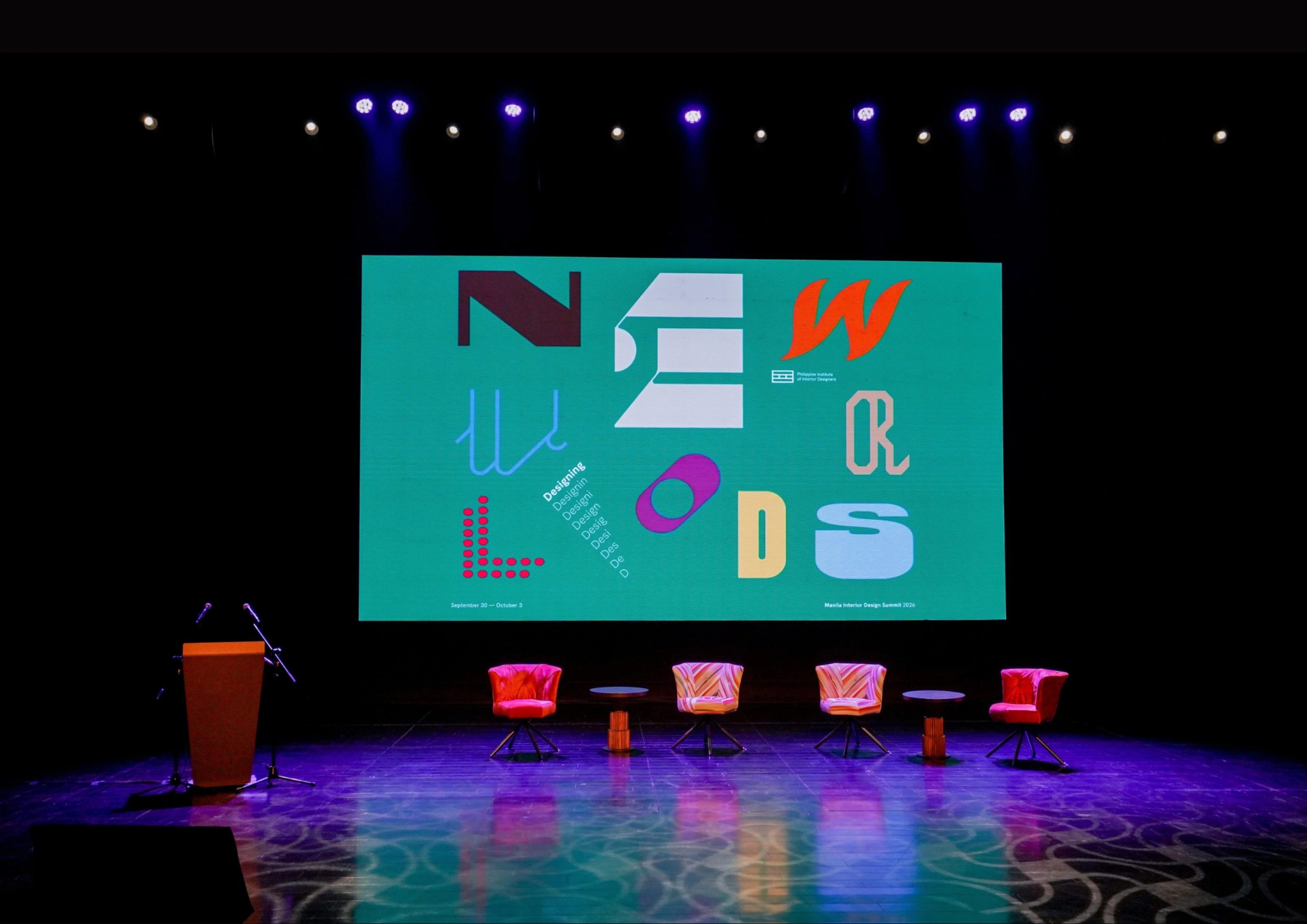
The fourth Manila Interior DesignInterior DesignThe discipline of planning and shaping interior spaces for function, comfort, safety, and beauty. It covers layout, lighting, materials, finishes, furniture, and color, and in the Philippines is a licensedGo to Interior Design Glossary Summit (MIDS) brought together more than 300 delegates for four days of conversations, exhibitions, and design […]
Read the issues.

Collect the volumes.

Recommended Video
Tap to Unmute
Unmute
0:00
0:00