Bigkis is the act of binding. In Tagalog, the word can refer to something used to bind or encircle, as well as a bundle formed by tying several separate elements together. Figuratively, it can also mean a bond, union, or unity. The meanings move from the physical act of joining things together to the connection […]
‘Nawawalang Paraiso’ Utilizes Concrete Works to Examine Modern Landscapes



Zean Cabangis’ recent exhibit, Nawawalang Paraiso, explores the recurring theme of nature versus industry. Since the time of Henry David Thoreau, writers and artists expressed a desire to return to nature and comforting past traditions.
While Cabangis’ exhibit for Artinformal Gallery doesn’t reject modernity like Walden would, it commentates on its effect on the world at large. His paintings and mixed-media works blur the natural and the constructed in an effort to define the meaning of “paradise” in today’s world.
“Paradise, he realized, is a subjective and ambiguous idea,” the exhibit write-up by Stephanie Frondoso said. “People navigate their lives without absolute certainty of the paths they follow. Paradise, after all, is not a concrete place, but an ideal one perceives in the mind.”
Man Made Creation
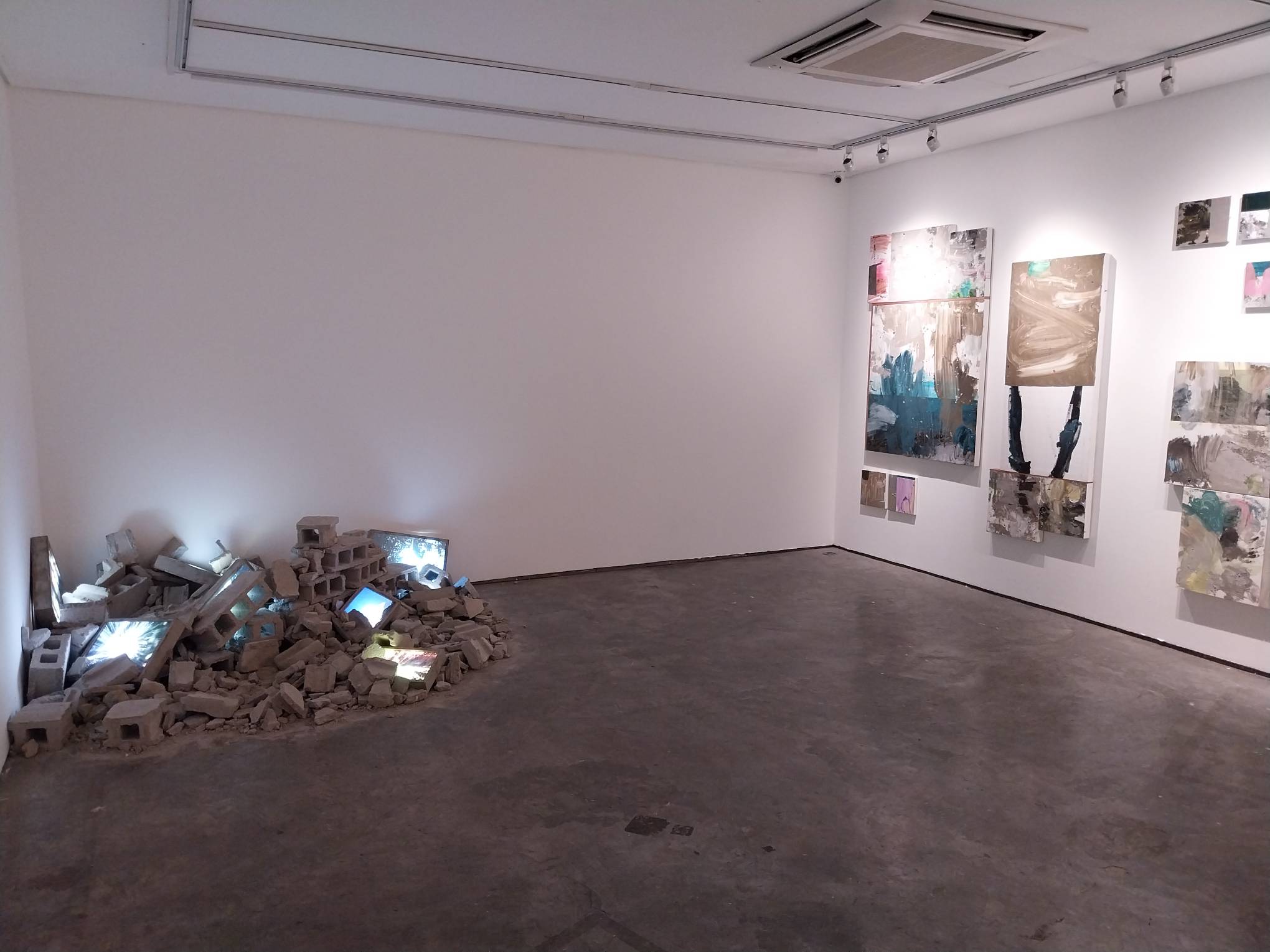
Nawawalang Paraiso’s collection of works recreate the feeling of ruins in a construction site. The main exhibit room contains the mixed-media installation “Glimmers” on one end, and the abstract paintings on the other. These works have a sense of tactility to them, with the mix of cement blocks and cement-derived paintings combining towards a rough environment.
“Glimmers,” of course, grabs viewers’ attention the moment they enter the exhibit. The installation employs cement blocks—broken and whole—alongside eight lightboxes mixed into the work.
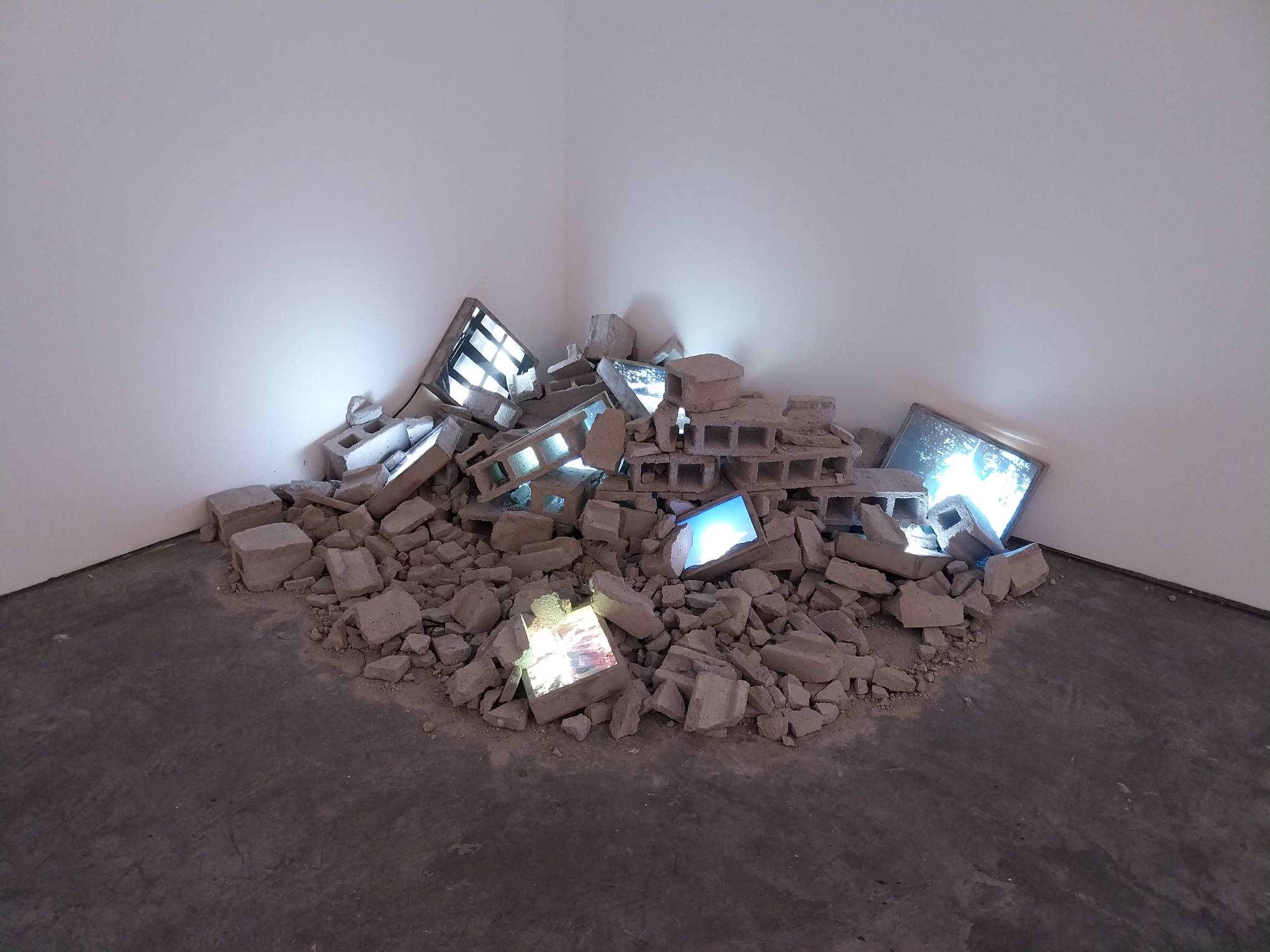
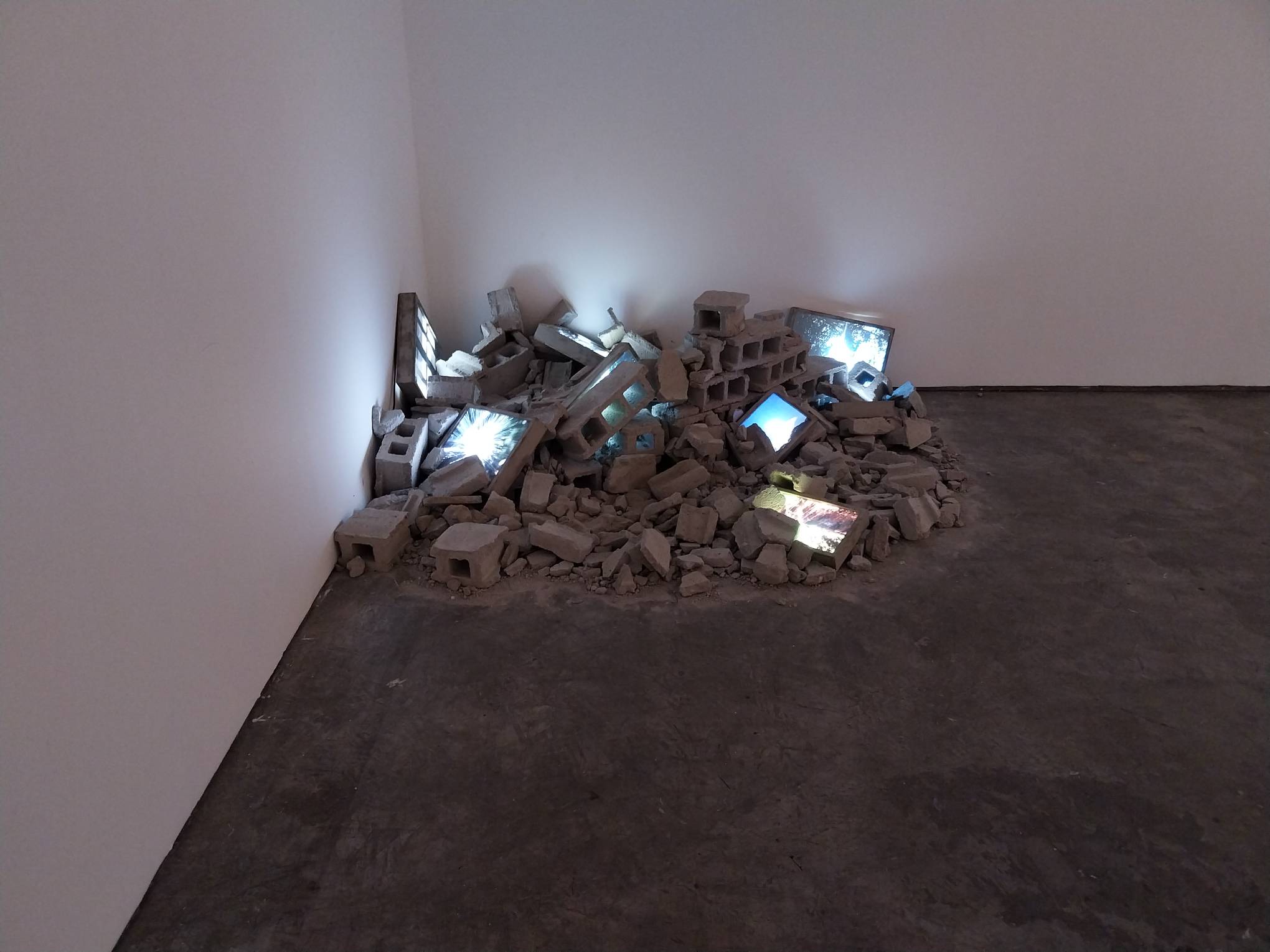
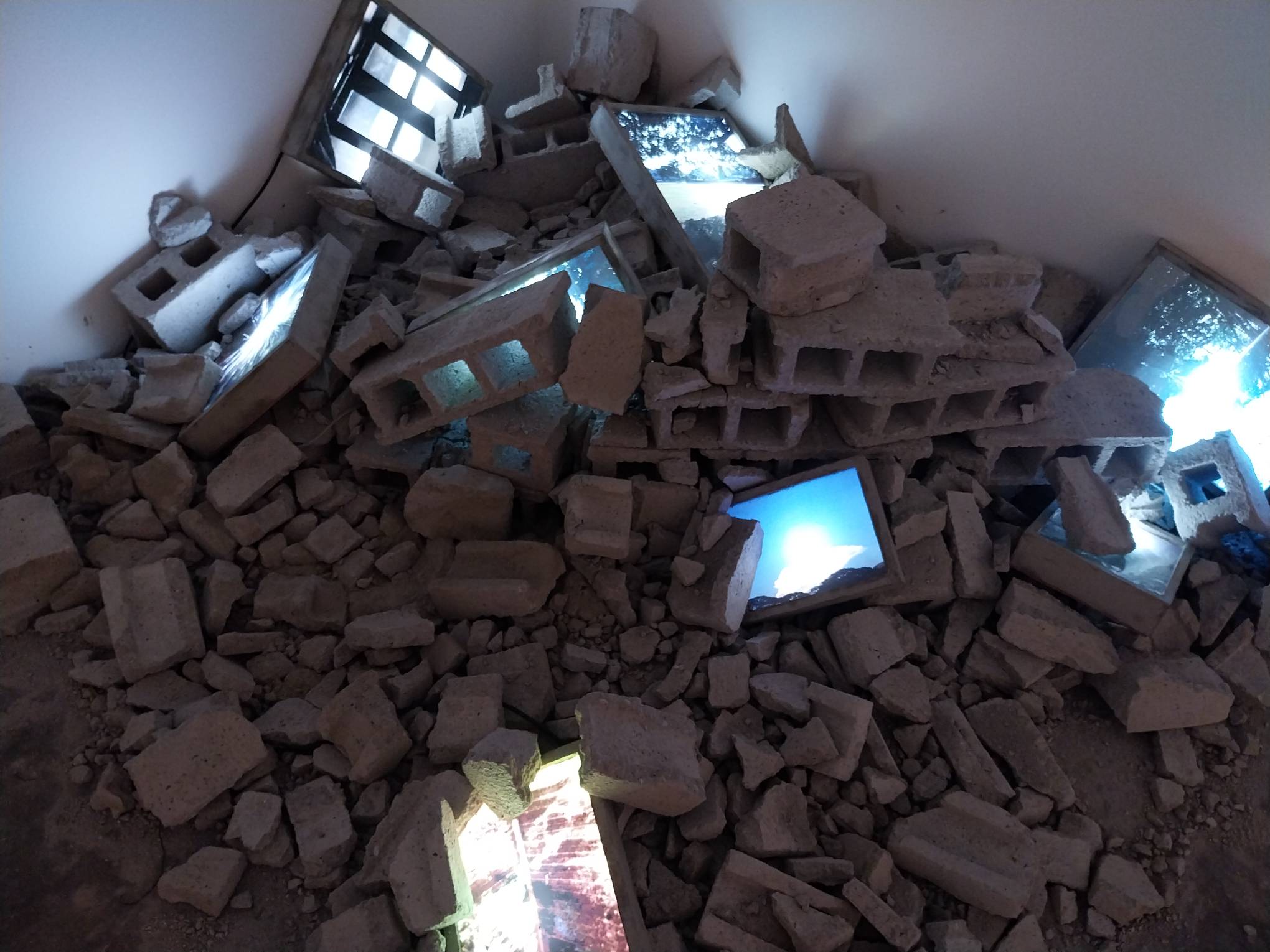
Cabangis puts them together in a huge pile, akin to the heap of detritus one would find at a construction site. In fact, anyone visiting would possibly glean over the work if not for the lightboxes inside it. These show close-ups and landscapes of the nature around us. All of them end up focusing on the way light plays with an environment, from the shades of a tree to the light peeking through the window sills.
Molding the Canvas for Construction
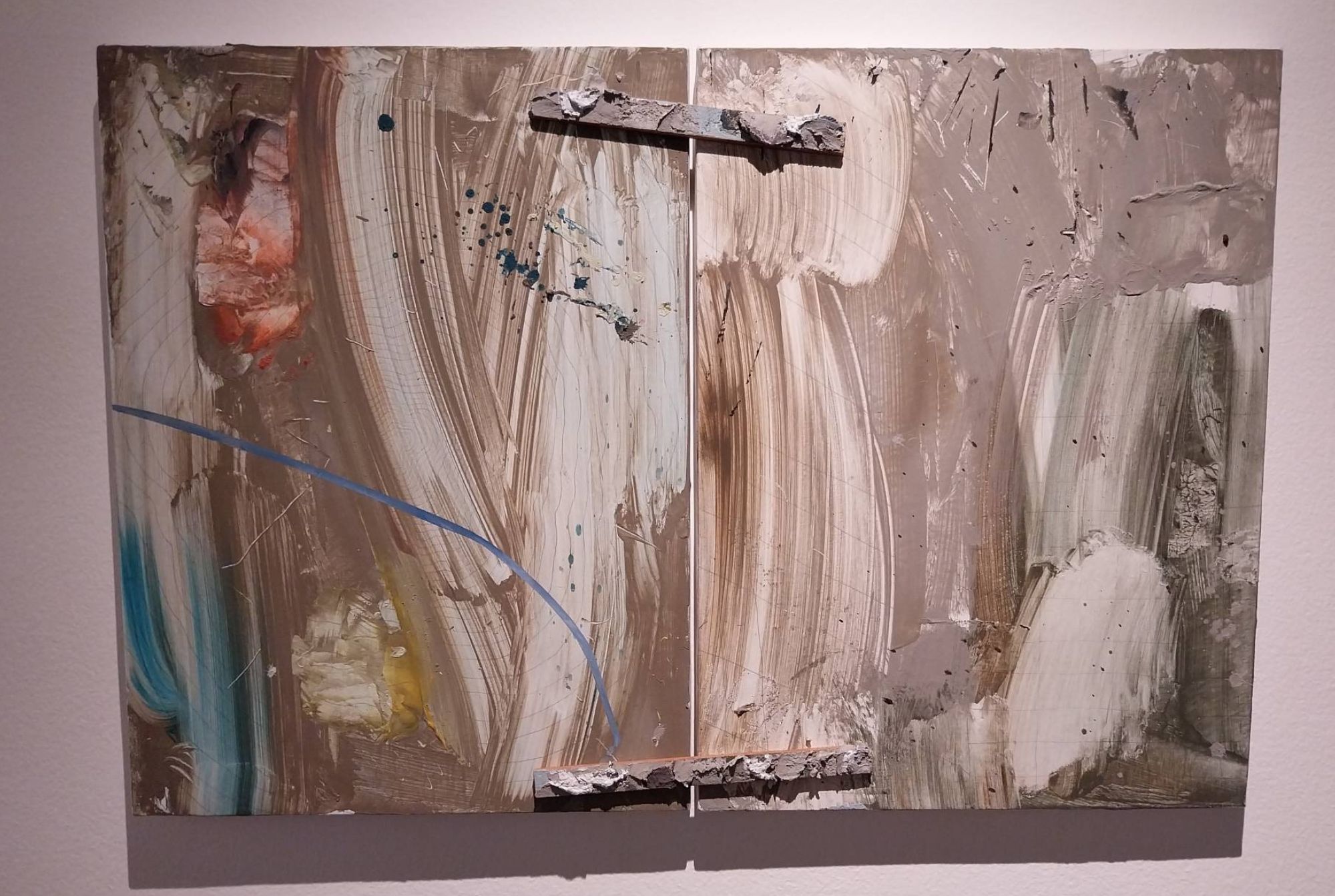
For the framed canvas works, Zean Cabangis uses a mix of acrylic paint and cement to craft a unique series of abstract paintings that evoke the unfinished nature of construction sites before everything is sanded down and painted over.
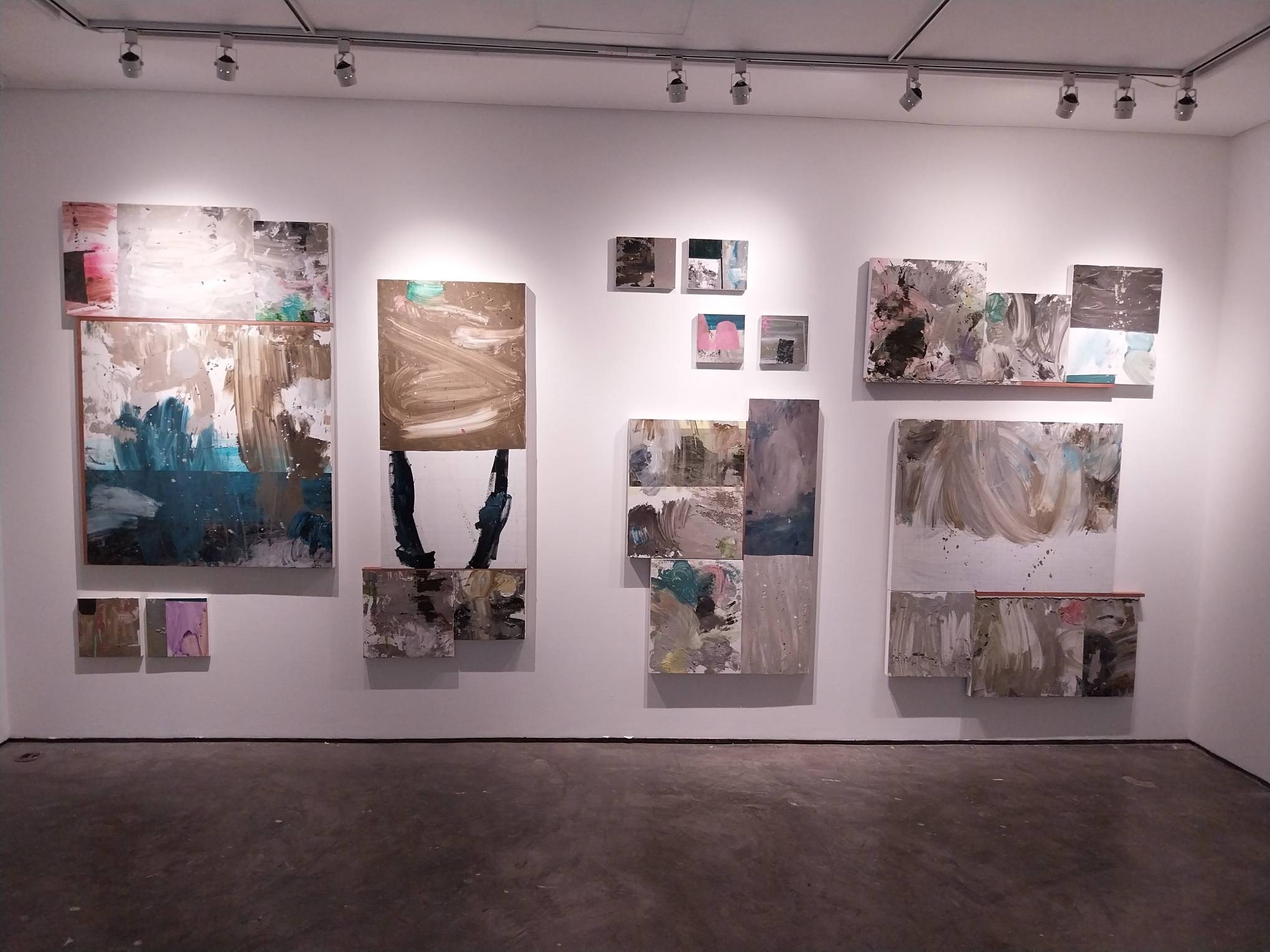
Many of the works look like wood beams and panels jerry-rigged together in the midst of construction. Some of them even contain hammered wood to bridge the two together. Frondoso said that it reminds one of “informal markers that carpenters draw before cutting through wood or stone.”
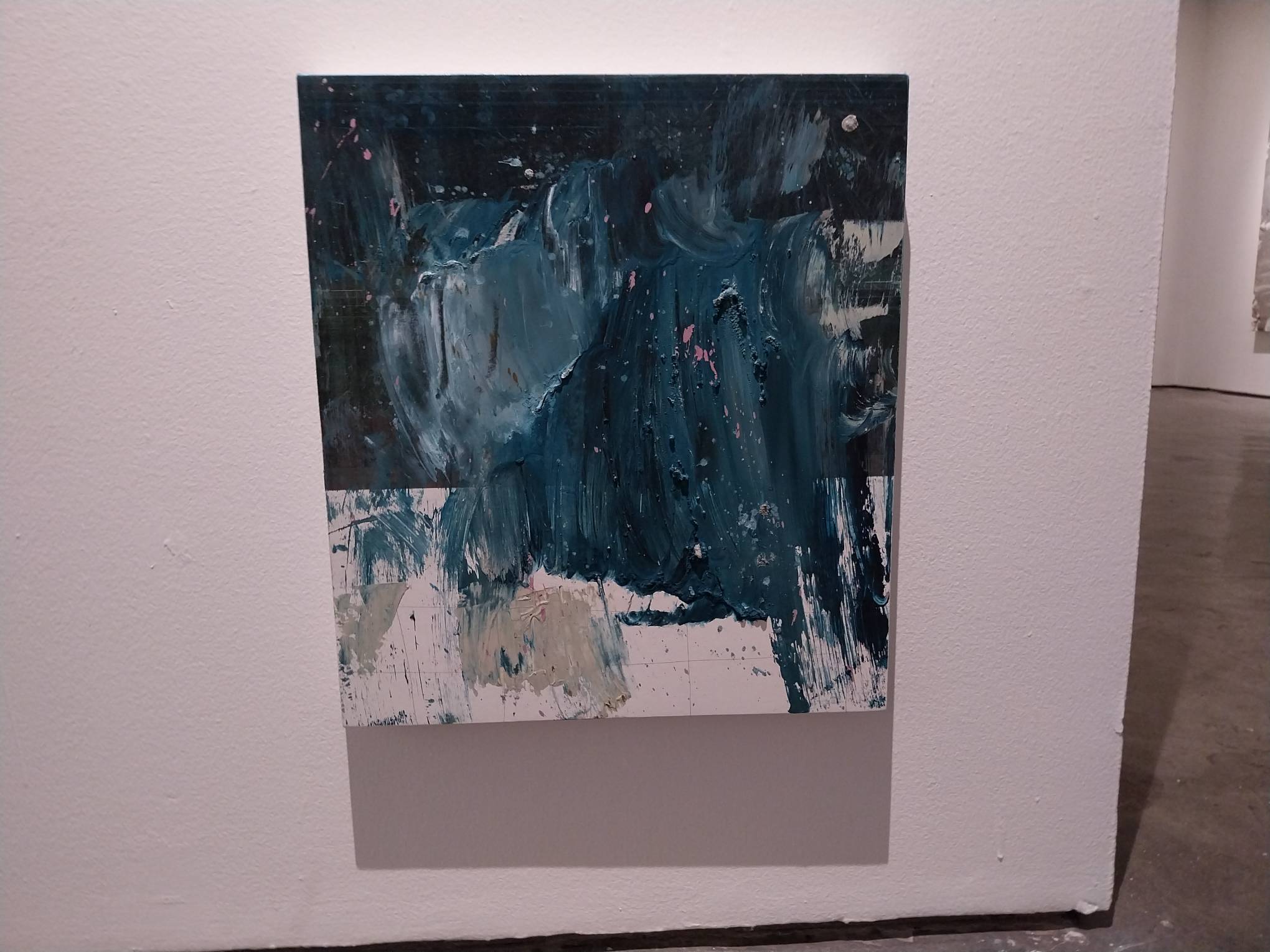
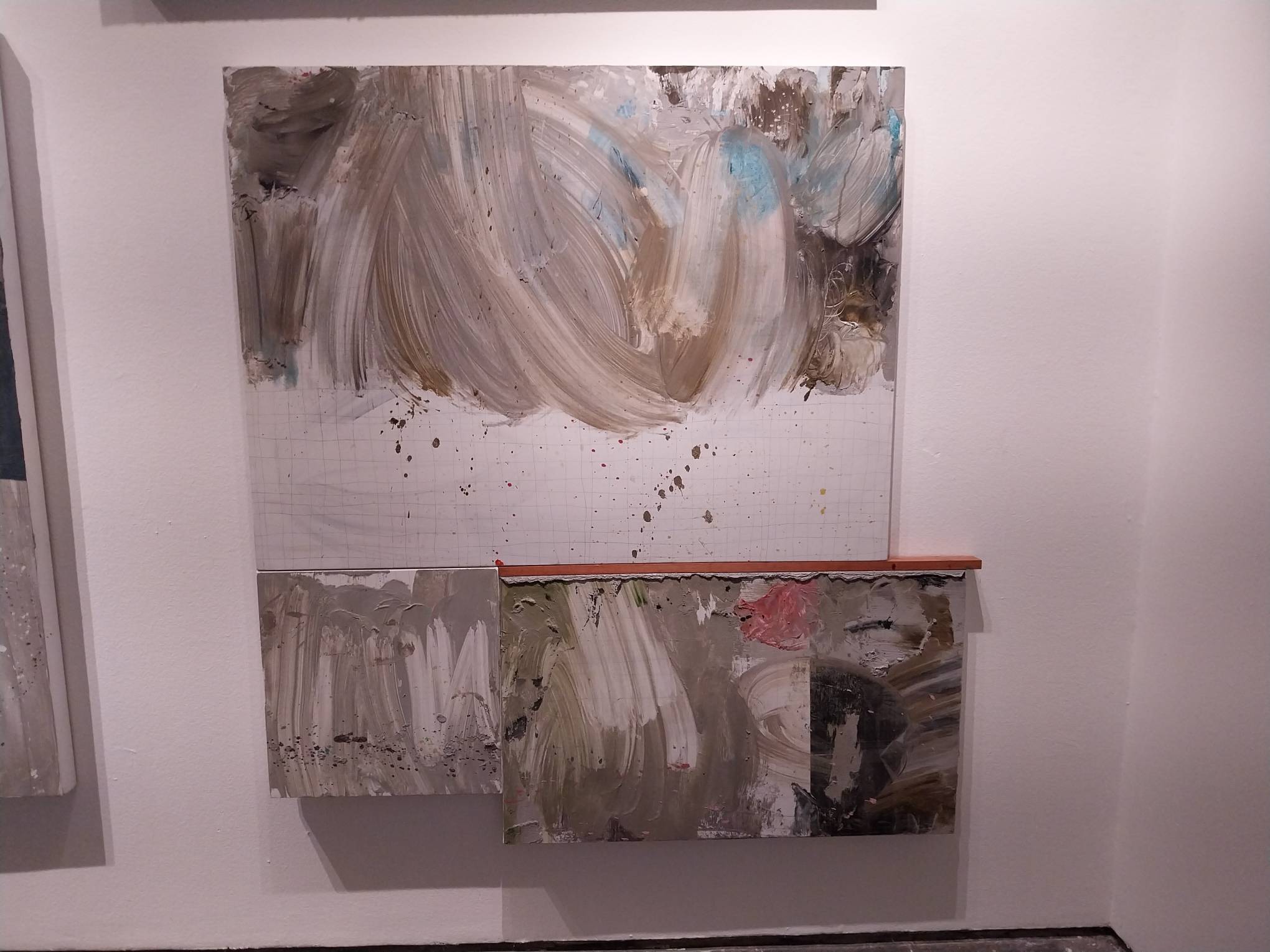
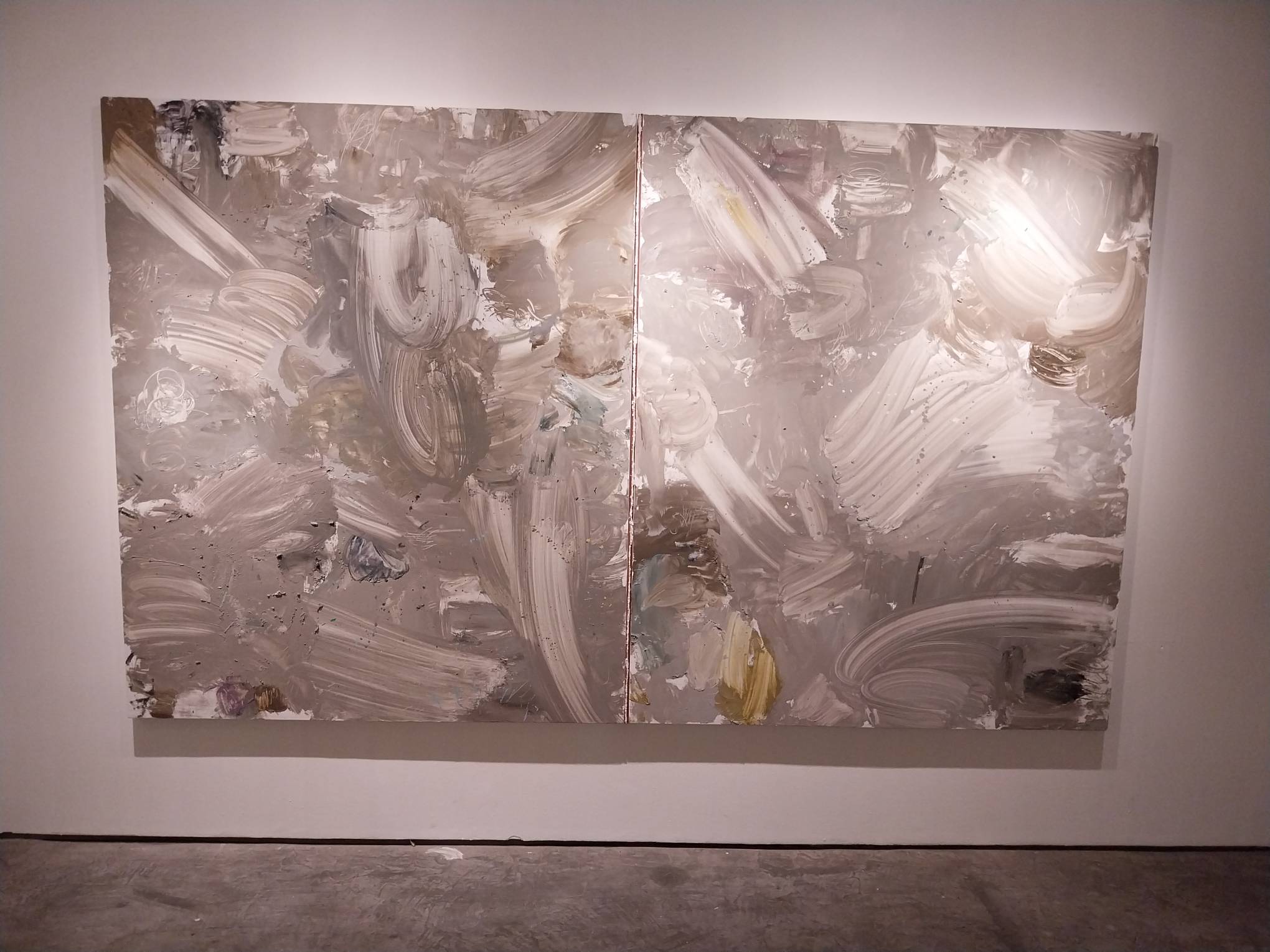
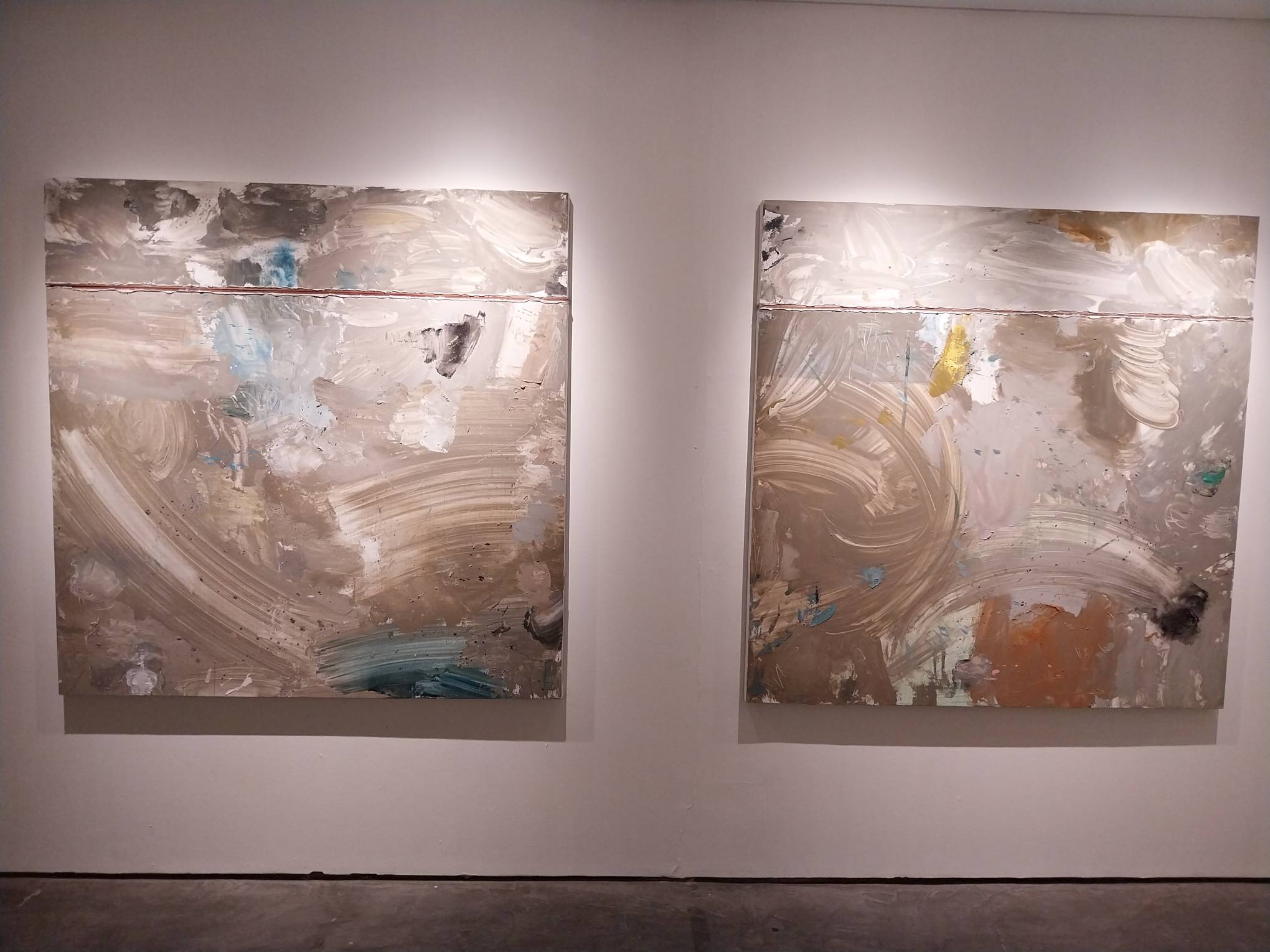
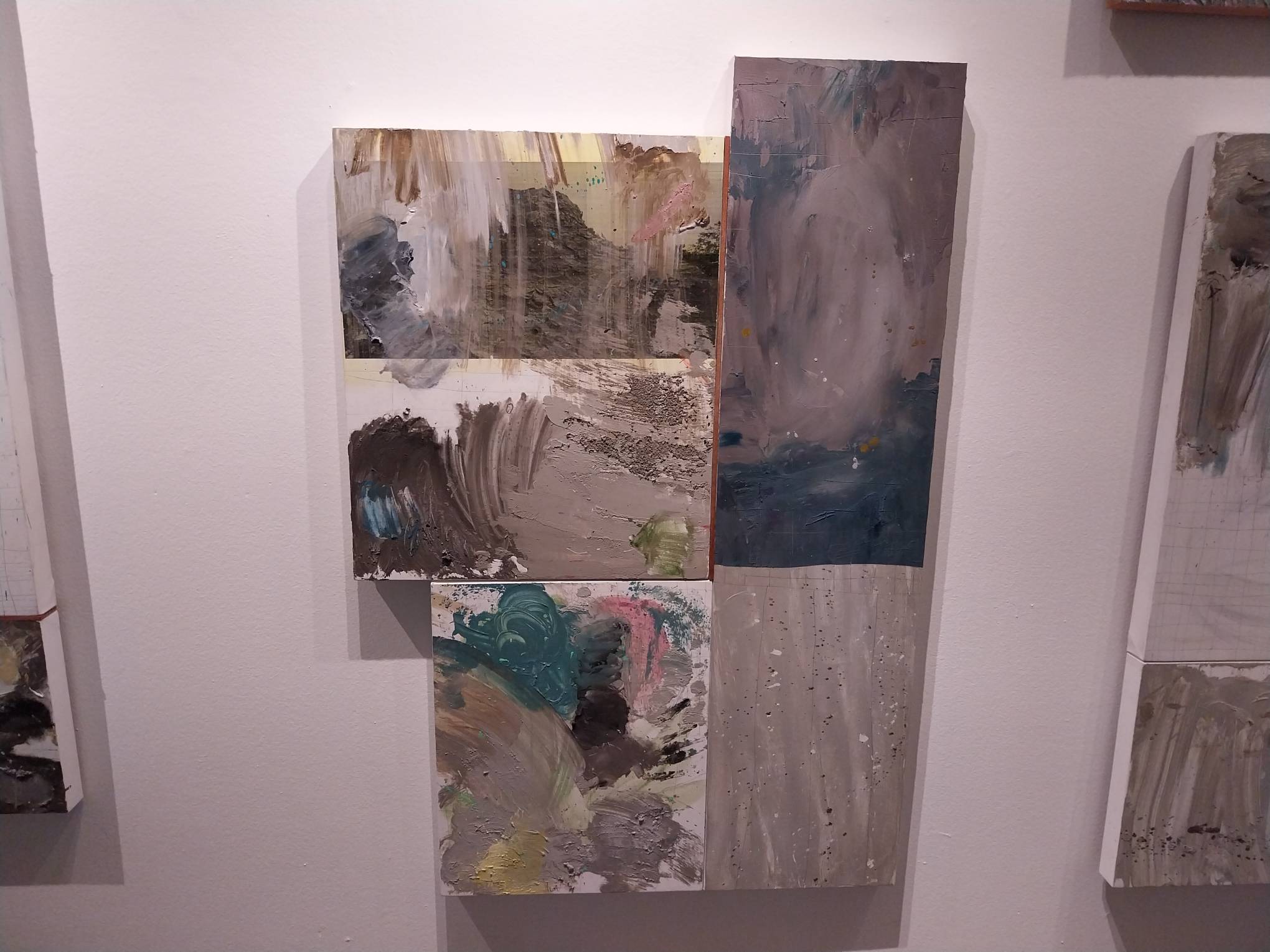
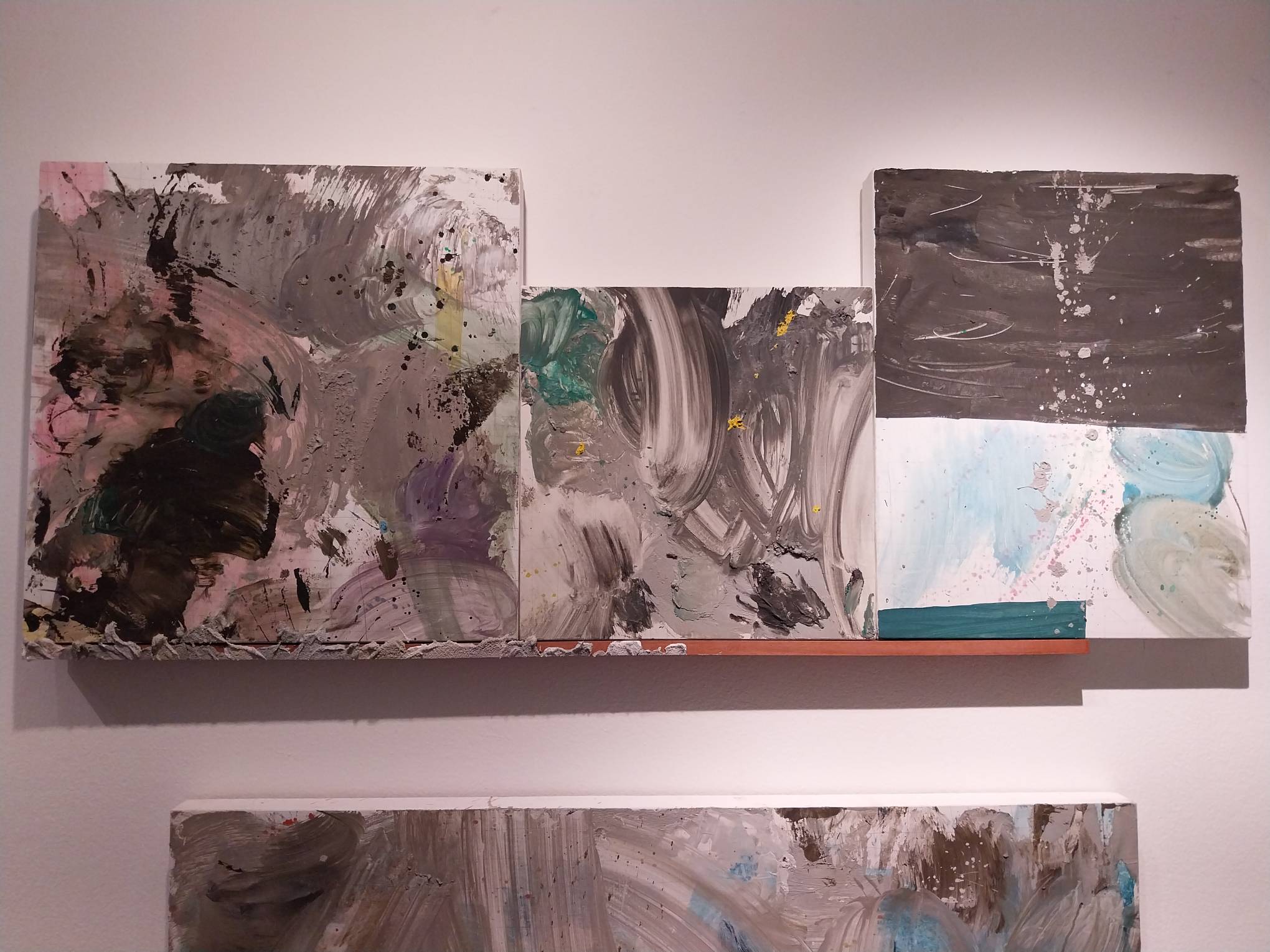
But from a personal perspective, especially with the tone of the exhibit, the works arouse feelings of natural landscapes. Each painting adopts splashes of color that, in a heavily-white-and-grey composition, looks akin to oceans and sunsets. They carry this sense of vastness to them, unexplored horizons that go beyond the built environment we create.
Searching for Sanctuary
In their write-up, Frondoso notes that Cabangis combined the two—paint and cement—to show the seeming necessity of concrete and rocks for the progress we desire. Even in our own visions of paradise, nothing is untarnished; everything is touched by progress.
“Concrete and cement have come to symbolize their most common use—for making a foundation on which to build something upon. Cement also signifies hard labor, which some believe is a prerequisite to attaining paradise,” they wrote.
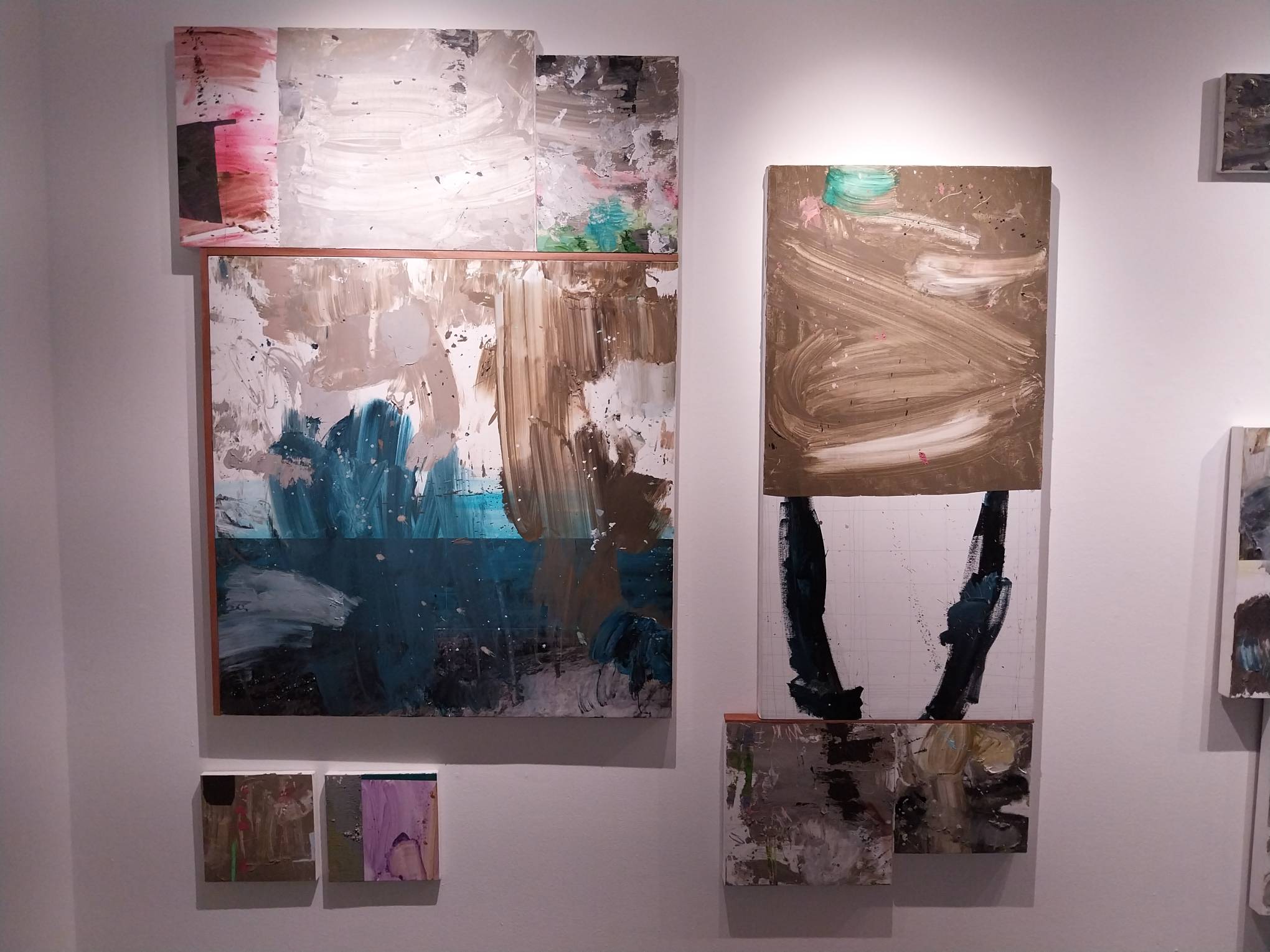
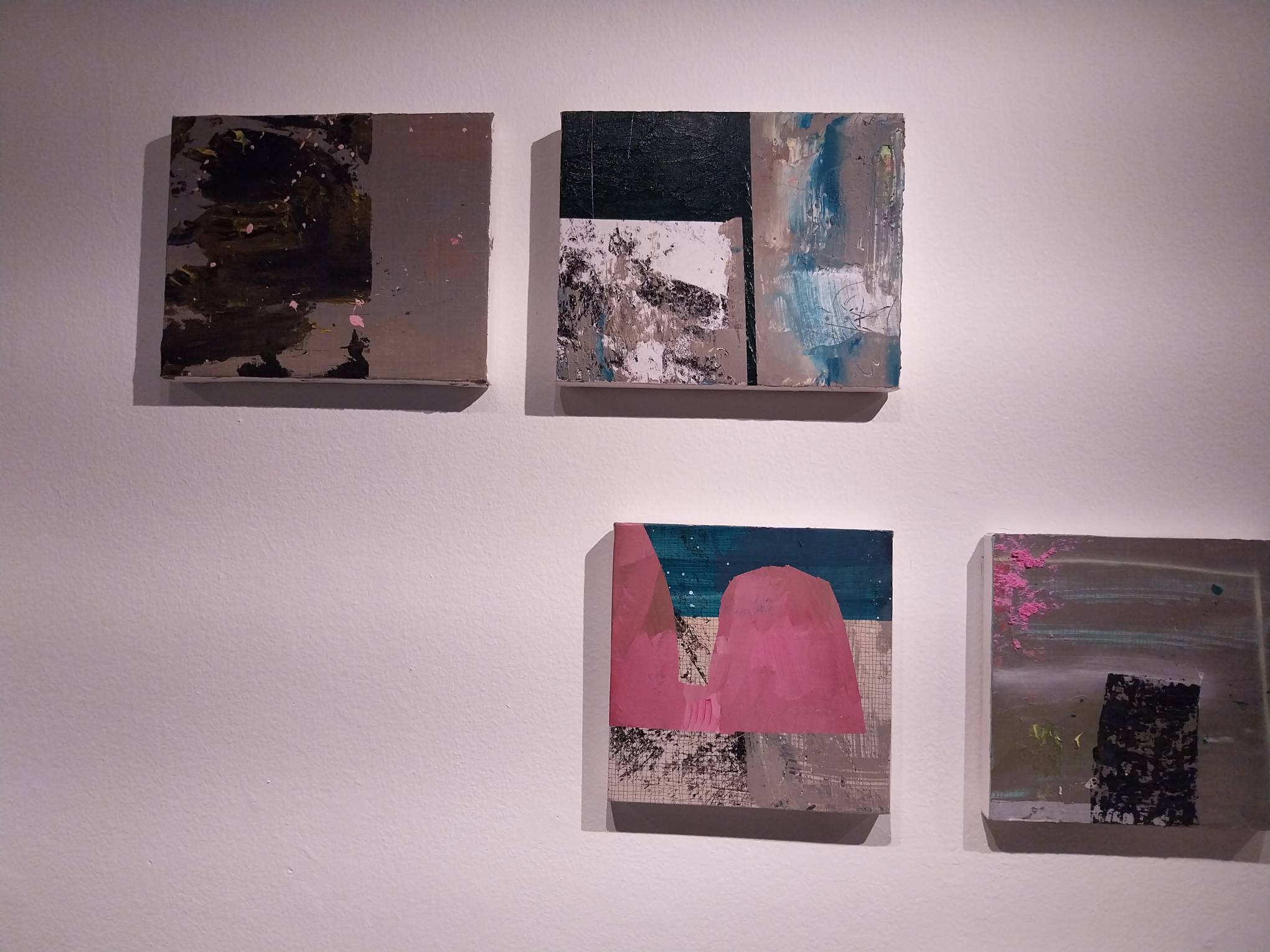
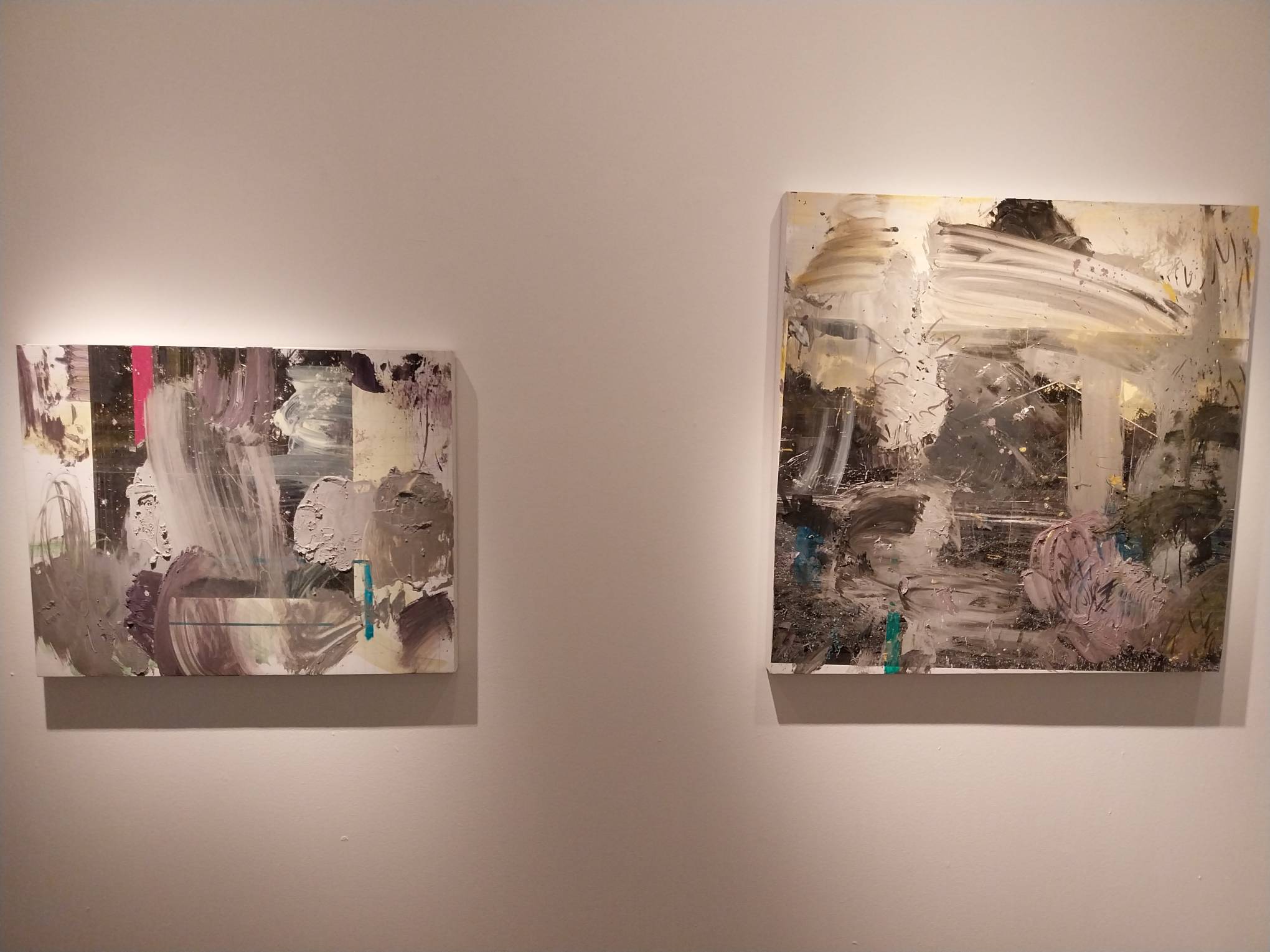
This level-headed perspective does seem to be the way Zean Cabangis approached the exhibit’s themes. Instead of judgment towards the way (to paraphrase Joni Mitchell) we paved paradise for a parking lot, the works appear to push for a reinterpretation of it in the aftermath of the world we created. Shouldn’t paradise be for everyone?
Nawawalang Paraiso probes our perspective of paradise in a society built for progress. It lets us envision the sunsets and the oceans, the beaches and forests from the perspective of construction materials. And from there, allows us to question if these two ideas can co-exist together.
Related reading: ‘Travel Light’: Pete Jimenez Finds Life in Construction Detritus
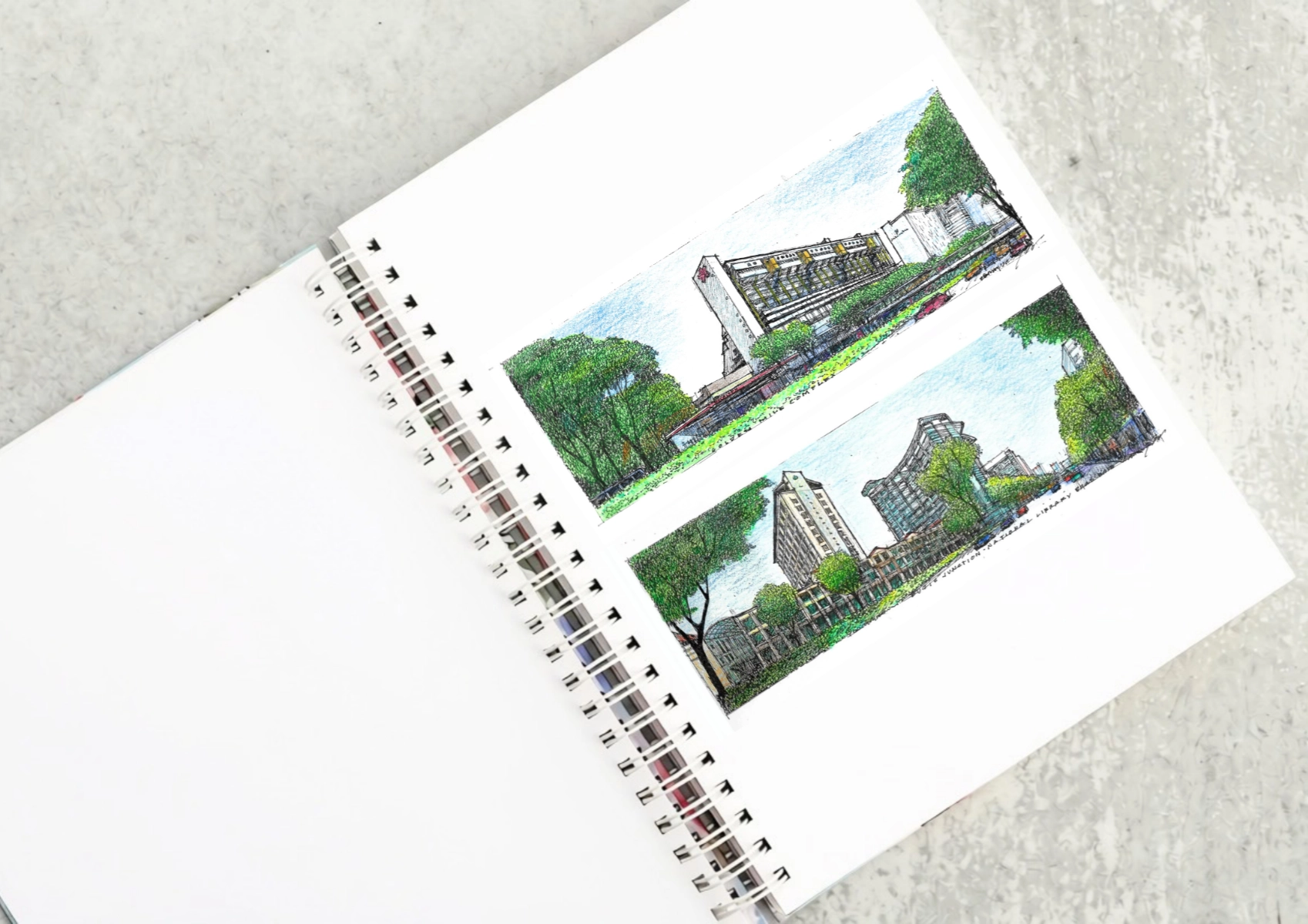
Two sketches of Singapore connect BluPrint Editor in Chief Paulo G. Alcazaren’s personal and professional history with Shared Ground: ArchitectureArchitectureThe art and science of designing and constructing buildings, structures, and spaces that are functional, safe, and aesthetically pleasing. It encompasses the planning, design, materials, and techniques used to createGo to Architecture Glossary of Care, Culture, […]
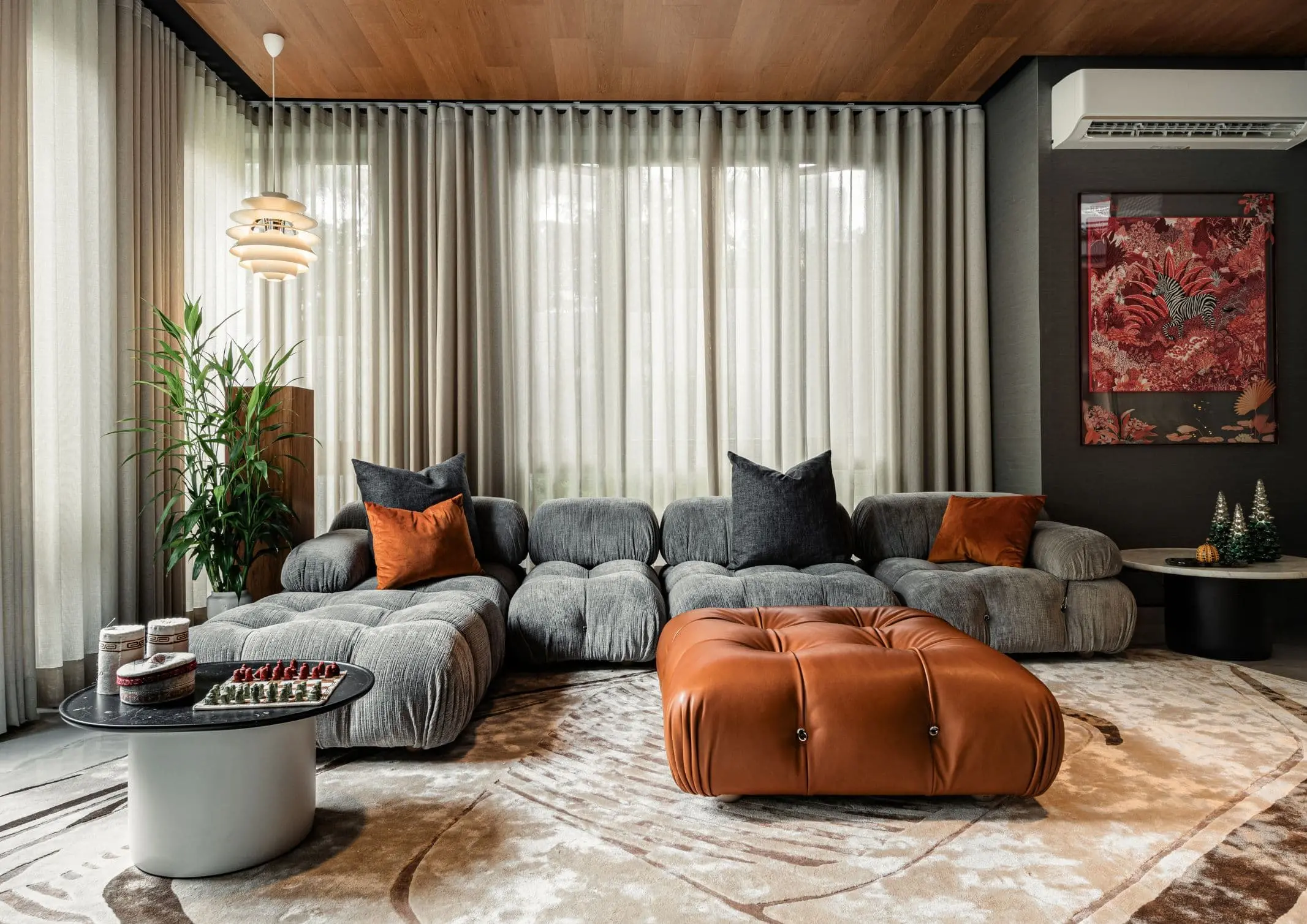
Some have become household names – Coleman, Oster, and KitchenAid – products that have found their way into Filipino kitchens, homes and family routines. In home furnishings, brands such as B&B Italia, Ethan Allen, Sub-Zero, Miele, SieMatic, Louis Poulsen, Hunter Douglas, Tempur, and Technogym, have helped shape the way Filipinos live. From everyday essentials to […]
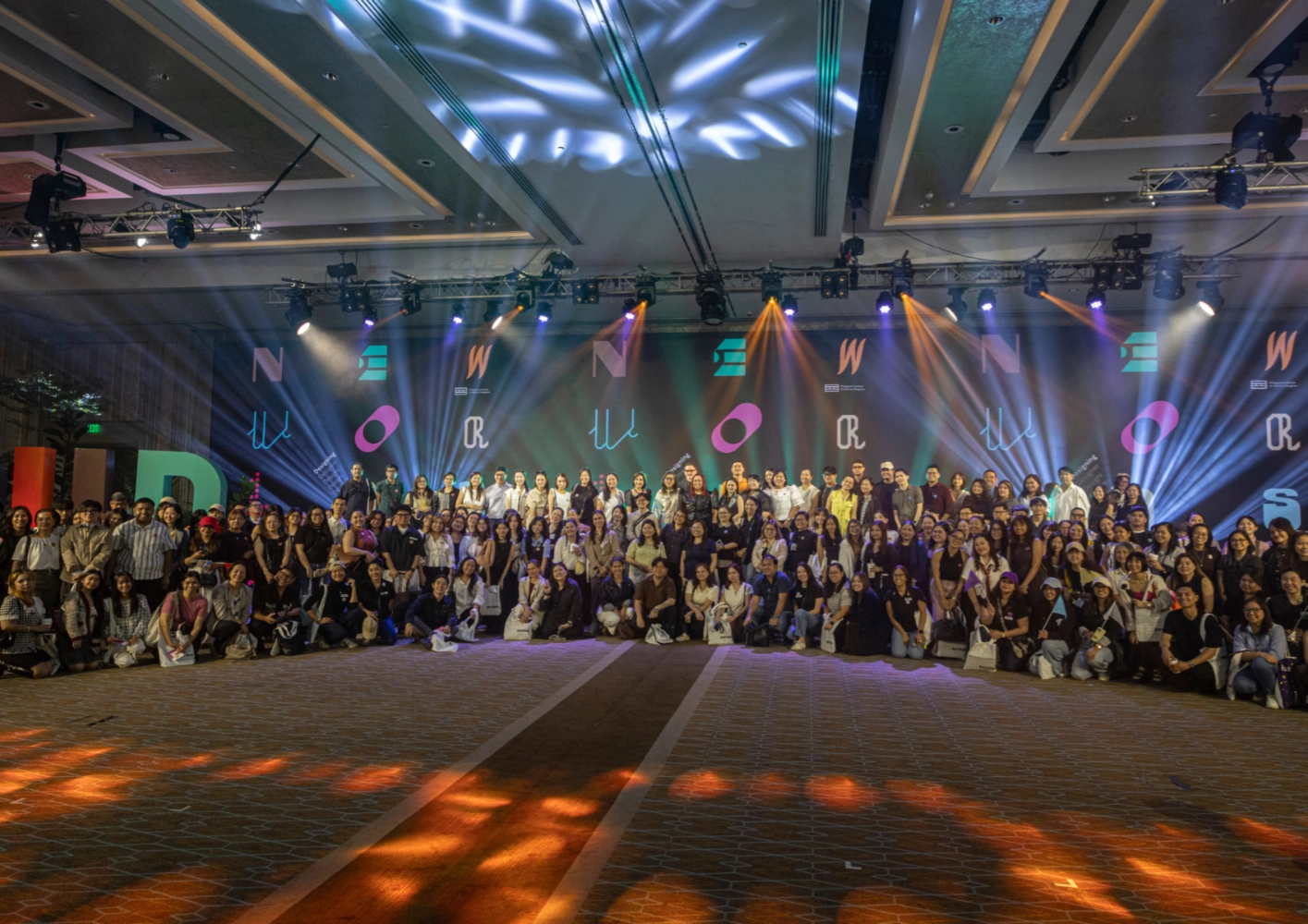
In a way, designers are the modern-day soothsayers and prophets. They design for the future, predicting how a room, a house, a building or a whole city will be used by people. They foresee how users will interact with a space, conjure exact shades of colors to elicit specific behavior and arrange furniture to build […]
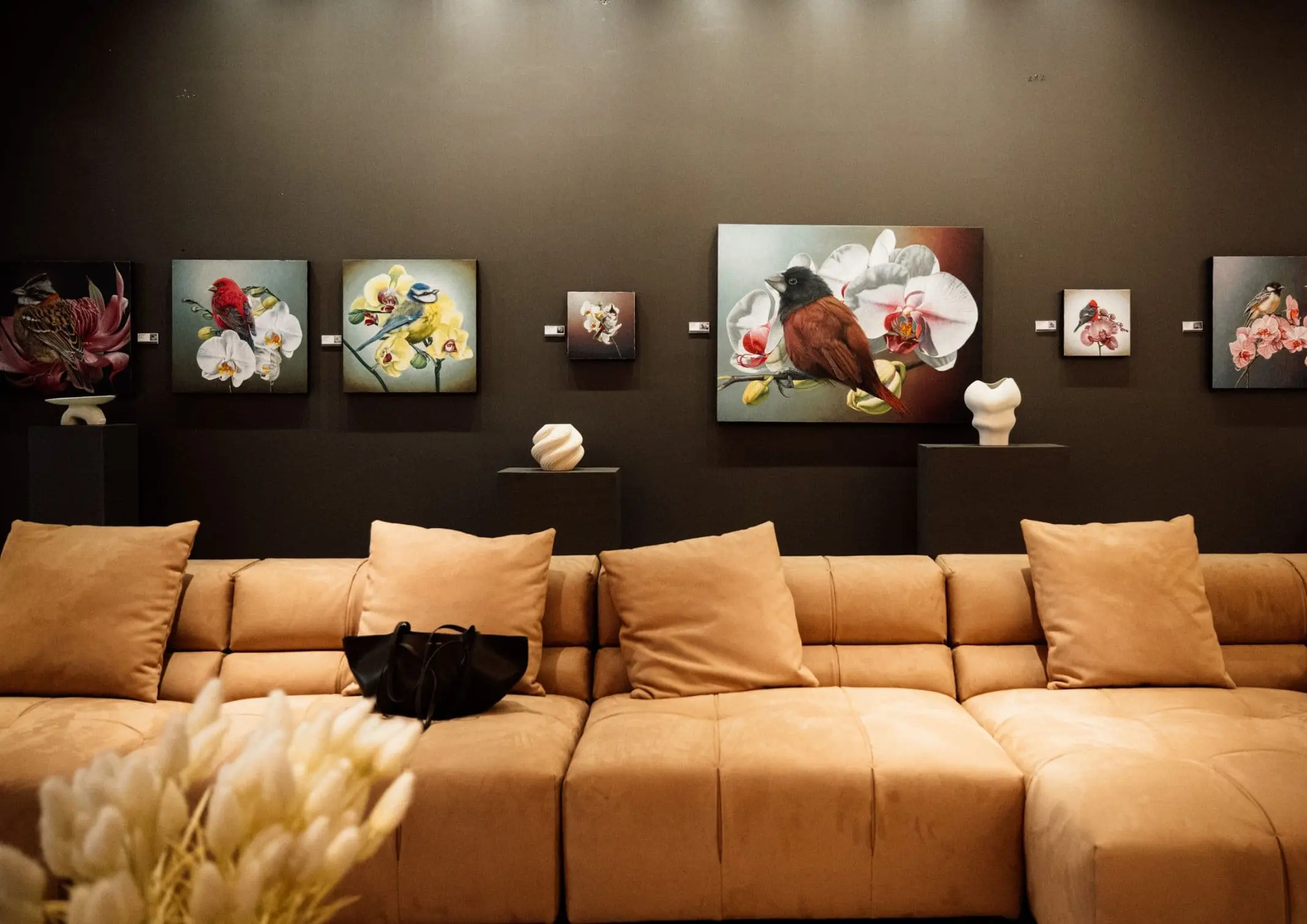
Art and furniture are often selected separately, yet their relationship can shape how a room looks and feels. The collaboration between Hooga and Galerie Joaquin explores how these elements can work together, bringing contemporary artworks into furnished residential settings at Hooga’s showroom in Uptown Mall, Bonifacio Global City. For Hooga, which curates furniture, lighting, and […]
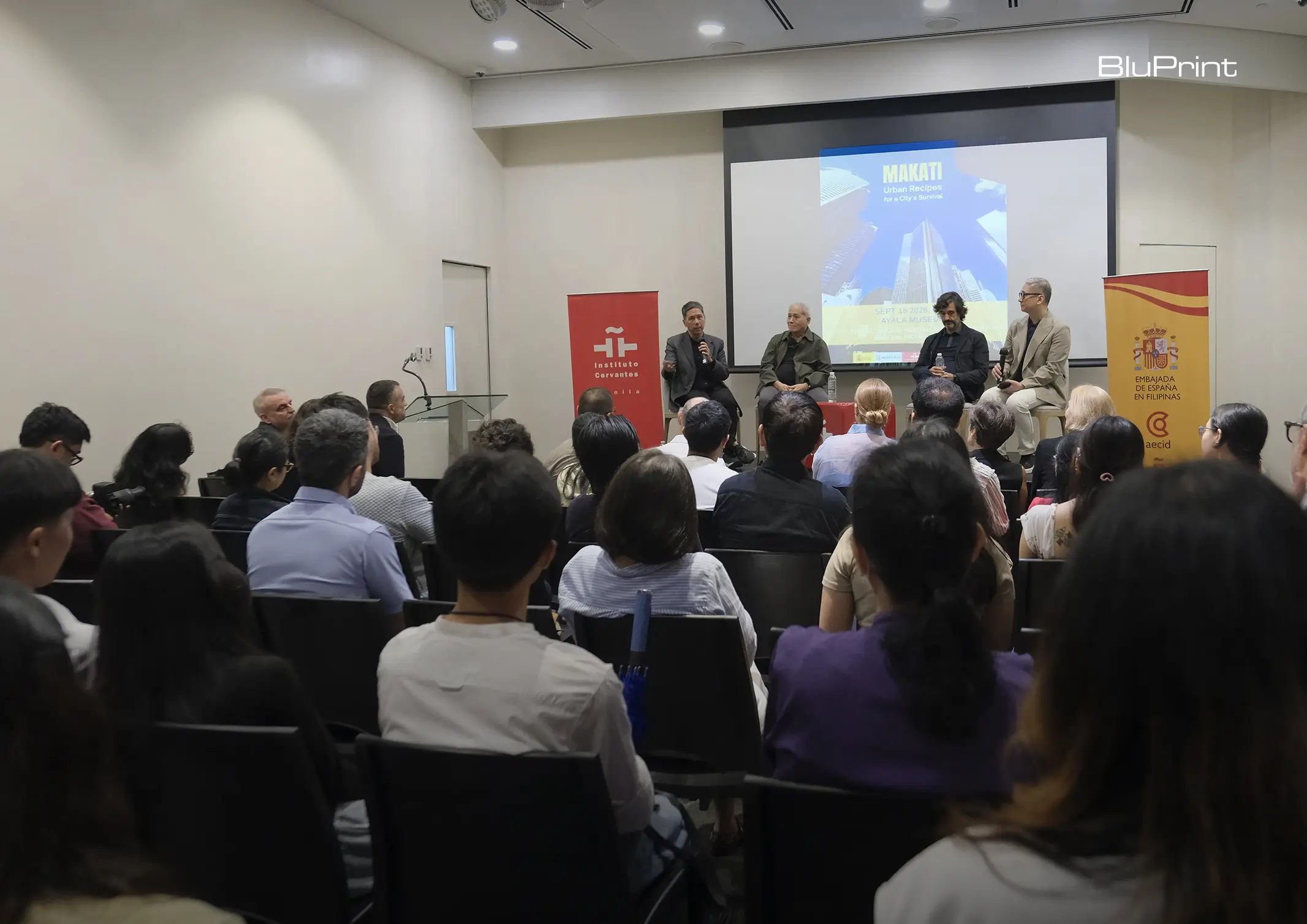
How can better-planned cities create the conditions for more creative, livable, and resilient urban environments? “Makati Urban Recipes for a City’s Survival,” a colloquium held at the Ayala Museum on September 15, brought together architects and practitioners from the fields of urbanism and the creative economy to discuss how design, planning, and collaboration can address […]
Read the issues.

Collect the volumes.

Recommended Video
Tap to Unmute
Unmute
0:00
0:00