Bigkis is the act of binding. In Tagalog, the word can refer to something used to bind or encircle, as well as a bundle formed by tying several separate elements together. Figuratively, it can also mean a bond, union, or unity. The meanings move from the physical act of joining things together to the connection […]
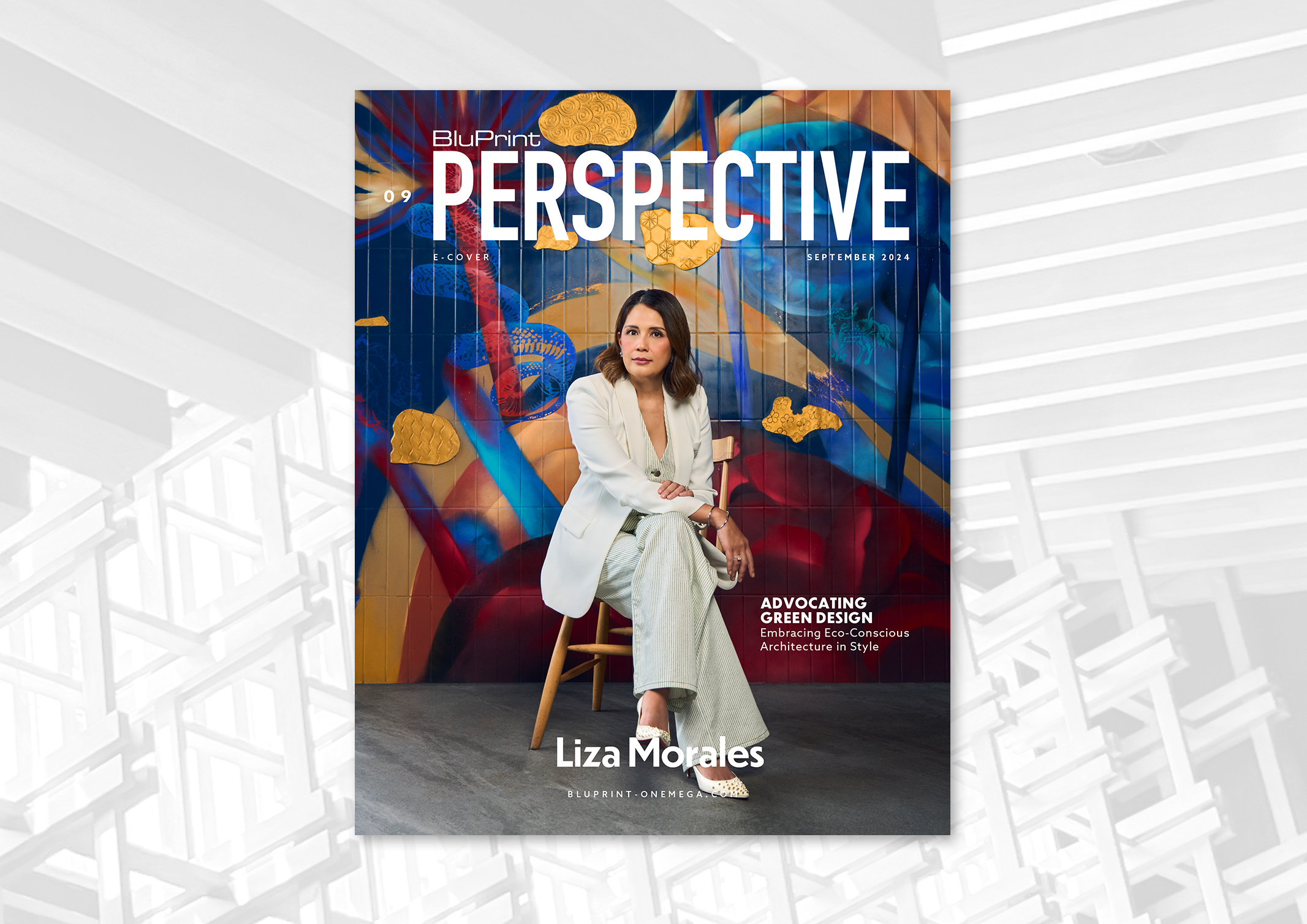
Making Sustainability Mainstream: Liza Morales’ Commitment to Eco-Architecture



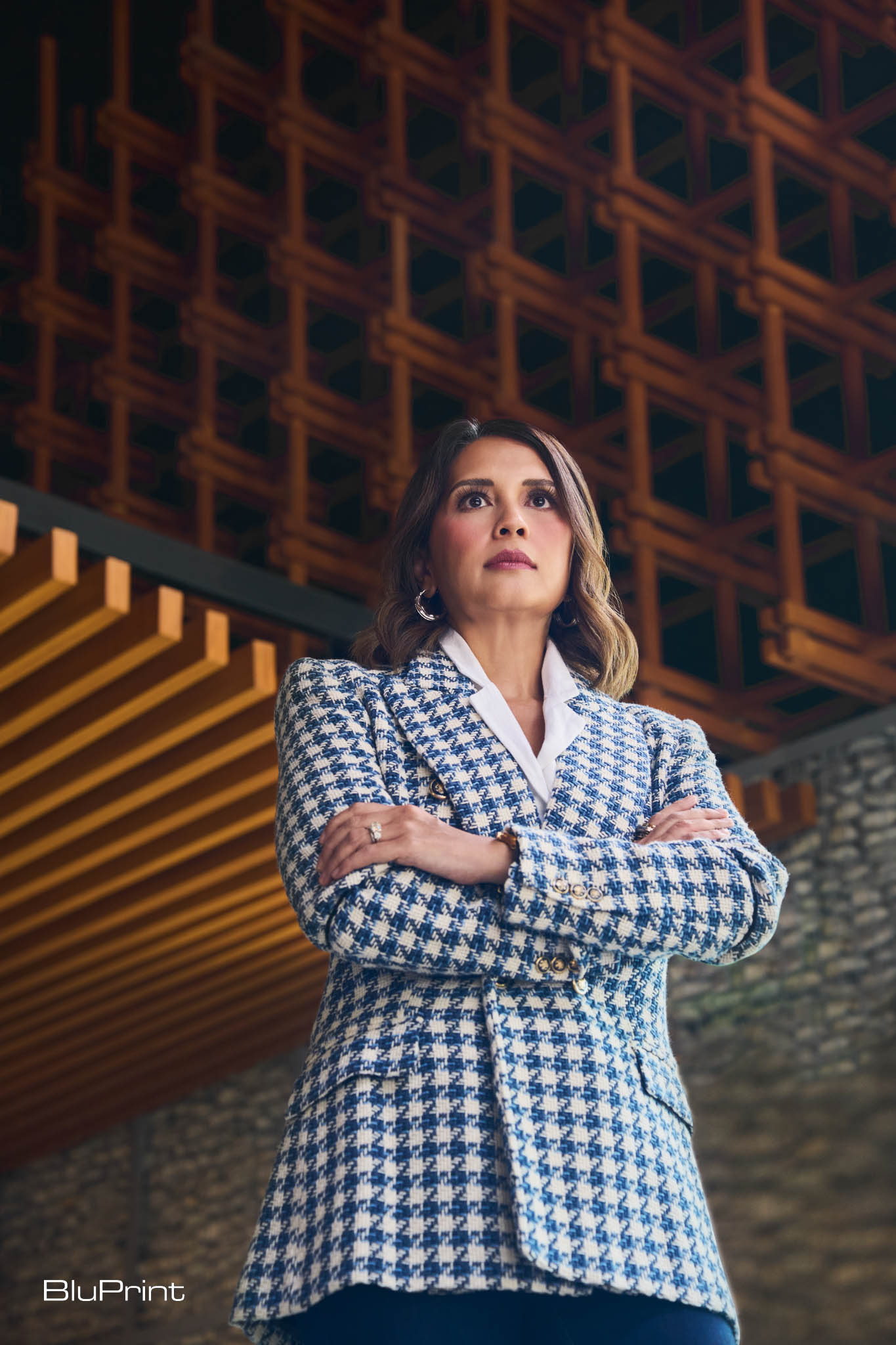
“Sustainability is my passion and it’s tied to my design practice,” architect Liza Morales says. “When I went to school in Columbia in New York, I knew from day one I was going to move back to the Philippines. My heart was set on doing something sustainable. Fifteen to 20 years ago, sustainability was unheard of in the Philippines.”
Morales started her journey in sustainability during her time in the United States. One of her first projects abroad was chef Thomas Keller’s restaurant Per Se in New York. “I got exposed to all different opportunities and different specializations. With regards to architectureArchitectureThe art and science of designing and constructing buildings, structures, and spaces that are functional, safe, and aesthetically pleasing. It encompasses the planning, design, materials, and techniques used to createGo to Architecture Glossary, it was an exciting time to be in New York. I learned a little bit about sustainability and how it affects architecture. So that was something that I wanted to bring back home,” she recalls.
To further her knowledge in green buildingGreen BuildingA building designed, constructed, and operated to reduce its environmental impact across its entire life cycle. It prioritizes energy and water efficiency, healthy indoor air, and responsible materials, and inGo to Green Building Glossary and sustainability, Morales attained Leadership in Energy and Environmental Design (LEED) accreditation. LEED is the benchmark in green building and the world’s most recognized system in building sustainably issued by the U.S. Green Building Council.
When Morales moved back to the Philippines in 2009, sustainability was still at its infancy in the country. “There were a lot of things that we didn’t know as architects and [sustainability] was a growing industry at that time. So for me to get the LEED accreditation was very important so that I had some credibility as far as sustainability is concerned.”
How Does Liza Morales Practice Eco-Conscious Architecture at the PSSLAI Headquarters?
Her work at her firm Ecotecture Design Studio is imbued with the values, techniques and holistic approach that comes with having LEED credentials. The 12-story Public Safety Savings and Loan Association Incorporated (PSSLAI) Headquarters along EDSA features on its facade one of the very first vertical gardens in the country. Double glazed Low E windows control and reduce solar heat. The building also has a rainwater harvesting system and a green roof, which were pioneering technology at the time.
“So that was a landmark project as far as our design firm is concerned because that was one of the first few projects we worked on when I started my practice here in the Philippines having moved from New York. What made it interesting was that the clients wanted something that the Philippines has not seen,” Morales describes. “It was going to be the first green buildingGreen BuildingA building designed, constructed, and operated to reduce its environmental impact across its entire life cycle. It prioritizes energy and water efficiency, healthy indoor air, and responsible materials, and inGo to Green Building Glossary on EDSA. It was a challenge because a lot of the materials, the finishes or a lot of the technologies were not yet readily available as sustainability was still kind of like in its early stages.”
Ramen Yushoken, Hapag, and AYÀ: Materiality and Detail
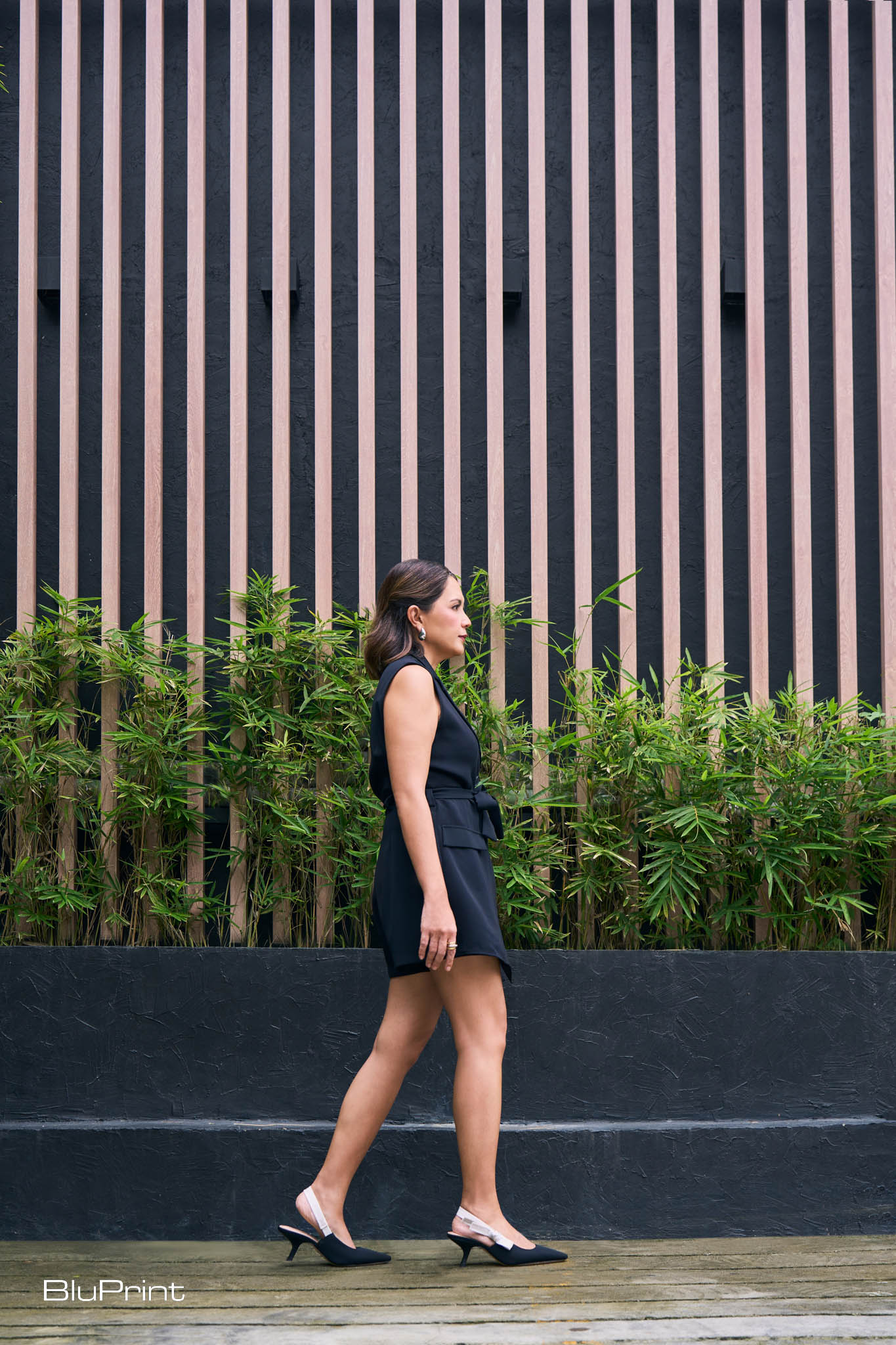
Ecotecture Design Studio is also adept in designing restaurants and applying a detailed approach. The Ramen Yushoken branch along Panay Avenue in Quezon City is a fine example. It takes into account the brand’s identity as a younger, bolder sibling of its sister brands. It also reflects Japanese sensibilities in its materialities—organic forms in the stone gabion and the orderly vertical wooden slats found on its facade.
Liza Morales also designed the new home of Hapag and AYÀ, a restaurant and a bar, respectively, in a bi-level space at The Balmori Suites in Makati City. “We haven’t really done a full on modern take on a Filipino restaurant yet. So it really pushed our boundaries to really think outside the box,” she says.
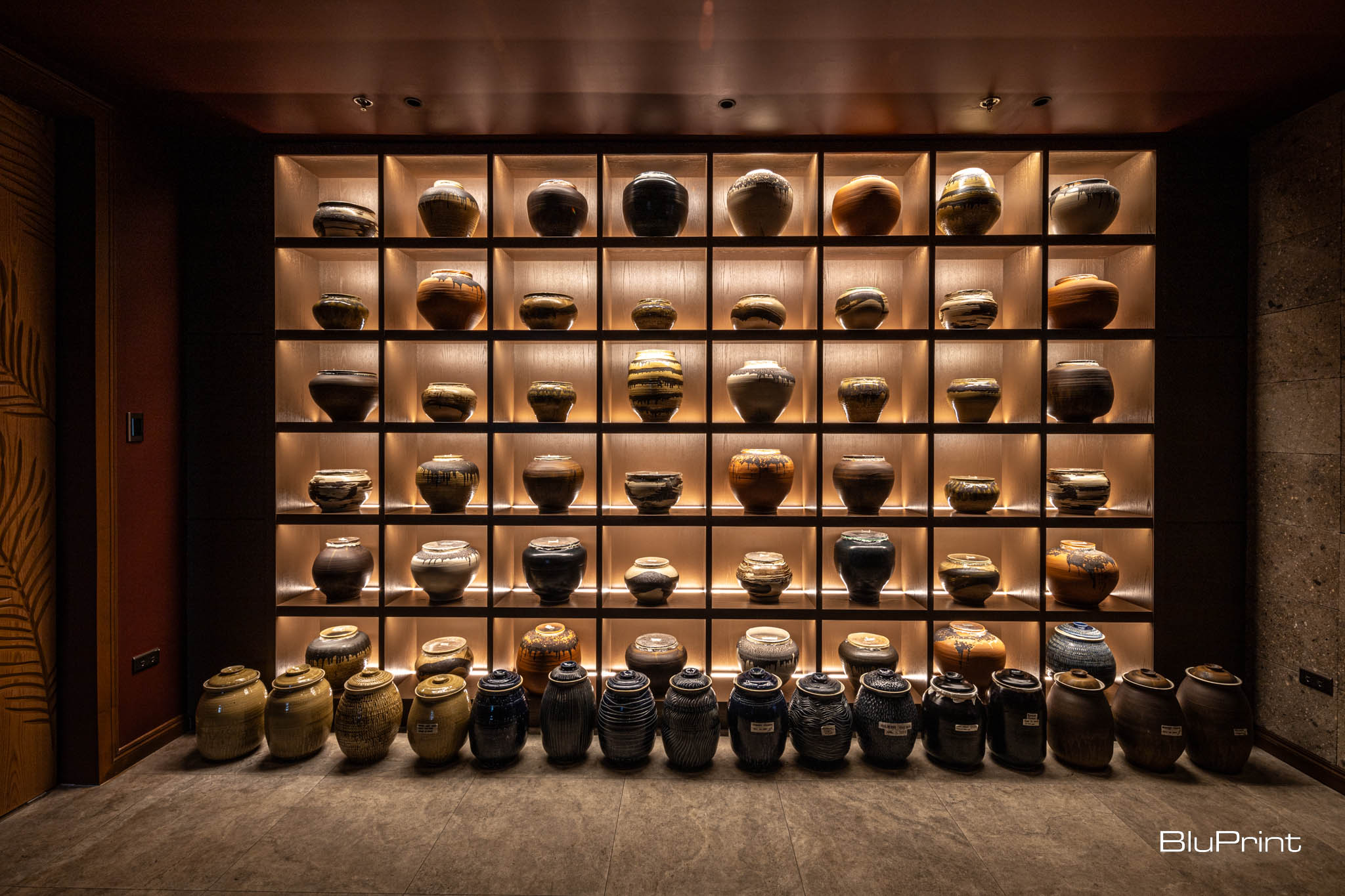
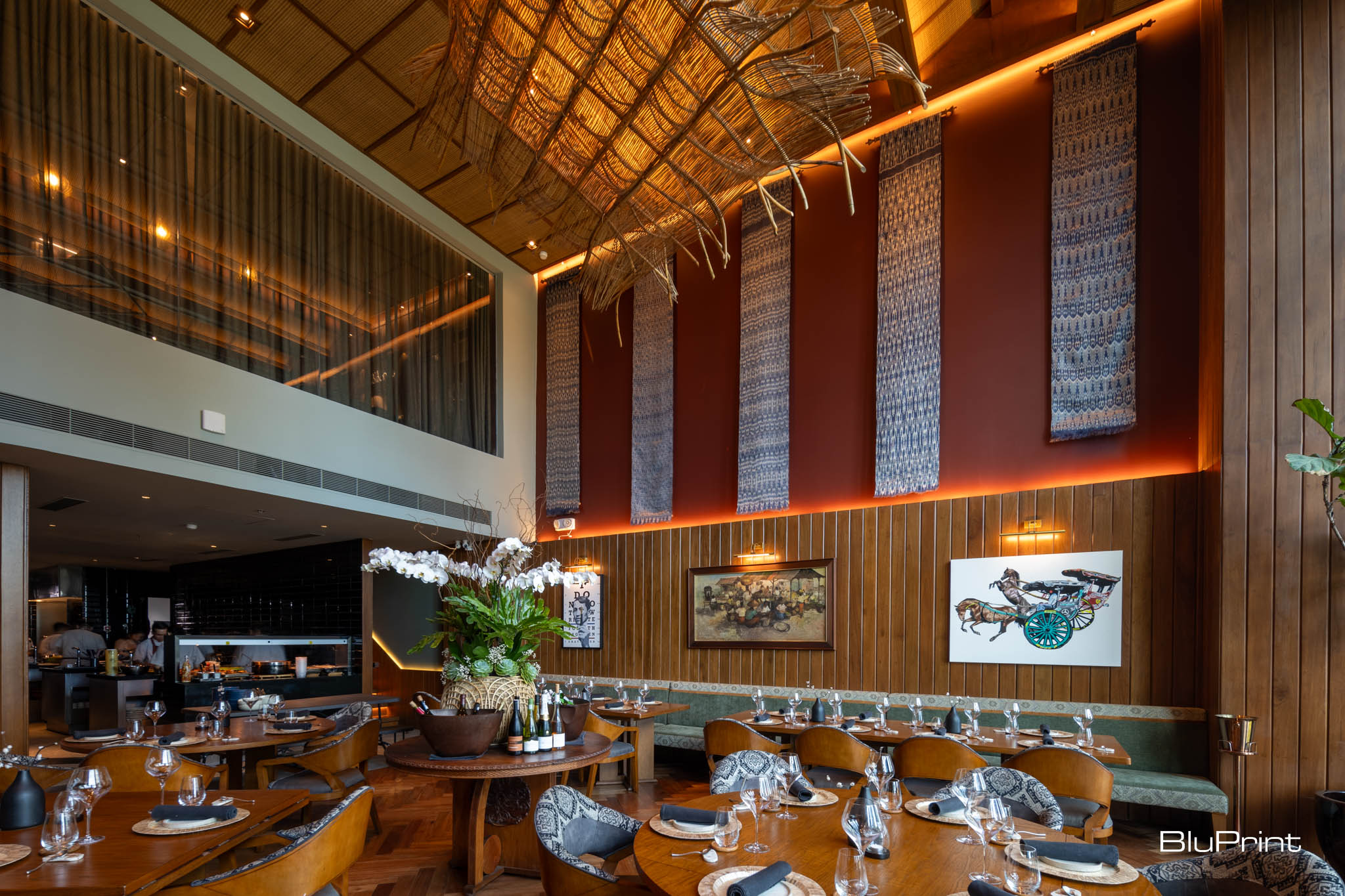
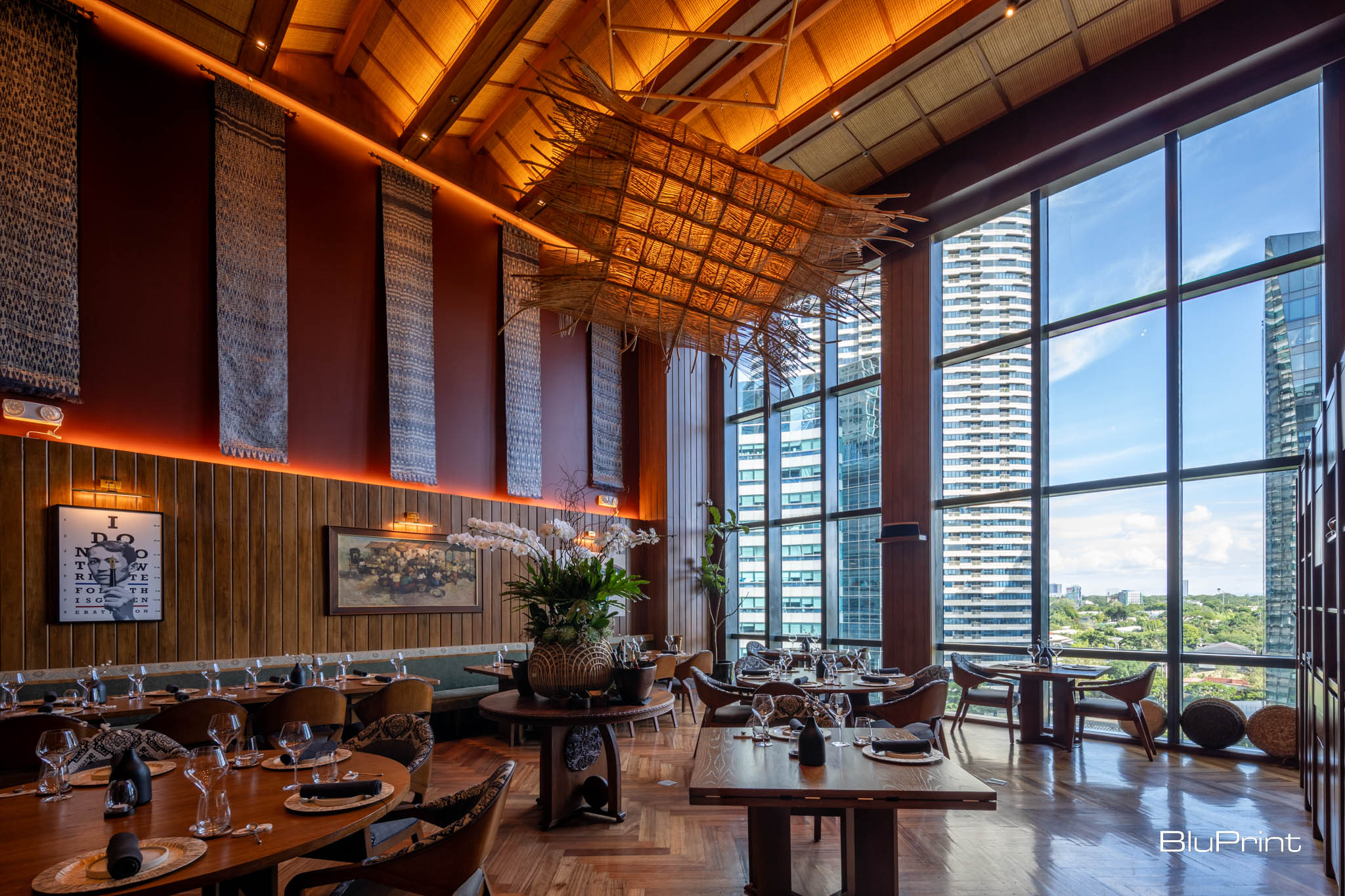
The clients, who are chefs and partners of Hapag and AYÀ, didn’t want a typical Filipino restaurant look. They wanted the interiors to reflect the same creativity they push out on their plates. “We explored a little bit with the materials. We would make references to Philippine ancestral homes like adobe. We used wood–parquet plank–flooring. We also used a little bit of the Machuca tiles which you would normally see in ancestral homes. What we did here was we put kind of like a creative spin to it. In the bar of AYÀ upstairs, we reinterpreted the solihiyaSolihiyaA traditional Filipino woven cane pattern, usually of rattan, formed into an open, star-like hexagonal weave. Commonly seen on the seats and backs of chairs, beds, and benches, solihiya keepsGo to Solihiya Glossary pattern using bronze metal patchwork to wrap around the bar.”
Personalized Residential Design: The Client Interview
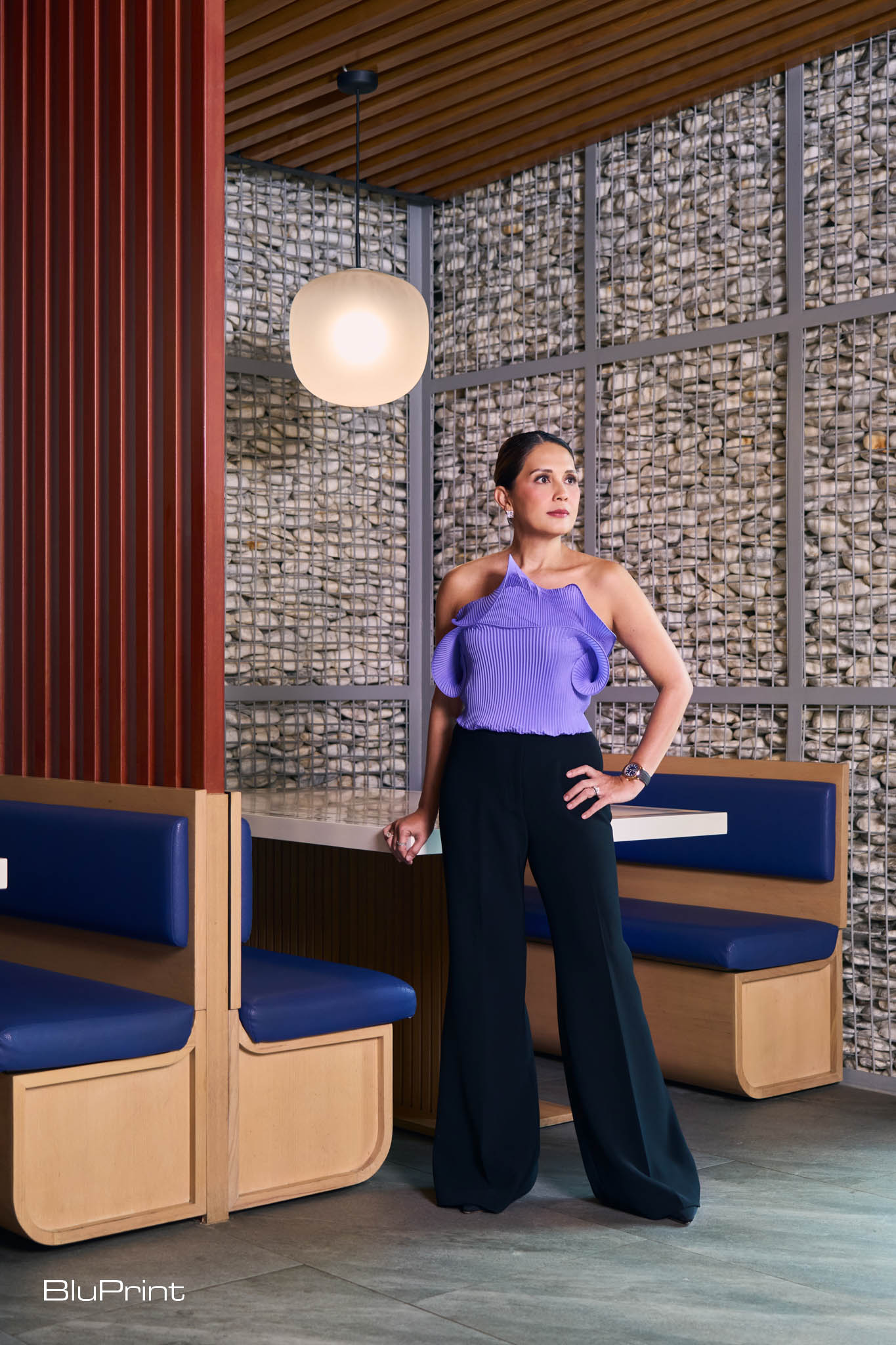
Residential projects follow the same design process as commercial projects. She sits down with her clients and goes through a meticulous and lengthy interview with them to really understand who she’s designing for.
With residential projects, however, things are more personal. Morales wants to know the first thing the clients do when they wake up, for instance, or how often they entertain, or even check on their mental health. “We really listen to the client to make sure that we understand how they use the space and how they envision using [it],” she adds. “Residential projects are very emotional for the owner.”
G House, Cavite: Renovation and Upcycled Materials
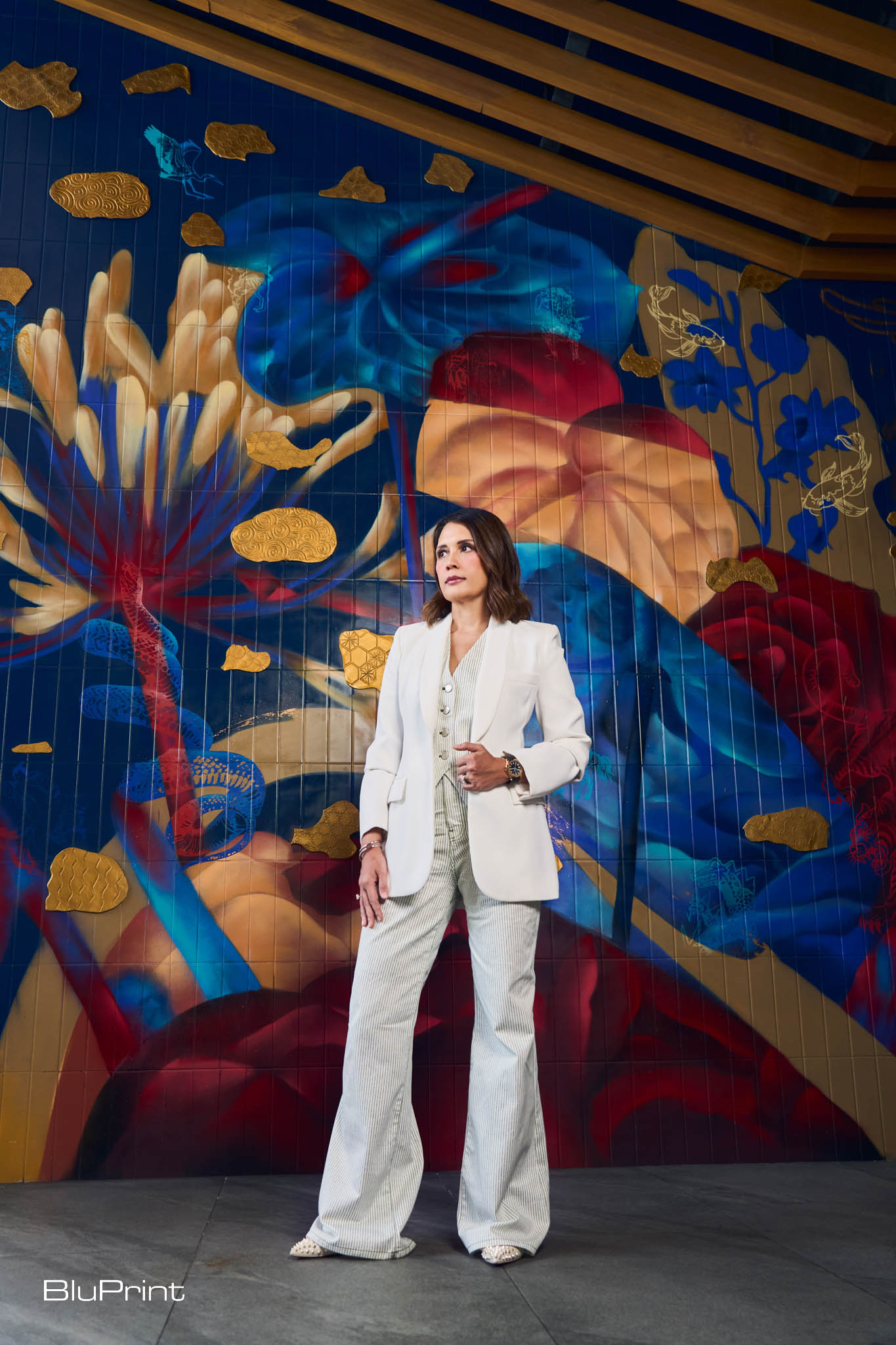
Before the pandemic, doing residential projects was not a focus of Ecotecture Design Studio. “It was always challenging having to work with couples. I ended up being a marriage counselor, I would always joke. When the pandemic came about, we had to pivot because the restaurant projects, office projects, and the commercial projects were put on hold.”
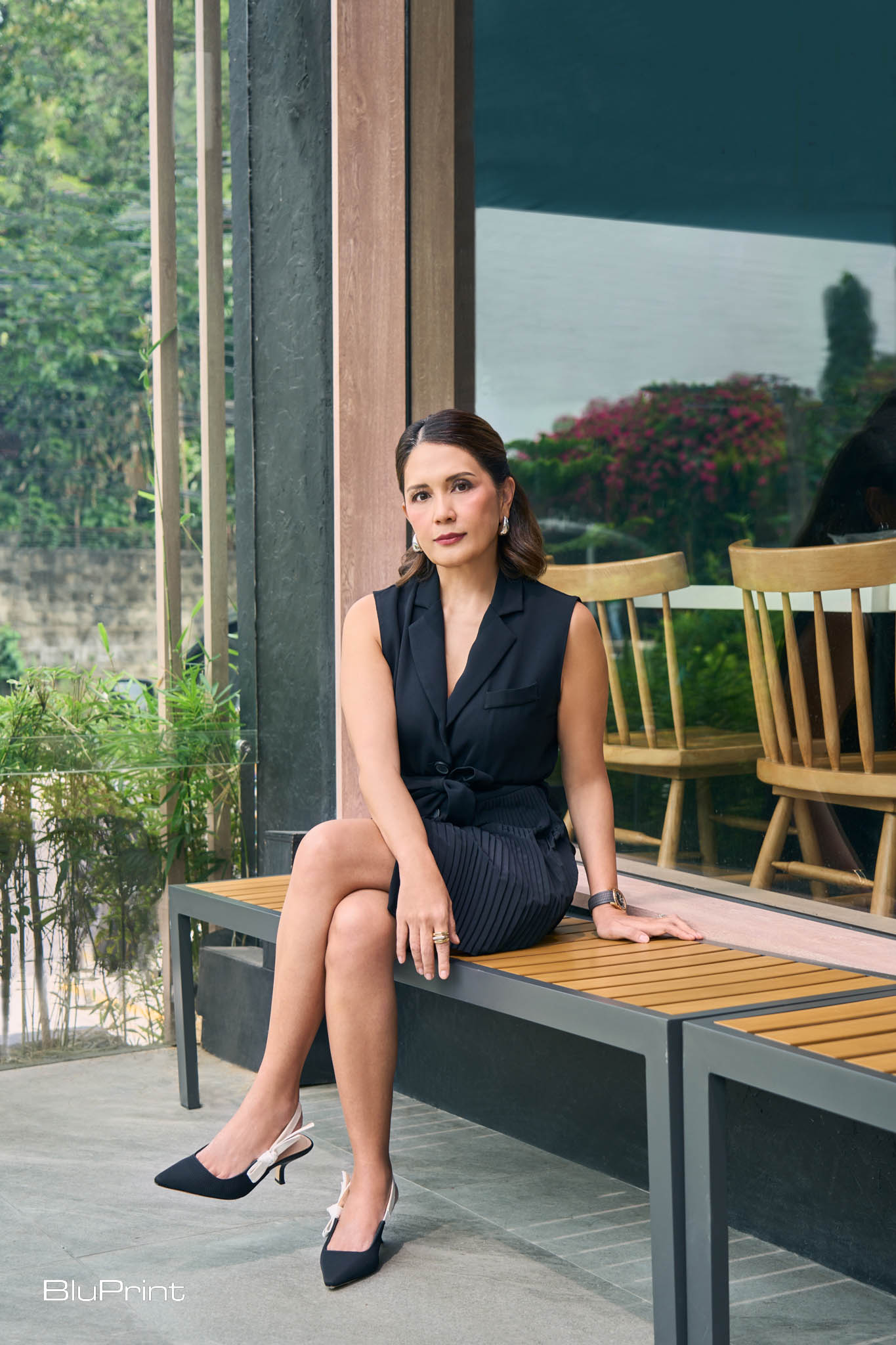
One of her most notable residential projects is the G House in Alfonso, Cavite. It was a renovation project meant to serve as a second home in the province for a couple. “It was an abandoned shell that we made more current and really upgraded. What makes a project memorable is that you can make something from something that was, like, dilapidated,” she says of the home that uses upcycled materials.
Another home located in Taytay, Rizal is also memorable, as it is one of the very first residential projects Morales designed from the ground up. “It’s [always easier] to build on a clean slate where it’s just raw land that’s big. But what made this project interesting was its small footprint and all the requirements for a growing family.”
Sustainability as Practice, Not a Selling Point
The designs of Liza Morales do not follow a specific singular style. They can go from a building covered in plants along Metro Manila’s busiest highway or to completely Japanese with waves of slatted wood hovering over booths in a restaurant. She can also find delightful twists to classic Filipino design elements or have spaces uniquely dedicated to the family that will live in them.
But at the core of these designs is sustainability. It isn’t simply a gimmick for her nor a selling point. It’s what guides her design practice and what keeps her ahead of the rest.
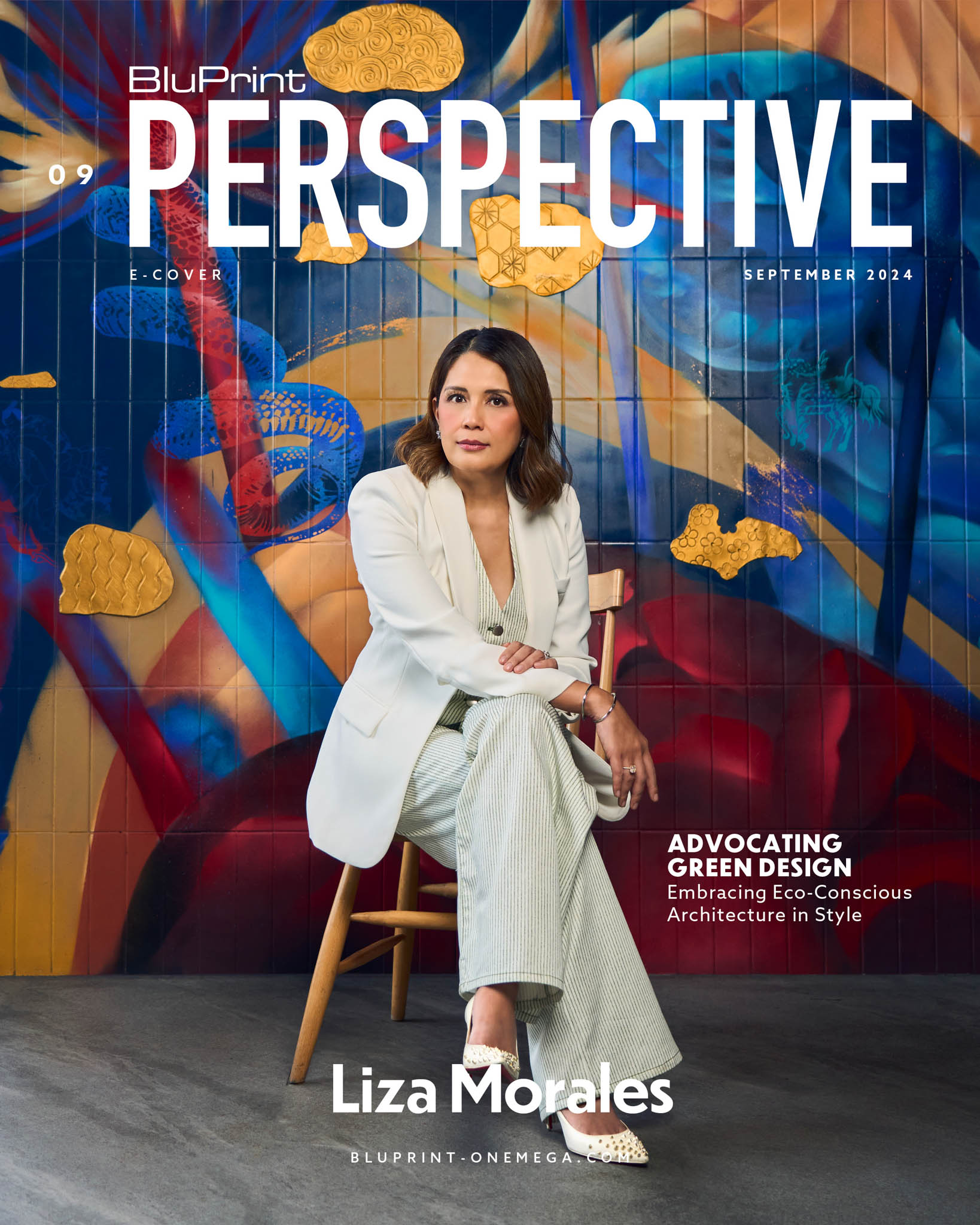
Photographer: Kieran Punay (portraits), Ed Simon (Hapag and AYÀ)
Creative Direction: Jehd Francisco
Stylist: Siya Daryani
Read more: Hapag and AYÀ: A Haven for Filipino Craftsmanship and Reimagined Fine Dining
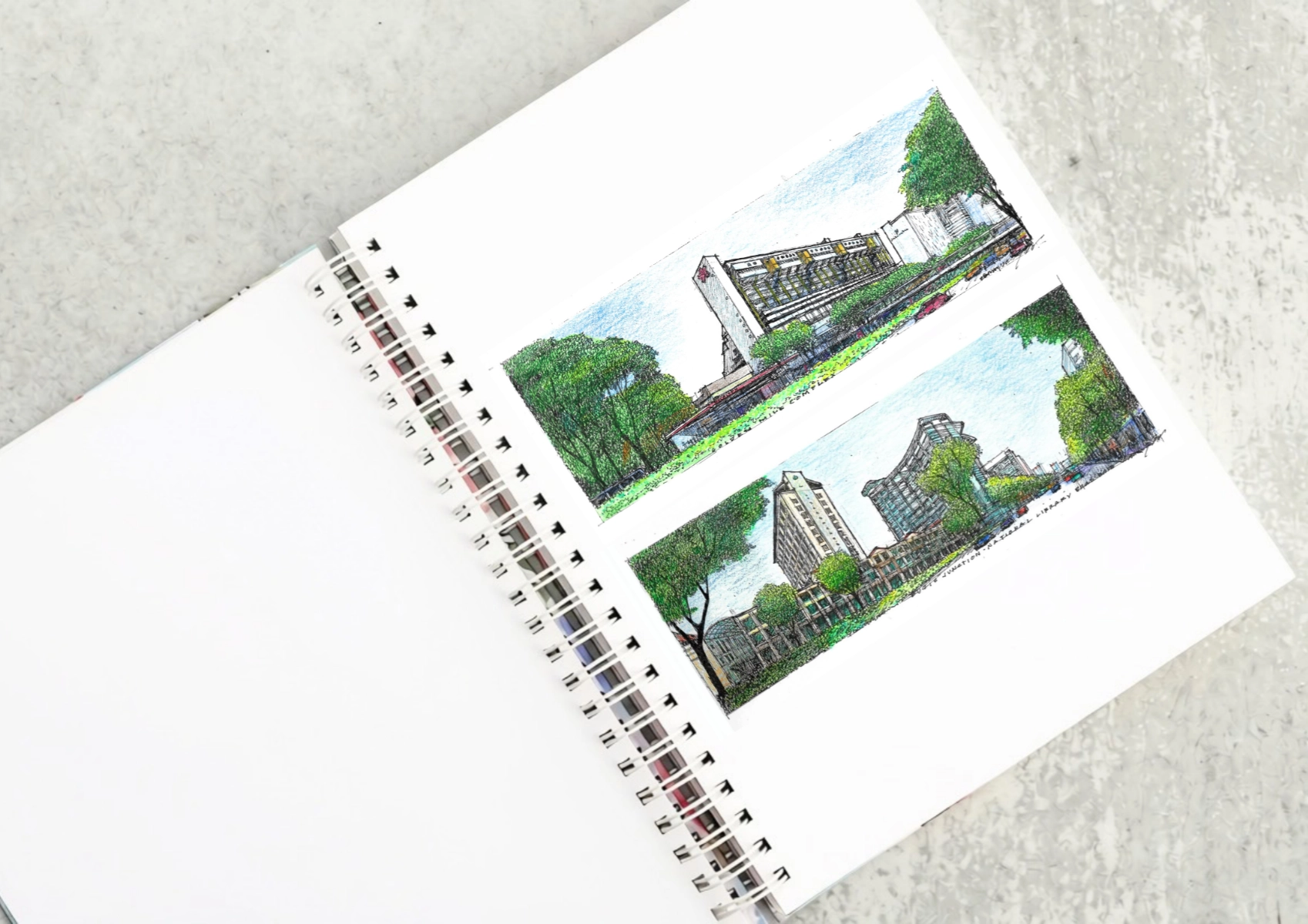
Two sketches of Singapore connect BluPrint Editor in Chief Paulo G. Alcazaren’s personal and professional history with Shared Ground: ArchitectureArchitectureThe art and science of designing and constructing buildings, structures, and spaces that are functional, safe, and aesthetically pleasing. It encompasses the planning, design, materials, and techniques used to createGo to Architecture Glossary of Care, Culture, […]
In a way, designers are the modern-day soothsayers and prophets. They design for the future, predicting how a room, a house, a building or a whole city will be used by people. They foresee how users will interact with a space, conjure exact shades of colors to elicit specific behavior and arrange furniture to build […]
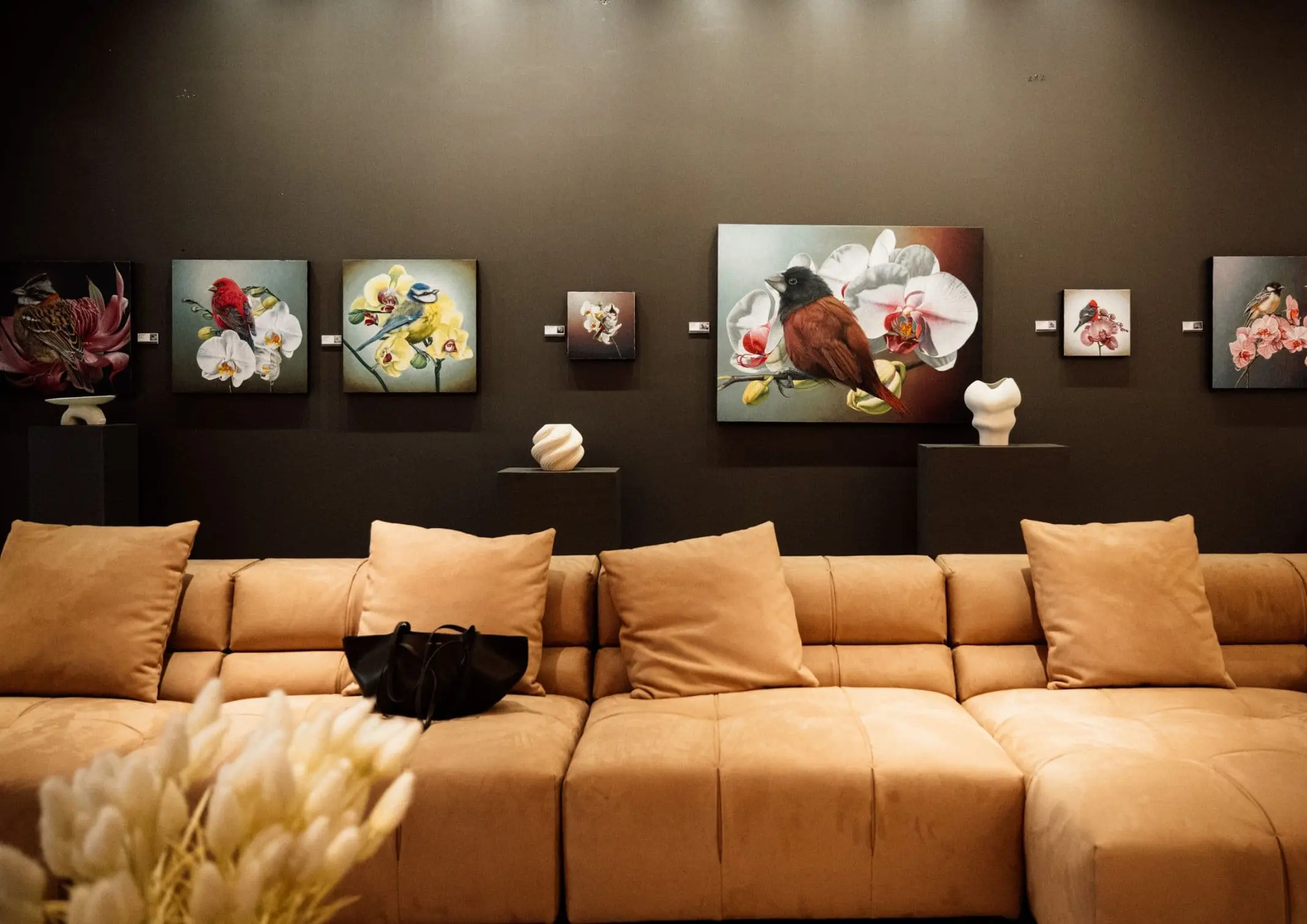
Art and furniture are often selected separately, yet their relationship can shape how a room looks and feels. The collaboration between Hooga and Galerie Joaquin explores how these elements can work together, bringing contemporary artworks into furnished residential settings at Hooga’s showroom in Uptown Mall, Bonifacio Global City. For Hooga, which curates furniture, lighting, and […]
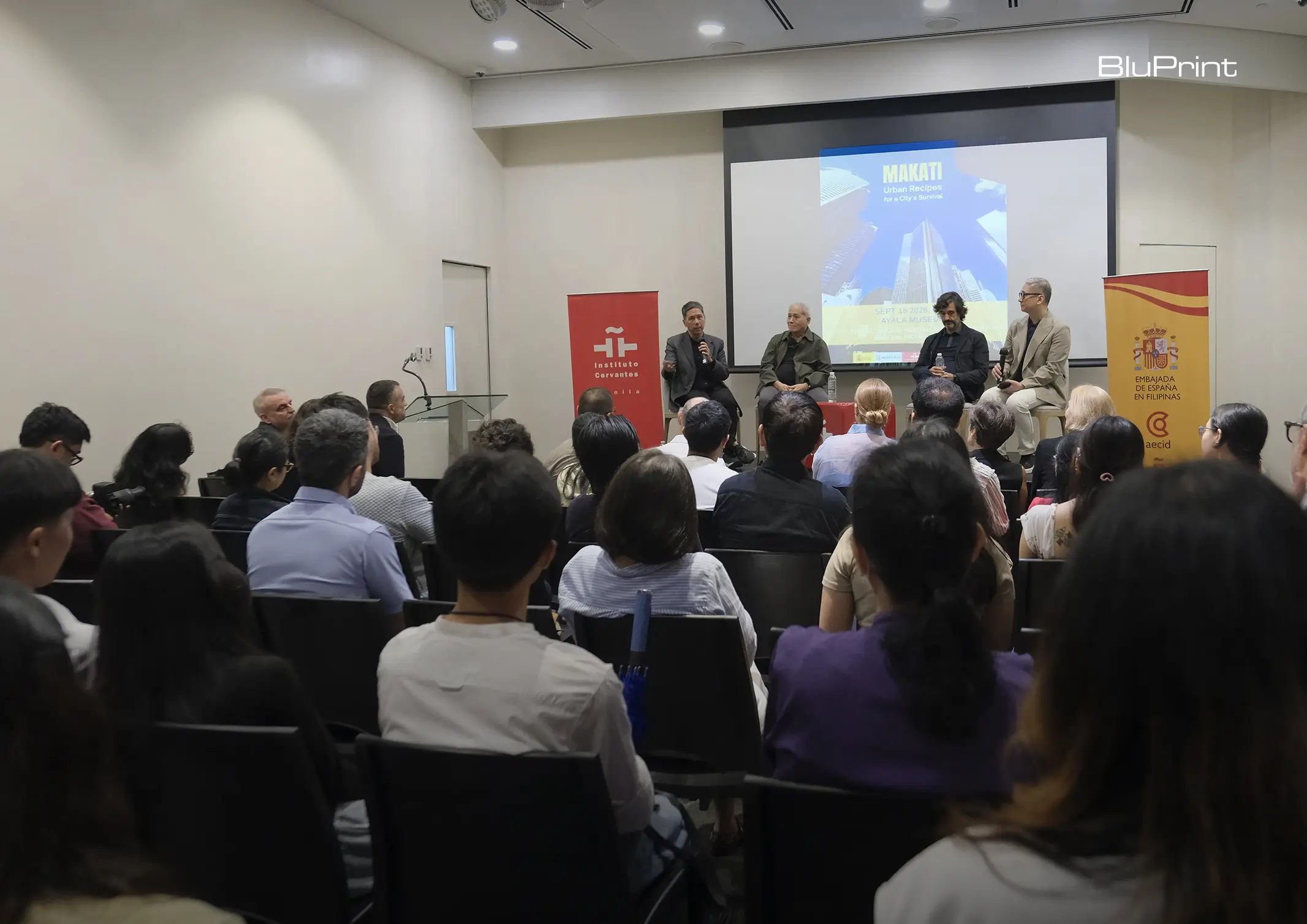
How can better-planned cities create the conditions for more creative, livable, and resilient urban environments? “Makati Urban Recipes for a City’s Survival,” a colloquium held at the Ayala Museum on September 15, brought together architects and practitioners from the fields of urbanism and the creative economy to discuss how design, planning, and collaboration can address […]
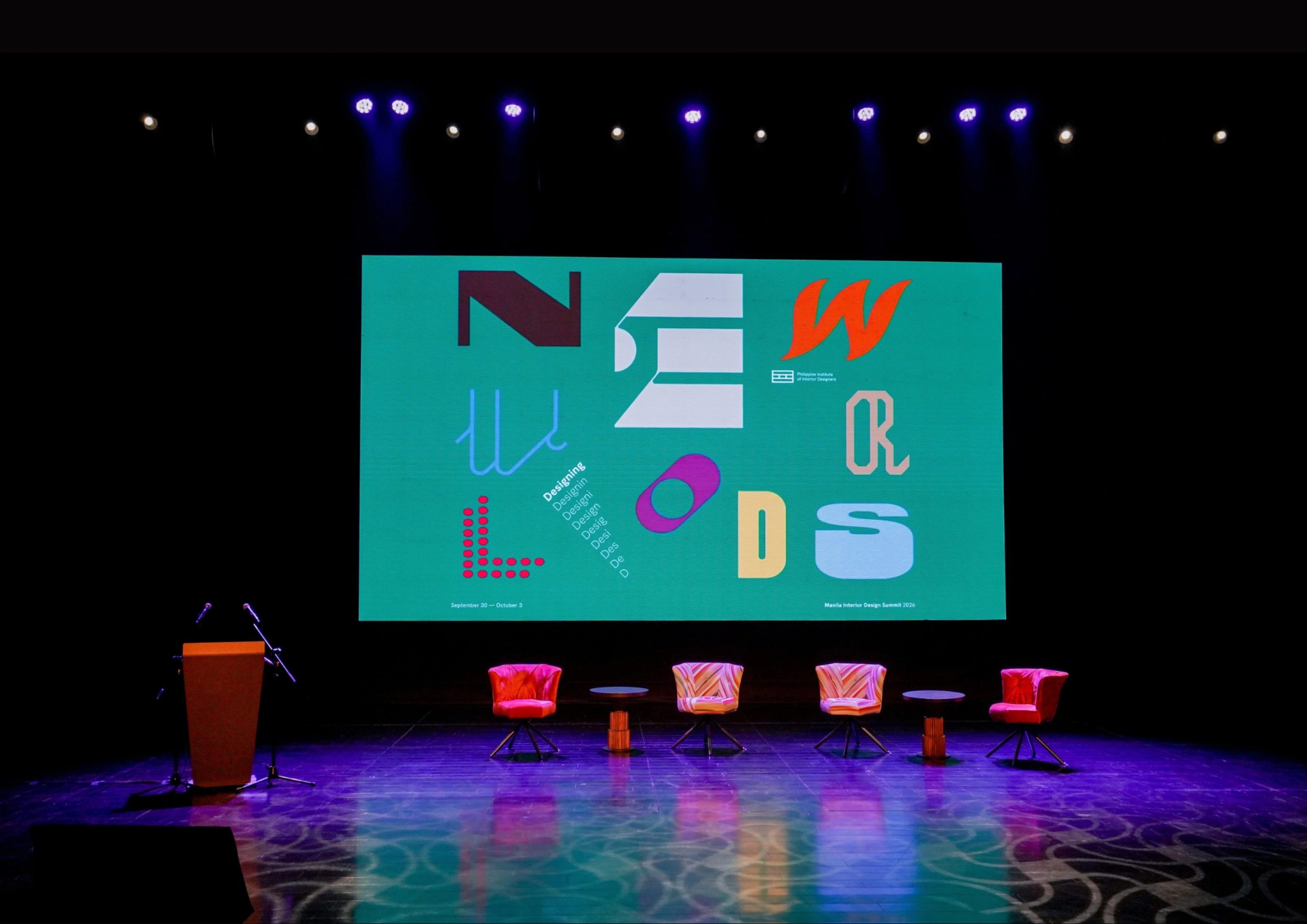
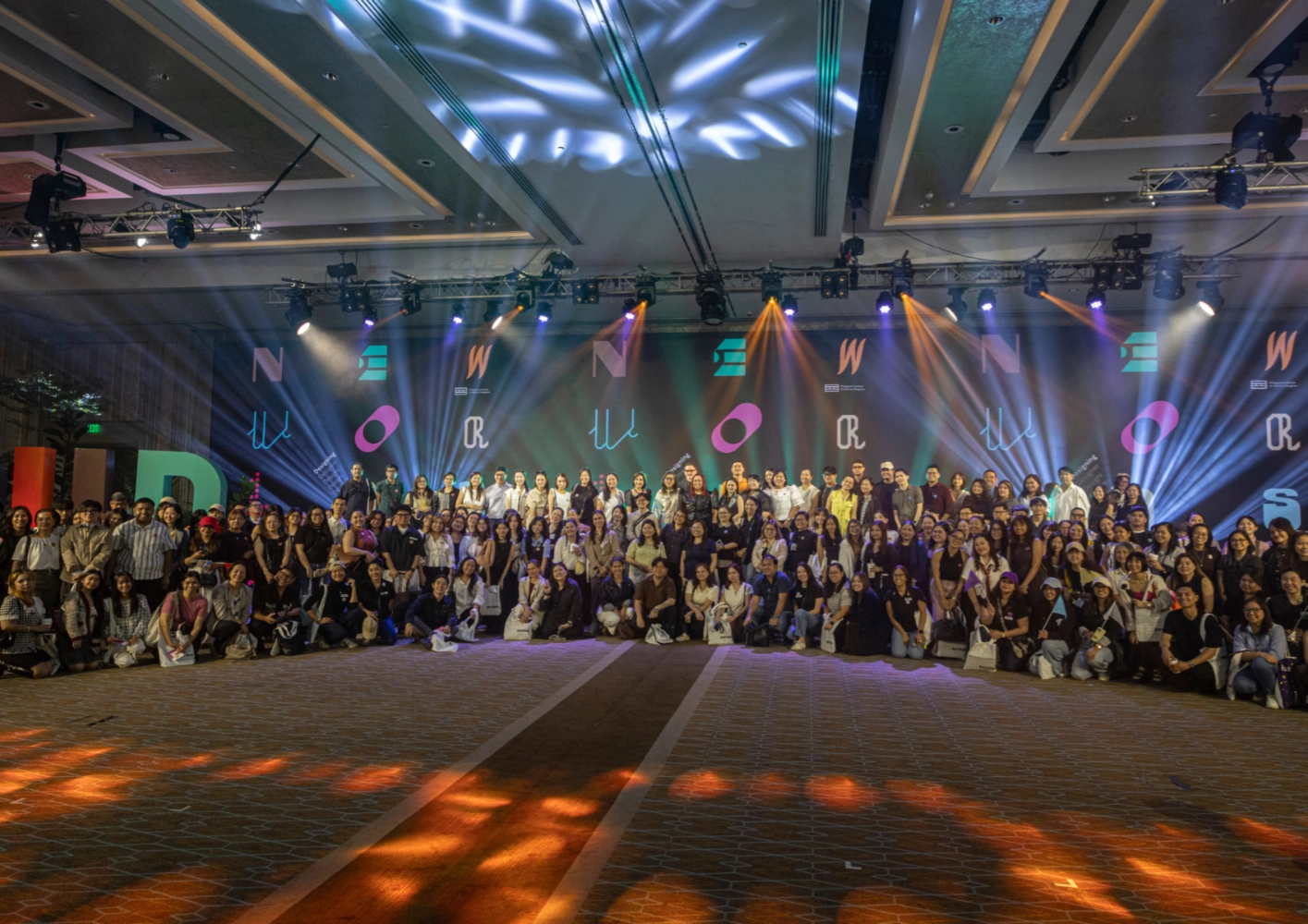
The fourth Manila Interior DesignInterior DesignThe discipline of planning and shaping interior spaces for function, comfort, safety, and beauty. It covers layout, lighting, materials, finishes, furniture, and color, and in the Philippines is a licensedGo to Interior Design Glossary Summit (MIDS) brought together more than 300 delegates for four days of conversations, exhibitions, and design […]
Read the issues.

Collect the volumes.

Recommended Video
Tap to Unmute
Unmute
0:00
0:00