A Filipino Interpretation of Modernist Architecture Unlike the rest of Makati today, the northern end of Paseo de Roxas in Makati is anchored by a low complex rather than a tall skyscraper. This is the elegant Asian Institute of Management, designed by architect Gabriel Formoso and completed in 1971. In my opinion, the building is […]
How to Install Historical Exhibits in Adaptively Reused Structures



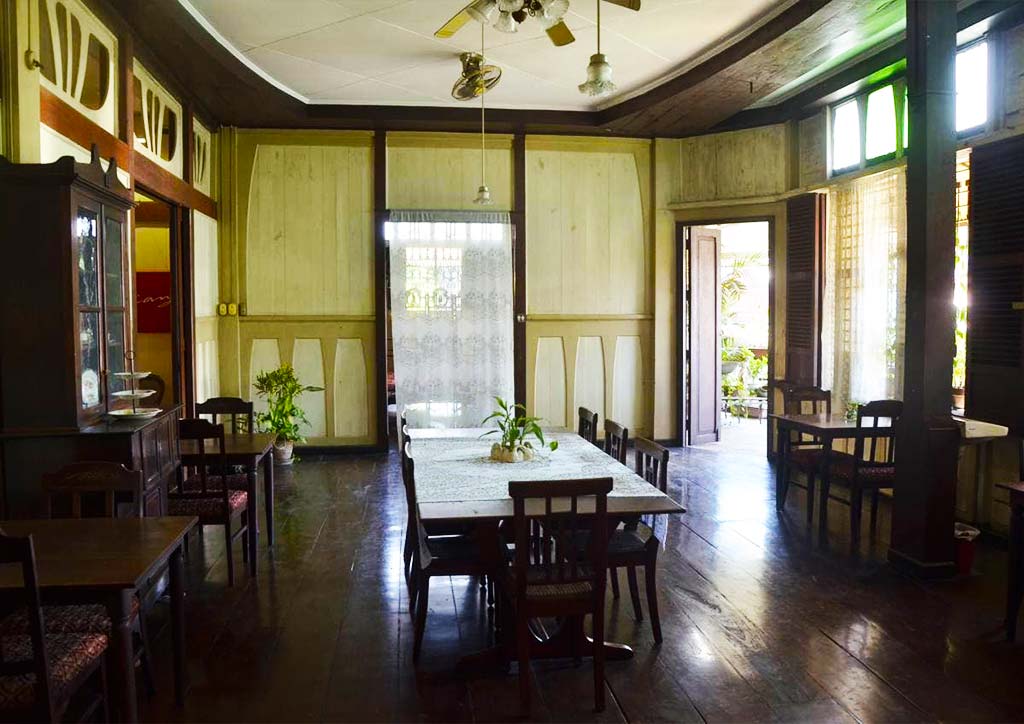
If you ever had your heritage structure adaptively reused, whether as a restaurant, café, boutique hotel, bed and breakfast, or heritage museum, consider adding an exhibition space that tells the story about the original structure. I recently dined at an adaptively reused restaurant-café in Manila. As an exhibit curator for the past decade, I instinctively looked around if there was anything displayed about the history of the space. I would have loved to know a little bit more—I imagined perhaps a little exhibition note would have added a touch of historical context, enriching the overall experience of the diners.
In a paper I presented at the Bartolome De Las Casas Research Conference 2024 at the University of Santo Tomas, I shared how an exhibition space could enhance the significant value of a heritage structure. The paper surveyed the exhibition spaces within selected adaptive reuse structures at the proposed Quiapo Heritage Zone.
I found that of the 12 residential structures, only Bahay Nakpil-Bautista is currently active with an exhibition space. This is in accordance with its new function as a historic house museum. There are several permanent exhibits in the house that narrates the stories of its former residents and the old Quiapo. It is my hope that the other heritage structures would follow suit, by allocating even a small space to tell their stories.
The Importance of History Exhibits in Preserving Heritage Houses
The objective of creating history exhibits for a heritage house is to preserve and communicate its historical significance, especially when it has been adaptively reused. These exhibits aim to connect contemporary users with the history of the structure. They provide insight into its original function and the lives of former residents. It also ensures that visitors can appreciate its cultural and historical context, fostering a deeper understanding and appreciation of the house as a community asset.
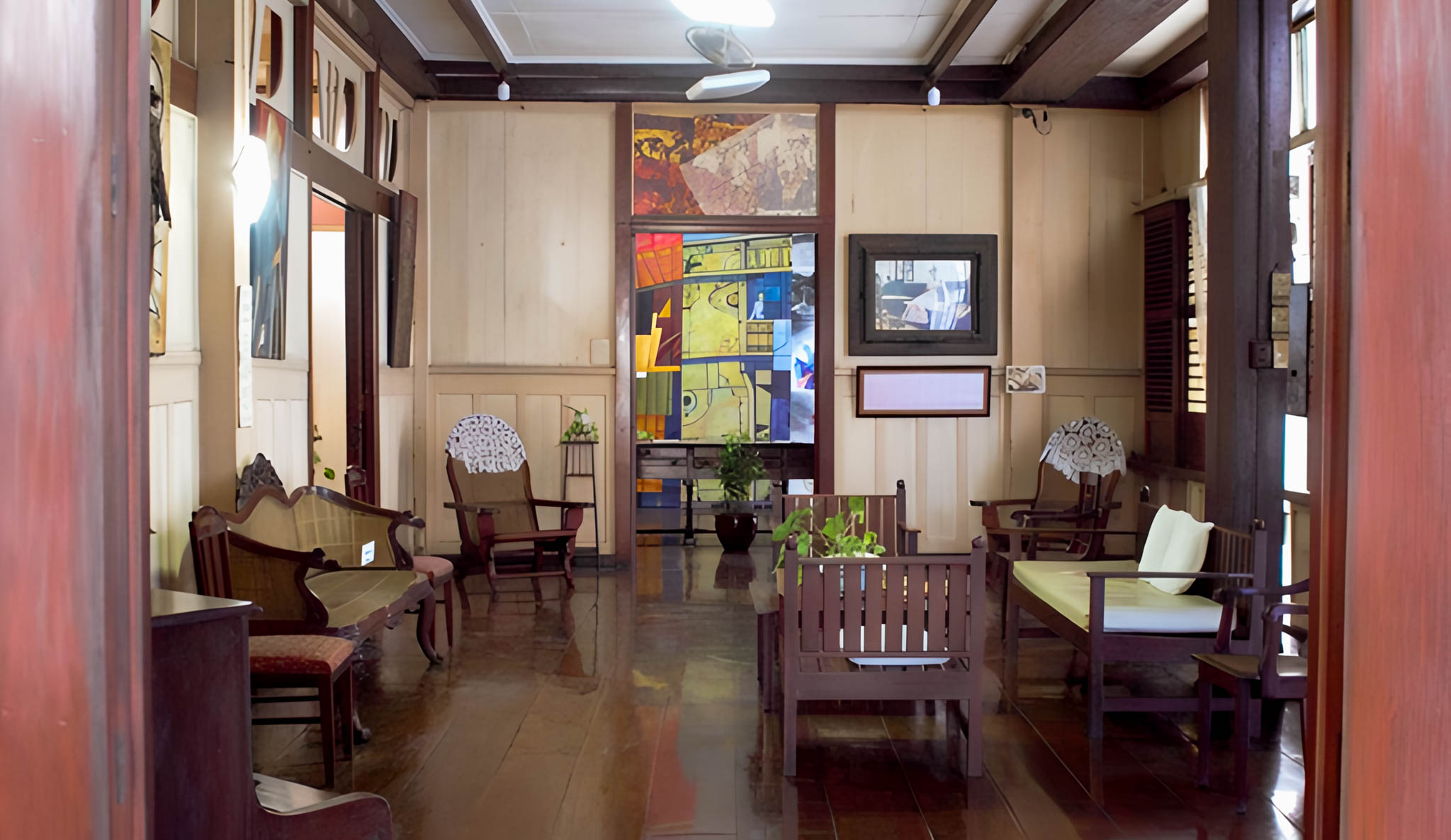
The absence of informative displays can result in missed opportunities for educational engagement especially on the topic of historical preservation and adaptive reuse. These contextual clues guide new users by retelling the stories of what had gone before and thereby connecting the past and the present functions. This was my general feeling as I sat at the aforementioned restaurant café, wondering about the illustrious past of such a beautiful complex of structures.
I had also presented the survey to a small group of built heritage practitioners. Among them were heritage homeowners and mayors who were inspired by my first ever public call to encourage adaptively reused structures to have historical exhibits. They approached me about how to develop one for their structures, so I am sharing here some tips based on my work at the Bahay Nakpil-Bautista as volunteer curator and as interior designer consultant for the hundred-year old Liberty bakery in Tondo, Manila.
Know Your Past.
The first step in conceptualizing a history exhibit within your adaptively reused heritage structure is to get to know its origins, including its past residents. Gather old photographs, records, handwritten journals, and other surviving artifacts about the house. Interview your elders and record what they remember about the place and older family members. Then, create a timeline based on your research to establish important milestones and memories that you can then weave into how the structure began. This will serve as your source material for the history exhibit.
Keep It Simple and Straightforward.
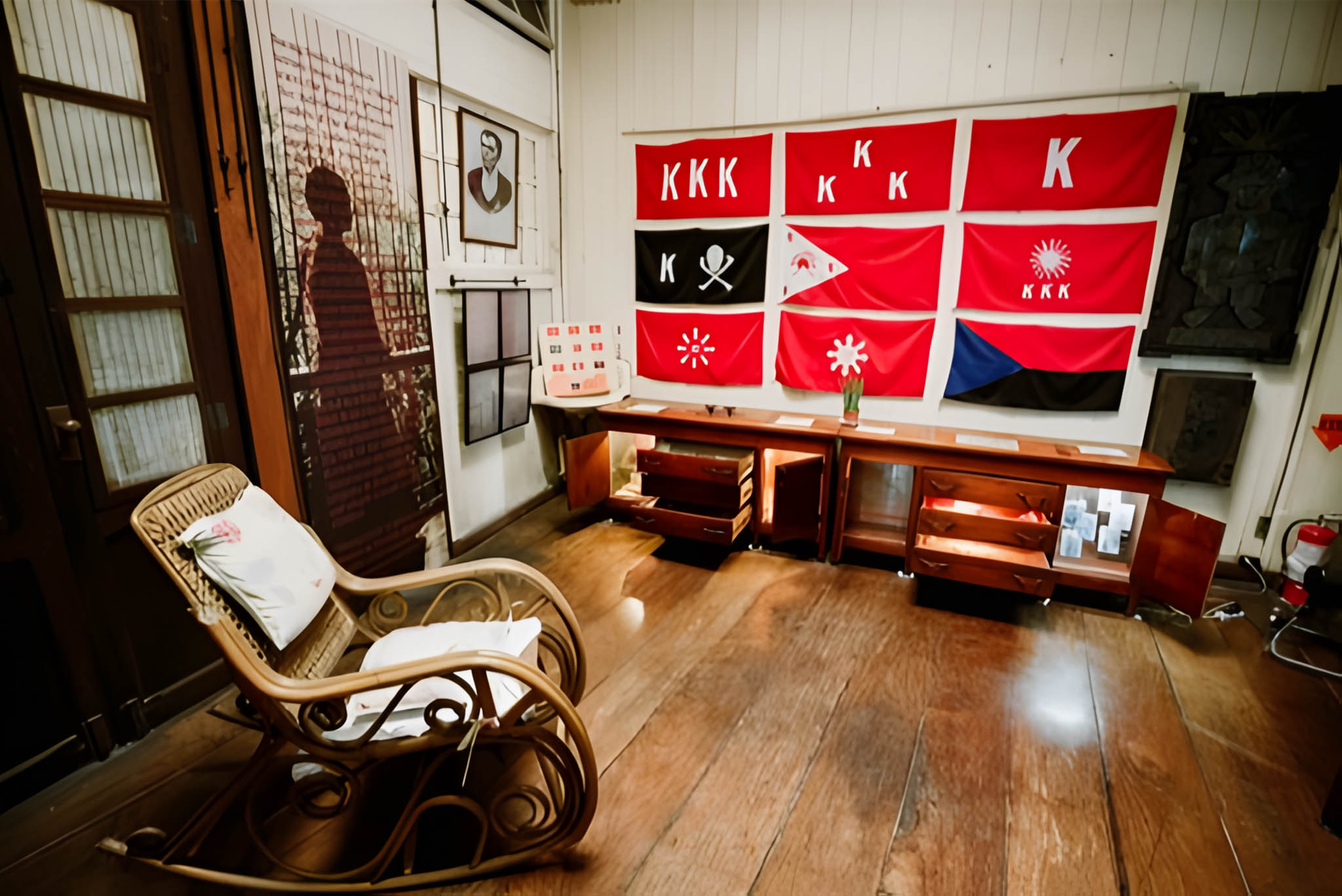
At Bahay Nakpil-Bautista, you can immediately see the history of the house and its link to Quiapo in a permanent exhibit called Tahanan ng mga Katipunero. It’s a simple display of framed photographs with captions and exhibition notes retelling how Bahay Nakpil-Bautista was constructed and who lived within it since the beginning. We installed the exhibit at the zaguan area so that it is the first thing that the visitors can view before they move on to the other exhibitions within the house.
Recreate the Bahay Nakpil-Bautista exhibit through the following elements:
Photo and Document Display
Create a series of poster boards or wall-mounted frames with old photographs, documents, and brief captions. Arrange them chronologically for clarity and flow. This can provide an overview of the house’s history and its residents with minimal cost.
Historical Timeline
If you don’t have enough artifacts or visual materials available, just set up a timeline along a wall or hallway using printed dates and events on posters or banners. Include key milestones and interesting facts about the house.
Artifact Showcase
Gather and display original or replica artifacts related to the house in simple display cases or shelves. Include labels with descriptions to provide context and significance. You can also allot a small bookshelf containing books or personal stories of the former residents.
These ideas don’t have to be expensive, especially for homeowners who don’t have extensive resources. The goal is to showcase history using readily available tools and creative, cost-effective solutions.
Express Your History on the Wall.
If there are no existing materials, consider translating the history of the house into an artistic mural. This is my prescription for Liberty Food Mart, Inc. which is currently undergoing retrofitting of its historical building in Tondo and the construction of an adjoining café within its storefront. An artist is being commissioned to work on the historical mural based on the history of Liberty and it will be installed at the ground floor, café area. The family will also be constructing a “bread wall,” which will depict the breads that had been done by the bakery through the years as a creative way also to retell its history.
Make History Happen.
The survey on the exhibition spaces in the Quiapo heritage zone houses plus the Liberty Bakery adaptive reuse in Tondo are two prime examples of highlighting the importance of installing a historical exhibit within a heritage structure.
We already know that these structures are significant, but with the addition of an exhibition space to tell its history and share its story to visitors, it provides more value. It equips the heritage structures to continue being an asset to the community through these exhibits aside from the presence of the structures itself in Quiapo and in Tondo, Manila . I hope that you take the opportunity to tell your story in your own words through the installation of a history exhibit within your beloved adaptively reused heritage home.
Main photo by Raphael Kalaw
Read more: Adaptive Reuse of Buildings: Blending the Old with the New
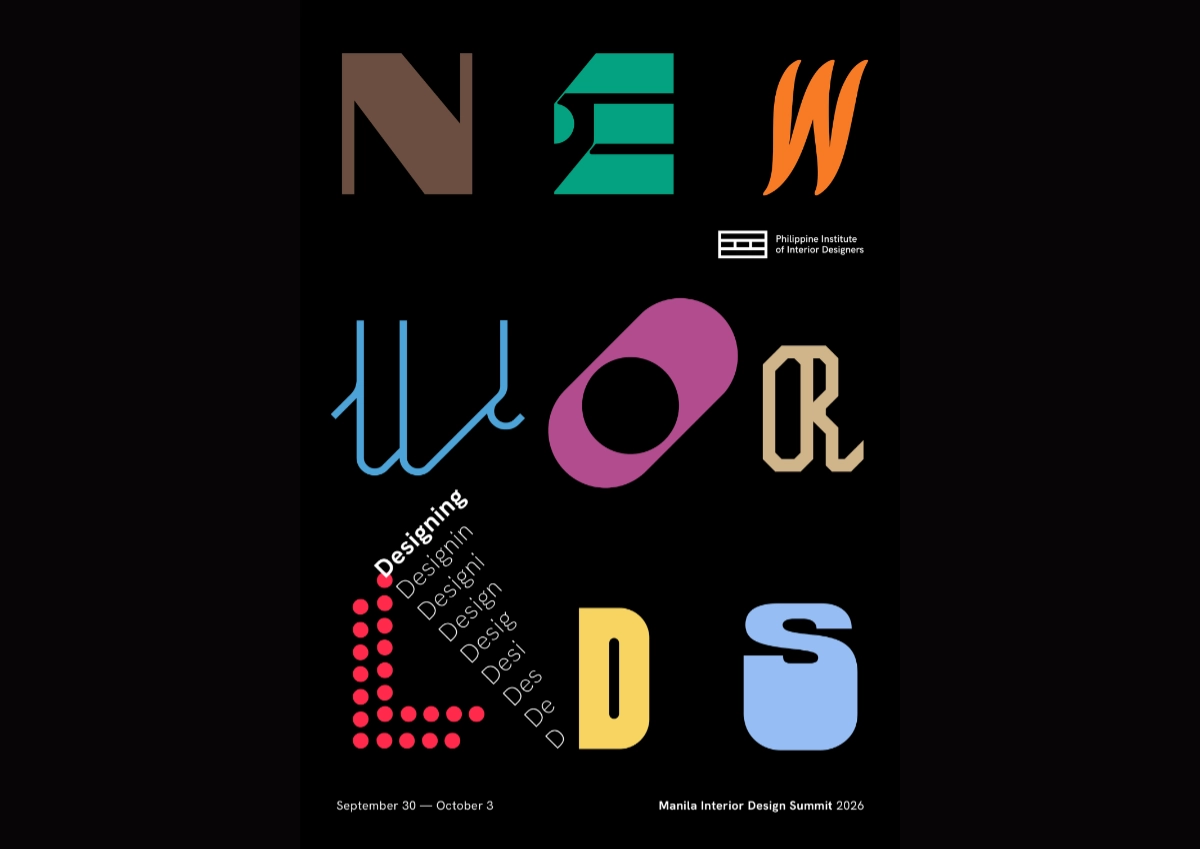
“Thailand has claimed urban creativity and livability. Singapore has institutional design leadership. Indonesia is emerging as a design hub. Vietnam is moving into design innovation. And the Philippines? Its position is not weak. It is simply unclaimed.” For IDr. Cecil Ravelas, National President of the Philippine Institute of Interior Designers (PIID), the challenge is not […]
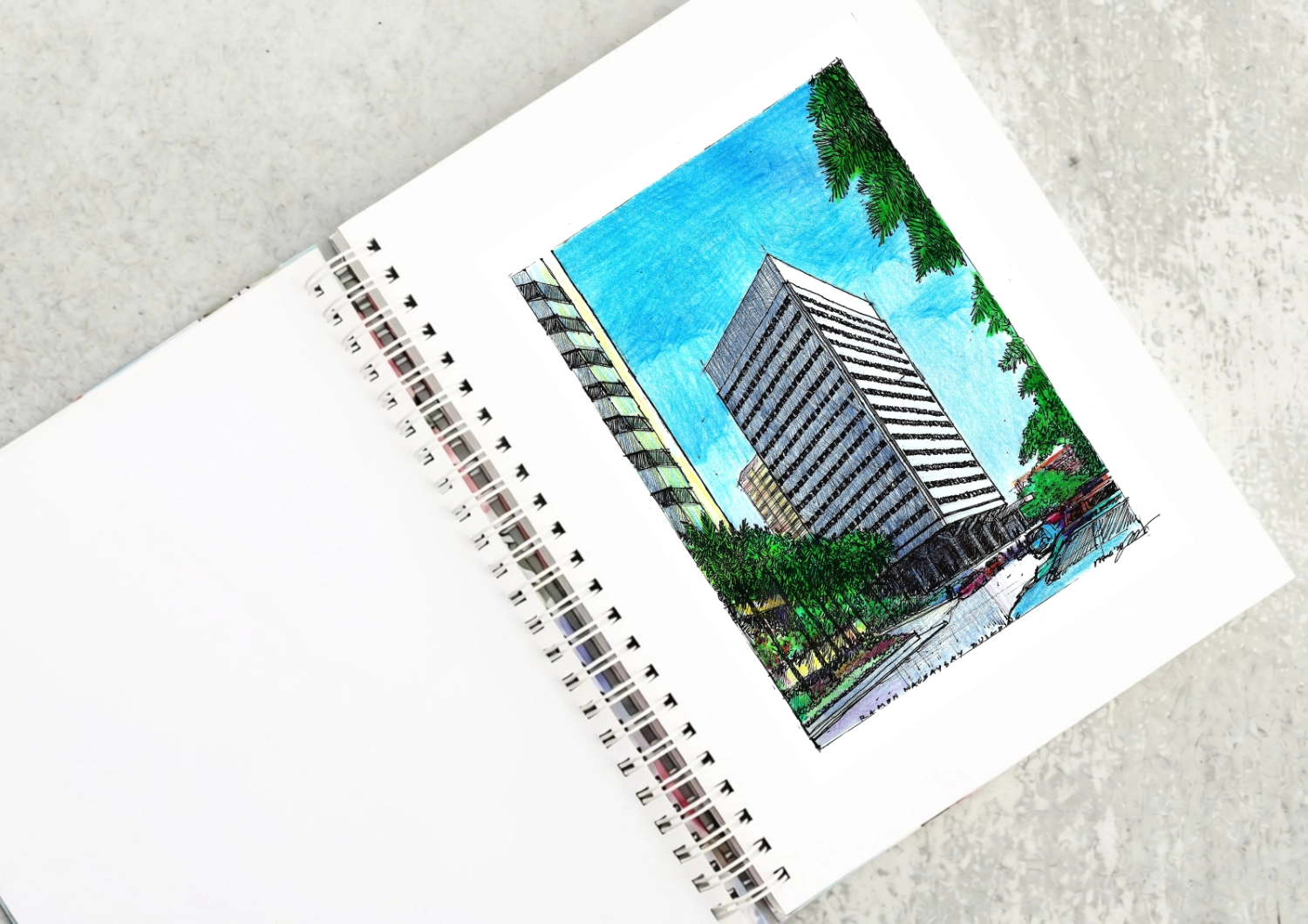
The Ramon Magsaysay Center as a Modernist Landmark Driving down Roxas boulevard from Rizal Park, what will catch your eye is the most elegant modernist structure in the country, the Ramon Magsaysay Center. Most established Filipino architects put it in their top ten lists of favorite buildings. It was designed by Alfredo J. Luz, who […]

Rinna Soriano’s favorite part of her work is sanding. At her workbench, she stays focused, following the grain, adjusting to changes in its direction. Narra, she has learned, can have interlocking grain. A piece of mango once proved particularly difficult until a worker explained that she had reached the point where a branch once grew […]
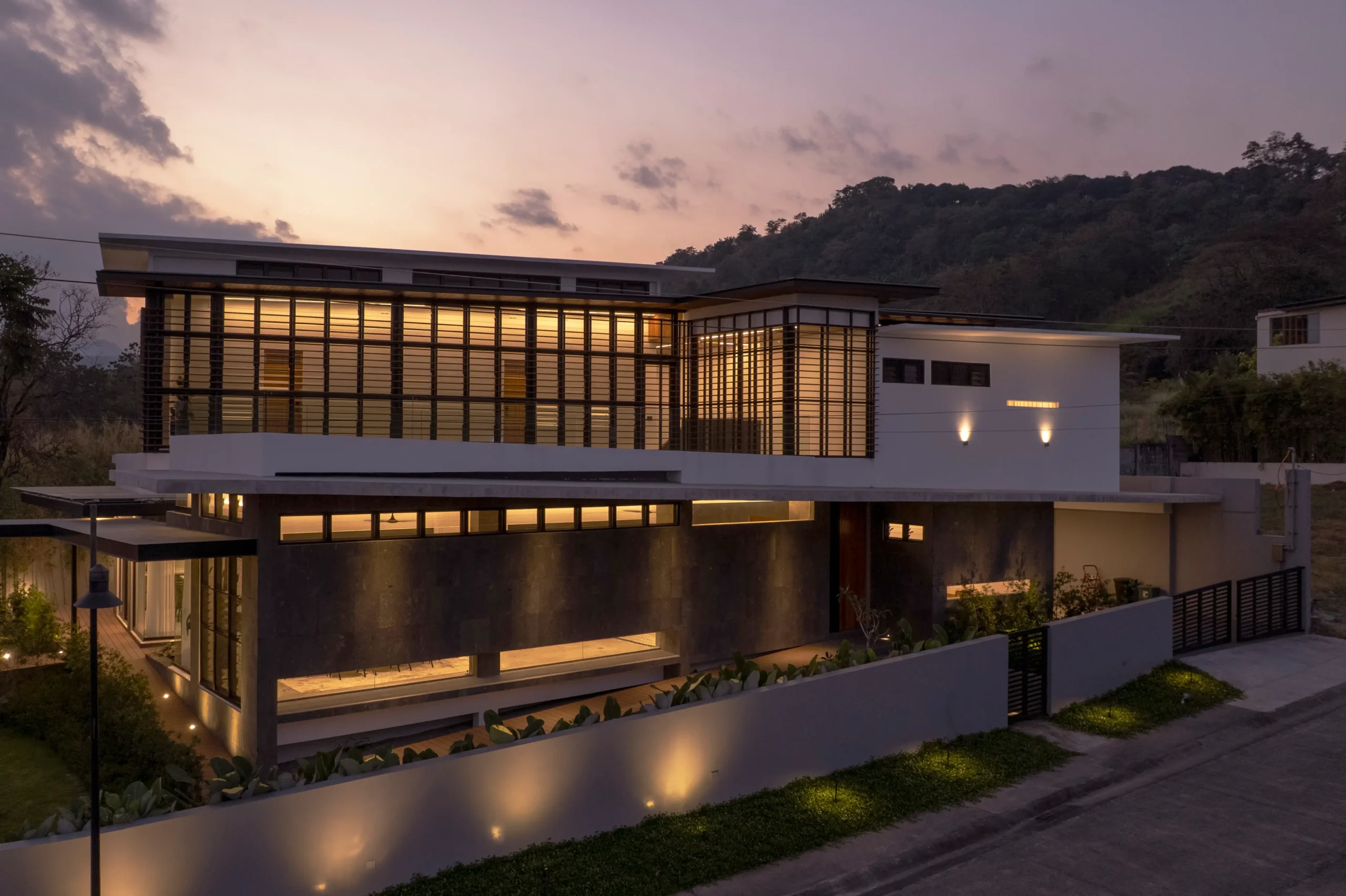
Filipino architectureArchitectureThe art and science of designing and constructing buildings, structures, and spaces that are functional, safe, and aesthetically pleasing. It encompasses the planning, design, materials, and techniques used to createGo to Architecture Glossary has long been associated with indigenous materials and vernacular design strategies, from bamboo and timber construction to jalousie windows, generous spaces, […]
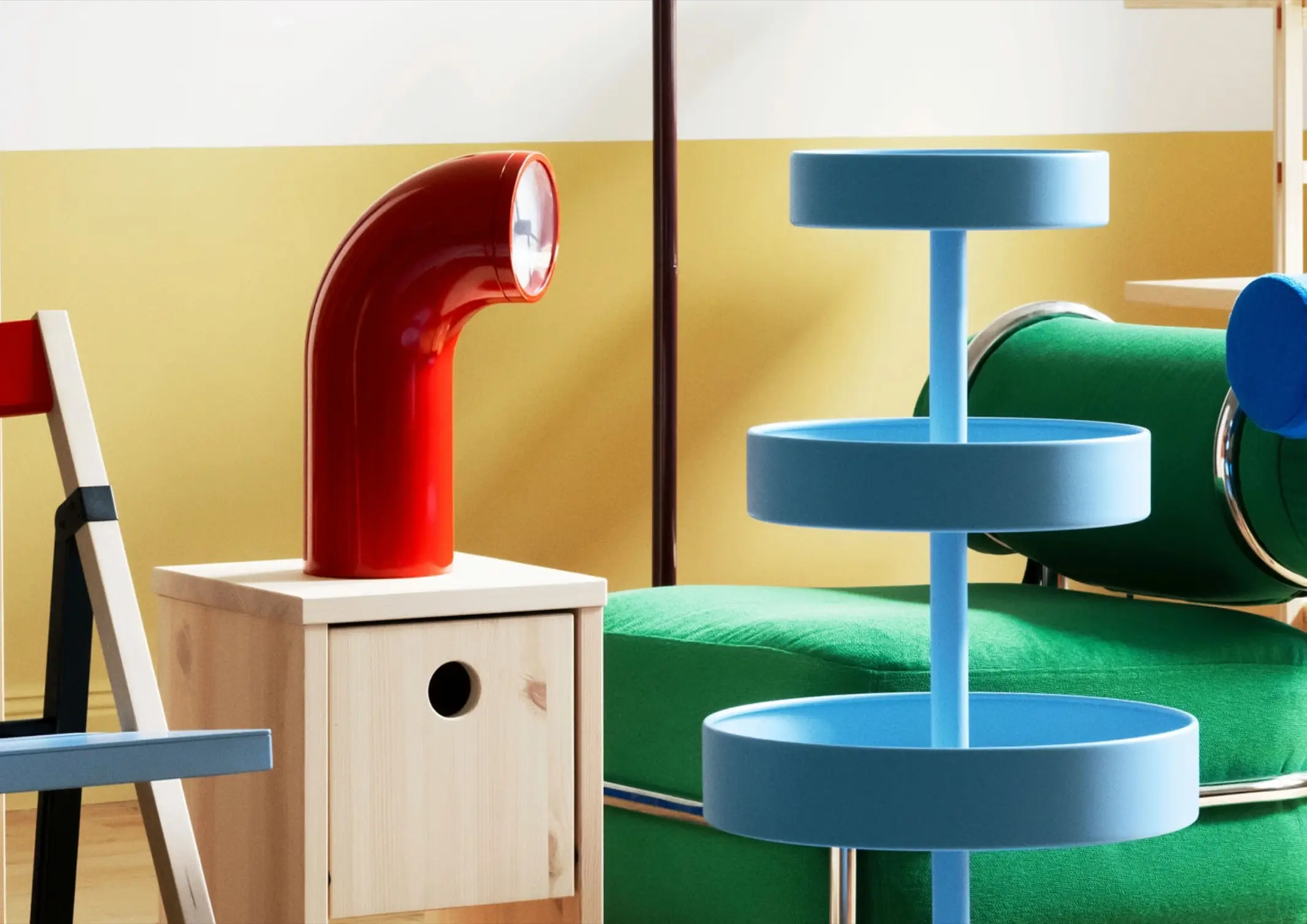
A chair does not always prescribe how to sit in it. A lamp can be more than a source of light. A clock can be more than a way to tell the time.These small departures from convention are at the center of IKEA PS 2026. The latest iteration of IKEA’s experimental PS series comprises more […]
Read the issues.

Collect the volumes.

Recommended Video
Tap to Unmute
Unmute
0:00
0:00