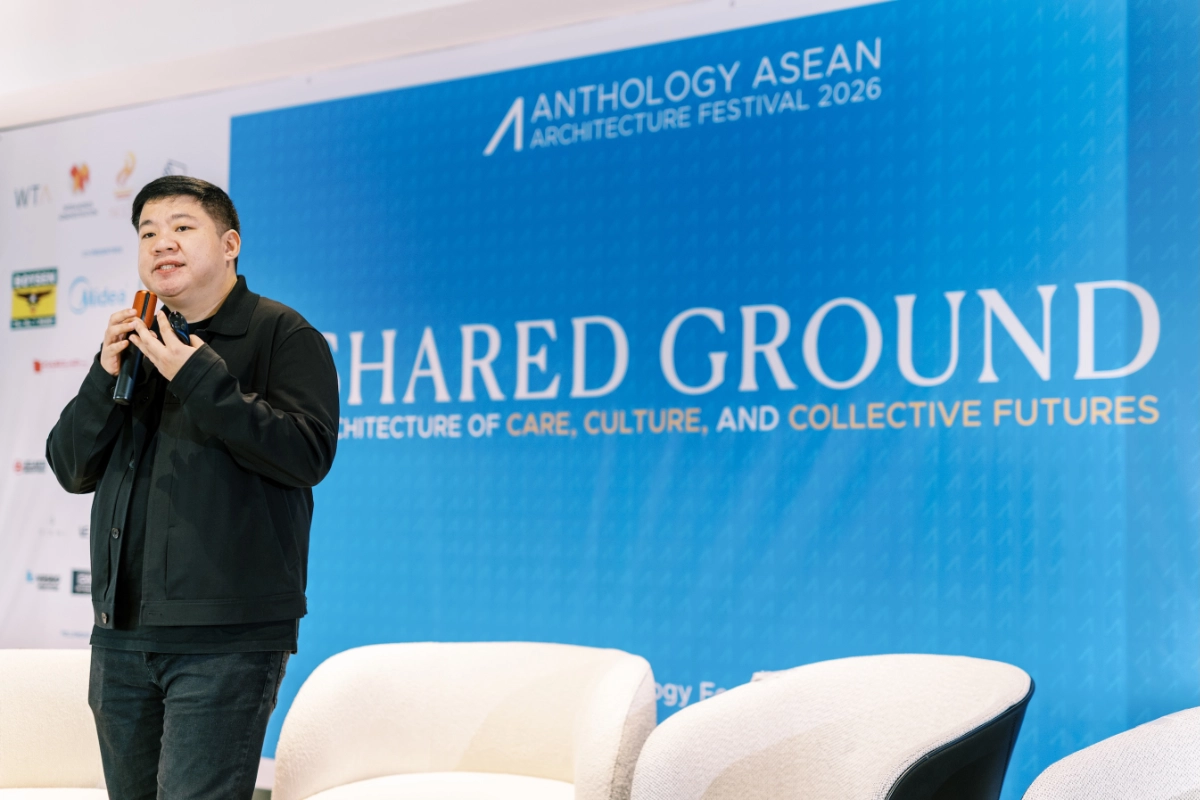
“Buildings only become architectureArchitectureThe art and science of designing and constructing buildings, structures, and spaces that are functional, safe, and aesthetically pleasing. It encompasses the planning, design, materials, and techniques used to createGo to Architecture Glossary when they are shared,” said William Ti Jr., founder of the Anthology Festival and WTA Architecture and Design Studio, […]
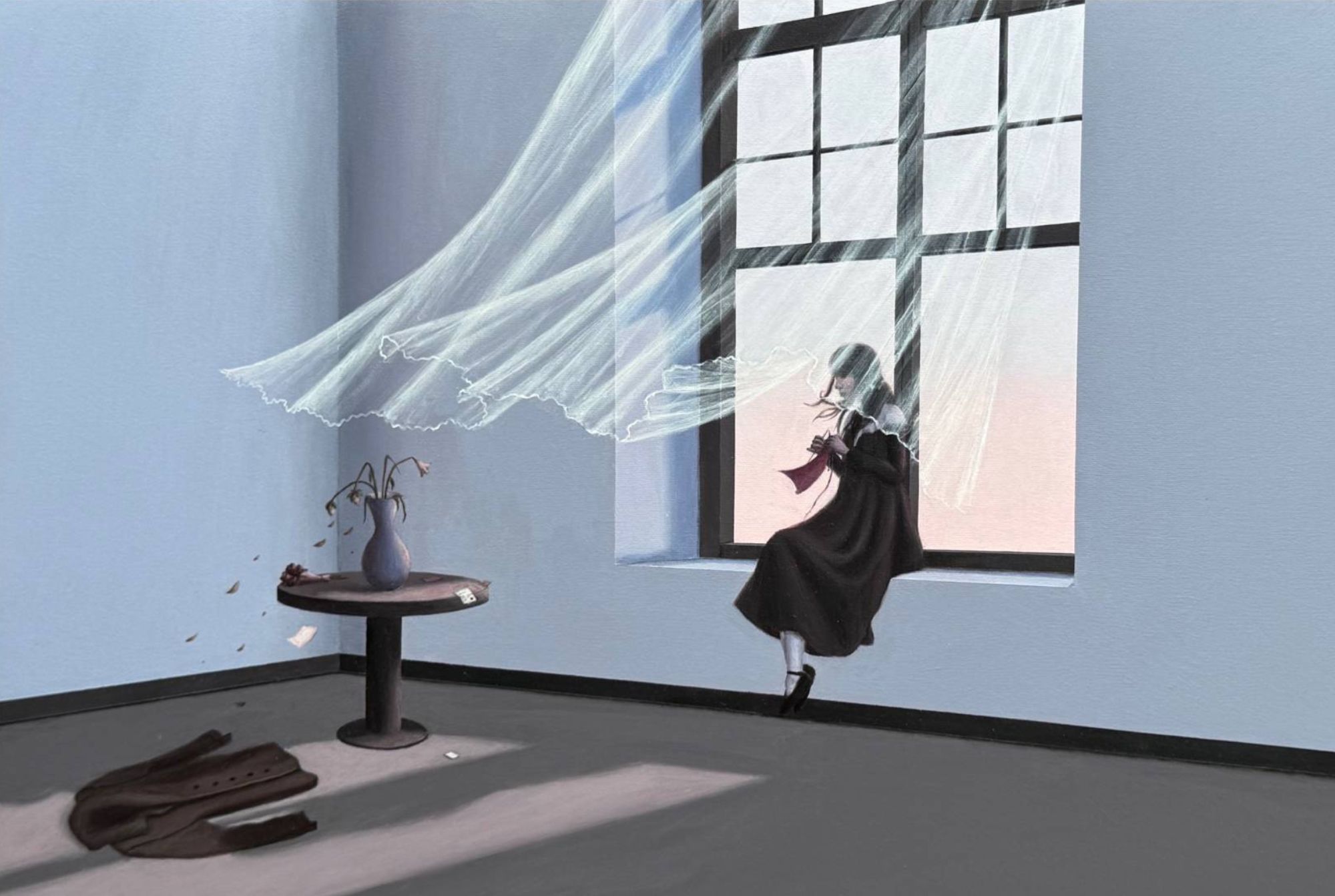
Poula Sitjar Captures the Multilayered Struggles of Women Today



Am I?, the second exhibit of up-and-coming artist Poula Sitjar, finds itself reckoning with the way expectations from society affects us and our perspectives in life. The artist specifically comes to this from the perspective of a woman, with all the contrary pressures and expectations put upon women in modern times.
Feminism and the continued fight for women’s rights offered women seemingly contradictory expectations for their life and others. Women are supposed to have rich and successful careers in this capitalist world. But alongside that, patriarchal expectations for a family and a household puts a large amount of pressure on women. Many attempt to balance these in their lives, to the detriment of their own mental health.
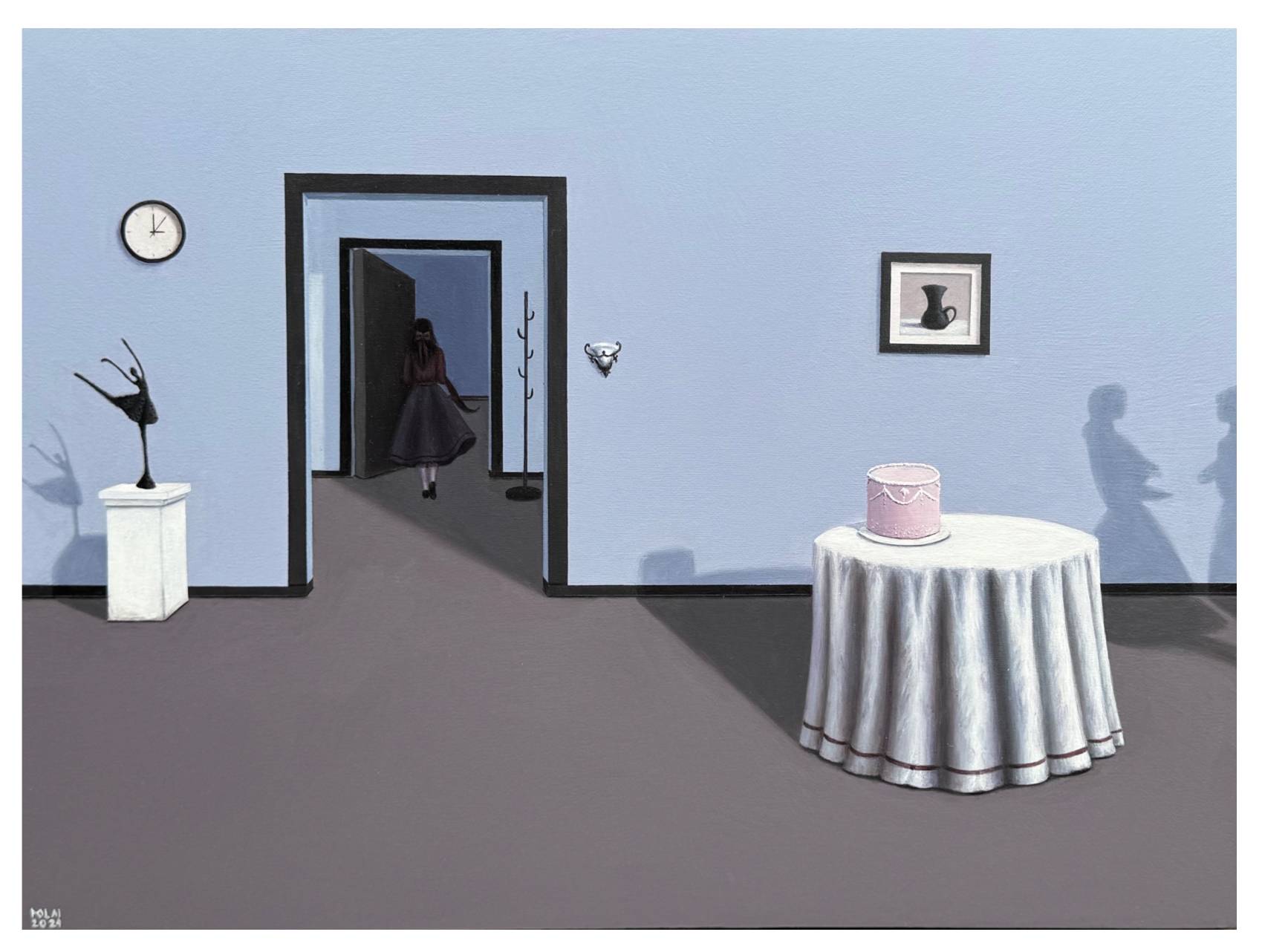
With Am I?, Poula Sitjar sits with those expectations and ruminates on the effect of those pressures on the lives of women.
“As she looked into the dolls she used to play with, Sitjar had an epiphany,” Ryan Uy’s write-up said. “[S]omehow she has deeply personal questions that many women and artists ask themselves: Am I worthy? Will I be a good mother? Can I become the successful artist I aspire to be? Will I grow into the person I’ve envisioned?”
Life and the Cycle of Nature
Am I? features a collection of different paintings by Poula Sitjar that play with the iconography of wealth and nature. The works utilize images that feel familiarly Western in its origin, from snow to its depiction of small towns that come straight out of a ‘90s movie. Its depiction of mansions and wealth feel specifically influenced by that as well with the Colonialist design of the buildings.
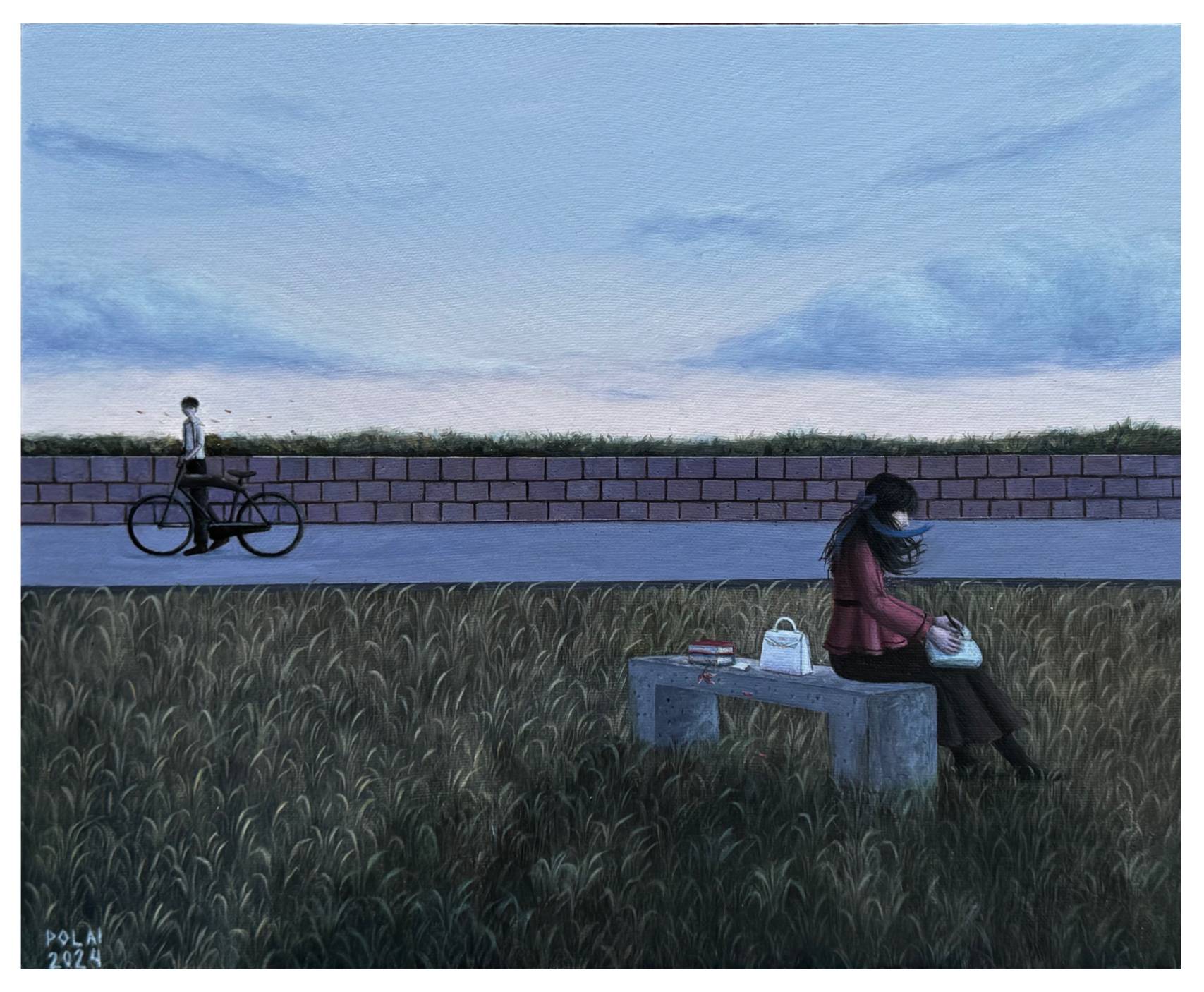
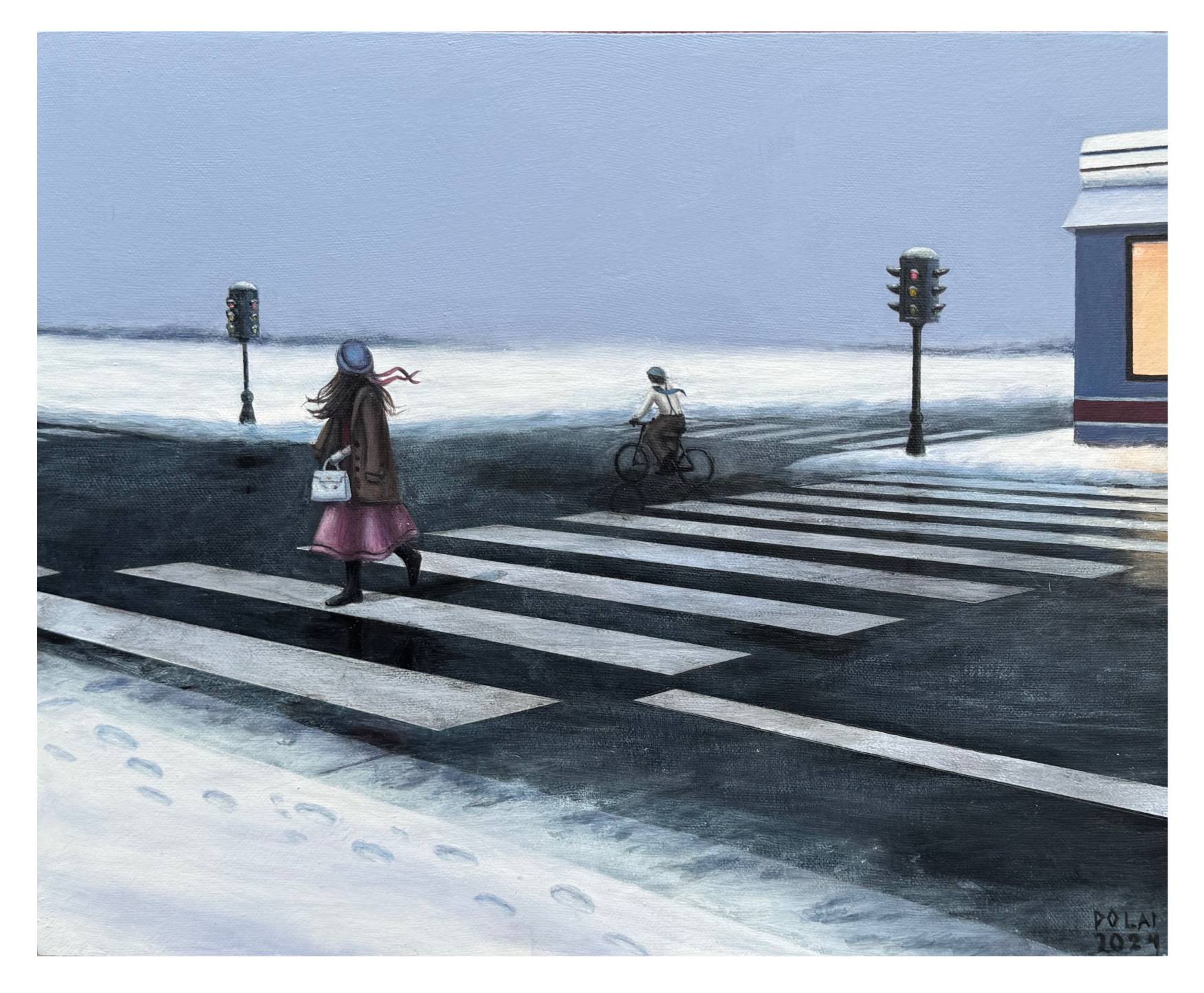
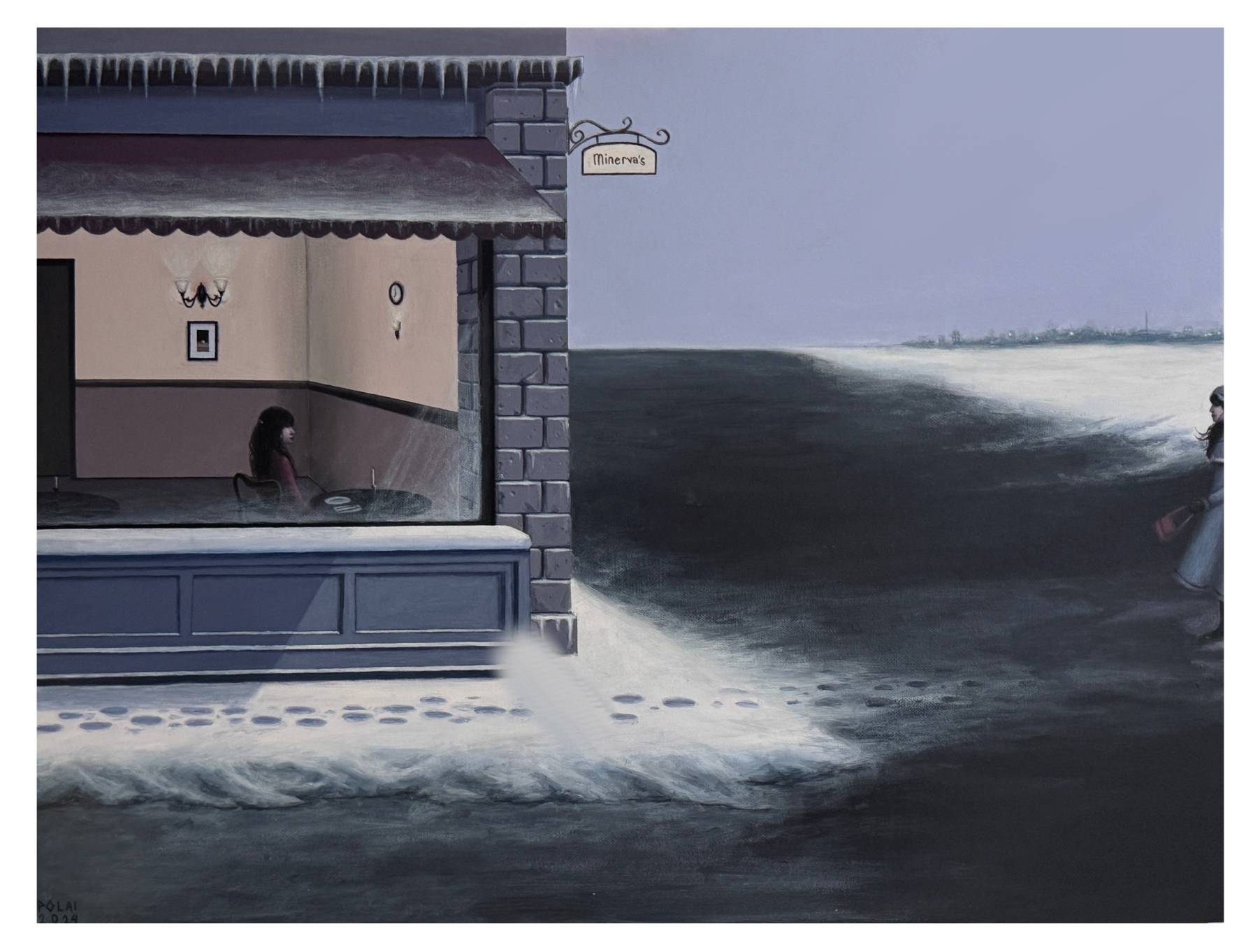
For these specific iconographies, the point appears to align with the depiction of a cold world for the central figure. The figure spends a lot of time in the different paintings standing alone. For the most part, the figure is a small shape struggling against the elements engulfing her being.
“Weather motifs, particularly snow and other natural elements, are prominent in Sitjar’s collection. These serve as powerful metaphors for the cyclical nature of a woman’s life, symbolizing resilience and the quiet strength needed to endure,” Uy wrote.
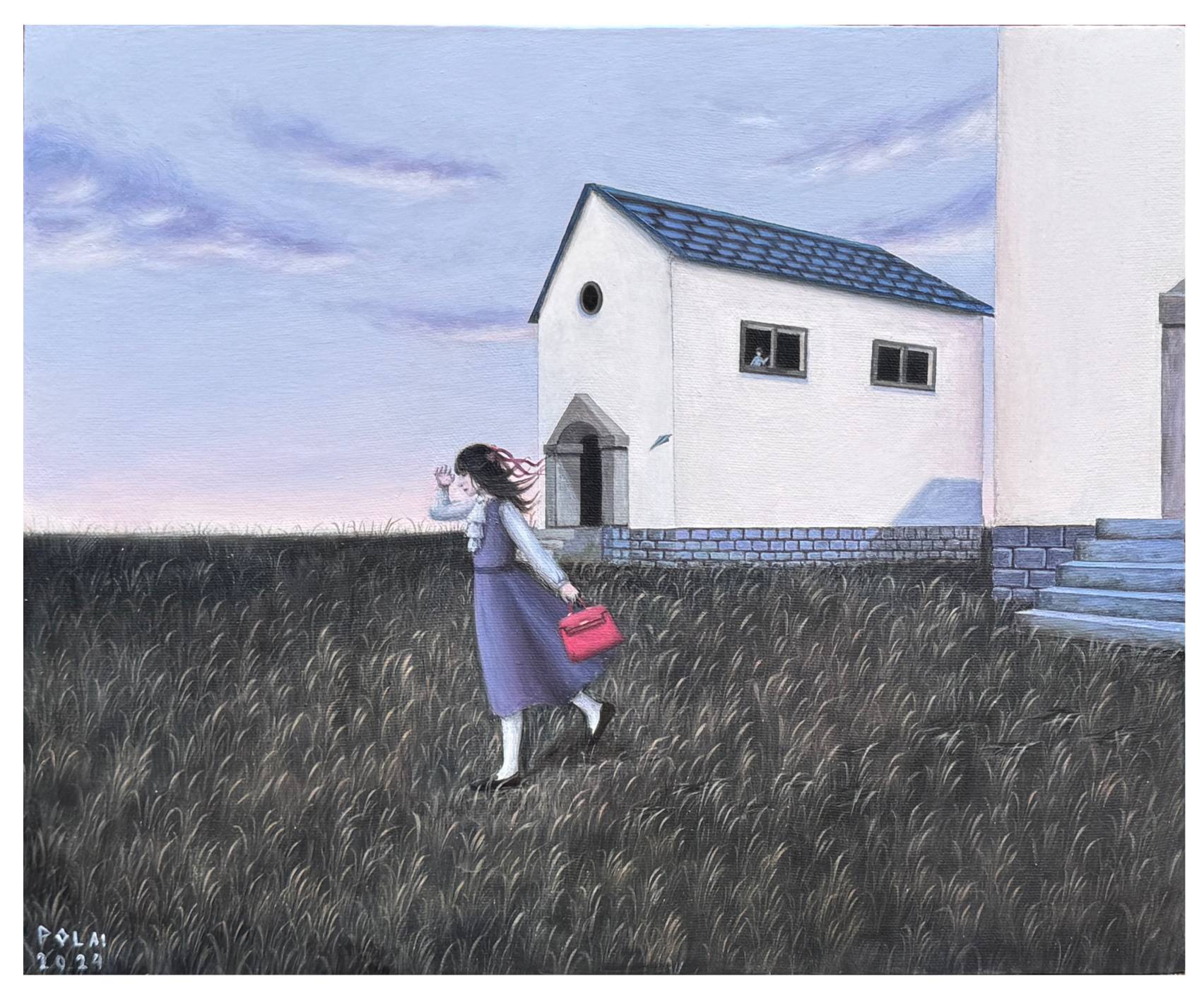
In one painting, “Origami Flyer,” she stands alone in a field of green struggling against the wind, the backdrop of a church behind her. Another painting, “Not Right,” has the figure standing alone outside as a car drives away from a nearby mansion, the snowy fields freezing up even the statues outside the home.
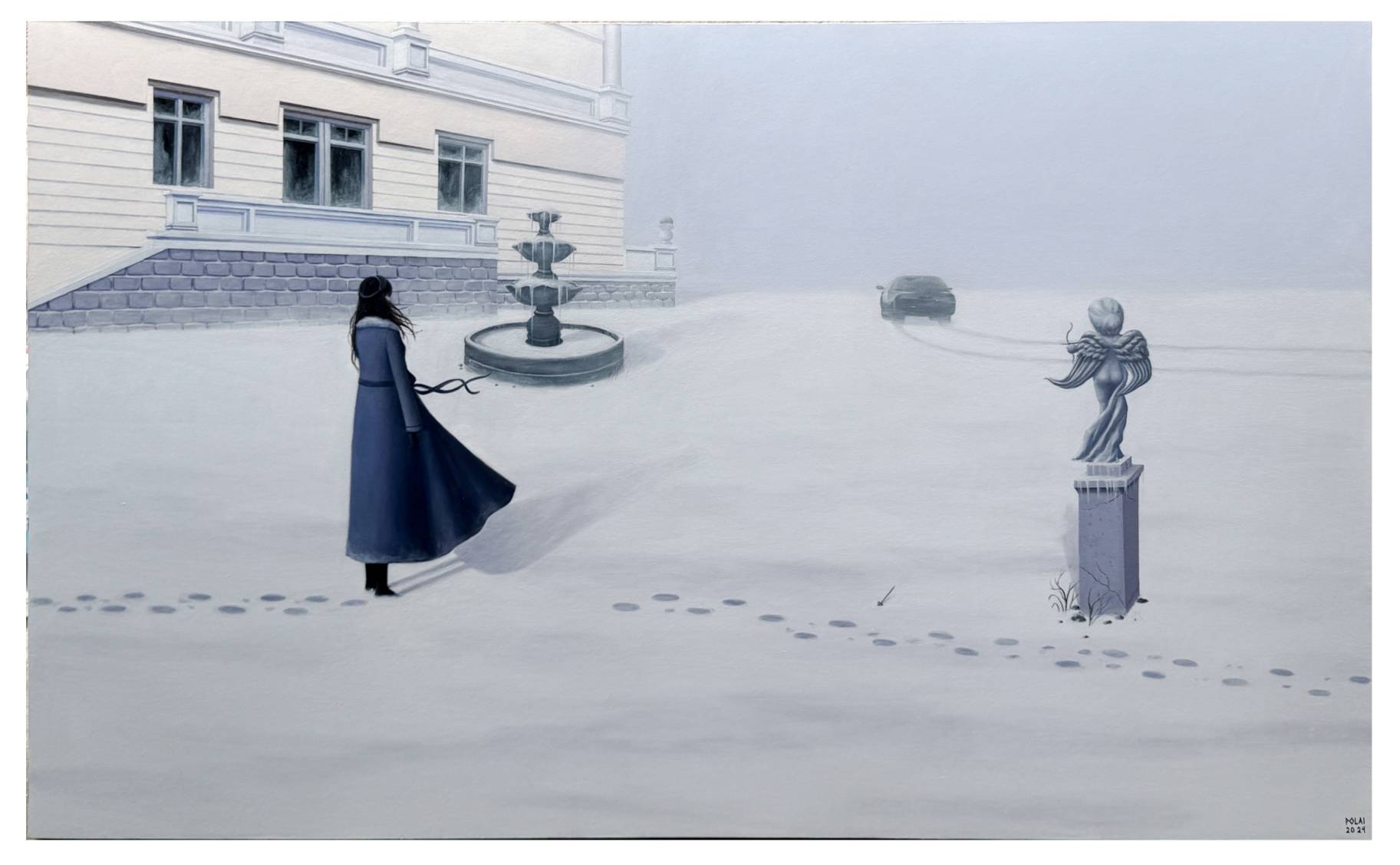
These paintings seem to really capture the vastness of the world, and how, as an individual and especially as a woman, battling against the tides of norms and expectations can feel overwhelming and impossible with the dice rolled against us.
Loneliness of Existence
Poula Sitjar depicts the central figure’s loneliness as caused by the expectations of society around her. It stifles her freedom, and more than that, limits her to only exist within the pre-established boundaries given to her.
The most provoking work in the collection is “Bethrotal,” which puts the figure in a dark hallway, holding a champagne glass as she looks blankly to one side. The title suggests that she’s in an engagement party. It depicts the loneliness of such an event, the sorrow over her seeming lack of choice over the engagement overwhelming even the well-lit corridors in the center of the image.
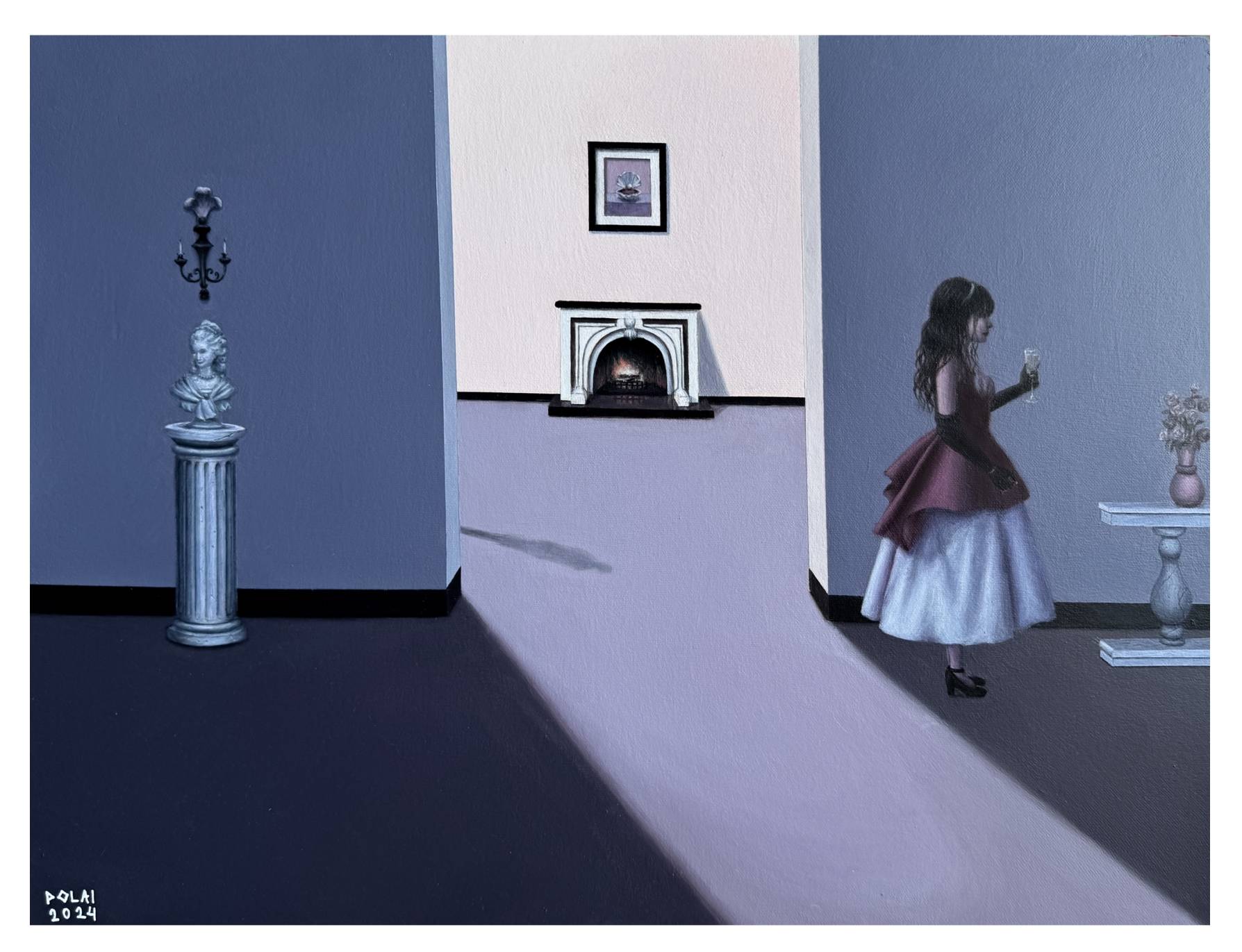
The work is interesting and engaging, and it really gets down to the themes of the images, of how women attempt to fit themselves into these expectations whilst never feeling fulfilled by any of it.
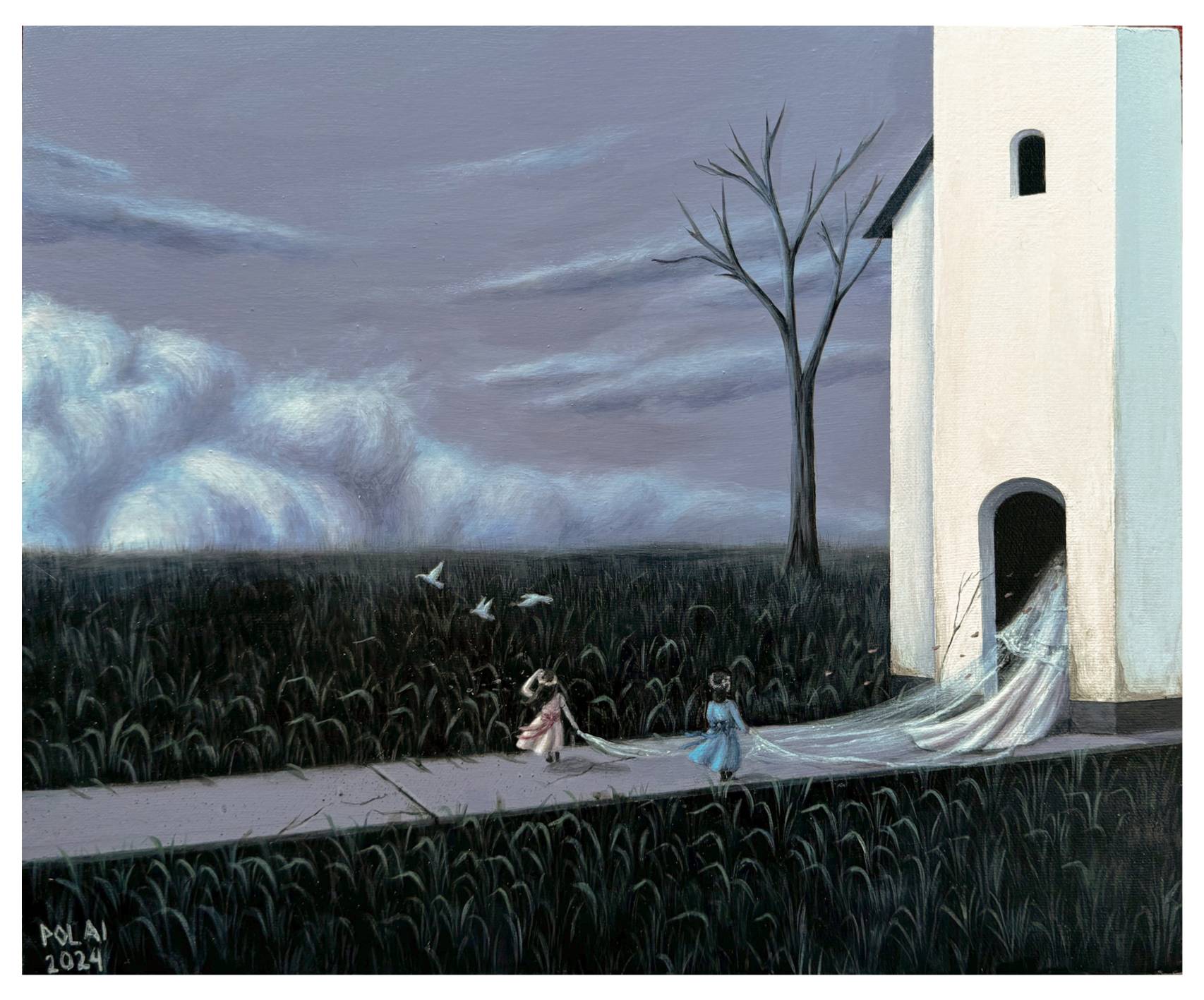
Uy said, in their exhibit write-up, that Sitjar had an epiphany after finishing the collection. “Instead of seeking answers to questions that have no guarantees, she embraced a simple yet profound truth—‘I am enough.’ This declaration resonates as a message of courage, reminding women and artists alike that their worth isn’t contingent on achievements, timelines, or societal benchmarks, but rather on their intrinsic value and authenticity,” they wrote.
Am I? gets down to the core emotions of living in a society with contradictory expectations that leave women unhappy. Poula Sitjar expresses that familiar loneliness in painted form, while using it as a way to find within herself the strength to fight against it and define her own worth away from society.
The exhibit is showing at the Isobel Art Gallery until December 4.
Photos provided by the artist.
Related reading: Women’s Month as Seen Through the Artist’s Lens
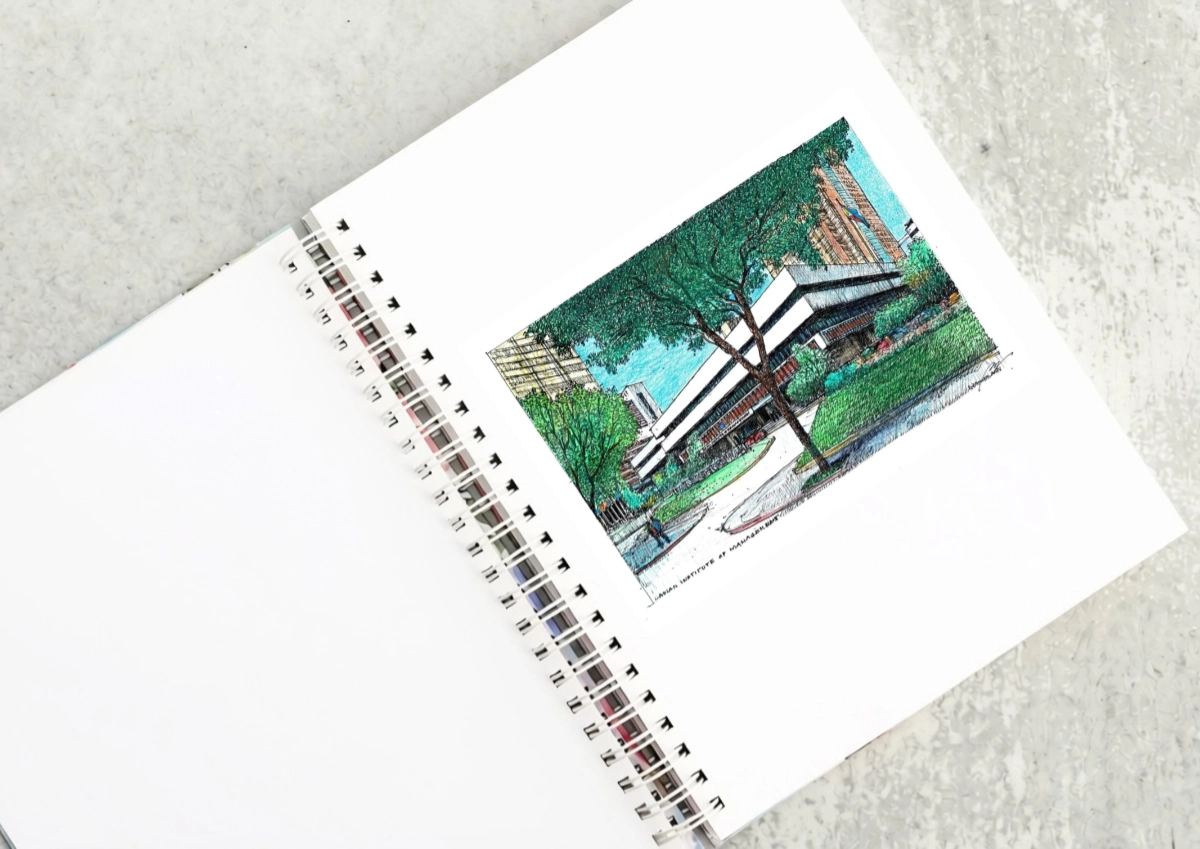
A Filipino Interpretation of Modernist Architecture Unlike the rest of Makati today, the northern end of Paseo de Roxas in Makati is anchored by a low complex rather than a tall skyscraper. This is the elegant Asian Institute of Management, designed by architect Gabriel Formoso and completed in 1971. In my opinion, the building is […]
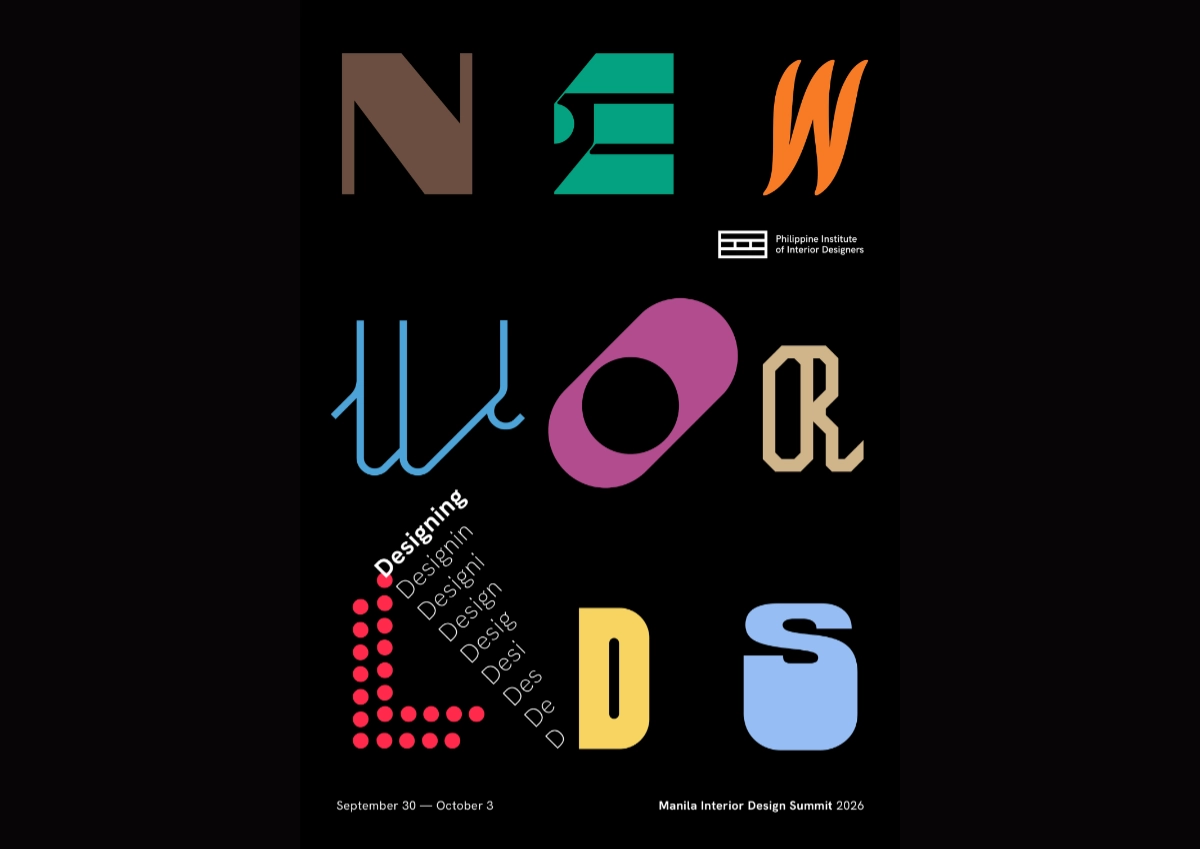
“Thailand has claimed urban creativity and livability. Singapore has institutional design leadership. Indonesia is emerging as a design hub. Vietnam is moving into design innovation. And the Philippines? Its position is not weak. It is simply unclaimed.” For IDr. Cecil Ravelas, National President of the Philippine Institute of Interior Designers (PIID), the challenge is not […]
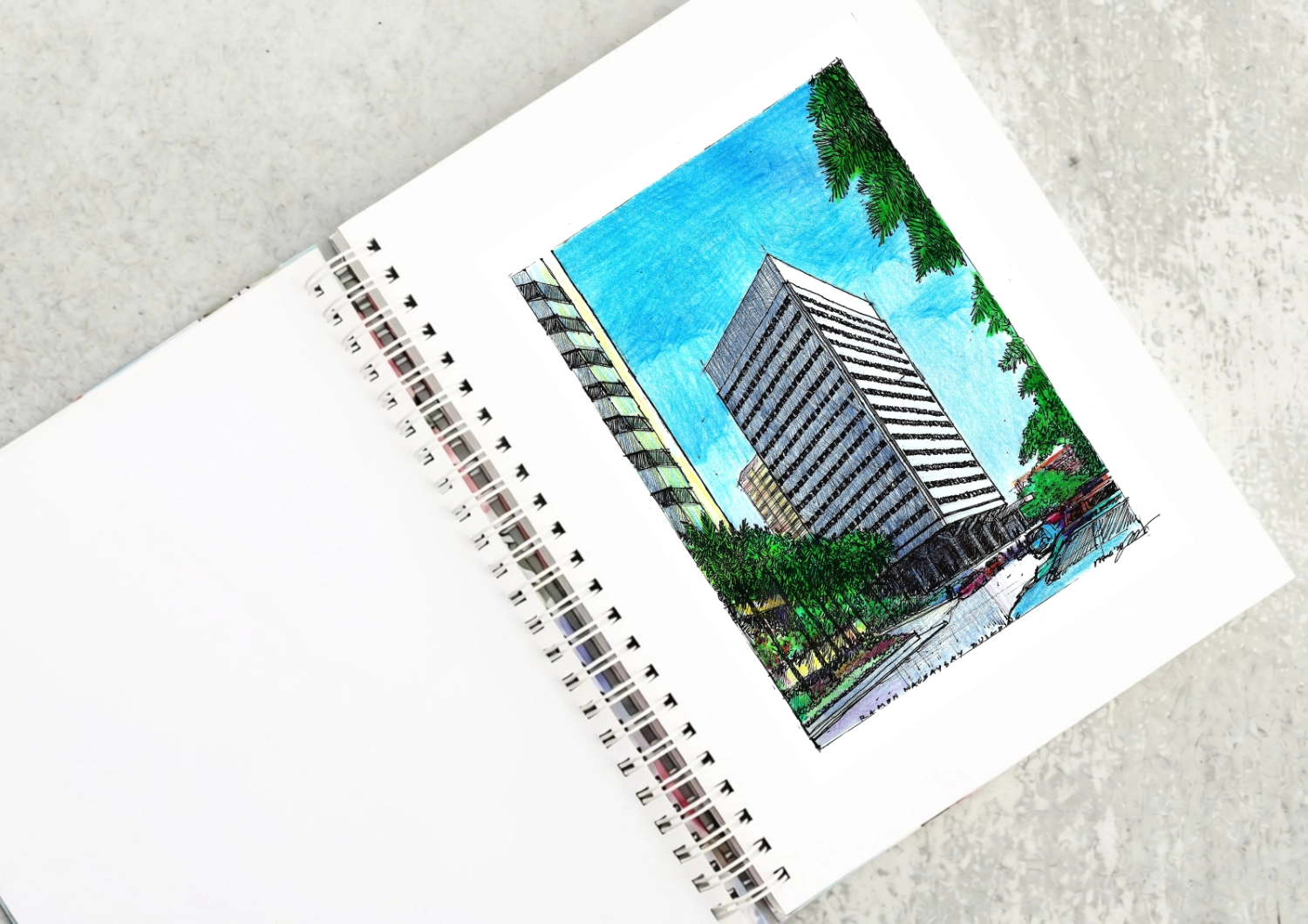
The Ramon Magsaysay Center as a Modernist Landmark Driving down Roxas boulevard from Rizal Park, what will catch your eye is the most elegant modernist structure in the country, the Ramon Magsaysay Center. Most established Filipino architects put it in their top ten lists of favorite buildings. It was designed by Alfredo J. Luz, who […]

Rinna Soriano’s favorite part of her work is sanding. At her workbench, she stays focused, following the grain, adjusting to changes in its direction. Narra, she has learned, can have interlocking grain. A piece of mango once proved particularly difficult until a worker explained that she had reached the point where a branch once grew […]
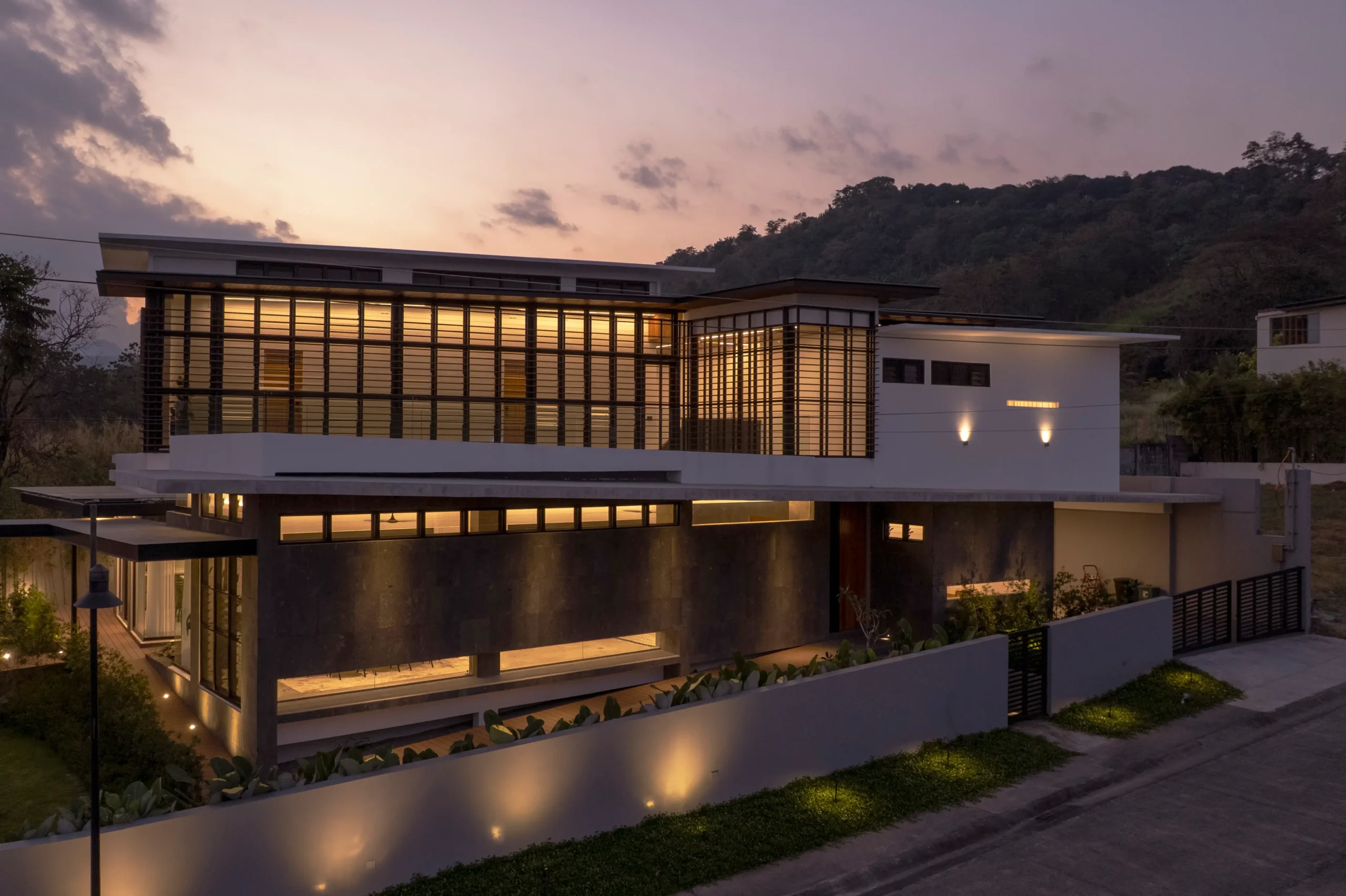
Filipino architectureArchitectureThe art and science of designing and constructing buildings, structures, and spaces that are functional, safe, and aesthetically pleasing. It encompasses the planning, design, materials, and techniques used to createGo to Architecture Glossary has long been associated with indigenous materials and vernacular design strategies, from bamboo and timber construction to jalousie windows, generous spaces, […]
Read the issues.

Collect the volumes.

Recommended Video
Tap to Unmute
Unmute
0:00
0:00