Bigkis is the act of binding. In Tagalog, the word can refer to something used to bind or encircle, as well as a bundle formed by tying several separate elements together. Figuratively, it can also mean a bond, union, or unity. The meanings move from the physical act of joining things together to the connection […]
‘Capture and Release’ Bears Witness to the World’s Evolution



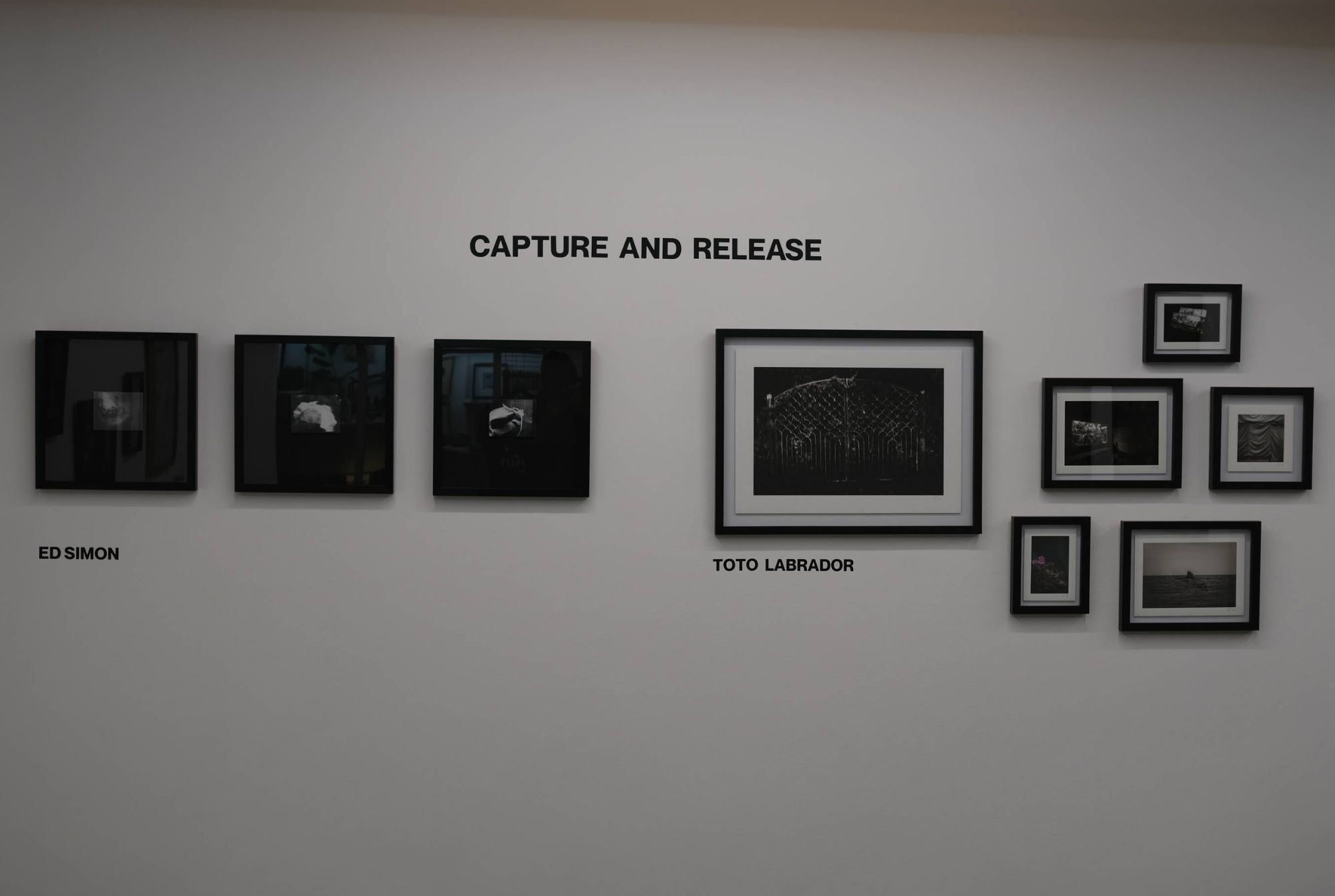
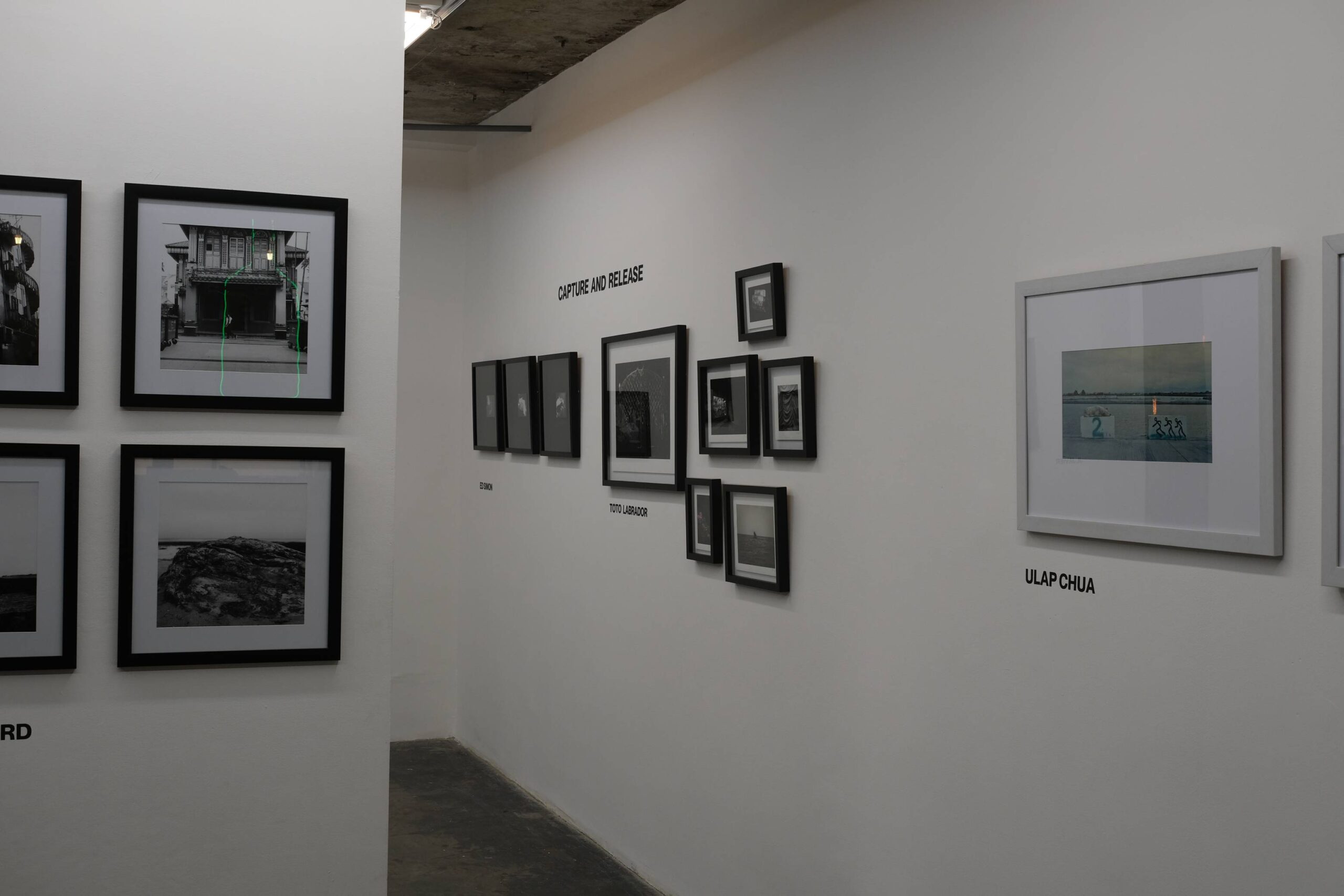
For Capture and Release, Space Encounters Gallery assembled seven photographers to create an immersive documentation of the world around us. From vegetables to natural phenomena to a bustling cityscape, the works share a unique vision of how we can see the world today.
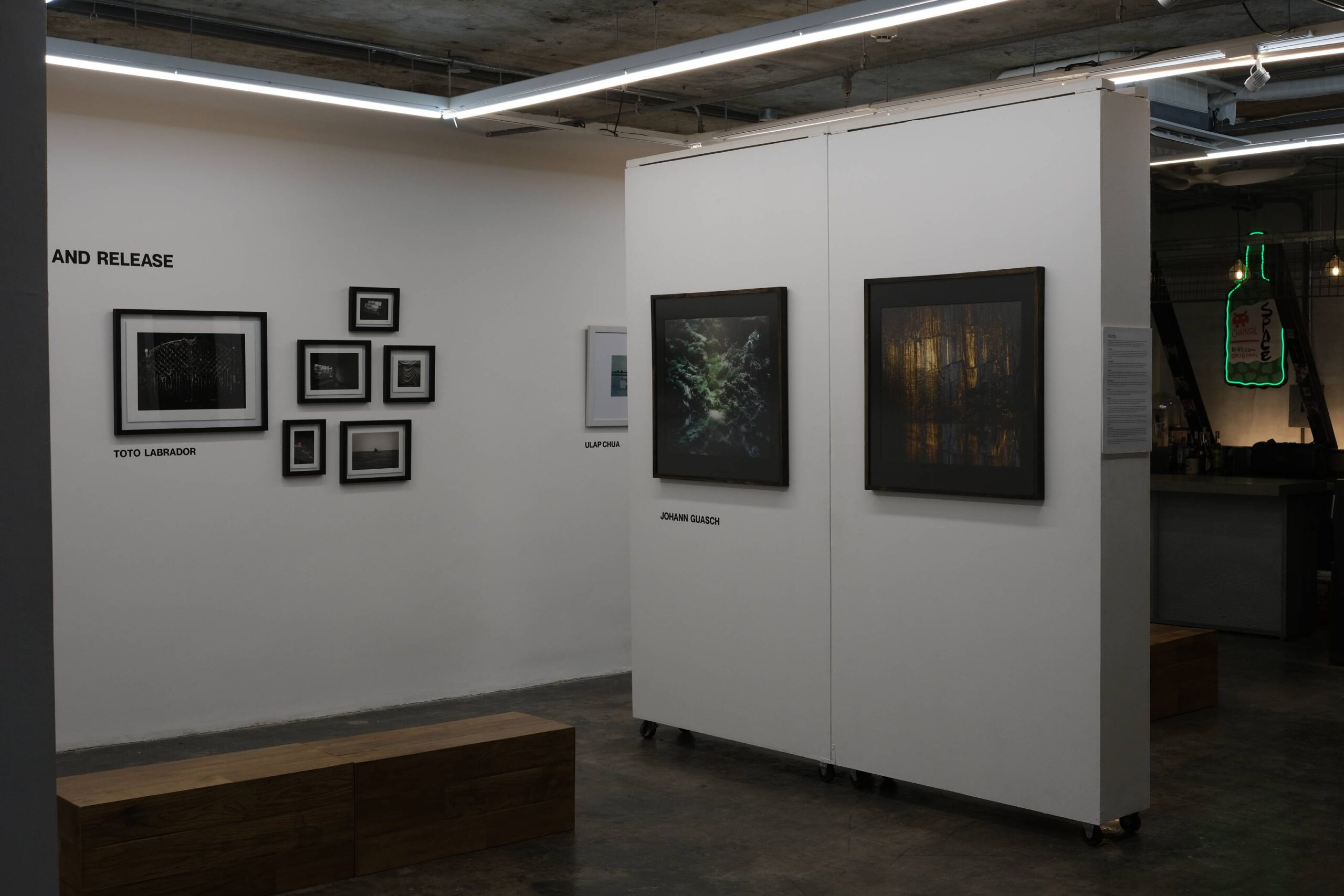
Cru Camara, Toto Labrador, JL Javier, Johann Guasch, Ed Simon, Ulap Chua, and Curtis Richard contributed their works to the exhibit. Each photographer came in with subjects they were interested in, capturing them in a way that elevated these everyday sights into larger ideas.
“Capture and Release invites viewers into a spectrum of human experiences-introspections on solitude, transitions, and the spaces in between. Across its diverse voices, the exhibition explores what it means to hold on to a moment and then let it evolve into meaning,” the exhibit write-up said.
The Inquisitive Eye
Photography, like any other artform, works well as a way of capturing an event or emotion or feeling during a fleeting moment in time. No one is really documenting anything objectively; the photographer’s gaze, just like the artist’s gaze, influences the final product of what we see.
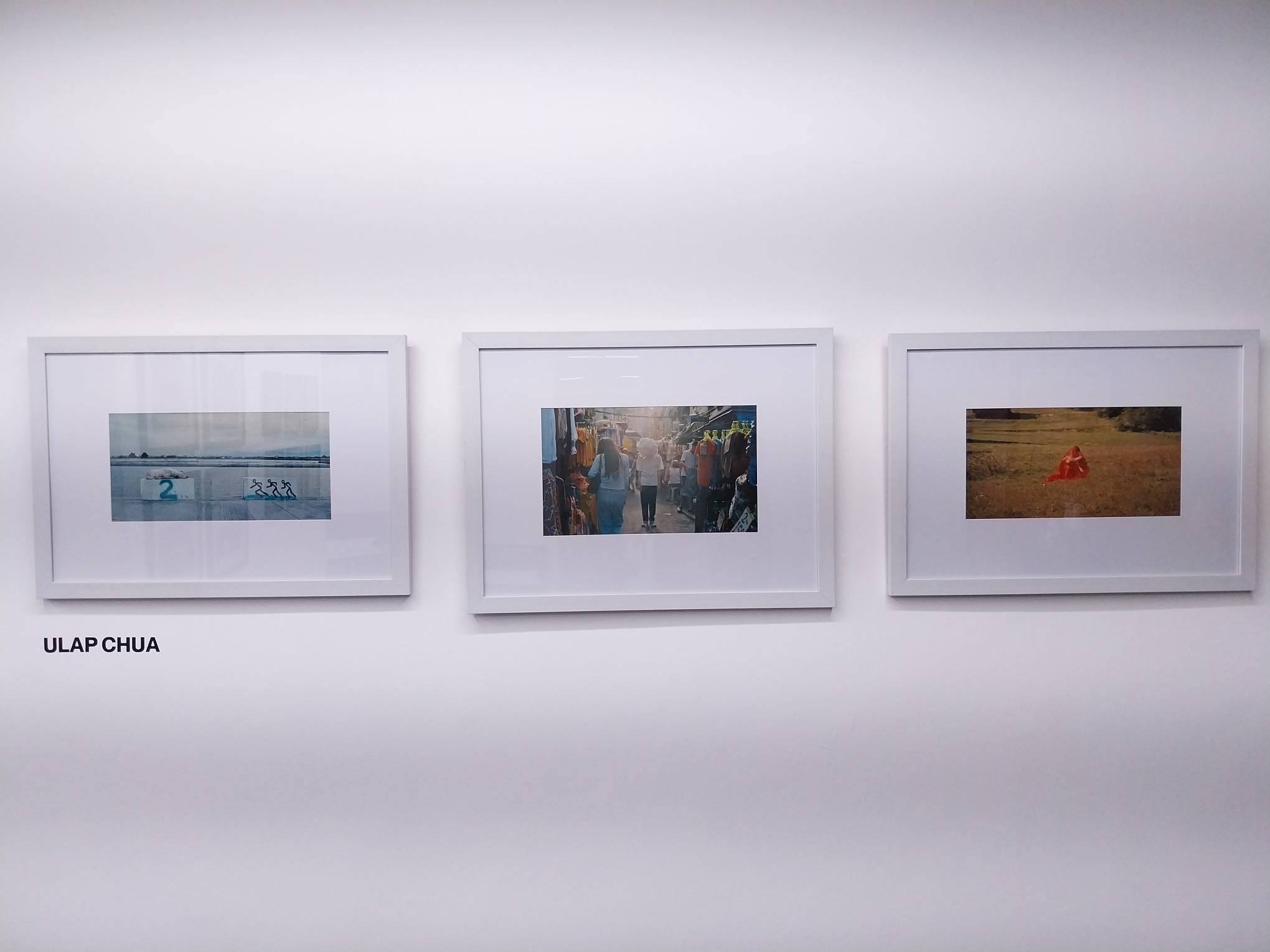
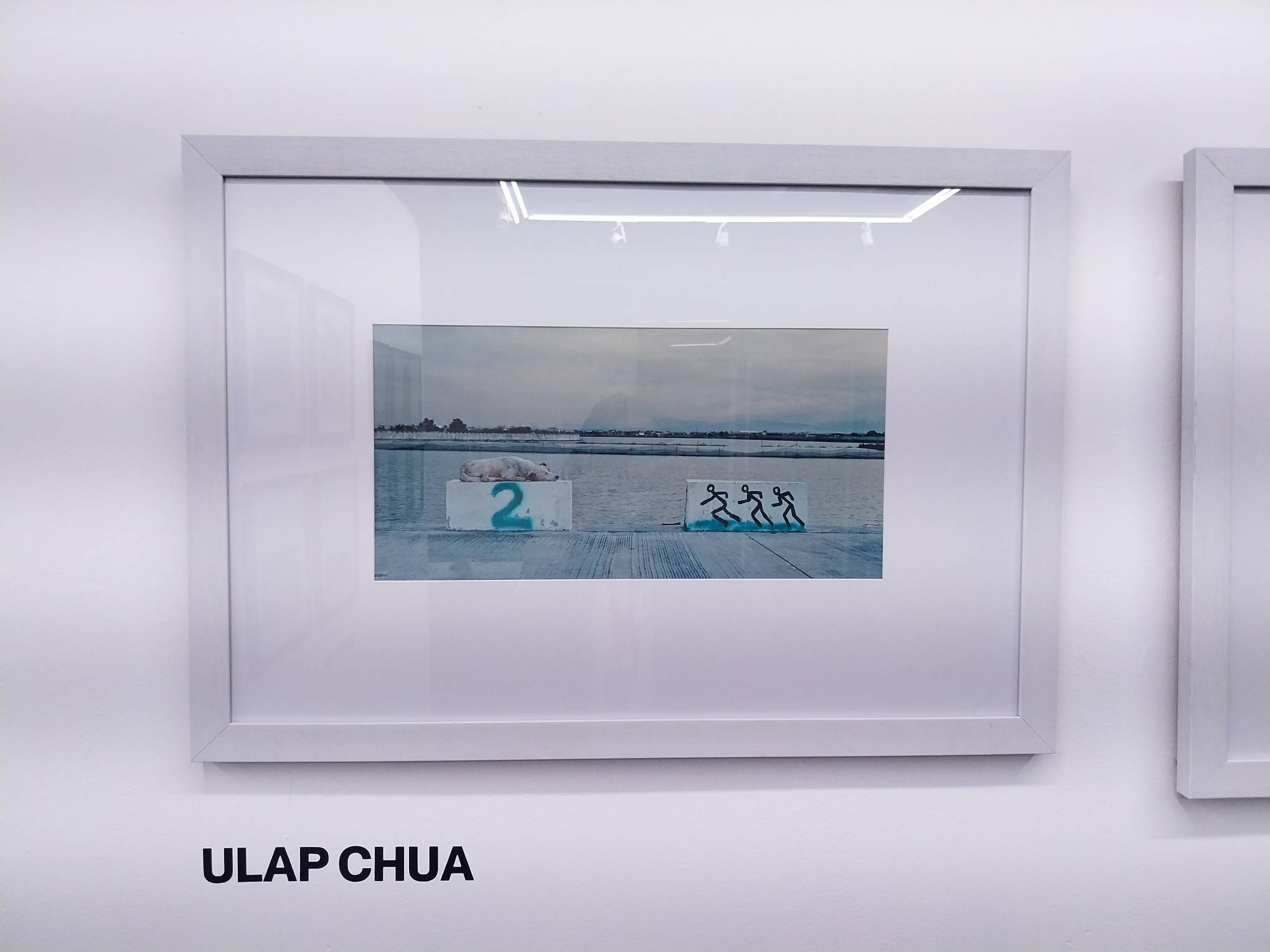
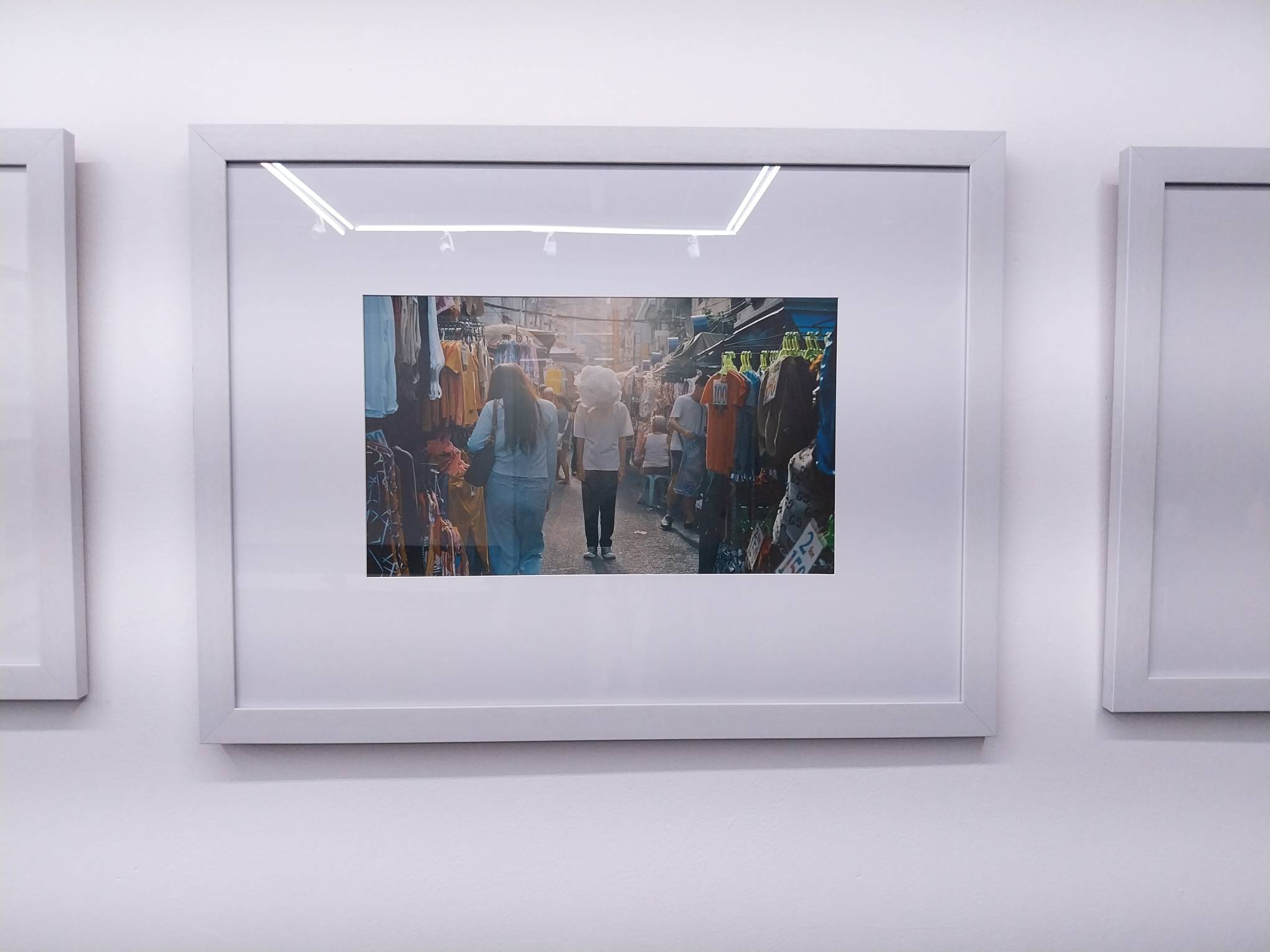
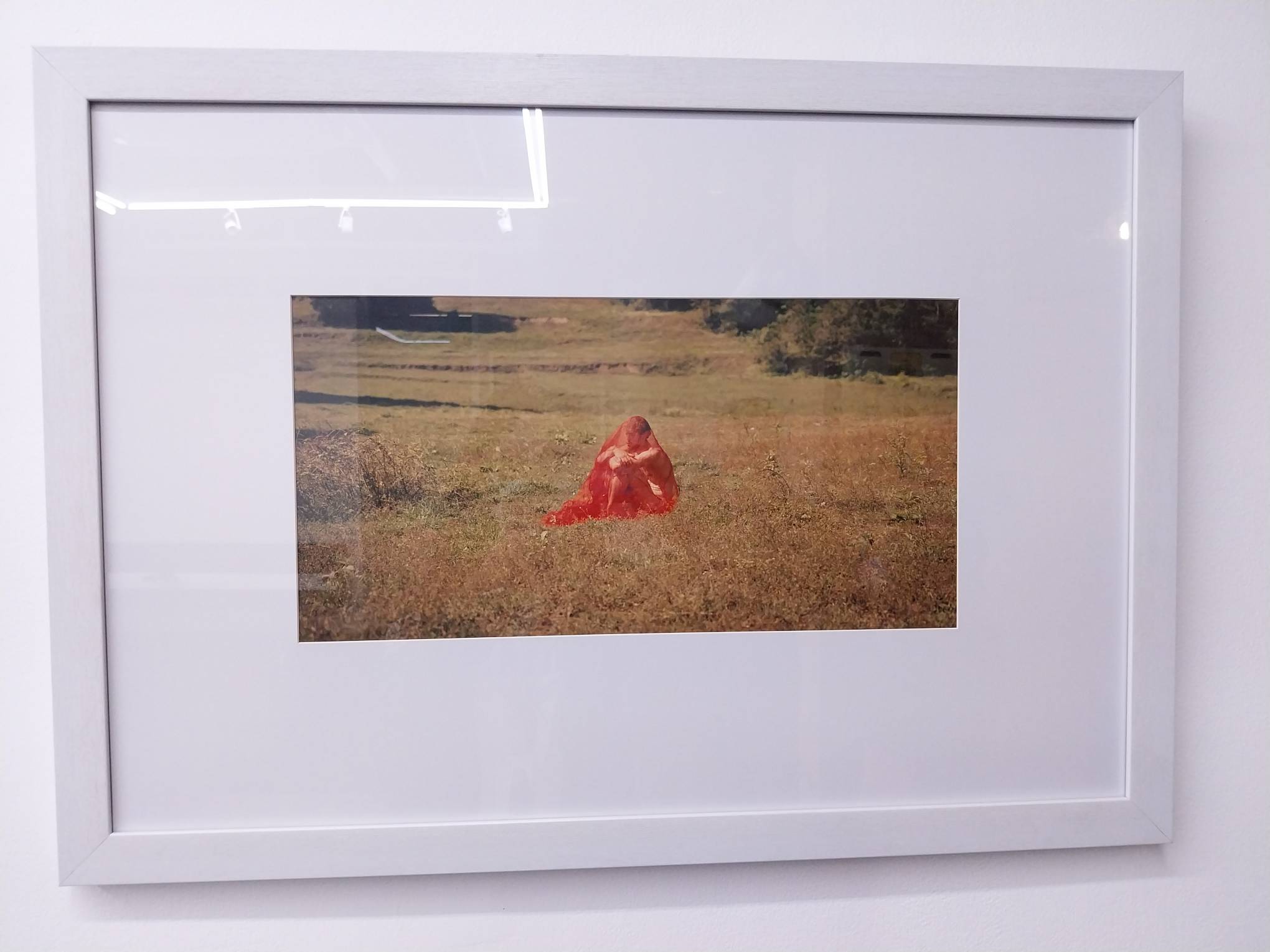
Capture and Release certainly gives us some brisk examples of how to personalize our documentation of the world. For example, Ulap Chua’s images provide us with typical landscapes of seas, fields, and cities. But small twists in the material, from a person covered in a red net sitting in a field, to a person with a cloud head in the middle of a market, provides an interesting interplay of personality with the ideas present.
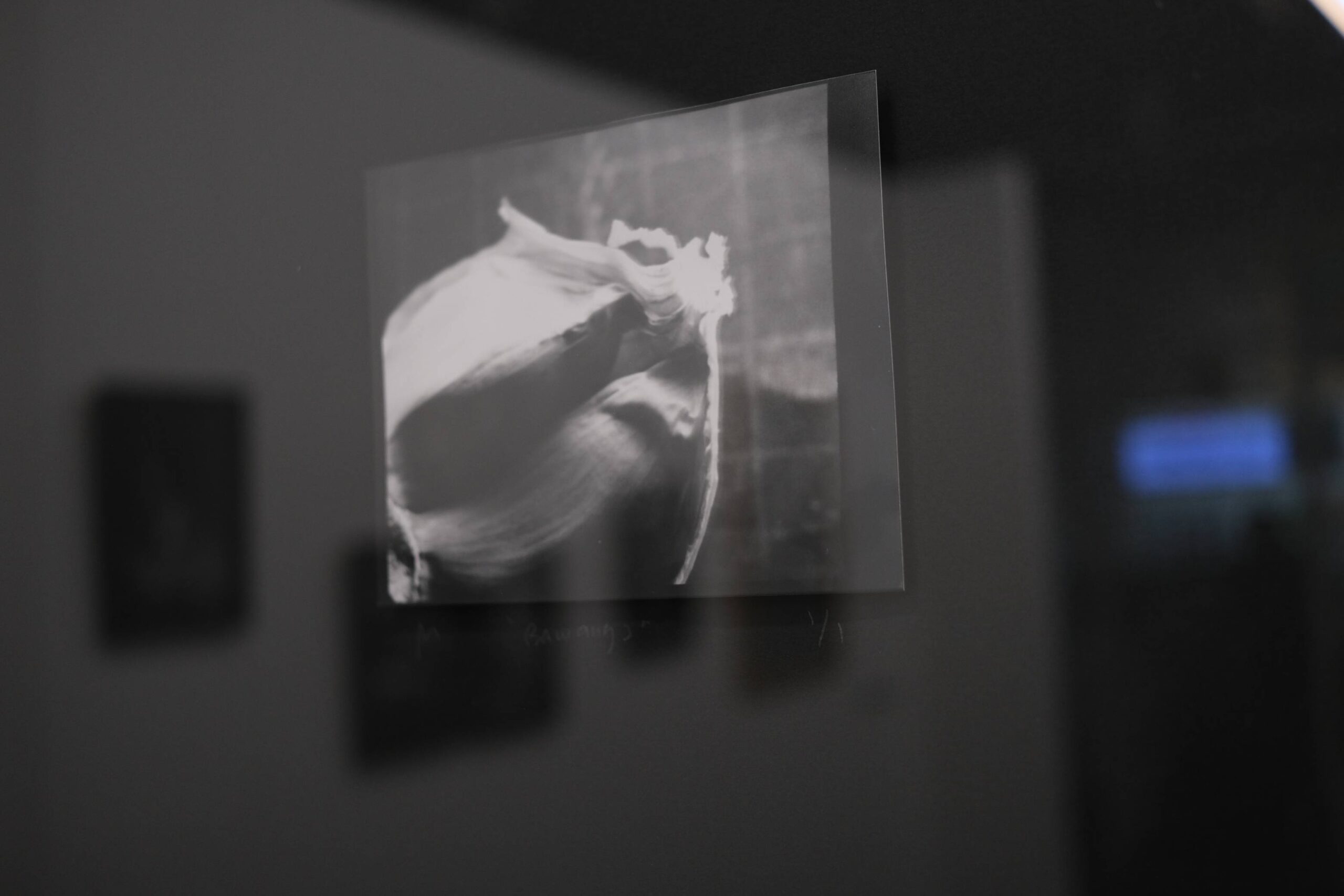
Ed Simon’s work, meanwhile, utilizes black and white to closely reveal the details of a piece of garlic and tomato. The interplay between the extreme close-up and the black-and-white gives it a stripped-down, grounded feeling to the objects.
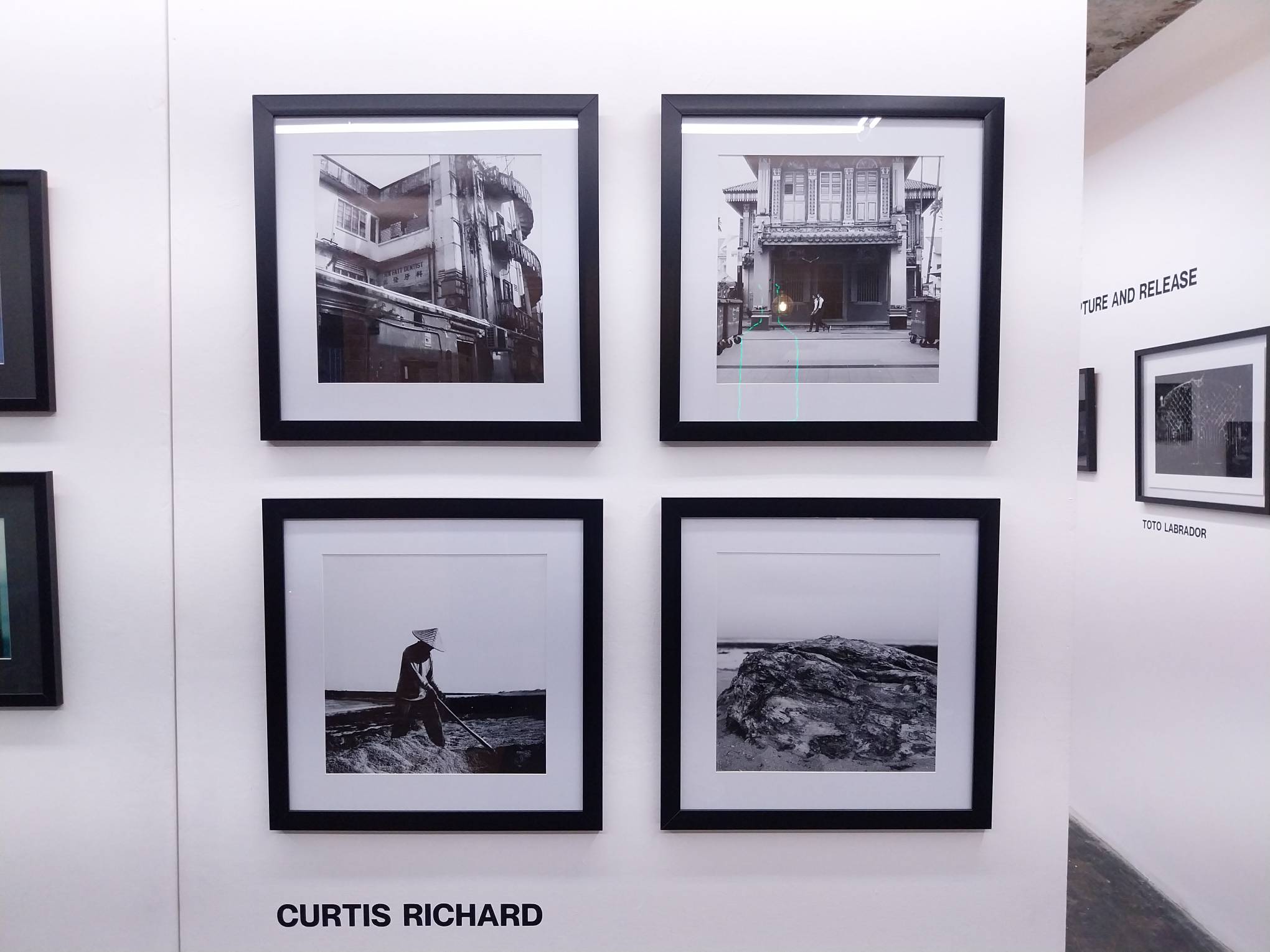
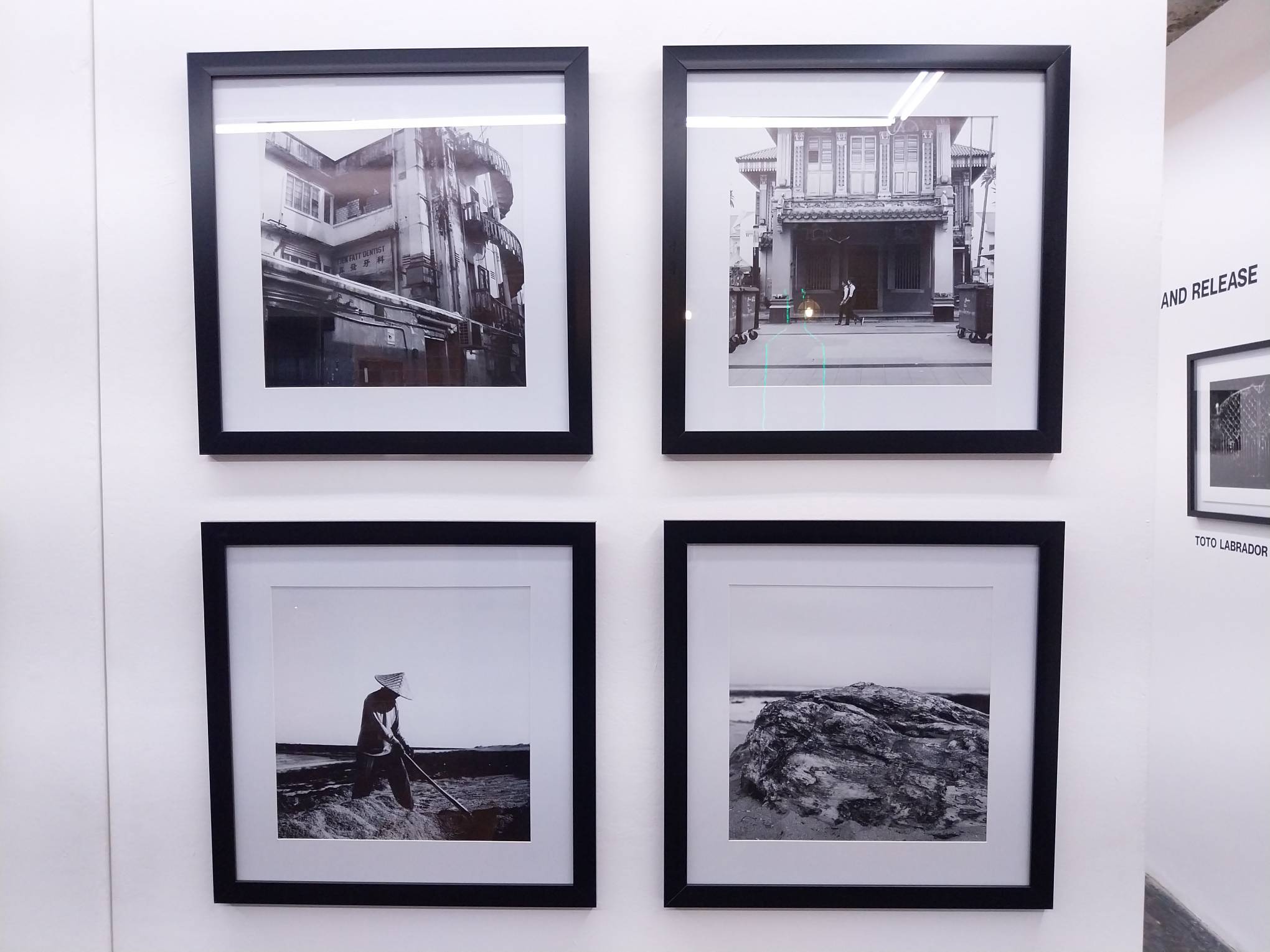
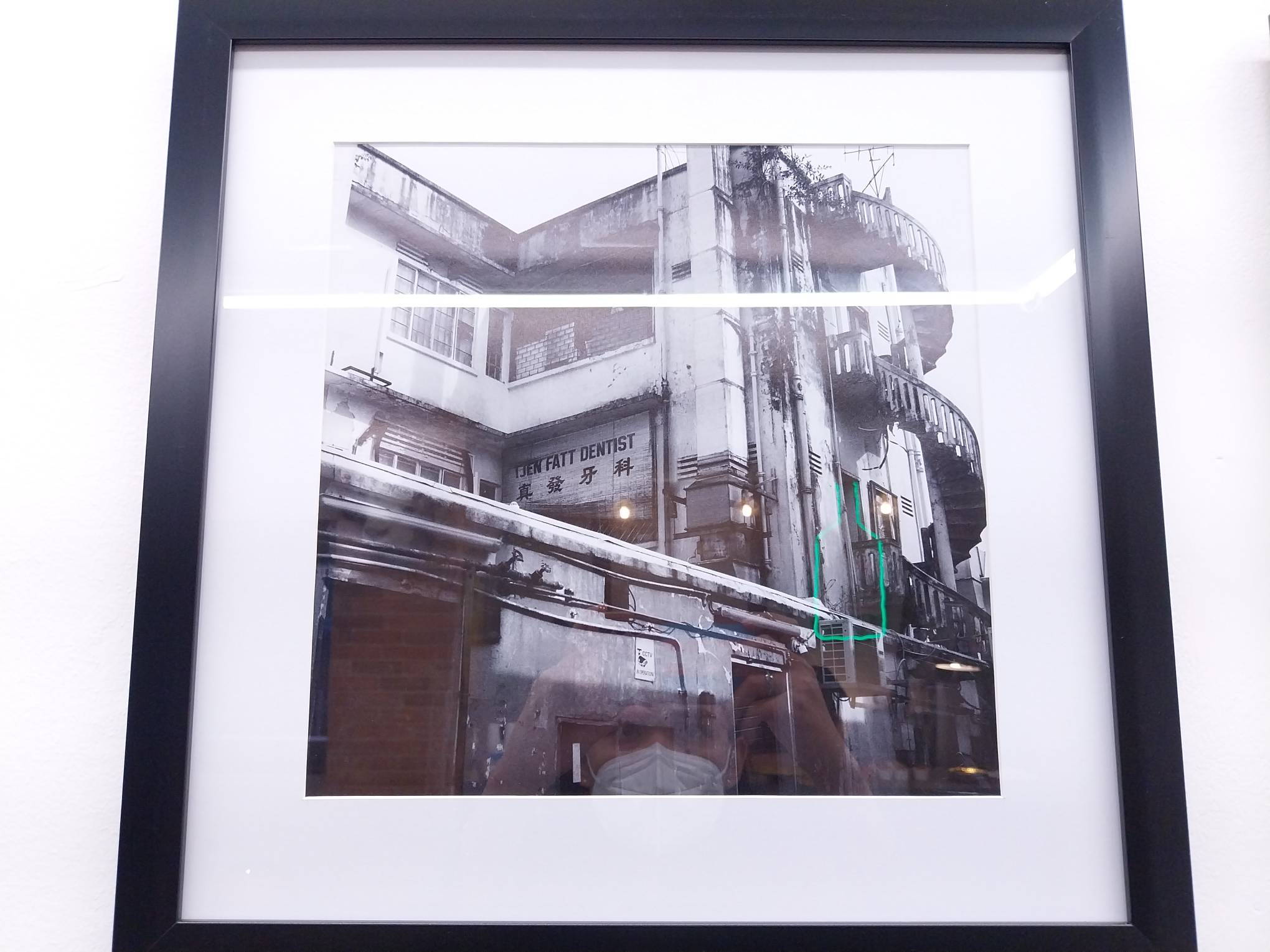
Curtis Richard also worked with black-and-white photography for their contributions to the exhibit, but his images work with an urban landscape, finding the stillness and the quiet within the different areas.
Magical and Otherworldly
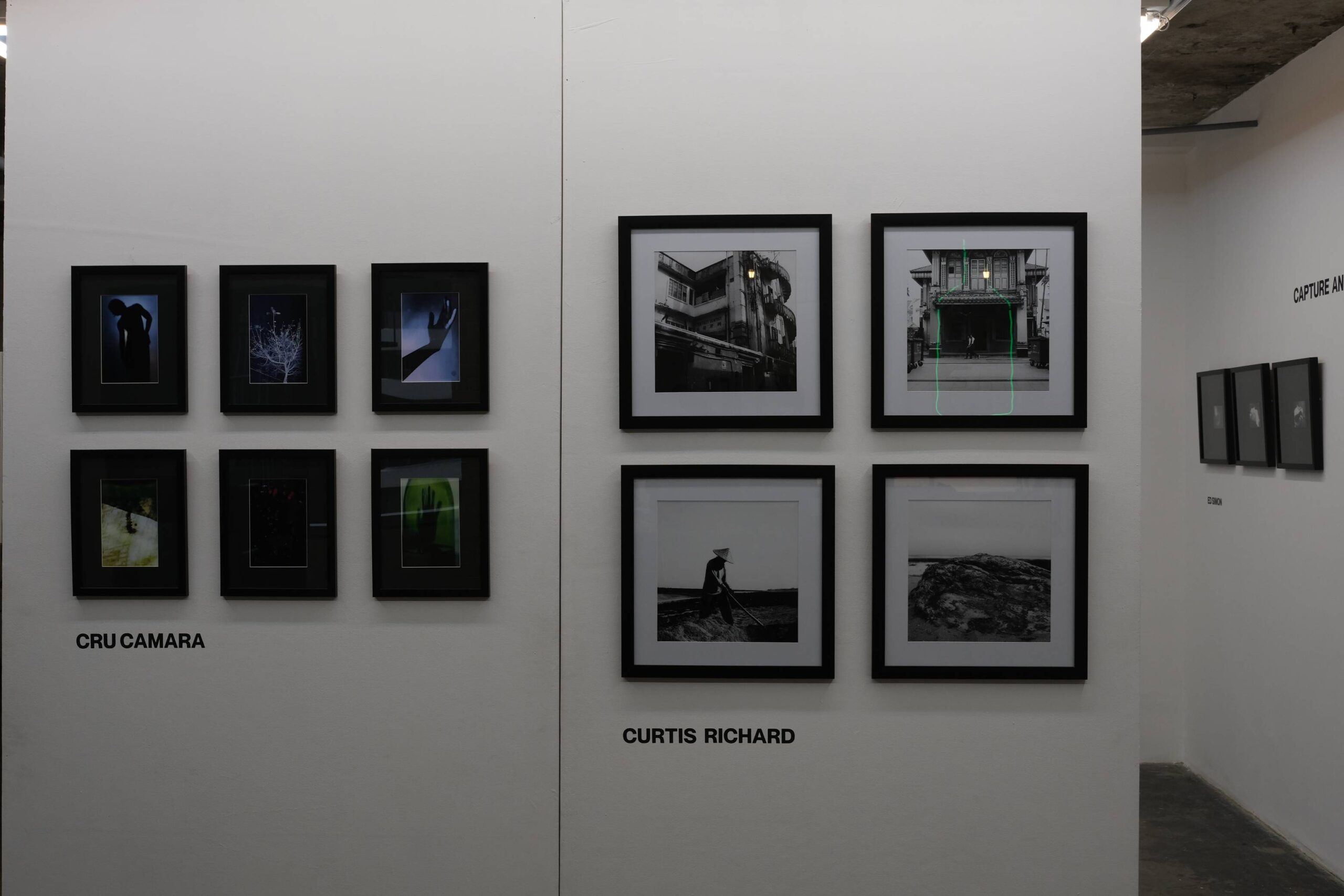
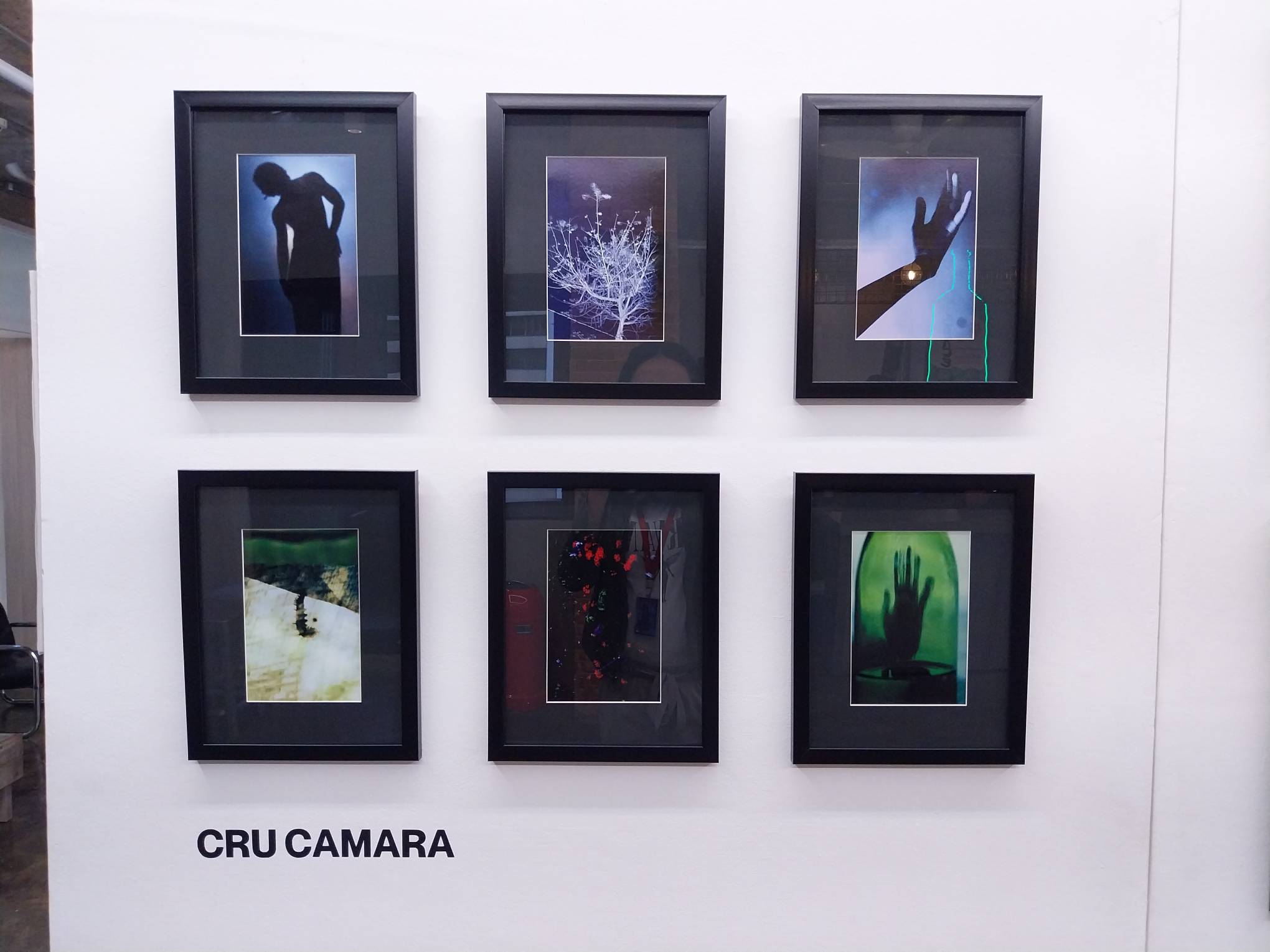
Other interesting works include Cru Camara’s “Blue” and “Green” triptychs for the exhibit. These have an otherworldly feel to them, blurring their relatable and identifiable values away to make them look alien. They are so alien, in fact, that one can imagine some of these stills would comfortably exist in something like the opening credits of The X- Files.
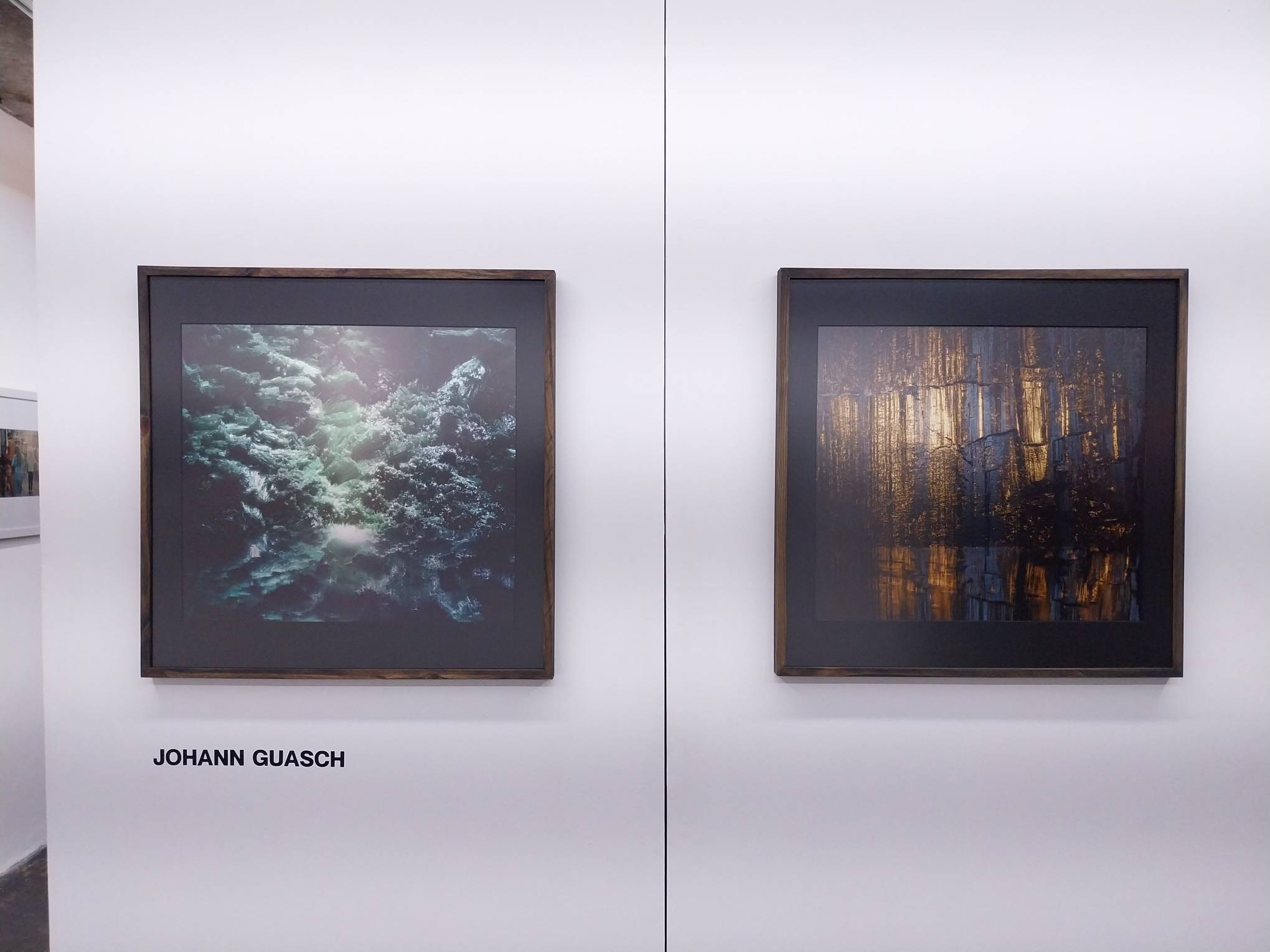
Johann Guasch’s work borders on magical as they somehow capture some natural phenomena with bursting clouds and colorful textures. The material, printed on Hahnemuhle paper, produces an eerie sheen that still manages to keep its organic feeling.
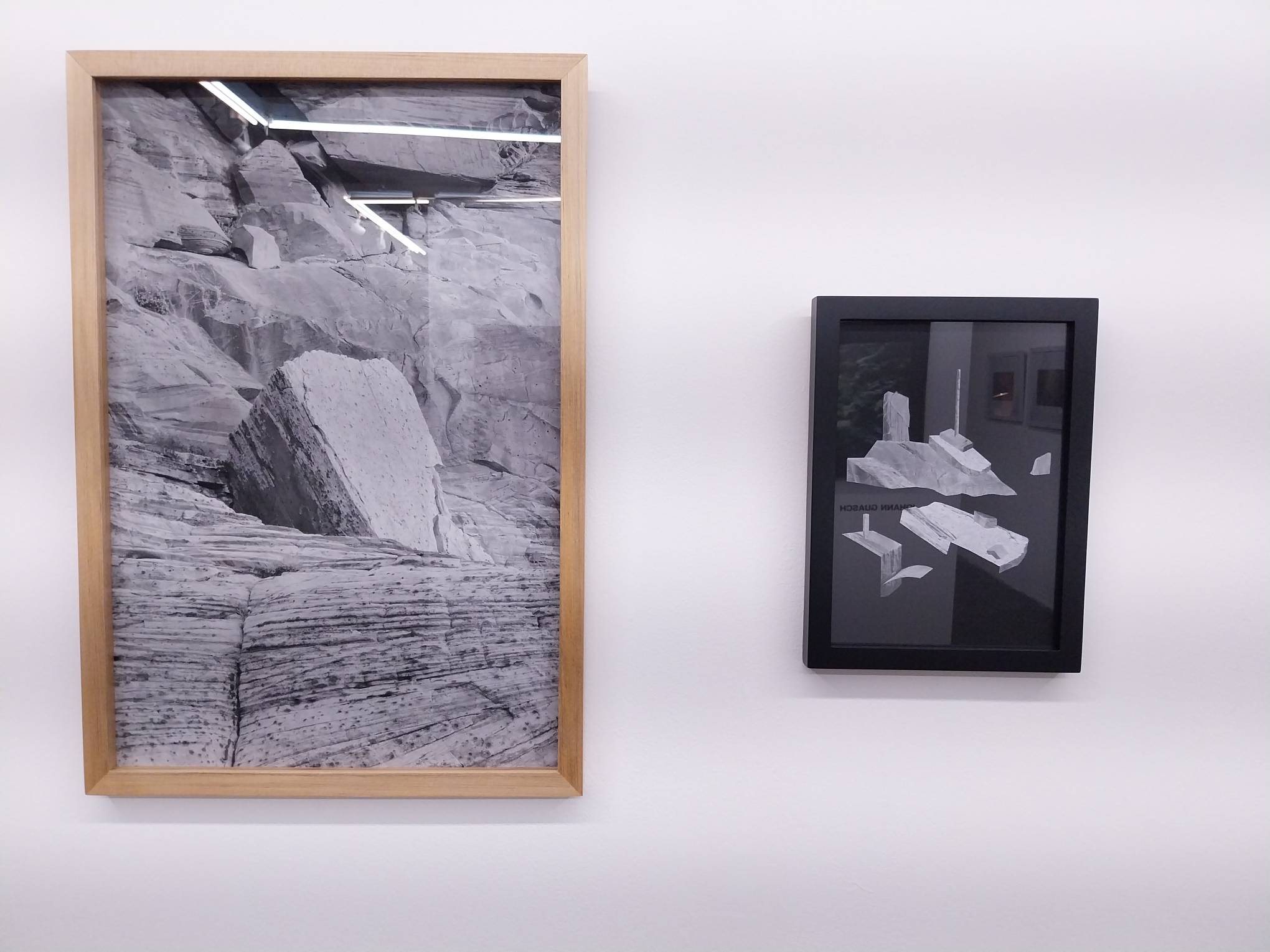
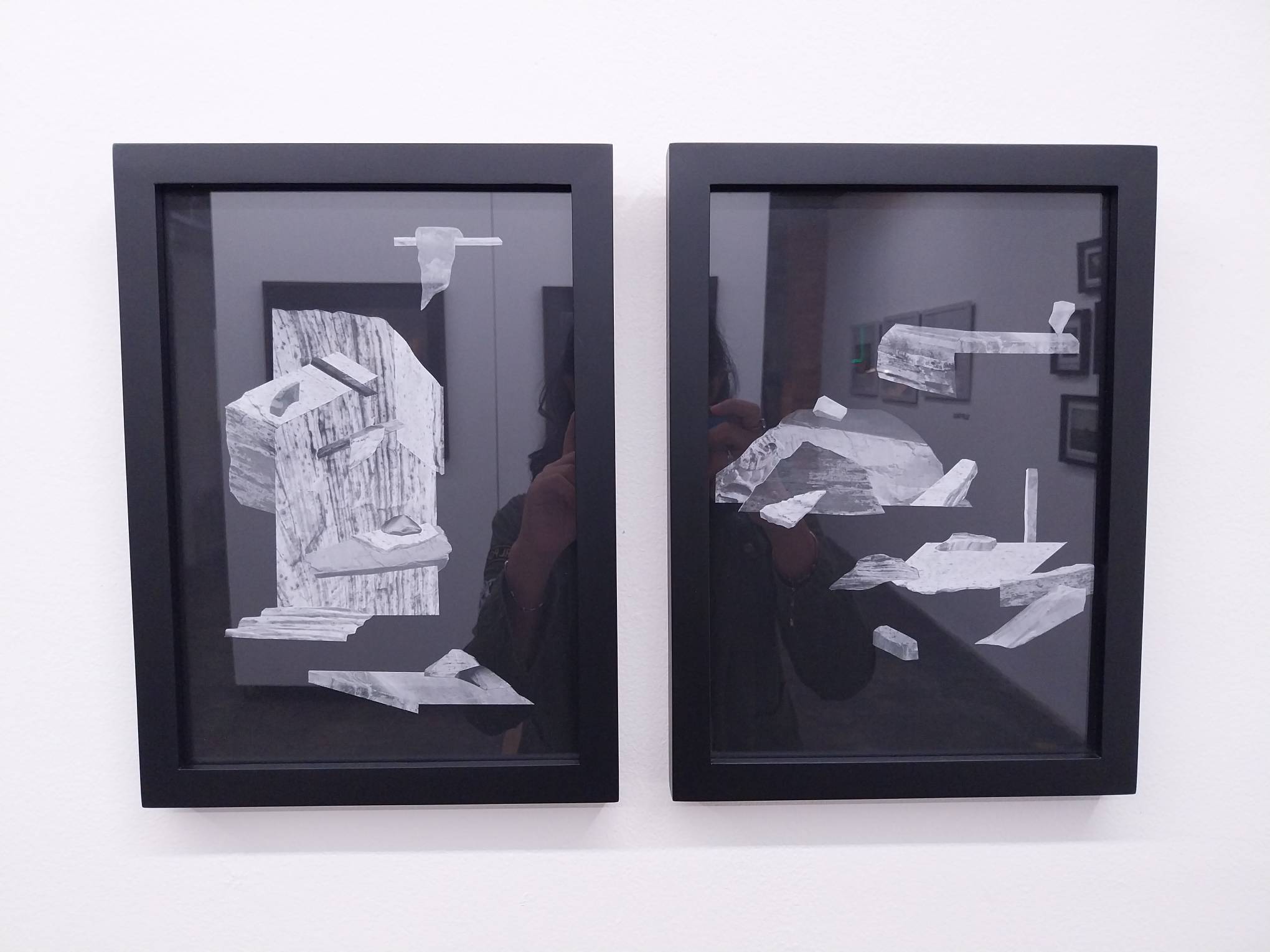
Meanwhile, JL Javier breaks down a photograph of rocks into disparate collages, stripping them into parts as a way of evoking new meaning into the environment. “Through layered collages, Javier reclaims meaning from these landscapes,” the write-up said. “[He’s] piecing together fragments of memory to forge a personal geography-where smallness becomes a place to dream.”
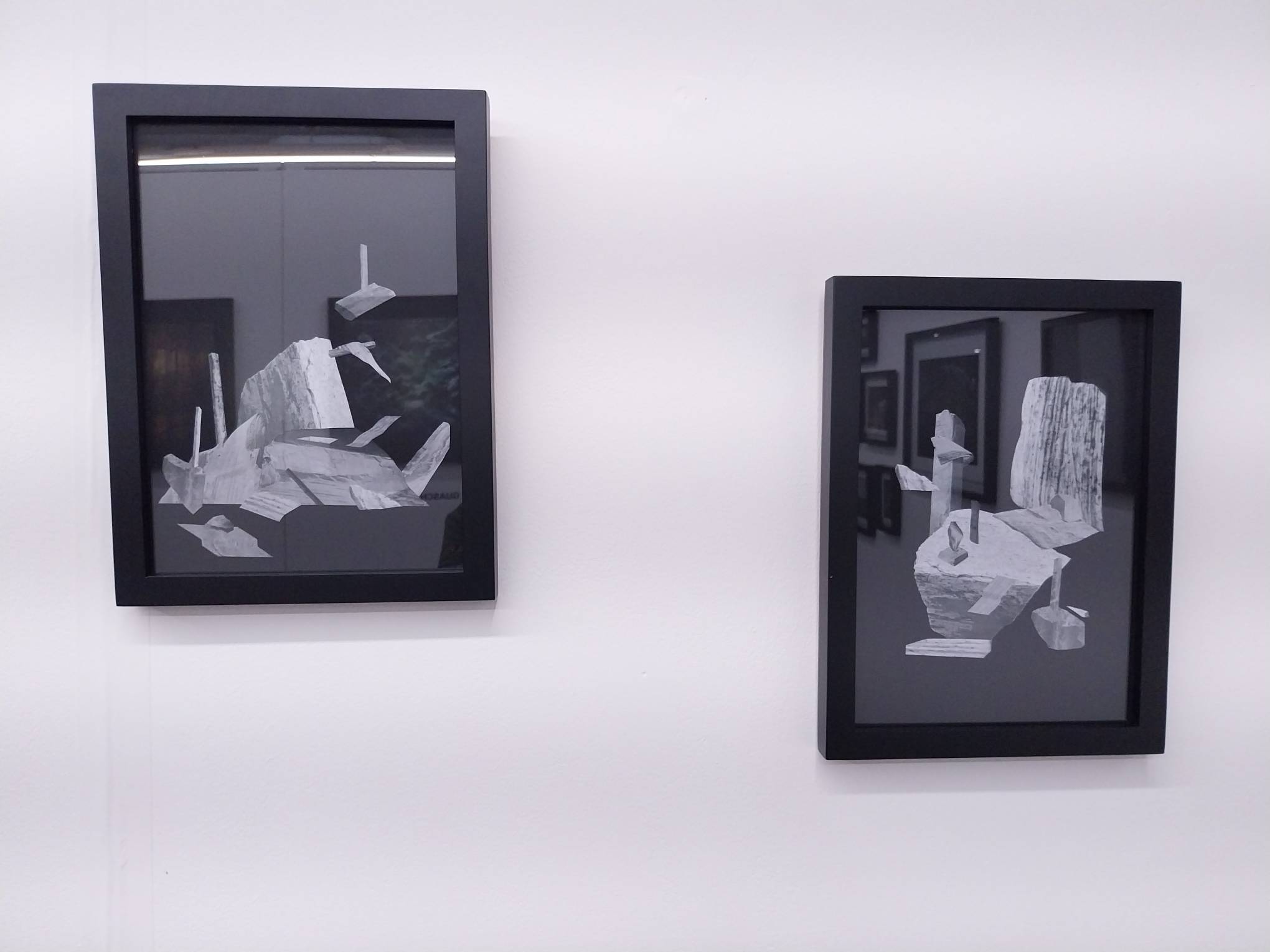
“Through these diverse voices and perspectives, Capture and Release reminds us that photography is more than documentation-it is a medium of transformation, where moments are caught, reimagined, and released as stories that resonate far beyond their frames,” the exhibit write-up said.
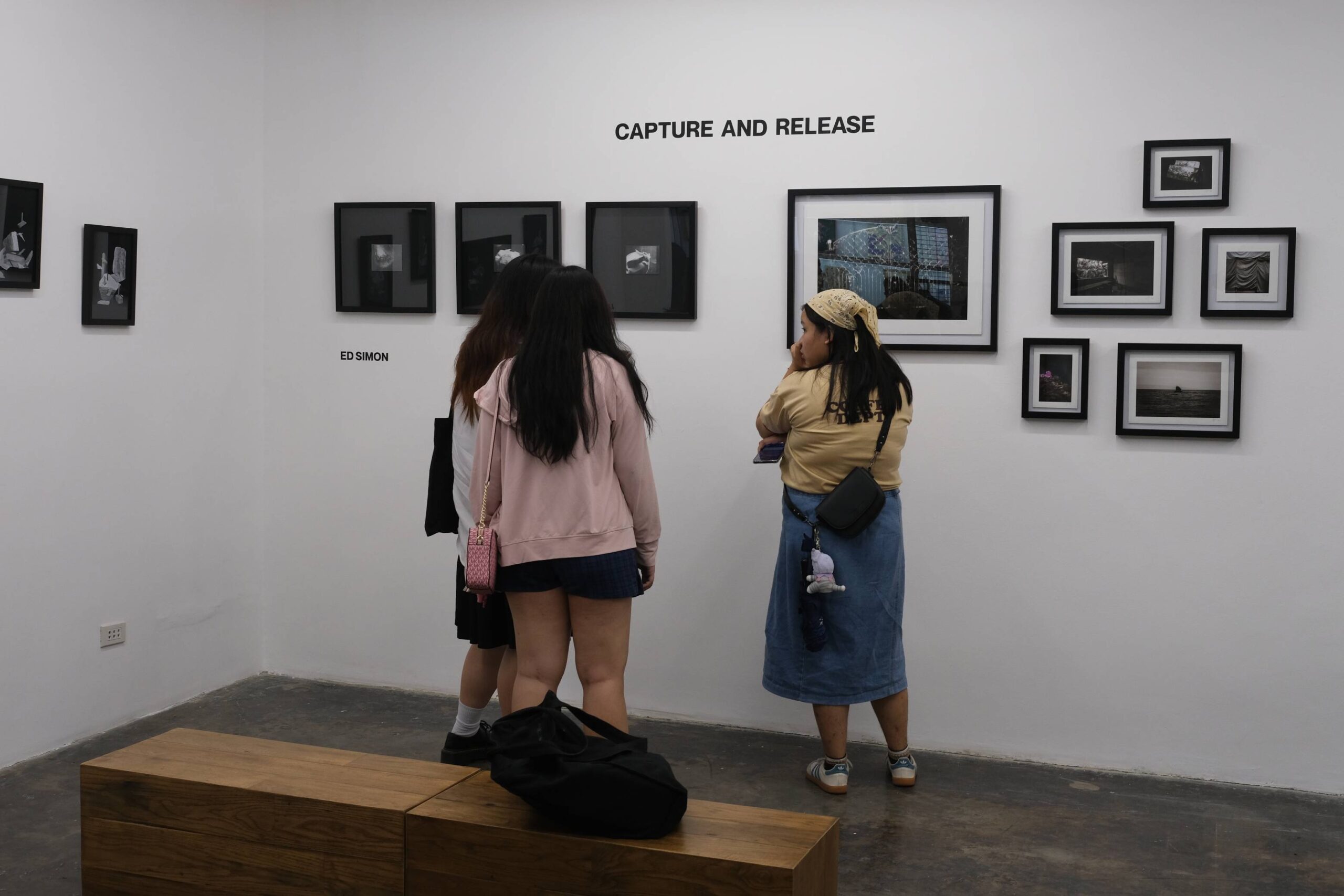
If beauty is in the eye of the beholder, then Capture and Release provides us with the different perspectives of beauty that exist in the world. From giant natural landscapes to the smallest vegetables, the world is bursting with dazzling things to document, all waiting for the right eye to bring them life.
Related reading: The intricate, nuanced, and layered relationship between architecture and photography
Frequently Asked Questions
The exhibit explores photography as a medium of transformation rather than just objective documentation. Featuring seven distinct photographers, the collection focuses on how individual perspectives can “capture” a fleeting moment or object—from a bustling city to a single garlic clove—and “release” it as a new story or emotional experience.
The exhibit showcases the diverse works of Cru Camara, Toto Labrador, JL Javier, Johann Guasch, Ed Simon, Ulap Chua, and Curtis Richard. Each artist brings a specialized gaze to the collection, using varied techniques like extreme close-ups, surrealist overlays, and mixed-media collages to elevate everyday subjects into conceptual art.
Ed Simon utilizes high-contrast black-and-white photography and extreme close-ups of organic objects, like garlic and tomatoes, to create a grounded, tactile feeling. In contrast, Cru Camara presents “Blue” and “Green” triptychs that use otherworldly lighting and colors to make identifiable subjects appear alien and surreal, bordering on the aesthetic of science fiction.
JL Javier uses a collage-based approach, breaking down photographs of landscapes into disparate parts to forge a “personal geography” of memory. Johann Guasch captures natural phenomena printed on Hahnemühle paper, which creates an eerie, organic sheen that emphasizes the magical and textured qualities of clouds and natural light.
Ulap Chua personalizes traditional landscapes—such as seas and fields—by introducing unexpected, surrealist figures into the frame. By capturing a person covered in a red net in a field or a figure with a “cloud head” in a market, Chua creates an interplay between the realistic environment and a highly personal, imaginative narrative.
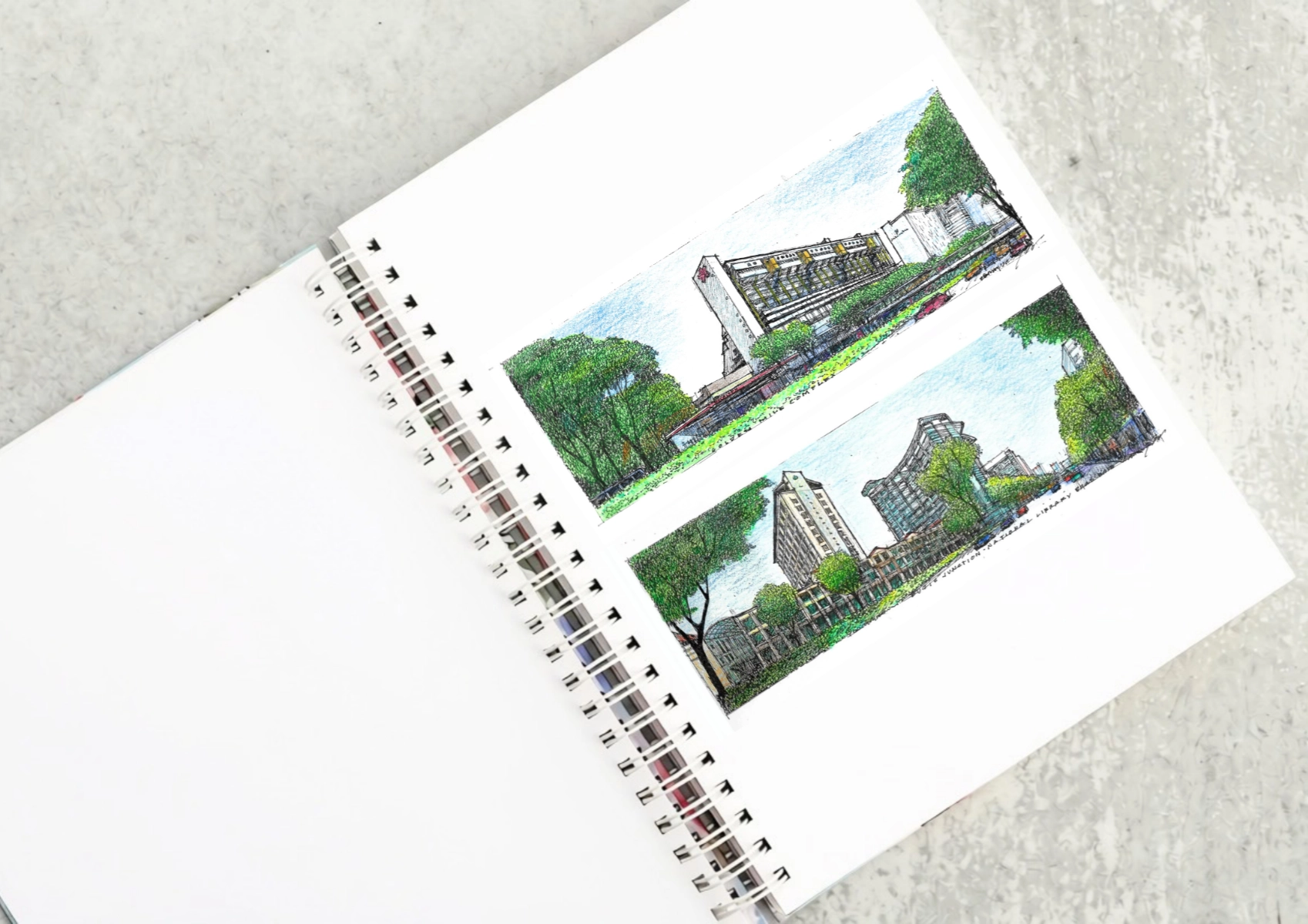
Two sketches of Singapore connect BluPrint Editor in Chief Paulo G. Alcazaren’s personal and professional history with Shared Ground: ArchitectureArchitectureThe art and science of designing and constructing buildings, structures, and spaces that are functional, safe, and aesthetically pleasing. It encompasses the planning, design, materials, and techniques used to createGo to Architecture Glossary of Care, Culture, […]
In a way, designers are the modern-day soothsayers and prophets. They design for the future, predicting how a room, a house, a building or a whole city will be used by people. They foresee how users will interact with a space, conjure exact shades of colors to elicit specific behavior and arrange furniture to build […]
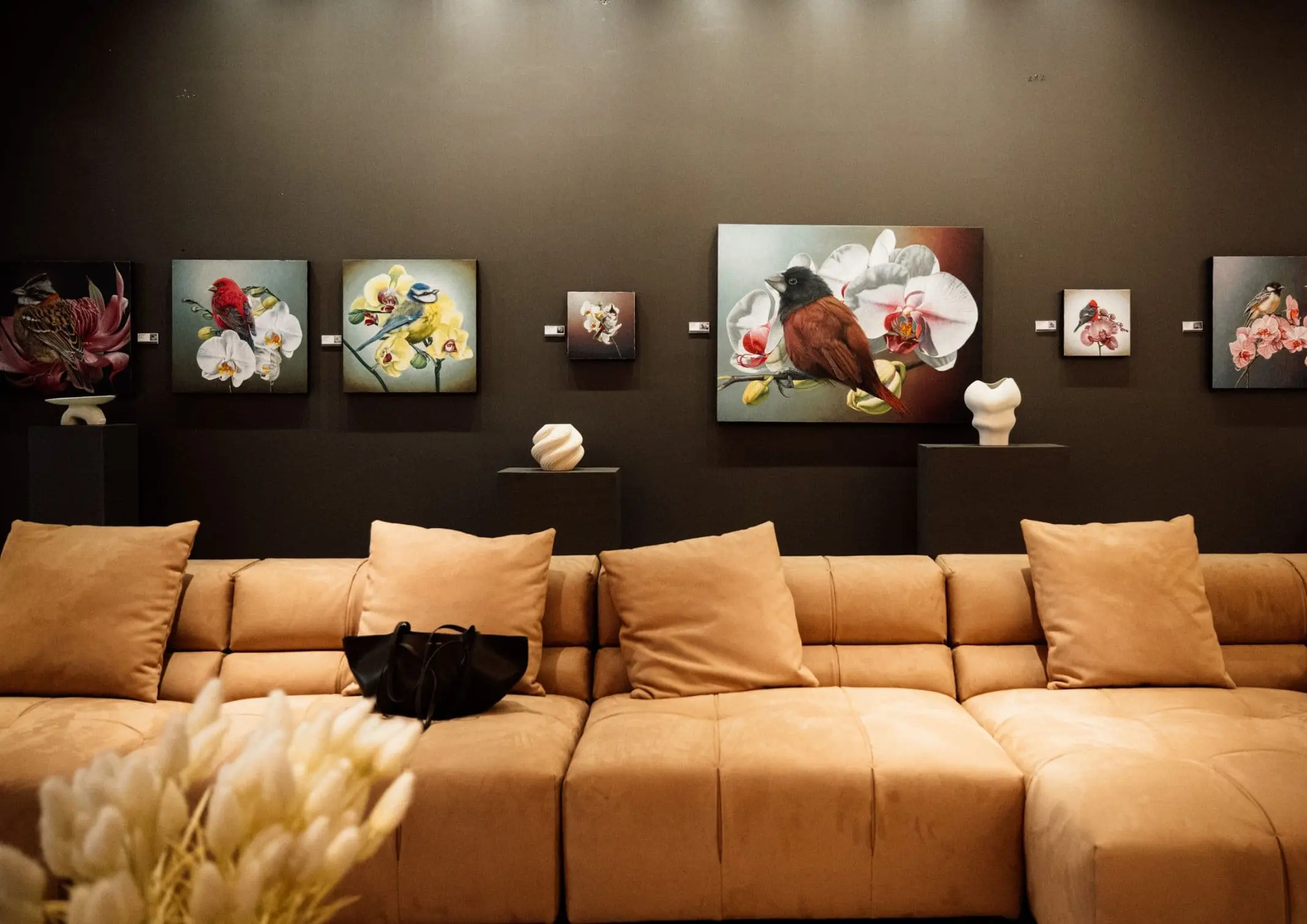
Art and furniture are often selected separately, yet their relationship can shape how a room looks and feels. The collaboration between Hooga and Galerie Joaquin explores how these elements can work together, bringing contemporary artworks into furnished residential settings at Hooga’s showroom in Uptown Mall, Bonifacio Global City. For Hooga, which curates furniture, lighting, and […]
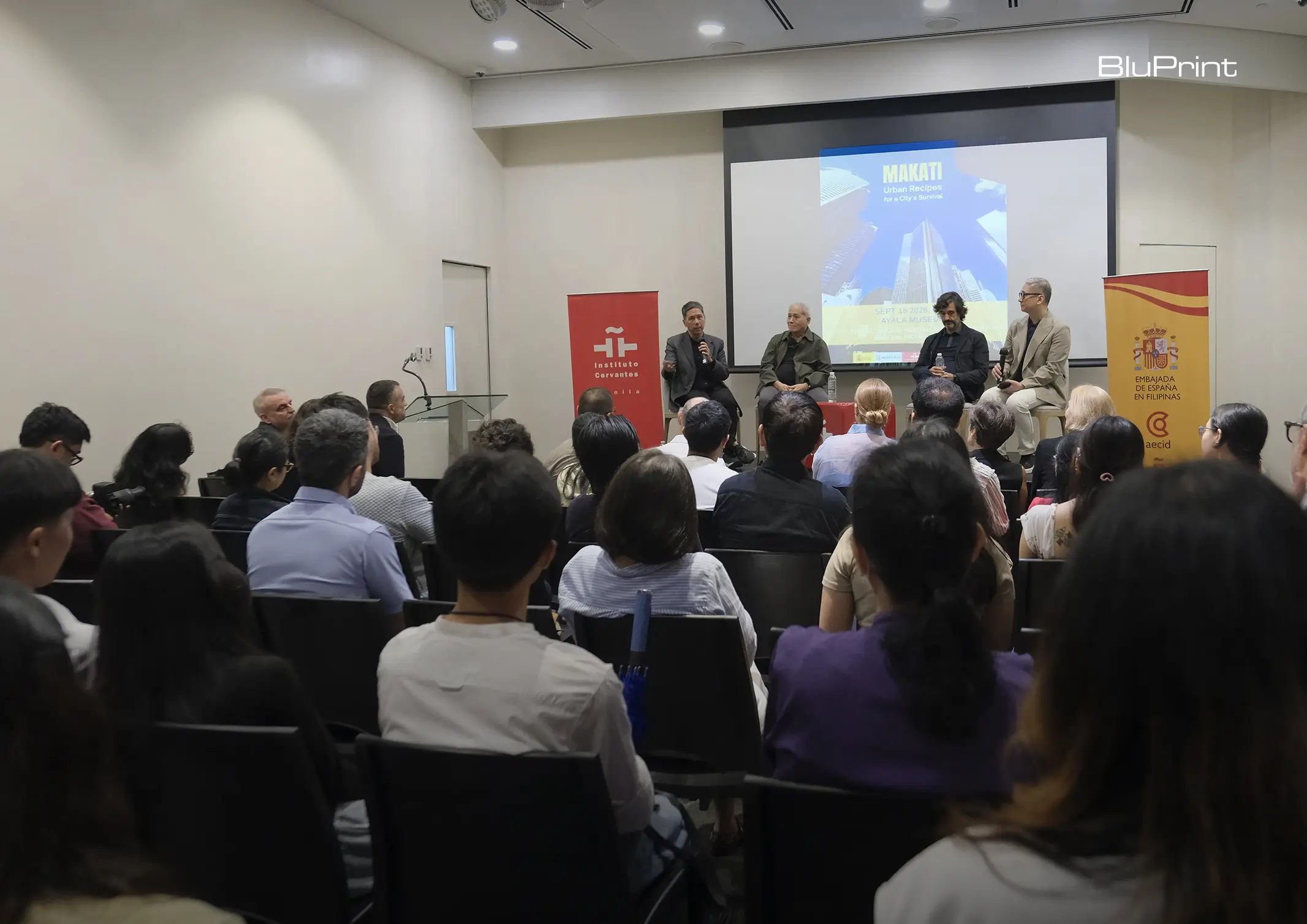
How can better-planned cities create the conditions for more creative, livable, and resilient urban environments? “Makati Urban Recipes for a City’s Survival,” a colloquium held at the Ayala Museum on September 15, brought together architects and practitioners from the fields of urbanism and the creative economy to discuss how design, planning, and collaboration can address […]
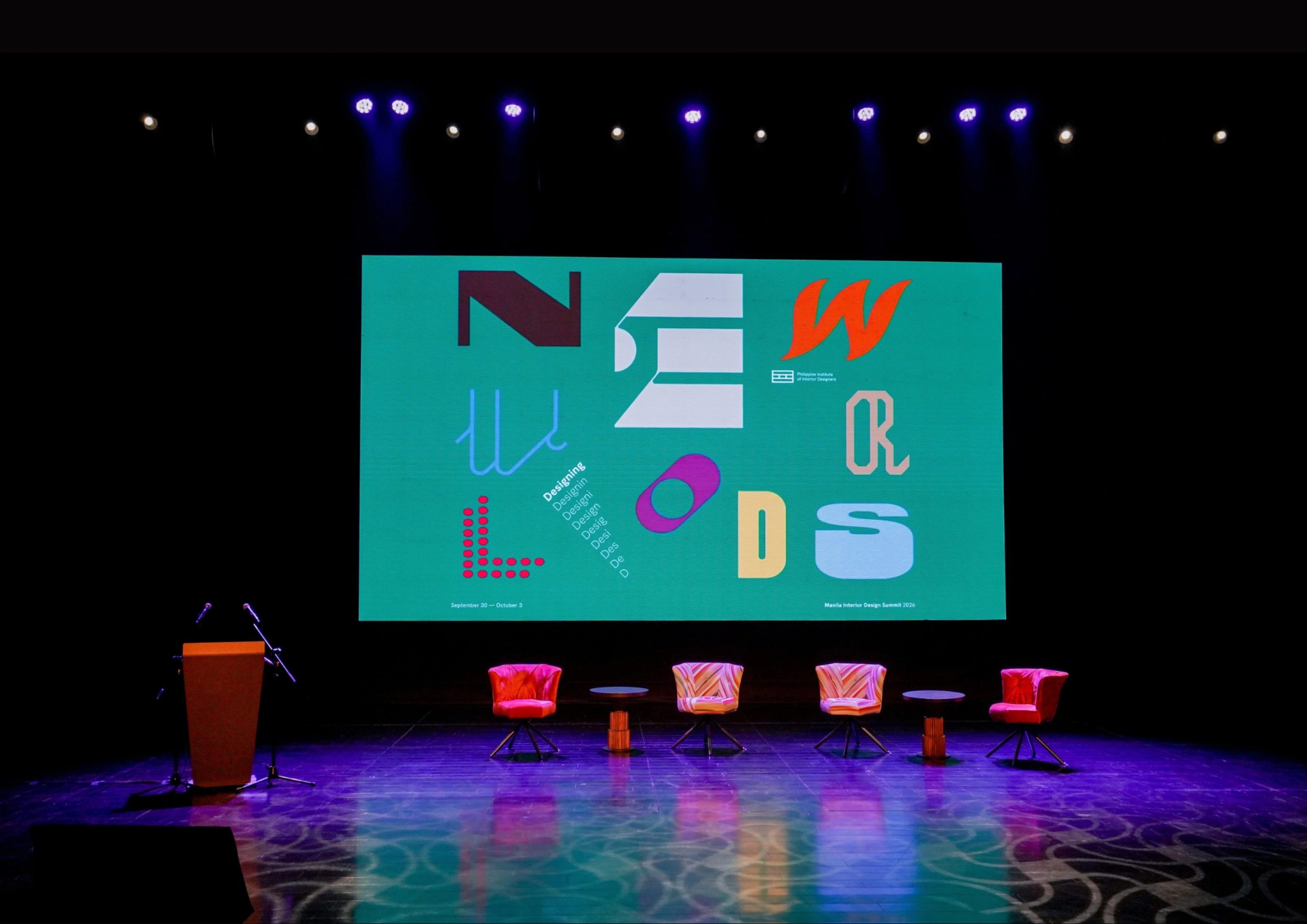
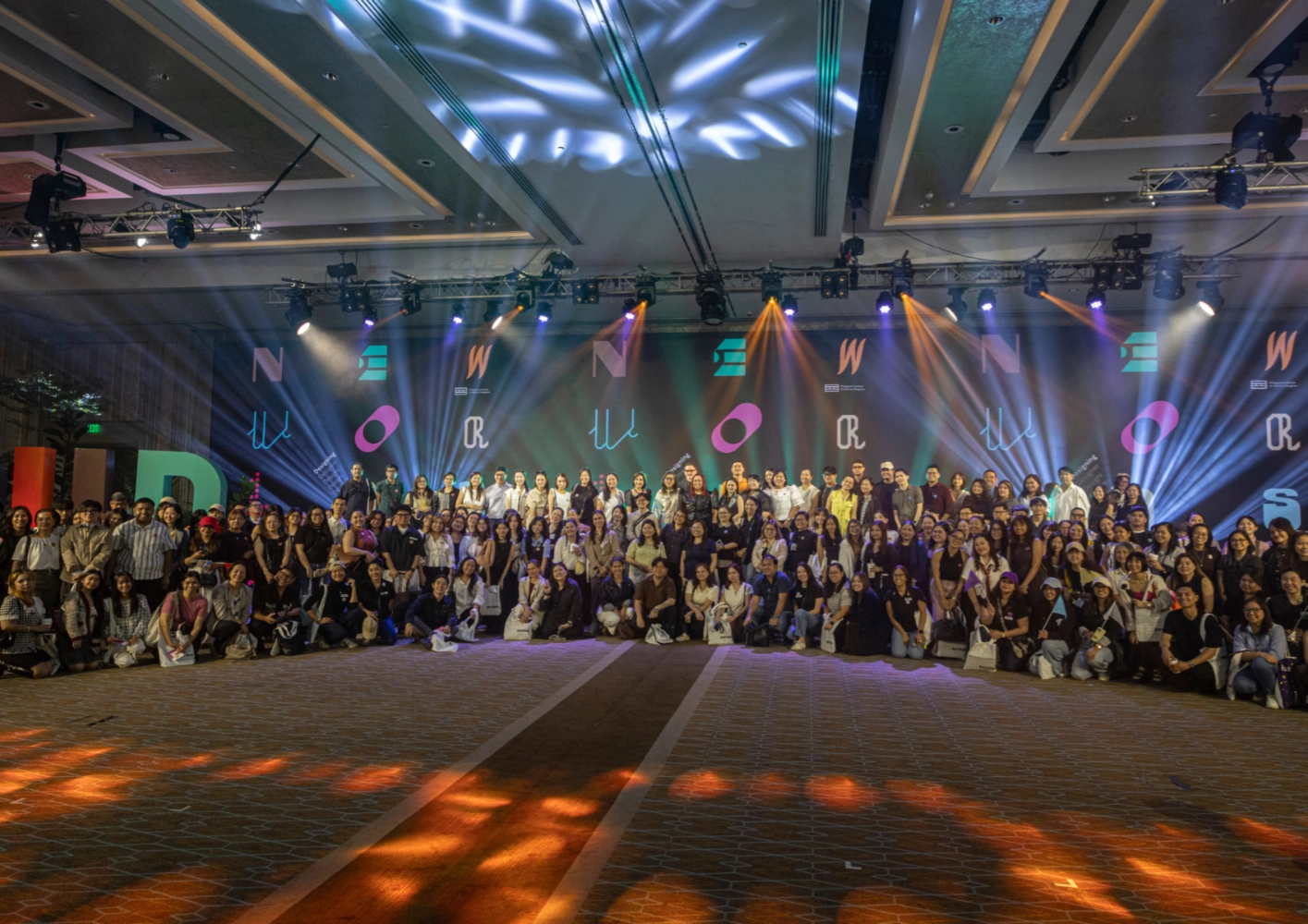
The fourth Manila Interior DesignInterior DesignThe discipline of planning and shaping interior spaces for function, comfort, safety, and beauty. It covers layout, lighting, materials, finishes, furniture, and color, and in the Philippines is a licensedGo to Interior Design Glossary Summit (MIDS) brought together more than 300 delegates for four days of conversations, exhibitions, and design […]
Read the issues.

Collect the volumes.

Recommended Video
Tap to Unmute
Unmute
0:00
0:00