Culture in design does not always announce itself through a recognizable motif, material, or symbol. It can also be embedded in the relationships designers build, the knowledge they listen to, the materials they choose, and the decisions they make in response to communities and their environments. This distinction emerged throughout the 2026 International Design Conference […]
Museo Pambata: A New Chapter of Creativity and Education



For 30 years, Museo Pambata has been educating and delighting generations of Filipino children and youth. But when the pandemic hit and the museum had to be closed to the public, Bambi Mañosa-Tanjutco, then President of Museo Pambata (January 2019 to January 2025) saw it as an opportunity to reimagine the beloved children’s museum and transform it to a haven that resonates best with today’s generation.
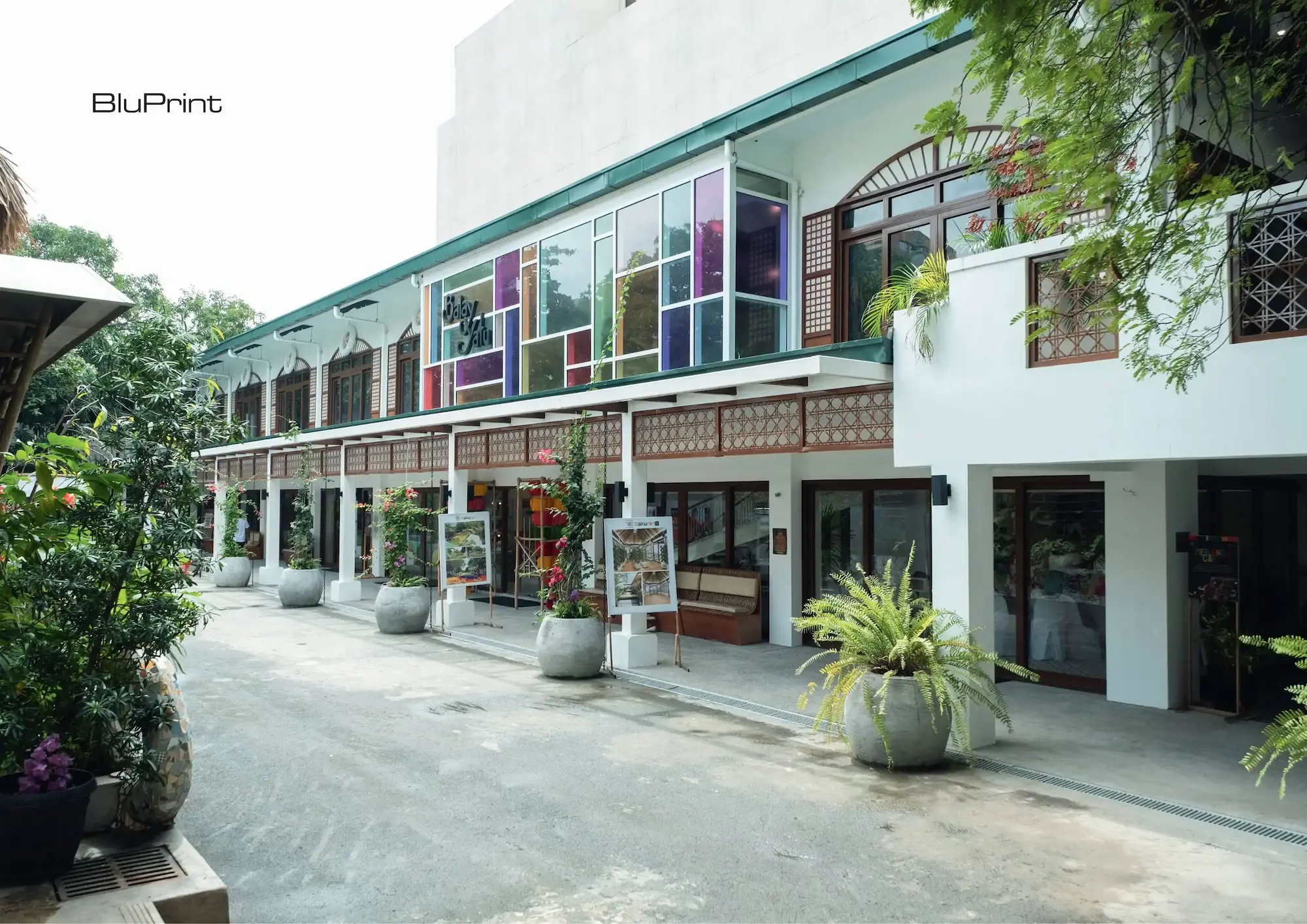
With the generous support of individuals and organizations who contributed their time, services, and expertise, the redesign and renovation began. By December 2024, Museo Pambata unveiled its revamped look to the public, featuring new spaces such as the Classroom of the Future, Balay Yatu, and Bahay KuboBahay KuboThe traditional Filipino house built from bamboo, wood, and nipa palm. Raised on stilts for ventilation and flood protection, with a steep thatched roof to shed heavy rain, it isGo to Bahay Kubo Glossary 2.0.
Blending Innovation with Education
The Classroom of the Future is a collaboration between Museo Pambata, Khan Academy, JJ Acuna / Bespoke Studio, Samsung, Ikea, and VIM Visual Mastery Lighting Solutions. This popup space aims to provide a pilot classroom where kids and teens can use Khan Academy’s interactive online tools to hone their skills on various subjects like math, science, grammar, and others.
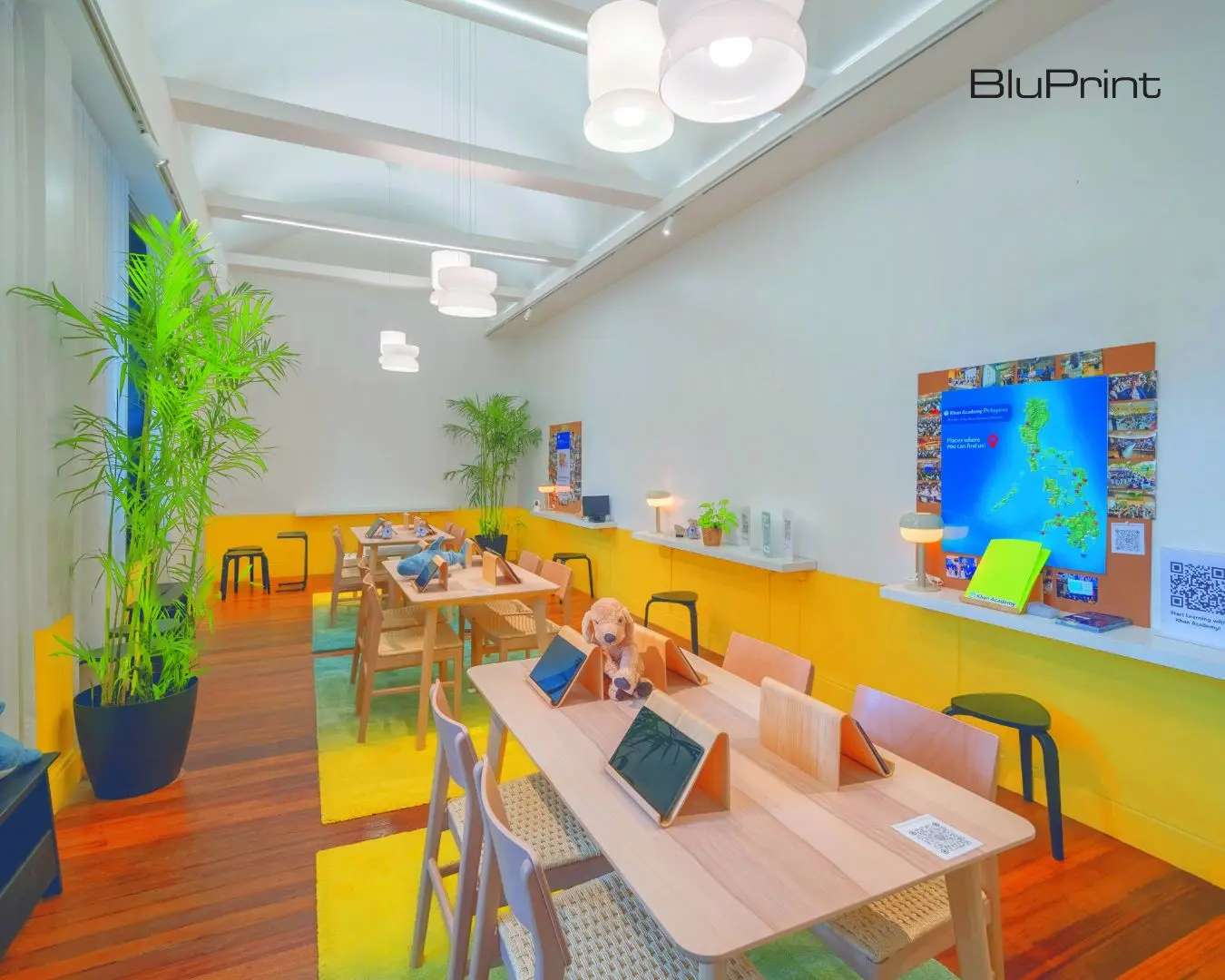
The room’s vaulted ceiling and large windows overlooking the garden make it an ideal space for Classroom of the Future. “Our vision for the design was to re-frame a future classroom as a place that was aligned with the things we value—especially coming out of the pandemic—which [are] natural daylight, plant life, and a great natural environment where learning is integrated with a great harmonious life,” the designer shares.
Acuna also ensured that the space is child-friendly by choosing soft furnishings and accessories: oak tables, roped seating, and area rugs. “We had a great discussion with Ikea and they believed in the vision so much that they were open to any of our specifications,” he shares. “It’s great to know that even though the classroom is really a tech platform, we still align with the Earth when it comes to the overall softness and finishing of the space.”
A Haven for Creativity and Advocacy
What was once the annex building of Museo Pambata is now Balay Yatu, the first youth-curated space in the Philippines and in Asia. It is also a civic center for the youth mobilizing climate action. The name is a combination of the words “balay,” which means “house” in several Philippine languages, and “yatu,” a Kapampangan word which translates to both “memory” and “Earth.”
“Balay Yatu actually was conceptualized over the pandemic together with my youth organization that my sister and I co-founded called Kids for Kids Philippines,” narrates Tasha Tanjutco, who is also a designer and co-founder of TAYO Design Studio.
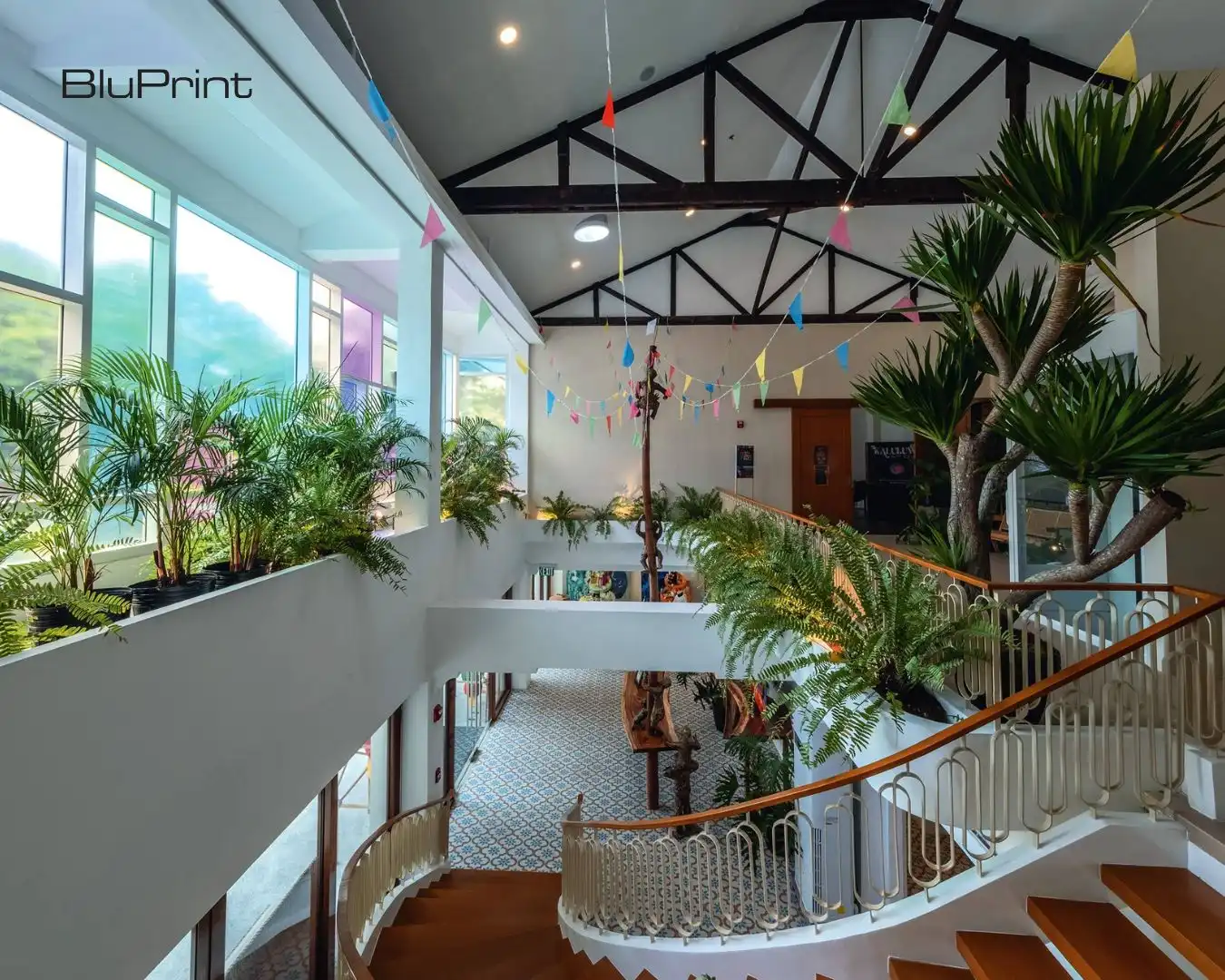
From this need sprang the idea of merging creative spaces with climate advocacy. The building, a condemned structure that had sustained severe damage from an earthquake, was reimagined by TAYO Design Studio as a youth-led cultural hub through adaptive reuse. Architect Noel Saraton led the redesign and rebuilding of the structure.
The result is a youth center inspired by bahay na batoBahay na BatoLiterally "house of stone," a Filipino colonial house type with a masonry ground floor and a wooden upper floor. It evolved from the bahay kubo during the Spanish era, featuringGo to Bahay na Bato Glossary. On the ground floor, Machuca tiles not only serve as a nod to colonial heritage but also add color and liven up the space. A portion of the ground floor is temporarily dedicated to a gift shop. A winding staircase leads to the second level—Fiesta Hall—which can be rented out for events, children’s conferences, and exhibits.
A Contemporary Twist on the Bahay Kubo
While the rest of the museum is bursting with energy and activity, Bahay KuboBahay KuboThe traditional Filipino house built from bamboo, wood, and nipa palm. Raised on stilts for ventilation and flood protection, with a steep thatched roof to shed heavy rain, it isGo to Bahay Kubo Glossary 2.0 offers a place of rest. Designed by Mañosa & Co, Inc., it reimagines the nipa hut as “a symbol of adaptability and sustainability while preserving Filipino culture.”
Mañosa-Tanjutco, who is also an interior designer, shaped the interiors of Bahay KuboBahay KuboThe traditional Filipino house built from bamboo, wood, and nipa palm. Raised on stilts for ventilation and flood protection, with a steep thatched roof to shed heavy rain, it isGo to Bahay Kubo Glossary 2.0 with the idea of envisioning a bahay kubo in an urban setting. “We are in the city of Manila. We are by the sea, right? [What] we want to be able to use materials that last, but at the same time, materials that still feel very vernacular,” she shares.
While Bahay KuboBahay KuboThe traditional Filipino house built from bamboo, wood, and nipa palm. Raised on stilts for ventilation and flood protection, with a steep thatched roof to shed heavy rain, it isGo to Bahay Kubo Glossary 2.0 is rooted in vernacular architecture, it also offers modern features. It is air-conditioned to provide comfort on warm days and equipped with a haiku fan to improve air circulation. Tubular daylighting devices harness sunlight, illuminating the space without conventional bulbs and conserving energy in the process.
Like the rest of the renovated spaces in Museo Pambata, the creation of Bahay KuboBahay KuboThe traditional Filipino house built from bamboo, wood, and nipa palm. Raised on stilts for ventilation and flood protection, with a steep thatched roof to shed heavy rain, it isGo to Bahay Kubo Glossary 2.0 was made possible through crowdfunding. It’s more than just an exciting addition to the museum; it also espouses bayanihan—an important value to instill in children as they visit.
More Areas for Fun and Discovery
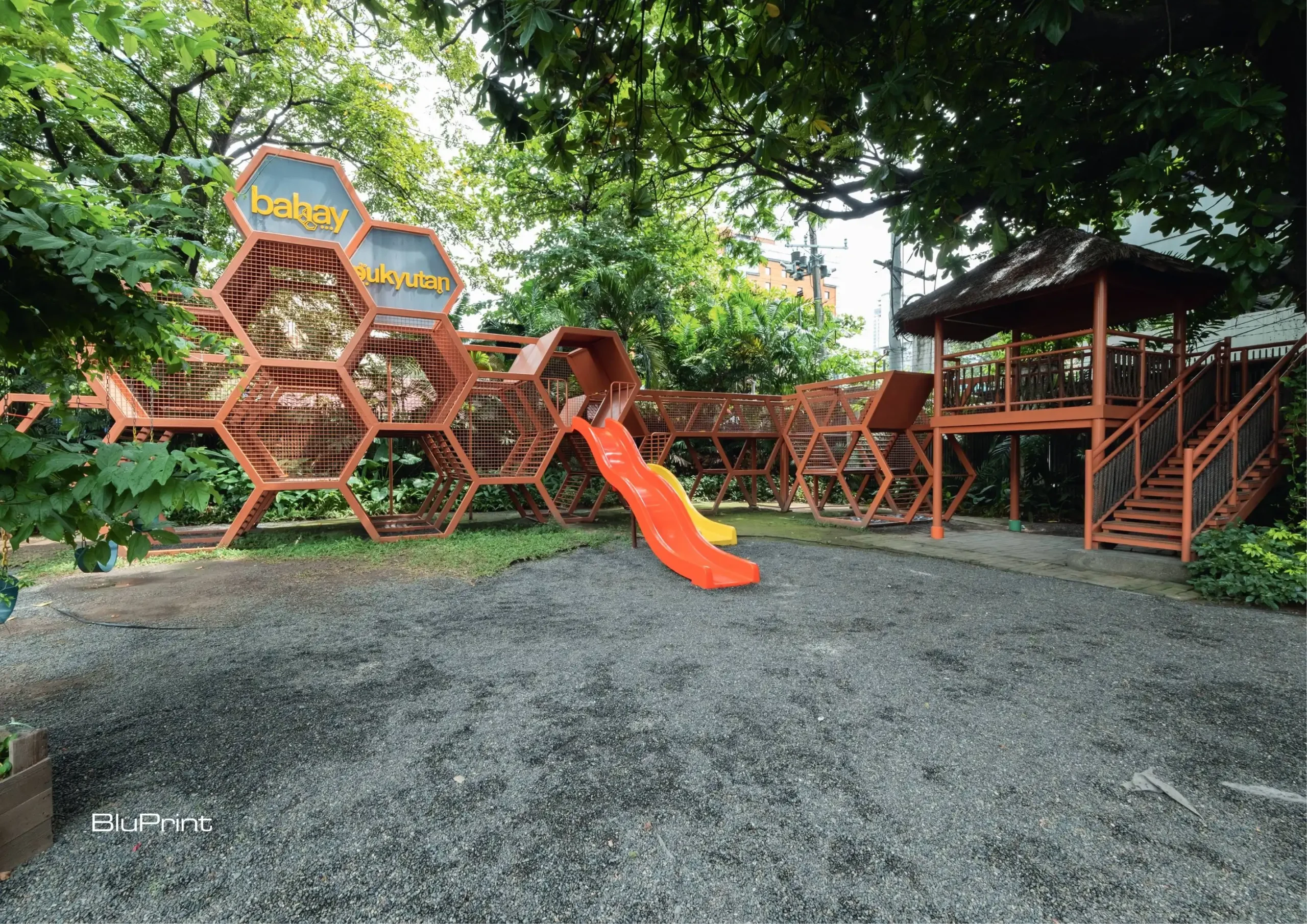
Vibrant spaces in the main building of Museo Pambata encourage play, learning, and imagination.
As Museo Pambata continues to welcome children, it remains dedicated to nurturing young minds through curated spaces and activities that inspire imagination and learning. The establishment of Classroom of the Future, Balay Yatu, and Bahay Kubo 2.0 is just the beginning—as the museum grows, so too will its impact on the children it serves.
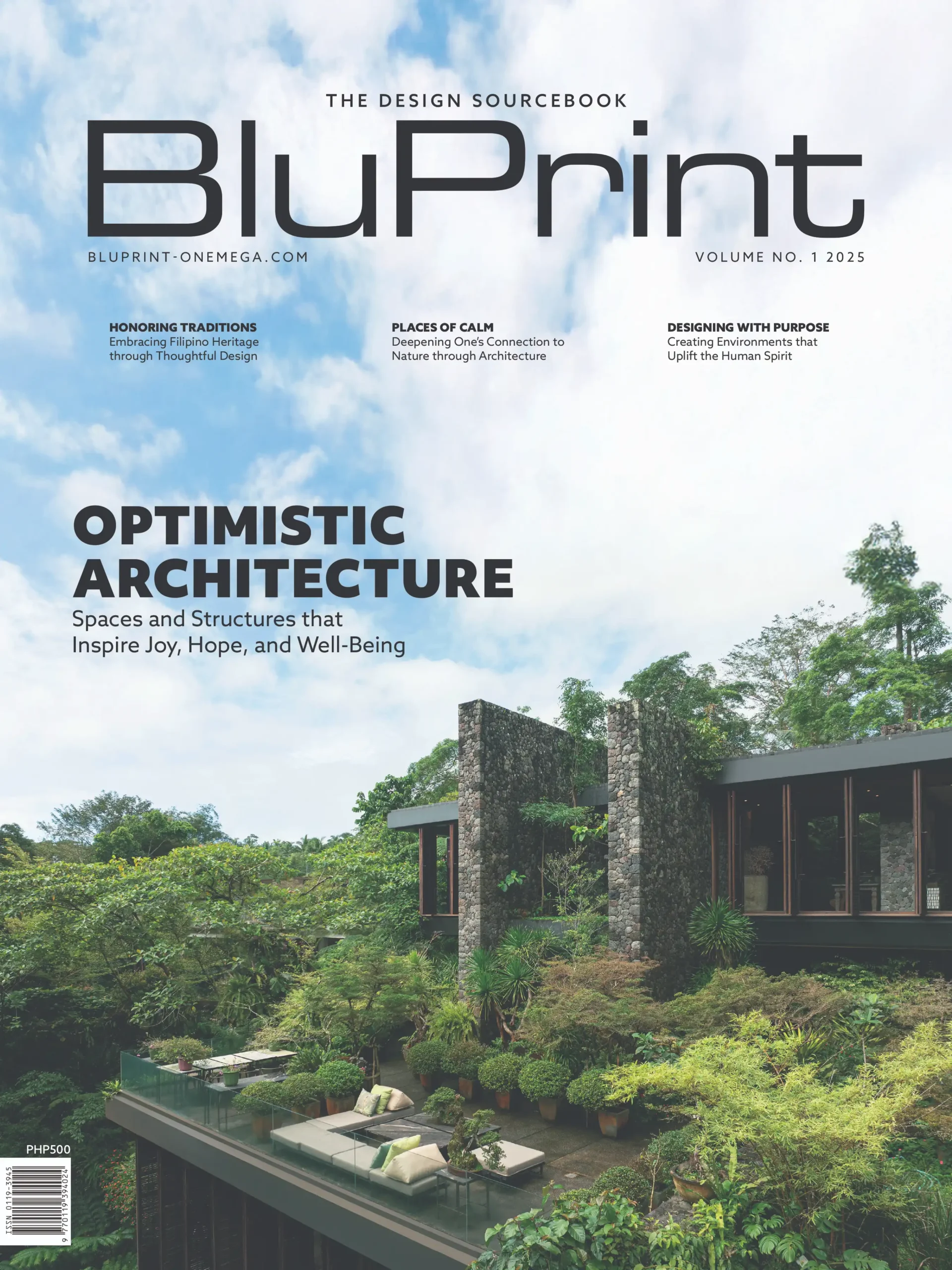
Read the full story by grabbing your copy of BluPrint Volume 1 2025, available at sarisari.shopping, Shopee, and Lazada.
E-magazines are available for download here or through Readly, Press Reader, and Magzter.
Photographed by Ed Simon.
Read more: Luxury by Design: Royal Pineda + and the Precision of Purpose
Frequently Asked Questions
The closure of the museum during the pandemic provided an opportunity for then-President Bambi Mañosa-Tanjutco to reimagine the space for a new generation. This transformation was primarily realized through a collective effort involving individuals and organizations who contributed their expertise and services, as well as significant crowdfunding. This collaborative approach not only funded new structures like Bahay Kubo 2.0 but also served as a real-world lesson in “bayanihan” for the children who visit.
The Classroom of the Future was designed by JJ Acuna / Bespoke Studio to move away from rigid, tech-heavy aesthetics and instead embrace a “harmonious life” concept. The space features a vaulted ceiling and large windows that maximize natural daylight, paired with soft furnishings like oak tables and roped seating provided by Ikea to ensure a child-friendly environment. While it serves as a high-tech pilot for Khan Academy’s interactive tools, the design prioritizes plant life and natural materials to keep the learning experience grounded and comfortable.
Balay Yatu is distinguished as the first youth-curated space in Asia, functioning as both a creative hub and a civic center for climate action. Reimagined from a condemned earthquake-damaged annex building through adaptive reuse, the design by TAYO Design Studio takes inspiration from the traditional “bahay na bato.” It incorporates Machuca tiles for colonial character and features a second-level “Fiesta Hall” dedicated to children’s conferences and exhibits, blending cultural heritage with modern youth advocacy.
Designed by Mañosa & Co, Inc., Bahay Kubo 2.0 adapts the vernacular nipa hut for a modern urban setting in Manila while maintaining its reputation for sustainability. The structure utilizes durable materials that feel vernacular but includes modern comforts such as air conditioning and haiku fans for better circulation. To conserve energy, the space employs tubular daylighting devices that capture and funnel sunlight into the interior, eliminating the need for conventional electrical bulbs during the day.
The reimagined museum is structured to offer a variety of sensory experiences, from the high-energy, vibrant play areas in the main building to dedicated zones for quiet reflection. While spaces like Balay Yatu and the main hall encourage active engagement and imagination, Bahay Kubo 2.0 is specifically positioned as a place of rest. This thoughtful zoning ensures that the museum can accommodate both the exploratory play and the educational focus required to nurture young minds effectively.
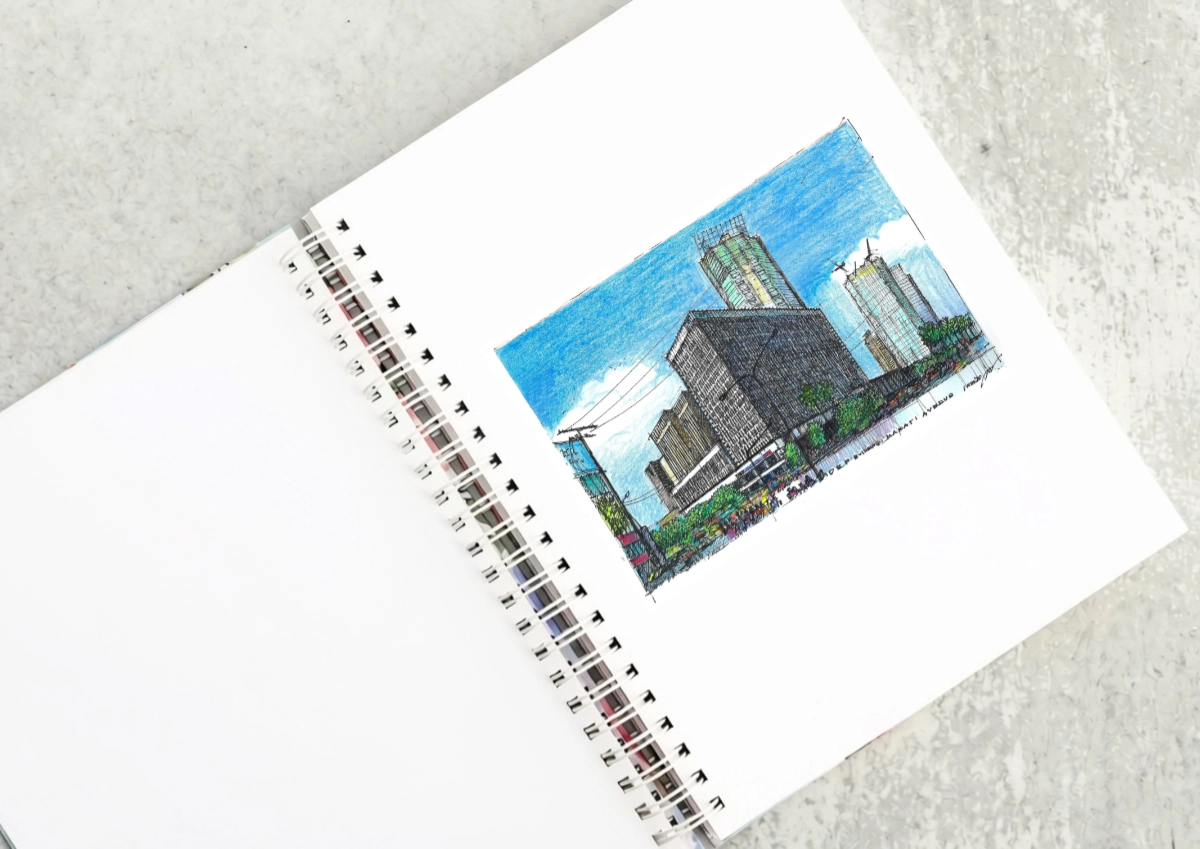
The DBP Building as a Landmark of the International Style At the corner of Sen. Gil Puyat Avenue and Makati Avenue stands a landmark of the Makati Central Business District. It is one of the last still standing that were built in the first wave of construction in district fifty years ago. The Development Bank […]
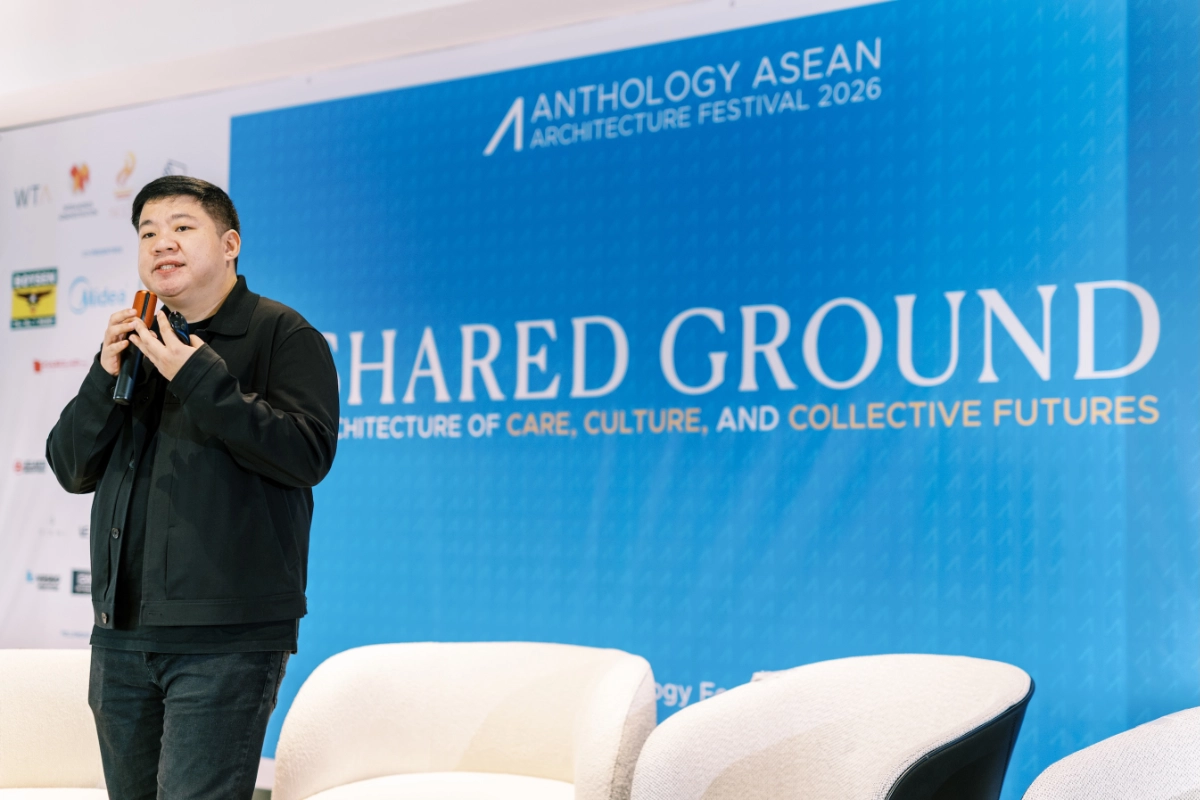
“Buildings only become architectureArchitectureThe art and science of designing and constructing buildings, structures, and spaces that are functional, safe, and aesthetically pleasing. It encompasses the planning, design, materials, and techniques used to createGo to Architecture Glossary when they are shared,” said William Ti Jr., founder of the Anthology Festival and WTA Architecture and Design Studio, […]
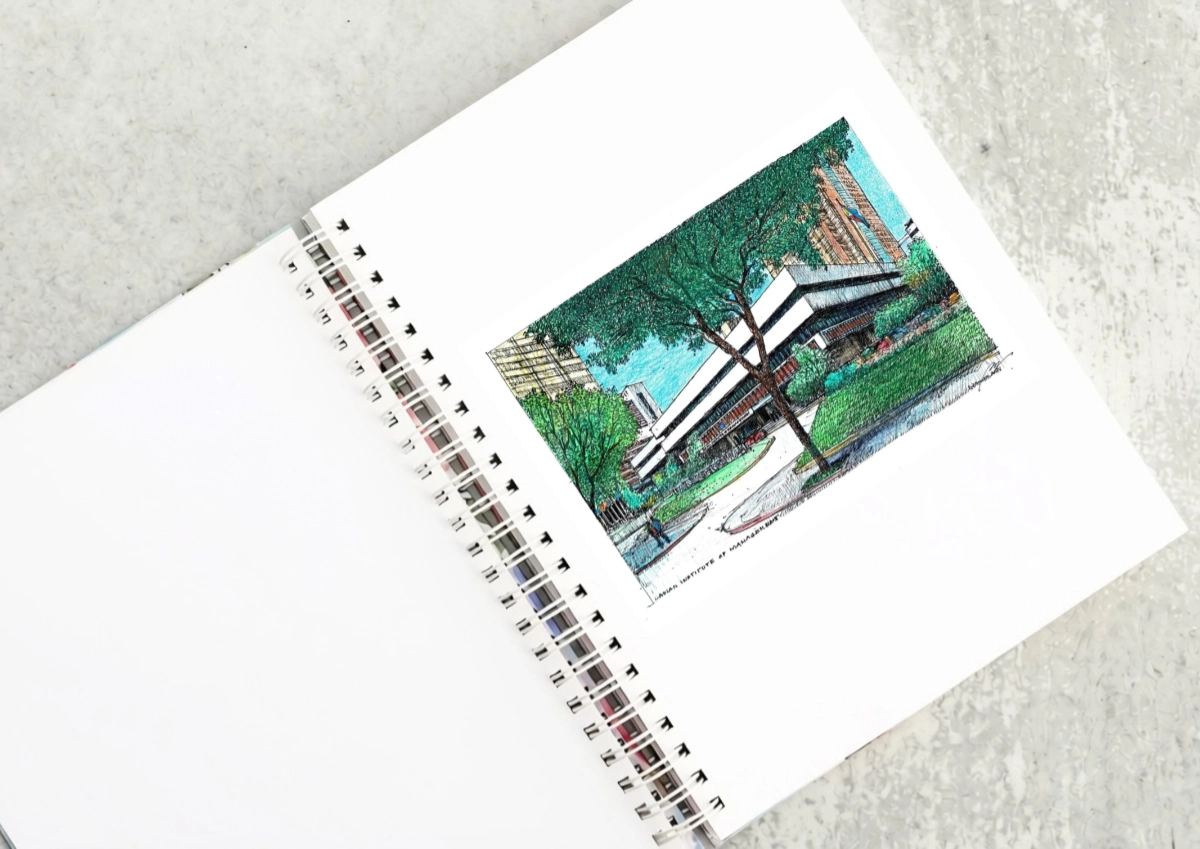
A Filipino Interpretation of Modernist Architecture Unlike the rest of Makati today, the northern end of Paseo de Roxas in Makati is anchored by a low complex rather than a tall skyscraper. This is the elegant Asian Institute of Management, designed by architect Gabriel Formoso and completed in 1971. In my opinion, the building is […]
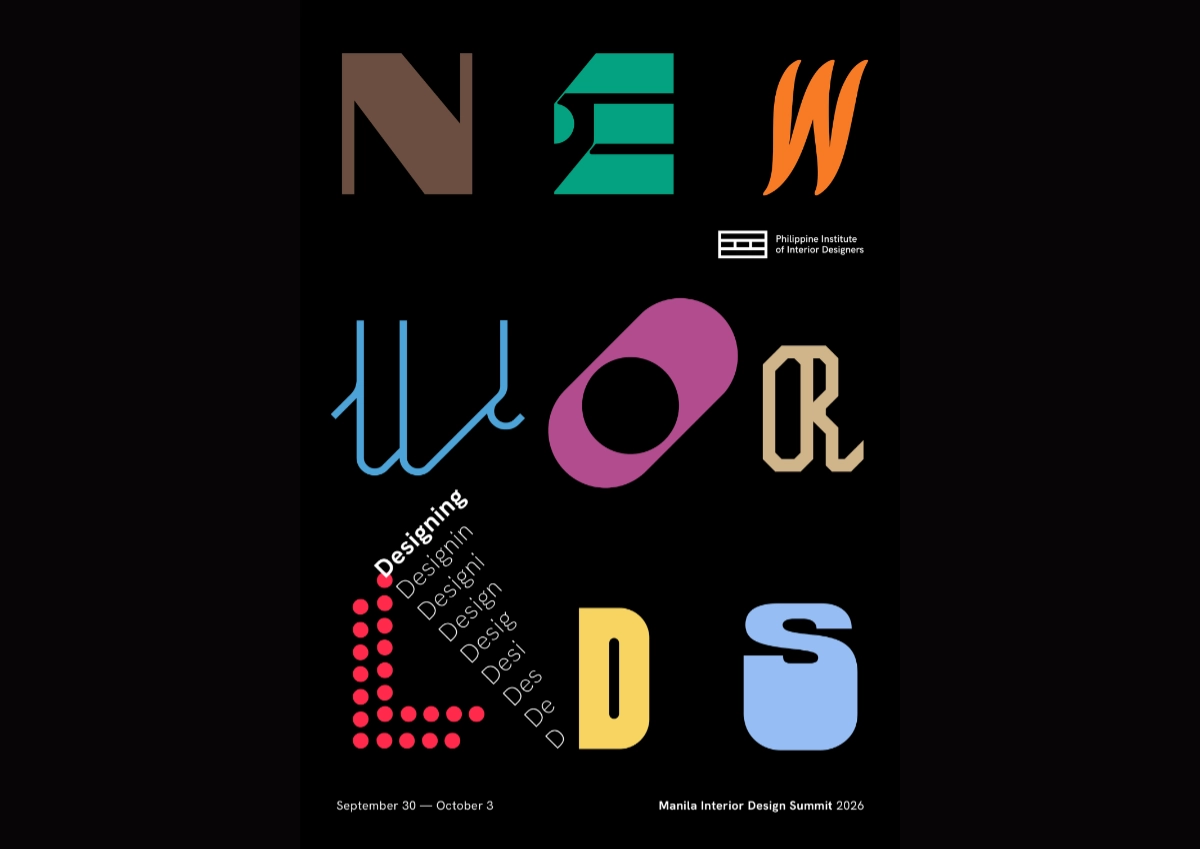
“Thailand has claimed urban creativity and livability. Singapore has institutional design leadership. Indonesia is emerging as a design hub. Vietnam is moving into design innovation. And the Philippines? Its position is not weak. It is simply unclaimed.” For IDr. Cecil Ravelas, National President of the Philippine Institute of Interior Designers (PIID), the challenge is not […]
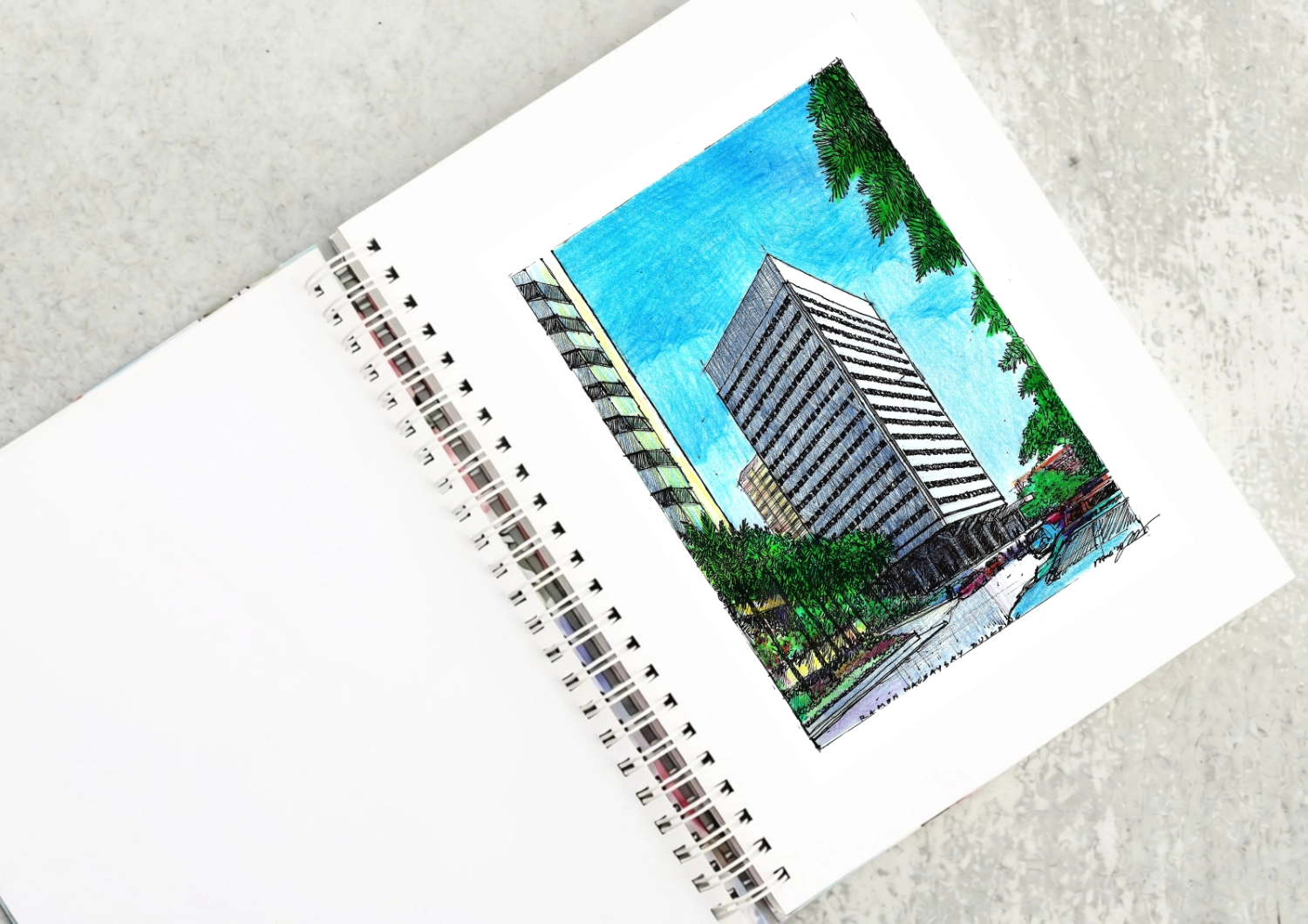
The Ramon Magsaysay Center as a Modernist Landmark Driving down Roxas boulevard from Rizal Park, what will catch your eye is the most elegant modernist structure in the country, the Ramon Magsaysay Center. Most established Filipino architects put it in their top ten lists of favorite buildings. It was designed by Alfredo J. Luz, who […]
Read the issues.

Collect the volumes.

Recommended Video
Tap to Unmute
Unmute
0:00
0:00