Bigkis is the act of binding. In Tagalog, the word can refer to something used to bind or encircle, as well as a bundle formed by tying several separate elements together. Figuratively, it can also mean a bond, union, or unity. The meanings move from the physical act of joining things together to the connection […]
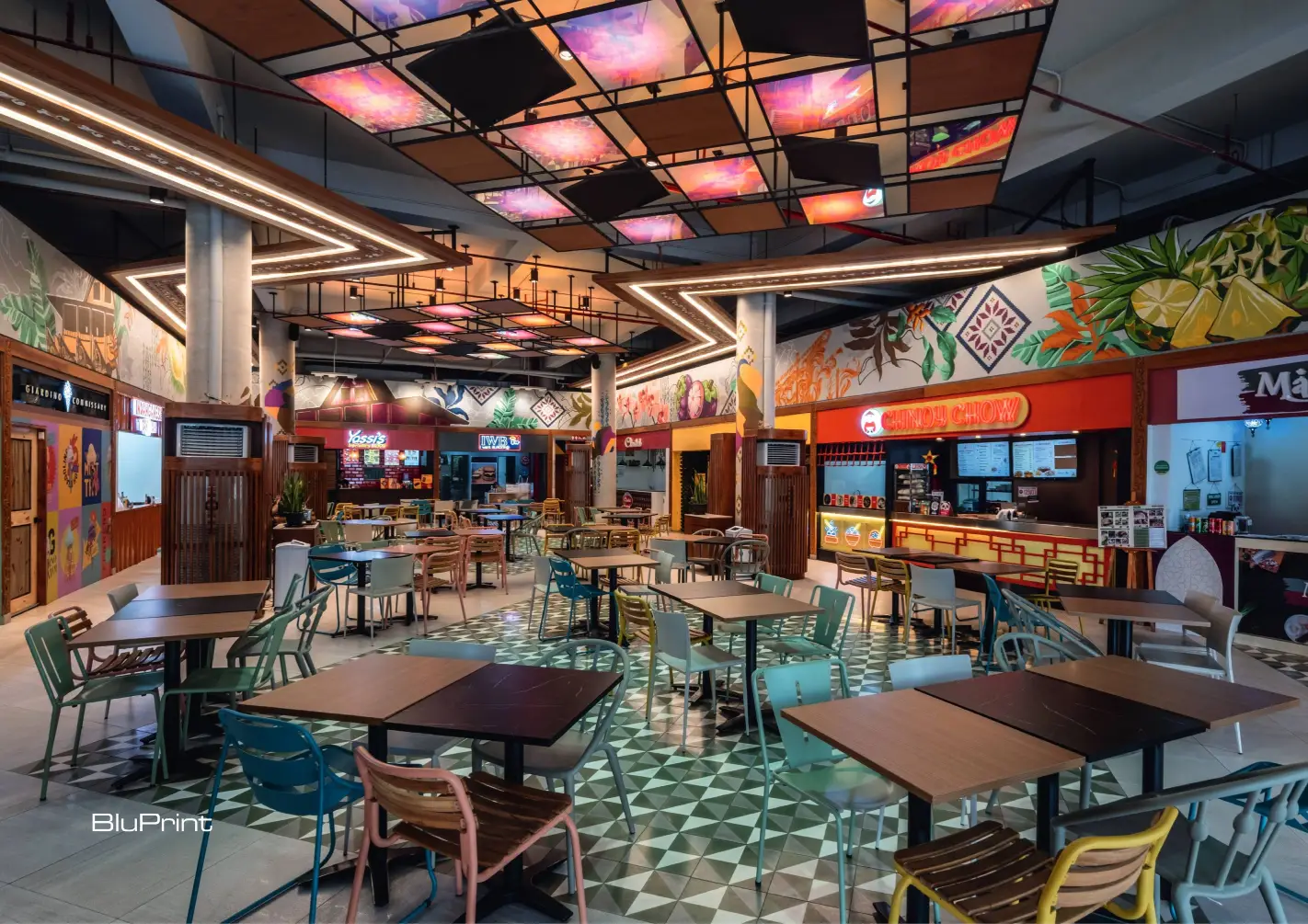
Kukun Food Hall: A Taste of Mindanao



Every August, the city of Davao blooms in a celebration of life. The streets blossom with colors and come alive with music, dances, and parades, painting a portrait of the locale’s cultural heritage. This week-long festival known as Kadayawan is the Davaoeños’ way of paying tribute to the gifts of life and nature, the bountiful harvest of the land, and the various cultures that give the city its identity. Harvesting the spirit of this iconic festival as a design concept is no easy task, which is what DEQA Design Collaborative set out to do for the Kukun Food Hall in Davao City.
Stimulating the Senses
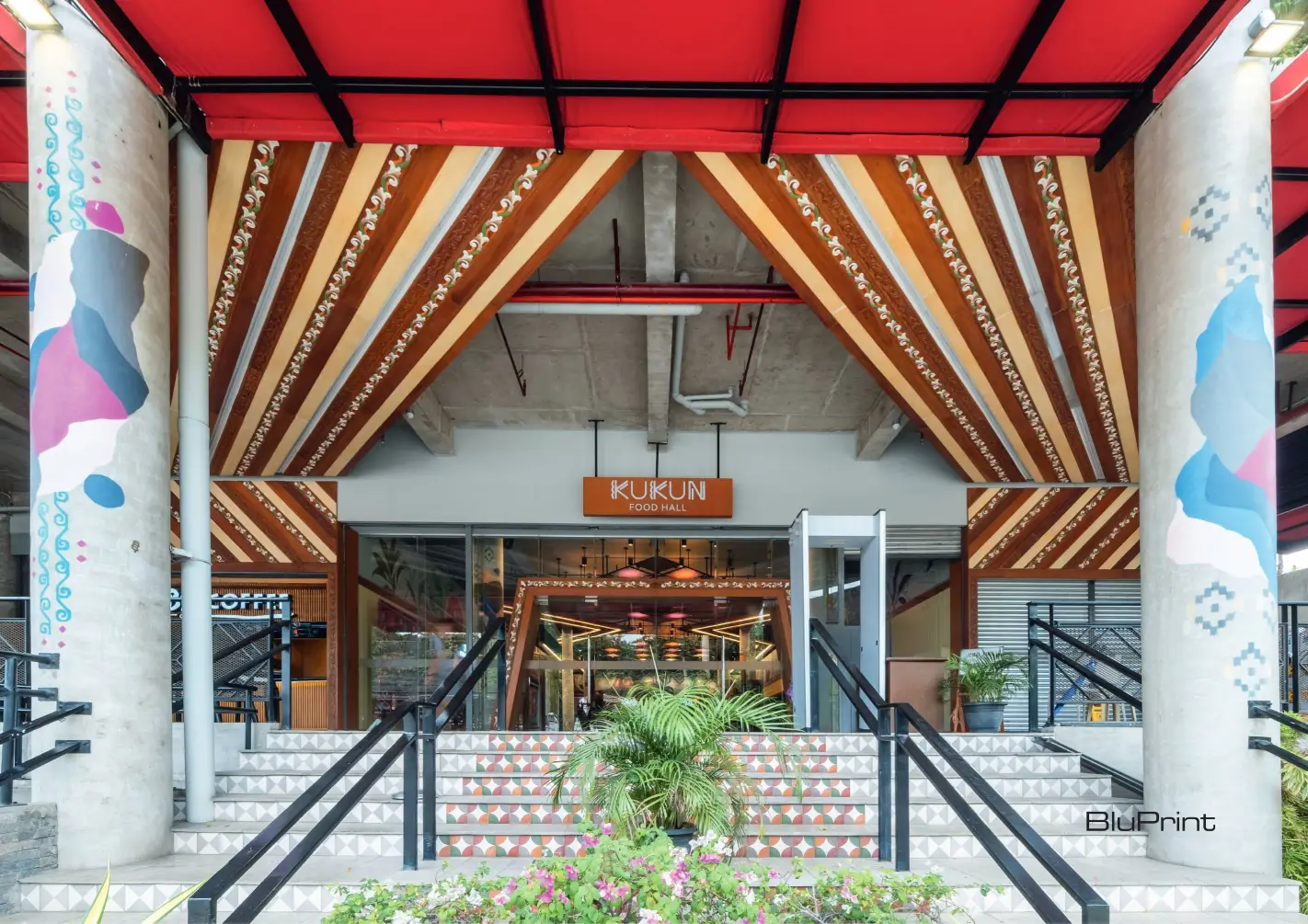
“Kukun” translates to kusina at kultura ng Dabaw, a name that the design team wanted the space to live up to. The food hall occupies 644 square meters within the commercial center, and basically acts as a communal area for visitors in both function and spirit.
“We designed a space that is not just a dining destination but an experience that invites people to connect, celebrate, and savor the flavors of Mindanao in a setting infused with meaning, tradition, and a deep sense of place,” says primary architect Denise De Castro.
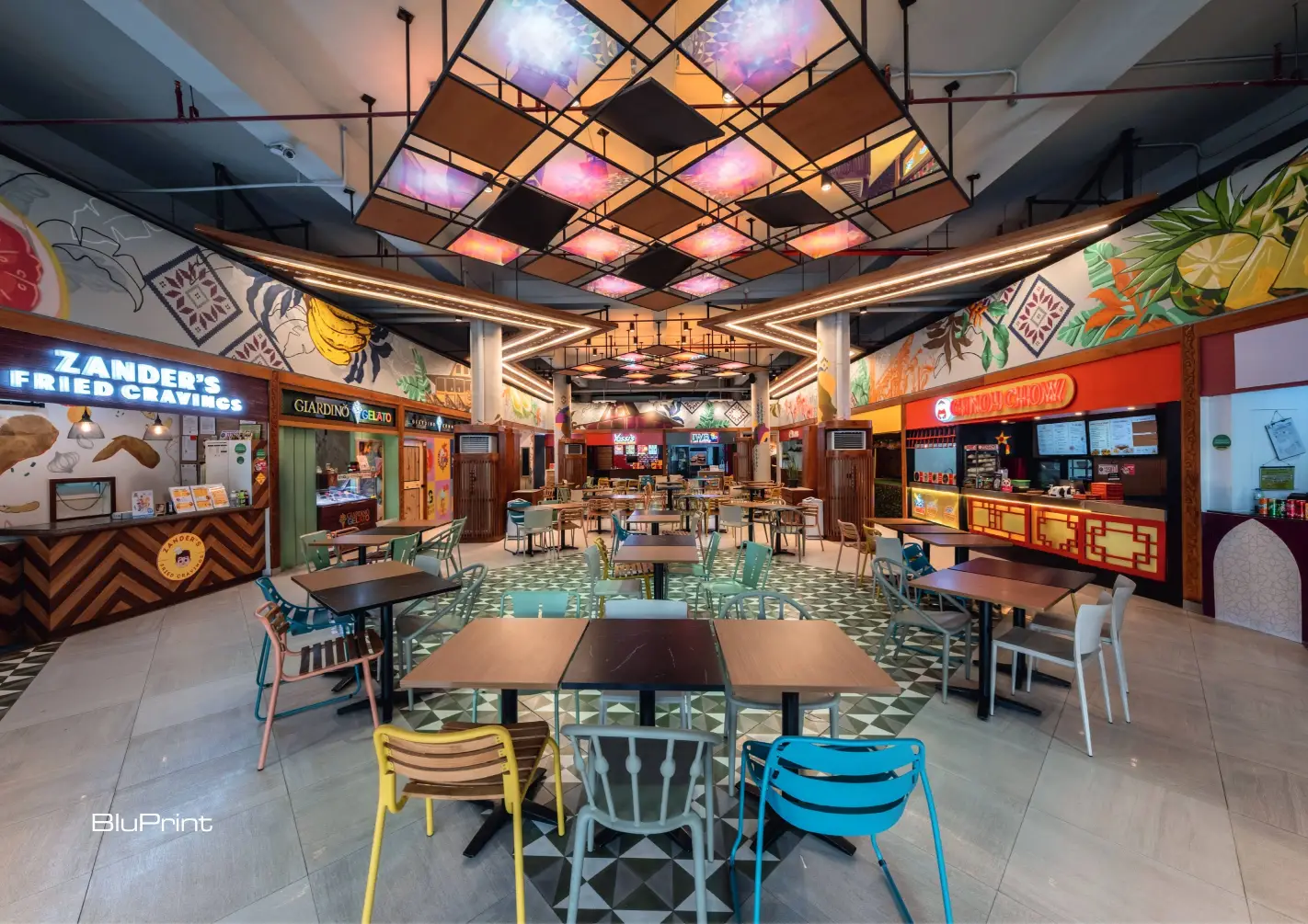
The savoring of Mindanaoan flavors begins from the interior designInterior DesignThe discipline of planning and shaping interior spaces for function, comfort, safety, and beauty. It covers layout, lighting, materials, finishes, furniture, and color, and in the Philippines is a licensedGo to Interior Design Glossary itself. Most dining spaces are designed to stimulate diners’ appetites and enhance their dining experience, and the Kukun Food Hall achieves this through the tasteful use of colors and materials that evoke familiarity, comfort, and reverence for Mindanao heritage.
From the entrance alone, the indigenous influence can be seen and felt through the wood ceiling treatment that leads the eye through the wooden arch built over the glass doors. Okir carvings line the surfaces of the wood, providing a glimpse of the cultural experience for guests inside the food hall.
A Unique Cultural Connection
The playfulness of the Kukun Food Hall is supplemented by its strong connection with Mindanao culture, which was a particular focus of DEQA during the design process. The okir carvings on the ceiling treatments pay homage to traditional Maranao designs, specifically from the intricate shell inlays found in Maranao chests.
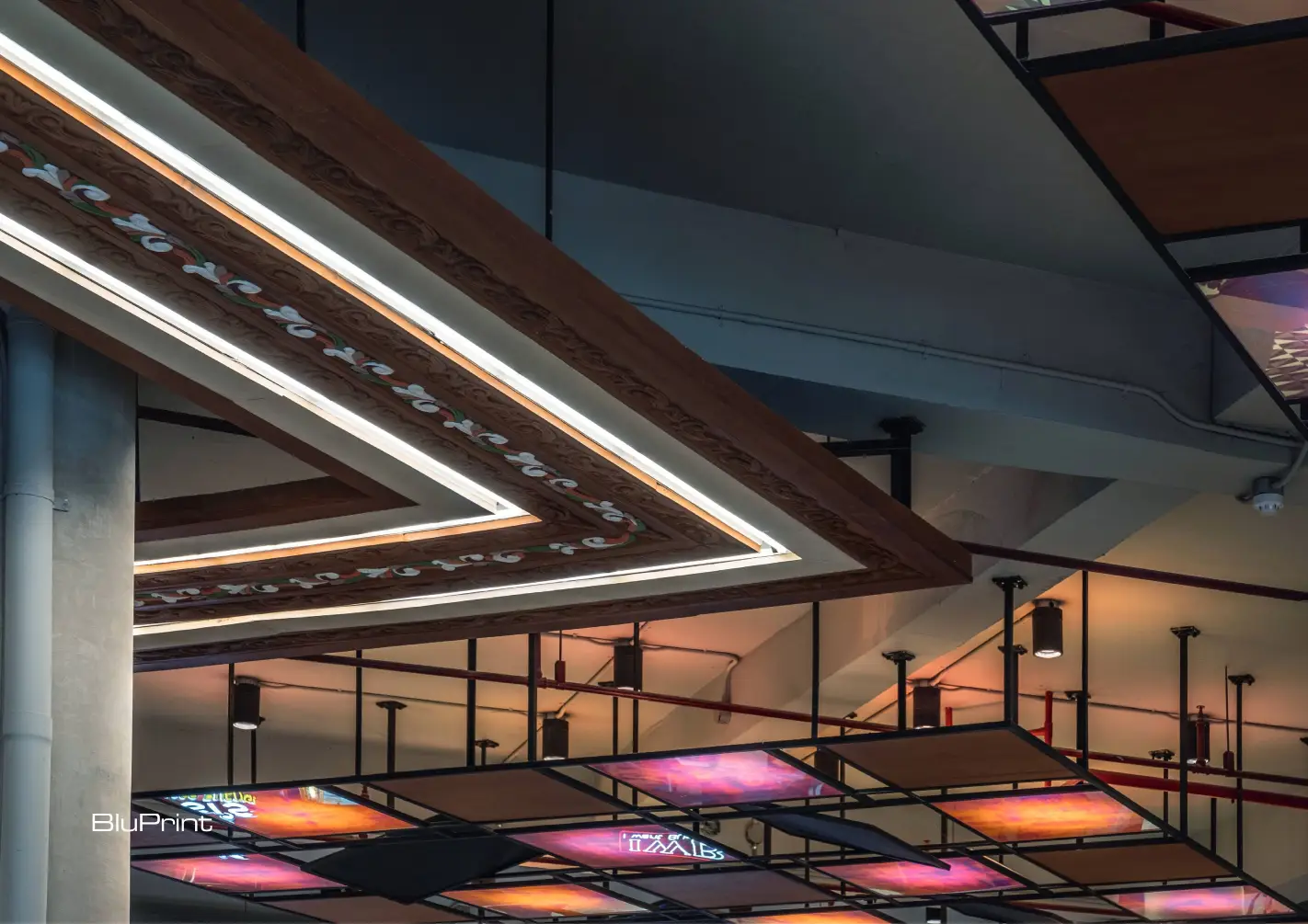
Symbolizing power and status, the okir carvings are hand-carved by local artisans themselves to further strengthen locals’ ties to their heritage. “We had to be culturally sensitive with the use of the ornament, especially in our choice of color,” says De Castro.
The Kukun Food Hall did encounter challenges in its construction, stalled right before the COVID-19 lockdowns despite design development already finished. But like any flower, it simply needed time to bloom into a garden of Mindanaoan heritage and culture, one that Davaoeños can savor like any of the delicacies it offers.
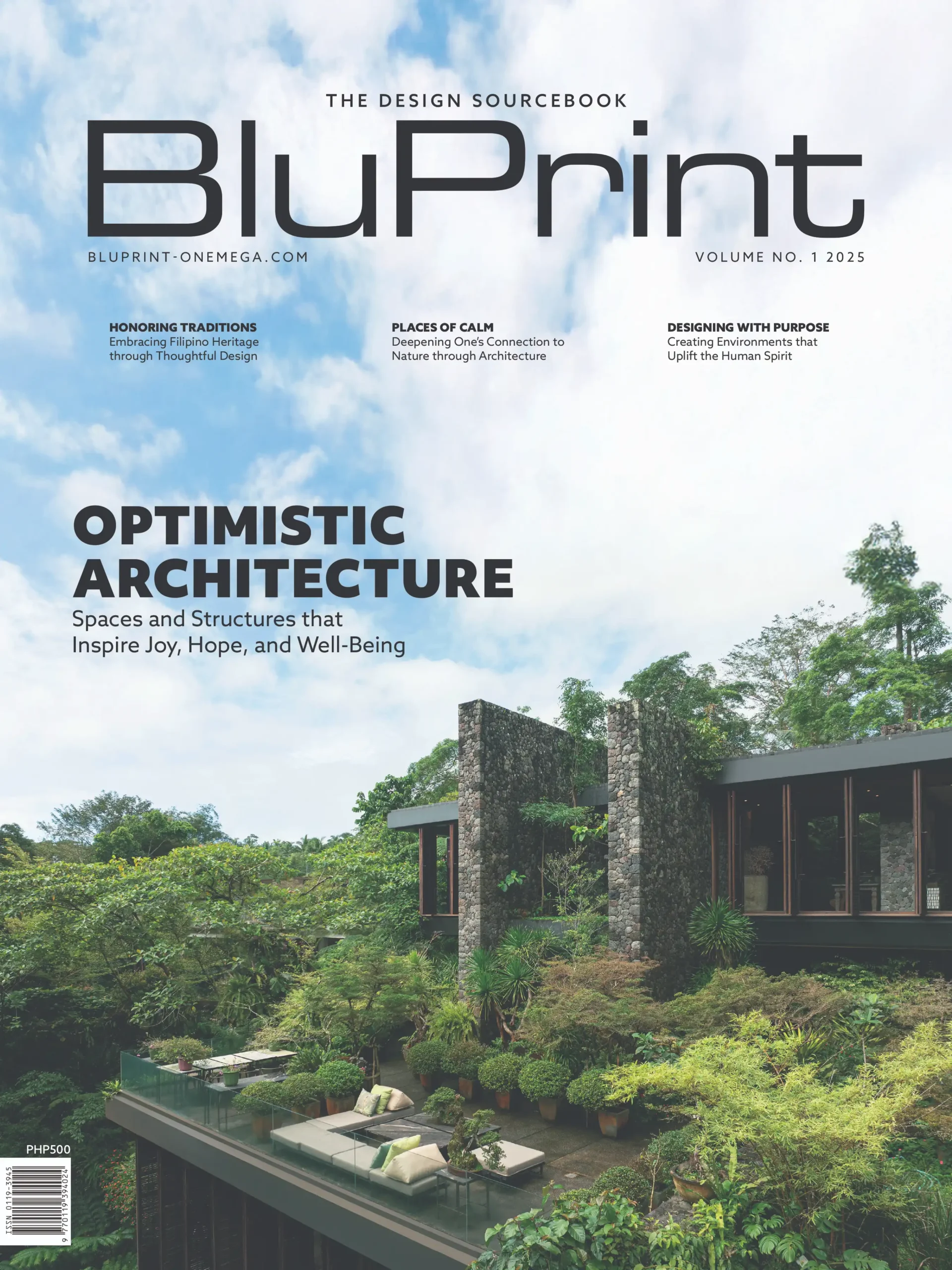
Read the full story by grabbing your copy of BluPrint Volume 1 2025, available at sarisari.shopping, Shopee, and Lazada.
E-magazines are available for download here or through Readly, Press Reader, and Magzter.
Photos by Ed Simon.
Frequently Asked Questions
The design is inspired by the spirit of the Kadayawan Festival, celebrating Davao’s bountiful harvest and diverse cultural heritage. DEQA Design Collaborative aimed to translate “kusina at kultura ng Dabaw” into a 644-square-meter communal space that invites diners to connect with Mindanaoan traditions through a sensory experience that feels both meaningful and deeply rooted in its specific location.
The food hall features an open layout adorned with hand-carved okir ornaments on the ceiling, paying homage to traditional Maranao shell inlays. These intricate carvings, paired with vibrant column murals and wooden archways, create a visual narrative of power and status while guiding guests through a cultural journey that complements the diverse regional flavors served on the plate.
The design team utilized an interplay of modern and traditional elements, such as panels treated with dichroic film juxtaposed against hand-carved wood by local artisans. This combination allows for a playful yet respectful aesthetic where contemporary lighting effects meet ancestral craftsmanship, ensuring the space remains relevant to modern diners while strictly honoring the cultural sensitivity of traditional Mindanaoan ornaments.
Beyond being a dining destination, Kukun acts as a “kusina at kultura” (kitchen and culture) hub designed to foster social connection and shared celebration. By using a palette of colors and textures that evoke comfort and familiarity, the space functions as a functional and spiritual gathering point where locals and visitors alike can savor Mindanao’s identity in a tastefully curated environment.
Primary architect Denise De Castro emphasized that the team worked closely with local artisans to ensure the hand-carved okir designs were used appropriately, particularly regarding color choice and placement. This collaborative effort ensured that the symbols of Maranao heritage were not merely decorative but were integrated with reverence, successfully turning the food hall into a blooming garden of authentic Mindanaoan culture.
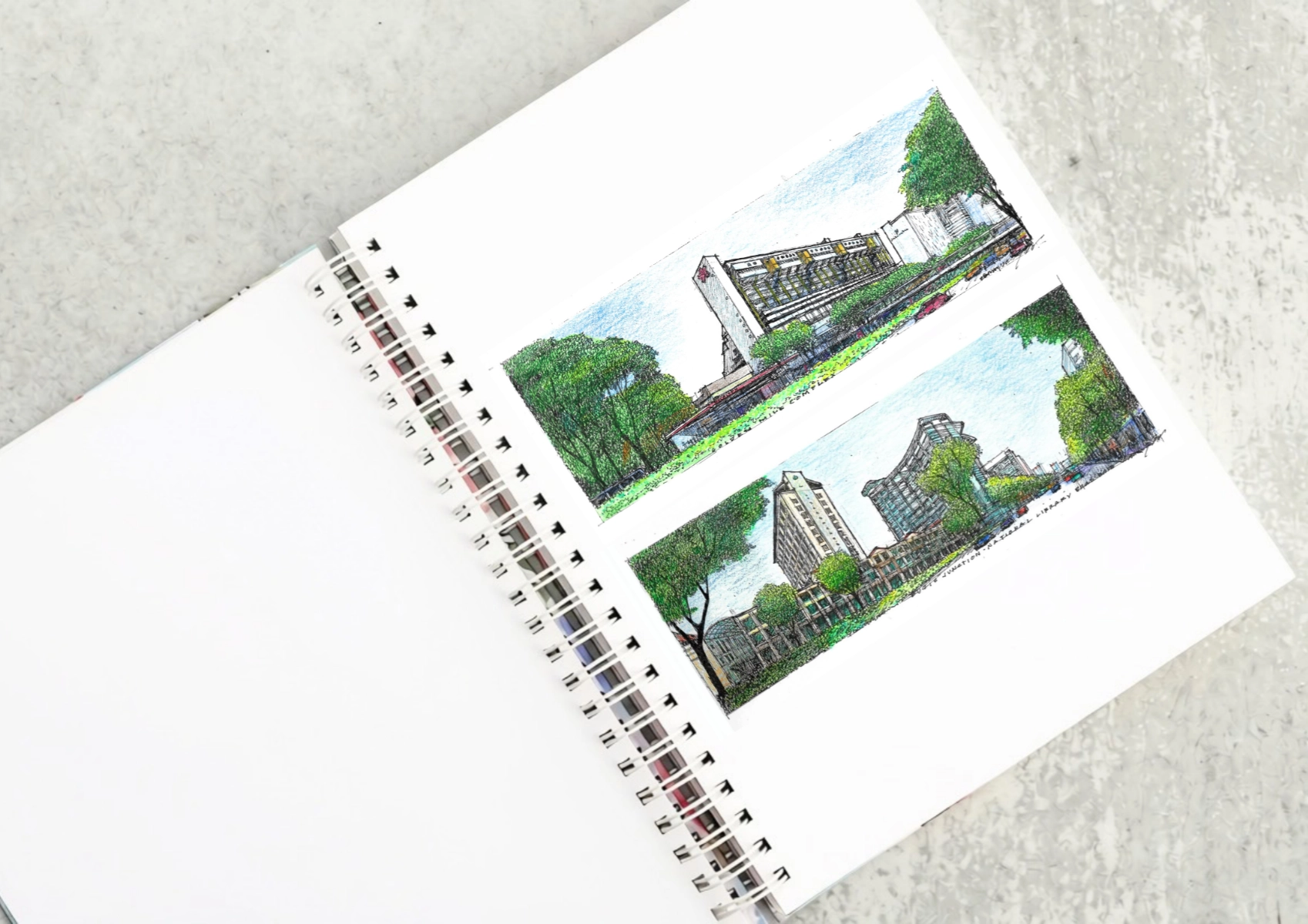
Two sketches of Singapore connect BluPrint Editor in Chief Paulo G. Alcazaren’s personal and professional history with Shared Ground: ArchitectureArchitectureThe art and science of designing and constructing buildings, structures, and spaces that are functional, safe, and aesthetically pleasing. It encompasses the planning, design, materials, and techniques used to createGo to Architecture Glossary of Care, Culture, […]
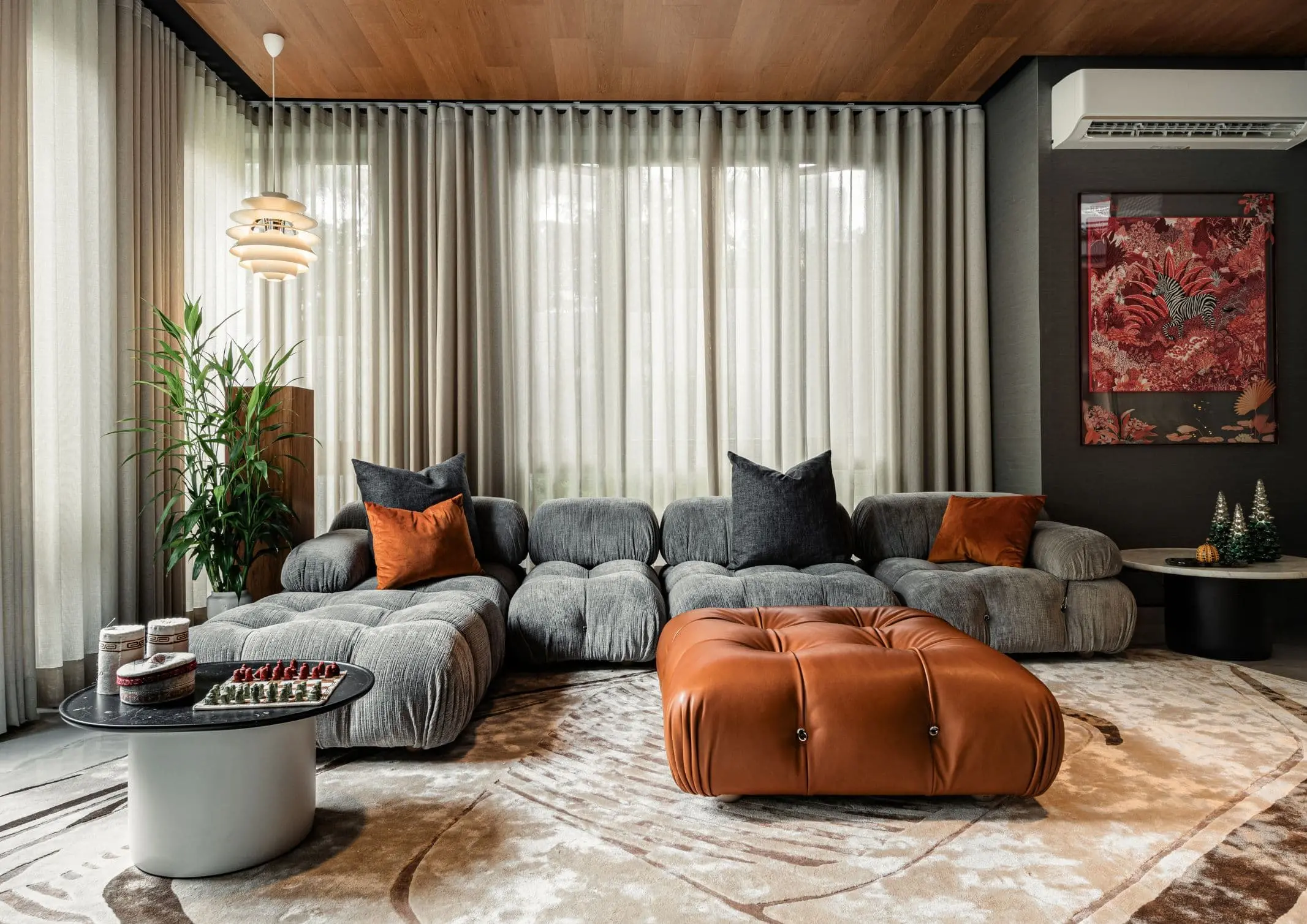
Some have become household names – Coleman, Oster, and KitchenAid – products that have found their way into Filipino kitchens, homes and family routines. In home furnishings, brands such as B&B Italia, Ethan Allen, Sub-Zero, Miele, SieMatic, Louis Poulsen, Hunter Douglas, Tempur, and Technogym, have helped shape the way Filipinos live. From everyday essentials to […]
In a way, designers are the modern-day soothsayers and prophets. They design for the future, predicting how a room, a house, a building or a whole city will be used by people. They foresee how users will interact with a space, conjure exact shades of colors to elicit specific behavior and arrange furniture to build […]
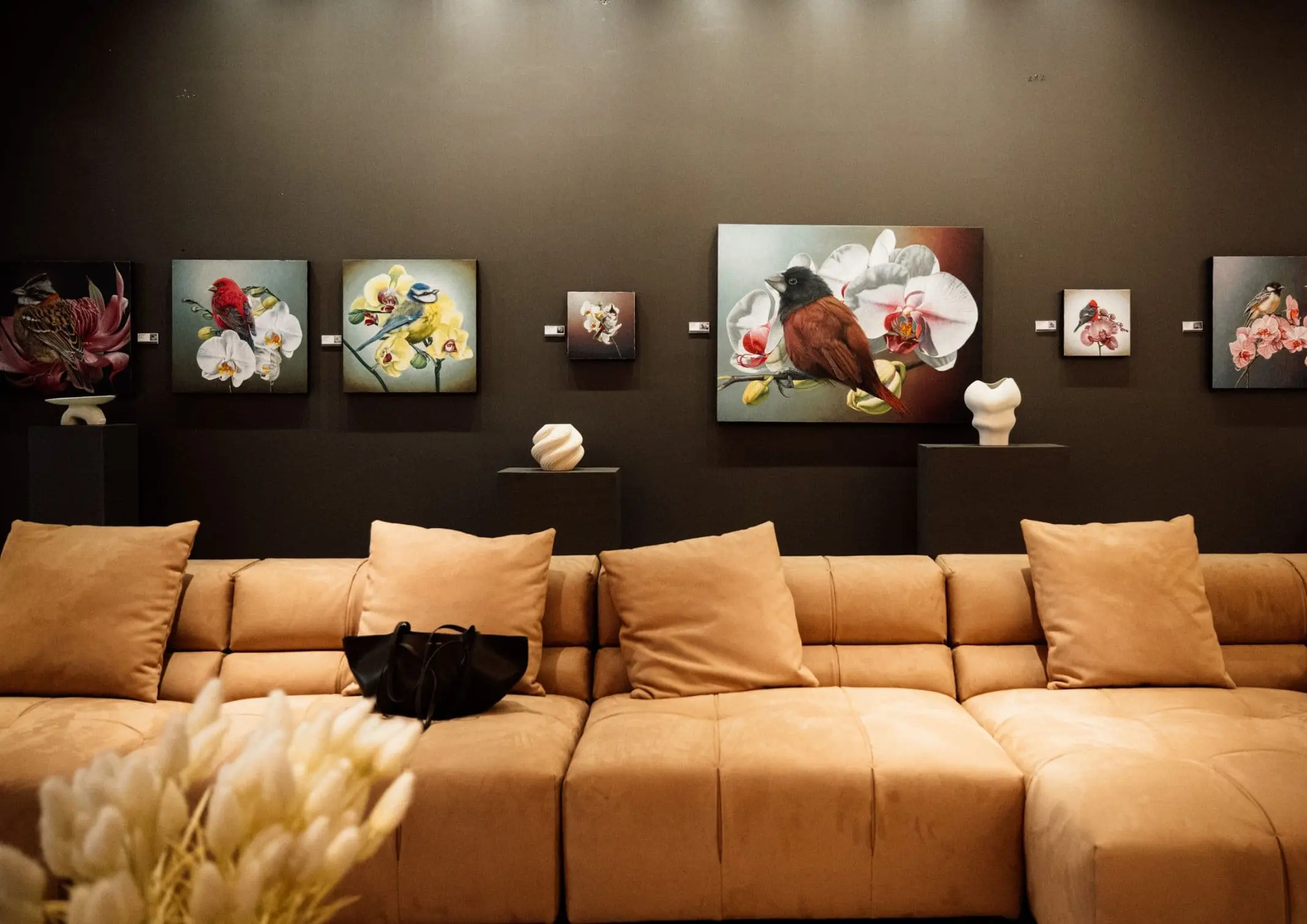
Art and furniture are often selected separately, yet their relationship can shape how a room looks and feels. The collaboration between Hooga and Galerie Joaquin explores how these elements can work together, bringing contemporary artworks into furnished residential settings at Hooga’s showroom in Uptown Mall, Bonifacio Global City. For Hooga, which curates furniture, lighting, and […]
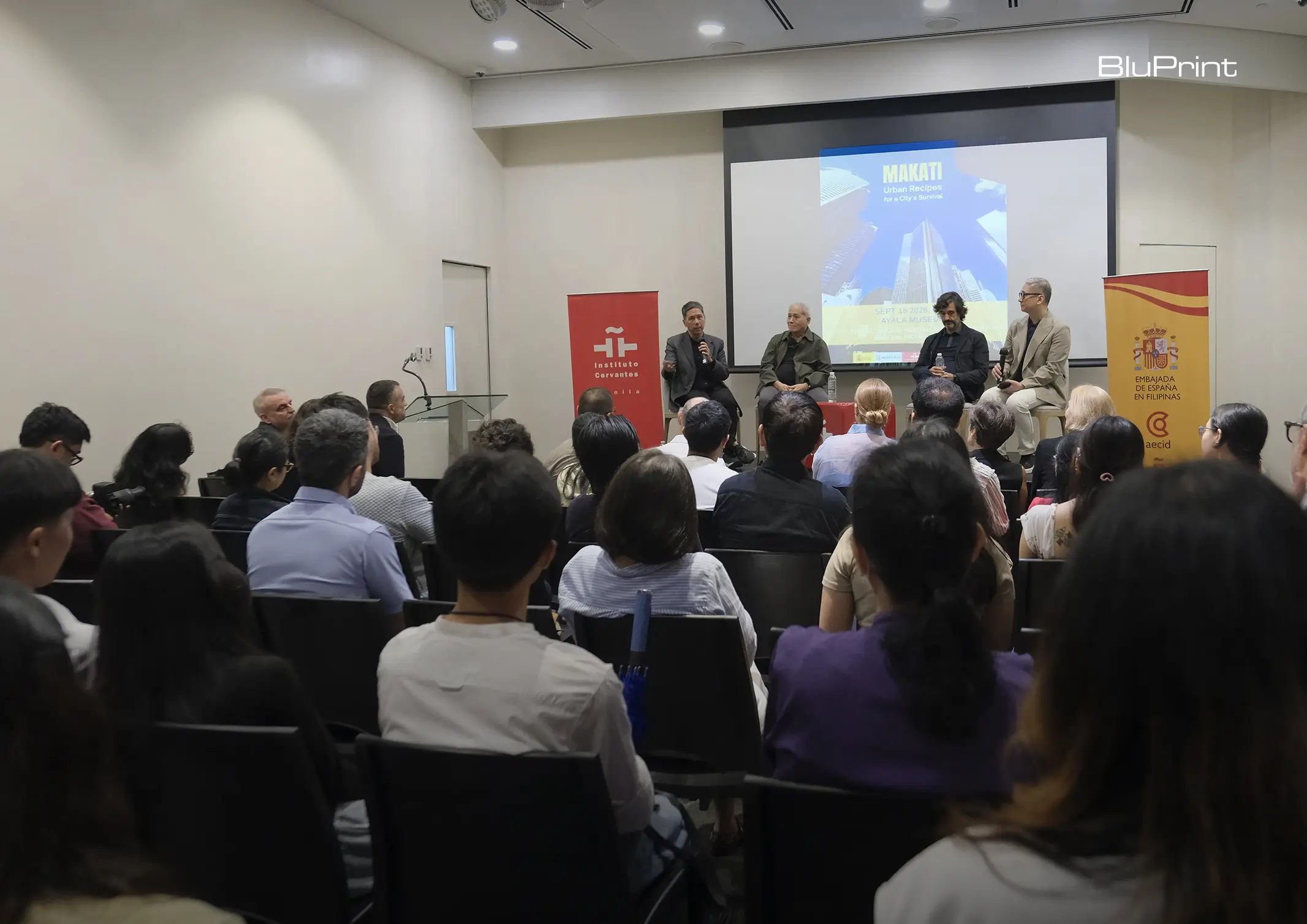
How can better-planned cities create the conditions for more creative, livable, and resilient urban environments? “Makati Urban Recipes for a City’s Survival,” a colloquium held at the Ayala Museum on September 15, brought together architects and practitioners from the fields of urbanism and the creative economy to discuss how design, planning, and collaboration can address […]
Read the issues.

Collect the volumes.

Recommended Video
Tap to Unmute
Unmute
0:00
0:00