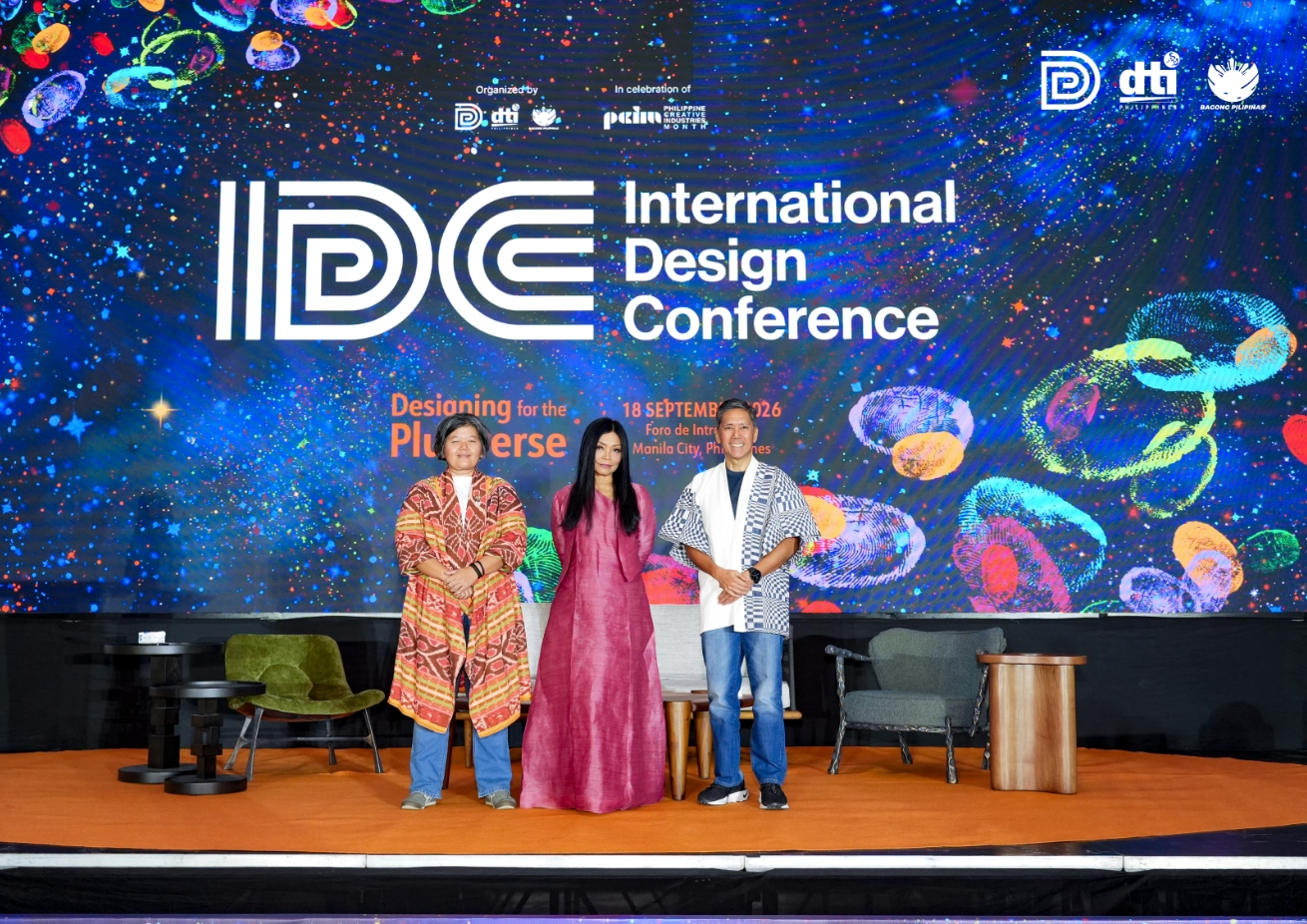
Culture in design does not always announce itself through a recognizable motif, material, or symbol. It can also be embedded in the relationships designers build, the knowledge they listen to, the materials they choose, and the decisions they make in response to communities and their environments. This distinction emerged throughout the 2026 International Design Conference […]
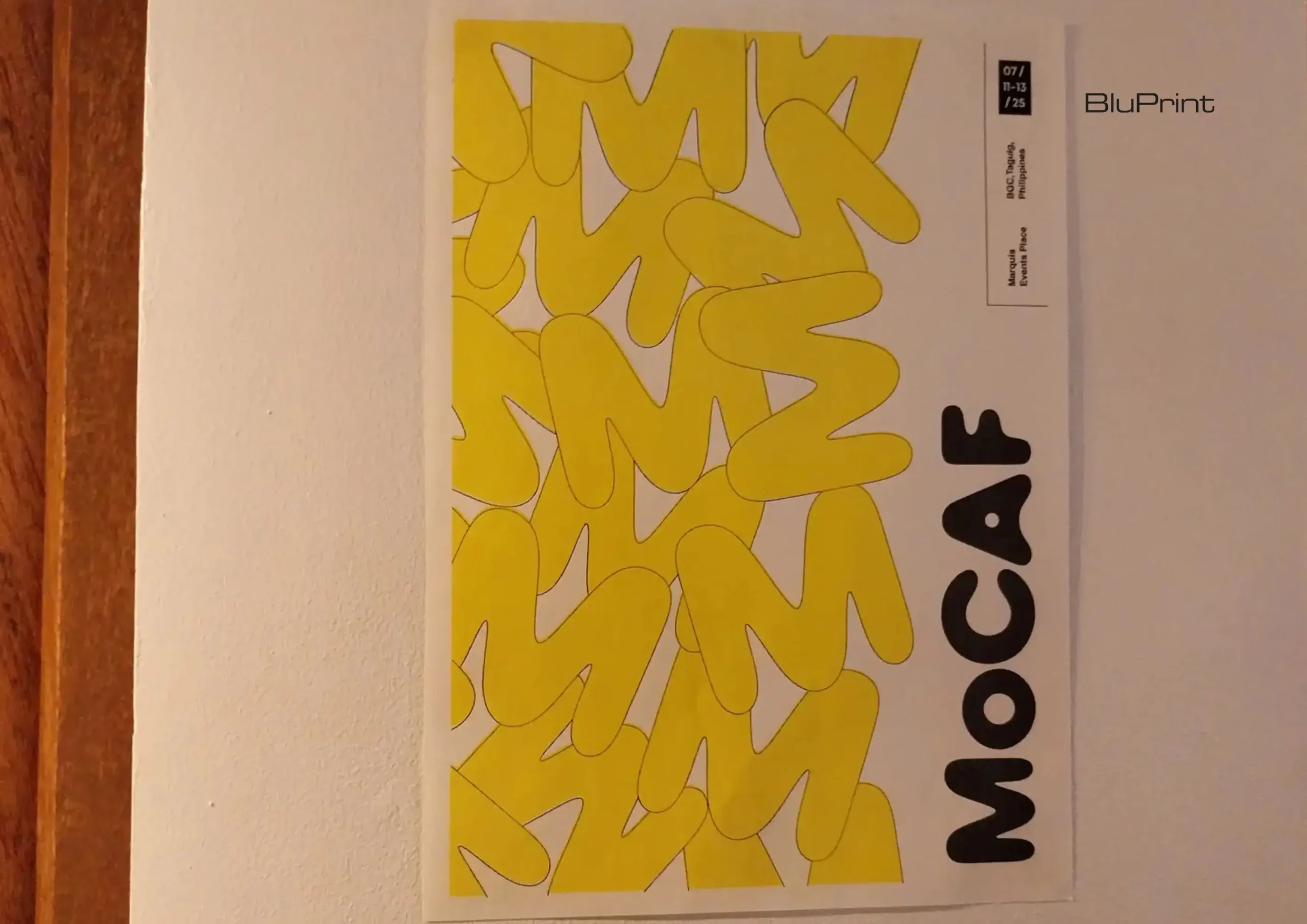
MoCAF Broadens Its Showcase of Filipino Art With 2025 Iteration



The Modern and Contemporary Art Festival, or MoCAF, announced its fourth straight year of promoting modern Filipino art with its 2025 edition. The three-day art event showcases galleries, up-and-coming artists, and new projects and institutions that they believe will influence Filipino art in the future.
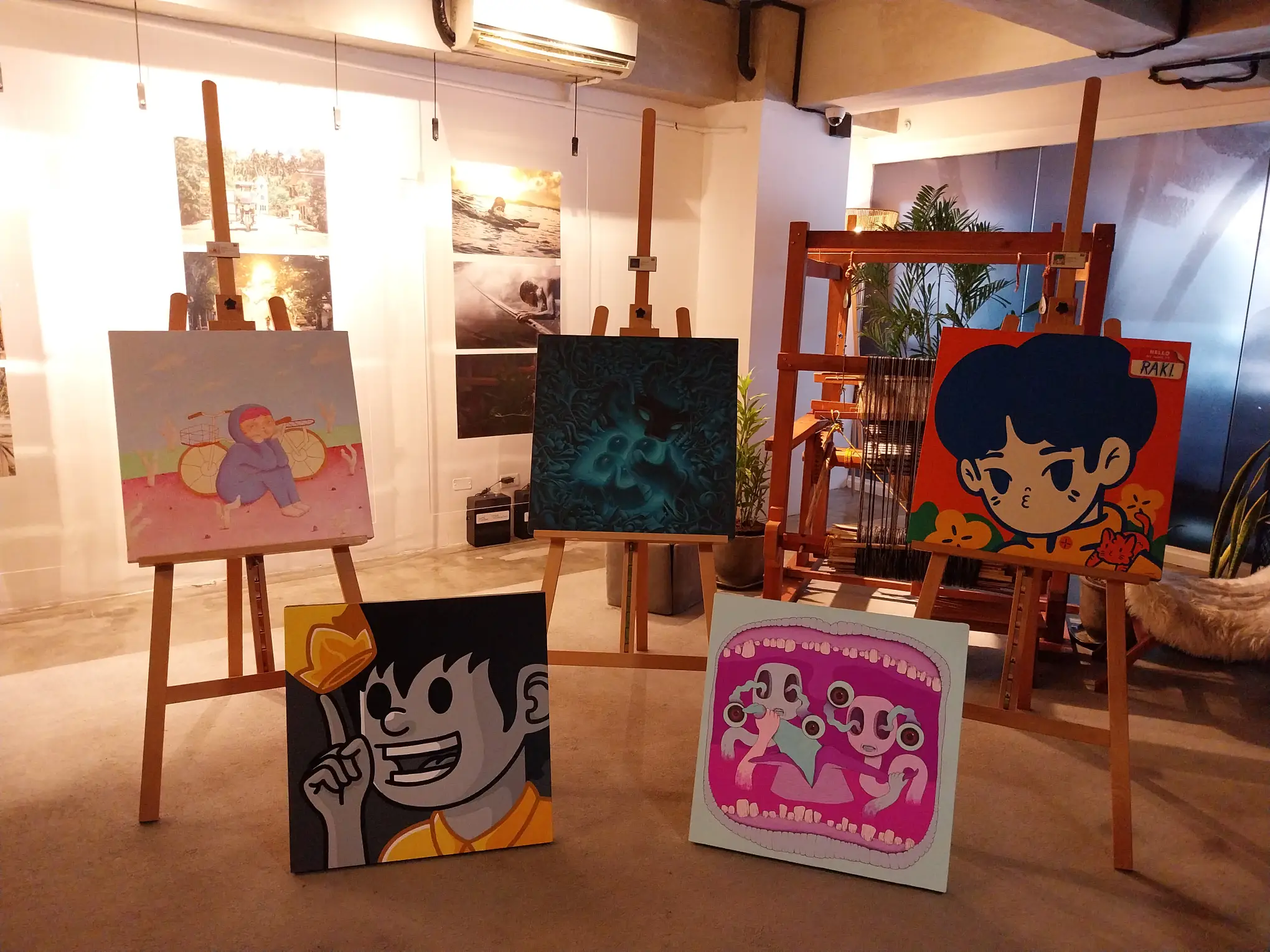
Happening at the Marquis Events Place in BGC, Taguig, MoCAF will have over “fifty distributors representing two hundred different artists,” which includes both local and international galleries, according to festival director Colleen Wong. Nearly thirty different artisans will also grace the three-day event, providing a venue for independent creators to platform their goods.
“We at MoCAF challenge ourselves to introduce something new every year, making MoCAF bigger, but still very inclusive, staying true to one of the pillars we started with,” Wong said during the launch.
Spotlight to Local Galleries, Small and Big
Different galleries have been confirmed to be participating in MoCAF this year, from known entities like Galerie Stephanie, Village Art Gallery, and Kaida Contemporary, to newer emerging galleries like Arcadia Art Gallery.
The festival also continues its practice of providing space for “ younger galleries, rising artists, and alternative artworks” with MoCAF XTN. This space, adjacent to the main ballroom of Marquis Events Space, includes organizations like Rouge Gallery, Space Encounters Gallery, the Cebu-based Qube Gallery, and the artist platform Art House.
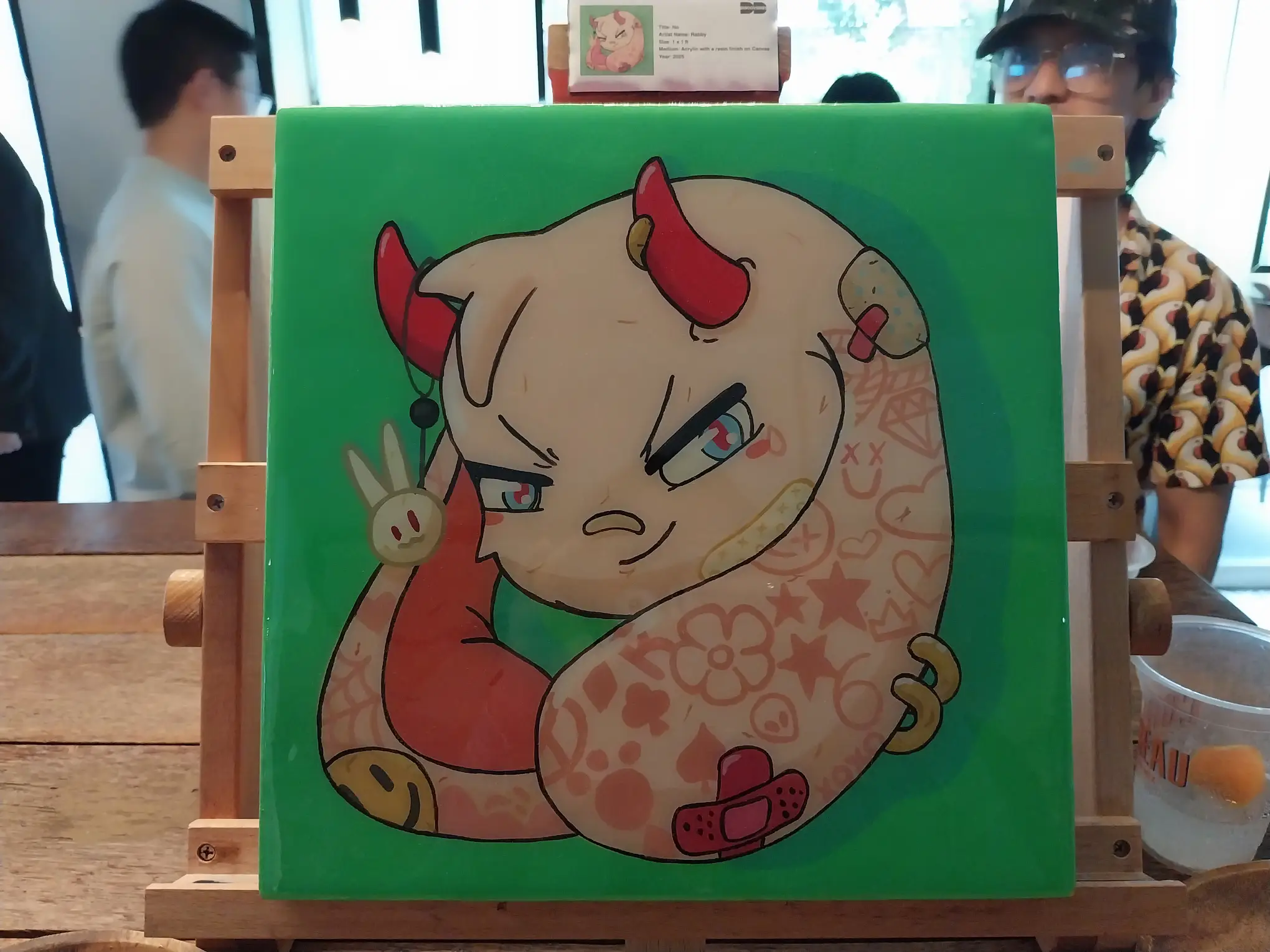
The latter will be showing art from diaspora Filipino artists who also participated in their recent Nena Saguil tribute exhibit Lakbay last February. “We would like the market of MoCAF and its community to be able to appreciate what these Philippine talents we have all around the world that we’re bringing into the Philippines,” Art House founder Carlo Pineda said.
Launching the Old and the New
A special tribute exhibition for Juvenal Sansó called “From Canvas to Continuity” will be mounted in the venue. Other special exhibitions will also be set-up around the venue, from artists such as Juanito Torres, Bryan Teves, Dennis Bato and Pinky Ibarra Urmaza, Jaspher Penuliar, SAIS, and Isad Diwa.
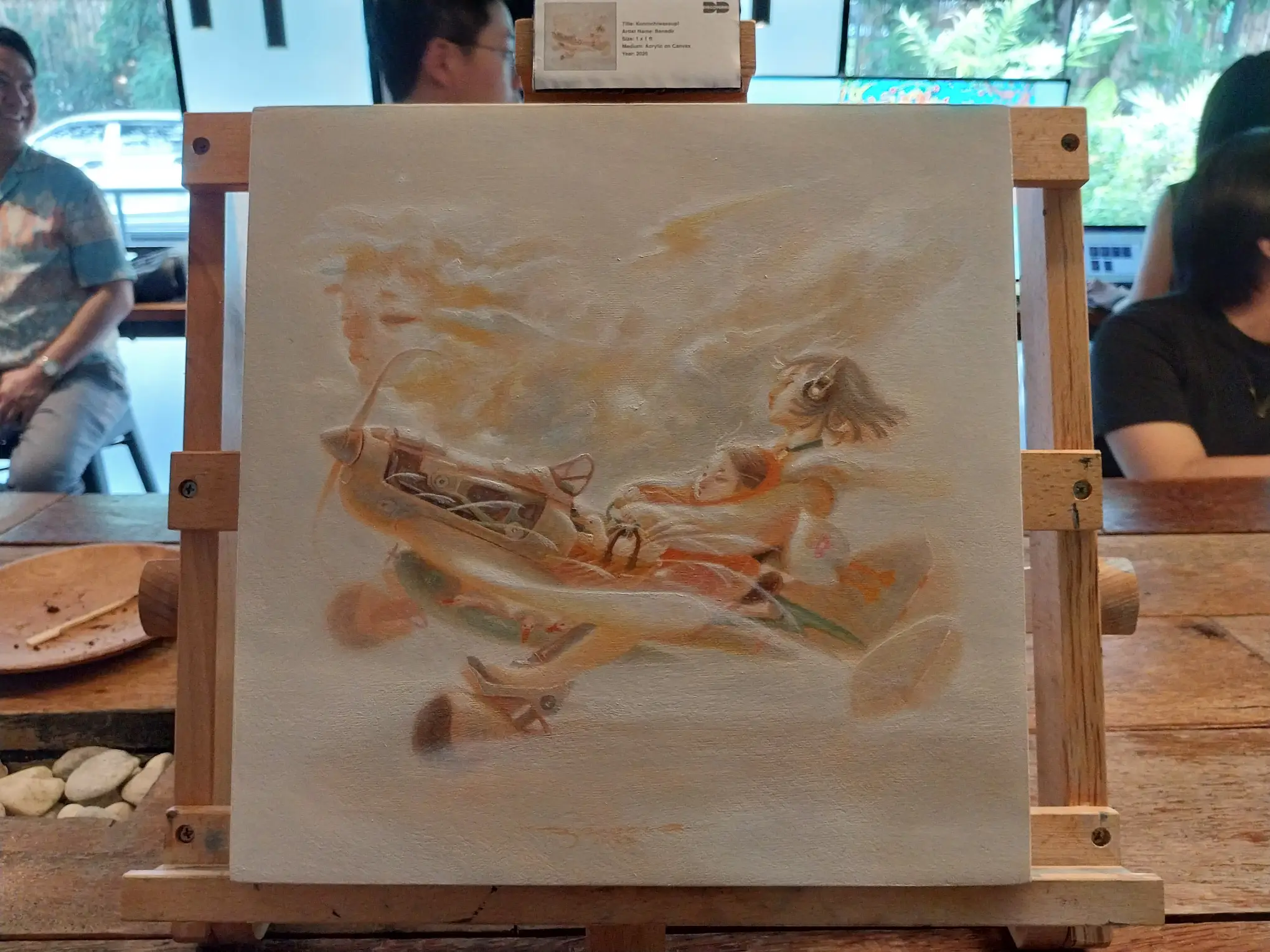
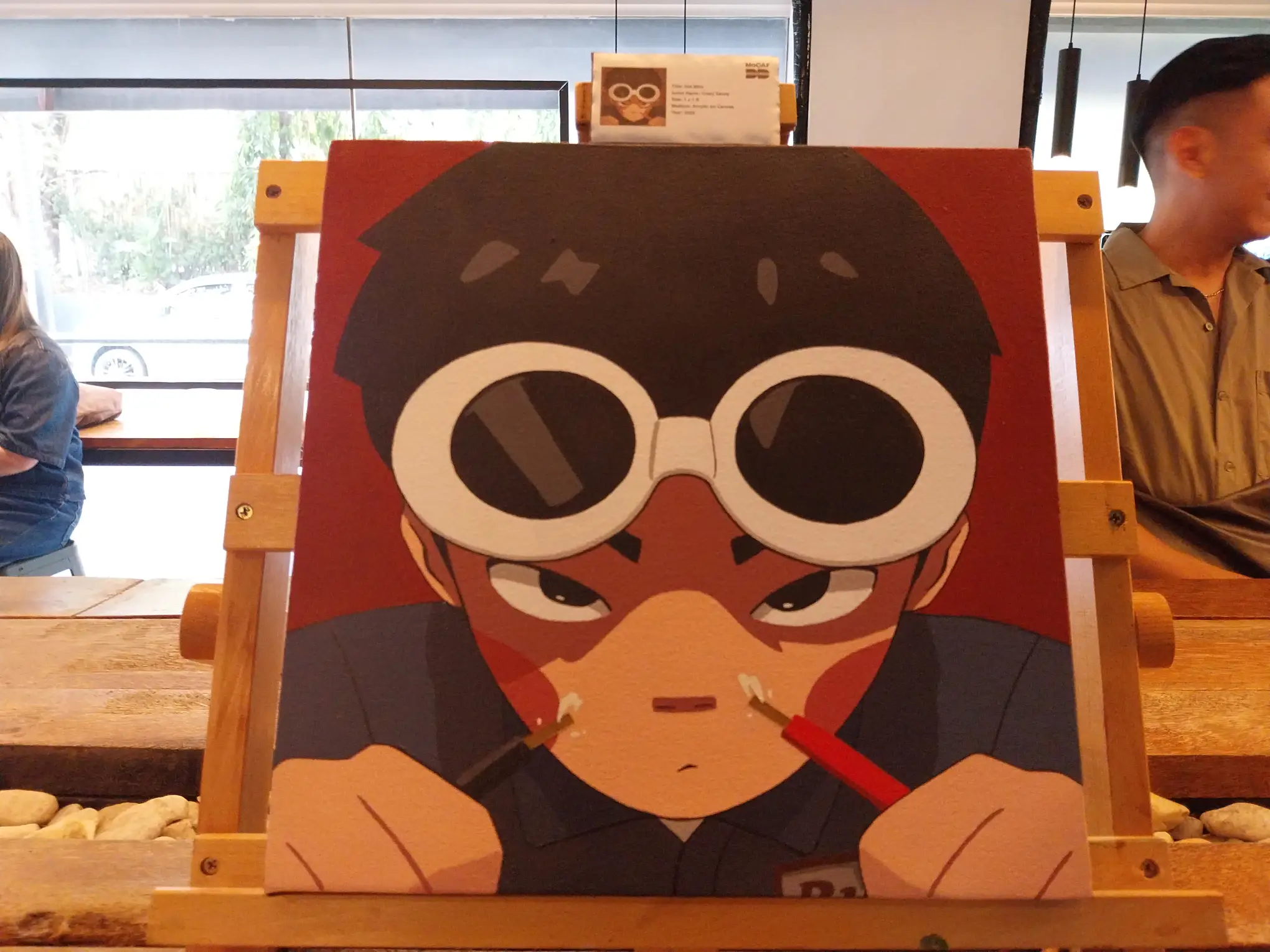
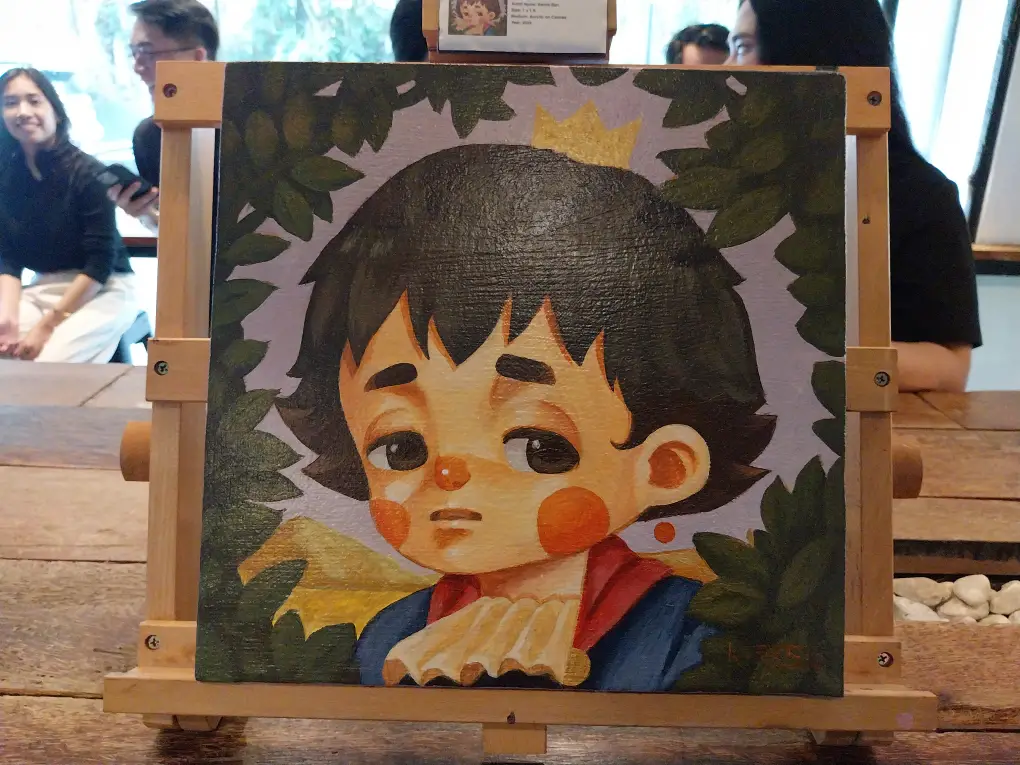
Beyond that, MoCAF continues its Discoveries series, where fresh rising artists can have their art shown to the public at large. New artists like Jessa Almirol, AJ Manuel, France Daffon, TAO, and walangmaria will be showcased alongside returning artists like KenTo-san, Omok, Mark Hernandez, and Benedir.
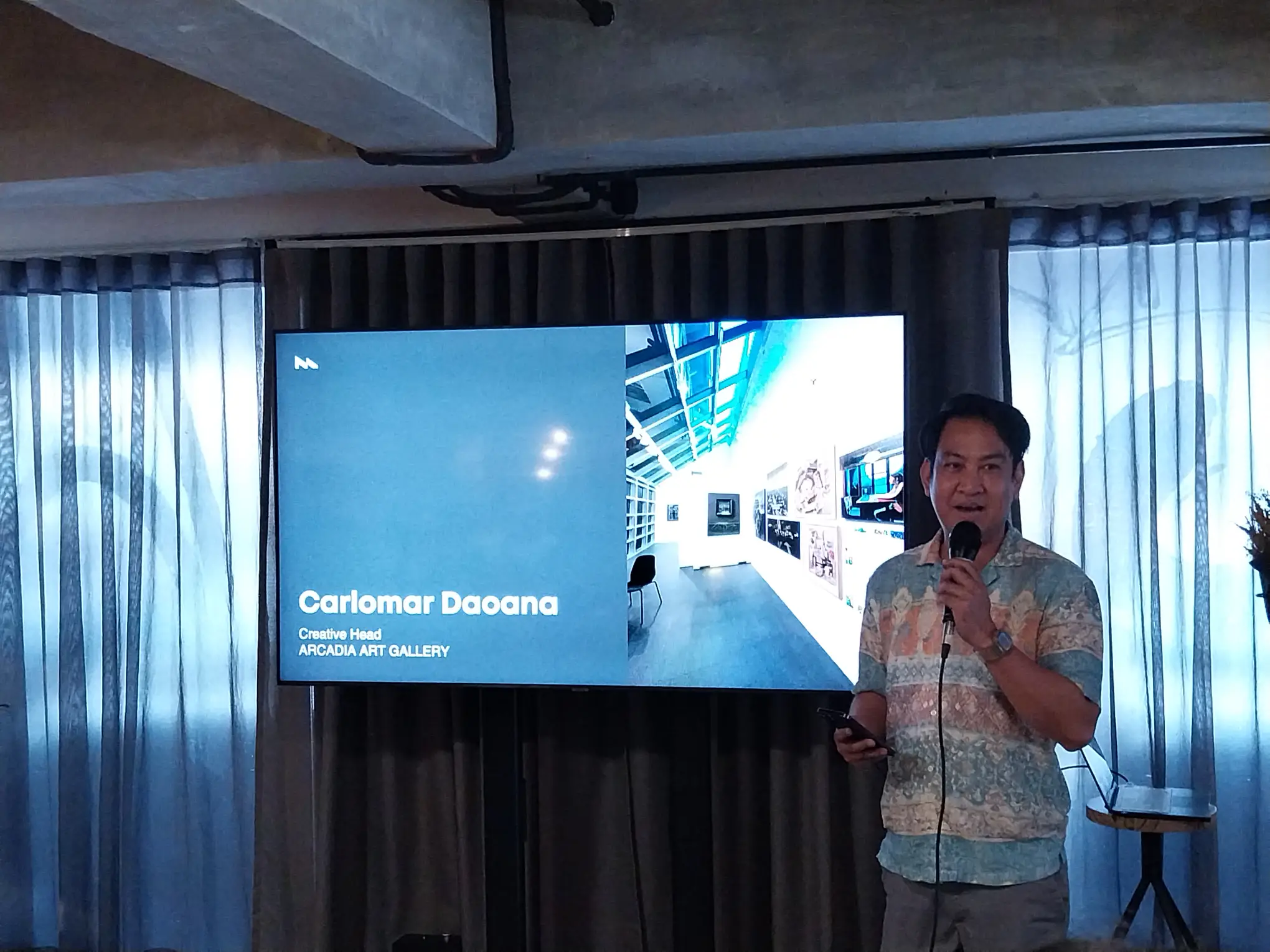
Carlomar Daoana, the creative head of Arcadia Art Gallery, praised MoCAF for its continued platforming of emerging players in the art world. He believes that venues like this provide a broader audience for different artists across the country.
“ We’re happy that MoCAF is a platform where new players like us can have a space to produce artists to a bigger audience,” Daoana said. “We admire the centrality of the venue, the expansive profile and program, and of course the sheer excitement and enthusiasm of the audience.”
Discovering New Avenues of Exploration
For this year, MoCAF is also expanding its reach beyond the three-day event with MoCAF XP. Here, the festival arranged different participatory workshops and activities that people can engage in. The activities include an Art Bazaar at the Astbury in Makati, a casting and mold making workshop with Art Caravan, and a fabric accessories and DIY button pin making workshop at the Common Room Manila.
For the Common Room Manila event, it will be held at the Mess Studio inside the establishment, which was built with an environmental sustainability theme in mind. For example, the fabrics and materials used for the DIY workshop will all be recycled.
“What makes Mess Studio different from other art studios is that it is dedicated to upcyclingUpcyclingThe creative reuse of discarded materials or objects to make products of higher value or quality than the original. In design, upcycling transforms salvaged wood, scrap metal, textiles, glass, andGo to Upcycling Glossary workshops,” Common Room co-founder Ma. Roma Agsunod said. “So we don’t just use any materials there. We want future creatives and inspiring artists to make more mindfully. So most of the activities there use materials discarded trash used by [and] donated by our shoppers.”
Merchandise and Artistic Aesthetic
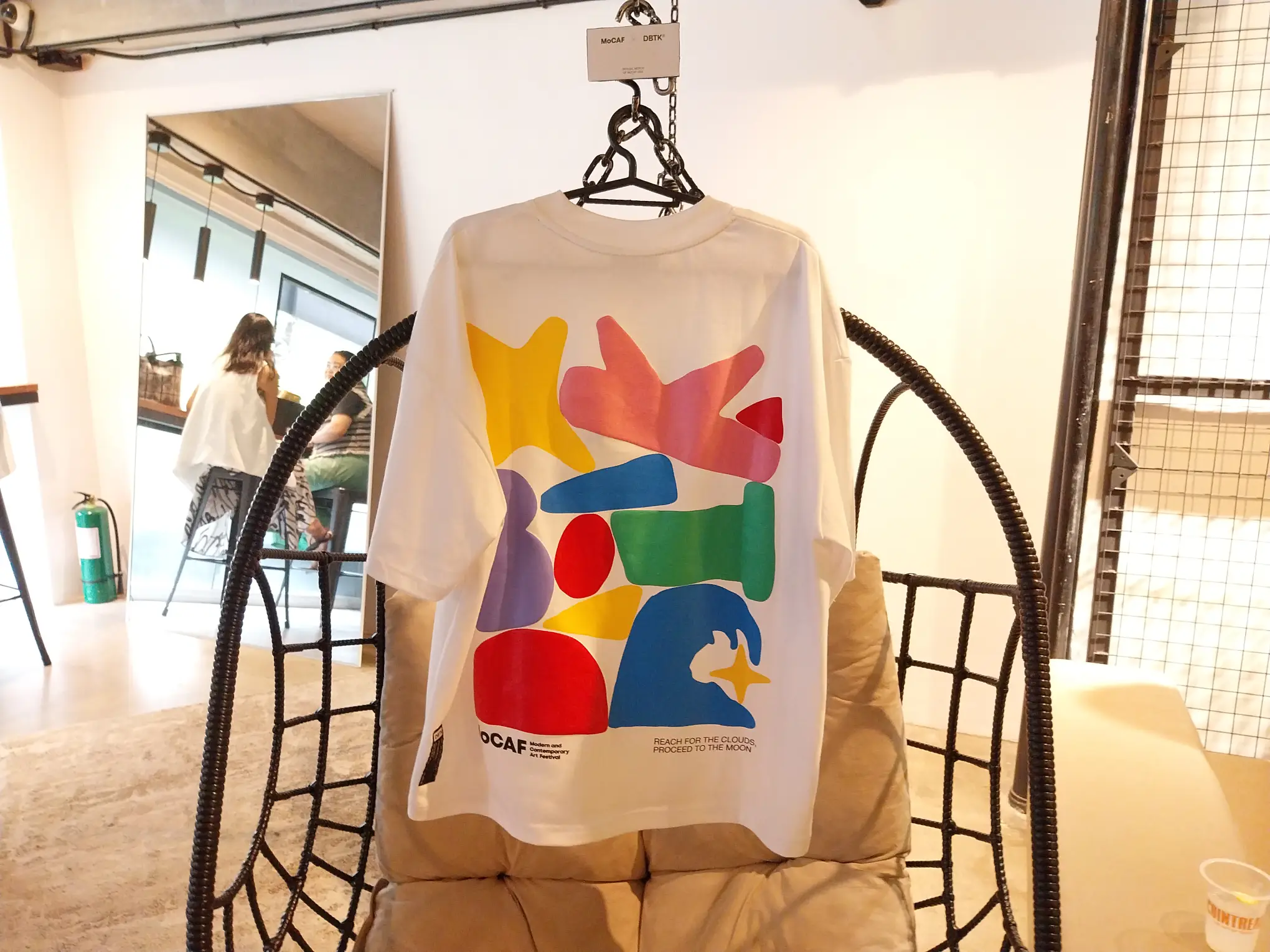
MoCAF also debuted new merchandise from DBTK, Bad Student, and LUMI Candles. DBTK crafted a new line of t-shirts for this year’s fair, while Bad Student created a series of riso-printed posters specially designed to fit the festival’s aesthetic.
LUMI Candles premiered a special edition set of candles that they believe evokes the MoCAF spirit, which includes the fragrances of eucalyptus, grapefruit, cedar wood, bergamo, and myrrh.
“This is actually what we’re bringing into the plate and introducing in MoCAF: a different experience for artgoers, where we incorporate fragrance as part of appreciating art,” Rich Asuncion, the CEO of LUMI Candles, said. “The collaboration that we have now with MoCAF is actually more of customizing the fragrance that will translate the different emotions that you will be experiencing while you are enjoying your stroll through the [festival].”
Avenues for Change
During the three-day event, MoCAF Dialogues will allow event-goers to discuss important topics in contemporary art today. Among the topics being tackled are the ethical uses of AI in art, an in-depth talk on Philippine typography, and workshops on intaglio printing and painting.
And going further in their advocacies for a stronger and more inclusive contemporary Philippine art scene, MoCAF partnered with Mbrace Project and ScholarSIP to help create new initiatives to give support to different members of the local art community.
A Wider World for Art
ScholarSIP is a pop-up cafe established by Fundacion Sansó to provide scholarship opportunities for emerging artists. “What separates us from other museums is that, aside from running a museum to preserve and promote the legacy of Mr. Sansó, we also take care of his advocacies, namely, giving grants to scholars for the fine arts to curators and artists, historians and art writers,” a representative from the organization said.
Meanwhile, Mbrace Project is an organization that provides art therapy for children with cancer and other chronic illnesses. They will be showcasing an exhibit of these works for MoCAF, according to their representative Martin Sy.
“One of our projects is our art therapy workshops, which we do in hospitals and in partner galleries and museums like Fundacion Sansó,” they said. “We’re very grateful that we’re given this platform. Now it’s our first opportunity to showcase the works of our patients. We give them art therapy because we provide them a healing space wherein they can express their emotions, their pain. And we want to take art that’s not only beautiful, but also very joyful.”
The 2025 Modern and Contemporary Art Festival will be open to the public from July 11 to July 13 at the Marquis Events Place in BGC. Tickets are available to buy at the official MoCAF website.
Photos by Elle Yap.
Frequently Asked Questions
MoCAF 2025 is the fourth iteration of the premiere art festival dedicated to promoting modern Filipino art, held from July 11 to 13 at the Marquis Events Place in BGC. The event features over 50 distributors representing 200 artists, ranging from established local and international galleries to emerging independent creators. By blending traditional exhibitions with interactive workshops, the festival serves as a vital platform for discovering the future of the Philippine art scene.
The festival supports rising talent through dedicated programs like MoCAF Discoveries, which highlights fresh artists such as Jessa Almirol and France Daffon, and MoCAF XTN, a space specifically for younger galleries like Space Encounters and Rouge Gallery. These initiatives provide smaller players with a high-profile stage to reach a broader audience and gain industry recognition. By lowering barriers to entry, MoCAF ensures a more inclusive and diverse representation of the local art community.
MoCAF XP extends the festival’s reach with participatory workshops, including upcycling sessions at Common Room Manila and mold-making with Art Caravan. MoCAF Dialogues complements these activities by hosting discussions on timely industry topics such as the ethical use of AI in art and the history of Philippine typography. These programs transform the festival from a passive viewing experience into an active learning hub where attendees can engage directly with artistic processes and critical discourse.
The festival emphasizes environmental mindfulness through workshops at Common Room’s Mess Studio, which uses recycled materials and discarded fabrics to teach sustainable crafting. Social advocacy is integrated through partnerships with ScholarSIP, which provides grants for fine arts scholars, and the Mbrace Project, which offers art therapy for children with chronic illnesses. By showcasing patient-created works and supporting academic grants, MoCAF demonstrates that art can be a powerful tool for healing and social mobility.
This year, MoCAF collaborated with lifestyle brands like DBTK for exclusive apparel and LUMI Candles for a signature fragrance designed to translate the emotional experience of viewing art. Bad Student also contributed a series of riso-printed posters tailored to the festival’s aesthetic. These partnerships enhance the sensory experience of the event, allowing attendees to engage with the art world through fashion, scent, and unique tangible mementos that reflect the festival’s creative spirit.
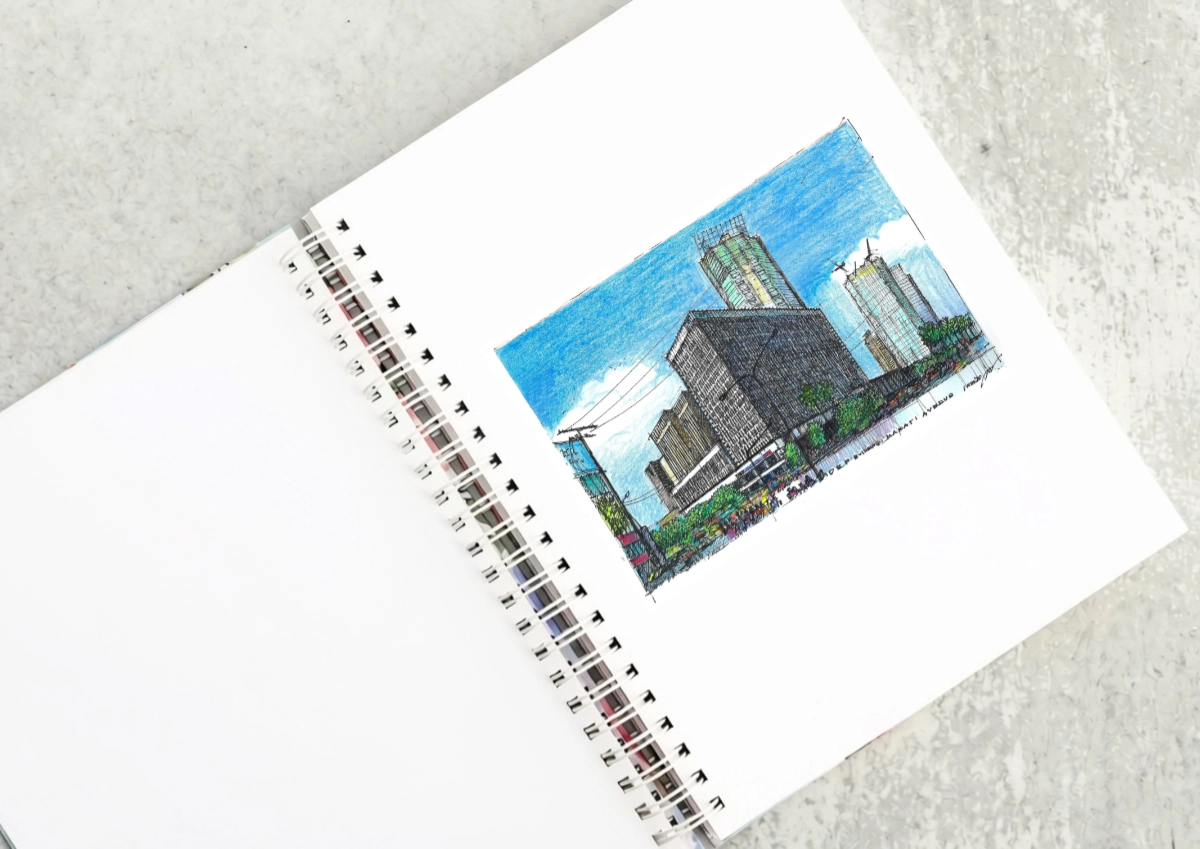
The DBP Building as a Landmark of the International Style At the corner of Sen. Gil Puyat Avenue and Makati Avenue stands a landmark of the Makati Central Business District. It is one of the last still standing that were built in the first wave of construction in district fifty years ago. The Development Bank […]
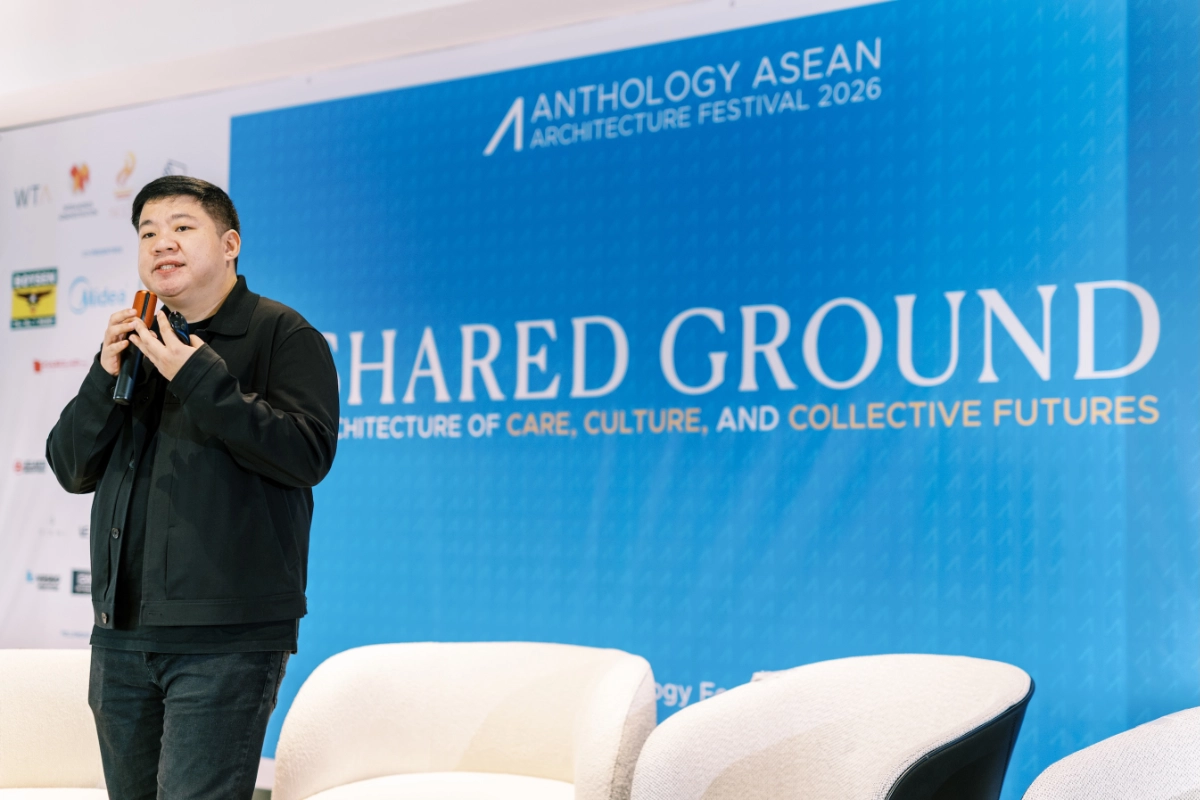
“Buildings only become architectureArchitectureThe art and science of designing and constructing buildings, structures, and spaces that are functional, safe, and aesthetically pleasing. It encompasses the planning, design, materials, and techniques used to createGo to Architecture Glossary when they are shared,” said William Ti Jr., founder of the Anthology Festival and WTA Architecture and Design Studio, […]
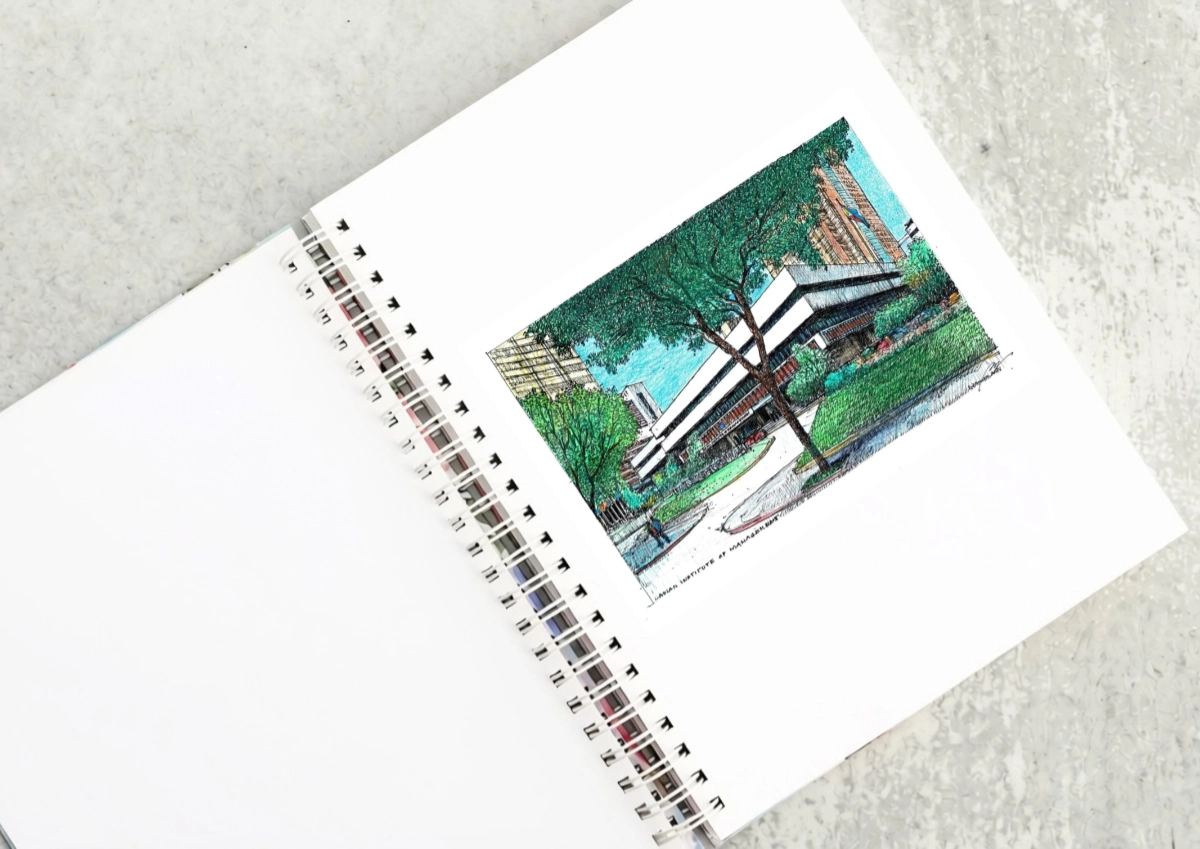
A Filipino Interpretation of Modernist Architecture Unlike the rest of Makati today, the northern end of Paseo de Roxas in Makati is anchored by a low complex rather than a tall skyscraper. This is the elegant Asian Institute of Management, designed by architect Gabriel Formoso and completed in 1971. In my opinion, the building is […]
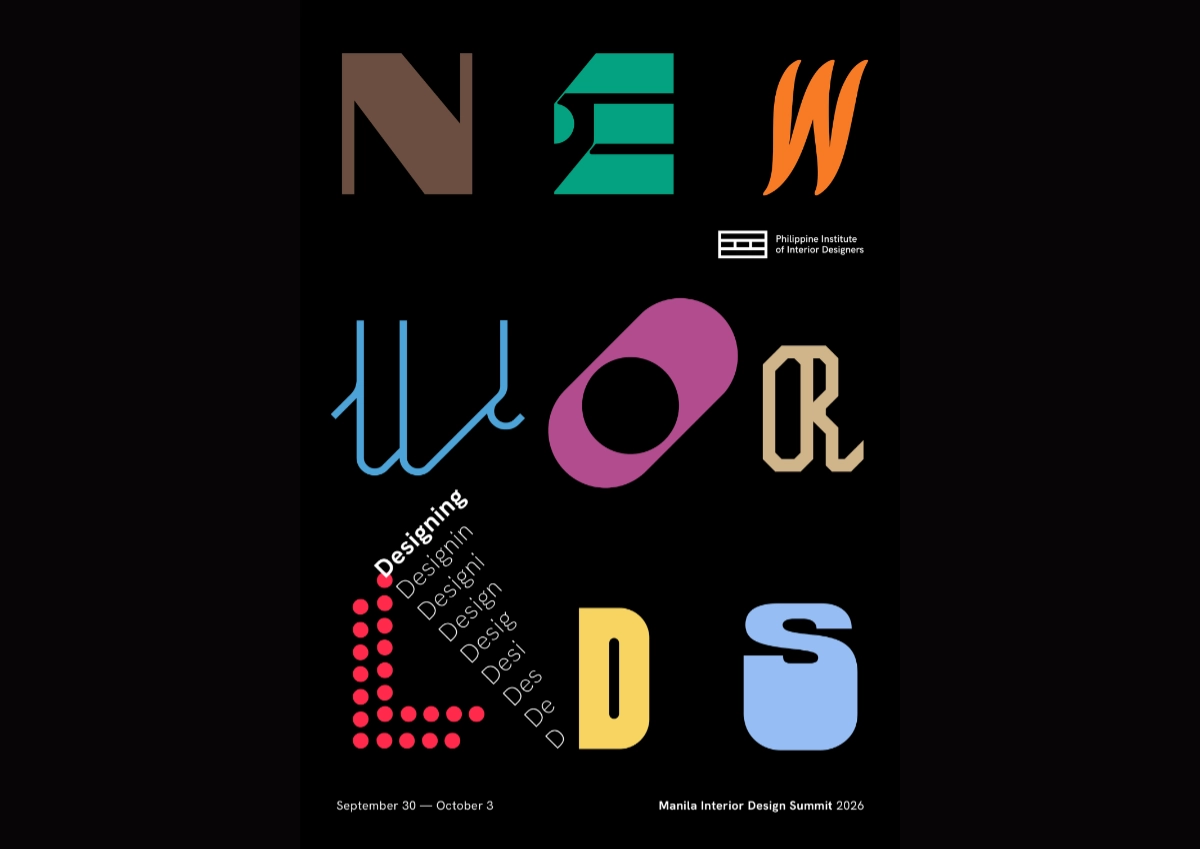
“Thailand has claimed urban creativity and livability. Singapore has institutional design leadership. Indonesia is emerging as a design hub. Vietnam is moving into design innovation. And the Philippines? Its position is not weak. It is simply unclaimed.” For IDr. Cecil Ravelas, National President of the Philippine Institute of Interior Designers (PIID), the challenge is not […]
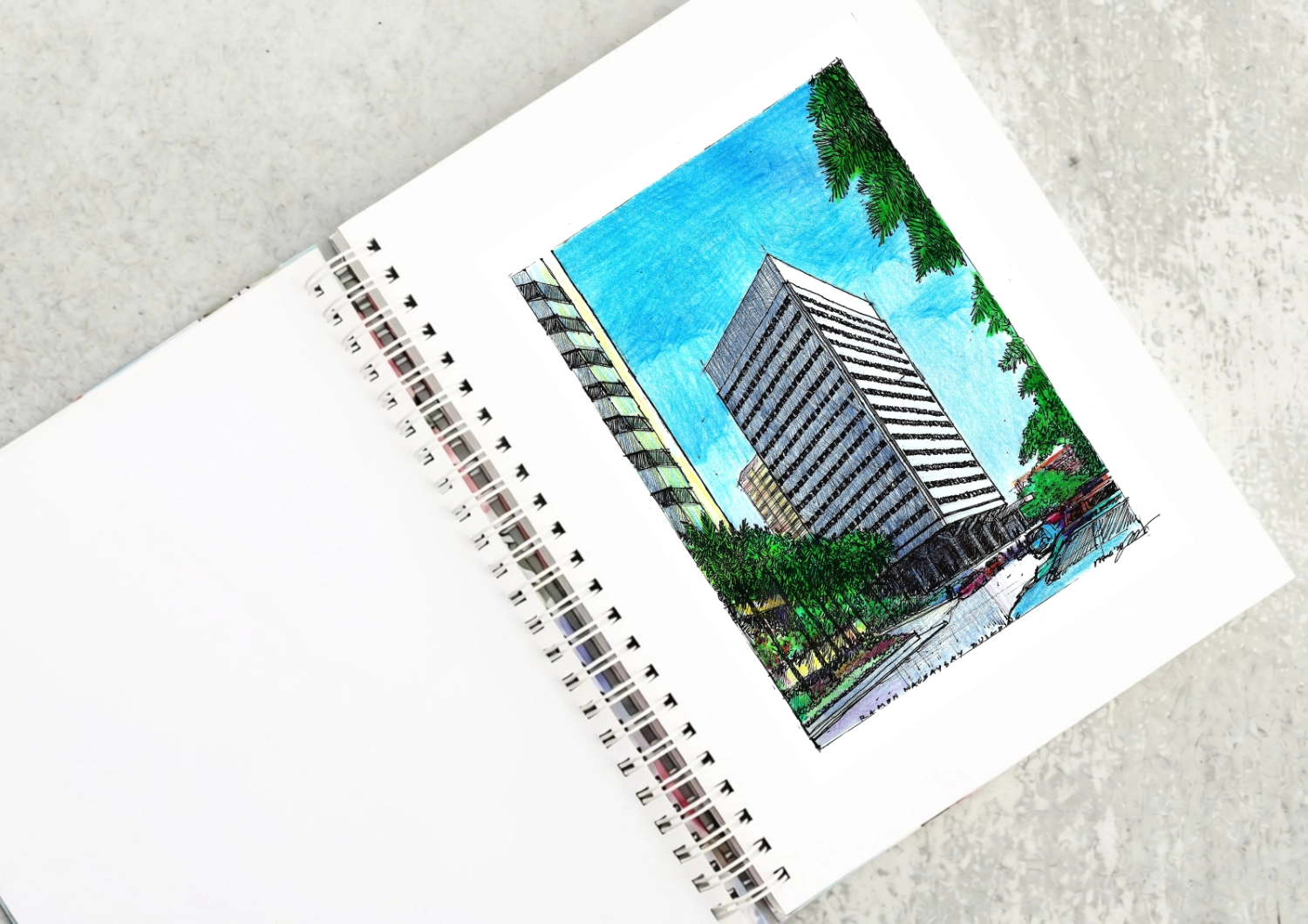
The Ramon Magsaysay Center as a Modernist Landmark Driving down Roxas boulevard from Rizal Park, what will catch your eye is the most elegant modernist structure in the country, the Ramon Magsaysay Center. Most established Filipino architects put it in their top ten lists of favorite buildings. It was designed by Alfredo J. Luz, who […]
Read the issues.

Collect the volumes.

Recommended Video
Tap to Unmute
Unmute
0:00
0:00