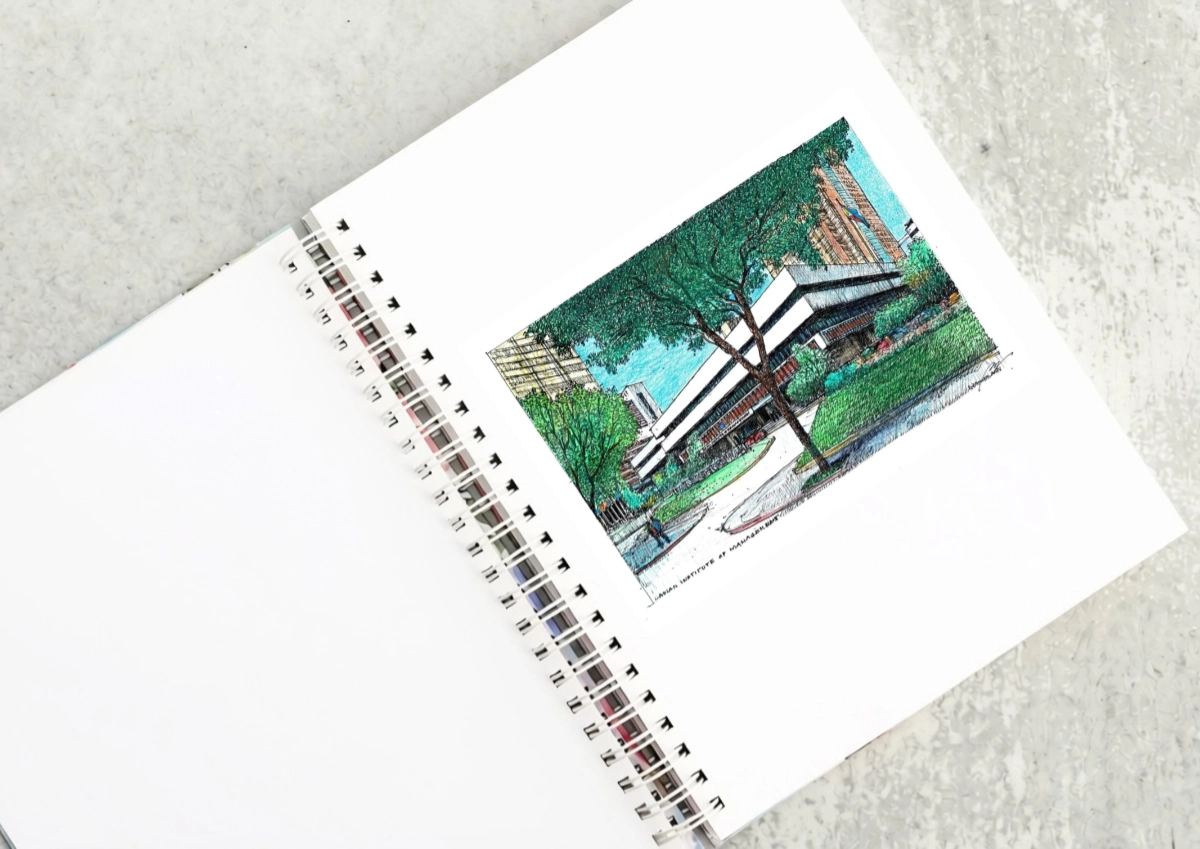
A Filipino Interpretation of Modernist Architecture Unlike the rest of Makati today, the northern end of Paseo de Roxas in Makati is anchored by a low complex rather than a tall skyscraper. This is the elegant Asian Institute of Management, designed by architect Gabriel Formoso and completed in 1971. In my opinion, the building is […]
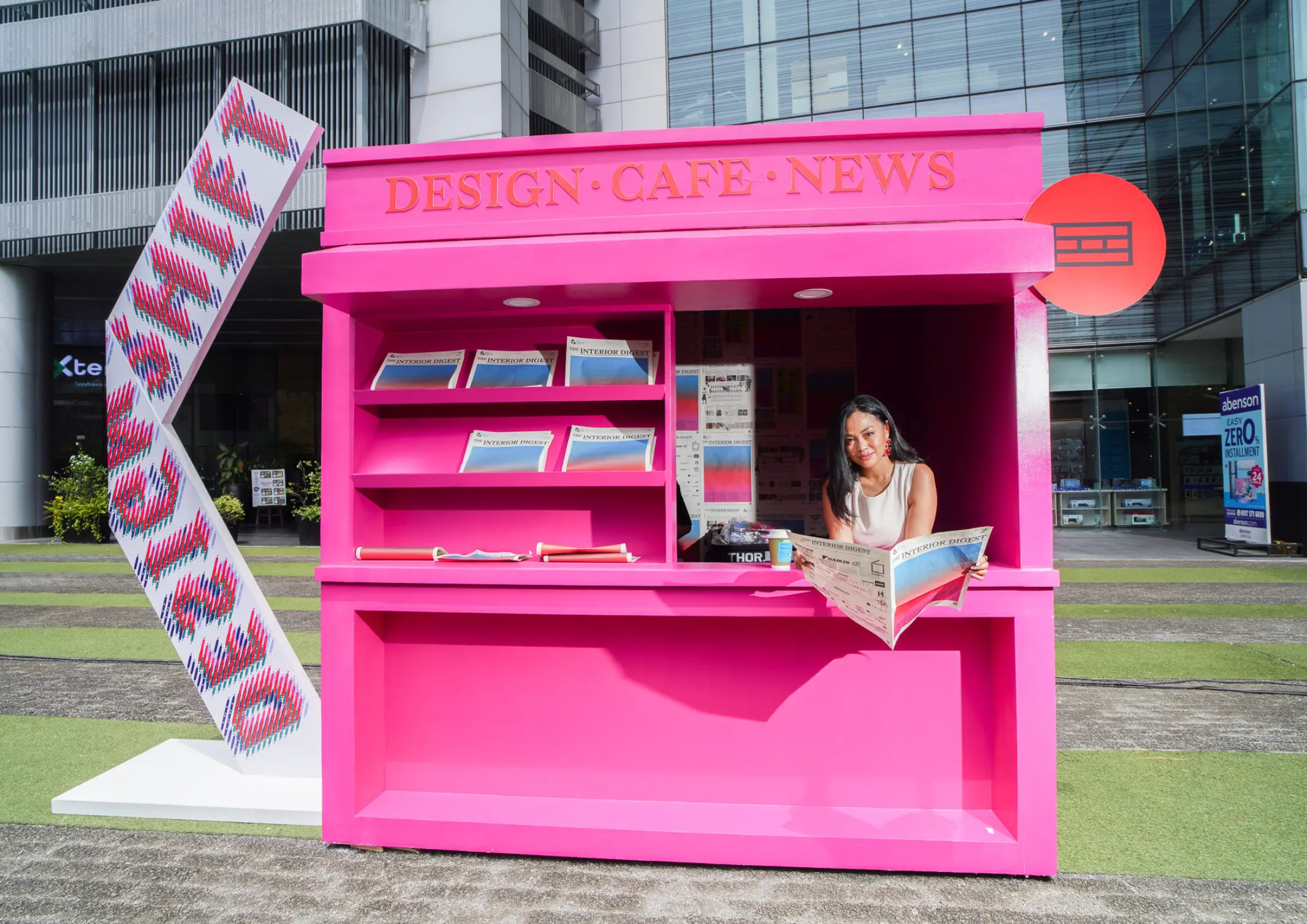
Manila Interior Design Summit 2025: Breaking Boundaries and the Future of Design



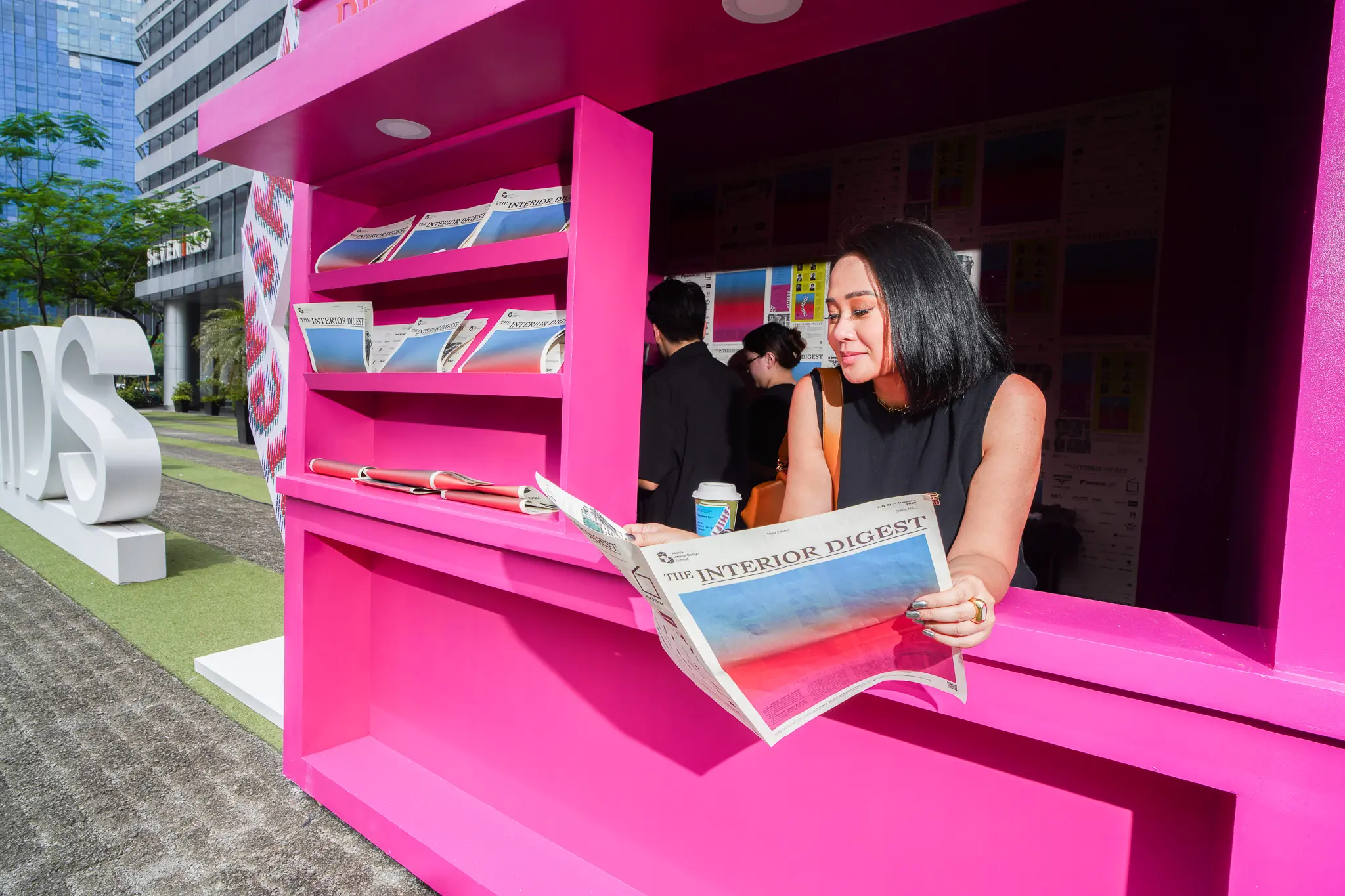
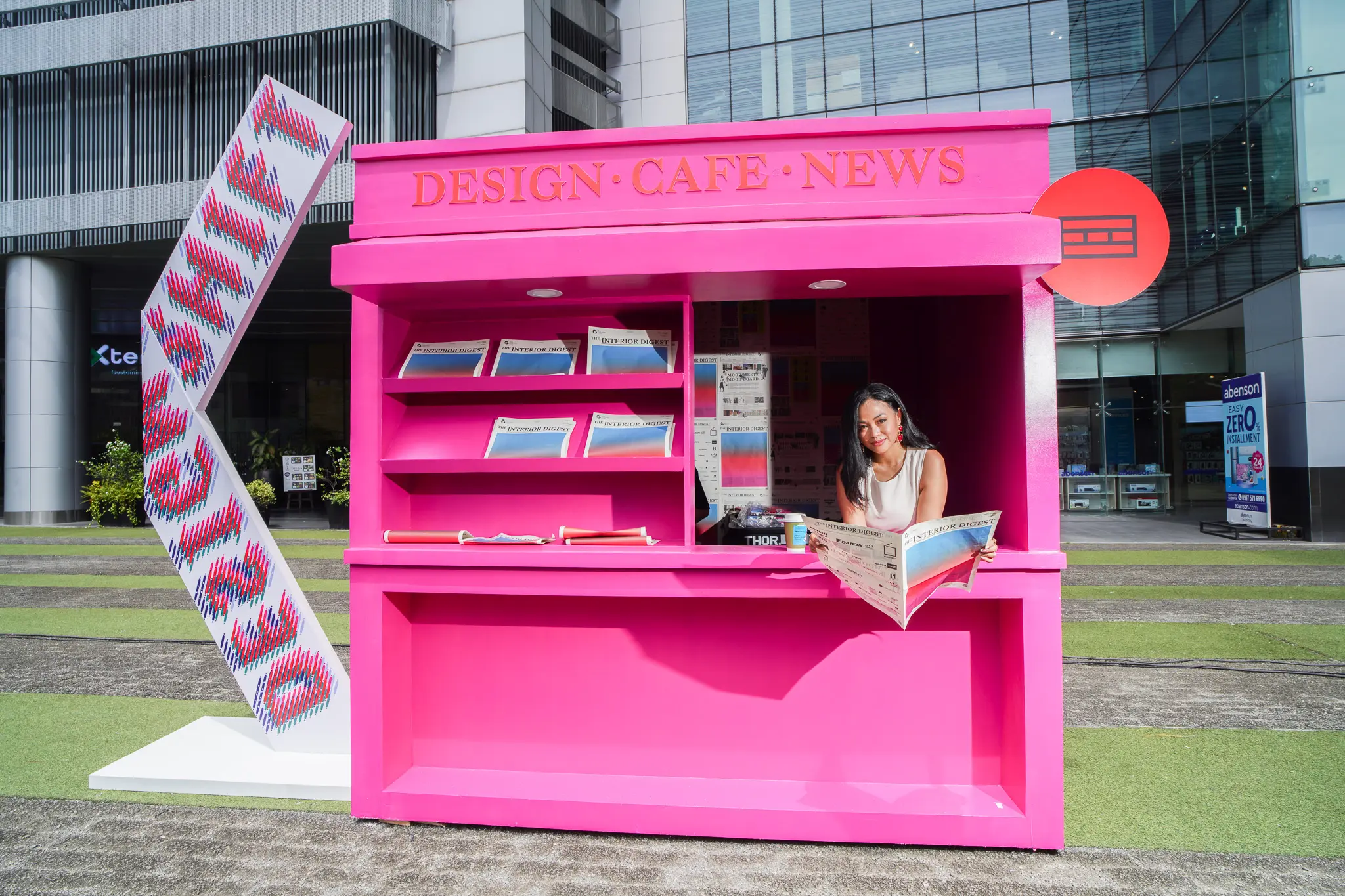
The Manila Interior Design Summit (MIDS) 2025, held from July 31 to August 3, embraced the theme “Design/Shift: Breaking Boundaries.” Organized by the Philippine Institute of Interior Designers (PIID), the four-day event gathered designers and visionaries across the Asia-Pacific to explore innovation in design. MIDS 2025 provided an experience that emphasized its central themes of transition, disruption, digitalization, and designing for the next generation.
IDr. Carla Mae Leonor, Executive Director for Public Relations, expressed, “We want to create a venue where our designer members can gather. [People] from PIID but also from other adjacent industries like architectureArchitectureThe art and science of designing and constructing buildings, structures, and spaces that are functional, safe, and aesthetically pleasing. It encompasses the planning, design, materials, and techniques used to createGo to Architecture Glossary and landscaping, because it’s a perfect venue for collaboration.”
MIDS EVENTS
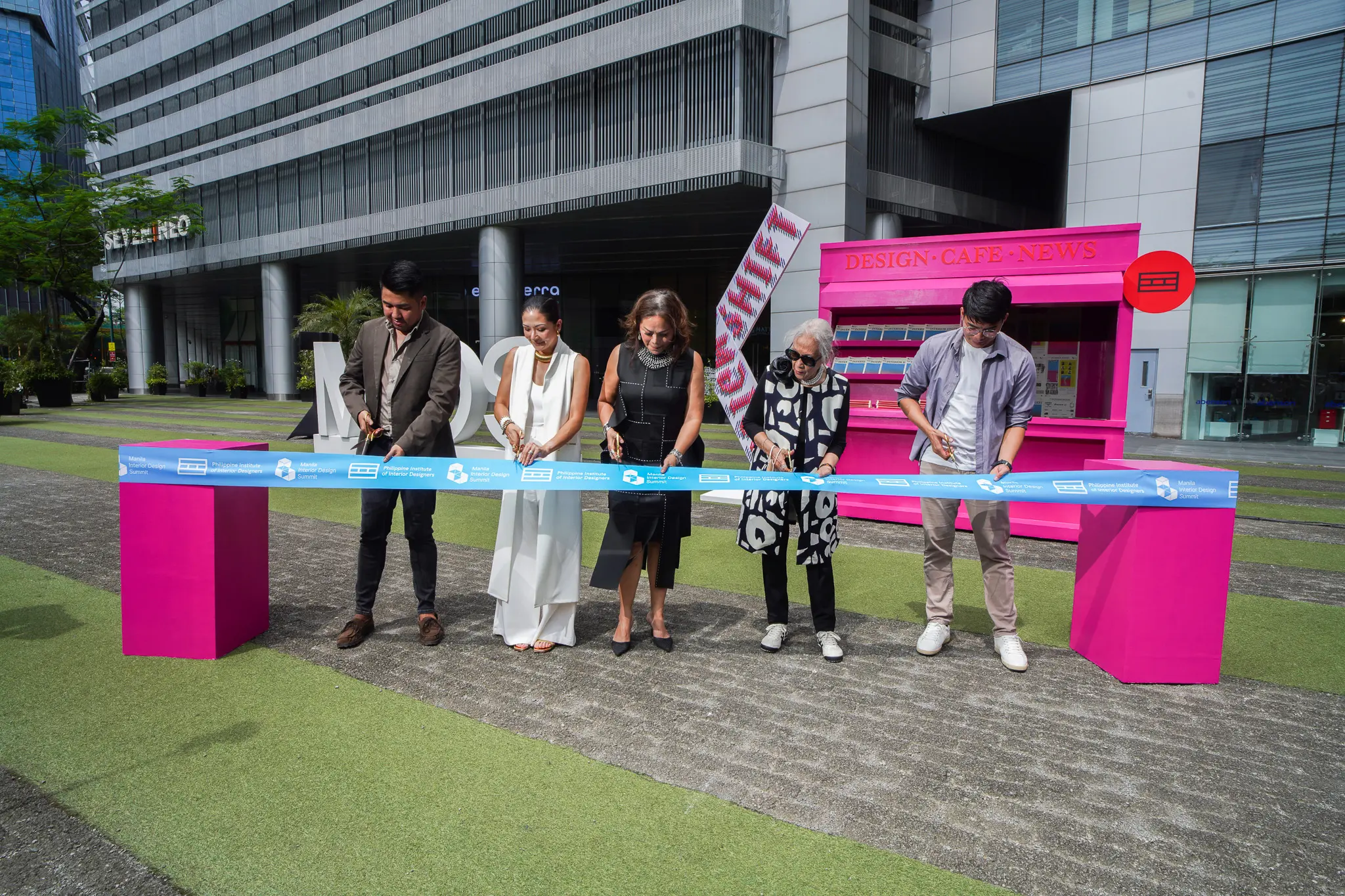
MIDS 2025 began with a ceremonial ribbon-cutting held at Bonifacio Global City on July 31. During the inauguration, the National President of PIID delivered his words of support and thanks.
After the inaugural ceremony, a lunch was hosted by Focus Global Inc., as well as a series of showroom tours. The showroom tours featured Focus Global Inc., Furnitalia, Living Innovations, MO’s Design, and Dexterton. Attendees were encouraged to participate in various games and raffles.
The first day of the summit concluded with a welcome dinner at Bigger Pictures, Mandaluyong. The inception defined the tone of the summit’s following days, emphasizing the role of interior design as an agent of change amidst a rapidly advancing world.
Attendees on the second day witnessed a curated sequence of showroom tours across Metro Manila, featuring Porcelanosa, Rimadesio, Hooga, Studio Dimensione, and Casa Bella. As industry leaders, their showrooms were an immersive experience in material innovation and future-conscious interior storytelling.
Idr. Castro shares, “We’re encouraging everyone to go beyond what they know about interior design, for designers to go outside of trends, of what you normally see. What are the other ways for you to come up with unusual designs that people can see?”
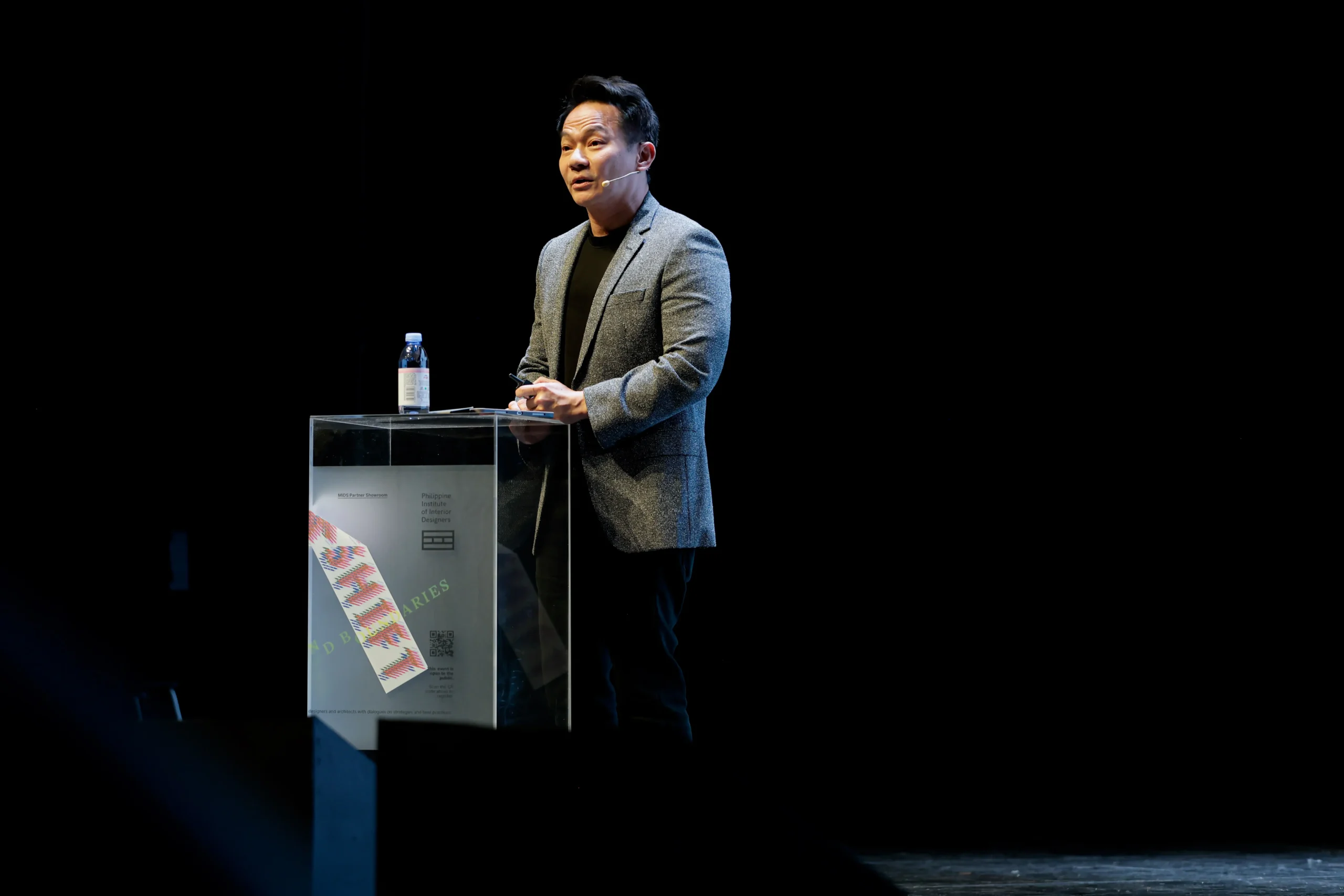
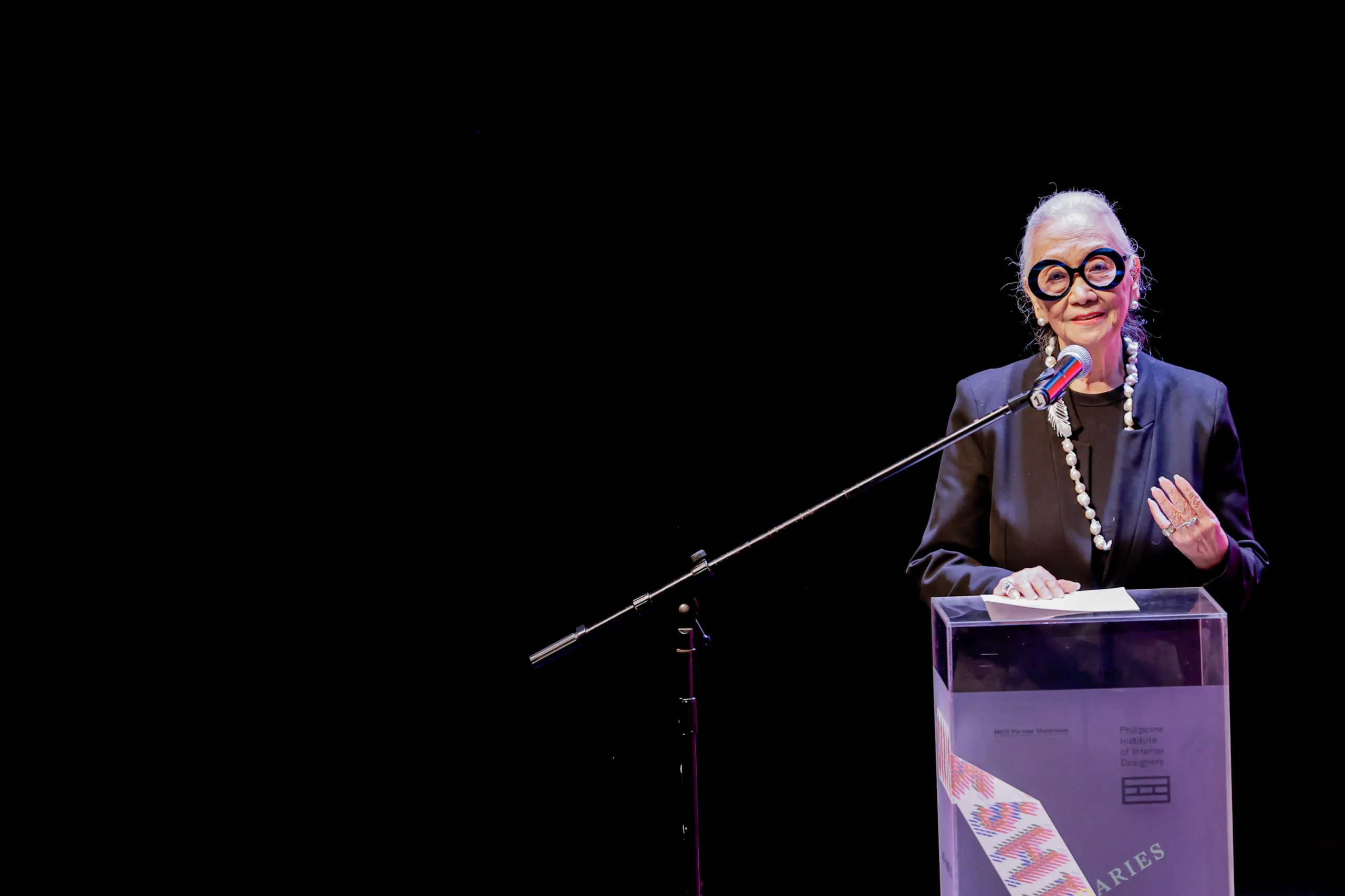
Practitioners from across various disciplines are shifting their perspectives on creativity and design as the advent of technology comes to a climax. The highlight of the summit was the MIDS 2025 Symposium held on the third day. The full-day program featured six keynote speakers: Razvan Ghilic-Micu, Peter Tay, Shashi Caan, Norman Agleron, Steve Leung, and Amata Luphaiboon.
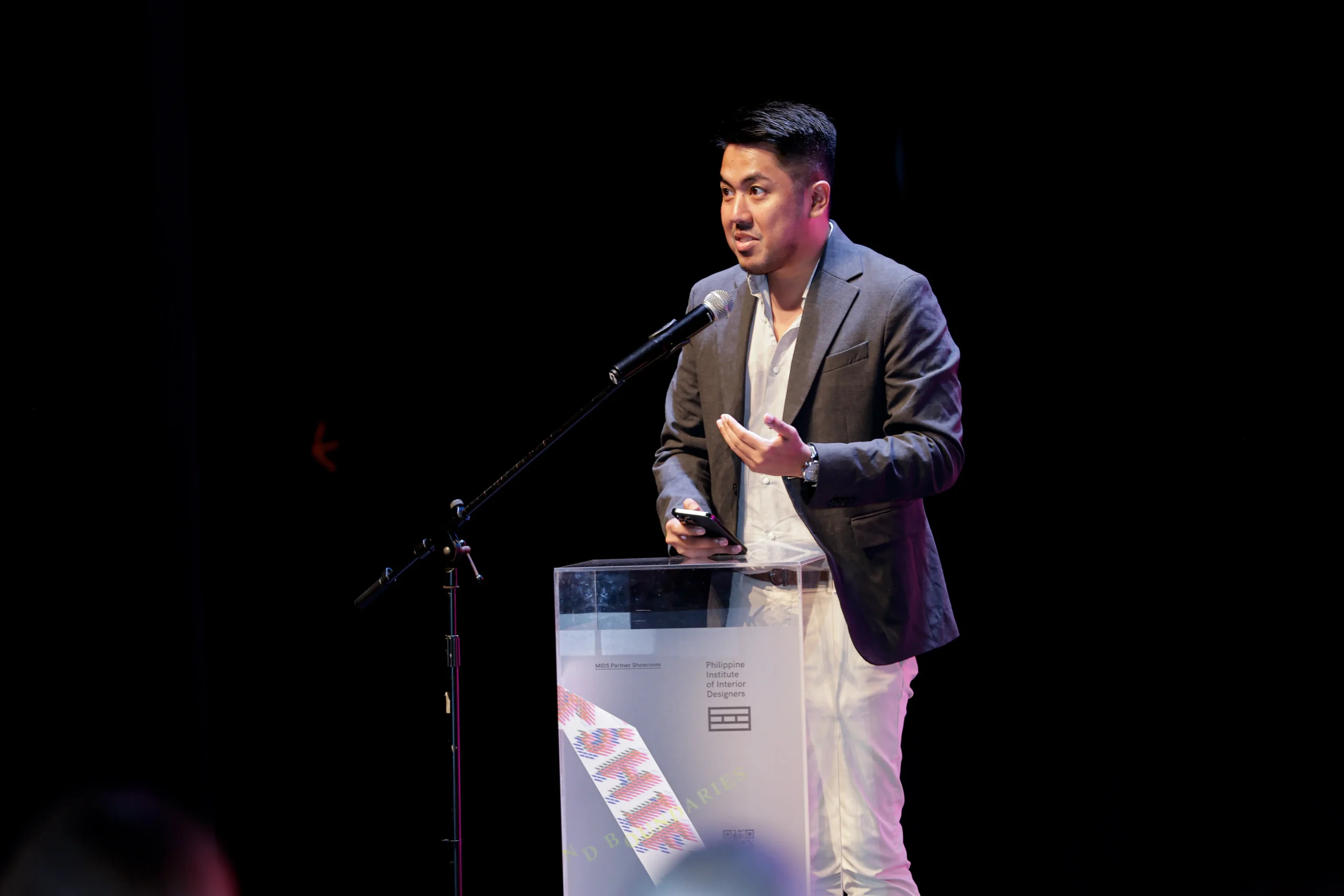
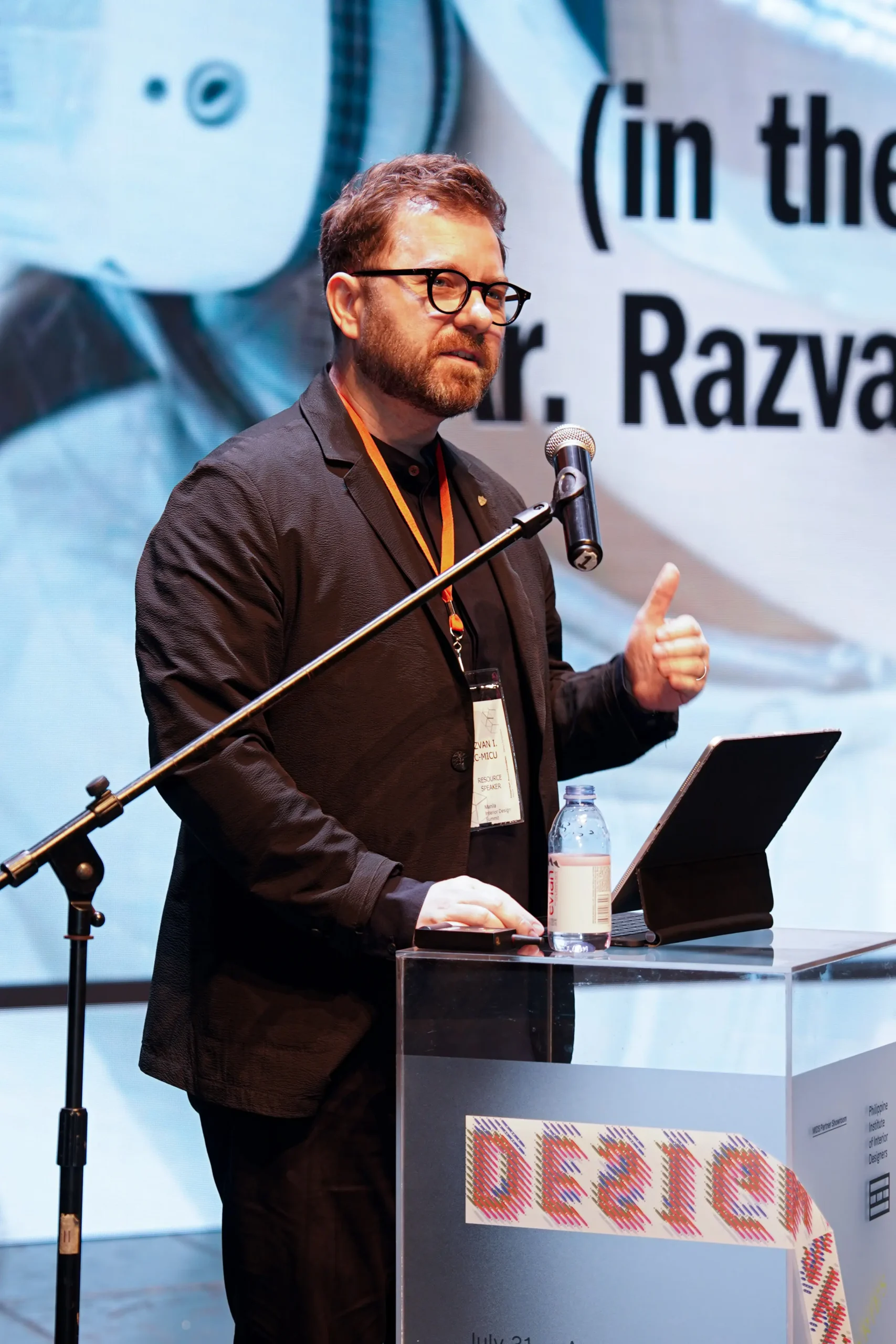
Razvan Ghilic-Micu, architectural leader at Hassel, opened the day by giving a talk on technology not as a focus of design, but as a facilitator of deeper creativity. He encourages designers to rediscover their emotional and narrative agency.
Peter Tay is the founder of Peter Tay Studio. Drawing from his own experiences, he shared his personal journey of transformation. He showed how emotion, reflection, and memory can shape spatial narratives as he blurs the lines between architecture and autobiography.
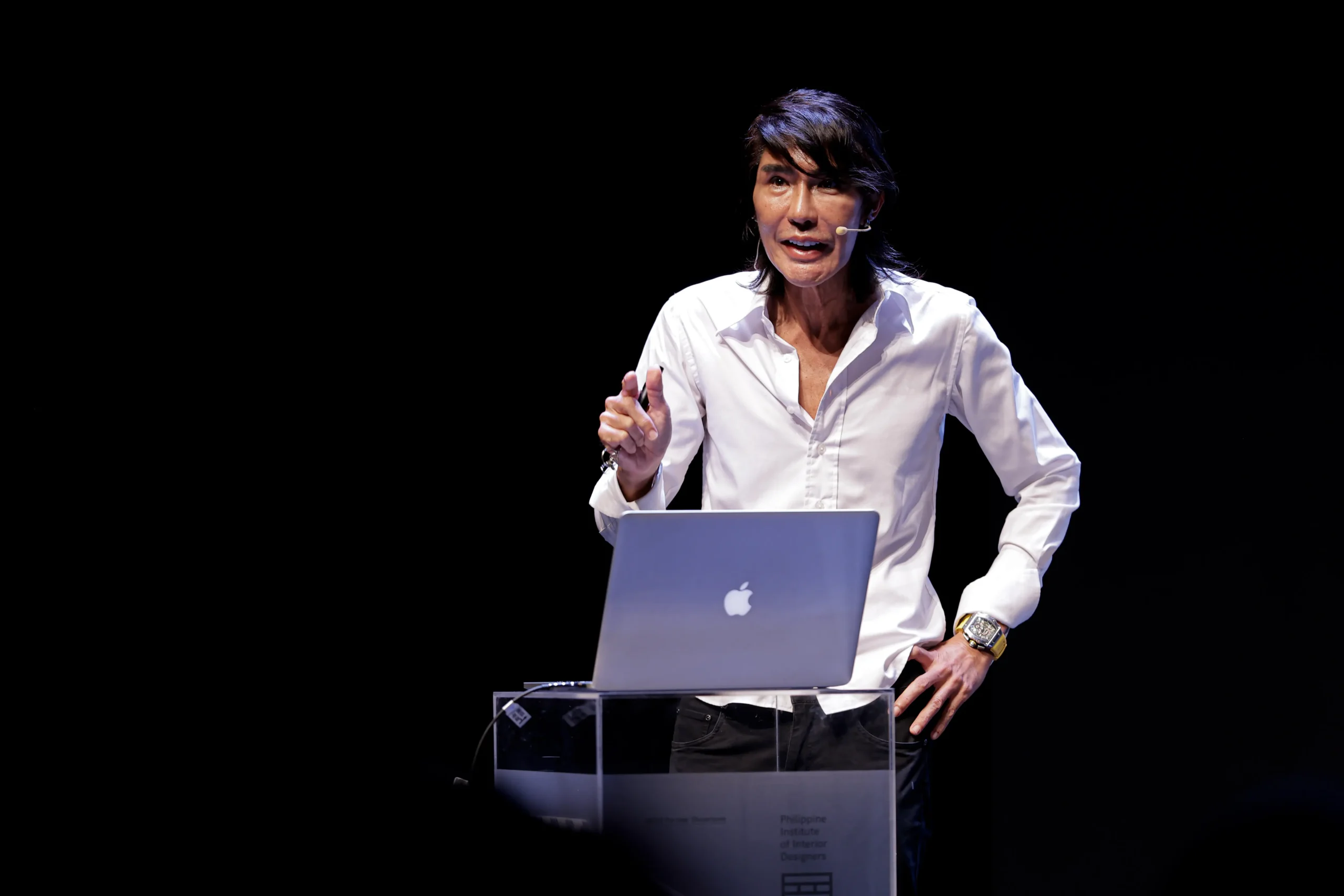
Shashi Caan is the CEO of the International Federation of Interior Architects/Designers (IFI). She viewed AI not as artificial but as an additive. She described design as a humanistic, emotional force that has the power to shape culture, behavior, and connection. In this context, technology serves as a means to uphold values rather than replace them.
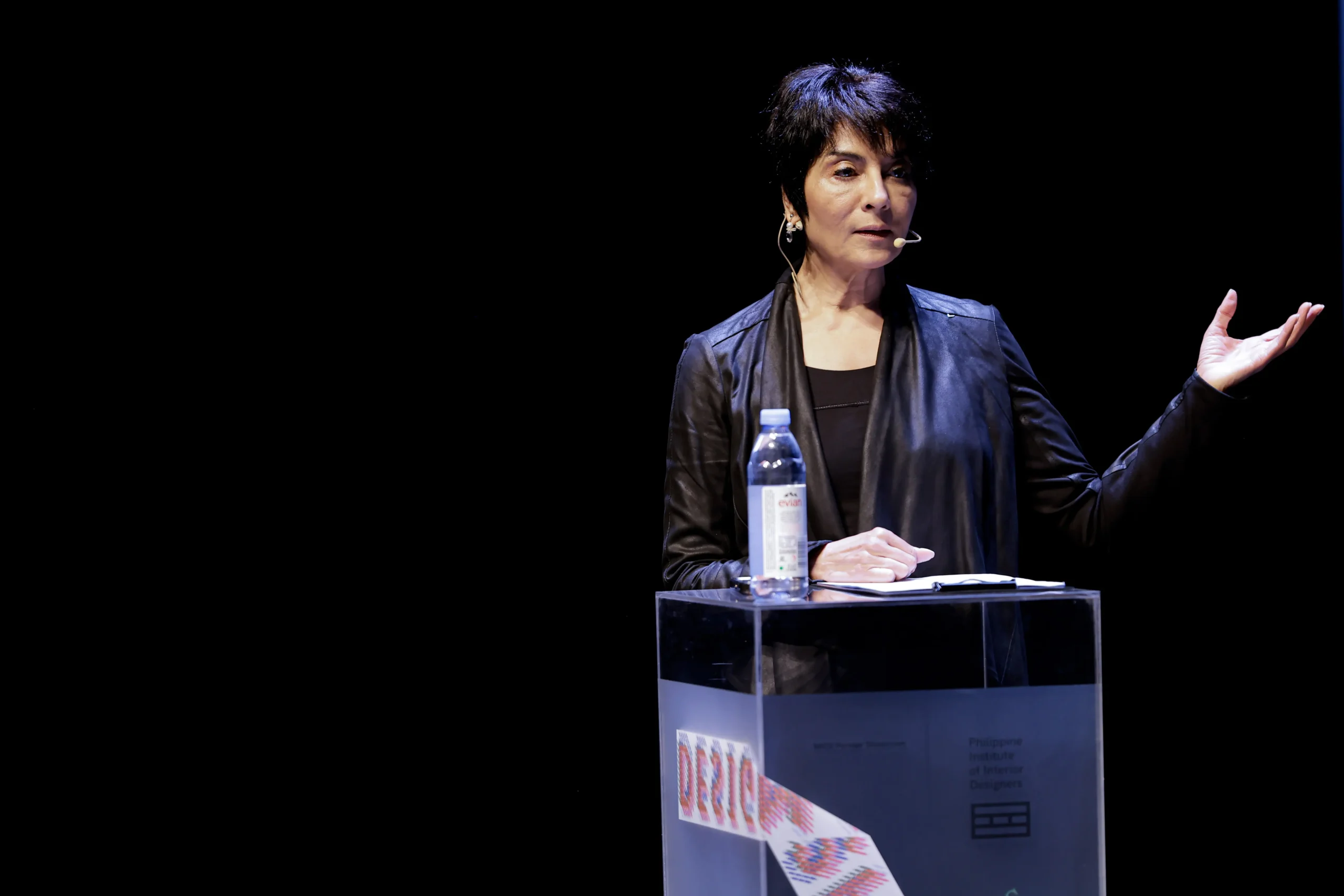
Norman Agelron is the Principal Designer at HBA Manila. Within the group of international speakers, he contributed a distinct Filipino viewpoint on the interplay between storytelling, space, and emotion. From his perspective, AI can become a silent partner of the designer’s creative potential when properly integrated into the design process. His talk served as a reminder that the soul of Filipino design exists not only in the visual cues but also in warmth, memory, and empathy.
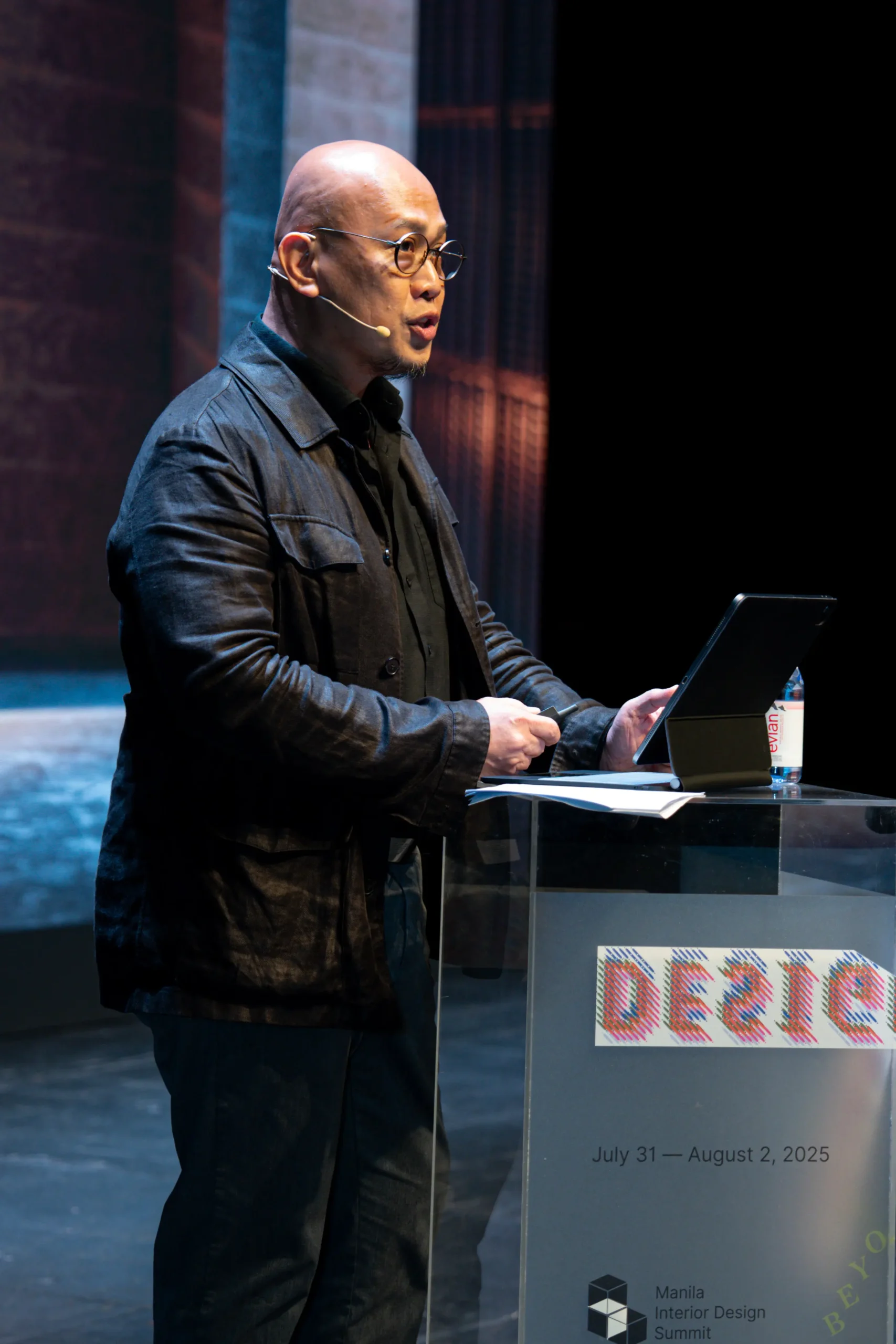
Steve Leung is a Hong Kong designer and the founder of SLD Group. In line with the event’s theme, he encouraged designers to push beyond expectations. With his vast experience spanning across various sectors, from luxury to commercial, he demonstrates how bold thinking can disrupt conventions. His talk motivates designers to be courageous in their designs.
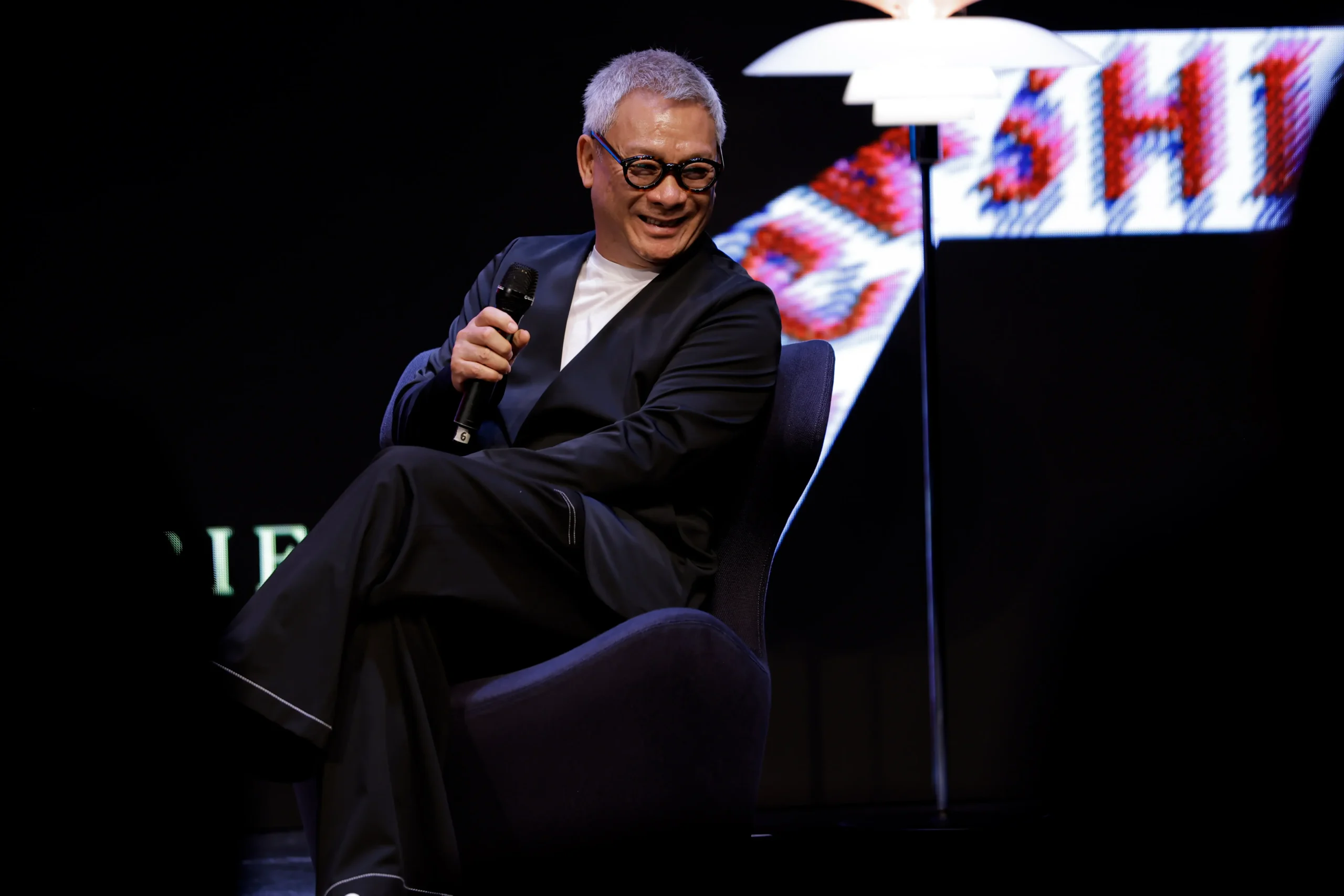
Amata Luphaiboon is the Co-Principal of Bangkok’s Department of ARCHITECTURE CO. Navigating architecture as memory and movement, he describes how the past can be the catalyst for impactful and emotionally resonant design.
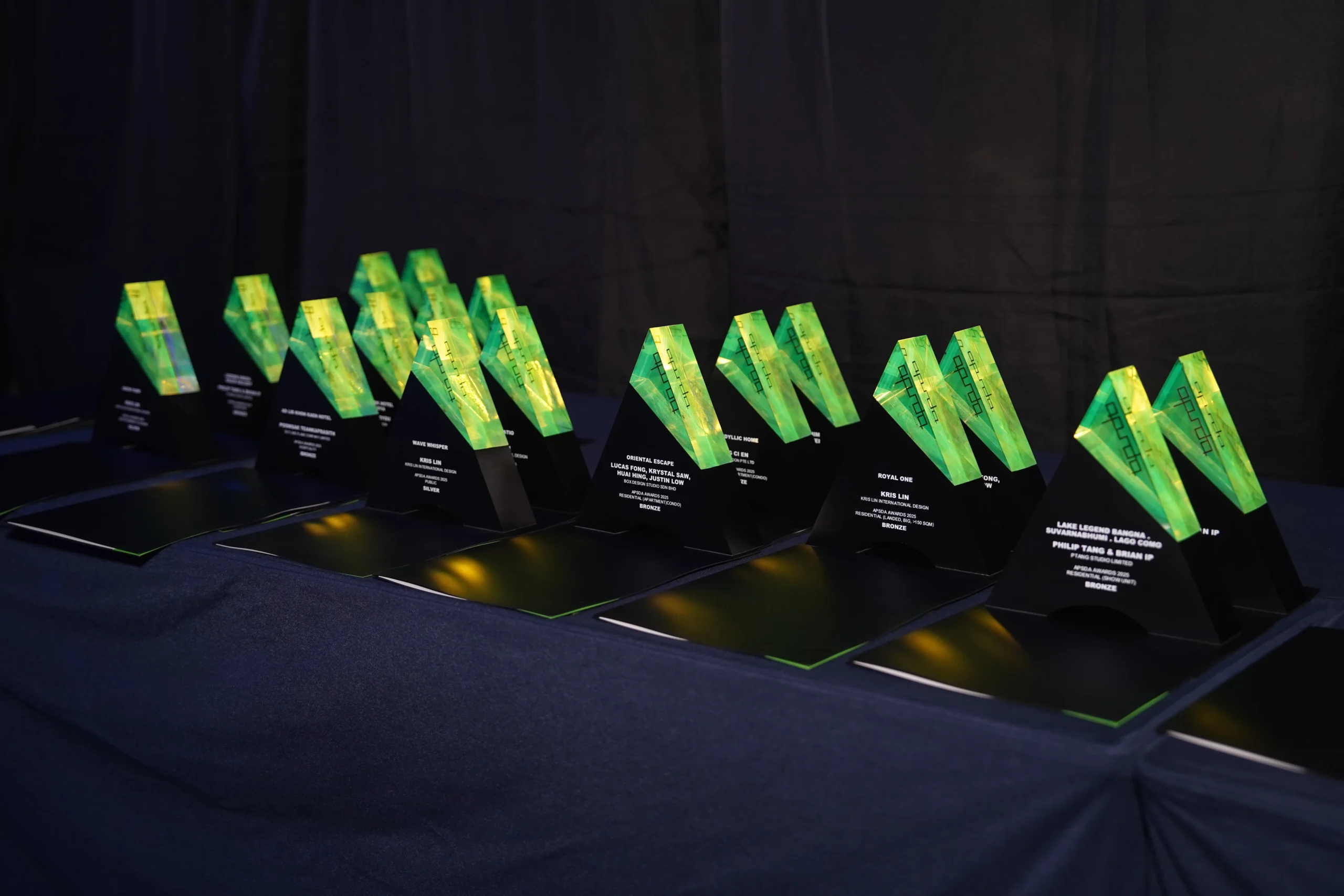
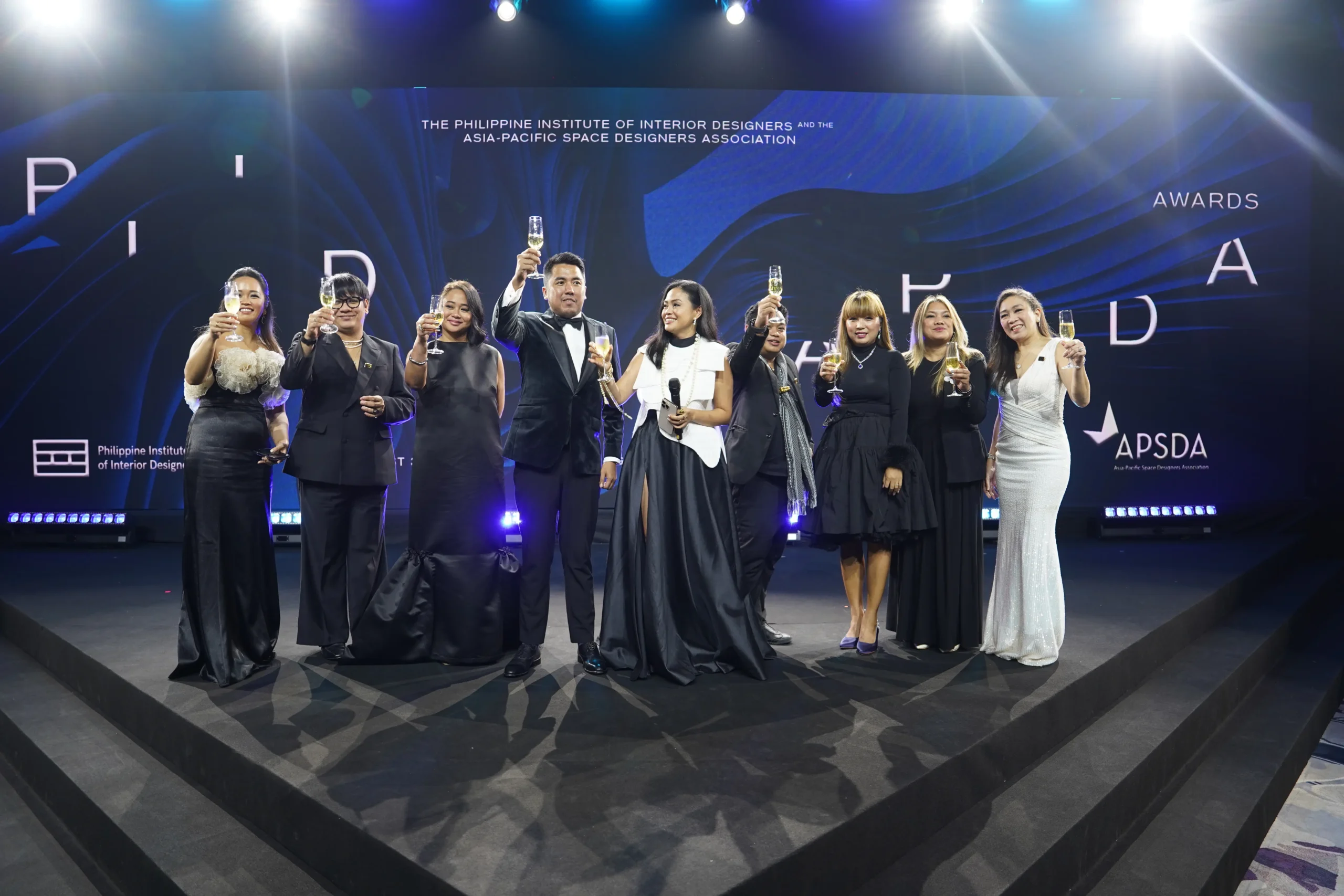
The summit concluded its four-day run with the highly anticipated PIID x APSDA Gala Awards at the Shangri-La The Fort. This is the biggest event the PIID has hosted during its current term, with over 150 top designers from all over the Asia-Pacific region as expected guests.
The Gala was a celebration of the achievements of leading interior designers and the Asia-Pacific Space Designers Association (APSDA) and its members. “I want people to see the creativity of Asian designers, how they can go beyond what’s ordinary. It’s very well-aligned with our theme right now,” shared Castro.
The culminating event featured messages from APSDA leadership, the uncovering of PIID’s I am IDr. 2025 campaign, and a summary of the accomplishments of the PIID in the past two years. The conclusion of the summit involved looking into the organization’s subsequent future.
Rethinking Artificial Intelligence
The PIID materialized its commitment to being a catalyst for innovation and interdisciplinary problem-solving through this program. IDr. Castro remarked, “We want to explore what’s beyond the norm when it comes to designing. How can we leverage technology, especially AI, right now?”
The path towards digitalization, artificial intelligence, and globalization has long begun. For the industry, it is its job to find out how it can adapt to the current cultural shift. The speakers spoke of technology, specifically of AI, as tools that can aid human creativity. For them, humanity in design is primary, with interior storytelling relying on the designer’s agency. Meanwhile, technology serves as a helping hand in fostering creativity.
Castro lamented, “Everyone is afraid of artificial intelligence, right? But how can we make it an advantage for designers, more than ‘you’re afraid of it.’ What designers have is emotional intelligence, which is how we can integrate emotional intelligence in AI to make it a design out of the box.”
Collaborating with Technology
The symposium framed technology as a facilitator of creativity, not as a replacement for human designers. It is in the hands of the designers themselves to bring their creative visions to life. Idr. Leonor provides one of the ways designers are working with technology: projections on the flooring. She states that it allows designers to give clients a better experience, as it lets them step into a plan and feel the space without it being built yet.
These are the kinds of technologies that PIID aims to introduce to its members and the general public. “It’s not anymore about welcoming technology. It’s working with technology not just as a tool, but as a partner. We’re trying to explore what that looks like [by] looking into innovation and disruption, and working with AI,” Leonor shares, “We’re not being replaced by tech, we’re working with tech.”
MIDS 2025 established an avenue where interior designers can engage in meaningful conversations, thereby empowering both present and future professionals. By allowing interdisciplinary collaboration, from architects to other creatives, the summit has fostered innovative designs and solutions.
Photos provided by The Philippine Institute of Interior Designers
Frequently Asked Questions
The summit centers on the theme “Design/Shift: Breaking Boundaries,” focusing on the critical transitions and disruptions within the modern design landscape. It explores how digitalization, sustainability, and innovation are shaping the next generation of spaces, encouraging practitioners to move beyond traditional trends and embrace unusual, boundary-pushing concepts that redefine the human experience.
Industry experts view artificial intelligence not as a replacement for human creativity but as an additive tool that serves as a silent partner to the designer. By leveraging AI to handle data-driven tasks, designers can focus on their emotional and narrative agency, ensuring that the final output maintains the warmth, empathy, and cultural soul that technology alone cannot replicate.
Modern advancements like floor projections allow designers to create immersive environments where clients can physically step into a floor plan before construction begins. This collaborative use of technology helps stakeholders feel the scale and flow of a space, reducing common communication mistakes and ensuring that the final build aligns perfectly with the client’s expectations and emotional needs.
While technology provides the infrastructure for modern design, emotional intelligence remains the primary force that shapes culture, behavior, and human connection. Designers use their unique ability to weave memory and empathy into spatial narratives, ensuring that even as the industry shifts toward digitalization, the resulting environments remain deeply humanistic and resonant with the people who inhabit them.
Collaborating with professionals from adjacent fields like architecture and landscaping creates a holistic ecosystem that fosters more innovative and comprehensive design solutions. By breaking down professional silos, designers can leverage diverse perspectives and specialized technical knowledge, resulting in cohesive spaces that are greater than the sum of their individual parts and better equipped for the future.
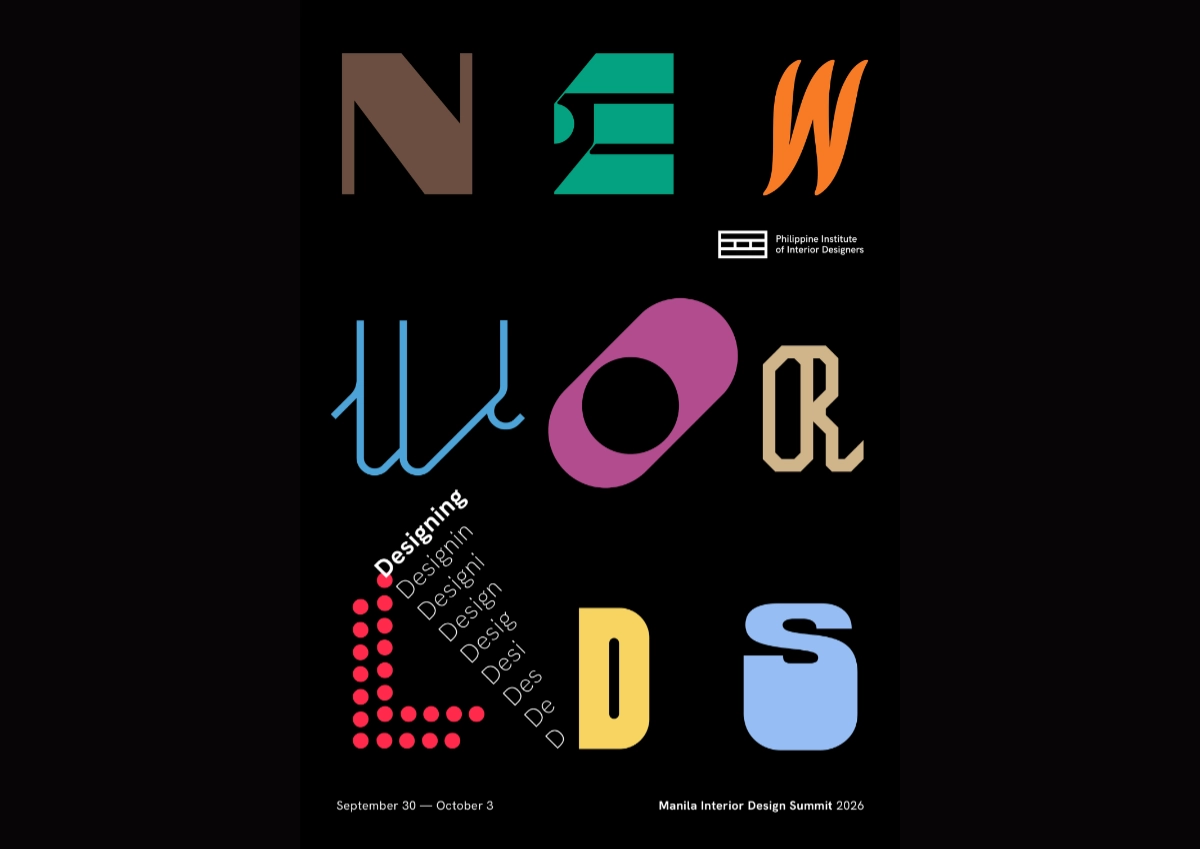
“Thailand has claimed urban creativity and livability. Singapore has institutional design leadership. Indonesia is emerging as a design hub. Vietnam is moving into design innovation. And the Philippines? Its position is not weak. It is simply unclaimed.” For IDr. Cecil Ravelas, National President of the Philippine Institute of Interior Designers (PIID), the challenge is not […]
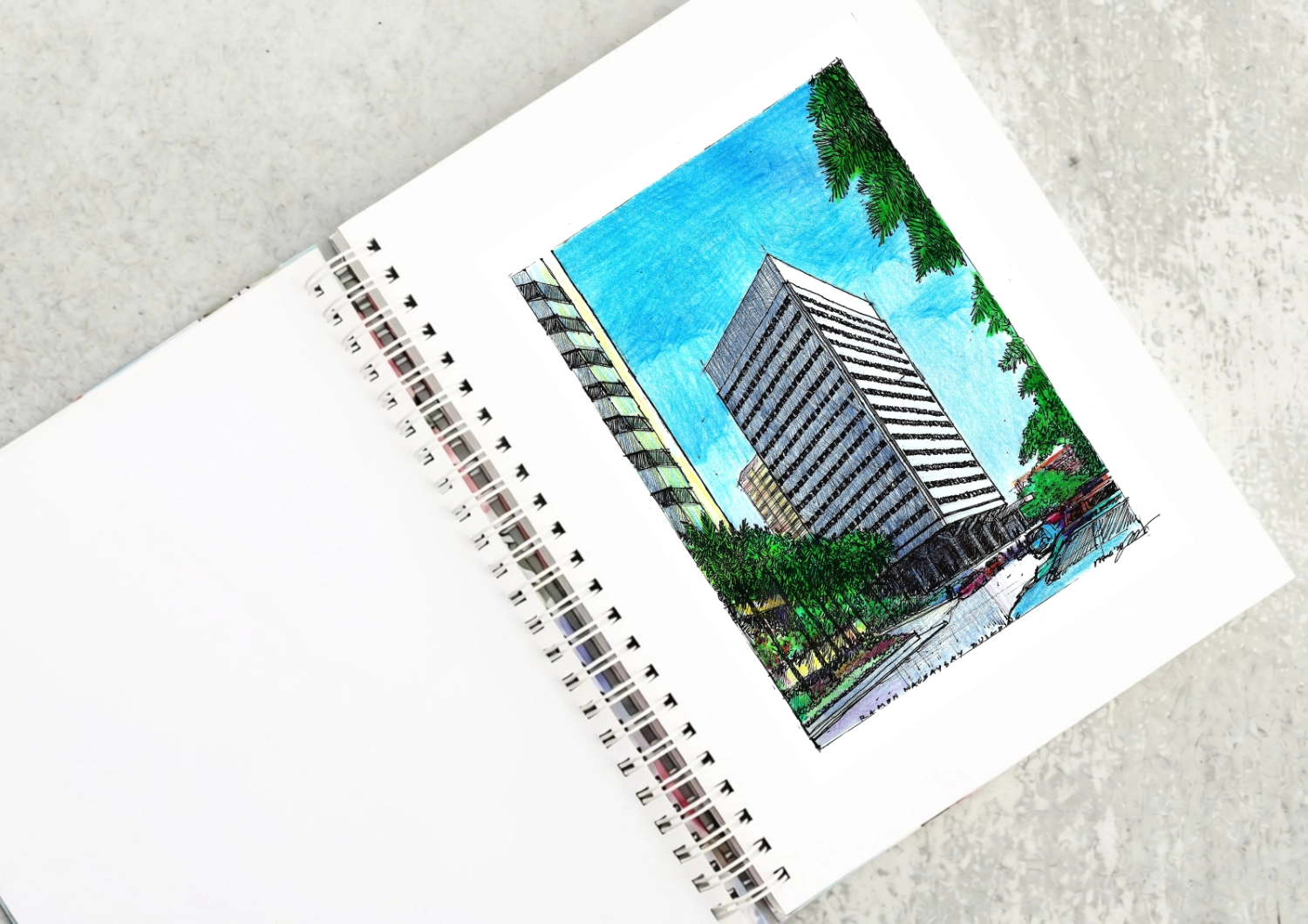
The Ramon Magsaysay Center as a Modernist Landmark Driving down Roxas boulevard from Rizal Park, what will catch your eye is the most elegant modernist structure in the country, the Ramon Magsaysay Center. Most established Filipino architects put it in their top ten lists of favorite buildings. It was designed by Alfredo J. Luz, who […]

Rinna Soriano’s favorite part of her work is sanding. At her workbench, she stays focused, following the grain, adjusting to changes in its direction. Narra, she has learned, can have interlocking grain. A piece of mango once proved particularly difficult until a worker explained that she had reached the point where a branch once grew […]
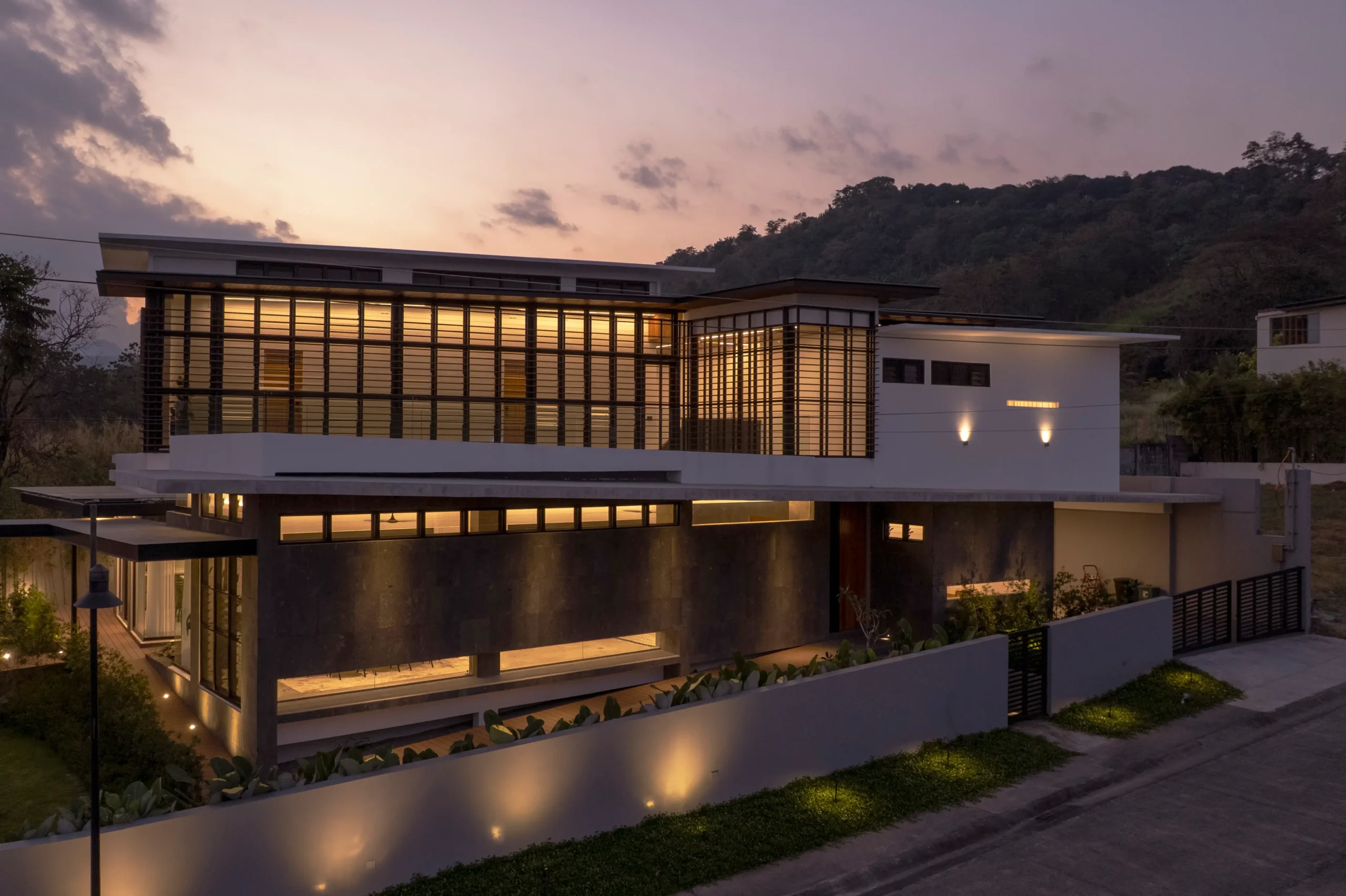
Filipino architectureArchitectureThe art and science of designing and constructing buildings, structures, and spaces that are functional, safe, and aesthetically pleasing. It encompasses the planning, design, materials, and techniques used to createGo to Architecture Glossary has long been associated with indigenous materials and vernacular design strategies, from bamboo and timber construction to jalousie windows, generous spaces, […]
Read the issues.

Collect the volumes.

Recommended Video
Tap to Unmute
Unmute
0:00
0:00