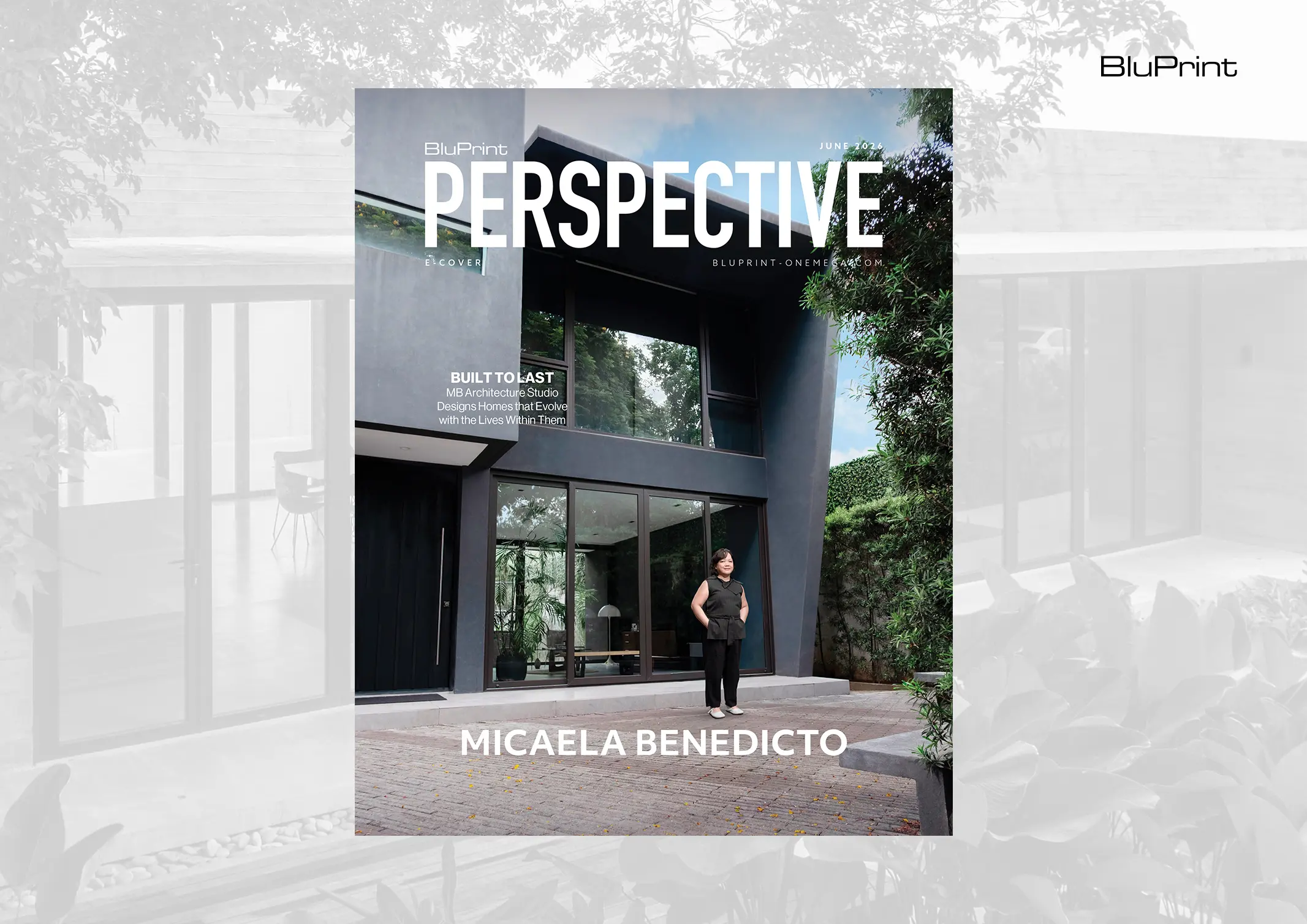
Since setting up her design firm, MB Architecture Studio, in 2007, Ar. Micaela Benedicto has built a diverse portfolio of architectural projects. Her works, whether residential or commercial, showcase a distinct spatial quality, “I like to create things that can go from something static to something that is alive and reactive,” Benedicto states. “In creating […]
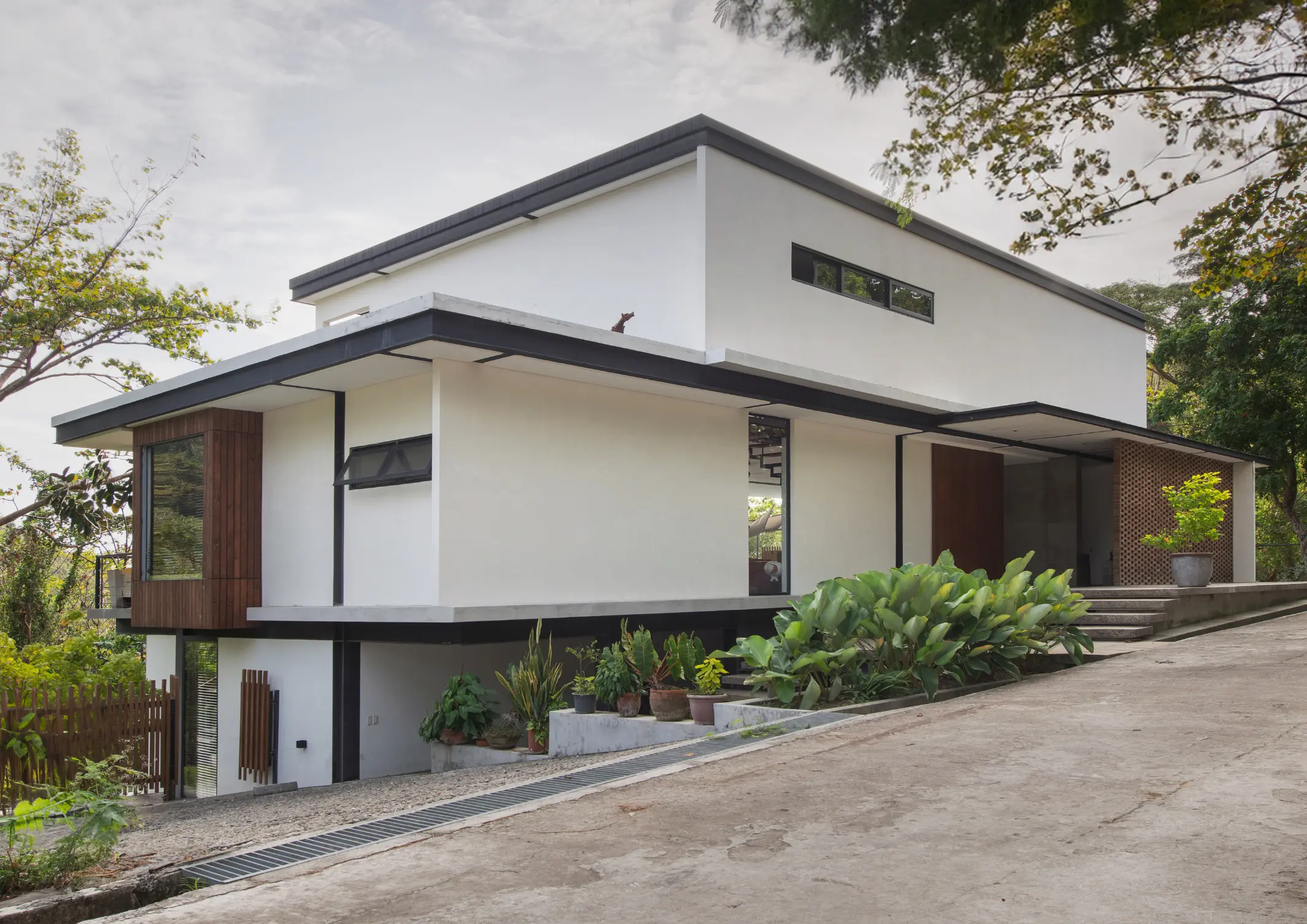
T House: Welcomed by Nature’s Embrace



Houses reflect the lives within them. It can be said that every brick, tile, or furniture is a reflection of the homeowner, each piece forming the space they can call home. No one can say they’re as inextricably linked with their house as the owner of the T House, an unassuming abode in the hills of Tali, Batangas.
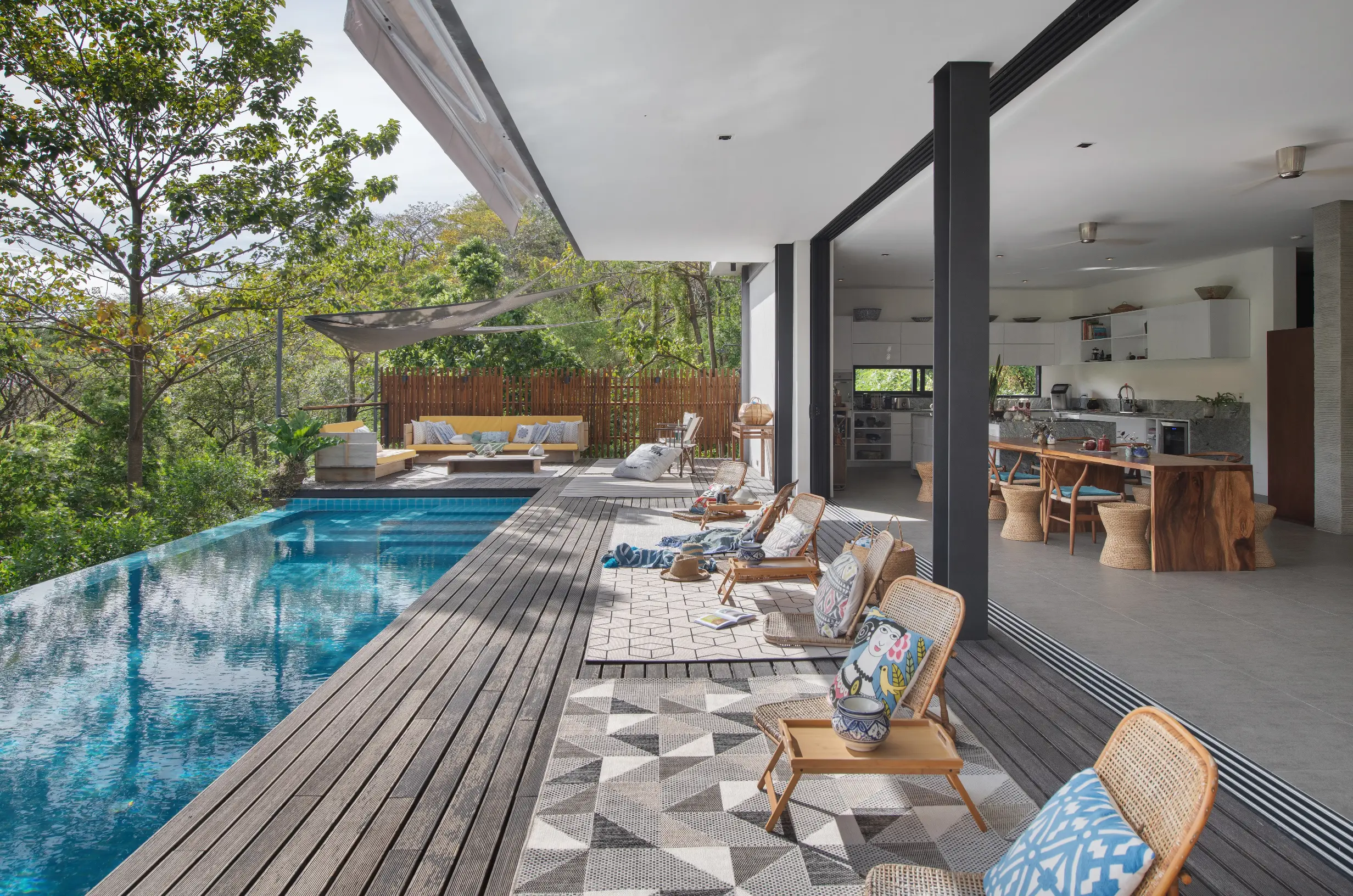
A gallerist, art collector, and single mother, the homeowner can be described as a woman in harmony with herself, moving with ease and flowing unbothered through life. As it stands, the T House mirrors the homeowner’s soul. Crafted by AAO Design, the house is the architectural embodiment of its owner’s esoteric and Jungian philosophies, and a natural response to its environment in that it flows with the nature that surrounds it. The rawness of its interior and exterior surfaces, from the wood accents to its textured concrete walls, makes its oneness with its surroundings even more pronounced.
Open Living
The homeowner’s brief was simple: to make the house open in a way that the inside and outside become almost indistinguishable, so that it becomes an ideal weekend sanctuary that can make her and every visitor feel good about themselves. Her desire was that “as soon as you enter, the house welcomes you, and you feel like nature is hugging you,” she says.
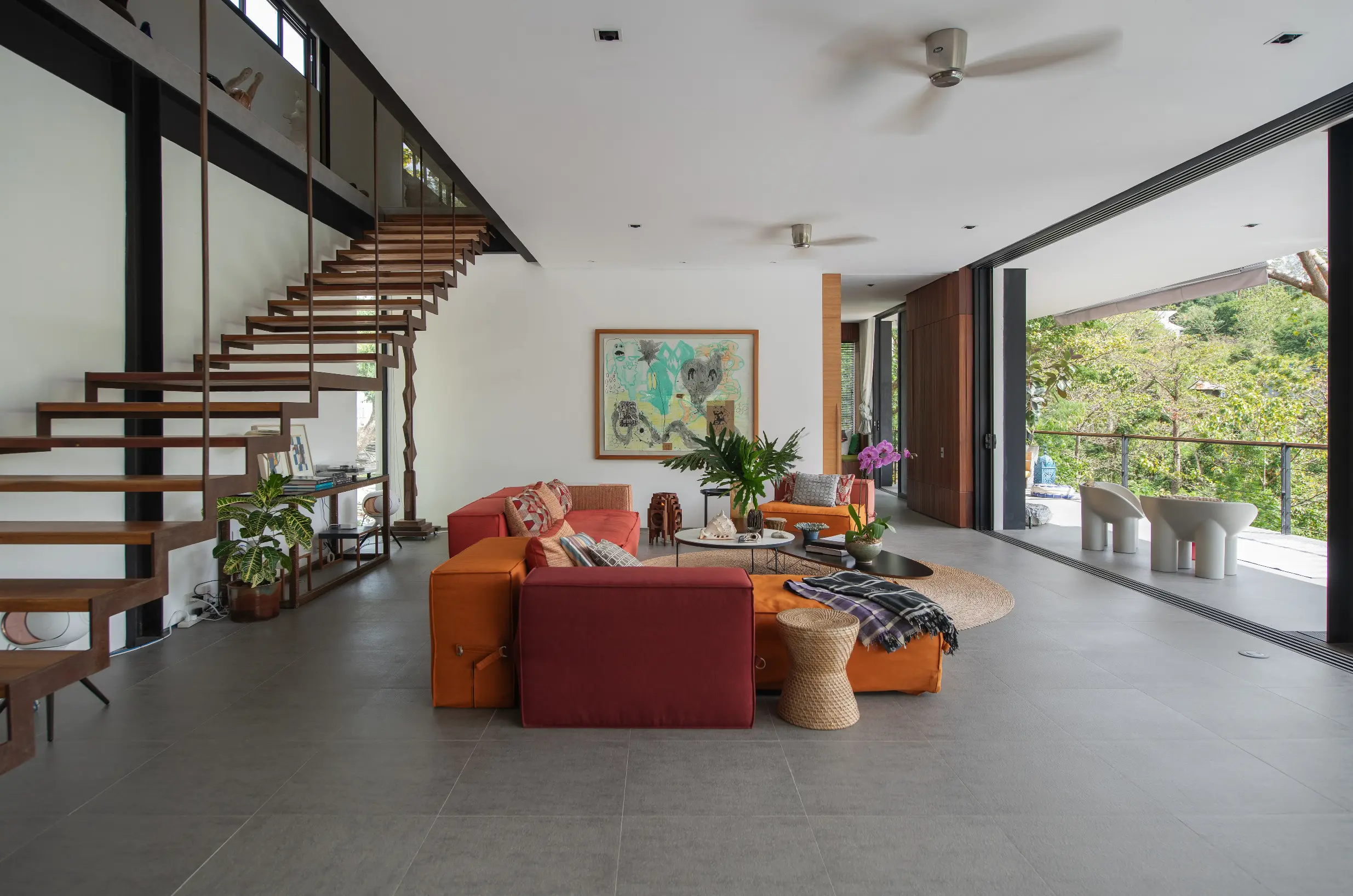
The house’s lack of a gate or perimeter wall is already proof of its openness, making guests feel comfortable enough to approach. From the street, they are met by a perforated brick wall that shields the front door—a reflection of the homeowner’s desired honesty through design and material. Air easily passes through this brick wall and flows through the interiors, as the sliding door that functions as the main entrance is often left open whenever the owner is in the house, another indication of its welcoming nature.
With the house’s abundance of openings and breathing spaces, hot air isn’t the only unwanted element being expelled. Negative energy dissipates from every corner of the house, leaving behind spaces that can immerse anyone in a state of tranquility, allowing their truest selves to emerge. It should come as no surprise that when the homeowner named it the T House, she didn’t make the “T” stand for “Tali,” but for “truth.”
This article has been abridged for digital publication. Read the full story behind the Pflieder Residence by ordering your copy of BluPrint’s “Design Conversations” at Sari Sari Shopping, Shopee, and Lazada. E-magazines are also available for download here or through Readly, Press Reader, and Magzter.
Dive into the captivating world of architecture, interiors, and arts & culture by getting exclusive digital access to BluPrint’s past and upcoming issues. Click here to find out more.
Photographed by Greg Mayo
Read more: 10 Milan: Crafting Connections in a Multi-Generational Home
Frequently Asked Questions
The T House achieves natural ventilation by eliminating traditional perimeter walls and utilizing a perforated brick facade that allows air to flow freely. This architectural choice, combined with large sliding doors that remain open, ensures that hot air is constantly expelled while keeping the interiors cool. This seamless integration of indoor and outdoor environments creates a breathable, comfortable sanctuary that mirrors the surrounding hills of Batangas.
To replicate the T House’s “oneness with nature,” focus on using textured concrete walls and warm wood accents to create a tactile, grounding atmosphere. These raw finishes are chosen for their honesty and ability to weather beautifully over time within a tropical environment. Integrating organic textures helps bridge the gap between the built structure and the landscape, making the home feel like a natural extension of its site.
Privacy in the T House is maintained through clever architectural screening, such as the perforated brick wall that shields the main entrance from the street without blocking airflow. This design philosophy favors “honesty” over fortification, relying on the natural topography and strategic layout to create a sense of seclusion. By removing physical barriers, the home fosters a welcoming atmosphere while using its structure to define private boundaries.
While many assume the “T” stands for its location in Tali, it actually represents “Truth,” reflecting the homeowner’s Jungian philosophies and desire for an authentic living space. This concept translates into a layout that encourages guests to feel at ease and “unmask” their truest selves. The lack of pretension in the design—using simple forms and open spaces—results in a tranquil environment that effectively dissipates negative energy.
The oversized sliding windows act as a literal bridge, making the distinction between the pool deck and the living area almost indistinguishable. This cooking and living technique allows the homeowner to “hug” nature, bringing the sights and sounds of Batangas directly into the heart of the home. For the best results in similar builds, ensure tracks are recessed and openings are wide enough to maximize the visual and physical flow.
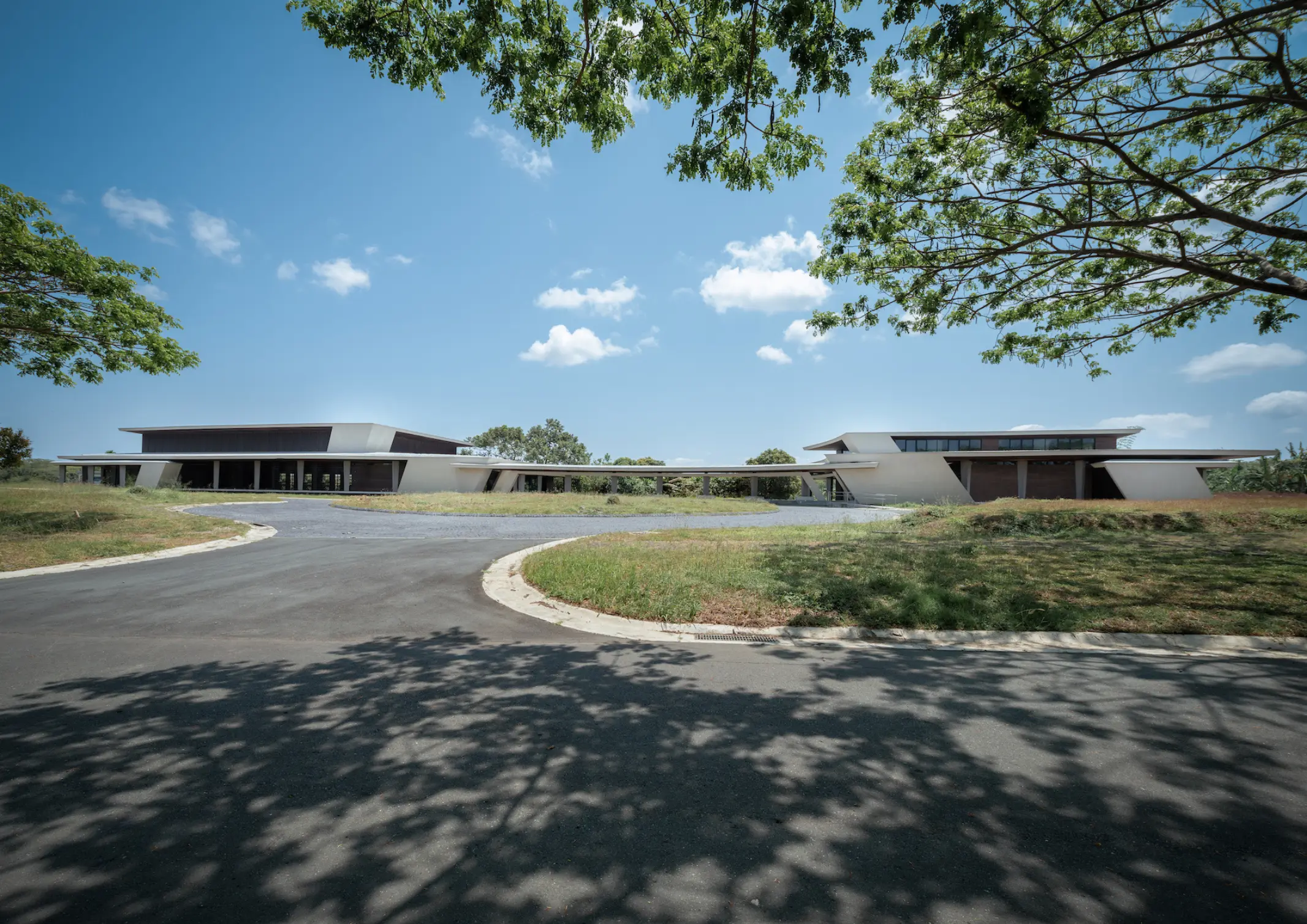
Luscara and Soliento: Barchan + Architecture on Designing a Clubhouse that Responds to its Landscape
Situated in Laguna, south of Metro Manila, is a multi-thousand-hectare development created by Ayala Land Premier within the growth corridor of the CALABARZON Region. Barchan + Architecture was tasked with crafting a clubhouse for the subdivisions of Luscara and Soliento. Principal Architect of Barchan + Architecture, Jason Buensalido, explains the firm’s process in creating the […]
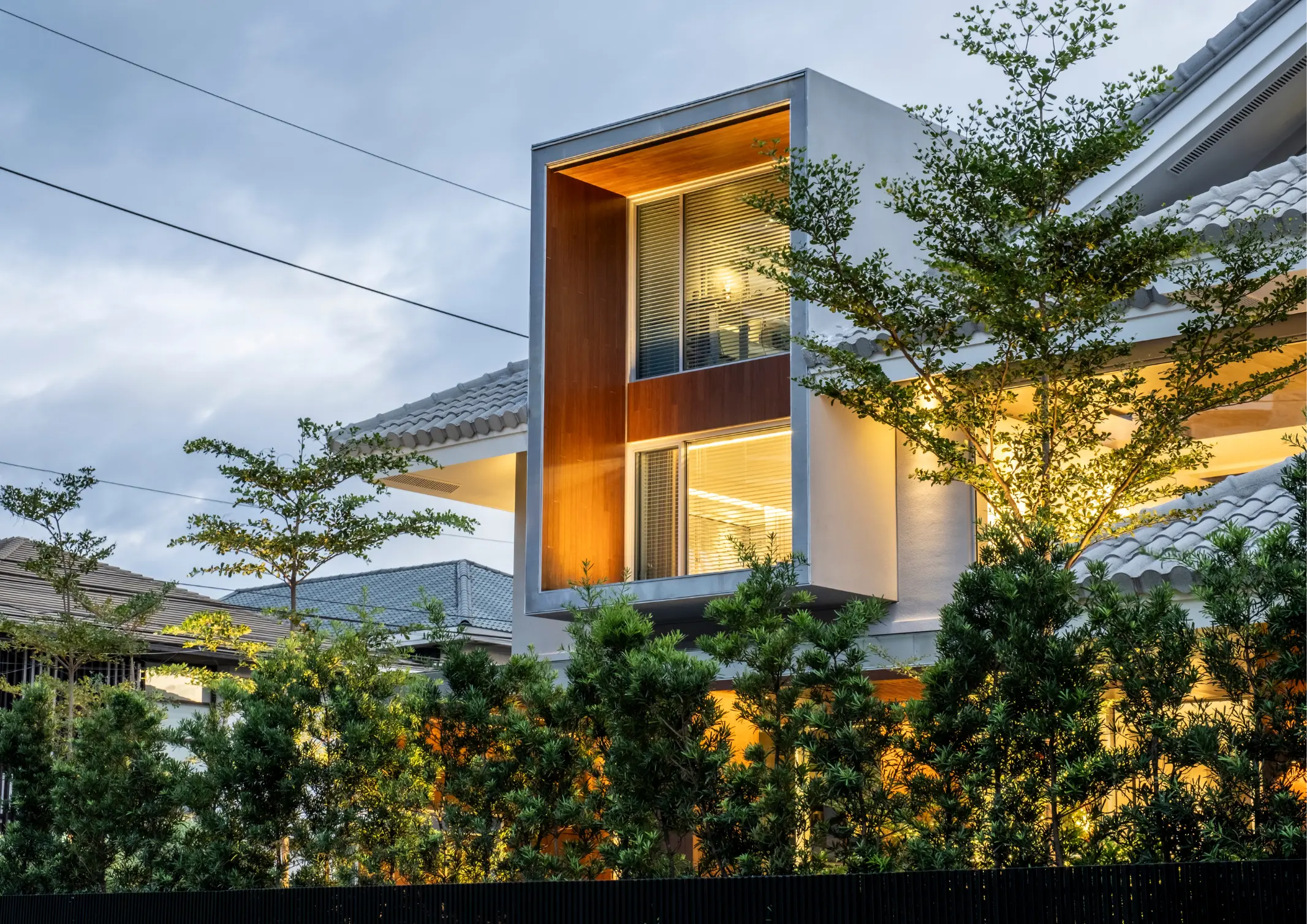
Over the past decades, adaptive reuse has been utilized as a sustainable alternative for the built environment. It involves repurposing existing buildings for a new use, allowing the past to remain while serving a modern purpose. Here, structures facing potential demolition or no longer serviceable are seen as sources of raw materials for new projects. […]
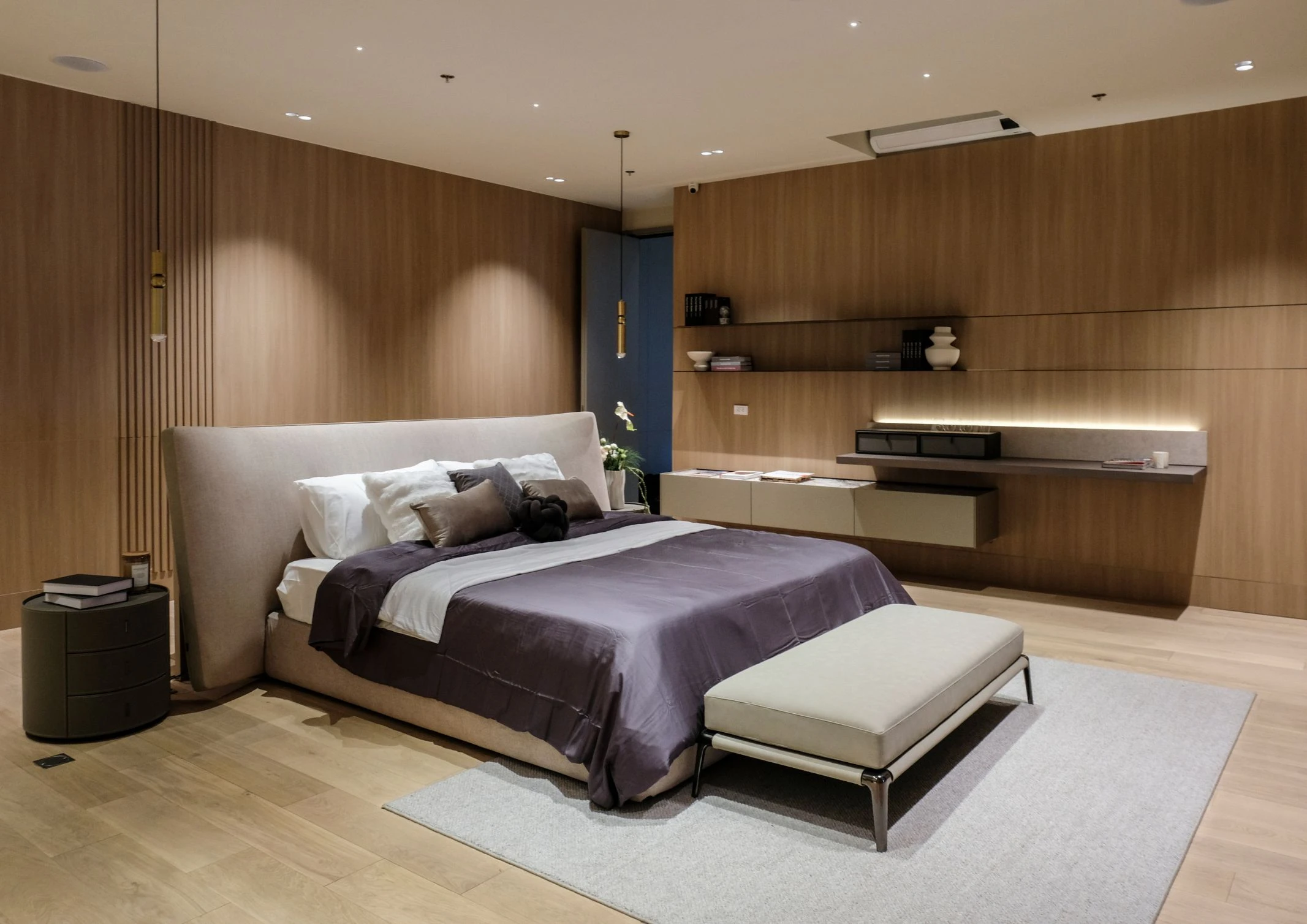
The local design landscape has a significant new player following the grand launch of the Boloni Philippines showroom in Makati City. The celebrated event marked the official entry of a leading global brand, renowned for its “total interior solution” approach, into the Philippine market through an exclusive partnership with RDS Global Allianz. Hosted by Mica […]
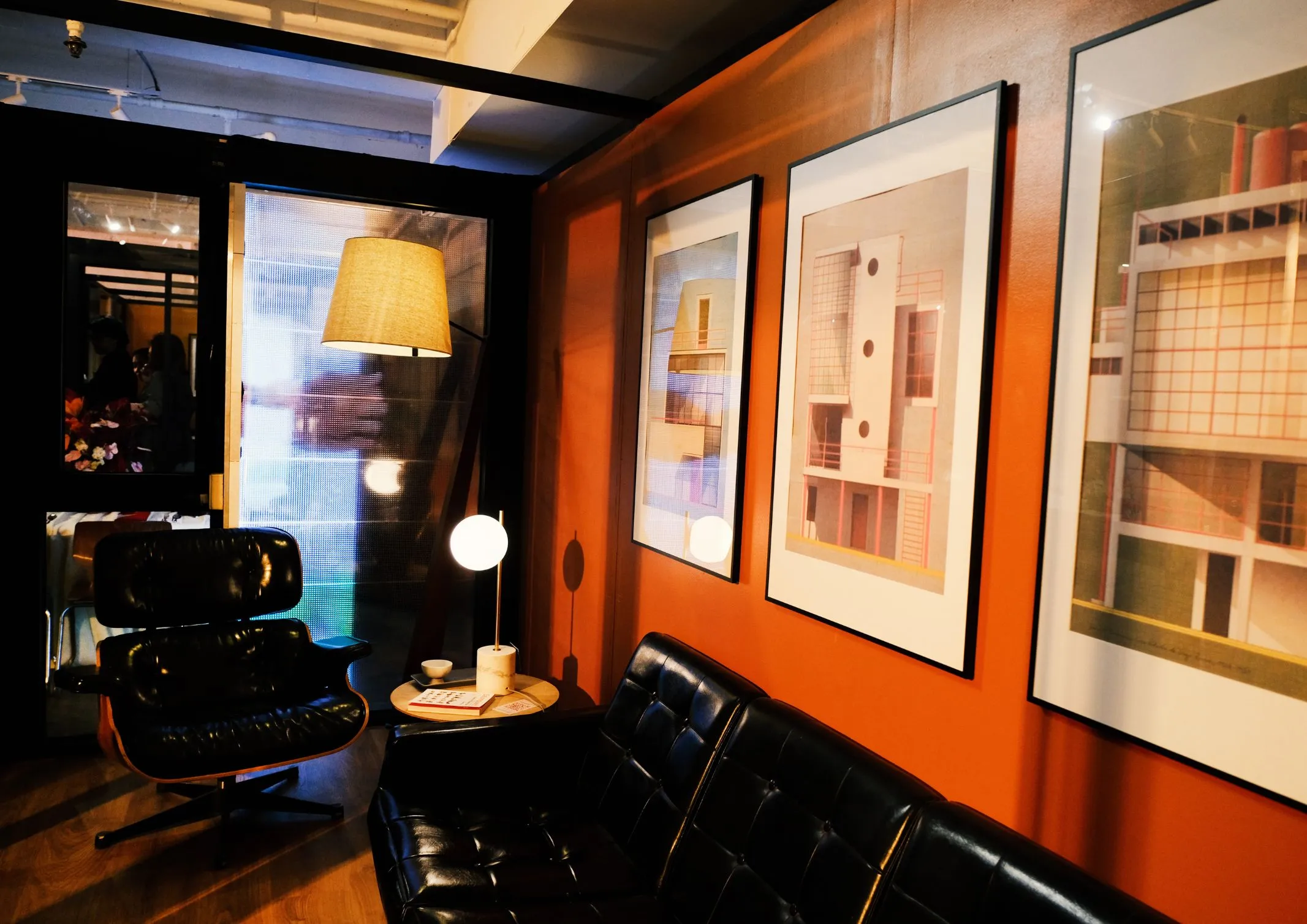
Last November 26, the local design community gathered at Open Space in Makati for an immersive spatial experience. The event, Harmonious Spaces, served as the definitive reintroduction of AP Aluminum and Glass in a powerful reframing of their products. Instead of presenting aluminum and glass as mere architectural components, the evening showcased them as essential, […]
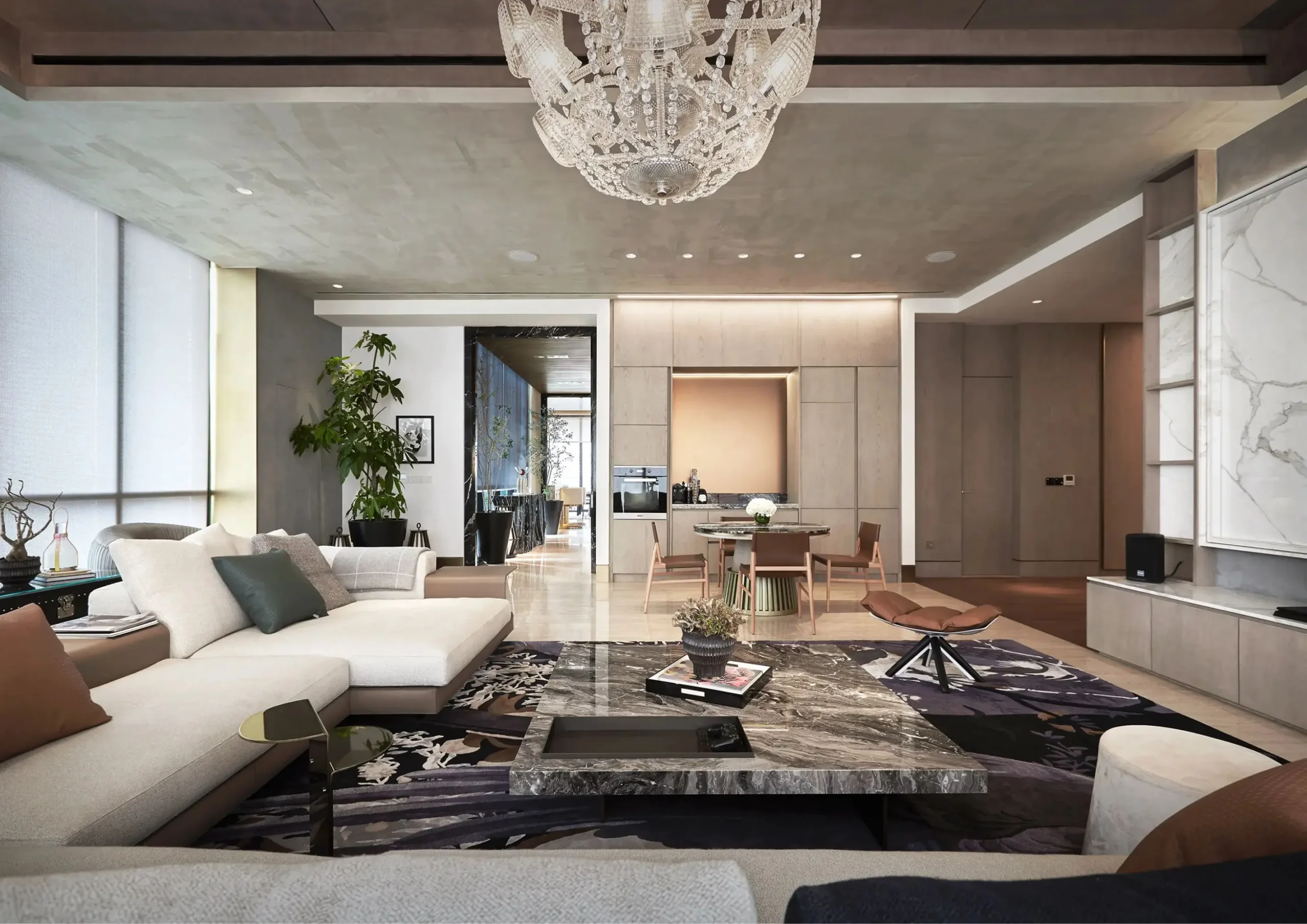
The apartment unit, often constrained by space and convention, has evolved from a functional living box into a canvas for highly personalized architecture and interior design. The year’s most compelling luxury apartment designs demonstrate a shift away from transient trends, instead prioritizing intentional curation, deep comfort, and a seamless visual flow. From the art-infused gallery […]
Download this month's BLUPRINT magazine digital copy from:



Subscribe via [email protected]
Recommended Video
Tap to Unmute
Unmute
0:00
0:00