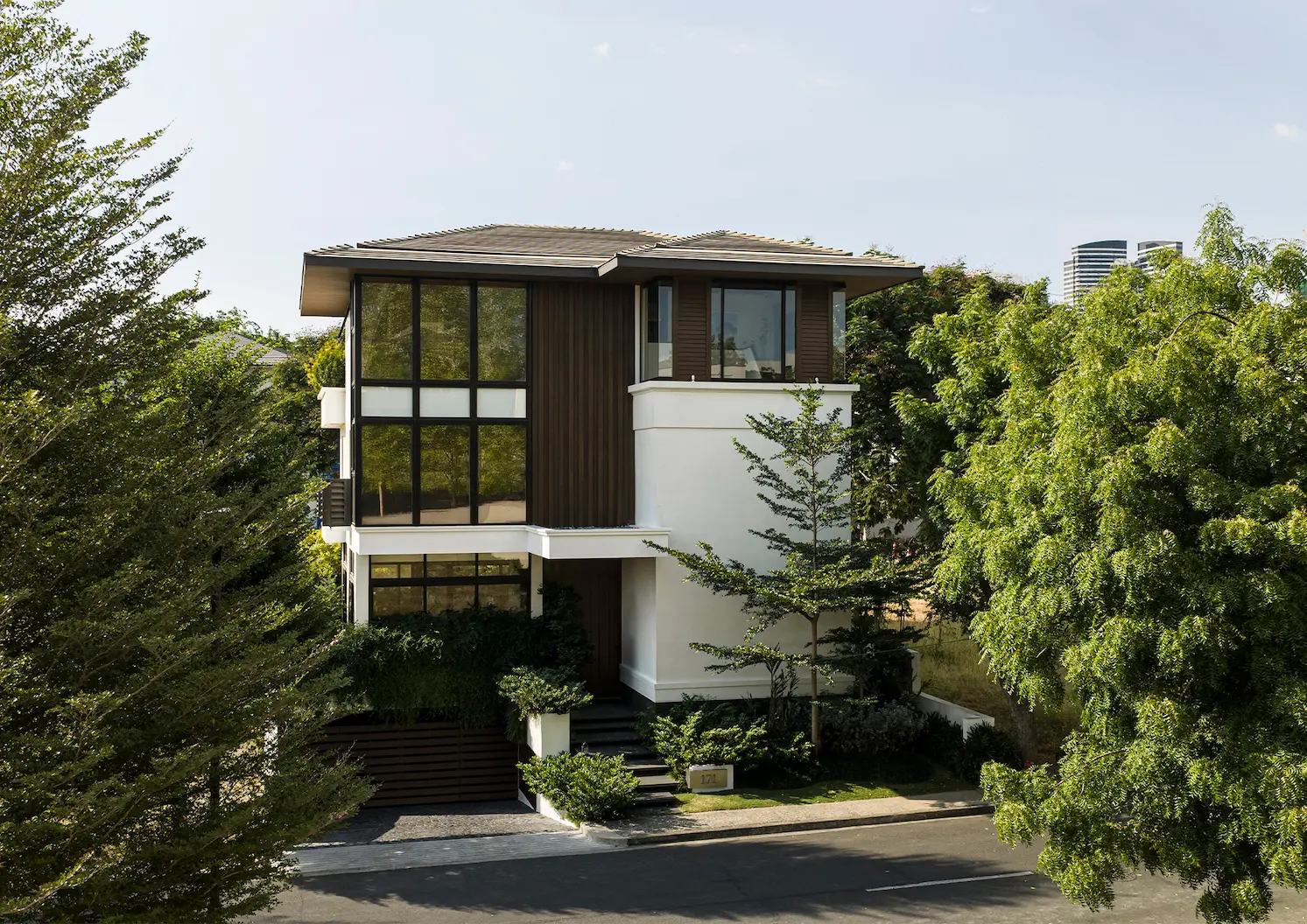
Just moments away from the bustling area of Bonifacio Global City is 171, a multi-level villa set on a 302-square-meter lot. M.CAL Architecture Design Studio, headed by Ar. Monique C. Albert-Lopez, built the residence as a minimalist modern sanctuary surrounded by landscaped gardens. This creative direction was drawn from the homeowners’ brief to create a […]
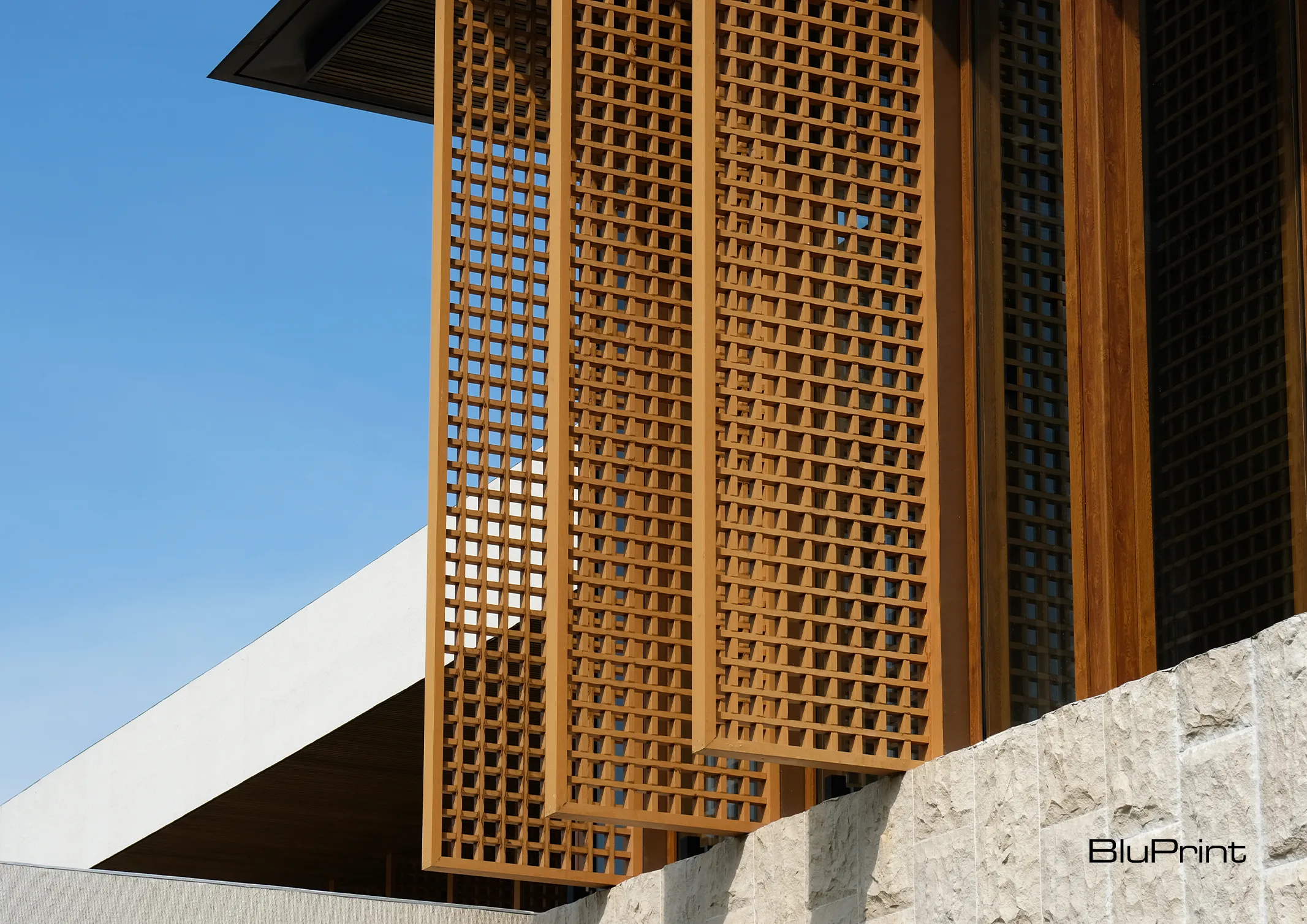
Samal Island Beach House: A Sense of Arrival



In an age of relentless digital connections and ever-present demand, the definition of luxury has quietly undergone a seismic shift. Beyond the mere accumulation of opulent objects, it has moved into the far more elusive realm of the temporal. What is the ultimate luxury today? Perhaps it is not what one can buy, but what one can access: the freedom to disconnect, the power of spontaneity, and the seamless, almost instantaneous, passage from a world of clamor to one of quiet contemplation. It is the luxury of time itself, reclaimed.
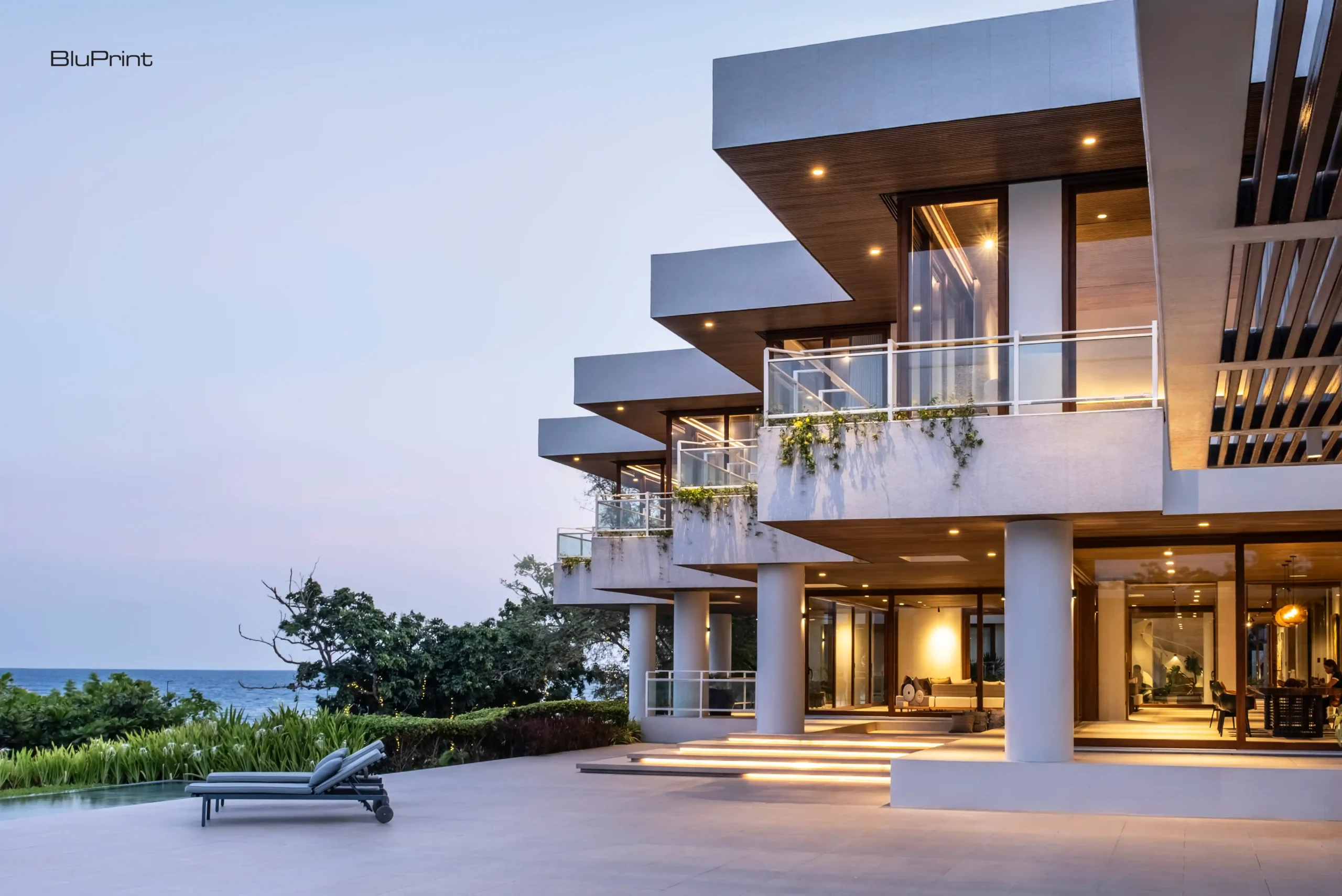
This new language of living finds its most eloquent expression in a sun-drenched shore on the Davao Gulf, in a home that redefines the modern retreat. It is a project built on a profound paradox: a sanctuary engineered for swift access, yet meticulously designed to enforce a restorative, deliberate slowness upon arrival.
An Architecture of Access
Mindful of his clients’ deep roots in the commercial hum of nearby Davao City, it was architect Anthony Nazareno, Principal Architect of Nazareno ArchitectureArchitectureThe art and science of designing and constructing buildings, structures, and spaces that are functional, safe, and aesthetically pleasing. It encompasses the planning, design, materials, and techniques used to createGo to Architecture Glossary + Design, who conceived of a design beyond the traditional vacation home. Nazareno envisioned spontaneous escapes — something that could be deeply integrated into their daily lives. He saw it as an extension of their city home: a place they could escape to for an impromptu lunch, an afternoon swim, or a last-minute gathering with friends.
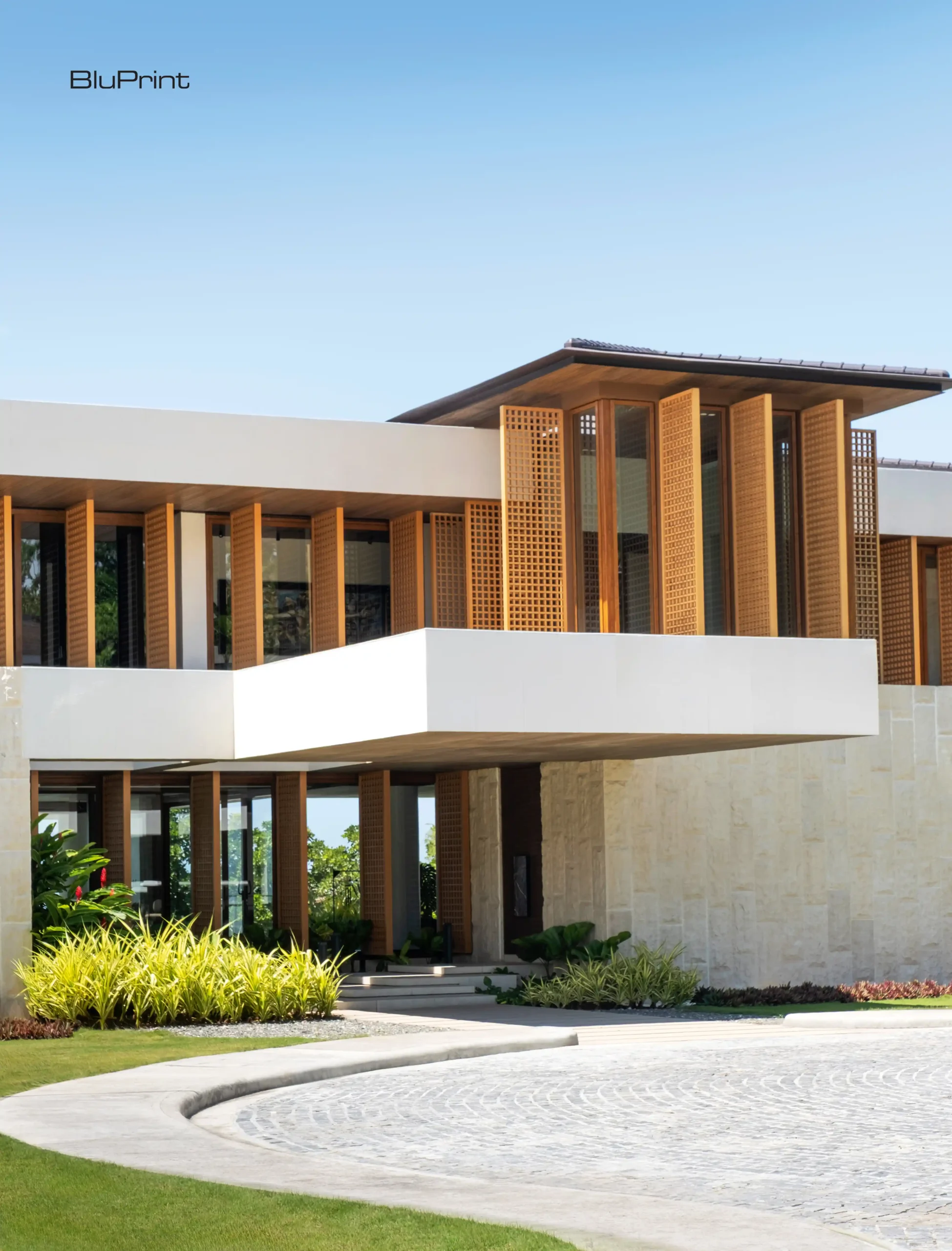
This fundamentally shifted the architectural brief. The house needed to be a seamless extension of their primary residence, a personal resort accessible in under an hour. This radical proximity informed every design decision that followed.
The site itself is a formidable canvas, a sprawling property blessed with a 250-meter private beachfront overlooking the serene expanse of the Davao Gulf. Yet the feature that would become the project’s conceptual anchor was a massive, weathered limestone rock formation that rose majestically from the topography. This was the stage upon which the architecture would perform.
The Discipline of Place
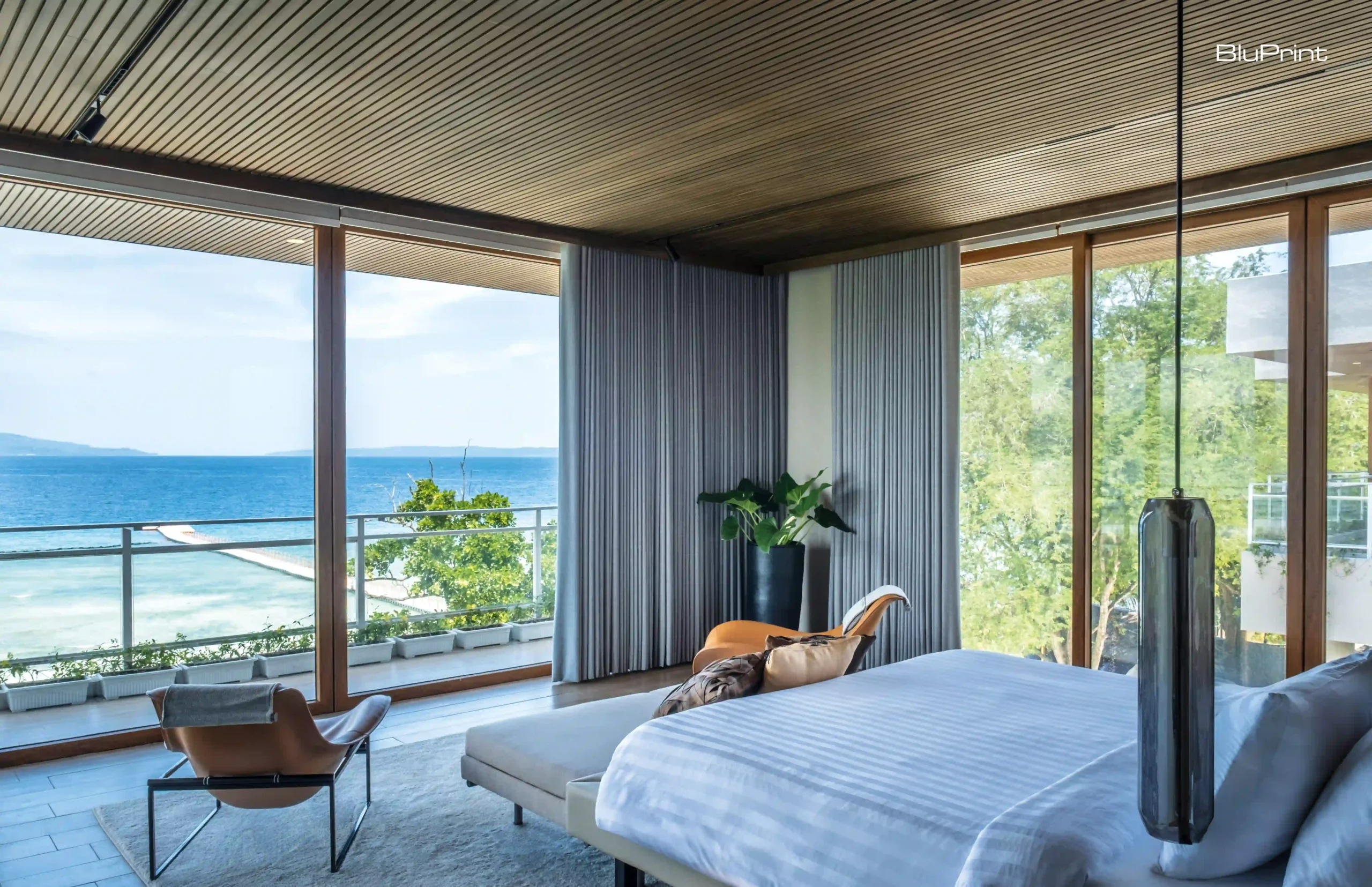
Completed over three years, with its planning initiated in the thick of the 2020 pandemic, the project was not without its hurdles. The logistical challenges of sourcing materials and managing construction on a secluded island underscored the complexities of building in such a location. Yet Nazareno insists the greatest challenge was not logistical, but philosophical. It was the discipline of restraint. In a project with a generous budget, the temptation to add more is always present. But the most sophisticated move was to know when to stop. “It’s actually you, self-policing yourself from over-designing beyond what nature allows you to do,” the architect asserts. “The value is in respecting nature.”
The Samal Island Beach House is a profound reflection on the nature of modern life and luxury. It is an architecture that finds its power not in what it adds, but in what it preserves. By masterfully controlling the sequence of arrival and withholding the full majesty of the view until the perfect moment, architect Anthony Nazareno has crafted a beautiful structure finely tuned for slow living. It is a home that acknowledges the necessity for speed and convenience, but still champions the deep, human need for slowness and connection — a tranquil harbor that confirms, in every sense of the word, that you have arrived.
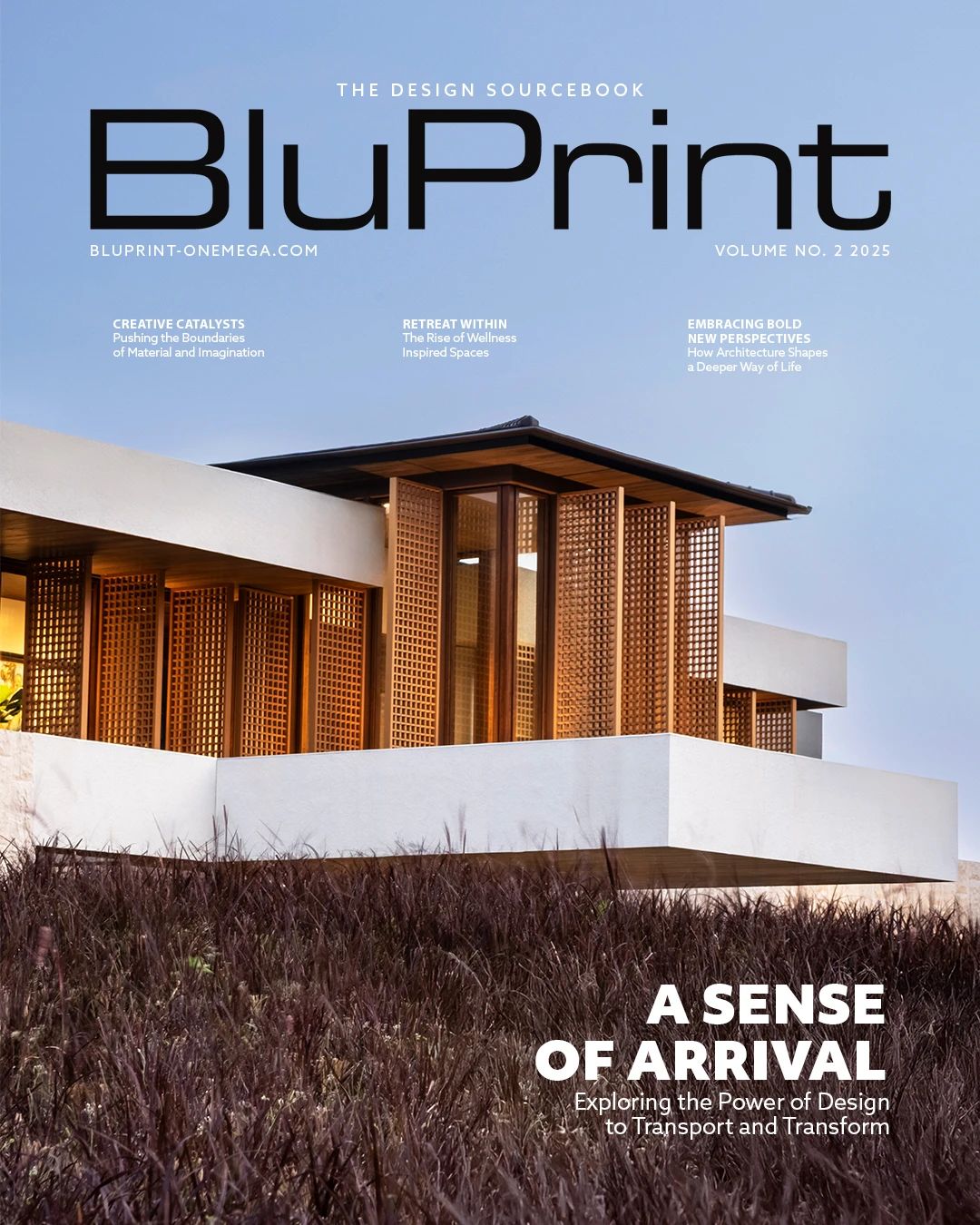
Get an exclusive tour of the Samal Island Beach house by ordering your copy of BluPrint Volume 2, 2025 at Sari Sari Shopping, Shopee, and Lazada. E-magazines are also available for download here or through Readly, Press Reader, and Magzter.
Dive into the captivating world of architecture, interiors, and arts & culture by getting exclusive digital access to BluPrint’s past and upcoming issues. Click here to find out more.
Photographed by Ed Simon.
Read more: Architecture That Transports: Inside BluPrint Volume 2, 2025
Frequently Asked Questions
Unlike traditional vacation homes meant for long stays, the architecture of access treats the retreat as a seamless extension of the primary residence. Designed to be reached in under an hour from Davao City, the home prioritizes the power of spontaneity, allowing for impromptu lunches or quick swims. This proximity fundamentally shifts the design brief toward creating a “personal resort” that integrates into the owners’ daily lives rather than serving as a distant, seasonal escape.
The project uses the site’s natural features, specifically a massive, weathered limestone rock formation, as its conceptual anchor. Rather than leveling the terrain, the architecture is meticulously engineered to perform upon this “formidable canvas,” respecting the rugged coastal landscape. This integration ensures that the structure feels like a part of the Davao Gulf’s geography, emphasizing a design philosophy where the value lies in preserving and respecting nature’s existing forms.
In high-budget projects, the temptation to over-design is a constant hurdle; however, true sophistication often lies in knowing when to stop. Architect Anthony Nazareno describes this as “self-policing” to avoid creating something that competes with the environment. By practicing restraint, the architecture deferentially allows the 250-meter private beachfront and panoramic views to remain the primary focus, proving that modern luxury is found in what is preserved rather than what is added.
The design is engineered for swift travel but enforces a restorative slowness the moment a guest arrives by masterfully controlling the visual experience. By withholding the full majesty of the Davao Gulf view until a specific, choreographed moment, the architecture demands quiet contemplation and a mental shift from city clamor to sanctuary. This deliberate sequence transforms the act of entering the home into a transitional ritual, confirming a profound sense of arrival.
The project faced logistical hurdles due to its secluded island location and the pandemic-related constraints of 2020, which complicated material sourcing and construction management. Philosophically, the challenge was to balance the human need for speed and convenience with the deeper need for connection and slowness. The result is a structure finely tuned for “slow living” that acknowledges the pace of modern life while serving as a tranquil harbor for recovery.
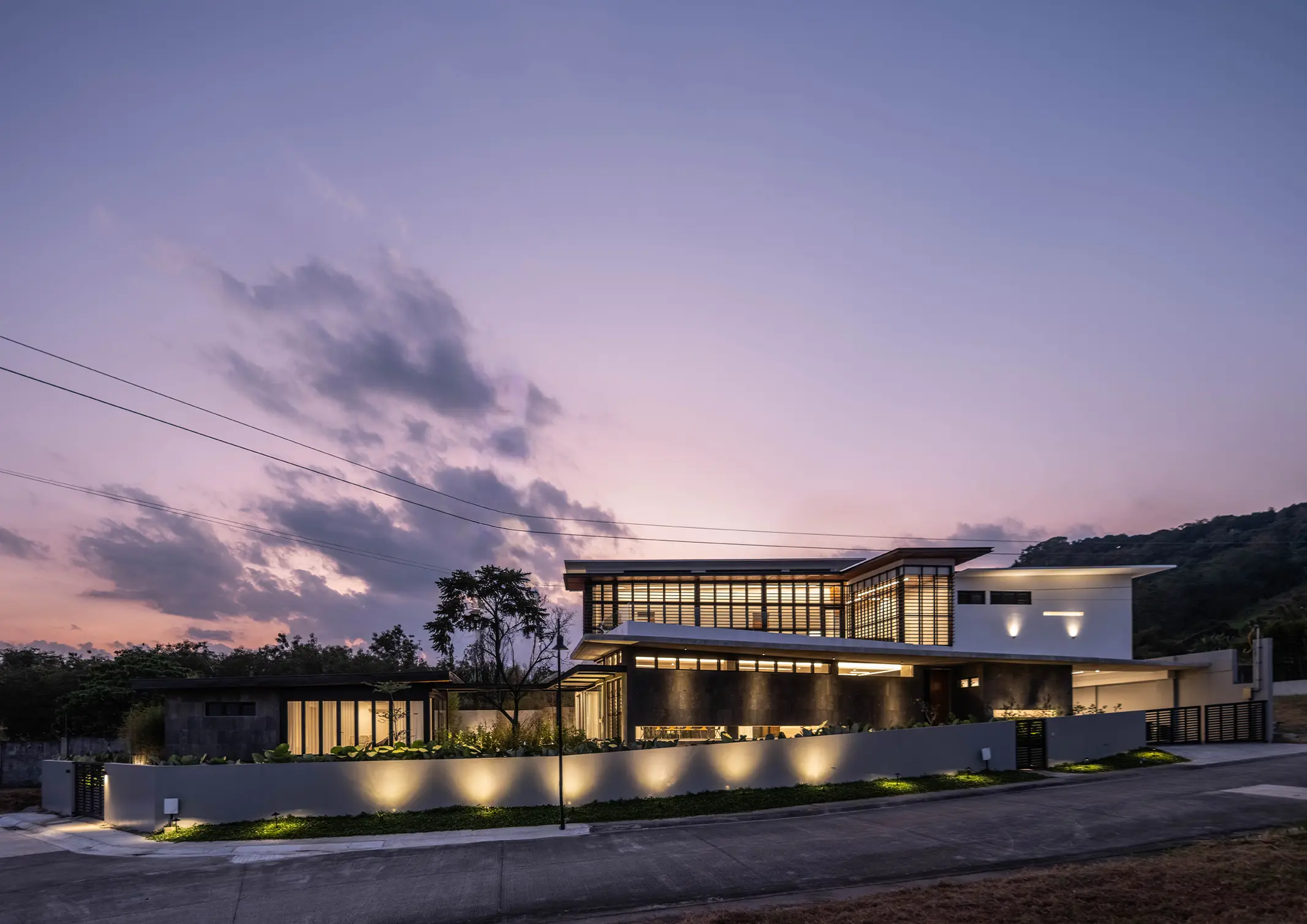
Located in Paroc, Pampanga is MQ Residence—a tropical-modern private residential home designed by Marikina-based architectureArchitectureThe art and science of designing and constructing buildings, structures, and spaces that are functional, safe, and aesthetically pleasing. It encompasses the planning, design, materials, and techniques used to createGo to Architecture Glossary firm Arkisens, spearheaded by principal architect and co-founder […]
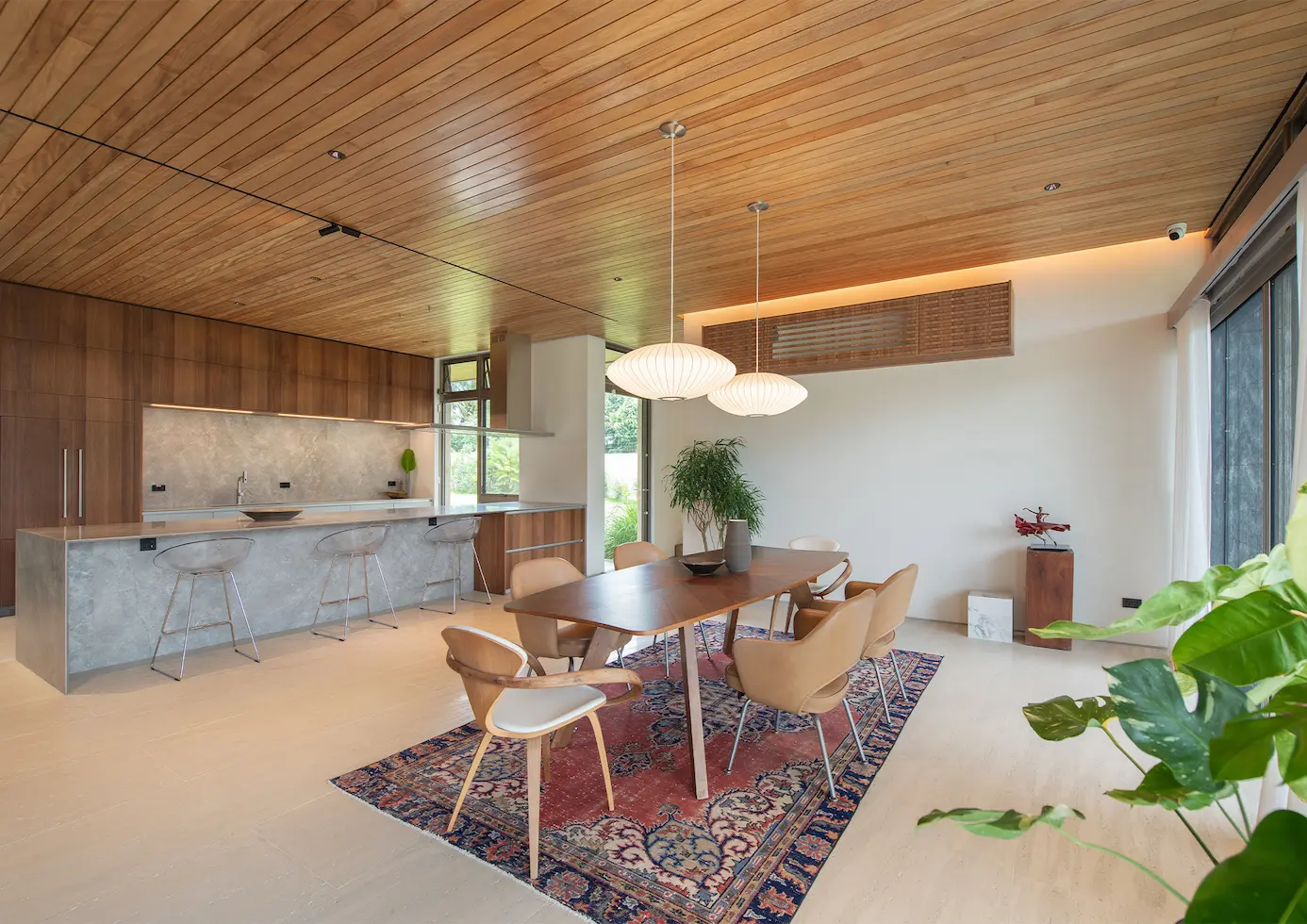
Standing on a former 1,200-square-meter pineapple plantation is CAW House, a Mid-Century ModernMid-Century ModernA design movement from roughly the 1940s to the 1960s, known for clean lines, organic curves, open plans, and a close relationship between indoors and outdoors. Filipino architects such asGo to Mid-Century Modern Glossary-inspired loft located just on the border of Silang […]
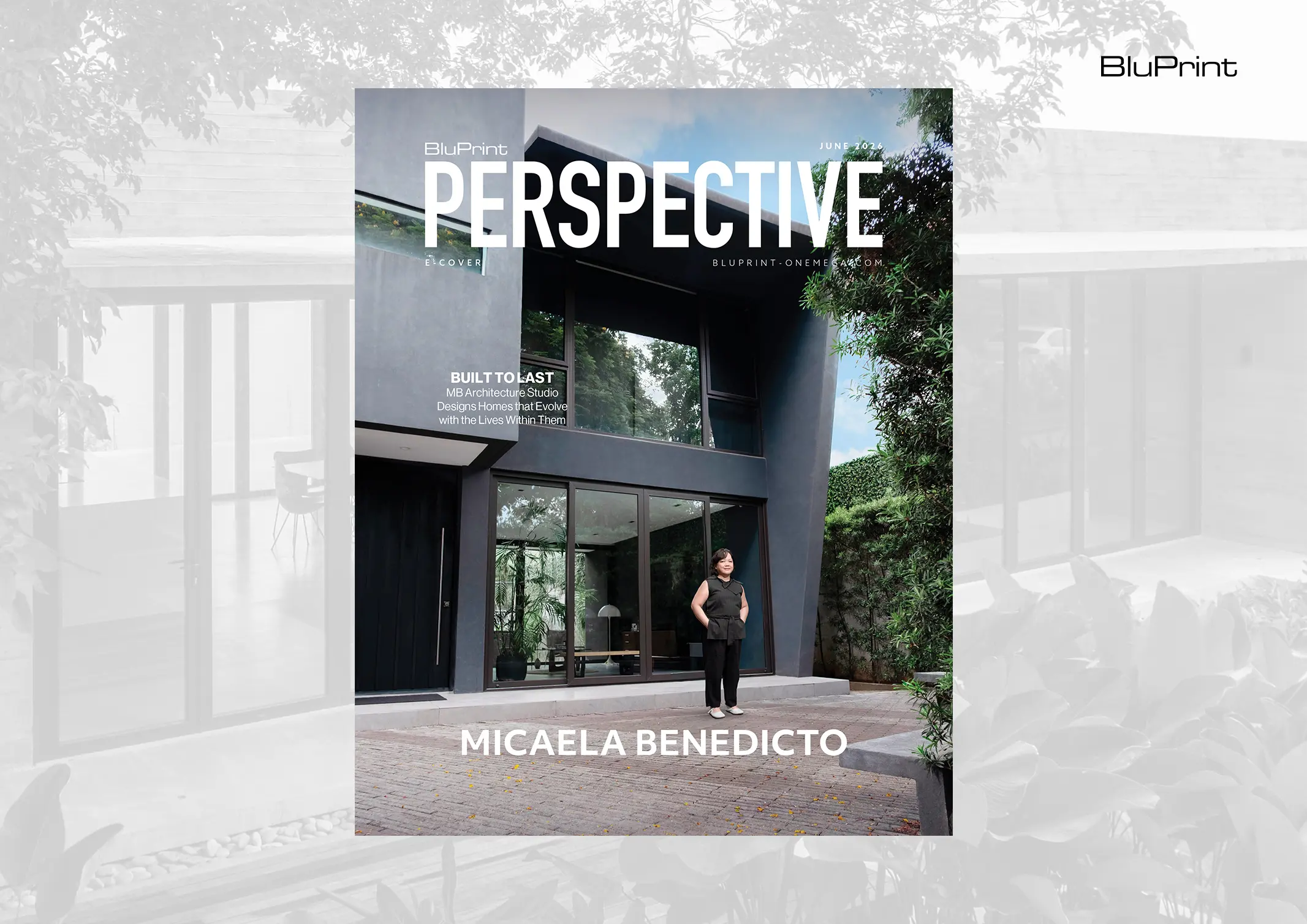
Since setting up her design firm, MB Architecture Studio, in 2007, Ar. Micaela Benedicto has built a diverse portfolio of architectural projects. Her works, whether residential or commercial, showcase a distinct spatial quality, “I like to create things that can go from something static to something that is alive and reactive,” Benedicto states. “In creating […]
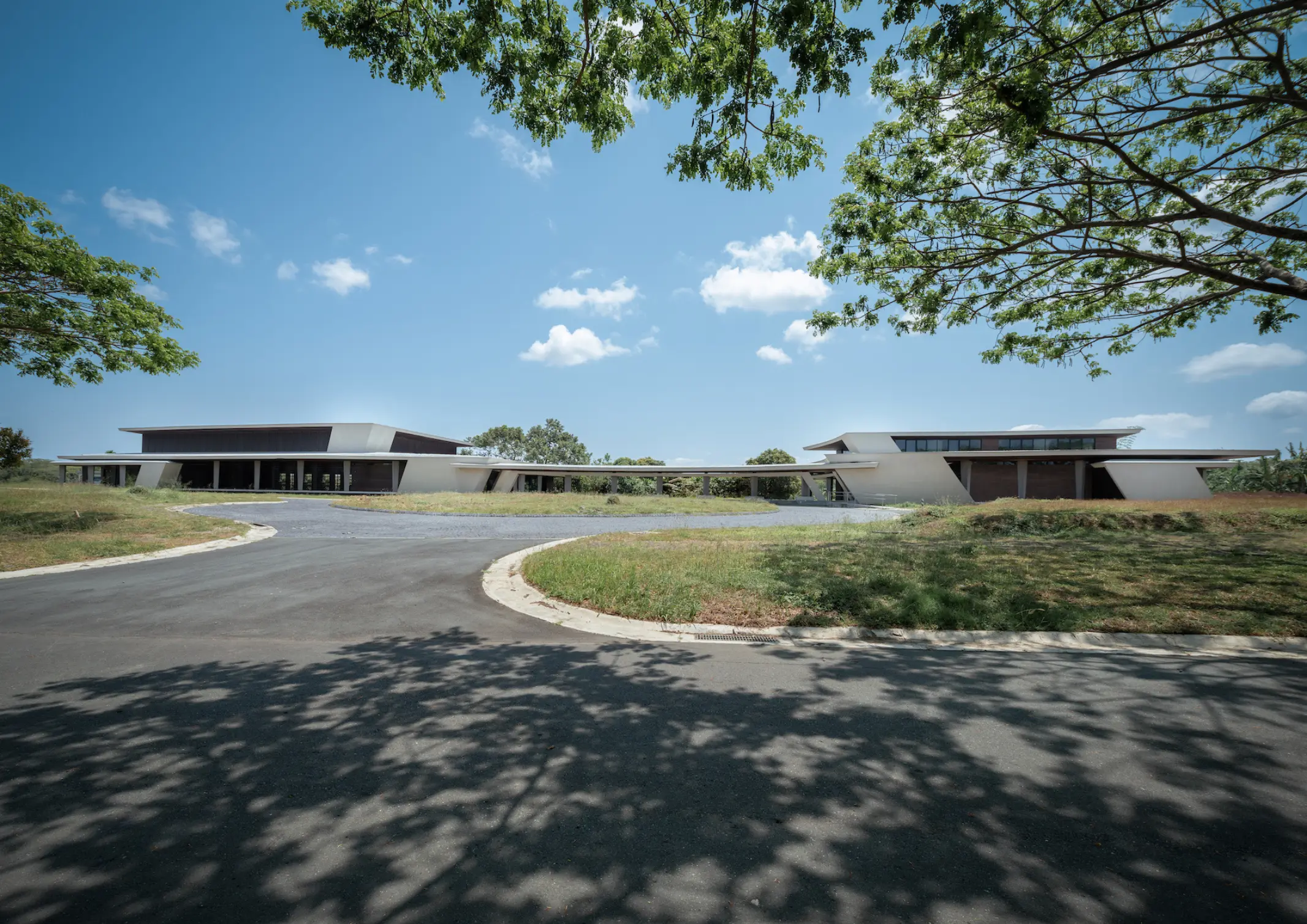
Luscara and Soliento: Barchan + Architecture on Designing a Clubhouse that Responds to its Landscape
Situated in Laguna, south of Metro Manila, is a multi-thousand-hectare development created by Ayala Land Premier within the growth corridor of the CALABARZON Region. Barchan + Architecture was tasked with crafting a clubhouse for the subdivisions of Luscara and Soliento. Principal Architect of Barchan + ArchitectureArchitectureThe art and science of designing and constructing buildings, structures, […]
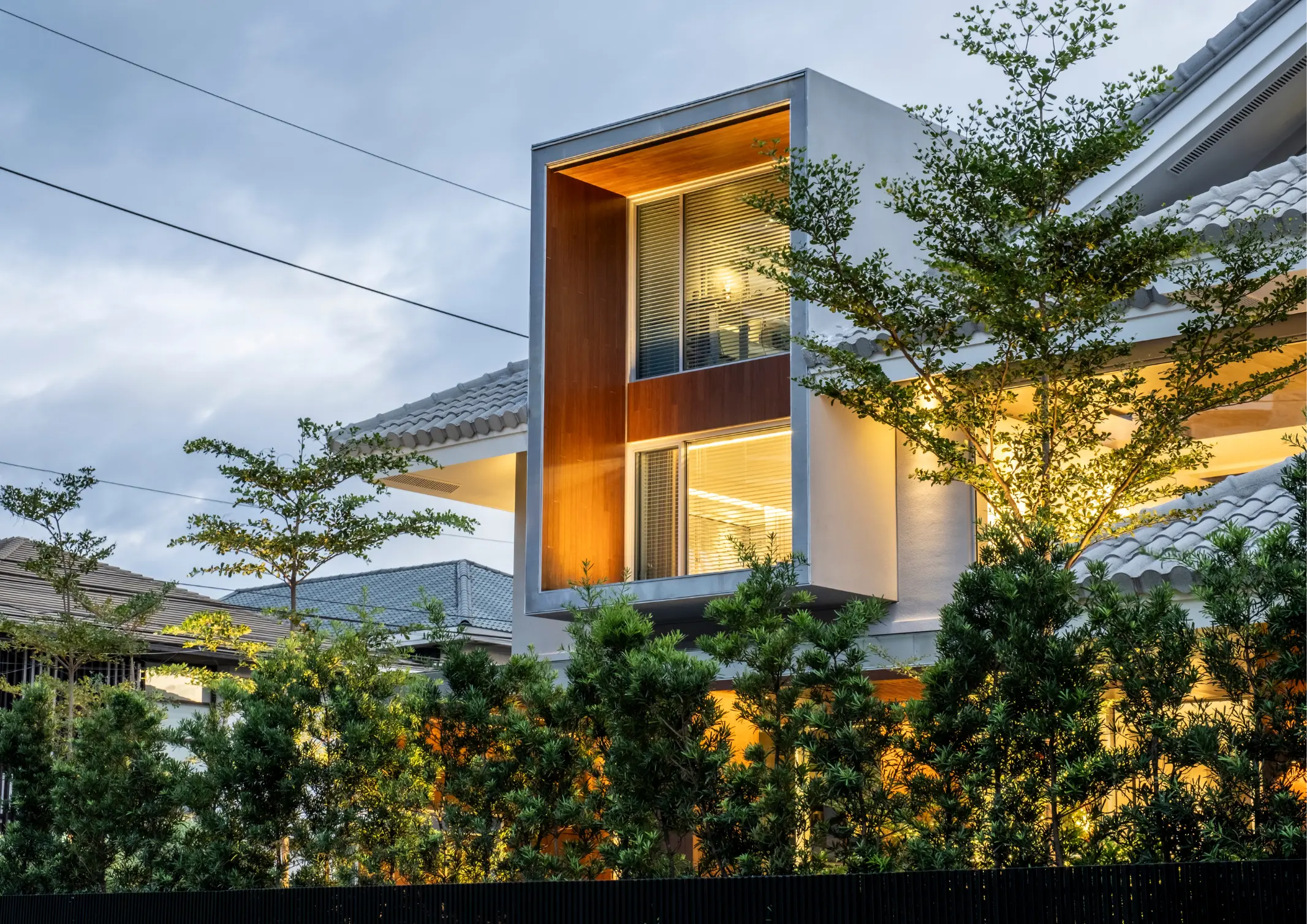
Over the past decades, adaptive reuseAdaptive ReuseThe practice of converting an old or disused building for a new purpose while keeping its structure and character. In the Philippines, it has turned heritage houses, warehouses, and factoriesGo to Adaptive Reuse Glossary has been utilized as a sustainable alternative for the built environment. It involves repurposing existing […]
Read the issues.

Collect the volumes.

Recommended Video
Tap to Unmute
Unmute
0:00
0:00