The DBP Building as a Landmark of the International Style At the corner of Sen. Gil Puyat Avenue and Makati Avenue stands a landmark of the Makati Central Business District. It is one of the last still standing that were built in the first wave of construction in district fifty years ago. The Development Bank […]
How We Lose 3.5 Billion Pesos a Day to Manila Traffic



Filipinos spend a significant amount of their time waiting. In 2023, the average Filipino lost nearly five full days—a total of 117 hours—to Manila traffic, according to a report by the Philippine Daily Inquirer. For sociologist Barry Schwartz, he believes that delay and congestion are relevant to the analysis of social systems. The duration in which we wait, for instance, reveals the distribution of power within a system.
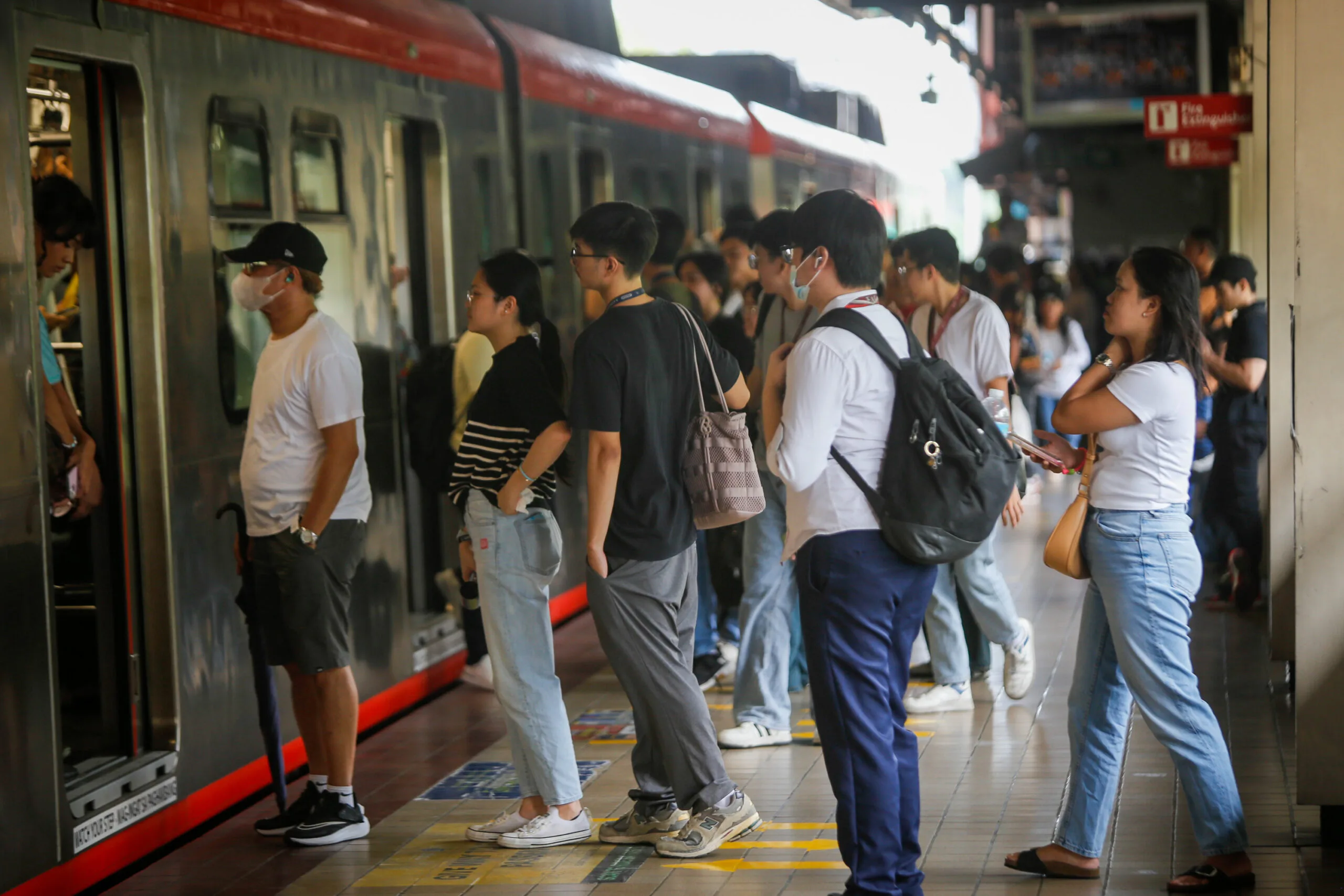
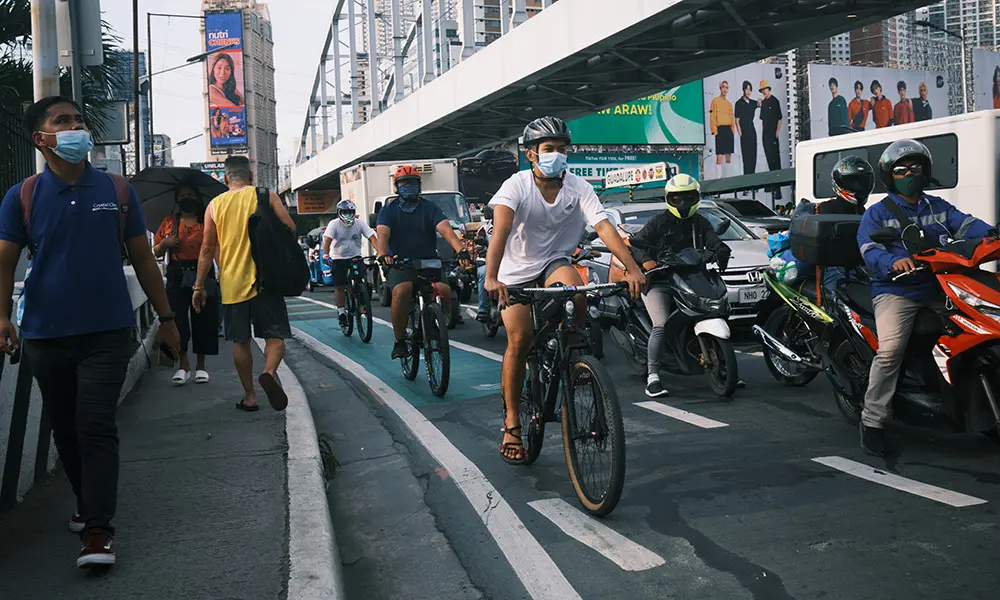
With road transport accounting for 98% of passenger traffic, car-centric infrastructure dominates the country’s transport networks. For the 94% of Filipino households that don’t own a car, the only option for mobility is public transportation. This involves commuters squeezing into train cars like sardines, forcing a fourteenth passenger into jeepneys built for thirteen, and lining up on the sides of highways just to stand on a bus all the way home.
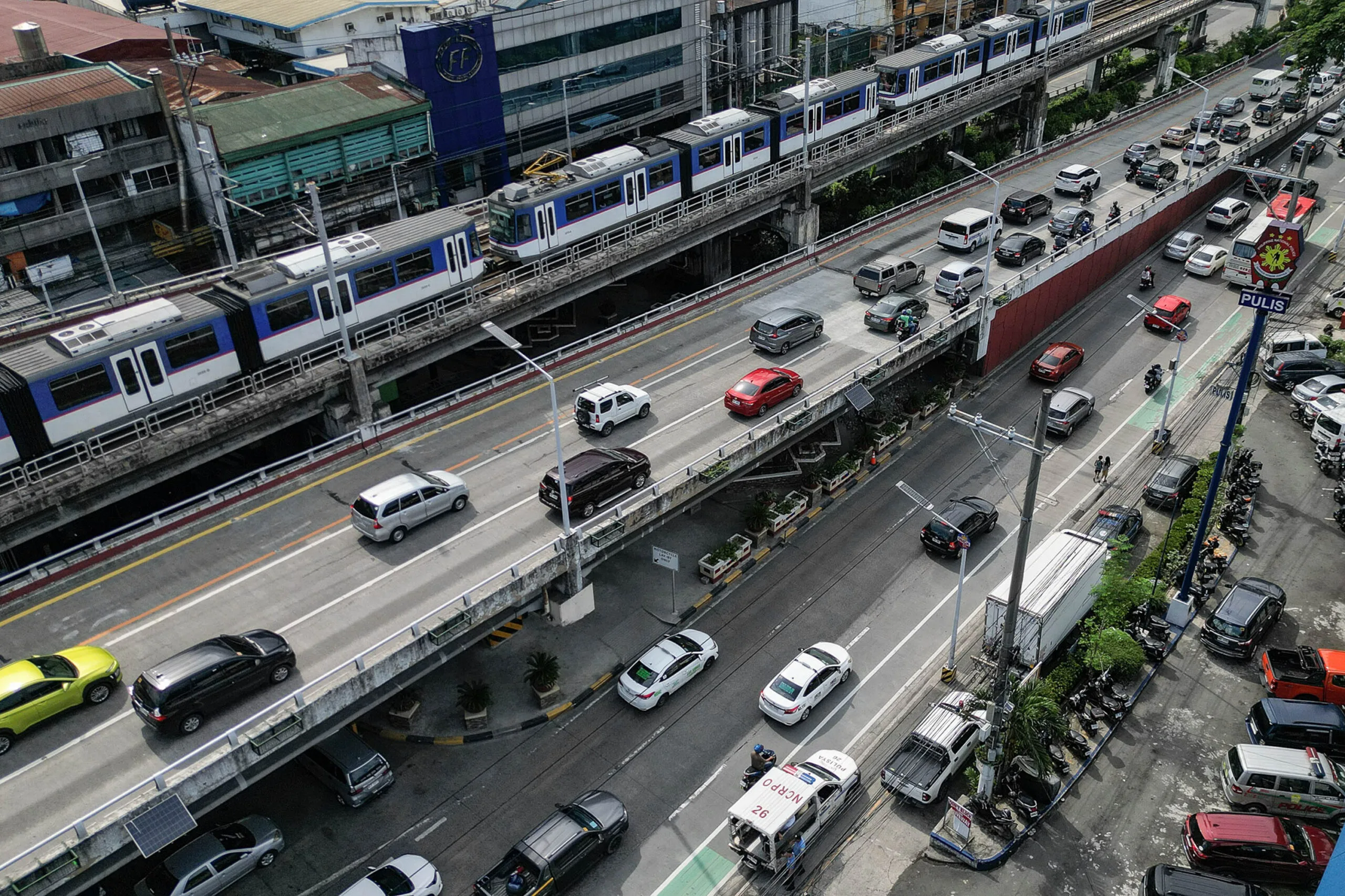
The way we wait is a reflection of how different members of society perceive and fulfill their needs. In the Philippines, the architectureArchitectureThe art and science of designing and constructing buildings, structures, and spaces that are functional, safe, and aesthetically pleasing. It encompasses the planning, design, materials, and techniques used to createGo to Architecture Glossary of waiting presents underlying structures of power that prompt us to ask ourselves: how and why do Filipinos wait?
A Place of Waiting
Filipino commuters wake up early in the morning to account for their commute, which can either take 45 minutes or 2 hours, depending on the day. These increments of time accumulate into days lost. According the Japan International Cooperation Agency (JICA), waiting incurs significant personal costs for individuals and the overall system, estimated at 3.5 billion pesos per day, . This is projected to increase to 5.4 billion pesos by 2035 if no intervention is conducted.
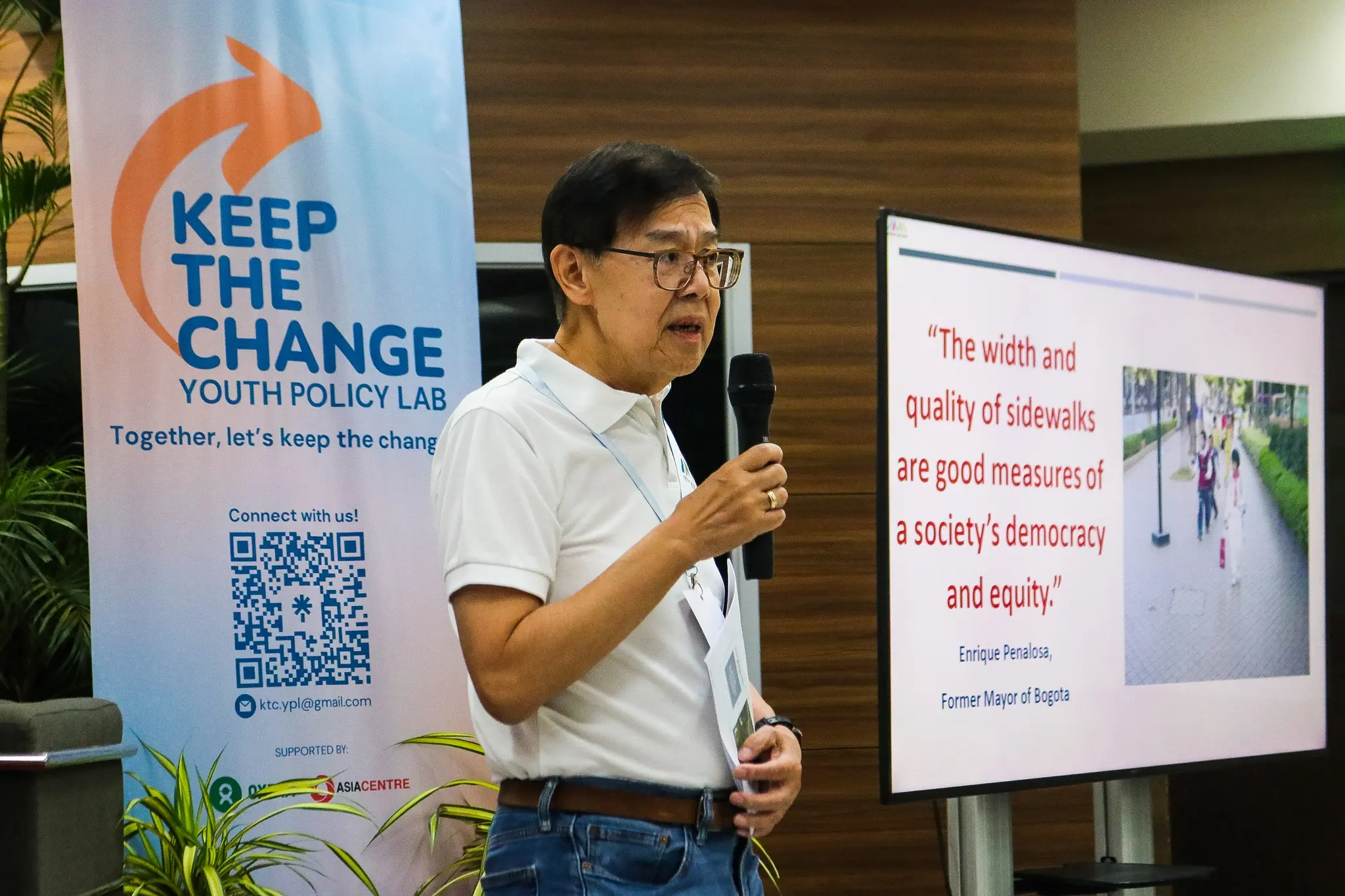
Robert Siy, a columnist and sustainable mobility advocate, shares that the adverse effects of waiting can be mitigated by enhancing the waiting environment and reducing waiting times. For him, good public transportation includes these features: predictability, reliability, and frequency.
During an inspection of Commonwealth Avenue, a major highway colloquially known as the “Killer Highway,” Acting Department of Transportation (DOTr) Secretary Giovanni Lopez addressed such issues. Commuter concerns such as “long waiting times, irregular PUV (public utility vehicles) headways, overcrowding, and unsafe boarding conditions” were indicated.
Lopez remarks, “If there are 3,972 PUVs here, why are so many people still lining up? We have to do something more.” He urged the Land Transportation Franchising and Regulatory Board (LTFRB) to take immediate action against the lack of public transportation.
Siy expresses similar sentiments, stating that the basic requirement of public transportation is a set maximum queuing time, which is directly proportional to the capacity available. Sufficient capacity ensures shorter waiting times for passengers. Siy states, “The most convenient type of service is one where you don’t even need to know the schedule.”
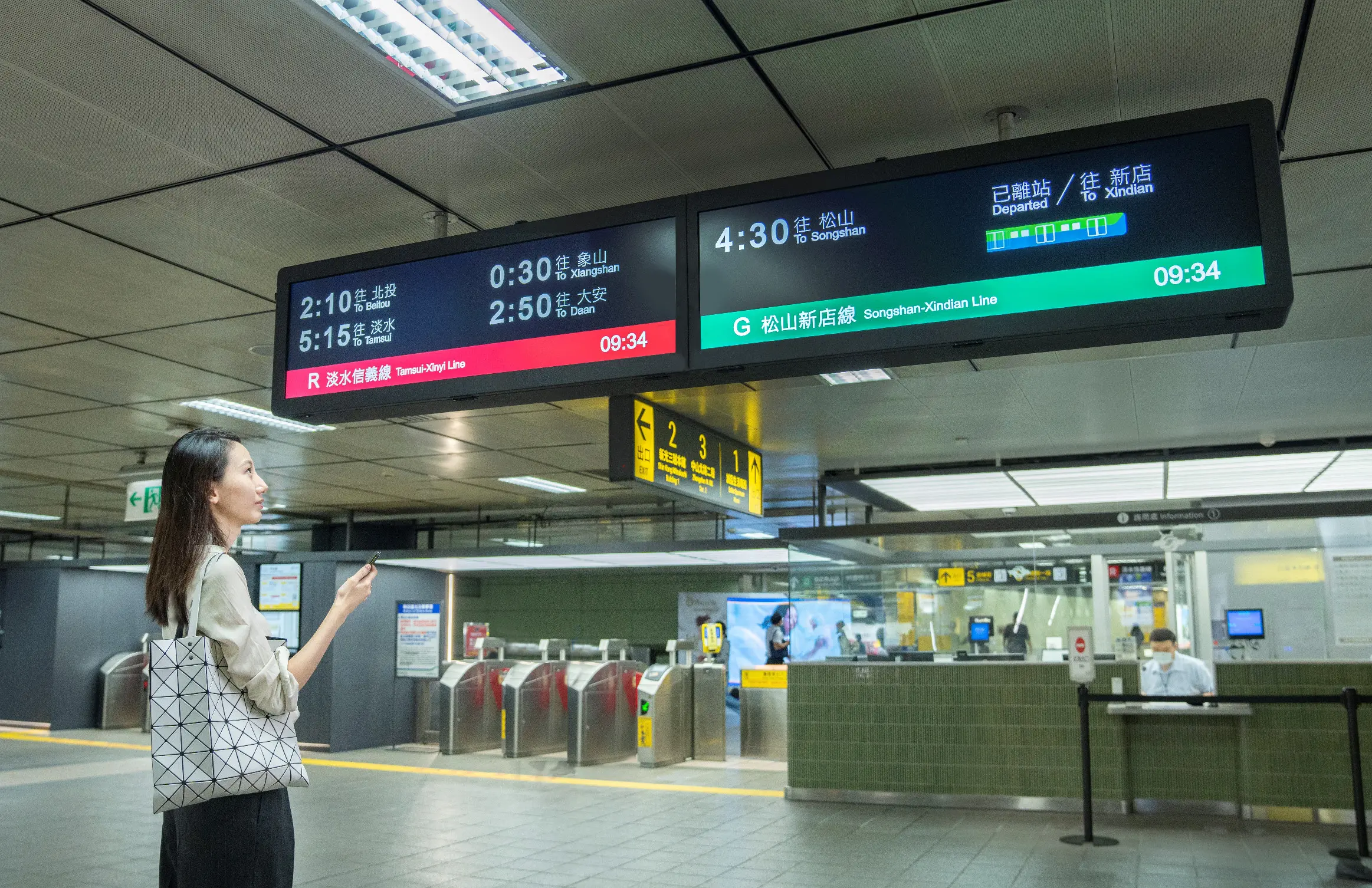
However, since waiting remains an inescapable part of commuting, the transparency of passenger information is vital in ensuring the quality of public transportation. This includes having access to departure and arrival information, and train or vehicle tracking. These features provide passengers with a sense of predictability, allowing them to have agency over their time.
Every system must determine how various members of society are given their goods and services, and their needs are prioritized and satisfied. Other than the waiting time, the spaces in which we spend our time waiting impact our temporal experiences. Areas designed for waiting are affective spaces that create a reciprocal relationship between emotion and space.
Architecture can then be mobilized to design waiting areas that evoke certain emotional responses. Implementing features such as shelters and comfortable seating makes for dignified travel. The former can protect passengers throughout changes in weather conditions, while the latter can alleviate discomfort.
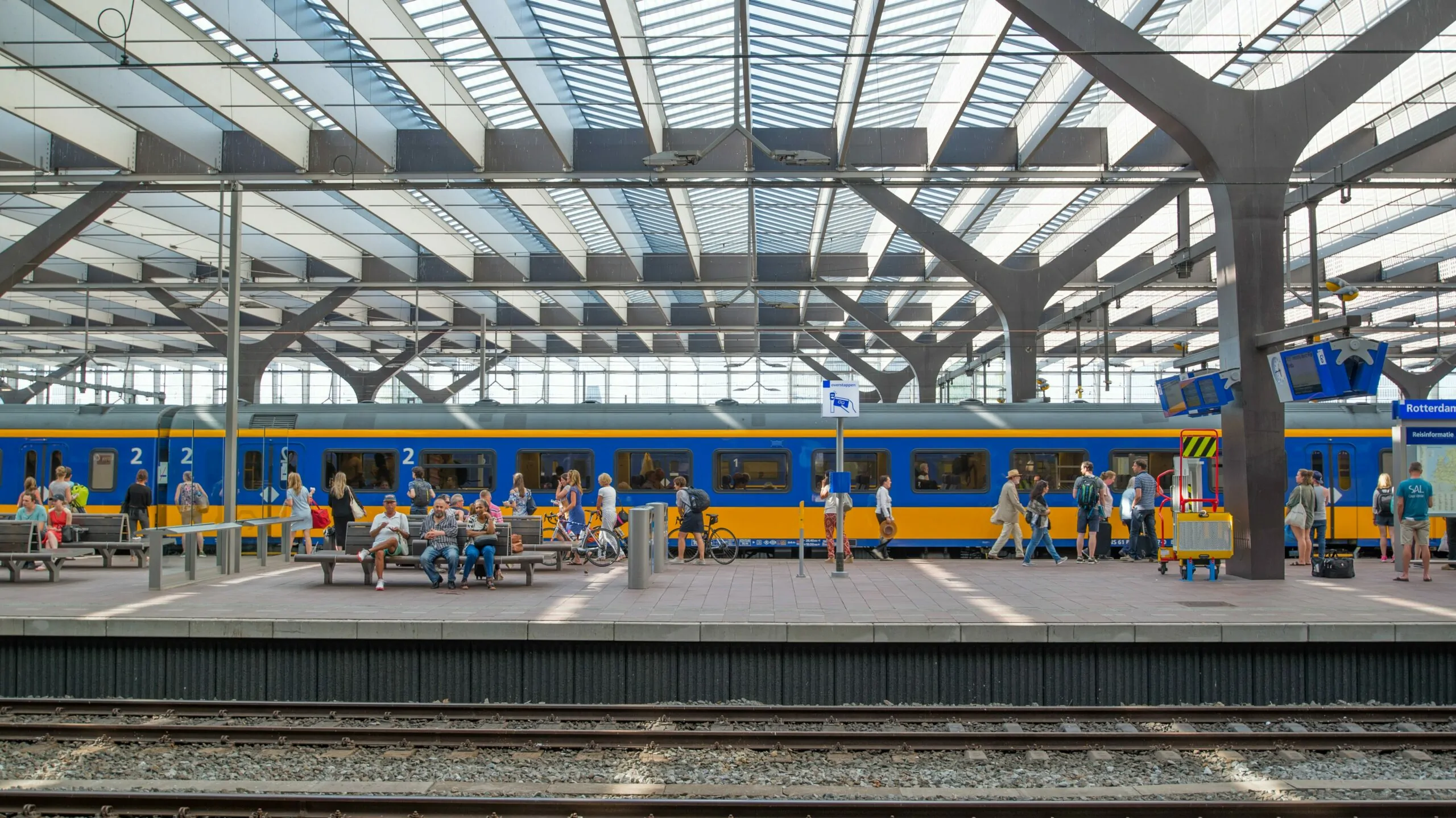
Even simple additions like restrooms, water dispensers, and air-conditioned spaces can further enhance the waiting experience of commuters. These features ensure that all passengers are treated with safety, respect, and care. As such, it is important to acknowledge mobility as a fundamental right.
Siy asserts, “If you have a barrier to travel, then you cannot exercise other fundamental rights and freedoms, like the freedom to adequate healthcare, education, and pursue a decent livelihood. You will be denied these rights if you are denied travel.”
Barriers to Dignified Travel
The waiting experience exacerbates the already existing challenges and inequality that marginalized people face. Social stratification manifests itself in the duration and manner in which Filipinos wait. President Ferdinand Marcos Jr. and his wife taking a helicopter to attend a Coldplay concert illustrates the matter.
Amidst the backlash, the president’s security group defended this decision by stating that Manila traffic created by the “unprecedented influx of 40,000 individuals early attending a concert” was a security threat to the president. Tucked deep in the suburbs, one could experience travel time of 2 hours or more from Metro Manila to the Philippine Arena. This 32-kilometer helicopter ride from the Presidential Palace would’ve only taken a matter of minutes.
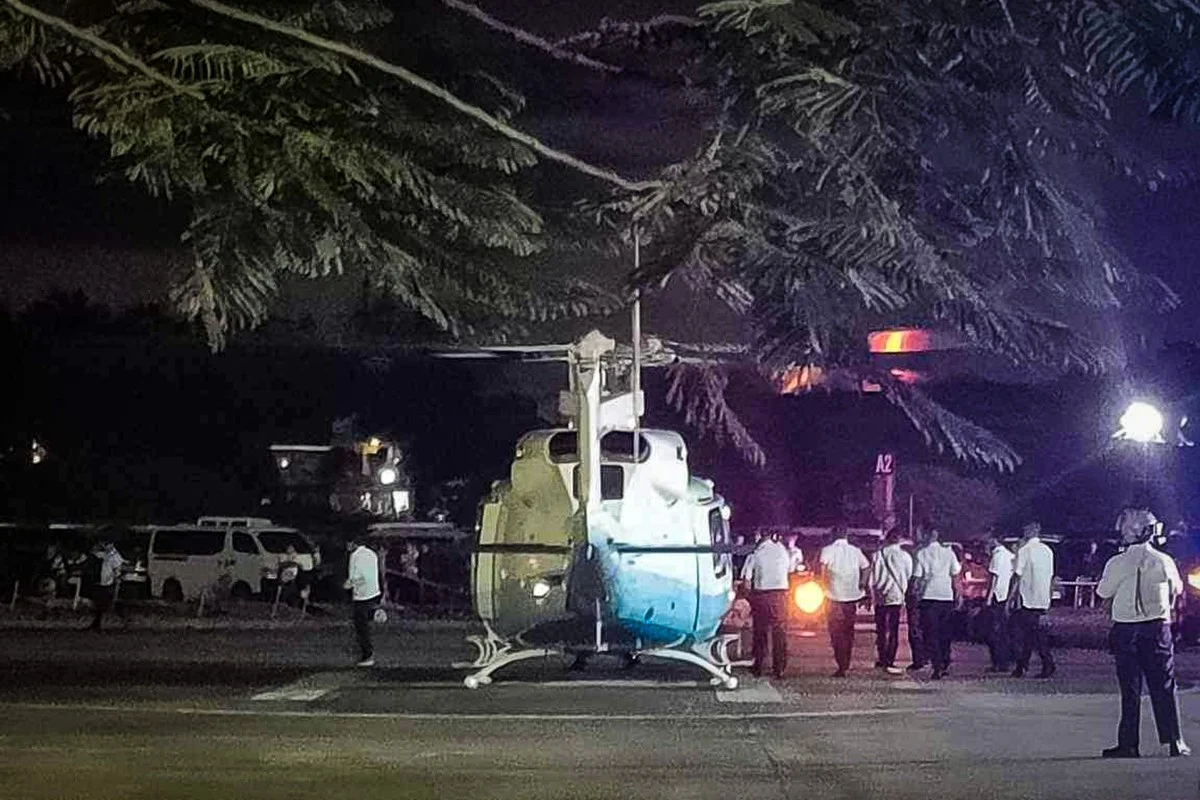
Meanwhile, commuters are relegated to the margins of the city. Turning public service into a business has led to the deprioritization of our needs, including inclusive mobility. In the current system, the safety and well-being of the nation’s leader going to a concert justifies his use of national resources.
Contrarily, the decades-long plight of the Filipino commuters has not warranted nationwide developments on inclusive mobility and transport infrastructure. Here, persons with disabilities face greater barriers to dignified travel. The continuous construction of footbridges demonstrates this issue.
The Kamuning footbridge, dubbed Mount Kamuning, drew negative attention due to its blatant disregard for accessibility. Footbridges are car-centric infrastructures that allow cars to move faster at the expense of pedestrians. “When you eliminate ground-level pedestrian crossings, you create an insurmountable barrier for many of the population,” Siy remarks.
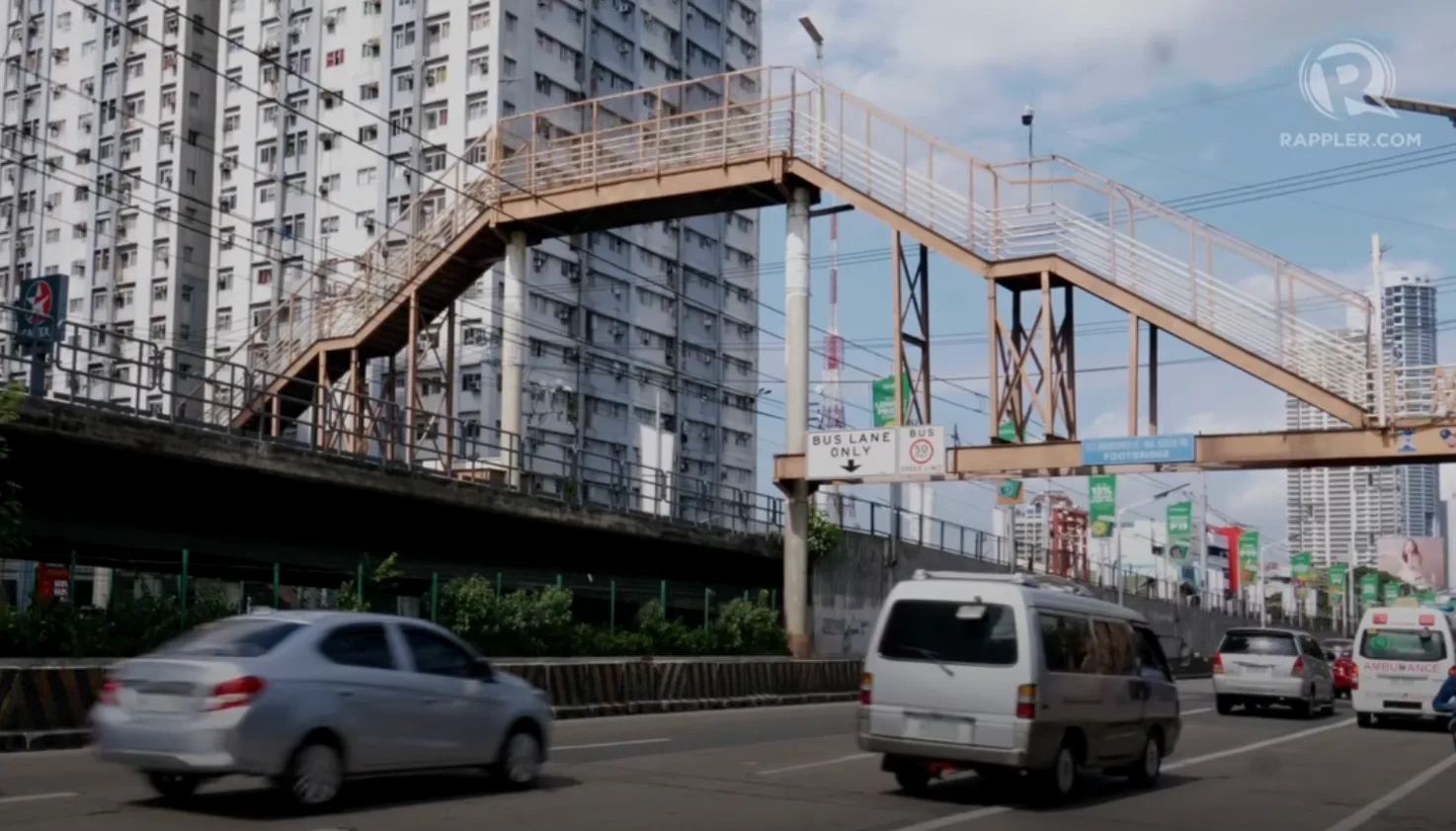
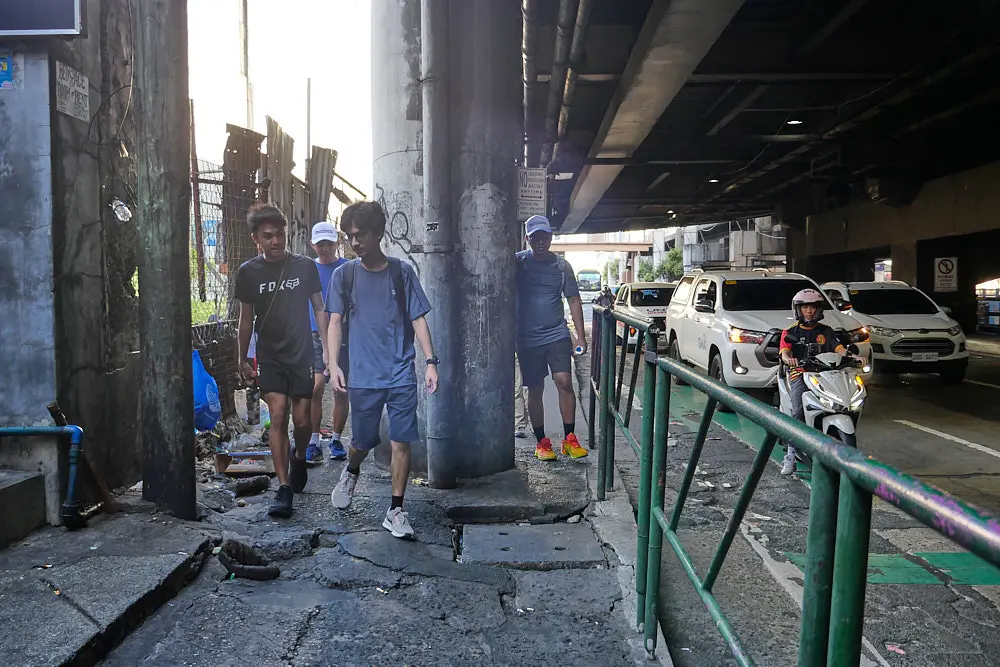
Existing laws like BP 344 mandate that infrastructure must be accessible to persons with disabilities. These include wide sidewalks, tactile paving, elevators, and ramps—all of which create a better waiting experience. “Accessibility is linked to the right of every person to be able to move around independently, regardless of their physical capacity,” states Siy.
To provide government officials with a deeper understanding of these challenges, Acting Secretary Lopez recently mandated DOTr and LTFRB officials to commute at least once a week. Siy quips, “What we find a little bit ridiculous is that they are now declaring, ‘Oh, it’s so difficult pala.’ As if this is something [that] became their realization only today. If I were the Secretary of Transportation, I would not give LTFRB staff the option of using their own transportation. It’s your job to understand the public transport availability—any issues faced by passengers and customers, you should be aware of.”
While this mandate is a small shift towards change, there is still a perception of optionality when it comes to the provision of public transportation. It is not viewed as an essential function by any part of government, with the regulatory board lacking a sense of responsibility to ensure its adequacy and sufficiency. Siy traces this perception back to the privatization of public services.
Throughout history, public transportation relied on private initiatives, as franchises were driven by private operators and businesses. This practice continued well into the current system. The concept of public transportation as an obligation of the government never entered into the cultural mores. Now, people are experiencing the consequences of its decades-long neglect.
“If you are a person with disability, I guess the message you get living in the Philippines is, well, that is your lot in life, therefore, you have to contend with it, right?” Siy laments.
Accountability and Change
For those who can afford to, the liminal experience of waiting can be escaped. Forgotten and delayed public infrastructure projects can be amended by buying two or more cars to avoid color coding, or even moving closer to work. Delay and congestion become mere inconveniences instead of everyday struggles.
But most people cannot escape such realities. Presently, there is a disjuncture between law and policy, and the lived experiences of commuters. The government has failed to create attractive waiting environments, making the journey between points A and B a grueling feat.
For Siy, one way to mitigate the issue is to establish a shift in cultural mindset. When he went overseas, he noticed that on every sidewalk, despite not seeing anybody use them, there were tactile pavings for the blind. “Here, this is where we get into debates about different types of infrastructure. Some people will say, ‘Well, hindi naman ginagamit kaya tanggalin na lang natin.’”
Siy cites an important statistic, which states that approximately 15% of the world’s population lives with some form of disability. And at any given point in time, anybody can develop any form of disability. “When we fail to deliver accessible public transport, when we fail to deliver accessible sidewalks or buildings, then we are placing a barrier in front of those people,” Siy states.
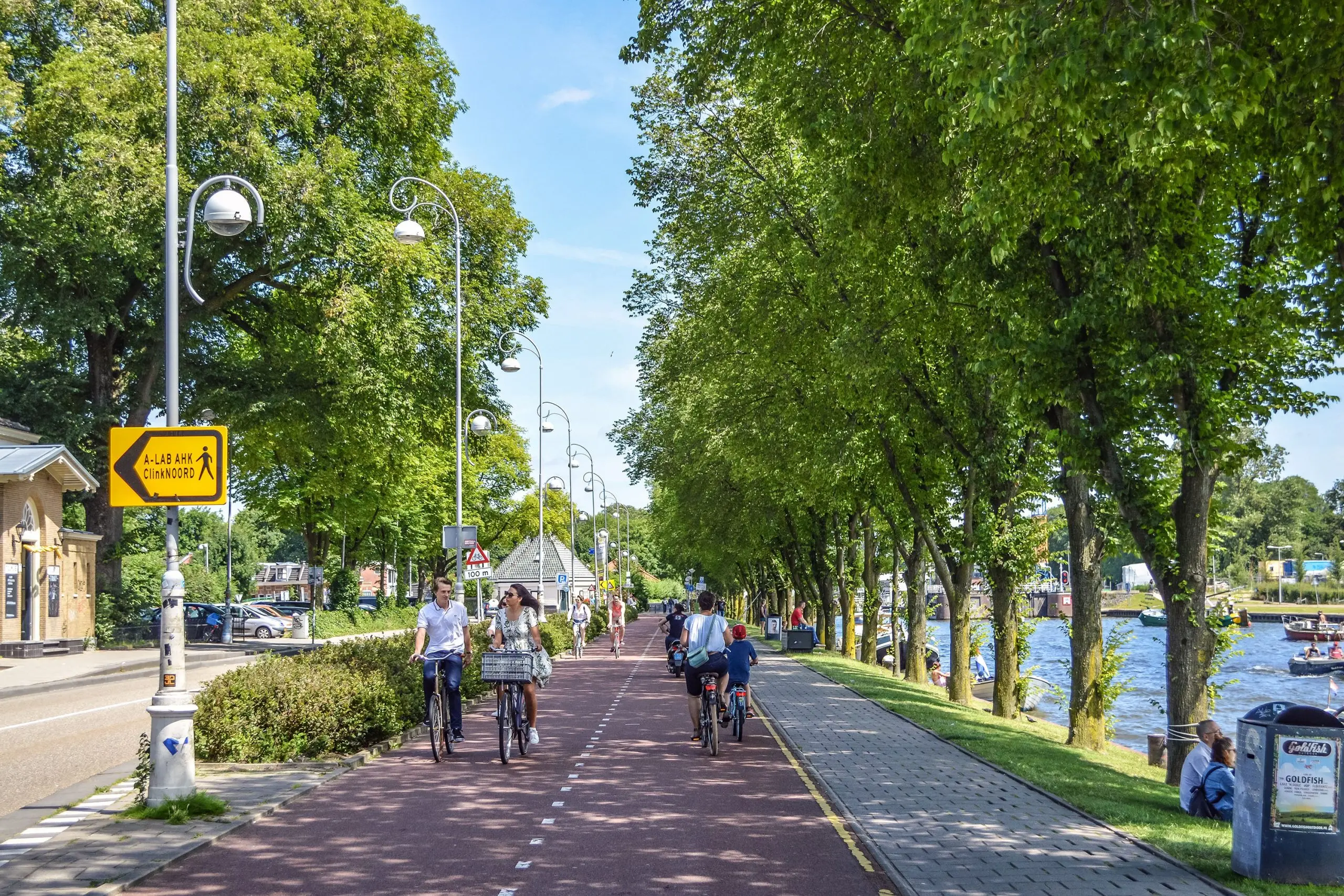
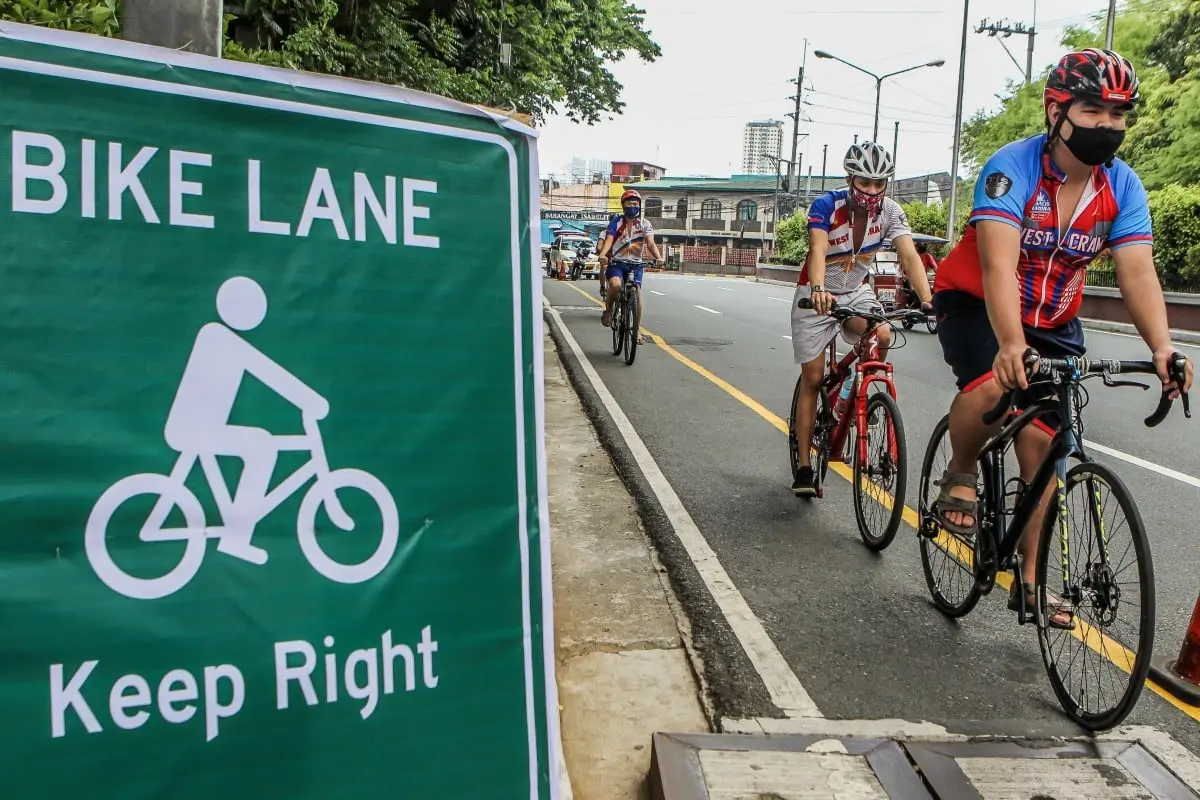
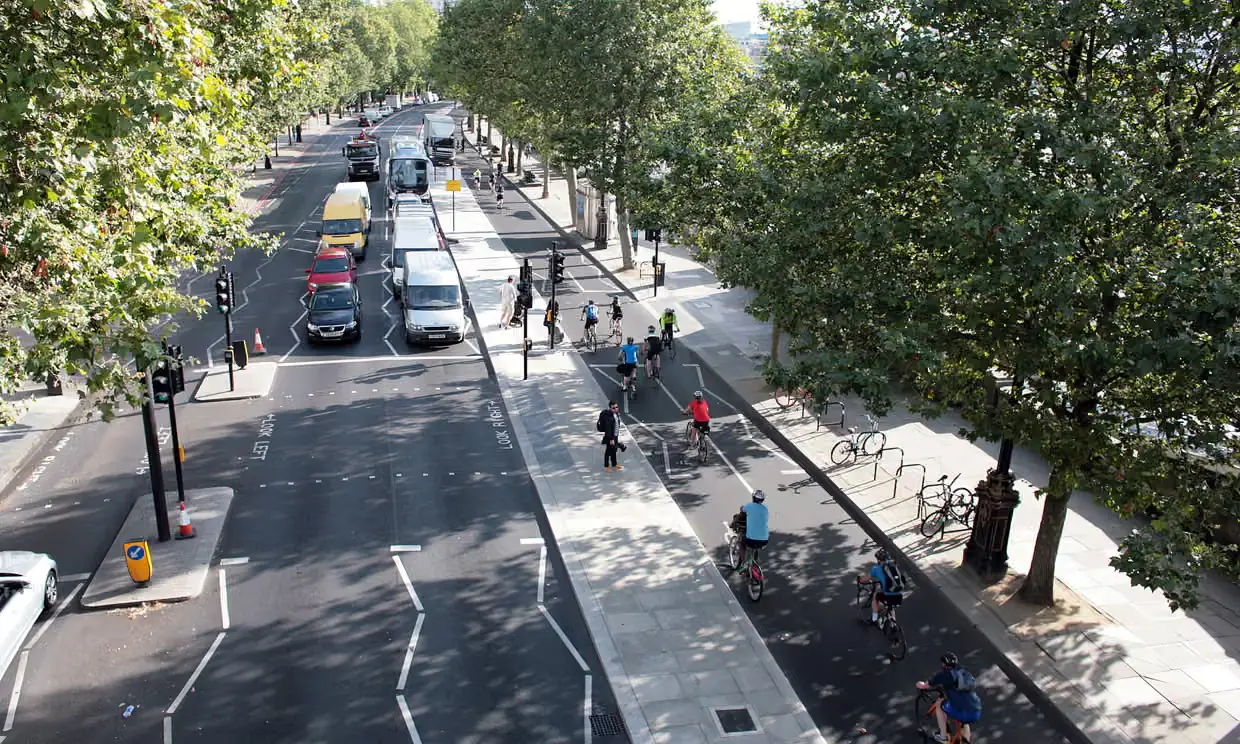
It is then necessary to demand accountability from officials whose jobs are to secure such measures. Sustainable transport options like walking, cycling, and public transit are vital in taking over our roads. In turn, we take back time lost.
“Hindi natin masusulusyunan ang isyu ng trapik kung hindi maririnig ang boses ng pinakamalaking sektor na gumagamit ng kalye,” states Kiko Pangilinan in a 2019 press release. Six years later, it remains true.
If car ownership is a privilege that only 6% of Filipino households can afford, then inclusive mobility is a human right that should be prioritized. If Filipinos are required to work and go to school to sustain themselves, then it is imperative to provide them with a reliable means of transportation. This includes well-designed spaces for waiting that allow for the shift in the meanings we attribute to waiting.
Read More: Disability Architecture: Ar. Jaime Silva on the Push for Accessible Spaces
Frequently Asked Questions
According to JICA, the 3.5 billion peso daily loss stems from the massive drain on productivity, increased fuel consumption, and health costs associated with extreme congestion. With road transport accounting for 98% of passenger traffic, the system’s heavy reliance on car-centric infrastructure forces the 94% of non-car-owning households into inefficient public transport, leading to an average of 117 hours lost per commuter annually.
Architecture can be mobilized to transform waiting areas into affective spaces that prioritize commuter dignity. Key features include weather-protected shelters, comfortable seating, and essential amenities like restrooms and water dispensers. By treating mobility as a fundamental human right, design interventions such as air-conditioned waiting zones and accessible hubs can alleviate the physical and emotional toll of long transit delays.
The primary barrier is car-centric infrastructure, such as steep, inaccessible footbridges (e.g., “Mount Kamuning”). These structures prioritize vehicle flow over pedestrian accessibility. To ensure dignified travel, urban design must adhere to BP 344, incorporating wide sidewalks, tactile paving, elevators, and ramps. Accessibility allows all citizens to move independently, which is essential for exercising rights to healthcare and education.
Predictability is a pillar of good public transportation. Implementing passenger information systems—including real-time vehicle tracking and arrival/departure displays—gives commuters agency over their time. When passengers have access to transparent data, the psychological stress of waiting is reduced. As sustainable mobility advocate Robert Siy notes, the most convenient service is one where the passenger doesn’t even need to memorize a schedule.
Inclusive mobility is a human right because travel is a precondition for exercising other freedoms. If a citizen cannot access reliable transport, they are effectively denied access to decent livelihoods, education, and healthcare. Transitioning from a profit-driven, privatized transport model to a government-led, inclusive system ensures that roads serve the 94% of Filipinos who rely on public transit rather than the car-owning minority.
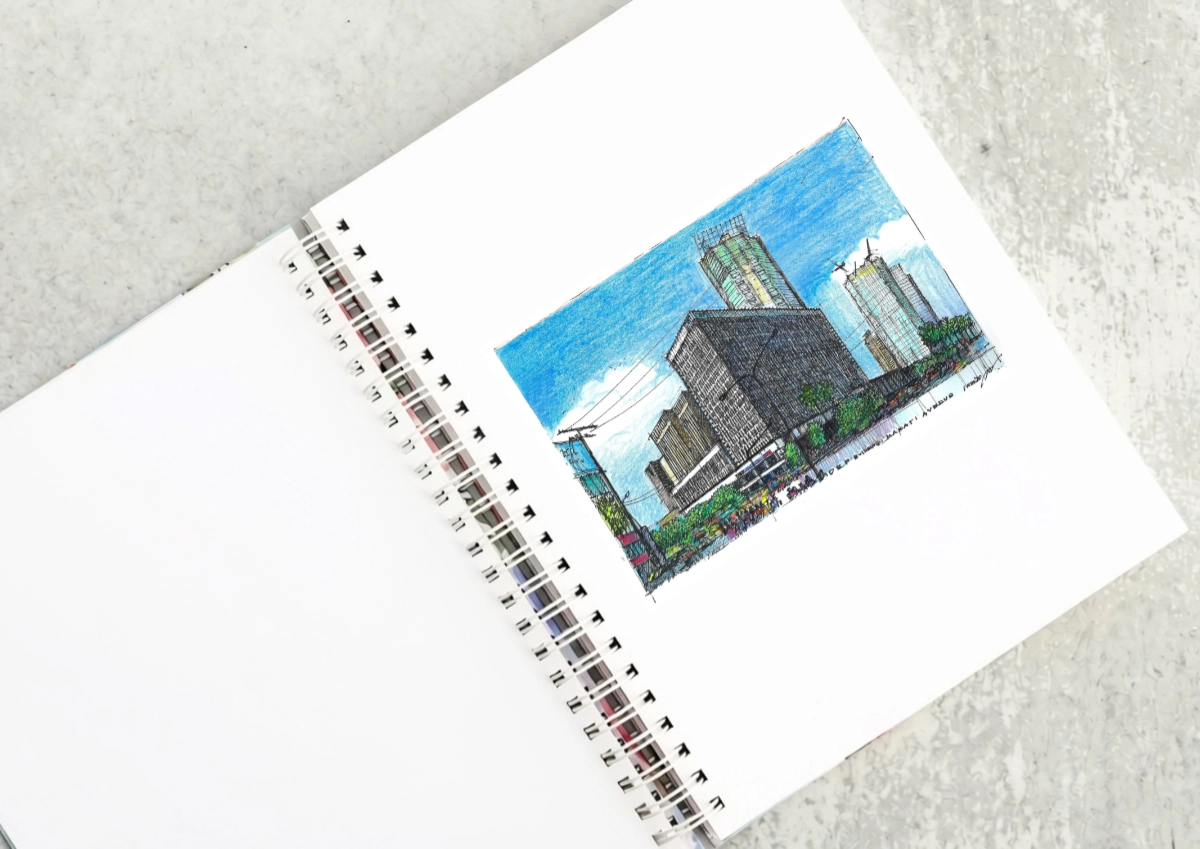
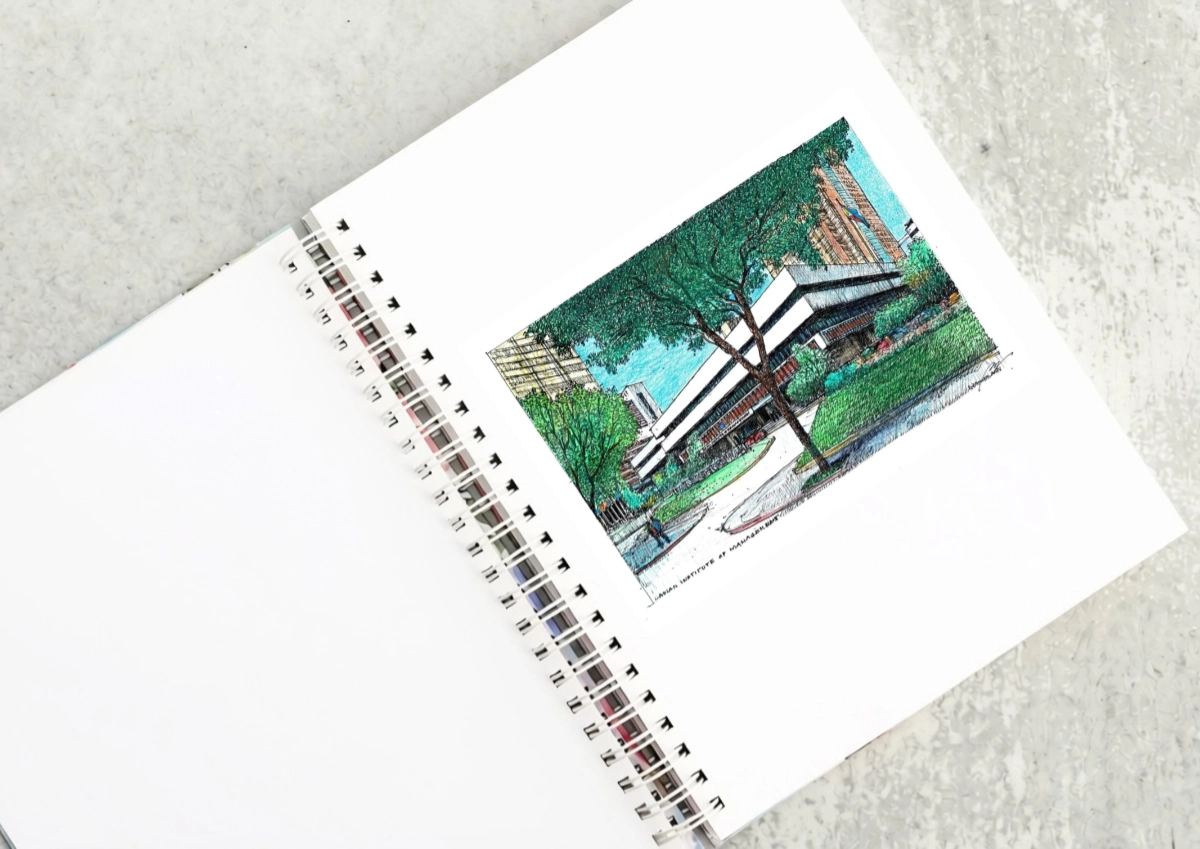
A Filipino Interpretation of Modernist Architecture Unlike the rest of Makati today, the northern end of Paseo de Roxas in Makati is anchored by a low complex rather than a tall skyscraper. This is the elegant Asian Institute of Management, designed by architect Gabriel Formoso and completed in 1971. In my opinion, the building is […]
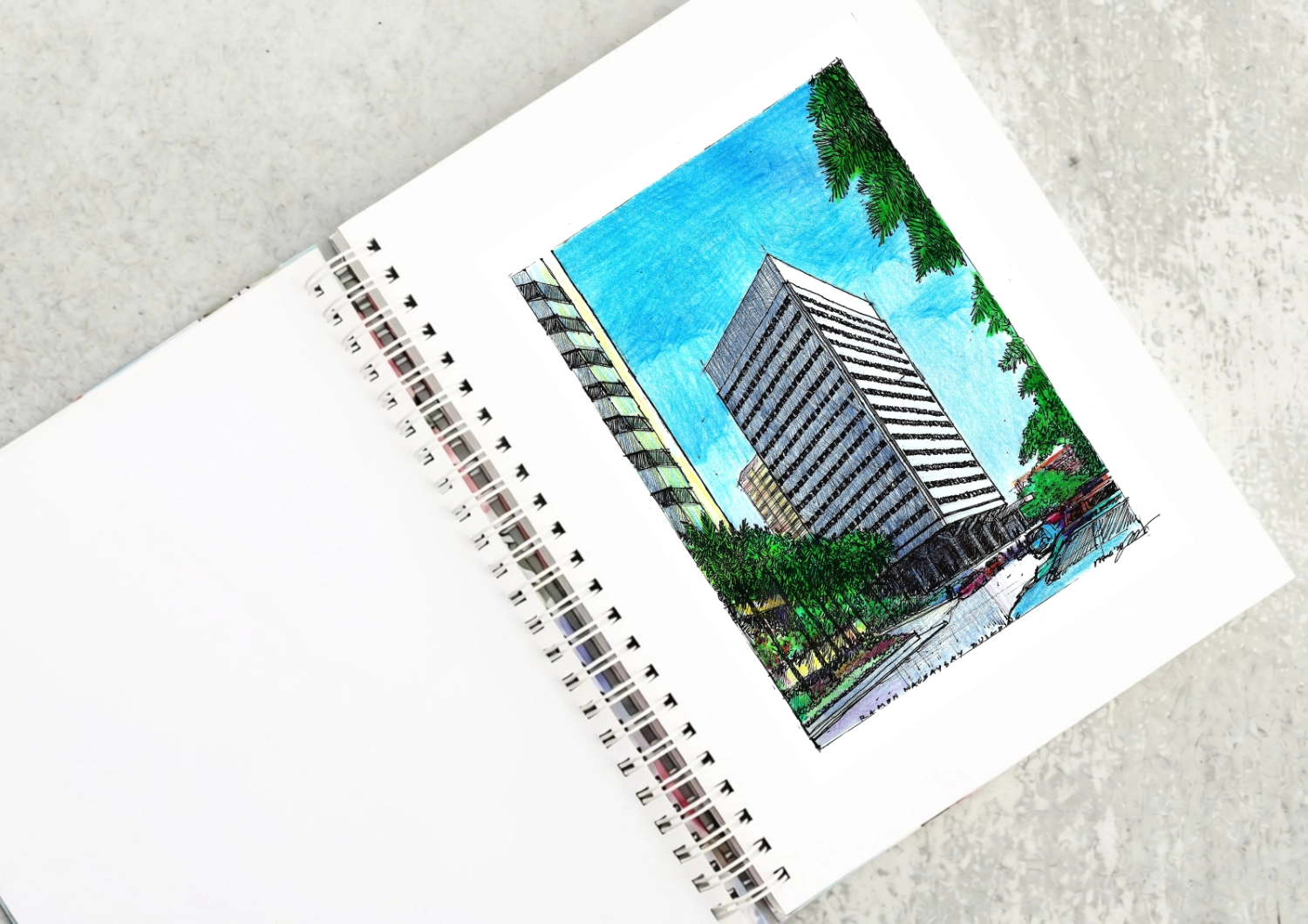
The Ramon Magsaysay Center as a Modernist Landmark Driving down Roxas boulevard from Rizal Park, what will catch your eye is the most elegant modernist structure in the country, the Ramon Magsaysay Center. Most established Filipino architects put it in their top ten lists of favorite buildings. It was designed by Alfredo J. Luz, who […]
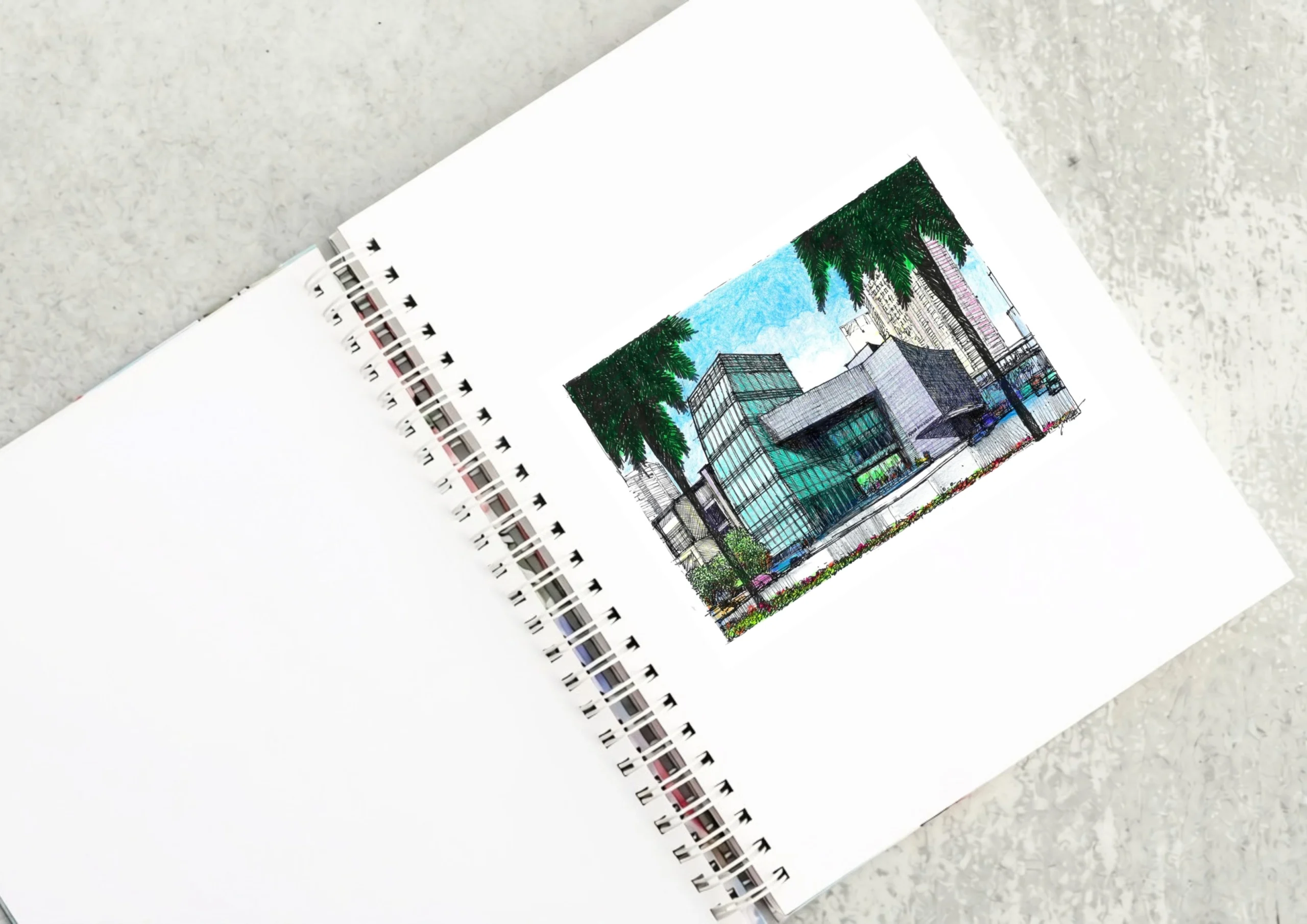
From Brutalism to Contemporary Modernism The Ayala Museum designed by the firm of Leandro V. Locsin Partners (LVLP) sits at the corner of Makati Avenue and Dela Rosa Street in Legaspi Village, Makati. This is actually the second museum of the same name in the area. The original, which was designed by National artist for […]
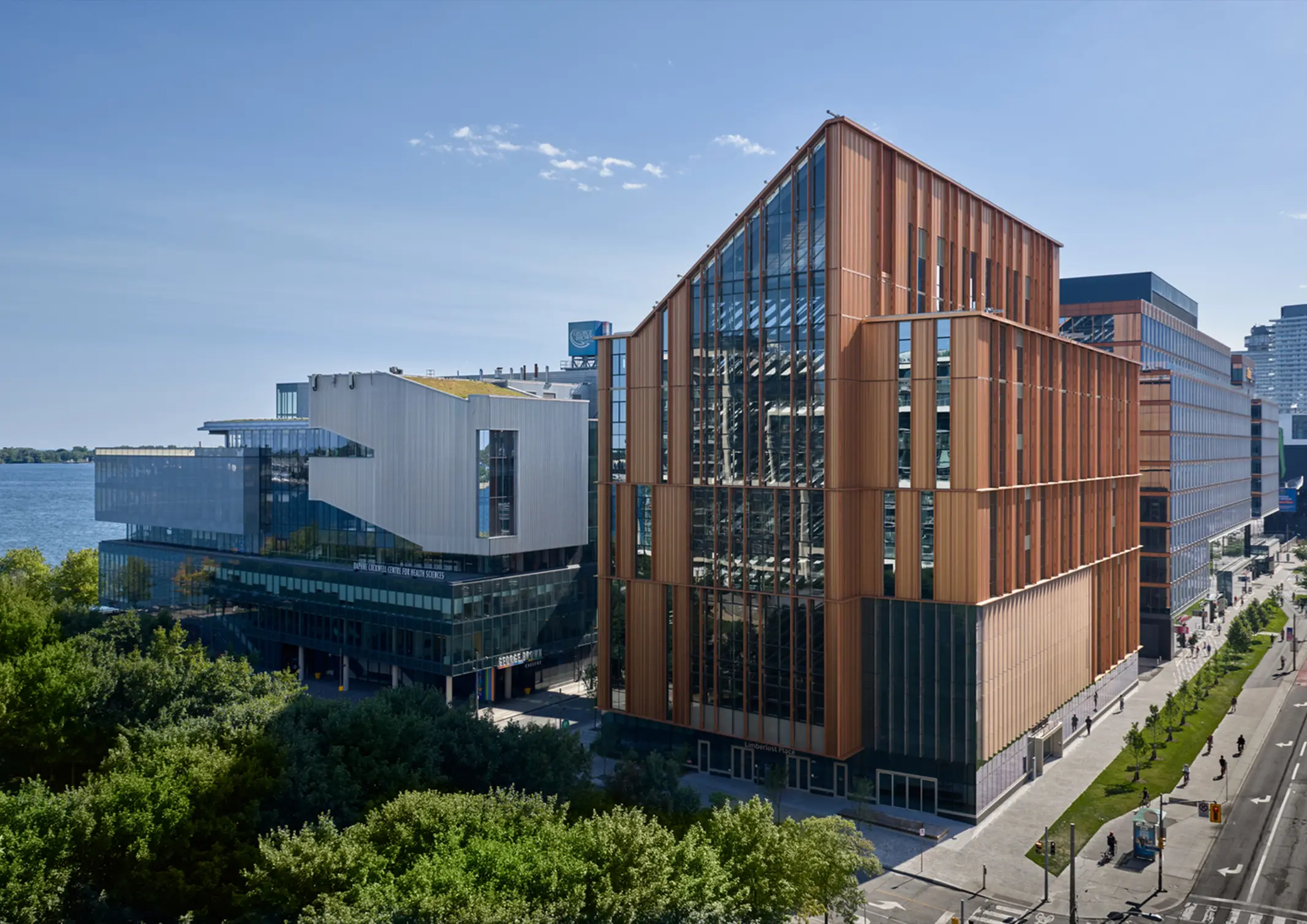
The projects recognized by Architizer’s 14th Annual A+Awards span architectureArchitectureThe art and science of designing and constructing buildings, structures, and spaces that are functional, safe, and aesthetically pleasing. It encompasses the planning, design, materials, and techniques used to createGo to Architecture Glossary, interiors, landscape, urban design, and sustainability. Organized by Architizer, one of the world’s […]
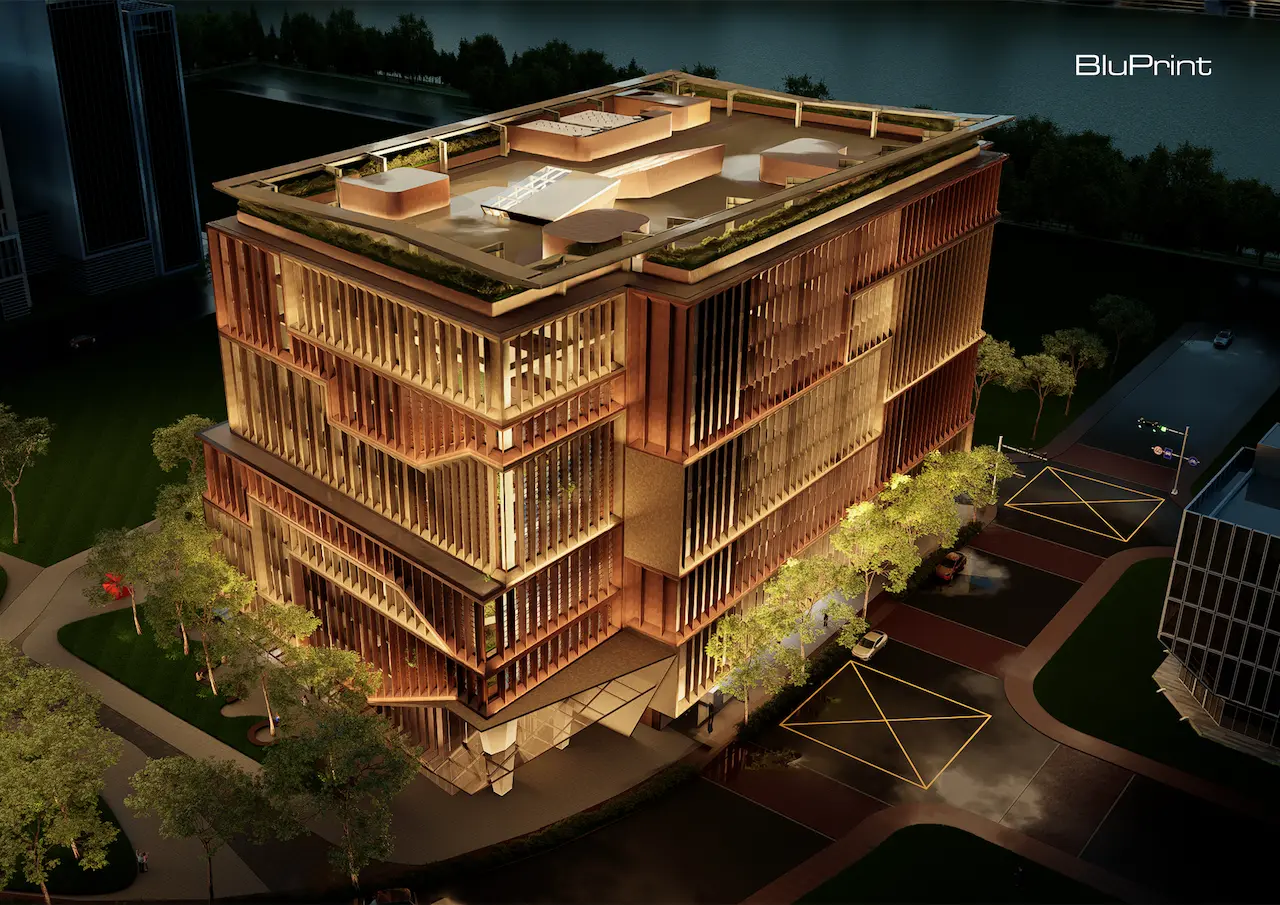
De La Salle-College of Saint Benilde (DLS-CSB) will open its new campus in Aseana City, Parañaque. Occupying a 3,845-square-meter site, the new development signals a fresh chapter for the college, where architectureArchitectureThe art and science of designing and constructing buildings, structures, and spaces that are functional, safe, and aesthetically pleasing. It encompasses the planning, design, […]
Read the issues.

Collect the volumes.

Recommended Video
Tap to Unmute
Unmute
0:00
0:00