Bigkis is the act of binding. In Tagalog, the word can refer to something used to bind or encircle, as well as a bundle formed by tying several separate elements together. Figuratively, it can also mean a bond, union, or unity. The meanings move from the physical act of joining things together to the connection […]
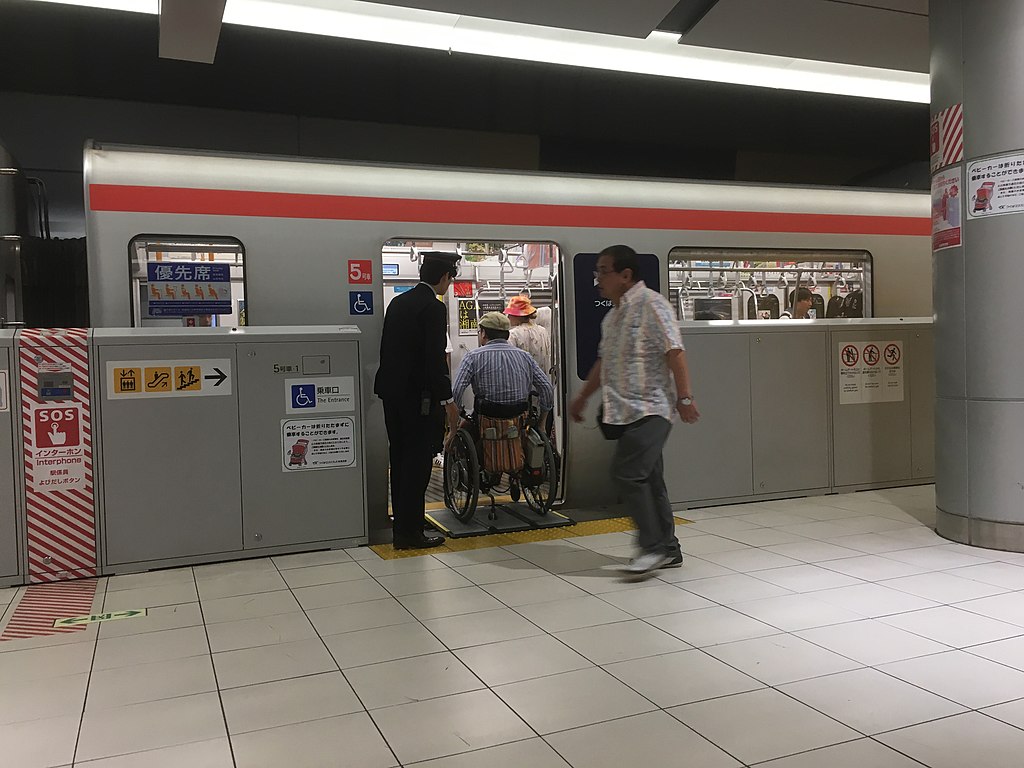
Disability Architecture: Ar. Jaime Silva on the Push for Accessible Spaces



How are we thinking about disability architectureArchitectureThe art and science of designing and constructing buildings, structures, and spaces that are functional, safe, and aesthetically pleasing. It encompasses the planning, design, materials, and techniques used to createGo to Architecture Glossary in today’s world? For architect Jaime Silva, the process of creating more accessible buildings is a constant effort to pursue the proper accommodations for persons with disabilities (PWD).
BluPrint sat down with the architect to discuss his advocacy for disability rights in the country. This discussion included his involvement with the Philippine Foundation for the Rehabilitation of the Disabled (PFRD), as well as a rundown of the evolution of accessibility measures in the country.
The Influence of the Apolinario Mabini Awards
During the conversation, Jaime Silva discussed the efforts of PWD groups to improve and enlighten corporations on how to make their buildings more accessible.
Silva, who is visually-impaired, said he got involved with PFRD in 2002 after he himself won an Apolinario Mabini Award. They invited him to become part of the selection committee. His involvement came after the organization desired to award more buildings and property managers for their commitment to accessibility.
Early on, around five buildings were chosen for the award. Most of the winners for the early years were malls, Silva said, “kasi malls had more the budget, eh? And they’re really public […] buildings.”
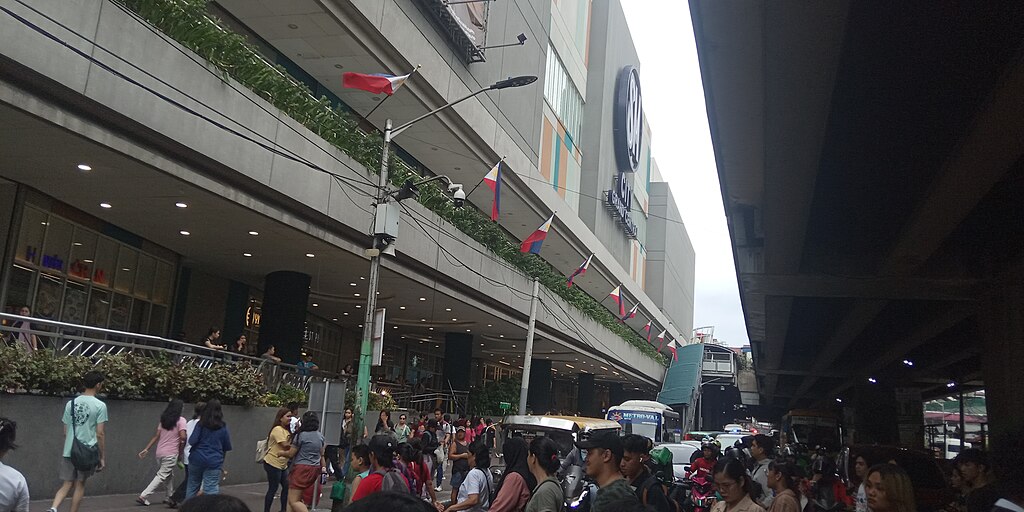
Over the past two decades, competition for the awards from major property developers like SM and Ayala pushed forward the cause of accessibility in the country. Their nomination pool for compliant buildings has grown from eleven in 2005 to over 300 in 2023.
The eagerness for the award also pushed other developers to vie for the accessibility award by renovating their buildings to fit the criteria better. They’ve worked with developers such as Robinsons and Filinvest to modify their structures accordingly.
Silva warns, however, that such adjustments take years to work through. It boils down to the specifications needed to make it safe for PWDs. For example, one needs a certain slope, distance, and gradient for wheelchair ramps to work properly and safely.
“We tried, of course, but it will take a while, eh. Because these are infrastructures, and if not done correctly, it will need a [bigger] budget to correct them, to rectify,” he said. “But what is important is they are aware.”
The Evolution of Disability Laws
Jaime Silva also works as a sub-chair for the National Council on Disability Affairs’ subcommittee on accessibility and transportation. He said that he and other disability advocates recently worked to update the current implementing rules and regulations (IRR) of Batas Pambansa 344.
The updates included different additions for the mentally-disabled, the blind, the deaf, and so on. These came about because he said that the original law focused more on ambulatory disabilities, ignoring the needs of other PWDs.
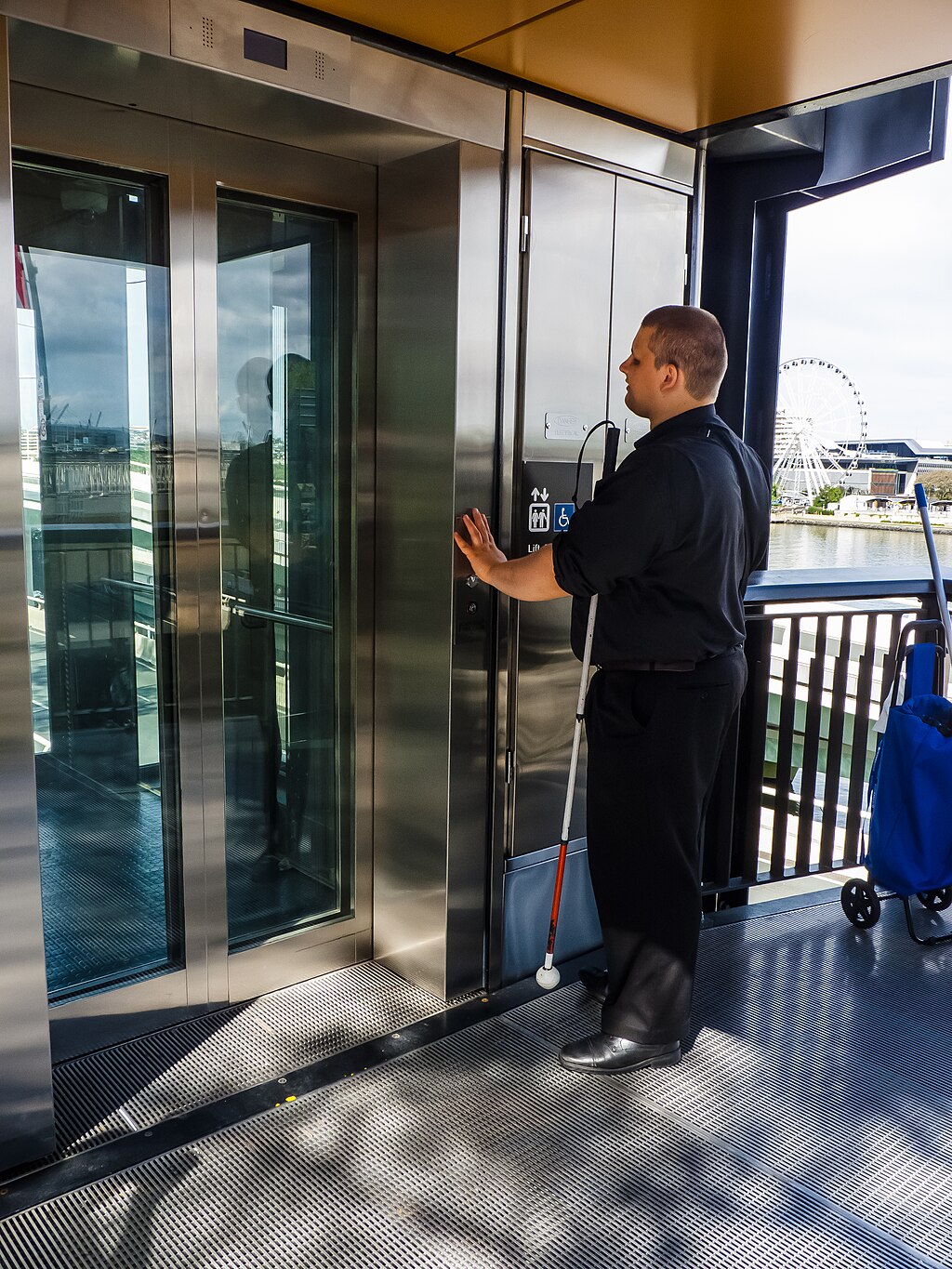
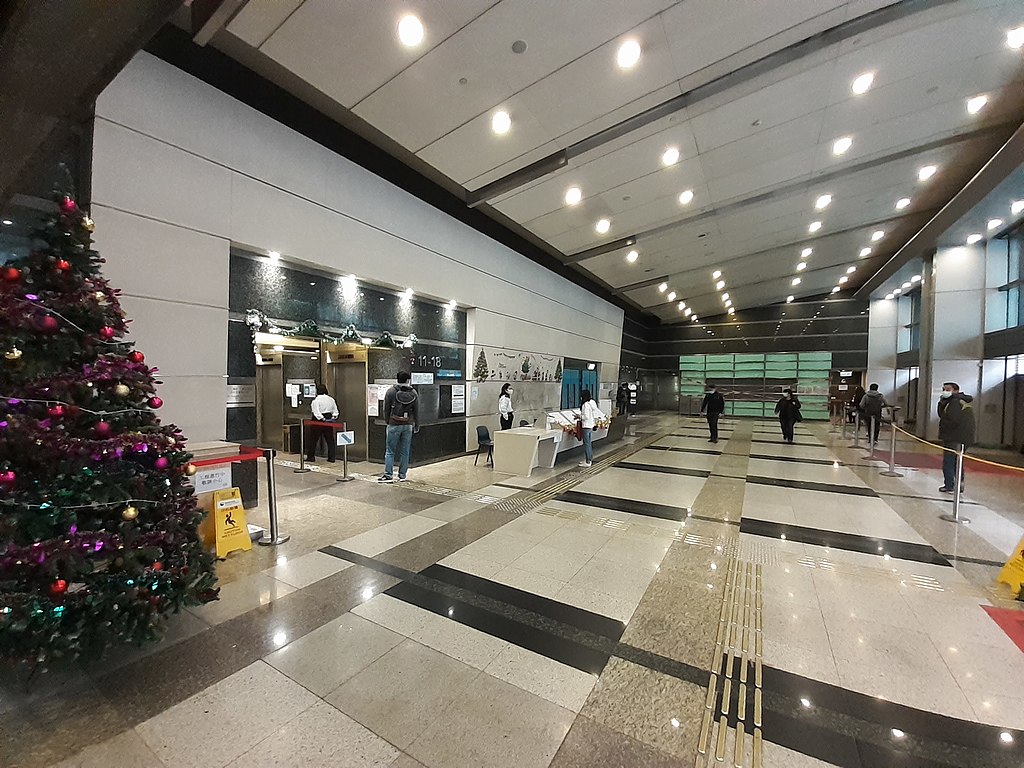
Some of the new updates push for braille on elevators, including on the doors itself to help the blind know what floor they are on. There’s also a push for bathrooms to have enough space for wheelchair users to be able to navigate inside it alone. Tactile floor surfaces—hard lines and circles on the floor creating a guiding path for the blind—also becomes a requirement in different transportation hubs.
Crafting Reforms in the IRR
These ideas were proposed in early 2013. Delays in the implementation took close to a decade, largely due to trying to ensure that the new rules still fell within the purview of the original law. The current update allowed for the rules to be reviewed and modified every two years, allowing for new studies to be incorporated into the laws.
“Nilagay namin ng provision that this has to be revisited every two years,” he said. “Kasi baka may mga changes. Baka there are some provisions that we did that [makes it] more difficult for persons with disabilities to use. So we can always revise that, you know. Or if there are things that we missed, pwede na namin, insert, isingit, you know.
“So, basically, it will continue to be like that. We implement, and then if there are some changes, then we revisit, and then come up with changes, and disseminate again.”
The Slow Charge of Progress
The continued push for accessibility has not always been steady. Much of it comes from a lack of political will and support from those in power.
For example, then-President Rodrigo Duterte refused to allow PFRD to hold the 2017 Apolinario Mabini awarding at the Heroes Hall function area in Malacañang Palace. This forced them to seek new accommodations for that year despite the tradition of the awarding being set there. Silva said that they only do the awarding in non-election years to ensure the support of the people in office.
He also calls out the need for inclusive schools, blaming much of the shoddy architectureArchitectureThe art and science of designing and constructing buildings, structures, and spaces that are functional, safe, and aesthetically pleasing. It encompasses the planning, design, materials, and techniques used to createGo to Architecture Glossary to them being rushed out by local government officials looking for easy recognition.
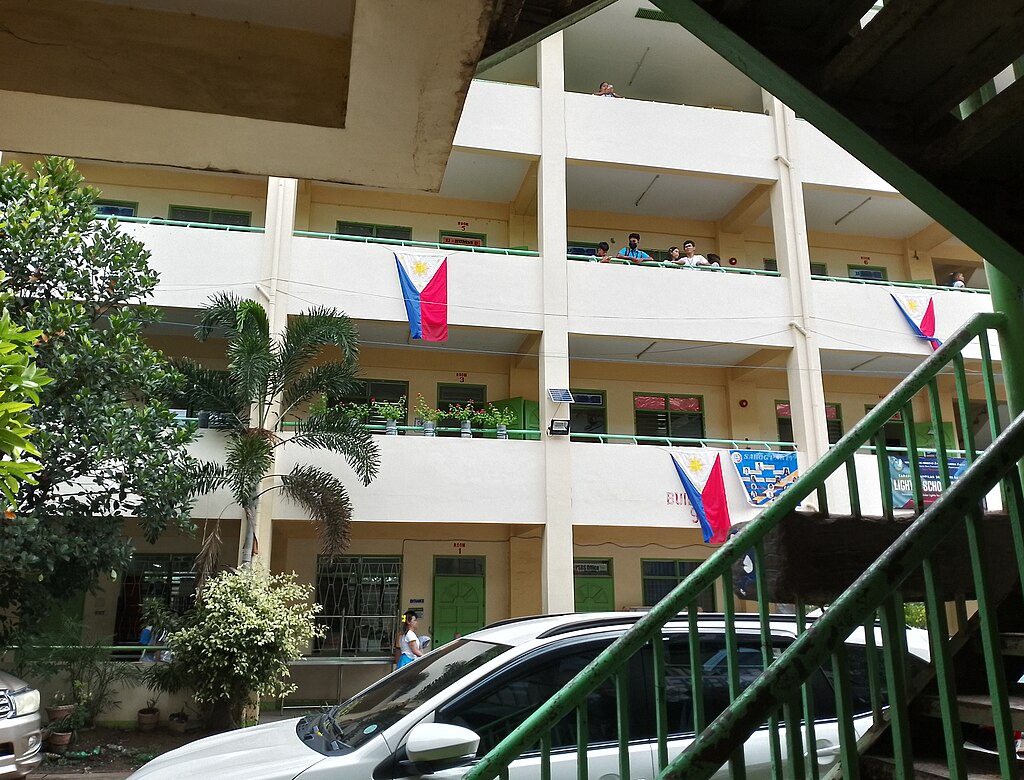
“Ang problem kasi sa school: sometimes these are donated by the mayor, he said. “So yung building official, dictado siya ni mayor, pinaspasan, tapos hindi naman that accessible. Tapos yung facility engineers ng DepEd, pinapapirma na agad si principal para magamit na niya yung school na ginawa, which is not really that accessible. Pero si principal, walang namang alam sa technical, pipirma siya, kasi kailangan.
“At the end of the day, nandoon ang school, pero hindi siya accessible, kaya yung mga naka-wheelchair nahihirapan.”
Pushing Architects Towards Accessible Spaces
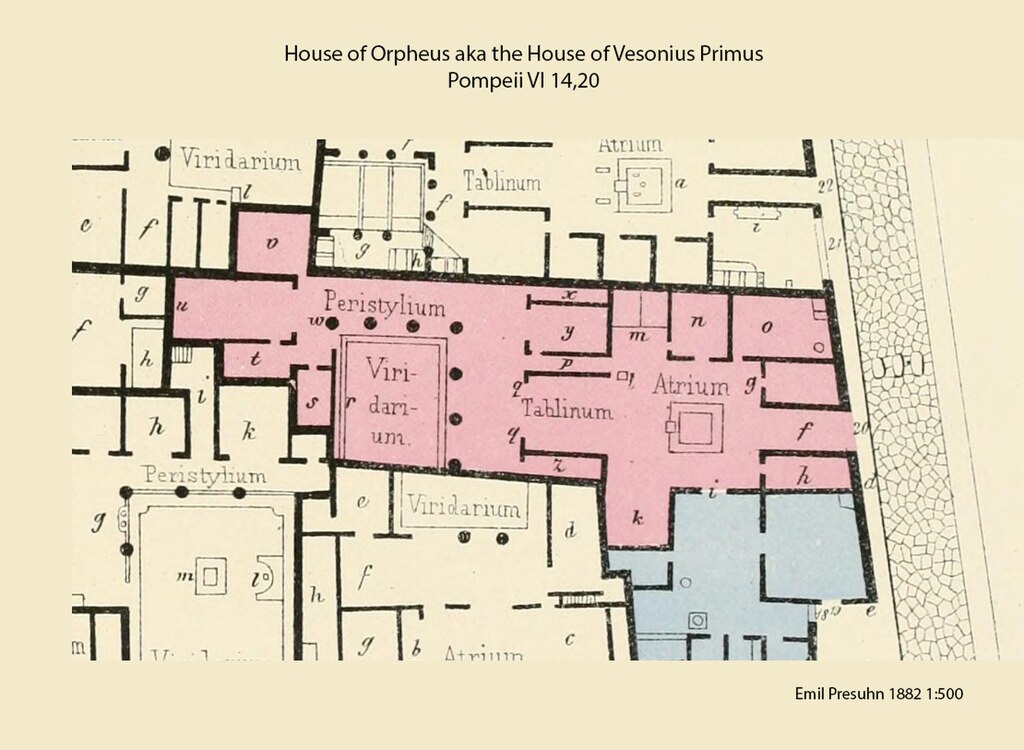
Part of the slow charge for progress also comes from some architects not seeing its importance in buildings. One of the new rules pushes for accessibility sheets with specific dimensions instead of just the basic floor plans. The specificity in these areas allow contractors to better visualize the ramps, bathrooms, and other spaces in a PWD-friendly way.
He illustrates this problem with an excursion he ended up doing in the Barangay San Lorenzo, Makati where he checked the buildings there for compliance to BP 344. Despite being built after 2000, he said that most of the buildings were not compliant to the law.
“I’ve been voicing it out with the NCDA, the Council on Human Rights, the DPWH, that we should have an accessibility sheet,” he said.
Pushing Forward a Equal Future for All
Jaime Silva emphasized how architecture has changed to accommodate PWDs in the country. Even with blunders such as the recent wheelchair ramp made for the EDSA busway, spaces across the country continue to improve slowly towards accessibility.
“These are new developments we are seeing,” he said. “Because these developers, they also want to make their facilities accessible. And because of this law, because of the recognitions we are giving, they also want [to be more accessible].”
The NCDA, PFRD, and other organizations also work to ensure that PWDs are trained and empowered to participate in the betterment of society in general.
“At least there’s some movement,” he said. “That somebody is focused on this and working on this.”
How we accommodate the marginalized members of our community shows our values as a society. The progress of disability architecture in our country, slow as it may be, predicts a better future where society values people as people, regardless of wealth or status or influence. PWDs deserve a place in our country where they can live with dignity and respect.
Related reading: Banksy Universe Was Never Pre-Approved
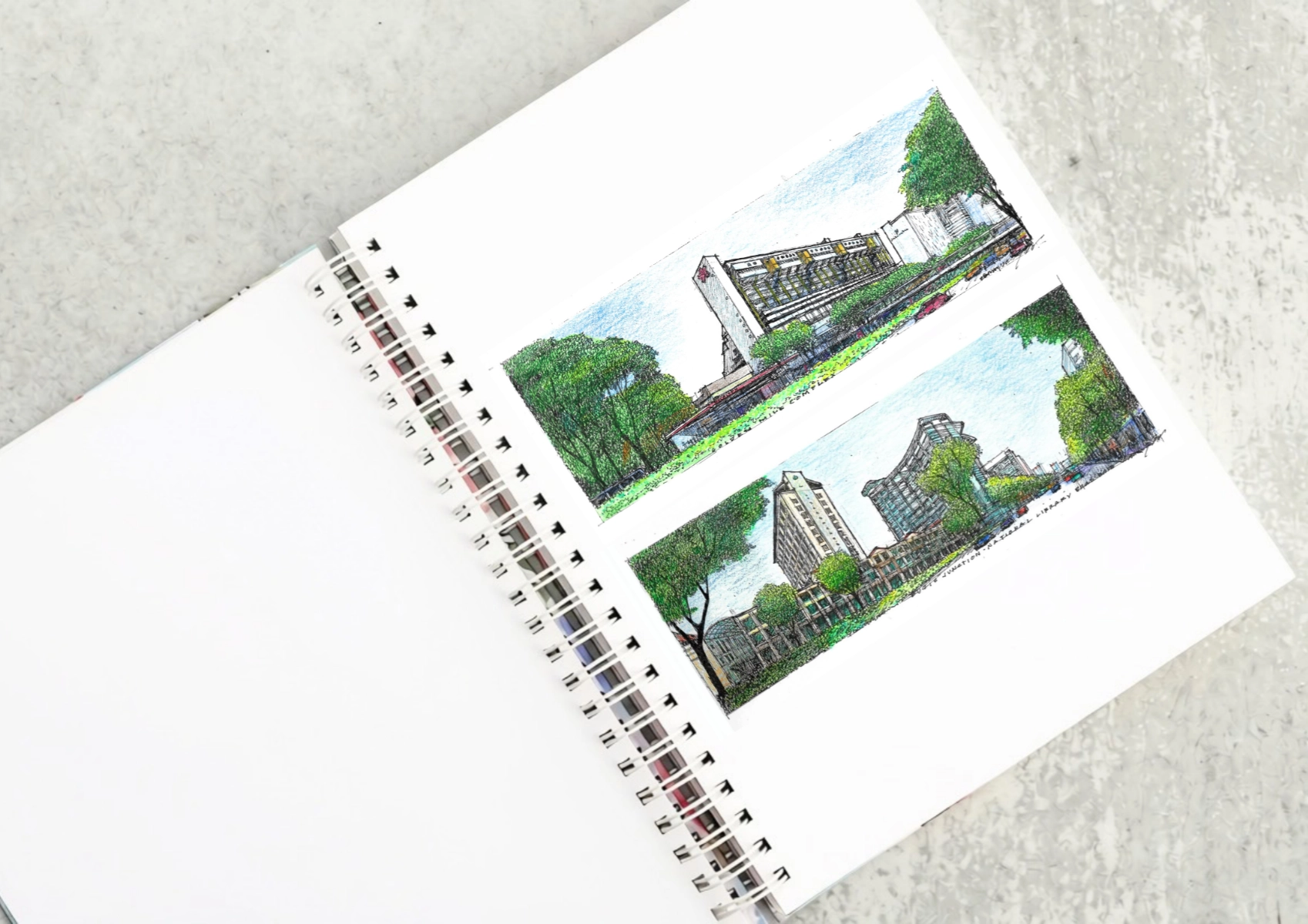
Two sketches of Singapore connect BluPrint Editor in Chief Paulo G. Alcazaren’s personal and professional history with Shared Ground: ArchitectureArchitectureThe art and science of designing and constructing buildings, structures, and spaces that are functional, safe, and aesthetically pleasing. It encompasses the planning, design, materials, and techniques used to createGo to Architecture Glossary of Care, Culture, […]
In a way, designers are the modern-day soothsayers and prophets. They design for the future, predicting how a room, a house, a building or a whole city will be used by people. They foresee how users will interact with a space, conjure exact shades of colors to elicit specific behavior and arrange furniture to build […]
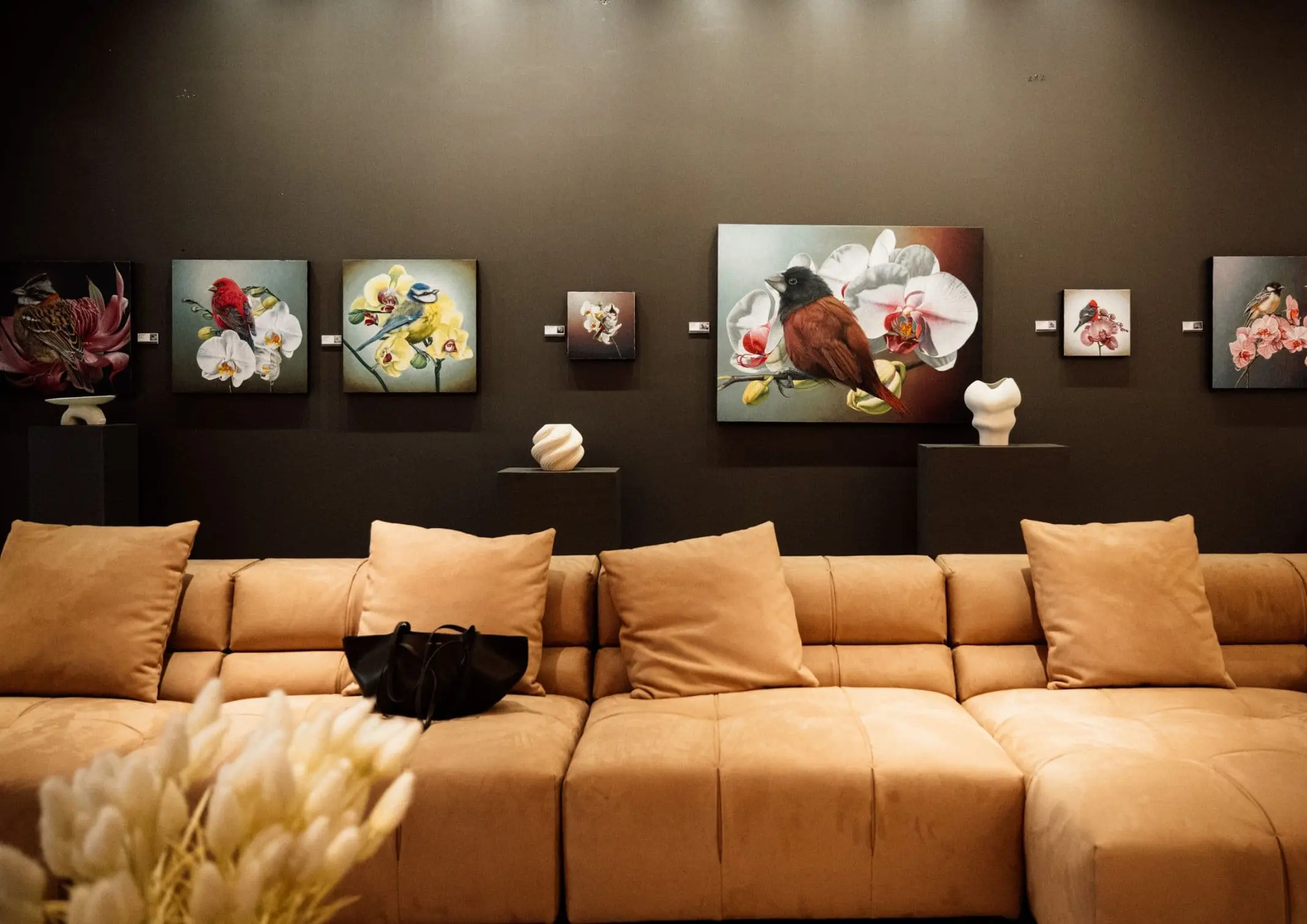
Art and furniture are often selected separately, yet their relationship can shape how a room looks and feels. The collaboration between Hooga and Galerie Joaquin explores how these elements can work together, bringing contemporary artworks into furnished residential settings at Hooga’s showroom in Uptown Mall, Bonifacio Global City. For Hooga, which curates furniture, lighting, and […]
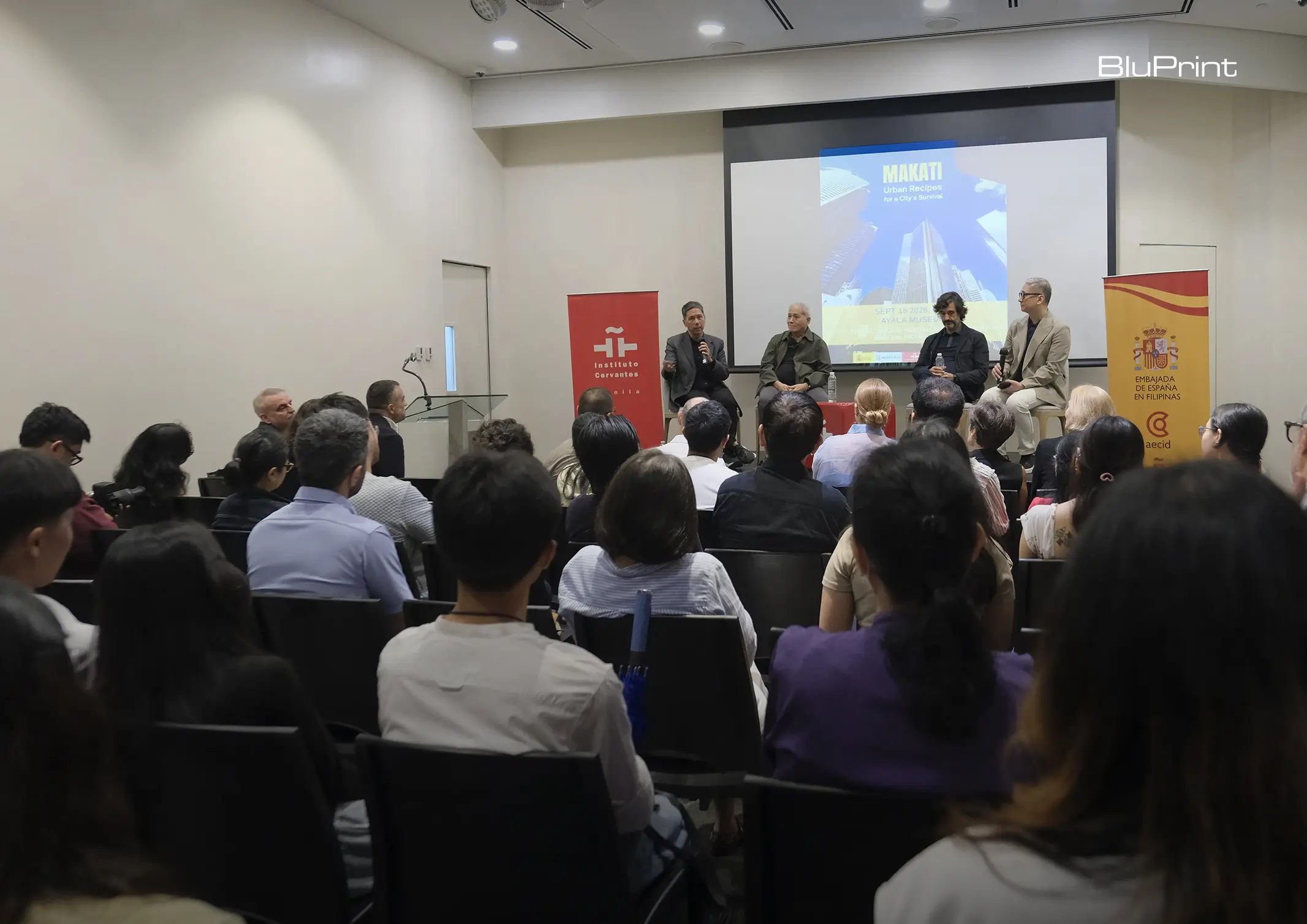
How can better-planned cities create the conditions for more creative, livable, and resilient urban environments? “Makati Urban Recipes for a City’s Survival,” a colloquium held at the Ayala Museum on September 15, brought together architects and practitioners from the fields of urbanism and the creative economy to discuss how design, planning, and collaboration can address […]
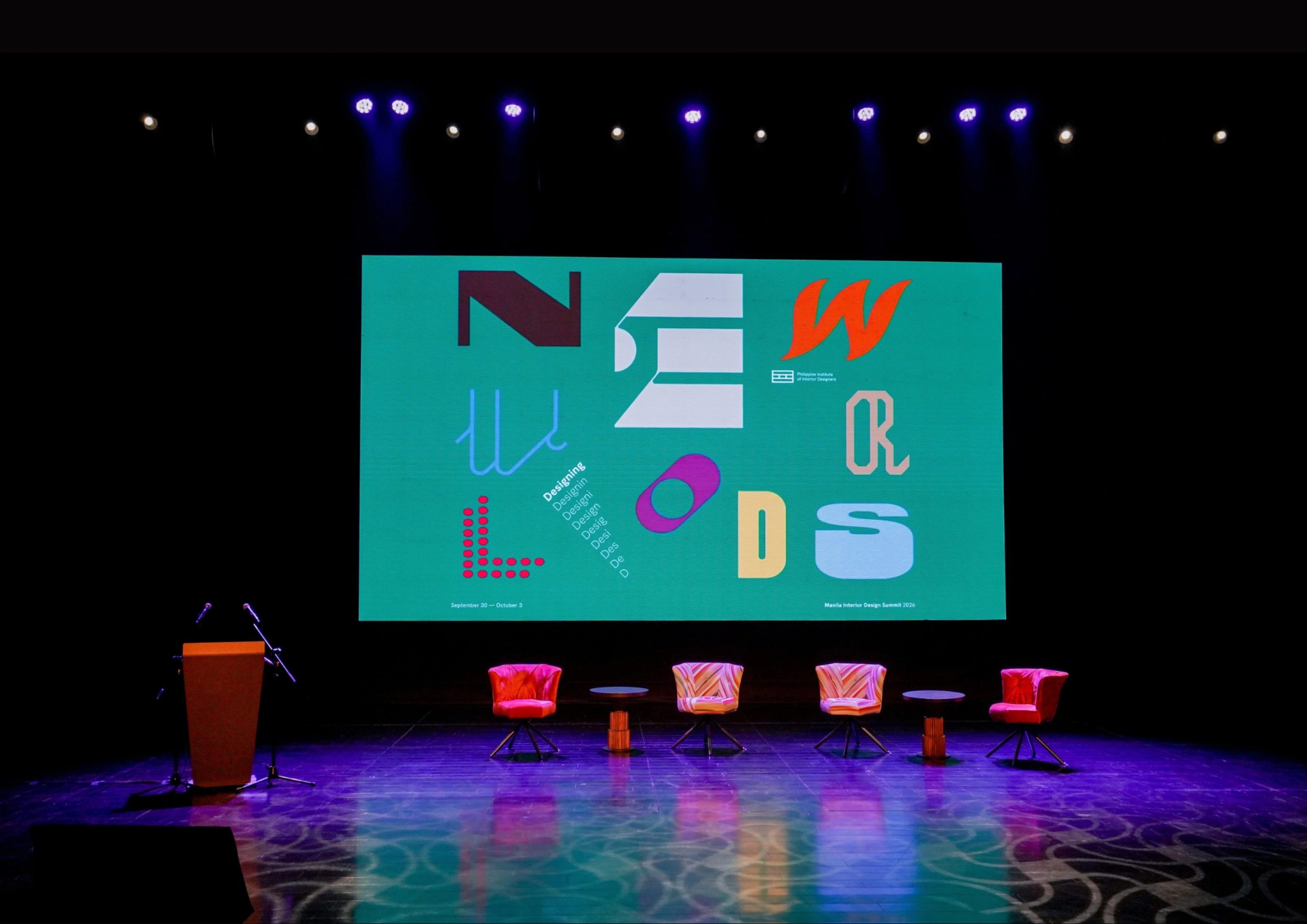
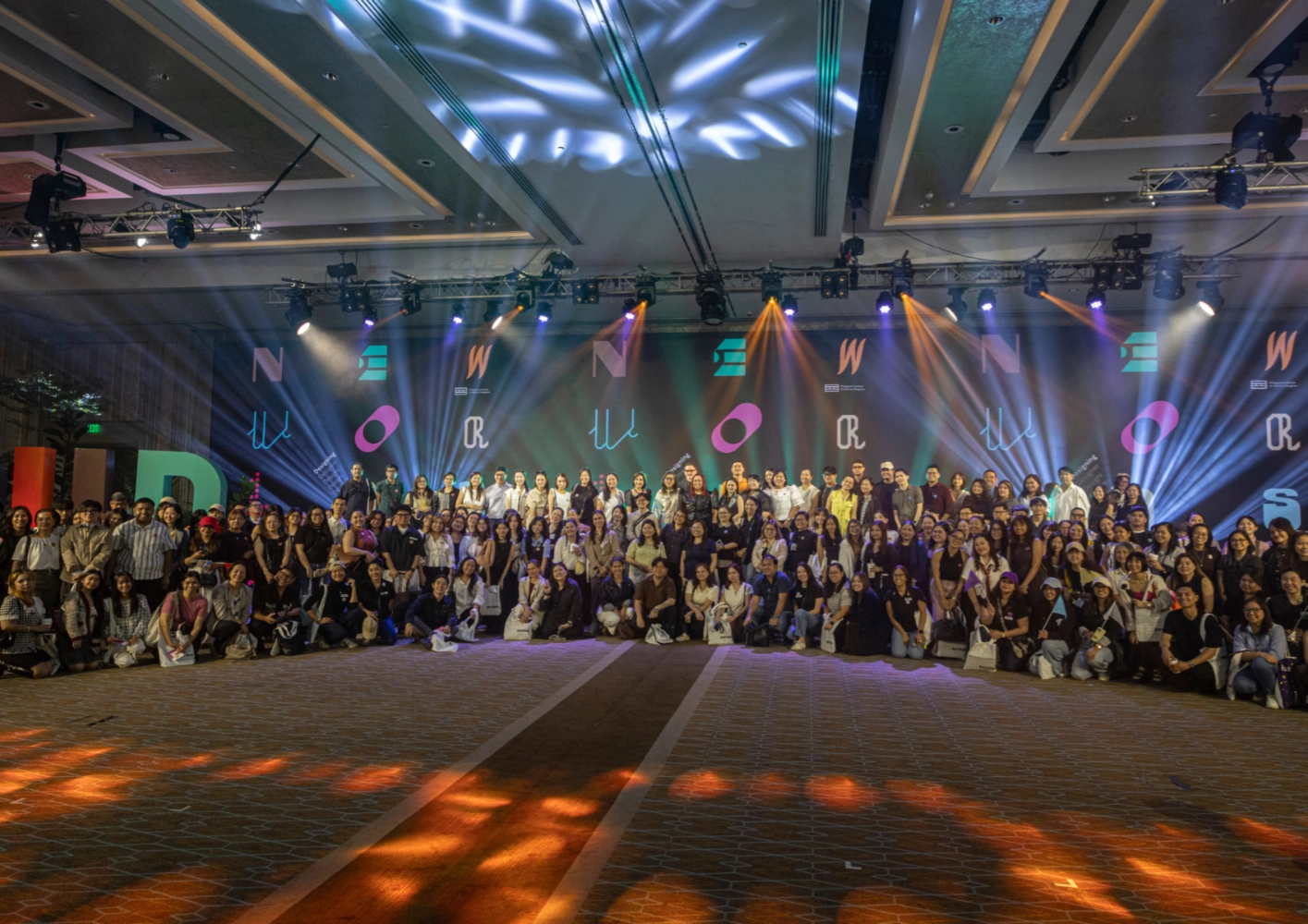
The fourth Manila Interior DesignInterior DesignThe discipline of planning and shaping interior spaces for function, comfort, safety, and beauty. It covers layout, lighting, materials, finishes, furniture, and color, and in the Philippines is a licensedGo to Interior Design Glossary Summit (MIDS) brought together more than 300 delegates for four days of conversations, exhibitions, and design […]
Read the issues.

Collect the volumes.

Recommended Video
Tap to Unmute
Unmute
0:00
0:00