Archie G. Carrasco, Chairman and CEO of AGC Power Holdings Corp. (AGC PHC), has been named to The BoF 500 Class of 2026 under the Media category, joining The Business of Fashion’s global community of individuals shaping the fashion industry. Carrasco is among 100 new members from 33 countries and 48 nationalities selected for the […]
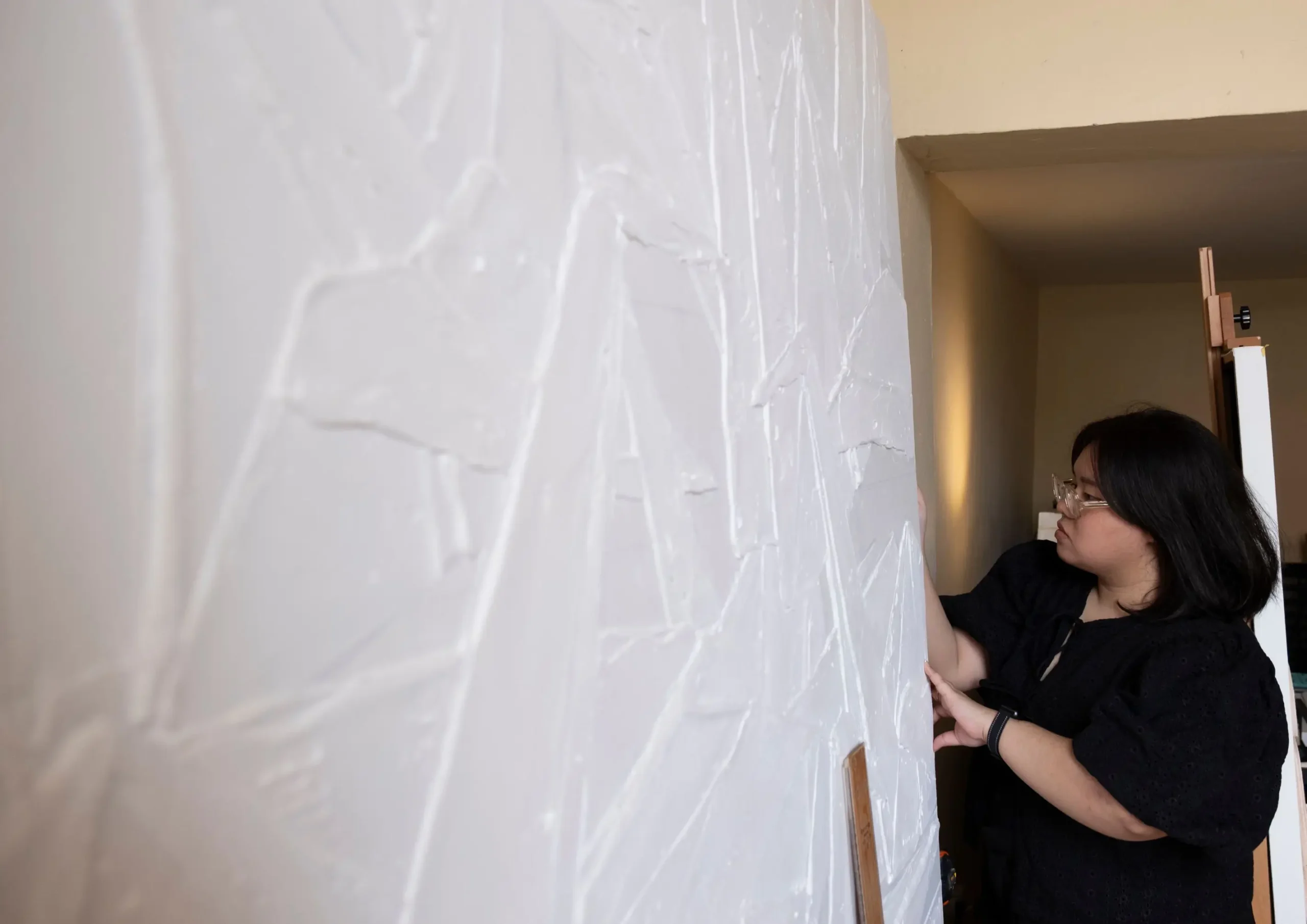
Thea Quiachon Makes Material Art of Abstract Emotions



Our world today seems to push us towards an inevitability of a single purpose. For our society’s narrative, the goal is to find one profession to be an expert in, and to do it for as long as we are alive. But sometimes life surprises us by leading us down different roads, and for Thea Quiachon, it led her away from architectureArchitectureThe art and science of designing and constructing buildings, structures, and spaces that are functional, safe, and aesthetically pleasing. It encompasses the planning, design, materials, and techniques used to createGo to Architecture Glossary and towards art.
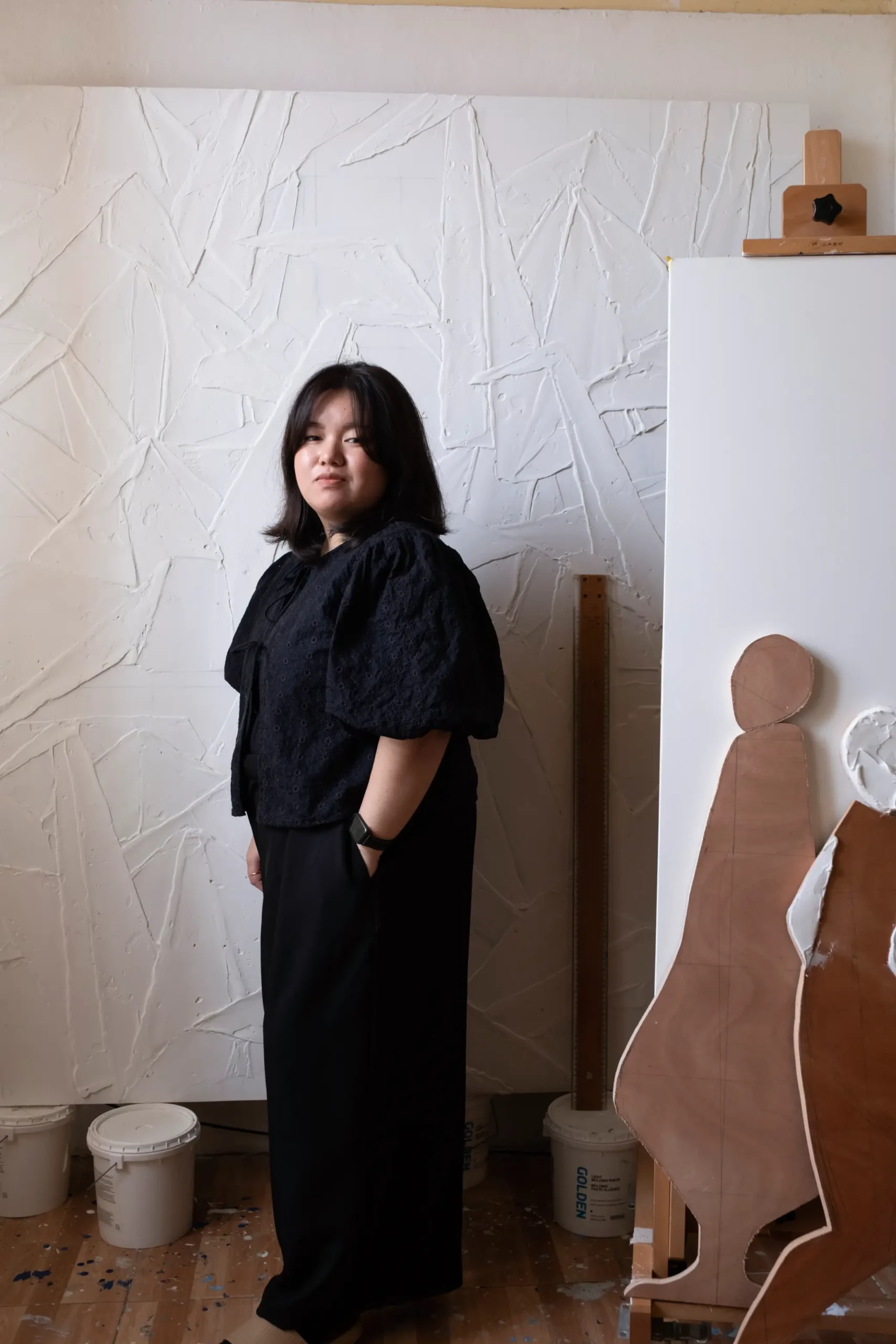
Quiachon has been a working artist since the pandemic, specializing in a Neo-Classical style that evokes Grecian art and modernity within a single canvas. Her most recent exhibition, A Glimpse into the Dreamer’s Reality, showed a progression of her style, leaning into abstraction as she wills us into a journey of provocative ideas.
BluPrint interviewed Quiachon in her studio, delving deeper into her influences, inspiration, and the journey of self-discovery through art.
Changing Lanes
Before the COVID-19 pandemic, Thea Quiachon believed she was on a set path towards architectureArchitectureThe art and science of designing and constructing buildings, structures, and spaces that are functional, safe, and aesthetically pleasing. It encompasses the planning, design, materials, and techniques used to createGo to Architecture Glossary. Working as a junior architect climbing through the ranks, painting was only something she did in her spare time.
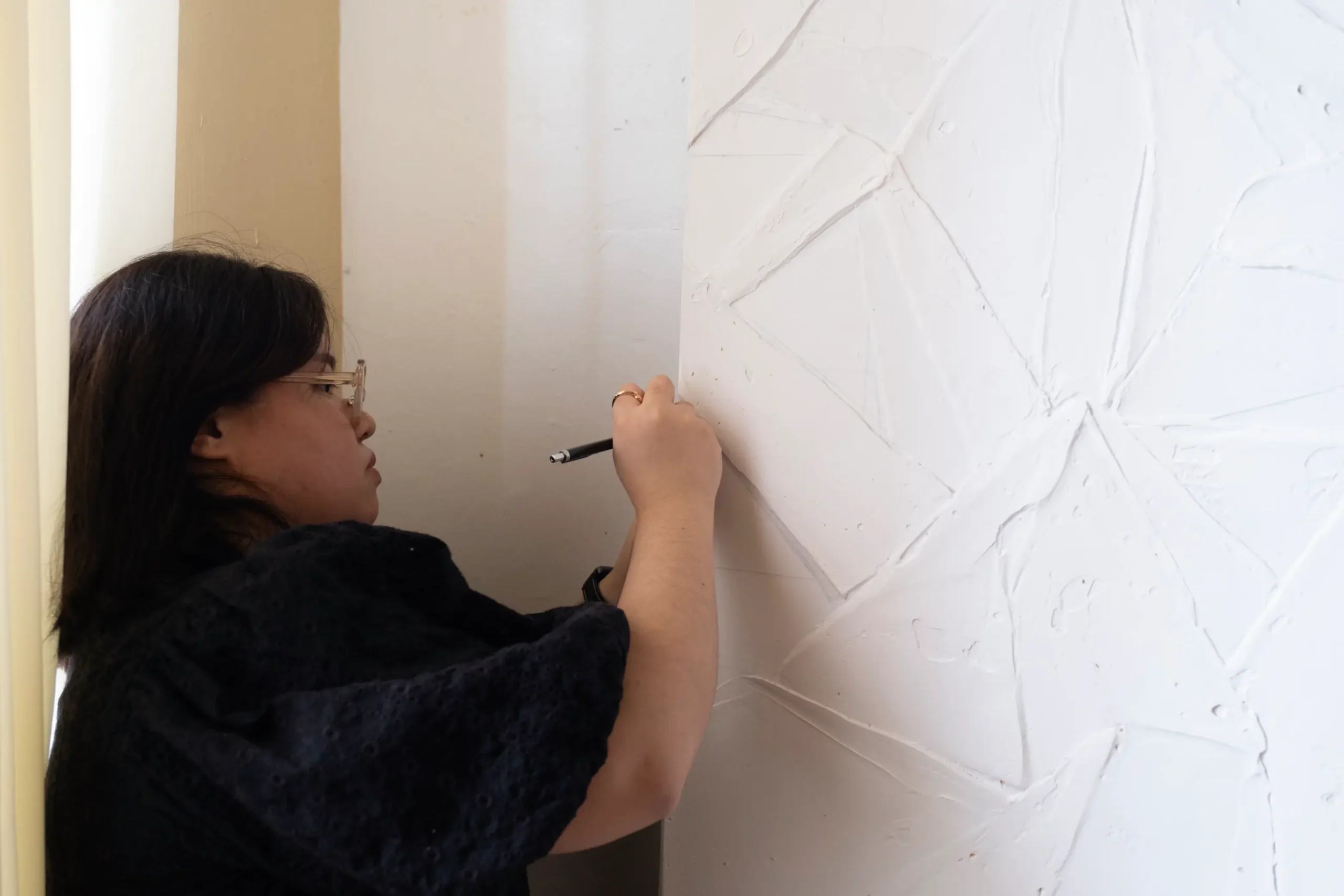
“And then the pandemic came, and I became more focused in art,” she explained. “So even when I went back to work during the pandemic, I was still painting, and then [it] became more serious.”
She started exploring and experimenting in her stylistic forms, first submitting her work on online shows. “I submitted my portfolio to Cartellino,” she elaborated. “I did a solo online release with [them] and then I was invited to do a physical solo show with Galerie Stephanie. And I’ve been with them ever since.”
The Art in Architecture
It’s easy to see why a gallery would be enamored with Quiachon’s art: her works have a distinctive texture and structure that mixes the Classical forms of Greco-Roman art with a more impressionistic and minimalist sensibility. A distinguishing characteristic of her art are the tiny faceless figurines that exist within a spacious, almost barren background, giving her paintings a haunting feel.
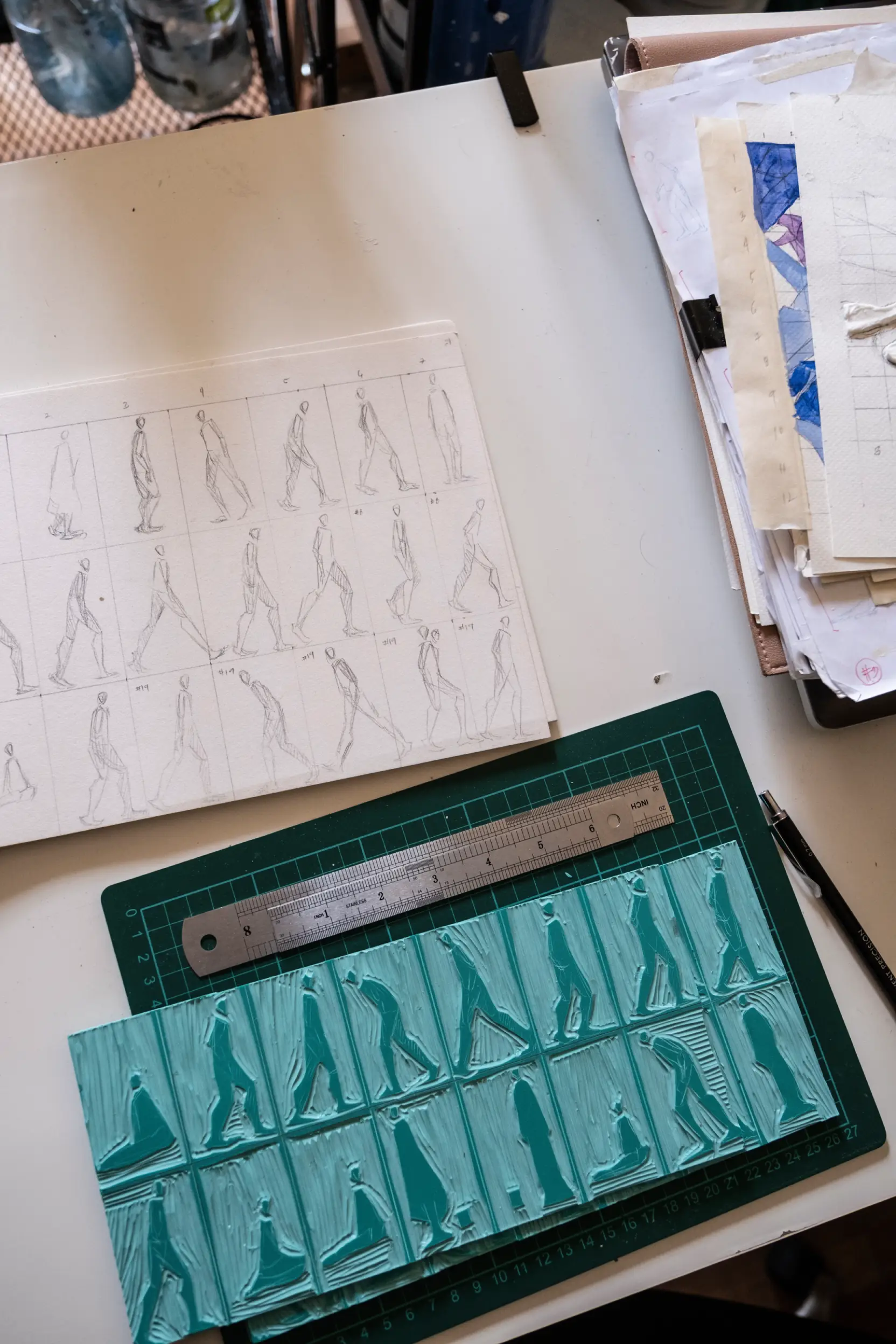
“ It’s actually a scale figure used in architectural sketches,” she explained. “ I don’t think I’ve ever told people that. You do a sketch, and every architect has their signature way of sketching. So this is mine. It became a texture when I became a painter.”
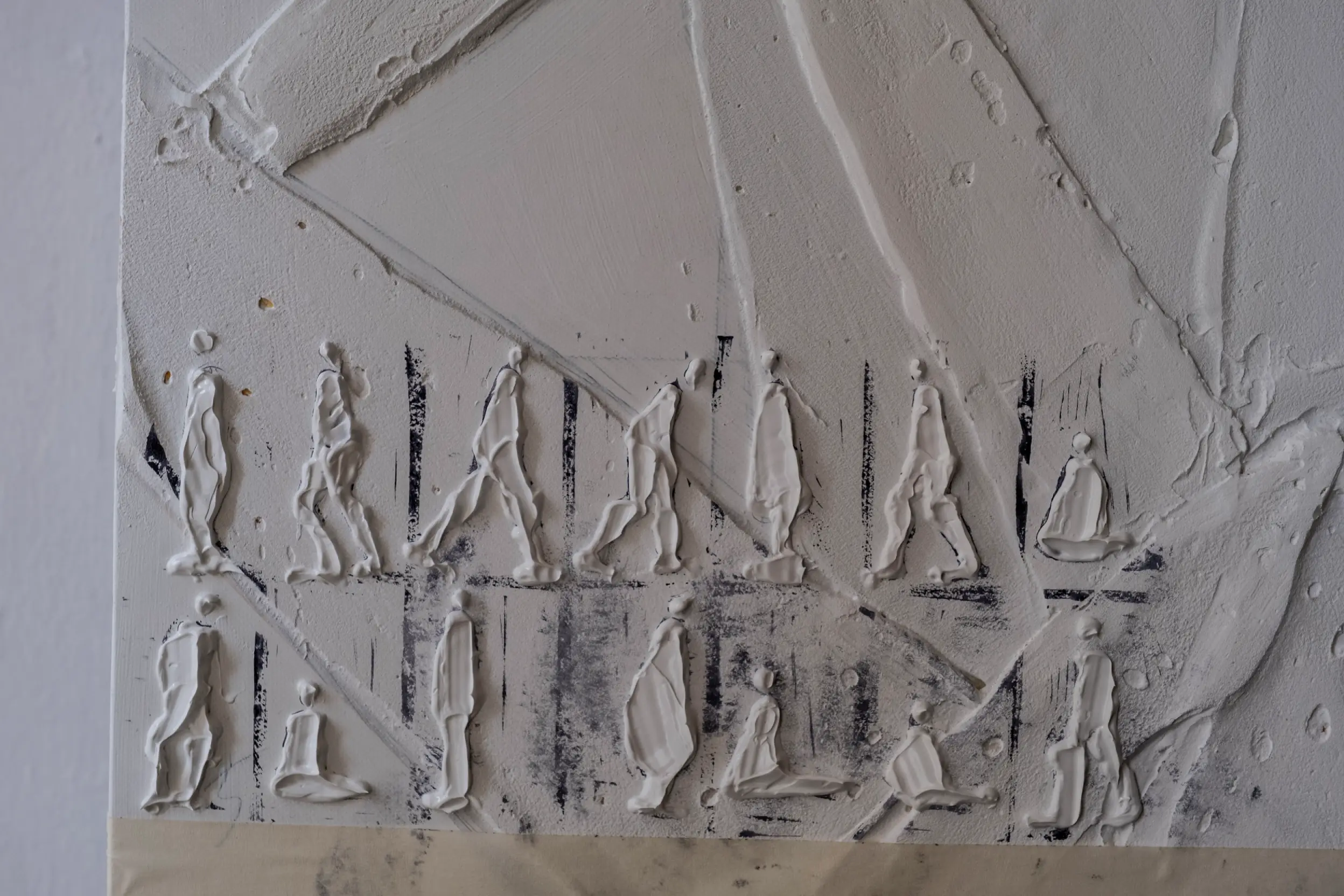
More than anything, Quiachon emphasizes the importance of texture in her pieces. She uses the impasto method, putting the mix of plaster and paint thickly with a painter’s knife, to create the stone-like textures of the figurines of her paintings.
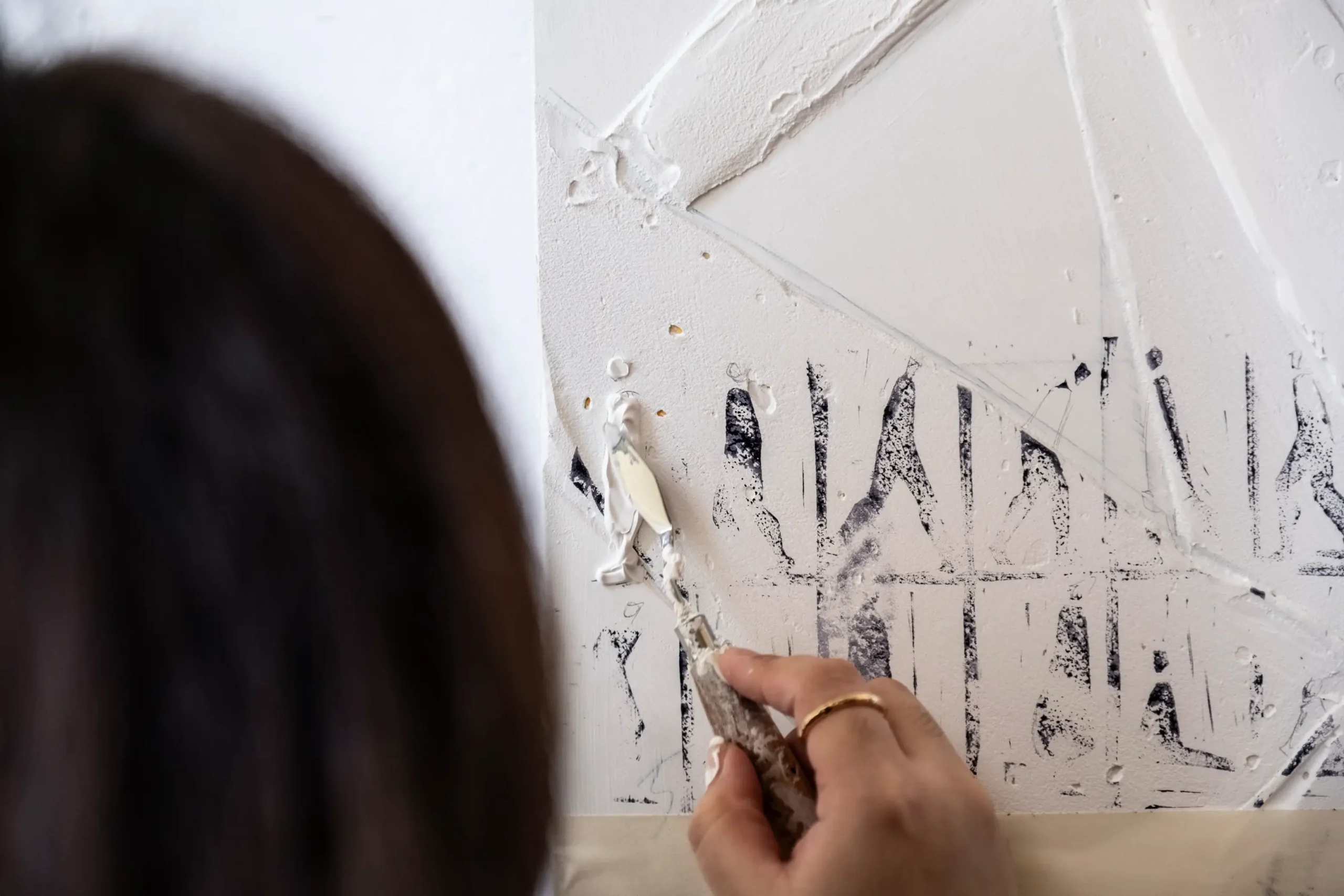
“At first it was just like, I was painting very heavily. I used paint and I let it dry so heavy,” she said. “And then I explored more on [other] mediums.” When she first used impasto, she put her canvas near a window and was intrigued by the shadow it would cast when sunlight hit the painting.
The way the light and shadows created additional details in the work intrigued her, further refining the technique over the course of her shows. She leaned towards those details, crafting more three-dimensional works that played with that aspect of her art.
“I used to get so frustrated because I can’t photograph it in a particular way,” she said. “It looks different here and then it looks different there. Then I just learned that that’s the beauty of it. Like texture, you put it in different places [and] every time it’s gonna look different. It’s gonna rely on the environment; I love the shadow and the light aspect.”
‘The Styles Are A Lie’
This focus on creating a coarse, three-dimensional image informs all of her process, from color to how she composes figures on the canvas.
“ If it’s texture, most probably it’s gonna be monochrome,” she said. “ Kasi I want to focus on the light and shadow. So if there’s a flat surface, I’m more likely to paint on that, to paint an image on that. It’s more focusing on the light.
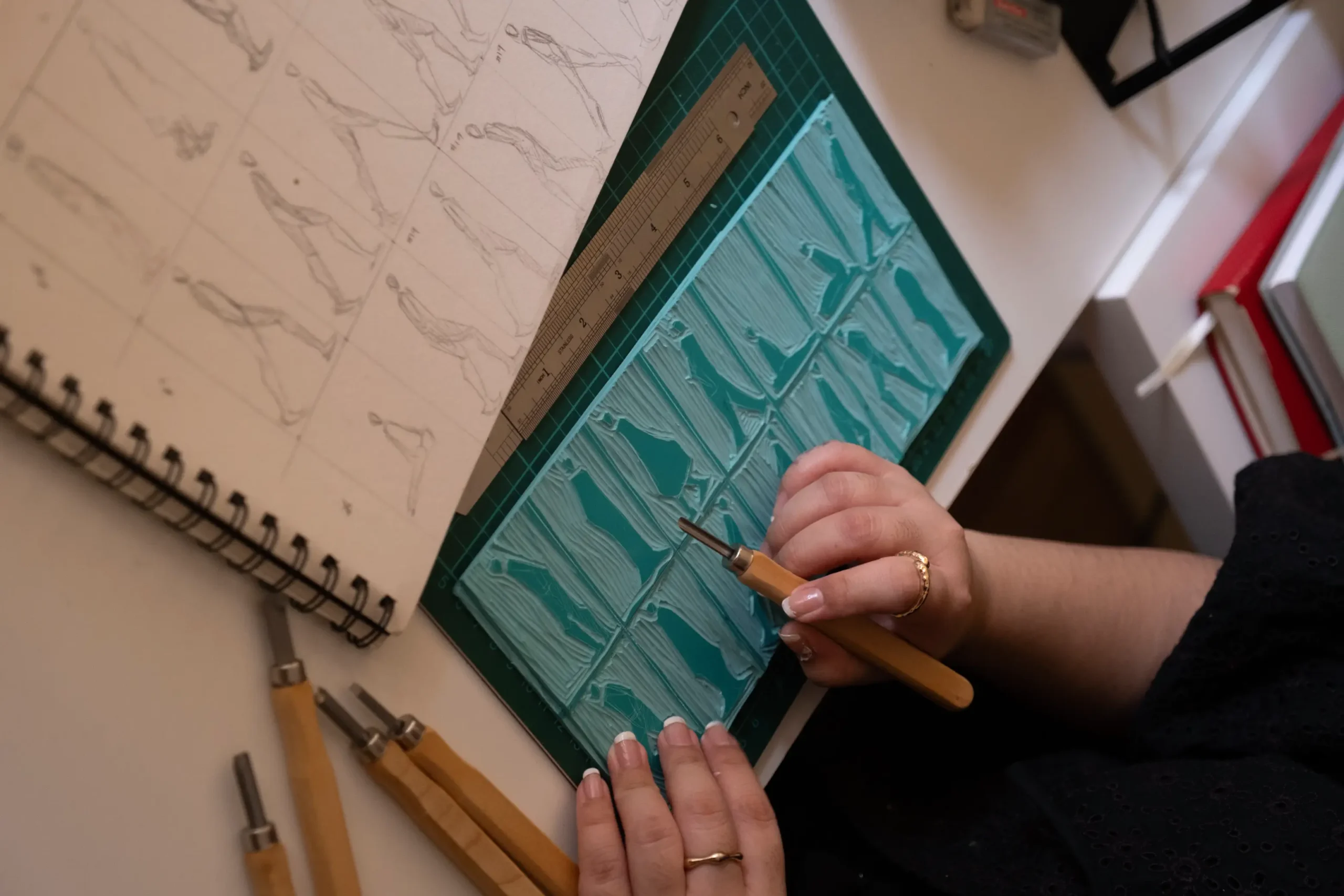
“I’ve tried other colors. I think one thing I probably won’t do is mix color on texture. I want the texture to be so raw, [that] you focus on it. Very minimal, I think. It looks minimal, but the process, not very.”
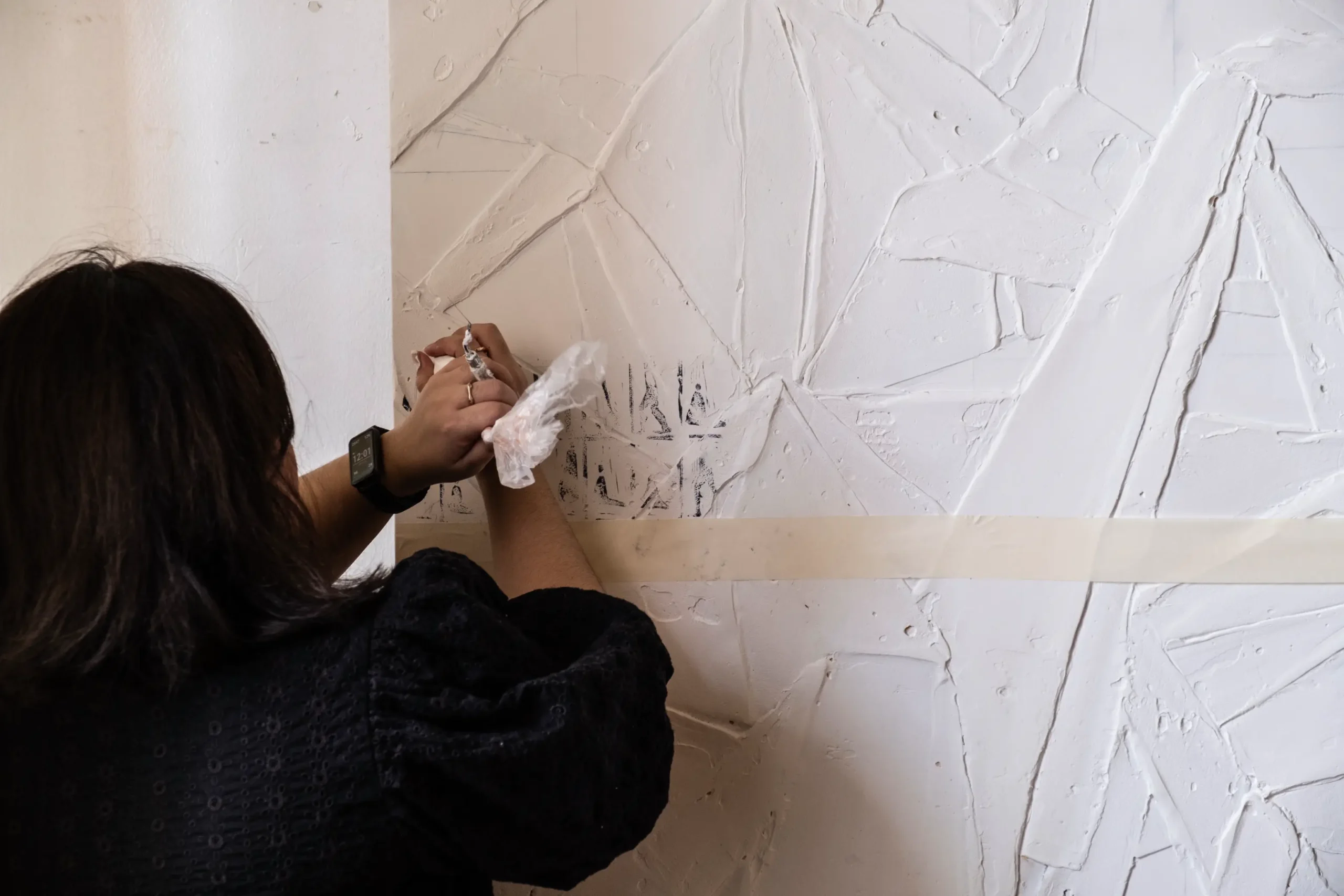
Quiachon’s stylistic signature was not intentional; it came from influences of the past, notably architecture. Quoting Le Corbusier, “The styles are a lie,” she references how her works tend to converge towards a specific stylistic point. She saw art and architecture as practices with overlapping principles, something that she feels conscious of the more she paints.
“I was in denial, but I carried the philosophies [of architectureArchitectureThe art and science of designing and constructing buildings, structures, and spaces that are functional, safe, and aesthetically pleasing. It encompasses the planning, design, materials, and techniques used to createGo to Architecture Glossary] with me because I studied to be an architect,” she said. “So I carry it with me: the philosophies we do in architecture, I subconsciously translate it to art.”
The Influence of the Emotional Self
And yet, that formalist philosophy informing her style brings to life the conceptual ideas in her art. Much of her work is focused on exploring the inner lives of people, with her first three shows in Galerie Stephanie serving as an unofficial trilogy around that concept.
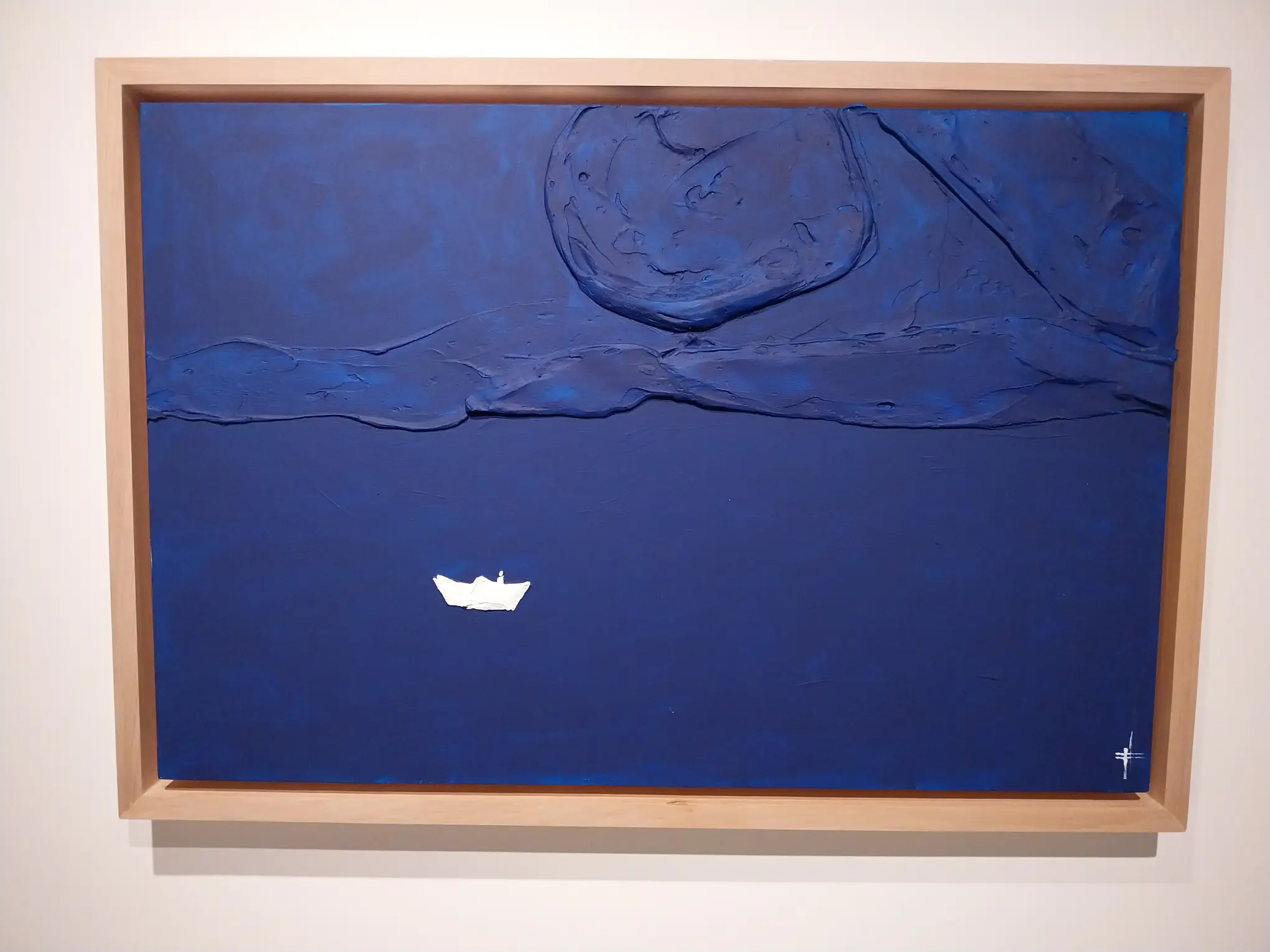
“ I like delving into the psyche of a person,” she elaborated. “You are this person every day. When you pause, there’s like a whole world inside a person. I like analyzing that. I like focusing on that. You get to know yourself more. You get to know other people more.”
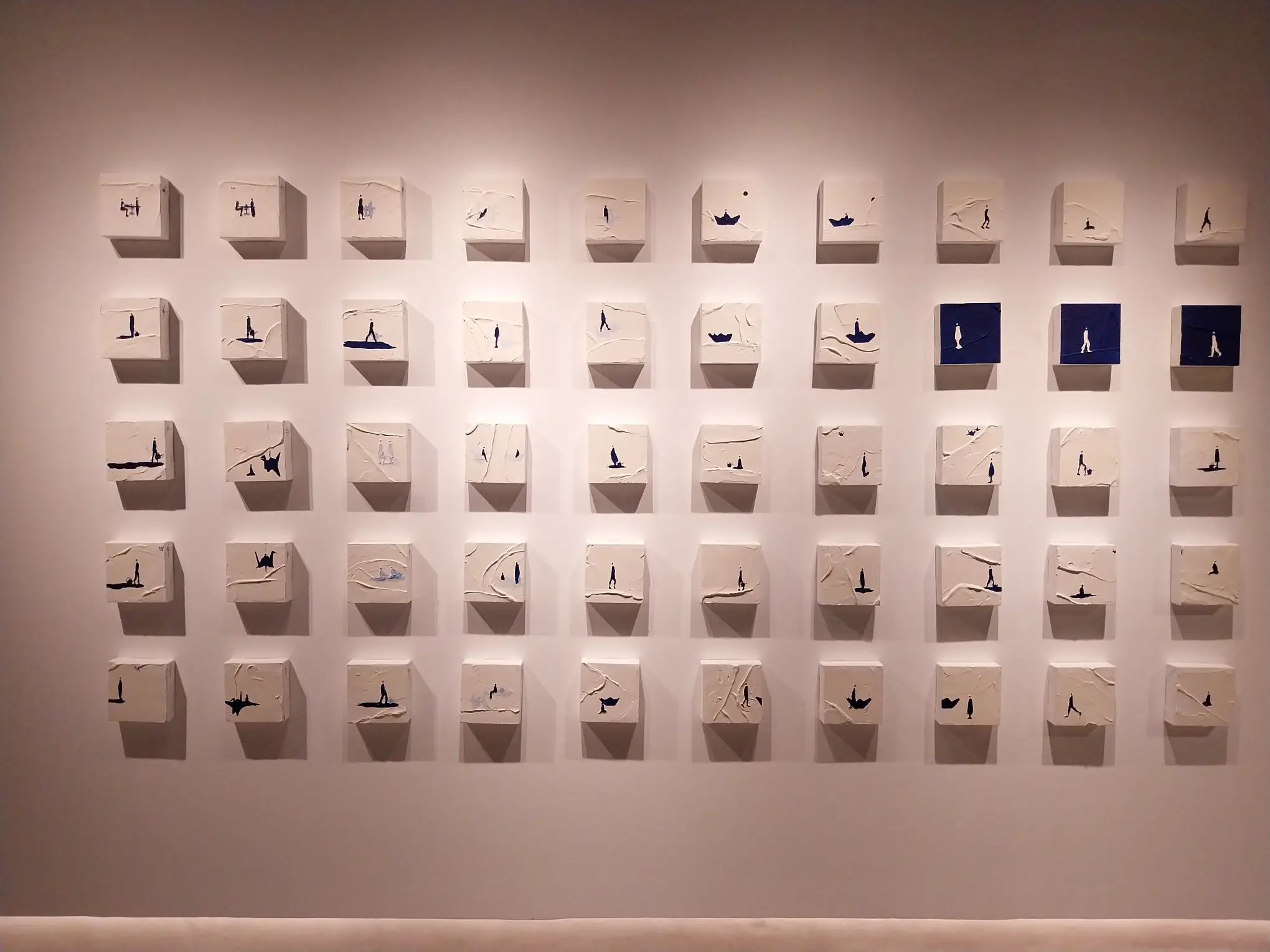
A Glimpse into the Dreamer’s Reality centered around the people who inspired her, looking into what inspires people to pursue their ambitions.
“ I was thinking about dreamers. You meet people and then, I don’t know, there’s a spark when you see dreamers. You bond with them, [and] you understand them. [Maybe] you are in a different situation, but you understand the wanting to achieve a dream, whether you’re in a similar situation or not. I think I was lucky enough to meet a lot of them, people who inspire me.”
Capturing Moments
These kinds of concepts already existed as early as her first show in Galerie Stephanie, To Raise A Soul in 2022. Even then, her work had the distinctive mix of impasto and the tackling of deep inner-life subjects that she wondered about.
“To Raise A Soul was about unlearning,” Thea Quiachon disclosed. The paintings for that exhibit show a giant outline of a person, with smaller people around them going up and down the person, representing the cycle of unlearning.
“[…] Because when you unlearn something, you can’t do it in an instant, you go back to the cycle,” she said. “There are people climbing and then diving and then swimming, and then they go back and then they go back around and around. So that’s the stage of unlearning. It’s kind of a progression, those 10 pieces.”
While there’s no solid plans to follow up her unofficial trilogy, she will still be taking notes of her surroundings and what piques her curiosity, hoping that something intrigues her attention enough to center a whole exhibition around it.
“I like capturing moments,” she said. “It’s just a moment, like it’s not the entirety of the story. You capture something at that given time and then I tend to focus on it and that’s how I make my concepts. Like you pause the people on the move.”
Exploring the Unknown Future
The future of Thea Quiachon, unlike her textured paintings, is not set in stone. She said that returning to architecture is always a possibility for her in the future, but for now, she’s focused on improving her craft. The topic is never far from her mind, however: she has plans for a future exhibit that explores the convergence between the two practices.
Until then, Quiachon hopes that her works continue to connect with people in a primal way. It’s her favorite part of making art.
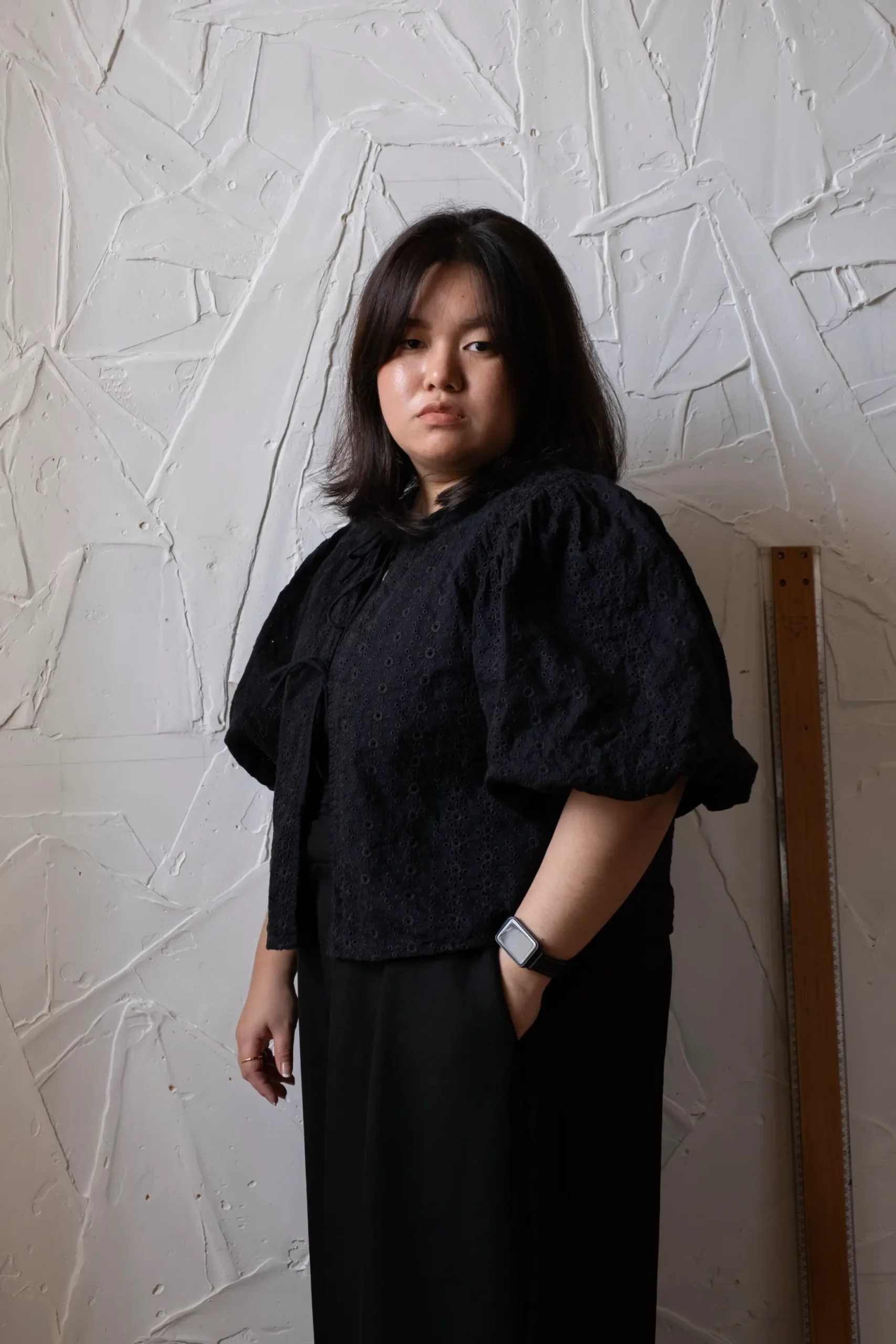
“ I’m very selfish in this aspect,” Quiachon said. “ I want them to see something in themselves when they look at the pieces. In a way I’m like—it’s my art and they’re observing my art, but I feel like I’m observing them in a way.
“Sometimes people would send me a message and tell me about their life. That’s always a treat. I love that part.”
Photos by Ed Simon.
Related readings: Galerie Stephanie Showcases an All-Filipina Lineup at Art Fair Tokyo
Frequently Asked Questions
Thea Quiachon utilizes “scale figures”—the tiny, faceless human outlines used in architectural blueprints to indicate proportion—as the primary subject of her paintings. What began as a signature sketching style during her time as a junior architect evolved into a structural texture on canvas. These figurines represent the “human element” within her spacious, minimalist compositions, bridging the gap between formal architectural drafting and emotive fine art.
The impasto method involves applying a thick mixture of plaster and paint with a painter’s knife to create a raised, three-dimensional surface. Quiachon uses this technique to give her scale figures a stone-like, Greco-Roman texture. Because the art is physically elevated from the canvas, it interacts with ambient light; as the sun or room lighting moves, the shadows cast by the paint shift, making the artwork look different depending on its environment.
Quiachon chooses monochrome colors to ensure the viewer’s focus remains entirely on the interplay of light and shadow. By removing the distraction of multiple hues, she emphasizes the raw, coarse texture of the impasto work. This approach aligns with minimalist philosophies, where the physical form of the paint itself becomes the “image,” allowing the environment’s lighting to provide the necessary visual depth.
Quiachon adheres to the Le Corbusier quote, “The styles are a lie,” reflecting her belief that art should transcend rigid labels. Her work subconsciously carries over architectural principles such as spatial hierarchy, structural integrity, and the “human-to-void” ratio. Even though she transitioned to art, her paintings function as conceptual “sections” or “plans” of the human psyche, using architectural discipline to organize abstract emotional landscapes.
In her 2022 exhibition To Raise A Soul, Quiachon used her figurines to represent the cyclical process of unlearning. Large outlines of people are populated by smaller figures climbing, diving, and swimming in loops. This visualizes the struggle of shedding old habits—a process that is not instant but repetitive. By “pausing” people on the move, she captures a singular moment of psychological transition, inviting viewers to see their own internal growth reflected in the canvas.
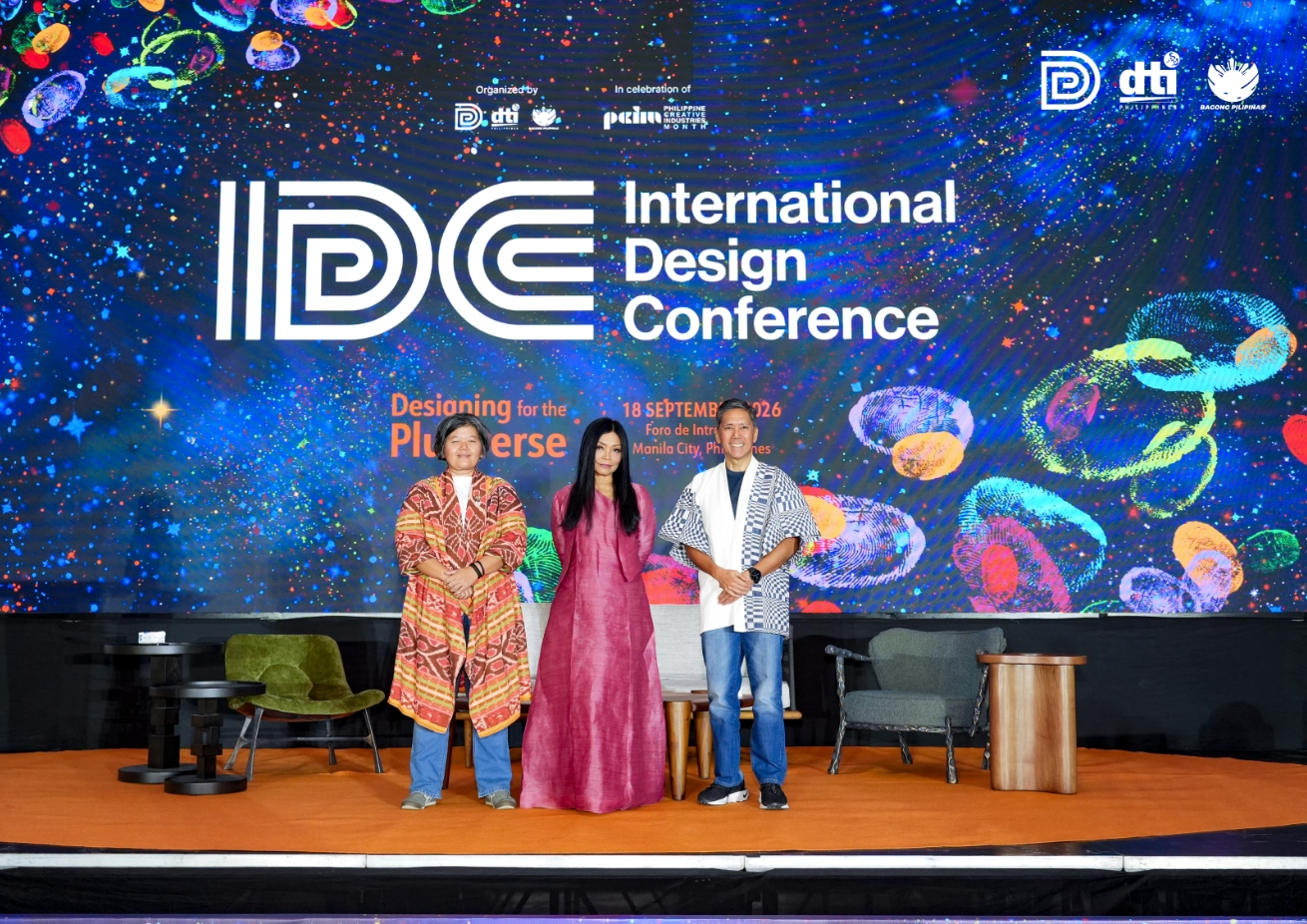
Culture in design does not always announce itself through a recognizable motif, material, or symbol. It can also be embedded in the relationships designers build, the knowledge they listen to, the materials they choose, and the decisions they make in response to communities and their environments. This distinction emerged throughout the 2026 International Design Conference […]

Rinna Soriano’s favorite part of her work is sanding. At her workbench, she stays focused, following the grain, adjusting to changes in its direction. NarraNarraThe national tree of the Philippines, Pterocarpus indicus, prized for its durable, reddish-gold hardwood and handsome grain. Traditionally used for furniture, flooring, and carved panels, narra is now protected fromGo to […]
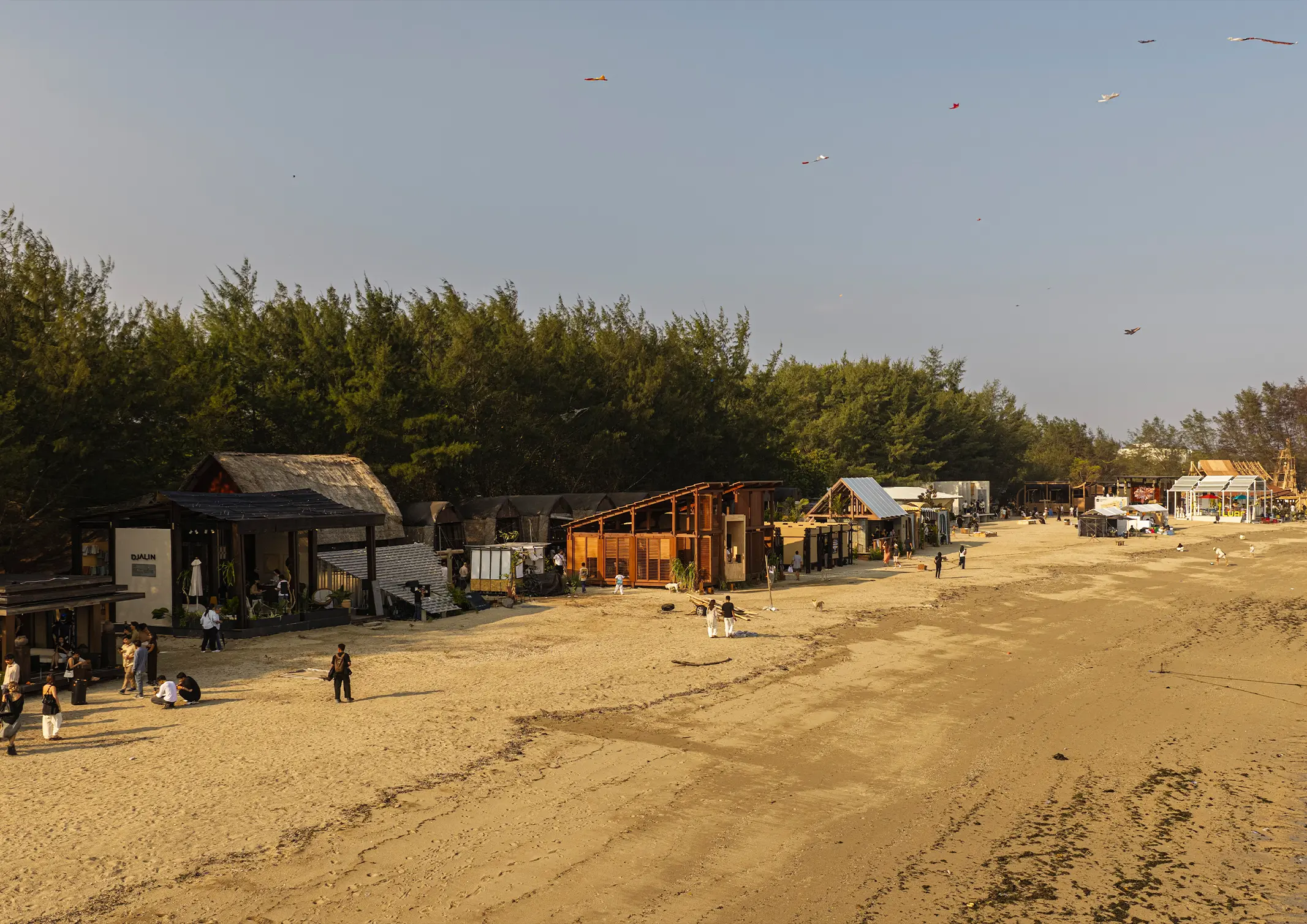
After being set amongst the ruins of an abandoned theme park in the past years, Jia CURATED found a home on the shores of Pengembak Beach, Bali for this year’s installment. It’s a unique location with multiple natural features like Sanur’s coastline, pine and mangrove forests, and a stream—making nature an important participant for how […]
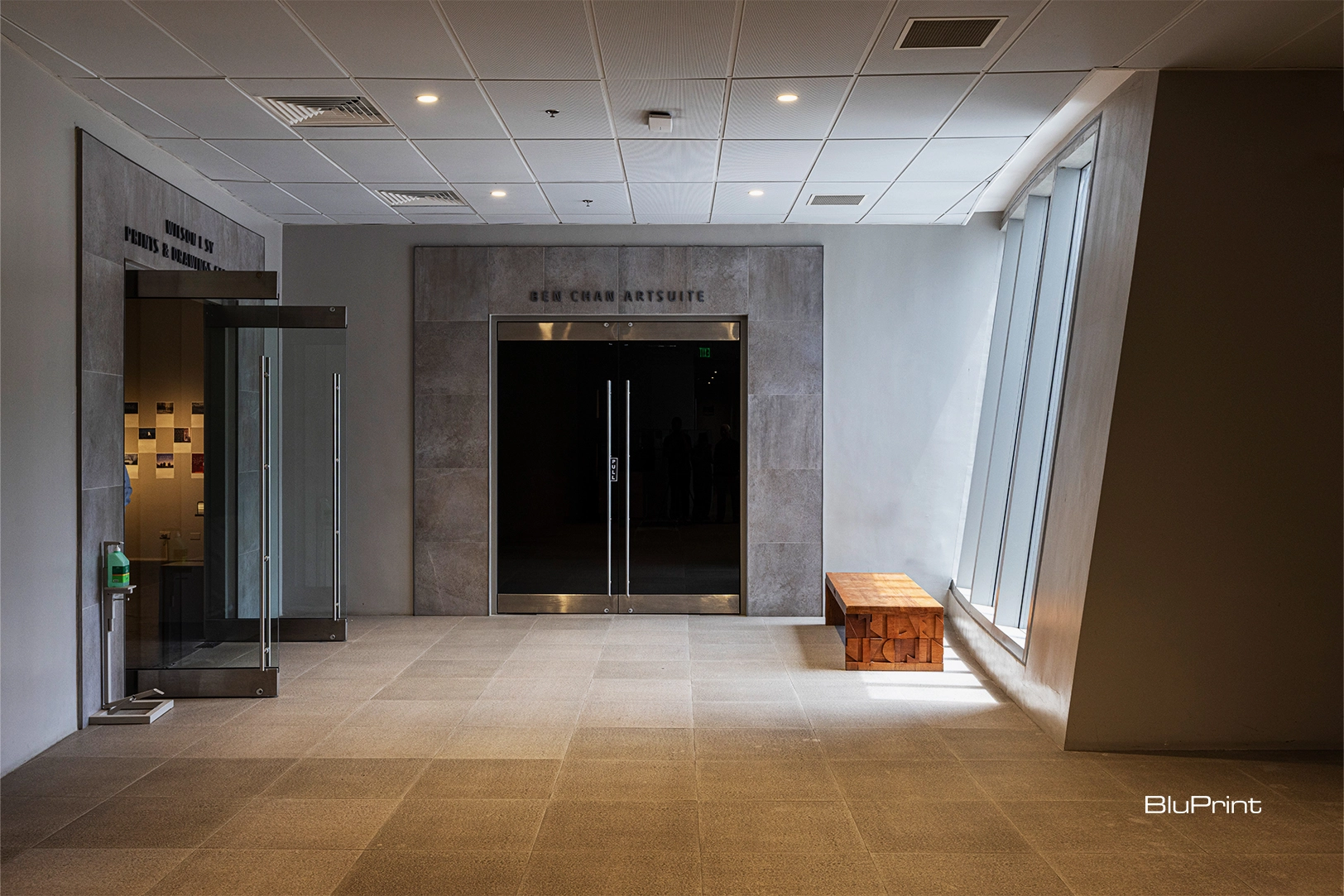
For 66 years, the Ateneo Art Gallery (AAG) has been at the forefront of preserving modern and contemporary Philippine art. Today, its home at Areté reflects an expanded mission: to extend beyond exhibitions to cultivating education and creative exchange. Building a Home for Contemporary Art The AAG was founded in 1960 after artist, collector, and […]
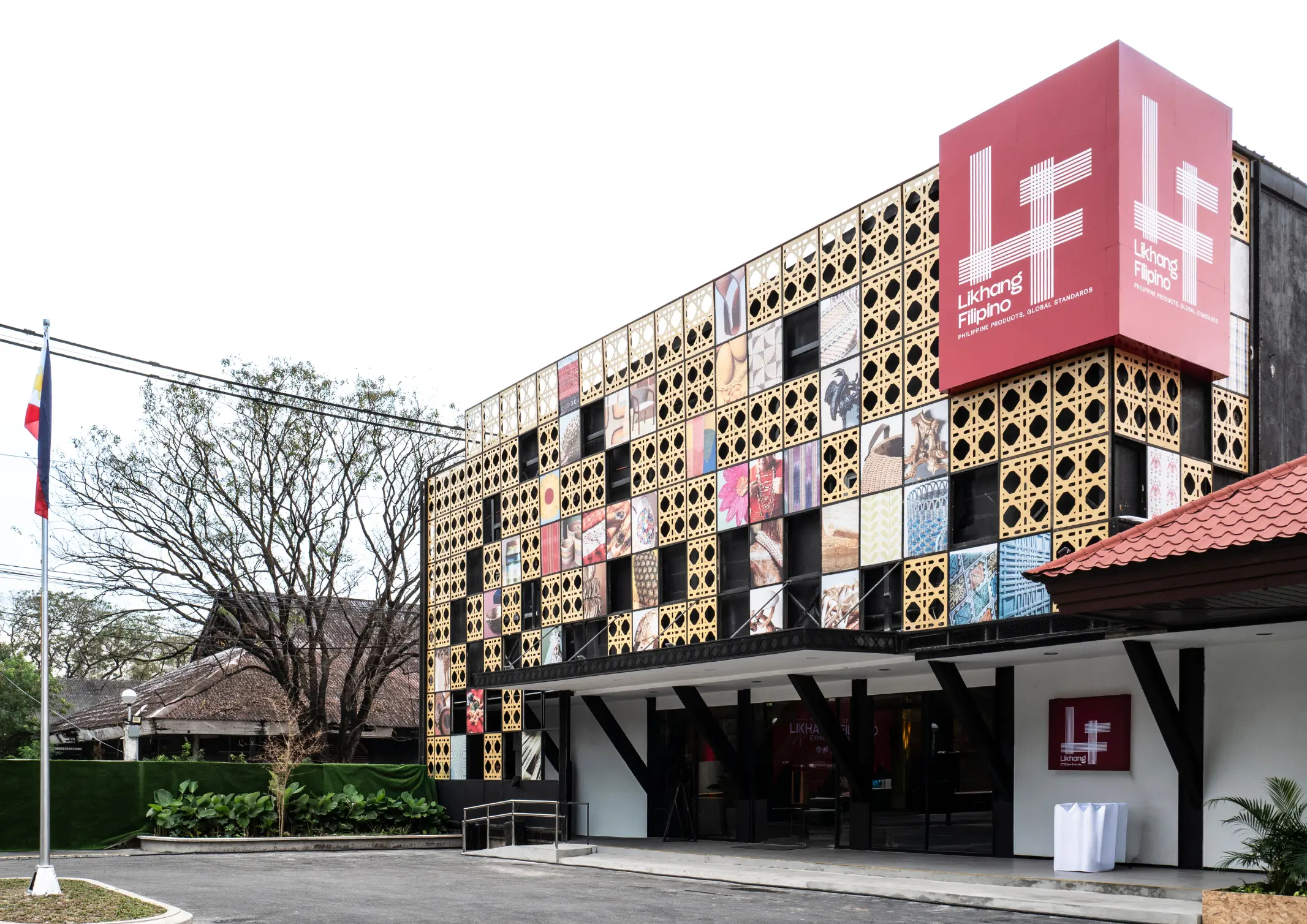
Likhang Filipino stands on the former site of the PhilTrade Center along Roxas Boulevard in Pasay City, a landmark that once symbolized the Philippines’ export ambitions and introduced Filipino craftsmanship to international audiences. Originally inaugurated in 1979, the PhilTrade Center was conceived as a national showcase for Philippine exports, with its longitudinal form and sloping […]
Read the issues.

Collect the volumes.

Recommended Video
Tap to Unmute
Unmute
0:00
0:00