The seventh edition of the Anthology ASEAN ArchitectureArchitectureThe art and science of designing and constructing buildings, structures, and spaces that are functional, safe, and aesthetically pleasing. It encompasses the planning, design, materials, and techniques used to createGo to Architecture Glossary Festival brought together over 4,000 delegates from across the Philippines and Southeast Asia for three […]
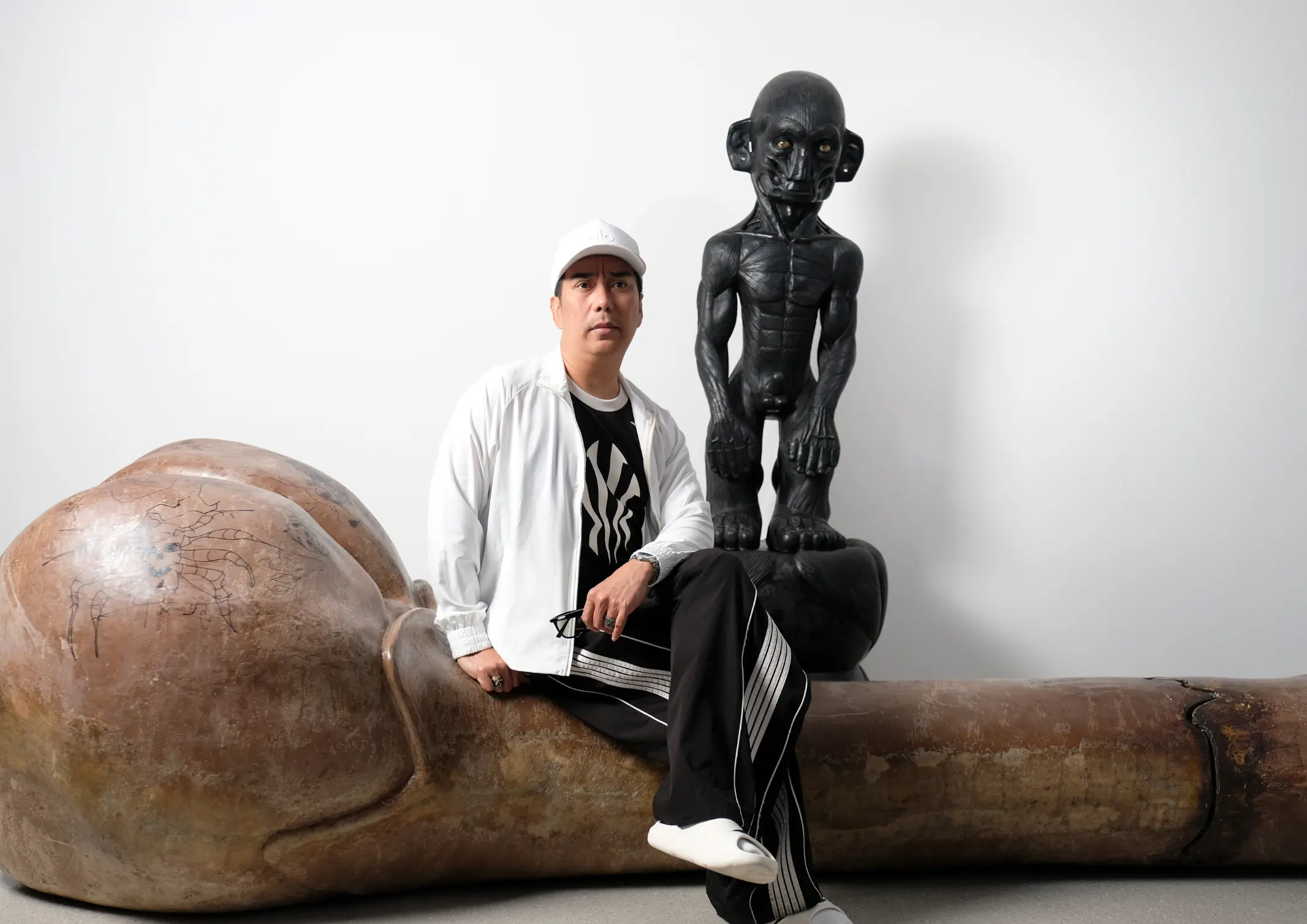
Filipino Contemporary Artist Ronald Ventura on Reinvention and Layered Identity



Ronald Ventura is one of the most recognizable figures in Southeast Asian contemporary art. Since his first solo exhibitions in the 2000s, Ventura has become known for his signature multi-layered paintings. Featuring hyperrealism, cartoons, graffiti, and other recurring motifs, hisworks—from paintings to sculptures—are pluralistic in both form and material.
Throughout his career, his art has remained central to his identity and self-expression. Despite international exhibitions, he continues to live and work in the Philippines—where the foundations of his visual language first took shape.
The Genesis of an Artist and His Early Influences
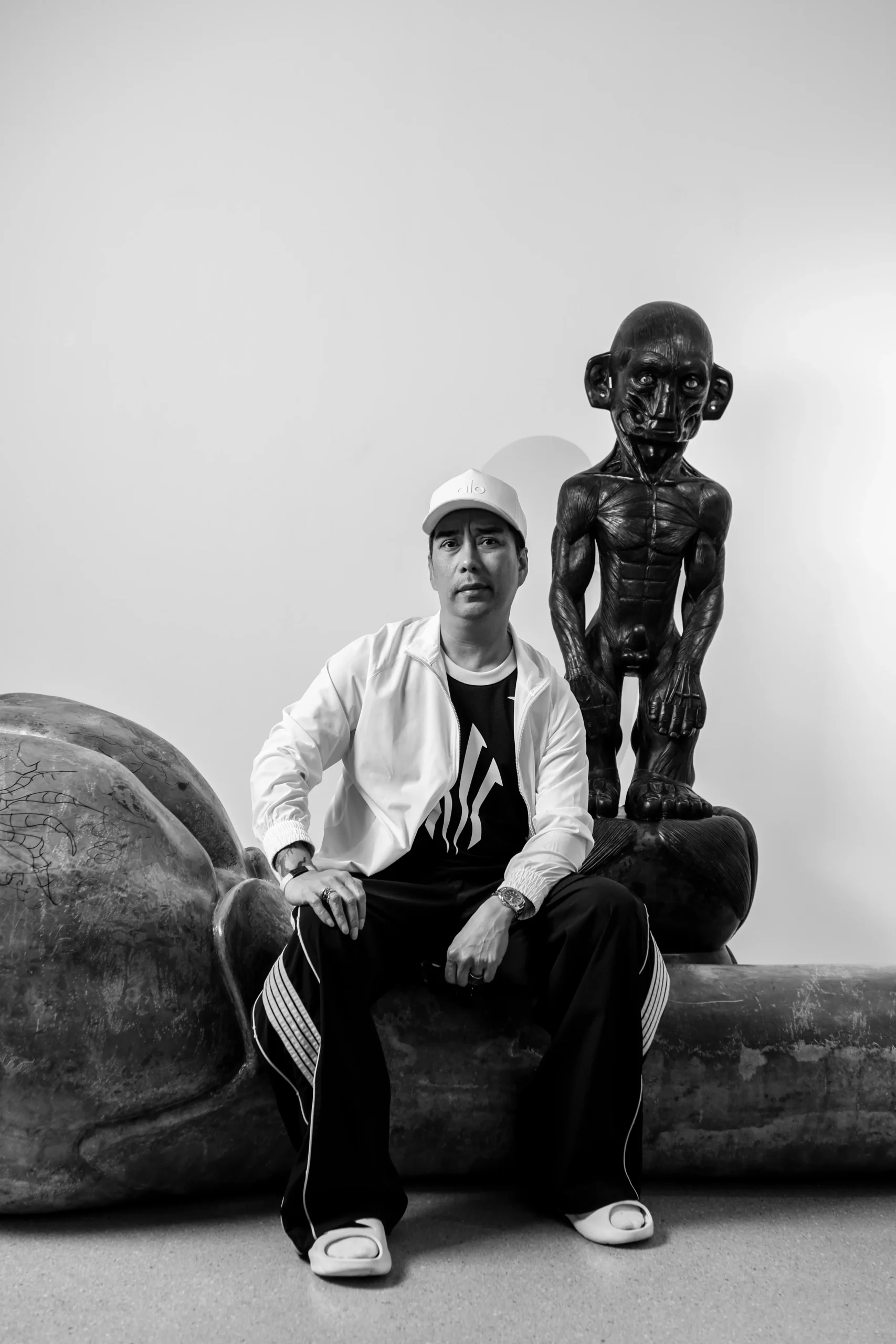
Ventura began to recognize his artistic inclination when he returned to his family home as a university student. On the door of his home, there was a drawing of Voltes V. Next to it was his attempt at the alphabet that ended with the letter “J,” surrounded by scribbles and doodles. “Before I learned the alphabet, I already knew how to draw,” Ventura recalls.
In the fifth grade, a friend of his invited him to a free art workshop. He accepted after seeing his friend’s drawings and their vibrant use of color. He recounts: “I only used crayons. He used pastels. So, I became interested [in the workshop]. Why was it that no matter how hard I colored, nahuhukay lang [yung papel]?”
From the workshop, he learned fundamental form and composition while experimenting with alternative mediums, including water-based and polymer materials. Another formative influence came from encyclopedias and reference books. Through them, he encountered reproductions of European masters and other influential artists.
Surrounded by art from an early age, his direction became increasingly defined. After high school, he enrolled at the University of Santo Tomas to pursue a BFA in Painting. After graduating, he joined the faculty at the invitation of his dean.
Symbiosis: Between Student and Professor
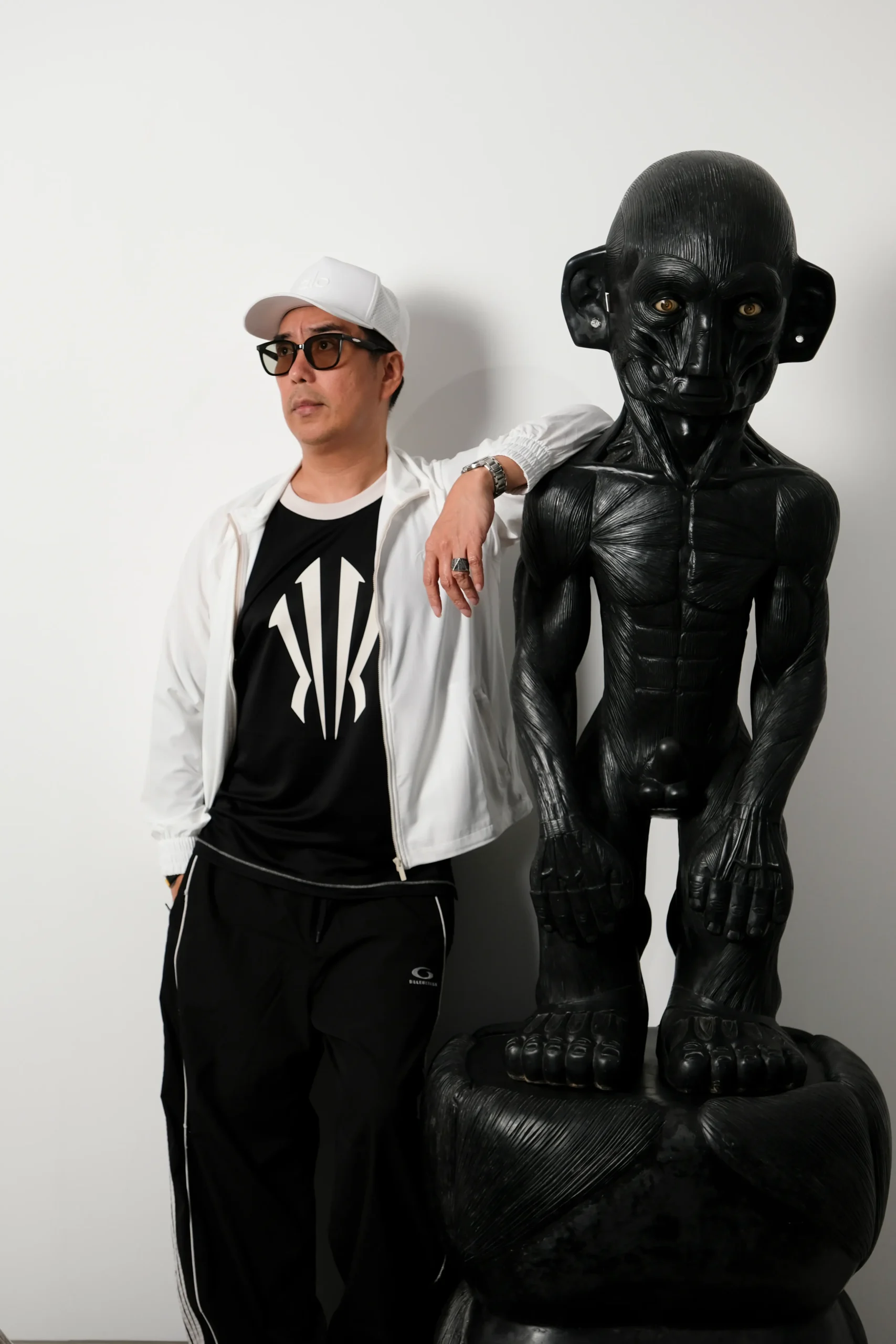
Ventura served as a professor at the University of Santo Tomas for nine years. Beyond instruction, the classroom became a space for intellectual exchange. Observing how his students painted and conceptualized their work expanded his own approach to art. Thesis courses, in particular, fostered open dialogue and critical deliberation.
“There are learnings in those conversations, such as in how he or she responds to your questions. In their answers, that’s also a question for them because they’re from a different generation,” Ventura points out.
As generations shift, so does art. For Ventura, artists must prepare for new contexts, possibilities, and materials. Ventura reflects: “You have to study. You have to research all of them—not just the materials, but also the exhibitions […] research other artists.”
Visualizing the Self through Art
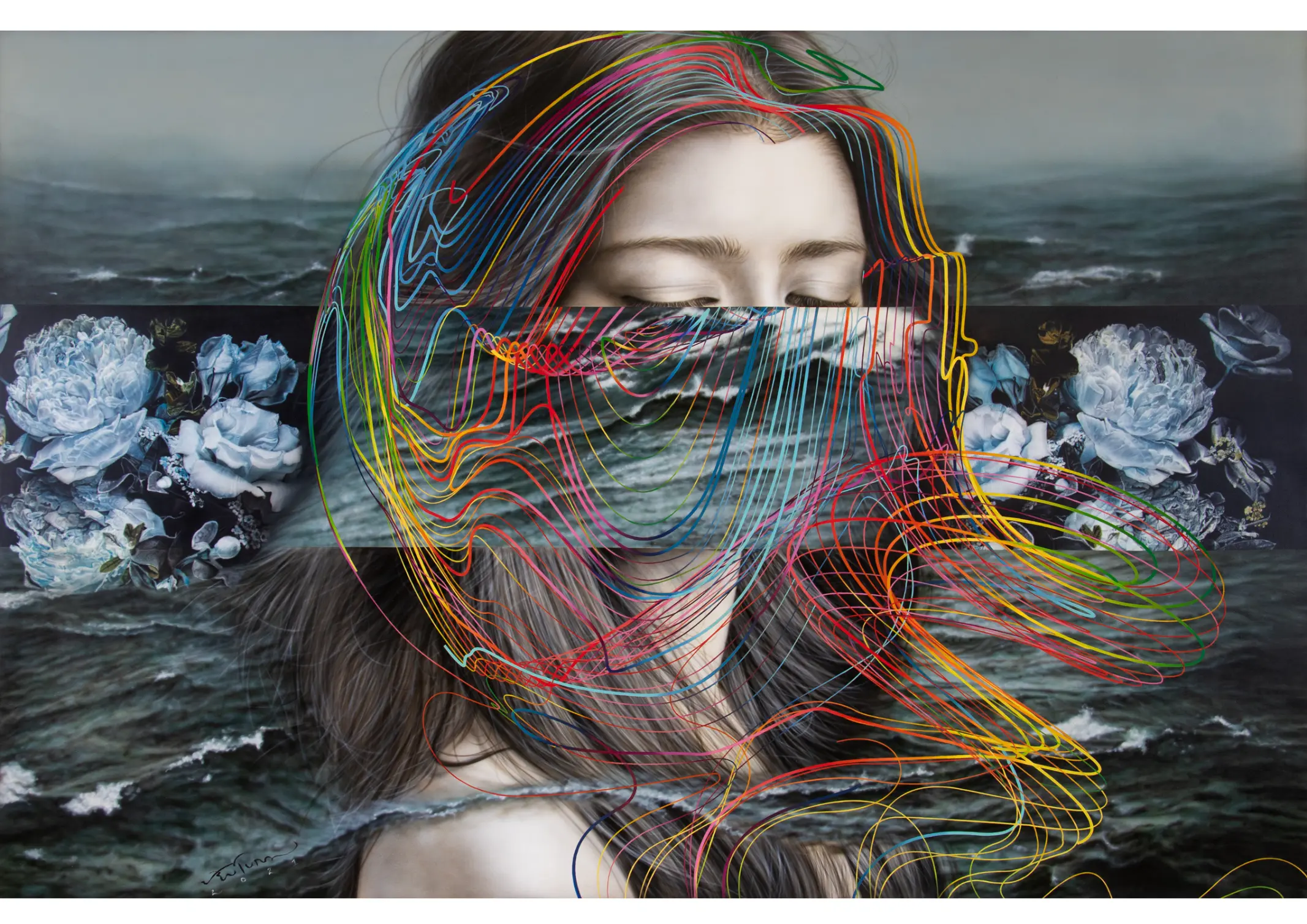
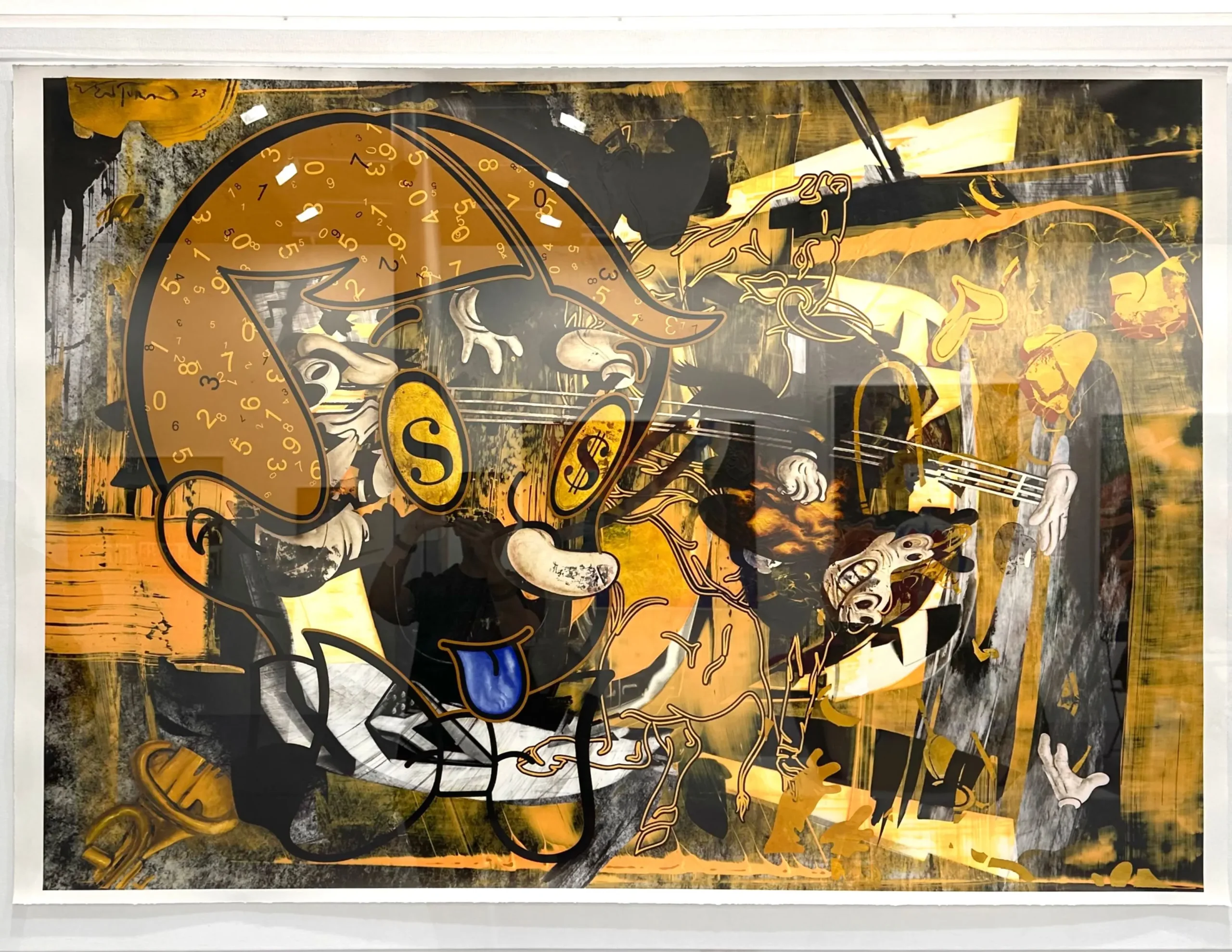
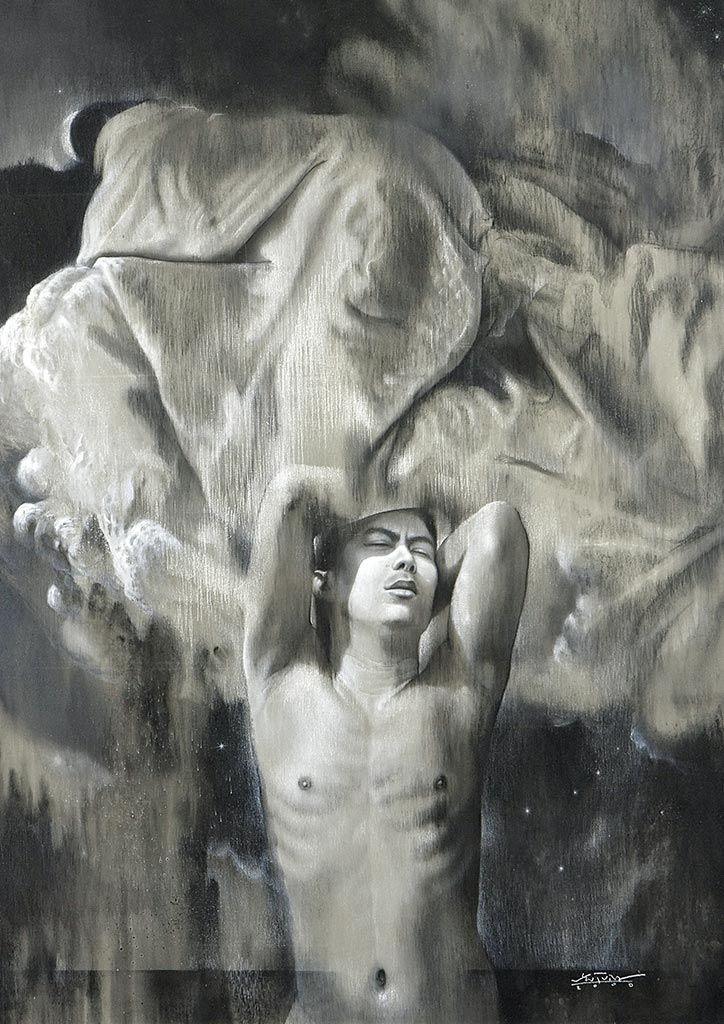
During the 1980s and 1990s, Ventura witnessed the exploration of Indigenous and Western materials within the Filipino art scene. Early in his career, he experimented across materials, subject matter, and context. As art continues to evolve, he draws from movements ranging from modernism to postmodernism.
Across these shifts, Ventura continues to prioritize self-expression. “I’m not creating my own style. It’s visualizing my own self,” Ventura states. He does not view art as a profession, but as a way of life—often spending twelve to fourteen hours a day in his studio.
Ventura adds: “If you’re an artist, expression comes to us naturally. You don’t expect when the idea or concept will come. Sometimes, it’s in an instant. Sometimes, it takes a long period of time.” Within that span—whether instant or prolonged—lies a range of processes and possibilities. As a result, his work spans printmaking, sculpture, drawing, and painting.
Within the Philippine contemporary art scene, he is known for layered narratives of cultural identity and symbolic references to history.
The Presentation of Art and Its Audience
Ventura believes that an image does not have a fixed meaning. The cross, a recurring symbol in his art, carries multiple meanings. In hospitals, it signals an emergency. In mathematics, it denotes addition. As such, the symbol invites multiple interpretations.
This philosophy extends to how audiences engage with his art. “We can experience each other’s perception. I’m not saying that it’s this or that, but I can share my own thoughts with you, and you can share your thoughts with me. It’s a dialogue between the viewer and the artist,” Ventura shares.
For Ventura, style is fluid, and meaning is never singular. Art accumulates through layering—image over image, history over present, self over symbol. Across his career, his art remains in a constant state of becoming.
Photographed by Ed Simon.
Read More: ‘Dialogo’: Two Artists Collaborative and Find Middle Ground in New Exhibit
Frequently Asked Questions
Ronald Ventura is one of the most globally recognized Southeast Asian contemporary artists. Based in the Philippines, he is known for a pluralistic style that blends hyperrealism, cartoons, graffiti, and classical motifs into complex, multi-layered paintings and sculptures.
For Ventura, layering is both a technical process and a philosophical one. He layers “image over image, history over present, and self over symbol” to reflect the complex identity of the Philippines. This layering creates a state of “constant becoming,” where the meaning of a piece is never fixed but accumulates through its various visual depths.
Ventura recalls drawing before he could even finish the alphabet, citing a childhood drawing of Voltes V as an early milestone. A pivotal moment occurred in the fifth grade when a friend’s use of pastels led him to an art workshop, where he began experimenting with water-based and polymer materials. His early exposure to European masters through encyclopedias also provided a foundational understanding of classical form.
Ventura served as a professor at UST for nine years. He views this period as a “symbiosis” where the classroom functioned as a space for intellectual exchange. Engaging with students from different generations forced him to re-evaluate his own concepts and prompted a deep commitment to ongoing research into new materials and global exhibition trends.
Interestingly, Ventura states, “I’m not creating my own style. It’s visualizing my own self.” He views art as a way of life rather than a profession, often spending 12 to 14 hours a day in his studio. To him, expression is natural and fluid; therefore, he does not restrict himself to one medium, moving freely between printmaking, sculpture, drawing, and painting.
Bigkis is the act of binding. In Tagalog, the word can refer to something used to bind or encircle, as well as a bundle formed by tying several separate elements together. Figuratively, it can also mean a bond, union, or unity. The meanings move from the physical act of joining things together to the connection […]
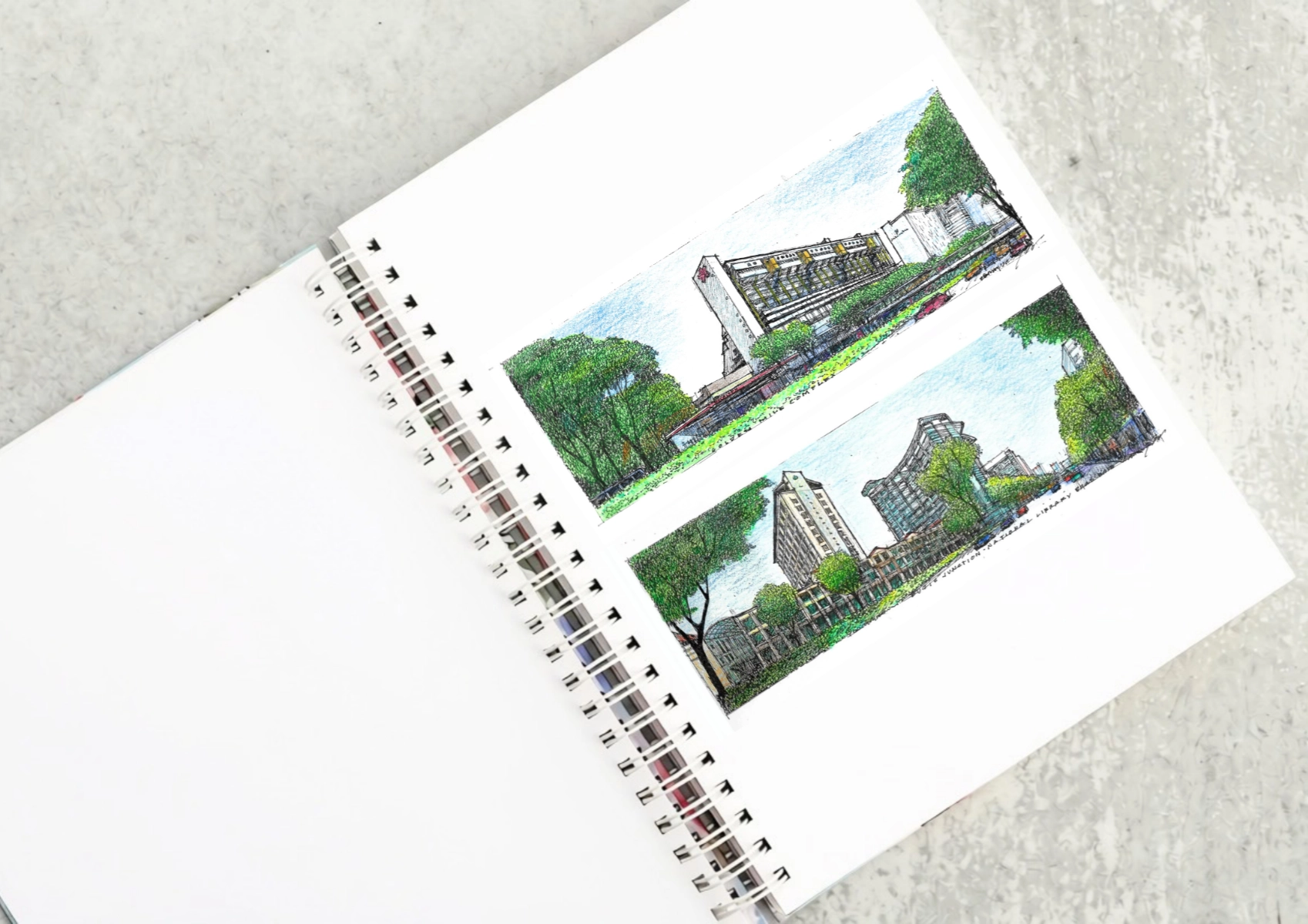
Two sketches of Singapore connect BluPrint Editor in Chief Paulo G. Alcazaren’s personal and professional history with Shared Ground: ArchitectureArchitectureThe art and science of designing and constructing buildings, structures, and spaces that are functional, safe, and aesthetically pleasing. It encompasses the planning, design, materials, and techniques used to createGo to Architecture Glossary of Care, Culture, […]
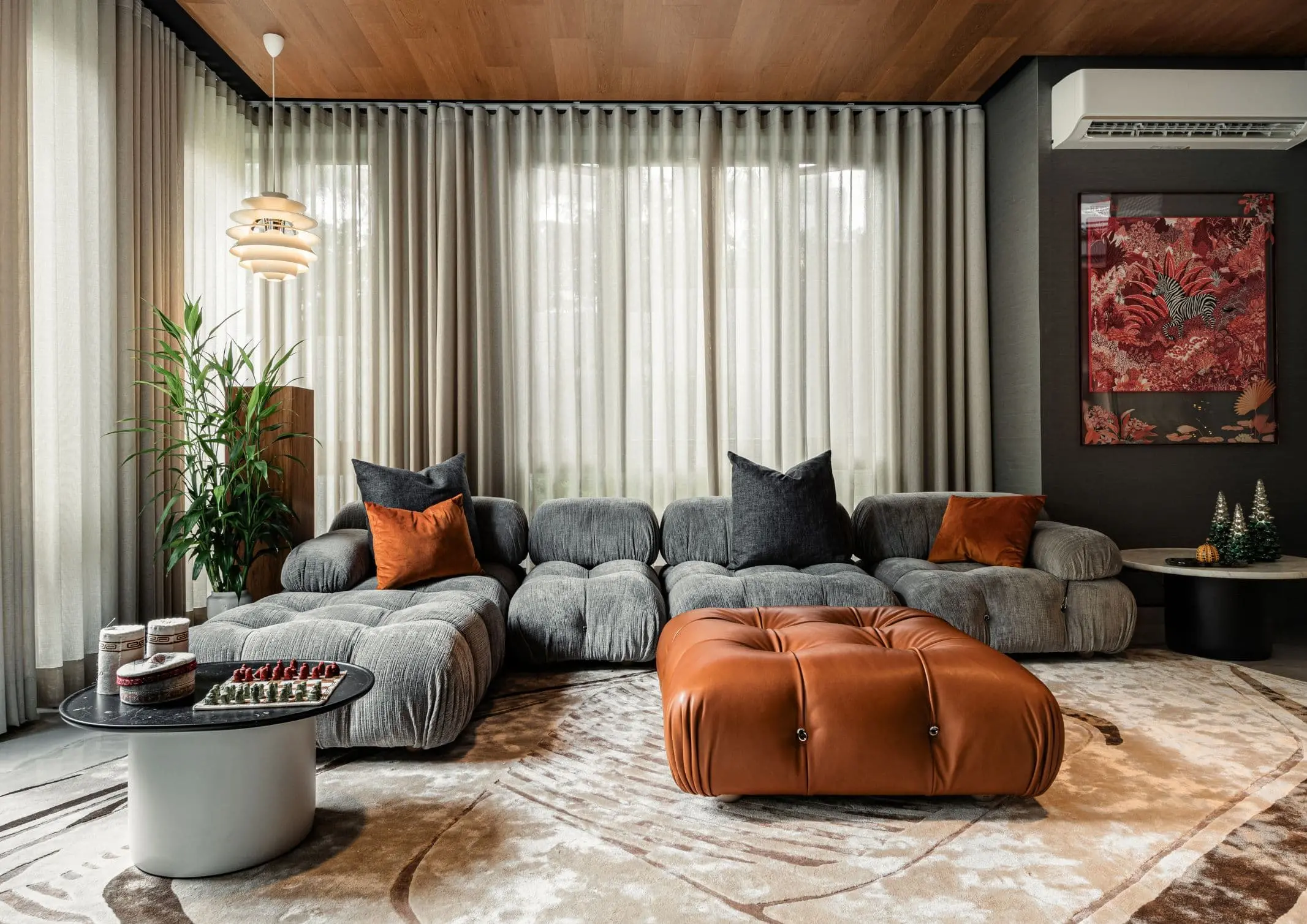
Some have become household names – Coleman, Oster, and KitchenAid – products that have found their way into Filipino kitchens, homes and family routines. In home furnishings, brands such as B&B Italia, Ethan Allen, Sub-Zero, Miele, SieMatic, Louis Poulsen, Hunter Douglas, Tempur, and Technogym, have helped shape the way Filipinos live. From everyday essentials to […]
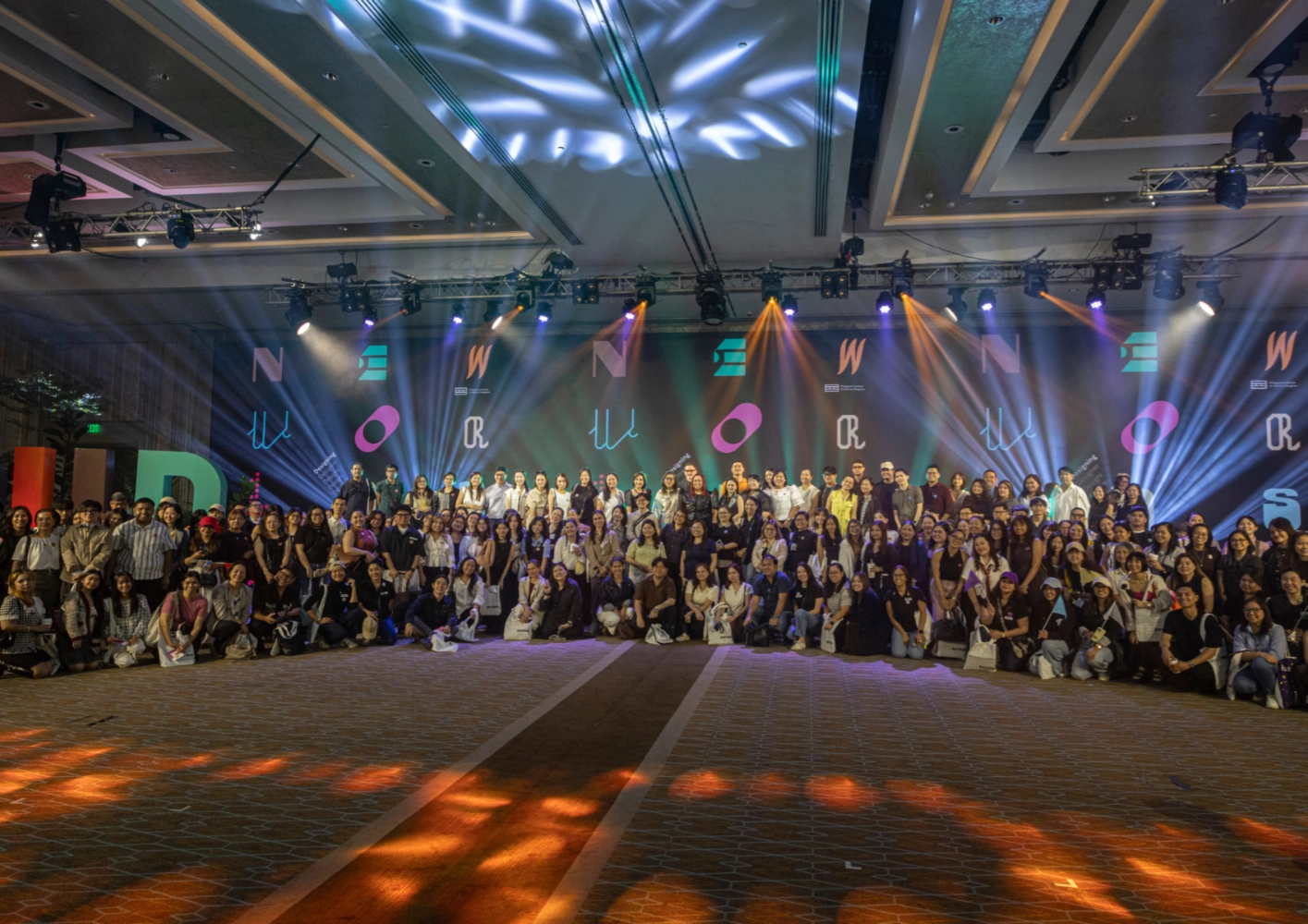
In a way, designers are the modern-day soothsayers and prophets. They design for the future, predicting how a room, a house, a building or a whole city will be used by people. They foresee how users will interact with a space, conjure exact shades of colors to elicit specific behavior and arrange furniture to build […]
Read the issues.

Collect the volumes.

Recommended Video
Tap to Unmute
Unmute
0:00
0:00