Bigkis is the act of binding. In Tagalog, the word can refer to something used to bind or encircle, as well as a bundle formed by tying several separate elements together. Figuratively, it can also mean a bond, union, or unity. The meanings move from the physical act of joining things together to the connection […]
Modern Filipino Homes That Show How Tropical Architecture Is Evolving



Located near the equator, factors such as heat and humidity are the norm in the Philippines. This tropical climate has shaped the development of architectureArchitectureThe art and science of designing and constructing buildings, structures, and spaces that are functional, safe, and aesthetically pleasing. It encompasses the planning, design, materials, and techniques used to createGo to Architecture Glossary in the country. As Leandro V. Locsin stated: “The first consideration of the Filipino builder and certainly the most evident in his architecture, which is after all an outgrowth of man’s desire to protect himself from the elements, is the climate and resulting flora.”
Tropical architectureArchitectureThe art and science of designing and constructing buildings, structures, and spaces that are functional, safe, and aesthetically pleasing. It encompasses the planning, design, materials, and techniques used to createGo to Architecture Glossary refers to a climate-responsive design approach that adapts to local contexts. This includes passive cooling, natural ventilation, and the use of natural materials. In this article, BluPrint lists residential projects that showcase tropical architecture in the Philippines.
Tauhai Villa
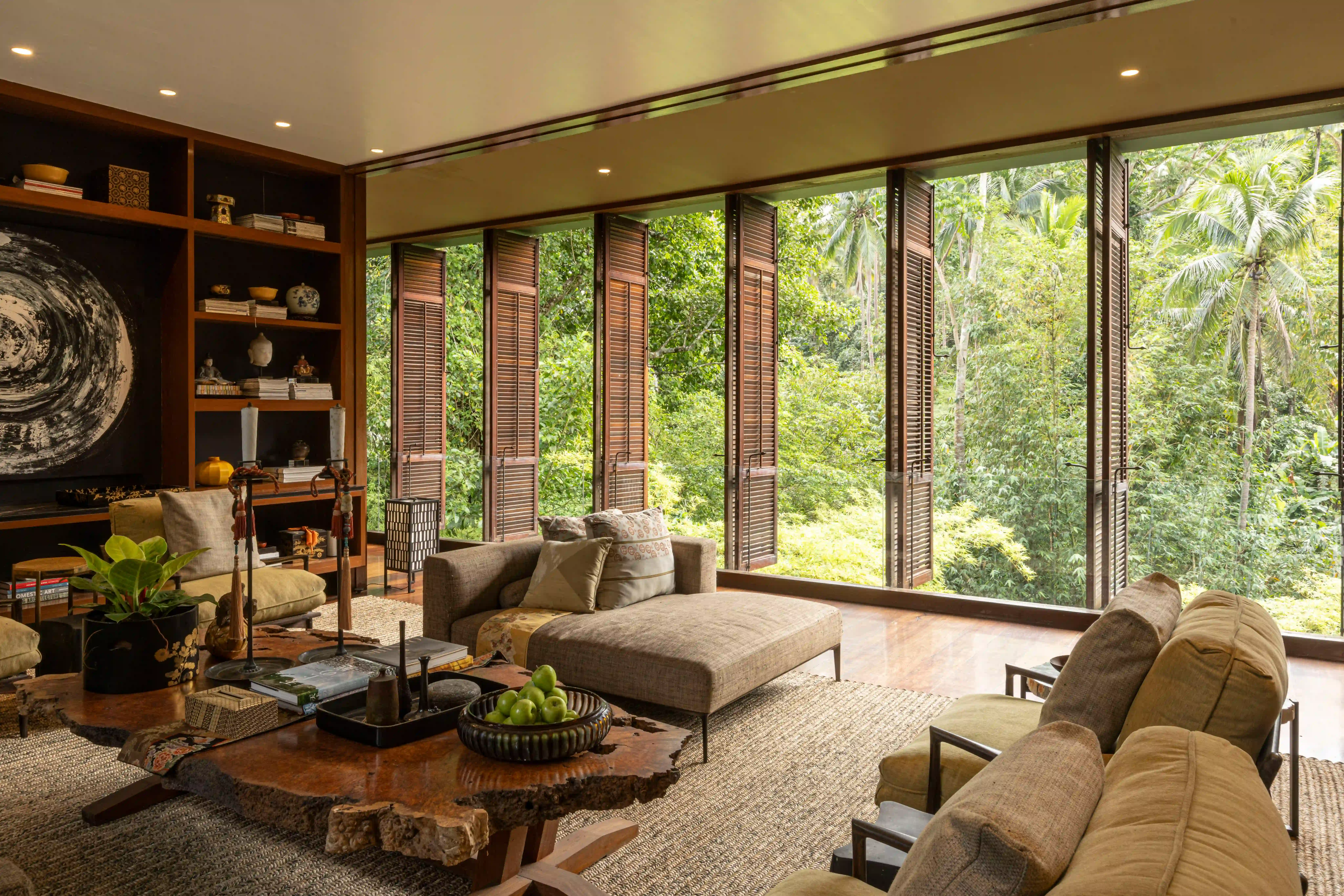
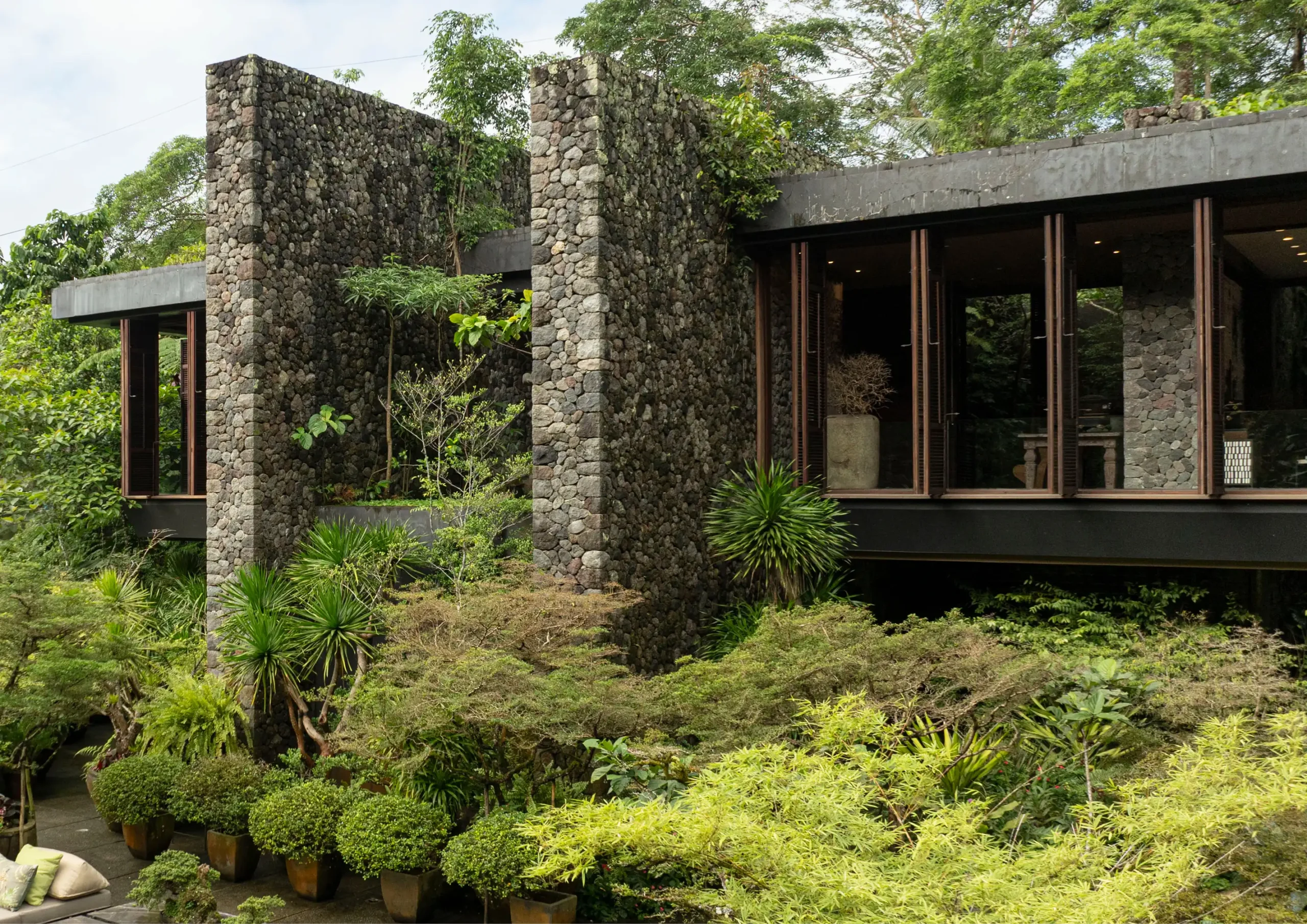
Situated in Nagcarlan, Laguna, Tauhai Villa is the home of landscape artist and painter Ponce Veridiano. Having worked with the country’s most notable architects, such as Leandro Locsin, Ed Ledesma, and Conrad Onglao, his career as a landscape artist influenced the design language of his home.
Sitting at the foot of Mt. Banahaw by a stream, his home is named after the Hiligaynon word tauhai—meaning tranquil or relaxed. Aptly named, the home is defined by its stillness. Natural materials were utilized to address the home’s environmental surroundings.
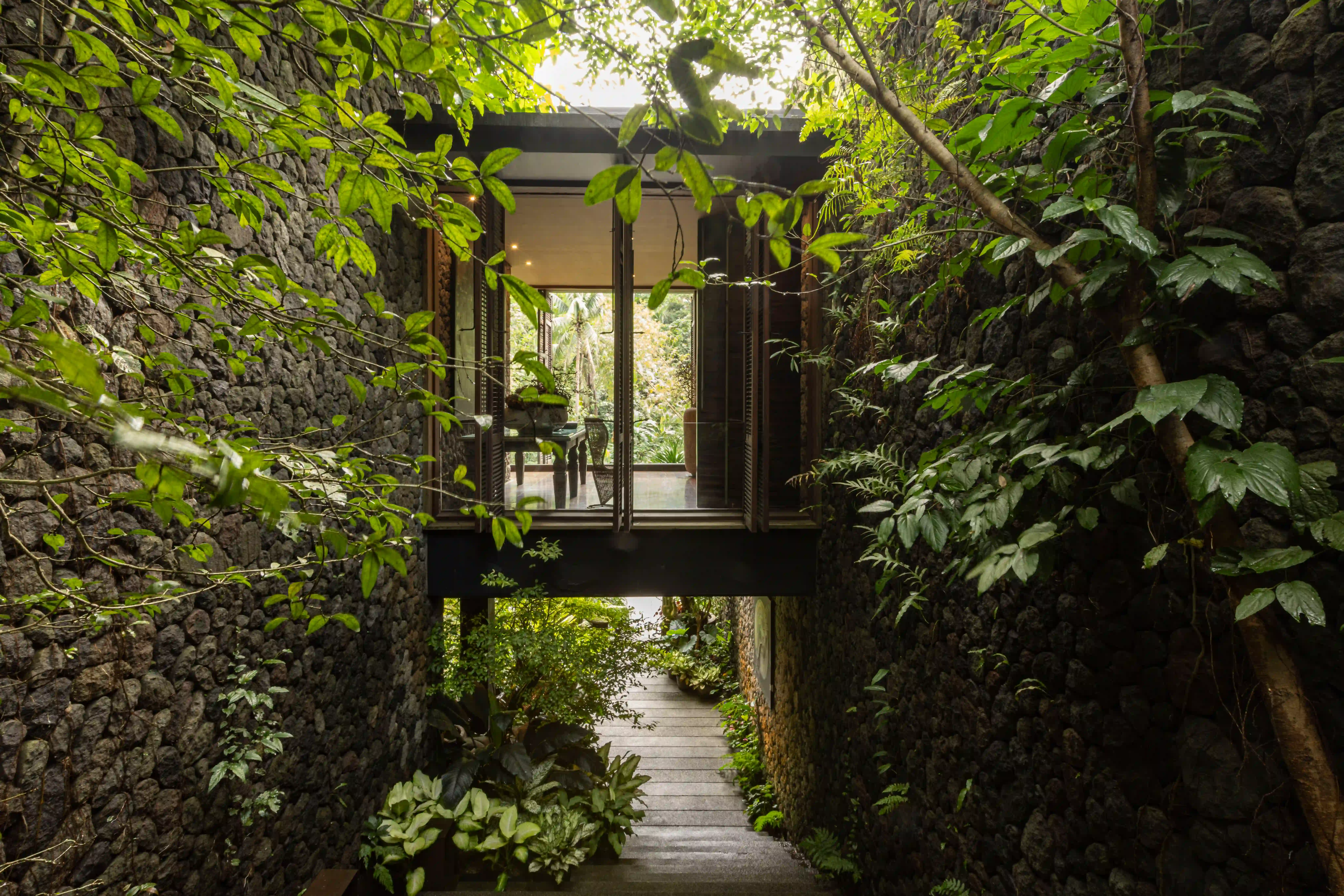
Standing in front of a main road, the home’s thick stone walls filter the noise. Meanwhile, the backside of the home consists of a long wall lined with floor-to-ceiling shutters. These shutters naturally cool the home through cross-ventilation, while revealing a panoramic view of the surrounding landscape.
Related Reading: Tauhai Villa: Tranquil and Green
Pflieder Residence
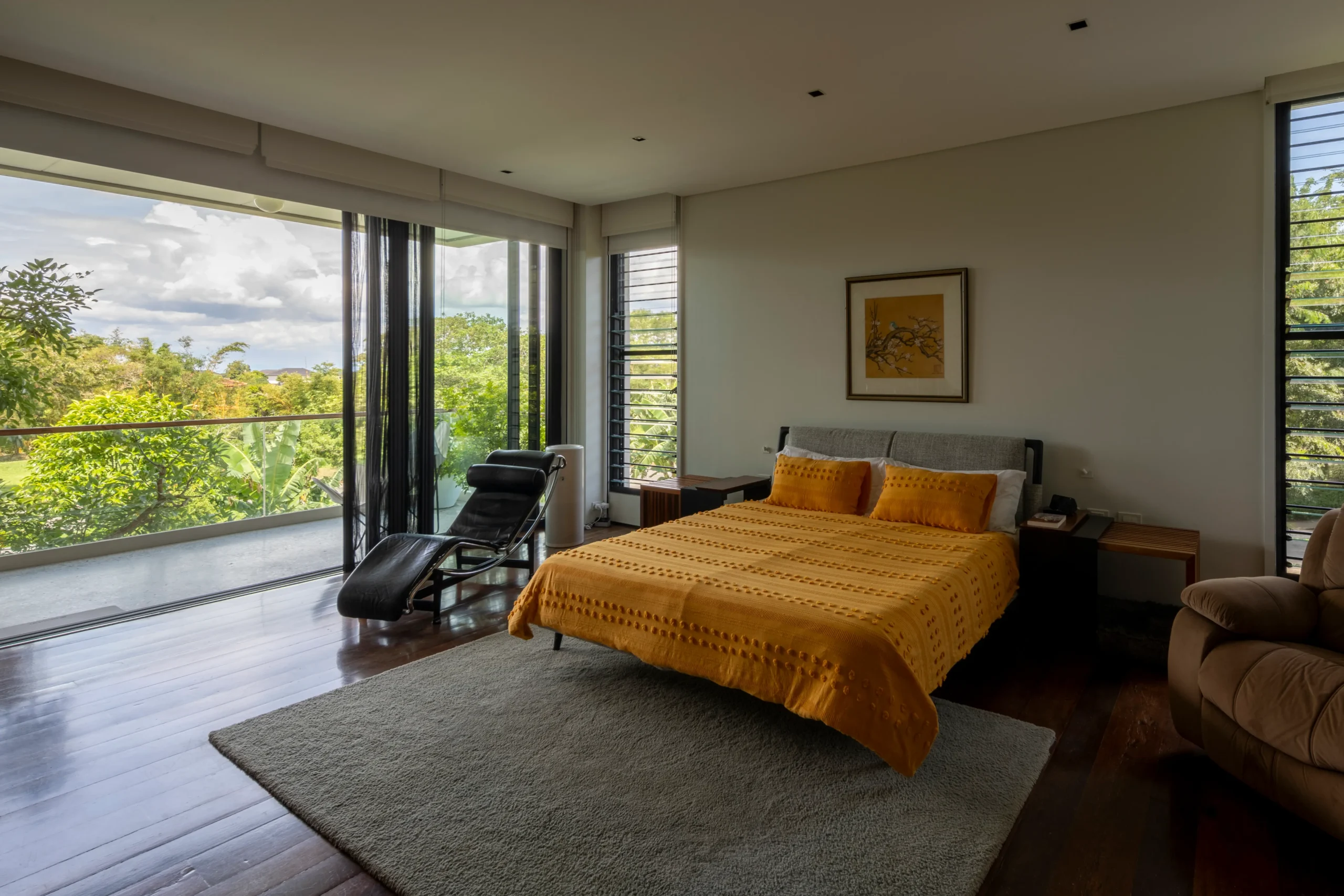
The clients for the Pflieder Residence loved the outdoors, which directed the design language of the home. Straying away from the traditional air-conditioning method to combat the local weather, Lor Calma and Partners synthesized brick and ventilation to connect the home to its surrounding greenery.
Direct sunlight was also provided through the large green garden located within the eastern side of the lot. The design team blended the architectureArchitectureThe art and science of designing and constructing buildings, structures, and spaces that are functional, safe, and aesthetically pleasing. It encompasses the planning, design, materials, and techniques used to createGo to Architecture Glossary with its surroundings, preserving the integrity of the landscape while adhering to design principles that best suit the local climate.
Related Reading: Pflieder Residence: A Clay Cocoon by Lor Calma and Partners
Aman Sinaya
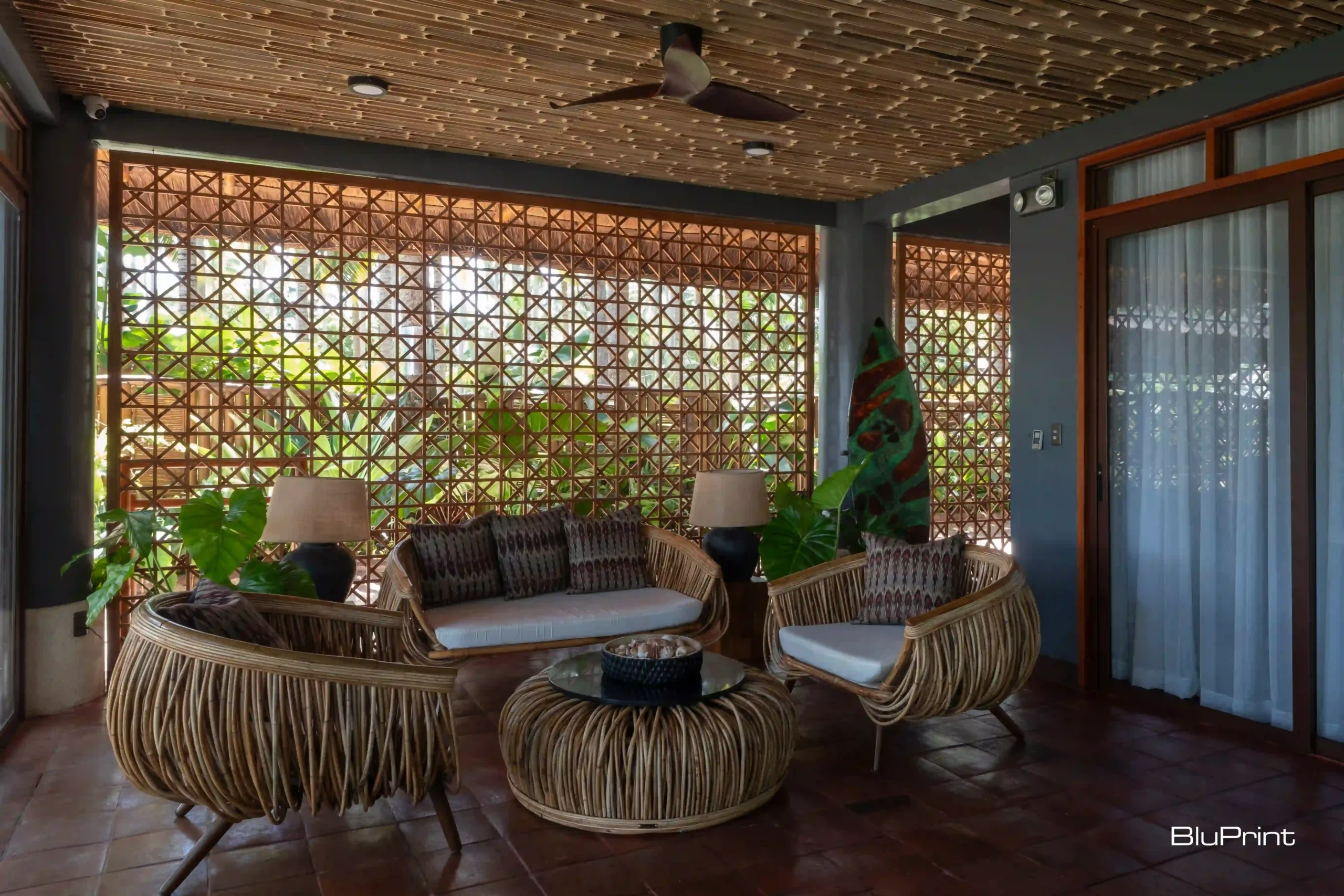
Bamboo is the central material used in Aman Sinaya, a Davao beach house located along the coastline of Mati. Designed by Carol Karthe, she embellished bamboo with lime-washed finishes and natural textiles. Consisting of 5,000 bamboo poles, it is one of the tallest bamboo homes in the country at 11 meters high.
Utilizing biophilic designBiophilic DesignAn approach that strengthens the connection between people and nature within the built environment. It uses daylight, natural ventilation, plants, water, organic forms, and natural materials to improve wellbeing, focus,Go to Biophilic Design Glossary, the home integrates the natural landscape into its interior and exterior. Karthe aligned the residence’s interior textures with its tropical surroundings. This includes breathable finishes, sculptural rattan, abaca forms, and a color story rooted in neutrals, ochres, and seafoam.
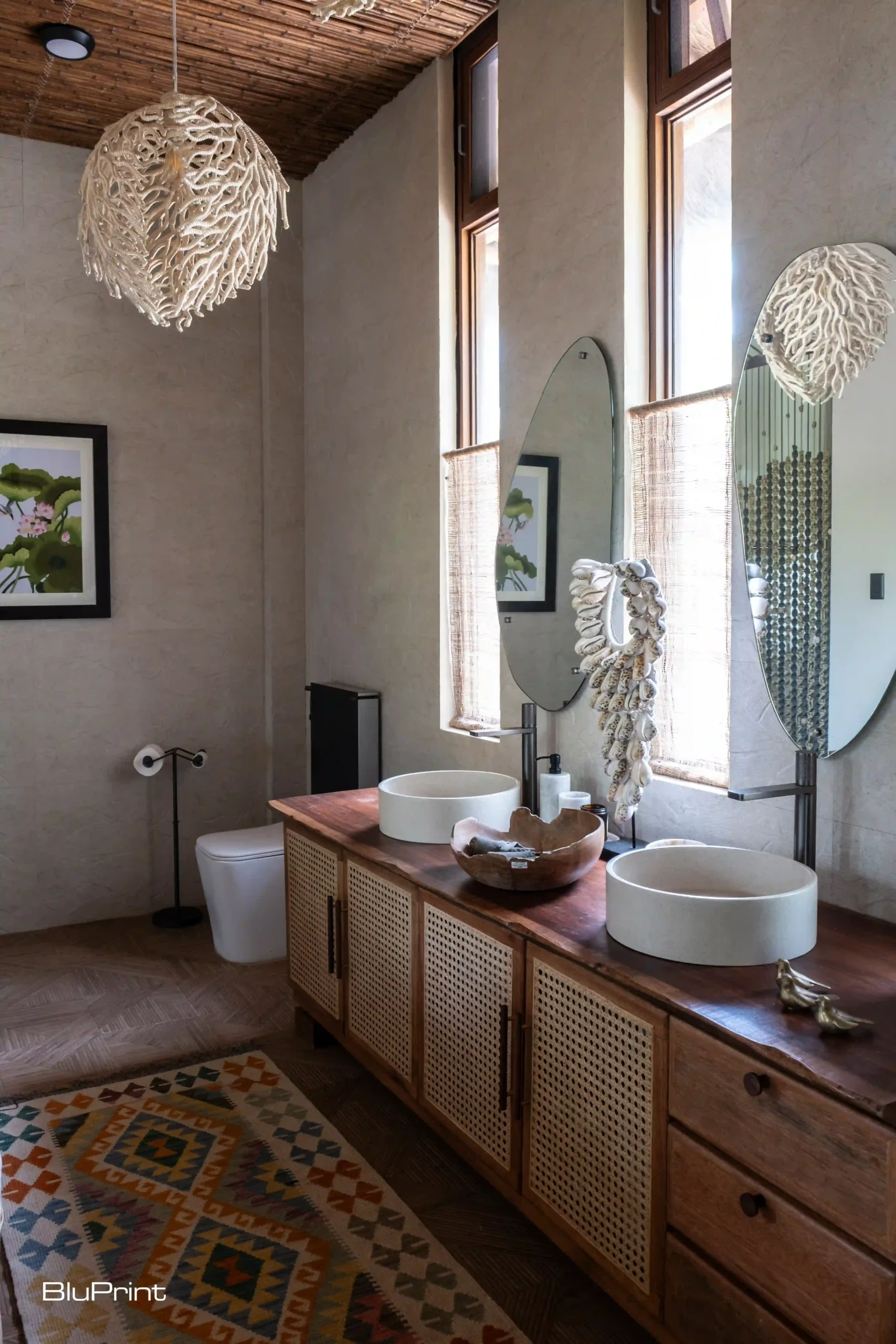
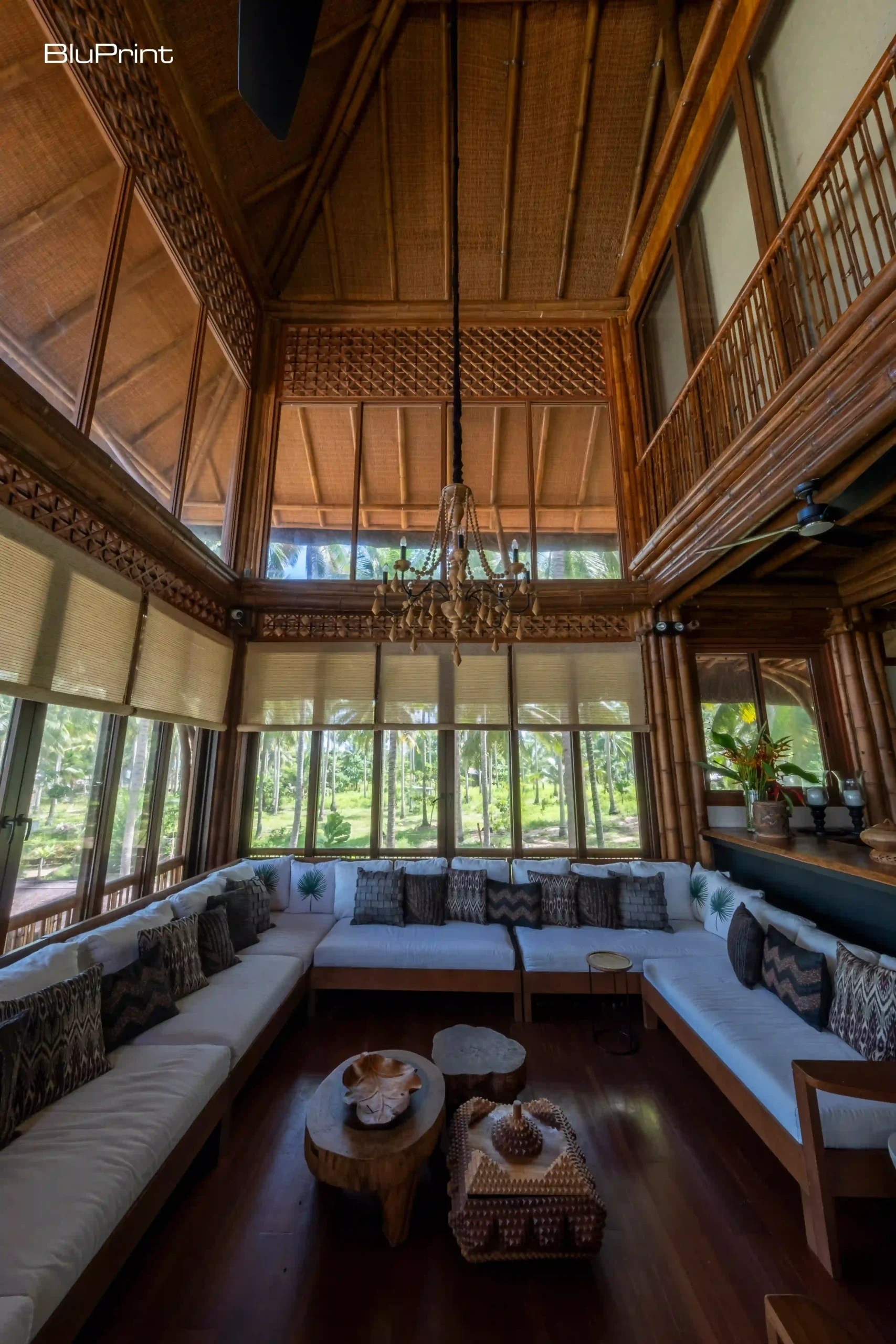
These design choices are localized in the Philippine context, adapting them to the country’s climate, light, and craft. Meanwhile, they also address elements such as ventilation, passive coolingPassive CoolingStrategies that lower indoor temperatures without mechanical air-conditioning, relying on building design instead. Techniques include cross-ventilation, stack effect, deep eaves, shading devices, thermal mass, courtyards, and vegetation. Essential in theGo to Passive Cooling Glossary, shade, and sustainability.
Related Reading: Aman Sinaya: Embracing Materiality, Nature, and Slow Living
Villa Tropicana
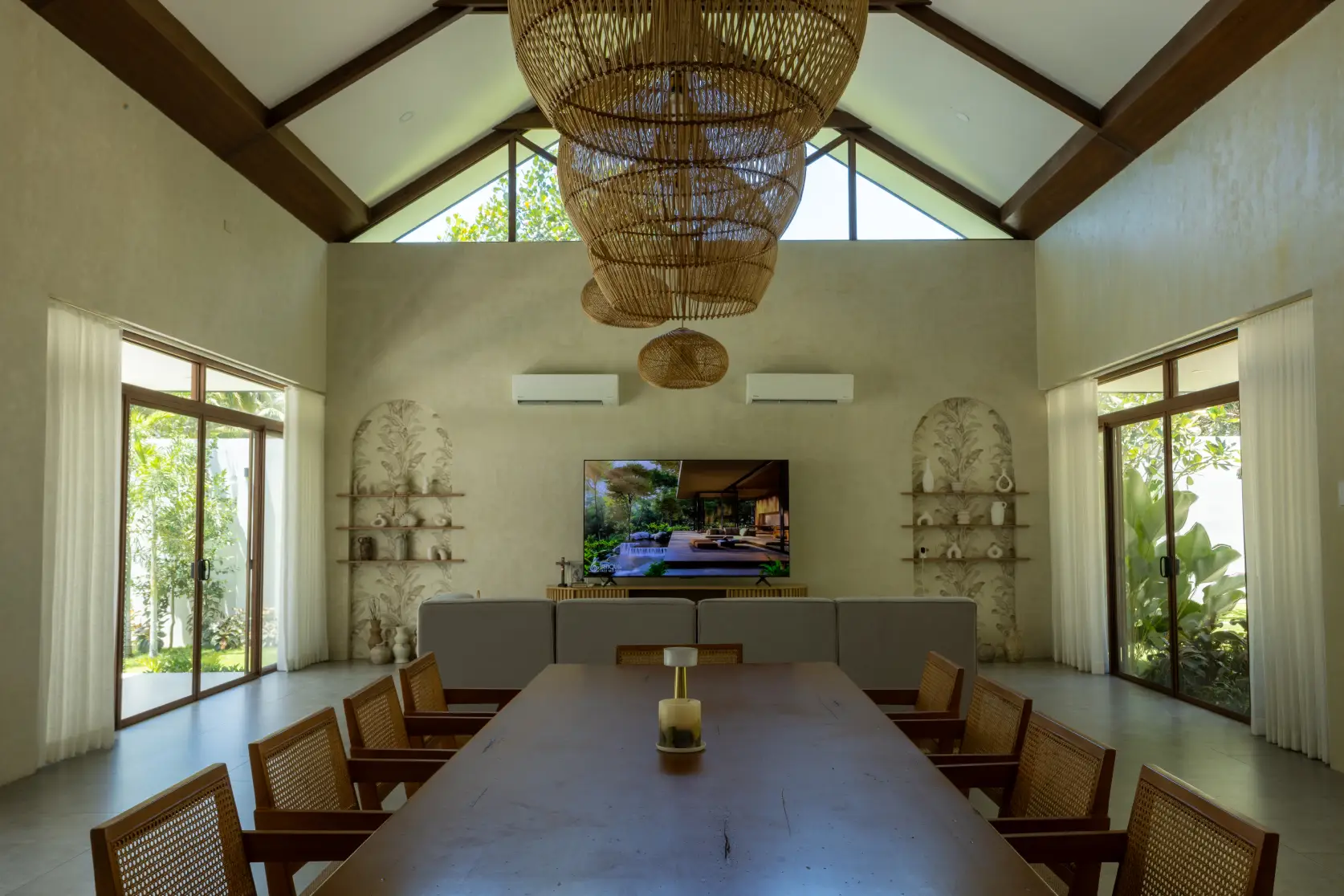
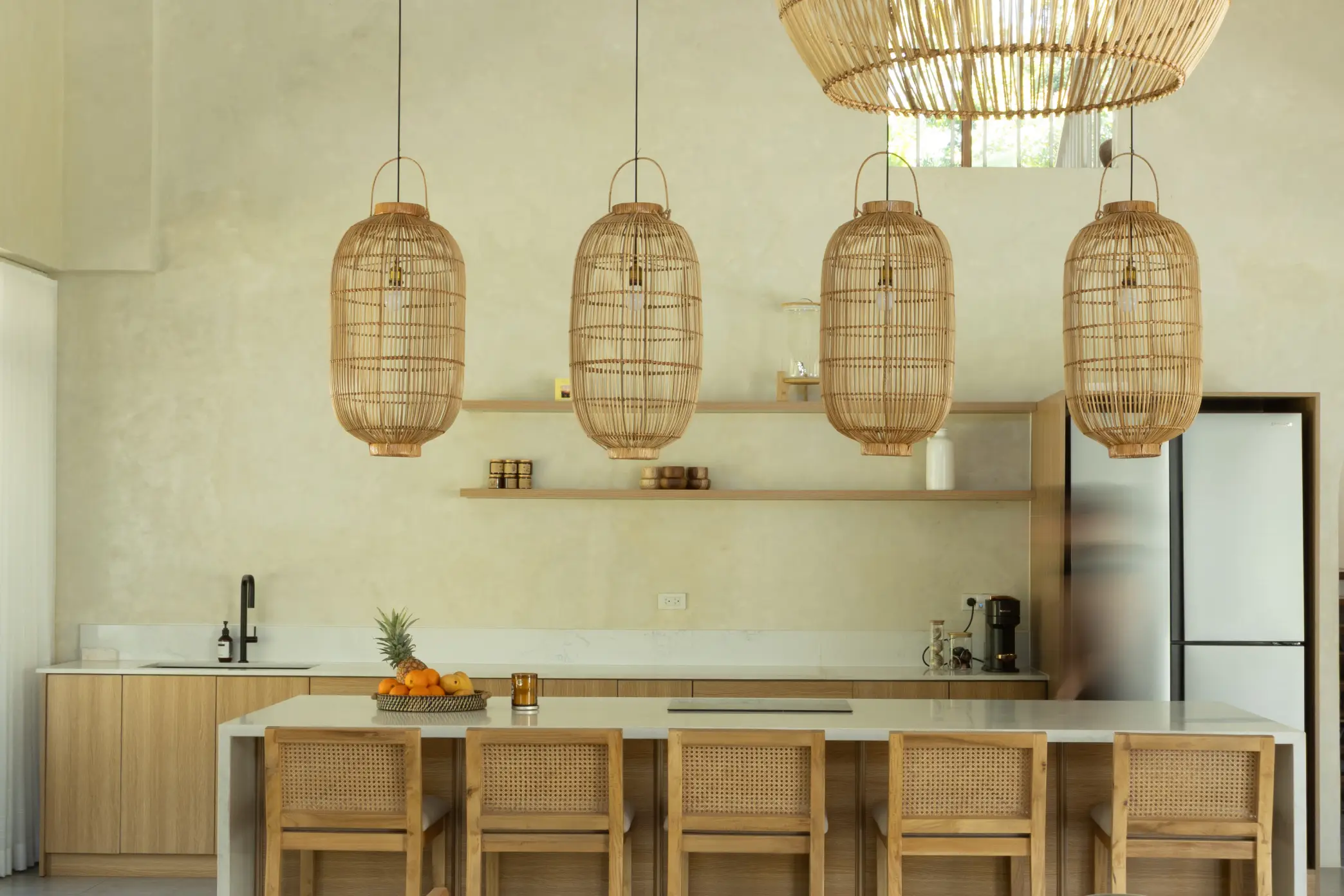
Villa Tropicana is a vacation home located in the coastal town of Dauin. Designed by Architect Gaston Lorenzo Pastrano, the home is meant to evoke the feel of a luxurious getaway. Inspired by resort living, the home is just a short drive away from the beach.
With high ceilings and an open layout, warmth was added to the space through rattan lighting fixtures and solihiya-back chairs. Meanwhile, large glass windows offer natural light and views of the surrounding landscape.
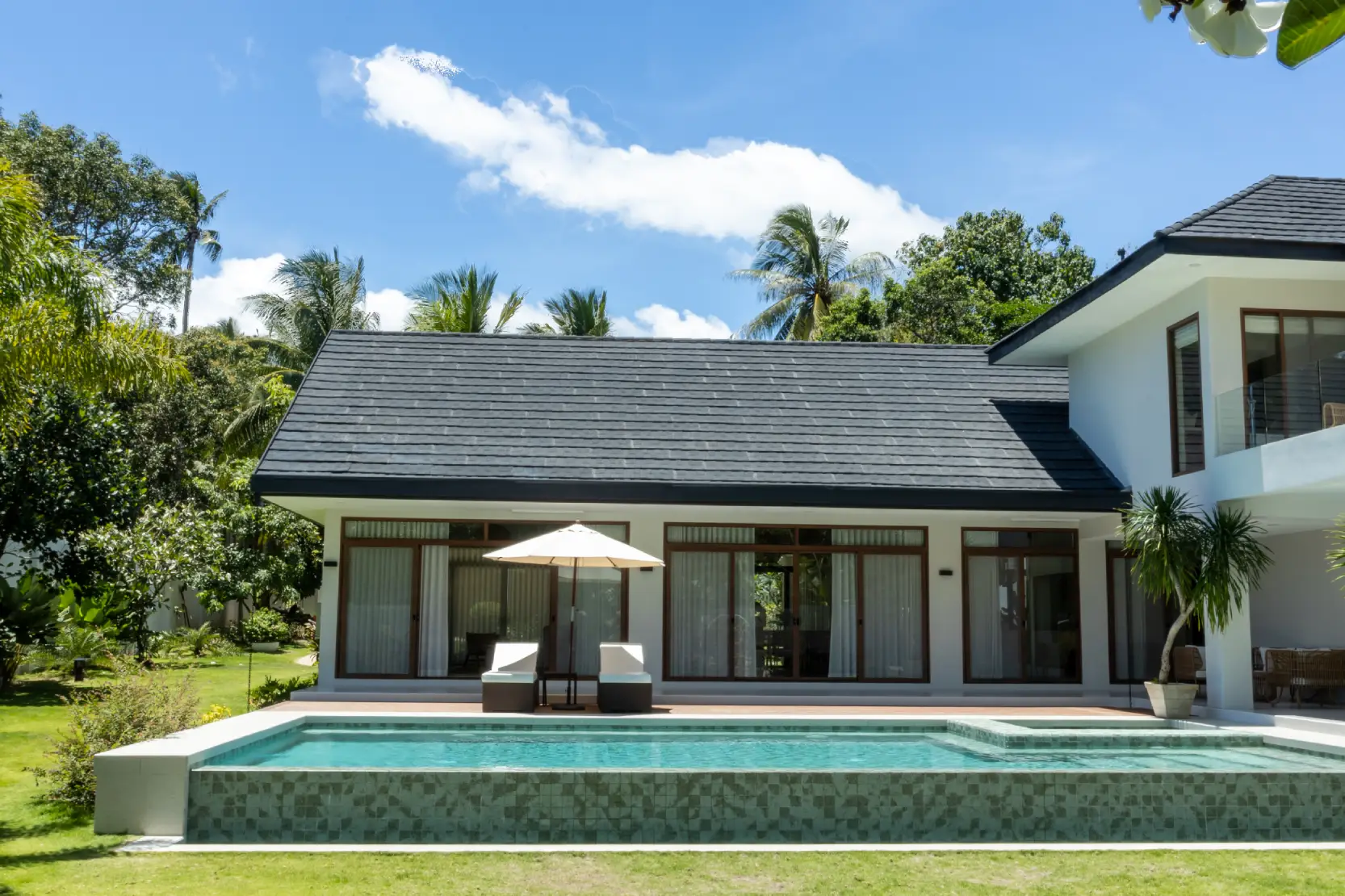
To withstand constant exposure to sunlight, materials such as Sukabumi tiles in the swimming pool and wood-plastic composite flooring in the pool deck were used. Central to the home’s design is natural ventilation. Each bedroom has windows on at least two sides, allowing for reliable cross-breeze ventilation. Additionally, the roof is stone-coated, which muffles heavy rain and deflects heat. Overall, the structure was built for comfort, climate, and connection.
Related Reading: Villa Tropicana: A Vacation State of Mind
DA Residence
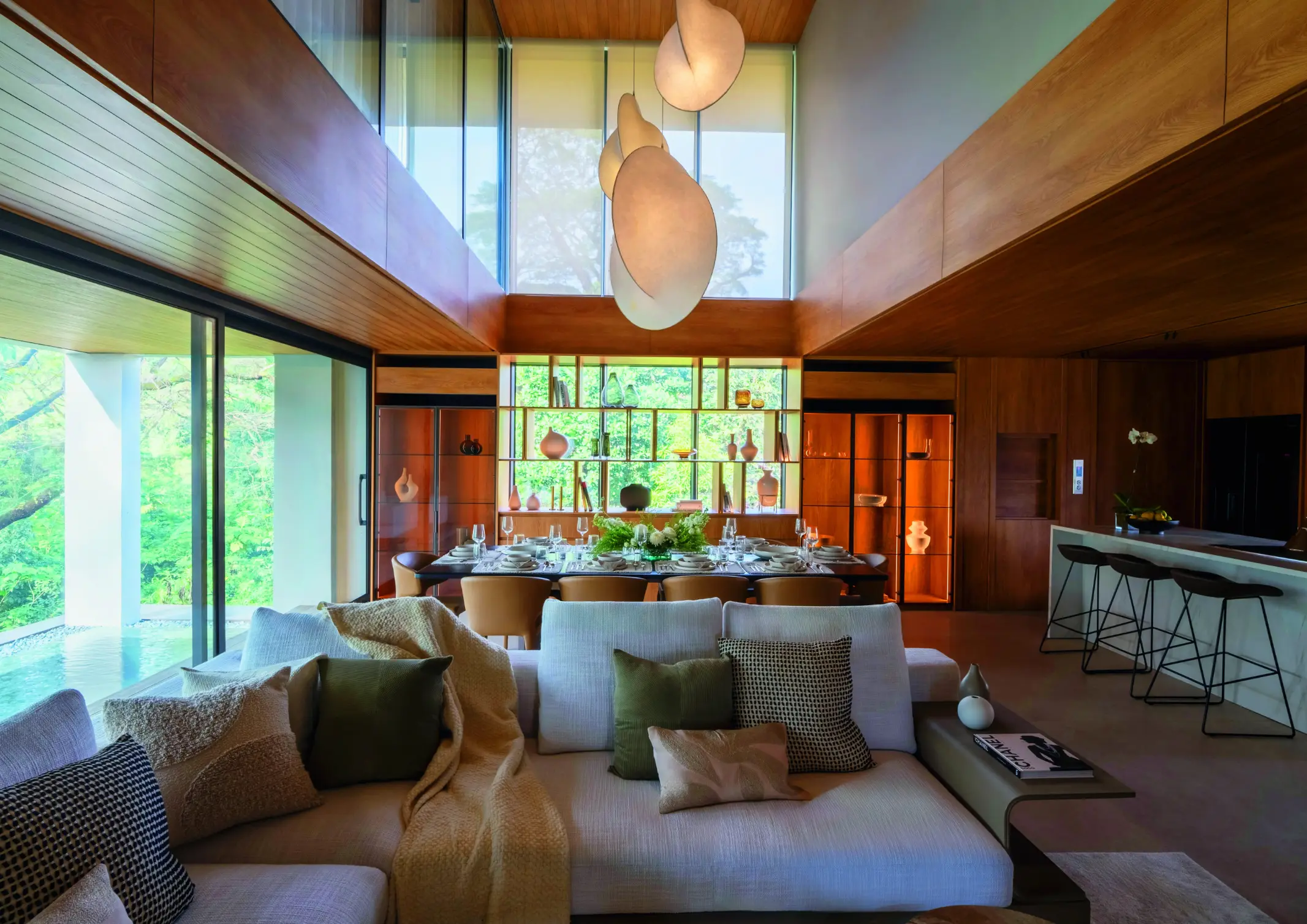
Standing on the edge of the forest, the home allows its surroundings to inform its architectural language. Leaning into timelessness and longevity, the home focuses on a neutral color palette, including warm tones and clean proportions. The central core of the home is its double-height living room, with varying ceiling heights that differentiate the flow of each space. With generous glass openings, natural light becomes a large feature within the home.
Elements such as proper spatial orientation, use of sun-shading devices like louversLouversAngled horizontal or vertical slats of wood, metal, or glass fitted over openings or façades. They allow air and filtered light to pass through while blocking direct sun, rain, andGo to Louvers Glossary, maximizing natural cross-ventilation, and integrating sustainable materials respect its natural site while also creating a visually appealing home. Principal Architect Patrick Espiritu states, “At large, this project is a further testimony that tropical architecture solutions do work and are essential in designing spaces in a tropical site.”
Related Reading: DA Residence: Into the Woods
Frequently Asked Questions
Tropical architecture is a climate-responsive design approach that adapts to local heat and humidity through passive cooling, natural ventilation, and the use of natural materials. It prioritizes protecting residents from the elements while maintaining a deep connection to the surrounding flora and environmental context.
Cross-ventilation is achieved by incorporating features like floor-to-ceiling shutters, louvers, and windows on at least two sides of a room to allow breezes to flow through the space. These elements, as seen in projects like Tauhai Villa and Villa Tropicana, naturally cool the home and reduce the need for mechanical air conditioning.
Commonly used sustainable materials include bamboo, rattan, stone, and clay bricks, which offer breathability and thermal mass suited for the local climate. Recent innovations also integrate wood-plastic composites and stone-coated roofing to provide durability against intense sunlight and heavy tropical rainfall.
Biophilic design enhances tropical architecture by integrating natural landscapes directly into the interior and exterior living spaces through large glass openings and breathable finishes. This approach uses natural textures—such as abaca forms and lime-washed bamboo—to align the home’s sensory experience with its tropical surroundings.
A common mistake is failing to account for solar heat gain and heavy precipitation, which can lead to uncomfortable indoor temperatures and material degradation. To avoid this, designers should utilize sun-shading devices like louvers, high ceilings for heat dissipation, and moisture-resistant materials like Sukabumi tiles to ensure long-term structural integrity.
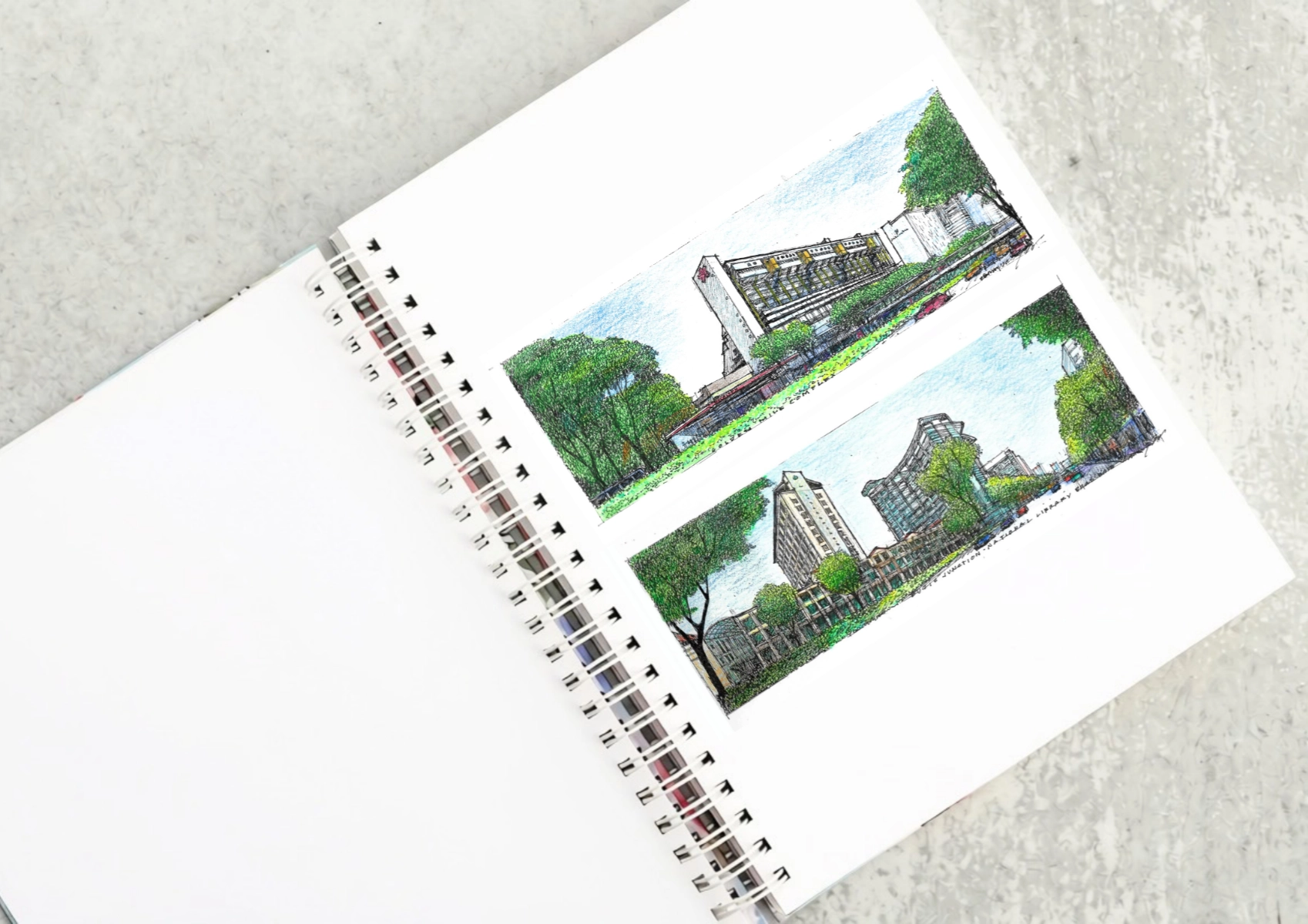
Two sketches of Singapore connect BluPrint Editor in Chief Paulo G. Alcazaren’s personal and professional history with Shared Ground: ArchitectureArchitectureThe art and science of designing and constructing buildings, structures, and spaces that are functional, safe, and aesthetically pleasing. It encompasses the planning, design, materials, and techniques used to createGo to Architecture Glossary of Care, Culture, […]
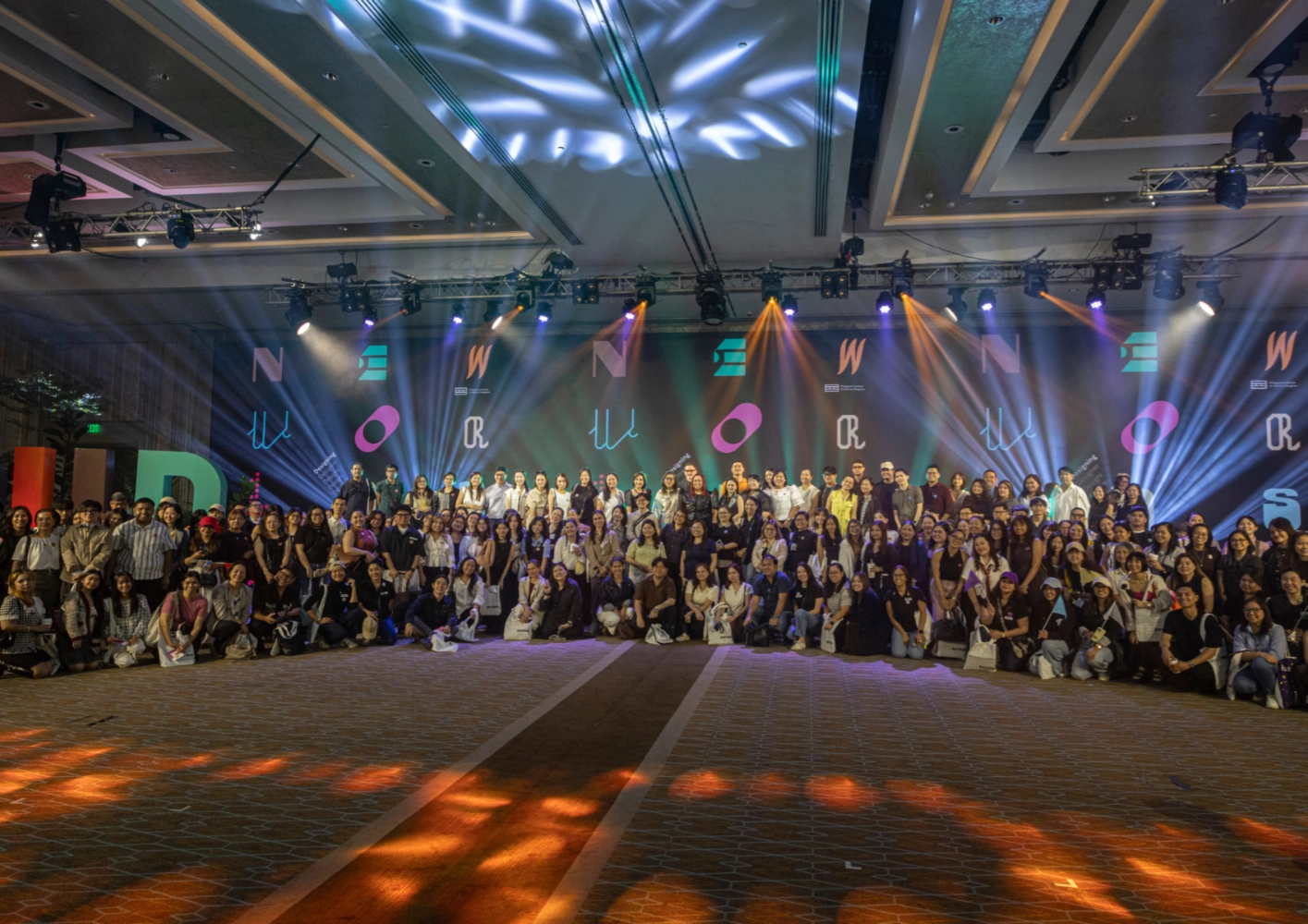
In a way, designers are the modern-day soothsayers and prophets. They design for the future, predicting how a room, a house, a building or a whole city will be used by people. They foresee how users will interact with a space, conjure exact shades of colors to elicit specific behavior and arrange furniture to build […]
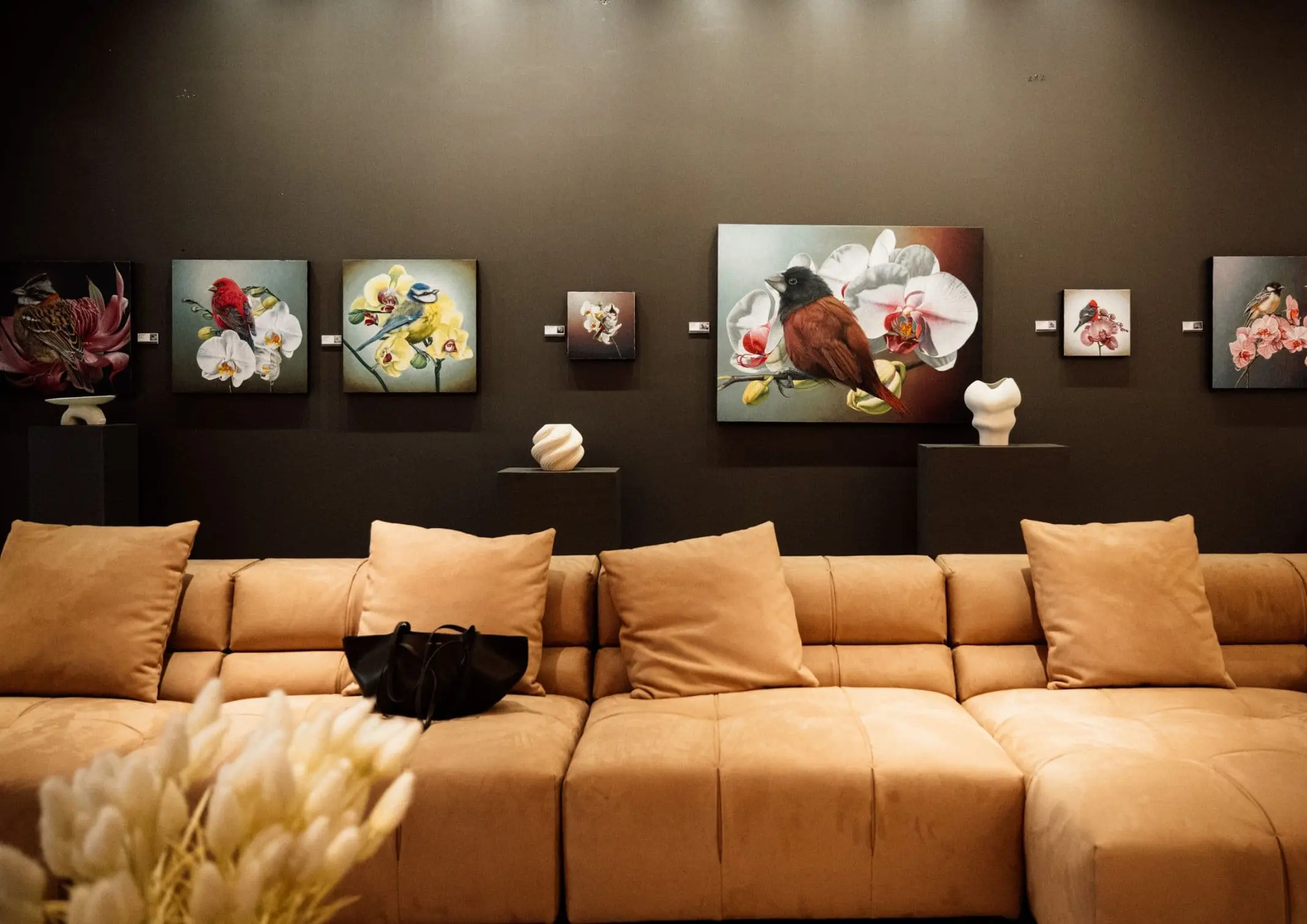
Art and furniture are often selected separately, yet their relationship can shape how a room looks and feels. The collaboration between Hooga and Galerie Joaquin explores how these elements can work together, bringing contemporary artworks into furnished residential settings at Hooga’s showroom in Uptown Mall, Bonifacio Global City. For Hooga, which curates furniture, lighting, and […]
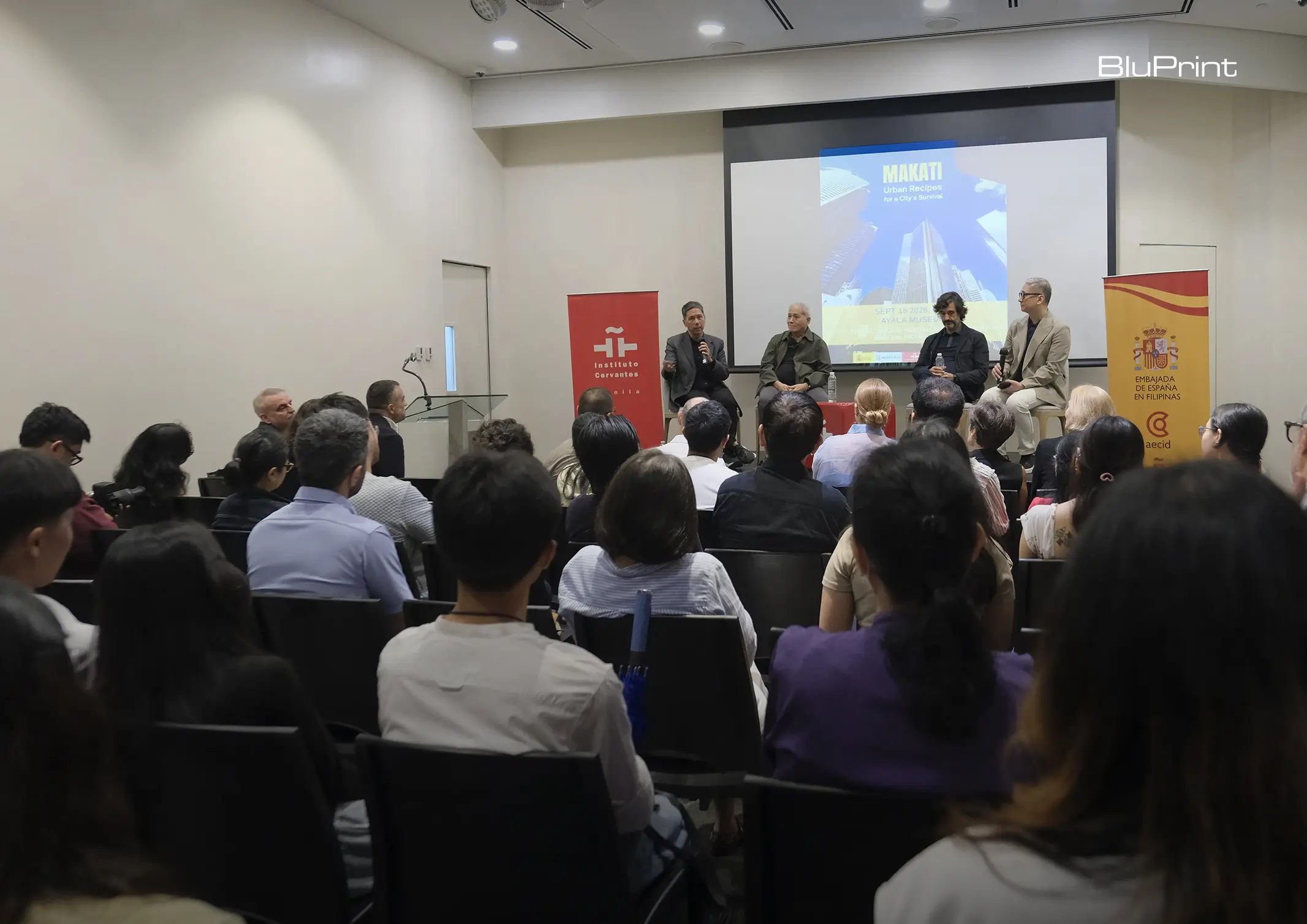
How can better-planned cities create the conditions for more creative, livable, and resilient urban environments? “Makati Urban Recipes for a City’s Survival,” a colloquium held at the Ayala Museum on September 15, brought together architects and practitioners from the fields of urbanism and the creative economy to discuss how design, planning, and collaboration can address […]
Read the issues.

Collect the volumes.

Recommended Video
Tap to Unmute
Unmute
0:00
0:00