A kitchen is one of the hardest-working spaces in a home. It must withstand daily wear, changing routines, evolving technologies, and shifting lifestyle needs while remaining visually coherent within the larger architectural narrative. While every project has its own requirements, experienced designers often return to a similar set of considerations when evaluating a kitchen. Here […]
SM City Zamboanga: Reframing the Mall as a Place for Gathering



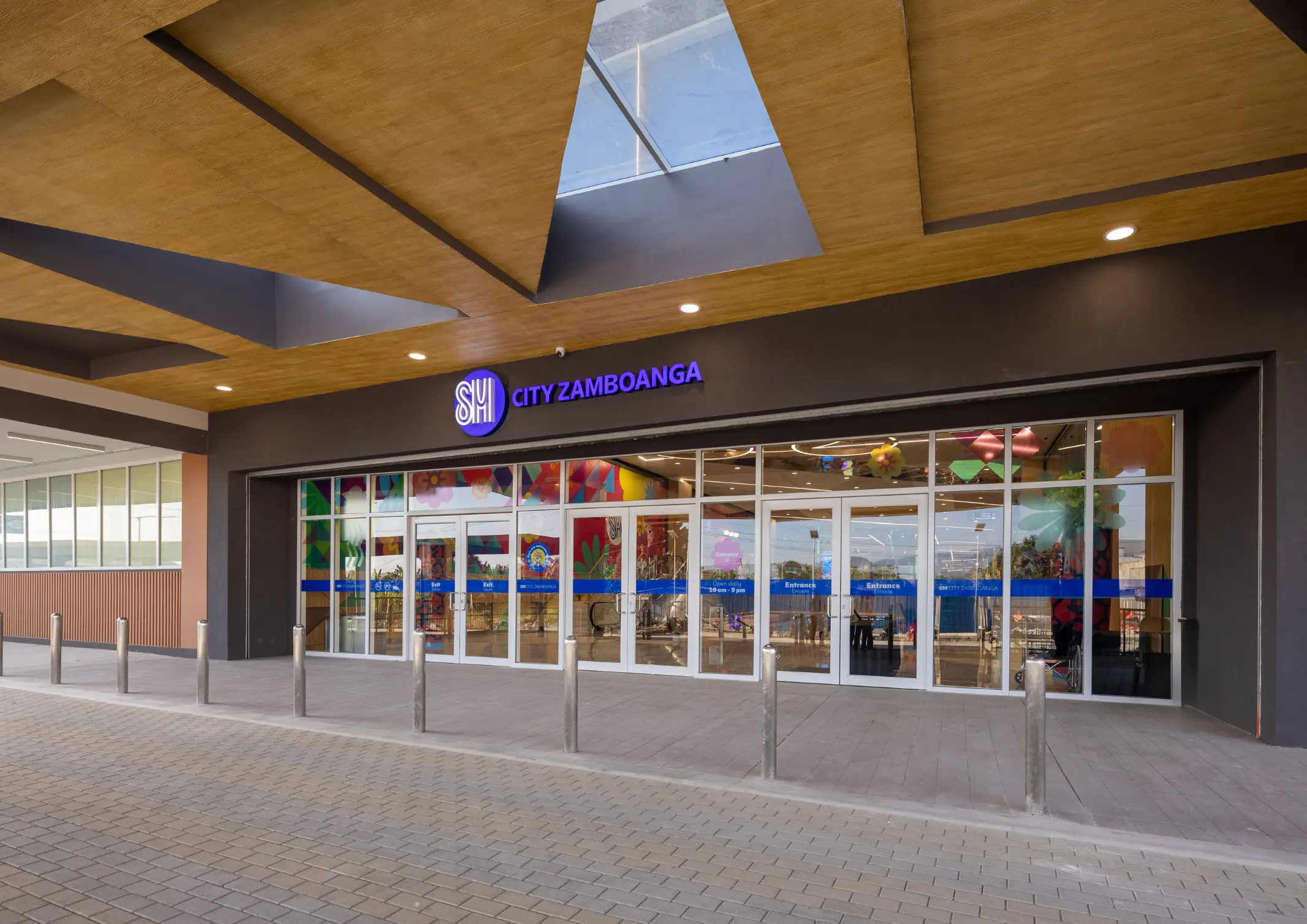
In Zamboanga City, a new kind of destination is emerging—one that reflects how spaces today are defined not just by function, but by how they bring people together. SM City Zamboanga positions the mall as a place for gathering where culture, community, and everyday life converge.
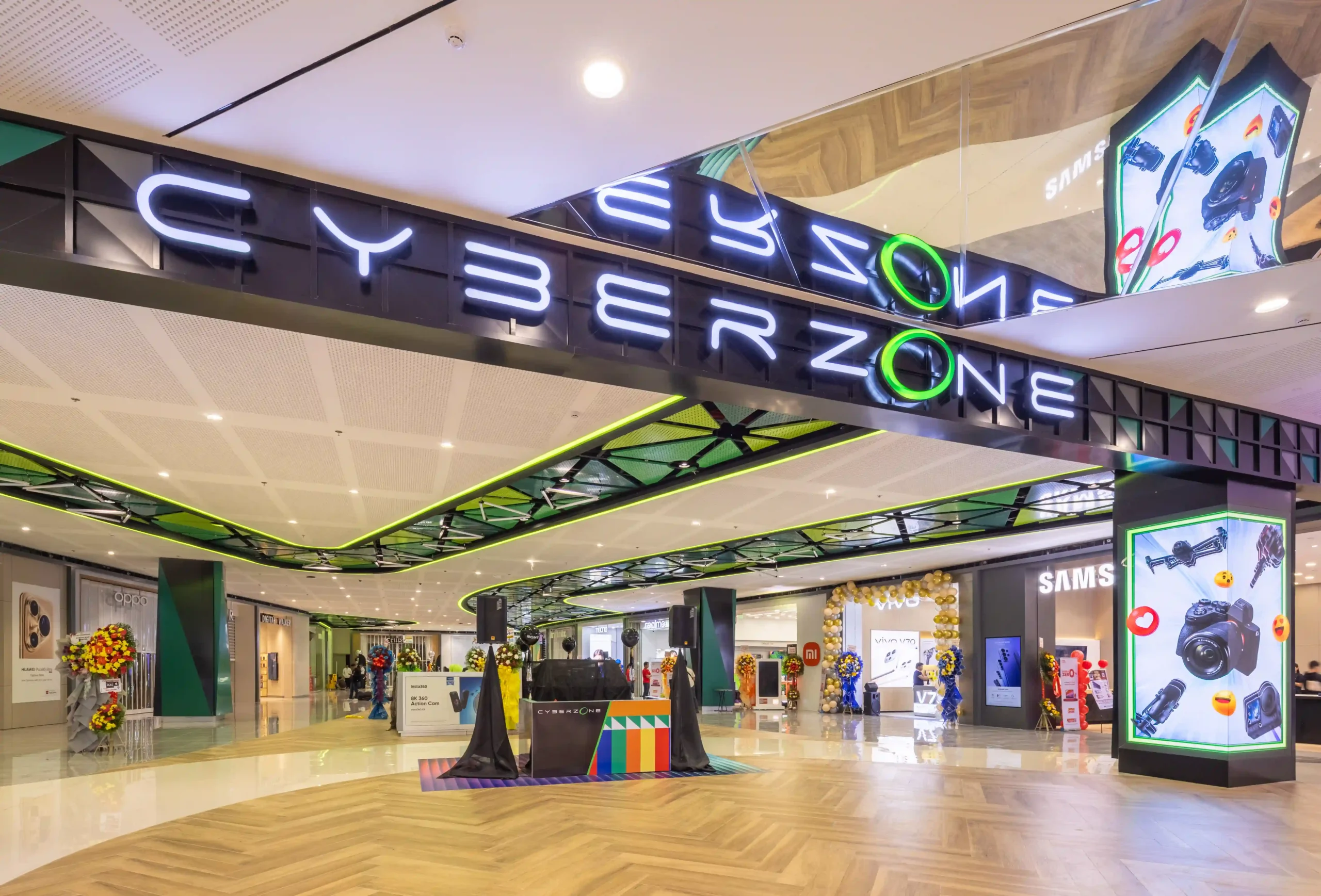
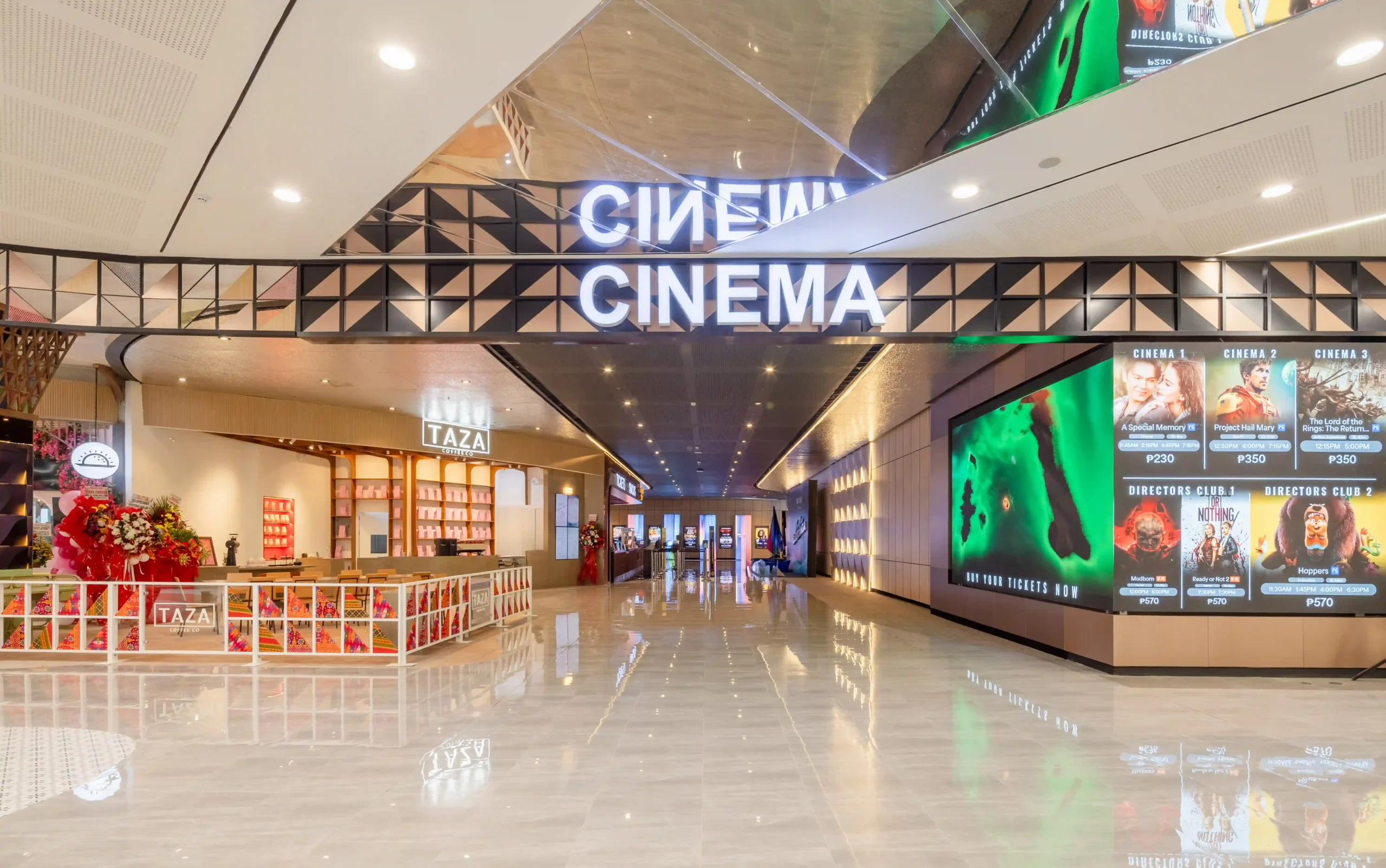
Located along Mayor Vitaliano Agan Avenue in Camino Nuevo, the four-level, 61,000-square-meter development introduces a contemporary landmark grounded in local identity. Its architecture draws from the visual language of the region, translating cultural references into a space designed for movement, interaction, and shared experience.
Drawn from Local Culture
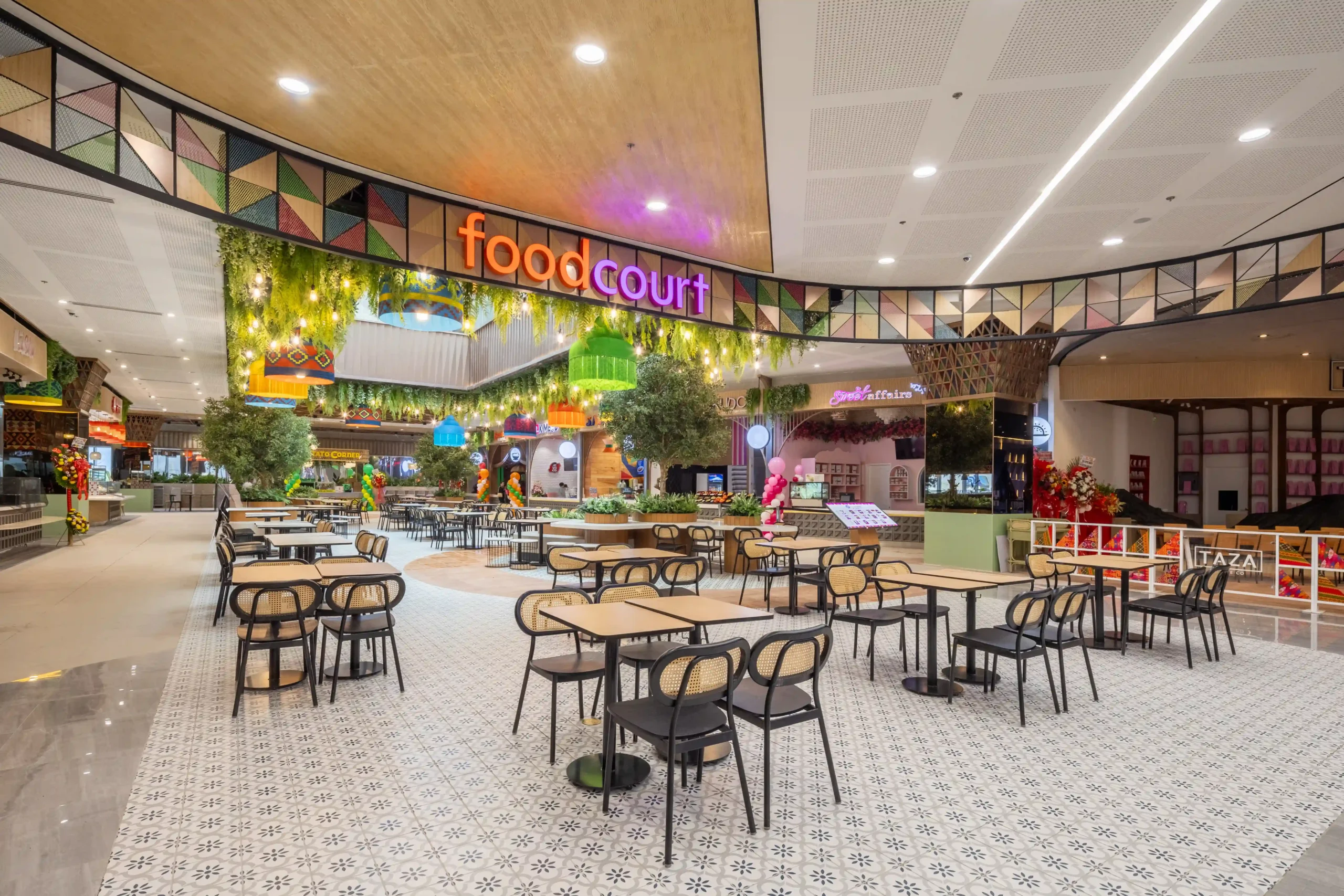
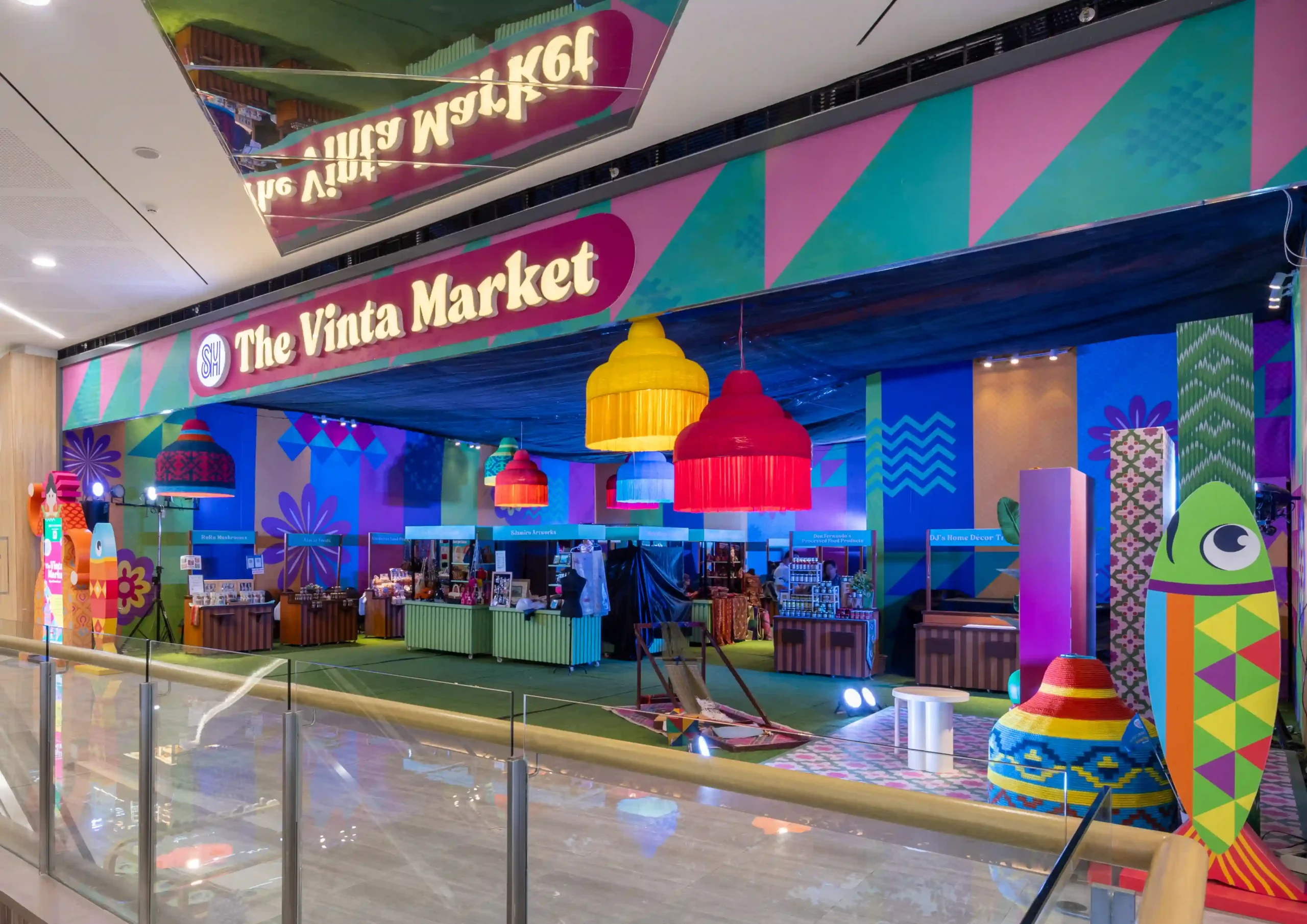
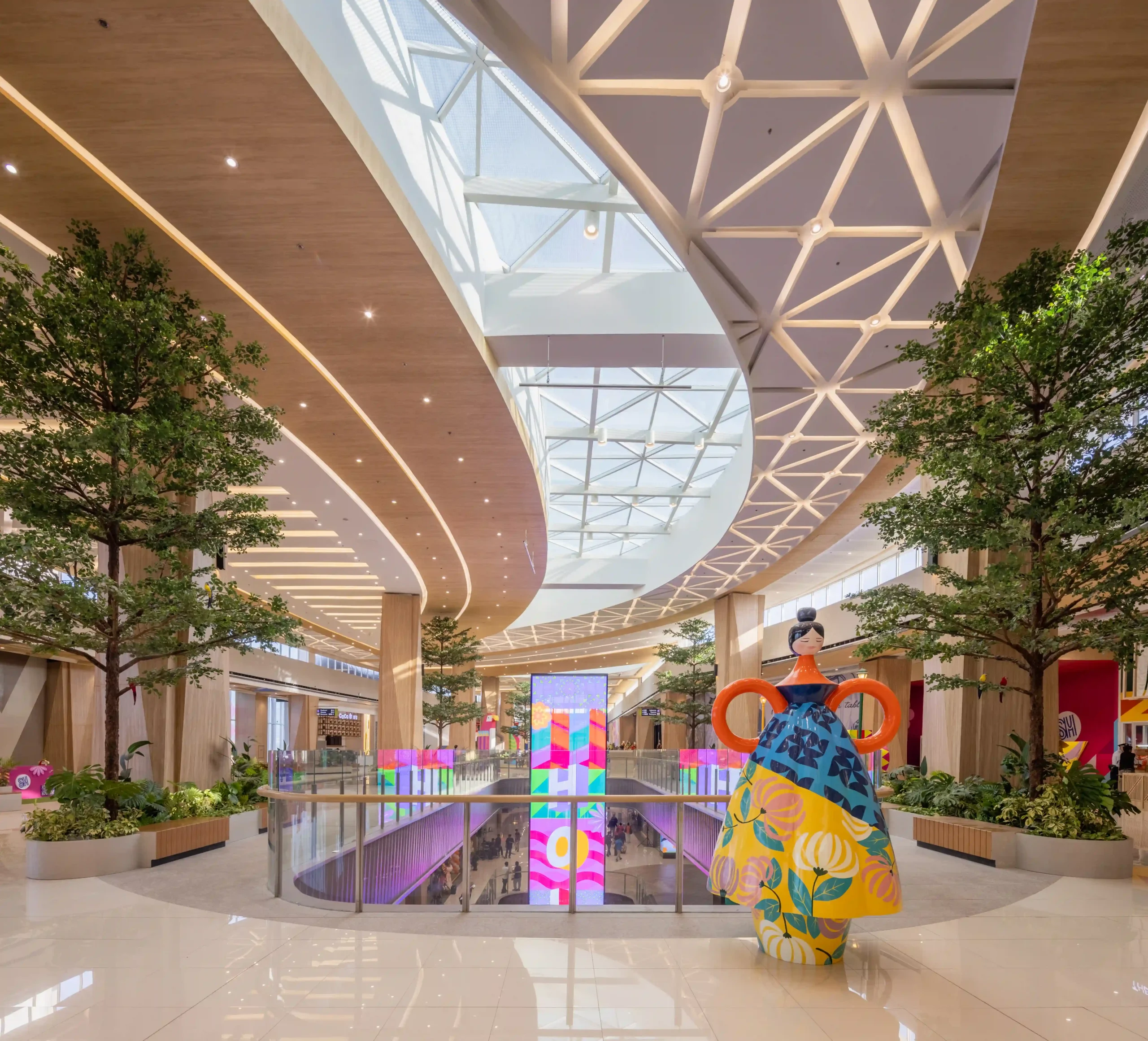
At the core of the design is the vinta, a symbol of the Zamboanga Peninsula’s maritime culture. Known for its vividly colored sails, it represents both movement and livelihood. Within the mall, these patterns are reinterpreted into geometric forms and color compositions, most visible in the Food Court, where the space reflects the rhythm and vibrancy of the region.
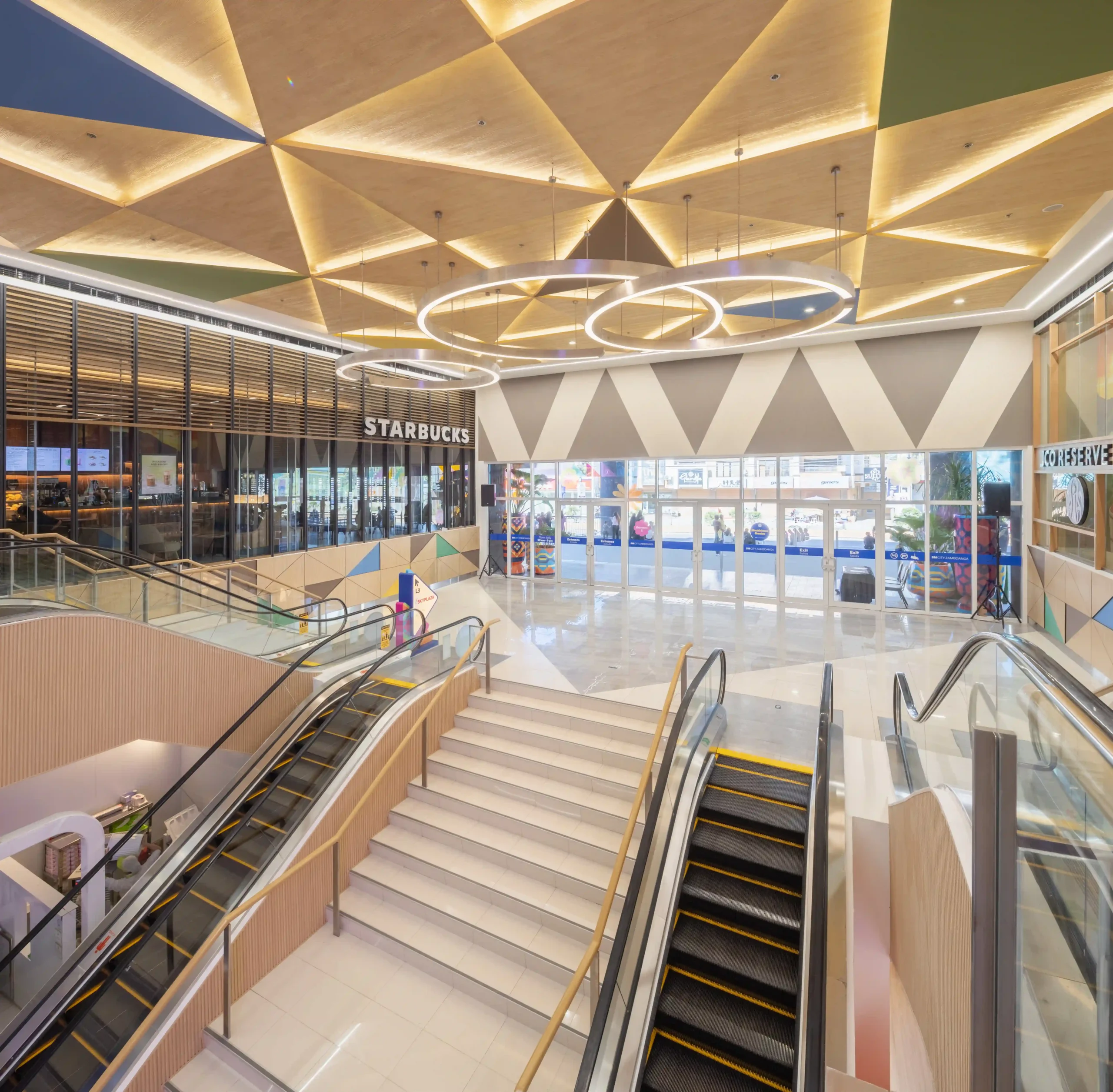
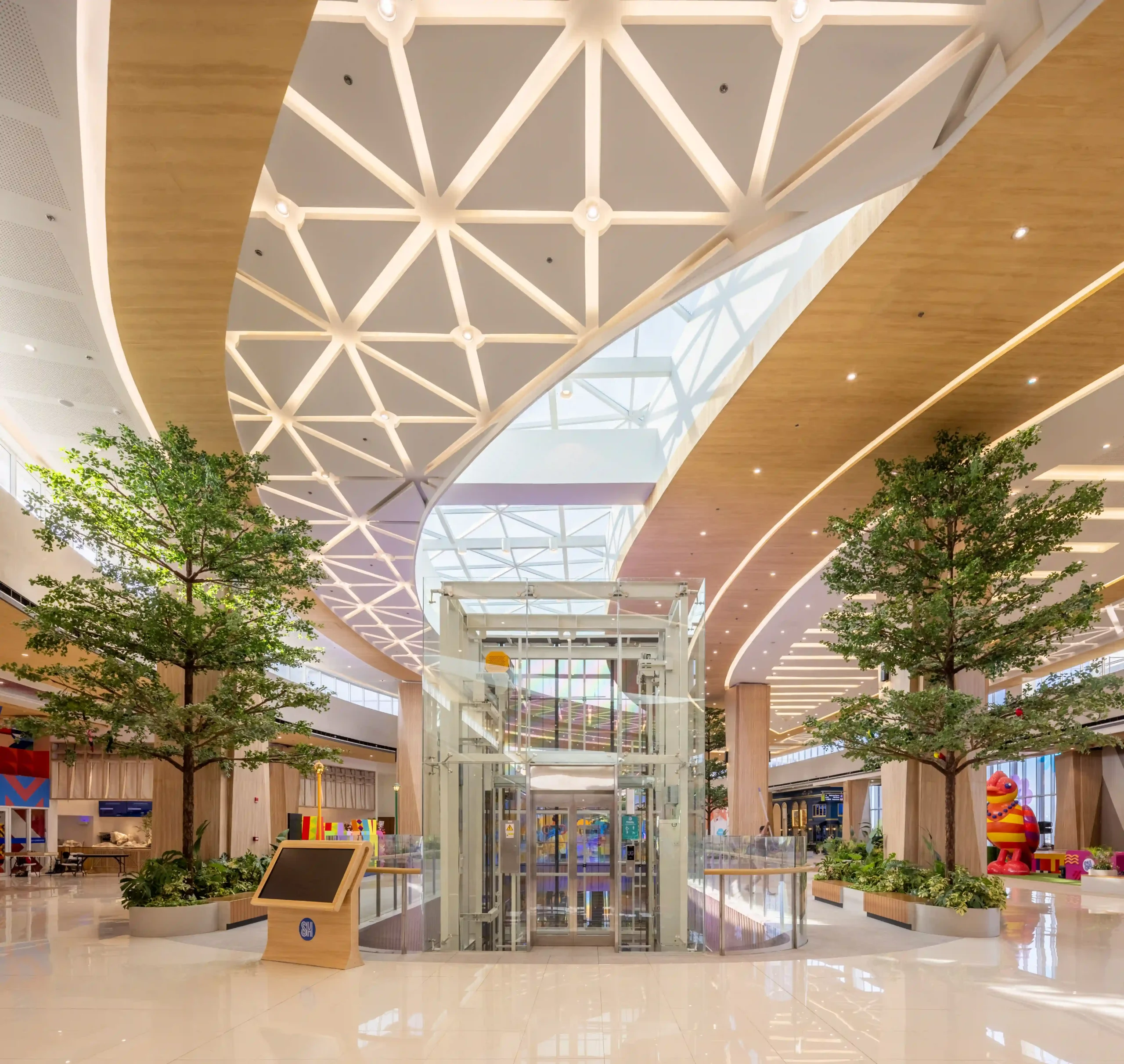
Patterns inspired by traditional Zamboangueño weaving extend this narrative overhead. Skylit ceilings filter daylight into the interiors, casting subtle textures across walkways. In a city with a strong Muslim presence, this use of light and form takes on an added layer—acknowledging the spiritual rhythms of the community.
This approach takes shape in the materials chosen for the interiors. Wood finishes and locally sourced elements introduce warmth, balancing modern construction with tactile references.
Gathering in One Place
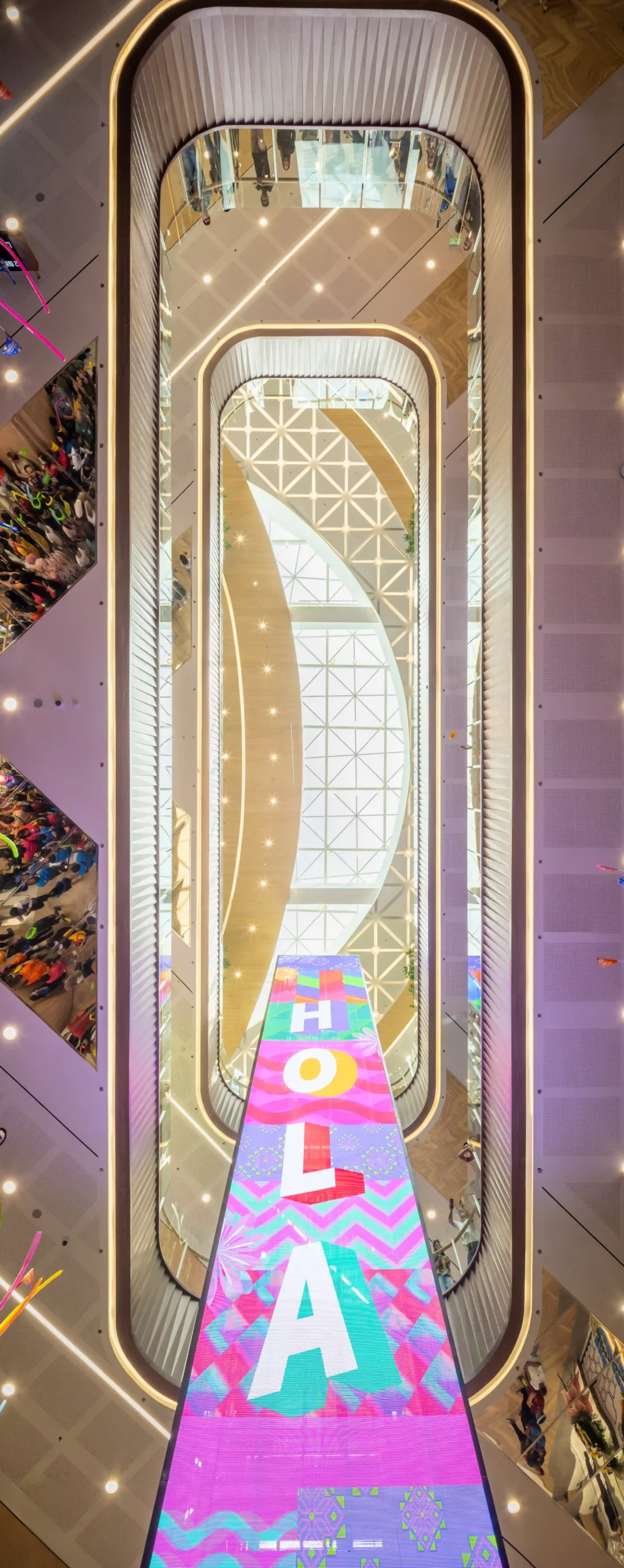
At the center of the mall, a scenic elevator wrapped in a 72-foot LED screen transforms vertical movement into a visual experience, serving as a focal point within the atrium. Expansive glass curtain walls and open layouts bring in natural light, connecting interior spaces with the surrounding city.
On the third level, the Sky Plaza offers a quieter counterpoint. Conceived as an indoor garden inspired by an aviary, it provides a breathable environment—a place to pause within the activity of the mall.
Wide walkways, open sightlines, and social spaces support a fluid way of moving and gathering, allowing the mall to function as an everyday setting shaped by its community.
All for You
As SM Supermalls continues to evolve its developments, SM City Zamboanga reflects a broader direction—where malls respond to how people live today, with architecture grounded in culture and open to everyday life.
Read More: SM Laoag and the Architectural Proof That Filipinos Deserve Better Design
Frequently Asked Questions
SM City Zamboanga integrates local culture by using the vinta—a traditional Zamboangueño sailboat—as its primary design symbol. This is reflected through geometric forms and vivid color compositions in the Food Court, while skylit ceilings feature patterns inspired by traditional regional weaving to filter natural light into the walkways.
The Sky Plaza, located on the third level, is an indoor garden designed to function as a quiet, breathable counterpoint to the mall’s active commercial zones. Inspired by an aviary, this space provides a natural sanctuary for visitors to pause and relax, supporting the mall’s goal of being a holistic place for community gathering.
The atrium serves as a focal point through a scenic elevator wrapped in a massive 72-foot LED screen that transforms vertical movement into a visual experience. This feature is complemented by expansive glass curtain walls and an open layout that brings in natural light, connecting the mall’s interior with the surrounding city environment.
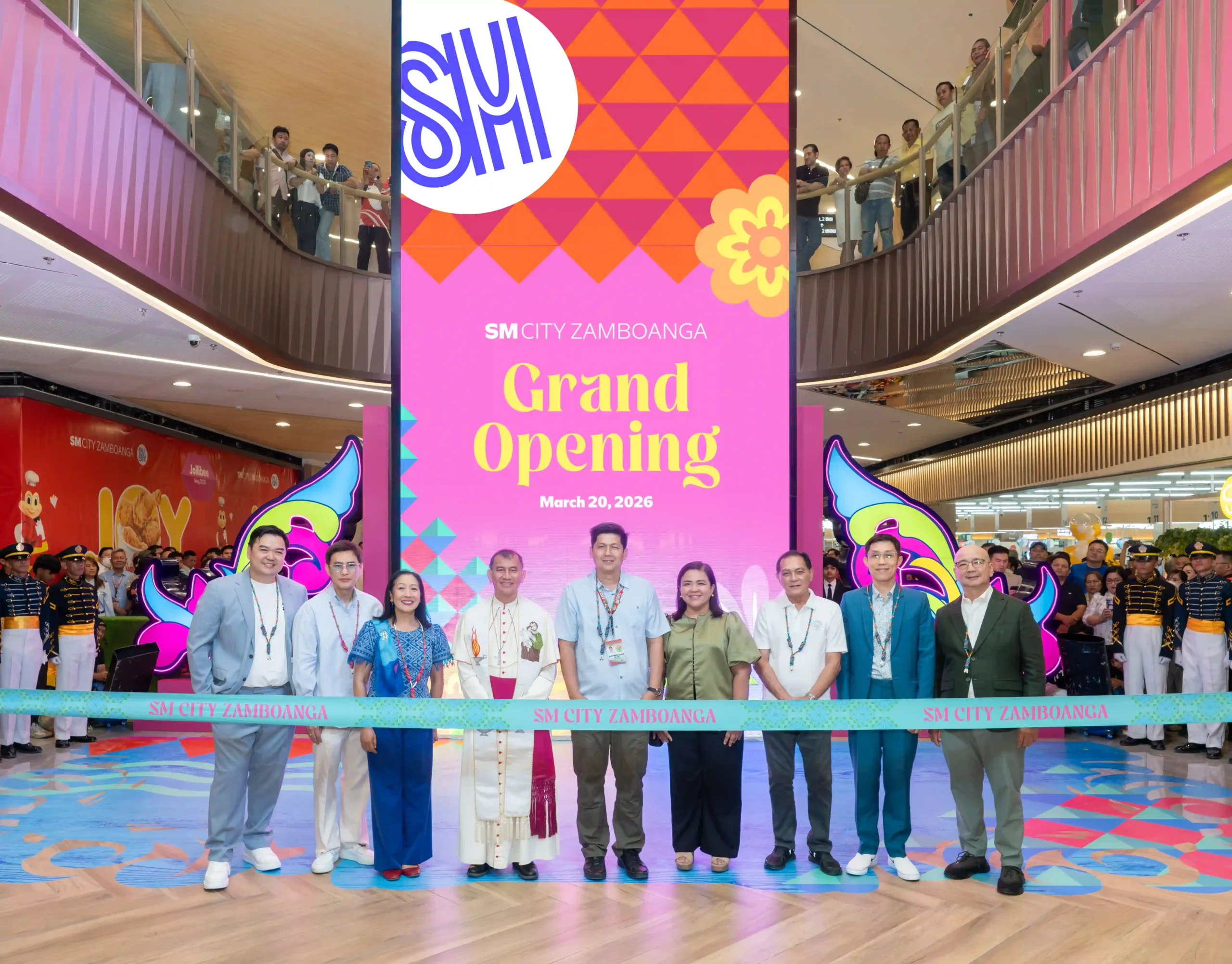
Opening during Eid al-Fitr underscored the mall’s commitment to inclusivity and its role as a welcoming space for the diverse communities of Zamboanga. By launching during a major religious and cultural celebration, the development positioned itself as a responsive environment that respects and celebrates the spiritual rhythms of the local Muslim population.
The mall supports social interaction through wide walkways, open sightlines, and dedicated social spaces designed for fluid movement and gathering. The use of wood finishes and locally sourced materials introduces a sense of warmth, balancing modern construction with tactile elements that make the 61,000-square-meter development feel accessible and community-oriented.
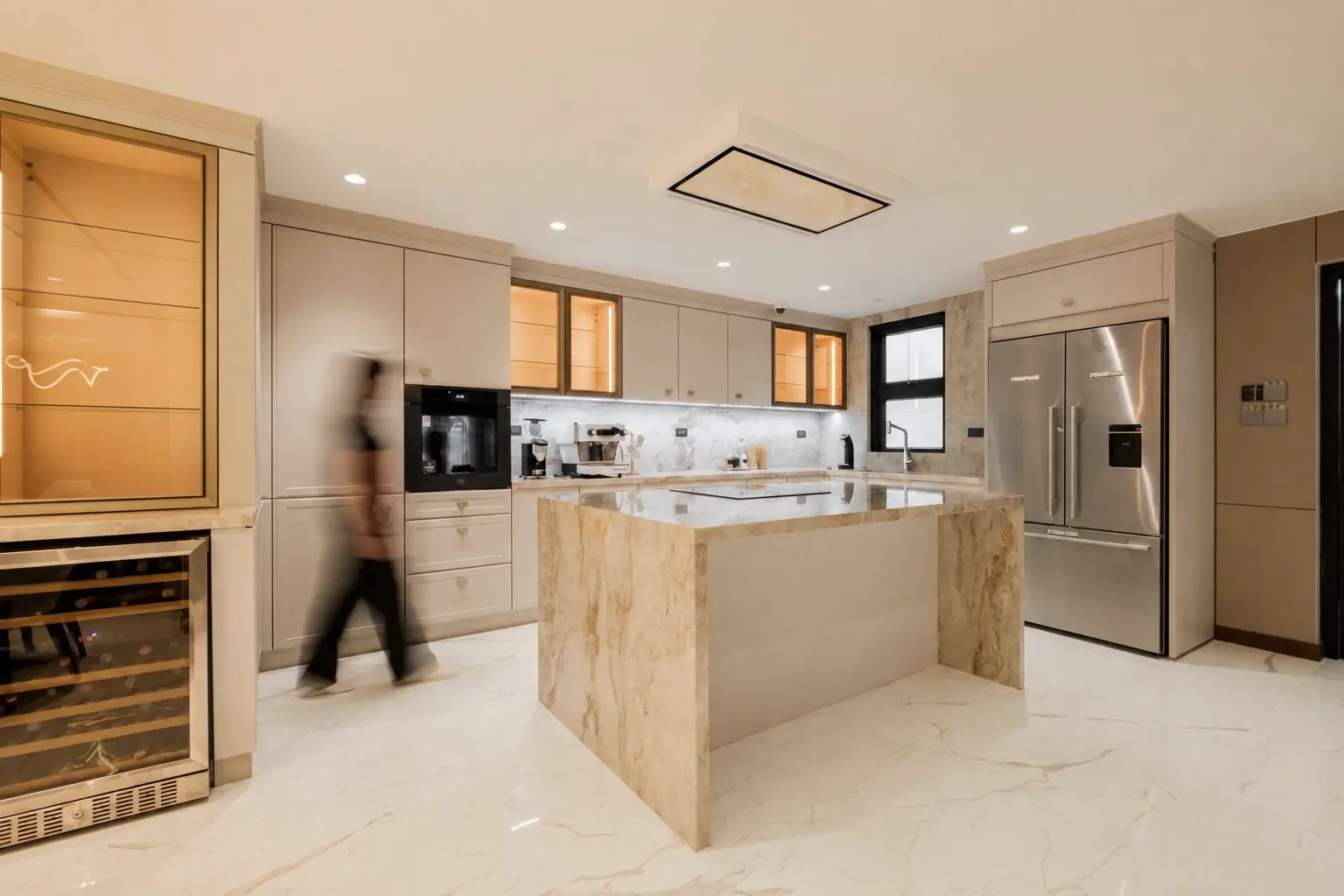
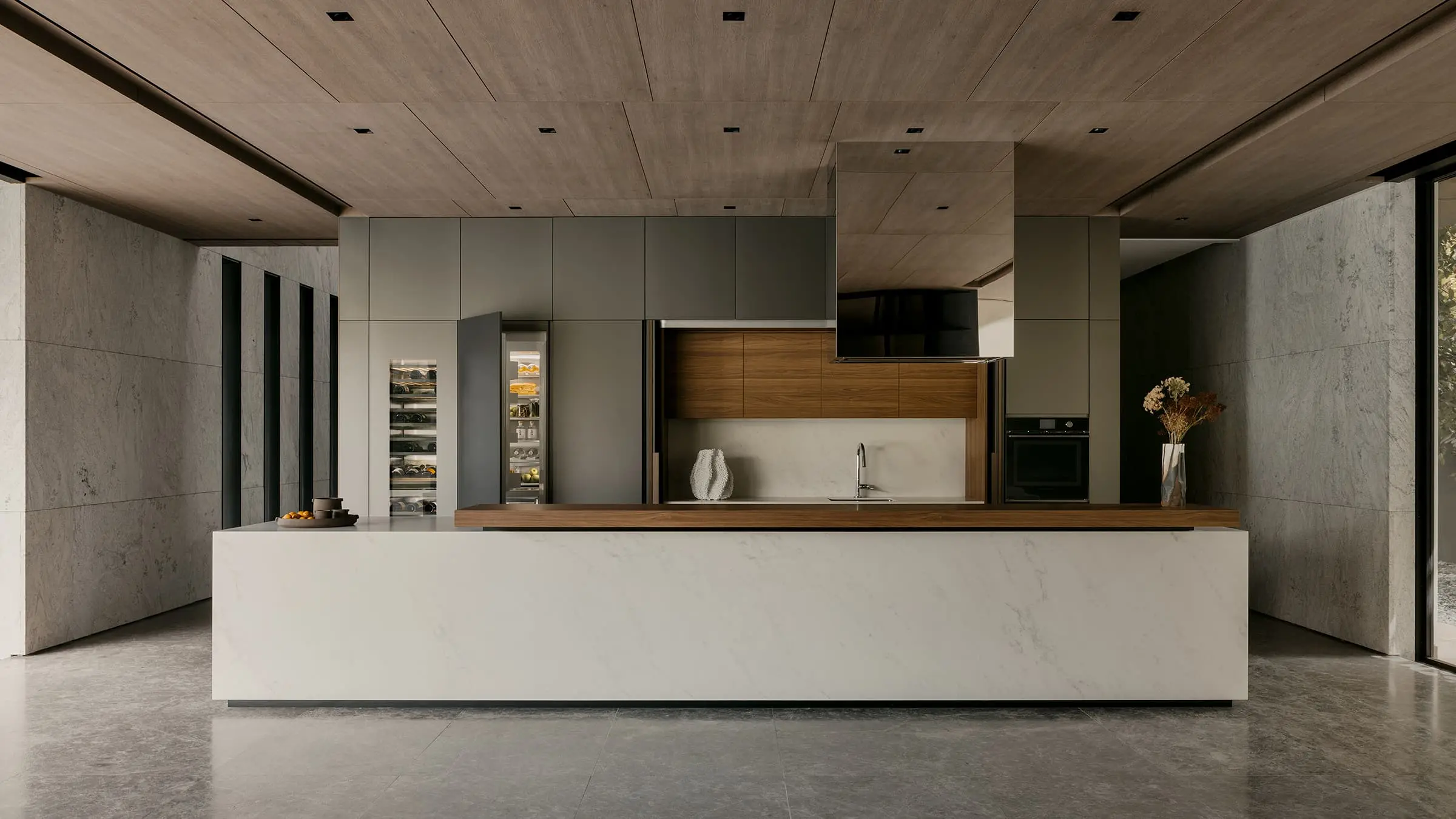
The modern kitchen has evolved beyond its traditional role as a place for preparing meals. It is the heart of the home – a space where daily rituals unfold, conversations linger and the rhythm of everyday life takes shape. As open-plan living continues to redefine residential design, the kitchen is no longer a separate room, […]
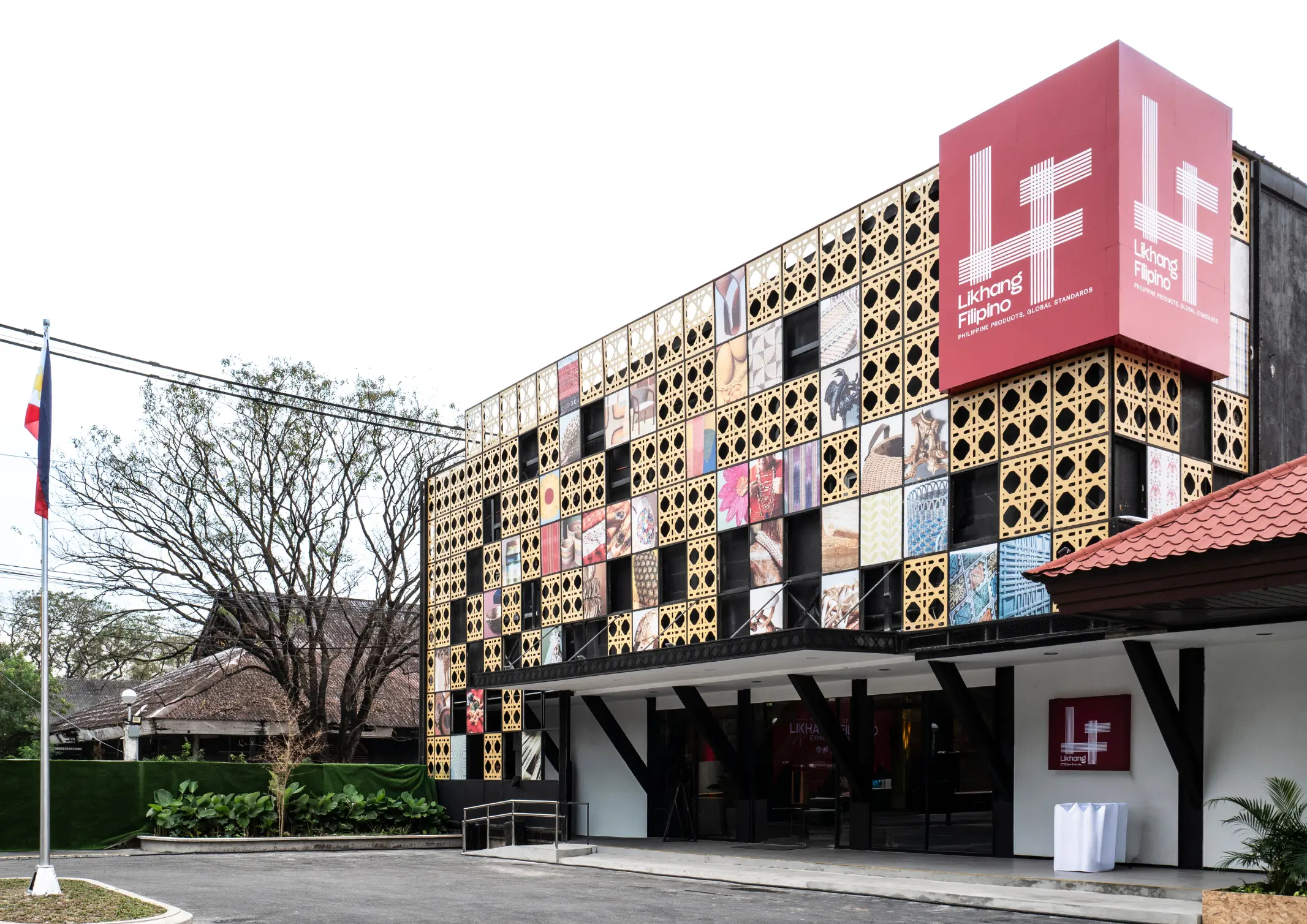
Likhang Filipino stands on the former site of the PhilTrade Center along Roxas Boulevard in Pasay City, a landmark that once symbolized the Philippines’ export ambitions and introduced Filipino craftsmanship to international audiences. Originally inaugurated in 1979, the PhilTrade Center was conceived as a national showcase for Philippine exports, with its longitudinal form and sloping […]
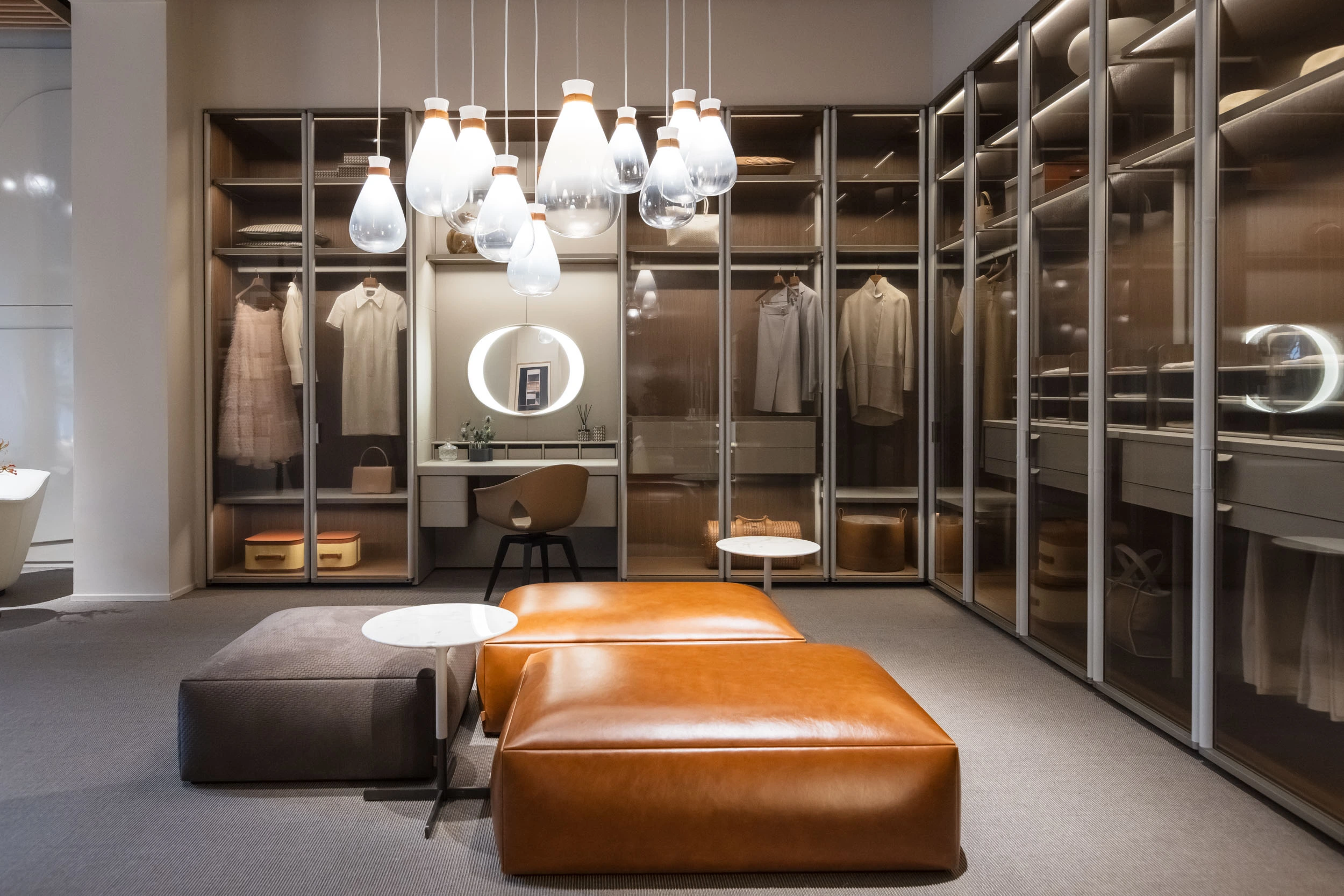
Presented during Milano Design Week 2026 at Palazzo Gallarati Scotti, Poltrona Frau’s flagship store in Milan, the “True Over Time” Collection celebrates one of the brand’s most enduring values: authenticity. More than a matter of craftsmanship or material quality, durability is understood as a design’s ability to preserve its meaning over time, remaining relevant across […]
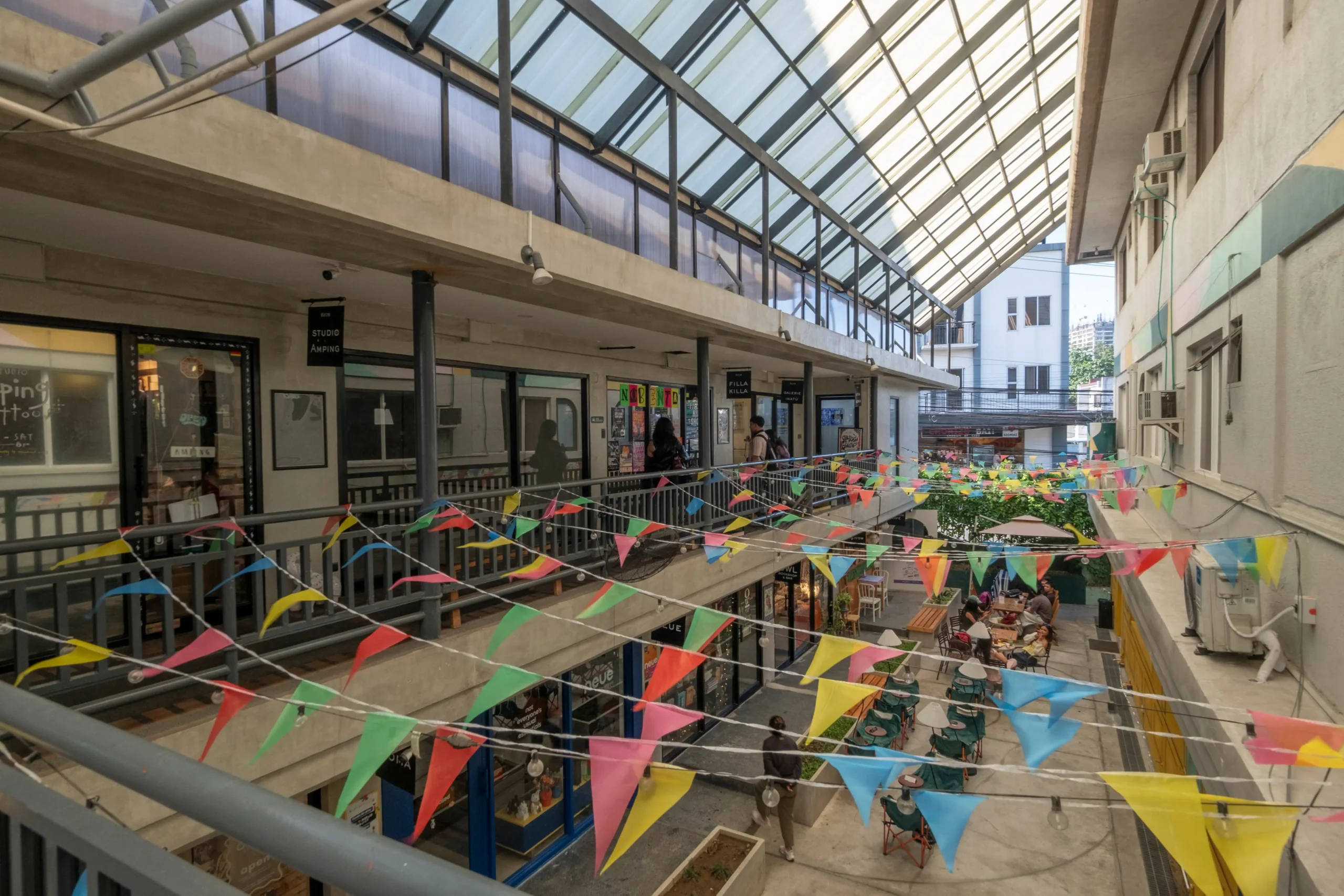
Within a two-building commercial complex organized around a central courtyard, an unexpected layout unfolds. The shops are small and quaint, uniformly sized, and directly face one another like apartment units. This is Atúa. Related Reading: Creative Placemaking: Designing Public Spaces that Reflect Shared Memory What used to be a functioning hotel in the early 1990s, […]
Download this month's BLUPRINT magazine digital copy from:



Subscribe via [email protected]
Recommended Video
Tap to Unmute
Unmute
0:00
0:00