Bigkis is the act of binding. In Tagalog, the word can refer to something used to bind or encircle, as well as a bundle formed by tying several separate elements together. Figuratively, it can also mean a bond, union, or unity. The meanings move from the physical act of joining things together to the connection […]
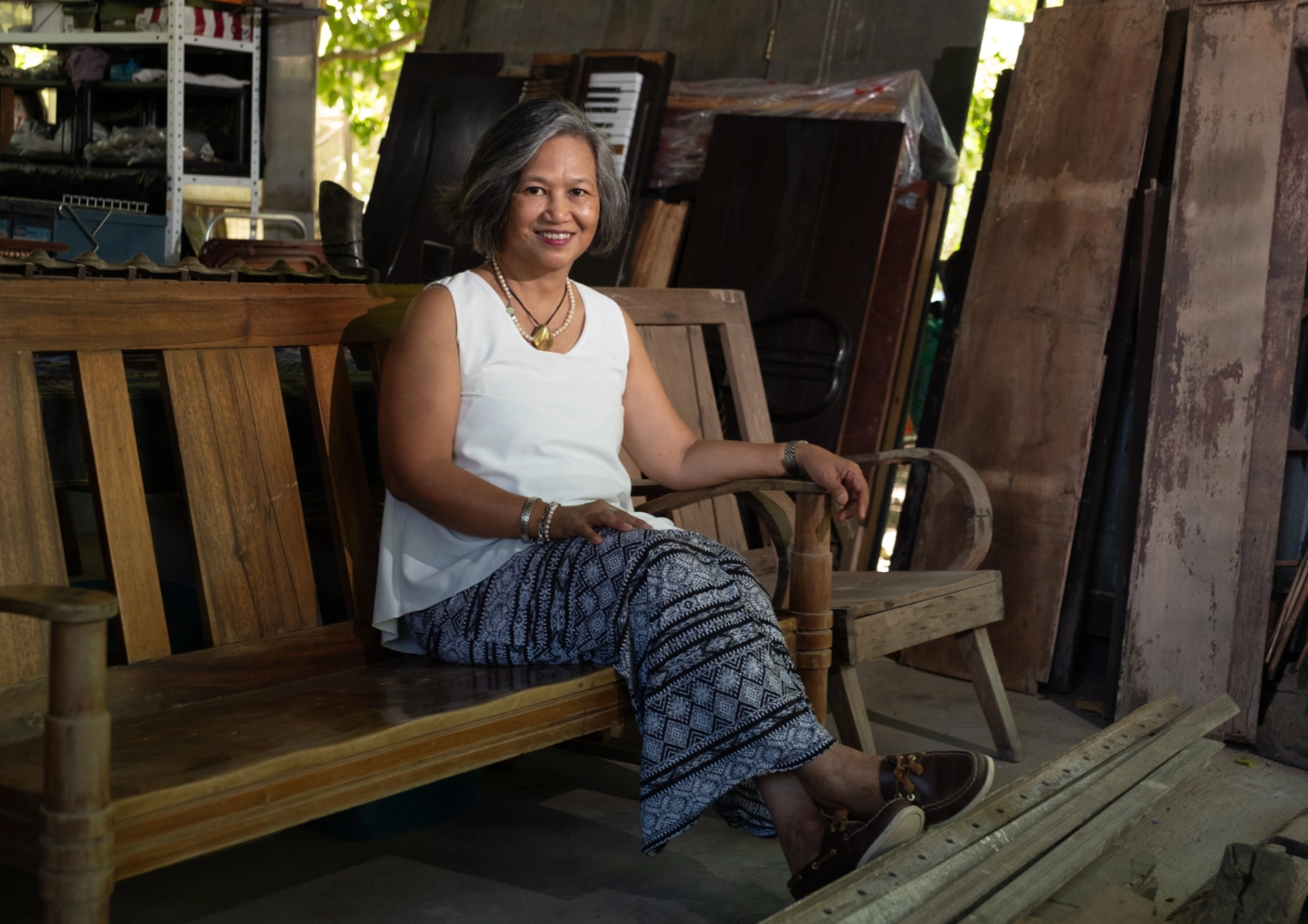
Maker’s Mark: Rinna Soriano on the Discipline of Making



Rinna Soriano’s favorite part of her work is sanding. At her workbench, she stays focused, following the grain, adjusting to changes in its direction. NarraNarraThe national tree of the Philippines, Pterocarpus indicus, prized for its durable, reddish-gold hardwood and handsome grain. Traditionally used for furniture, flooring, and carved panels, narra is now protected fromGo to Narra Glossary, she has learned, can have interlocking grain. A piece of mango once proved particularly difficult until a worker explained that she had reached the point where a branch once grew from the trunk.
Soriano sees a parallel in the way life can change direction. “This is a nice metaphor for life, di ba? When you’re in the crossroad, buhol-buhol, di ba? You don’t know where to go.” A decision may straighten the path before another branch appears and another choice has to be made.
Choosing Woodworking Over a Career in Business
Soriano’s route to woodworking began in business. After graduating from the University of the Philippines with a degree in business administration and accountancy, she joined SyCip Gorres Velayo & Co. (SGV). Through one of the firm’s clients, she met architect Frederico Soler, whose interest in wood furniture brought her closer to the process of making and the demands of fine craftsmanship.
Writing about the decision years later, Soriano recalled wanting “to do something beyond thinking and paperwork” and “to create things with my hands.” Faced with a choice between Harvard Business School and a woodworking school run by German master Bernhard Forster in Mindanao, she chose woodworking.

In Dapitan, Zamboanga del Norte, Soriano trained in cabinetmaking and joinery at the Furniture Training Center, learning to construct furniture through fitted joints rather than relying on nails. She later established a workshop and became involved in the furniture industry in the Philippines and overseas. Her work took other forms in the succeeding years, but the skills acquired in Dapitan remained.
Related Reading: Benji Reyes Brings Filipino Woodworking to Tahanan Bistro
Building a Workshop in Tiaong, Quezon
During the pandemic, Soriano moved to her family’s farm in Tiaong, purchased by her grandfather in 1953. Part of the site was a former piggery that had deteriorated after years of storms. Plans for a garage eventually provided room for the workshop where she practices today.

Soriano did not have enough money to complete the structure when a friend living in Europe commissioned benches for a house in the Philippines and agreed to pay in advance. “So I had the money to build the workshop,” she recalls. “Then she was very happy naman with the benches I made.” The work itself helped make room for more work.
The workshop remains compact, with her workbench, tools, equipment, and belongings sharing the available space. “I’d like to challenge myself to make do with what I have,” Soriano says.
Related Reading: Villa Escudero Plantation: A Design-Focused Guide to Visiting This Historic Estate in Laguna
Transforming Madre de Cacao into the Salu-Salo Collection
Living in Tiaong has expanded Soriano’s knowledge of local woods through people on the farm who recognize different species and understand their characteristics.
Much of her work today takes the form of sculptured charcuterie boards made from Madre de Cacao. The wood came from aged planks stored for years in a friend’s backyard. Soriano brought them to her workshop before knowing what she would make; a friend’s suggestion eventually led to the Salu-Salo Collection, exhibited in 2024.

Drawing in part from National Artist Napoleon Abueva, whom she had encountered years earlier through a commissioned sculpture project, Soriano developed the boards as functional objects with sculptural forms. Smaller than the furniture she trained to make, they still draw on the same understanding of wood and technique.
Related Reading: Mangha-Likha: Defying ART Conventions: Awe and Wonder in Unconventional Artmaking
The Discipline of Making: Advice from Neighbor Ugu Bigyan
Soriano credits her neighbor, potter Ugu Bigyan, with advice that has stayed with her. “I really picked up very sweet advice from him,” she says. “Sabi niya, ‘Gawa ka lang, gawa.’” For Soriano, it has become part of the rhythm of her own practice: “Ako, paggising ko sa umaga, talaga ako’y gawa na ng gawa.”
More than three decades after learning joinery and cabinetmaking in Dapitan, Soriano continues to work at the bench in Tiaong, responding to changes in the grain, the limits of her workshop, and the material in front of her. Her ability to adjust, learn, and continue making is the mark of a true maker.


Related Reading: Jon and Hanna Pettyjohn: Bridging the Multigenerational Spirit of Artistry
Frequently Asked Questions
Rinna Soriano is a Filipino woodworker trained in cabinetmaking and joinery. She has practiced woodworking for more than three decades and currently works from a workshop in Tiaong, Quezon.
Soriano trained at the Furniture Training Center in Dapitan, Zamboanga del Norte, under German master Bernhard Forster, learning cabinetmaking and joinery.
Soriano trained in furniture making and today produces sculptured charcuterie boards and other objects using local woods. Her work draws on traditional woodworking skills, including joinery and an understanding of wood grain.
The Salu-Salo Collection is a series of sculptured charcuterie boards made from aged Madre de Cacao wood. Soriano developed the boards as functional objects with sculptural forms, drawing in part from National Artist Napoleon Abueva
Soriano’s workshop is located on her family’s farm in Tiaong, Quezon. She established the workshop after moving to the property during the pandemic.
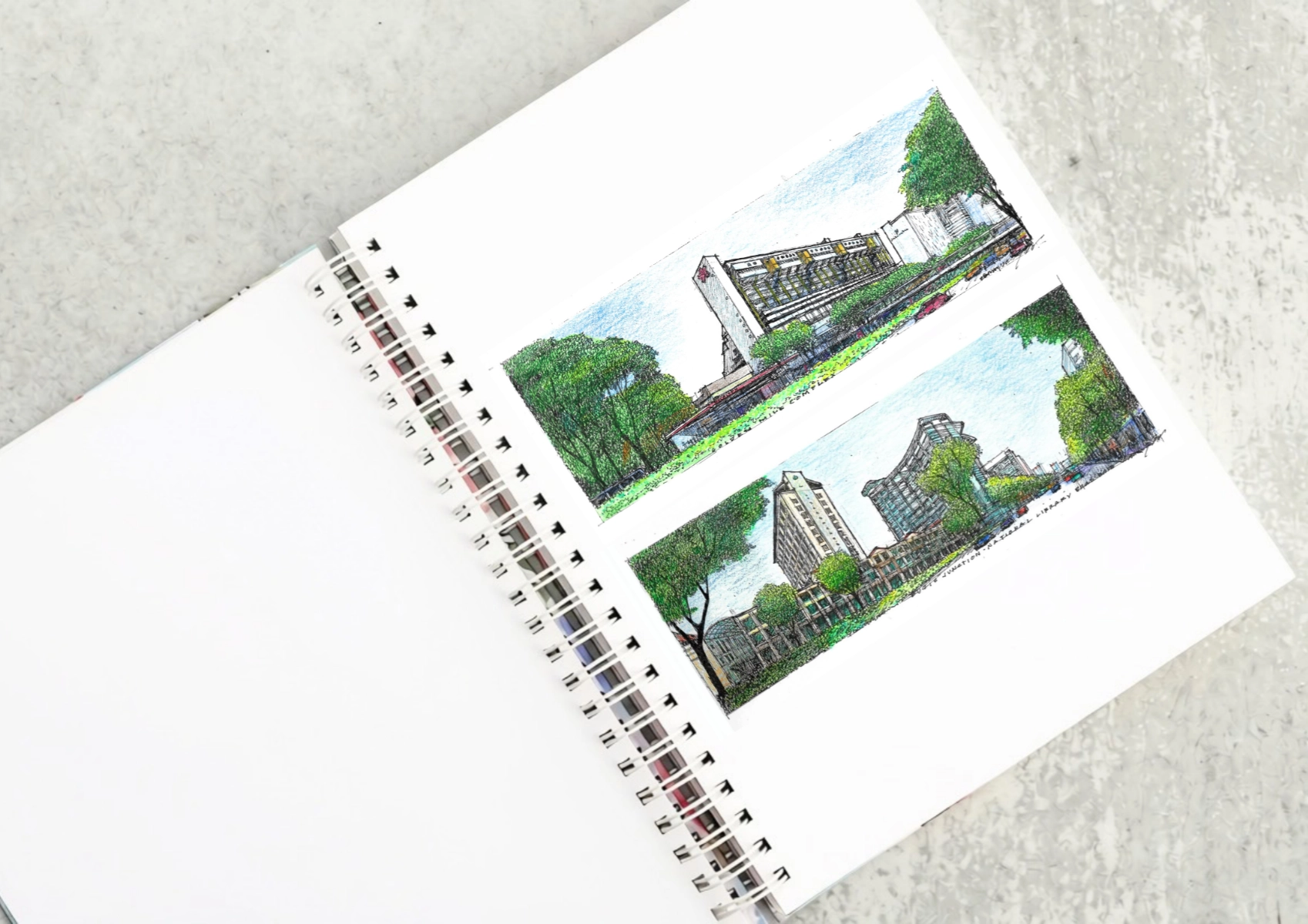
Two sketches of Singapore connect BluPrint Editor in Chief Paulo G. Alcazaren’s personal and professional history with Shared Ground: ArchitectureArchitectureThe art and science of designing and constructing buildings, structures, and spaces that are functional, safe, and aesthetically pleasing. It encompasses the planning, design, materials, and techniques used to createGo to Architecture Glossary of Care, Culture, […]

In a way, designers are the modern-day soothsayers and prophets. They design for the future, predicting how a room, a house, a building or a whole city will be used by people. They foresee how users will interact with a space, conjure exact shades of colors to elicit specific behavior and arrange furniture to build […]
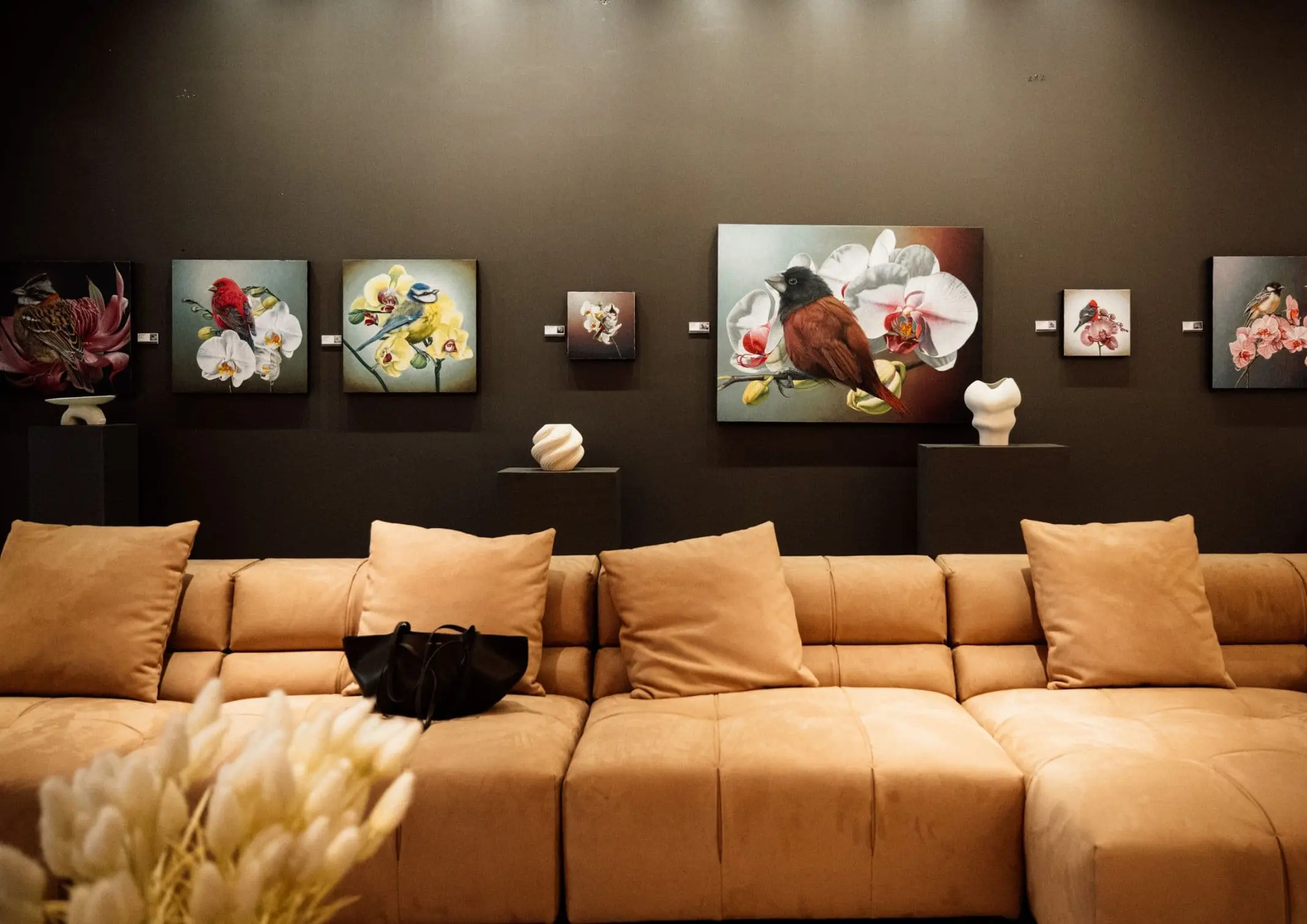
Art and furniture are often selected separately, yet their relationship can shape how a room looks and feels. The collaboration between Hooga and Galerie Joaquin explores how these elements can work together, bringing contemporary artworks into furnished residential settings at Hooga’s showroom in Uptown Mall, Bonifacio Global City. For Hooga, which curates furniture, lighting, and […]
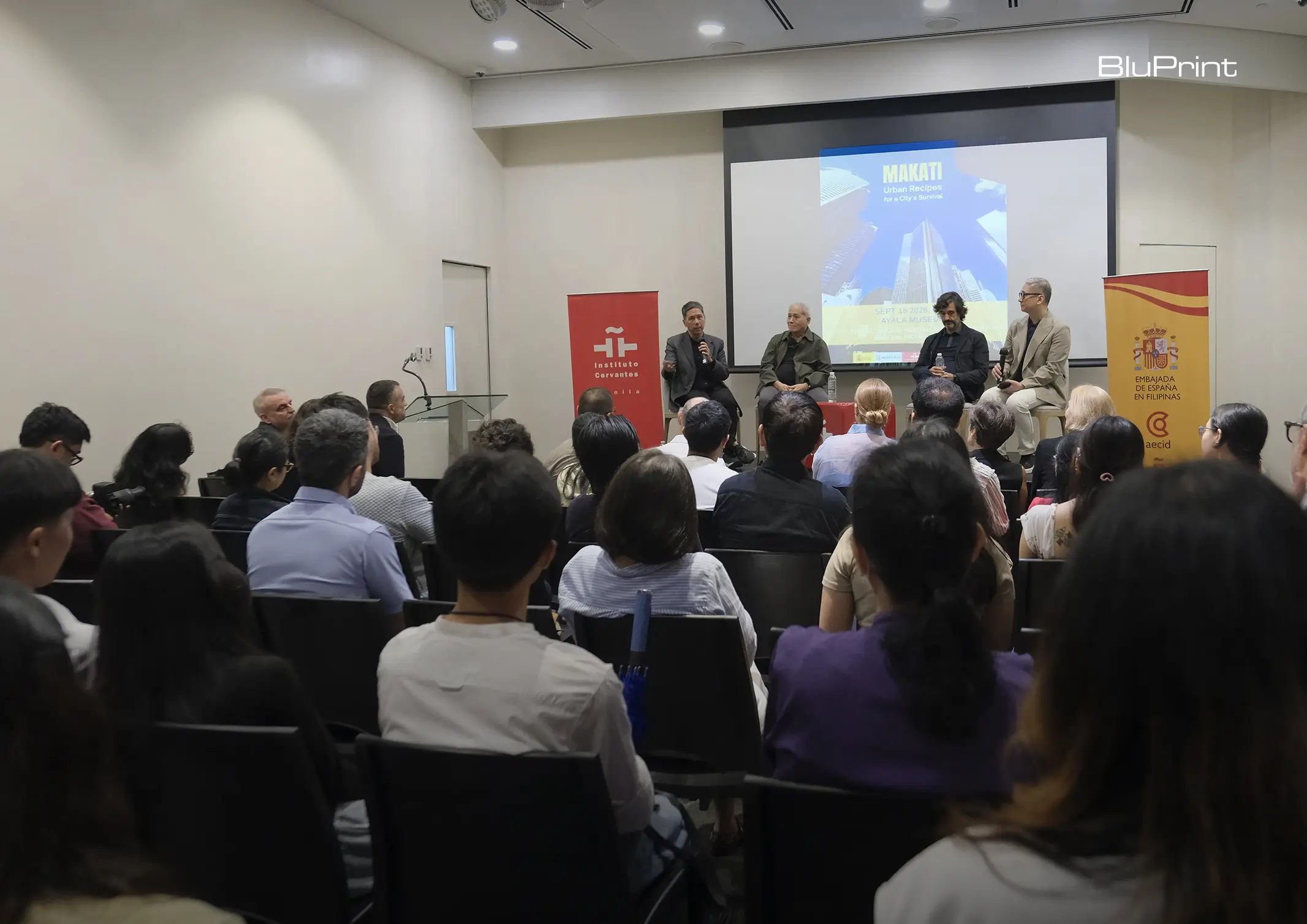
How can better-planned cities create the conditions for more creative, livable, and resilient urban environments? “Makati Urban Recipes for a City’s Survival,” a colloquium held at the Ayala Museum on September 15, brought together architects and practitioners from the fields of urbanism and the creative economy to discuss how design, planning, and collaboration can address […]
Read the issues.

Collect the volumes.

Recommended Video
Tap to Unmute
Unmute
0:00
0:00