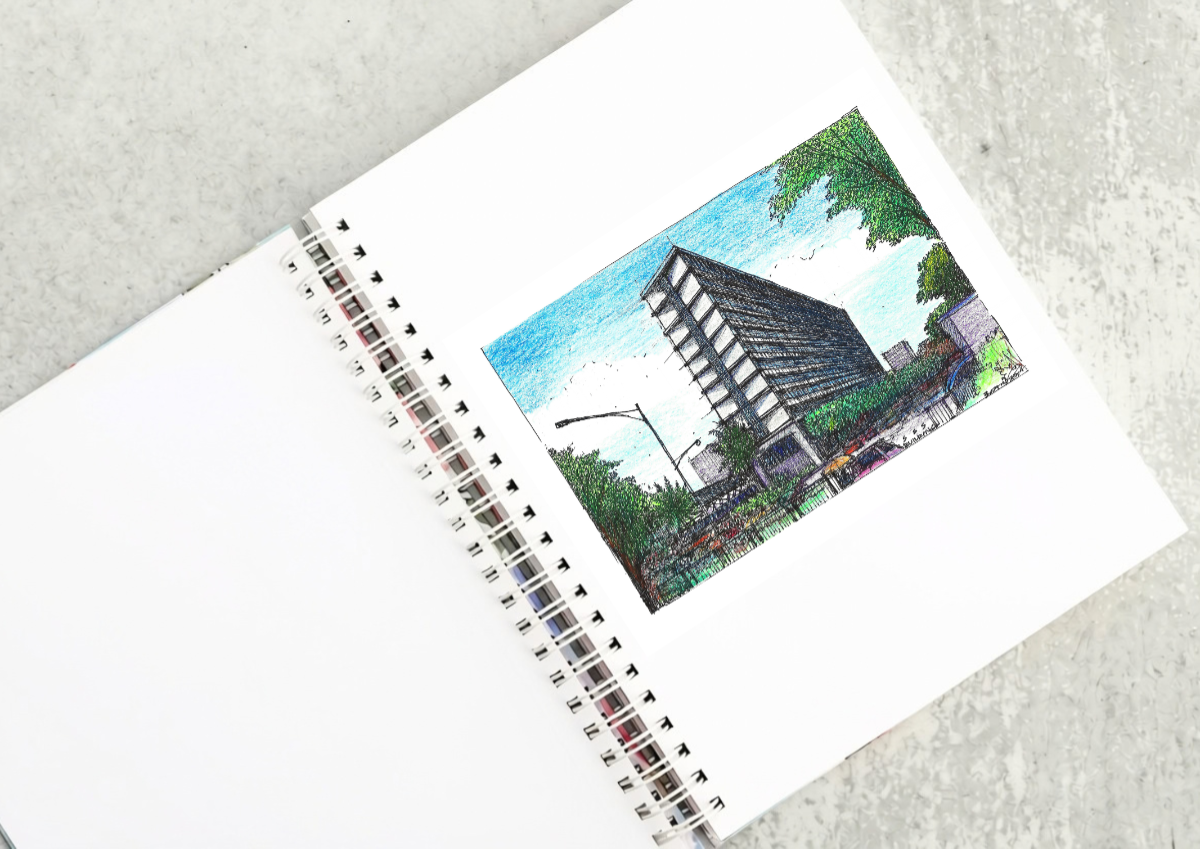
The SSS Building as an Expression of Civic Modernism My favorite modernist landmark in Quezon City is the SSS building on East Avenue. Designed by National Artist for ArchitectureArchitectureThe art and science of designing and constructing buildings, structures, and spaces that are functional, safe, and aesthetically pleasing. It encompasses the planning, design, materials, and techniques […]
Sapin-Sapin: Julia Villamonte Brings Banig to the Global Stage at Milan Design Week 2026



Banig, the traditional Filipino mat, is often seen as a mundane object found in every Filipino household. So humble and familiar that to foresee such a domestic piece attracting interest from an international audience feels unlikely. Sapin-Sapin tells a different story.
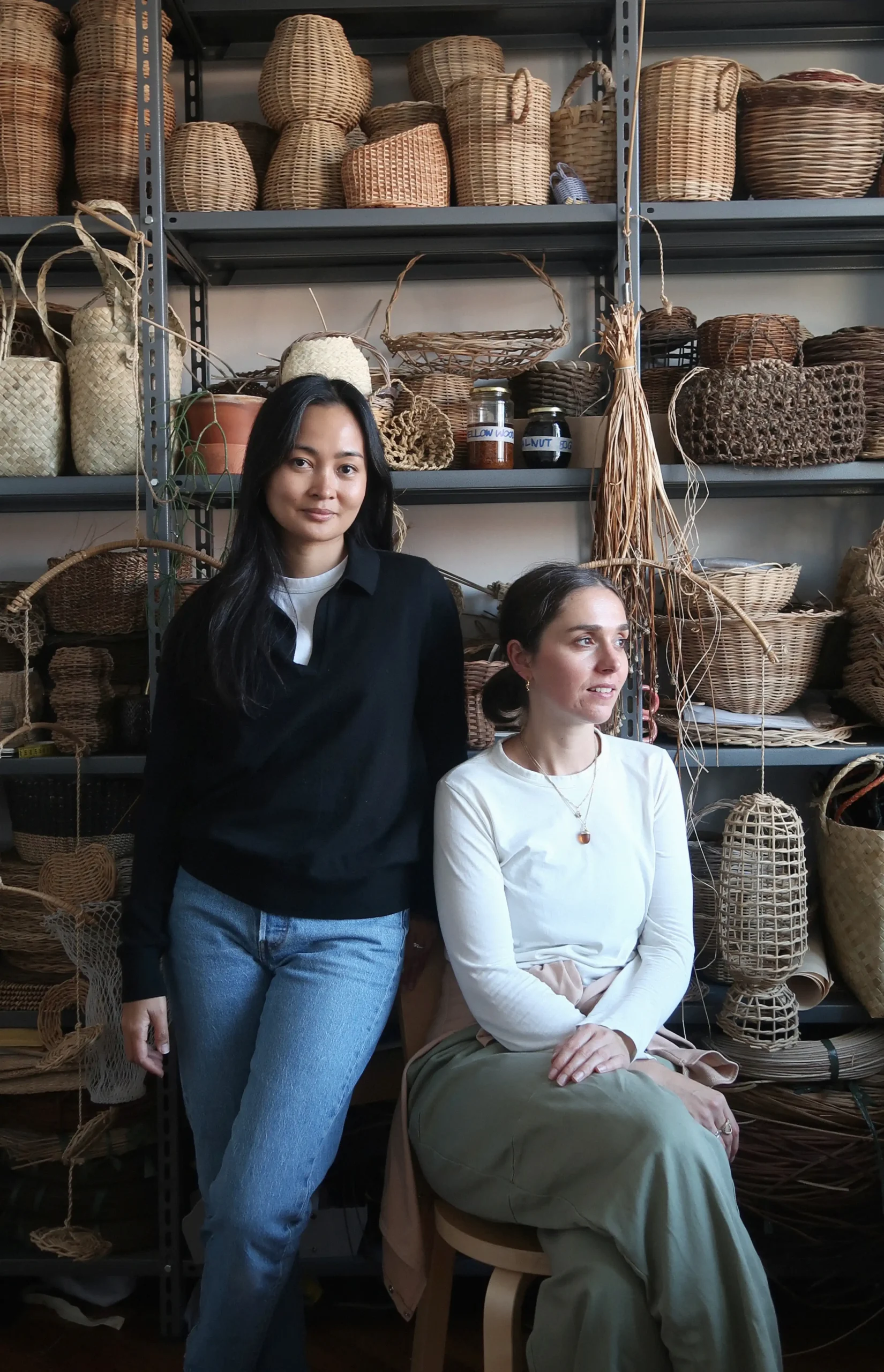
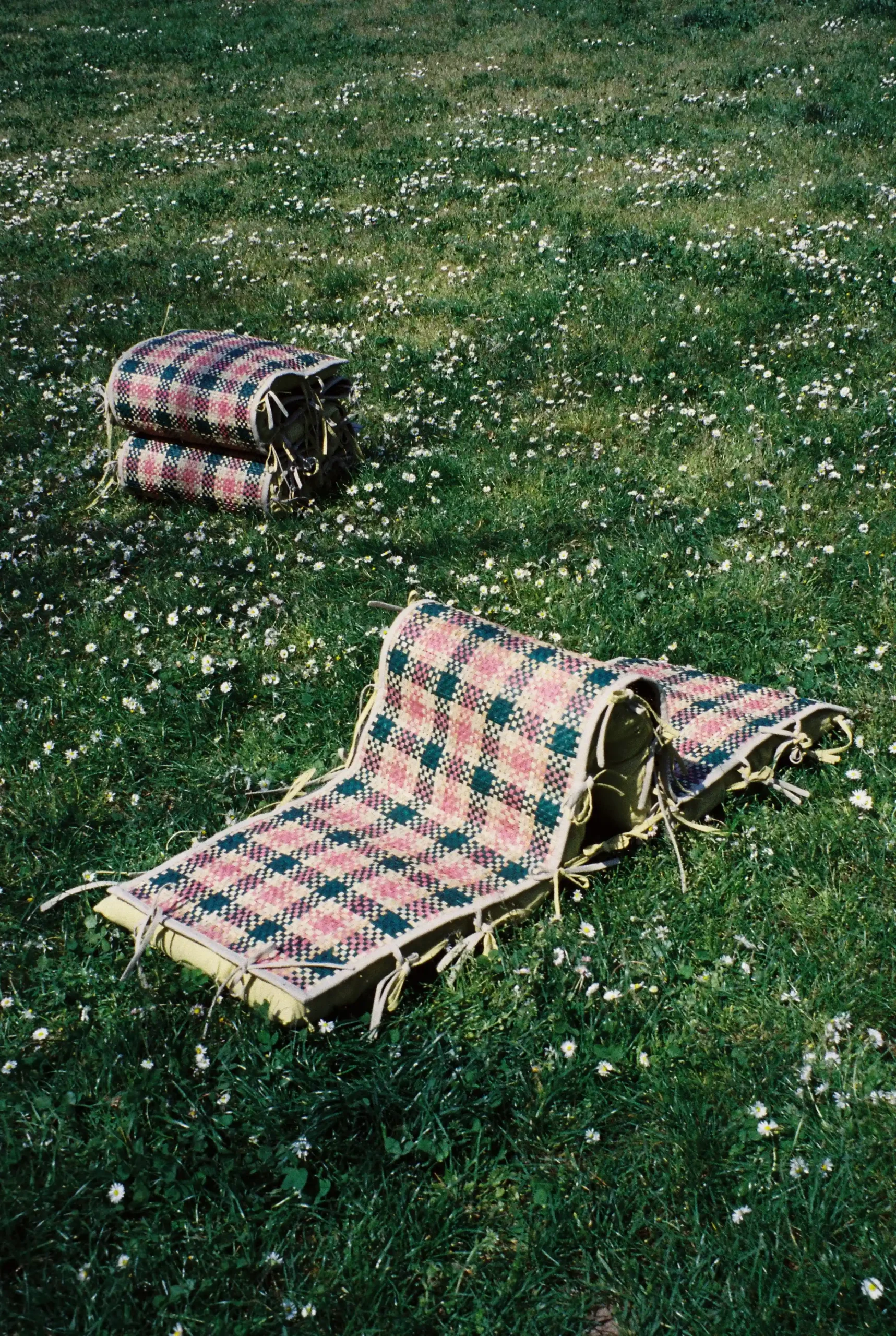
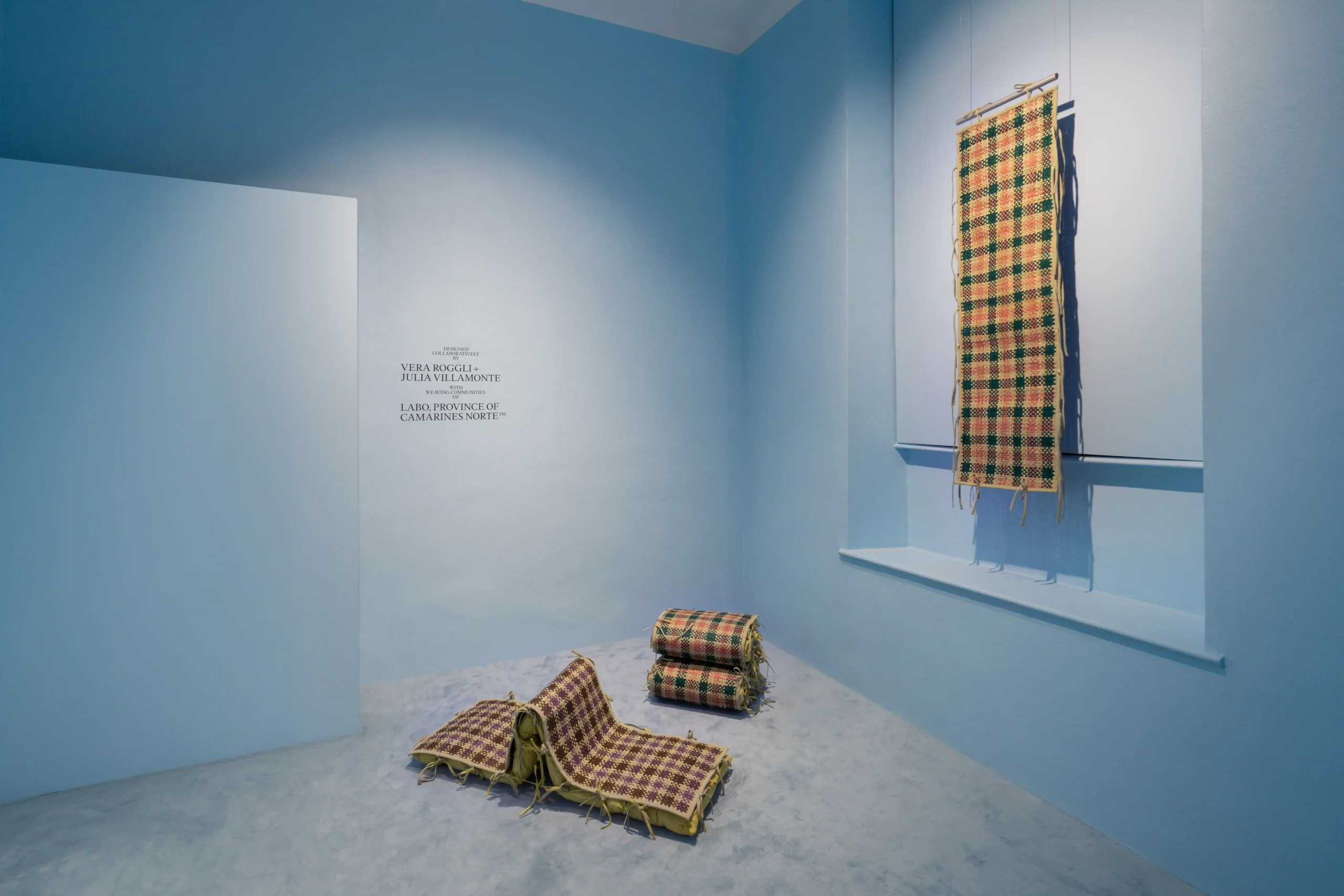
Emerging Filipina artist Julia Villamonte collaborates with Swiss designer Vera Roggli of Ve Ro Studio in bringing banig to the global stage through Shared Matter at Milan Design Week this year. The duo introduces Sapin-Sapin, a multifunctional mat that can be folded into a low seating object, laid out for resting, or installed as a hanging room divider, handwoven from Karagumoy leaves (Pandanus simplex). The duo combines their research and respective design backgrounds to develop a piece rooted in the weaving traditions of artisans in Julia’s hometown, Labo, in Camarines Norte.
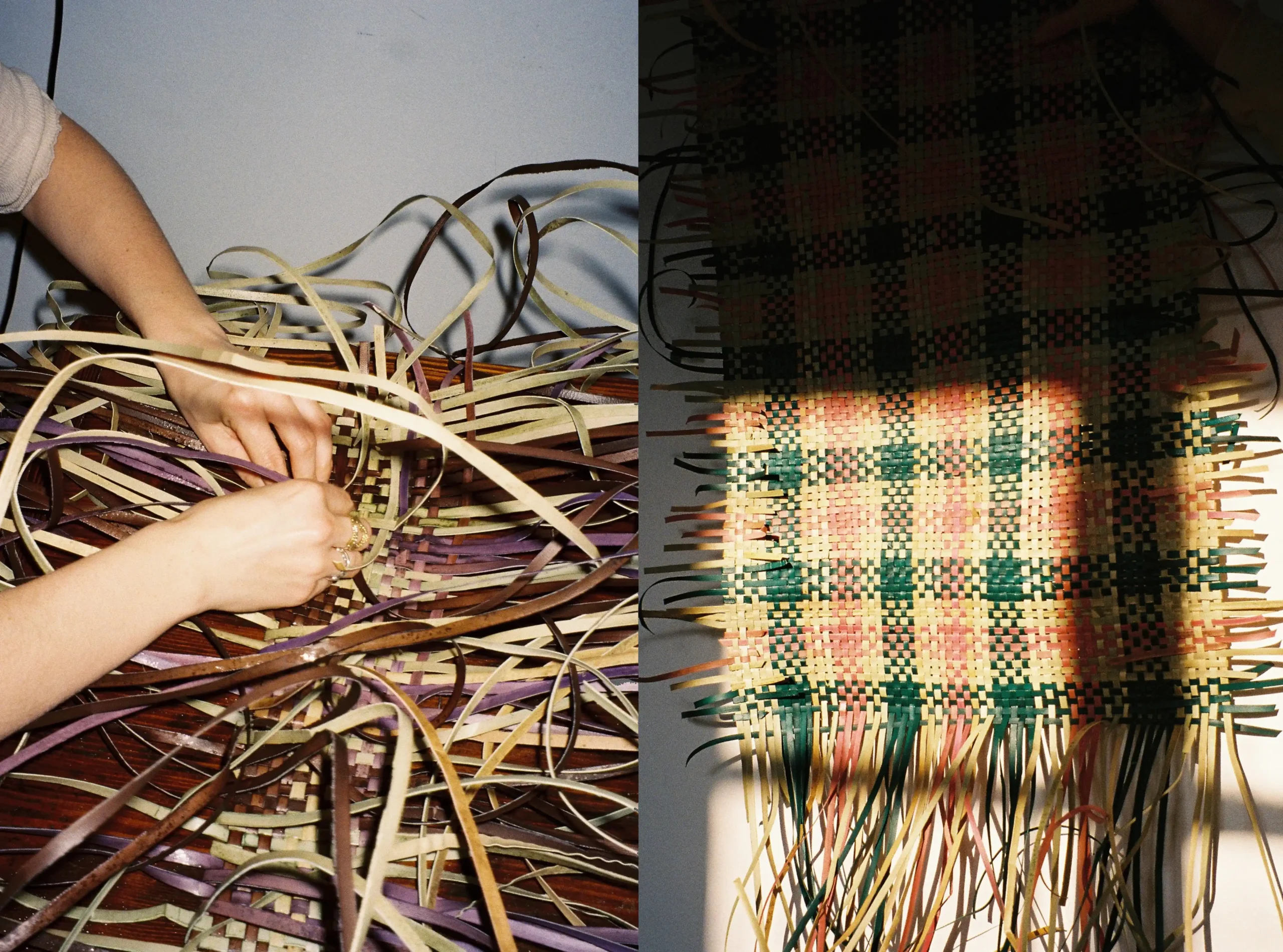
Julia Villamonte, though Milan-based and practicing in Italy for more than a decade, is firmly grounded in Filipino culture and identity. Influenced by her background in architectureArchitectureThe art and science of designing and constructing buildings, structures, and spaces that are functional, safe, and aesthetically pleasing. It encompasses the planning, design, materials, and techniques used to createGo to Architecture Glossary, she founded her studio Fili, where she creates sculptures and domestic objects of soft, intuitive forms using woven natural fibers. Her early exposure to handmade crafts using abaca, rattan, nito, and other local species has shaped her career path toward international collaborations, editorial features, and exhibitions across Europe.
Related Reading: Mirei Monticelli Translates Emotion through Sculptural Lighting in Pleasure Garden at Milan Design Week
Banig in Brera and Beyond
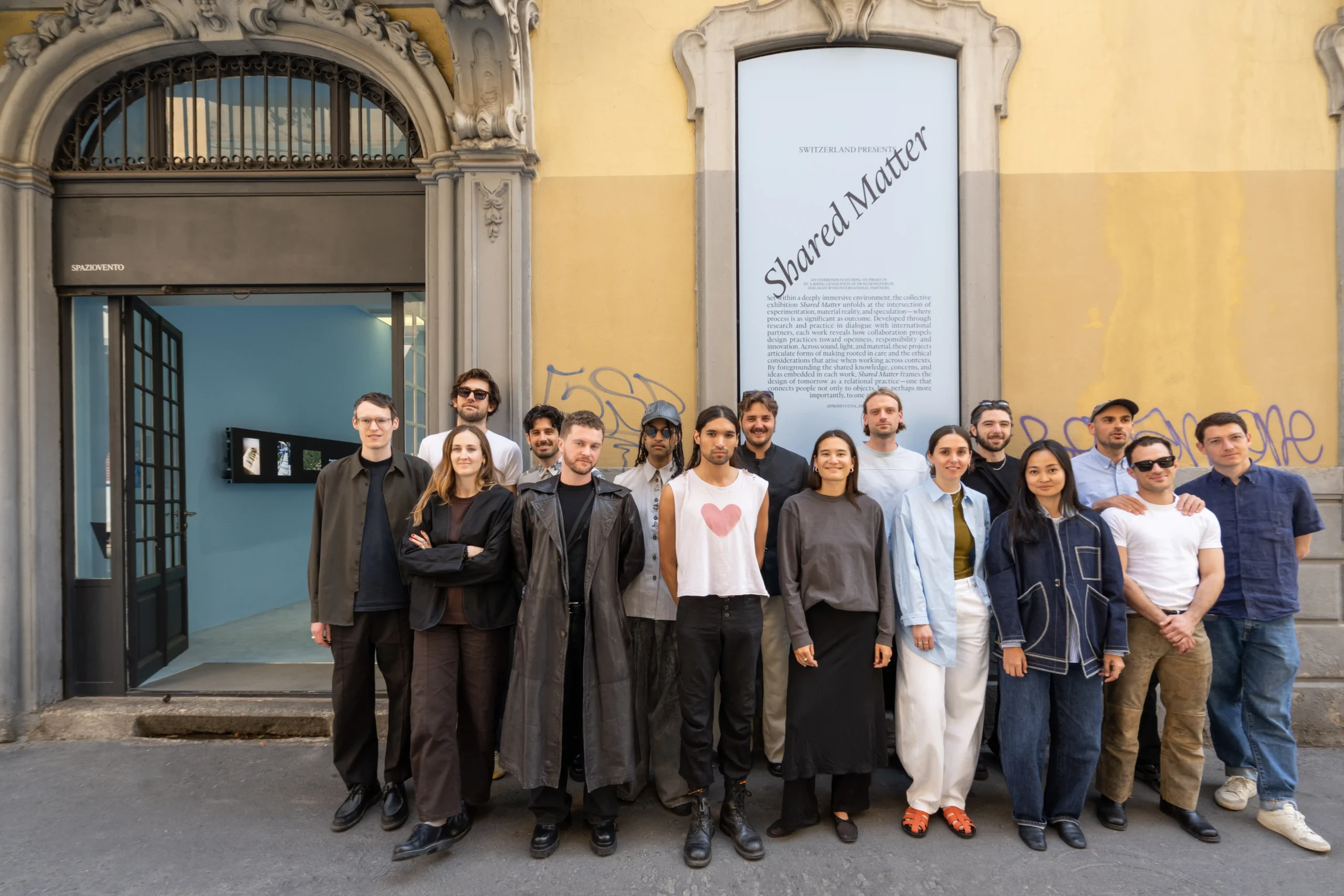
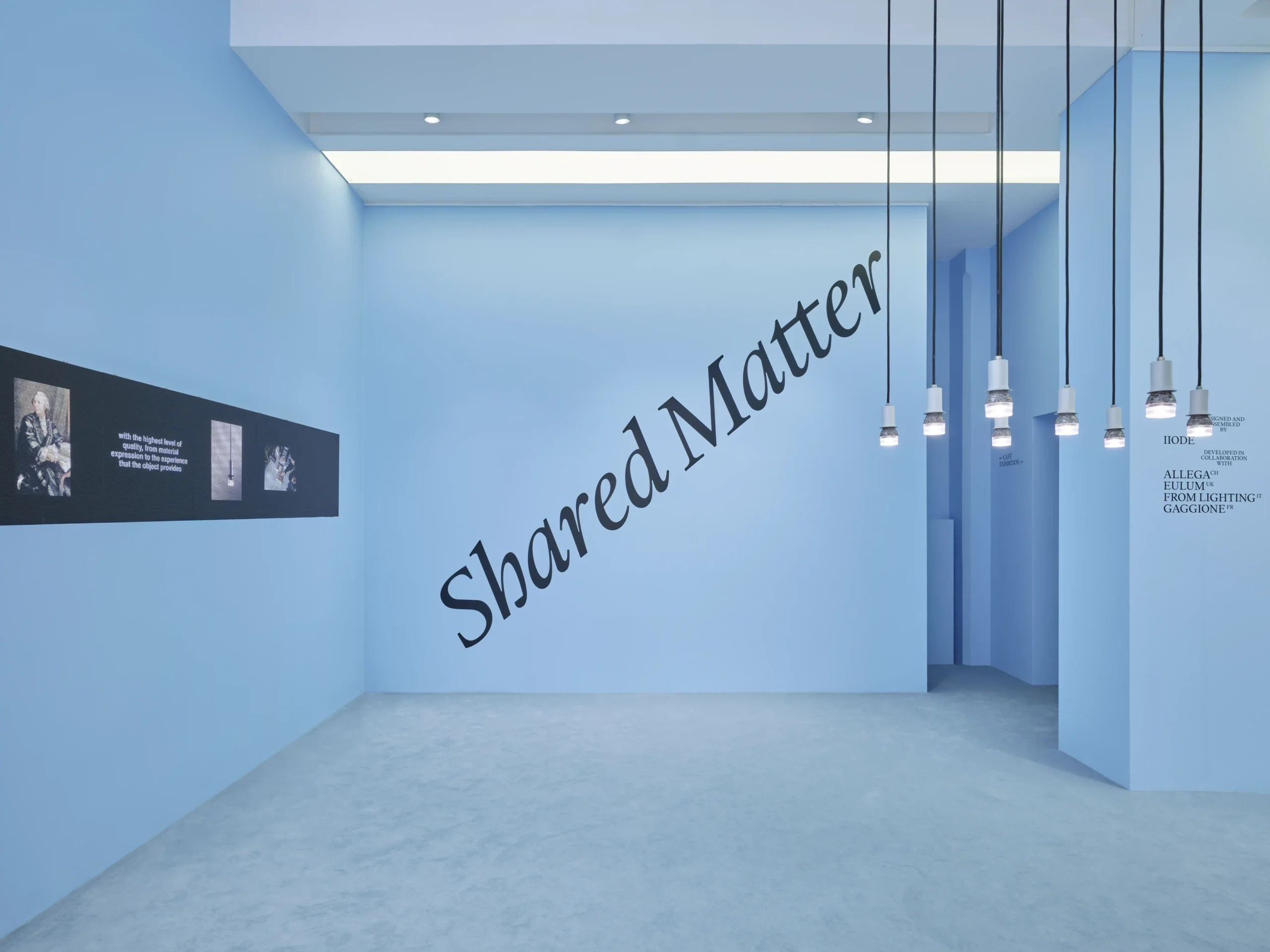
Organized by the Swiss Arts Council Pro Helvetia, the exhibition Shared Matter at Spaziovento in Milan’s Brera district highlights collaborative design practices through a curated selection of projects conceived by international designers through research, residencies, and self-initiated practices. Alongside visionary prototypes of lighting, musical instruments, tiles, and tableware, Sapin-Sapin was selected through an open call by an international jury based on design quality, innovation, and cultural and production context.
With its commitment to fostering dialogue through design, the one-week-long exhibition traces the trajectory of each project, stressing that support matters not just in results but in the processes that define them. In a context often driven by commercial exposure, the traditional mat remains as evidence of material responsibility and cultural storytelling, where a designer’s heritage is translated into a tactile object for everyday use.
Before this project, Julia and Vera’s collaboration began with Sotto Mano: Fiber Narratives. It was a research exhibition launched at last year’s Milan Design Week, which focused on the origin of materials and the specificities of each different natural fiber. Through hands-on study and exchanges with locals, the duo explored often-overlooked plants found in their immediate environments. From Italy and the Philippines to Belgium and Switzerland, they reconnected materials to place, process, and purpose. The research ultimately led the two to a more tangible outcome: the birth of Sapin-Sapin.
Related Reading: Noé Duchaufour-Lawrance and Dior Return to Milan Design Week 2026
Material Origins Matter
What once felt ordinary, Julia recalls, was the banig she grew up with. After moving to Italy, her perspective on her own culture and place of origin shifted, prompting her to view things from a different angle and emphasize the need to bring it into conversation.
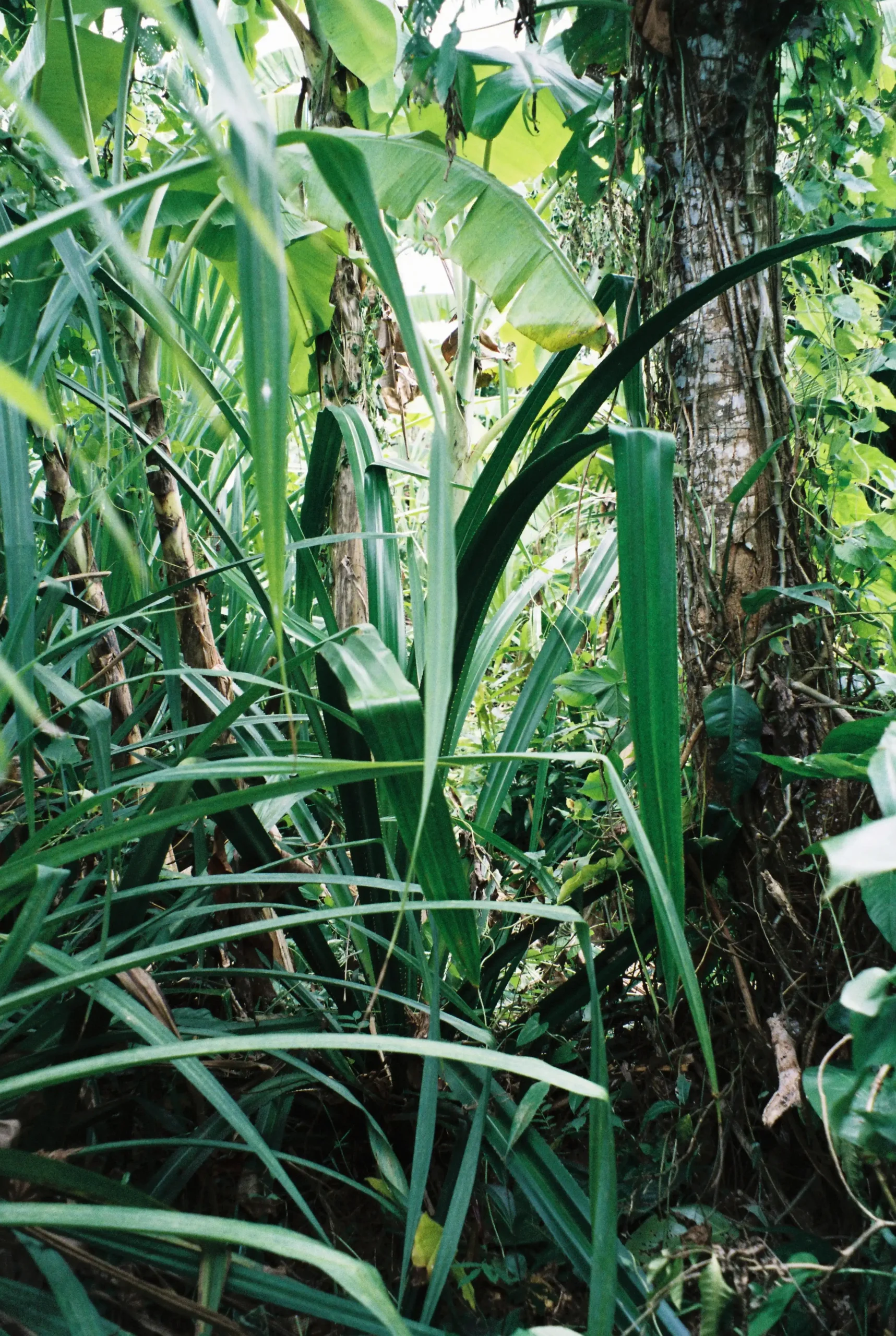
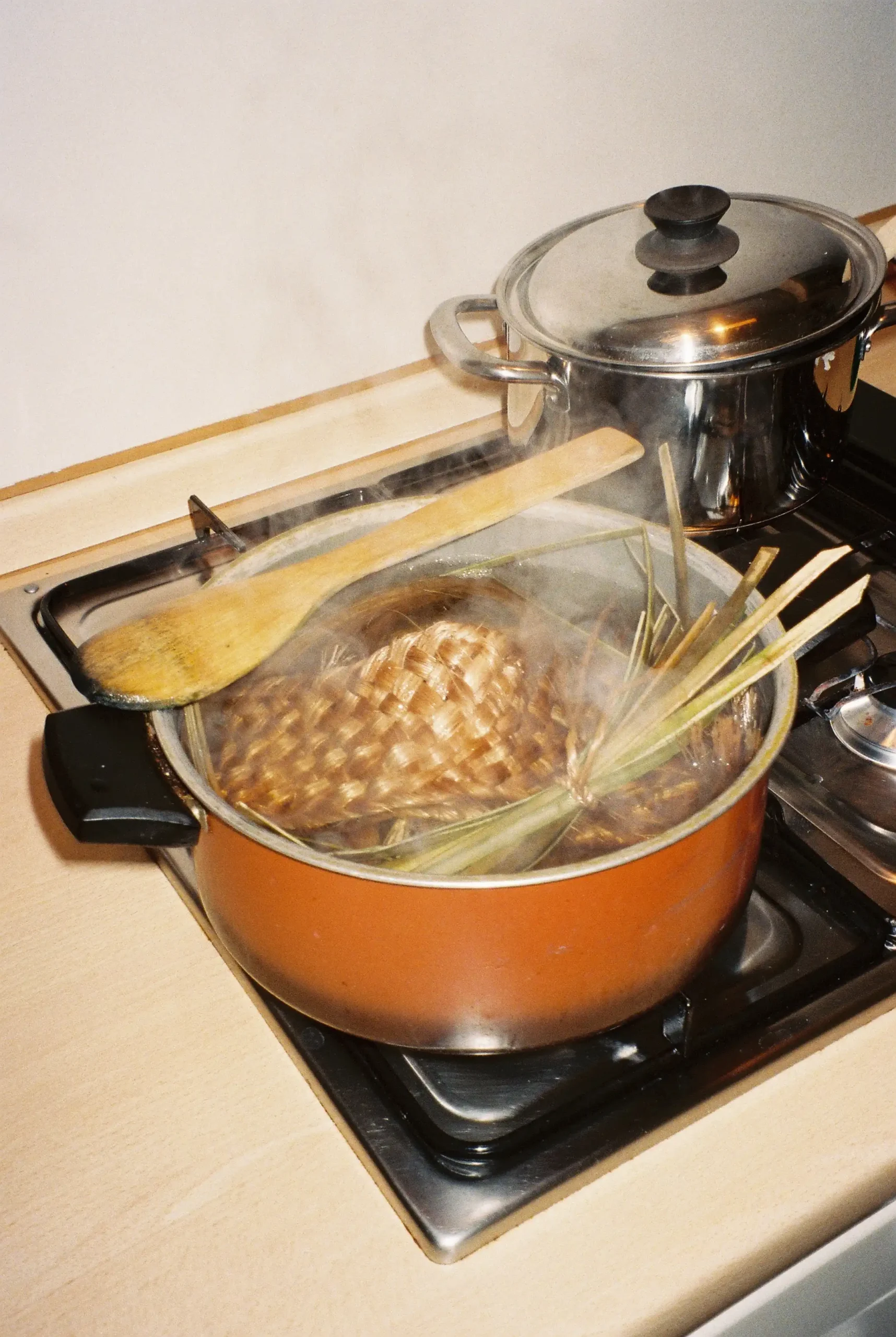
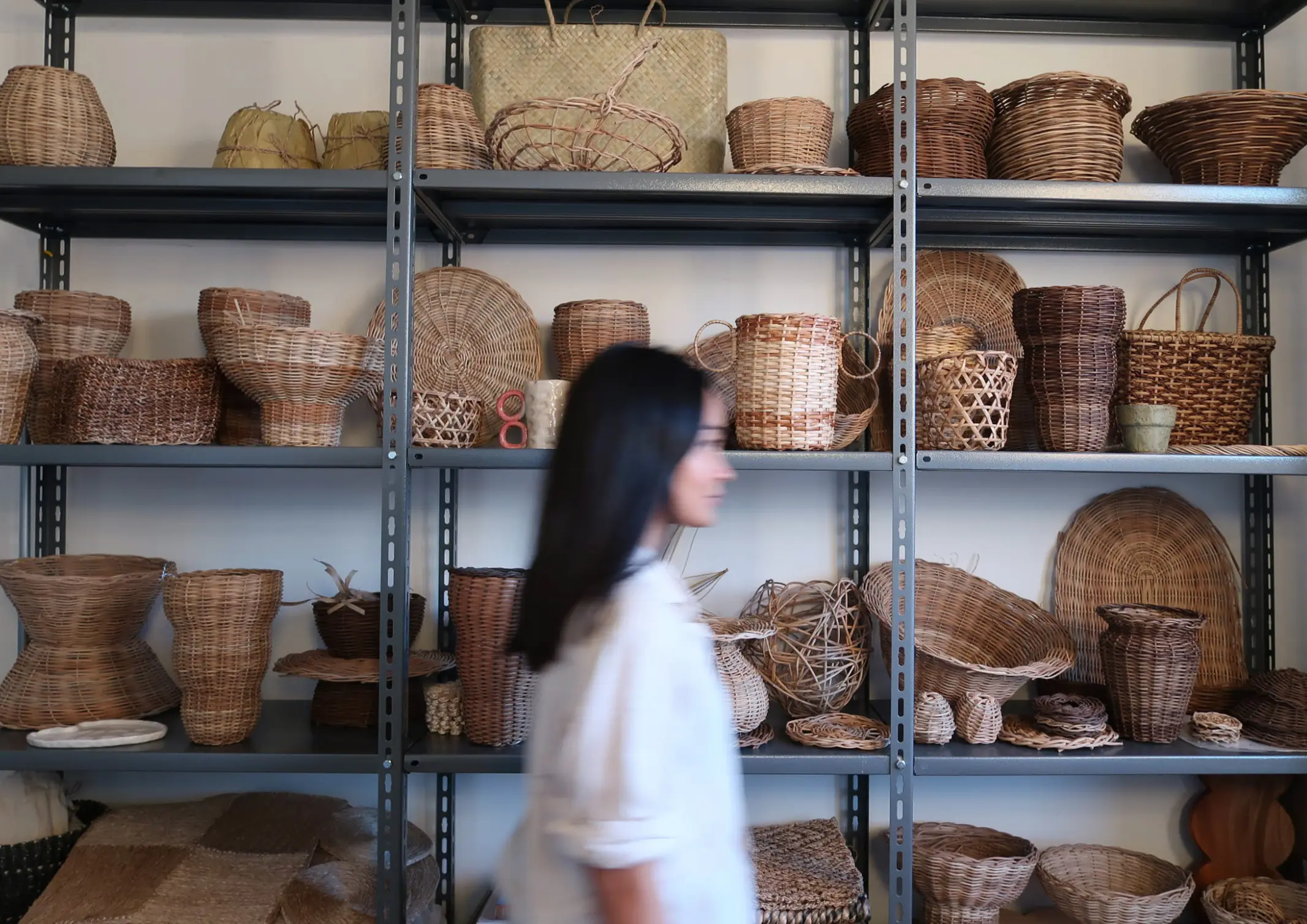
Deeply rooted in Filipino craft traditions, Karagumoy, positioned within the international design scene, stands out among familiar industrial materials. Through a rigorous yet sustainable process, the native leaves are stripped of their spines and thorns. They are then dried, boiled to enhance flexibility, dried again, and dyed before being woven into textiles for mats, hats, bags, and baskets. Once a wild fiber derived from the pandan family, the material is transformed into a durable, high-quality textile with a subtly leather-like texture.
After learning weaving through the artisan communities in her hometown since 2019, Julia puts Labo, Camarines Norte, on the global design map. “It’s special to be given this platform, and I feel proud that this object is place-specific. It’s really important for me to provide context for the pieces I make. I cannot diminish it and simply say this is a material from the Philippines. It’s very specific to Camarines Norte, and there is always a need to acknowledge that,” she shares.
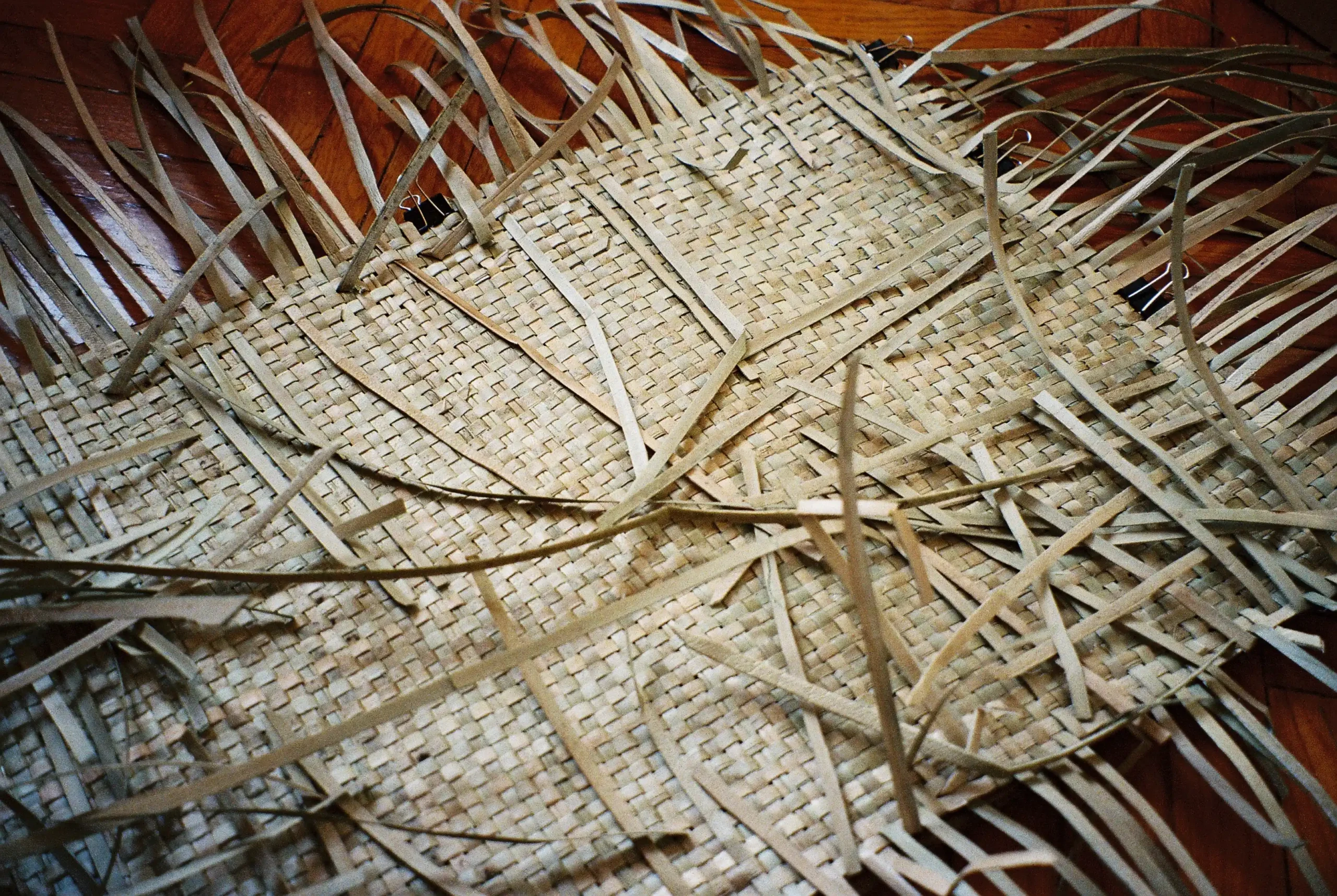
While some viewers note that they have never encountered the material before, others recognize forms that resonate with their own culture. What Julia describes as a universal weaving technique reveals a shared familiarity rooted in the value of materials and their sense of place. Like discovering the same object in your grandmother’s home in rural China, or recognizing a handwoven tablecloth in a trattoria in Italy, artisanal weaving is not extraordinary in itself; rather, as Julia points out, the distinction lies in the material, which carries both value and a sense of belonging.
With the narrative of crafts outside the Western canon, the Bicolana artist raises concern about reducing cultural depths to aesthetic shorthand: “It’s important to provide as much context as possible. Some people would look at it and solely think how nice it is, but they don’t understand the reason behind it, the material used, the process done, or the place it came from. It’s crucial to communicate that this piece is from my region and to involve the weaving communities in Labo, where I learned it. By giving back to local artisans and sharing recognition with them, designers can mitigate the risk of flattening a rich tradition into passing trends.”
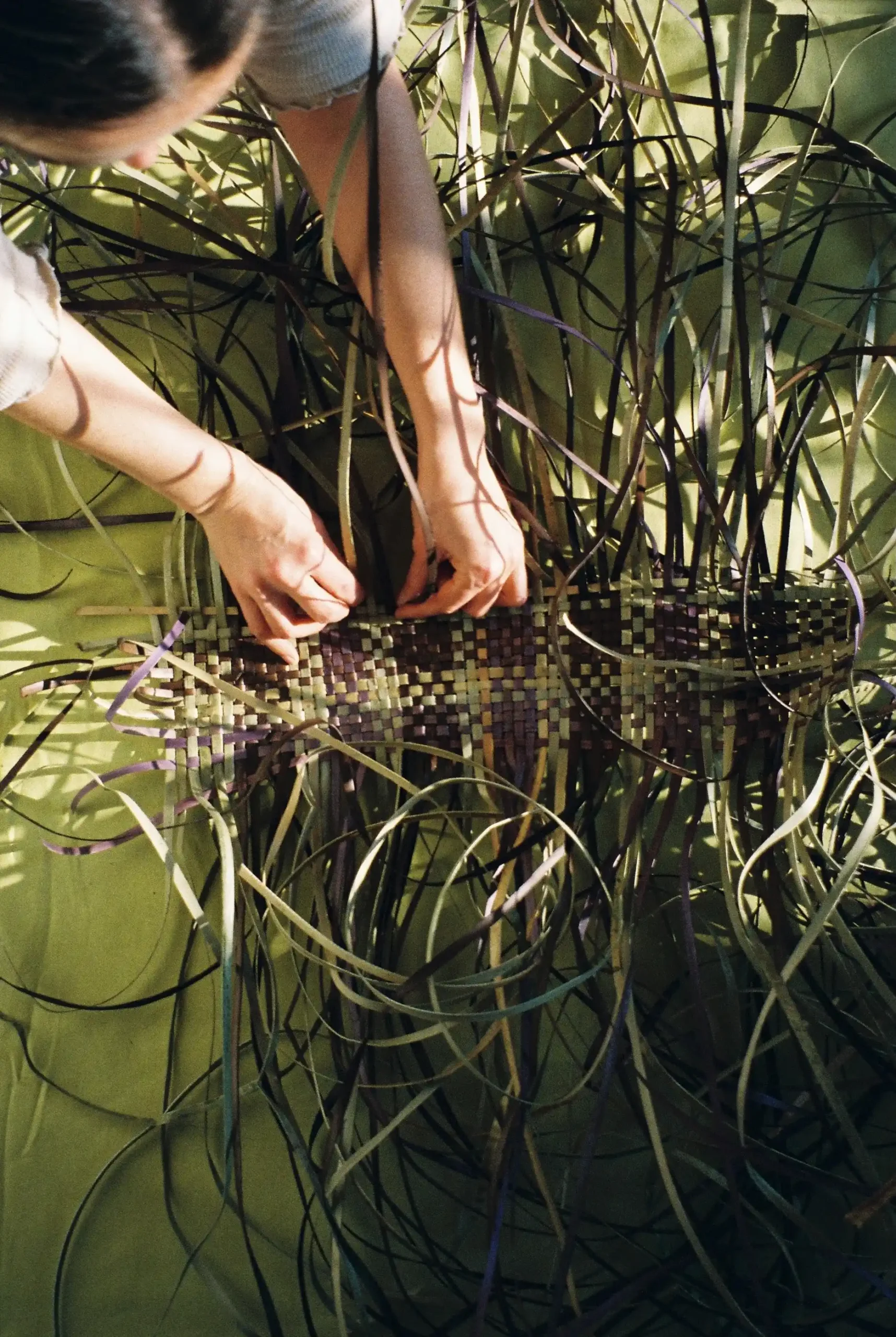
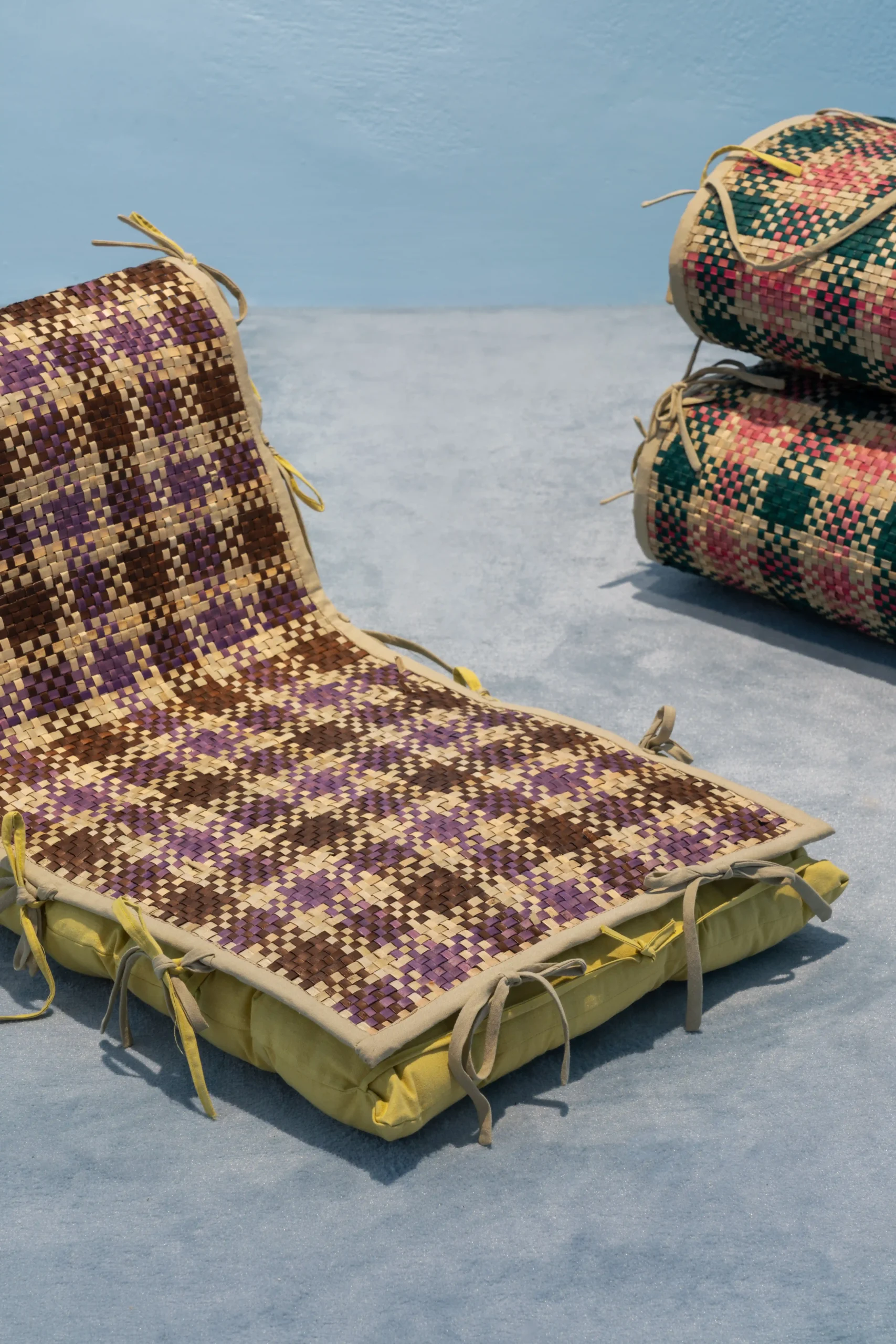
In doing so, her practice becomes a quiet reminder that every woven piece holds a geography of memory, labor, and belonging, carrying meaning beyond aesthetics.
Header photo courtesy of Julia Villamonte.
Related Reading: An Introduction to Milan Design Week: Salone del Mobile, Fuorisalone, and the Key Districts
Frequently Asked Questions (FAQs)
Julia Villamonte is a Milan-based Filipina artist, product designer, and founder of Fili, a creative studio focused on functional homeware and decorative objects made from natural materials, co-developed with local workshops in her home region of Bicol. Her collections, rooted in weaving practices and updated seasonally, have been exhibited and featured in magazines and stores across the Philippines and Europe.
Julia Villamonte’s practice is rooted in the ancient craft of weaving, transforming natural fibers into intuitive forms. Her work explores the intricate relationships between material, place, and culture through the use of fibers native to the Philippines.
Shared Matter is a collective exhibition organized by Swiss Arts Council Pro Helvetia and Presence Switzerland at Milan Design Week 2026. It features six works by emerging Swiss designers and international partners, framing future design as a relational practice centered on collaborations, material experimentation and sustainable production methods.
Sapin-Sapin is a multi-functional mat that functions as a low seating object, laid on the floor for sitting or resting, or as a hanging room divider. Handcrafted from Karagumoy leaves, the mat is developed in collaboration with weaving workshops in Labo, Camarines Norte, Philippines. It is exhibited in Swiss Arts Council’s Shared Matter, with five other innovative products, in Brera for Milan Design Week.
Milan Design Week serves as one of the world’s most influential platforms for presenting new ideas and gaining visibility within the international design community. The annual event also functions as a testing ground for experimentation, cultural exchange and collaboration, giving both emerging and renowned designers broader reach in industry conversations and trends.

Archie G. Carrasco, Chairman and CEO of AGC Power Holdings Corp. (AGC PHC), has been named to The BoF 500 Class of 2026 under the Media category, joining The Business of Fashion’s global community of individuals shaping the fashion industry. Carrasco is among 100 new members from 33 countries and 48 nationalities selected for the […]
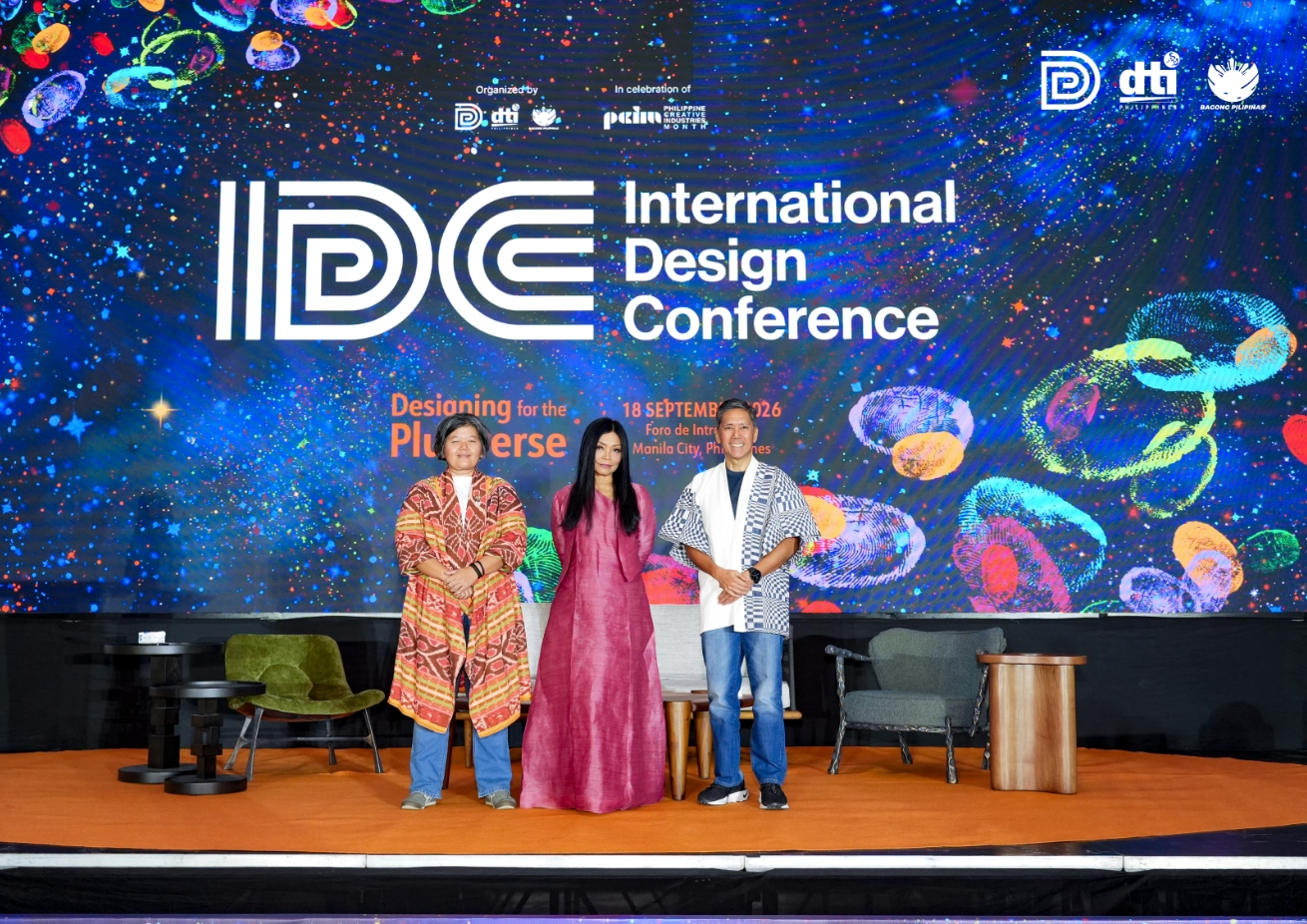
Culture in design does not always announce itself through a recognizable motif, material, or symbol. It can also be embedded in the relationships designers build, the knowledge they listen to, the materials they choose, and the decisions they make in response to communities and their environments. This distinction emerged throughout the 2026 International Design Conference […]
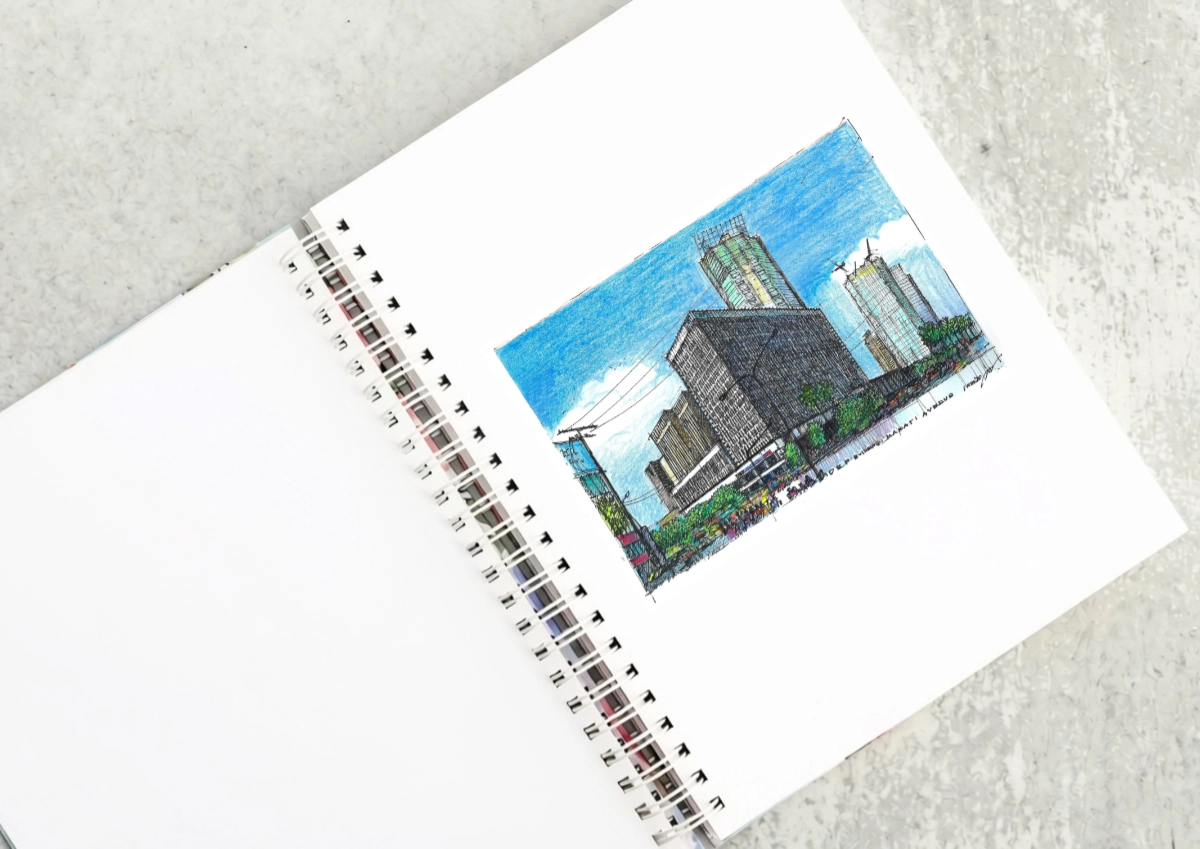
The DBP Building as a Landmark of the International Style At the corner of Sen. Gil Puyat Avenue and Makati Avenue stands a landmark of the Makati Central Business District. It is one of the last still standing that were built in the first wave of construction in district fifty years ago. The Development Bank […]
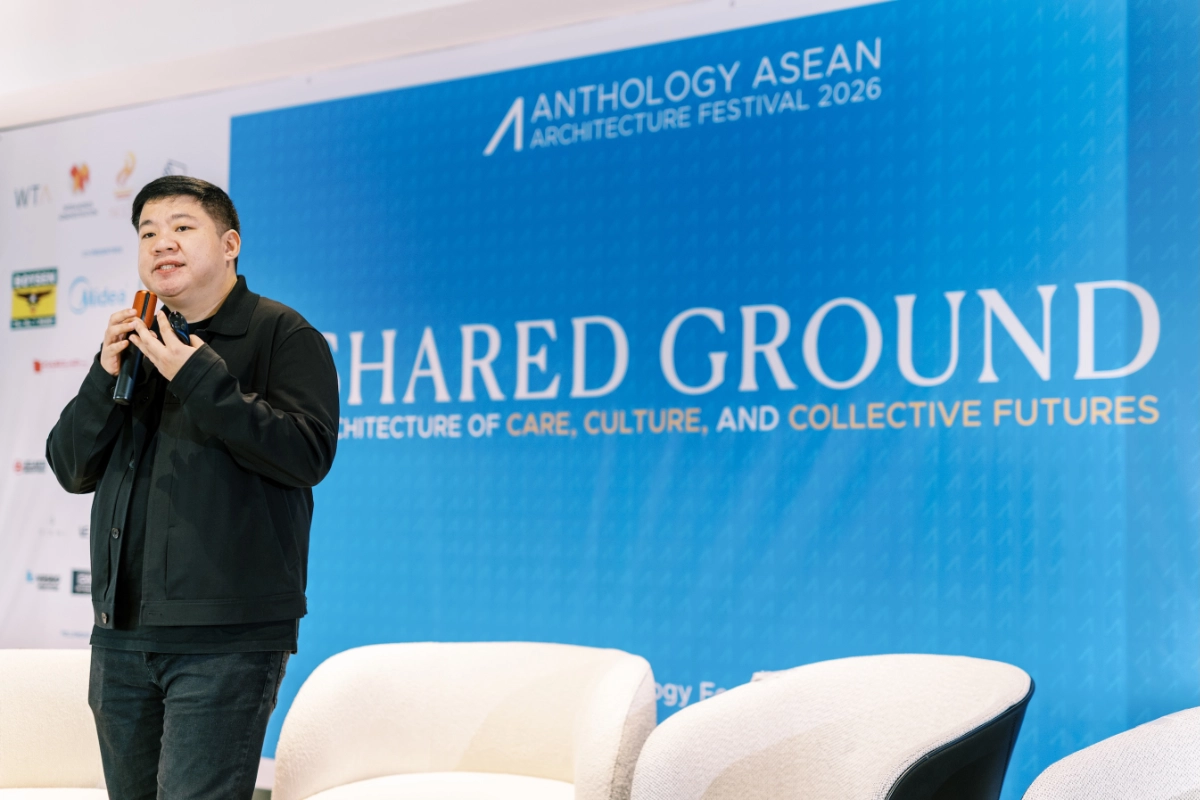
“Buildings only become architectureArchitectureThe art and science of designing and constructing buildings, structures, and spaces that are functional, safe, and aesthetically pleasing. It encompasses the planning, design, materials, and techniques used to createGo to Architecture Glossary when they are shared,” said William Ti Jr., founder of the Anthology Festival and WTA Architecture and Design Studio, […]
Read the issues.

Collect the volumes.

Recommended Video
Tap to Unmute
Unmute
0:00
0:00