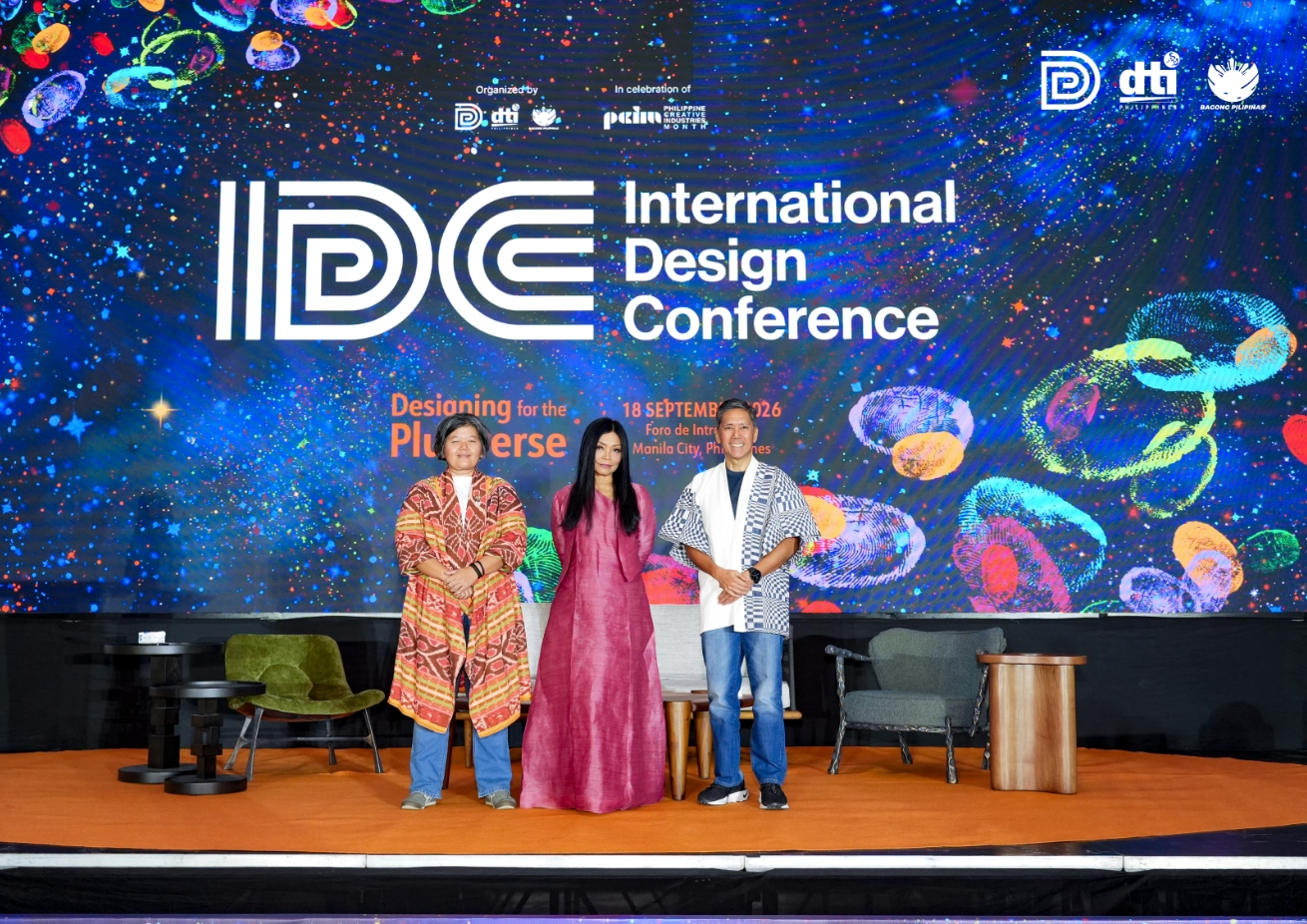
Culture in design does not always announce itself through a recognizable motif, material, or symbol. It can also be embedded in the relationships designers build, the knowledge they listen to, the materials they choose, and the decisions they make in response to communities and their environments. This distinction emerged throughout the 2026 International Design Conference […]
Technospoonism: Bianca Carague Reimagines Kamayan as Avant-Garde Dining at Milan Design Week 2026



In a platform that aims to overturn hierarchies and reimagine societies, a Filipina designer secures a spot at Milan Design Week. This proves that Kamayan, the traditional Filipino practice of communal eating by hand, can be recoded into a futuristic ritual. Every Milan Design Week, BASE Milano becomes a ground for eccentric ideas, transforming into a temporary home for radical visions and cutting-edge prototypes not typically found across Fuorisalone or Salone del Mobile.
Related Reading: An Introduction to Milan Design Week: Salone del Mobile, Fuorisalone, and the Key Districts

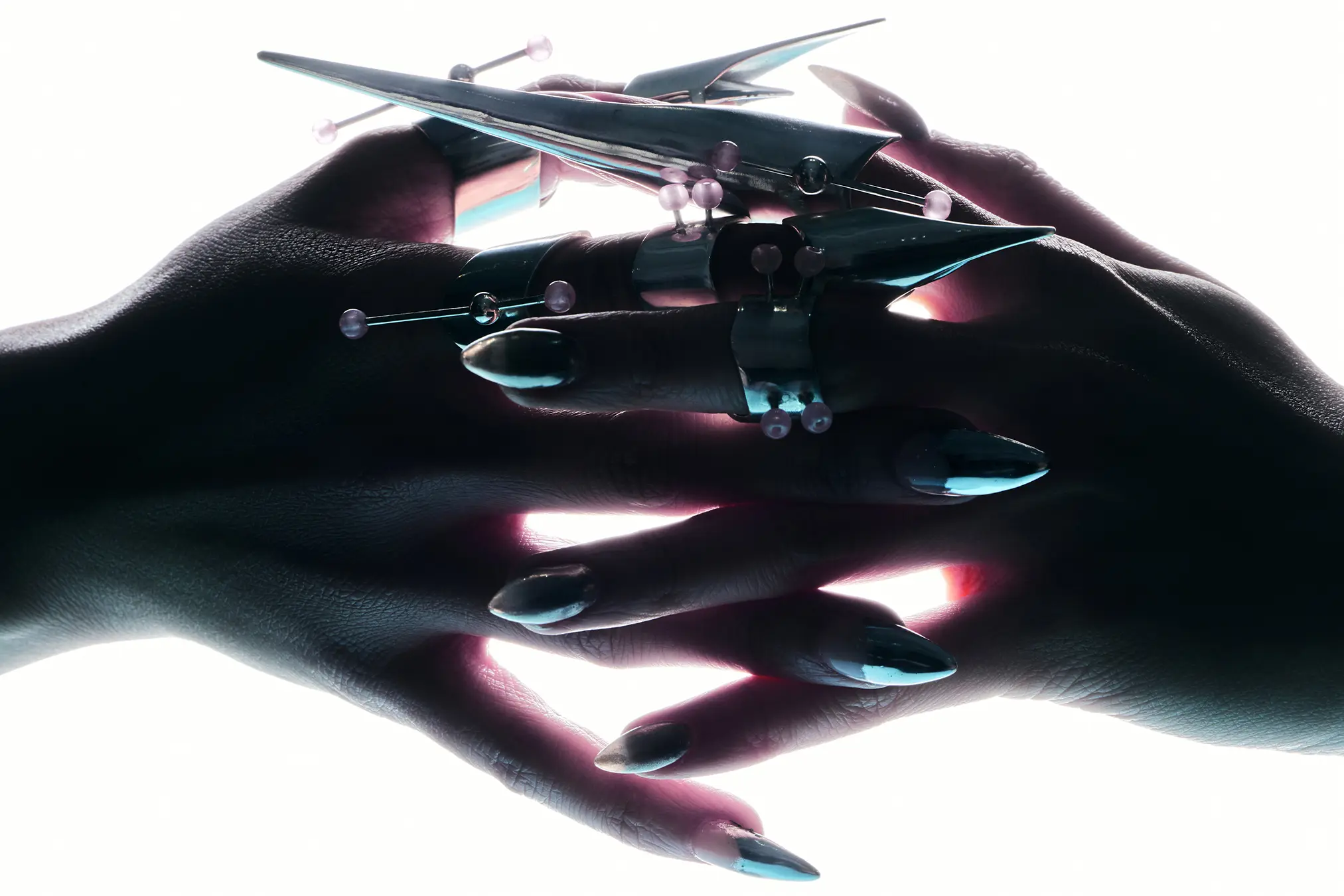
Bianca Carague debuts at this year’s most coveted annual design event with her most speculative project to date, called Technospoonism, a series of silver- and glass-made jewelry that turns into cutlery. She reimagines an adaptive way of eating through a kinetic choreography in an era where the climate is altered, and humans are layered in technology. Eating with bare hands unfolds a new kind of ritual on the global stage in Milan.
Holding a Master’s degree in Social Design from Design Academy Eindhoven in the Netherlands, the new-wave Filipina artist focuses on future-oriented projects, worldbuilding, and design for wellbeing. Following her graduate studies, Carague continued to develop her practice in digital art, sculptural installations, and decorative pieces that led her to exhibit internationally at Dutch Design Week, London Design Biennale, Triennale di Milano, and Het Nieuwe Instituut in Rotterdam.
How does Bianca Carague Kamayan of the Future
Bianca Carague stands in one of the five rooms dedicated to Temporary Home, a special residency program during Design Week at BASE Milano in partnership with the British Council, where five international designers are selected to showcase their research and ongoing projects to the public.
After winning the call to represent the Philippines, Carague sets her work-in-progress on a long table, backdropped by vertical screens displaying visuals on loop. From afar, it appears almost unassuming, yet Technospoonism does not come across as your ordinary jewelry. Her six-piece collection transforms ornaments into functional tableware—cuffs serve as plates, pendants function as vessels, and rings act as forks. Designed with sharing in mind, the jewelry-cutlery is part ornament, part prosthesis, extending gestures of the hand.
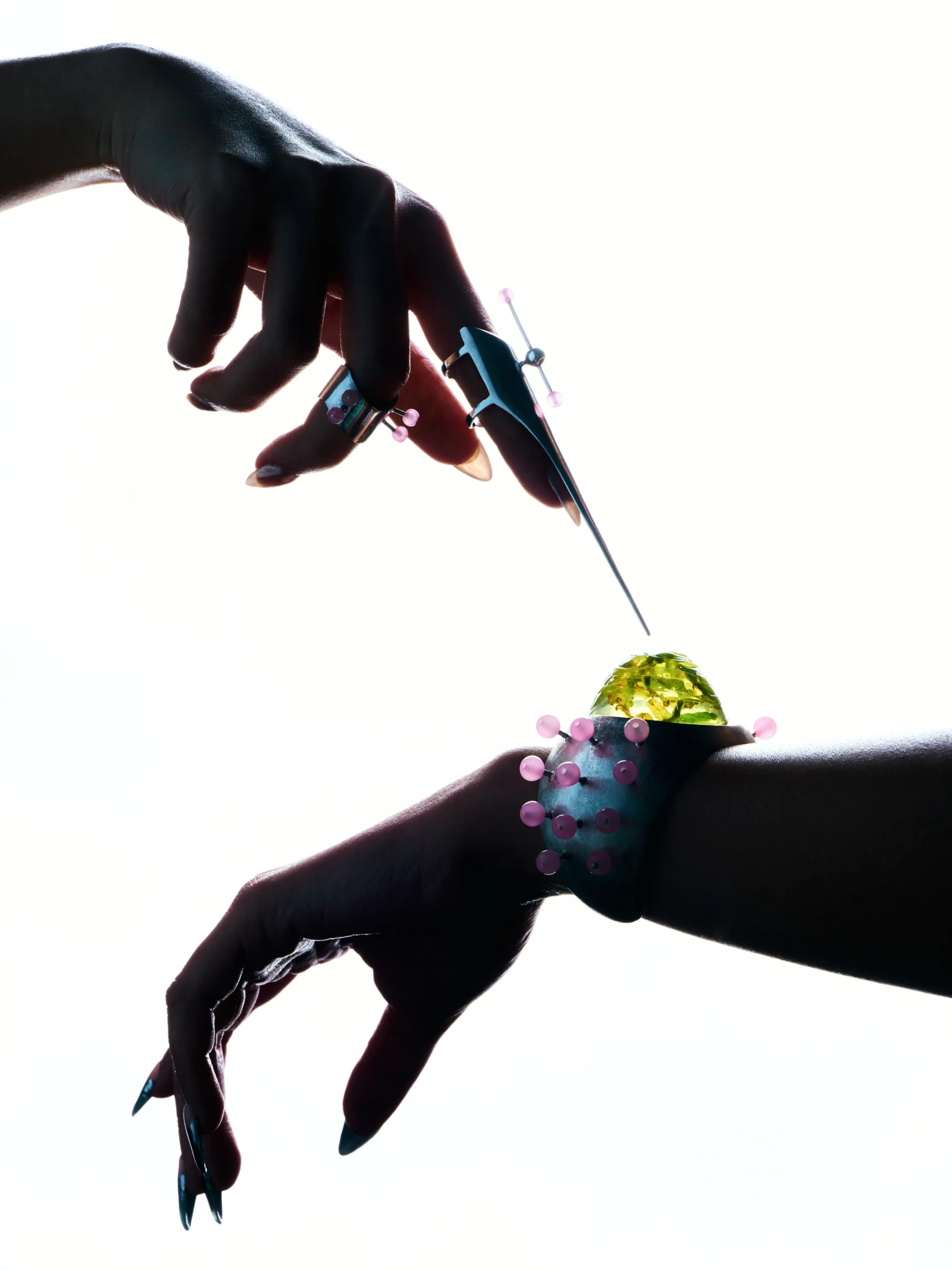

A lingering idea that developed over a year but only materialized a few months ago, her exploration delves into the concept of kamayan within a speculative Philippine landscape. Here, climate is volatile, ecology is in flux, and technology is embedded in daily rituals. This becomes a starting point for imagining how we might eat with our hands, how food systems might shift, and which ingredients might be harder to cultivate. When eating is reframed as a ceremonial activity, each piece embodies function, slowness, and intention.
In collaboration with Chef Kelvin Pundavela, Carague introduces a vision of preserved cuisine through Filipino staple ingredients encased in agar-agar, a thickening gelatinous substance derived from seaweed. The translucent compositions operate as an integral and constitutive counterpart to the jewelry-tableware pieces.
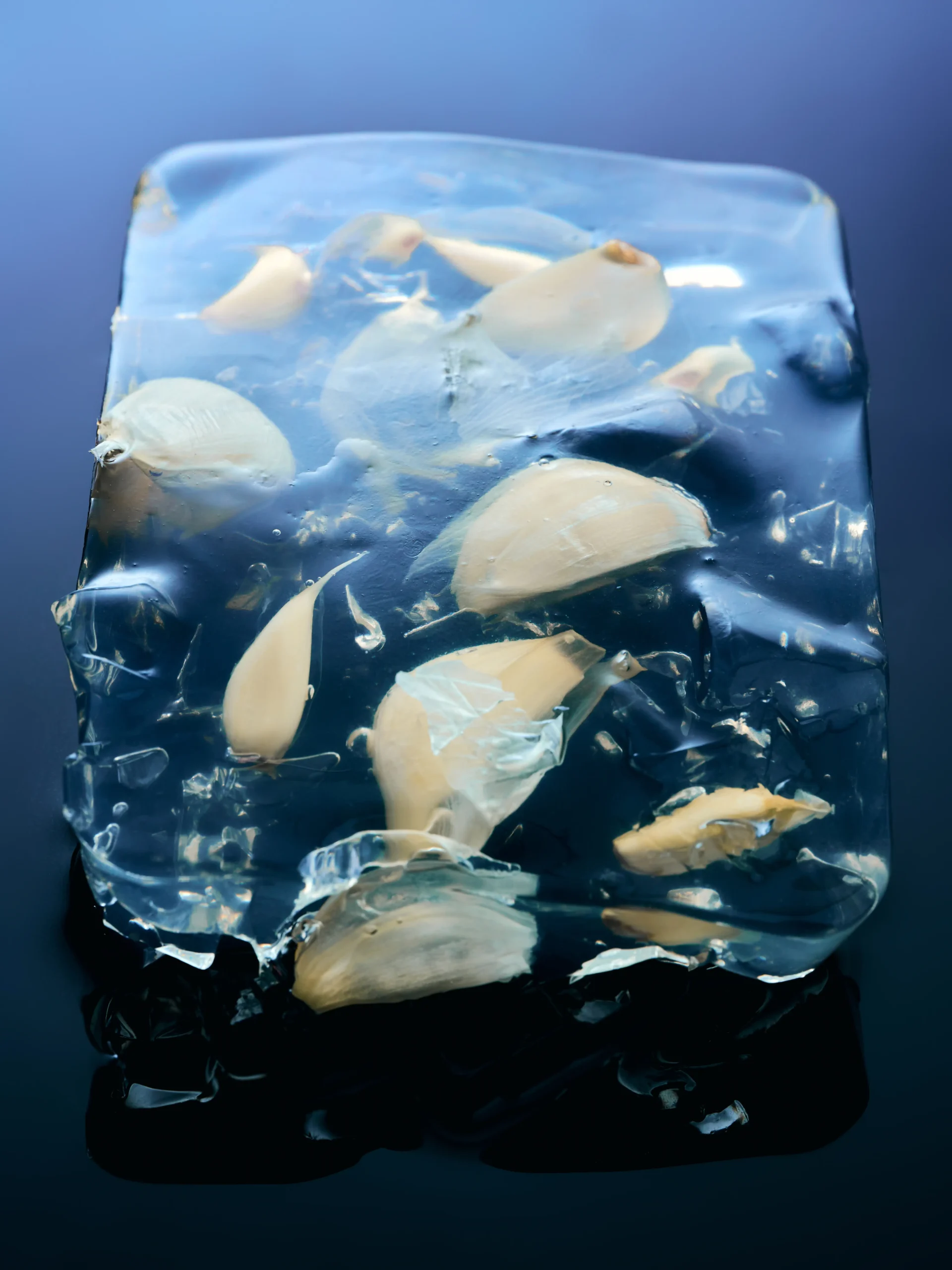
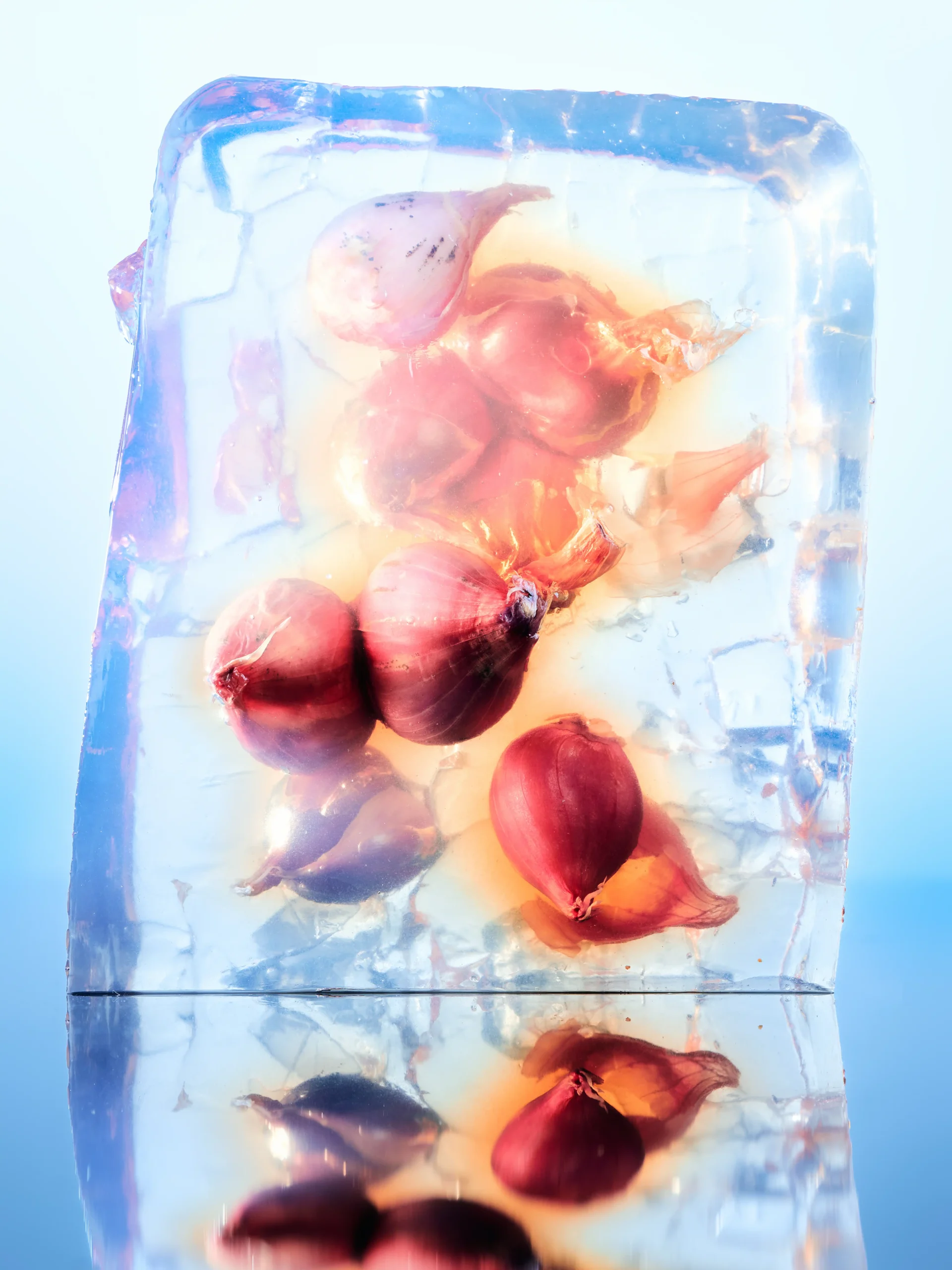
“Despite Technospoonism being set in a volatile future Philippines, I wanted to show a cuisine of abundance, where scarce ingredients are not simply unavailable, but rather honored and preserved to last. Using agar-agar in my visuals was a symbolic gesture to mark a starting point in imagining the culinary landscape of the Technospoonism world. It was a way of showing ingredients “suspended in time”. Conceptually, it fits well since seaweed is one of those ingredients that would be abundant in this future scenario,” she explains.
Related Reading: Sapin-Sapin: Julia Villamonte Brings Banig to the Global Stage at Milan Design Week 2026
Why Is Technospoonism Rooted in Filipino Culture?
Rather than picturing a dystopian scenario, Technospoonism remains grounded in a vision of the future Philippines as resilient as it is today. Carague’s latest work reflects the familiar character of Filipinos, known for adapting ways of living—from customs to objects, down to gestures.
Alongside this discourse, the project gently opens up a more critical reflection on the narrative of Filipino resilience. Often celebrated as national strength rooted in the ability to endure adversity, resilience also quietly raises questions about what it means when constant adaptation becomes expected rather than exceptional. In doing so, the intriguing collection probes reality and speculates on the future, proposing survival as something that extends beyond endurance, but moving instead toward gathering and collective presence.
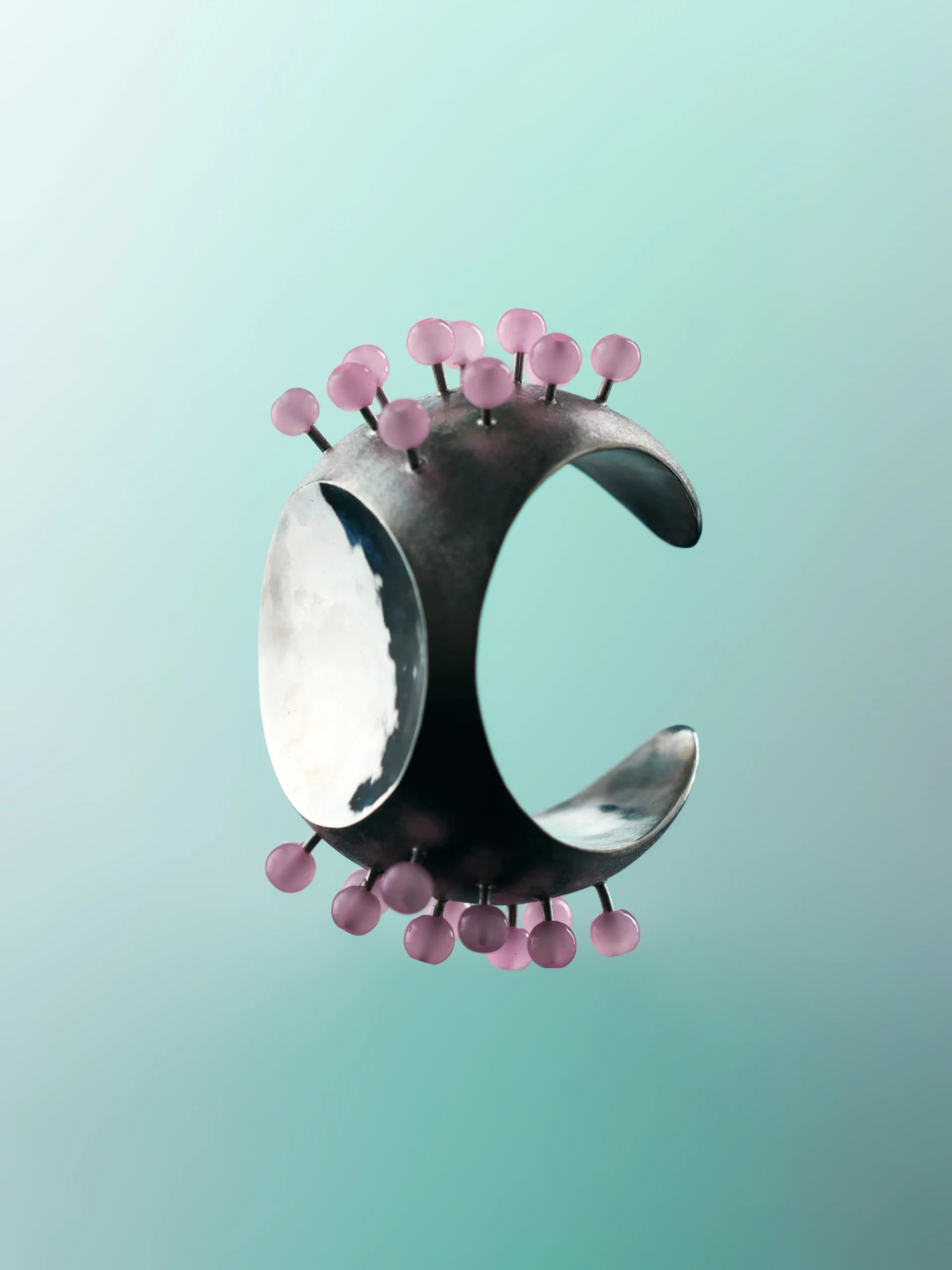

She draws inspiration from the traditional tattoo batok, the traditional Filipino tattoo tradition; yet amid the permanence, the worn artifacts are designed to be fluid and removable. Carague notes, “In uncertain times, these pieces suggest that cultural resilience lies not in rigidity, but in the capacity to transform. I visualize a world where darkness is not an end, but a fertile ground for new rituals for beauty and connection.”
As a social designer influenced by the philosophy of “world-seeing before worldbuilding,” Carague suggests that our values and beliefs are reflected in what we create, and that these creations, in turn, become a reflection to better understand and shift how we perceive society. From initially considering how the project might respond to a future without certain foods and how a harsher climate could affect the crops we depend on, she eventually moved away from this line of thinking—choosing to imagine more generously and focusing on how key elements of Philippine cuisine can be honored rather than replaced.

“I started with Kamayan because it represents pillars of Philippine cultural identity, such as abundance, camaraderie, and equality. These are not things that automatically come to mind when you think about survival in an individualistic society. I wanted to look at the future through the lens of these central themes in Philippine culture. I think about survival as dependent on abundant thinking, sharing, and community.”
With Technospoonism still in development, Carague draws to expand the project in the coming months, hinting at explorations on new materials and potential collaborations with chefs and biochemists. The contemporary designer visualizes a long table dinner for a visionary cuisine, “I want to explore the culinary side of the project more because it will inform the forms and functions of the objects I will create next. It would be conceptually stronger to start with the food first, and then let the tools adapt to fit in–going deeper into the idea of a “future preserved cuisine” and collaborating with new people to bring this idea to life.”
If this speculative dining ritual were performed today, Carague suggests it might reveal a desire to experience the mundane more slowly and fully, and perhaps, even a renewed appreciation for the food we have.
Between preservation and transformation, her work lingers, echoing a growing need for more radical voices in experimental design. Technospoonism is not fashion. It’s a speculative Filipino dining statement for the next era.
Related Reading: Noé Duchaufour-Lawrance and Dior Return to Milan Design Week 2026
Article header by Renzo Navarroù
Frequently Asked Questions (FAQs)
Bianca Carague is a Filipina artist and designer known for creating sculptural objects and digital landscapes that are part of imagined, future-oriented worlds, often addressing themes of ecology, technology, and future societies. Guided by research and worldbuilding philosophy, her practice spans internationally, grounded both in the Philippines and the Netherlands, with several exhibits and collaborations across Europe and Asia.
Technospoonism is a speculative collection of jewelry that functions as tableware: cuffs as plates, rings as forks, pendants as vessels. It is one of the international projects exhibited under We Will Design: Hello Darkness, a design production by BASE Milano in collaboration with the British Council for Milan Design Week 2026.
One of the recurring venues in the annual design event Fuorisalone in Milan, BASE Milano is a spacious project hub that showcases new prototypes, experiments, and forward-thinking practices. It transforms into a living lab where they promote collective projects by designers from all over the world, including participation from schools, universities, and international institutions.
Milan Design Week is the world’s leading annual design event, combining the official Salone del Mobile fair with city-wide exhibitions, installations, and brand activations across Milan.
Milan Design Week is important because it sets global conversations in furniture, interiors, materials, technology, and contemporary culture, while giving designers, brands, and studios a platform to launch new ideas.
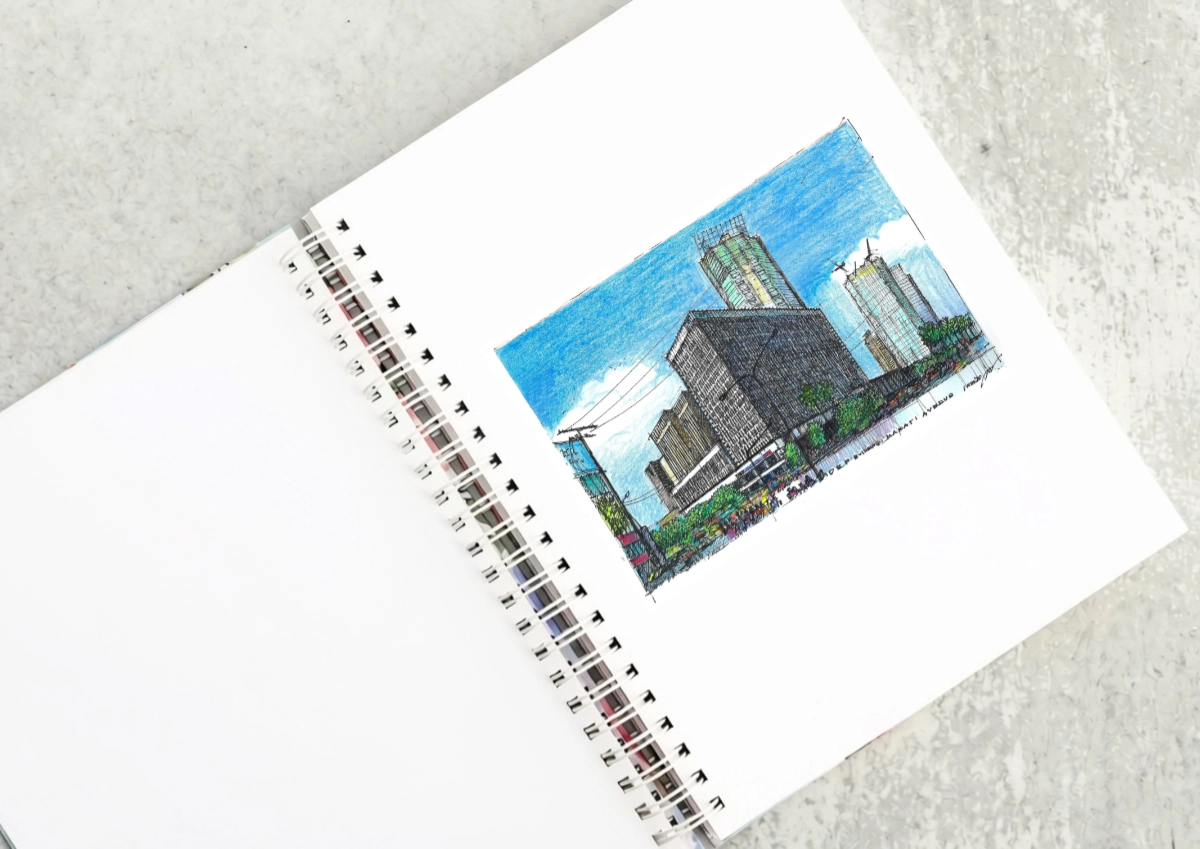
The DBP Building as a Landmark of the International Style At the corner of Sen. Gil Puyat Avenue and Makati Avenue stands a landmark of the Makati Central Business District. It is one of the last still standing that were built in the first wave of construction in district fifty years ago. The Development Bank […]
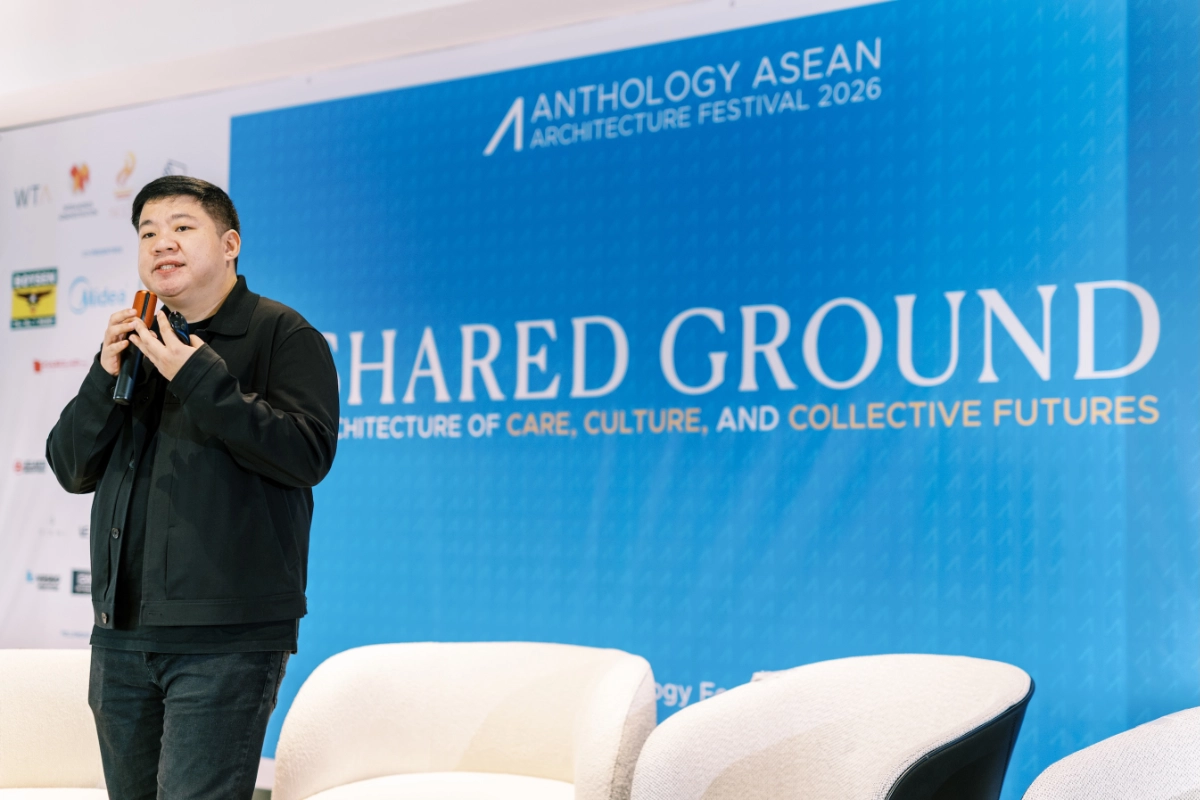
“Buildings only become architectureArchitectureThe art and science of designing and constructing buildings, structures, and spaces that are functional, safe, and aesthetically pleasing. It encompasses the planning, design, materials, and techniques used to createGo to Architecture Glossary when they are shared,” said William Ti Jr., founder of the Anthology Festival and WTA Architecture and Design Studio, […]
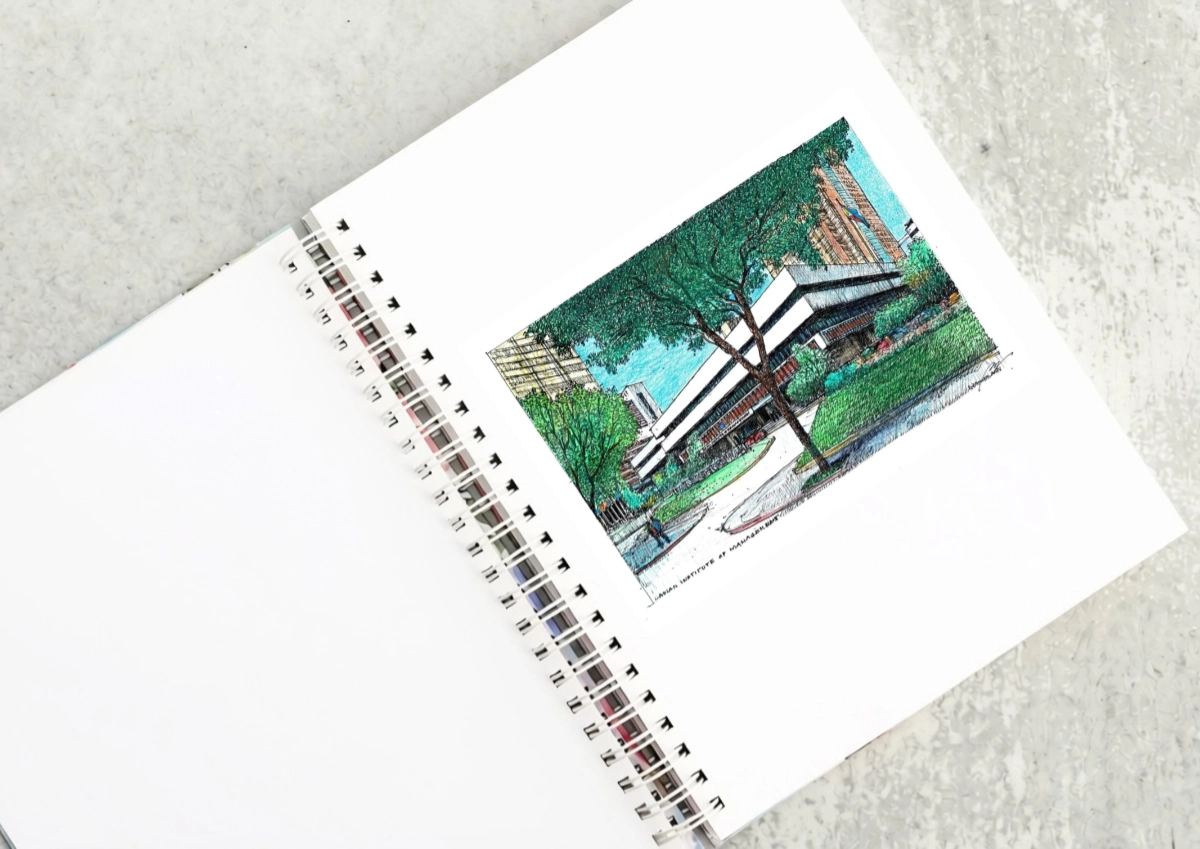
A Filipino Interpretation of Modernist Architecture Unlike the rest of Makati today, the northern end of Paseo de Roxas in Makati is anchored by a low complex rather than a tall skyscraper. This is the elegant Asian Institute of Management, designed by architect Gabriel Formoso and completed in 1971. In my opinion, the building is […]
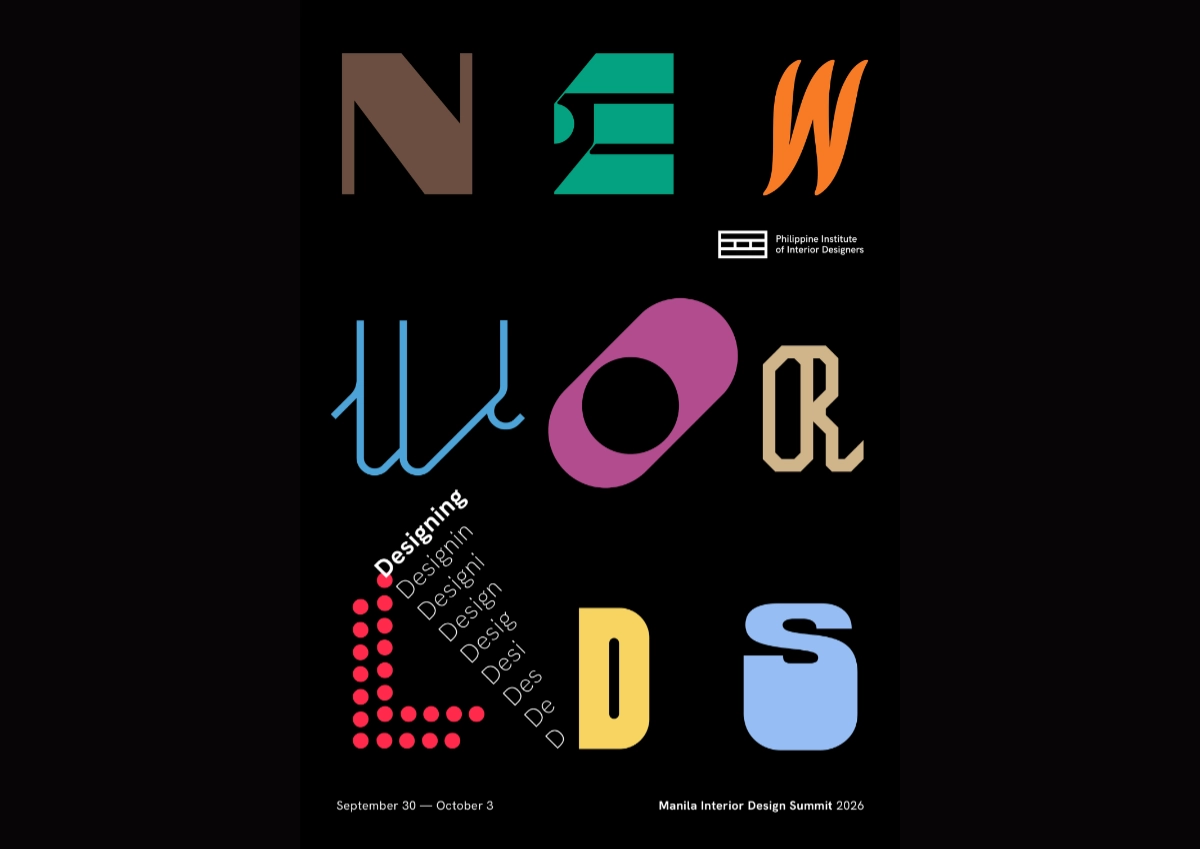
“Thailand has claimed urban creativity and livability. Singapore has institutional design leadership. Indonesia is emerging as a design hub. Vietnam is moving into design innovation. And the Philippines? Its position is not weak. It is simply unclaimed.” For IDr. Cecil Ravelas, National President of the Philippine Institute of Interior Designers (PIID), the challenge is not […]
Read the issues.

Collect the volumes.

Recommended Video
Tap to Unmute
Unmute
0:00
0:00