Culture in design does not always announce itself through a recognizable motif, material, or symbol. It can also be embedded in the relationships designers build, the knowledge they listen to, the materials they choose, and the decisions they make in response to communities and their environments. This distinction emerged throughout the 2026 International Design Conference […]
How Cultural Knowledge Can Move Design Beyond Cultural References



Culture in design does not always announce itself through a recognizable motif, material, or symbol. It can also be embedded in the relationships designers build, the knowledge they listen to, the materials they choose, and the decisions they make in response to communities and their environments.
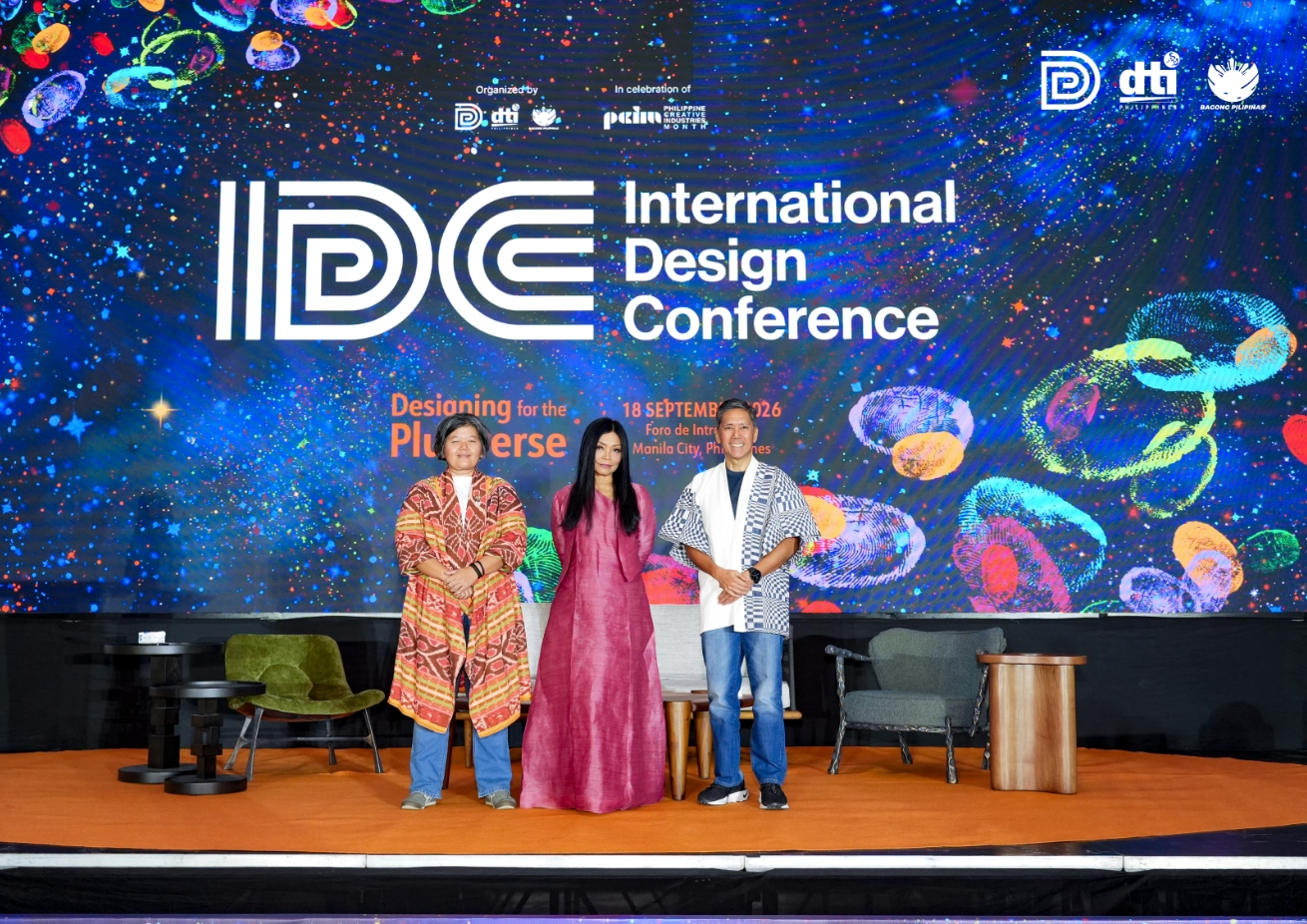
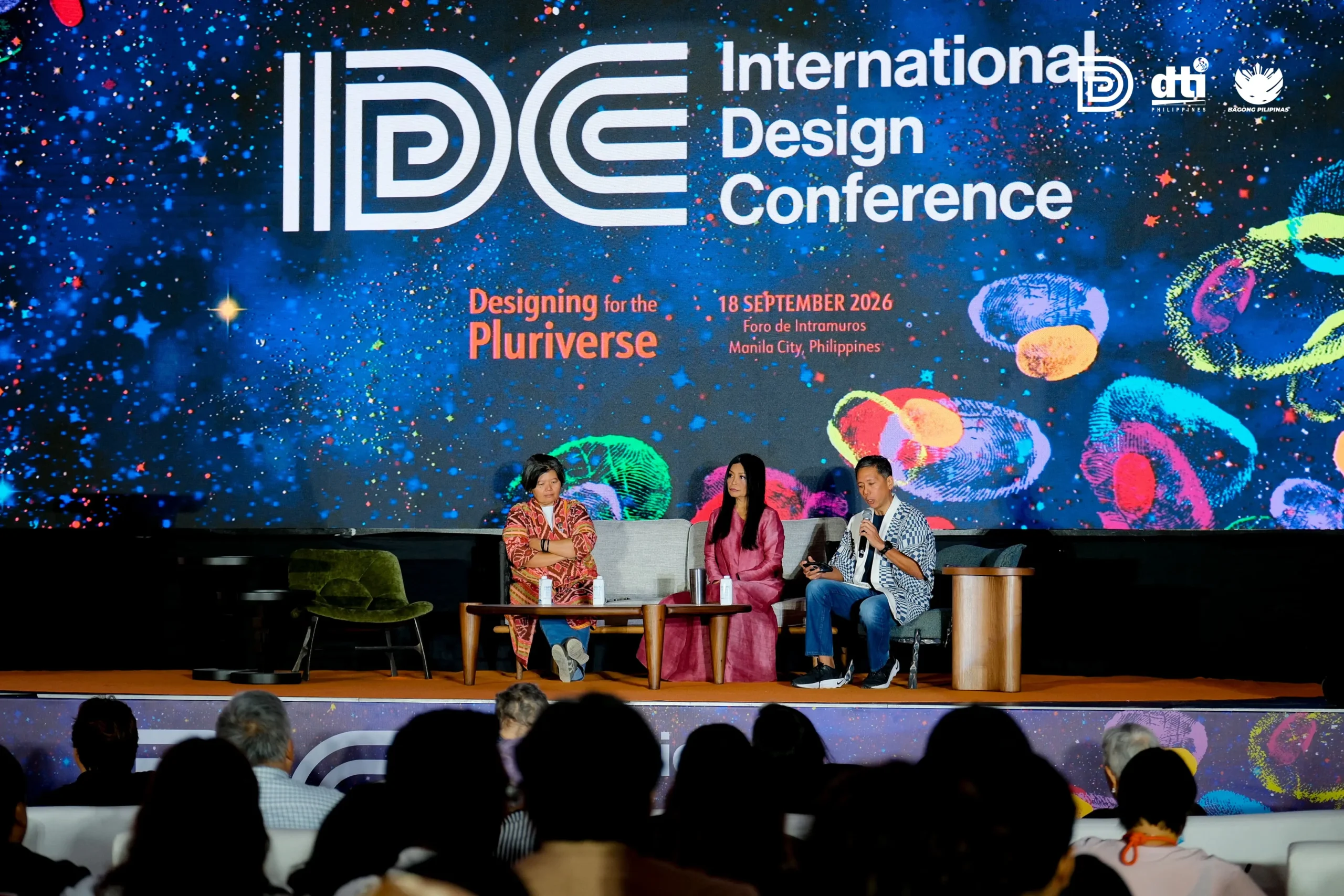
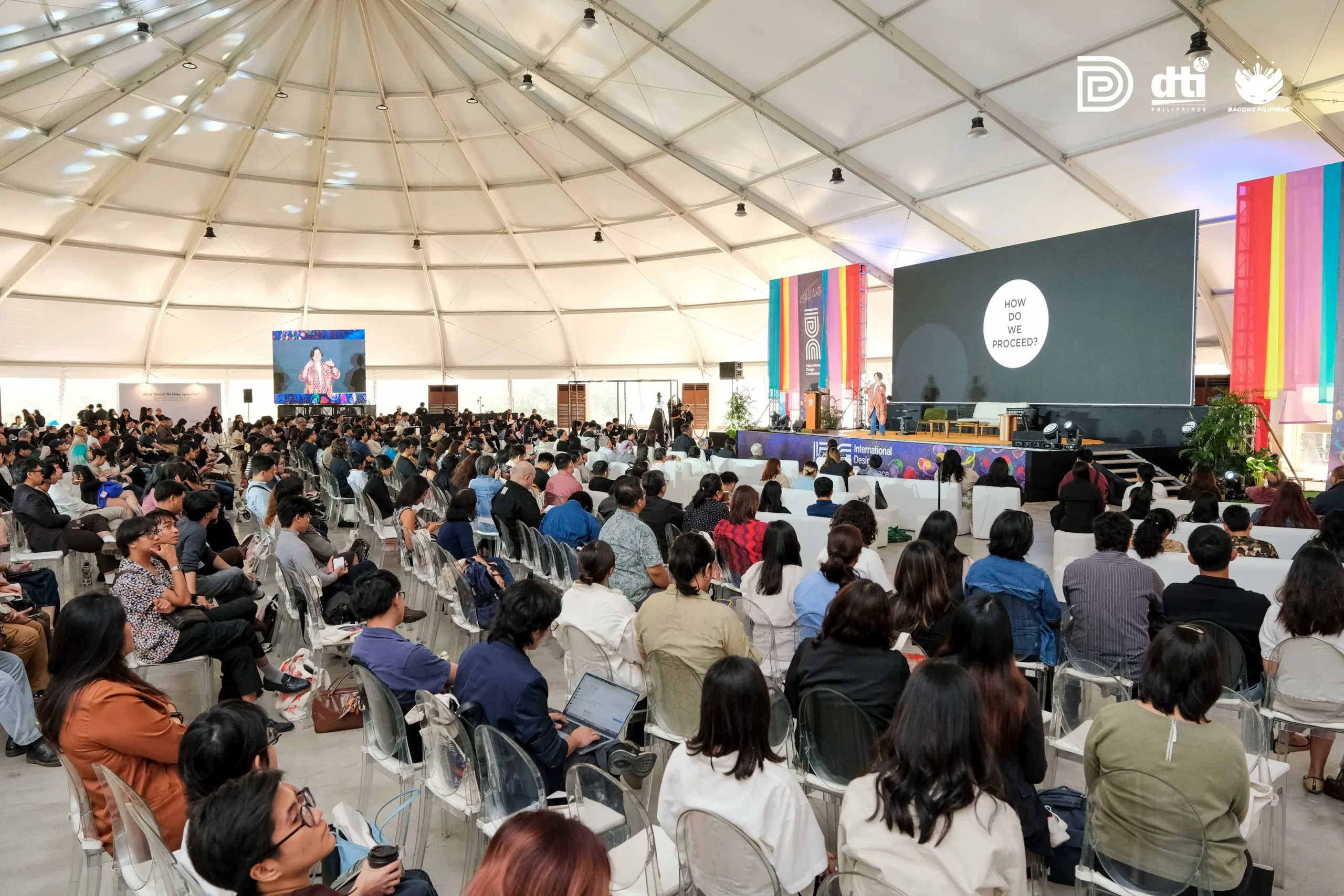
This distinction emerged throughout the 2026 International Design Conference (IDC). It was organized by the Design Center of the Philippines under the theme “Designing for the Pluriverse.” Drawing from the philosophy of Colombian-American anthropologist and professor Arturo Escobar, the theme approaches design as a world-making practice, where the things people create shape how they live and relate to others.
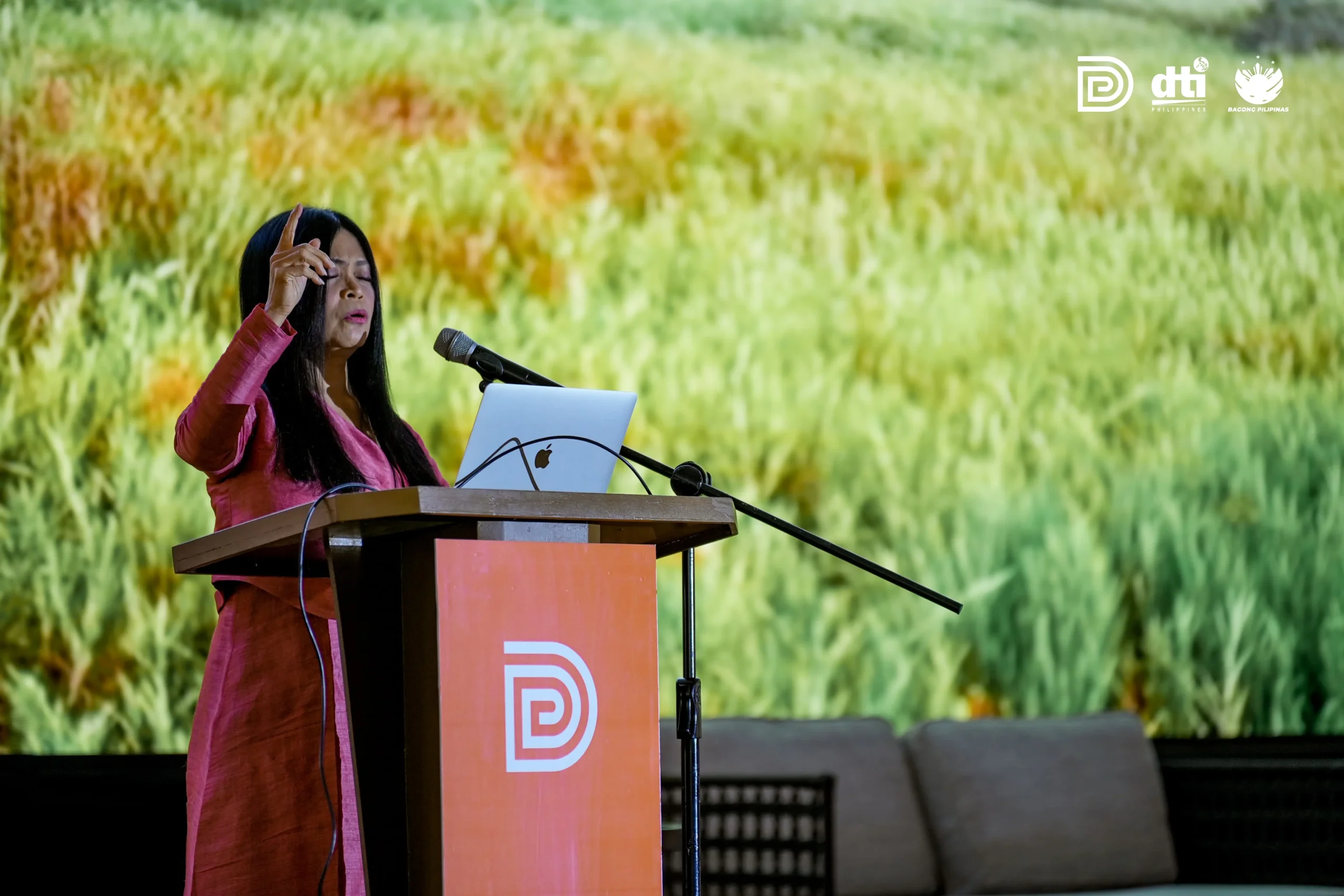
The conference brought together keynote speakers from different backgrounds whose practices share a common philosophy: designing not just for, but with, communities. For indigenous architect and founding director of Greenaway Architects, Ar. Jefa Greenaway, this approach allows projects to draw from cultural knowledge rather than reduce it to what he describes as the “muralization of culture.”
Beyond deliberate references, designing with communities allows cultural knowledge to influence the relationships, processes, materials, and decisions behind a project.
Related Reading: International Design Conference 2024 Re-evaluates the Meaning of Design
Culture as Part of the Design Process
“ArchitectureArchitectureThe art and science of designing and constructing buildings, structures, and spaces that are functional, safe, and aesthetically pleasing. It encompasses the planning, design, materials, and techniques used to createGo to Architecture Glossary, in a way, has been an act of colonization as it supplants a tradition into a pre-existing culture,” explains Greenaway. For him, moving away from this history requires architects and designers to acknowledge diversity and confront the impacts of colonization on Indigenous communities. Doing so allows designers to learn from culture rather than just represent it, making the process more relational and less transactional.
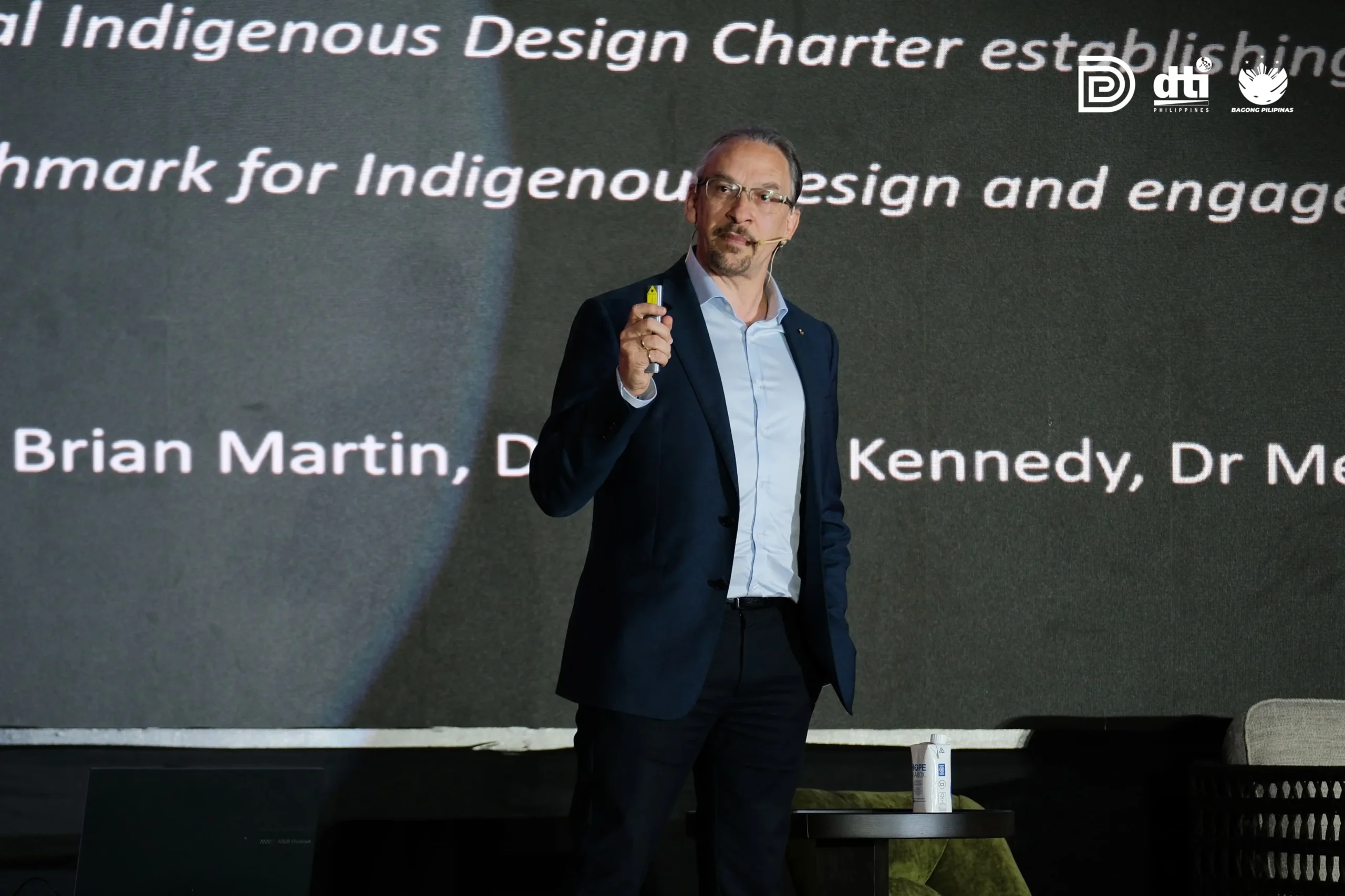
As a direct descendant of the Indigenous Australian Wailwan and Kamilaroi peoples, Greenaway shares that his design process adheres to a particular protocol: the International Indigenous Design Charter. This self-regulated professional best-practice guide provides ten protocols for designers, educators, and buyers of design to engage respectfully and ethically with Indigenous knowledge and culture.
The process also extends beyond a formal set of guidelines. Greenaway immerses himself within communities, fostering relationships, listening deeply, and engaging with traditional owners, elders, and knowledge keepers. Rather than extracting cultural elements to apply to a project, this approach allows stories and knowledge to inform the design itself.
Architecture Shaped by Place and Knowledge
The Koorie Heritage Trust in Melbourne, Australia, offers an example of how this approach can manifest in a built environment. The Indigenous nonprofit organization serves as both an exhibition space and cultural hub, with its location and design reflecting the collective heritage of Aboriginal communities in southeastern Australia.
Located near the Yarra River, the center features open spaces and large windows that provide views of the river. As Greenaway explains, this connection to the landscape pays tribute to the natural neighborhoods and environments of the region’s Indigenous communities.
Inside, displayed artifacts, paintings, and photography are seen alongside materials and objects sourced from the surrounding area of Victoria. The interior also features red gum furniture, including a long table shaped like a canoe in one of the gathering areas. The table was made from a real red gum tree branch that came from one of the tribe’s ancestral neighborhoods.
These elements do more than provide recognizable cultural references. Their material origins, relationship to place, and role within spaces for gathering connect the interior to the cultural and environmental knowledge of the communities it represents.
For Greenaway, this is where the architect’s role shifts from author to facilitator.
“Architects are sort of like a facilitator to realize the aspirations of others […]. [Designing] is not about us. We’re just using our skills of understanding space and design, and all [other] creative elements, to meet the needs, multiplicity, and diversity of the communities that we’re working with,” he says.
In this approach, culture does not need to be translated into a literal visual language to become part of a project. It can instead influence how a place is understood, what materials are used, how spaces are organized, and whose knowledge informs the decisions being made.
Related Reading: When Malasakit Is Placed at the Heart of Filipino Design: Good Design Award Philippines 2026
Communities as Participants in Design
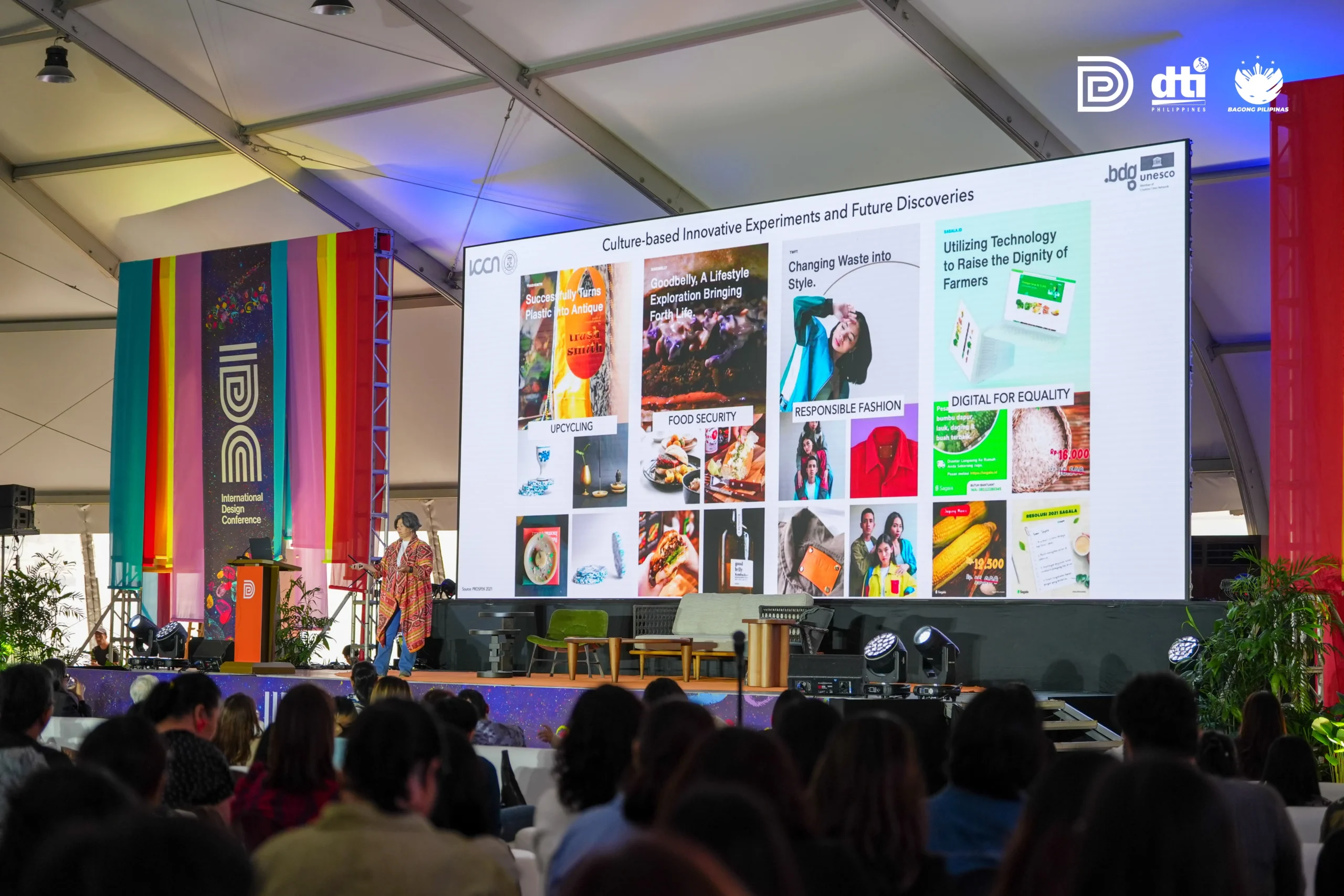
If Greenaway’s practice demonstrates how cultural knowledge can reshape the architectural process, trained industrial designer, educator, and creative community leader Dwinita “Tita” Larasati extends this idea into the urban realm.
Her work similarly moves away from treating communities as passive recipients of design. Instead, she uses design and creative practice as tools for developing places in response to local conditions, heritage, and community needs.
One of her initiatives in Bandung, for instance, is organic placemaking, where she adaptively reused heritage sites such as Gudang Selatan 22—a former military logistics building—into a vibrant, multifunctional creative district.
Rather than treating heritage as something to be preserved only as an object or visual reference, the project demonstrates how an existing place can be given new relevance through community and creative activity.
She also spearheaded the creation of the Indonesia Creative Cities Network (ICCN), a nationwide, independent hub organization that connects and develops creative communities and local governments across hundreds of Indonesian cities and regencies.
Through these initiatives, Larasati demonstrates another dimension of designing for the pluriverse: recognizing that different communities have different needs, resources, histories, and ways of shaping their environments.
“As designers, we’re trained to look into who our consumers are. We may not meet each of the individual’s needs, but we can do something that could be diverse and represent everyone […]. You want to be a designer that is relevant to the situation and have empathy,” Larasati says.
Designing for the Pluriverse
Taken together, the speakers’ practices suggest that designing for the pluriverse is not only about making cultural diversity more visible. It requires designers to reconsider who participates in the design process, whose knowledge is recognized, and how projects respond to the communities and places they inhabit.
Escobar’s philosophy invites designers, architects, and makers to become “weavers and repairers.” It encourages individuals to recognize what has been weakened or broken within a community over time and find ways to improve how people live.
For Greenaway, this can mean using architecture as a means of cultural reclamation, self-determination, and reconciliation. For Larasati, it can mean creating structures and networks that allow communities to participate in shaping their own creative and urban environments.
For Grace Nono, an ethnomusicologist and interdisciplinary scholar, this principle extends to intangible cultural knowledge. Working alongside culture bearers, she conducts experiential classes with different communities, creating opportunities for traditions to be learned and practiced firsthand. This allows cultural knowledge to remain active rather than becoming something preserved only as an artifact or reference.
The approaches may differ, but they point toward a broader shift in design and cultural practice: from applying a predetermined visual language to a place, to listening, learning, facilitating, and responding to the knowledge already present within a community.
In this sense, designing for the pluriverse is not about making culture more visible, but allowing it to shape how design is conceived, developed, and experienced.
Related Reading: Anthology Expands the Conversation Around Philippine Architecture
About the International Design Conference
The International Design Conference (IDC) is a design conference organized by the Design Center of the Philippines that brings together designers, architects, educators, and creative practitioners to exchange ideas and explore the role of design in addressing contemporary challenges. Its 2026 edition, themed “Designing for the Pluriverse,” draws on the philosophy of Arturo Escobar to examine design as a world-making practice. Through its speakers and discussions, IDC 2026 explores how design can recognize diverse cultural knowledge, engage communities, and respond to the distinct contexts in which people live.
Frequently Asked Questions
Cultural knowledge in design refers to the histories, values, practices, and ways of knowing that inform how a project is conceived and developed. It can shape a design’s materials, spatial organization, relationships with its environment, and engagement with the community it serves.
Designers can incorporate cultural knowledge by engaging with communities, listening to local knowledge holders, understanding a site’s history and environment, and allowing these insights to inform design decisions. This approach goes beyond using cultural motifs or symbols as visual references.
The International Indigenous Design Charter is a professional best-practice guide that outlines ten protocols for designers, educators, and buyers of design to engage respectfully and ethically with Indigenous knowledge and culture.
Community-led placemaking is an approach to shaping or revitalizing places in which local communities participate in identifying needs, defining priorities, and informing how spaces are developed and used. It can involve adapting existing buildings, supporting creative activities, and responding to local heritage and conditions.
“Designing for the Pluriverse” is an approach that recognizes the existence of diverse ways of living, knowing, and relating to the world. In design, it encourages practitioners to work with communities, acknowledge different forms of knowledge, and create responses that reflect the contexts and needs of the people involved.
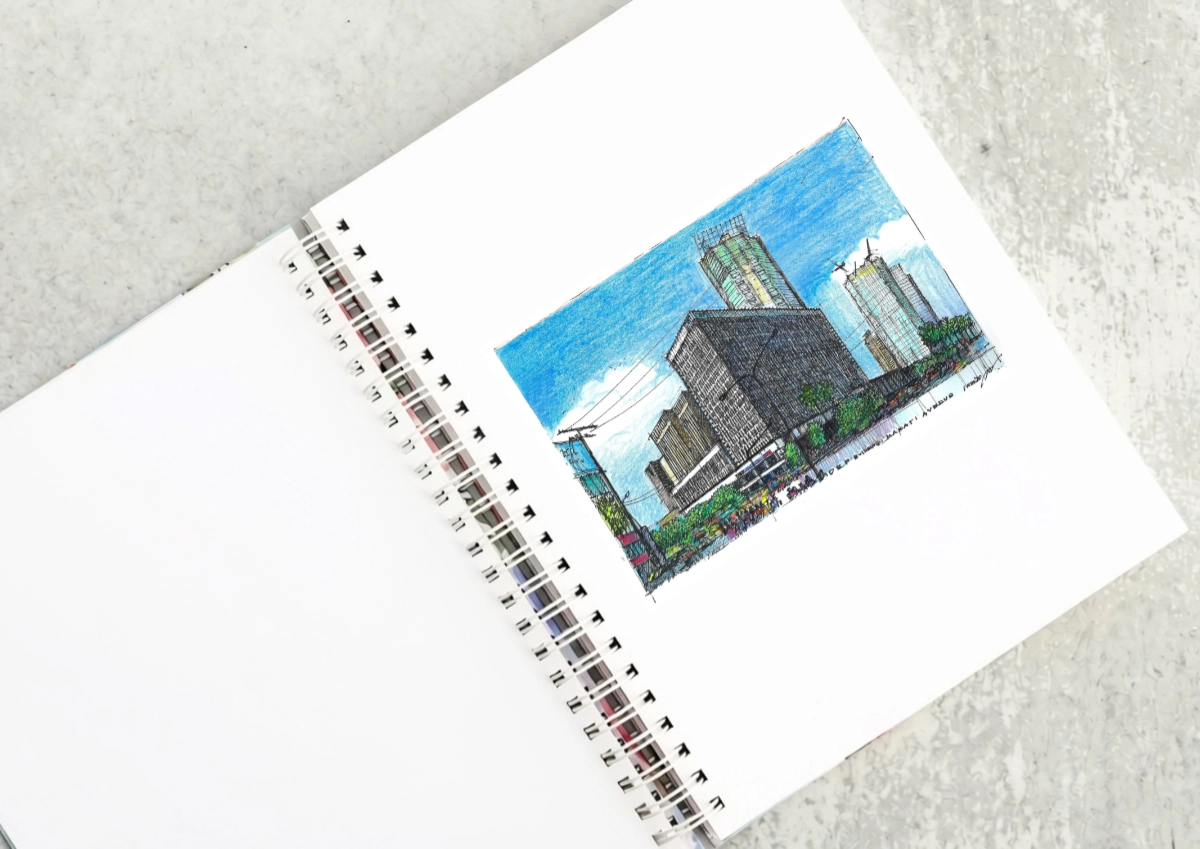
The DBP Building as a Landmark of the International Style At the corner of Sen. Gil Puyat Avenue and Makati Avenue stands a landmark of the Makati Central Business District. It is one of the last still standing that were built in the first wave of construction in district fifty years ago. The Development Bank […]
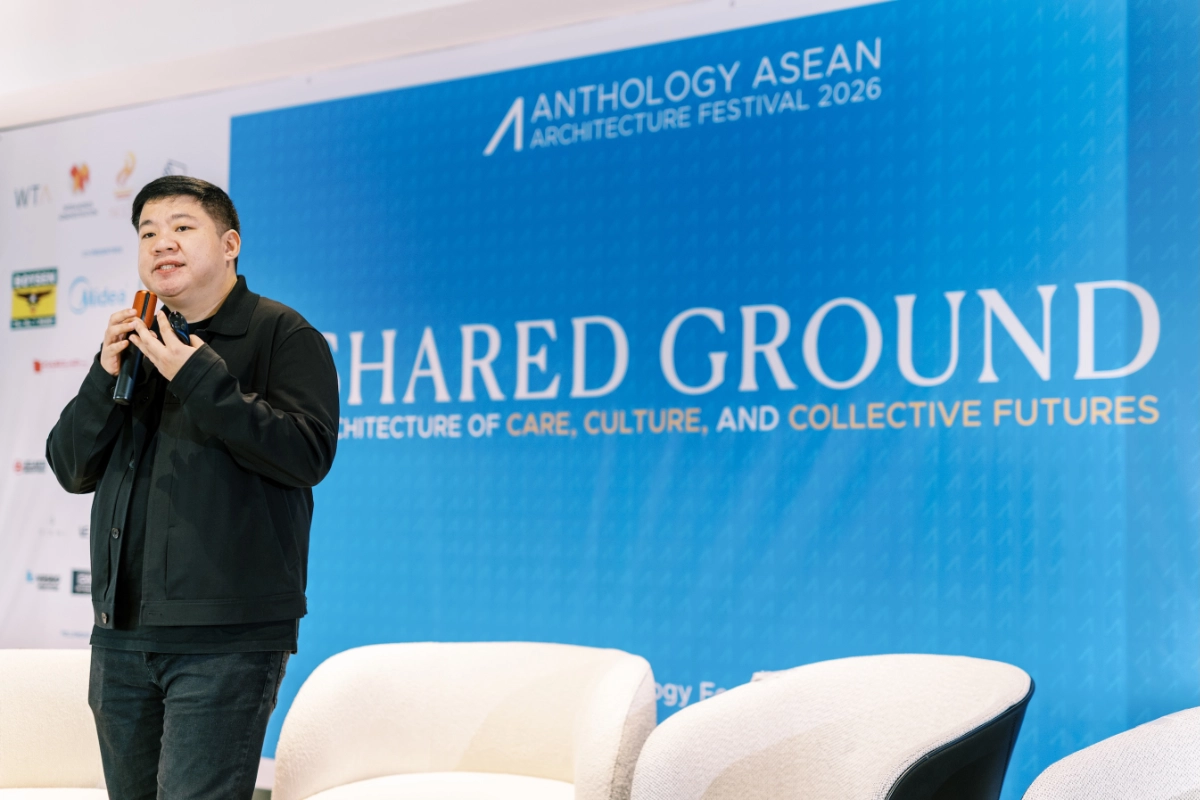
“Buildings only become architectureArchitectureThe art and science of designing and constructing buildings, structures, and spaces that are functional, safe, and aesthetically pleasing. It encompasses the planning, design, materials, and techniques used to createGo to Architecture Glossary when they are shared,” said William Ti Jr., founder of the Anthology Festival and WTA Architecture and Design Studio, […]
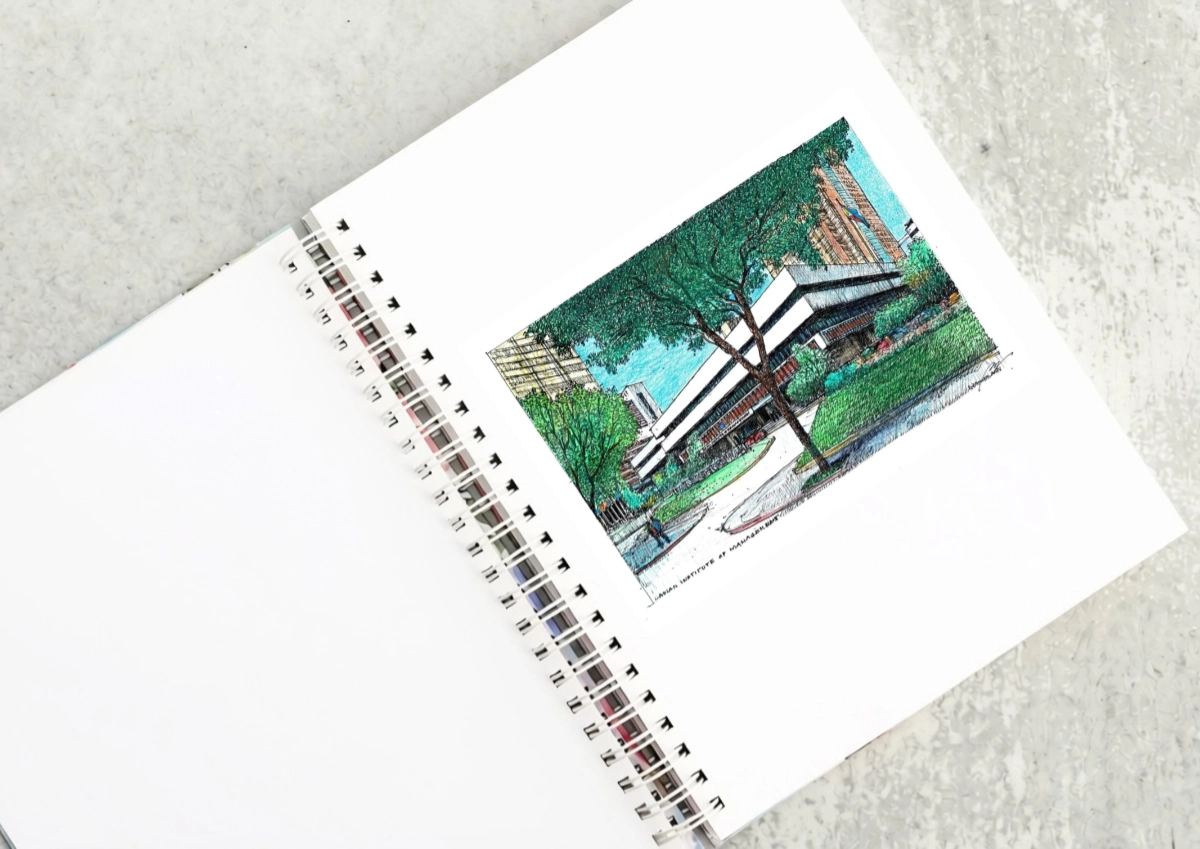
A Filipino Interpretation of Modernist Architecture Unlike the rest of Makati today, the northern end of Paseo de Roxas in Makati is anchored by a low complex rather than a tall skyscraper. This is the elegant Asian Institute of Management, designed by architect Gabriel Formoso and completed in 1971. In my opinion, the building is […]
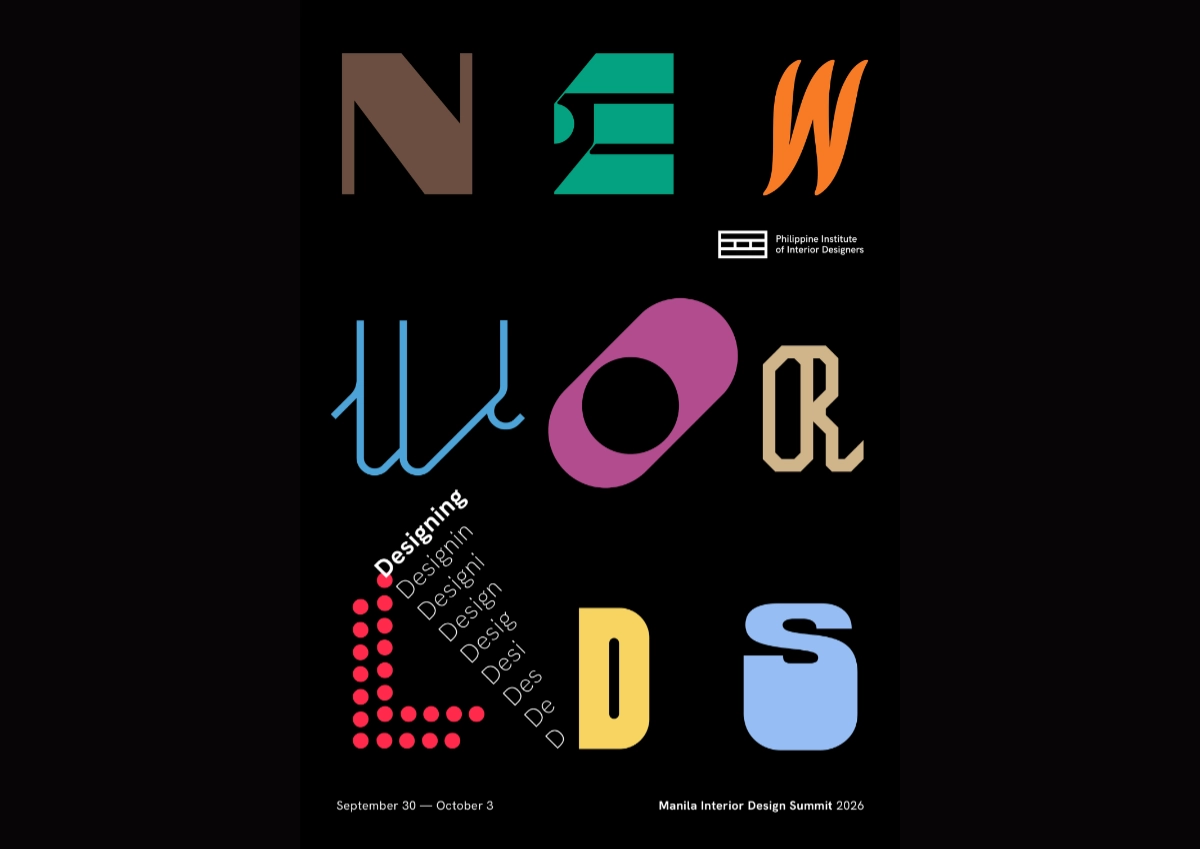
“Thailand has claimed urban creativity and livability. Singapore has institutional design leadership. Indonesia is emerging as a design hub. Vietnam is moving into design innovation. And the Philippines? Its position is not weak. It is simply unclaimed.” For IDr. Cecil Ravelas, National President of the Philippine Institute of Interior Designers (PIID), the challenge is not […]
Read the issues.

Collect the volumes.

Recommended Video
Tap to Unmute
Unmute
0:00
0:00