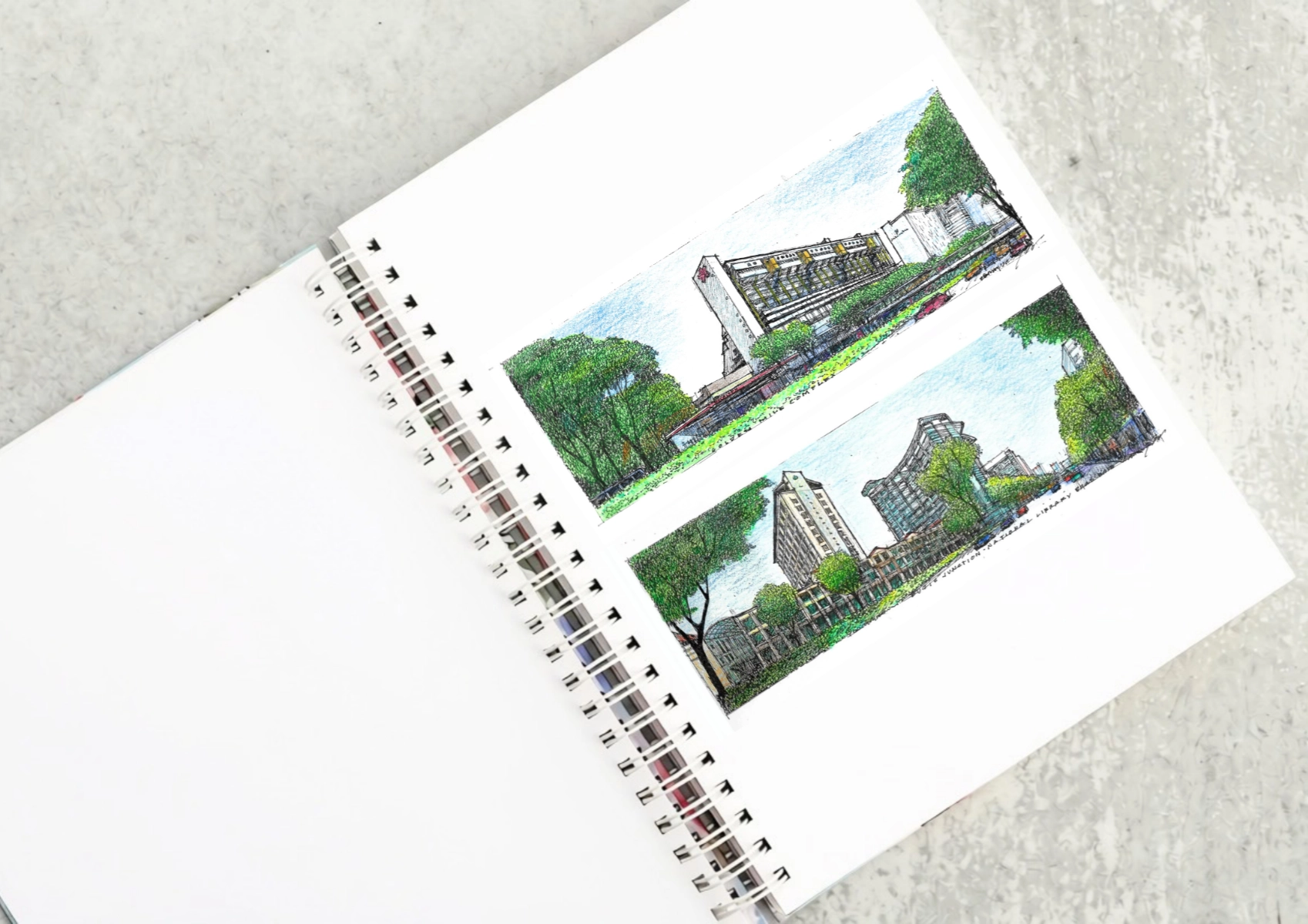
Two sketches of Singapore connect BluPrint Editor in Chief Paulo G. Alcazaren’s personal and professional history with Shared Ground: ArchitectureArchitectureThe art and science of designing and constructing buildings, structures, and spaces that are functional, safe, and aesthetically pleasing. It encompasses the planning, design, materials, and techniques used to createGo to Architecture Glossary of Care, Culture, […]
Building a Piece of Paradise by the Sea: Bihing Tahik Resort



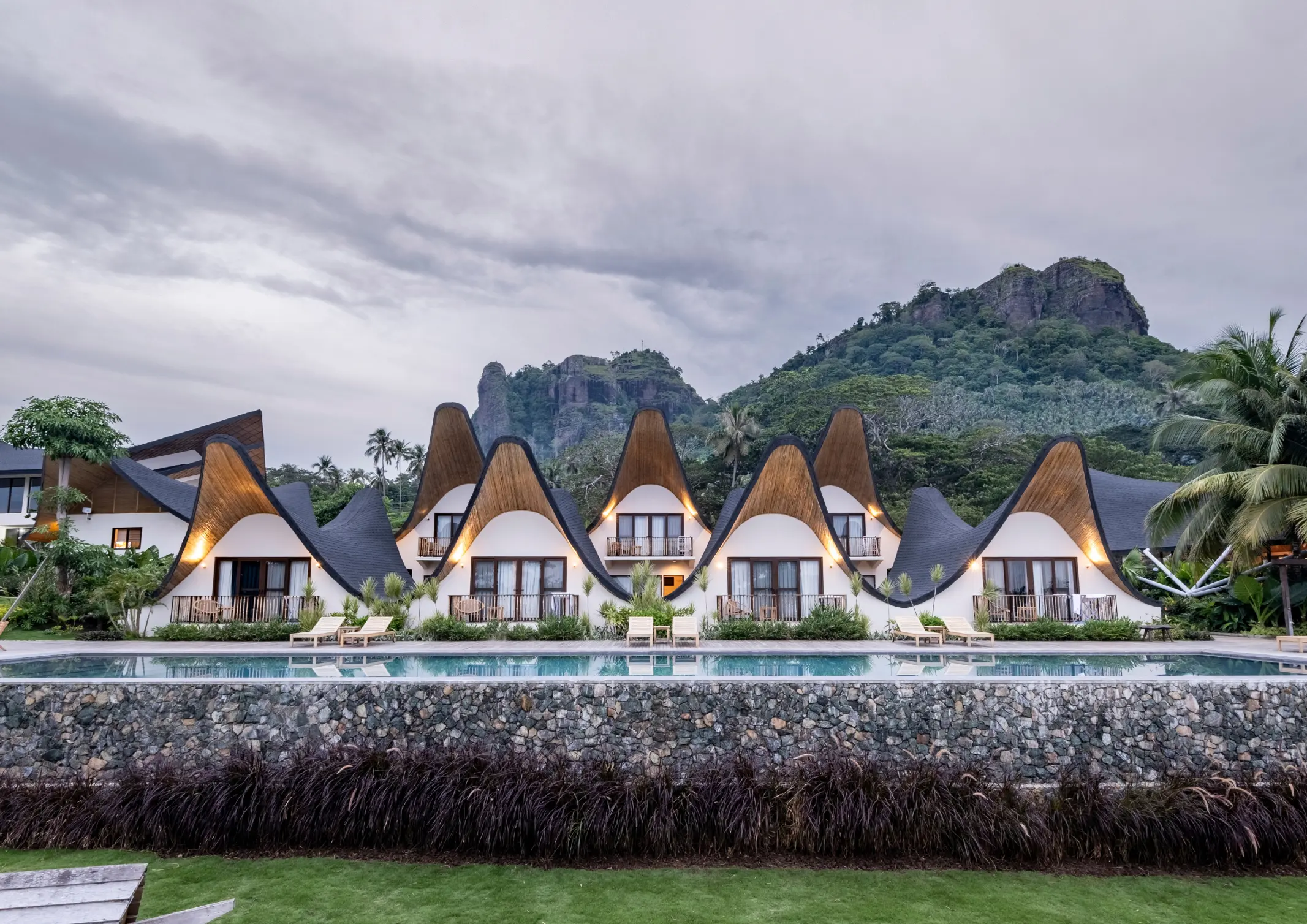
Tucked in the coastal municipality of Bongao is a piece of paradise called Bihing Tahik. While resorts dot the coastline of Tawi-Tawi, it easily stands out for the unique silhouette that complements the natural beauty of its surrounds. At the heart of its design is the owners’ vision to connect the space with nature and the island’s culture, and the dedication of architect Deo Alrashid Alam and his design firm DADA to bring it to life.
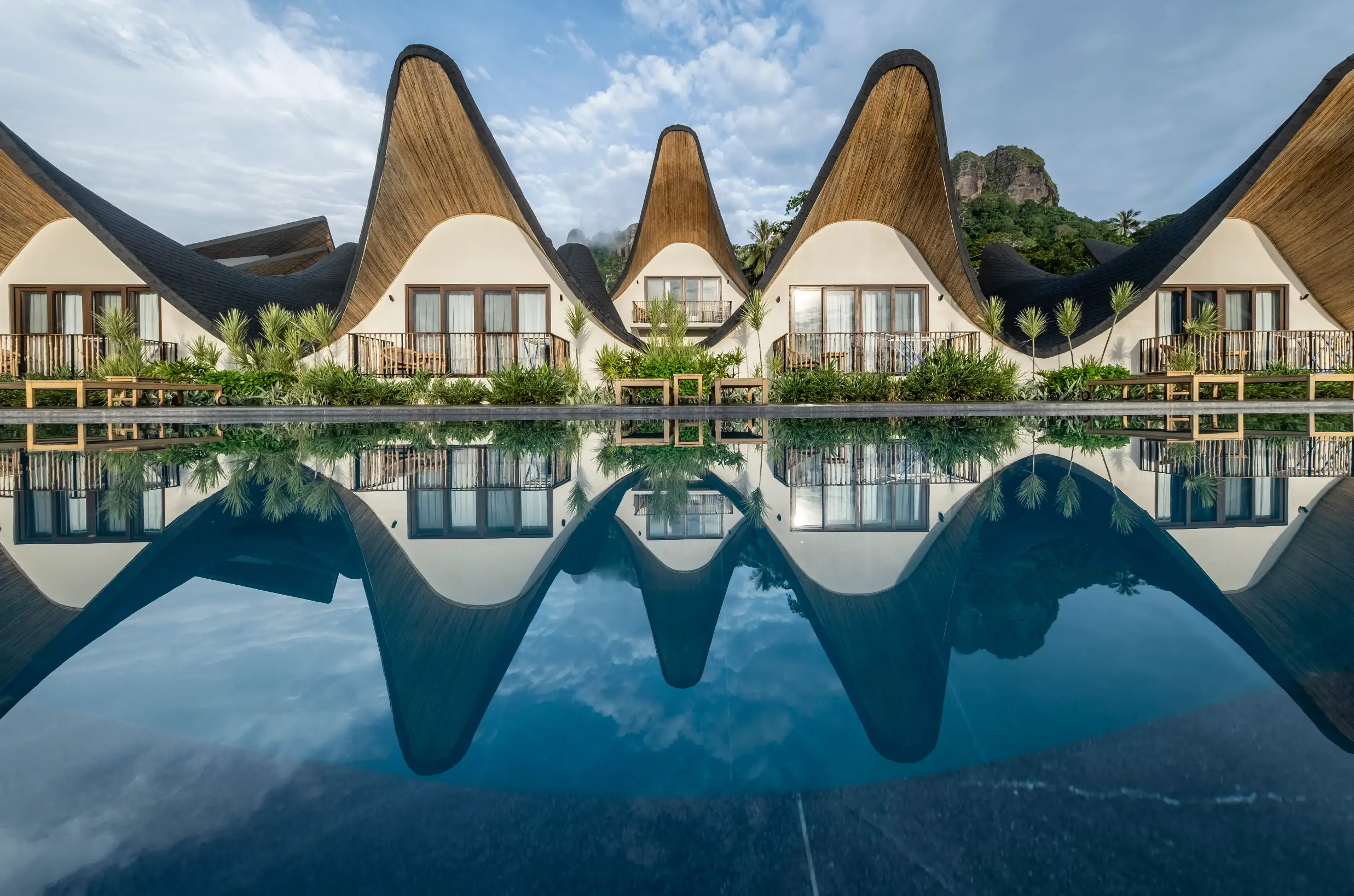
“The design for this project really started with understanding the name ‘Bihing Tahik,’ which comes from the Sama tribe and means ‘by the sea.’ My team and I dove deep into the history and culture of Bongao, Tawi-Tawi, and were inspired by the giant clams found in the surrounding waters,” Alam begins on the inspiration behind the project.
Turning to Nature and Heritage
Nature is never short of design ideas and concepts that spark unique architectural approaches and elements. Alam and his team knew the giant clam is one such example. “We chose this shape not just because it looks great but also for its structural benefits, allowing us to innovate while keeping stability in mind.”
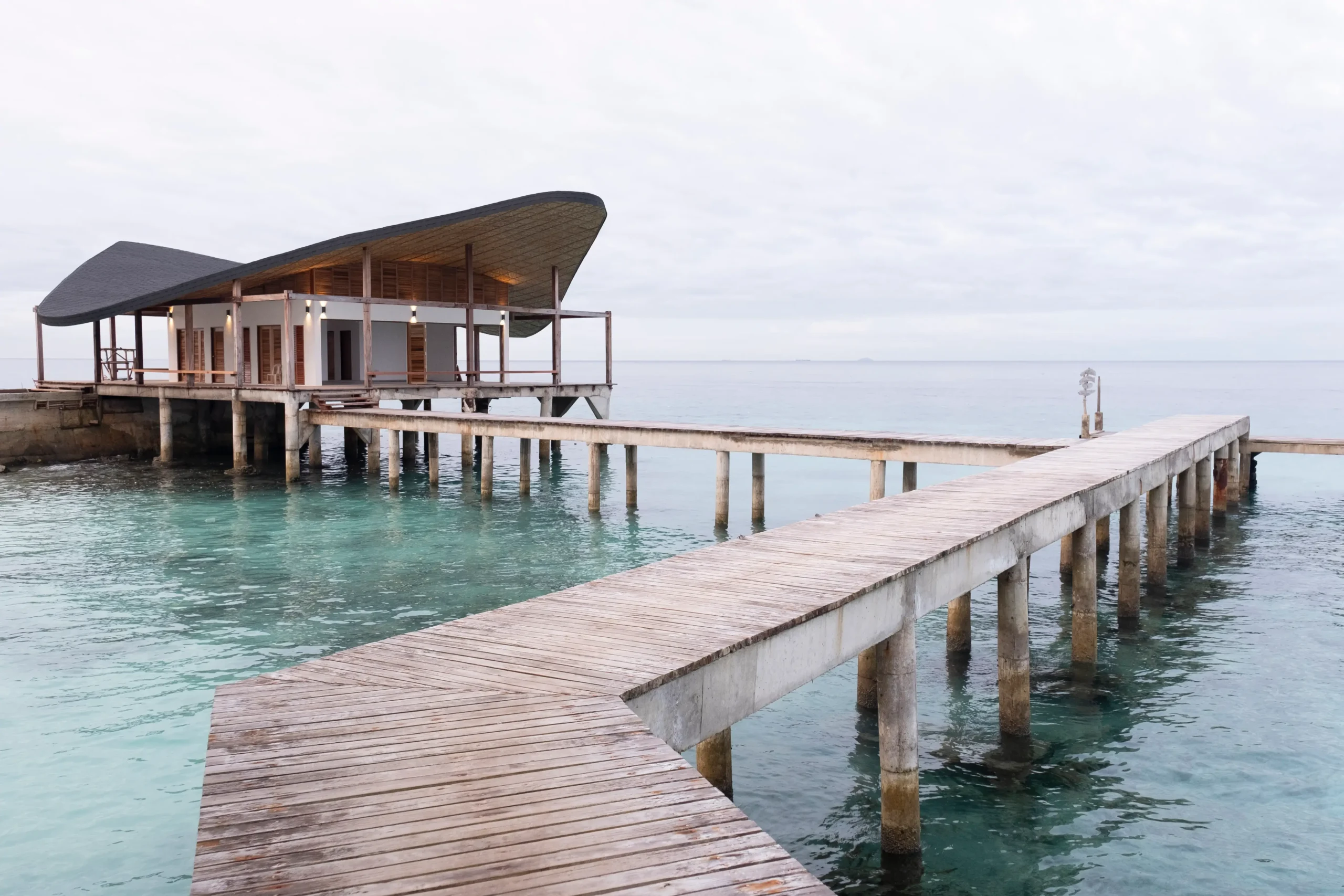
Another major aspect of the owners’ vision was to show that the island’s people can handle complex projects. In response, DADA crafted a design that celebrates not only the island’s beauty and heritage, but also highlights local talent and skills. As part of curating the furniture, fixtures, and objects within the property, the team sourced furniture from a nearby island further south which shares the same cultural heritage as Tawi-Tawi. Locally sourced rattanRattanA flexible, climbing palm native to tropical Asia, whose strong, lightweight canes are woven and bent into furniture, baskets, and lighting. The Philippines, especially Cebu, is renowned for rattan craftsmanship,Go to Rattan Glossary also played a role in the interior design, while a type of wood that turns black when wet served as a functional and durable material ideal for structures surrounded by water.
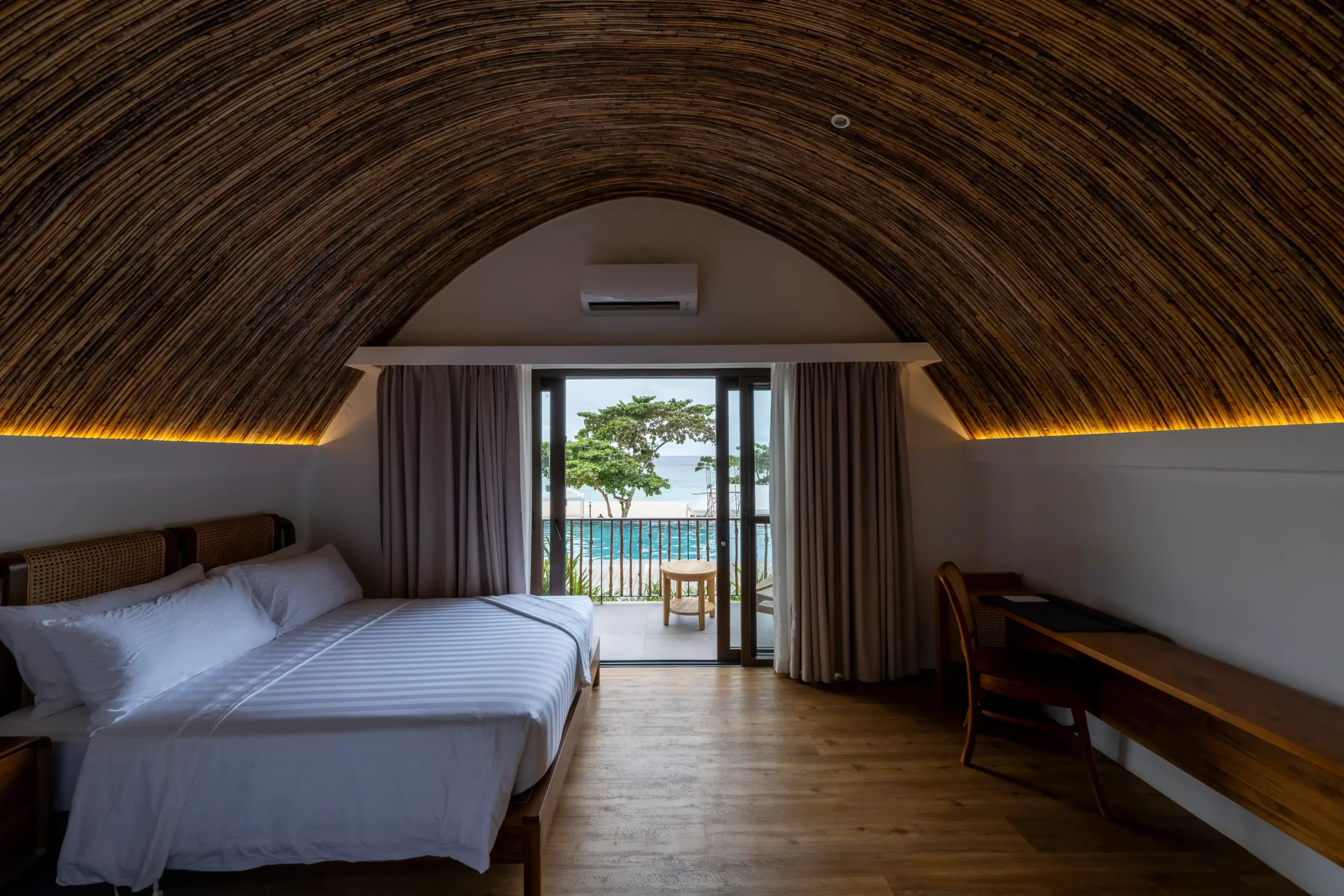
“To my surprise, the designs that emerged from this process were truly authentic. I learned that when we draw from the heart rather than just the mind, we create something that genuinely reflects who we are,” Alam muses. “This approach not only shapes the architectureArchitectureThe art and science of designing and constructing buildings, structures, and spaces that are functional, safe, and aesthetically pleasing. It encompasses the planning, design, materials, and techniques used to createGo to Architecture Glossary but also enhances the experience of those who use the spaces, allowing them to connect more deeply with the culture and environment.”

This article has been abridged for digital publication. Read the full story behind Bihing Tahik Resort by ordering your copy of BluPrint’s “Design Conversations” at Sari Sari Shopping, Shopee, and Lazada. E-magazines are also available for download here or through Readly, Press Reader, and Magzter.
Dive into the captivating world of architecture, interiors, and arts & culture by getting exclusive digital access to BluPrint’s past and upcoming issues. Click here to find out more.
Photographed by Ed Simon.
Read more: Pflieder Residence: A Clay Cocoon by Lor Calma and Partners
Frequently Asked Questions
The undulating roof design, modeled after the giant clam’s shell, provides both structural stability and natural aerodynamic properties against coastal winds. By mimicking these organic curves, Architect Deo Alam ensures the villas offer a unique silhouette that remains durable and resilient against the harsh elements of the Tawi-Tawi coastline.
The resort utilizes a specialized type of local wood that naturally turns black when wet, a characteristic that enhances its durability and aesthetic appeal in high-moisture areas. Additionally, locally sourced rattan is integrated into the interiors, grounding the structure in the island’s natural resources while ensuring the materials can withstand the humid sea air.
The name “Bihing Tahik” translates to “by the sea” in the Sama language, reflecting a deep-rooted connection to the maritime heritage of the Bongao municipality. This cultural integration extends to the interior curation, featuring furniture sourced from nearby southern islands and local craftsmanship that celebrates the talent and identity of the indigenous people.
The curved, clam-like roof structures are designed to foster a psychological and physical connection between the guest and the surrounding marine environment. By moving away from rigid, traditional lines, the architecture creates a “piece of paradise” feeling that allows visitors to feel immersed in the organic shapes of the sea while enjoying modern comforts.
The project aimed to prove that the local people of Tawi-Tawi are capable of executing complex, world-class architectural designs without relying solely on outside influence. By combining Architect Deo Alam’s technical expertise with local skills and heritage-driven concepts, the resort serves as a showcase of regional talent and authentic Filipino hospitality.
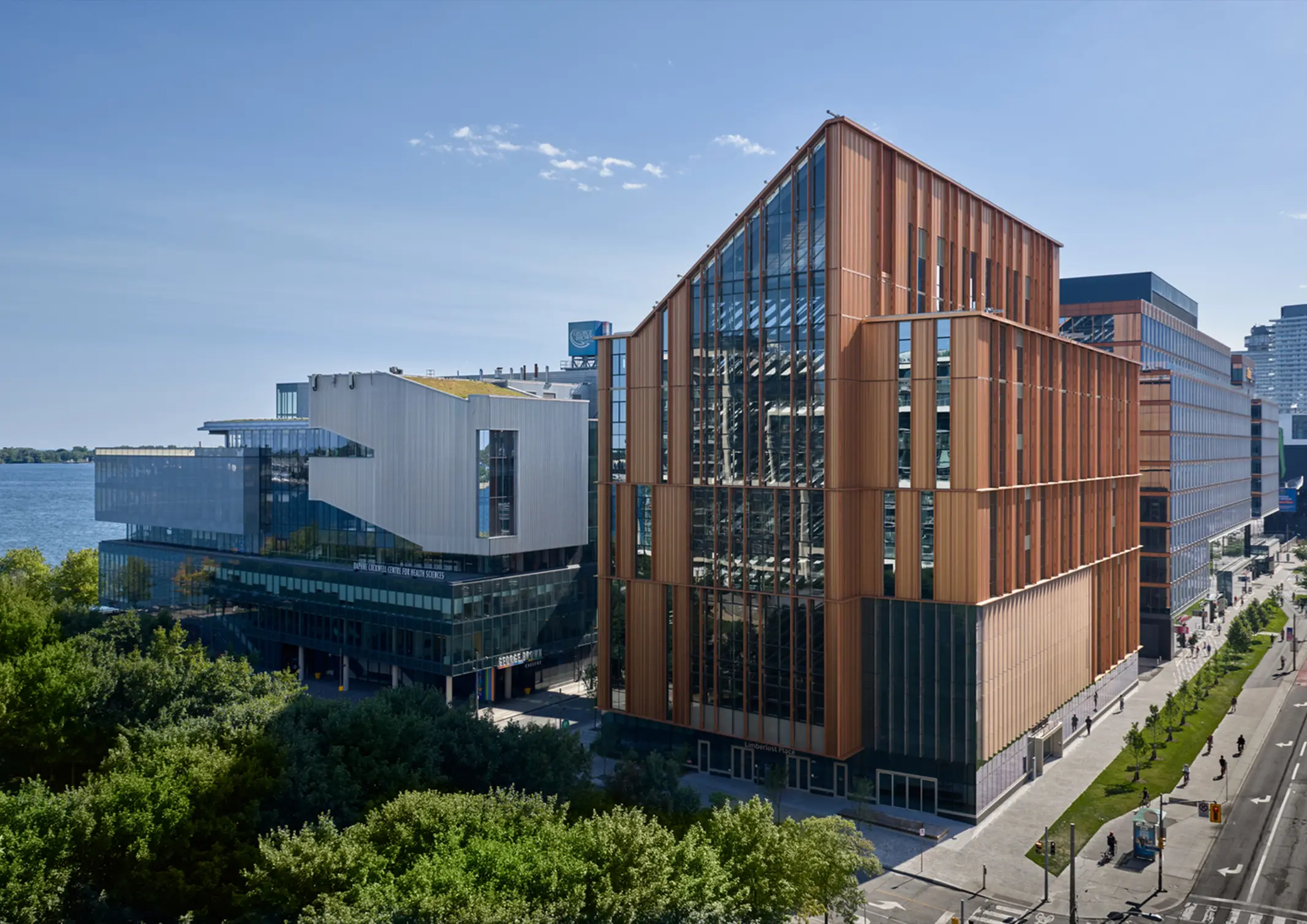
The projects recognized by Architizer’s 14th Annual A+Awards span architectureArchitectureThe art and science of designing and constructing buildings, structures, and spaces that are functional, safe, and aesthetically pleasing. It encompasses the planning, design, materials, and techniques used to createGo to Architecture Glossary, interiors, landscape, urban design, and sustainability. Organized by Architizer, one of the world’s […]
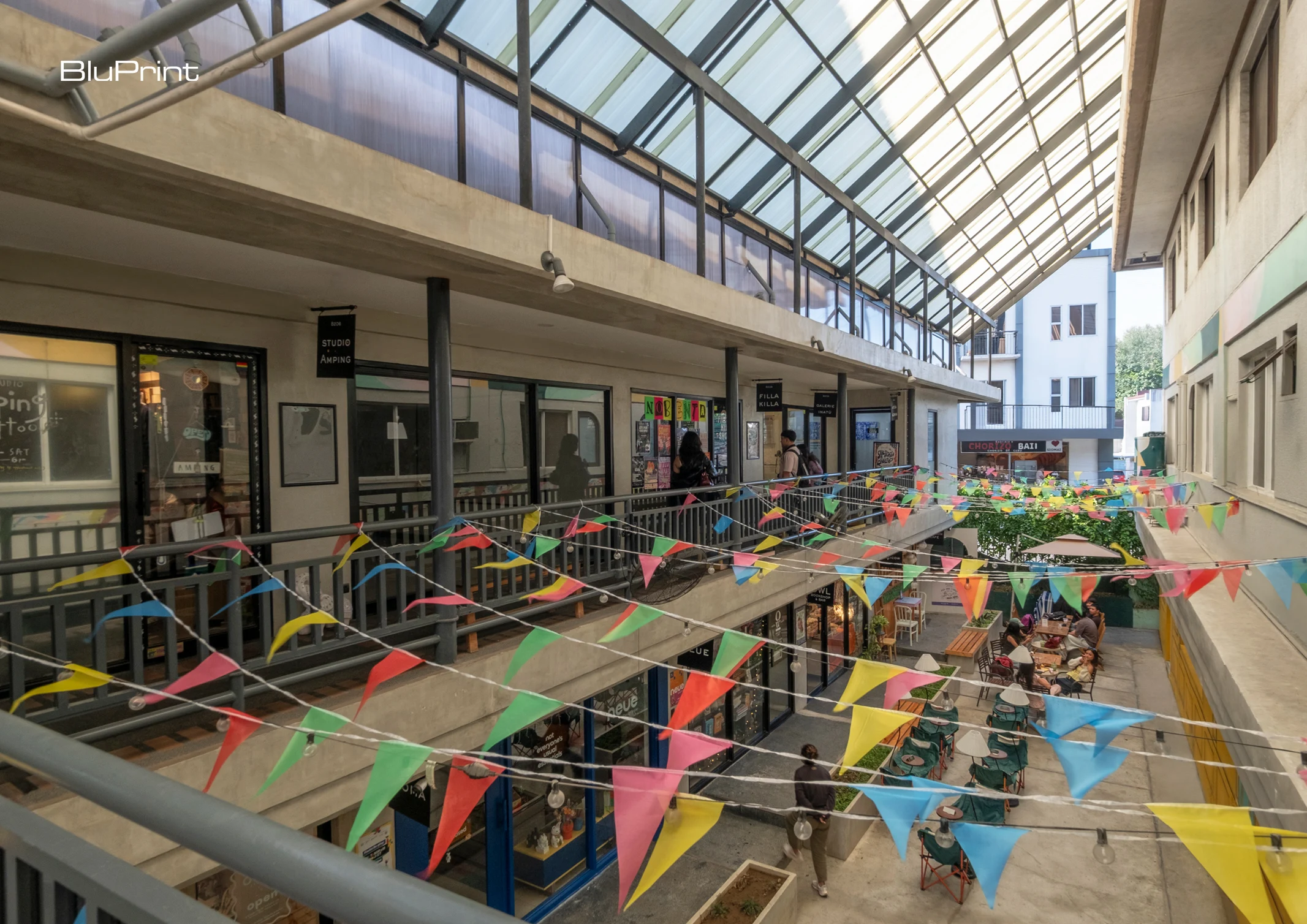
Within a two-building commercial complex organized around a central courtyard, an unexpected layout unfolds. The shops are small and quaint, uniformly sized, and directly face one another like apartment units. This is Atúa. Related Reading: Creative Placemaking: Designing Public Spaces that Reflect Shared Memory What used to be a functioning hotel in the early 1990s, […]
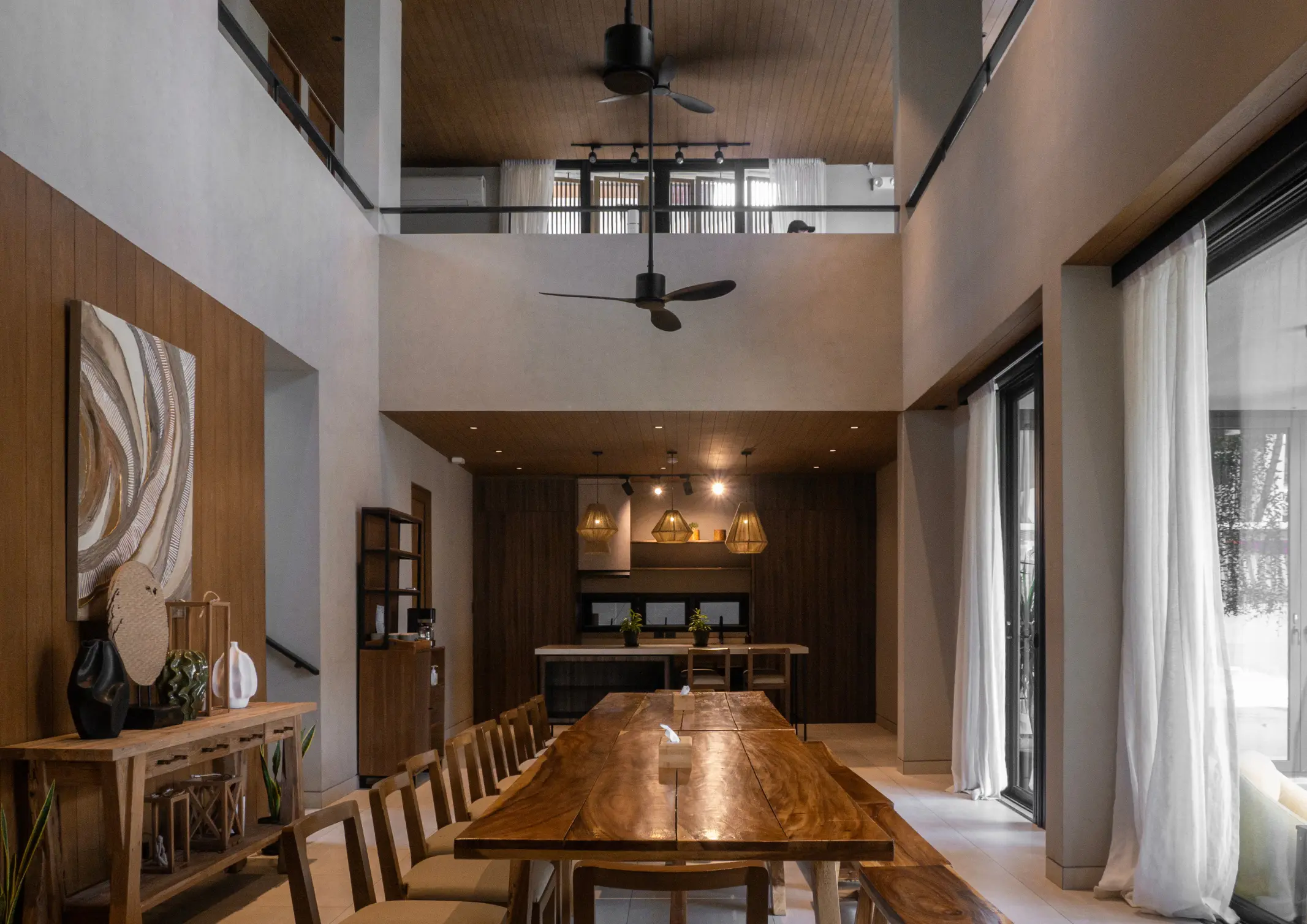
Designed by TAYO Architecture & Design, Balai Ba’i is a 900-square-meter resort located in Los Baños, Laguna. The owners wanted to evoke the same calm and craftsmanship found in Bali, Indonesia, while celebrating the natural beauty of the Philippines. As advocates of a distinct tropical-modernist approach, TAYO designed a resort that responds to its local […]
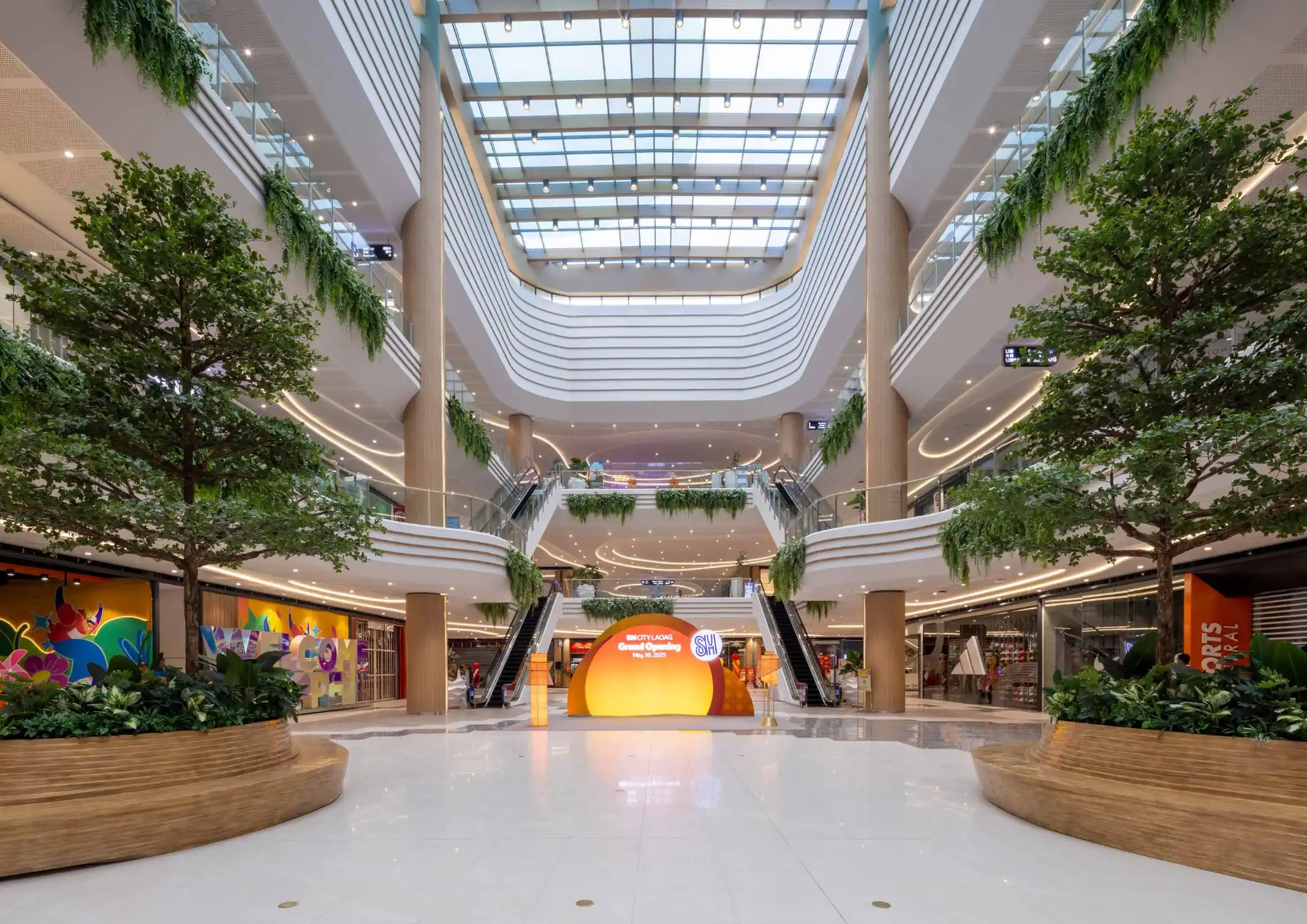
For decades, the standard SM mall design was a functional, air-conditioned box—efficient, pervasive, but largely without context. In the historic, sand-dune-framed city of Laoag, that formula has been decisively reimagined. Royal Pineda + designed SM Laoag as a proof of concept that true, high-quality, place-specific architectureArchitectureThe art and science of designing and constructing buildings, structures, […]
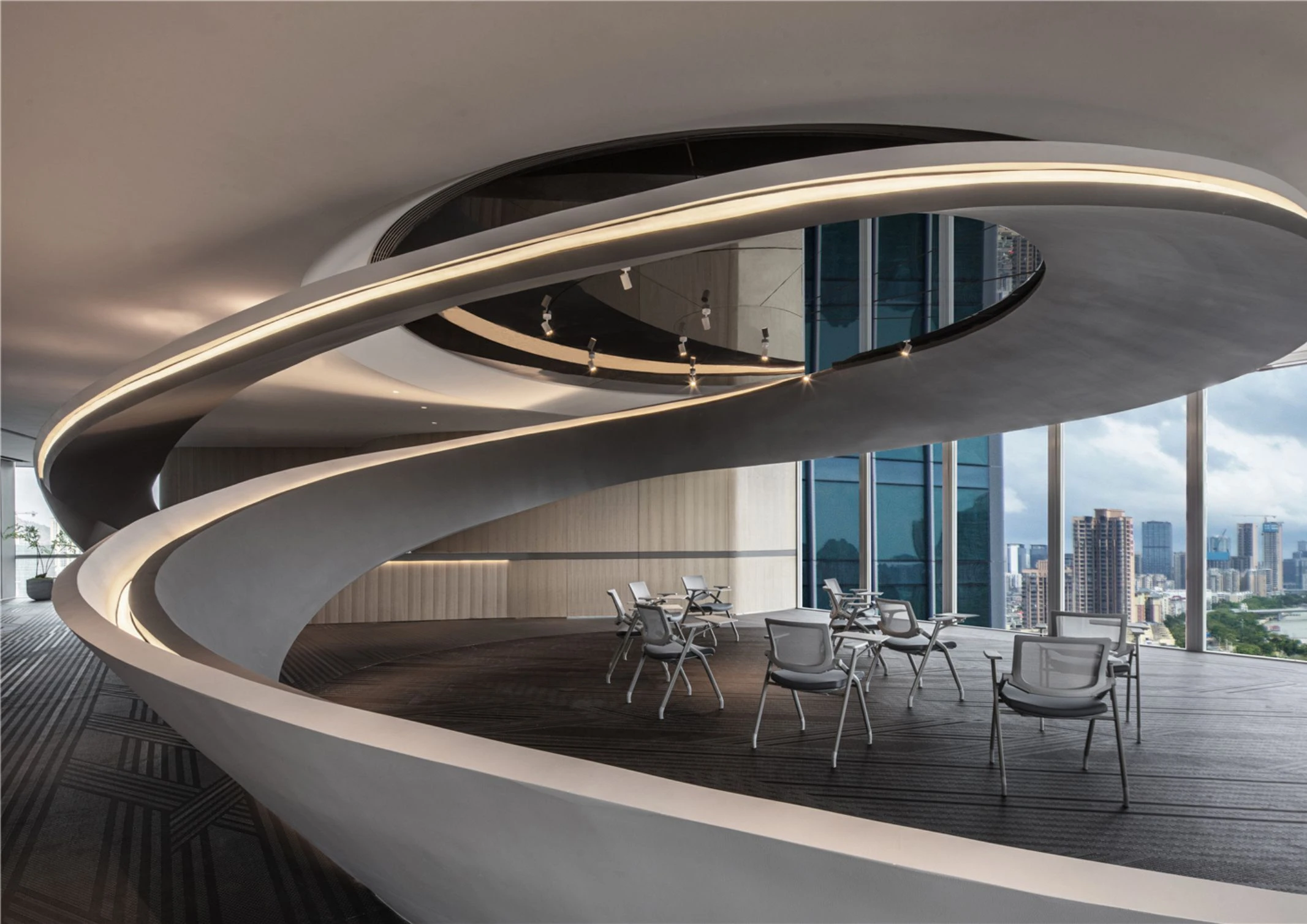
The modern corporate workplace is often synonymous with rigid, rectilinear forms—a sterile grid of glass and steel. However, at the intersection of Zhuhai and Macao, designer Kris Lin and his team at Kris Lin International Design have deliberately rejected this corporate norm. The Stream Office, a new business highland cover, is an architectural and interior […]
Read the issues.

Collect the volumes.

Recommended Video
Tap to Unmute
Unmute
0:00
0:00