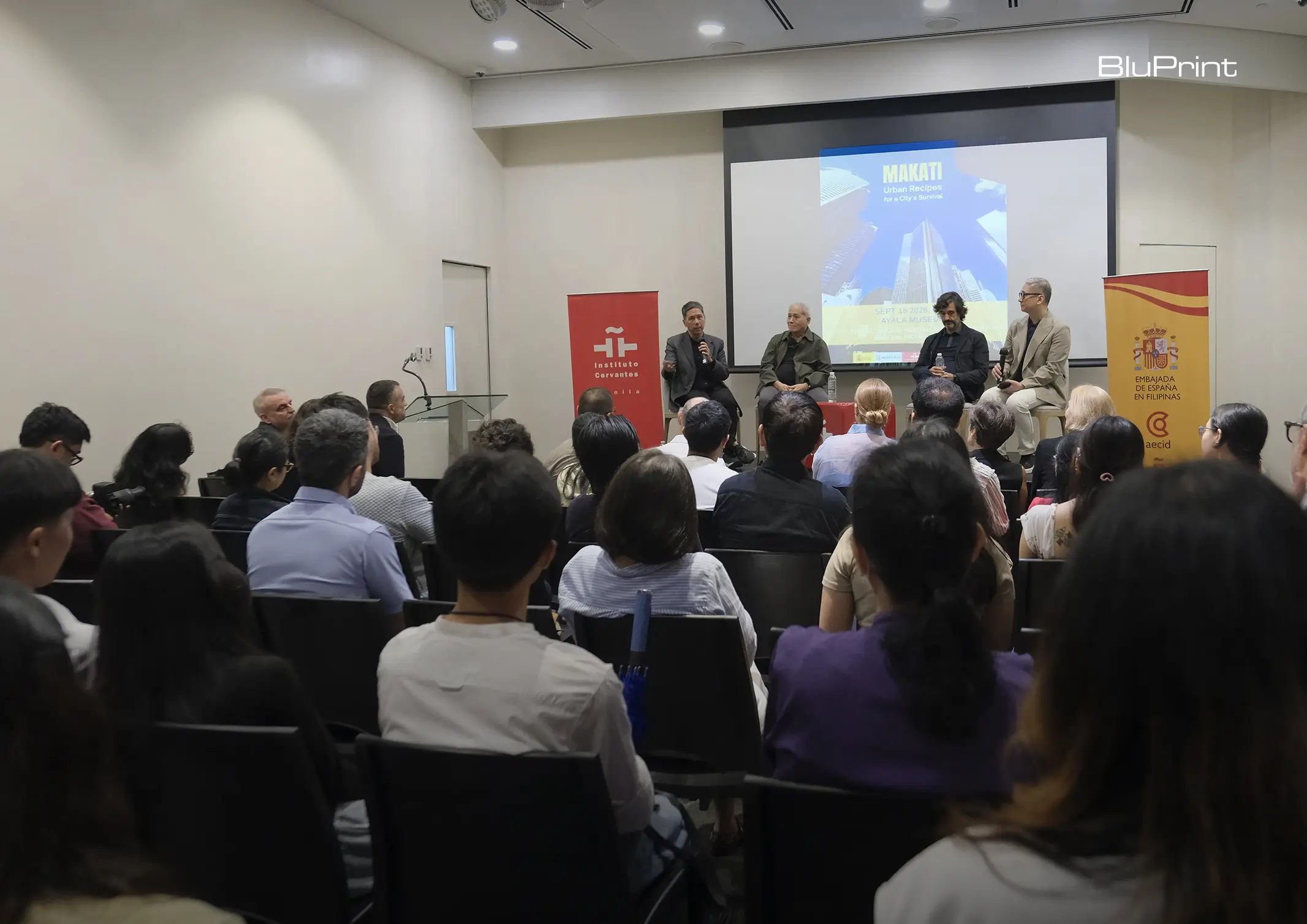
How can better-planned cities create the conditions for more creative, livable, and resilient urban environments? “Makati Urban Recipes for a City’s Survival,” a colloquium held at the Ayala Museum on September 15, brought together architects and practitioners from the fields of urbanism and the creative economy to discuss how design, planning, and collaboration can address […]
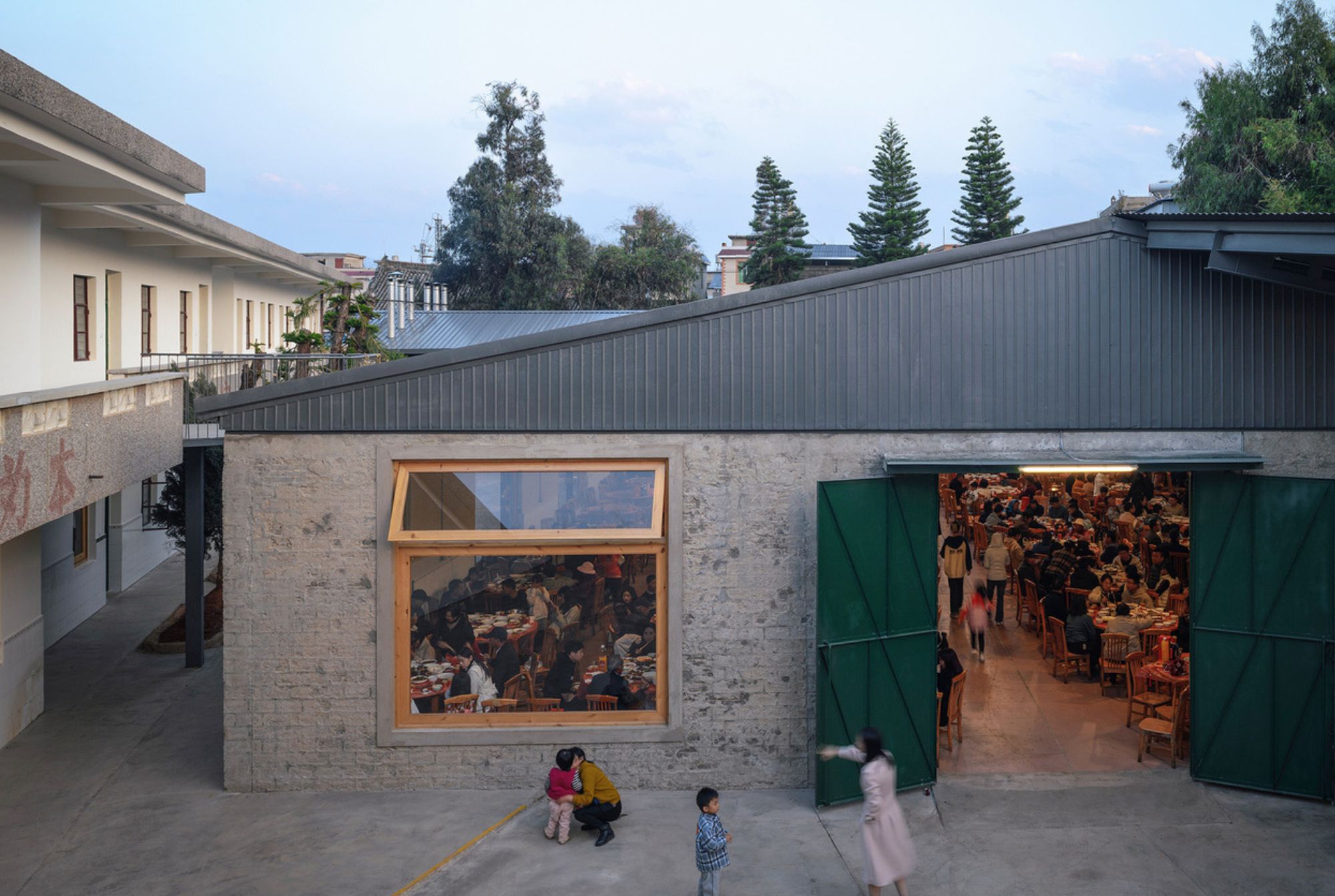
Haiyan Ke Tang: Finding Equality in a Community Center



Areas where communities can congregate become more important in a world of digital connection. It makes a difference to see your neighbors in the flesh versus interacting with them only through your phone. Thus, places like Haiyan Ke Tang become all the more relevant as a community space that’s open to everyone.
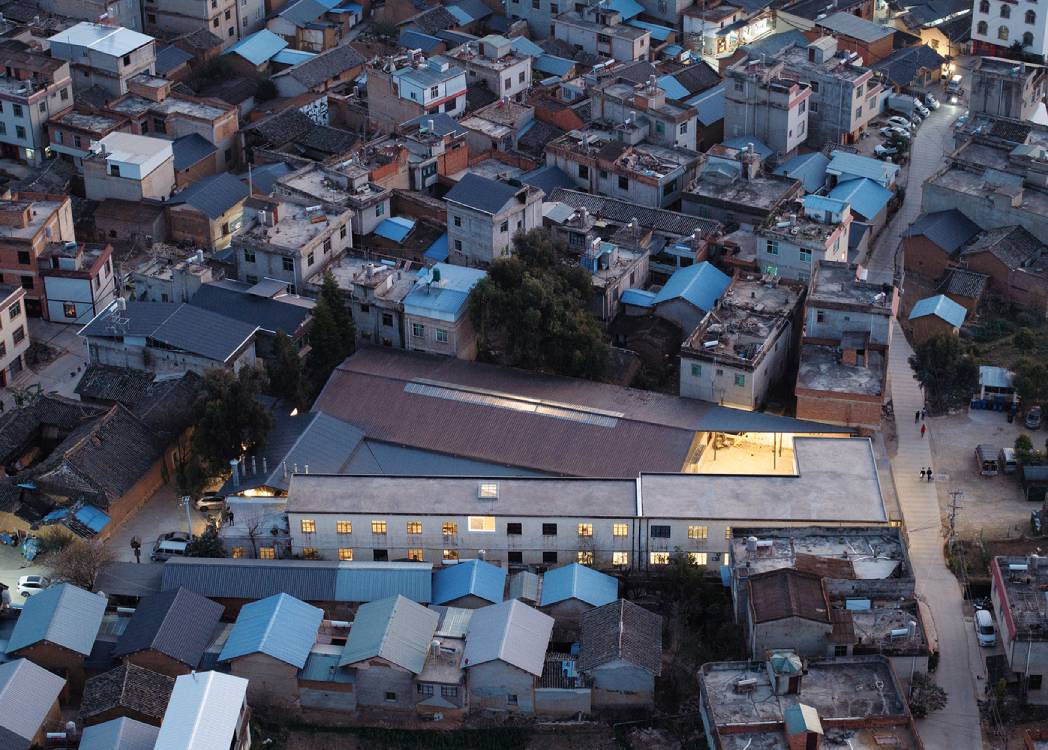
Located in Kunming, China, the structure was built by Elepheno and Yanfei Architects. The renovation came about post-pandemic, looking to address a need for a communal area. Formerly the site of Haiyan Primary School, Ke Tang was built where the playground once was. Within the village, the structure holds importance as a public dining space and guest hall open to the whole community.
Repurposing the Old, Defining the New
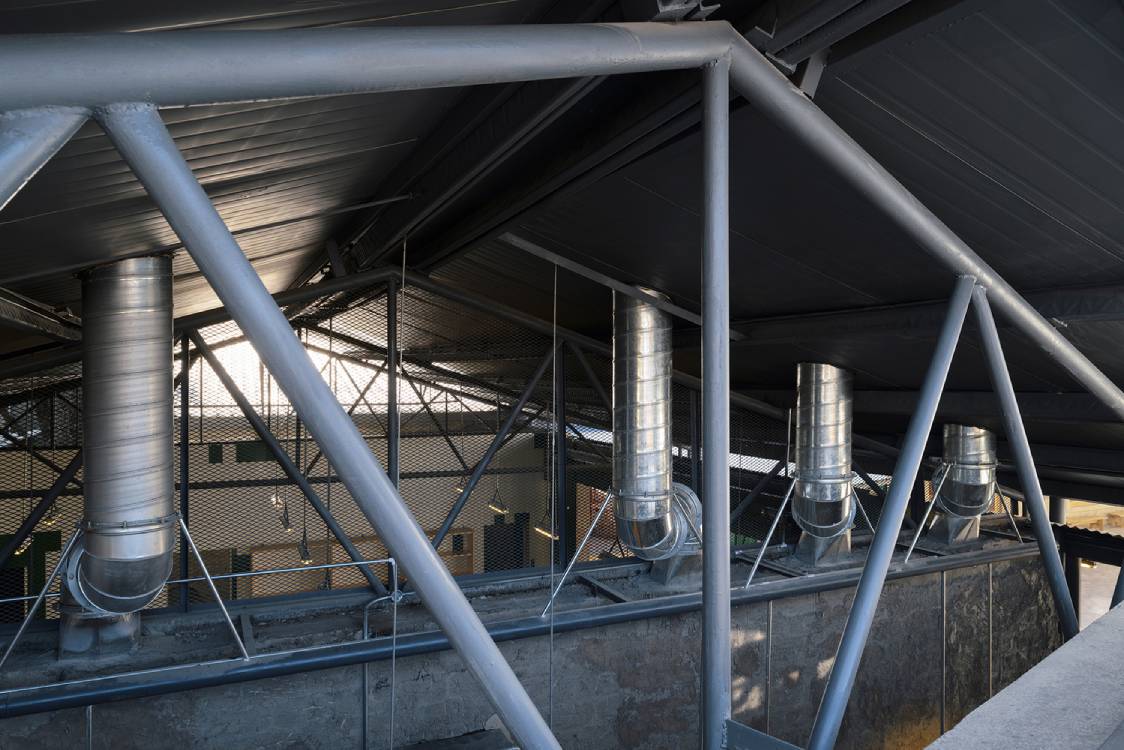
For Haiyan Ke Tang, the renovation sought more than a facelift. Different parts of the structure were given a much-needed upgrade. The corroded roof needed replacing, and a skylight was added to the main dining area to increase natural light.
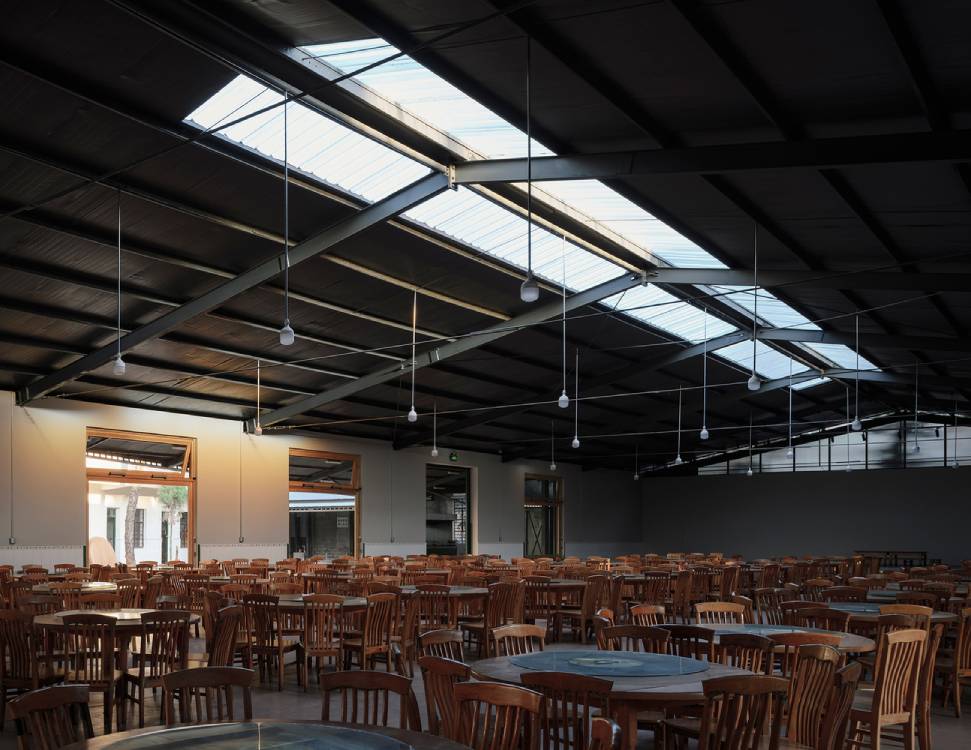
This allowed them to add new kitchen equipment for exhaust and oil separation, while also replacing the lighting fixtures. The architects opened up the kitchen wall to allow a “lively atmosphere of cooking and cooking together.”
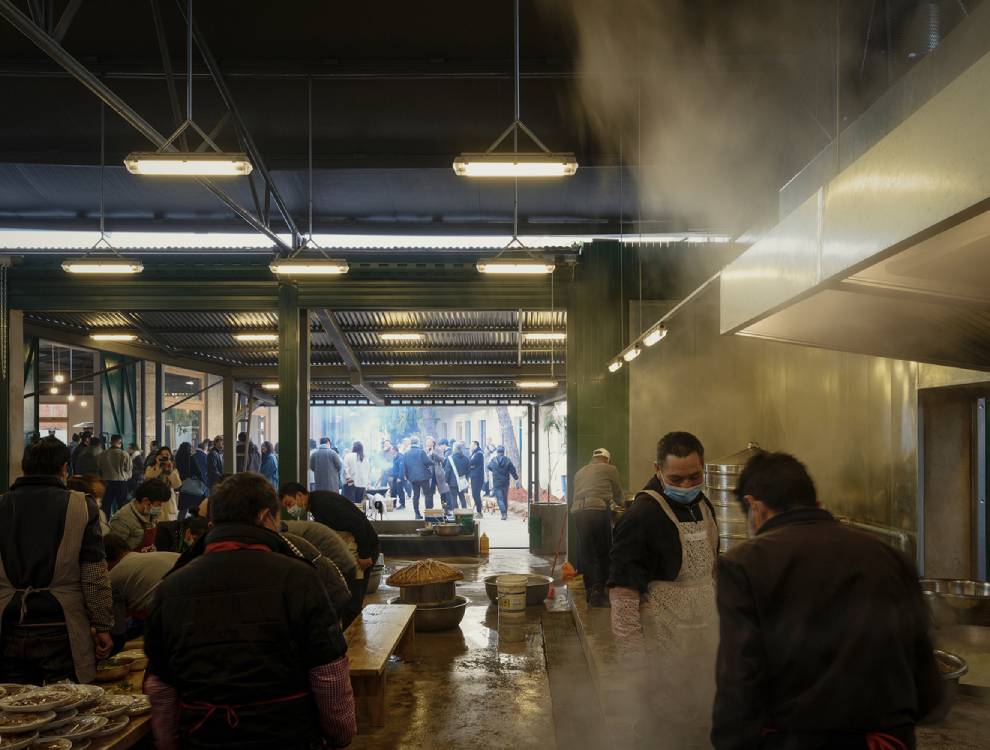
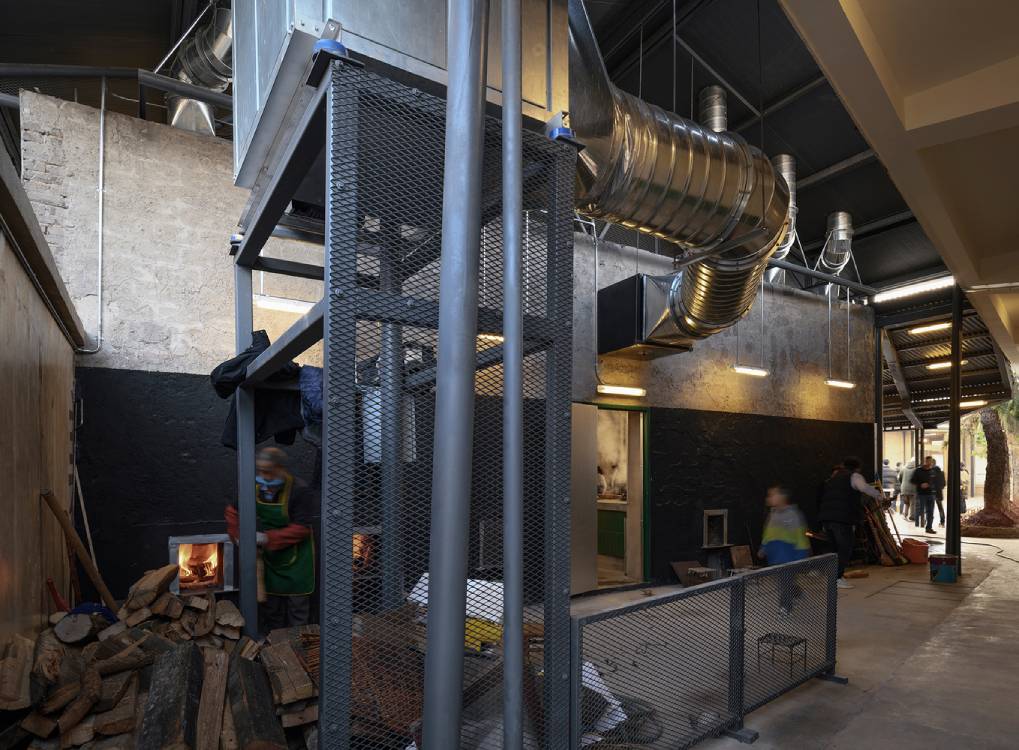
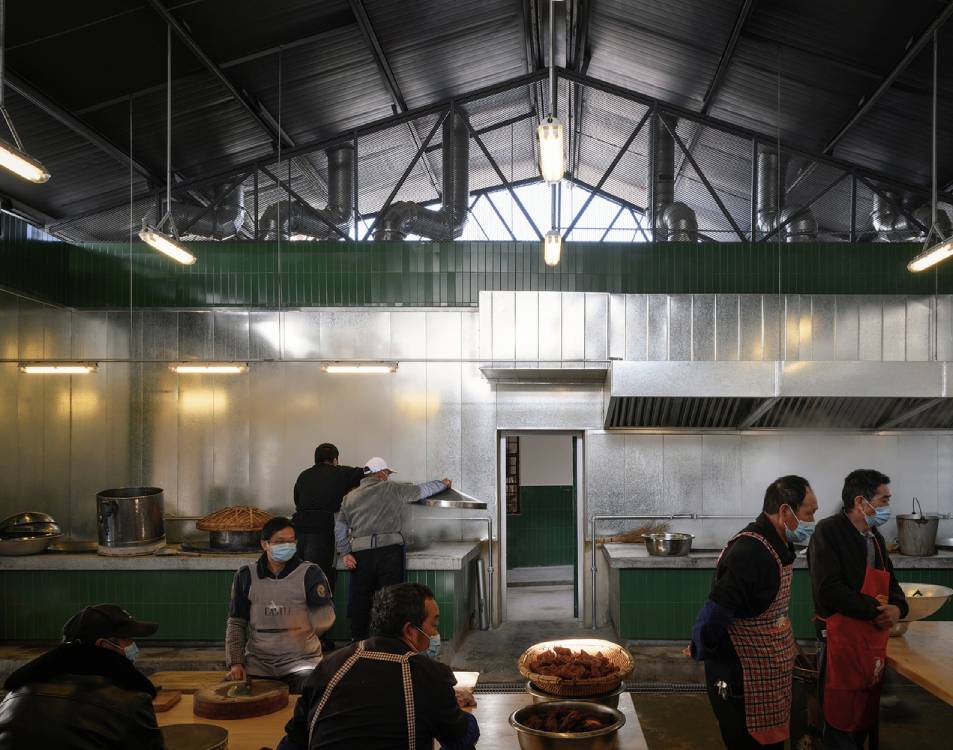
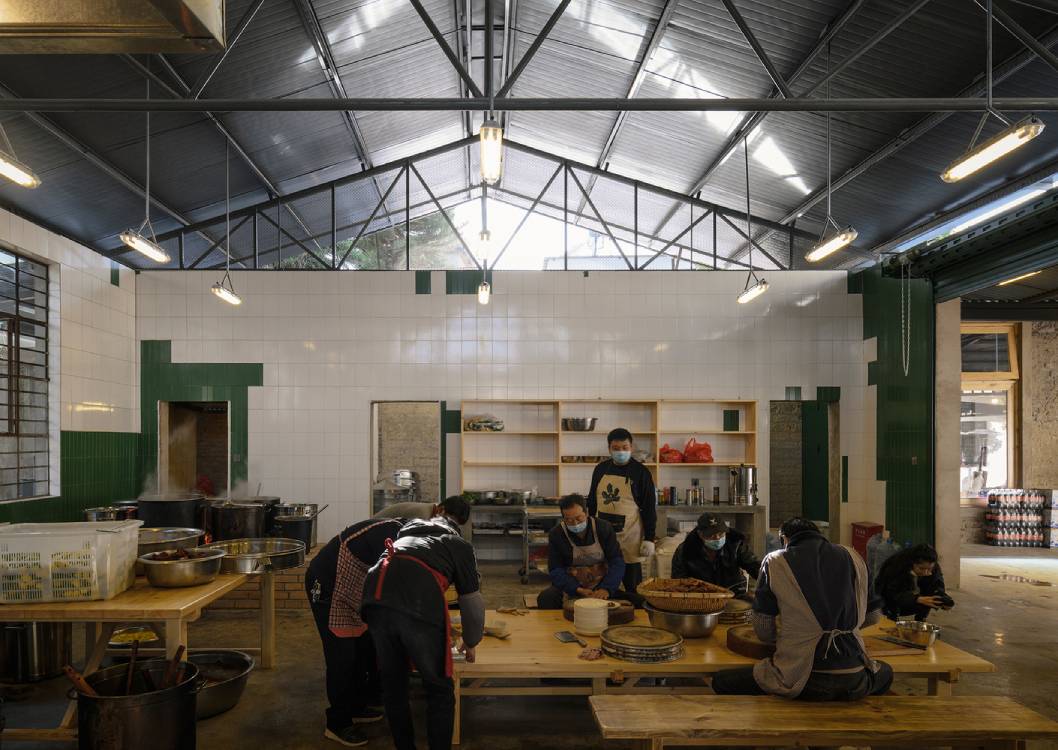
A standardization of the kitchen’s traffic lines improve the work flow and prevent guests from entering the area. That becomes an important addition due to the hall’s role in the community as an economical place to hold banquets, sometimes lasting 3 to 5 days. Well-portioned places allow the guests to enjoy the building without bothering the staff working there.
As much as possible, however, old materials were reused for the building. Most of the wall and floor tiles, furniture, and even the earth stove used remain the same as they were with minimal changes. The architects find the balance between repairing and removing to keep the structure intact and usable.
Finding Camaraderie in Community
The architects added small touches that allowed more personalization from within the community. Outdoor canopies were added for an overflow of guests. The front yard of the building allots an area for flowers and signages. It also allows them to “continue the village’s custom of keeping flowers in front of every household.”
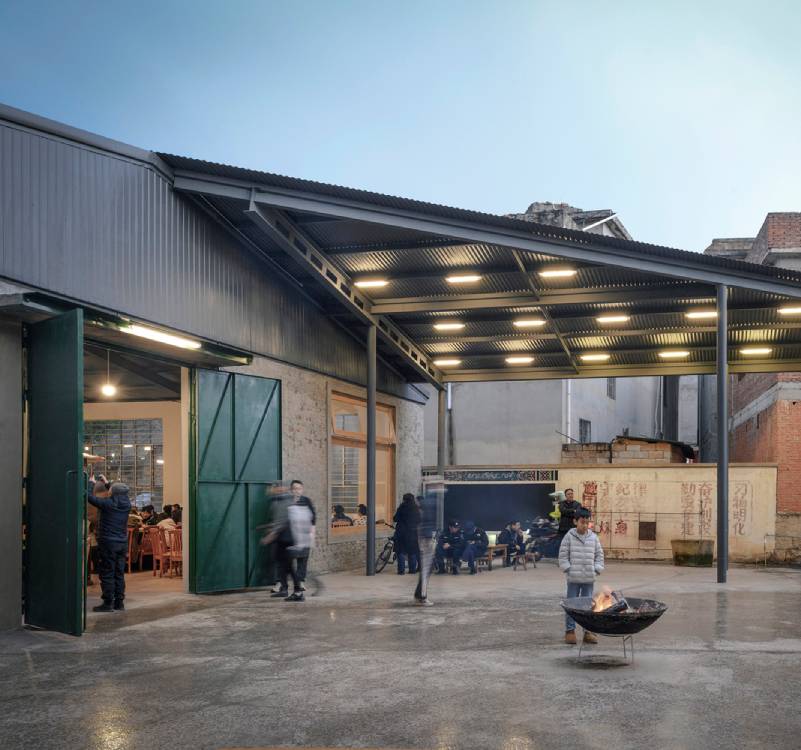
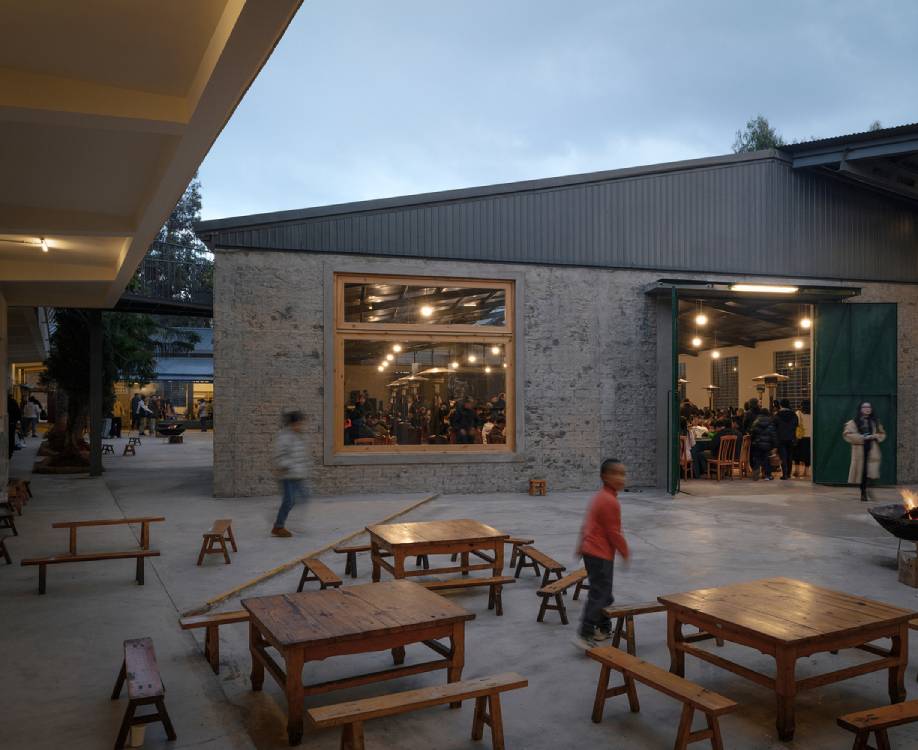
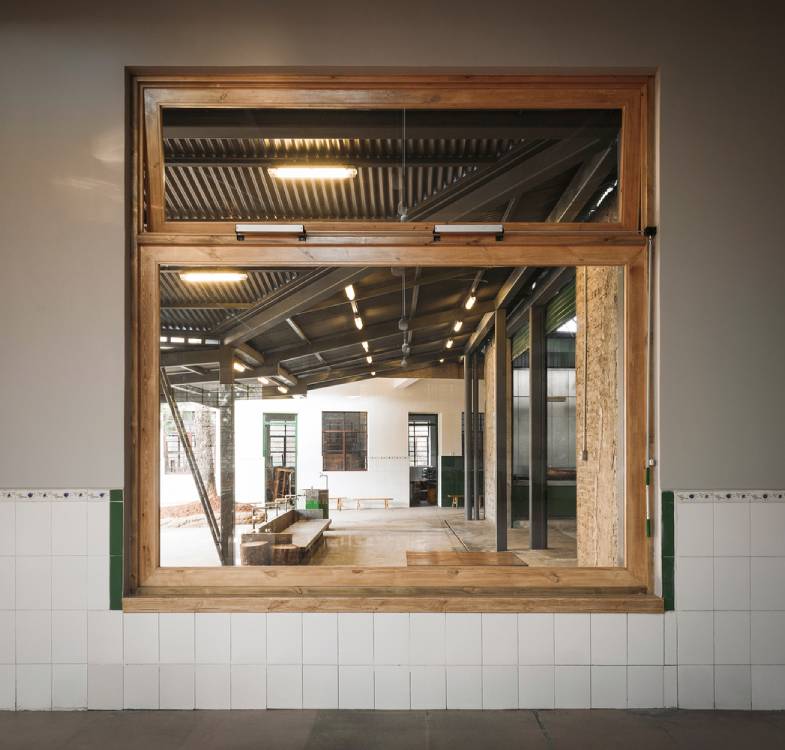
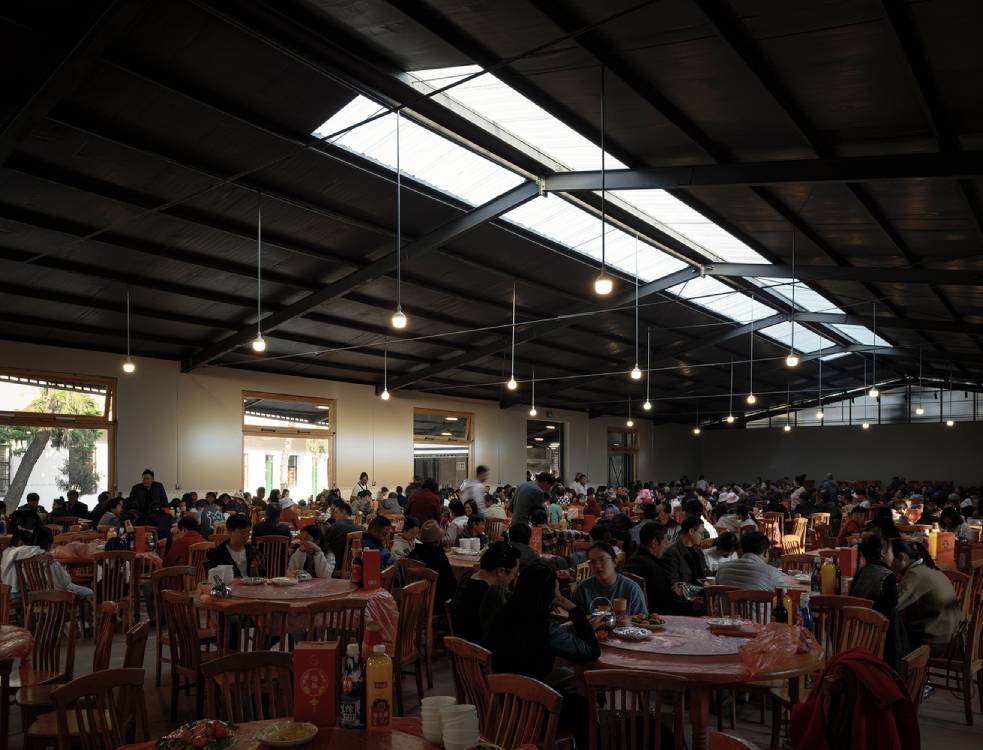
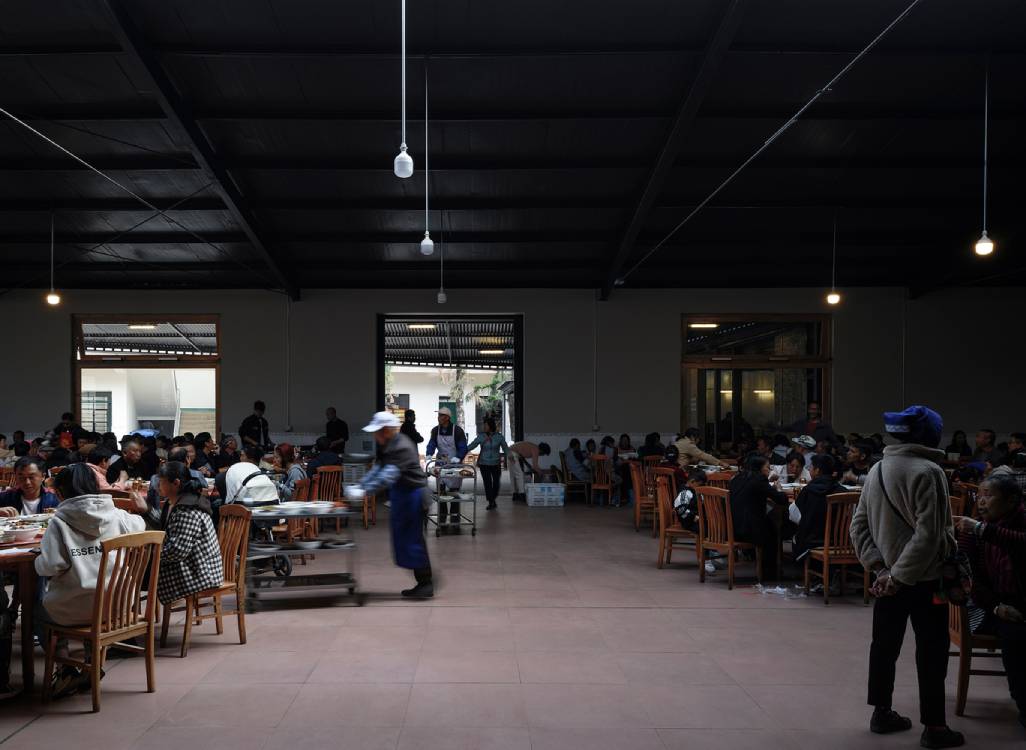
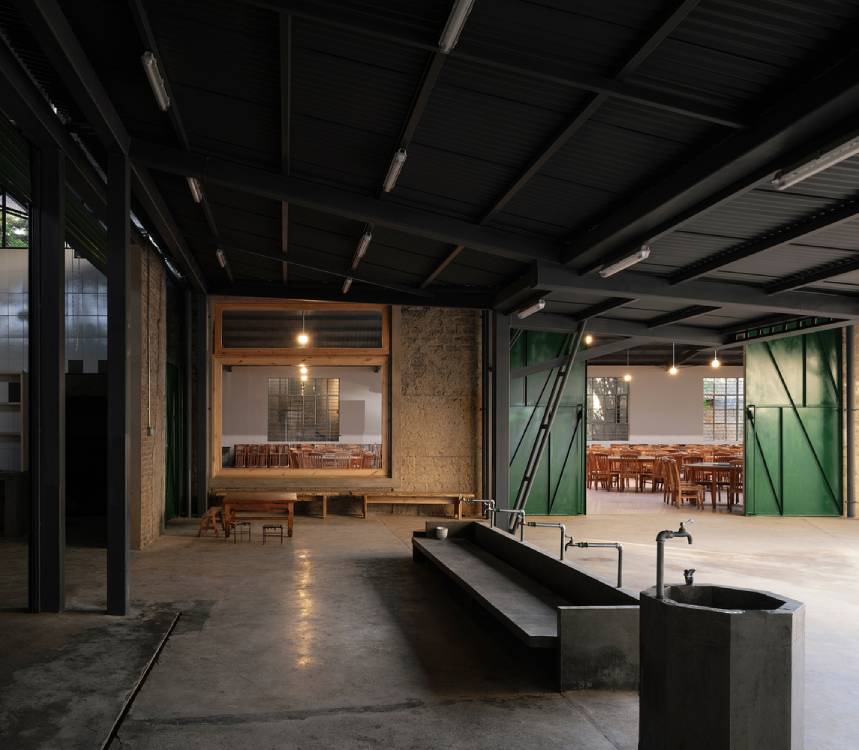
Moreover, they kept the bigness of the dining space intact. It allows one to be unencumbered when interacting with people, giving them the necessary scope to feel togetherness with the whole community. The area where the school was will contain a study library and Haiyan Health Clinic and other parts as well, bringing more spaces of fellowship for the people living there.
Haiyan Ke Tang expresses the local communal spirit in full bloom. It gives each resident and guest of the community a space to celebrate. But more importantly, it provides them the space to congregate, to know each other outside of the digital realm.
Related reading: ‘Bayanihan’ in designing Streetlight Tagpuro orphanage
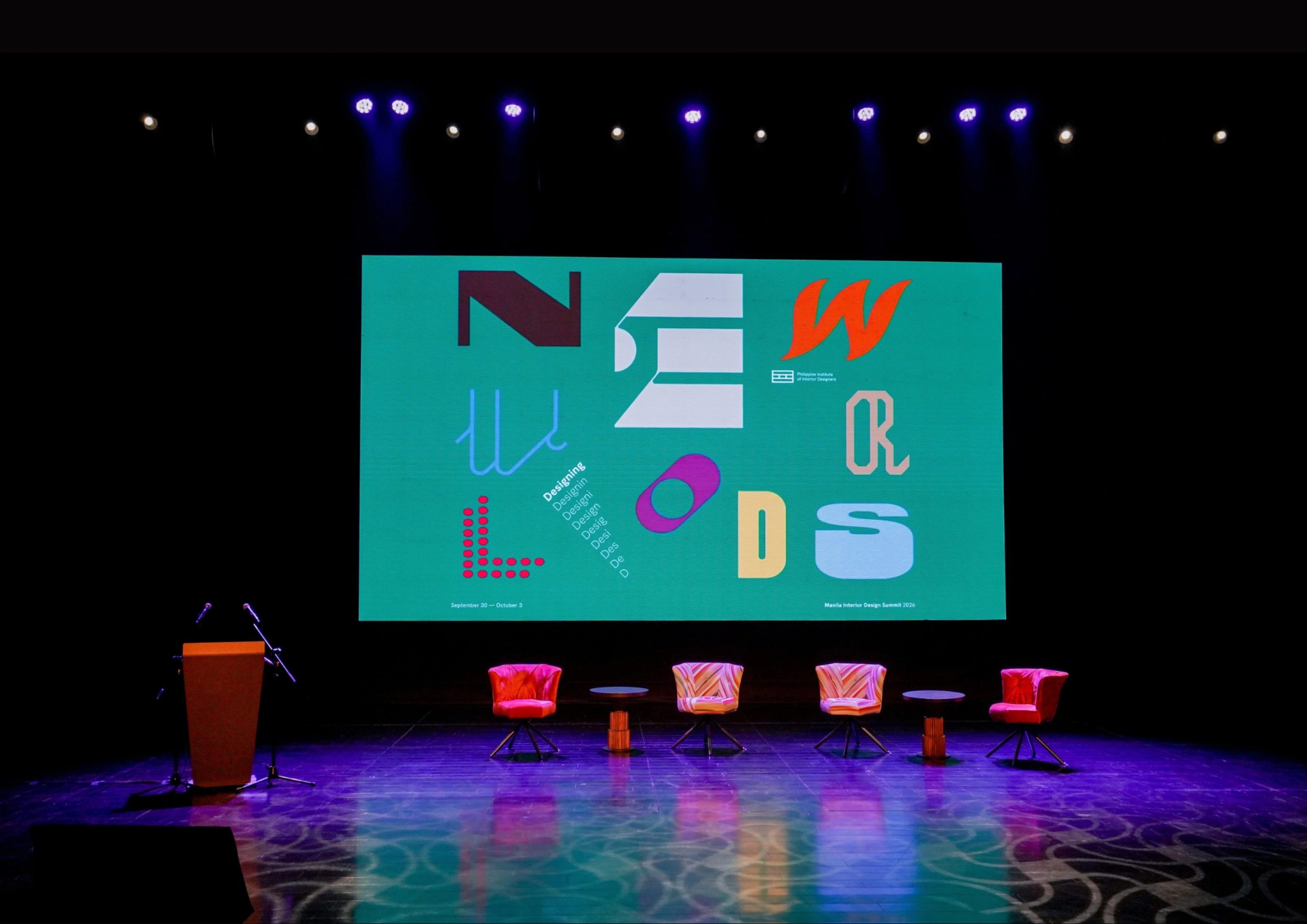
The fourth Manila Interior DesignInterior DesignThe discipline of planning and shaping interior spaces for function, comfort, safety, and beauty. It covers layout, lighting, materials, finishes, furniture, and color, and in the Philippines is a licensedGo to Interior Design Glossary Summit (MIDS) brought together more than 300 delegates for four days of conversations, exhibitions, and design […]
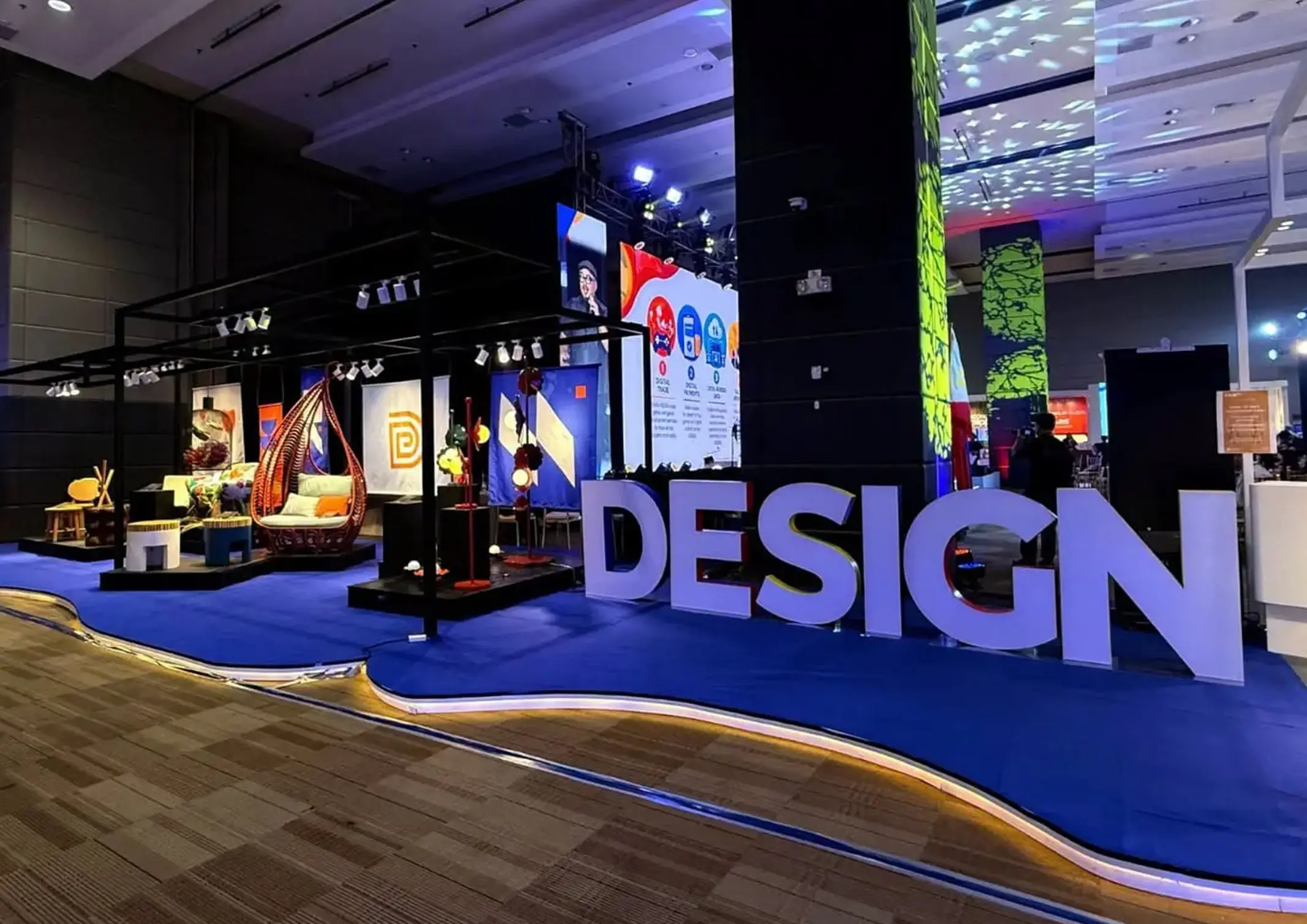
Held at the SMX Convention Center Aura in Taguig City, the first ASEAN Creative Industries Expo by Malikhaing Pinoy (ASEAN MPEx) features nine creative domains, including design, visual arts, digital interactive media, and performing arts. Organized by the Department of Trade and Industry (DTI), the event includes exhibitions, cultural performances, industry talks, and pitching sessions […]
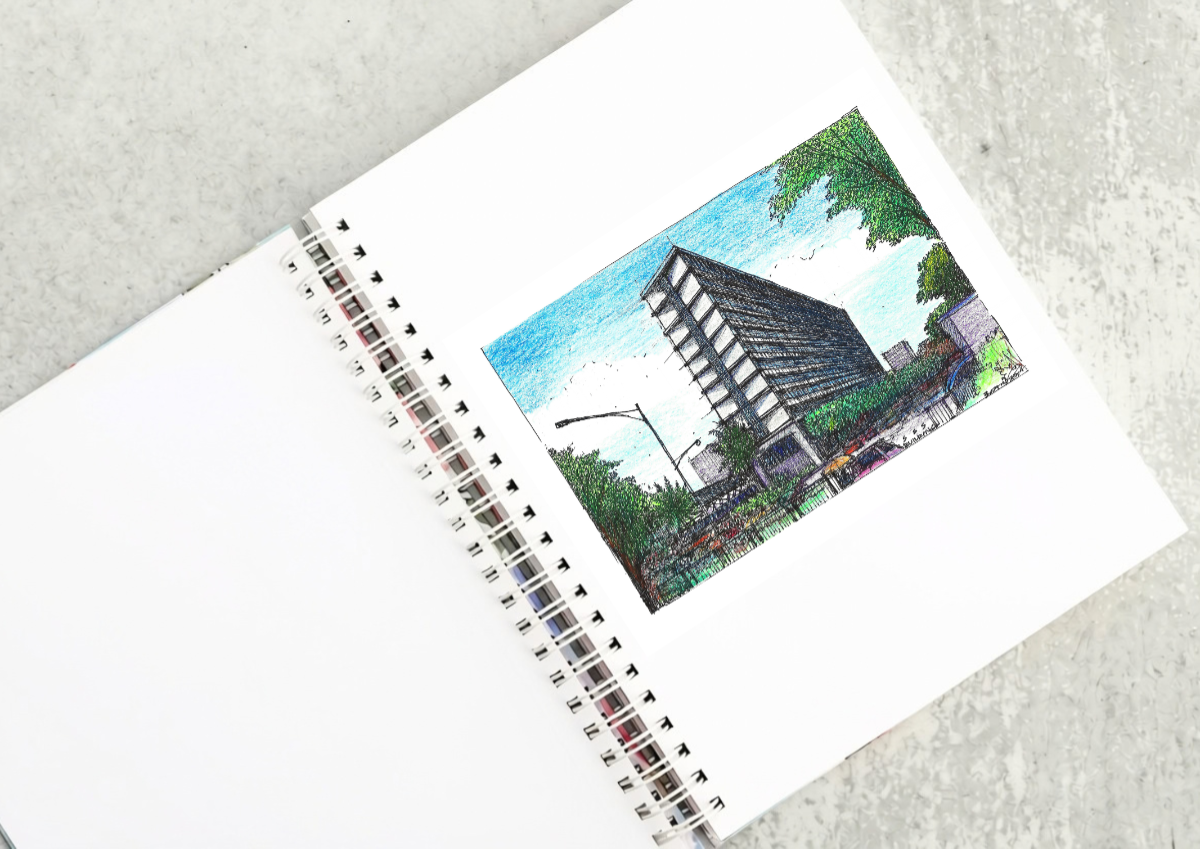
The SSS Building as an Expression of Civic Modernism My favorite modernist landmark in Quezon City is the SSS building on East Avenue. Designed by National Artist for ArchitectureArchitectureThe art and science of designing and constructing buildings, structures, and spaces that are functional, safe, and aesthetically pleasing. It encompasses the planning, design, materials, and techniques […]

Archie G. Carrasco, Chairman and CEO of AGC Power Holdings Corp. (AGC PHC), has been named to The BoF 500 Class of 2026 under the Media category, joining The Business of Fashion’s global community of individuals shaping the fashion industry. Carrasco is among 100 new members from 33 countries and 48 nationalities selected for the […]
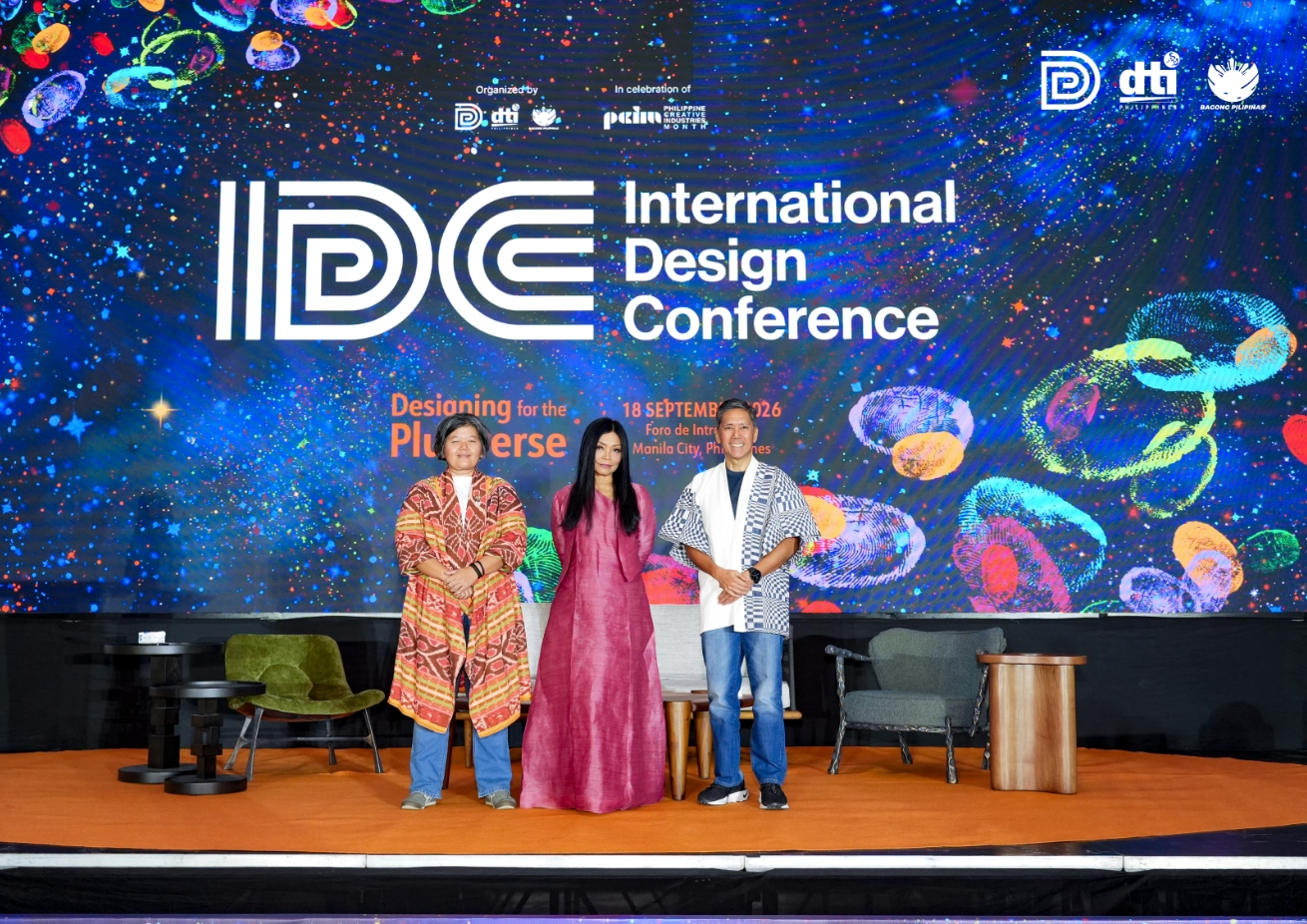
Culture in design does not always announce itself through a recognizable motif, material, or symbol. It can also be embedded in the relationships designers build, the knowledge they listen to, the materials they choose, and the decisions they make in response to communities and their environments. This distinction emerged throughout the 2026 International Design Conference […]
Read the issues.

Collect the volumes.

Recommended Video
Tap to Unmute
Unmute
0:00
0:00