In a predominantly Roman Catholic country, Mindanao has a distinct Islamic Culture evident by the architecture such as the mosques, and the strong Islam traditions.
Islamic civilization, shaped by a faith dating back thousands of years, gave rise to a unique architectural style. This style embodies the qualities of Muslim beliefs in a visible and tangible way. Its structure featuring striking details and a focus on experiences within enclosed spaces.
Not only do the buildings serve as places of worship and centers for community, but their designs reflect Muslim beliefs and morals, and reveal the rich history of Islam.
Advertisement
Cotabato Grand Mosque
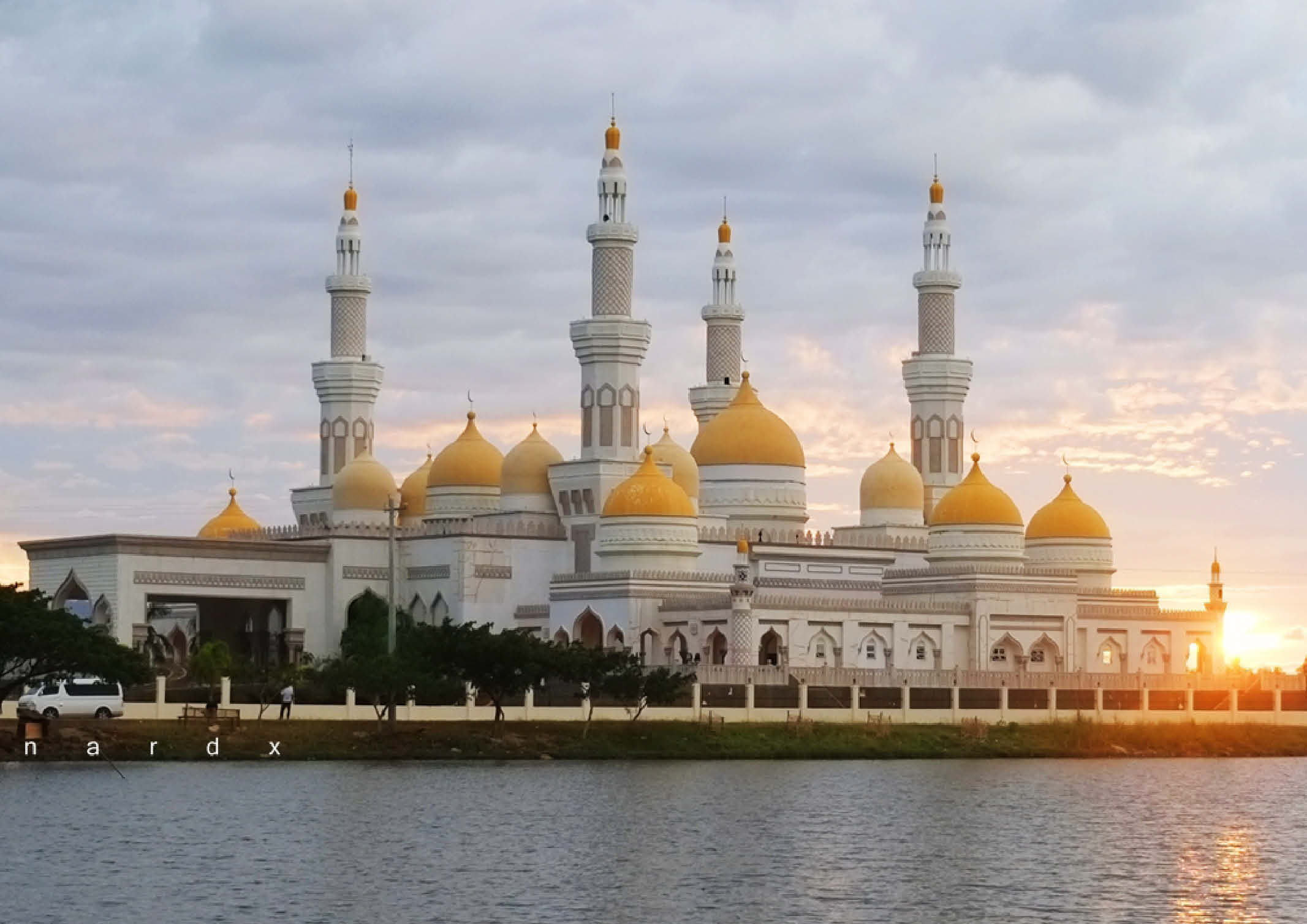
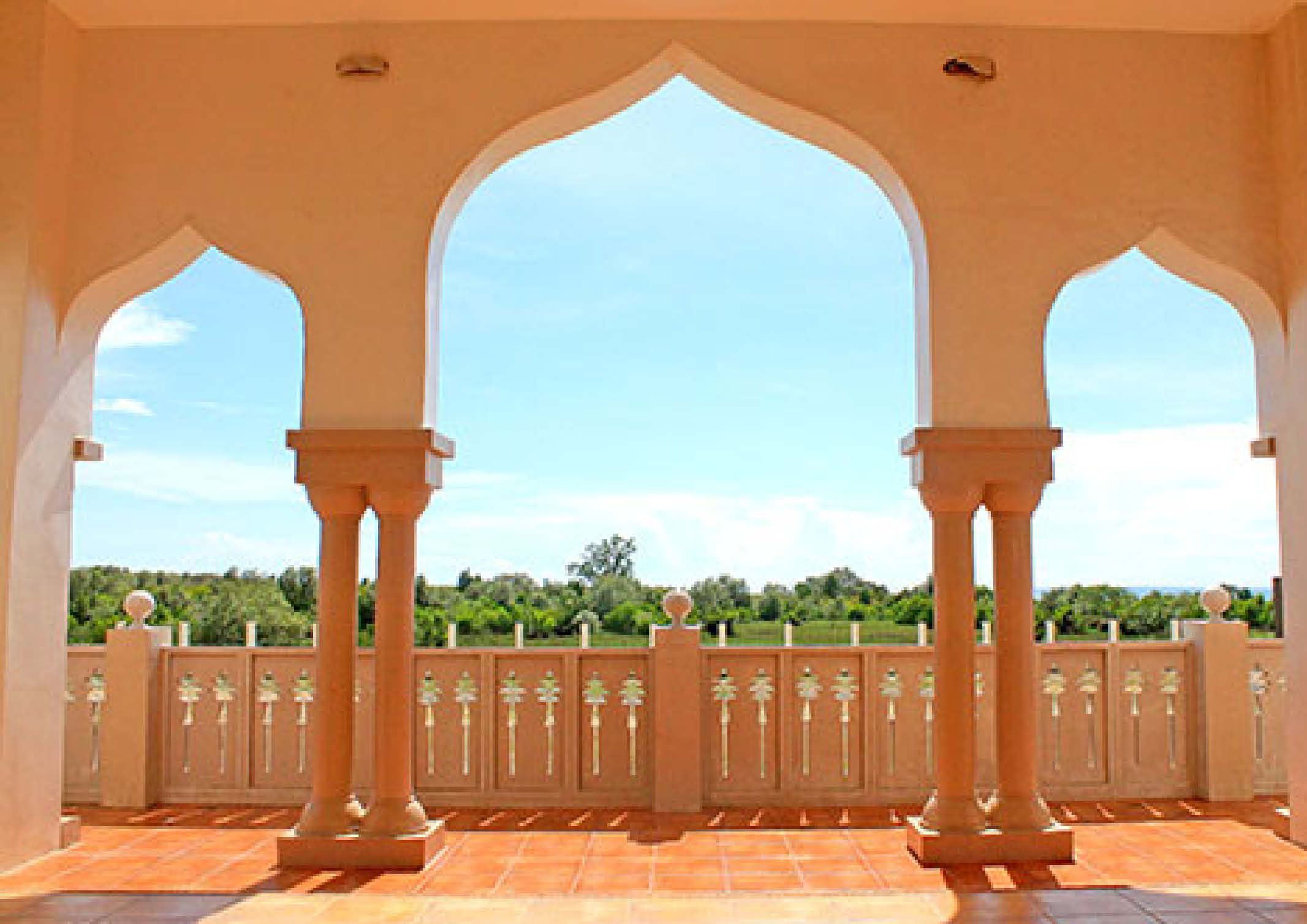
Cotabato City Grand Mosque. Photo Credit to Mindanao Travels and Photography
Also known as Sultan Haji Hassanal Bolkiah Masjid, it currently stands as the second largest mosque in the country and in Southeast Asia. Felino Palafox, Jr. designed the mosque in 2011. It was built on the coastal tip of Cotabato, right by the mouth of the Tamontaka River, surrounded by the quiet countryside.
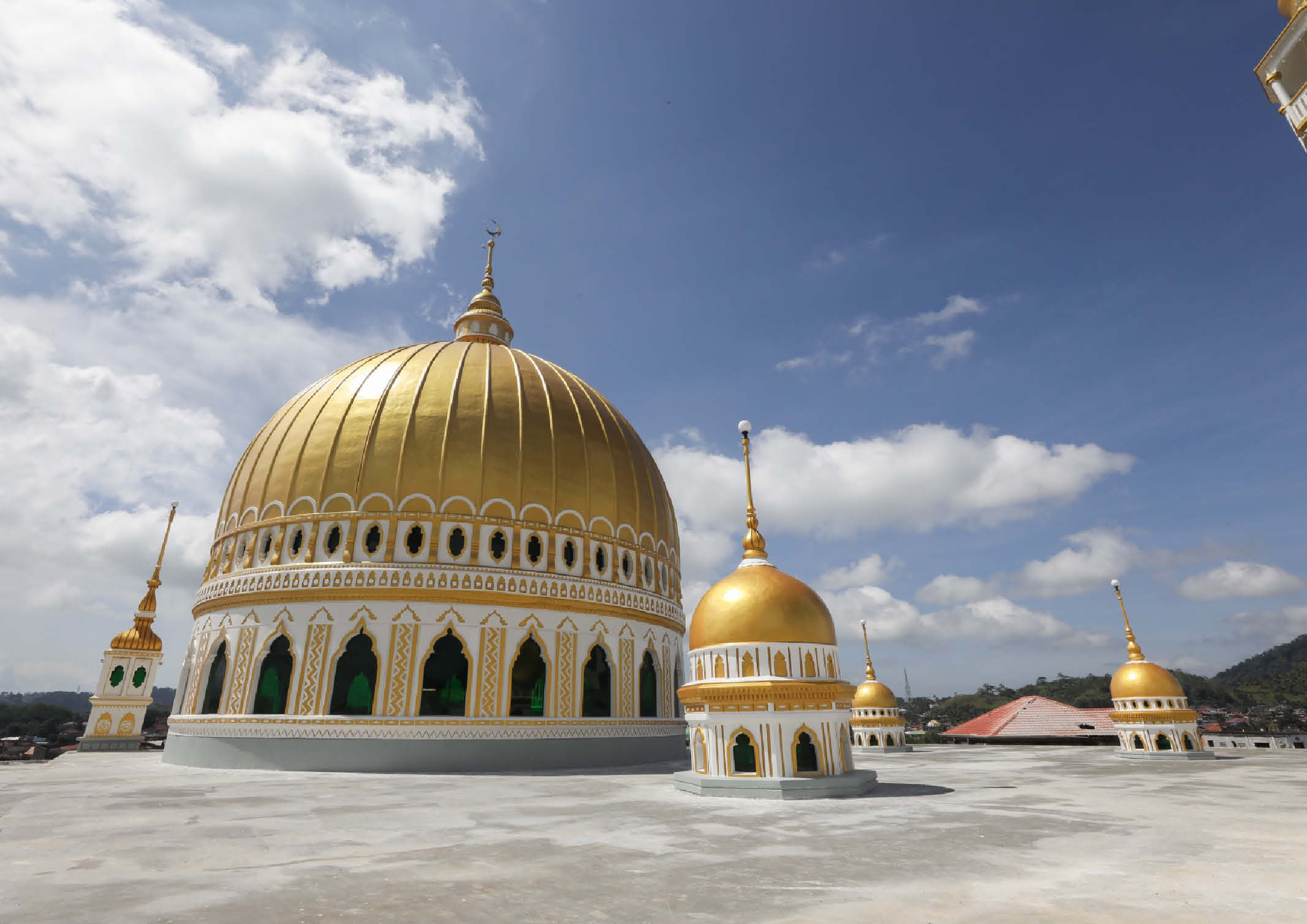
The height of the mosque is equivalent to a 15-storey building. With Crescent moons adorning the domes painted in gold, four towering minarets stand 43 meters high (141 feet). On top of which are pilot’s lights to avoid aerial accidents at night.
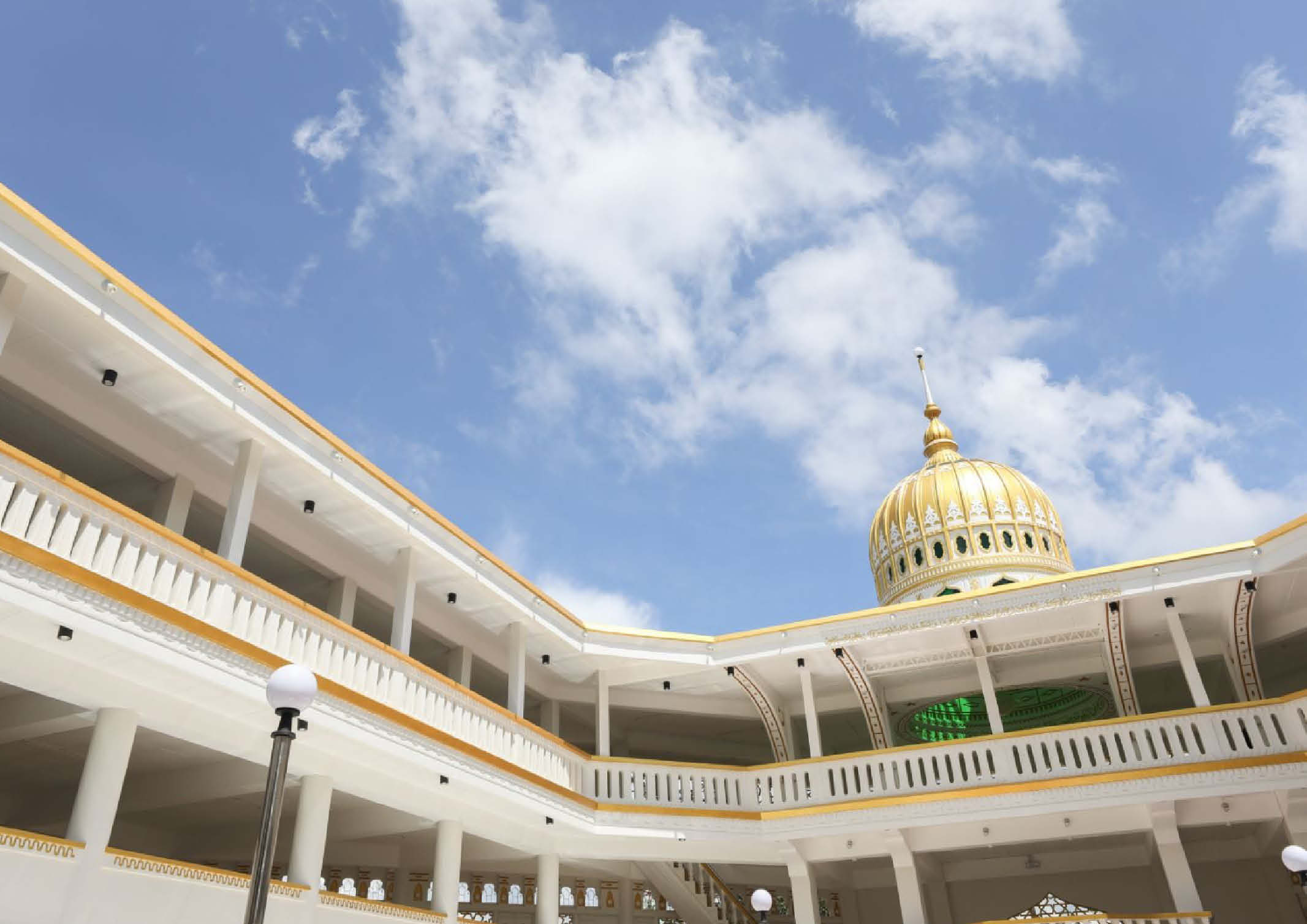
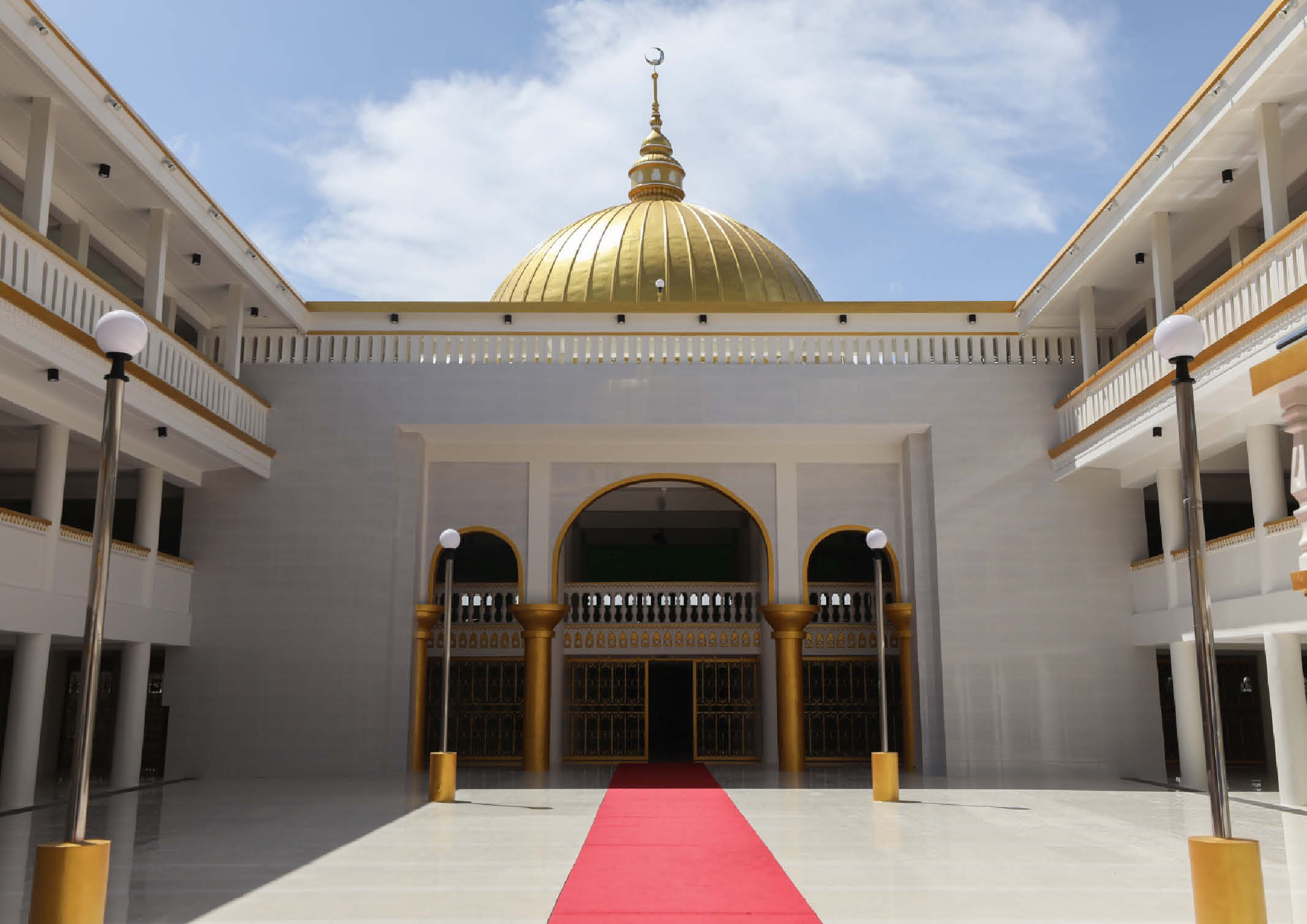
Elevated from the ground, the Cotabato Grand Mosque radiates elegance, letting natural light in with two courtyards on either side. An arcaded path acts as a breezeway for wind circulation. This leads to a rotunda with a water fountain in the middle. Large arch openings puncture the massive walls, making the imposing structure feel lighter. The gold strikes a perfect balance to the white building base, making the mosque gleam, especially during sunsets.
Advertisement
Marawi Grand Mosque
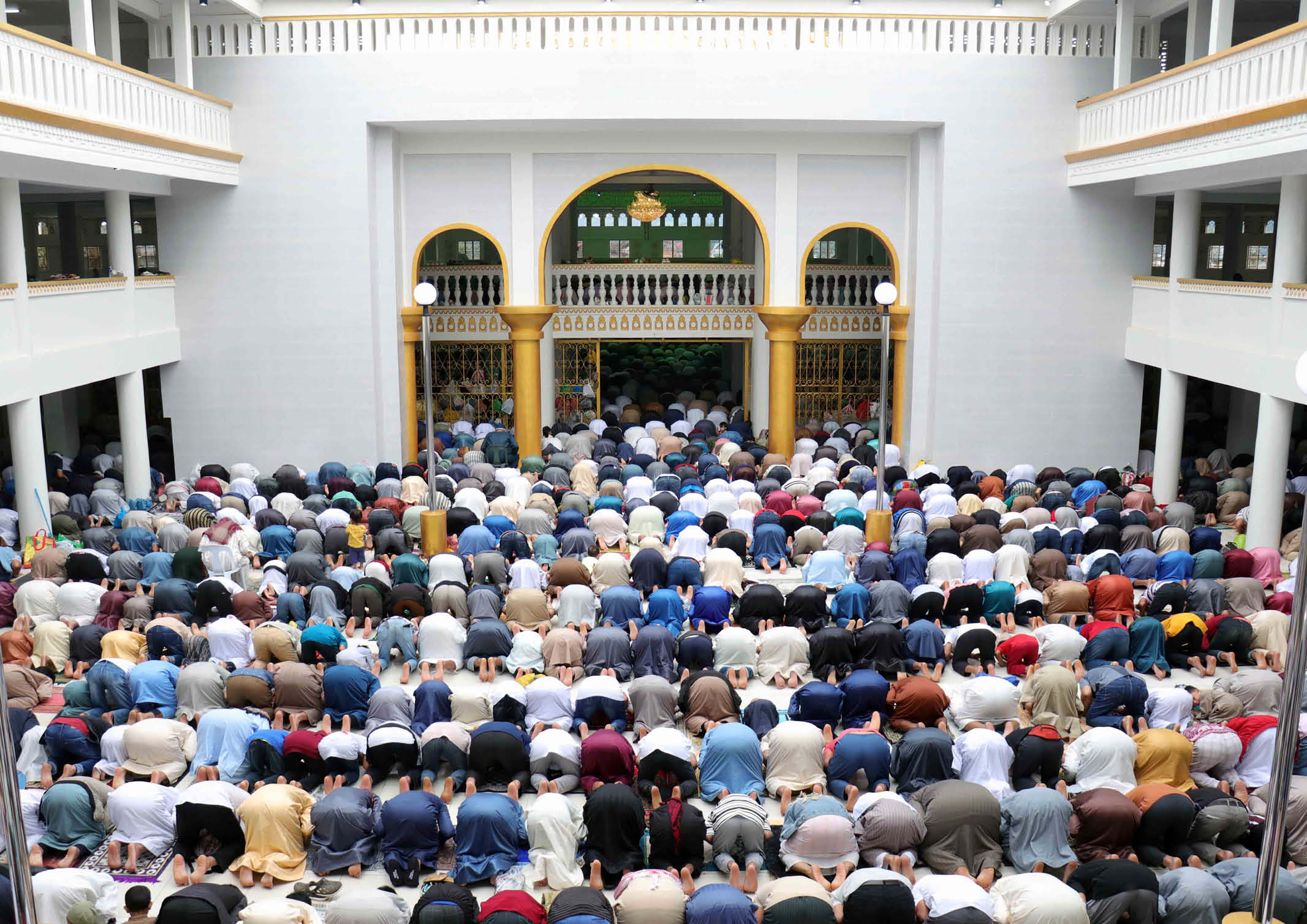
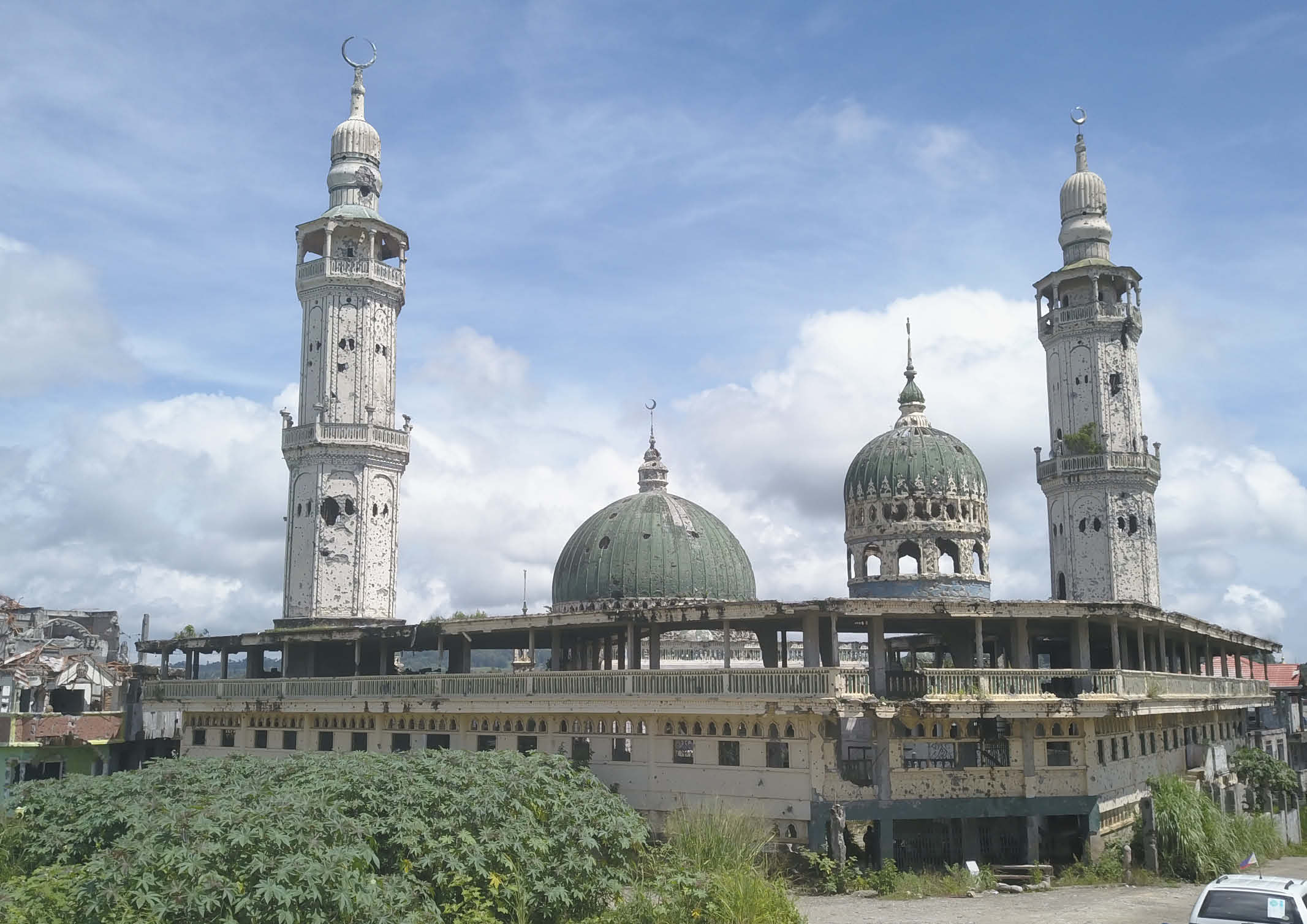
A number of Muslim faithful goes to the Grand Mosque of Marawi City to mark the last day of month-long Ramadan. Photo credit to Michael John Paclar, taken from the Philippine Information AgencyMarawi Grand Mosque Post-Siege. Photo credit to Philippine Information Agency
5 years after the fighting between the military forces and the Islamic State of Iraq and Syria (ISIS)-linked Maute group, the Muslim faithful in Marawi City had a chance for the first time since then to celebrate this year’s Eid al-Fitr at the city’s Grand Mosque.
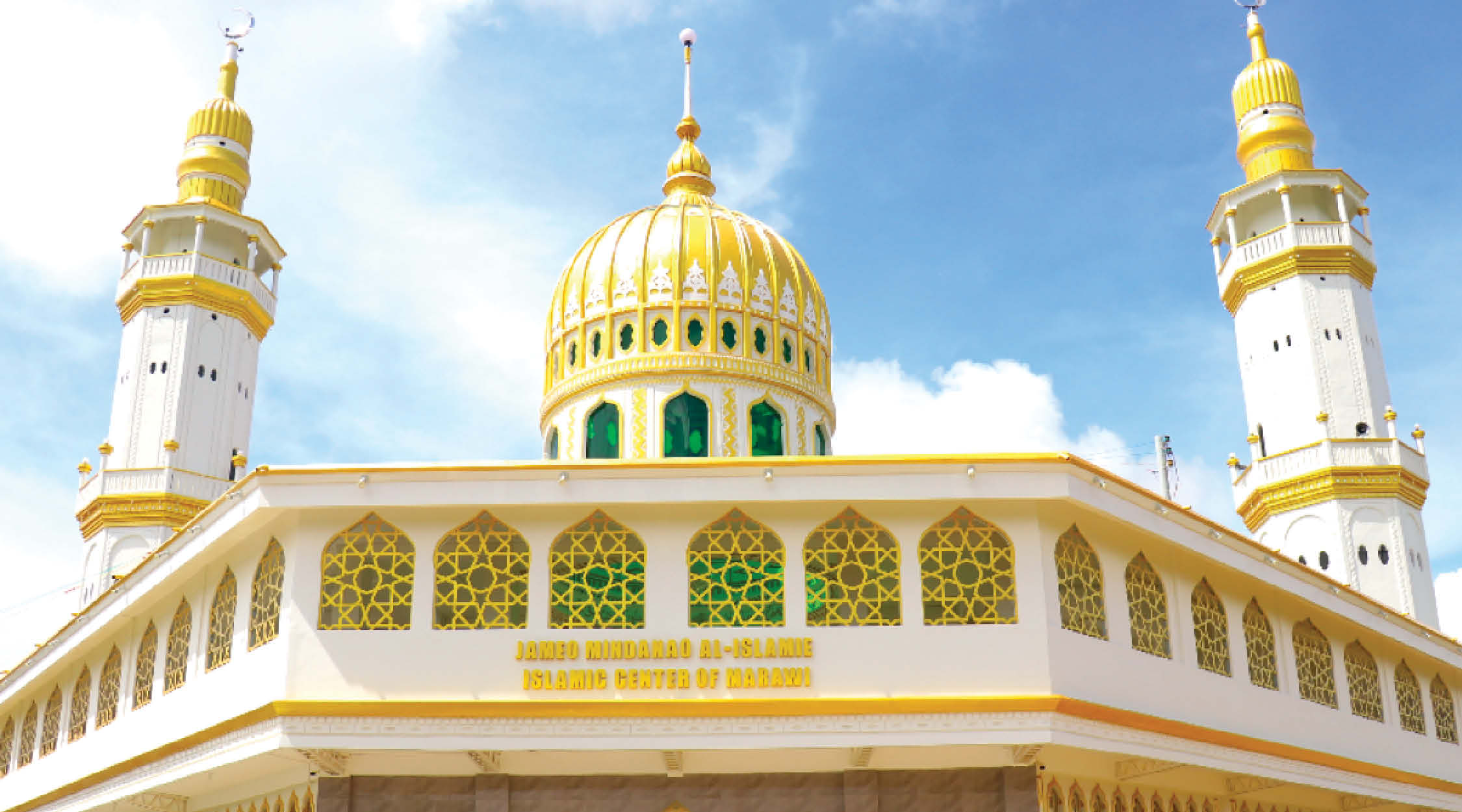
The Jameo Mindanao Al-Islamie Islamic Center has always been a belowed place of worship among the Maranaos. The Pangarungan clan, who originally built the Grand Mosque of Marawi over half a century ago, rebuilt the mosque in the heart of the most affected area (MAA) or the Marawi Ground Zero.
Now, it stands as the country’s biggest place of Islamic worship. With a total area of 9,484 square meters, it consists of three floors with a basement and can accommodate 20,000 worshippers at any given time.
Advertisement
Islamic Architecture’s Spiritual Reflections
The mosque explores the combination of light and built form around a spiritual experience. Skilled artisans painted the domes in gold, adorning them with intricate motifs that frame the windows. The mosque’s elegant entrance features a rounded shape, with an open space lined by a row of pillars.
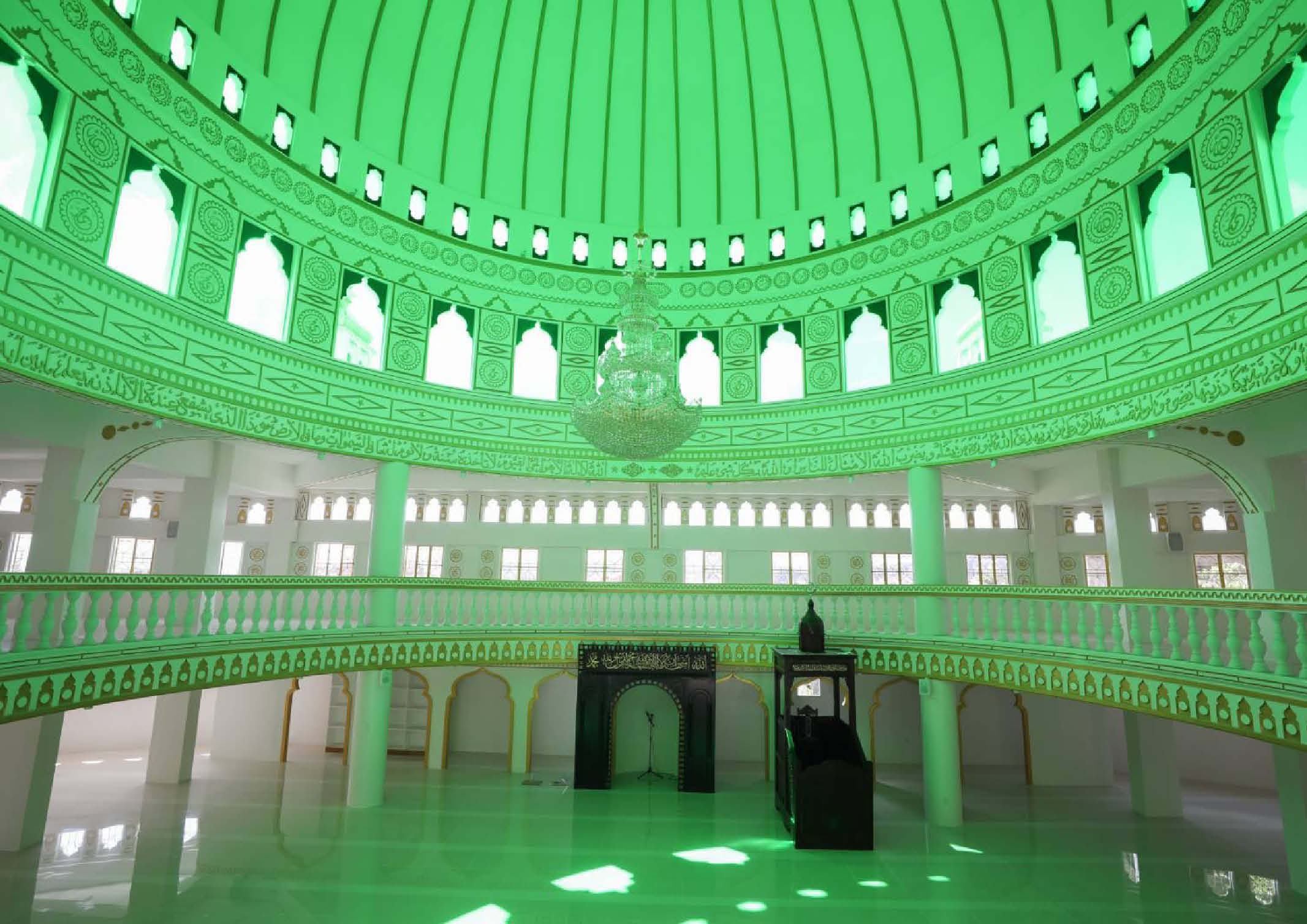
The mosque interiors display a symmetrical space adorned with Arabic symbols, pillars and windows. In the middle is a black, square minbar, bearing script as
The Grand Mosque Details. Image credit to Philippine Information Agency-Caraga and Karl Norman Alonzo
Inside, the mosque’s interiors showcase a symmetrical space adorned with golden motifs and Arabic symbols, pillars, and windows. In the middle stands a black, square minbar bearing script, while a chandelier hangs from the ceiling.
Advertisement
While these mosques stand as a shining symbol in their own cities, it also showcase the grandness of Islamic architecture – a place that epitomizes the traditions, practices, and historical identities of the Islamic Culture in Mindanao.
Photo credits to the Presidential Communications and Philippine Information Agency.
Read more: Filipino Textiles: Magical Weaves of the Mindanao and Sulu People
{“@context”:”https://schema.org”,”@type”:”FAQPage”,”mainEntity”:[{“@type”:”Question”,”name”:”What makes Islamic architecture in Mindanao unique?”,”acceptedAnswer”:{“@type”:”Answer”,”text”:”Islamic architecture in Mindanao is unique for its fusion of traditional Muslim design with local Filipino artistry, often seen in colorful patterns and intricate details.”}},{“@type”:”Question”,”name”:”How did Islamic influence shape Mindanao’s architecture?”,”acceptedAnswer”:{“@type”:”Answer”,”text”:”Islamic influence introduced domes, minarets, and geometric designs in mosques, blending religious expression with the local community’s cultural identity.”}},{“@type”:”Question”,”name”:”What are the most notable mosques in Mindanao?”,”acceptedAnswer”:{“@type”:”Answer”,”text”:”Some of the most notable mosques include the Grand Mosque of Cotabato, the Sheikh Karimol Makhdum Mosque in Tawi-Tawi, and the Sultan Haji Hassanal Bolkiah Mosque.”}},{“@type”:”Question”,”name”:”How does Mindanao architecture reflect local culture and traditions?”,”acceptedAnswer”:{“@type”:”Answer”,”text”:”Mindanao’s architecture reflects local traditions by combining Islamic design with native materials, craftsmanship, and motifs inspired by nature and heritage.”}},{“@type”:”Question”,”name”:”What materials are commonly used in Mindanao’s Islamic structures?”,”acceptedAnswer”:{“@type”:”Answer”,”text”:”Local materials like wood, stone, and bamboo are often used, along with modern concrete, to build durable yet culturally meaningful structures.”}}]}
Frequently Asked Questions (FAQs)
Islamic architecture in Mindanao is unique for its fusion of traditional Muslim design with local Filipino artistry, often seen in colorful patterns and intricate details.
Islamic influence introduced domes, minarets, and geometric designs in mosques, blending religious expression with the local community’s cultural identity.
Some of the most notable mosques include the Grand Mosque of Cotabato, the Sheikh Karimol Makhdum Mosque in Tawi-Tawi, and the Sultan Haji Hassanal Bolkiah Mosque.
Mindanao’s architecture reflects local traditions by combining Islamic design with native materials, craftsmanship, and motifs inspired by nature and heritage.
Local materials like wood, stone, and bamboo are often used, along with modern concrete, to build durable yet culturally meaningful structures.
Art Fair Philippines 2026 gathered art enthusiasts and collectors in Makati for one of the country’s leading showcases of contemporary Philippine art. Designed by Nazareno/Lichauco, the fair moved to Circuit Corporate Center One in Ayala Circuit, marking a new chapter in its spatial identity. Across its booths and projects, the fair positioned contemporary Philippine art […]
Ronald Ventura is one of the most recognizable figures in Southeast Asian contemporary art. Since his first solo exhibitions in the 2000s, Ventura has become known for his signature multi-layered paintings. Featuring hyperrealism, cartoons, graffiti, and other recurring motifs, hisworks—from paintings to sculptures—are pluralistic in both form and material. Throughout his career, his art has […]
As the built environment evolves, the role of the architect demands reconsideration. For Jose Siao Ling, Co-Founder and Principal Architect of Jose Siao Ling & Associates (JSLA Architects), the role extends far beyond being a licensed professional who designs and oversees construction. By championing ethical practice, ISO-certified systems, and mentorship-driven leadership, he built a firm […]
Public spaces in Metro Manila are often defined by movement rather than pause. People in transit hurry through; the underpass is a shortcut, not a place to stop. Underground, the installation by photography group FotomotoPH, reimagined the Paseo Underpass as a visual experience. FotomotoPH is a Philippine-based photography collective dedicated to promoting, exhibiting, and fostering […]
Born and raised in San Pablo City, Laguna, Ito Kish made a name for himself through residential and commercial design, as well as curatorial work. This new season, built on the idea of Filipino Culture Meets Global Curiosity, unfolds both as a composed showroom environment and a new collection shaped by stillness and balance. A […]
Breaking through in their respective careers is a daunting task for any young professional. For Architect Pierre Briones, architecture has always been an intentional pursuit. Having spent much of his childhood around construction sites, Briones’s environment shaped his interest in architecture, including his fascination with how structures and buildings are built. “Choosing architecture was never […]
Download this month's BLUPRINT magazine digital copy from: