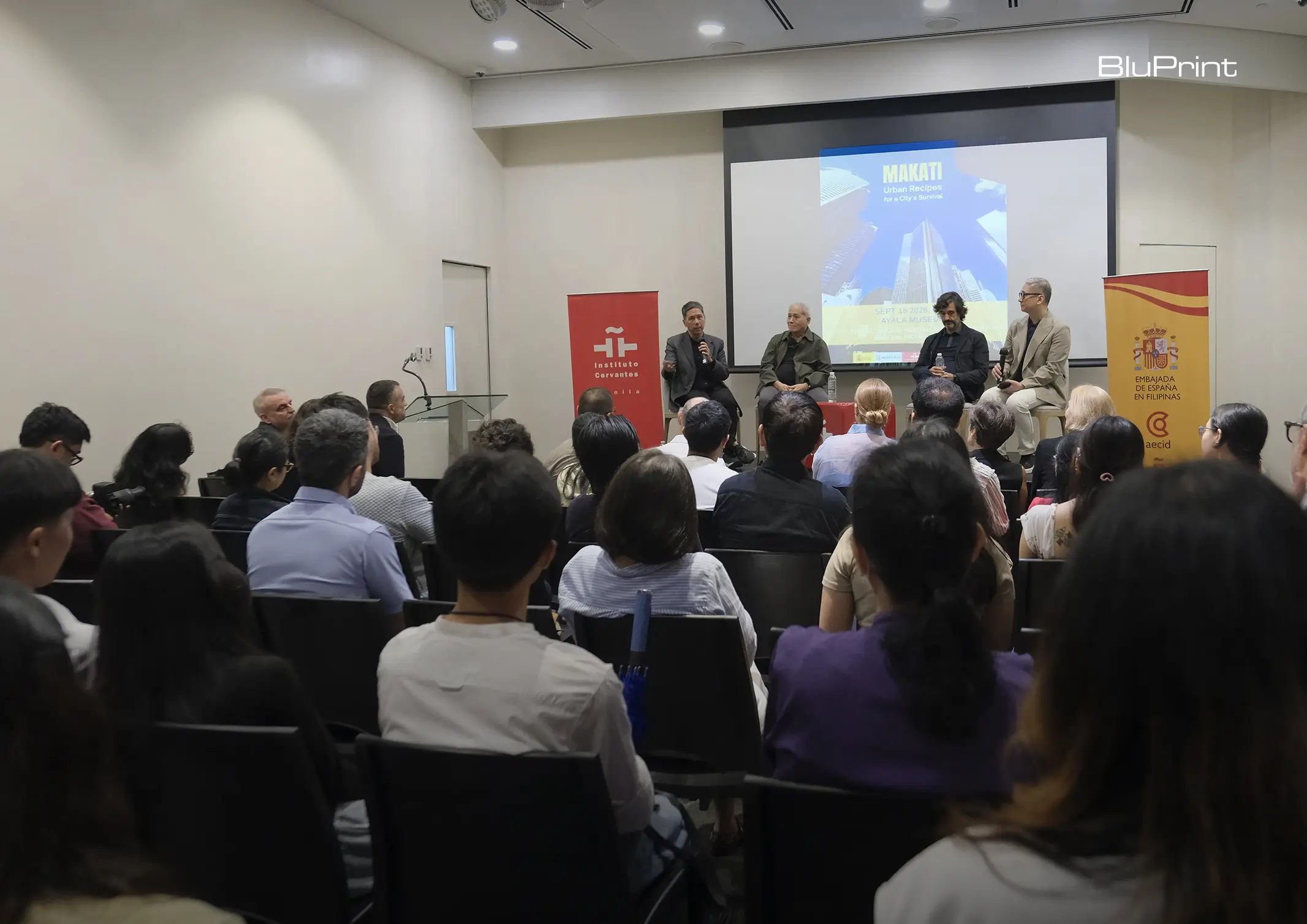
How can better-planned cities create the conditions for more creative, livable, and resilient urban environments? “Makati Urban Recipes for a City’s Survival,” a colloquium held at the Ayala Museum on September 15, brought together architects and practitioners from the fields of urbanism and the creative economy to discuss how design, planning, and collaboration can address […]
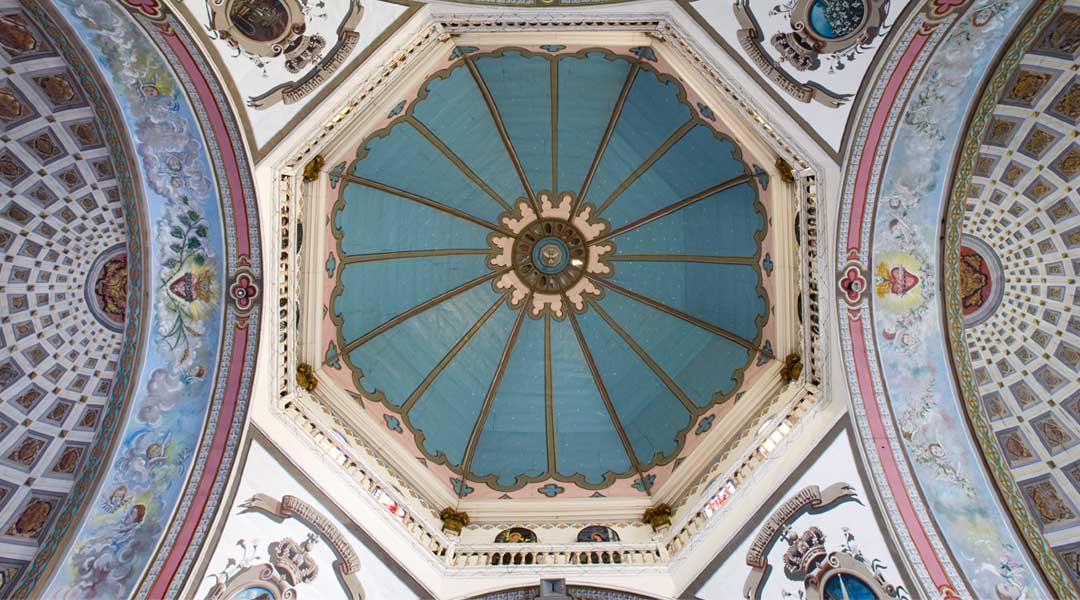
All You Need to Know About Batangas Churches for Visita Iglesia



There are some 300 churches within the province of Batangas. Every city and municipality that was a significant population center during the Spanish times still has at least one church over a century old that remains standing today. And many devotees include the Batangas churches for Visita Iglesia in their Holy Week pilgrimage.
Like the rest of the country, Batangas suffered terrible typhoons and earthquakes. And because of its proximity to Taal Volcano, it experienced more than its fair share of earth-shattering convulsions. The worst of these paroxysms forced entire towns to migrate away from the volcano, away from the shores of Taal Lake (then called Bombon), and resettle inland.
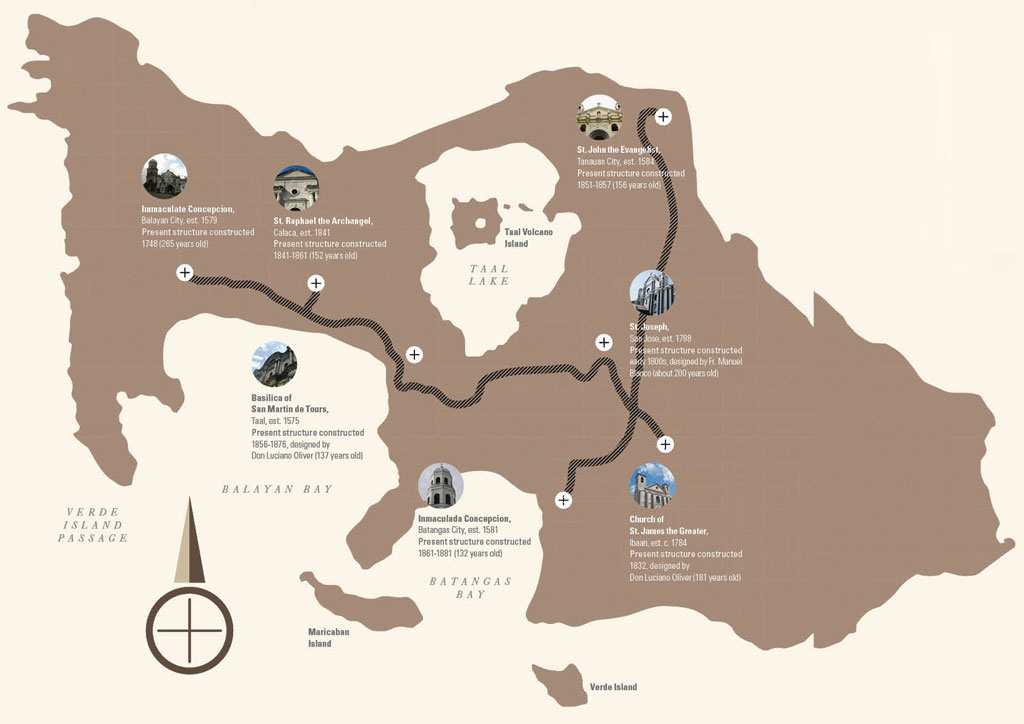
Such occurrences also dictated the architectureArchitectureThe art and science of designing and constructing buildings, structures, and spaces that are functional, safe, and aesthetically pleasing. It encompasses the planning, design, materials, and techniques used to createGo to Architecture Glossary and construction materials of churches. Those established in the 1500s to 1600s and rebuilt in the 1700s to 1800s forsook the masonry arches employed in earlier structures. Their walls grew thicker, braced by massive buttresses, and their towers erected with immense substructures.
READ MORE: Sculpted illusions at the Basilica Minor of Immaculate Conception in Batangas
The Restoration Challenges of Batangas’ Churches
Despite such defensive measures, virtually all churches in Batangas built before the 20th century have required major repairs or reconstruction. These restorations were due to the earth’s upheavals and the bombardment by Japanese and American forces during World War II.
Because they underwent much repair work and ‘enhancements’ over the decades, it is a challenge to determine which alterations are an authentic part of our cultural heritage. There has not been a restoration effort in the region that can claim to have restored a church to its original state. Truth be told, every post-war renovation effort in Batangas compromised the integrity of the churches’ architectural and interior designInterior DesignThe discipline of planning and shaping interior spaces for function, comfort, safety, and beauty. It covers layout, lighting, materials, finishes, furniture, and color, and in the Philippines is a licensedGo to Interior Design Glossary. The churches of Batangas are chockfull of Romanesque, Baroque, Neo-classical, Gothic and Rococo elements. Yet they sit cheek-by-jowl with 21st century Filipino adornments of the horror vacui persuasion.
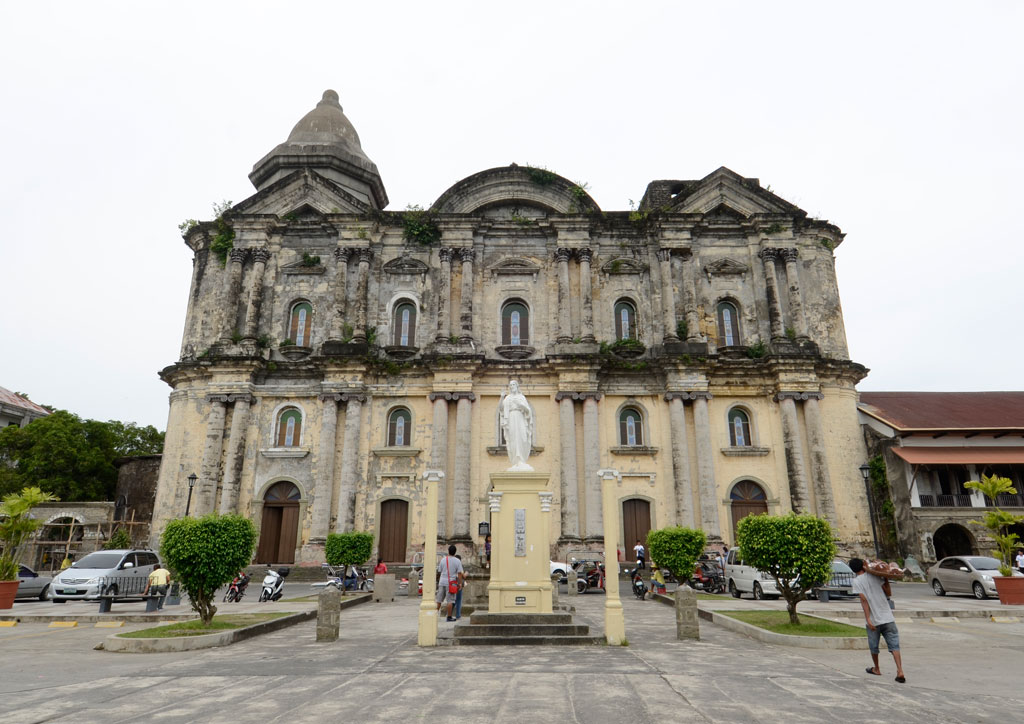
A Journey of Faith and Heritage
Still, the tradition of Visita Iglesia, of visiting seven or fourteen churches to say prayers at each for a special intention, is one that should be encouraged enthusiastically amongst young and old. There is nothing like walking down the aisle of an old church, staring up at its ceiling, running one’s fingers along its cracks and peering through layers of time to contemplate one’s history and heritage.
Exploring the Batangas churches for Visita Iglesia can be a profound journey through history and faith. Ancient churches echo with the muttered prayers and cries of joy and sorrow of our ancestors. Their forebears laid stone upon stone with blood sweat and tears. We don’t need our bastions of history remodeled, renovated or revamped. One need not be a religious person to go on Visita Iglesia, or to say an invocation for the lords and patrons of our heritage churches to become reverential defenders instead of re-writers of the nation’s patrimony.
This article first appeared in BluPrint Vol 1 2014. Edits made for Bluprint.ph.
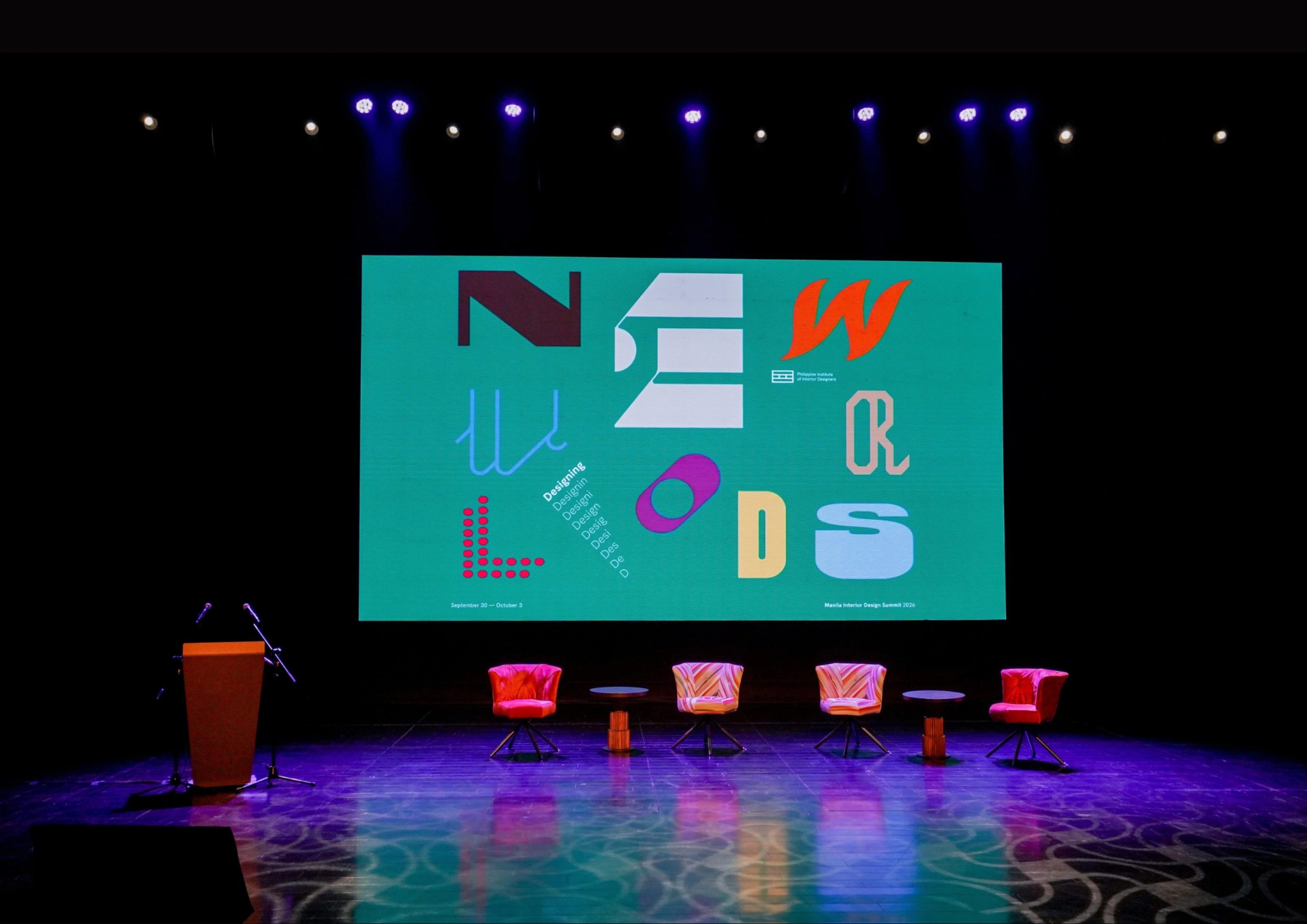
The fourth Manila Interior DesignInterior DesignThe discipline of planning and shaping interior spaces for function, comfort, safety, and beauty. It covers layout, lighting, materials, finishes, furniture, and color, and in the Philippines is a licensedGo to Interior Design Glossary Summit (MIDS) brought together more than 300 delegates for four days of conversations, exhibitions, and design […]

Held at the SMX Convention Center Aura in Taguig City, the first ASEAN Creative Industries Expo by Malikhaing Pinoy (ASEAN MPEx) features nine creative domains, including design, visual arts, digital interactive media, and performing arts. Organized by the Department of Trade and Industry (DTI), the event includes exhibitions, cultural performances, industry talks, and pitching sessions […]
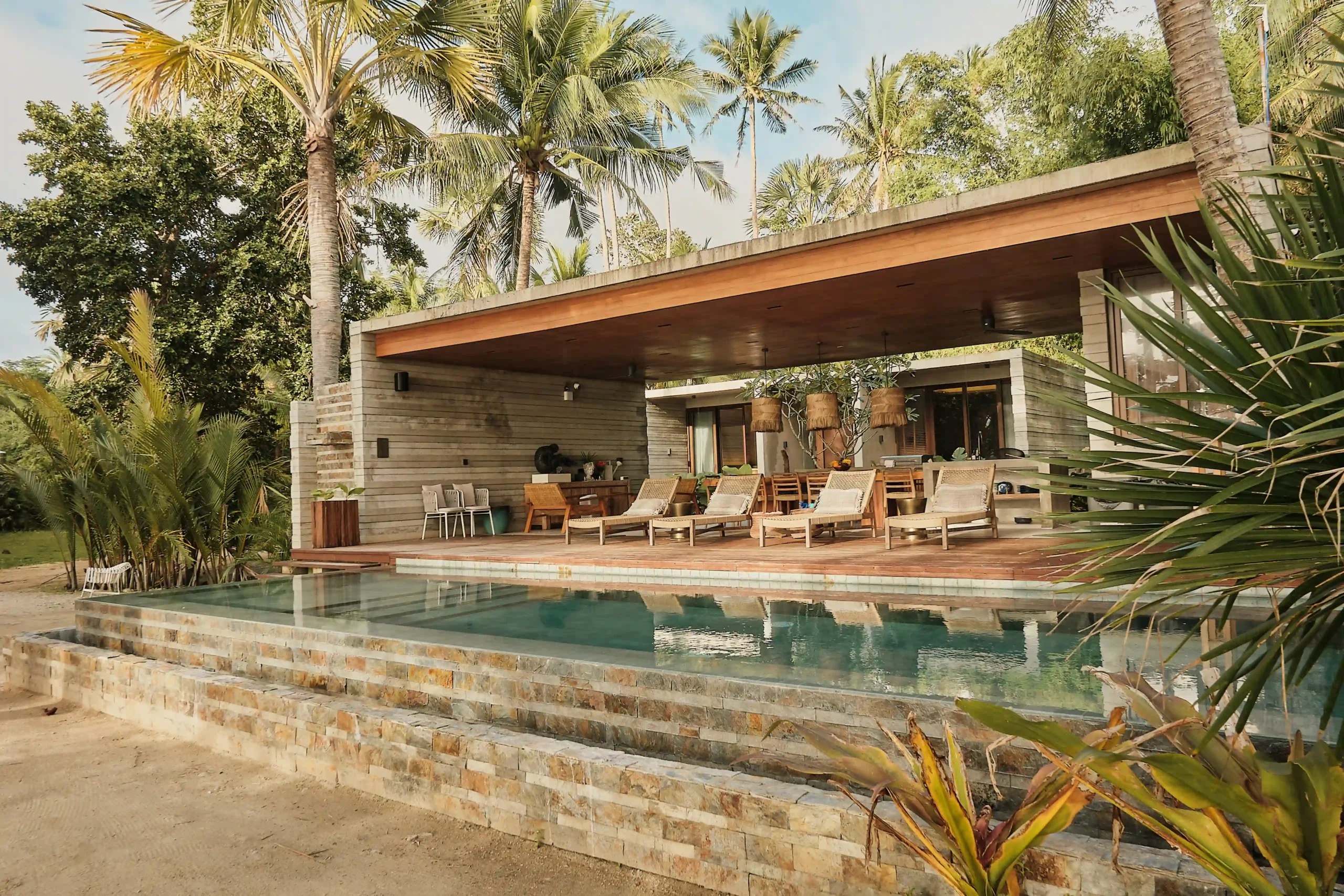
Overlooking Tayabas Bay, Agda Beach Villas occupies a one-hectare hilly property where the terrain descends toward the coast. Designed by VBo Architects + Engineers, the tropical retreat responds to the sloping terrain through villas and shared spaces oriented toward the surrounding landscape. Before construction began, Bocalid was drawn to the property’s steep terrain and secluded […]
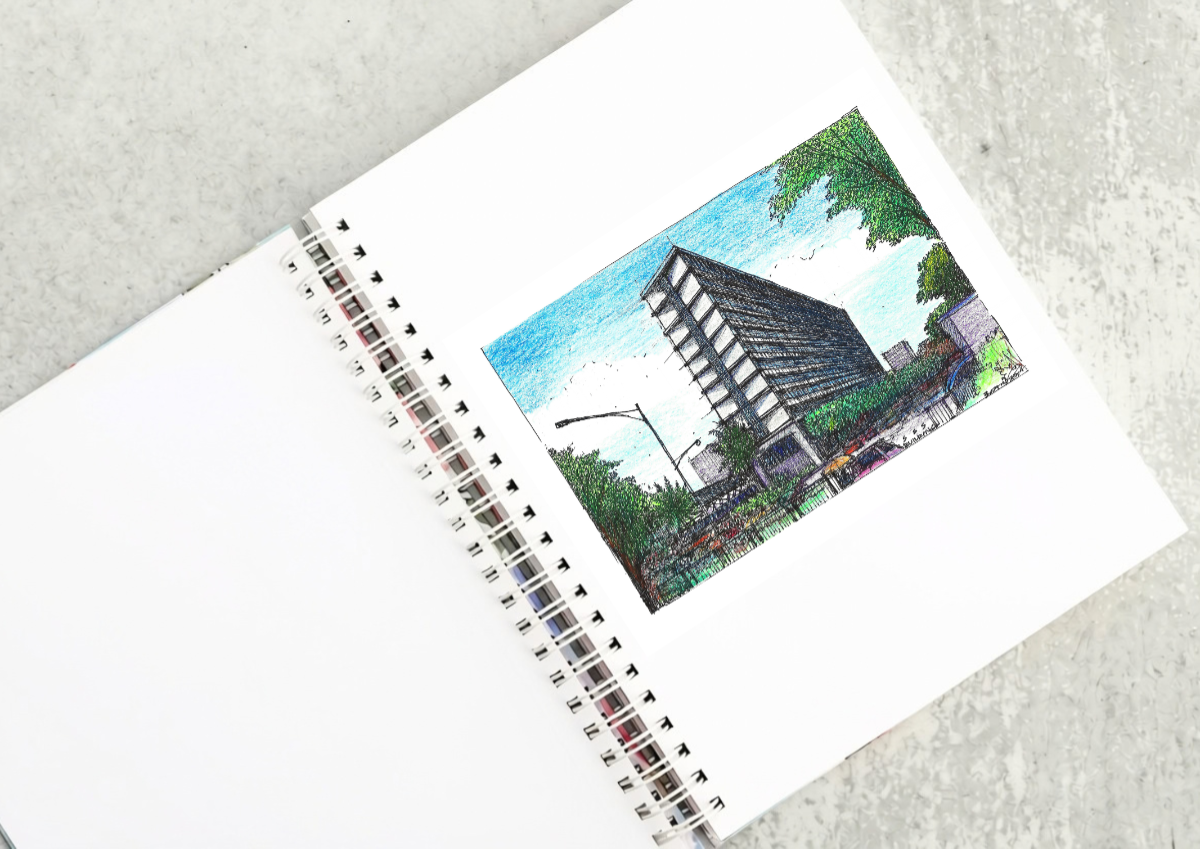
The SSS Building as an Expression of Civic Modernism My favorite modernist landmark in Quezon City is the SSS building on East Avenue. Designed by National Artist for ArchitectureArchitectureThe art and science of designing and constructing buildings, structures, and spaces that are functional, safe, and aesthetically pleasing. It encompasses the planning, design, materials, and techniques […]
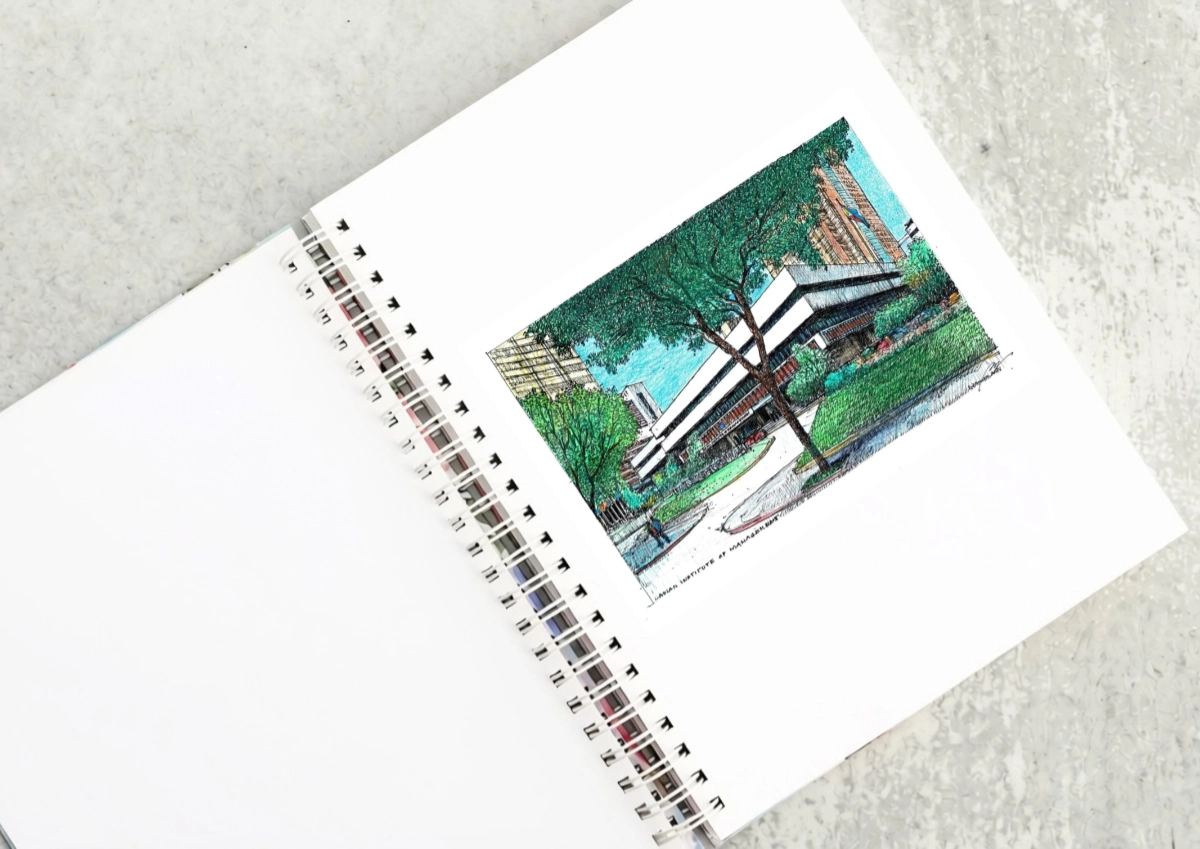
A Filipino Interpretation of Modernist Architecture Unlike the rest of Makati today, the northern end of Paseo de Roxas in Makati is anchored by a low complex rather than a tall skyscraper. This is the elegant Asian Institute of Management, designed by architect Gabriel Formoso and completed in 1971. In my opinion, the building is […]
Read the issues.

Collect the volumes.

Recommended Video
Tap to Unmute
Unmute
0:00
0:00