Breaking through in their respective careers is a daunting task for any young professional. For Architect Pierre Briones, architecture has always been an intentional pursuit. Having spent much of his childhood around construction sites, Briones’s environment shaped his interest in architecture, including his fascination with how structures and buildings are built. “Choosing architecture was never […]
Ipiranga Museum: Modernizing Old Buildings to Find Renewed Meaning



Discussion on how we preserve our buildings—and what to preserve—sits at the heart of architecture since the field was formalized. It goes beyond heritage buildings: what about buildings that will remain in constant public use for years? There’s likely no singular answer for now, but the Ipiranga Museum shows us how one can modernize old buildings for restored purposes today.
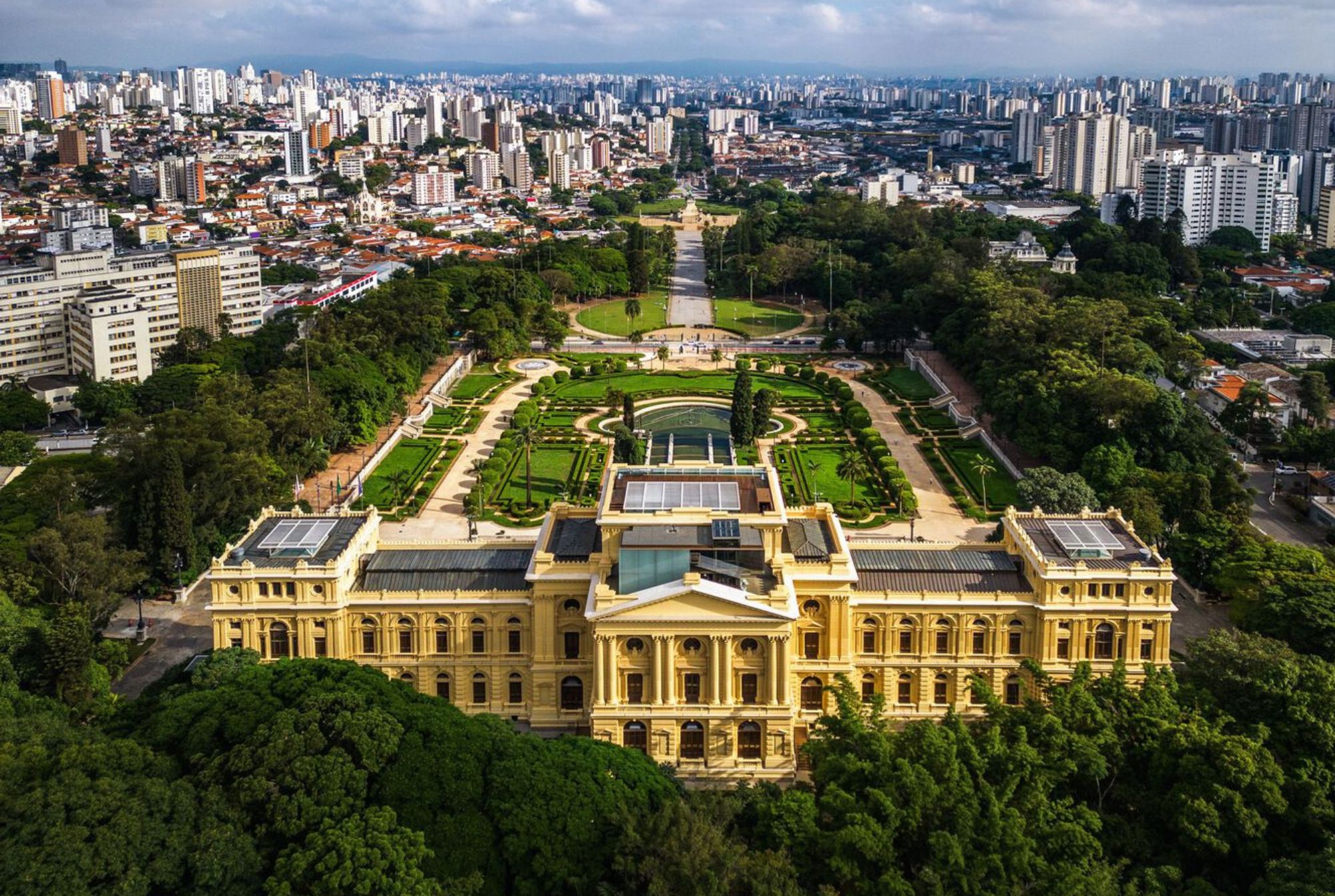
The Ipiranga Museum, located in São Paulo, Brazil, is a historical museum and archive. Originally designed in 1884 by Tommaso Gaudenzio Bezzi, the building contains an extensive collection of artifacts from the Brazilian Empire era. The building itself stands as a monument to history due to being built on the grounds where Brazil declared its independence in 1822.
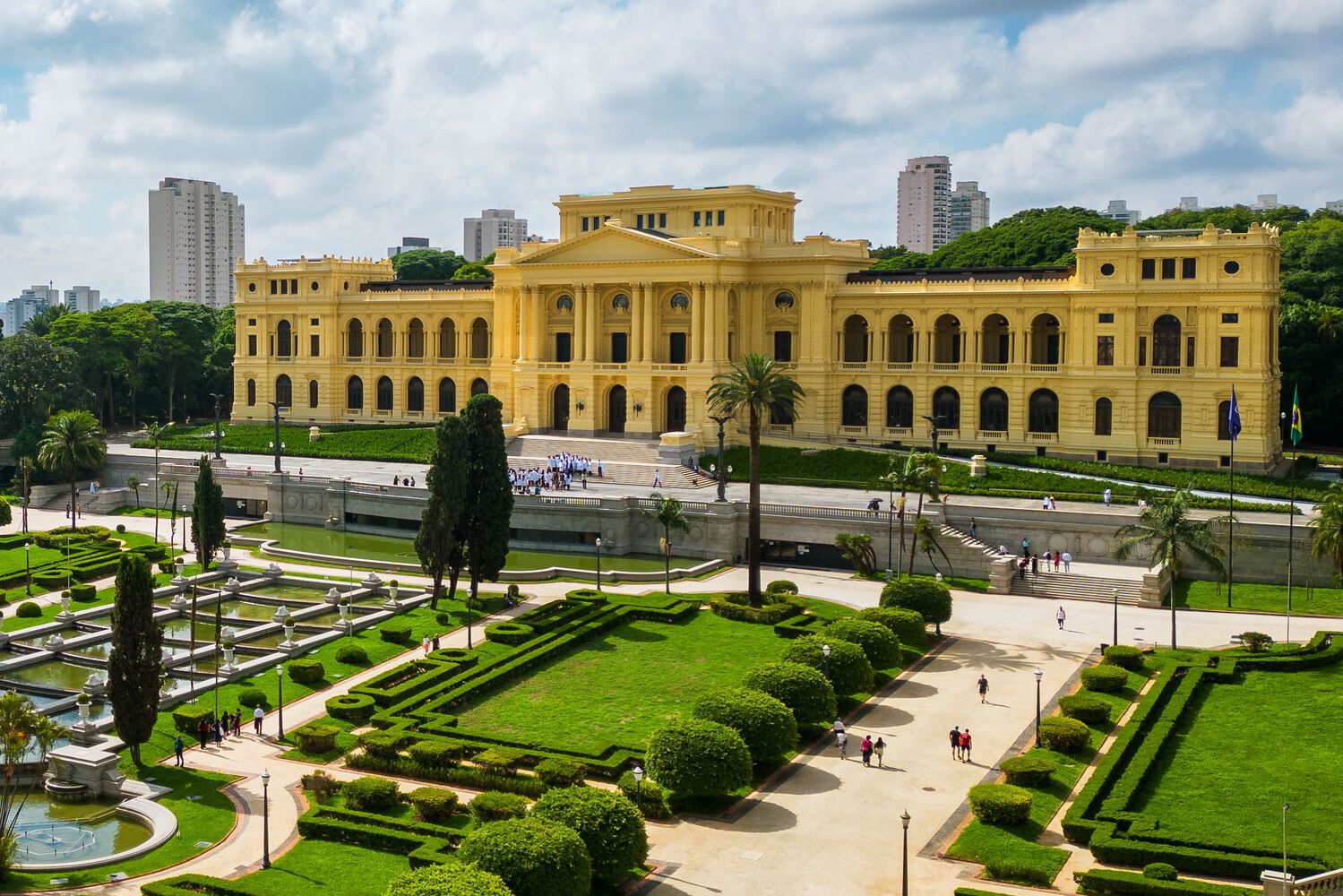
The museum closed in August 2013 for extensive restorations and modernizations, with H+F Arquitetos leading the project. With multiple companies and professionals working together, its modernization took over nine years to finish.
Advertisement
New Spaces for Modern Amenities
The architects of this project took it with the objective of preserving the building. But beyond that, they envisioned a modern museum that highlighted different aspects of the design, while also making room for modern amenities that visitors would enjoy.
“The emphasis of the new elements does not reside in their appearance, but in their performance, in what they are capable of promoting, in their effectiveness in dynamizing and enhancing the virtues of the preexisting ones,” the architects state.
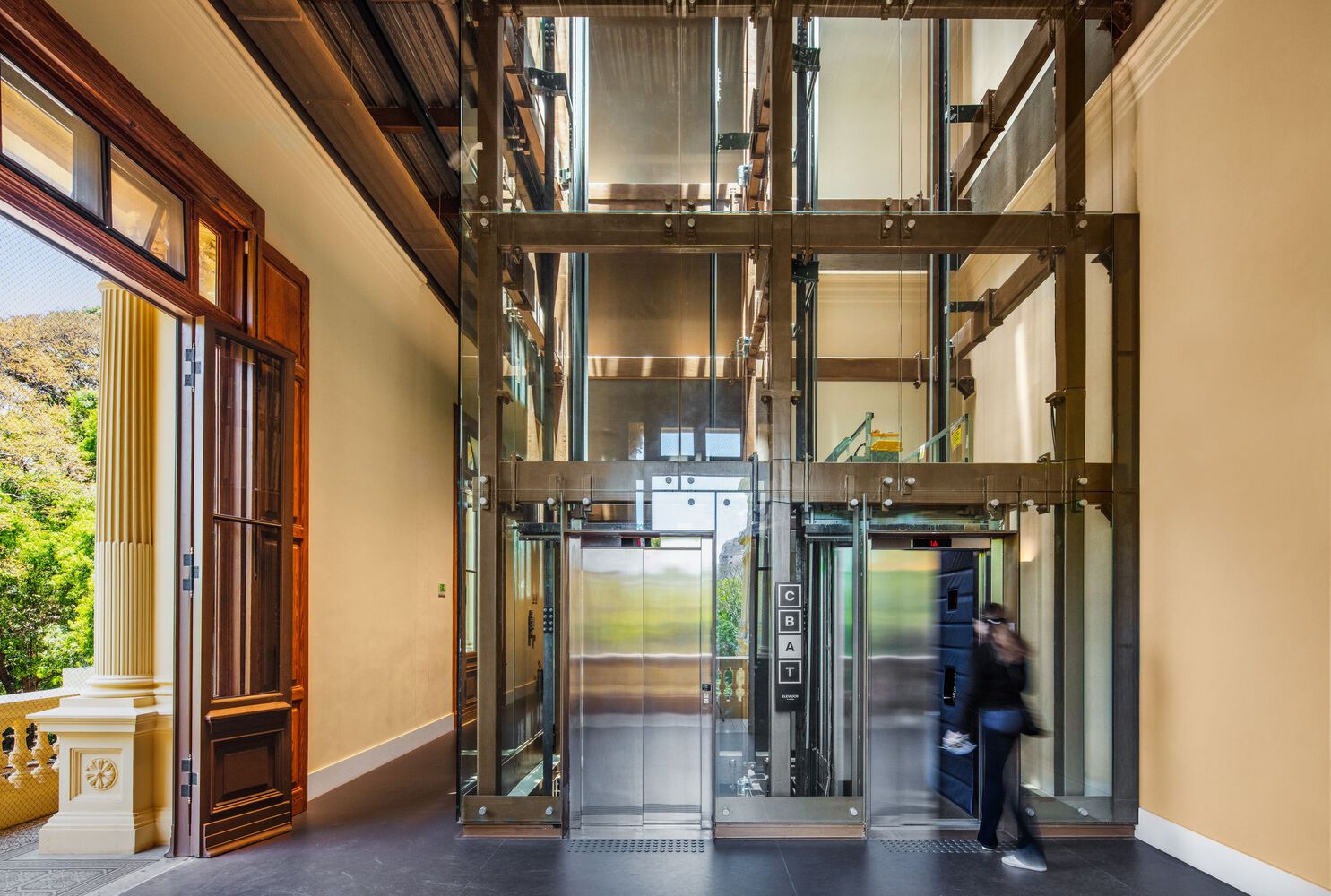
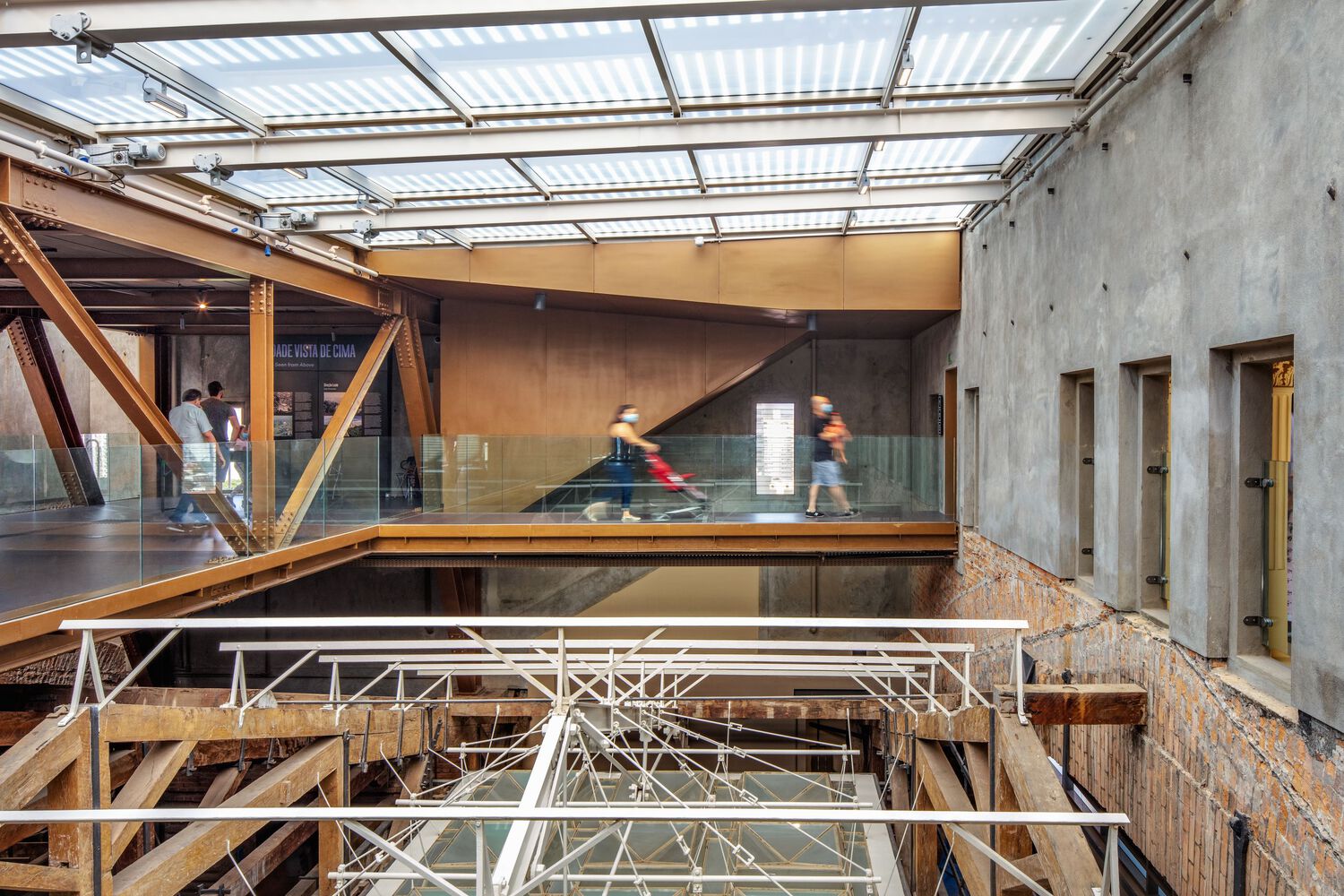
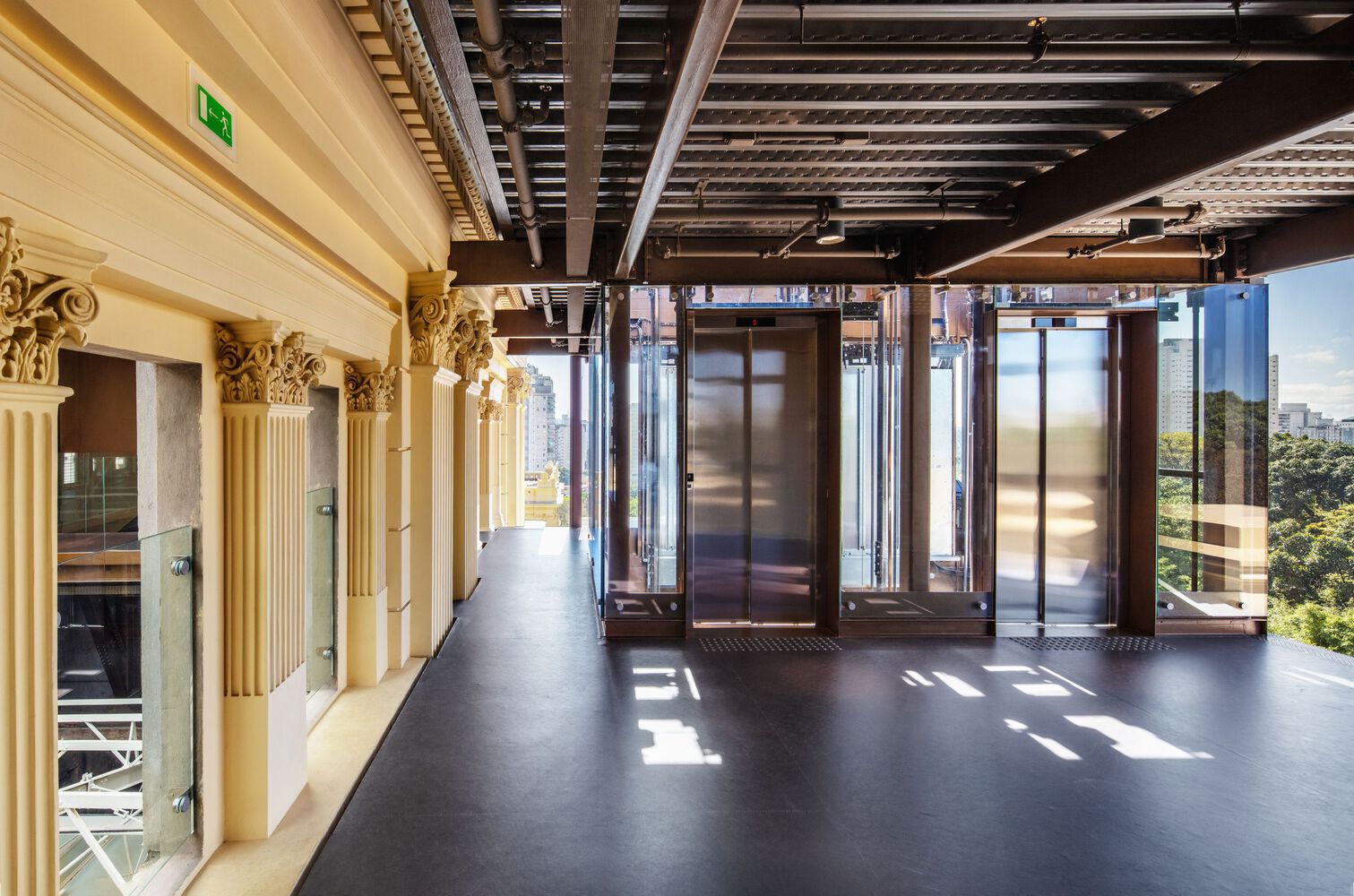
Thus, Ipiranga Museum received a whole new slew of features to make it more accessible to visitors. First, they installed elevators and escalators across the building for easier mobility. A viewing deck was also built on the side of the building facing the park.
Advertisement
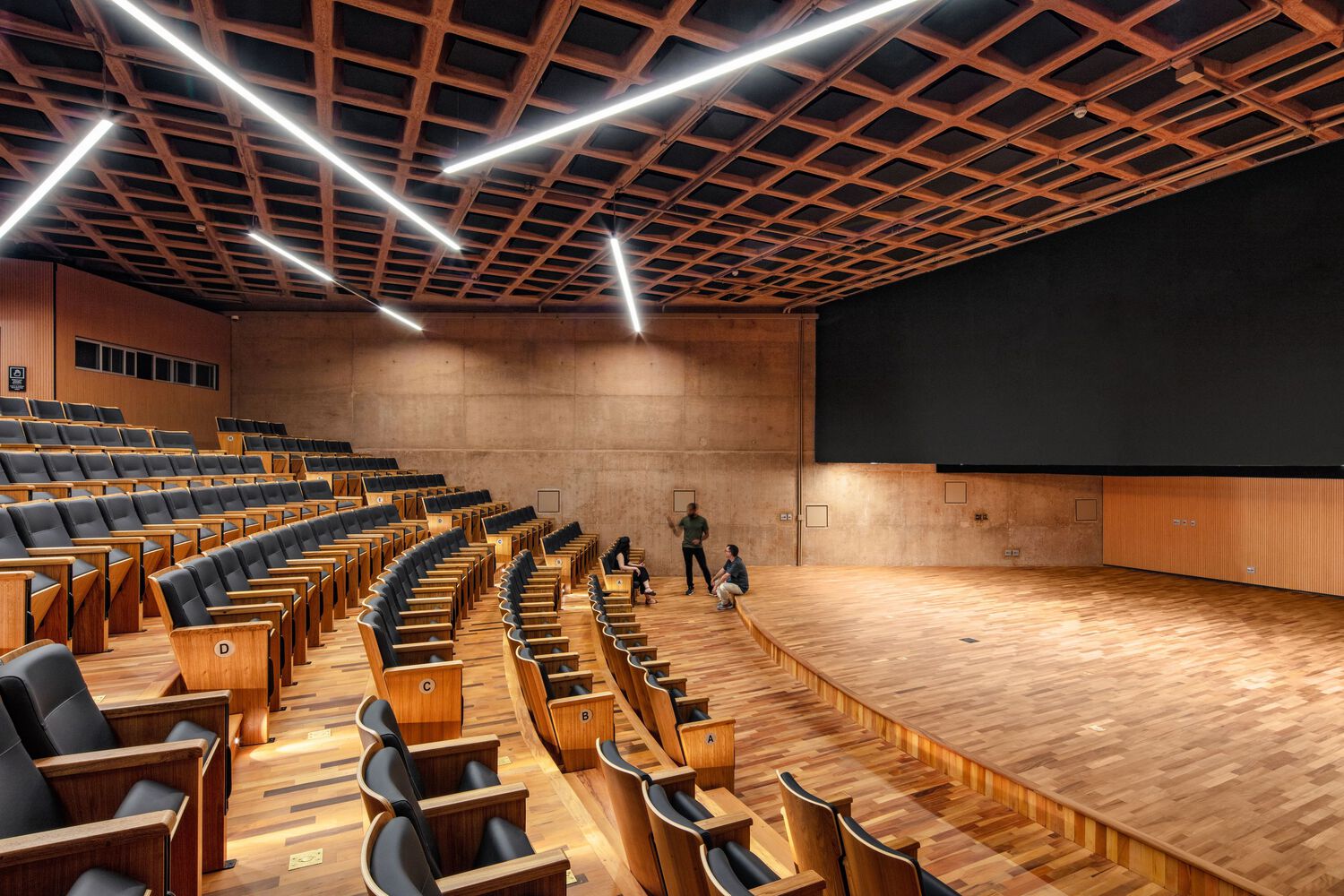
Some of the modernization ideas focused beyond functionality and into utilizing the giant space of the facilities. The auditorium was updated with reupholstered seats and a giant LED screen. Giant hallways and exhibition spaces litter the building’s interior. From the top to the bottom, the museum creates an open environment that allows ideas to filter through.
An Underground Extension of the Building
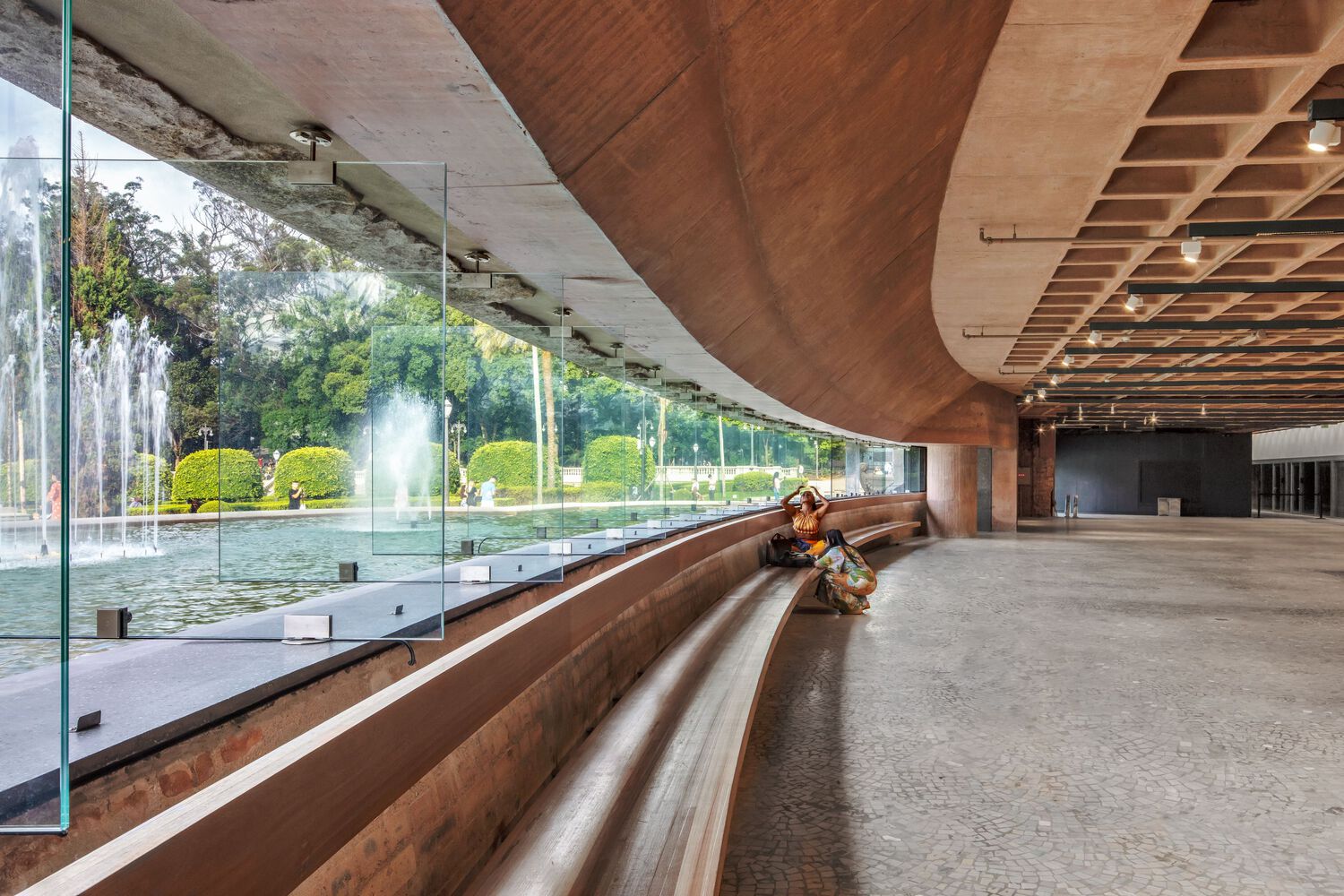
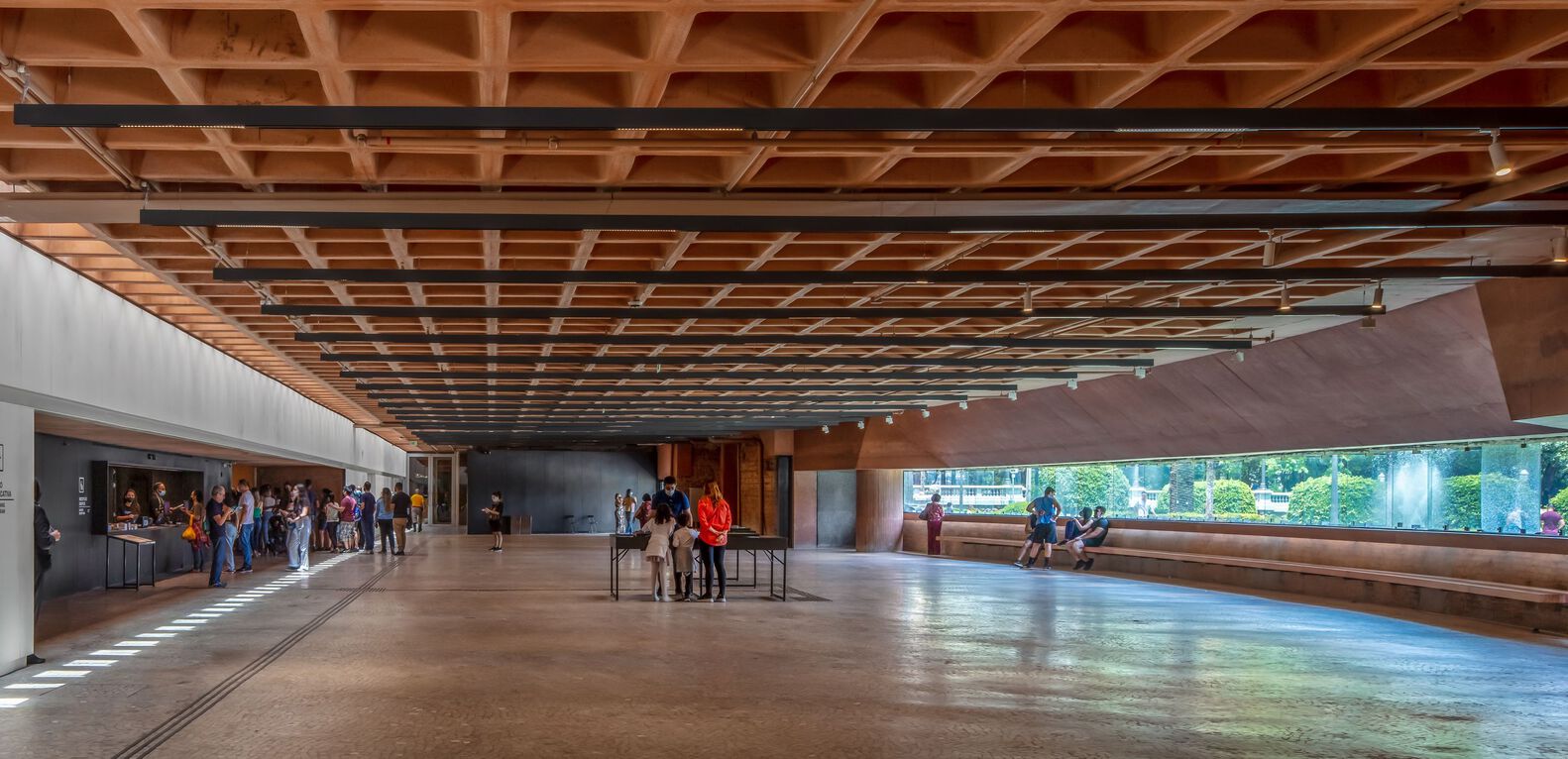
One of the bigger changes for the building is the building’s underground extension. This provides visitors with a new access point to enter the museum. More than that, the architects said that it could be used in the future to connect the building to the nearby park area.
This extension also created a new viewing area for the outside, complete with clear glass windows that can swing open. It gives visitors a view of the garden and fountain in front of the museum. The space allows for masses of people to co-exist and view the area at the same time. It’s a transformative change that makes the museum accessible and expansive without changing its composition as a whole.
Advertisement
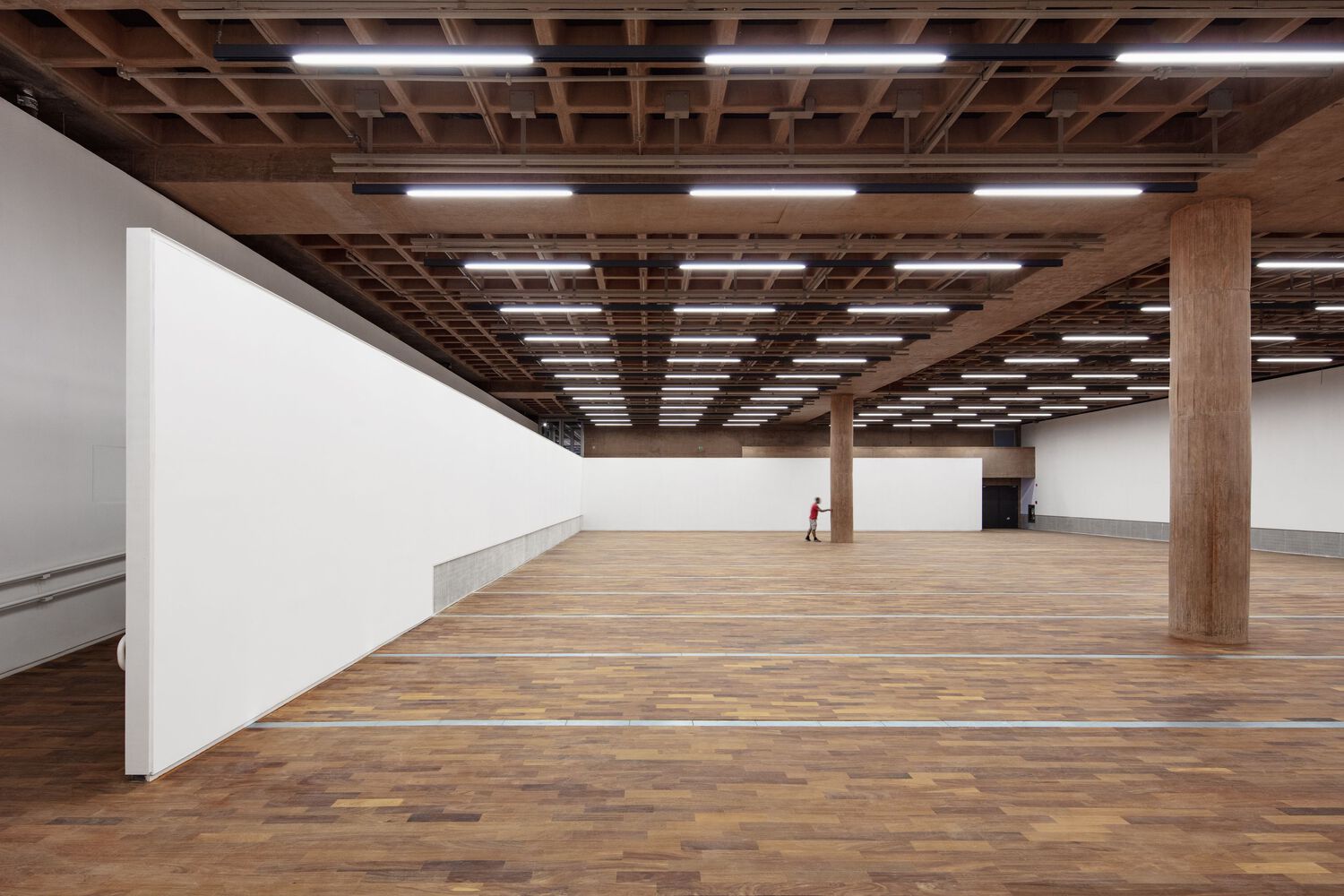
Ipiranga Museum’s modernization and restoration is a great use case of how a building can be transformed without reducing its historical and heritage value. It leaves standing the original intent of its construction, but allows for new ideas that fit into that intent. All in all, it enables newer generations to find appreciation for the building and what it represents.
Photos by Nelson Kon and Alberto Ricci.
Related reading: Fabian Tan modernizes an ancestral residence in KL
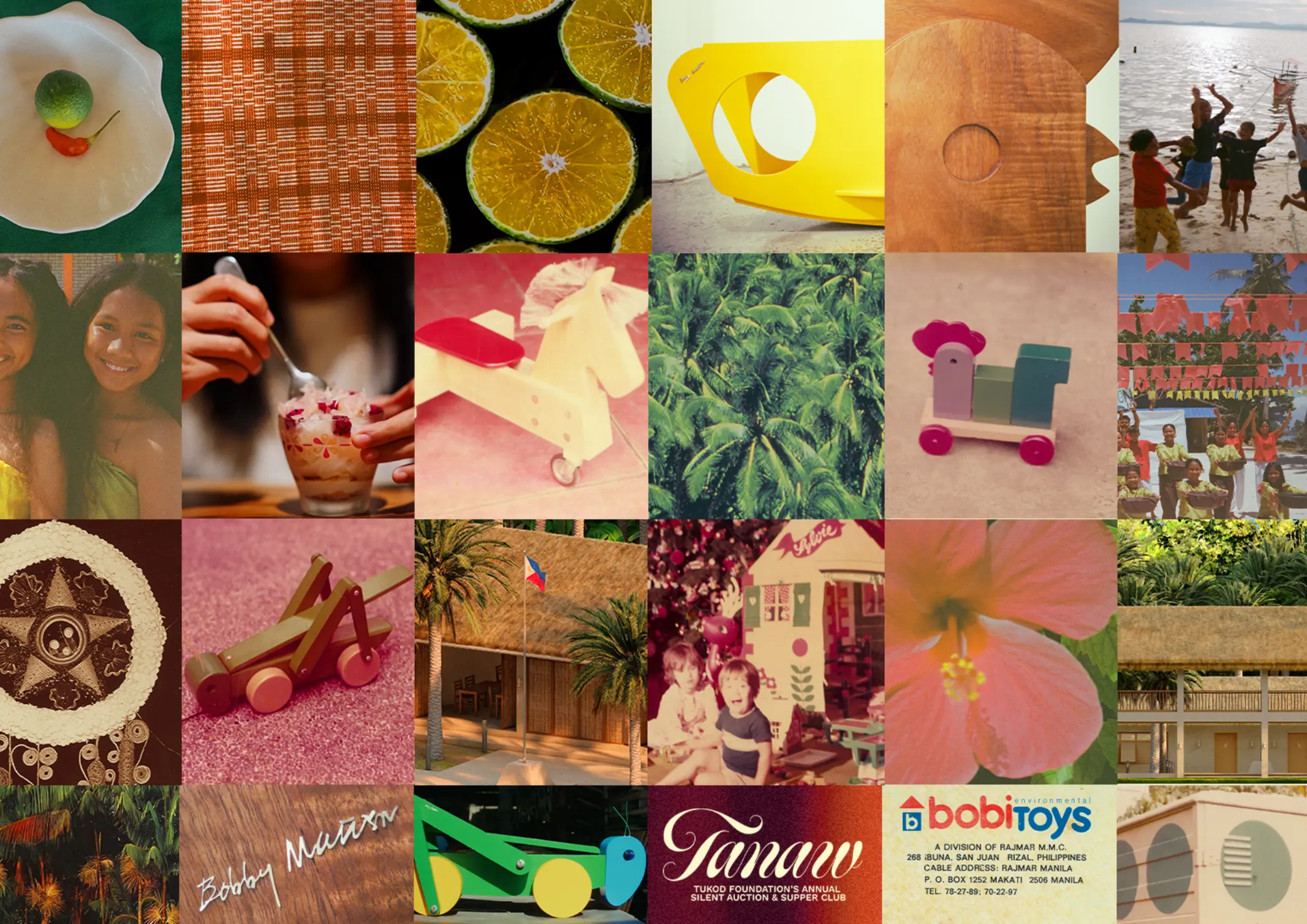
Not many people know this, but during the Martial Law era, National Artist for Architecture Bobby Mañosa was also a toy designer. He had an iconic line of toys, called “Bobi Toys,” that he sold in Makati during the 1970s and 1980s, which he discontinued as his own kids grew older. His toys have not […]
Advertisement
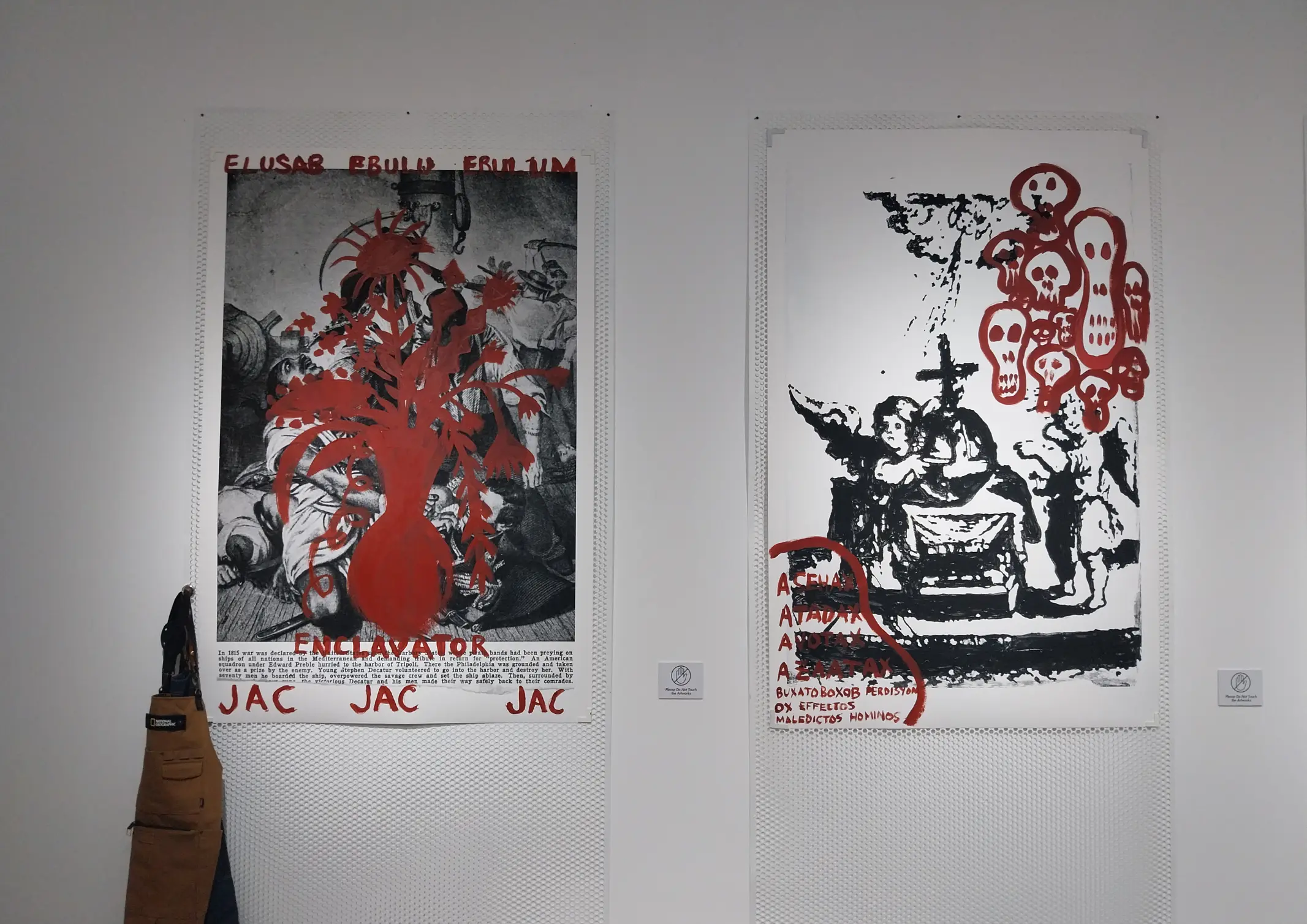
Cloud Grey Gallery put together two esteemed artists, Manuel Ocampo and Ronald Ventura, for Dialogo. As a gallery located at the Grand Hyatt Manila, Cloud Grey has a more forward-thinking approach to contemporary art movements at the time. “They’re provocations,” the gallery declared as they described their approach, “invitations to see the familiar transformed.” For […]
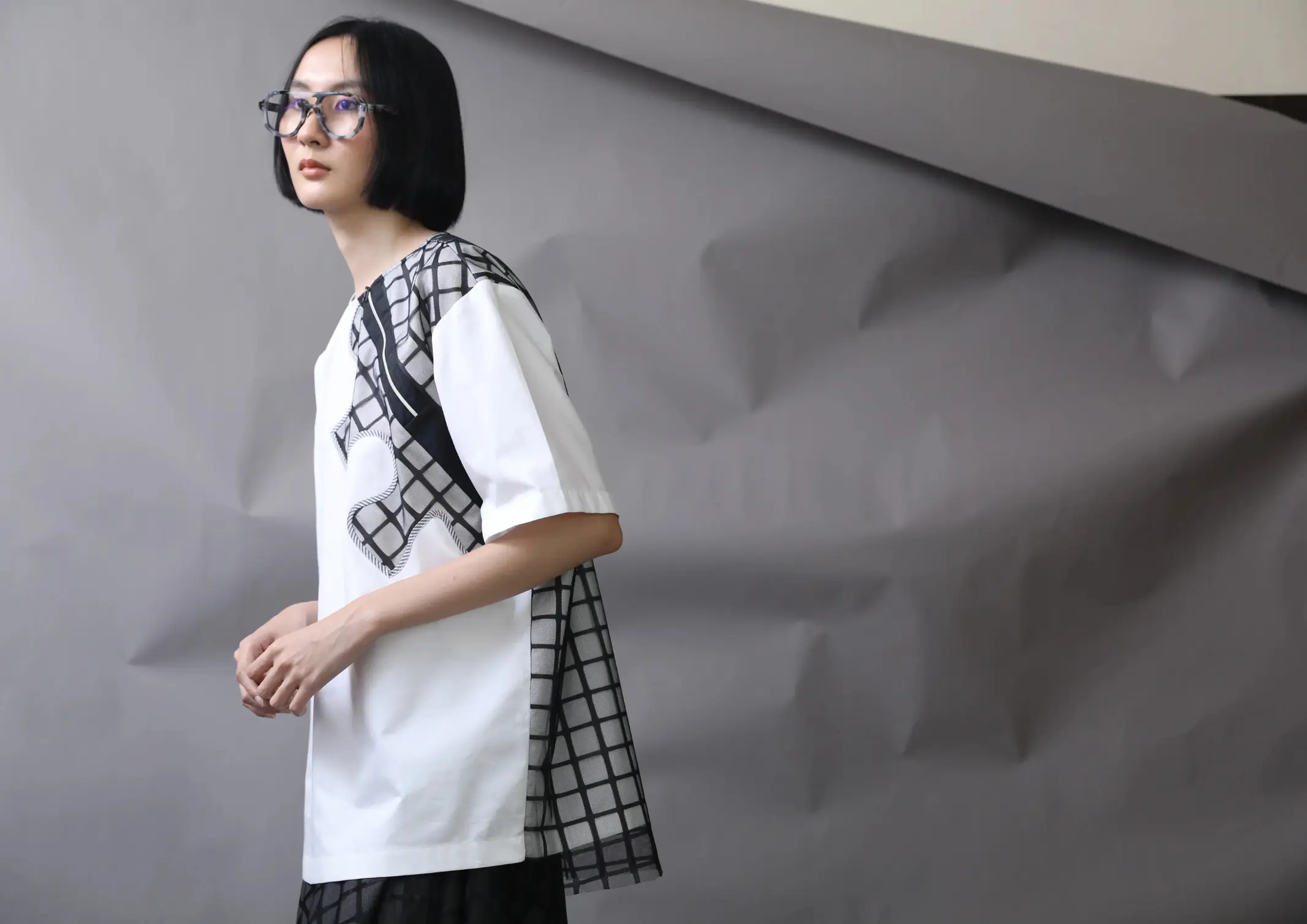
Ivarluski x Bitagcol, a pop-up store at Power Plant Mall, showcases the new collaborative fashion line from the two Filipino designers, as they seek to expand their design horizons and update their aesthetic hallmarks for the present day. The collaboration came about as the two designers, Ivarluski Aseron and Jo Ann Bitagcol, discussed their attraction […]
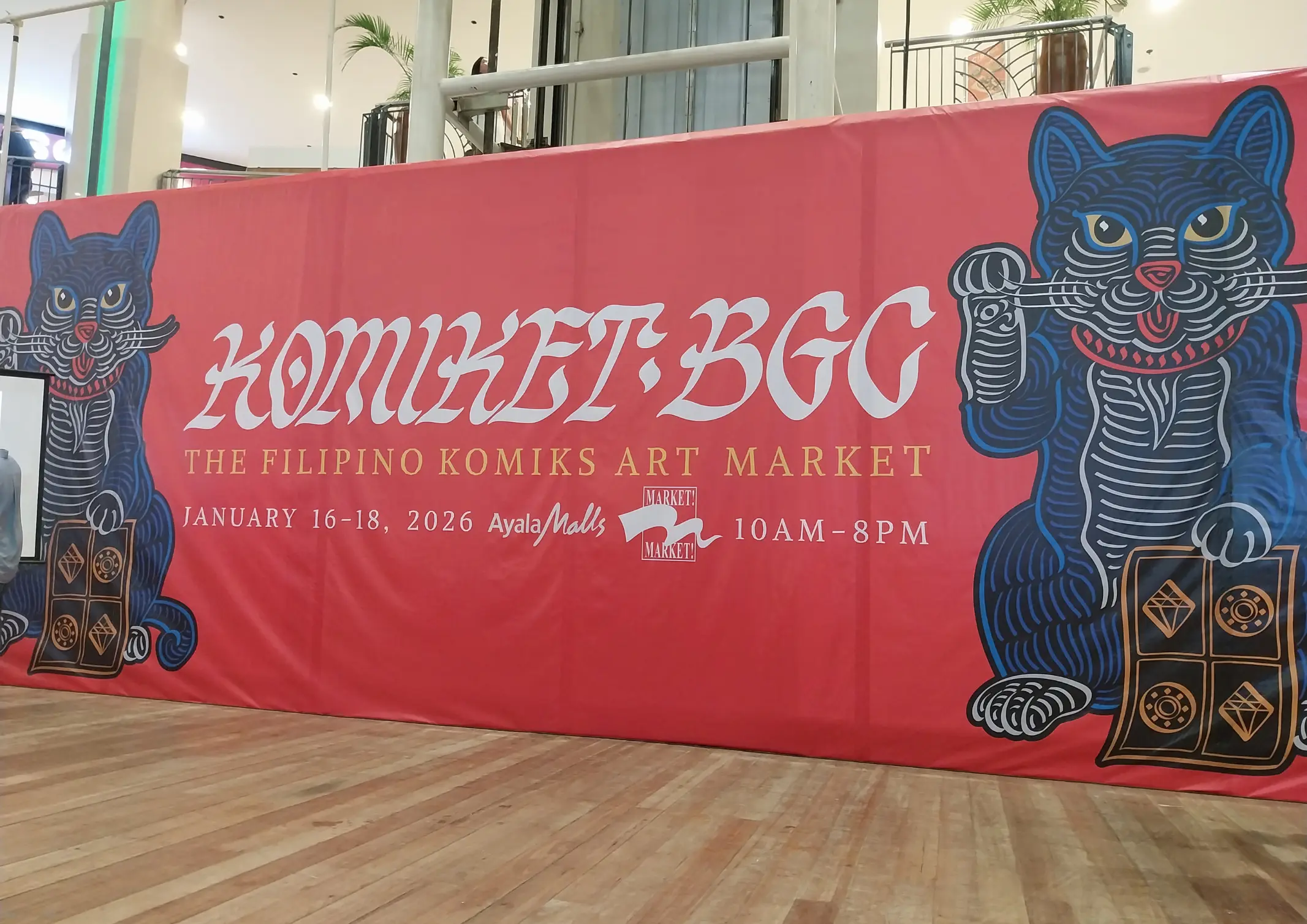
As the country’s local arts community grows steadily beyond the confines of galleries and museums, art markets have become a booming market for young artists and old artists alike. A variety of crafts, whether it’s fabric works or paintings or prints or whatnot, have become the new way of showcasing new, personal styles for a […]
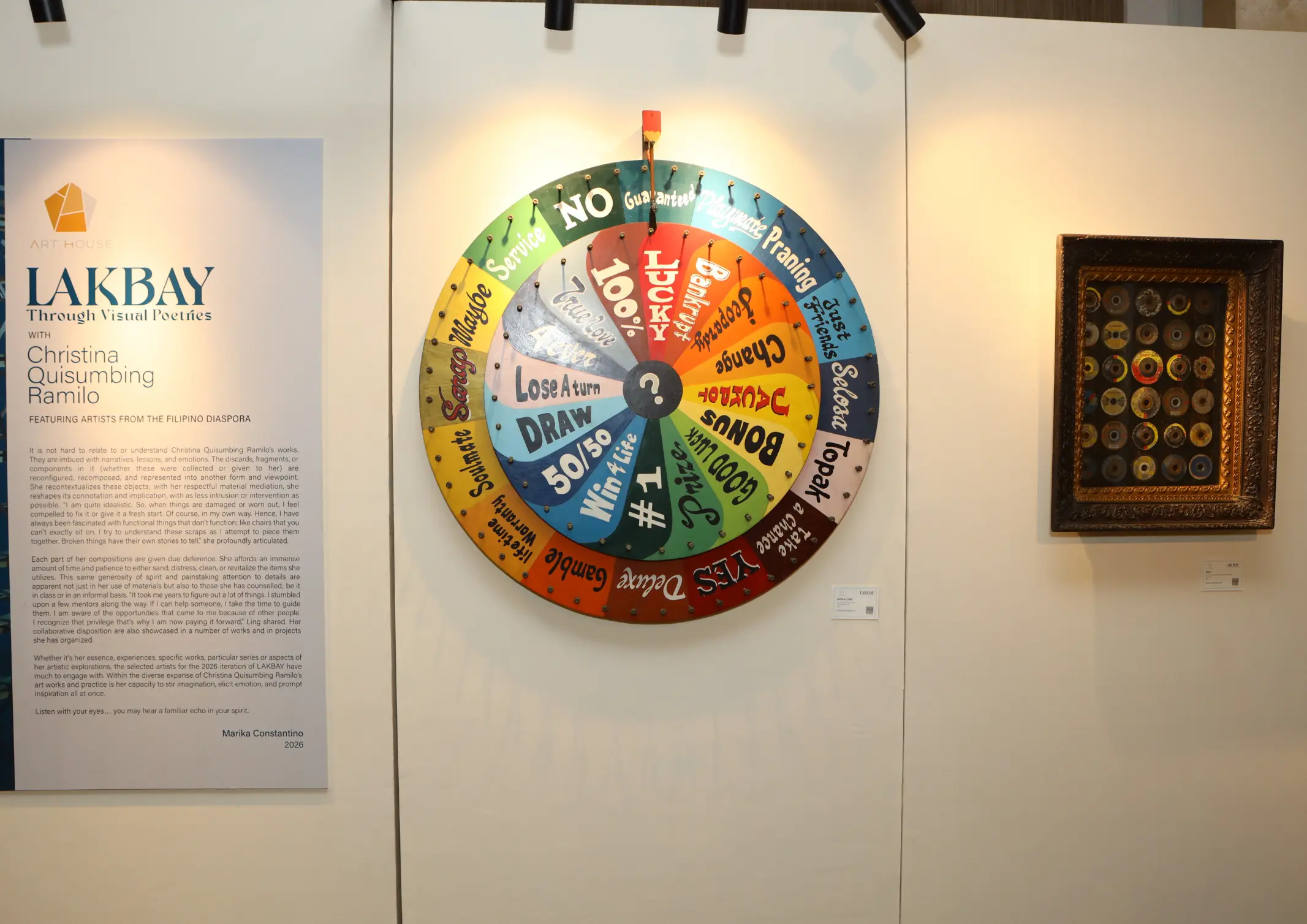
Art House’s LAKBAY series is now on its second iteration with a celebration of artist Christina “Ling” Quisumbing Ramilio’s artistic journey. In Through Visual Poetries, Quisumbing explores the Filipino diaspora experience—the longing, sense of displacement, and search for identity and expression. LAKBAY began last year with the belief that the Filipino diaspora is home to […]
Download this month's BLUPRINT magazine digital copy from:



Subscribe via [email protected]