The seventh edition of the Anthology ASEAN ArchitectureArchitectureThe art and science of designing and constructing buildings, structures, and spaces that are functional, safe, and aesthetically pleasing. It encompasses the planning, design, materials, and techniques used to createGo to Architecture Glossary Festival brought together over 4,000 delegates from across the Philippines and Southeast Asia for three […]
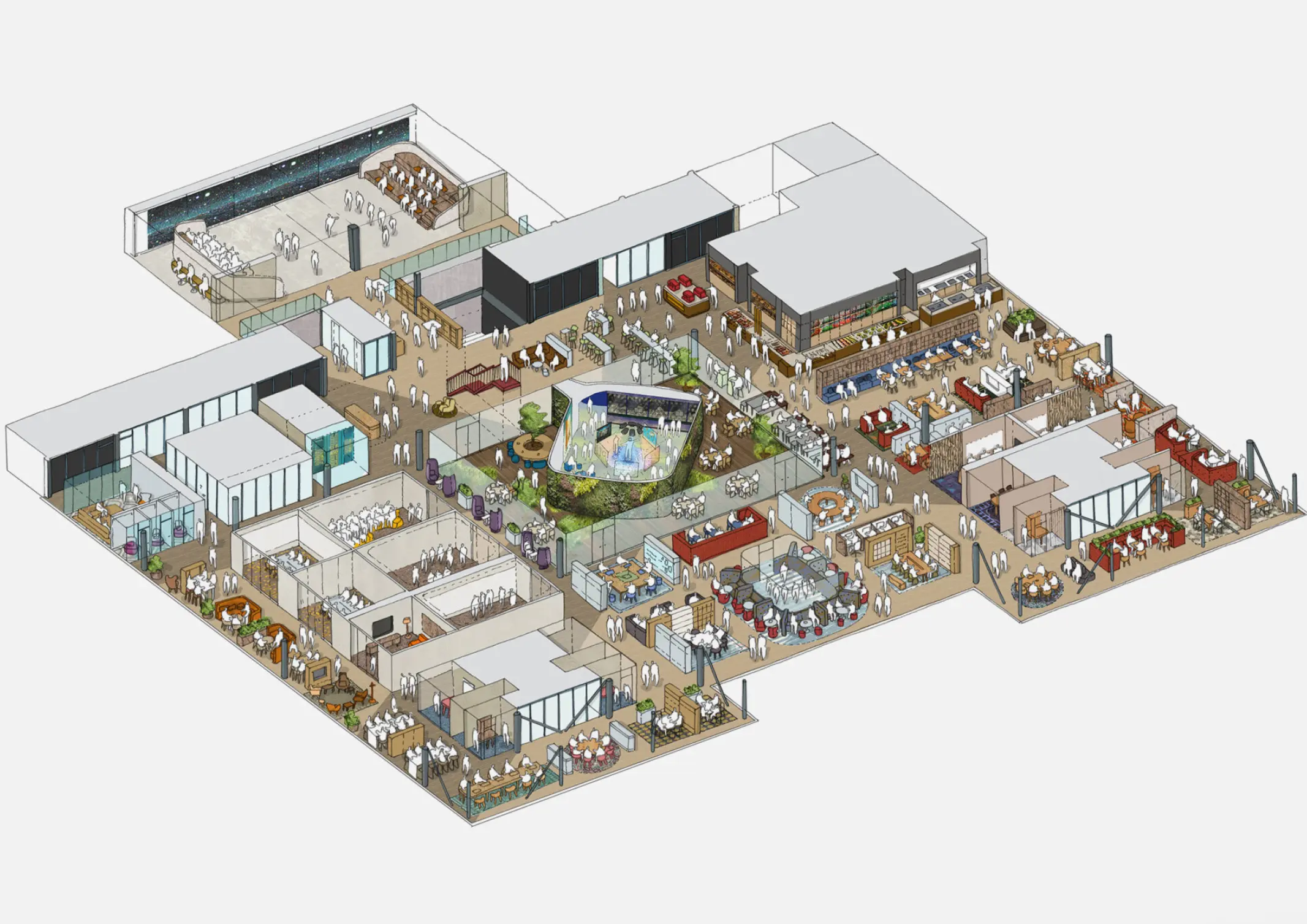
Modern Office Interior Design: Productivity and Worker Well-Being



The workplace environment is just as important as the work itself. Recognized as essential assets for businesses, offices have the power to attract and retain employees. The layout determines the physical environment of the employees, thereby affecting their behavior and health. Office interior designInterior DesignThe discipline of planning and shaping interior spaces for function, comfort, safety, and beauty. It covers layout, lighting, materials, finishes, furniture, and color, and in the Philippines is a licensedGo to Interior Design Glossary, as such, is being continuously reshaped as people find the best ways to foster productivity and worker well-being.
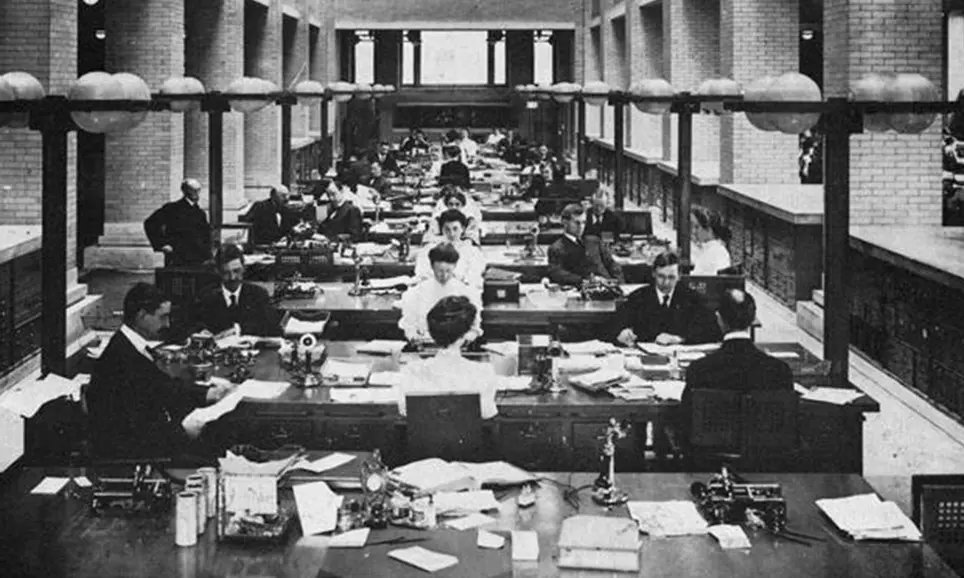
During the onset of the 20th century, offices mirrored assembly lines. Desks were organized linearly, with managers placed in separate rooms. This reflected the hierarchical organizational culture of the time, where the environment revolved around output optimization and heavy supervision.
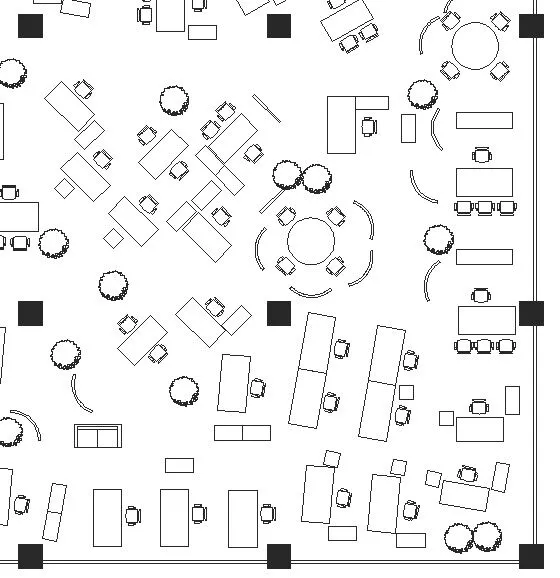
Modern open-plan offices first emerged in the mid-20th century. The German movement known as Bürolandschaft (office landscape) proposed flattening the hierarchy found in previous designs. It promoted communication and interaction in the workplace, and was the first to introduce commonplace office features like lounges and break rooms.
Activity-Based Working (ABW) Office Design
Open-plan layouts made people more visible than ever before. This layout is perceived to be less bureaucratic and less formal compared to conventional and cubicle offices. It often leads to a clan culture or an organizational structure that has a horizontal work environment, which emphasizes teamwork and collaboration. Not only do these offices encourage connection, but they are also cost-effective to build.
By gathering employees into one central space, employers can reduce costs. However, the open layout has been criticized for its lack of visual privacy, noise distraction, and spatial comfort. As a solution to the problems of open-plan layouts, activity-based working (ABW), a Dutch-born theory, was presented.
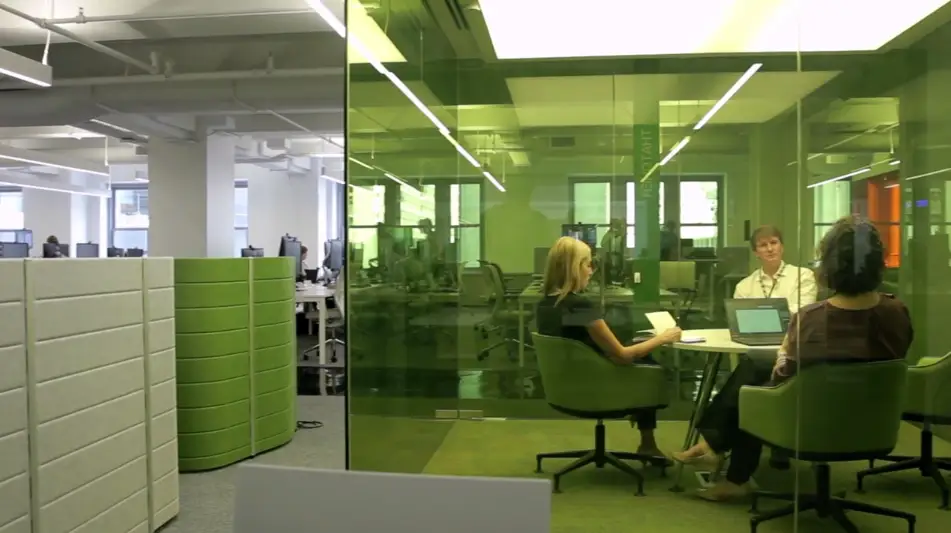
Under an ABW environment, offices are designed with zones that support various work-related activities, ranging from individual to collaborative work. This can include tables for teams to meet, as well as conference rooms, single-person phone booths, and standing desks.
These zones facilitate the same fluid movement found in open-plan layouts, with an added framework that fosters greater autonomy among employees. This plurality in spaces also allows employees to collaborate with each other and perform individual tasks.
One example of an ABW office is the New York headquarters of the Gerson Lehrman Group. Its office was designed into neighborhoods that were equipped with various work stations: multi-person team tables, conference rooms, single-person phone booths, and standing desks. This plurality of spaces allows employees to collaborate and perform individual tasks.
The Physical Working Atmosphere
In addition to providing diverse workstations, the physical work environment also contributes to the comfort level of employees. Factors such as indoor air quality, noise and privacy, access to the outdoors, and the building’s image and upkeep all play a vital role in creating a healthy workspace for employees.
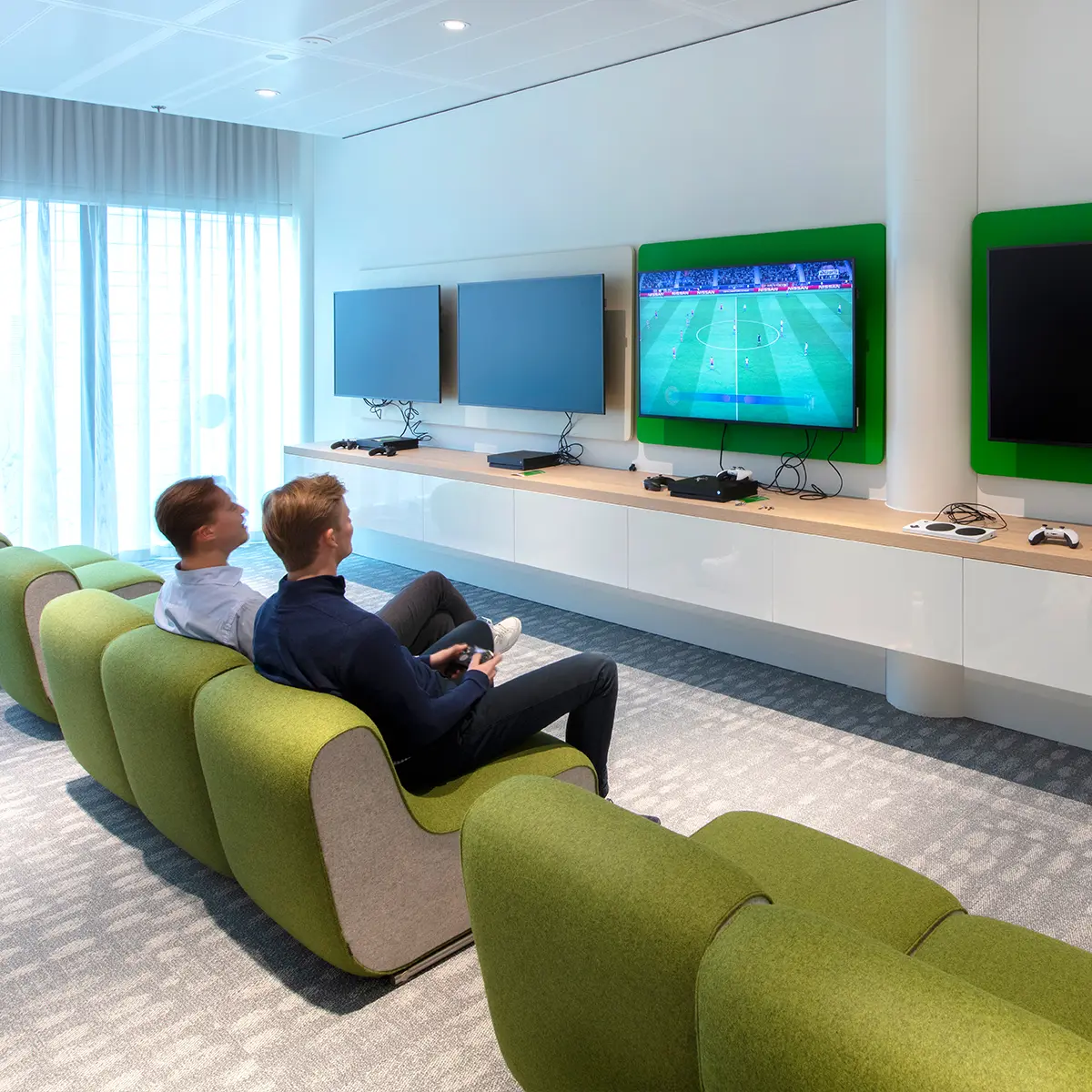
Caption: Social seating arrangements at the Microsoft Amsterdam office. The large windows provide employees with access to natural light. (Photograph from D/DOCK)
Microsoft’s Amsterdam office, designed by Sevil Peach and D/DOCK, features outdoor meeting pavilions and an open central staircase for transparency and connectivity. Their ABW office includes outdoor dining areas that provide employees with access to the outdoors and other restorative spaces, which reduces employee stress and promotes higher productivity. The office also includes coworking areas, auditoriums, an education area, a café, and a restaurant. Combined, they create a design framework t that enhances the well-being of its users.
Active design features can also be integrated to improve the ergonomic comfort of the workplace. These features include sit-stand desks, desktop height-adjustment stands, and dynamic work stations, such as treadmill desks. Design features like these encourage physical activity among employees, shifting away from a sedentary working style.
Businesses are reliant on the outputs of their workers. In turn, office design configurations must serve the worker’s needs. The office must be a healthy physical environment that sustains employee productivity and well-being. Thoughtful design goes beyond aesthetics—it shapes how people think, feel, and perform in their daily tasks.
By reducing distractions, improving comfort, and fostering connections, well-designed workplaces encourage focus, creativity, and collaboration. Spaces that balance openness with privacy, integrate natural light and greenery, and prioritize acoustics and ergonomics ultimately help employees do their best work. In this way, design becomes a strategic tool for building stronger, more productive organizations.
Read More: 5 Modern Office Interior Design Ideas for a Productive Workspace
Frequently Asked Questions
In the early 20th century, office design mirrored factory assembly lines, with desks arranged in rigid linear rows to optimize output and allow for heavy supervision. This reflected a strict hierarchical culture where managers were physically separated from their subordinates. By the mid-20th century, the German Bürolandschaft (office landscape) movement began to flatten this hierarchy, introducing open-plan layouts that favored communication, interaction, and the inclusion of social spaces like lounges and break rooms.
Open-plan layouts are highly valued for being cost-effective and fostering a “clan culture” characterized by teamwork and horizontal work environments. By making employees more visible to one another, these designs encourage spontaneous connection and collaboration. However, the lack of visual and acoustic privacy is a significant drawback; open offices are frequently criticized for noise distractions and a lack of spatial comfort, which can occasionally hinder individual focus and productivity.
Activity-Based Working is a Dutch-born theory that provides employees with a variety of specialized “zones” tailored to specific tasks rather than assigned seating. An ABW environment typically includes large tables for team meetings, soundproof phone booths for private calls, conference rooms, and standing desks for individual work. This approach maintains the fluid movement and connectivity of an open-plan layout but adds a framework of autonomy, allowing workers to choose the environment that best suits their current task.
The Gerson Lehrman Group headquarters in New York utilizes “neighborhoods” equipped with diverse workstations to allow for a mix of collaborative and individual tasks. Similarly, the Microsoft Amsterdam office integrates transparency and connectivity through an open central staircase and outdoor meeting pavilions. Microsoft’s design specifically prioritizes restorative spaces, such as outdoor dining areas and recreational rooms, which are intended to reduce stress and promote higher productivity by giving employees a place to unwind.
Beyond the floor plan, the physical atmosphere—including indoor air quality, acoustics, and access to natural light—is critical for a healthy workspace. Modern offices often incorporate “Active Design” features to combat sedentary work styles, such as sit-stand desks and treadmill workstations. By balancing openness with privacy and integrating natural elements like greenery and outdoor access, companies use design as a strategic tool to improve ergonomic comfort and overall employee performance.
Bigkis is the act of binding. In Tagalog, the word can refer to something used to bind or encircle, as well as a bundle formed by tying several separate elements together. Figuratively, it can also mean a bond, union, or unity. The meanings move from the physical act of joining things together to the connection […]
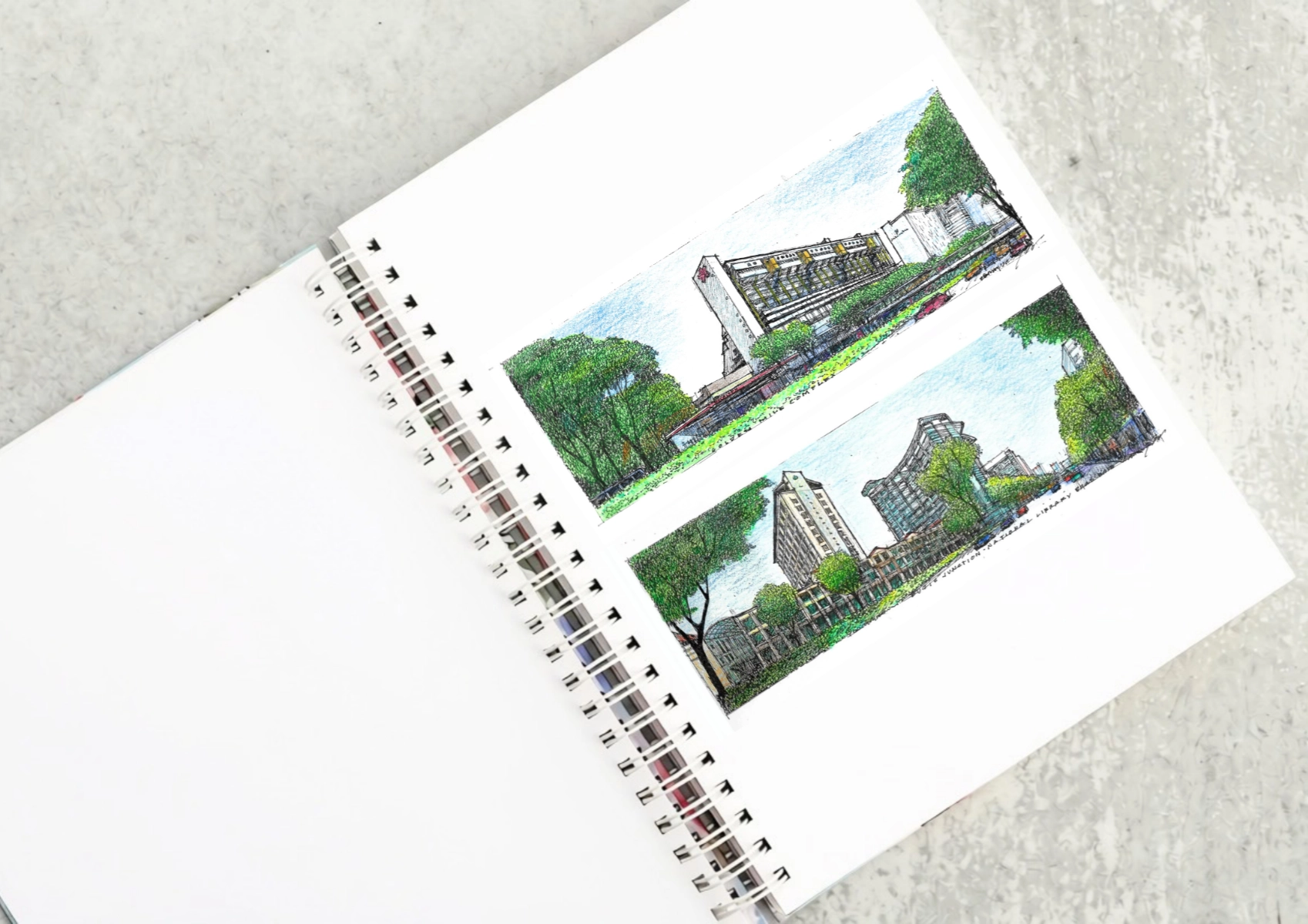
Two sketches of Singapore connect BluPrint Editor in Chief Paulo G. Alcazaren’s personal and professional history with Shared Ground: ArchitectureArchitectureThe art and science of designing and constructing buildings, structures, and spaces that are functional, safe, and aesthetically pleasing. It encompasses the planning, design, materials, and techniques used to createGo to Architecture Glossary of Care, Culture, […]
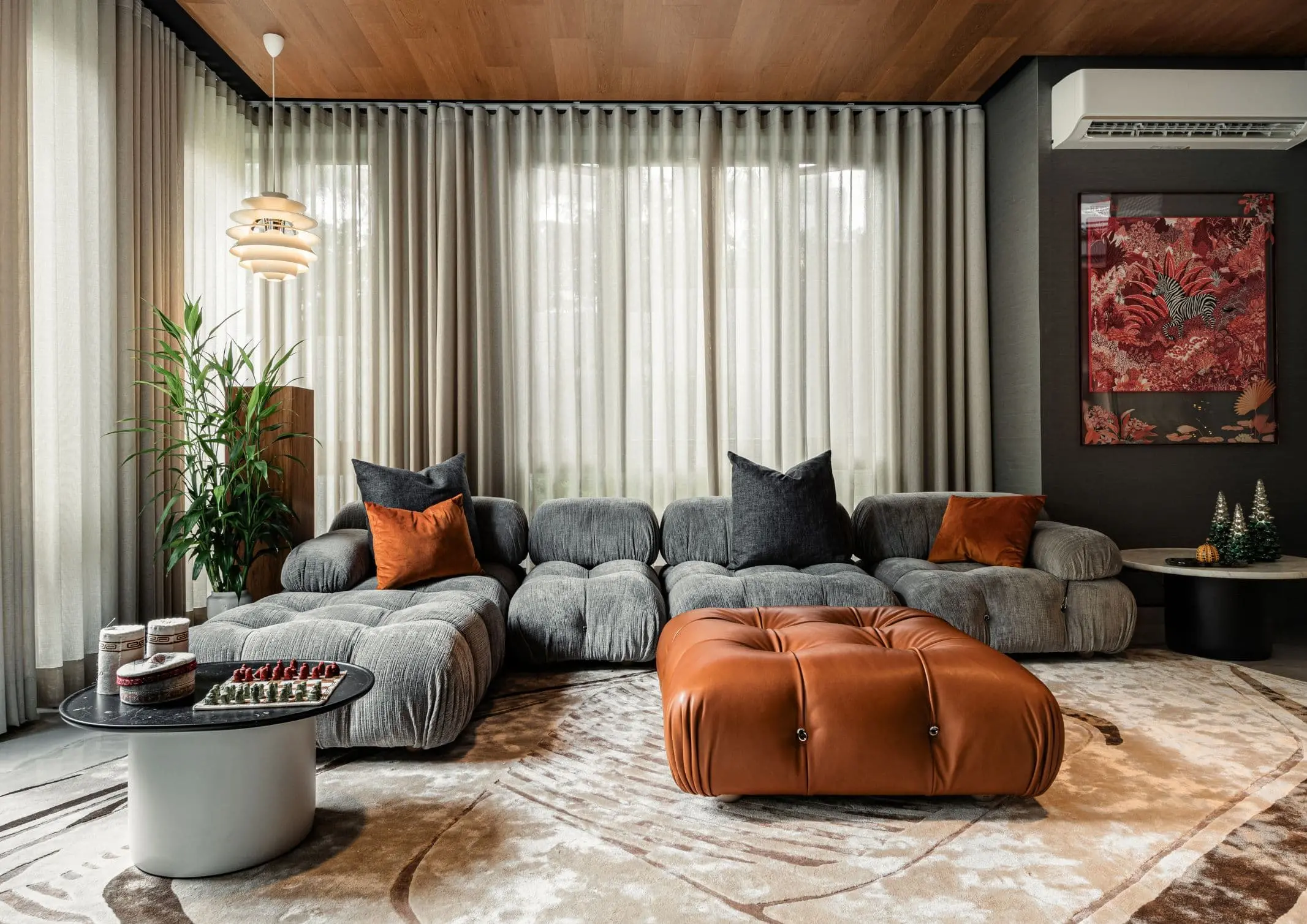
Some have become household names – Coleman, Oster, and KitchenAid – products that have found their way into Filipino kitchens, homes and family routines. In home furnishings, brands such as B&B Italia, Ethan Allen, Sub-Zero, Miele, SieMatic, Louis Poulsen, Hunter Douglas, Tempur, and Technogym, have helped shape the way Filipinos live. From everyday essentials to […]
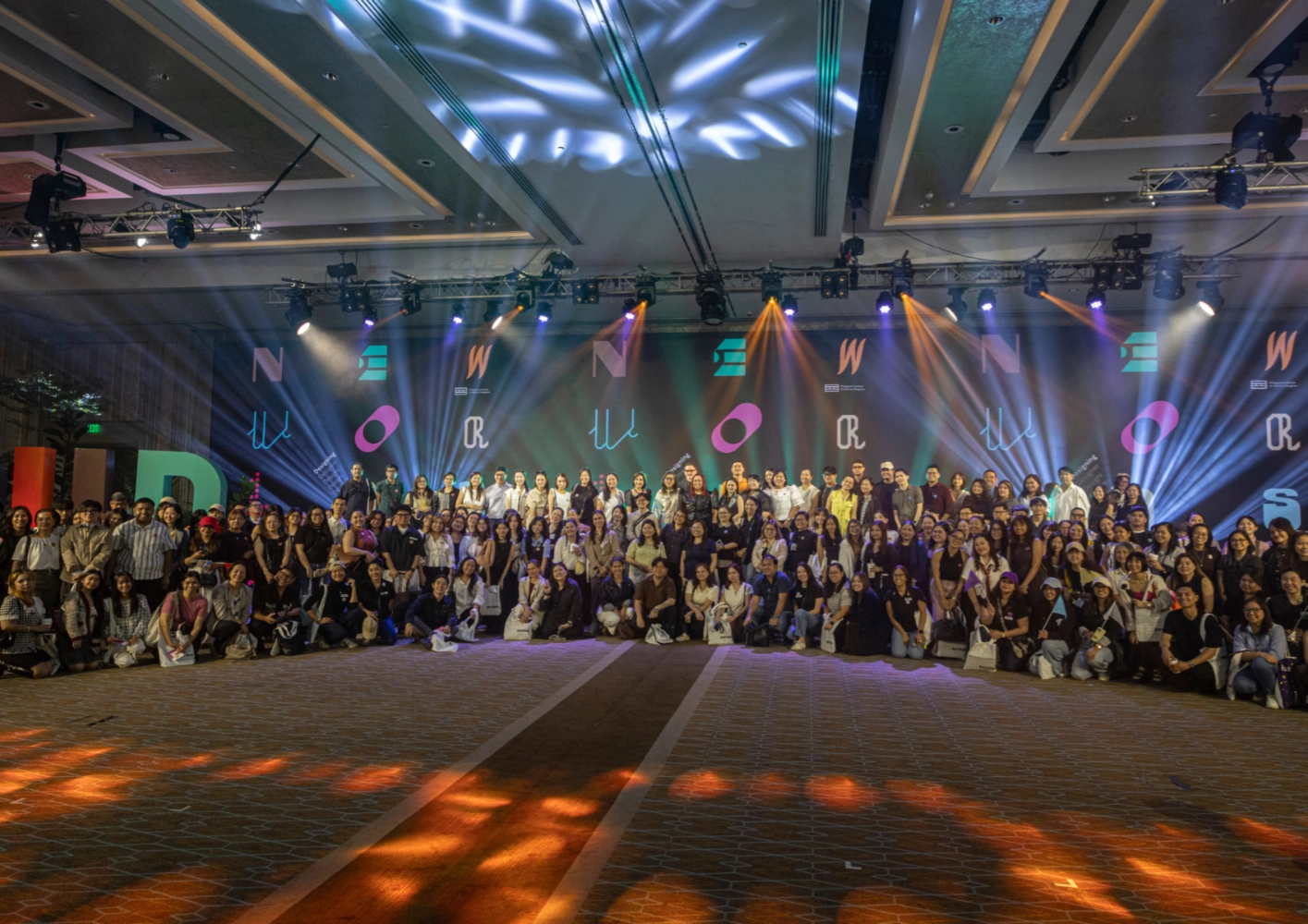
In a way, designers are the modern-day soothsayers and prophets. They design for the future, predicting how a room, a house, a building or a whole city will be used by people. They foresee how users will interact with a space, conjure exact shades of colors to elicit specific behavior and arrange furniture to build […]
Read the issues.

Collect the volumes.

Recommended Video
Tap to Unmute
Unmute
0:00
0:00