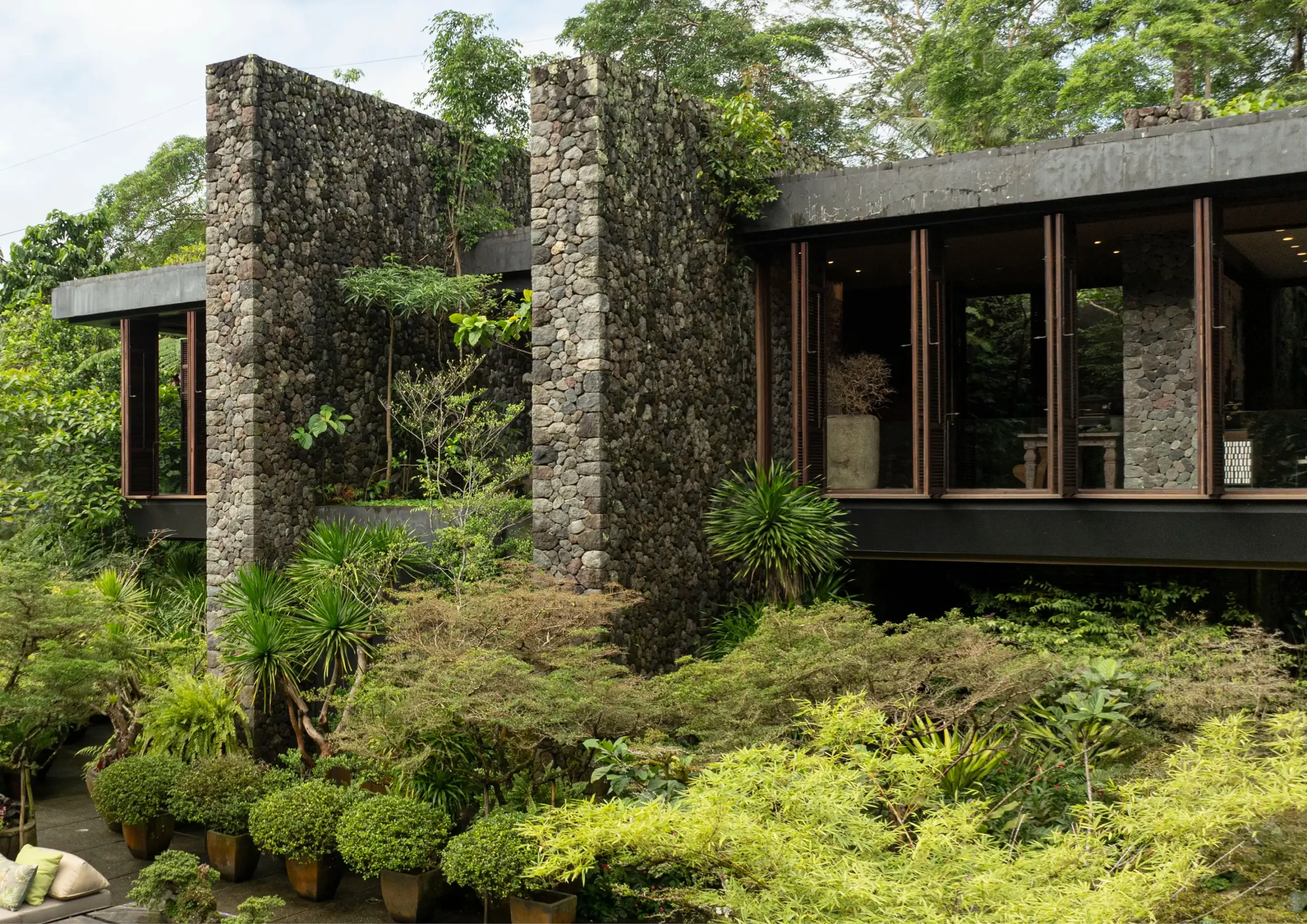
Located near the equator, factors such as heat and humidity are the norm in the Philippines. This tropical climate has shaped the development of architecture in the country. As Leandro V. Locsin stated: “The first consideration of the Filipino builder and certainly the most evident in his architecture, which is after all an outgrowth of […]
Check Out These 9 Unique Vietnamese Homes



Vietnamese homes are experiencing a renaissance. Blending modern design principles with traditional aesthetics, these unique residences are both functional and culturally resonant. From the Binh Thanh House’s multi-generational layout to the SkyGarden House’s nature-centric design, and the Tropical Suburb House’s fusion of modern and traditional styles, these homes exemplify innovative approaches to sustainability, spatial dynamics, and cultural integration. Each project showcases the unique solutions architects employ to harmonize contemporary living with Vietnam’s rich architectural heritage.
Binh Thanh House: A Modern Home Design with Traditional Spaces
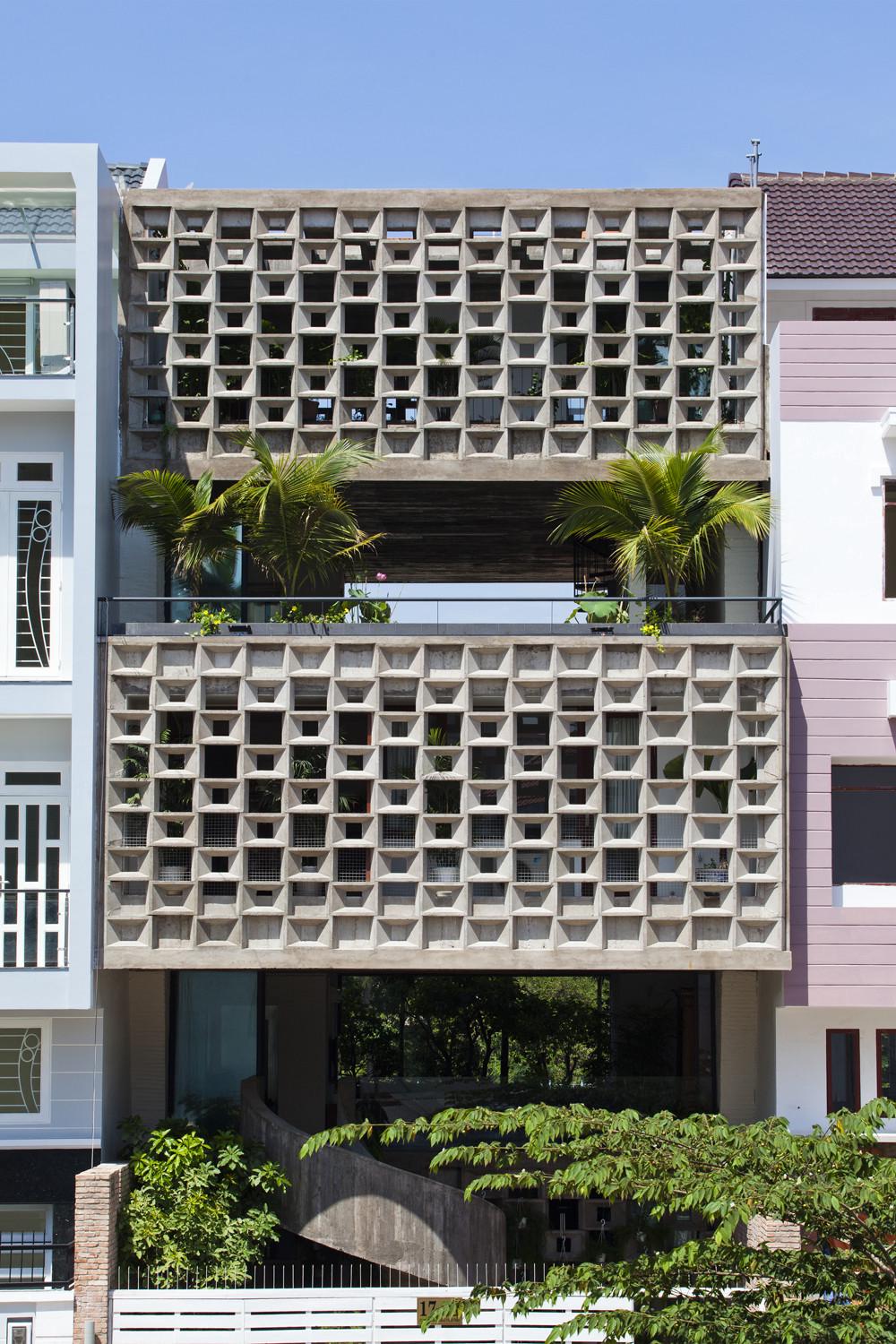
The Binh Thanh House, designed by NISHIZAWAARCHITECTS, is a modern duplex with a traditional Vietnamese twist, created for an older couple and their son’s family. This multi-generational home balances old and new by offering distinct spaces. Enclosed air-conditioned areas are for modern comforts and open, while breeze-filled volumes cater to a traditional lifestyle. The house’s three main volumes contain private spaces, with shared living areas in the interstitial spaces. Offset masses create pockets of green, allowing light and lush courtyards, gardens, and light wells to permeate the structure.
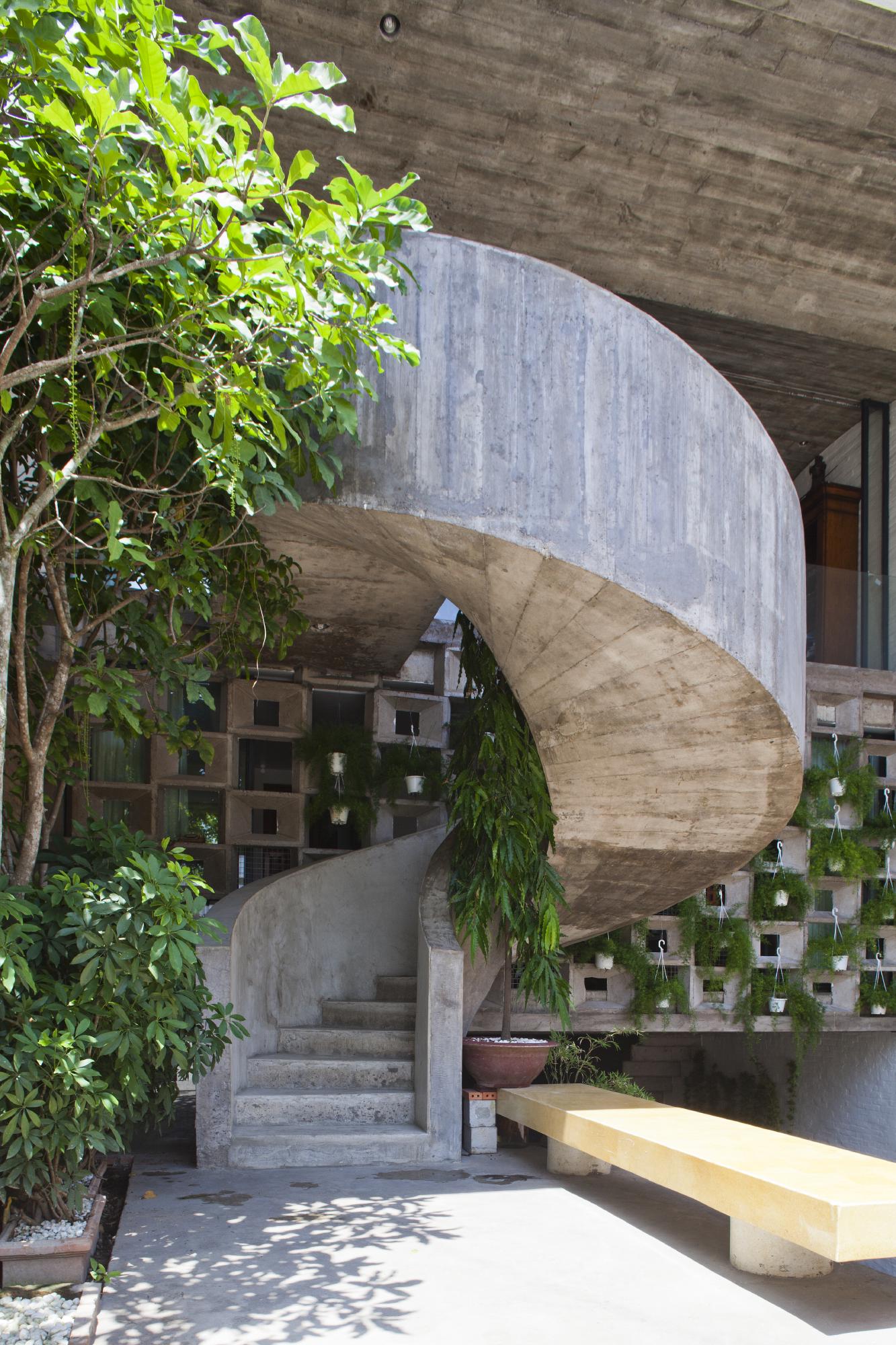
The facade features a grid of precast concrete breeze blocks that filter light, provide privacy, and add texture. Glazed sections enhance the floating effect of the volumes, while overhangs and canopies offer shade. A winding staircase connects the shared areas.
Advertisement
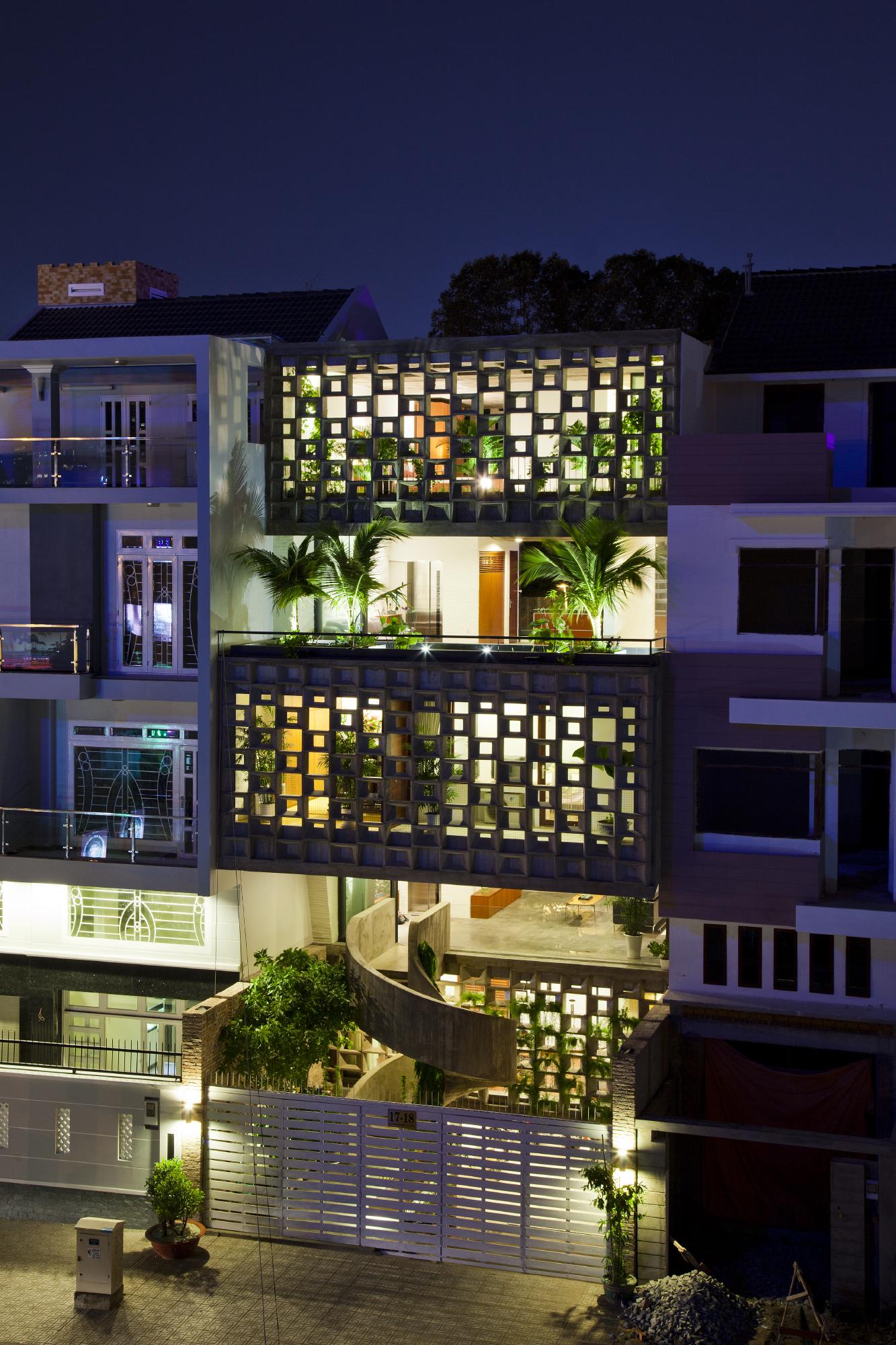
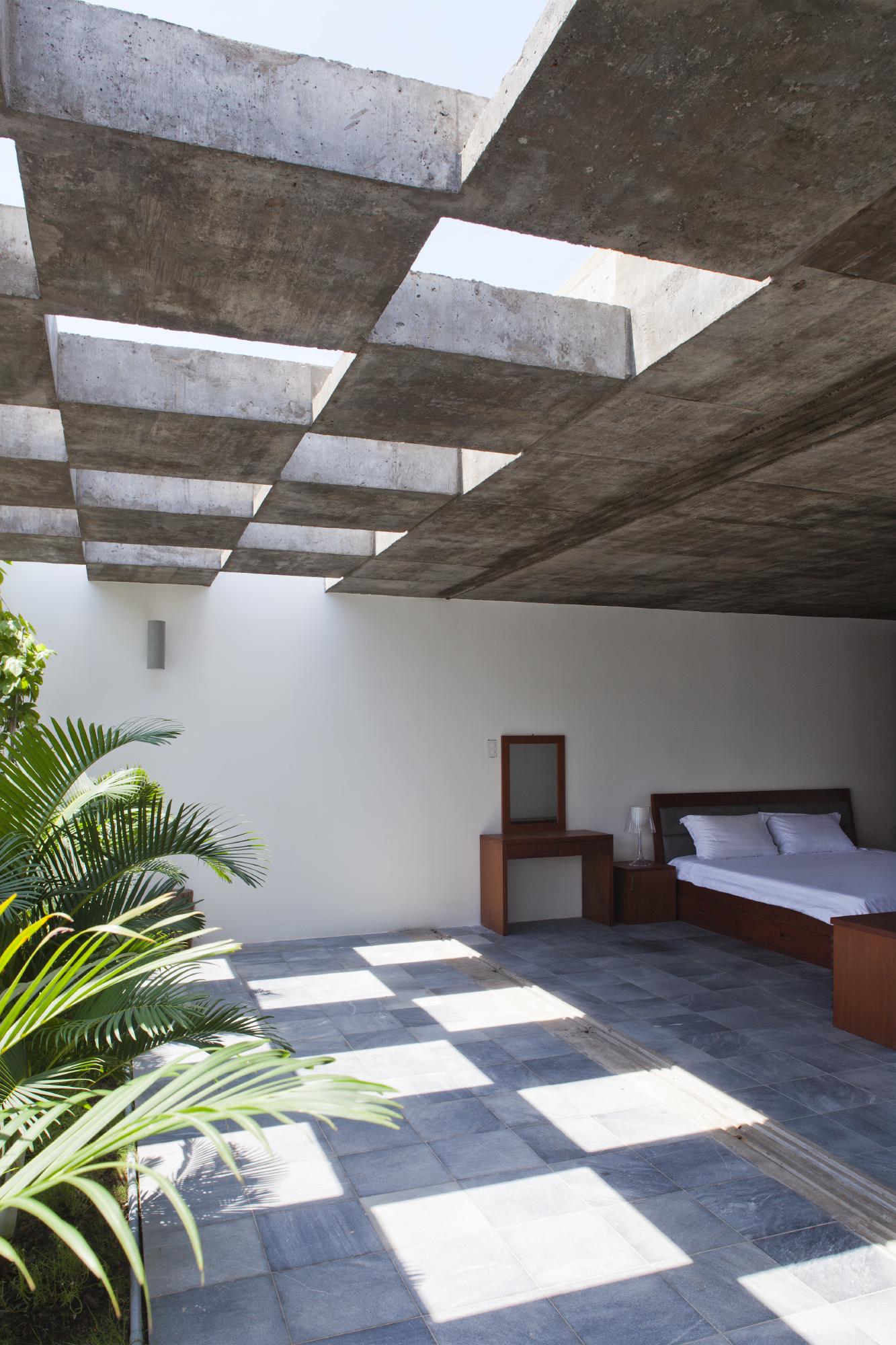
Another key point is how sustainability is integrated through passive design strategies, natural ventilation, lighting, and shading, reducing energy consumption. Solar panels and a rainwater harvesting system support eco-friendly living. Correspondingly, the lush greenery helps cool the environment and clean the air.
In summary, this Vietnamese home blends cultural roots with modern, sustainable features, making it a compelling structure that employs vernacular design principles in an urban context.
Photo courtesy of NISHIZAWAARCHITECTS.
SkyGarden House: A Nature-Lover’s Home in the City
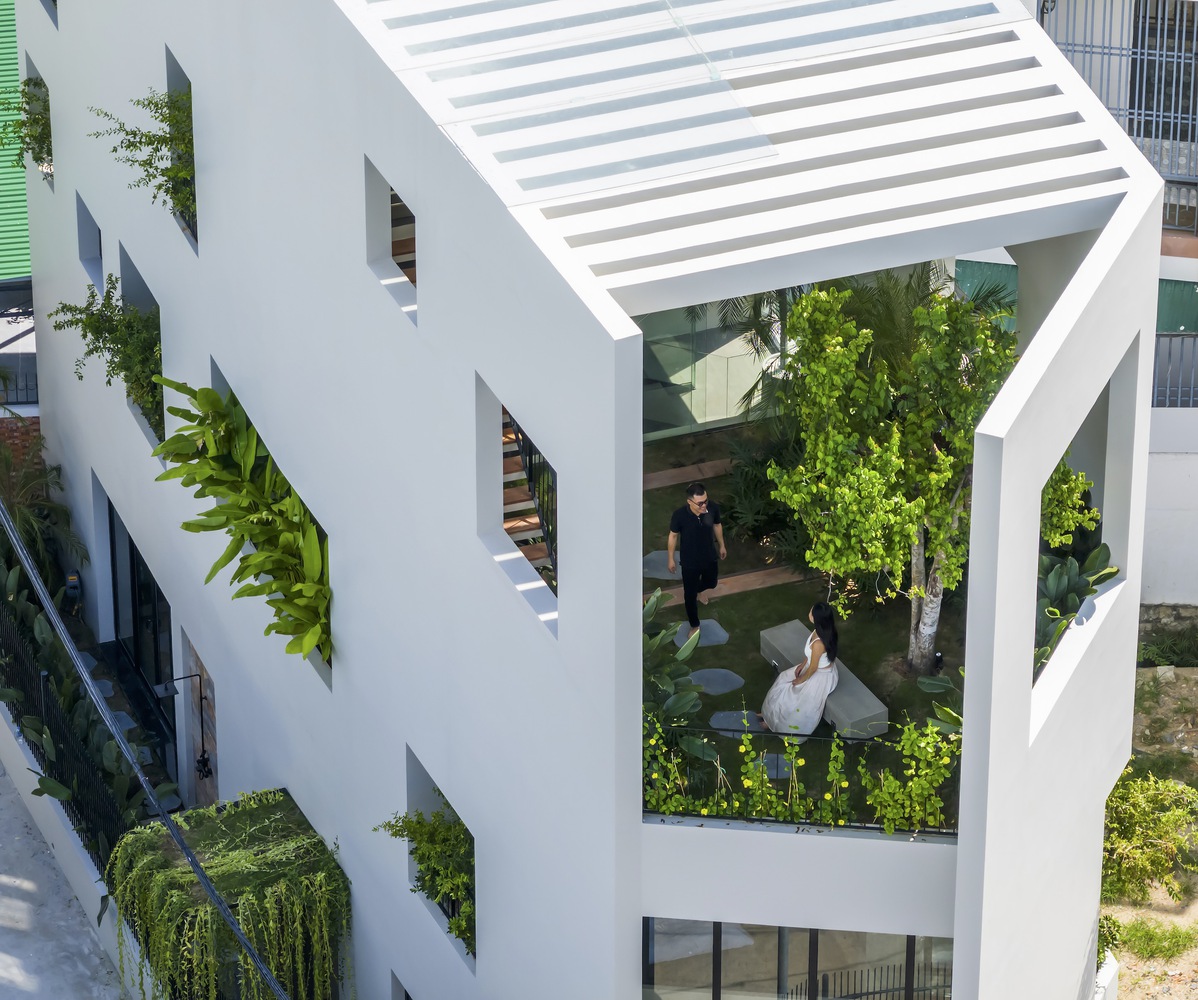
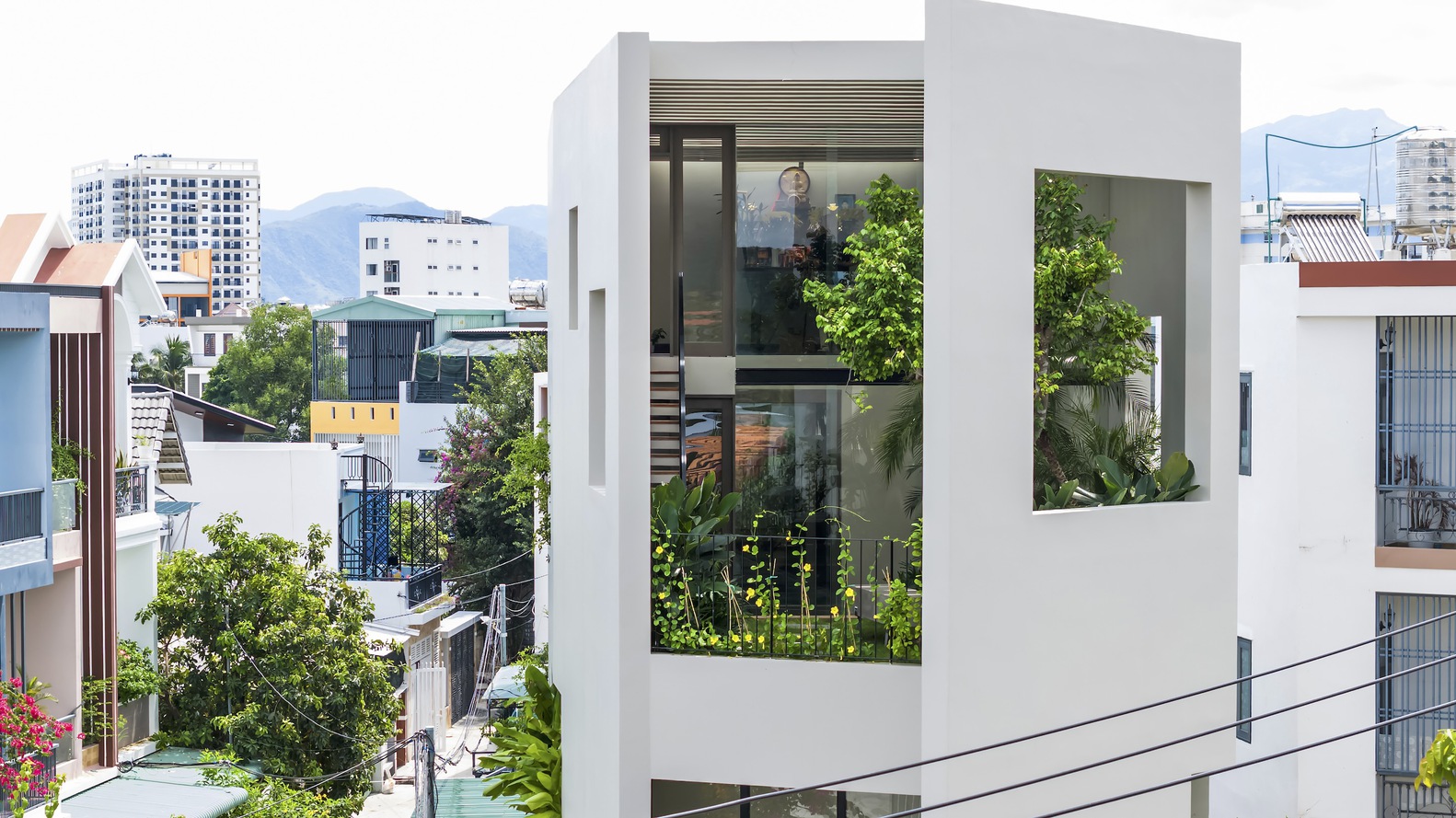
The SkyGarden House, designed by Pham Huu Son Architects, combines minimalist and biophilic design to create a nature-centric home in urban Nha Trang, Vietnam. Despite the challenges of a 100-square-meter irregularly shaped site, the architects used a geometric trapezoid footprint, minimal ornamentation, and surface plans to create visual interest. The building features a gap in the facade exposing a pool, living room, and rooftop garden, enhancing its modernist aesthetic.
Advertisement
Elevated ground floors and metal fencing provide privacy and security while maintaining visual openness. The flat roof accommodates four levels, harmonizing with nearby structures and maximizing floor space. The third-floor garden, with abundant greenery, stone paths, and strategic openings, offers a tranquil, naturally ventilated, and lit space for contemplation. The extensive use of glazing and glass throughout the house ensures visibility of greenery. Furthermore, double-height ceilings and a minimalist palette create a spacious, serene environment.
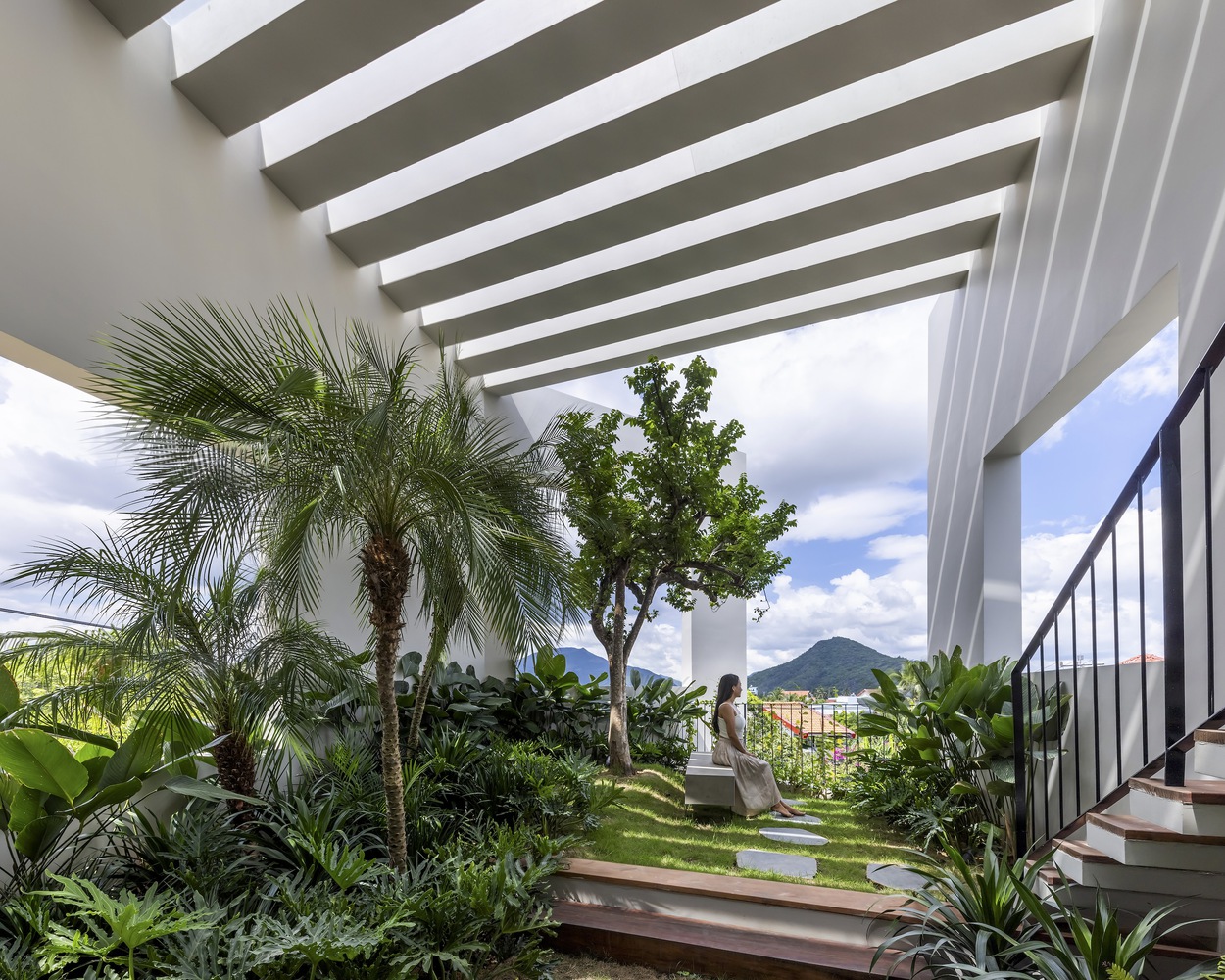
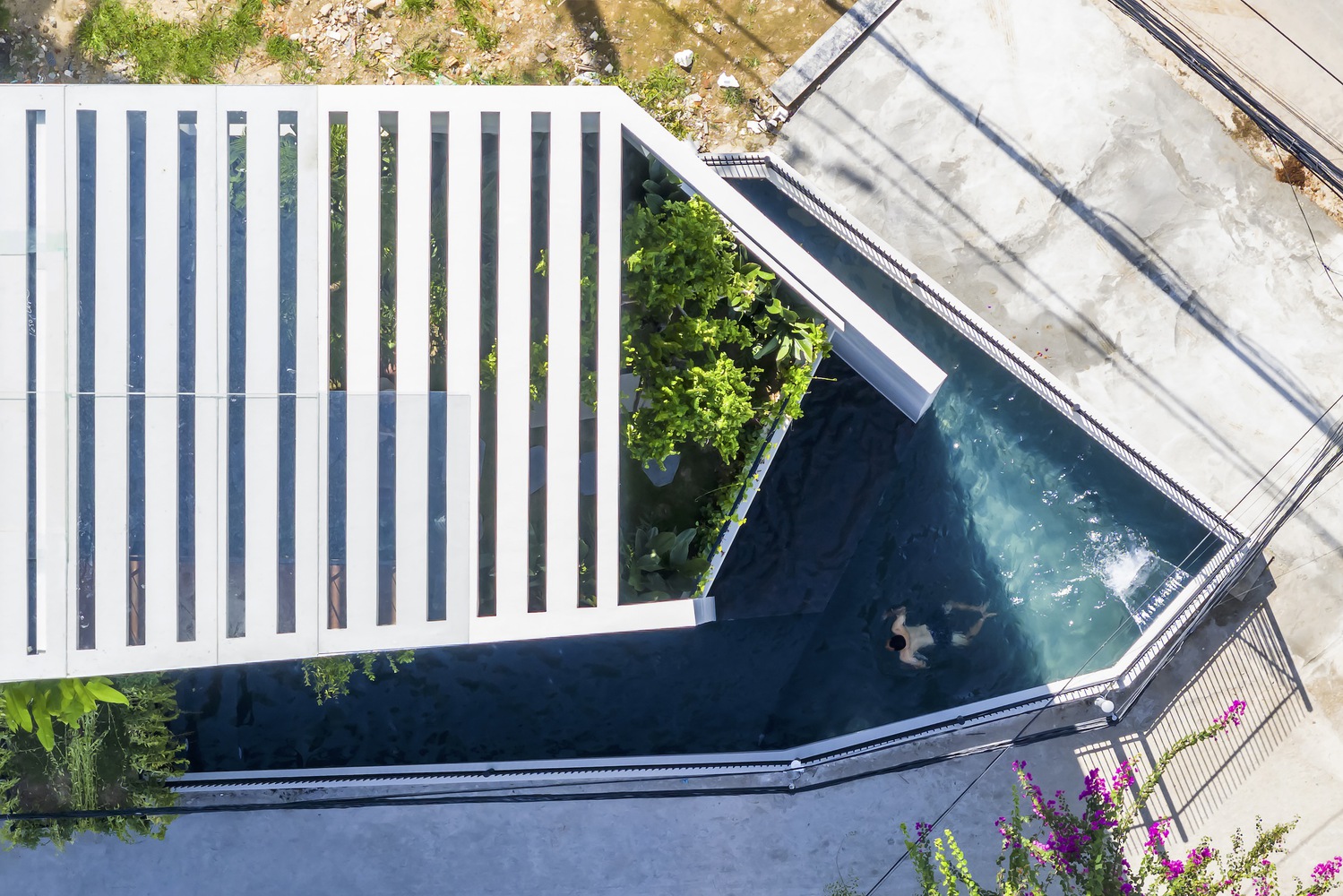
The Vietnamese home includes shared spaces on the ground floor. Bedrooms on the second and third floors, and a luxurious primary suite on the top level, are all connected by a central staircase. The SkyGarden House exemplifies how modernist design, biophilic elements, and passive features can create a spacious, nature-connected living space within an urban setting. Subsequently, all these elements provide ease and tranquility for its inhabitants.
Photos by Hiroyuki Oki.
Tropical Townhouse: A Vietnamese Home with a Mediterranean Twist
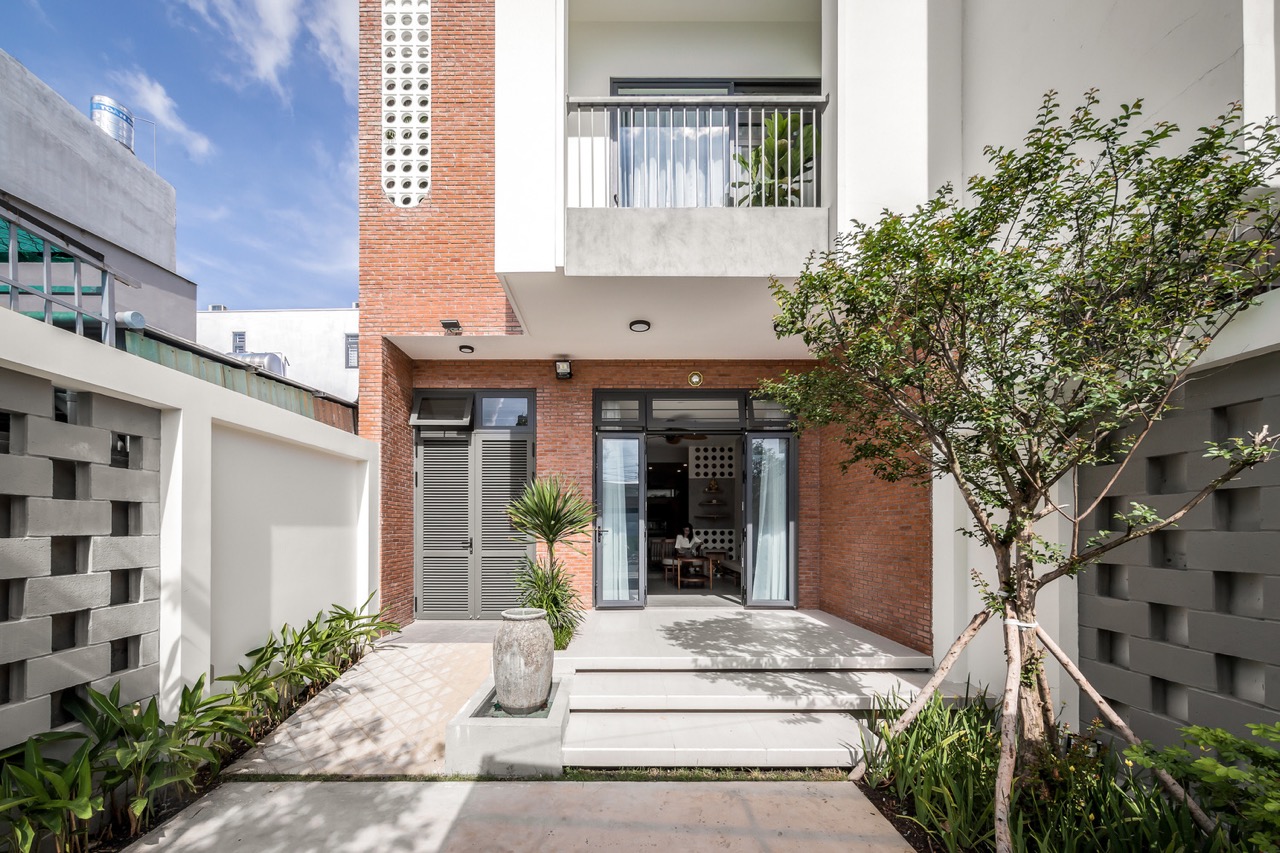
Dat Thu Design & Construction’s Tropical Townhouse blends Mediterranean and tropical architecture to create a vibrant, three-story residence. Its bright and playful atmosphere is achieved through varied palettes, forms, and materials. A prominent arch dominates the facade, with white stucco and brick exteriors, and breezeblocks adding texture.
Advertisement
Inside, curvilinear motifs inspired by Mediterranean styles are prominent, with arches creating dynamic spaces. The design balances contemporary and organic elements, using natural light and an open layout to create a spacious feel. Outdoor features are seamlessly integrated indoors.
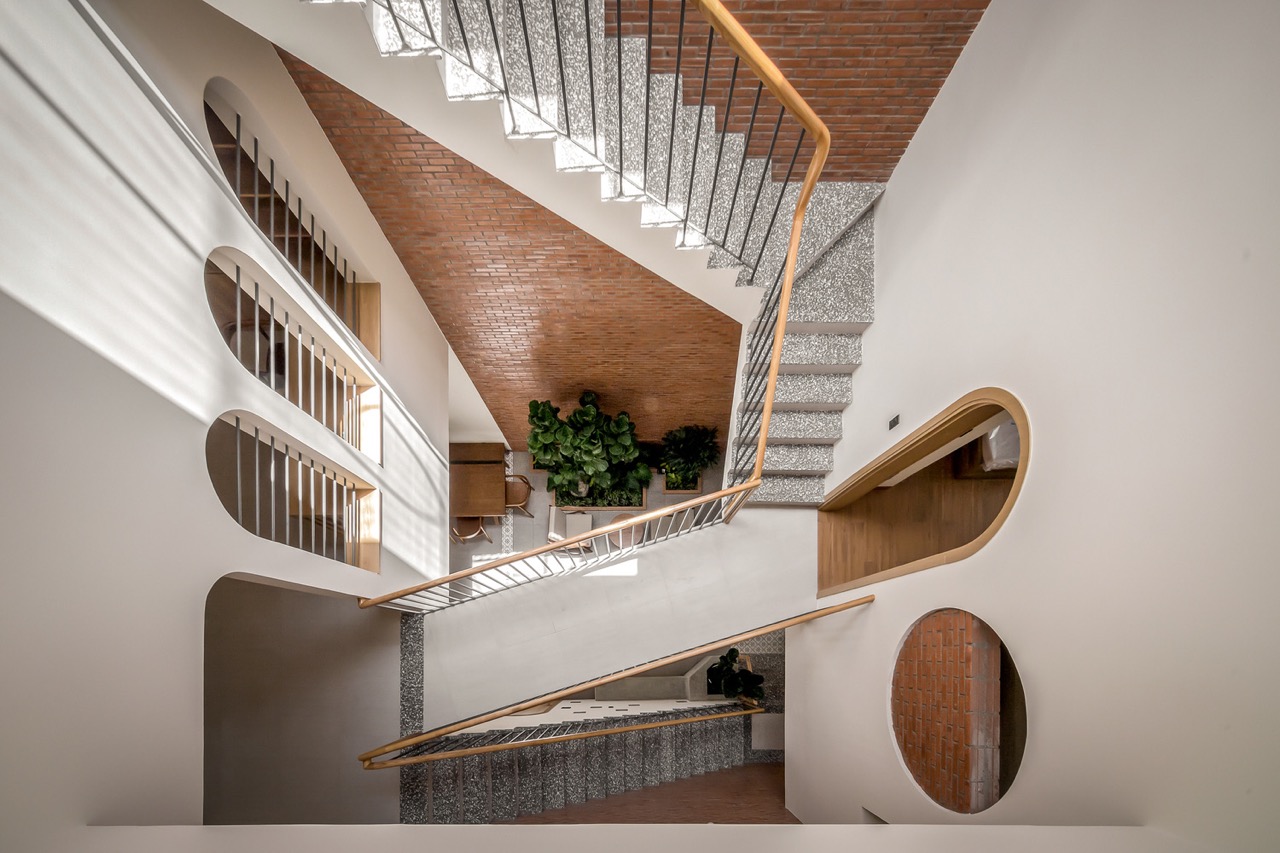
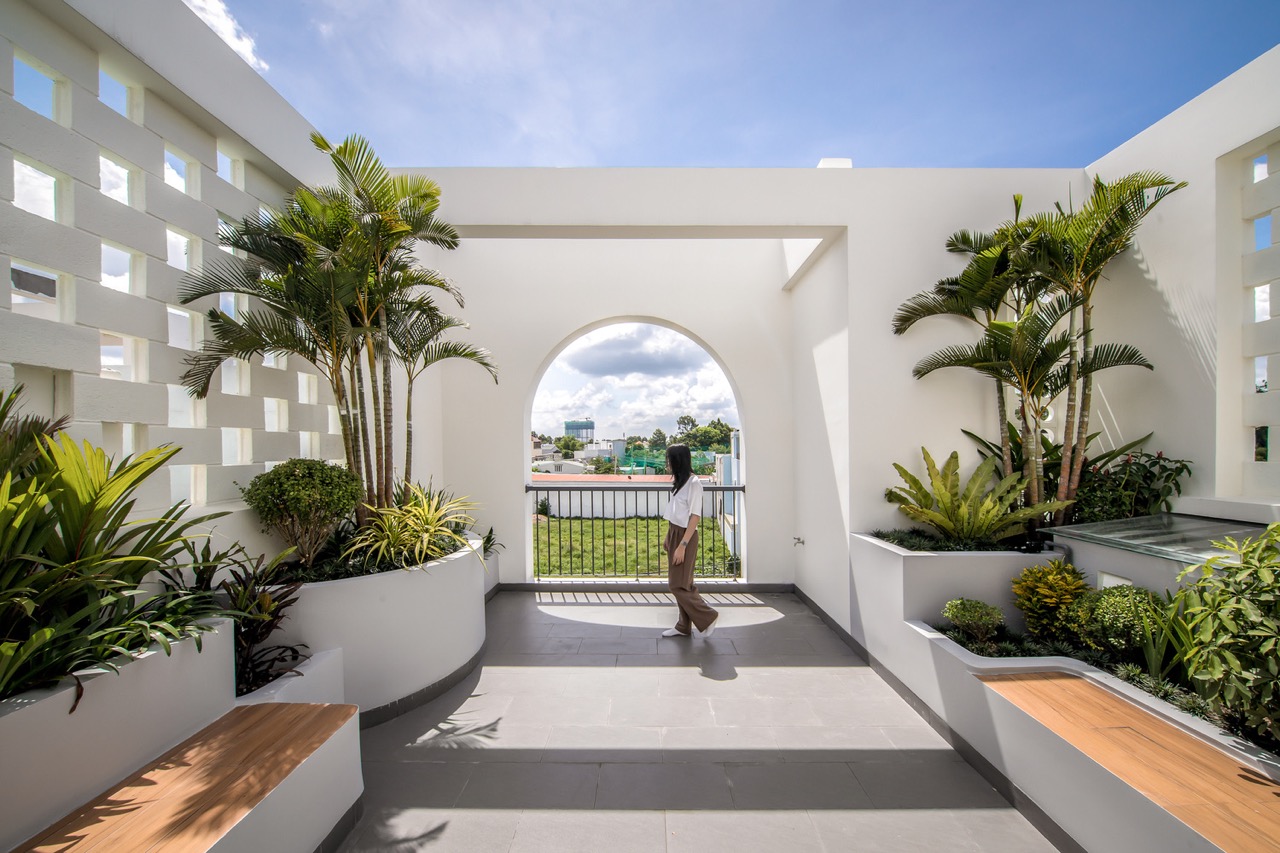
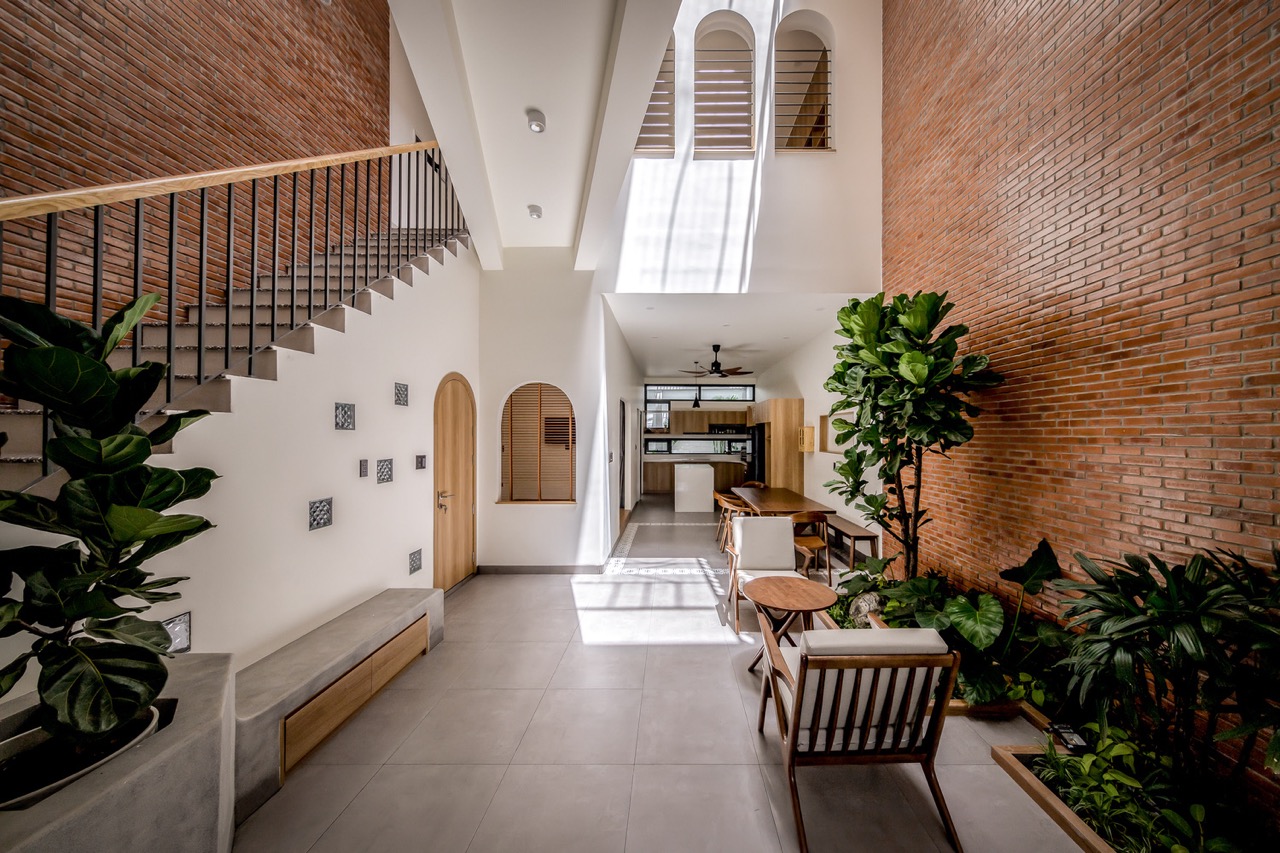
The welcoming entrance features wide steps and textured walls. Inside, social spaces flow together under a skylight, fostering togetherness. The atrium lets sunlight in, and stairs connect different levels playfully.
Tropical Townhouse employs passive strategies for natural ventilation and lighting. The design features local materials for eco-friendliness, and incorporates greenery to manage humidity and stormwater. This Vietnamese home effectively combines Mediterranean aesthetics with Vietnam’s tropical climate, emphasizing sustainability and resident comfort.
Advertisement
Photos by Minq Bui.
Fabric House: Making Passive Cooling Work in the City
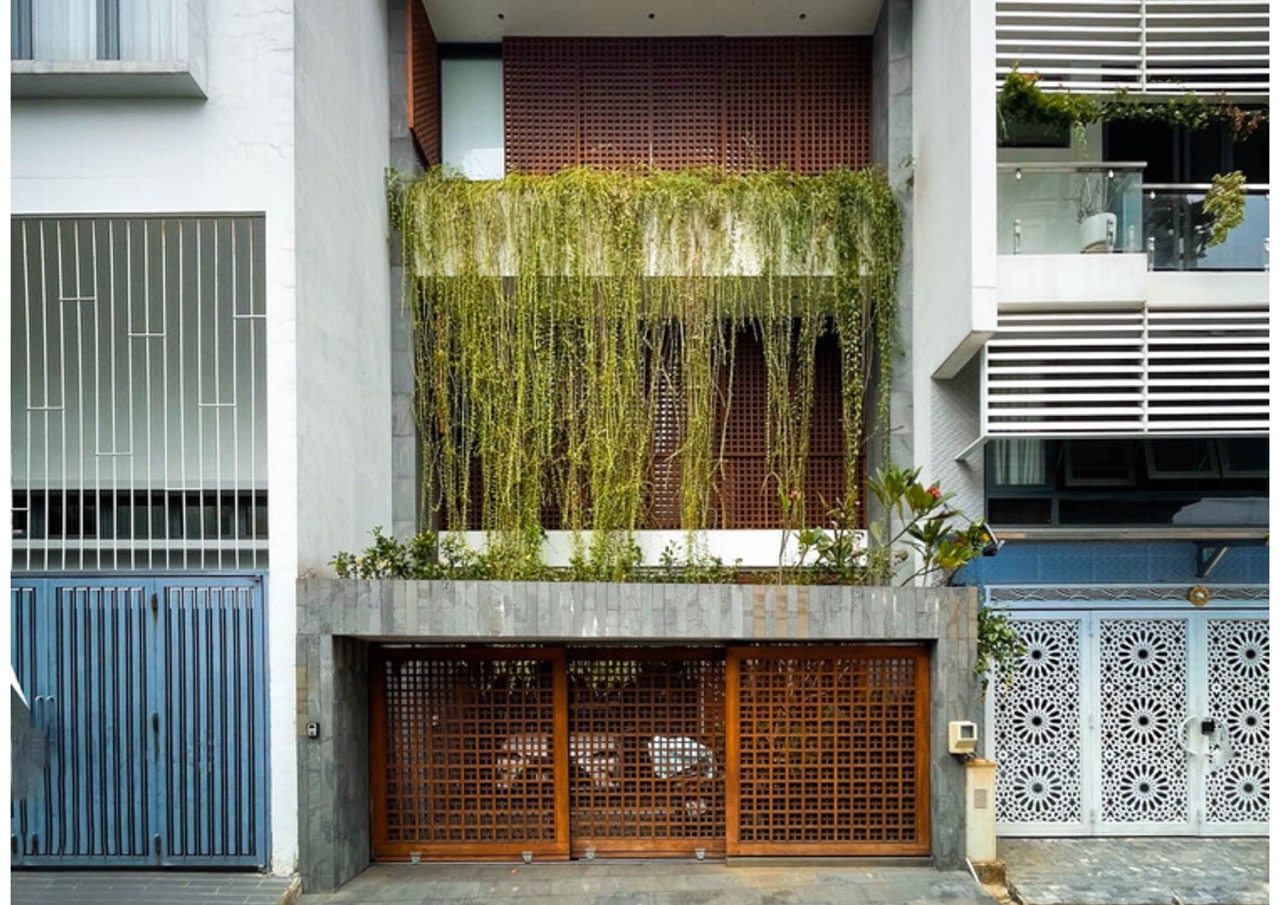
The Fabric House, designed by Lam Nin Architects + 90odesign, offers a unique architectural response to the urban fabric of Ho Chi Minh City, Vietnam. This residential project blends contemporary aesthetics with natural functionality, using passive features to provide thermal comfort.
The project addresses multiple heat sources, including a west-facing orientation, urban conditions, and a tropical climate, through a unique facade. The facade, composed of diverse greenery and wooden lattice screens, acts as a heat-mitigating shield. The greenery and wood work together to filter sunlight and wind while ensuring privacy, enhancing the building’s aesthetic and thermal regulation.
Advertisement
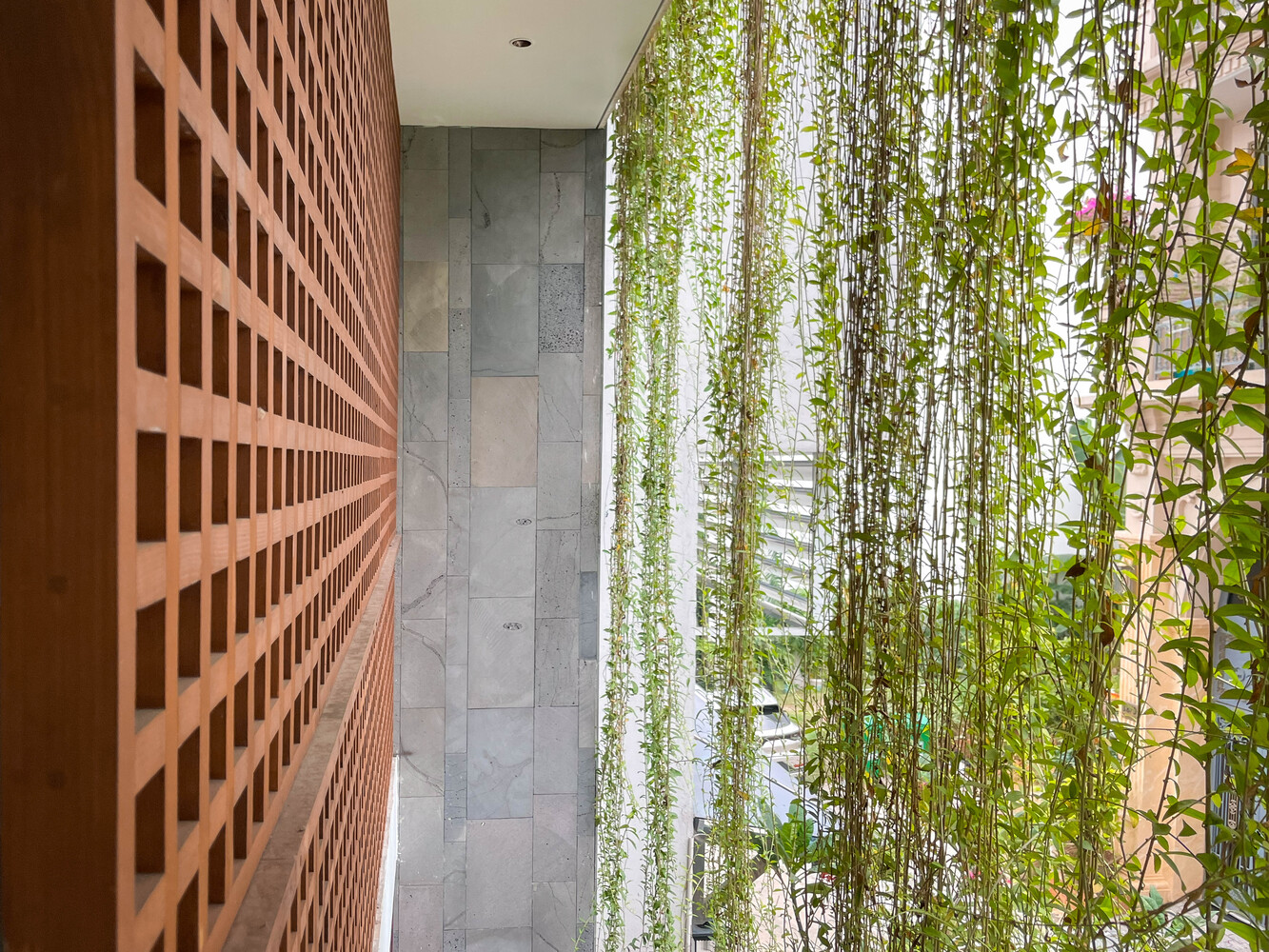
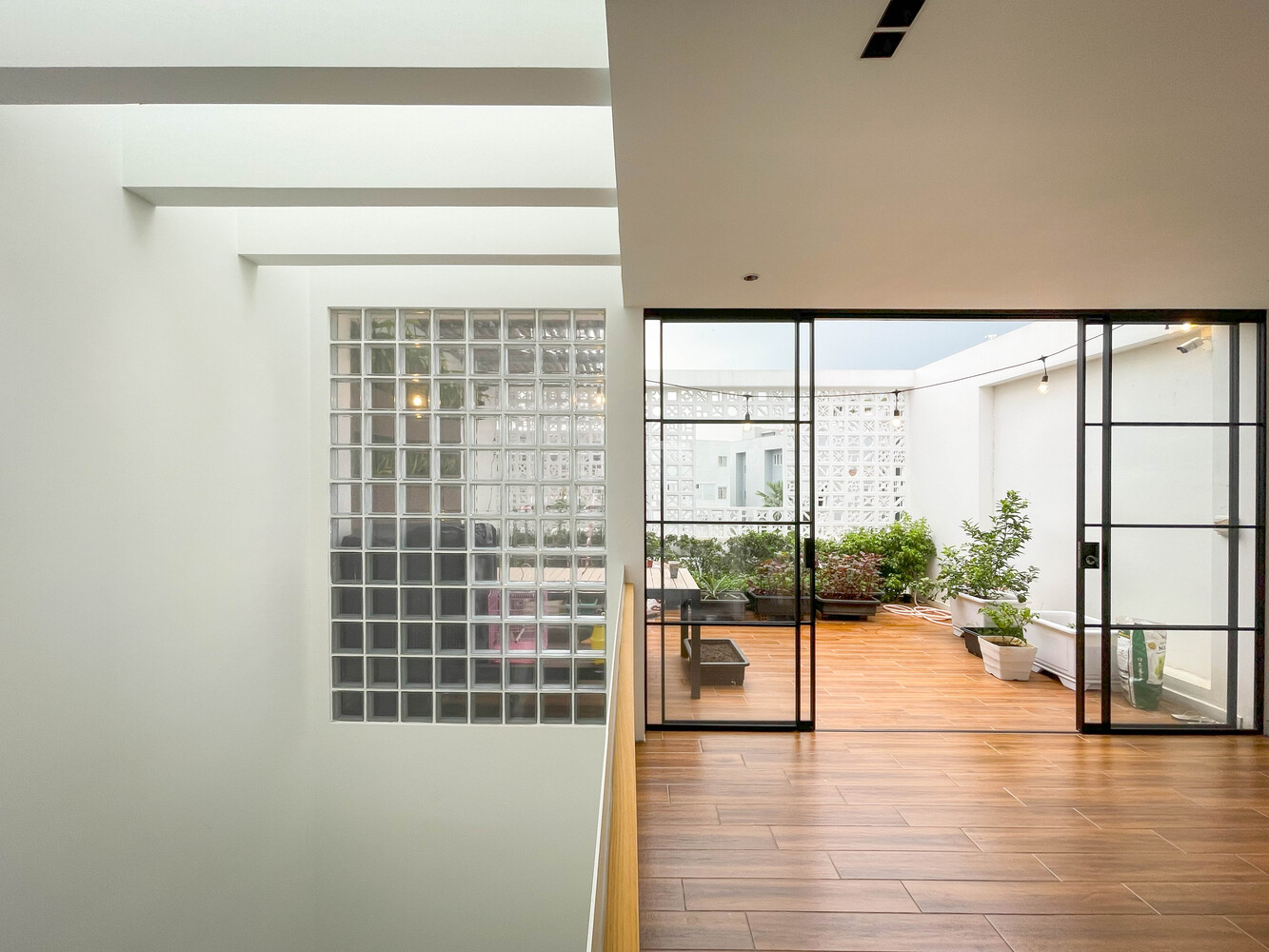
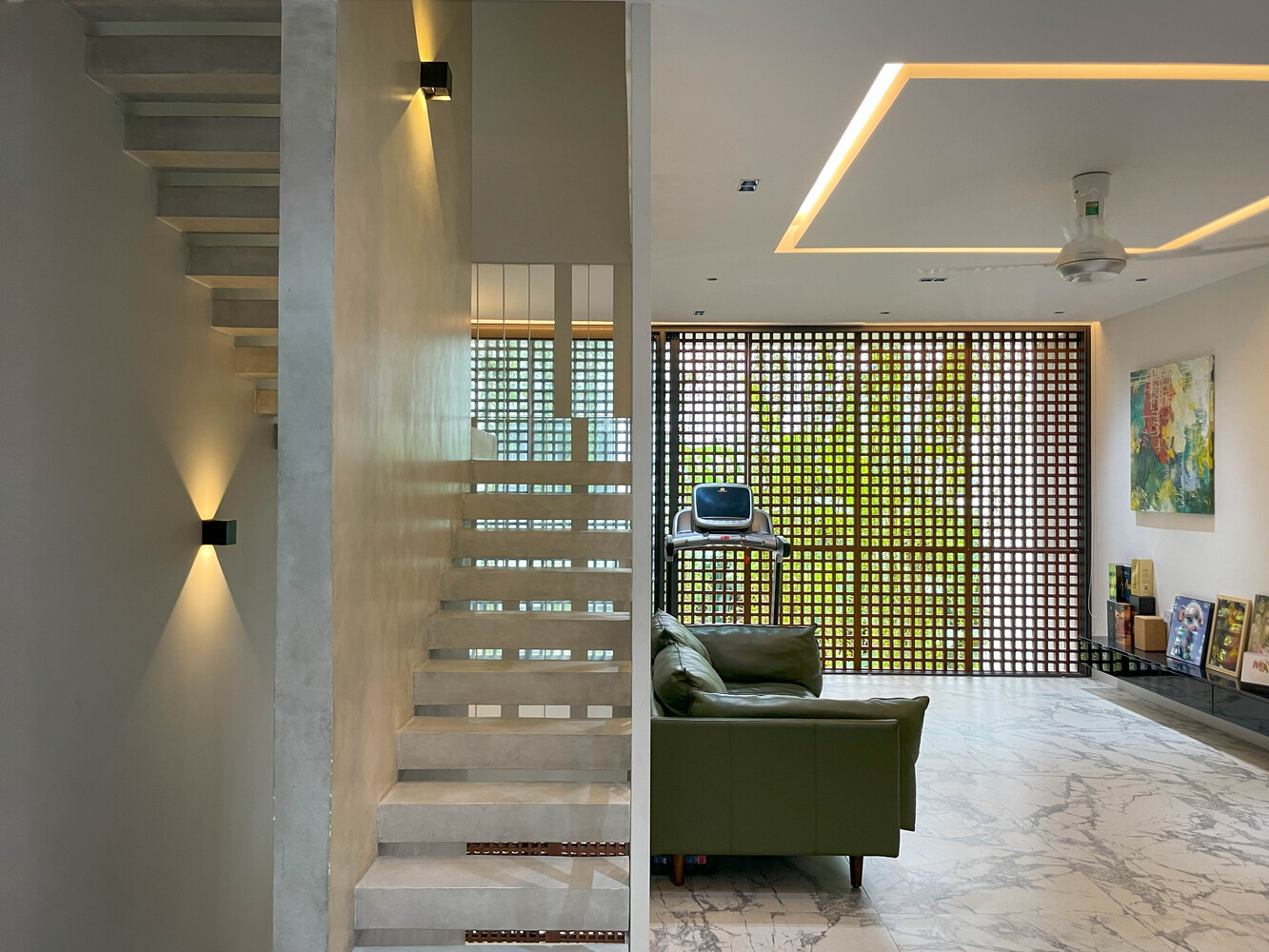
The design facilitates air circulation across all dimensions within the interiors. Openings between indoors and outdoors create a strategic ventilation system along both horizontal and vertical axes, enhancing cooling and user comfort. An open-air garden on the second floor strengthens the stack effect, allowing hot air to vent upwards. A central staircase and strategic layout promote cross-ventilation and natural lighting.
The Fabric House exemplifies how architecture can harmonize with its context through contemporary forms. Its responsive design features and natural elements address urban issues with environmentally-friendly solutions.
Photos by Dat Buom.
Quin Hill Camp: A Sustainable Immersive House in the Countryside
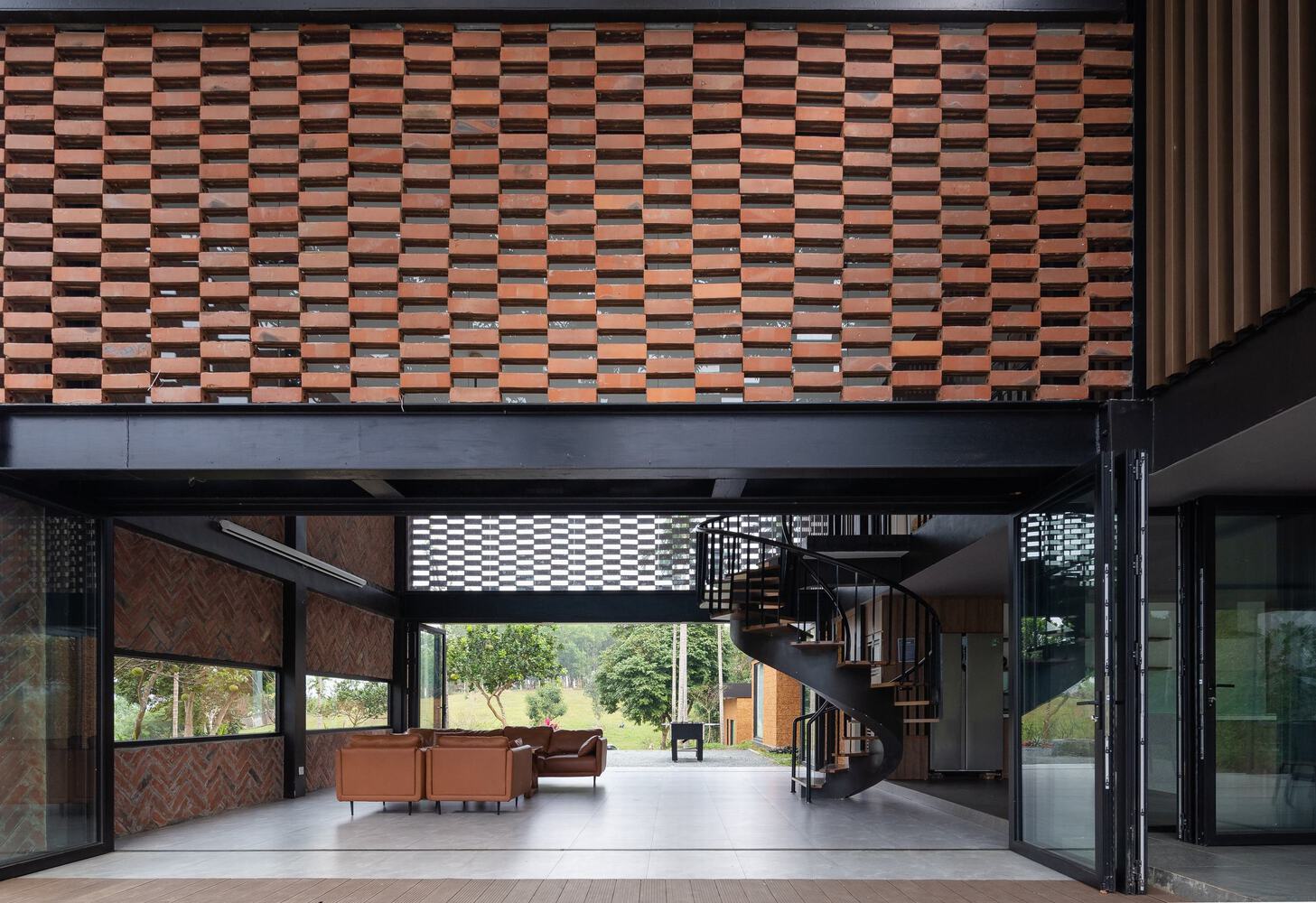
Designed by Idee Architects, Quin Hill Camp exemplifies self-renewal through the transformation of a dilapidated structure into a sustainable estate. Built in 2022 on a family farm, the project uses the old foundation to create a new residential block that harmonizes with its natural surroundings and promotes eco-friendly living.
Advertisement
The farmhouse, reflecting traditional and regional building practices, uses locally-sourced materials such as bricks and honeycomb stones. The design incorporates biophilic elements. Glass doorways in communal spaces allow for better views and airflow. And a curtain system of hanging bricks to reduce heat and glare. The home features an open-plan living room, modern kitchen, dining area, sculptural spiral staircase, outdoor pool, and courtyard.
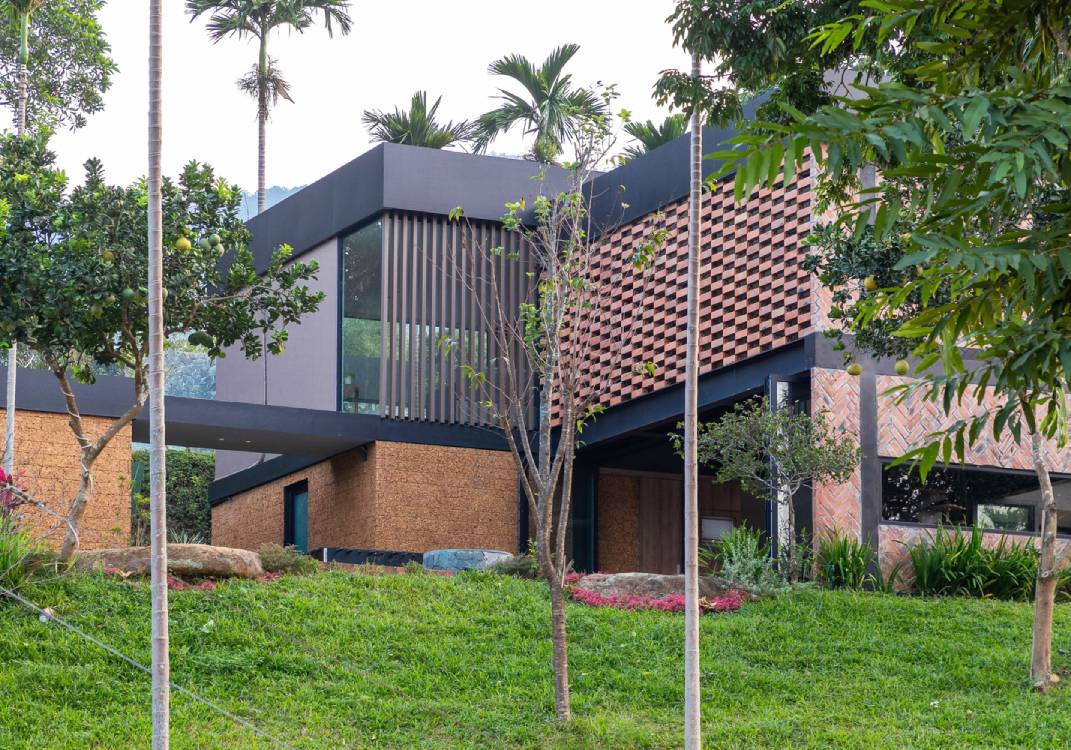
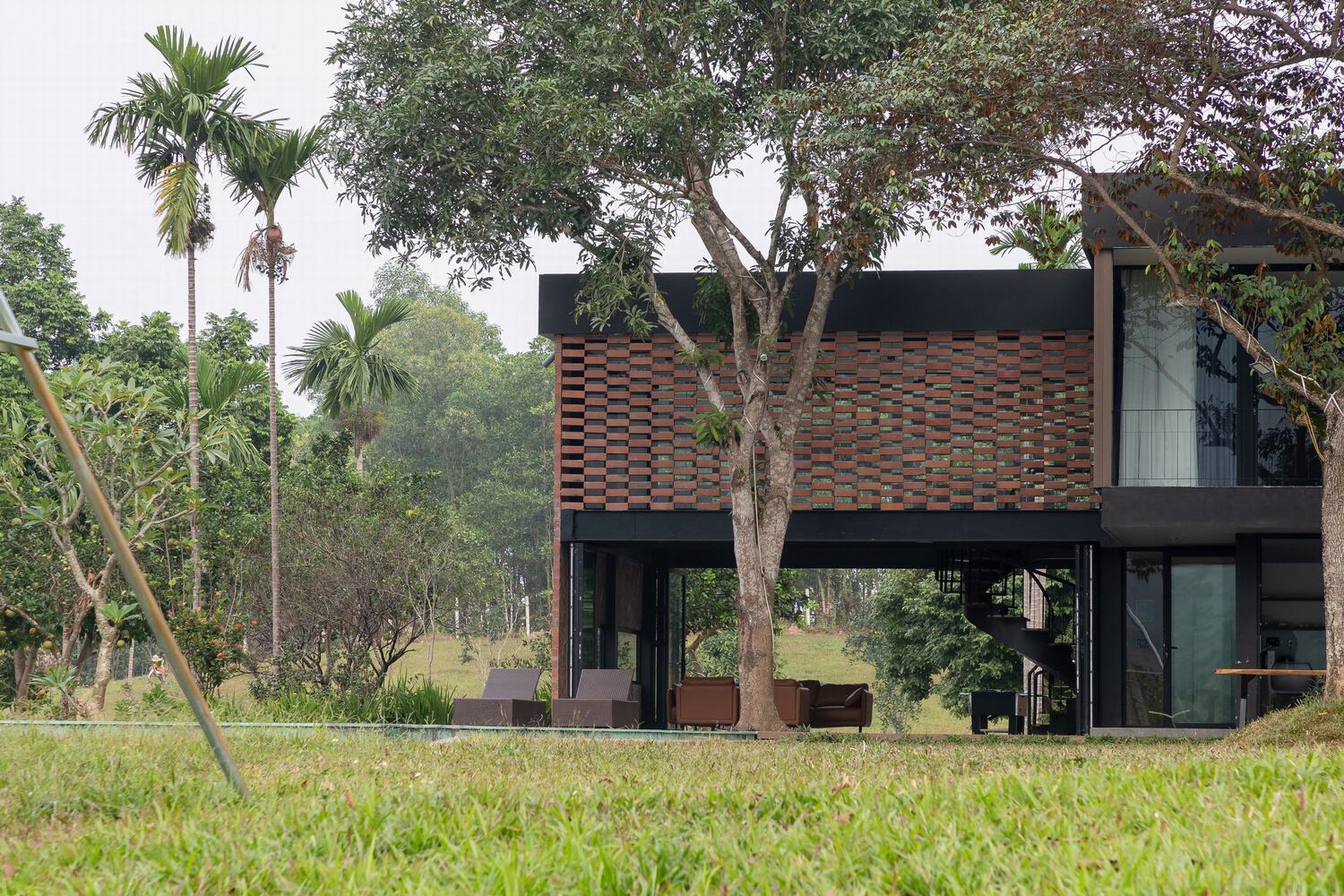
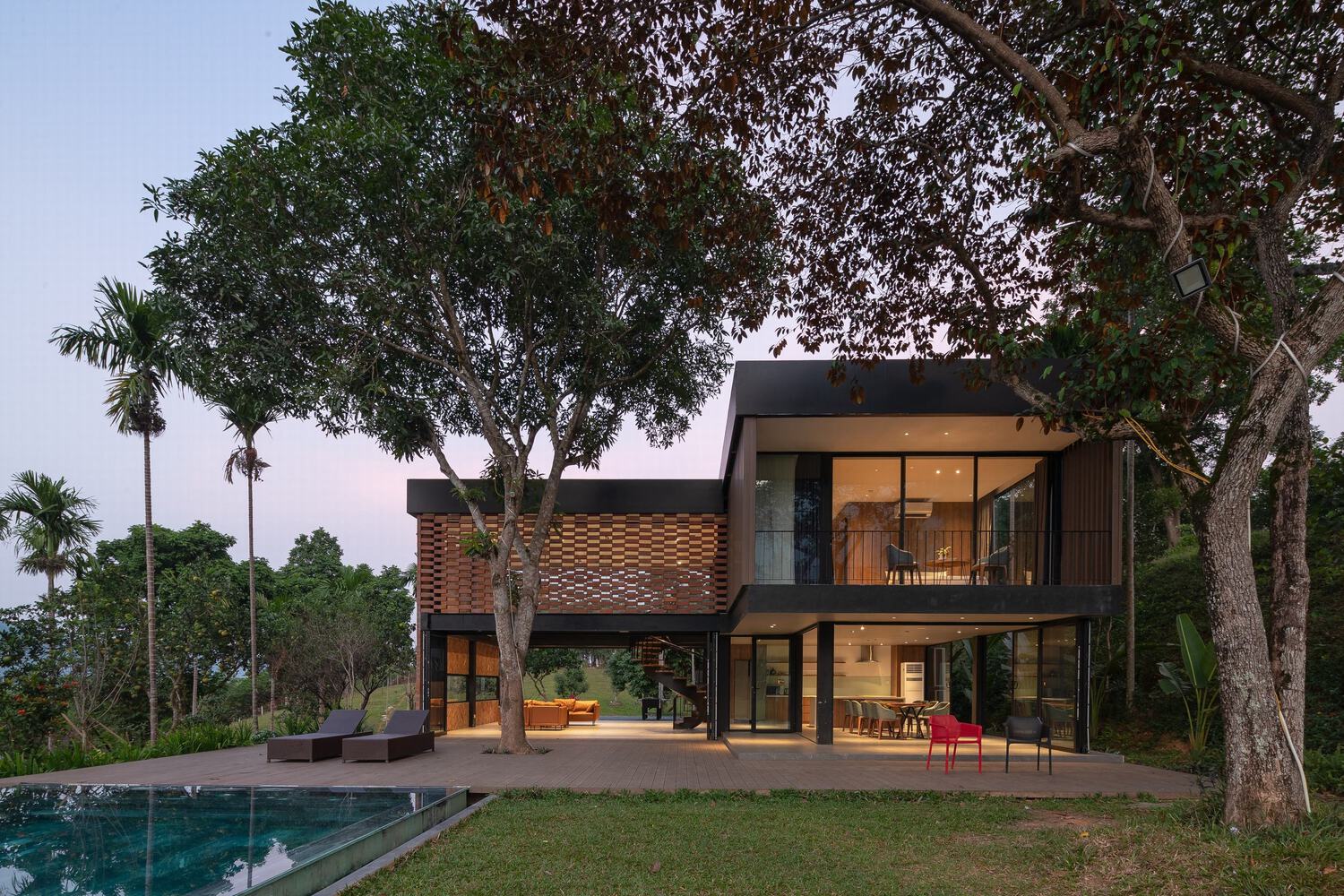
Accordingly, Quin Hill Camp is designed for sustainability, with self-sufficient elements like chicken coops, agricultural areas, and wooded sections for lumber. The Vietnamese home emphasizes strong, sustainable, and self-renewing homes that preserve natural beauty while ensuring residents contribute back to nature.
Nam Sua House: A Unique and Inviting Family Home
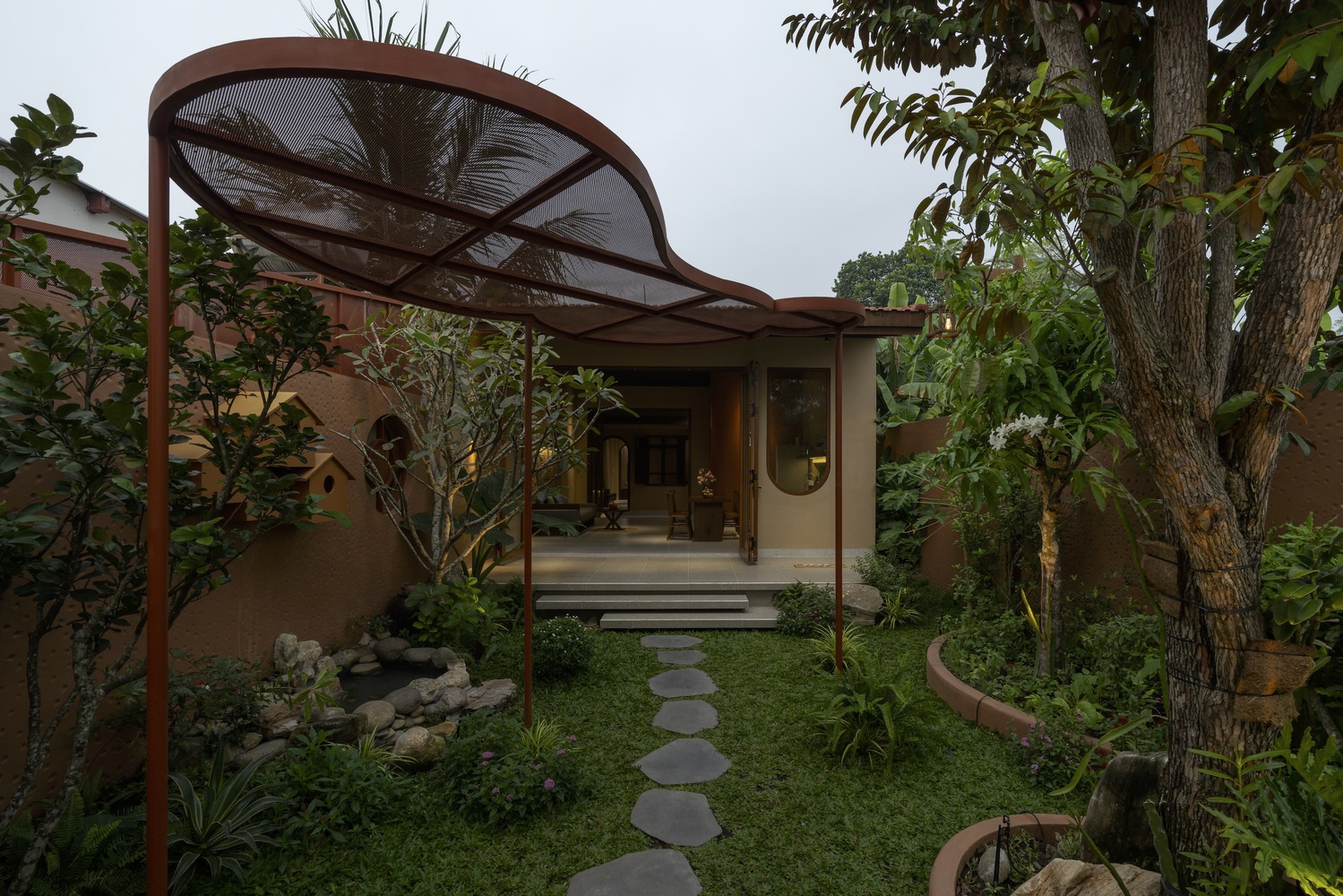
The Nam Sua House, designed by TTDESIGN, is a distinctive residence located on the outskirts of Saigon, Vietnam, known as the Mushroom Jellyfish House. The homeowners desired a garden space to encourage their children to engage with nature. The house features an undulating metal roof inspired by traditional designs, enhancing both aesthetics and sustainability by facilitating water drainage.
Advertisement
The layout of Nam Sua House transitions from public to private spaces. The first section includes an elongated outdoor area leading to a carport and garden with a seating area. The second section contains open-plan living spaces. This includes the kitchen, dining, and living rooms, with a brick accent wall and a porch. An indoor courtyard with a pocket garden separates the communal areas from the bedrooms, enhancing tranquility and privacy. Each bedroom has an en-suite bathroom with skylights.
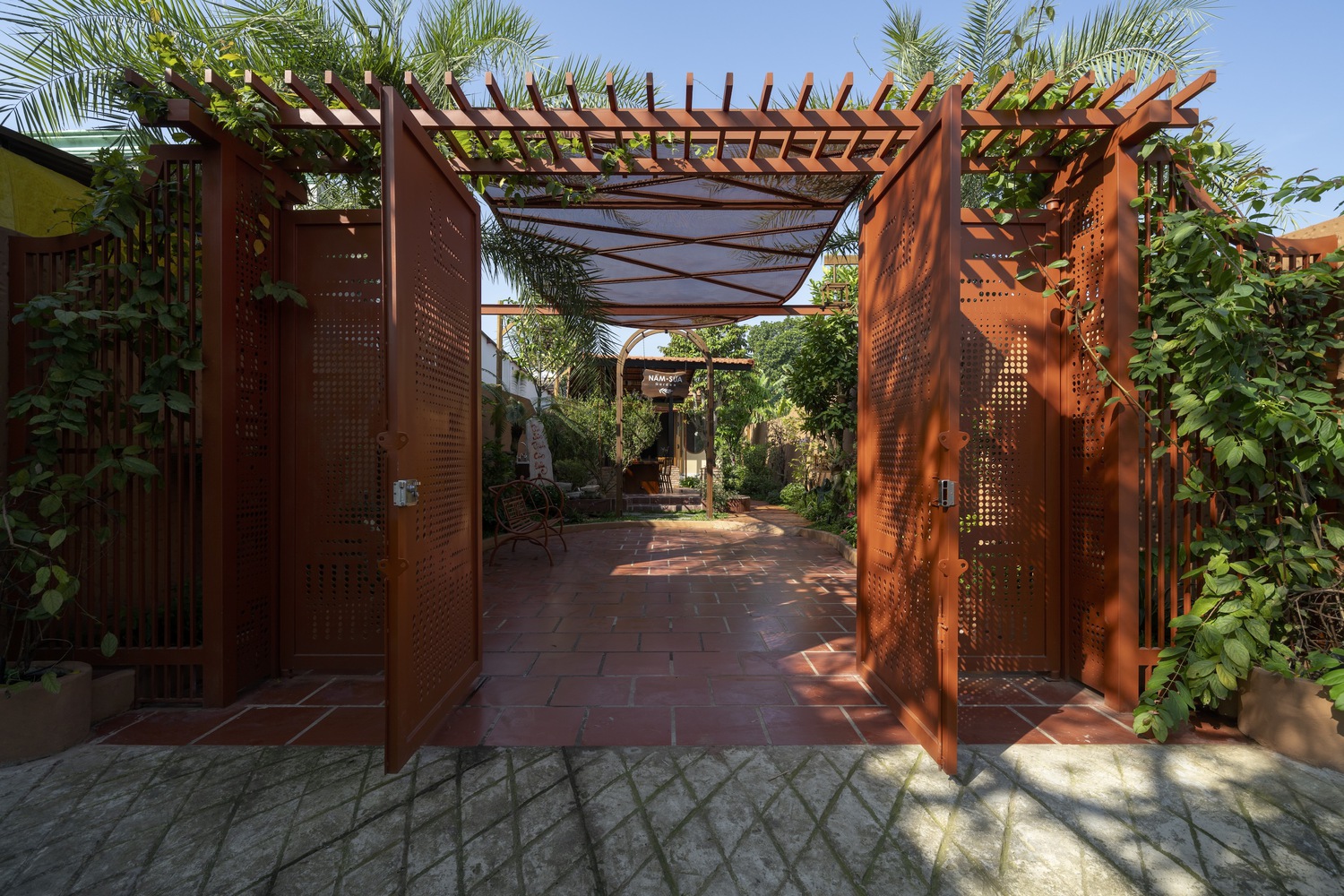
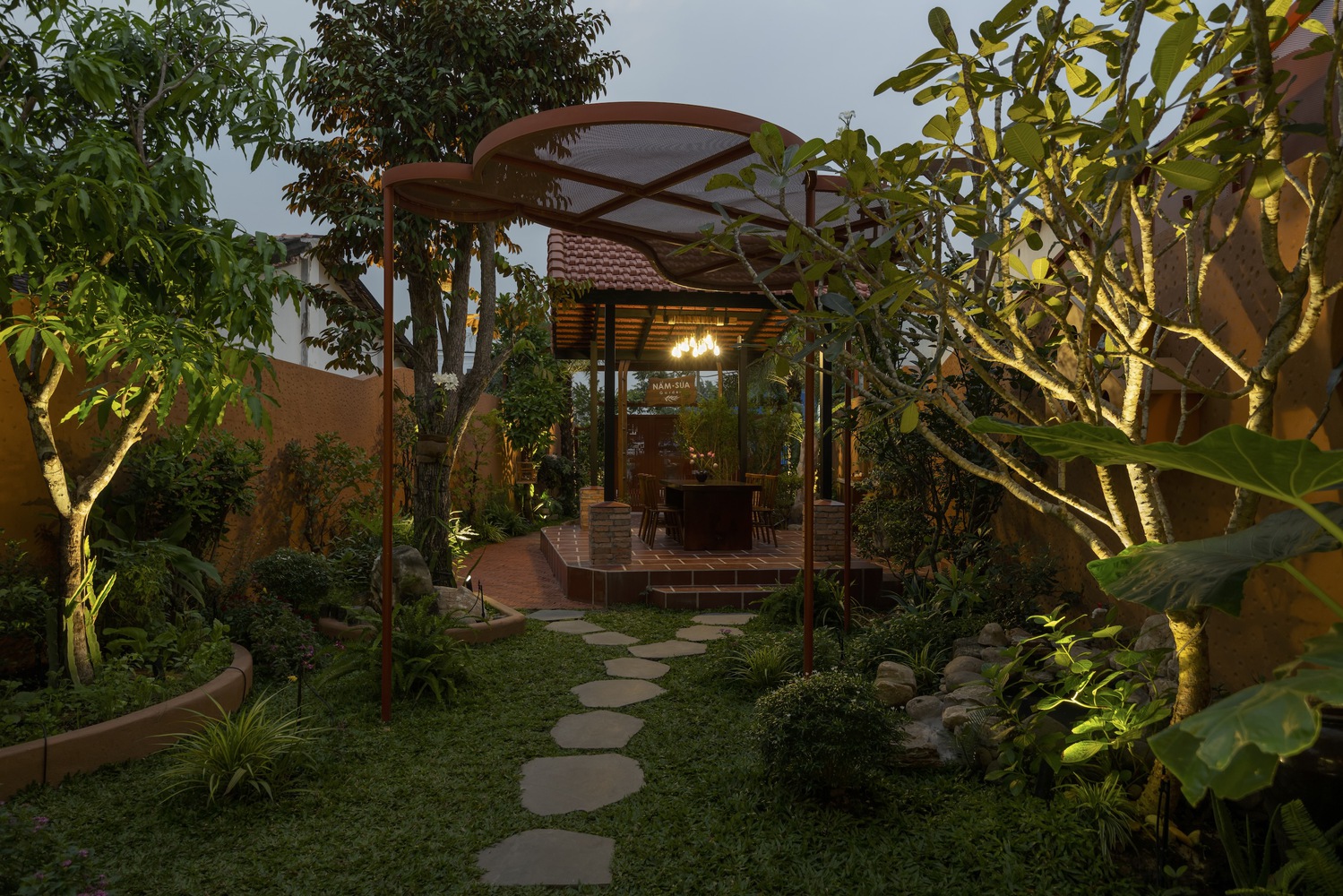
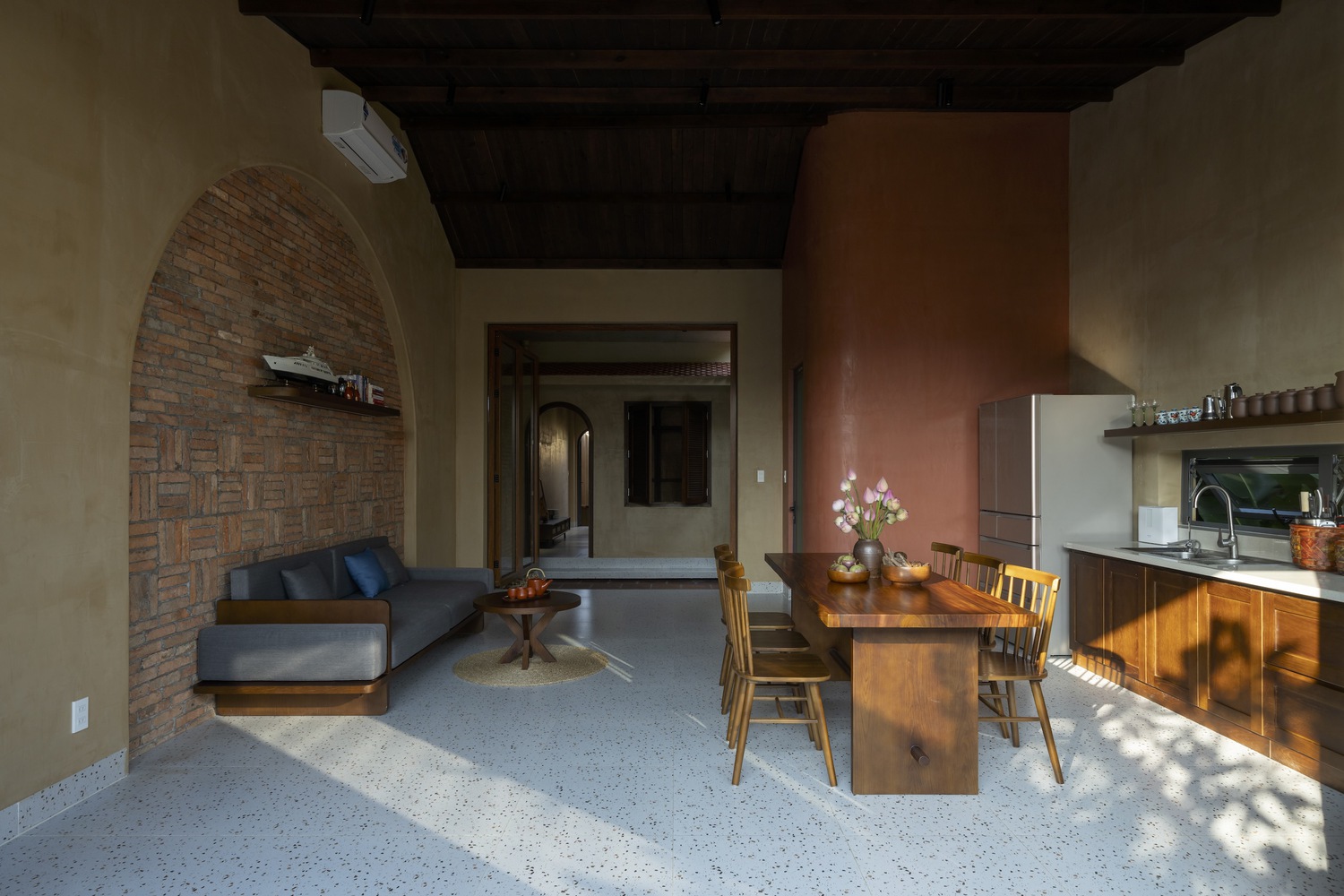
Altogether, the material palette of the house is rustic and simple, contributing to a cozy atmosphere. Overall, Nam Sua House balances functionality with aesthetic appeal, creating an inviting family home.
Photos by Quang Tran.
The AM House: Where Nature, Design, and Mindfulness Converge
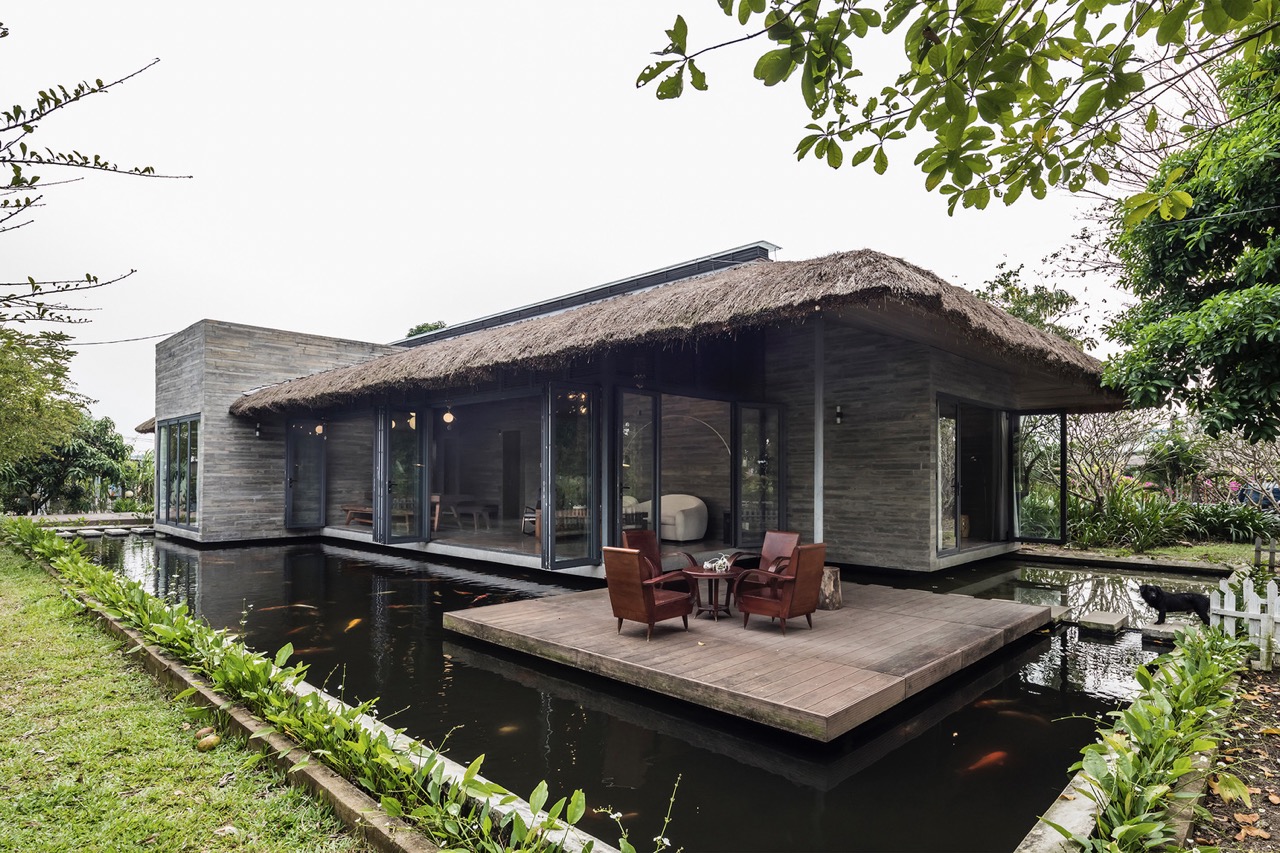
The AM House in Can Giuoc, Vietnam, is a garden retreat designed by three architectural firms: AmDesign Architects, Time Architects, and CTA. The home features a fragmented layout of separate blocks unified under a single roof. The result is a dynamic range of spatial compositions. Positioned to blend with its lush surroundings, the design includes extensive glazing and glass doors. An open-air courtyard, and a reflection pool, further enhances the indoor-outdoor connection.
Advertisement
The thatch roof nods to the vernacular architecture of Southwest Vietnam, with steel roofing for weather protection and insulation. The use of raw, natural materials gives the house an earthy aesthetic. Inside, a minimalist approach with neutral palettes and simple furniture emphasizes tranquility and serenity. Movable wooden slat screens and clerestory windows foster light and air circulation, while sustainable strategies minimize energy consumption.
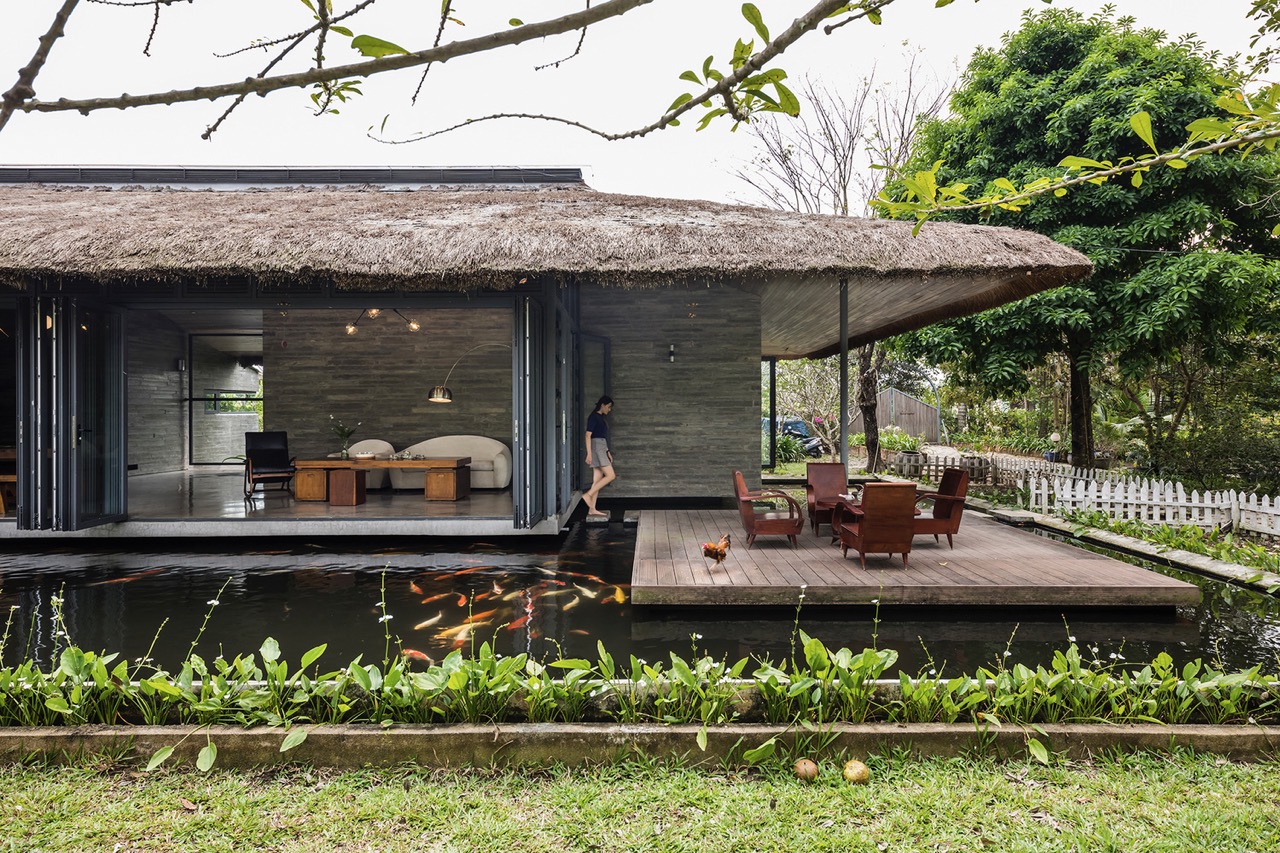
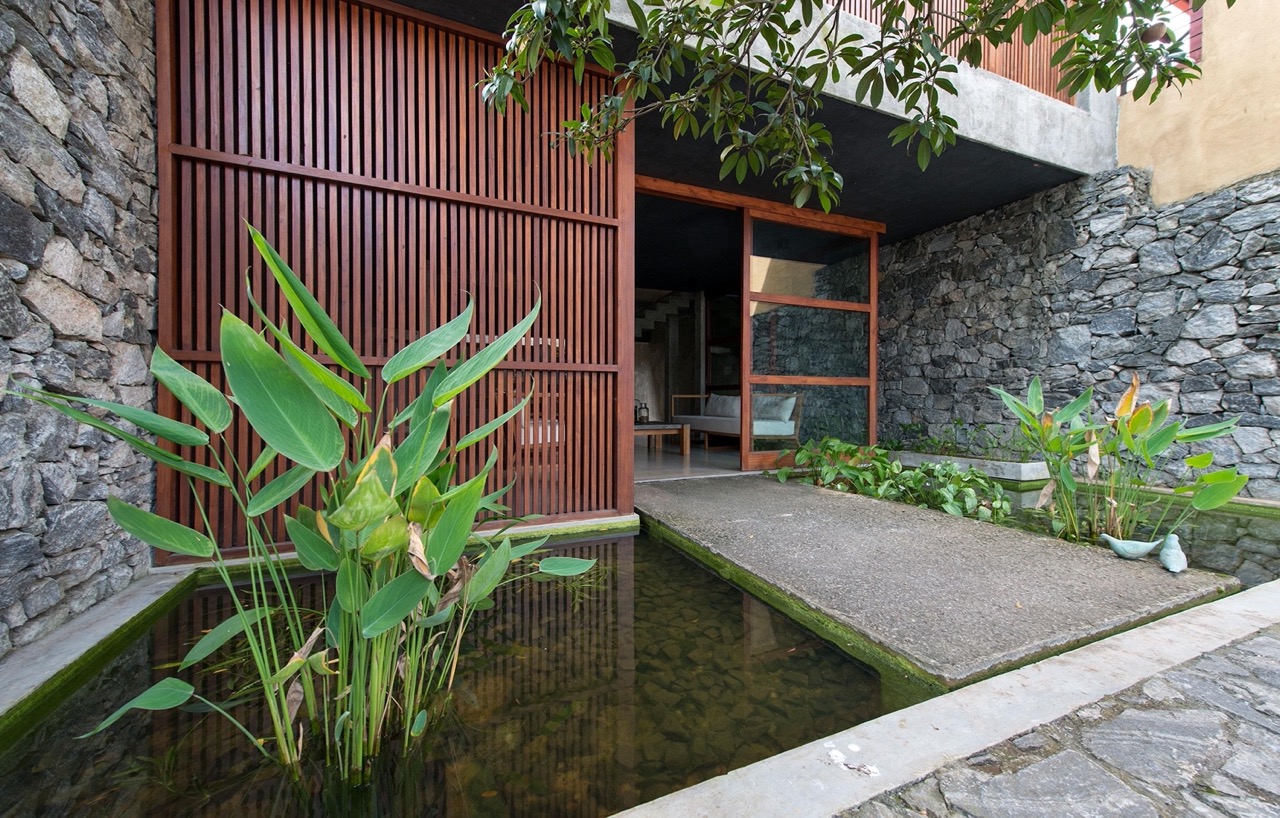
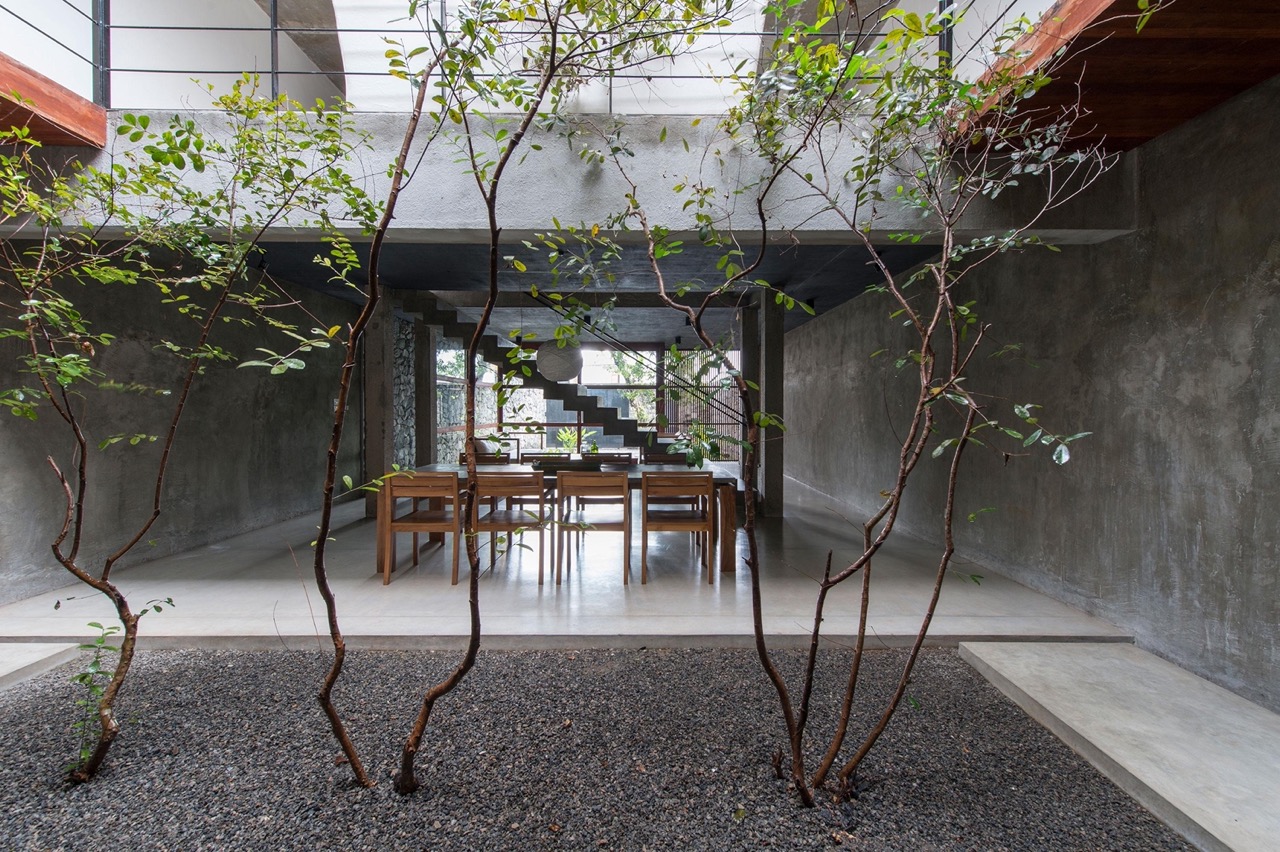
The AM House combines vernacular elements with contemporary design, serving as an elegant weekend retreat that offers peace and connection to nature.
Photos by Hiroyuki Oki.
The Tropical Suburb House: Elevating Suburban Living in Vietnam
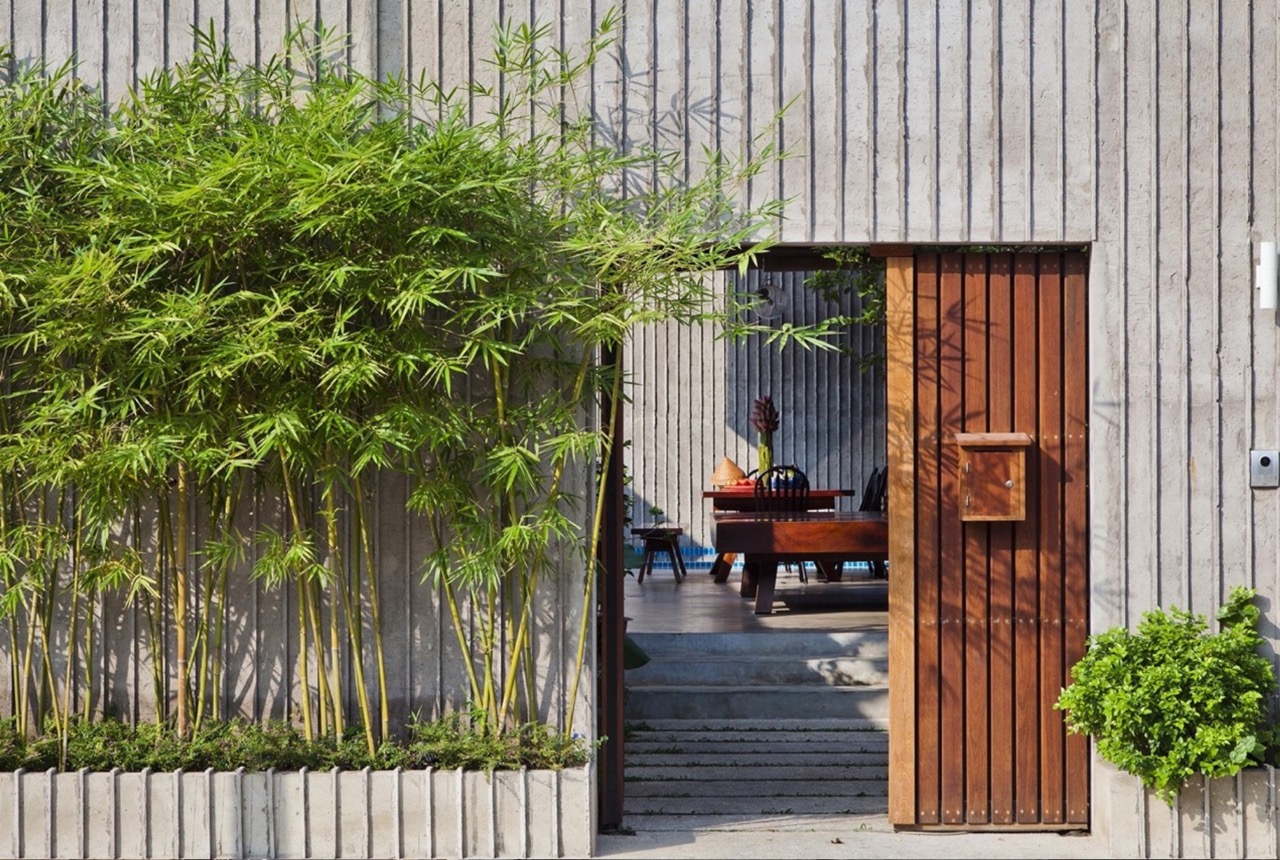
The Tropical Suburb House, designed by MM++ Architects in Ho Chi Minh City, Vietnam, combines modern and traditional Southeast Asian aesthetics. The residence stands out in a suburban area dominated by neo-Victorian, semi-detached properties.
Advertisement
The project faced challenges due to its compact 200-square meter lot. But the architects creatively utilized the space by raising the ground floor. This elevation, inspired by traditional stilt houses, provides dynamic movement and natural sun shading. Additionally, bamboo screens offer protection during the rainy season.
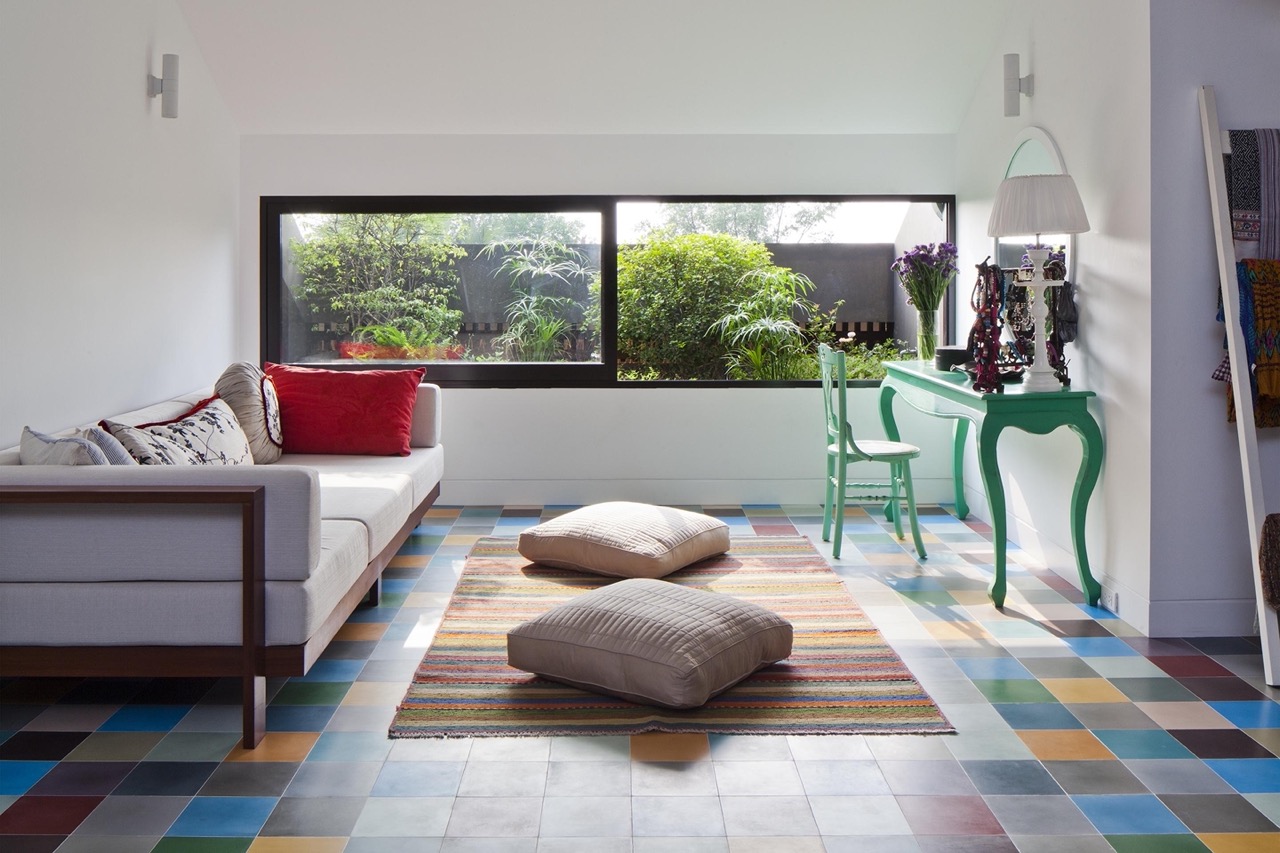
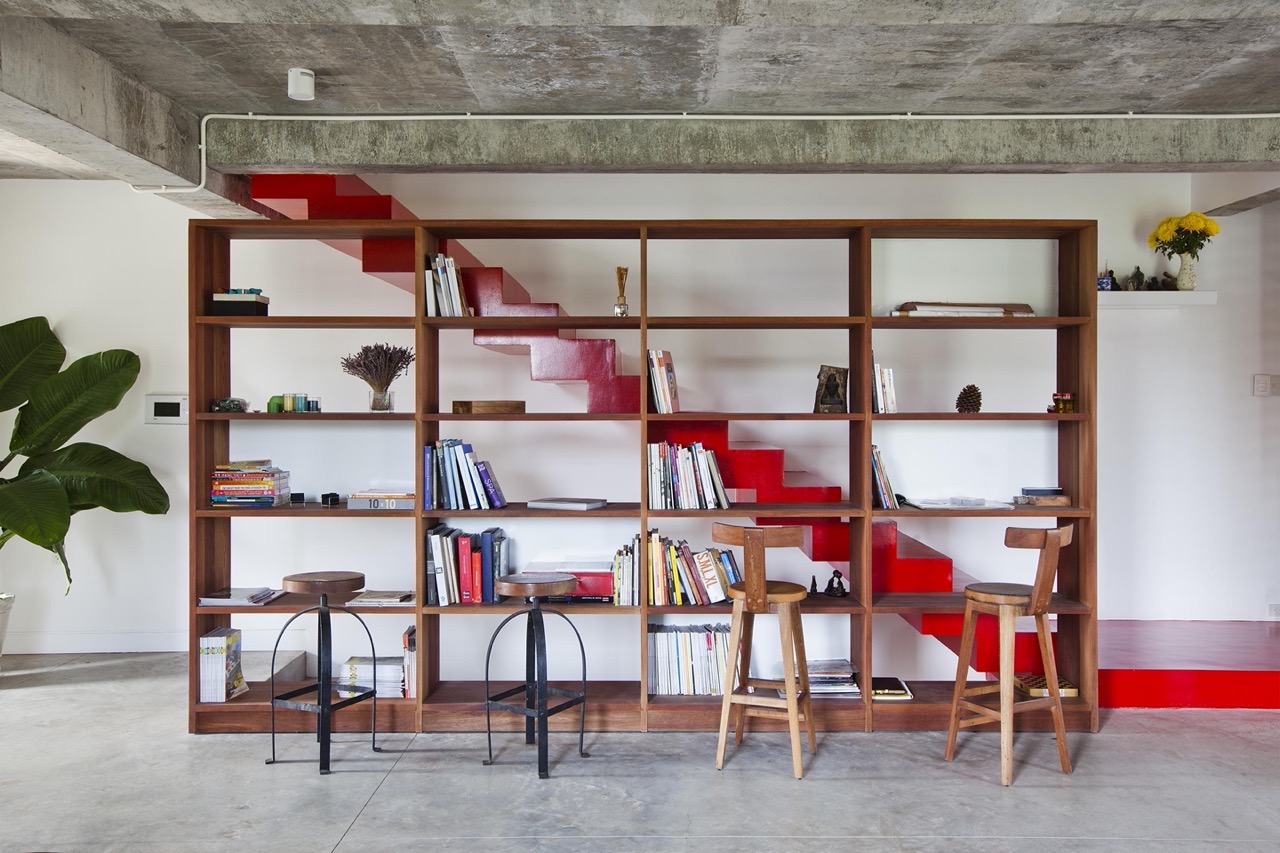
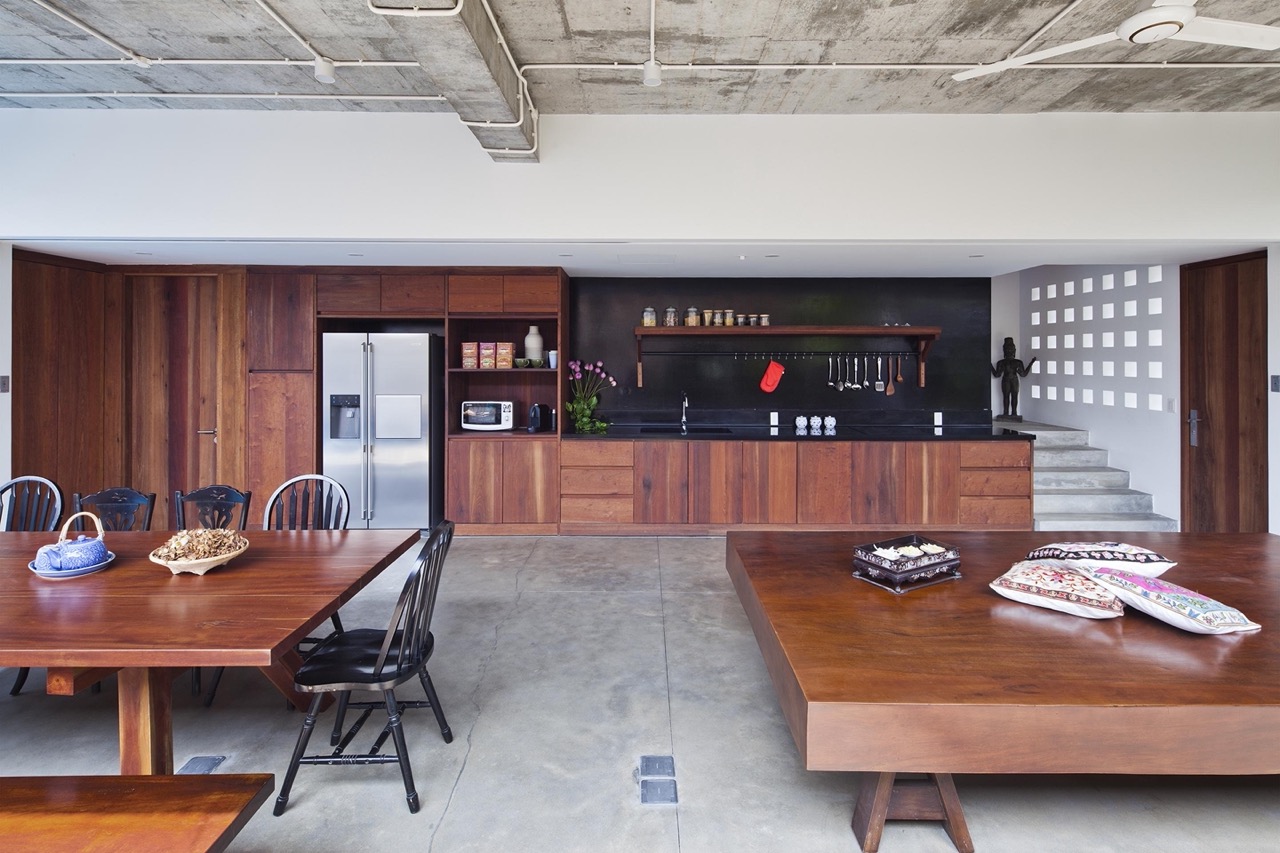
The house features an open-plan layout on the ground floor. This seamlessly connects the kitchen, dining, and lounging areas with the garden and pool. The upper floors offer more privacy, with a living room on the second floor and the owner’s bedroom on the third. The interiors are characterized by a mix of materials. It includes custom wood furniture and a dominant use of bare concrete paired with cream finishes and vibrant floor patterns.
The Tropical Suburb House is a skillful fusion of modern and traditional styles. Its innovative use of materials, passive cooling techniques, and strong indoor-outdoor connection create a unique and culturally aligned residence that challenges conventional suburban designs.
Advertisement
Photo credit by MM++ Architects.
Shelter Stay: A New Twist on Tropical Brutalist Architecture
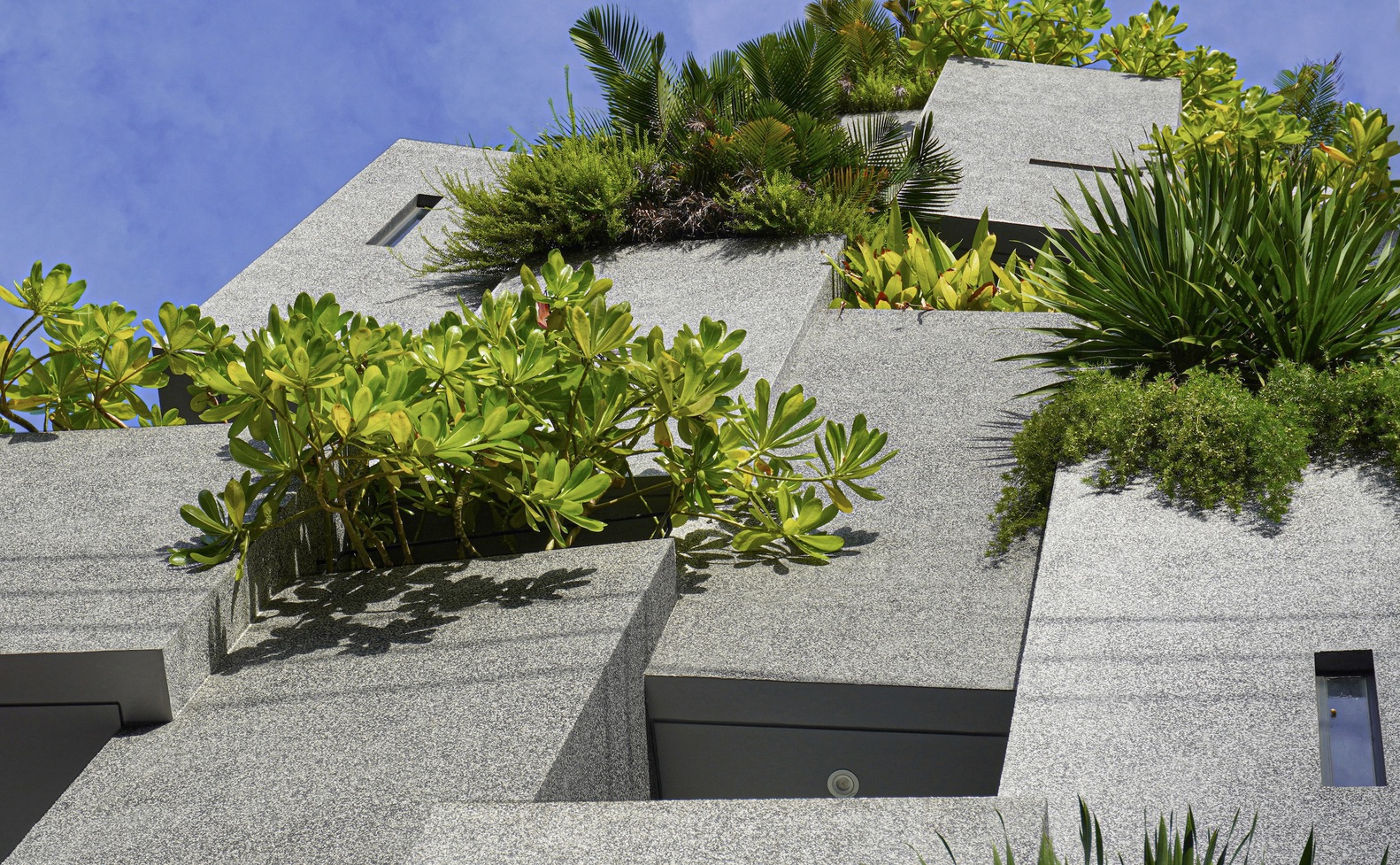
The Shelter Stay redefines residential design with its unique brutalist approach in Da Nang, Vietnam. Designed by TAA Design, the building stands out with a dynamic facade featuring protruding and recessed washed stone modules. This creates a rhythmic and visually engaging exterior adorned with tropical greenery. The asymmetrical layout of balconies and windows adds depth and invites curiosity.
Inside, a large skylight illuminates the atrium, while a green wall and central staircase enhance the spatial depth. Handcrafted paint, natural wood accents, and textured surfaces create a warm and sophisticated ambiance. The apartments, designed with an earth-toned palette and unconventional window placements, emphasize a serene connection to nature. Practical design elements like built-in wardrobes and platform beds maximize space. And the use of durable, eco-friendly materials underscores the project’s commitment to sustainability.
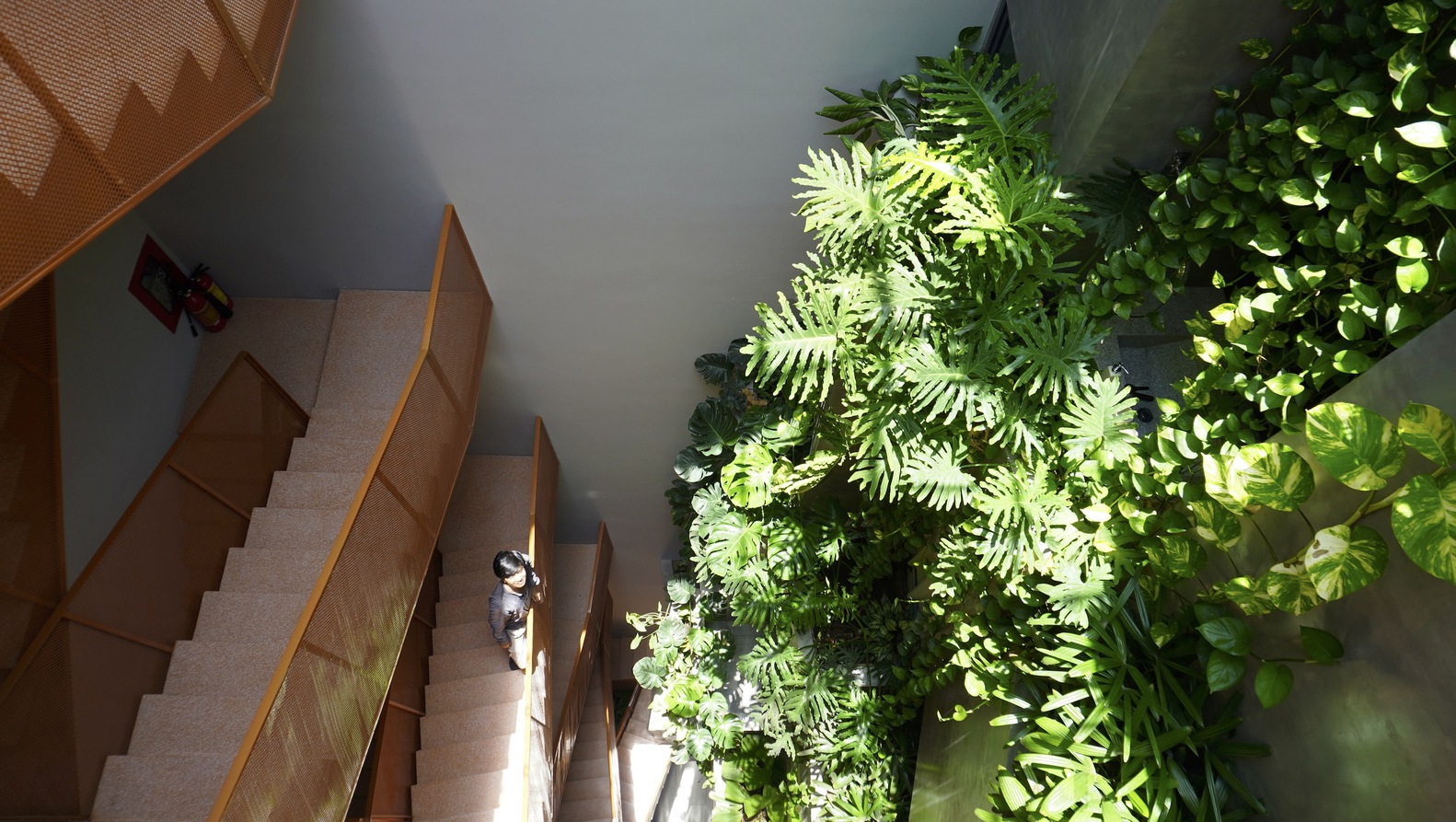
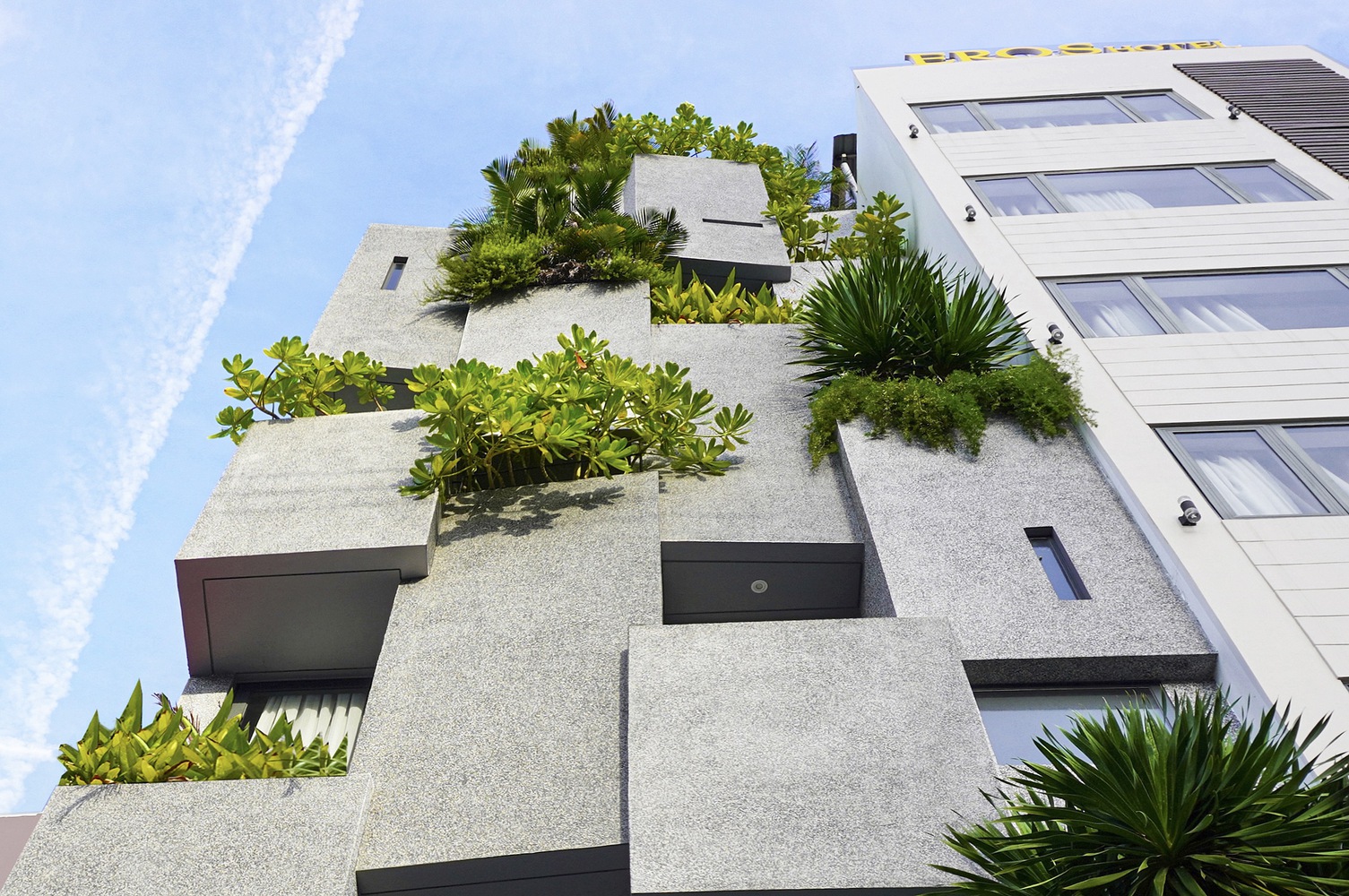
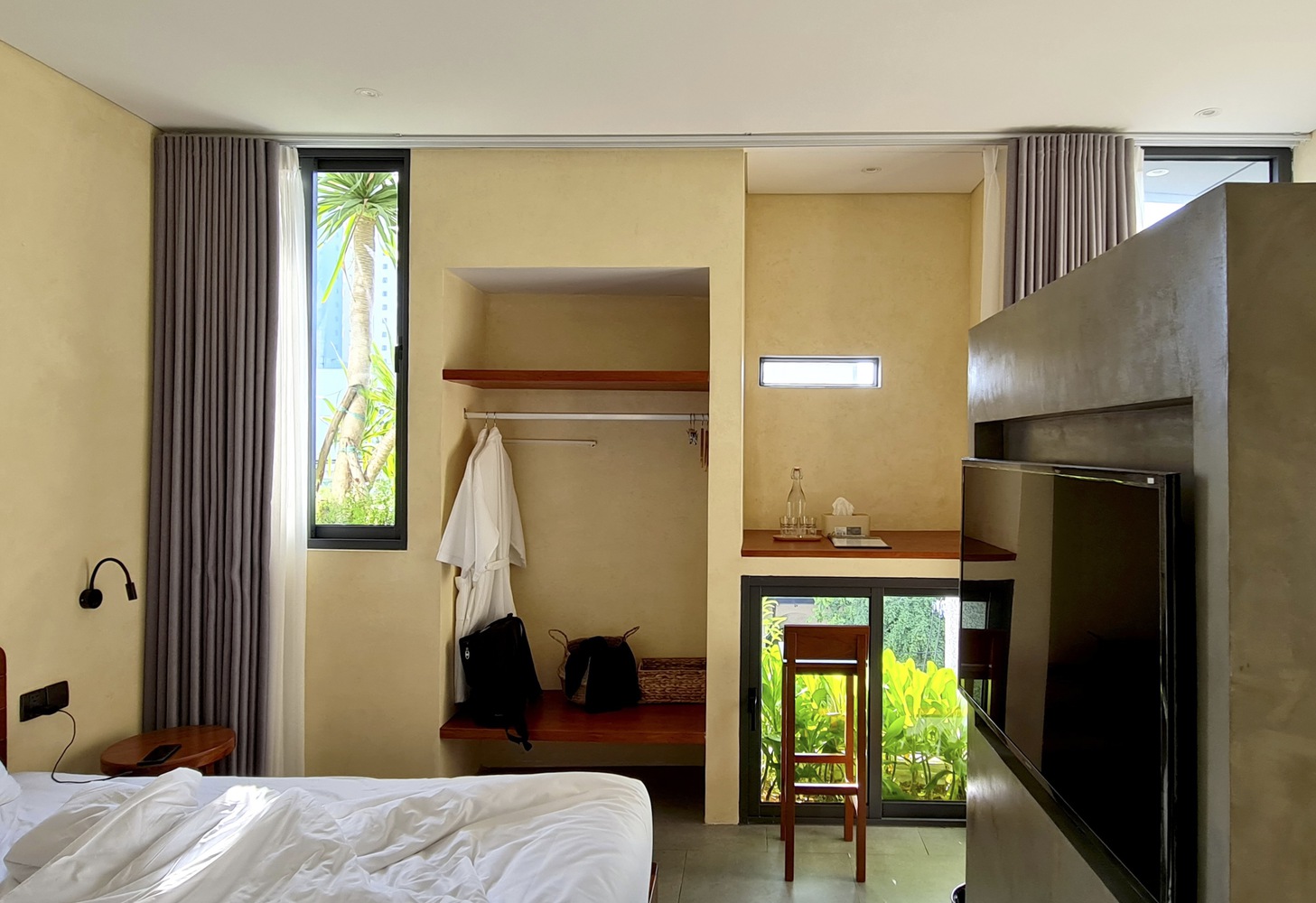
Altogether, Shelter Stay exemplifies a harmonious blend of brutalist and biophilic design, showcasing the potential of integrating nature with contemporary architecture in urban settings.
Photos by TAA Design.
Vietnam’s Diverse Architecture
In conclusion, the diverse array of Vietnamese homes highlight the country’s evolving architectural landscape, where modernity meets tradition. These residences demonstrate how thoughtful design can address environmental, cultural, and social needs.
By integrating passive cooling strategies, sustainable materials, and traditional elements, these homes offer comfort and aesthetic appeal. Moreover, they promote a harmonious relationship with their surroundings. As Vietnam continues to grow and develop, its residential architecture will undoubtedly continue to inspire and innovate, bridging the past and the future in meaningful and impactful ways.
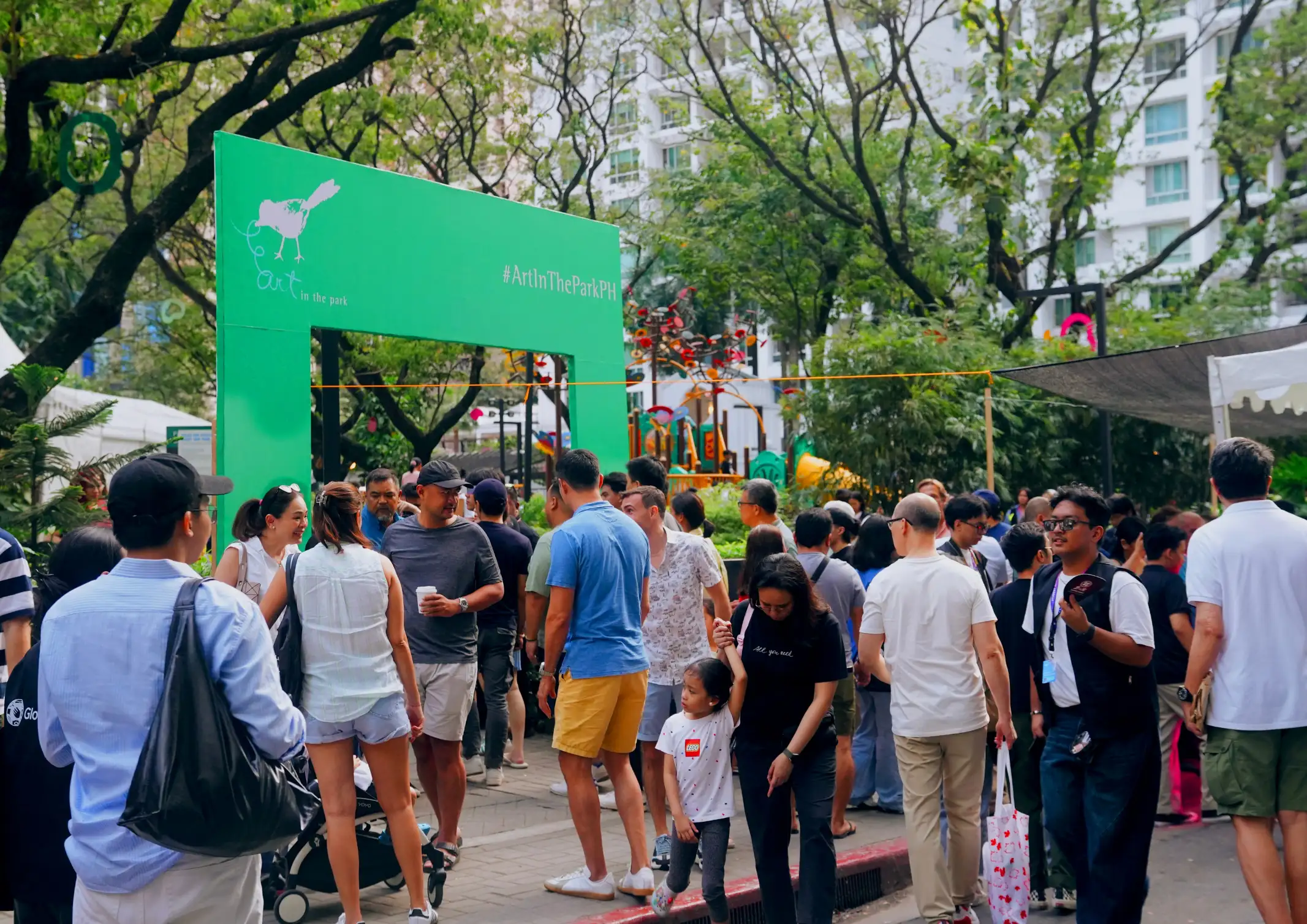
Art in the Park returned this year to Jaime Velasquez Park in Salcedo Village, Makati City, to celebrate its 20th anniversary. This year’s edition featured a curated selection of works from 55 exhibitors representing galleries, art collectives, independent art spaces, and student groups. With all artworks capped at Php 70,000, the fair continued its mission […]
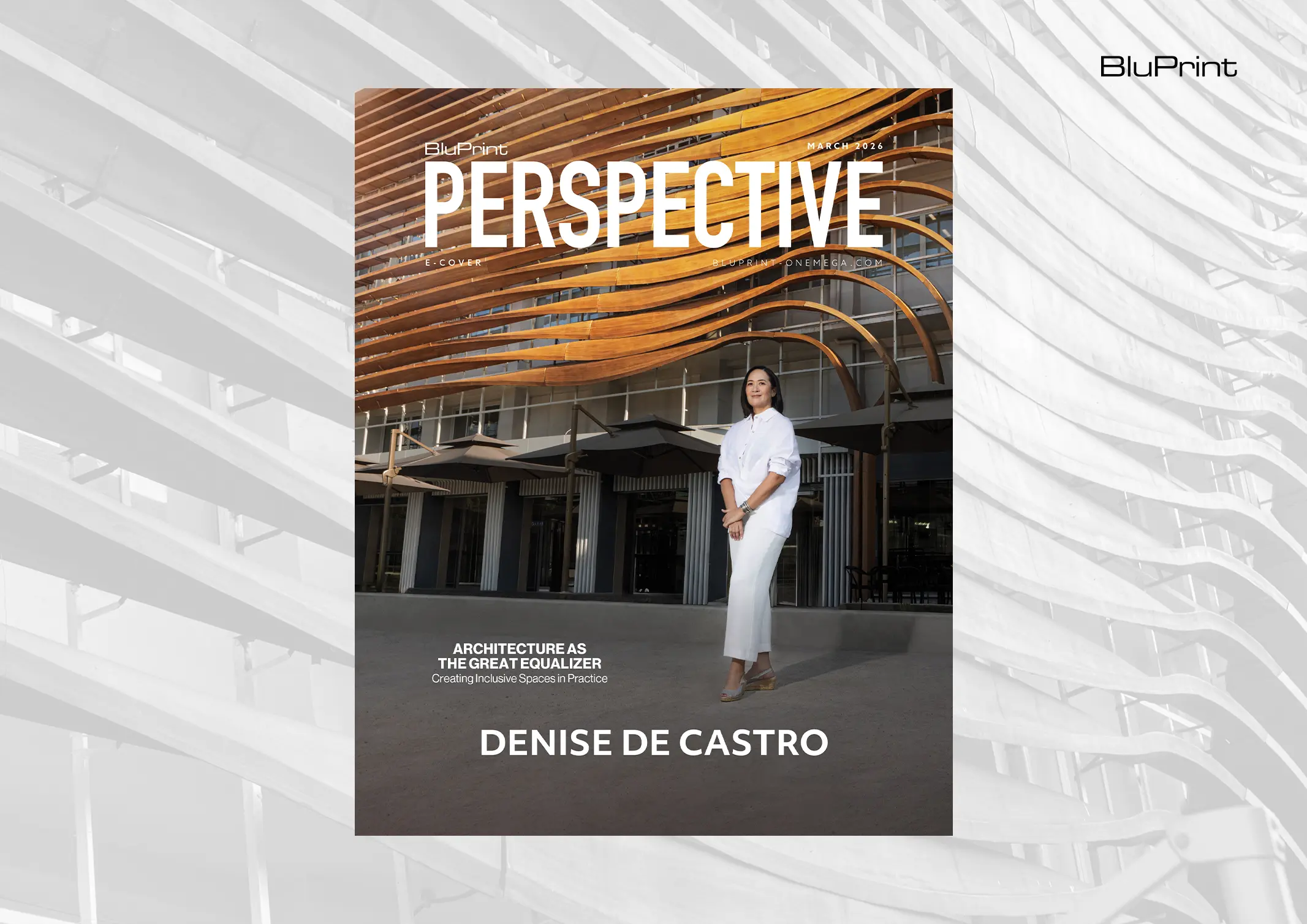
Denise de Castro, Principal Architect of DEQA Design Collaborative, believes that designing with equity in mind means starting at the workplace. Values and practices that your studio or office espouse inevitably filter down to the work that you do. Equitable design ensures that people with different needs and different backgrounds are supported through fair access, […]
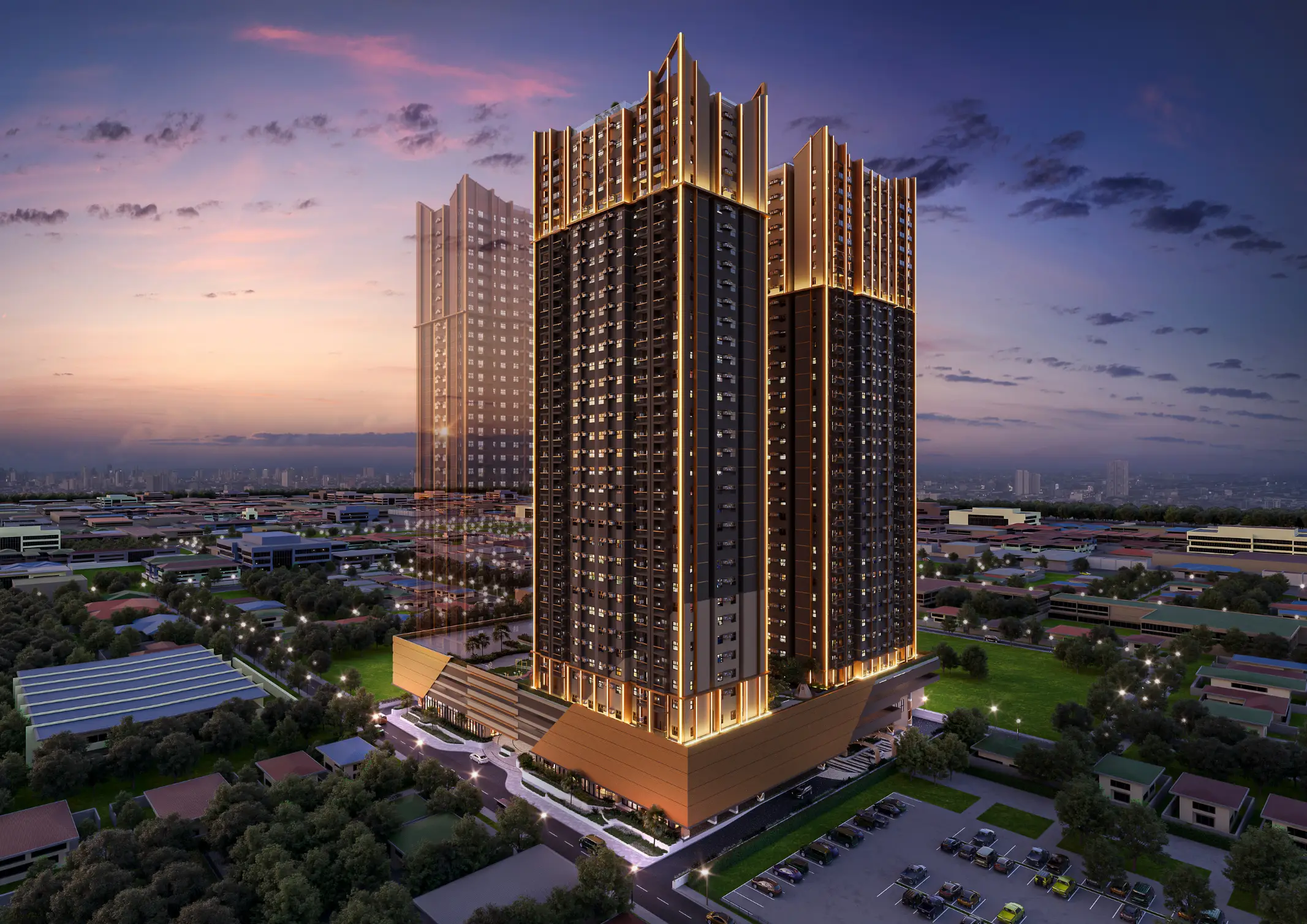
Across Metro Manila, residential developments are increasingly designed around proximity. As cities grow denser and mobility becomes more complex, new housing is often positioned near transport nodes, commercial districts, and educational institutions. This approach reflects a broader shift in urban planning. Mixed-use environments allow residents to live closer to daily necessities—reducing commute times while supporting […]
Luxury in design is undergoing a quiet shift. Where once luxury was measured primarily through visual opulence, today it is increasingly defined by responsibility—through the way spaces are built, the materials selected, and the impact those decisions leave behind. At the Philippine World Building and Construction Expo (WORLDBEX) 2026, this evolving definition of luxury takes […]
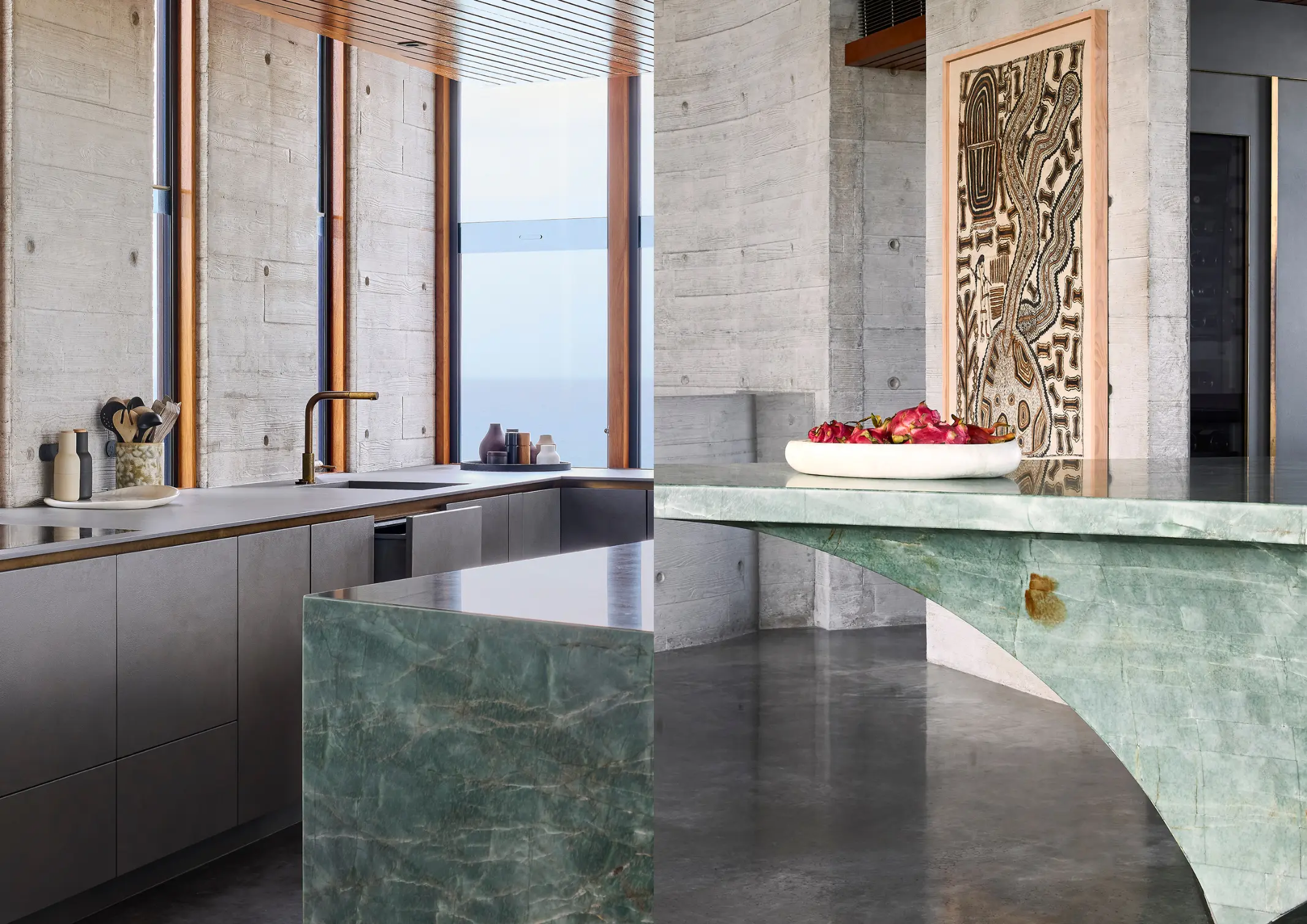
For more than nine decades, Fisher & Paykel has approached design with a simple but exacting belief: that the best living environments are those shaped by people, place, and purpose. Rooted in New Zealand and deeply attuned to island and coastal living, the brand’s philosophy centres on quiet performance, material honesty, and appliances that integrate […]

Download this month's BLUPRINT magazine digital copy from:



Subscribe via [email protected]