Contemporary design refers to the constantly evolving design trends of today. With the power to design our built environments, architects have been experimenting with various architectural approaches. Whether that is through unconventional forms or the integration of smart technologies, BluPrint lists down Filipino architects who are defining contemporary architecture. Deo Alam Architect Deo Alrashid Alam […]
‘Spring House’: The Rebirth of an Old Home



The Spring House utilizes the housing of the past to meet the needs of the present. There’s a sense of renewal of the old that allows use of the property for longer periods of time.
The residential family home, located in Toledo, Brazil, was spearheaded by Salamanca Arquitetos with lead architects Carlos Eduardo Salamanca, Débora Carres, and Gabriela Pastório. The structural design came from Henrique Catuzzo, while different local companies like JF Construções and Refrigeração Fique Frio collaborated for the needed parts in the building.
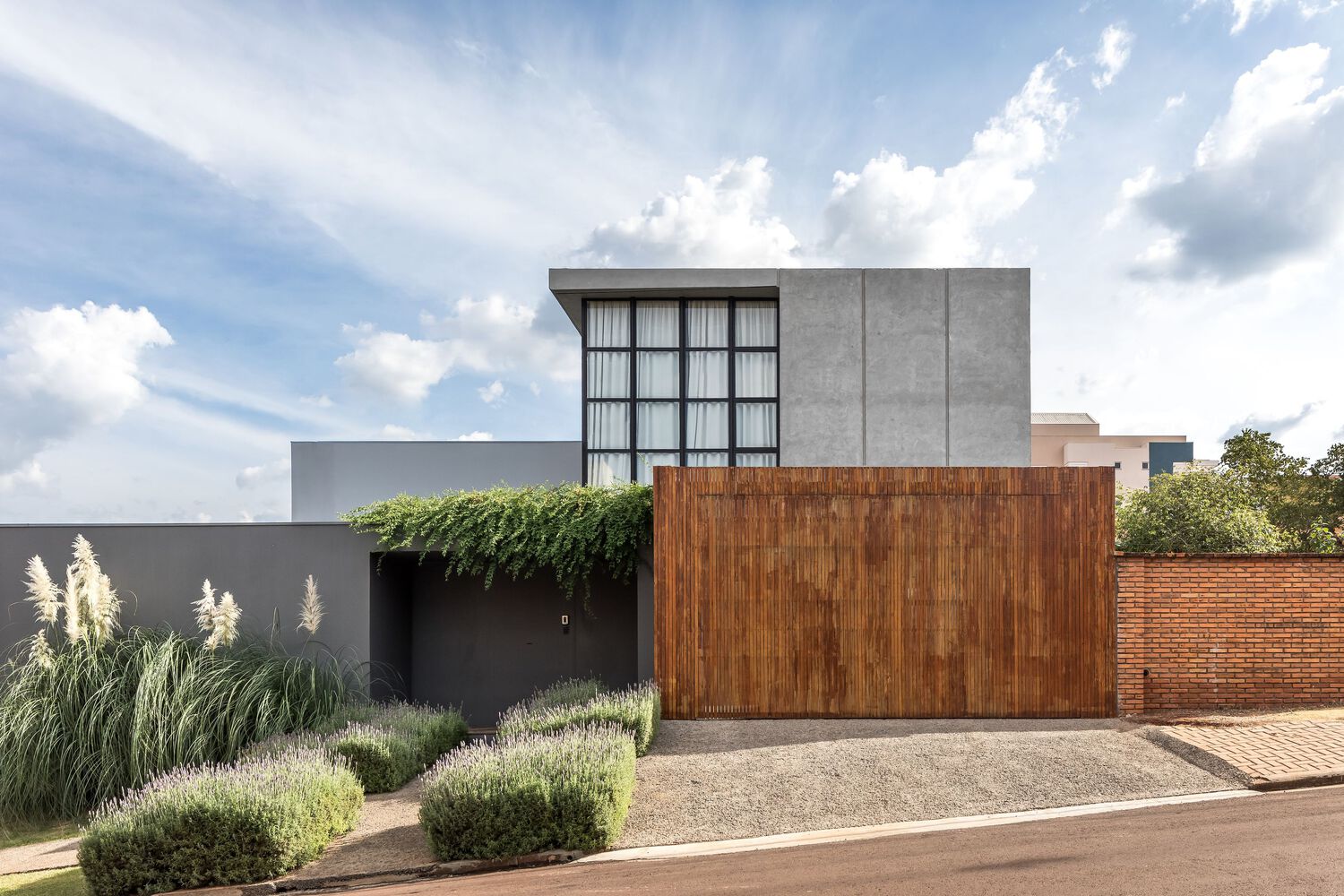
Salamanca Arquitetos’ goal for the home was to revitalize it from an old “mid-80s residence” to a place that an expanding family can use as a home. To realize this vision, some expansions needed to be done. However, the architects maintained the existing structure.
Advertisement
Recycling and using locally-sourced materials is the name of the game for this project. For example, some of the old Ipê wood from the original house was used for internal cladding or covering for different parts of the house, like the gated areas. A use of stone materials also offers the house a modern look while allowing for stronger materials in refurbishing the house.
Expanding and Changing the Layout
The methodology of Salamanca Arquitetos’ approach was to gut the house from the inside-out. This maintained the exterior structure without lessening the flexibility needed to expand on the inside. They demolished internal walls carefully to make room for different spaces.
The design’s “inside-out” approach works well in this scenario because it allows the architects to plan out the scale and spaciousness of the house based on the needs of the family. For example, they remodeled and expanded the ground-floor office into a closet for one of the rooms.
Advertisement
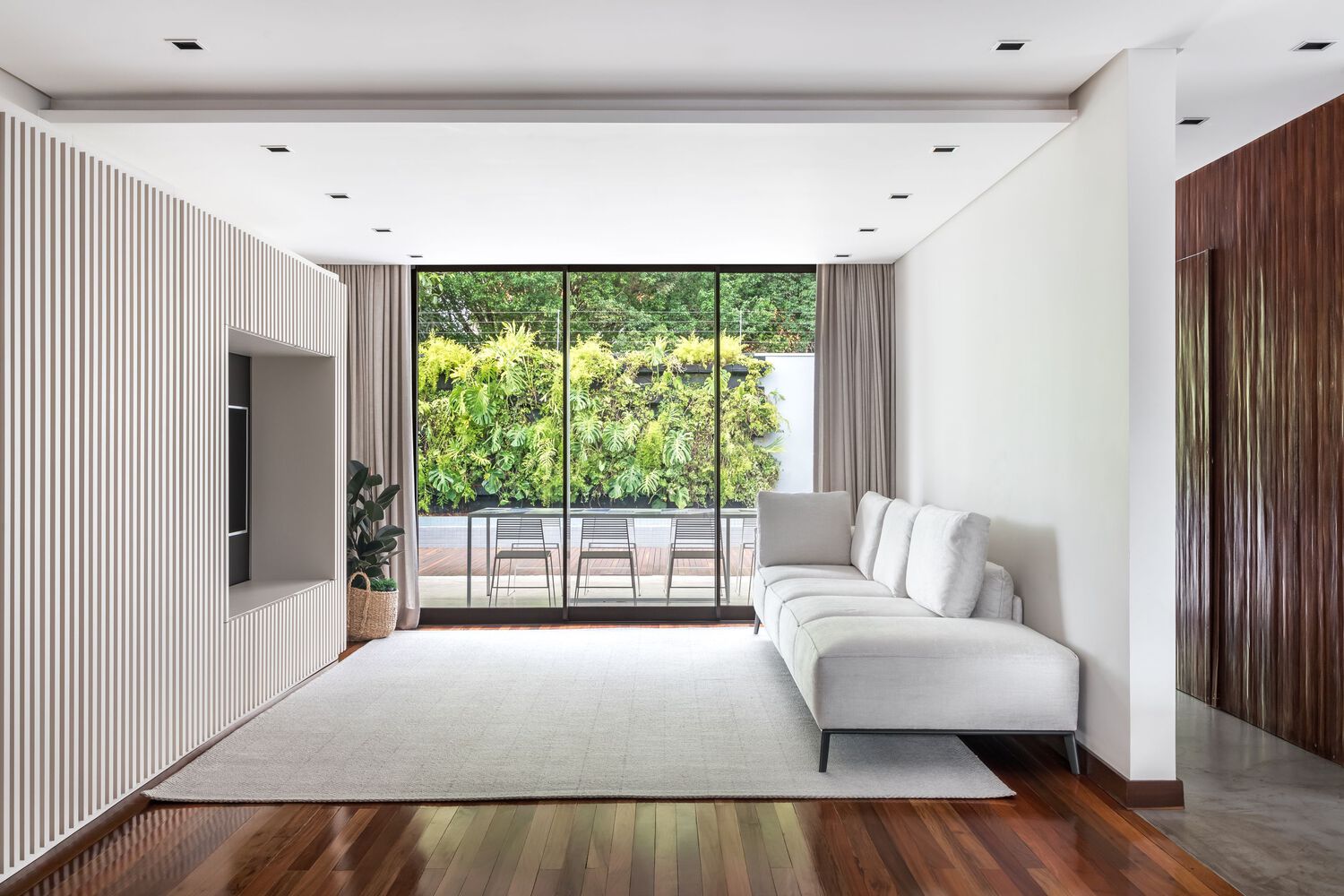
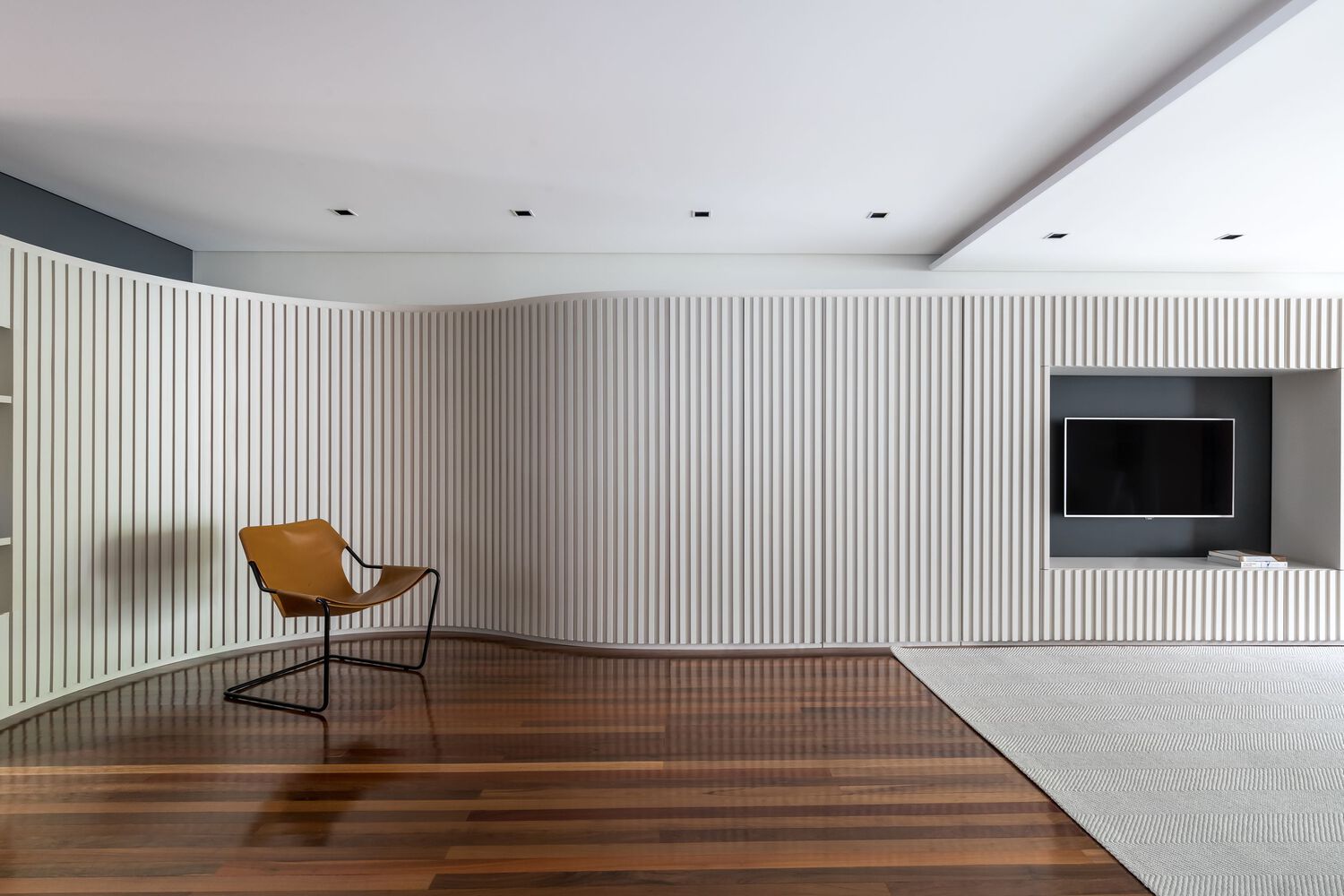
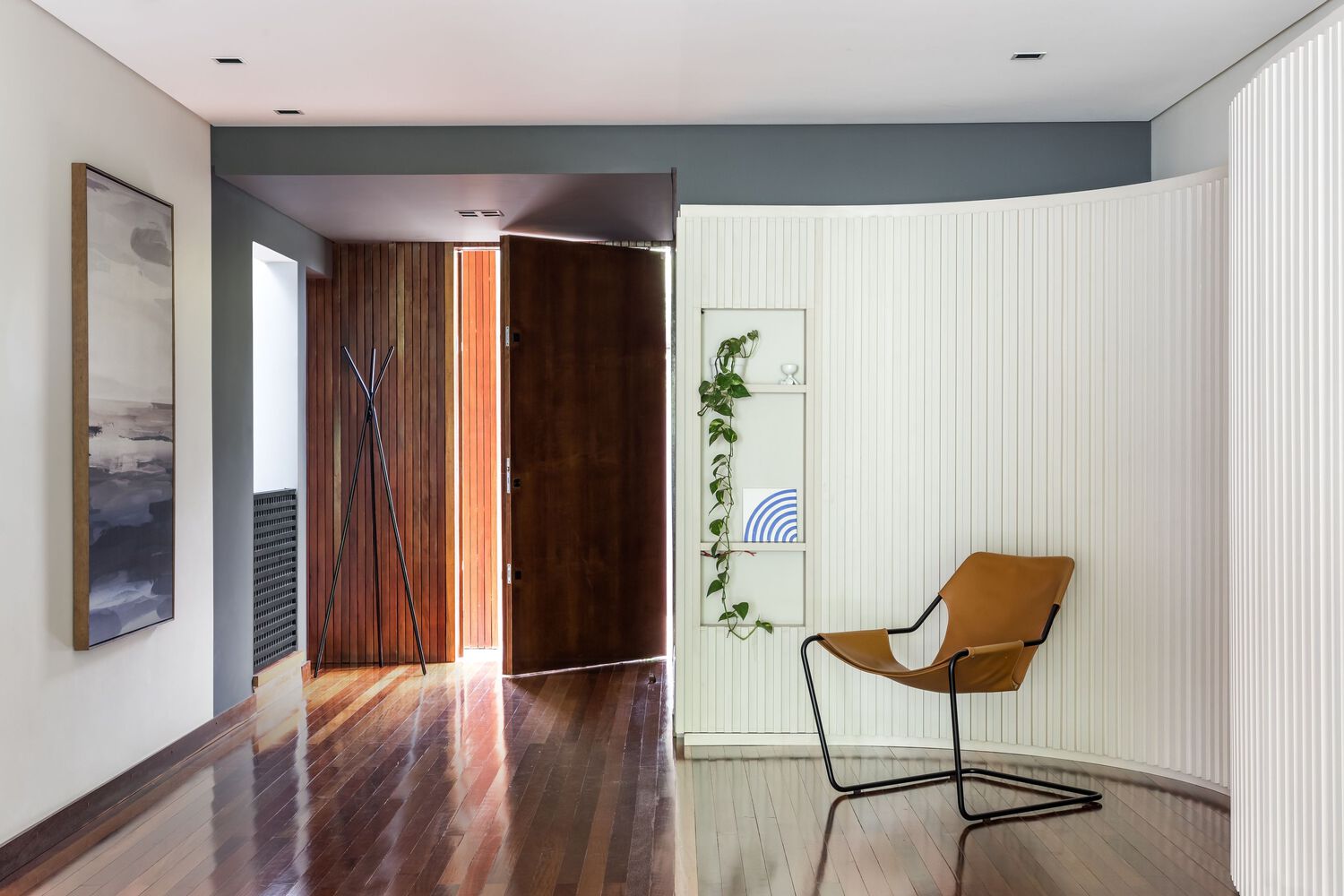
Other portions, like the garage, turned into a new-use area (in this specific instance, it transformed into a kitchen). They expanded living room for added space so that it comes directly after the hallway in the entrance, with the architects using a curving design on one side to hide the bedrooms.
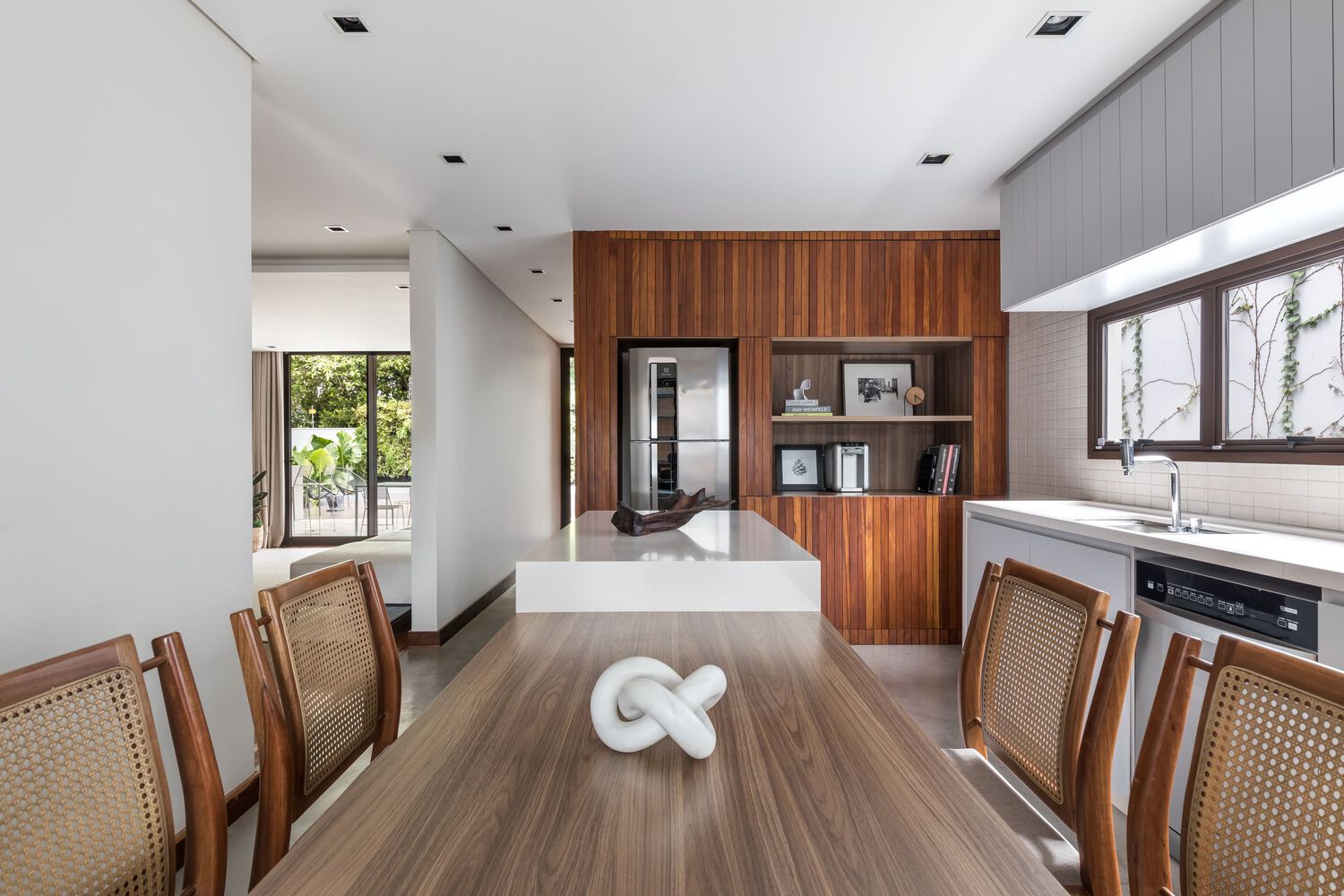
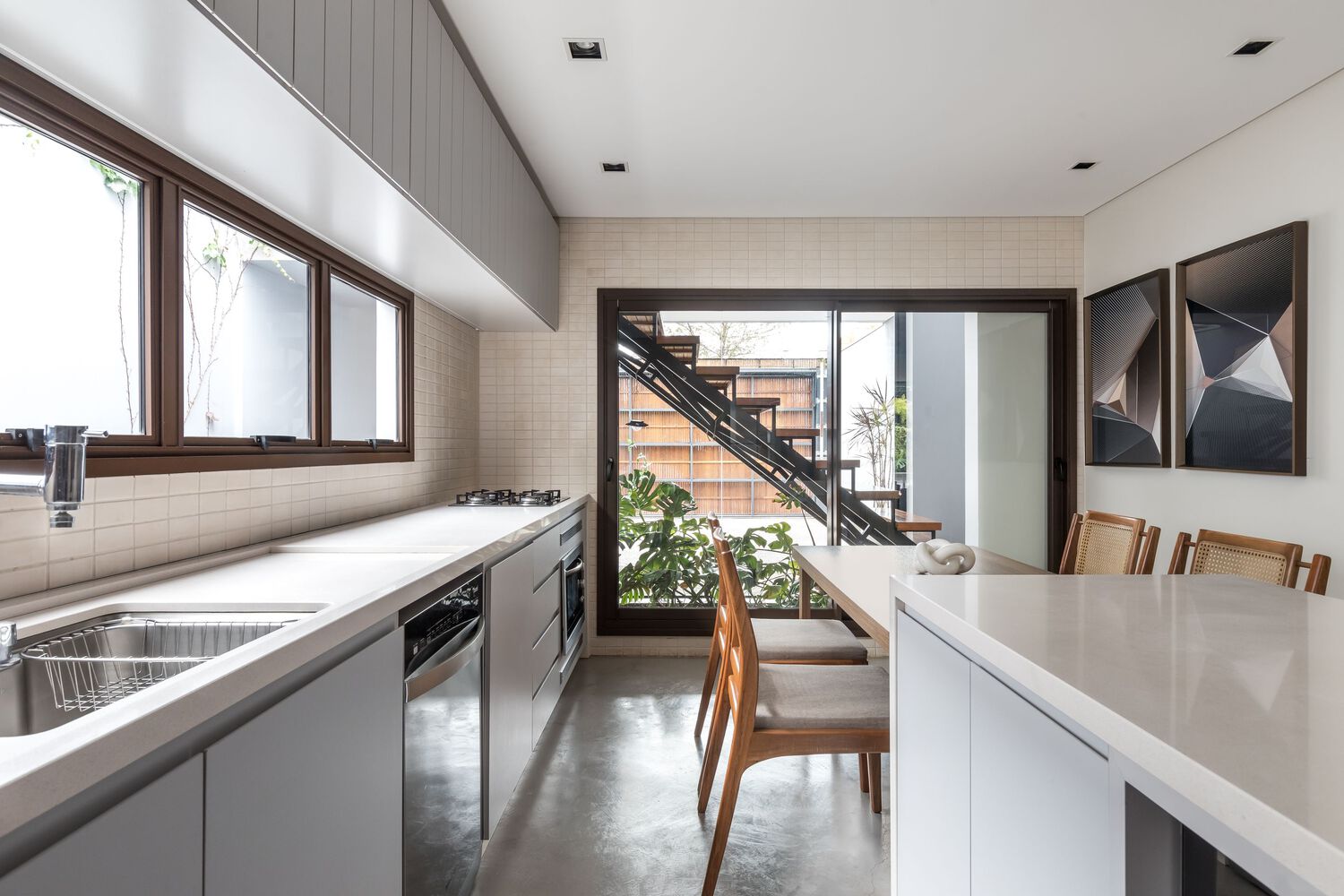
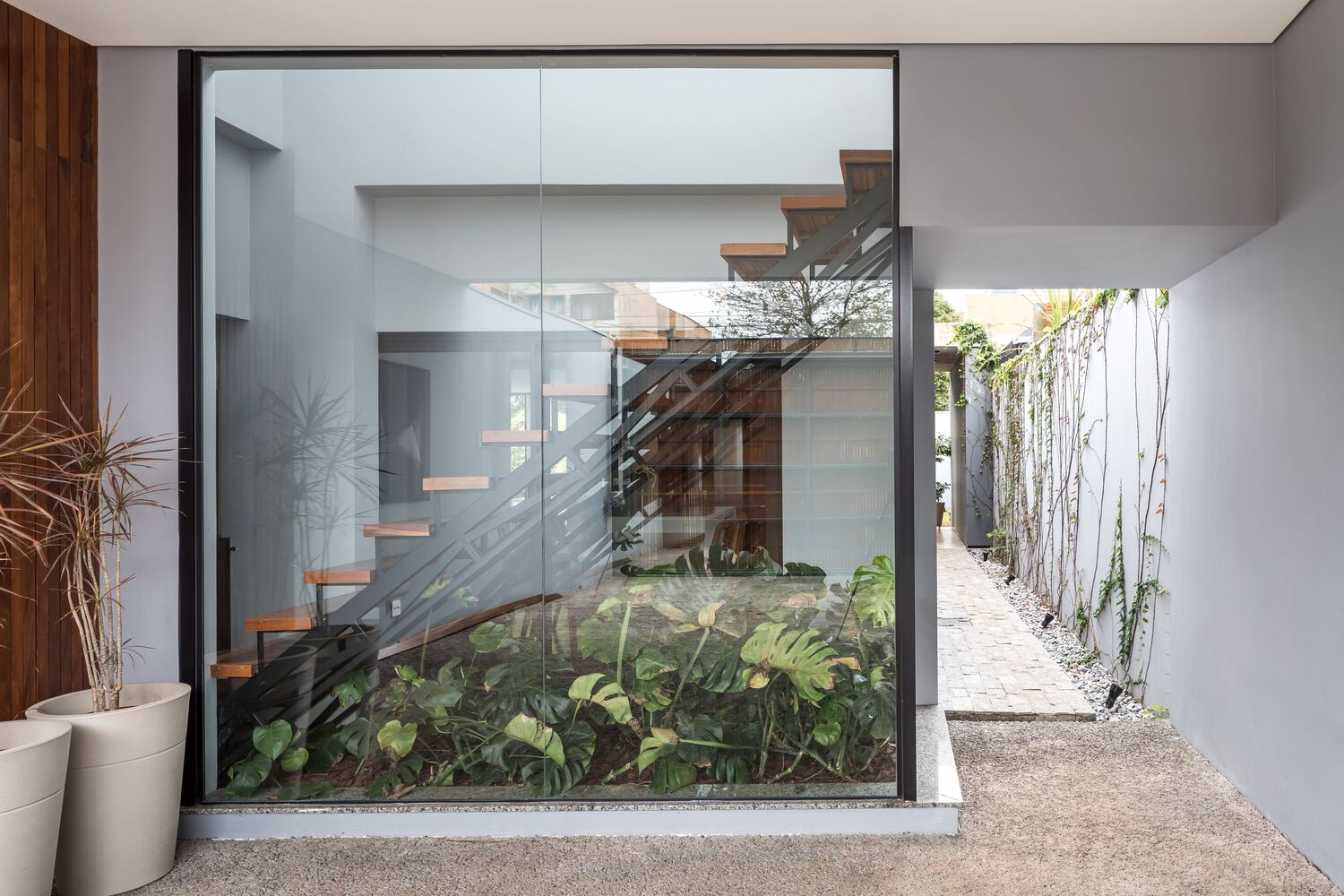
Meanwhile, the second floor of the home contains a study — the only room on this level to give people working there a sense of extra privacy.
Green Spaces and Expansions
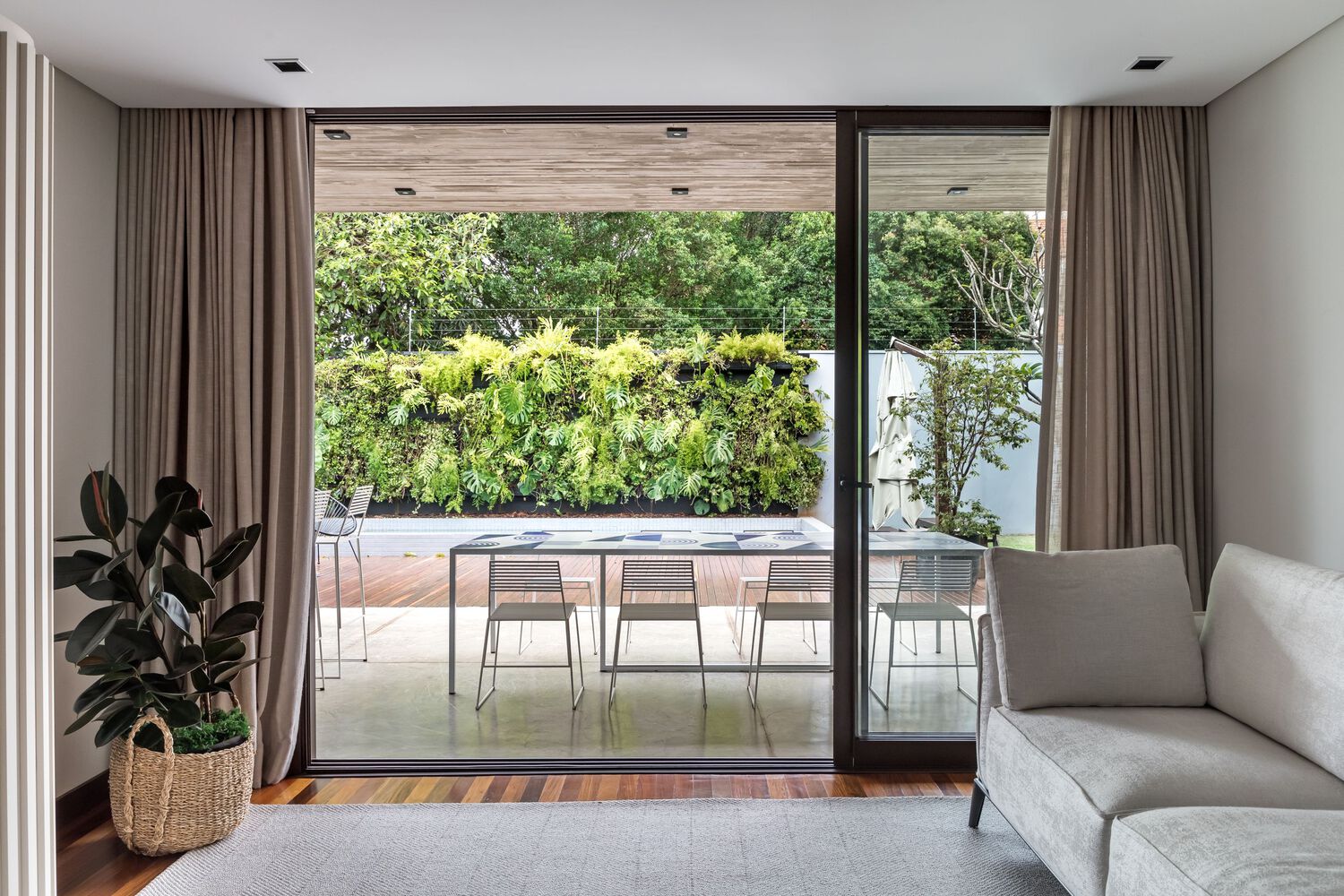
The architects planned two expansions at the front and the back of the house. The one in front makes room for a garden and a new garage with a higher capacity. The expansion in the back allows the family to have a relaxing space for swimming and lounging.
Advertisement
The back expansion contains the swimming pool and a covered area with tables and a small outdoor kitchen. A garden filled with trees and greenery surrounds the edges of the pool, allowing for a fresh breeze to come to the area even on hot summer days. A veranda connects this expansion to the main house, allowing it to be accessible to the family and guests anytime.
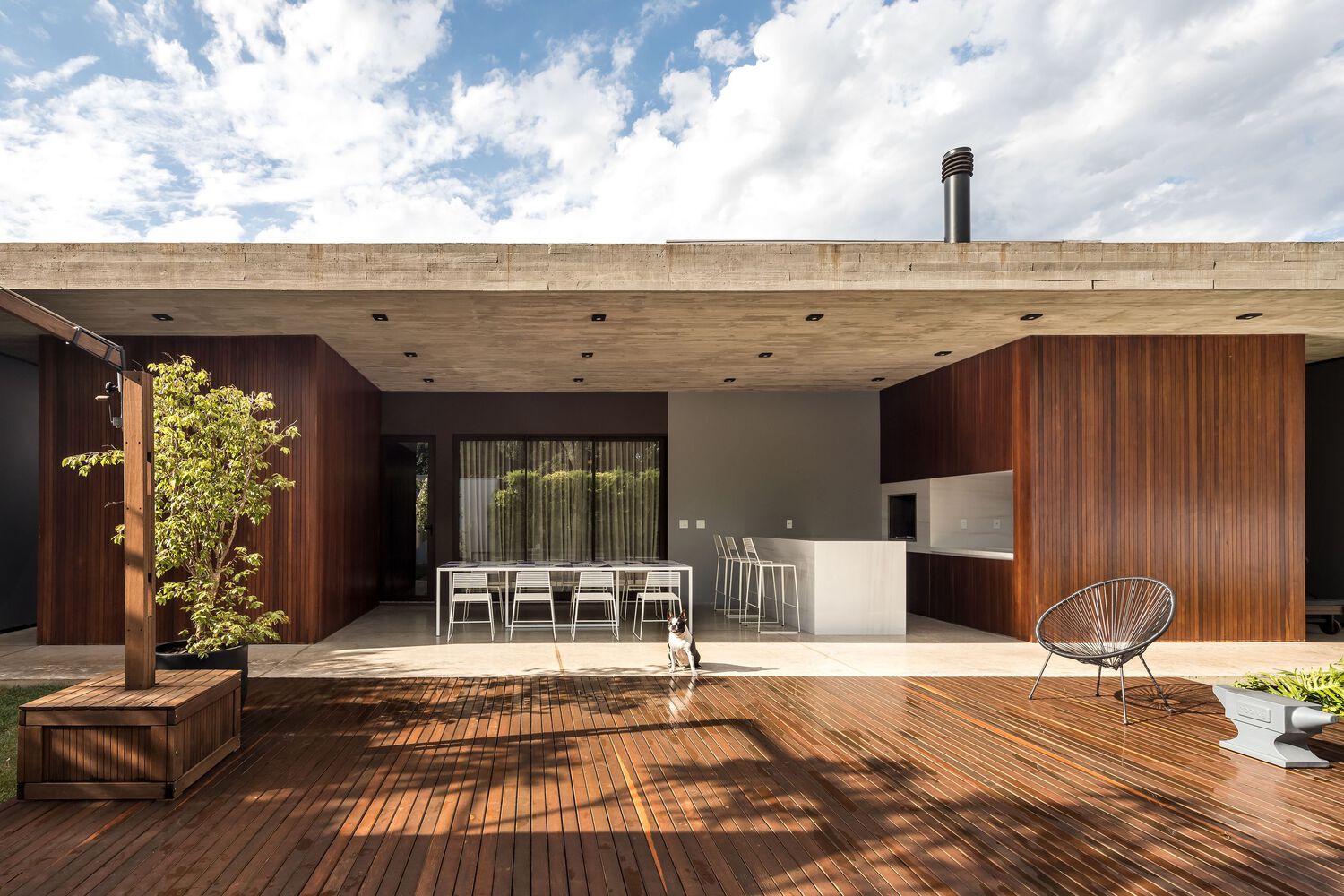
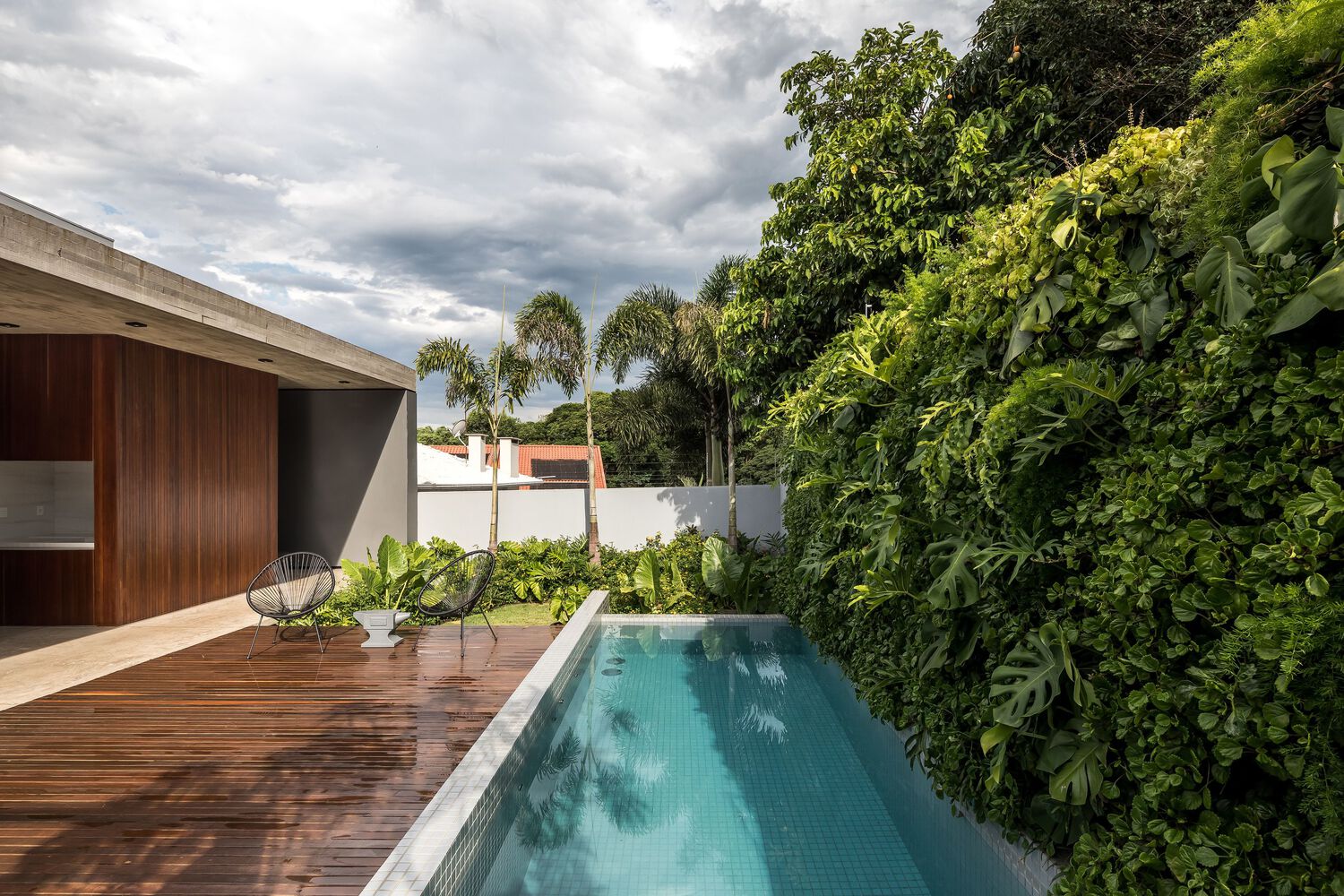
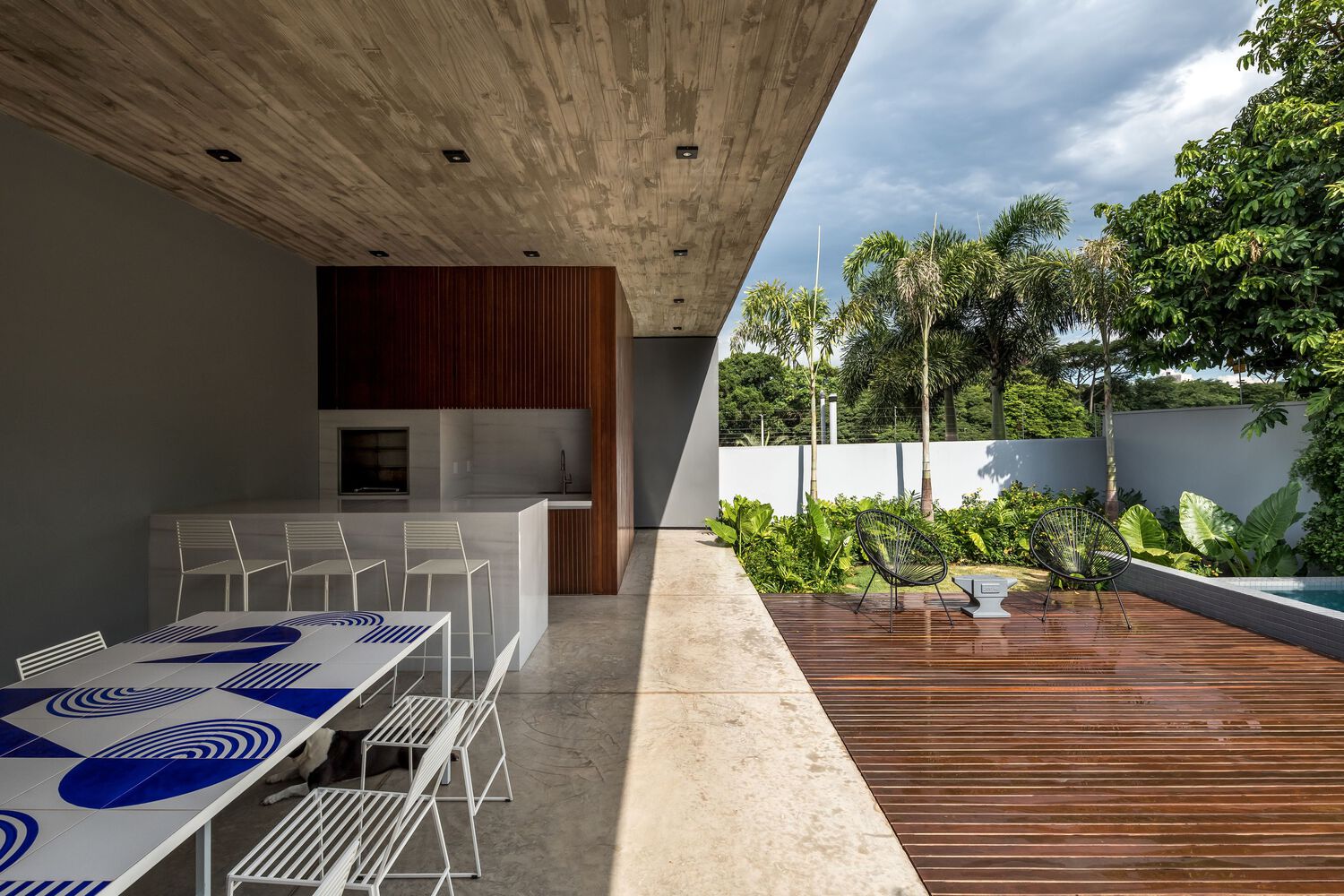
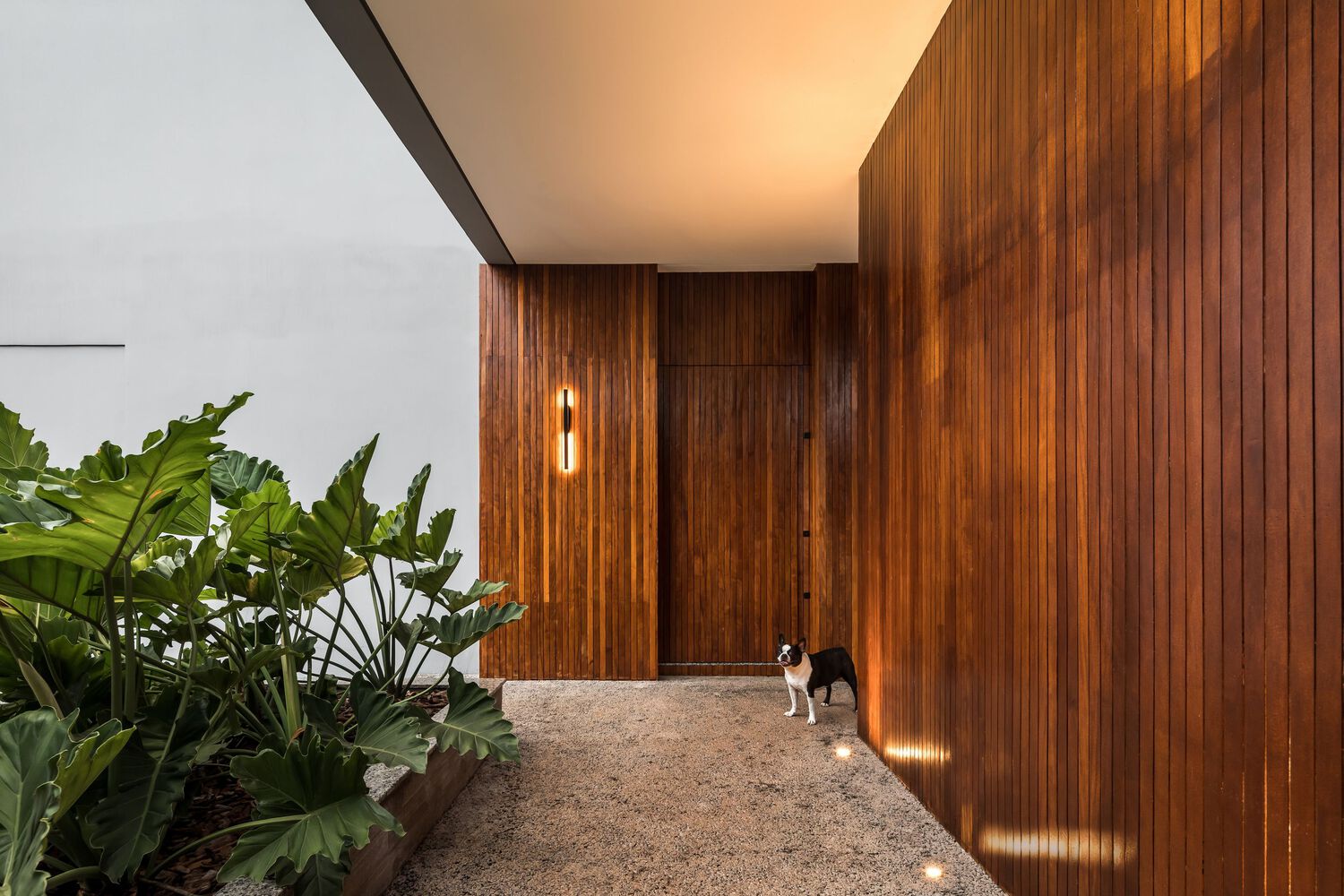
Spring House is adaptive reuse working with the modern needs of the time. We don’t need to destroy old houses to create new ones. Sometimes, the energy of self-renewal can be found within the establishment itself, without having to destroy anything. It’s the miracle of rebirth, an extended lease on life for an aging building to be used today.
Related reading: Pear Tree House: Creating a Harmonious Coexistence Between Old and New
Advertisement
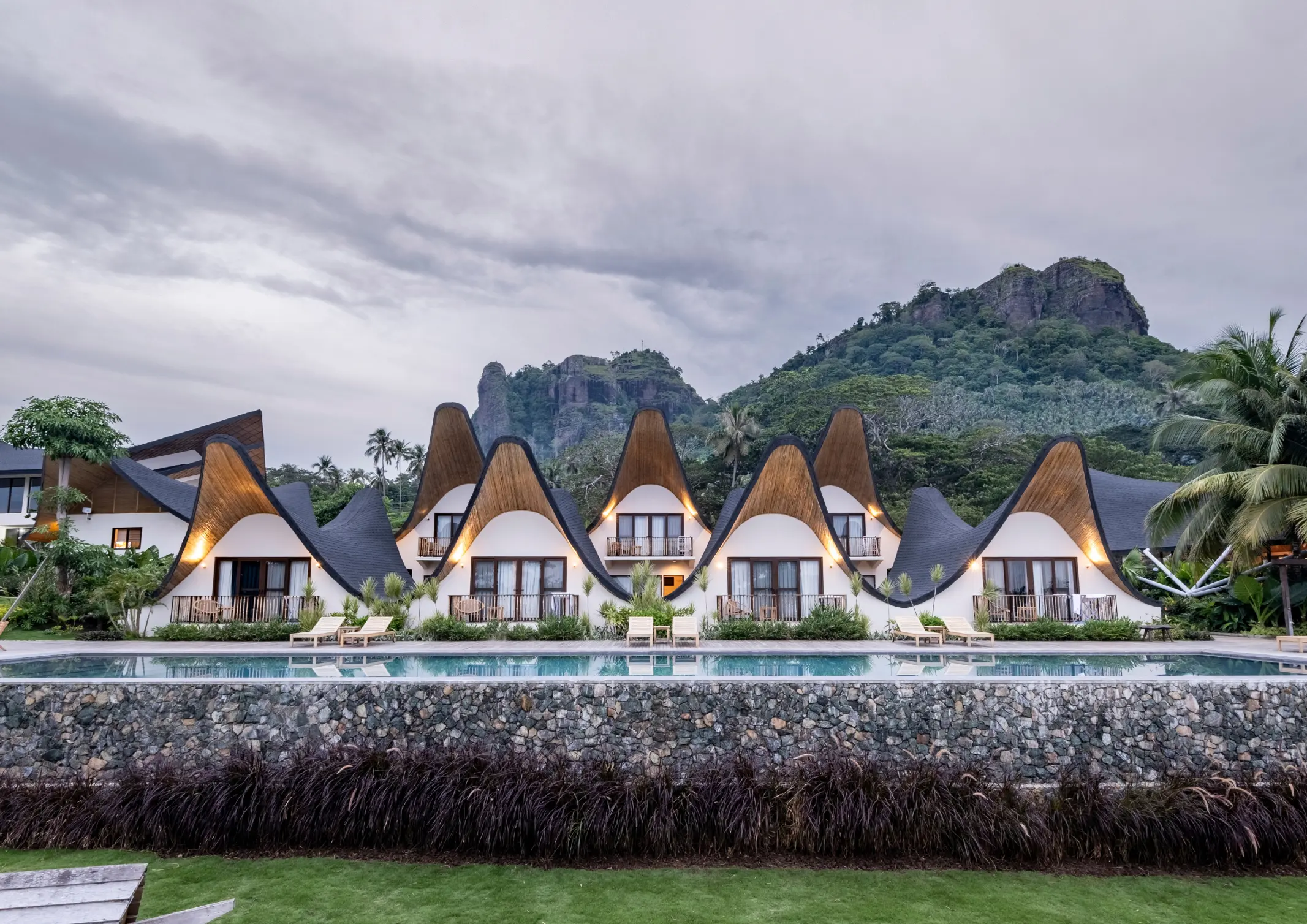
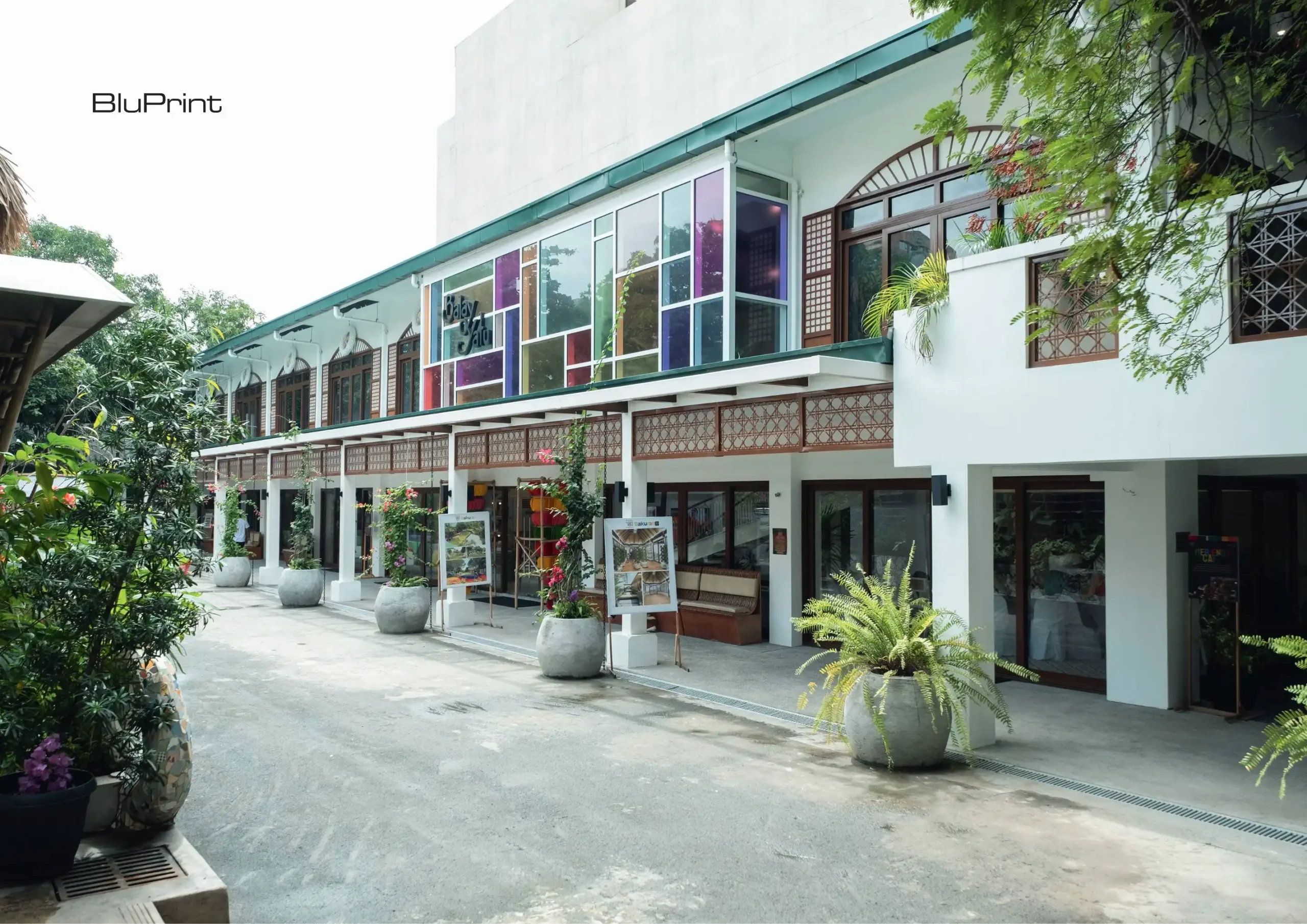
In the Philippines, adaptive reuse gained traction during the 1970s with the rise of conservation and environmental preservation movements. It offered an architectural solution that reuses existing spaces to fit modern needs. Across the country, several projects demonstrate how this approach is being applied—transforming heritage structures into active spaces for culture, hospitality, and community life. […]
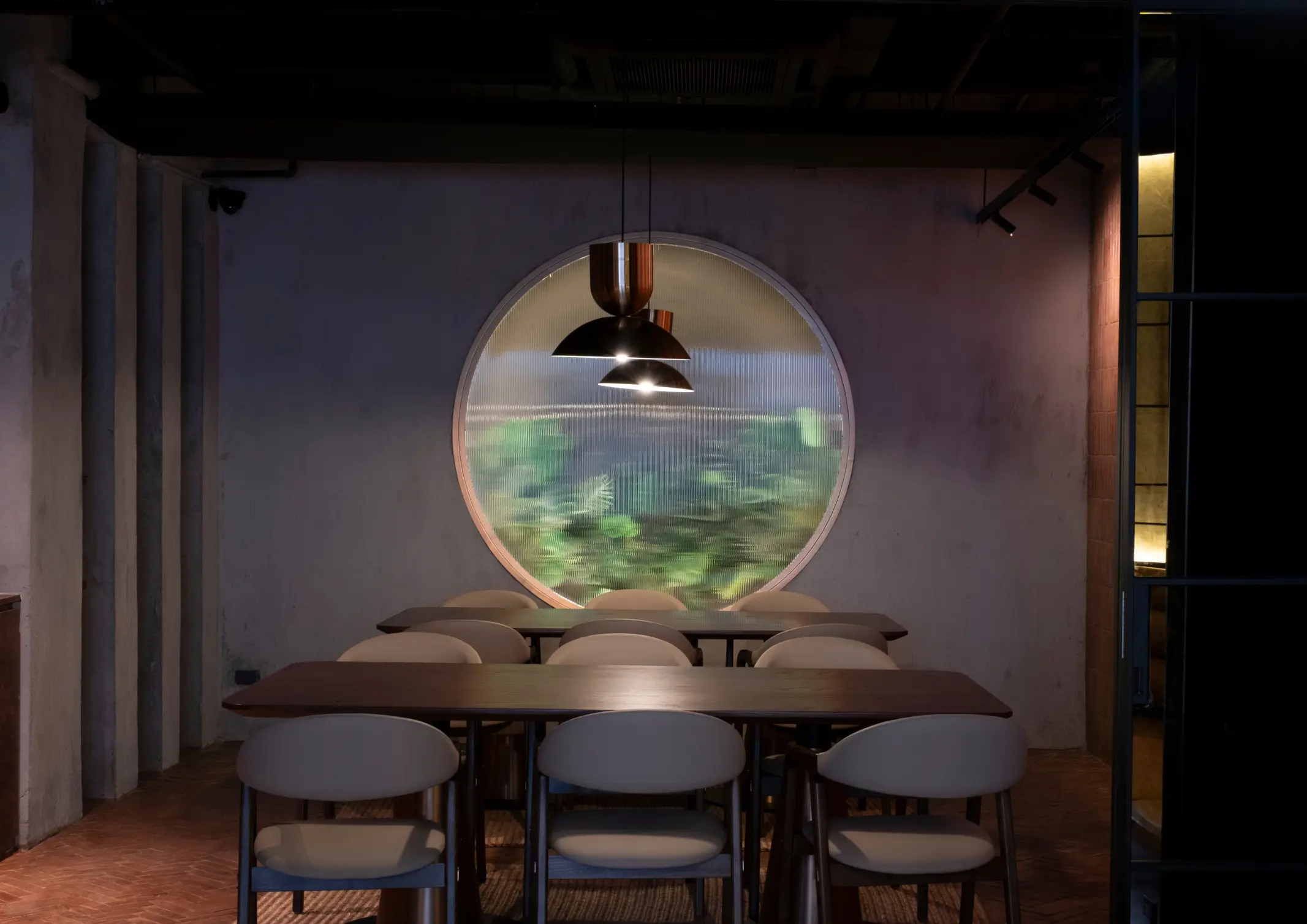
From residential spaces to civic structures, lighting dictates the mood of a space. It controls the visual dynamics of an interior, serving as a guiding tool that highlights key design elements, including materials and textures. Related Reading: Lampscaping: How to Light up Your Home like a Pro Regulating the Mood: Natural and Artificial Light in […]
Advertisement
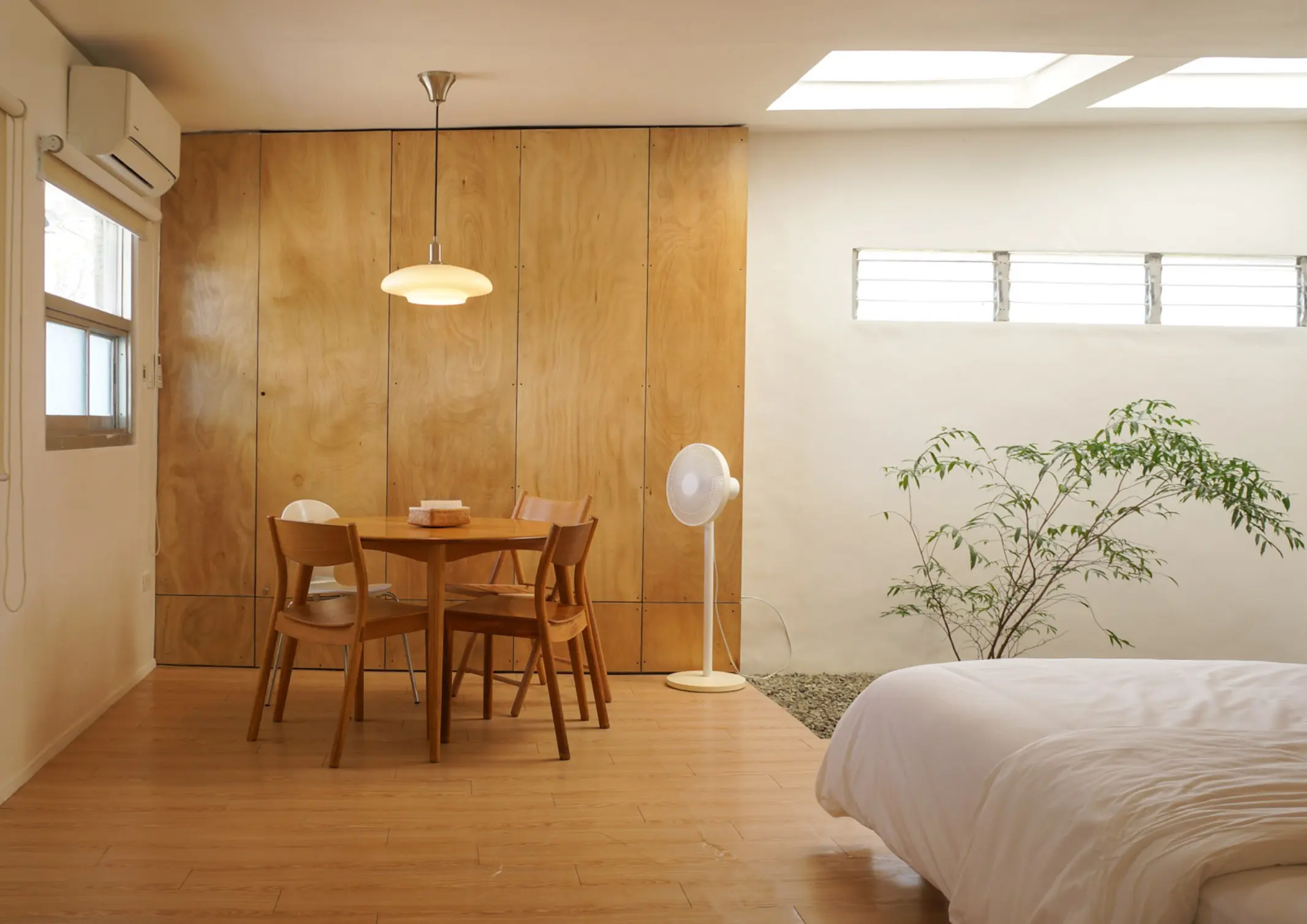
More and more Filipinos are flocking to condominium communities. Often tucked within busy city centers, condo living acts as a small respite from urban chaos. Faced with the challenge of transforming a cramped condominium into a warm living space, BluPrint lists condo interior design ideas that can maximize each square foot of small spaces. Purposeful […]
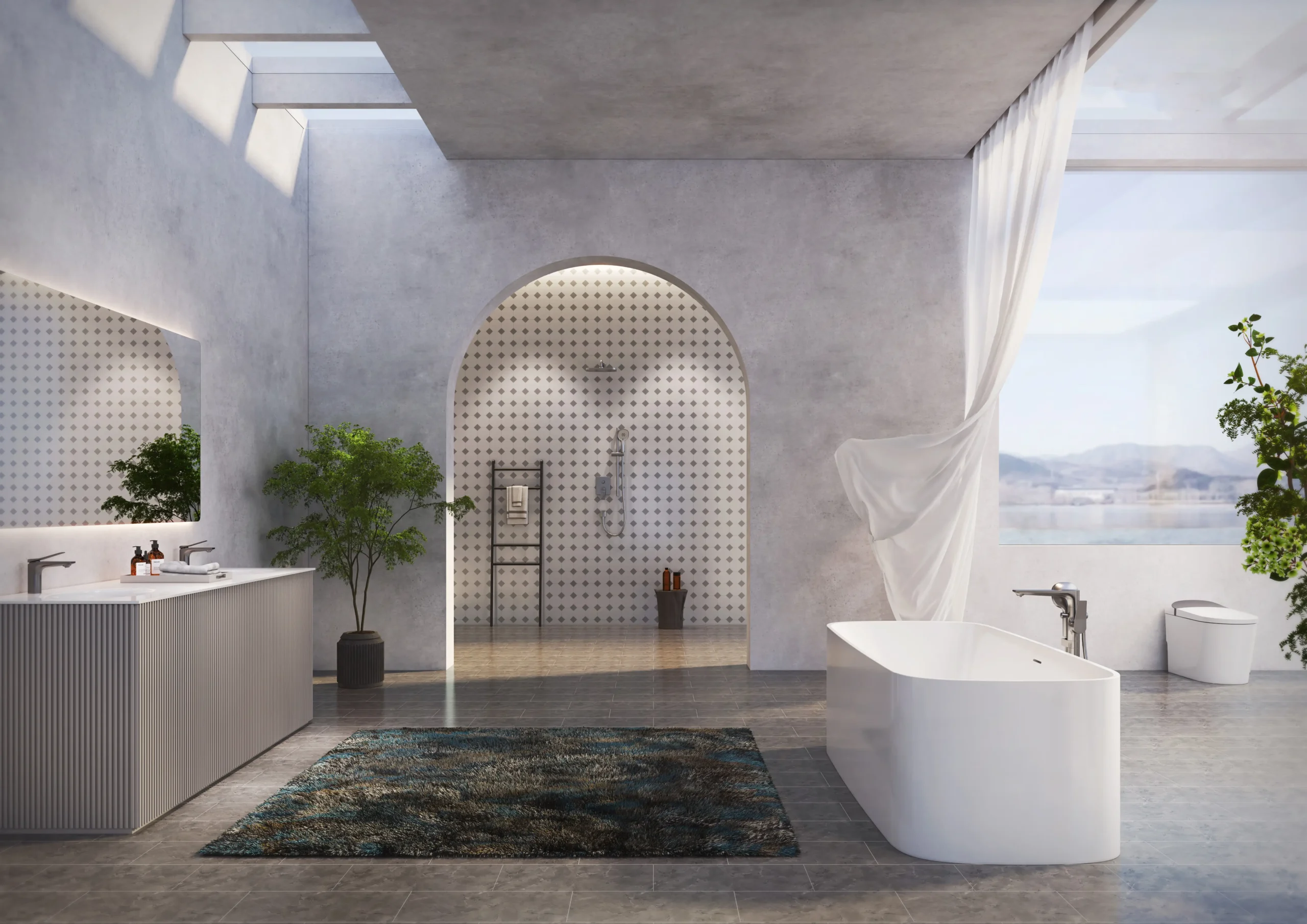
Modern bathrooms are no longer purely functional spaces. Increasingly, they are being designed as environments that support cleanliness, ease, and quiet restoration within the home. As daily life becomes more demanding and health awareness continues to rise, homeowners are beginning to expect more from the spaces where daily rituals begin and end. For architects and […]
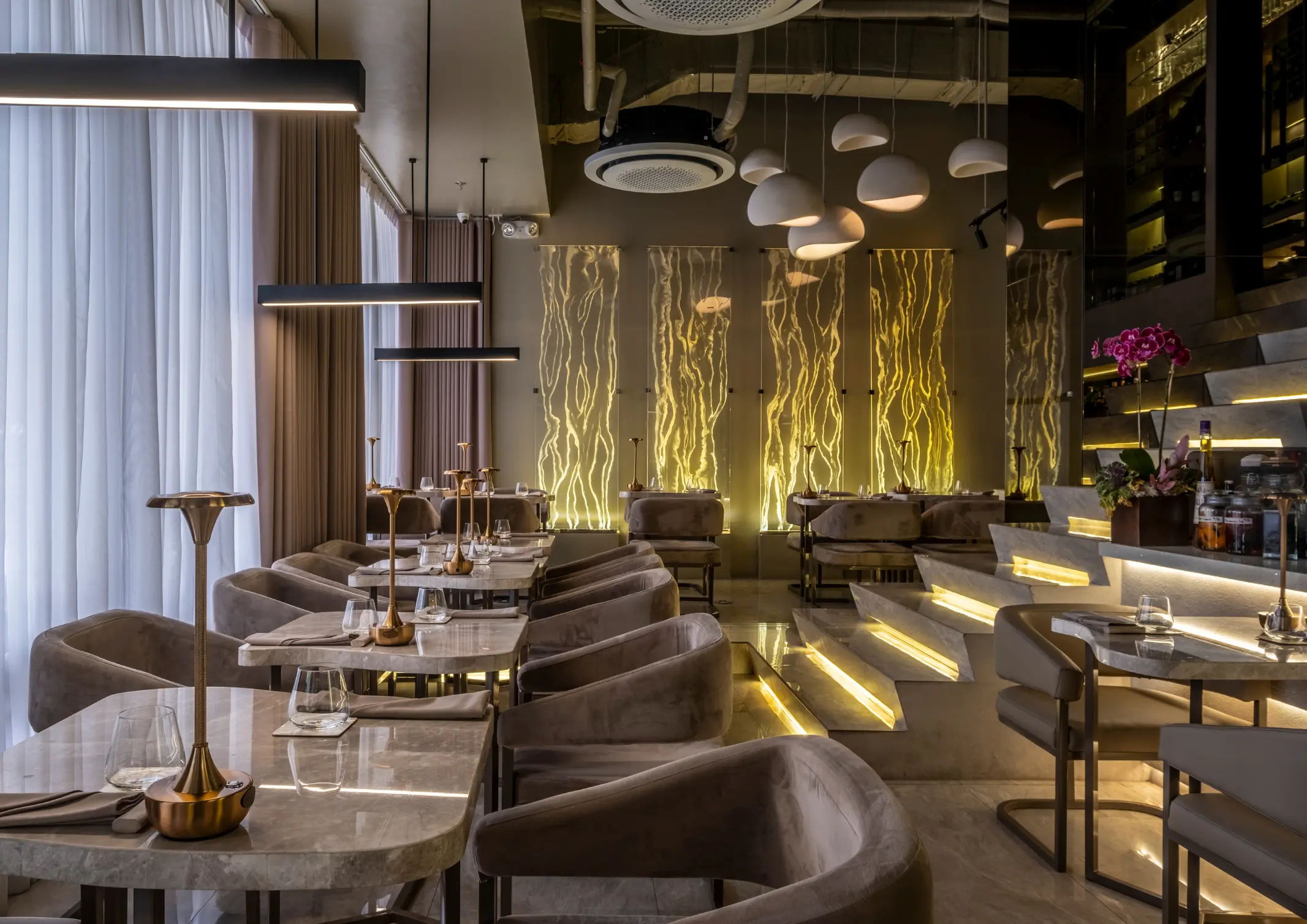
From the moment a diner steps through the door, each detail shapes how a meal is experienced. Restaurant design has evolved, with architects and culinary professionals collaborating to create built spaces that are as intentional as the menu itself. The spatial atmosphere acts as an additional ingredient that can define the culinary experience. Taupe and […]
Advertisement

Download this month's BLUPRINT magazine digital copy from:



Subscribe via [email protected]