The future is filled with uncertainty, as it can be molded by anything and everything. Planners inherently have to speculate how the present conditions of today will unfold tomorrow. Three pioneering firms—Sangay Architects, ESCA, and Cali Architects—demonstrate how embracing these changes can lead to organic opportunities, new ways of creating, and the possibilities in how we shape our lives.
Sangay Architects’ Modernization of Natural Materials
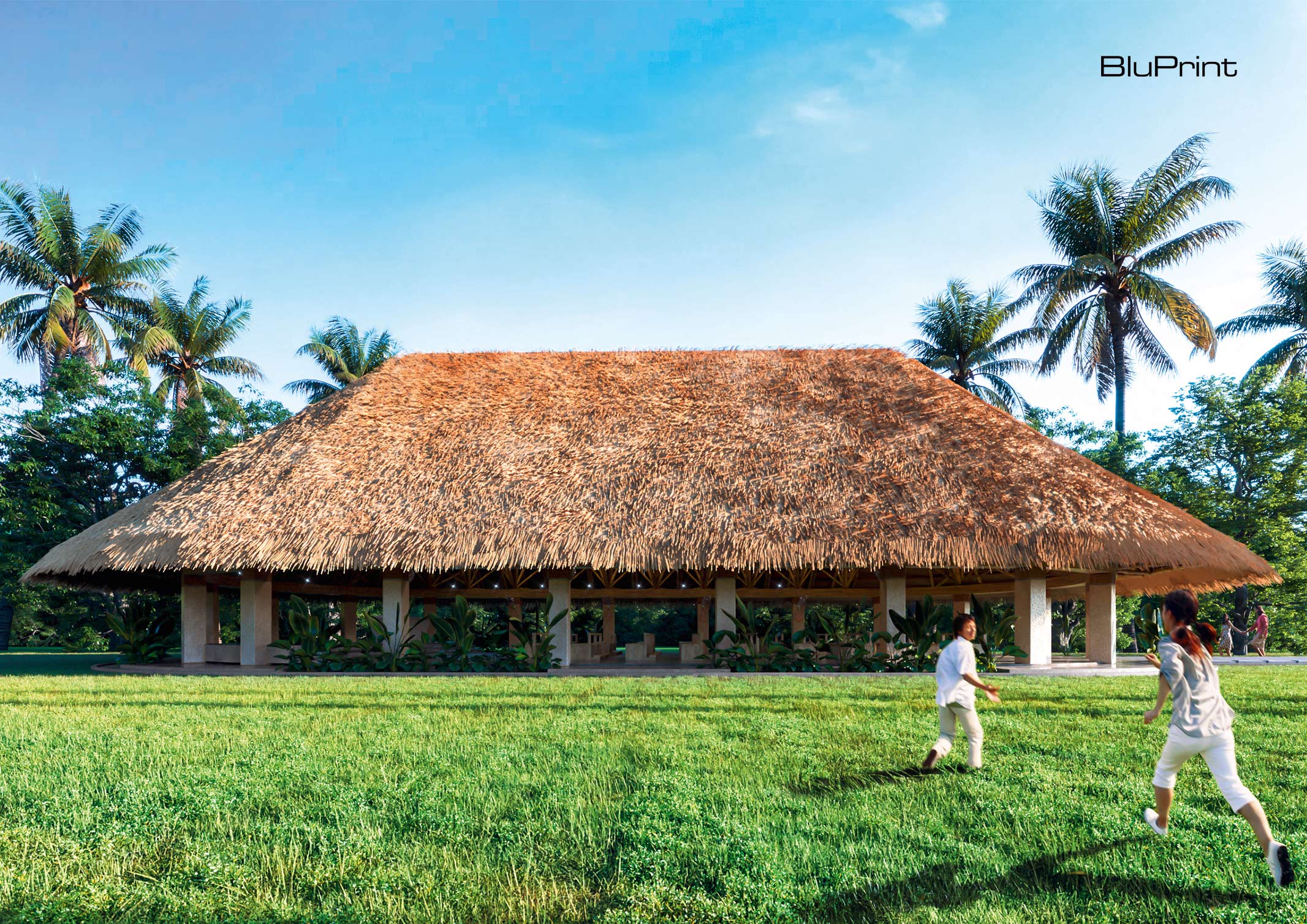
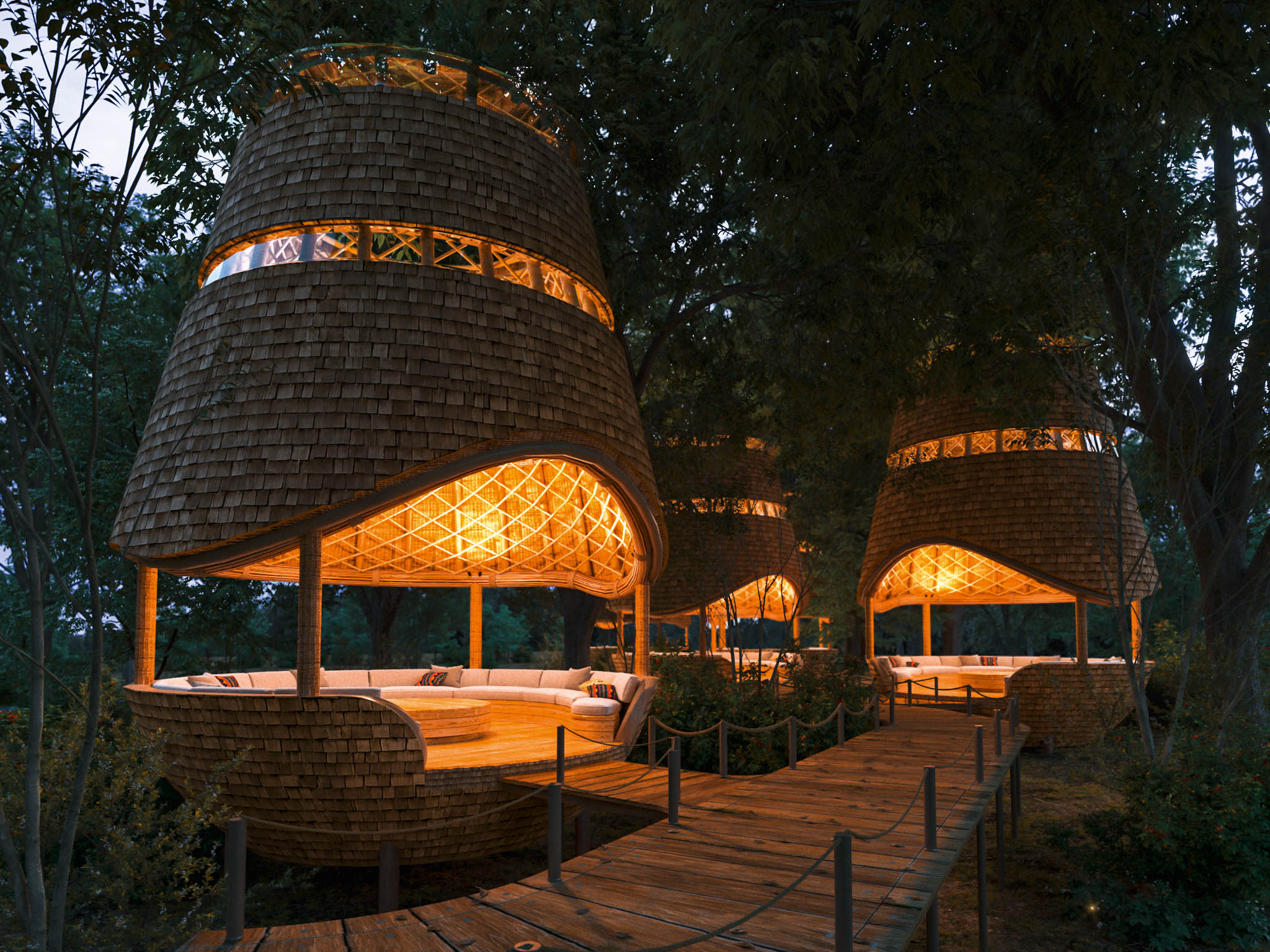
The integration of natural materials holds potential for wider adoption in urban environments. In the Philippines and other places in the world, bamboo proves to be a versatile material. Bamboo’s raw form is often linked to tropical settings because of its rugged and natural aesthetic, making it seem incompatible with modern urban landscapes. Christian Salandanan, Principal Architect of Sangay Architects, however, challenges this perception. The firm’s specialization and expertise elevates this traditional material by showcasing its unique sophistication. By studying bamboo’s benefits and limitations, Sangay Architects can use it in a purposeful manner.
To integrate bamboo to modern and urban settings, it needs to be protected and conditioned first, as it is an organic material. This treatment process will allow it to withstand the elements, or else it would rot. But the effort is worth it, as bamboo offers a unique visual flavor, which Salandanan integrates into their designs. Their firm’s work displays a compelling fusion of modern materials in juxtaposition with this tropical timber. Their nuanced approach highlights its best qualities while adjusting to what spatial requirements call for.
Advertisement
ESCA’s Push for Global Competitiveness
Technological advancements continually reshape design processes. The introduction of AutoCAD decades ago revolutionized drafting, transitioning from manual techniques to computer-aided design. The adoption of this tool was met with initial resistance but eventually has now become synonymous with the practice.
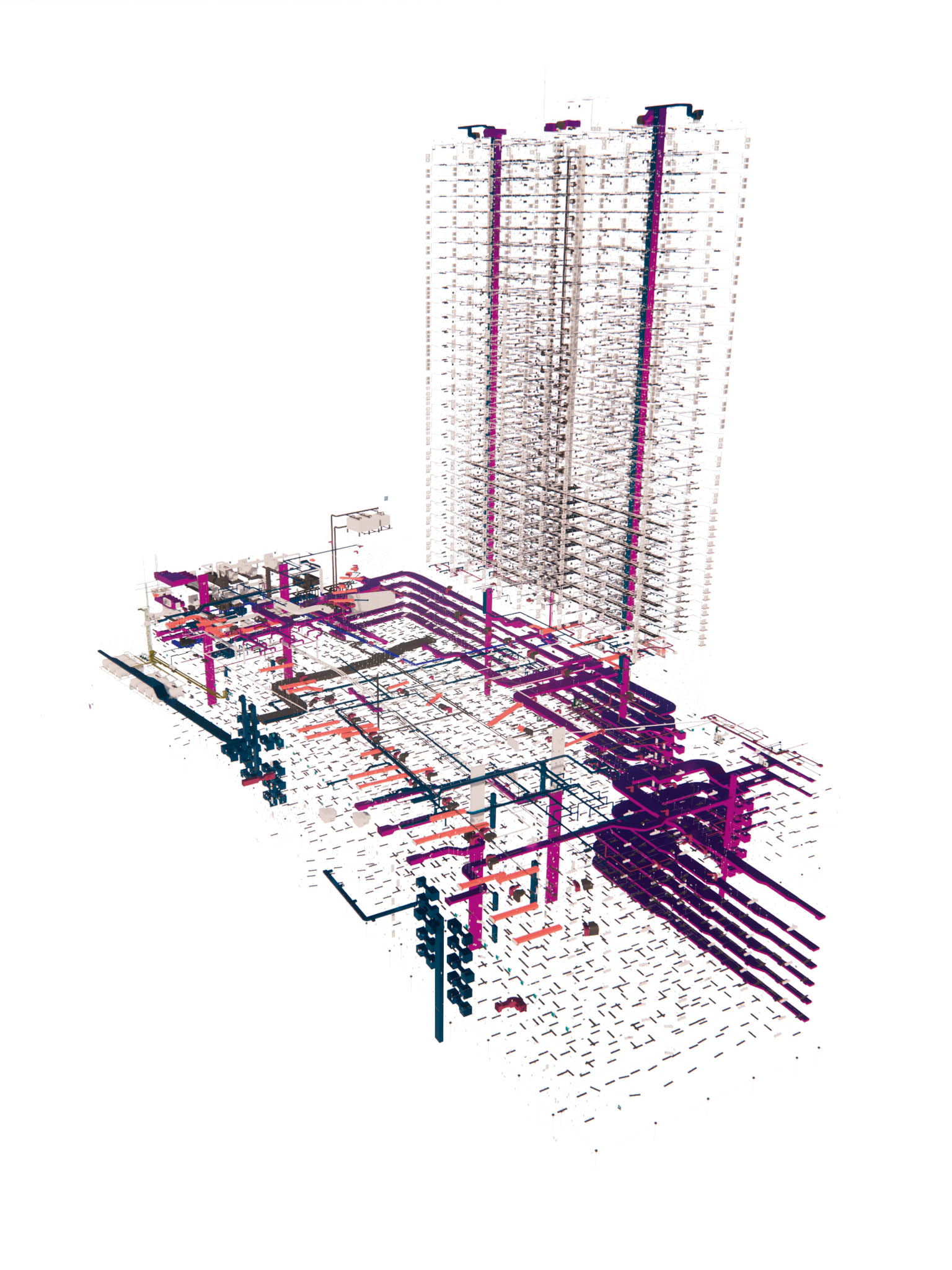
This pattern now repeats with Building Information Modeling (BIM), which transcends traditional CAD by creating dynamic, information-rich models instead of static drawings. By its merits, it is now an international standard (ISO 19650) that is often required in other countries such as the United States, Singapore, and the United Kingdom.
Ernesto de Castro, ESCA Engineering’s founder and president, champions these innovations as their firm specializes in BIM implementation in the Philippines—a revolutionary shift in how we conceive, build, and manage structures. The firm promotes its use locally and offers training to numerous companies across the country for its widespread adoption.
Advertisement
Cali Architects’ Inspired Forms of Change
The emergence of new cities and widespread infrastructure presents a new frontier for Filipino architecture. Across the archipelago, different environments, local conditions, and stylistic requirements bring about a plethora of contexts that designers have to adapt to.
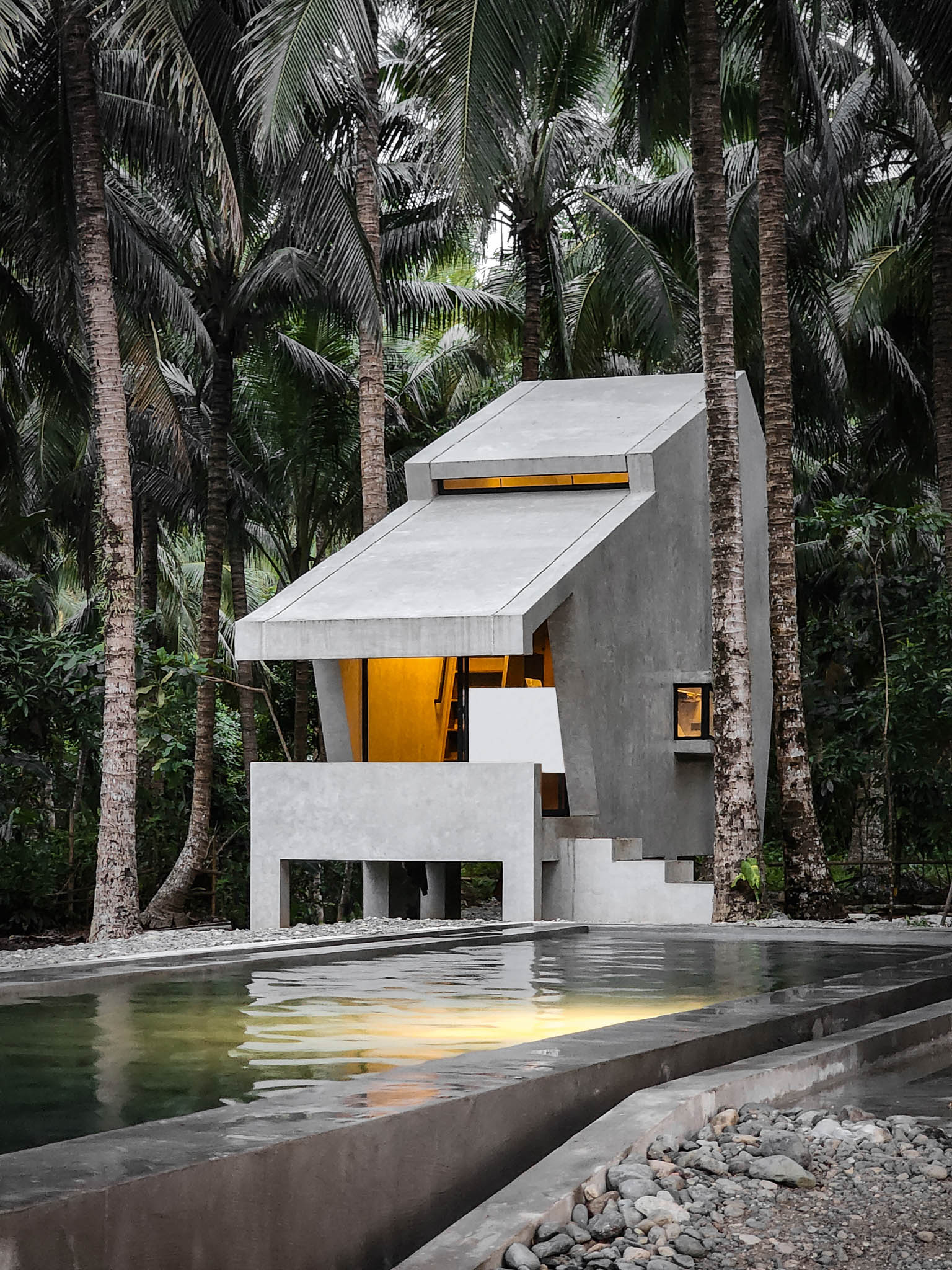
Amon Cali, Principal Architect of Cali Architects, shares how these changes have shaped his practice of architecture. The firm considers how architecture is a combination of art and real estate. Reflecting on his experiences, Cali shares that both elements of popular culture and practical realities nurtured his fascination with the high art of building design. Fashion runway shows, with their avant-garde backdrops, inspired his understanding of how spaces can amplify human presence. In conjunction, the need for shelter and what it can offer drives Cali Architects’ approach to spatial design.
Based in Baguio City, the firm primarily works in rural settings throughout the country. Whether it be summits above the clouds or by the shores of the Pacific, their designs adapt and offer a bold vision for provincial life and what these unique environments can offer us.
Advertisement
Creating Tomorrow, Today
The future of design emerges as a synthesis of seeming opposites between societal forces of tradition, modernity, natural, and digital. This holistic approach and perspective point toward a bright future – where sustainability becomes not just a goal but a natural outcome, technology enhances rather than replaces creativity, and spaces are created not just to be occupied, but to be lived with.
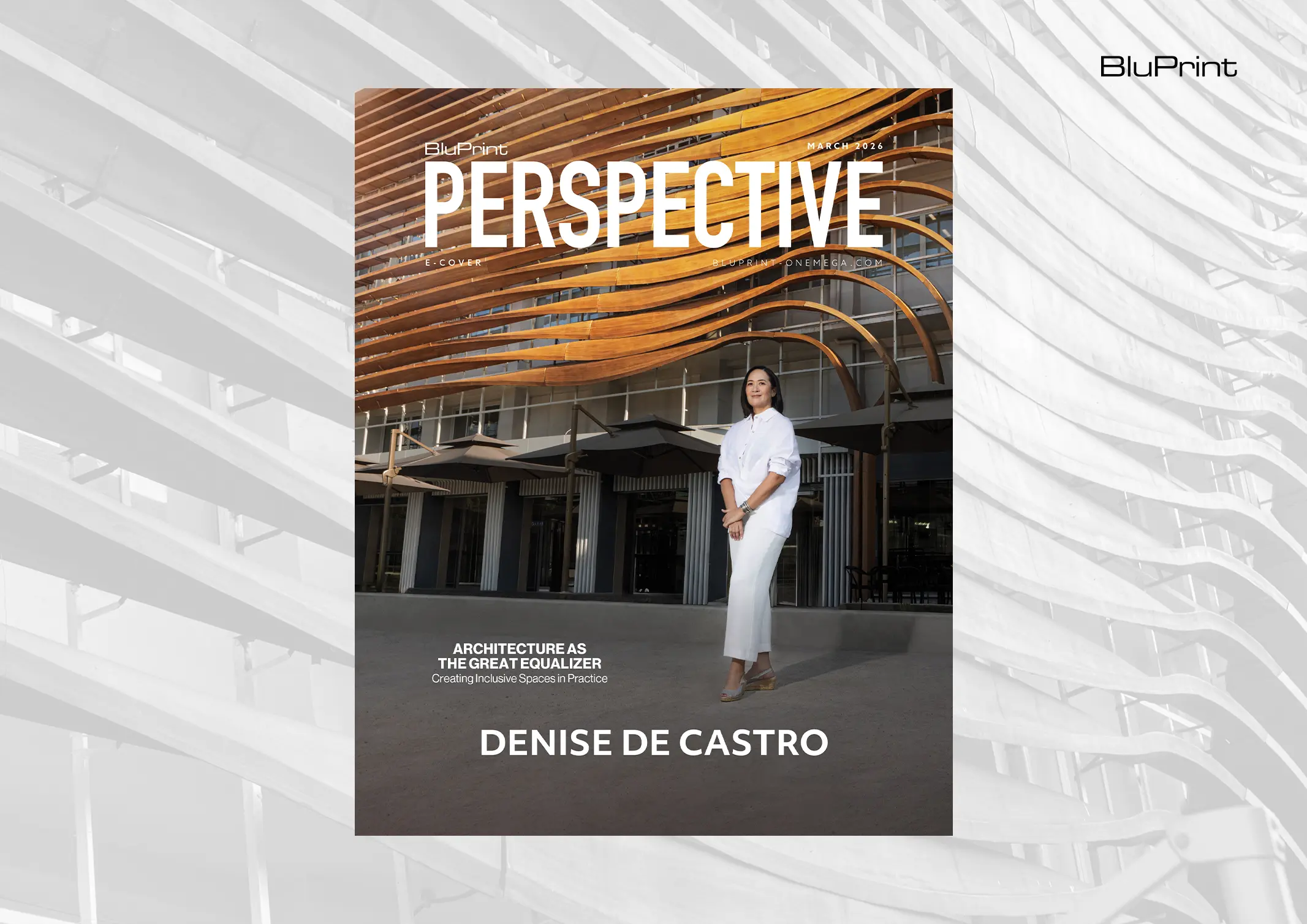
Denise de Castro, Principal Architect of DEQA Design Collaborative, believes that designing with equity in mind means starting at the workplace. Values and practices that your studio or office espouse inevitably filter down to the work that you do. Equitable design ensures that people with different needs and different backgrounds are supported through fair access, […]
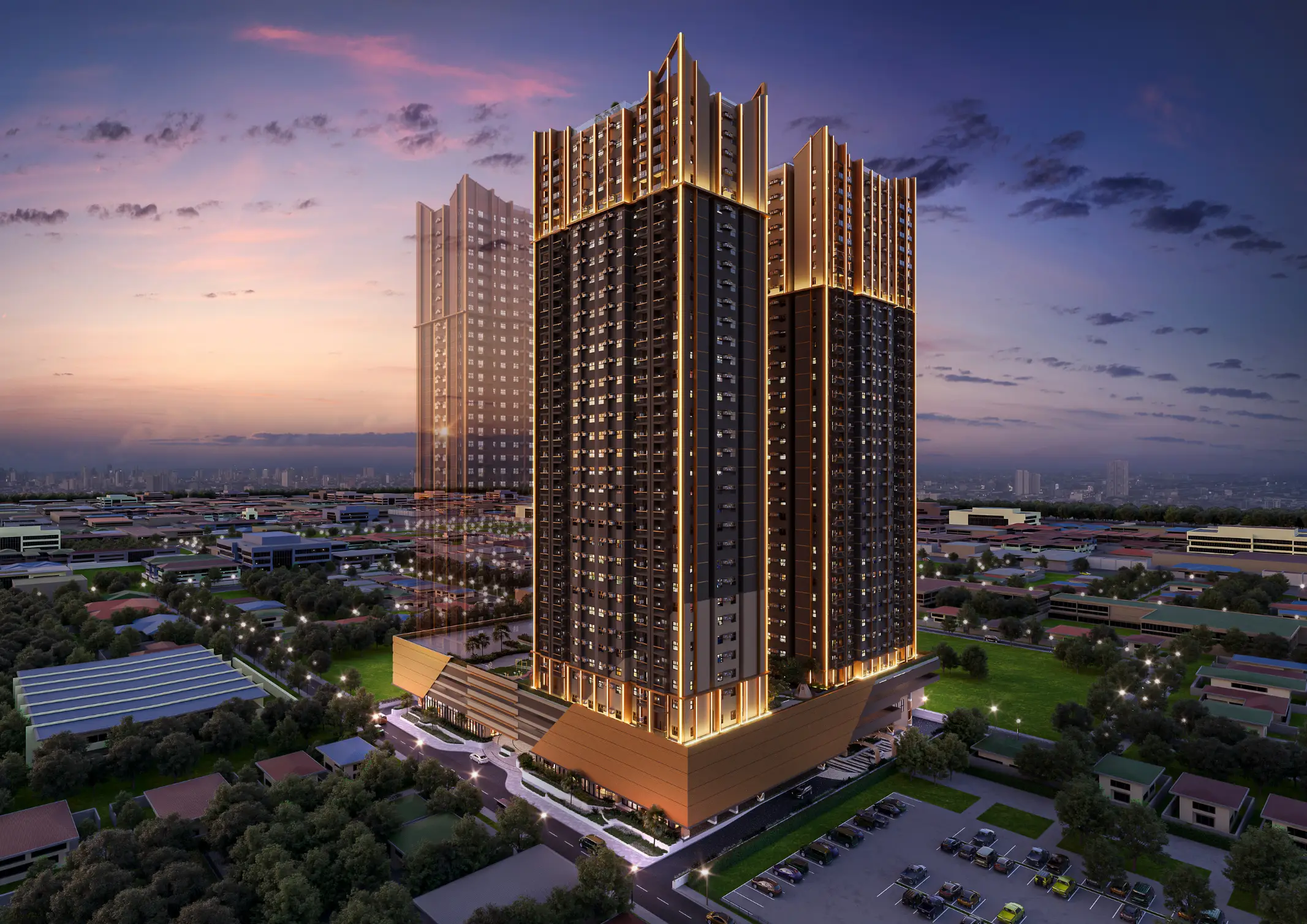
Across Metro Manila, residential developments are increasingly designed around proximity. As cities grow denser and mobility becomes more complex, new housing is often positioned near transport nodes, commercial districts, and educational institutions. This approach reflects a broader shift in urban planning. Mixed-use environments allow residents to live closer to daily necessities—reducing commute times while supporting […]
Luxury in design is undergoing a quiet shift. Where once luxury was measured primarily through visual opulence, today it is increasingly defined by responsibility—through the way spaces are built, the materials selected, and the impact those decisions leave behind. At the Philippine World Building and Construction Expo (WORLDBEX) 2026, this evolving definition of luxury takes […]
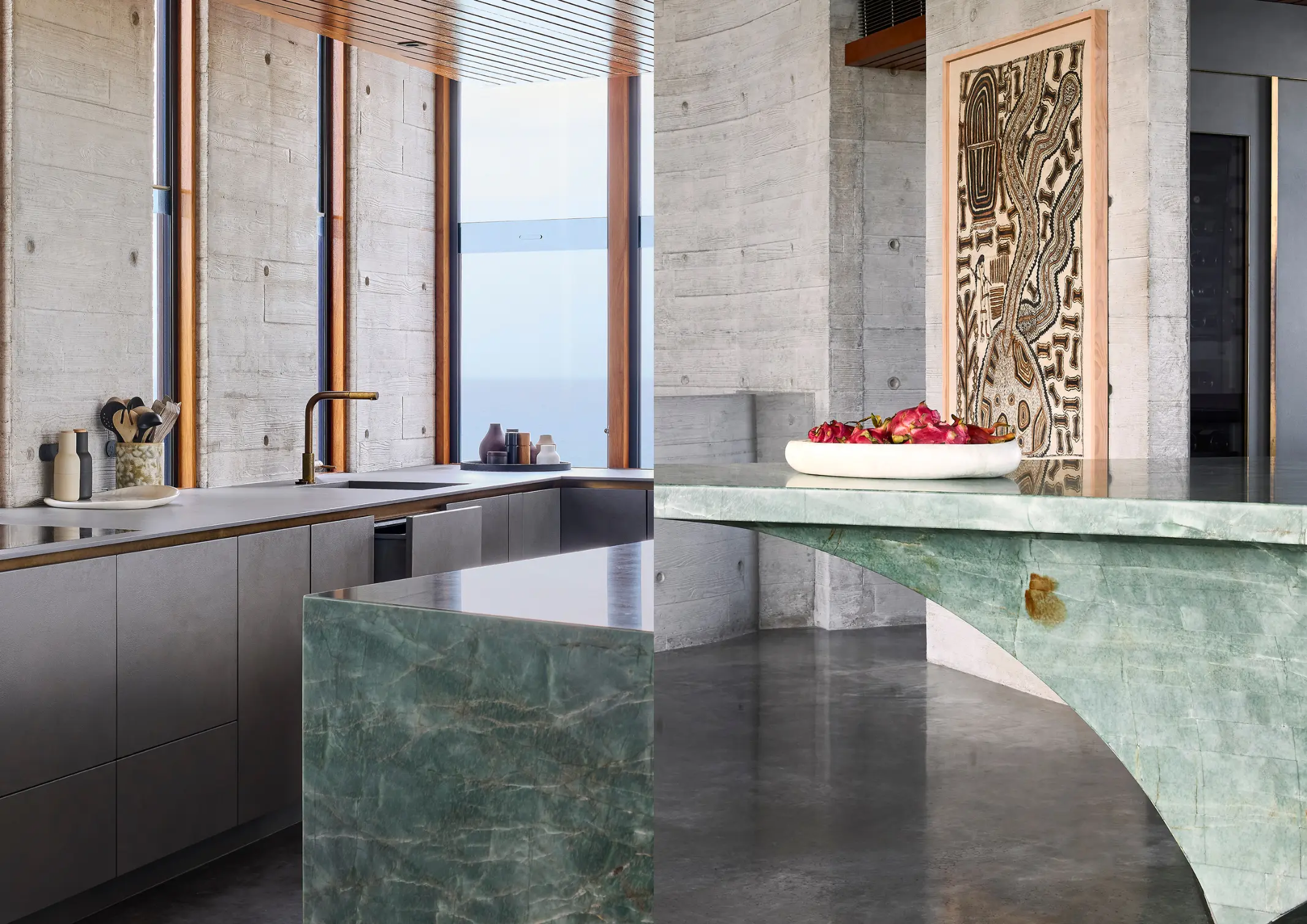
For more than nine decades, Fisher & Paykel has approached design with a simple but exacting belief: that the best living environments are those shaped by people, place, and purpose. Rooted in New Zealand and deeply attuned to island and coastal living, the brand’s philosophy centres on quiet performance, material honesty, and appliances that integrate […]
At Helm, dining unfolds as choreography. An open kitchen anchors the room, allowing guests to witness the precision behind its Michelin-starred fine dining menu. Designed by Kevin Nieves of Headroom, the 24-seat restaurant reflects that same discipline in its interior design. Tucked within Ayala Triangle Gardens in Makati, Helm brings together culinary recognition and architectural […]
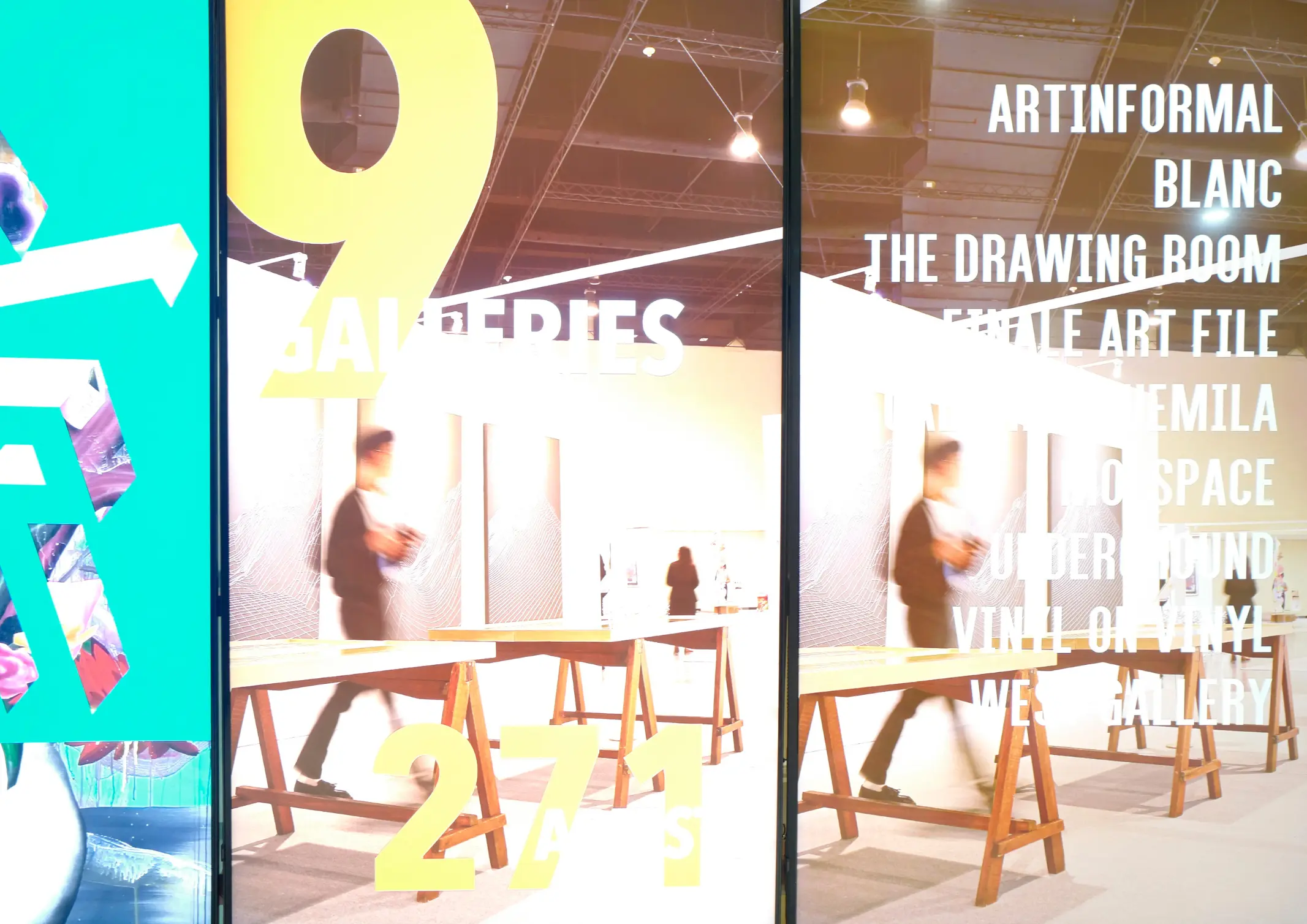
Exhibition designer Baby Imperial of All At Once shaped the spatial strategy of ALT ART 2026, its largest edition to date. The fair occupied Halls 1 and 2 of SMX Convention Center Manila, expanding in both footprint and ambition. Organized by the ALT Collective—Artinformal, Blanc, The Drawing Room, Galleria Duemila, Finale Art File, MO_Space, Underground, […]
Download this month's BLUPRINT magazine digital copy from: