Bigkis is the act of binding. In Tagalog, the word can refer to something used to bind or encircle, as well as a bundle formed by tying several separate elements together. Figuratively, it can also mean a bond, union, or unity. The meanings move from the physical act of joining things together to the connection […]
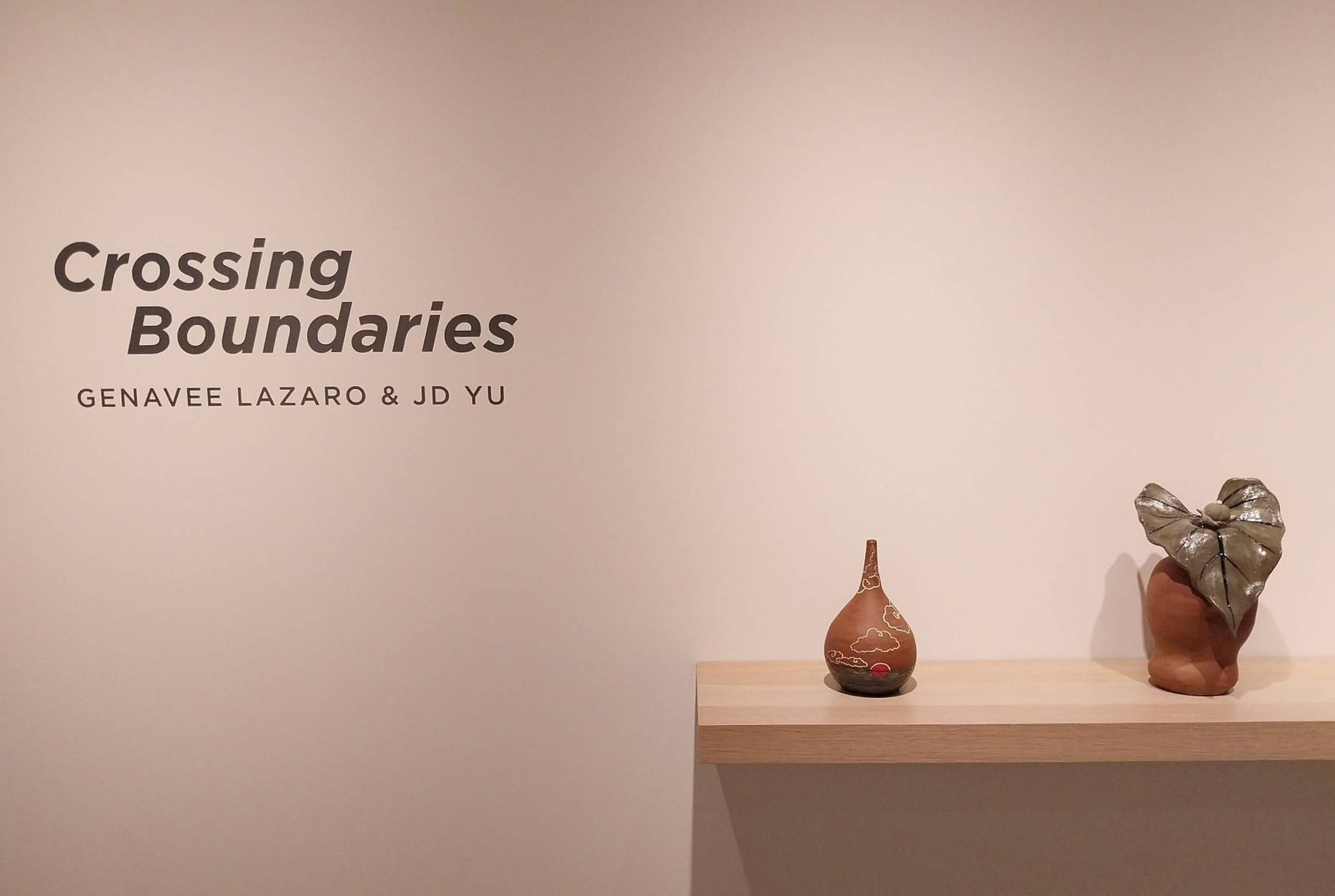
‘Crossing Boundaries’ Creates Distinctive Pottery From Two Unique Artists



Crossing Boundaries is a collaborative exhibit by sculptors Genavee Lazaro and JD Yu. This is the second collaborative exhibition in a series by Cartellino Art in two months, after last month’s exhibit by CABNOV and Haraya Ocampo-Tejido.
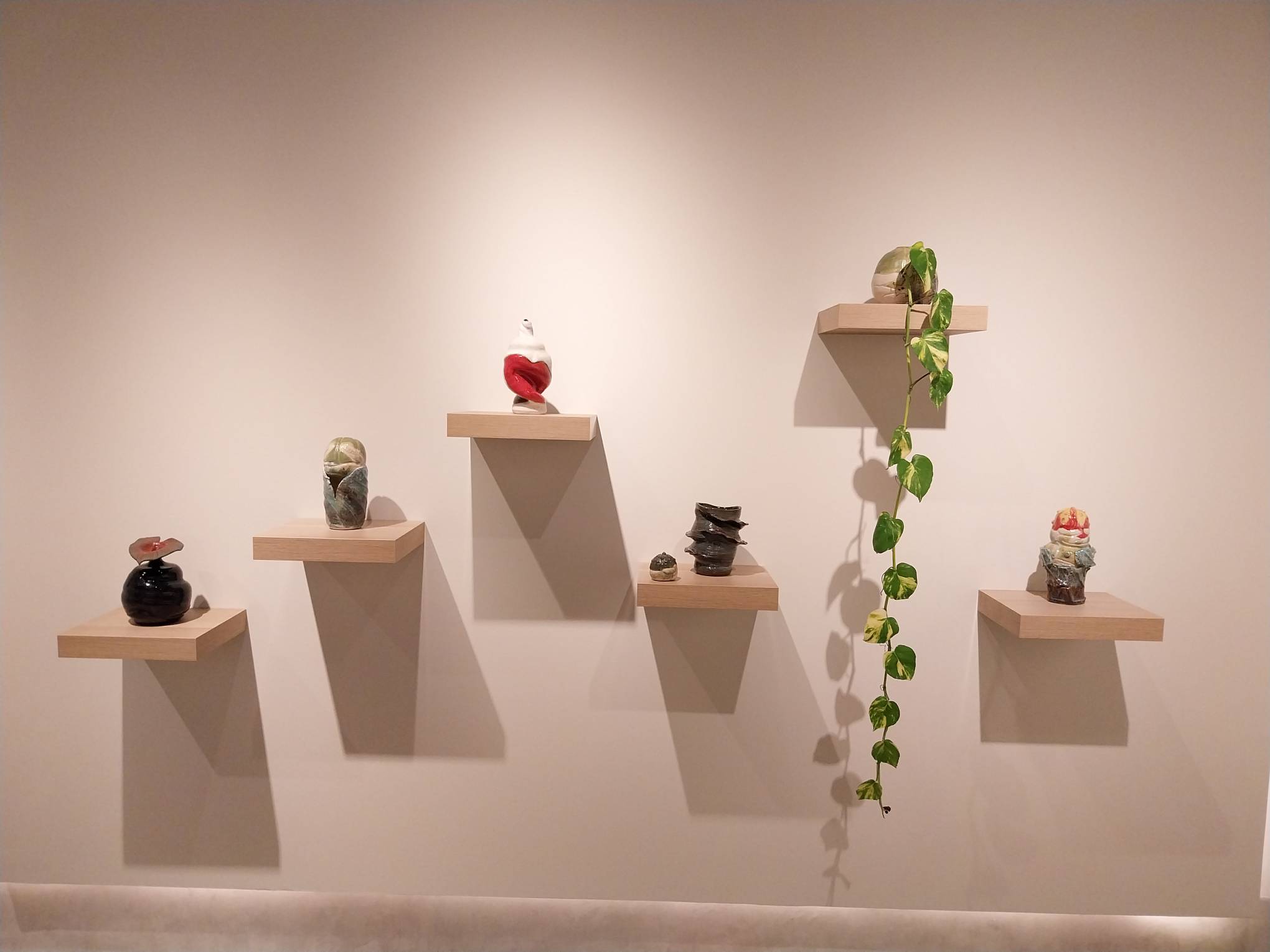
Crossing Boundaries gives us some distinctive pottery works from the two artists. They made it together in an elaborate give-and-take that allows them to experiment and integrate each other’s approach. According to the exhibit write-up, the works “emerge from a process hinged on trust, learning, and experimentation.”
“The objective for the artist-couple was to cross boundaries: to alter the other’s work, to impinge on their respective styles,” the write-up continued. “This exhibition thus marks the confluence of two distinct artistic styles onto a single sculptural form.”
Individuality Shines in Collaboration
Lazaro and Yu’s different stylistic processes truly shine through in this exhibition. The exhibit itself describes the merging of the styles as a negotiation: while Yu favors fluidity and abstraction, Lazaro works towards “structured and representational forms.”
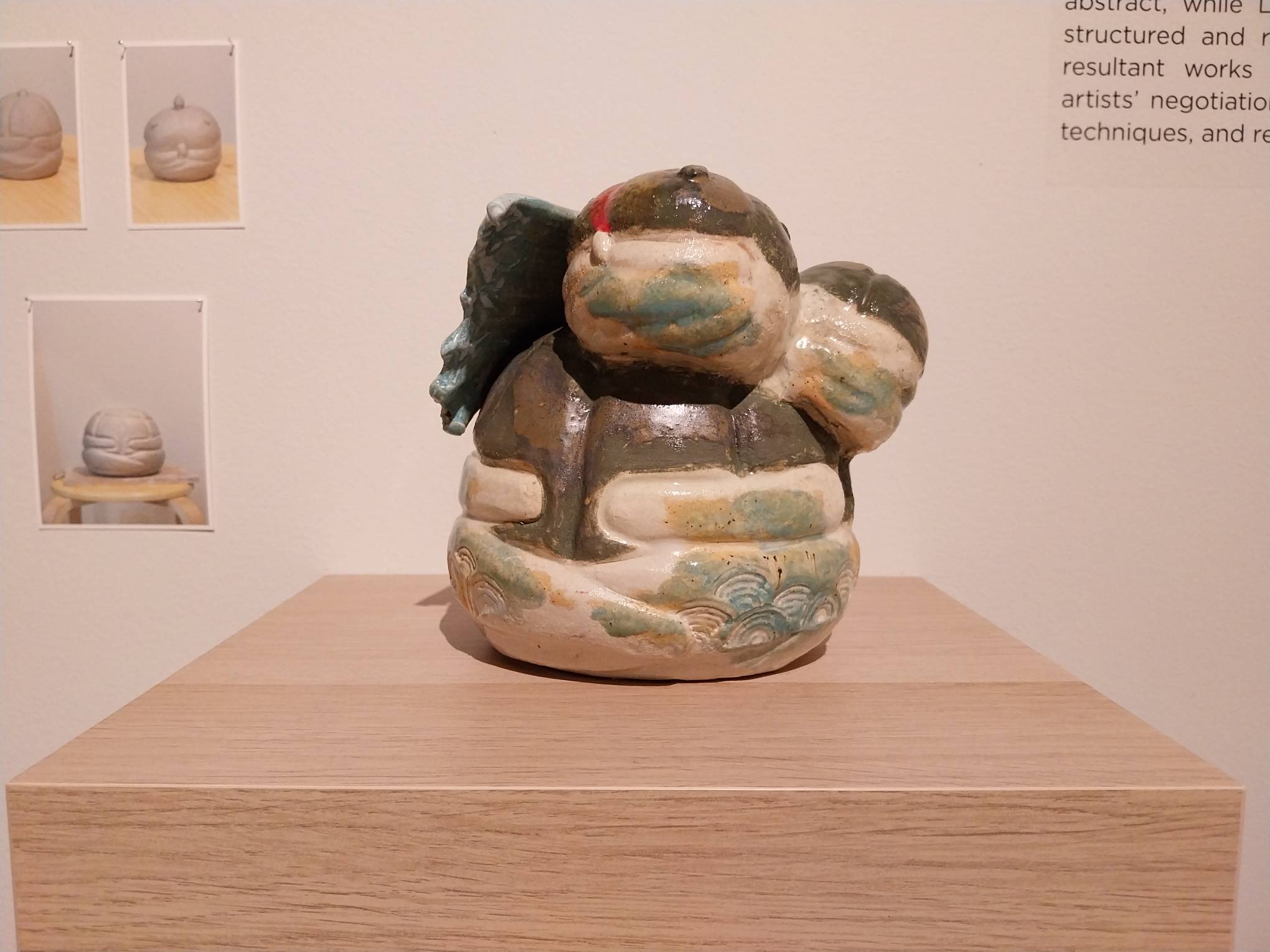
Cartellino Art’s write-up on the art process shows an interesting dynamic between the two. “Yu started off with the red clays and Lazaro with the off-whites,” the write-up said, “then passed it to the other once it was halfway finished.”
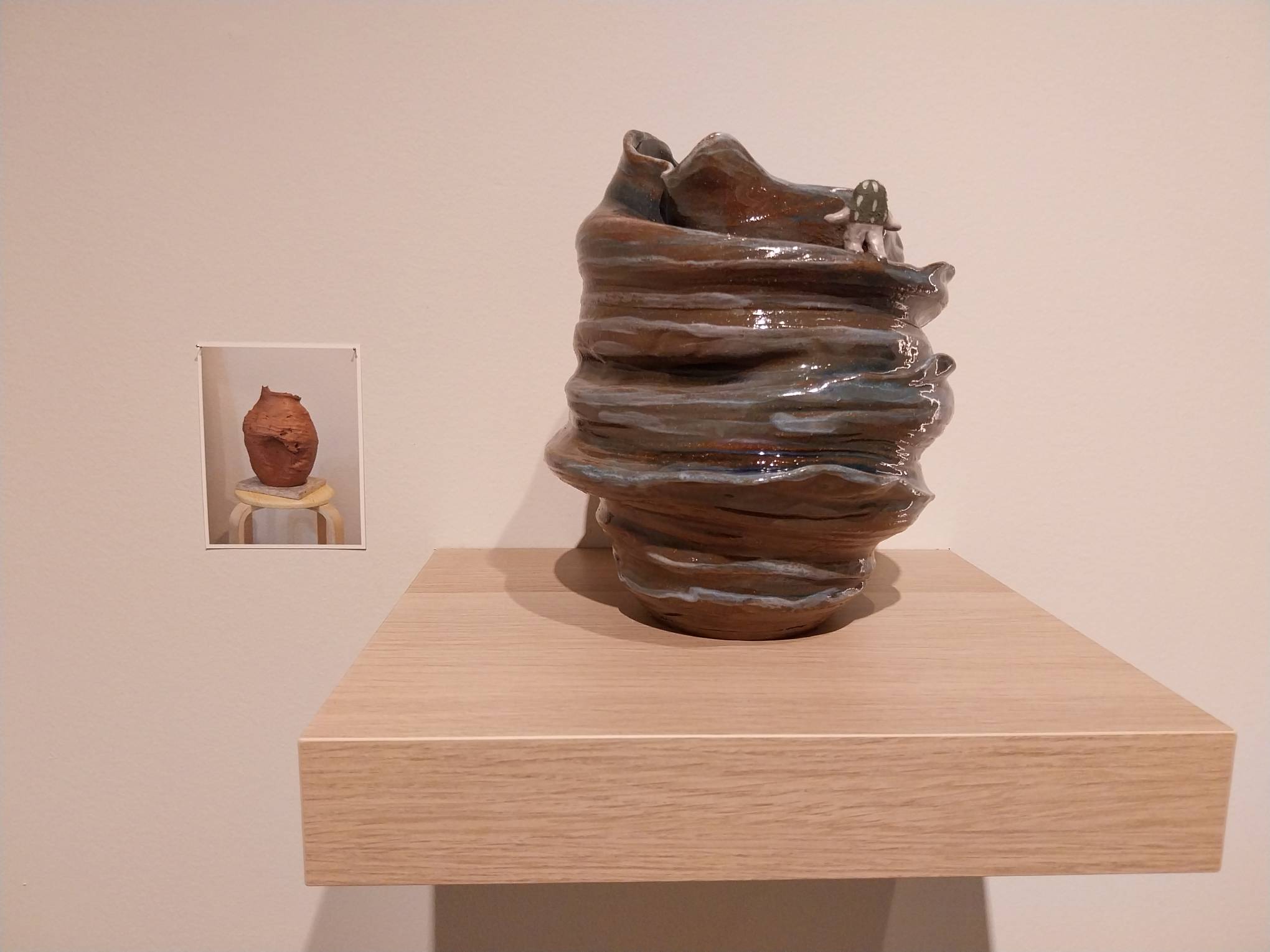
Some of the works in the exhibit present pictures of the work at the halfway point. It reveals how the work evolved, highlighting each artist’s contribution to the final product.
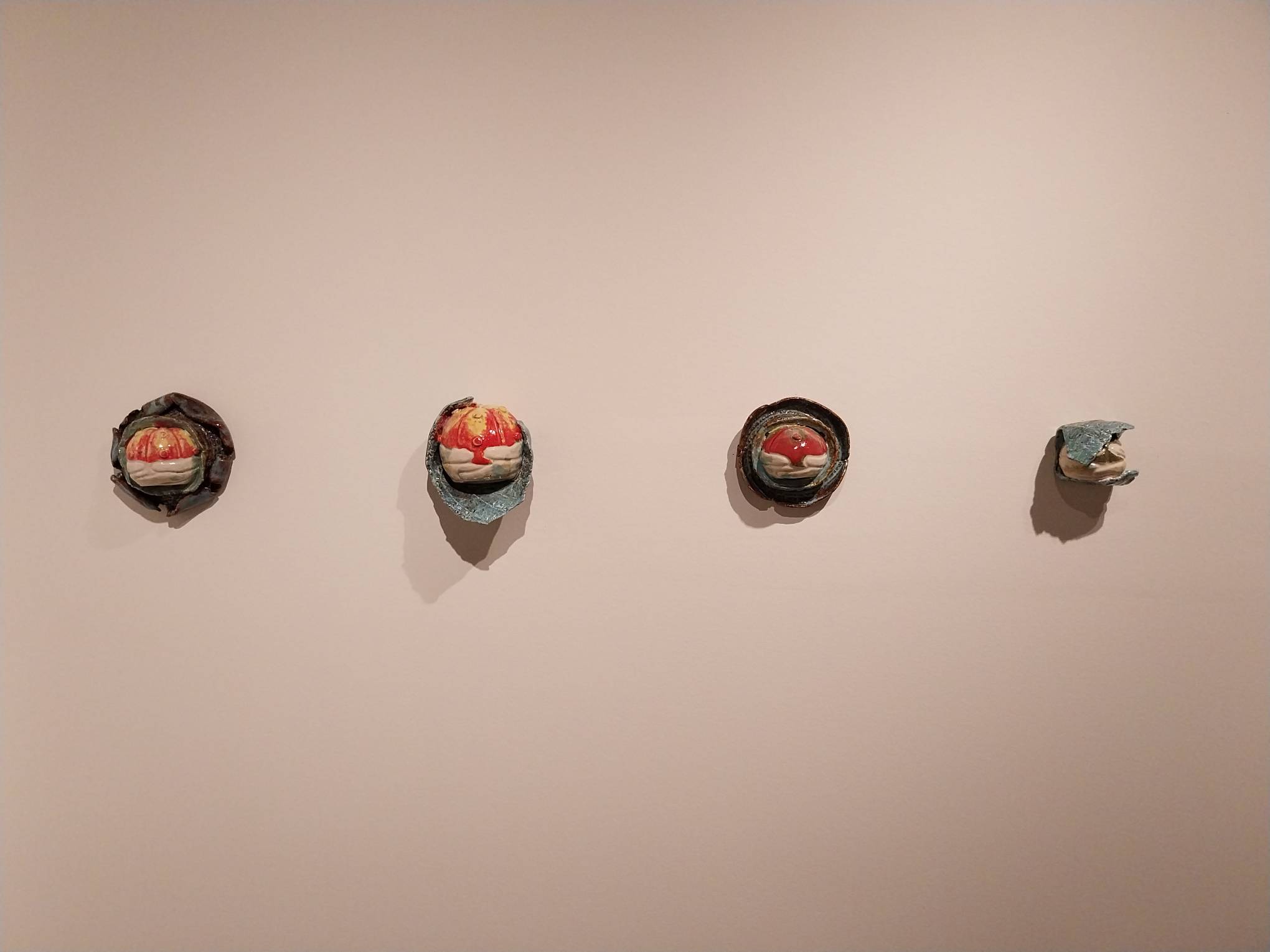
During the process, both artists expressed fear that one artistic voice would win over the other. They “hesitated to revise what the other had touched, and quarreled over the extent of their modifications.” In the end, however, that negotiation created pottery that was distinctly theirs, less a Frankenstein of their methods and more a melding of the two’s ideas.
Distinctive Pottery
The pottery in Crossing Boundaries truly is unique. Much of it straddles the lines between abstraction and representation. The ceramics contain Lazaro’s Cactus Friend character in fantastical yet humanized forms, while others attempt a curving, flowing nature-like fixture. Some of the pots even merge the two somehow, using green, Earth-like colors on ceramic bodies that give it a Studio Ghibli-esque look.
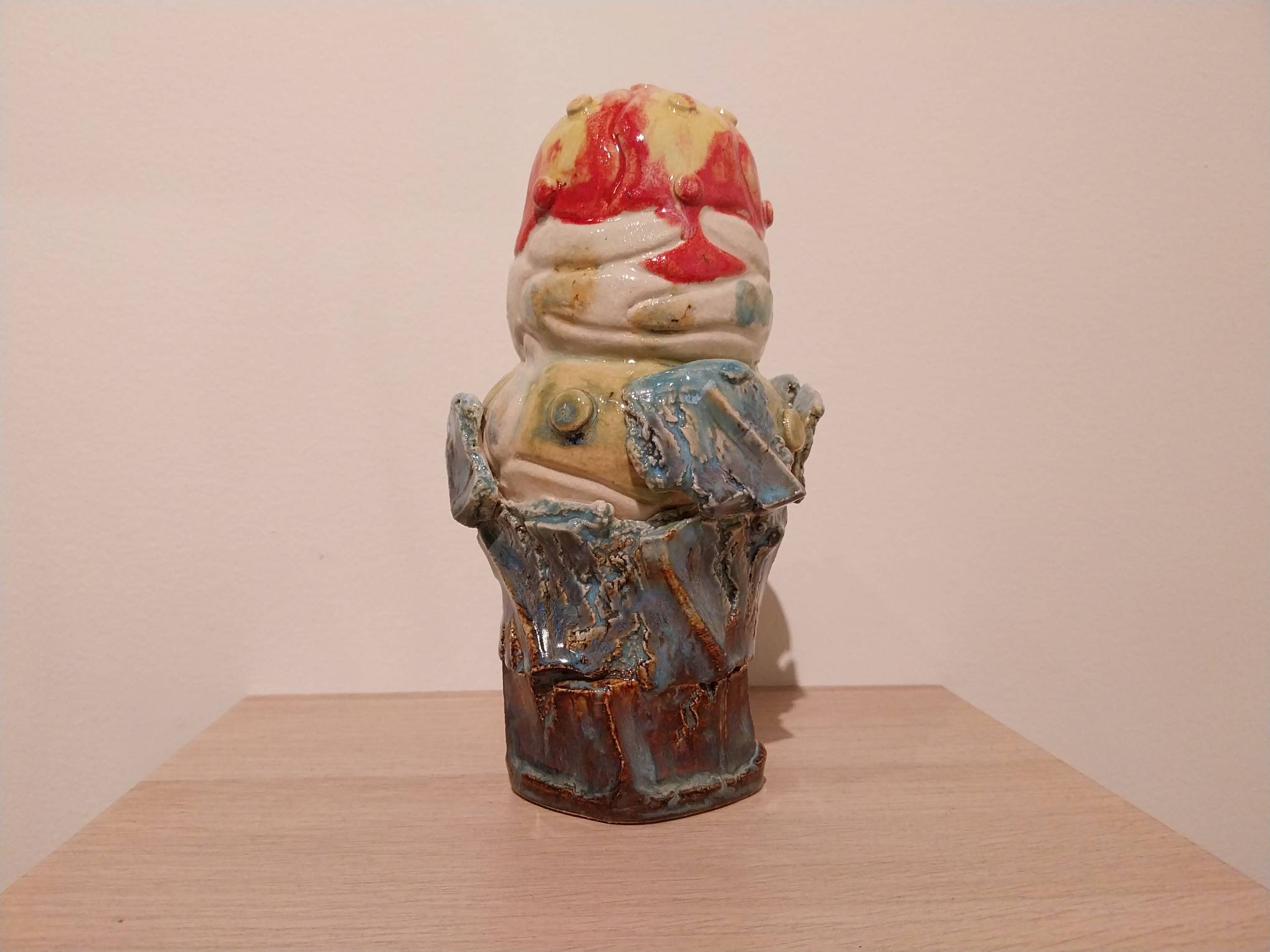
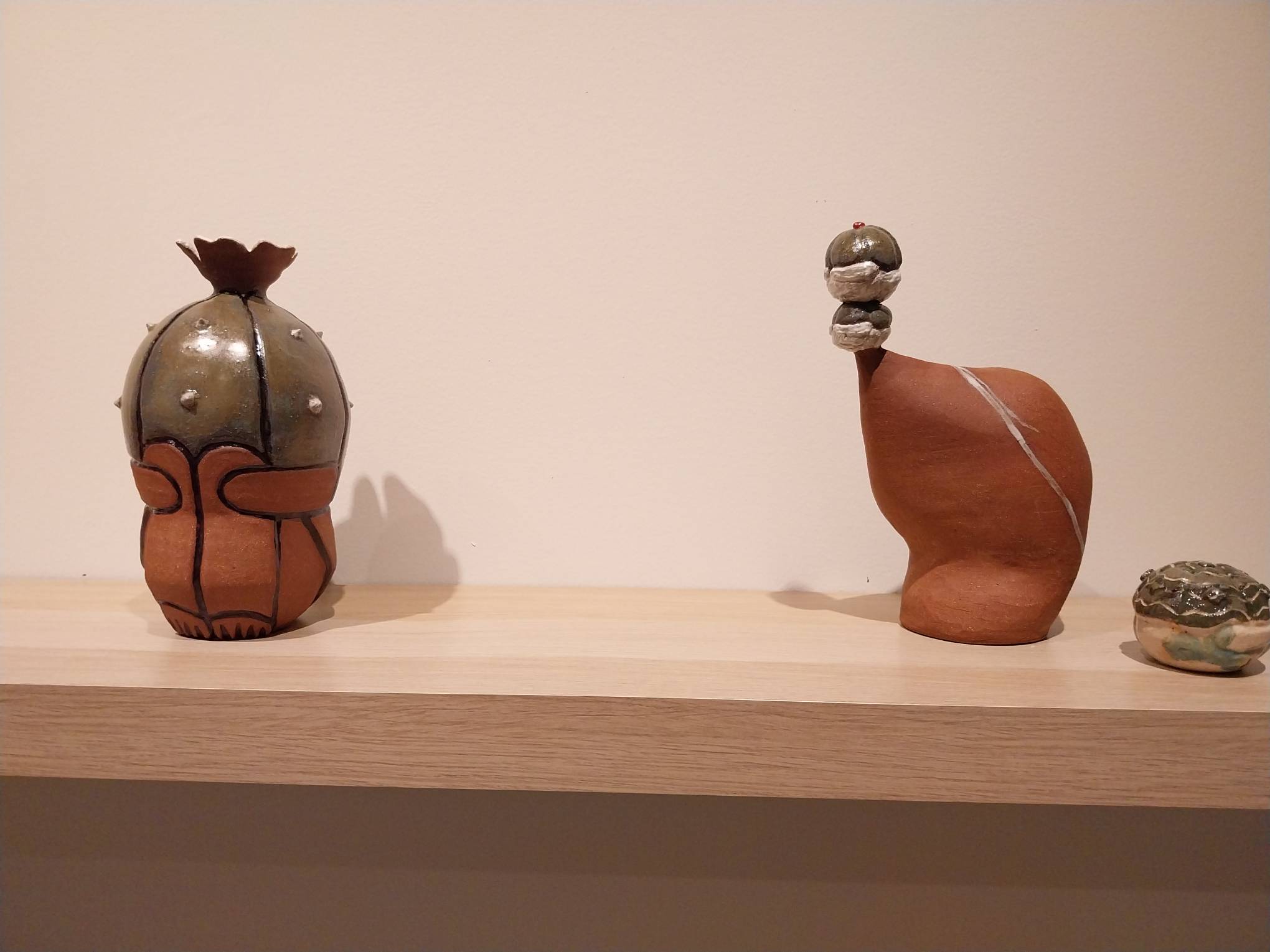
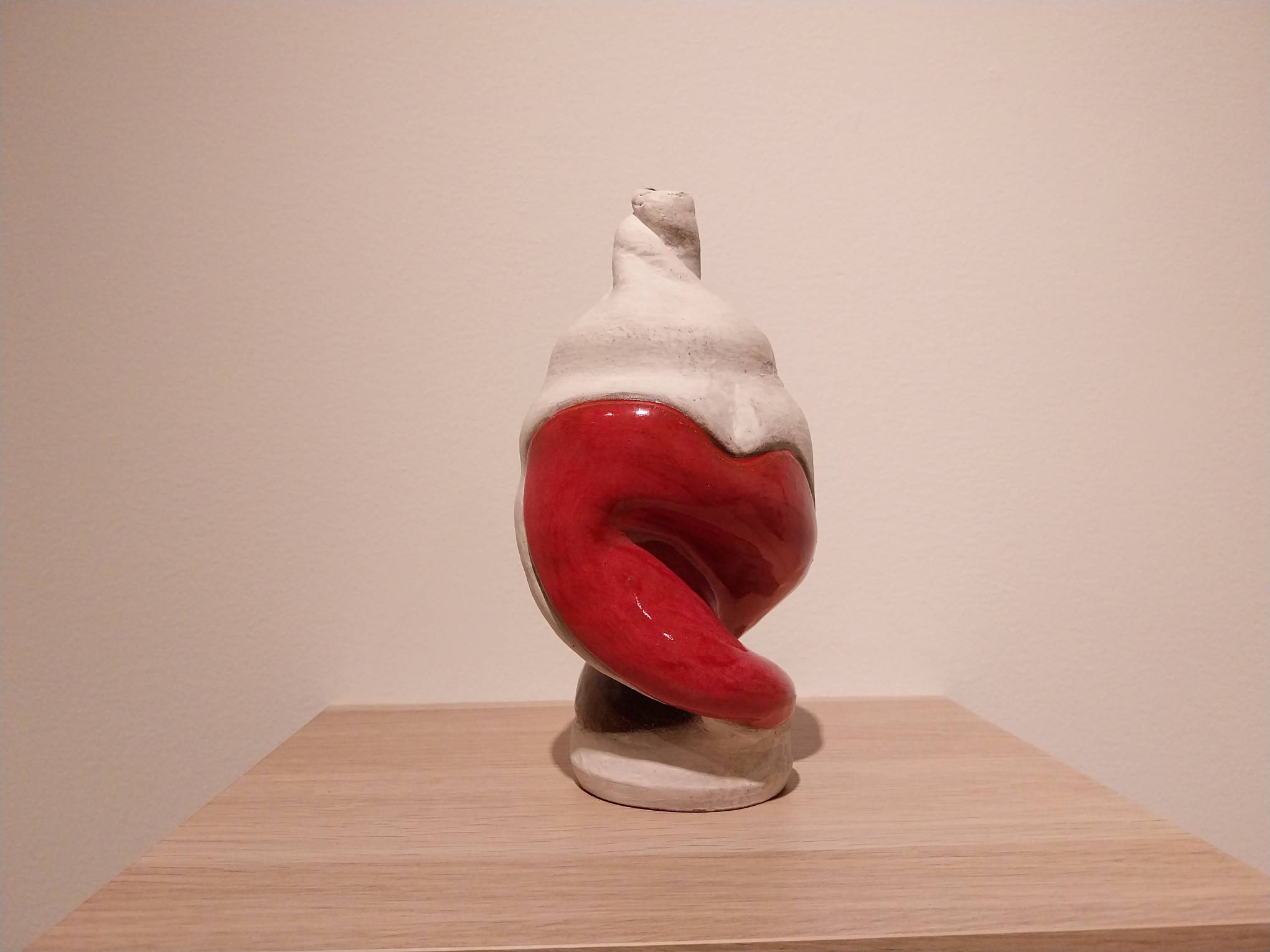
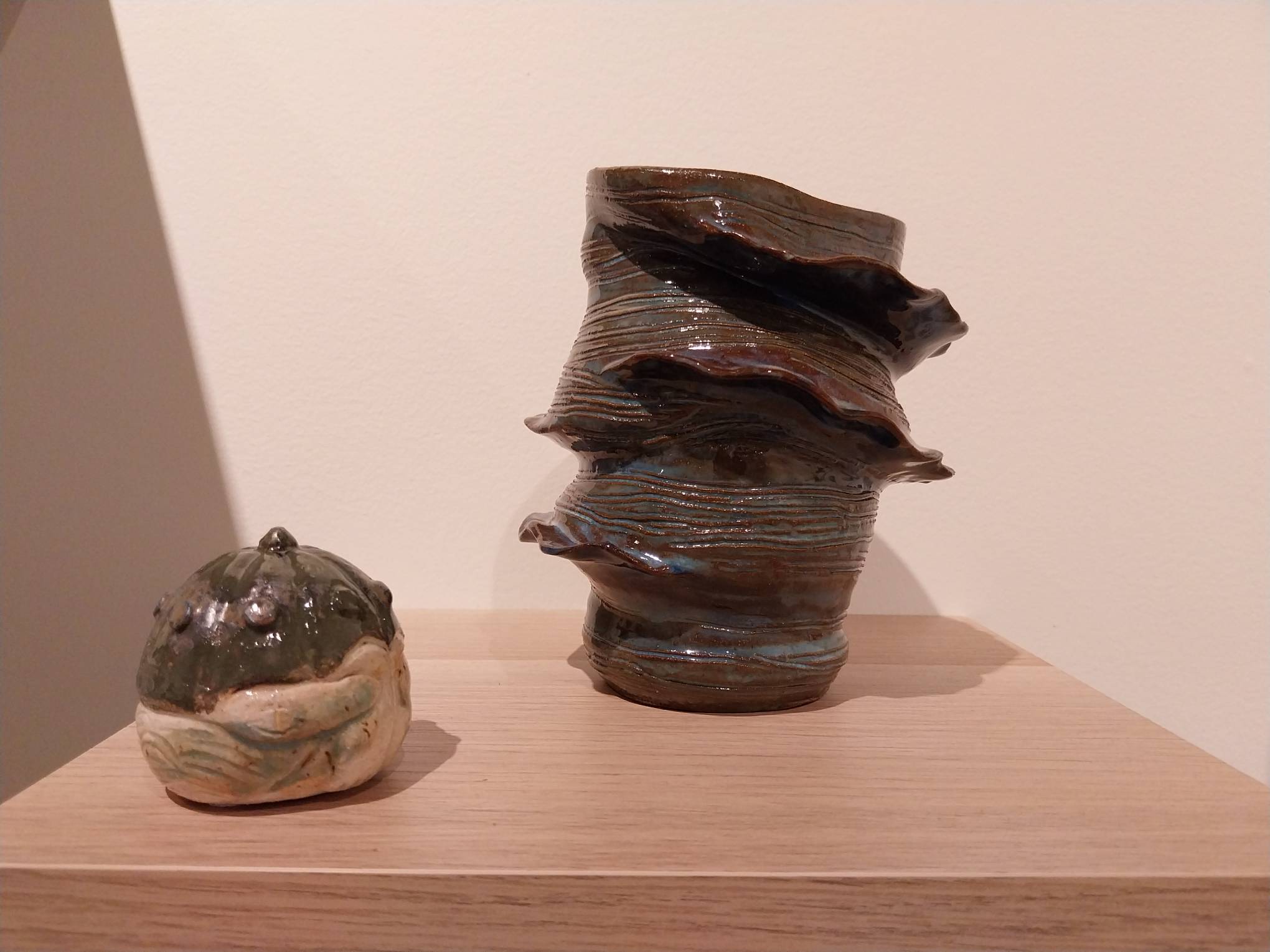
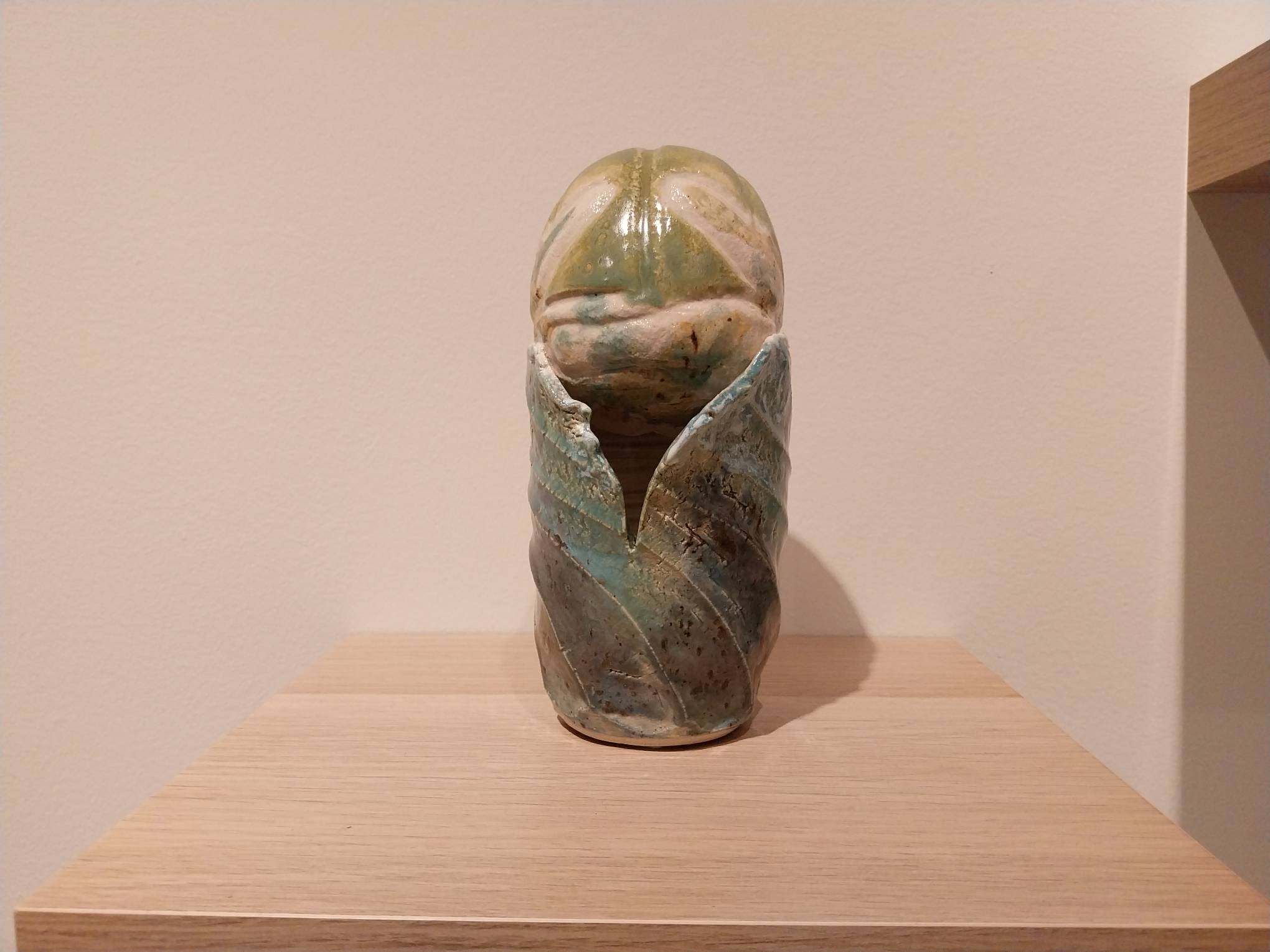
For Lazaro, attaining the aesthetic involved sensing how “each work wanted to be.” She worked with each piece to ensure that it could have a particular appearance unique to all the others. Yu, meanwhile, wanted Lazaro’s Cactus Friend character to exist in a watery context. “Yu added forms such as spirals and envisioned what pottery would look like in an underwater world,” the write-up said.
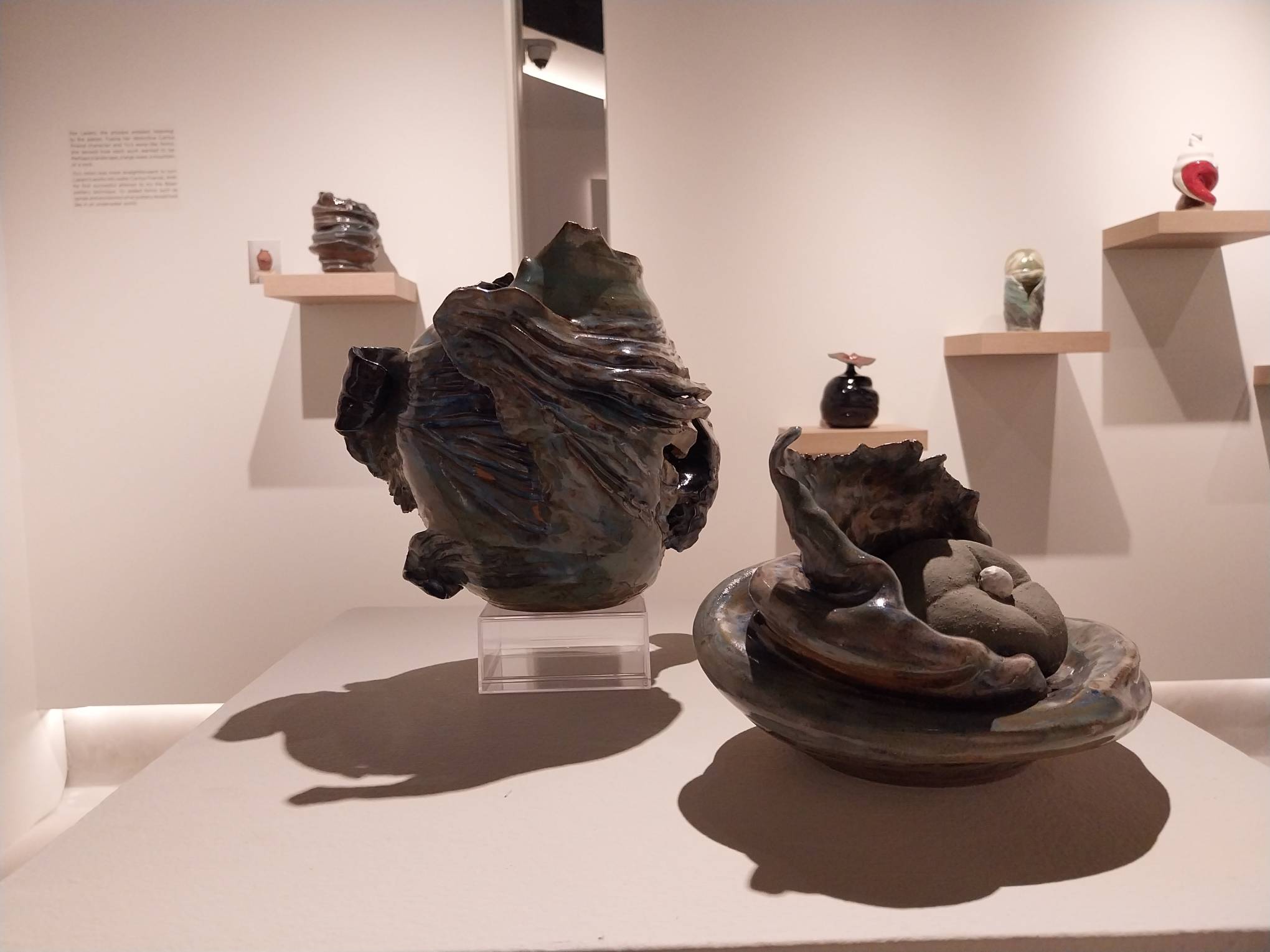
Both of them, regardless of their methods, ensured room for the other to work their ideas into each piece.
Cartellino Art’s Crossing Boundaries showcases the value of collaboration for artists. While trust may be hard to envision for people in general, it gives audiences a perspective on what it can do in the context of art. For Lazaro and Yu, it opens up new avenues for artistic expression while utilizing the forms and methods of other artists.
Photos by Elle Yap.
Related reading: ‘Terror Incognita’ Shows How Generative AI Works Against Culture Creation
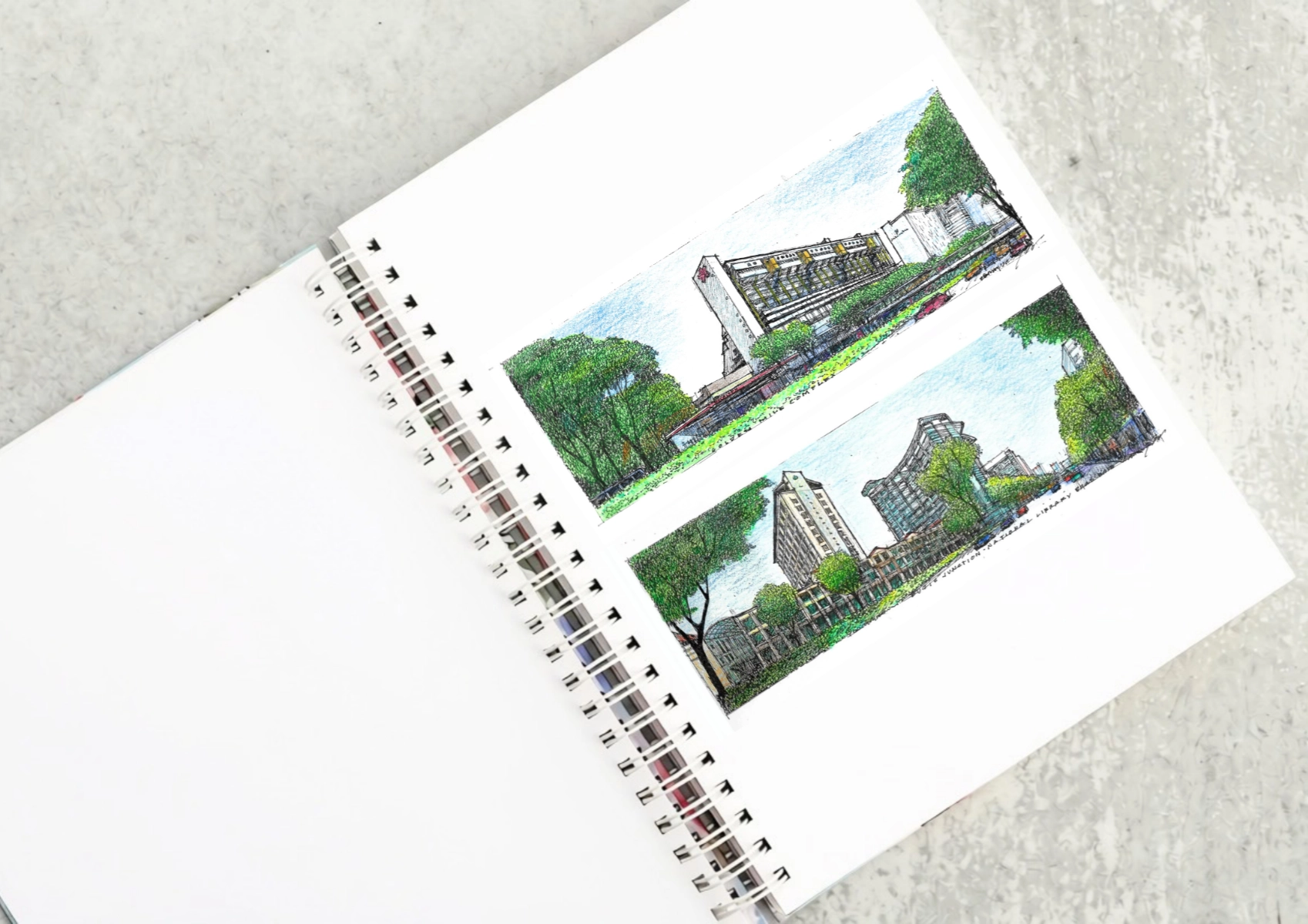
Two sketches of Singapore connect BluPrint Editor in Chief Paulo G. Alcazaren’s personal and professional history with Shared Ground: ArchitectureArchitectureThe art and science of designing and constructing buildings, structures, and spaces that are functional, safe, and aesthetically pleasing. It encompasses the planning, design, materials, and techniques used to createGo to Architecture Glossary of Care, Culture, […]
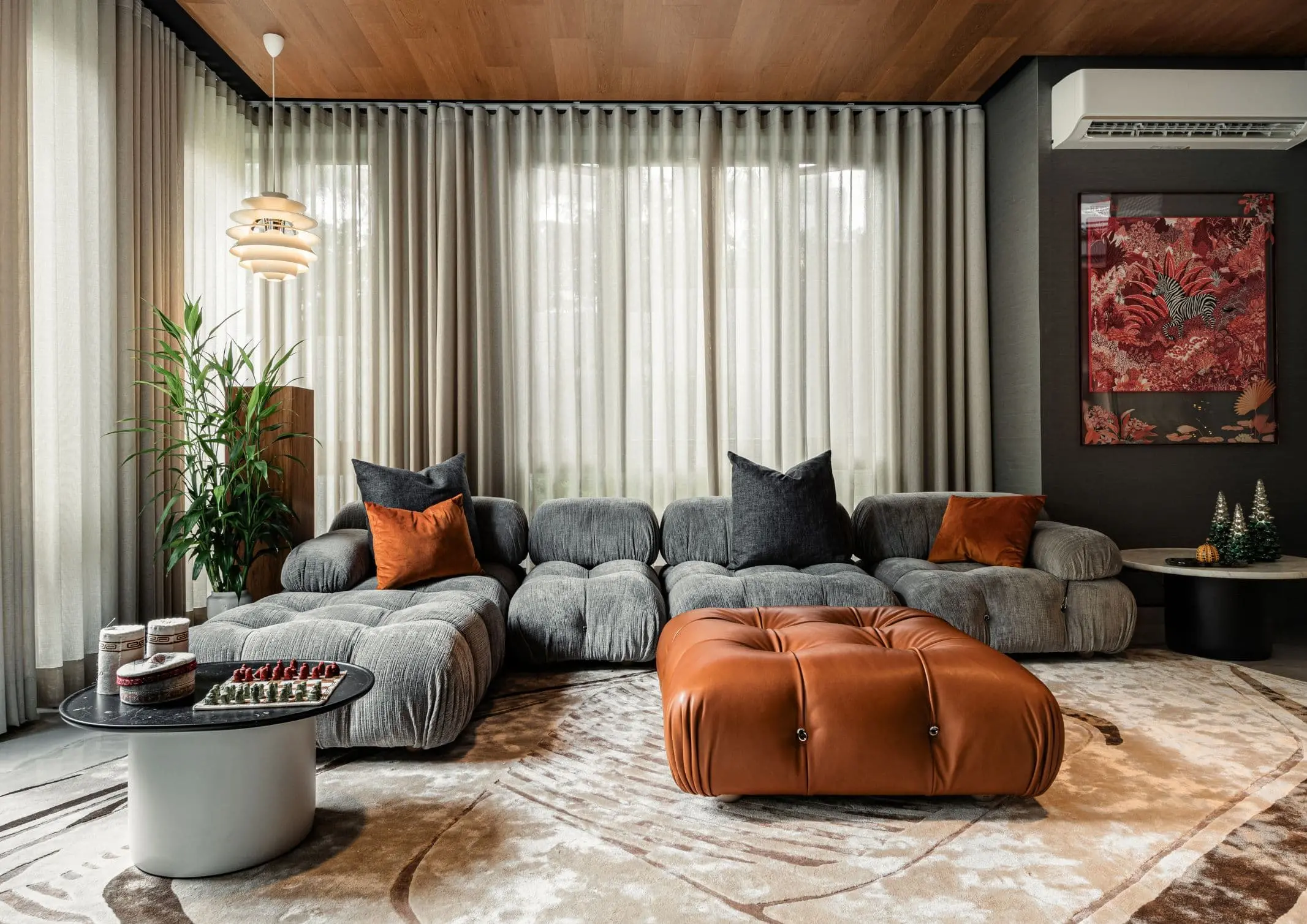
Some have become household names – Coleman, Oster, and KitchenAid – products that have found their way into Filipino kitchens, homes and family routines. In home furnishings, brands such as B&B Italia, Ethan Allen, Sub-Zero, Miele, SieMatic, Louis Poulsen, Hunter Douglas, Tempur, and Technogym, have helped shape the way Filipinos live. From everyday essentials to […]
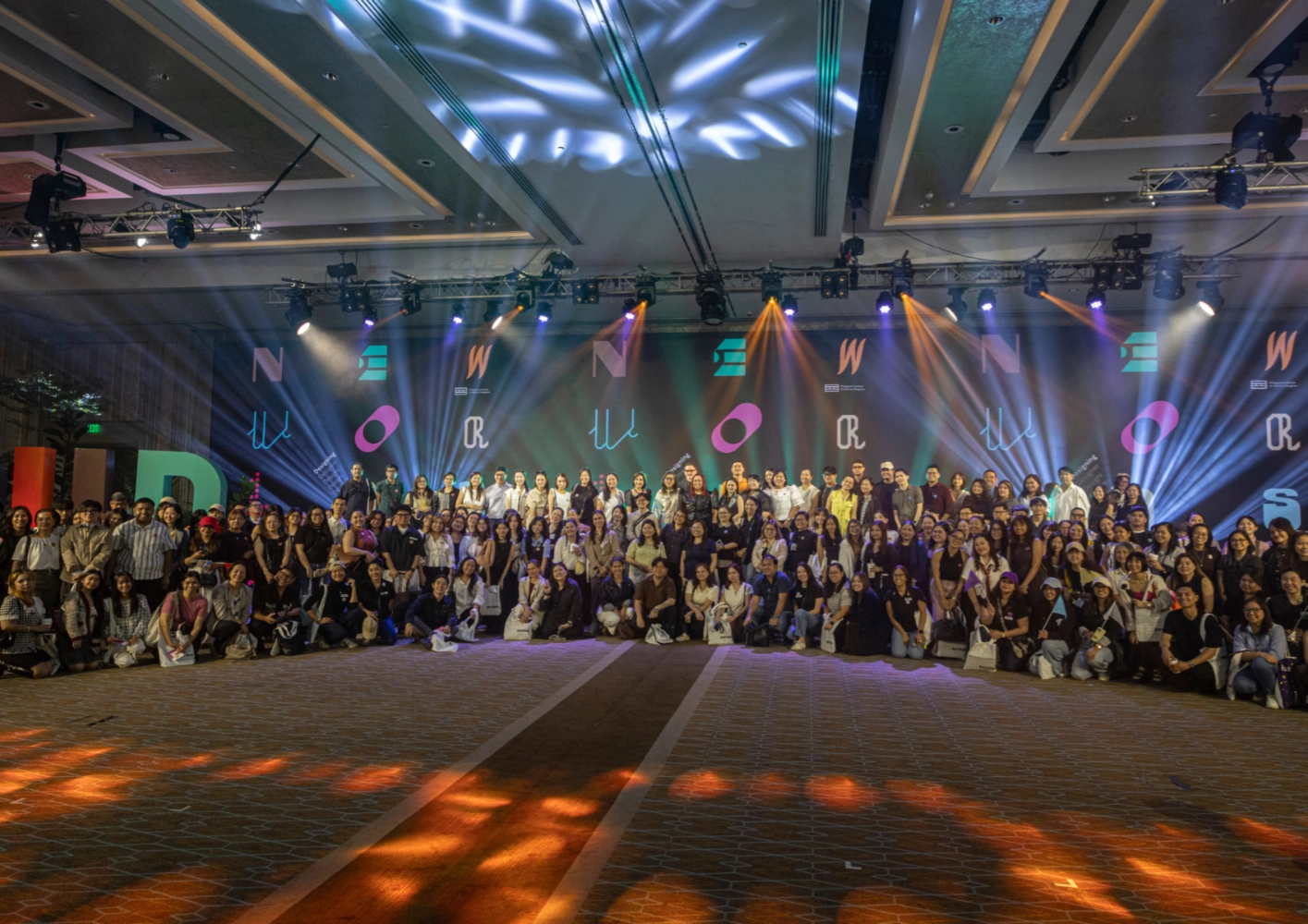
In a way, designers are the modern-day soothsayers and prophets. They design for the future, predicting how a room, a house, a building or a whole city will be used by people. They foresee how users will interact with a space, conjure exact shades of colors to elicit specific behavior and arrange furniture to build […]
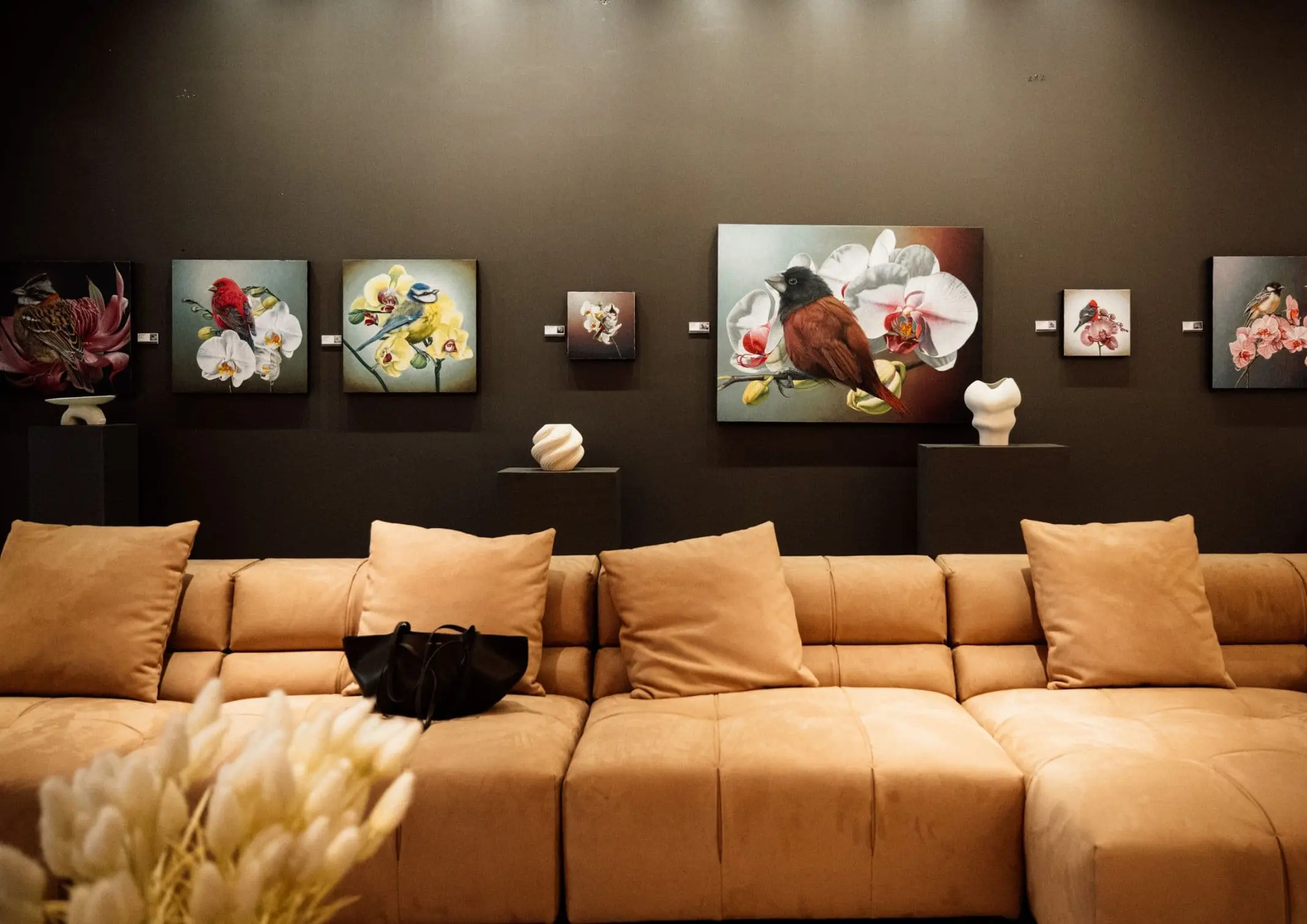
Art and furniture are often selected separately, yet their relationship can shape how a room looks and feels. The collaboration between Hooga and Galerie Joaquin explores how these elements can work together, bringing contemporary artworks into furnished residential settings at Hooga’s showroom in Uptown Mall, Bonifacio Global City. For Hooga, which curates furniture, lighting, and […]
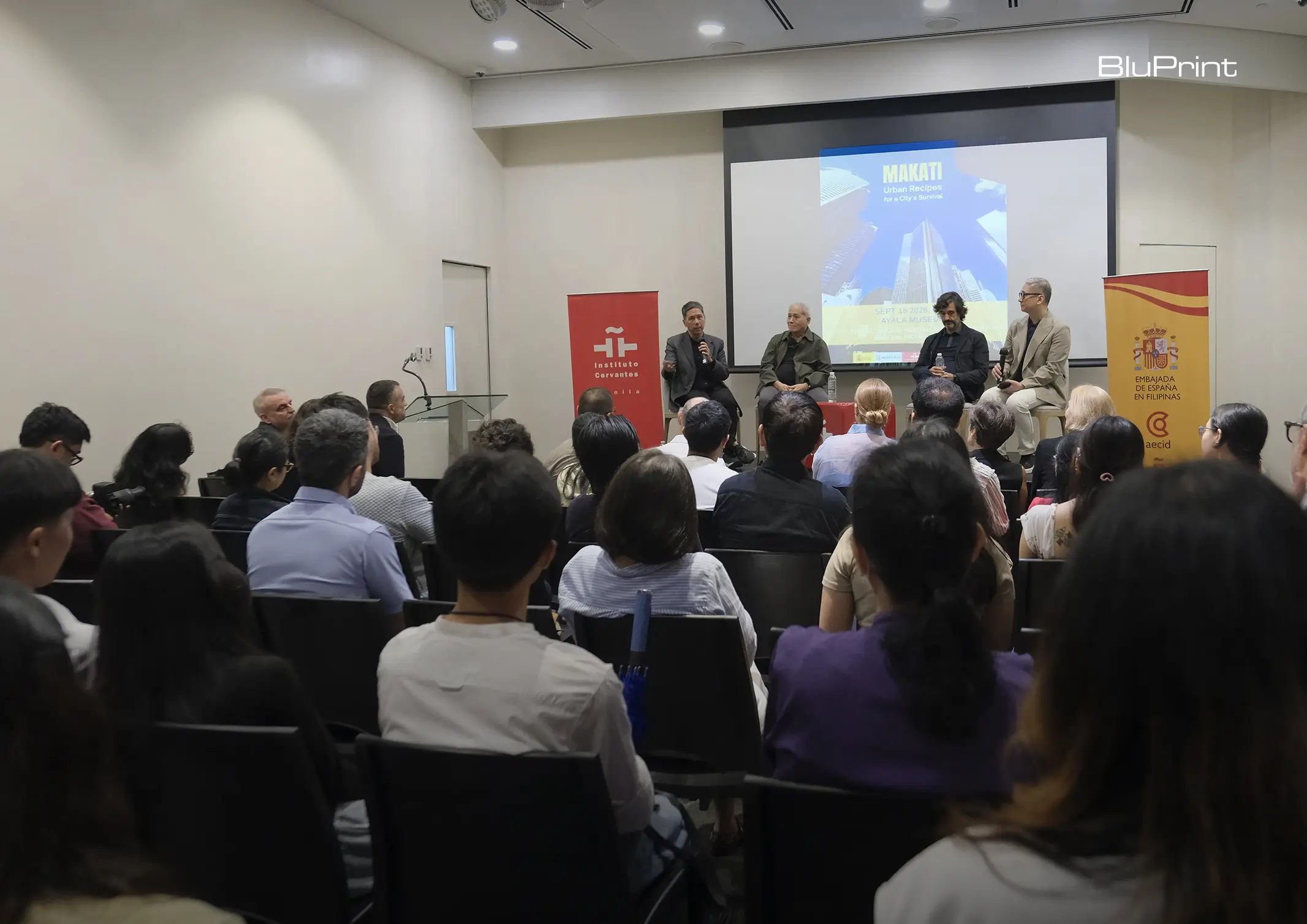
How can better-planned cities create the conditions for more creative, livable, and resilient urban environments? “Makati Urban Recipes for a City’s Survival,” a colloquium held at the Ayala Museum on September 15, brought together architects and practitioners from the fields of urbanism and the creative economy to discuss how design, planning, and collaboration can address […]
Frequently Asked Questions
Crossing Boundaries is a collaborative ceramics exhibit by sculptors Genavee Lazaro and JD Yu at Cartellino Art. It is the gallery’s second collaborative show in two months, following the CABNOV and Haraya Ocampo-Tejido exhibit.
The artists worked each piece in turns. Yu began with red clays and Lazaro with off-white clays, then each passed the work to the other once it was halfway finished, merging both styles in one sculptural form.
Yu favors fluidity and abstraction, while Lazaro works toward structured, representational forms. In the exhibit, the two approaches meet in pieces that straddle abstraction and representation rather than reading as a hybrid of separate methods.
Cactus Friend is Lazaro’s character, which appears in fantastical yet humanized ceramic forms in the exhibit. Yu added spirals and imagined how pottery might look in an underwater world, placing the character in a watery context.
Both feared one artistic voice would overpower the other, hesitated to revise each other’s work, and disagreed over how far to modify it. The negotiation produced pottery that is distinctly theirs, a melding of ideas rather than a patchwork.
Read the issues.

Collect the volumes.

Recommended Video
Tap to Unmute
Unmute
0:00
0:00