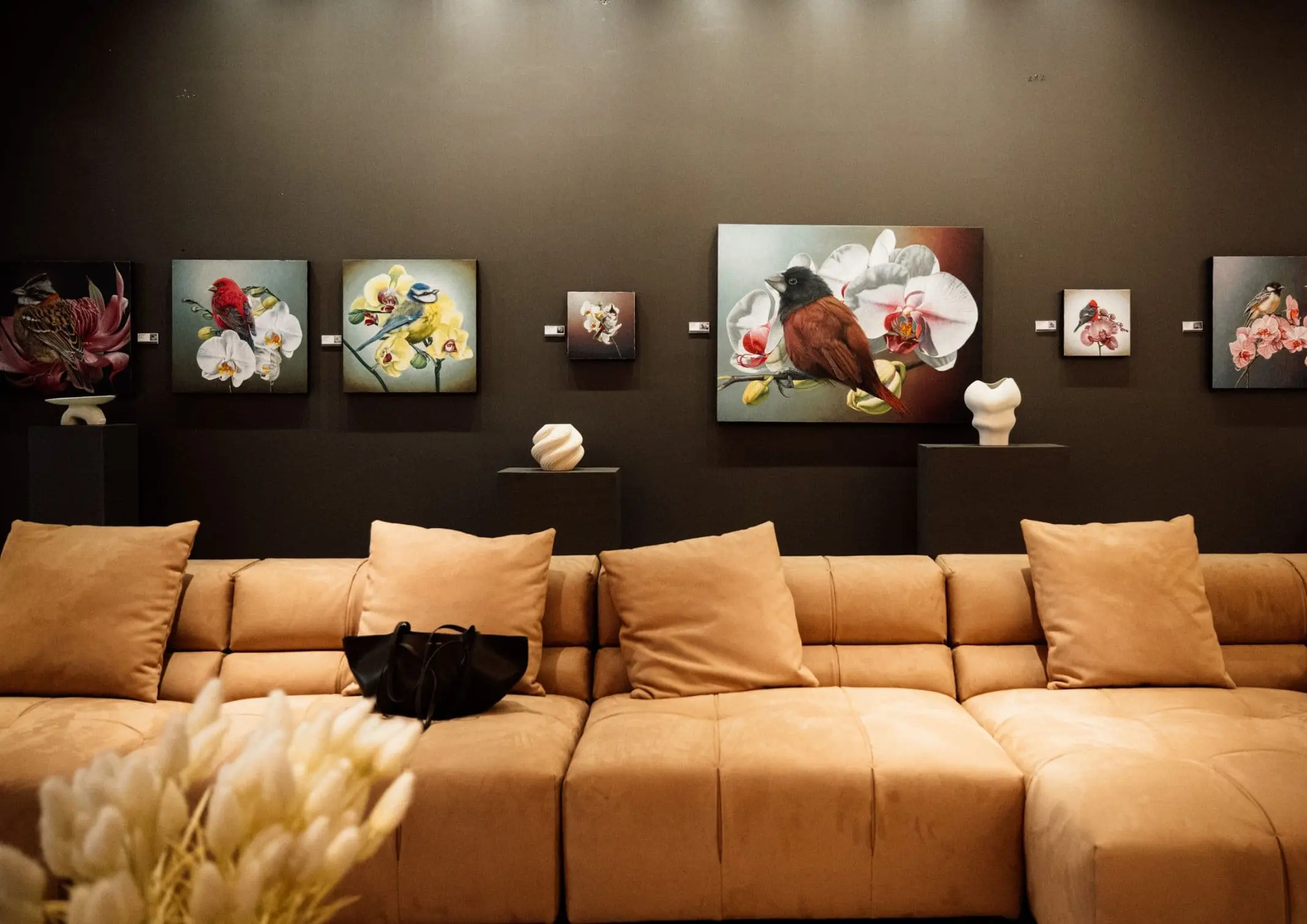
Art and furniture are often selected separately, yet their relationship can shape how a room looks and feels. The collaboration between Hooga and Galerie Joaquin explores how these elements can work together, bringing contemporary artworks into furnished residential settings at Hooga’s showroom in Uptown Mall, Bonifacio Global City. For Hooga, which curates furniture, lighting, and […]
‘Here & Now & Now & Then’: The Way Spaces Speak To Our Being



Here & Now & Now & Then at RCBC Plaza is an unparalleled combination of ambition and scale. The artists for this group exhibition, assembled by curator Nilo Ilarde, take advantage of the hugeness of the space to really make the most of their artworks.
The vacant, empty office space used for the exhibit contains artworks that tell a larger story of what society uplifts and what it abandons. It’s mostly just an expanse of unvarnished concrete floors, pillars, and walls, ceilings with exposed wiring, and large windows providing a view of the business district as light streams through indiscriminately.
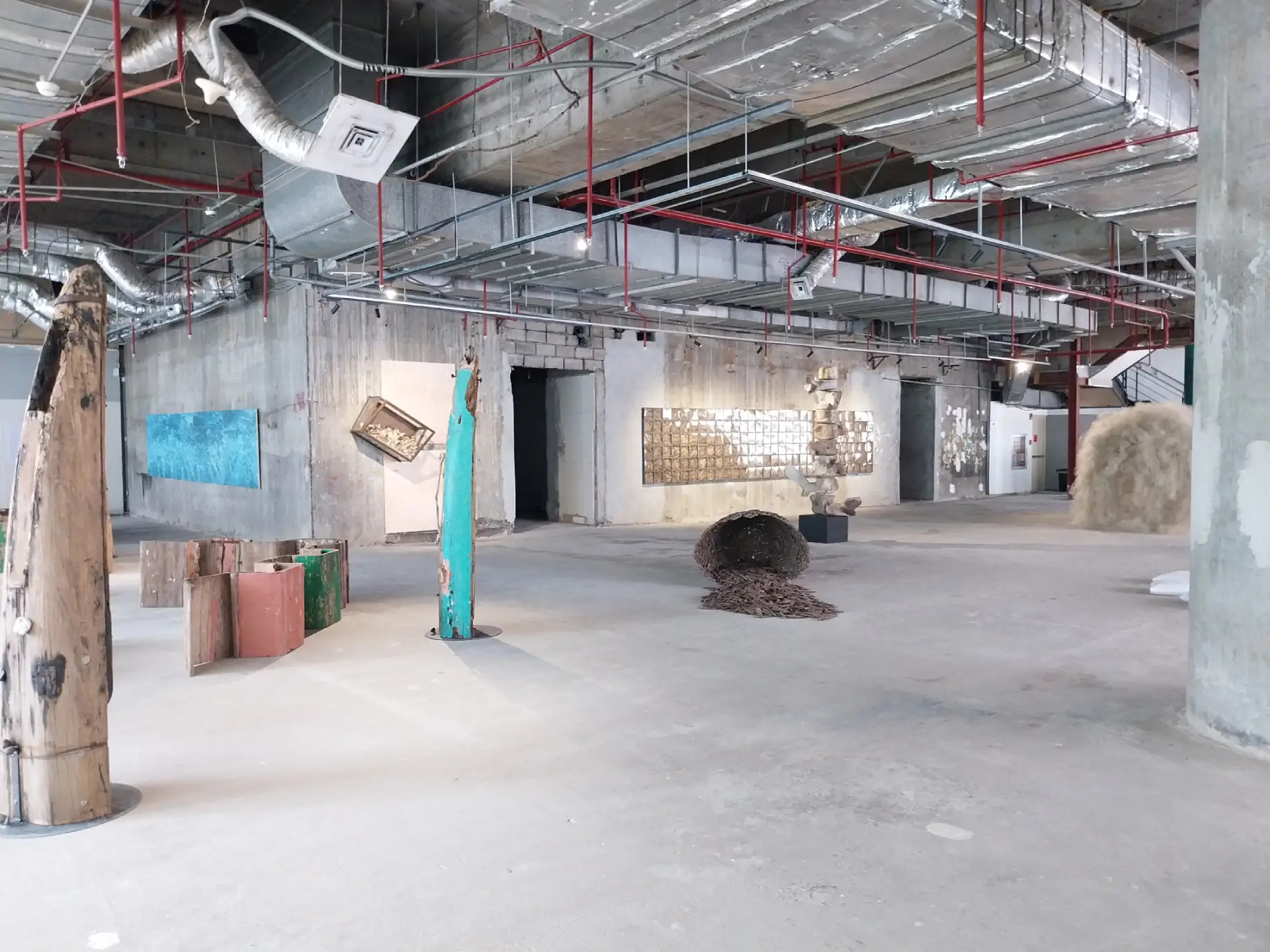
The exhibit exists adjacent to coffee shops, food stores, and a pharmacy—noisy areas filled with people, which makes the contrast of the large, quiet space where the exhibit exists more jarring and strange.
Cocoy Lumbao, Jr., who wrote the write-up for Here & Now & Now & Then, said that Ilarde couldn’t resist the chance to explore the meaning behind the empty space. It converses with the past and the future, the bare present exposing histories and possibilities from within the same area.
“What was here before? What is to become of it? The grey absence of coating and color does not suppress imagination but instead leads to a kind of abstracted thought, where both emptiness and presence lurk to conjure meaning. Its dark corners are also alive with elucidation. Each debris can also tell a story,” Lumbao wrote.
Dilapidation as Decoration
Here & Now & Now & Then has nineteen different artists, including Ilarde, contributing to the exhibition. They all provide a variety of perspectives towards creating adaptive works that blend in with the empty unfurnished concrete of the space without losing their unique artistic voice.
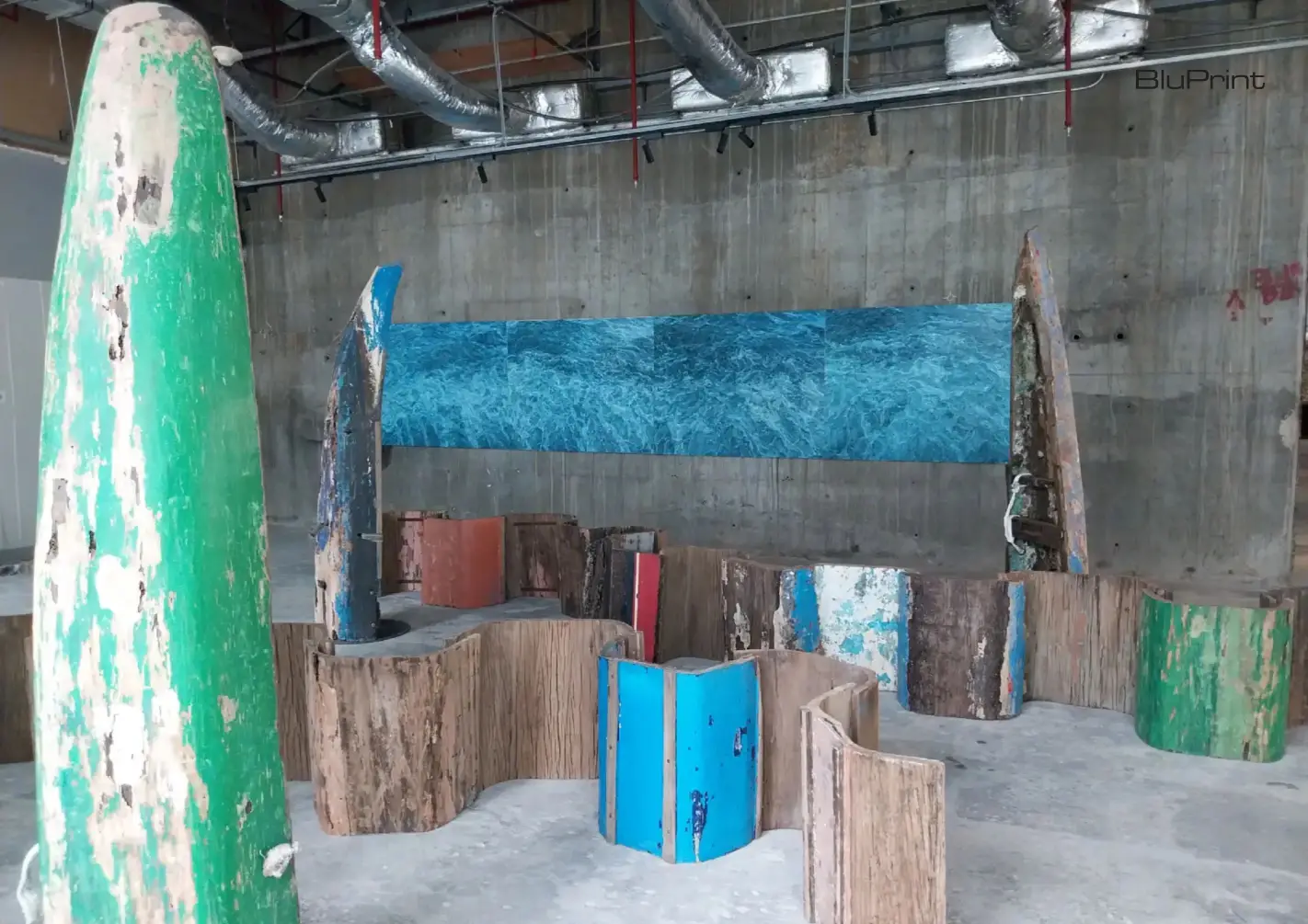
Many of the artworks featured here mimic debris and construction materials. Some of these look like what one would typically find in an abandoned building; working together with the exhibit, the artworks create structures that cater to the listless feeling that the exhibition space provides.
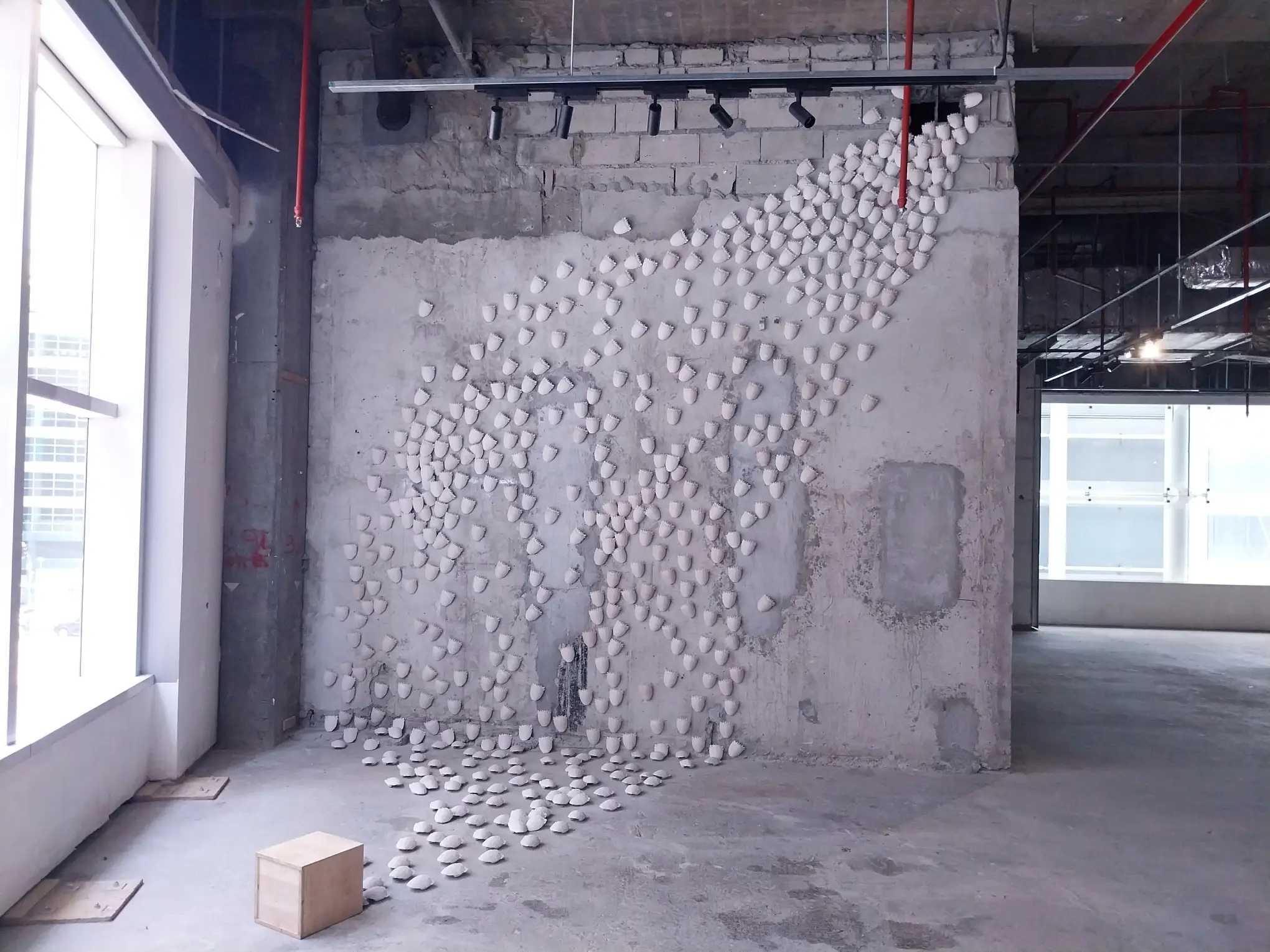
Some of the most unique works function as an extension of the concrete construction materials found in the emptiness: Jose Santos III, for example, has “Phermones” in the exhibit. This piece has hundreds of termite-like white bugs made of resin crawling up a wall towards a hole in the ceiling.
Many of the pieces certainly feel like construction objects tweaked just enough to not fully blend into the environment. It adds to a sense of abandonment; a liminal space of an unfinished project just lurking underneath the trappings of civilization.
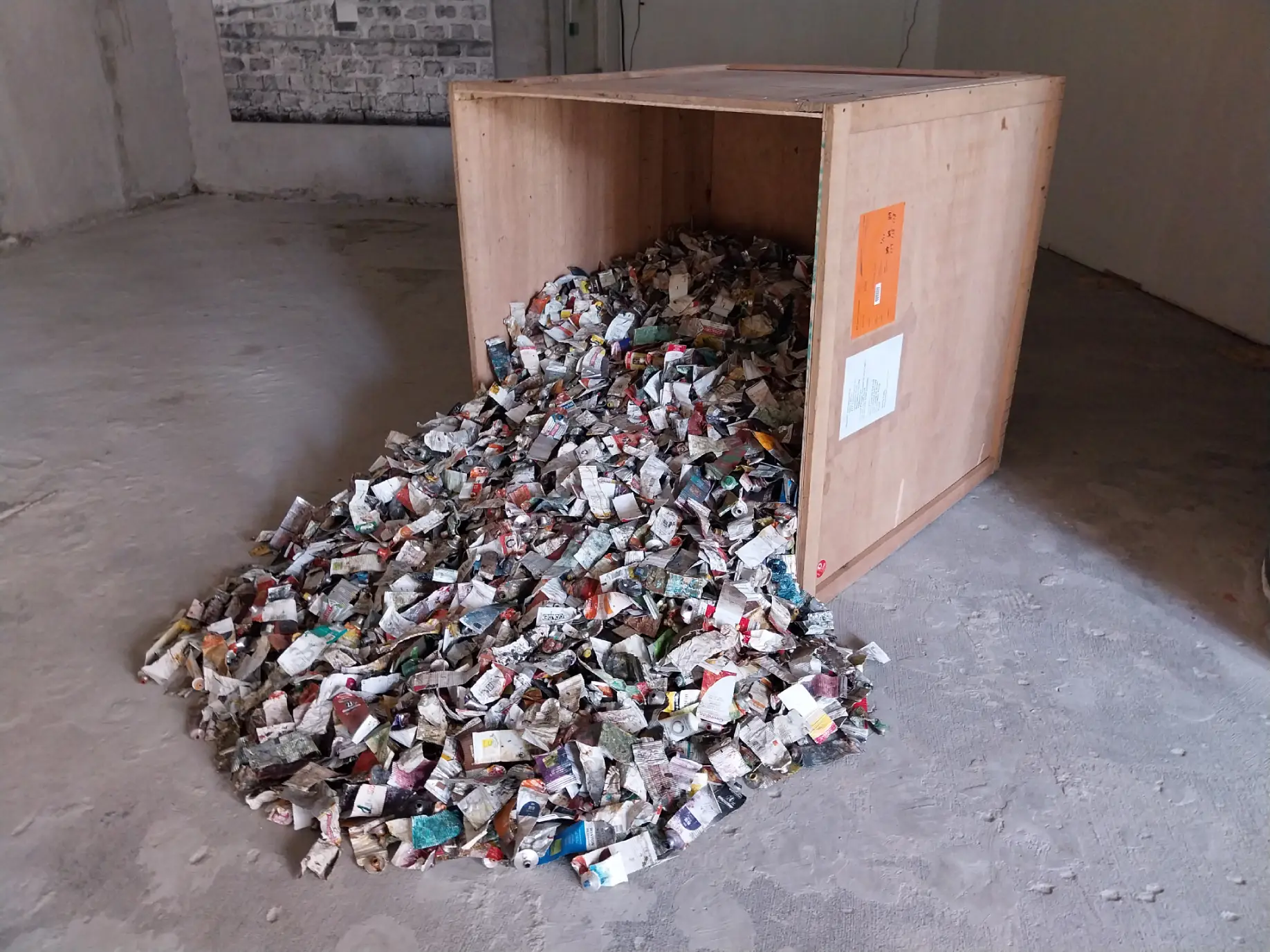
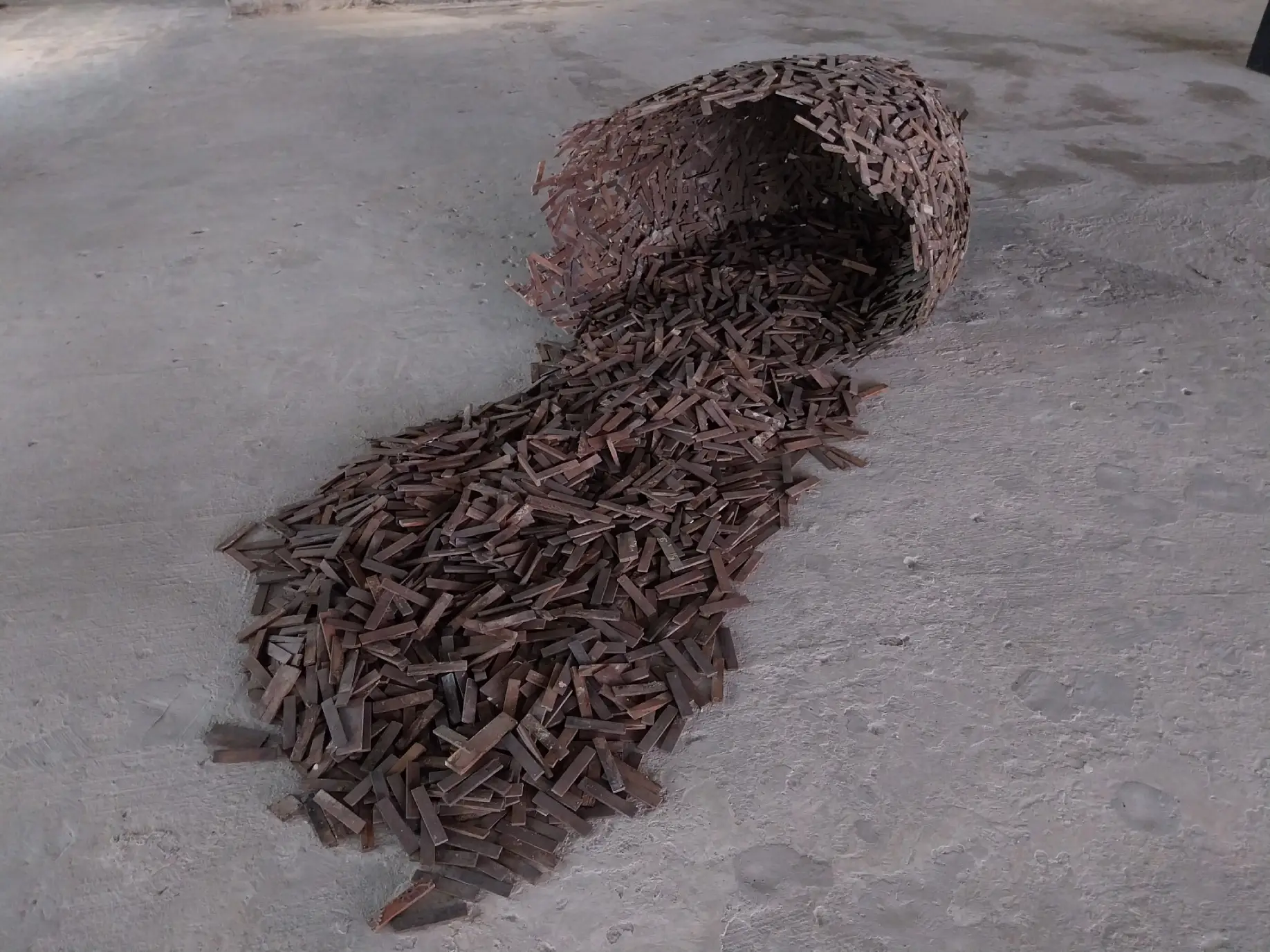
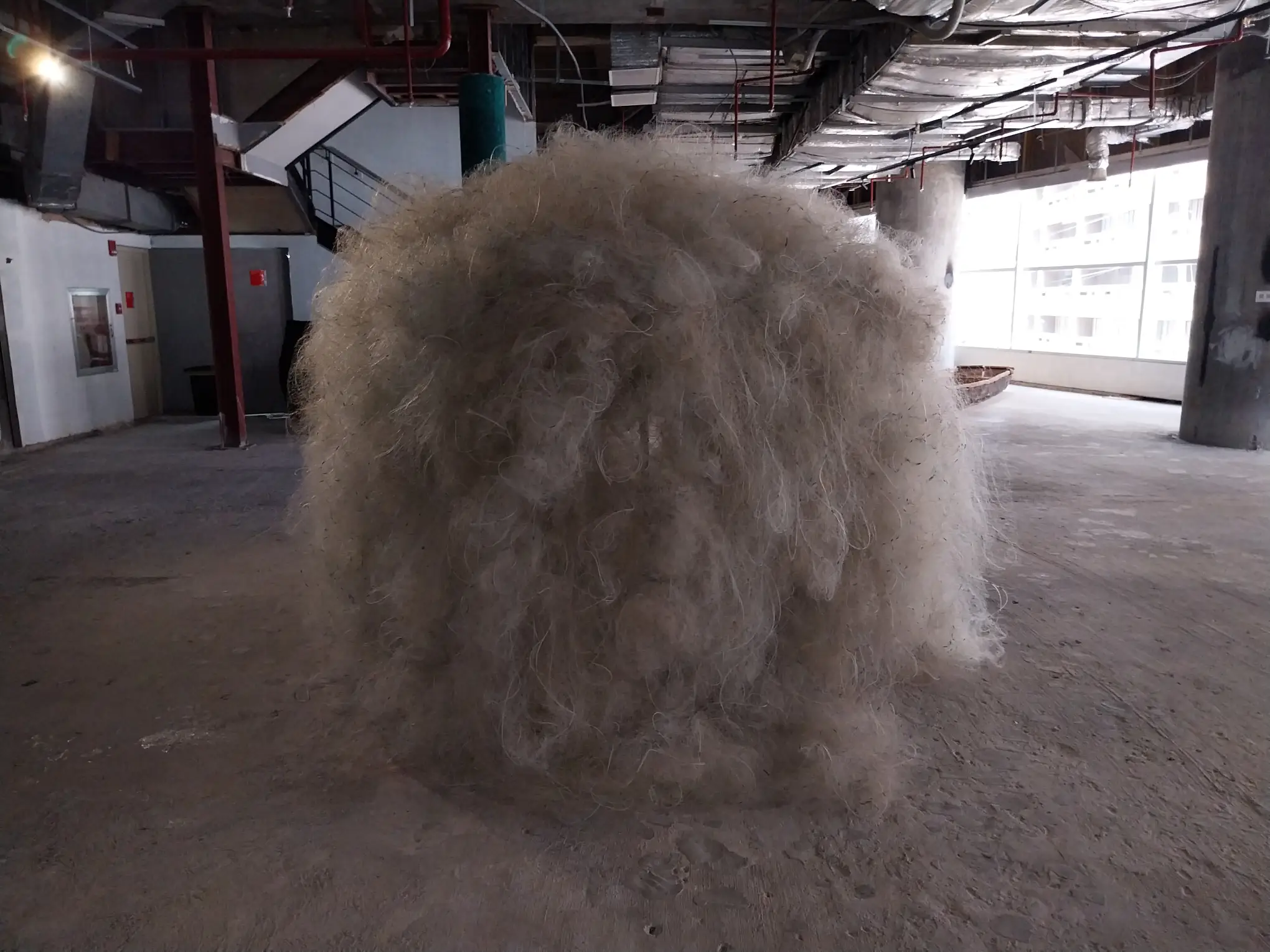
Oca Villamiel’s “Bahay ng Mangingisda” is made of nylon fish nets that look like discarded insulation material for the building. Bernardo Pacquing’s “Quorum Sensing” appears to be a deconstruction of a wooden basket. Ilarde’s own piece, “Faulty Landscape,” is a giant open crate with paint tubes spilling out of the structure.
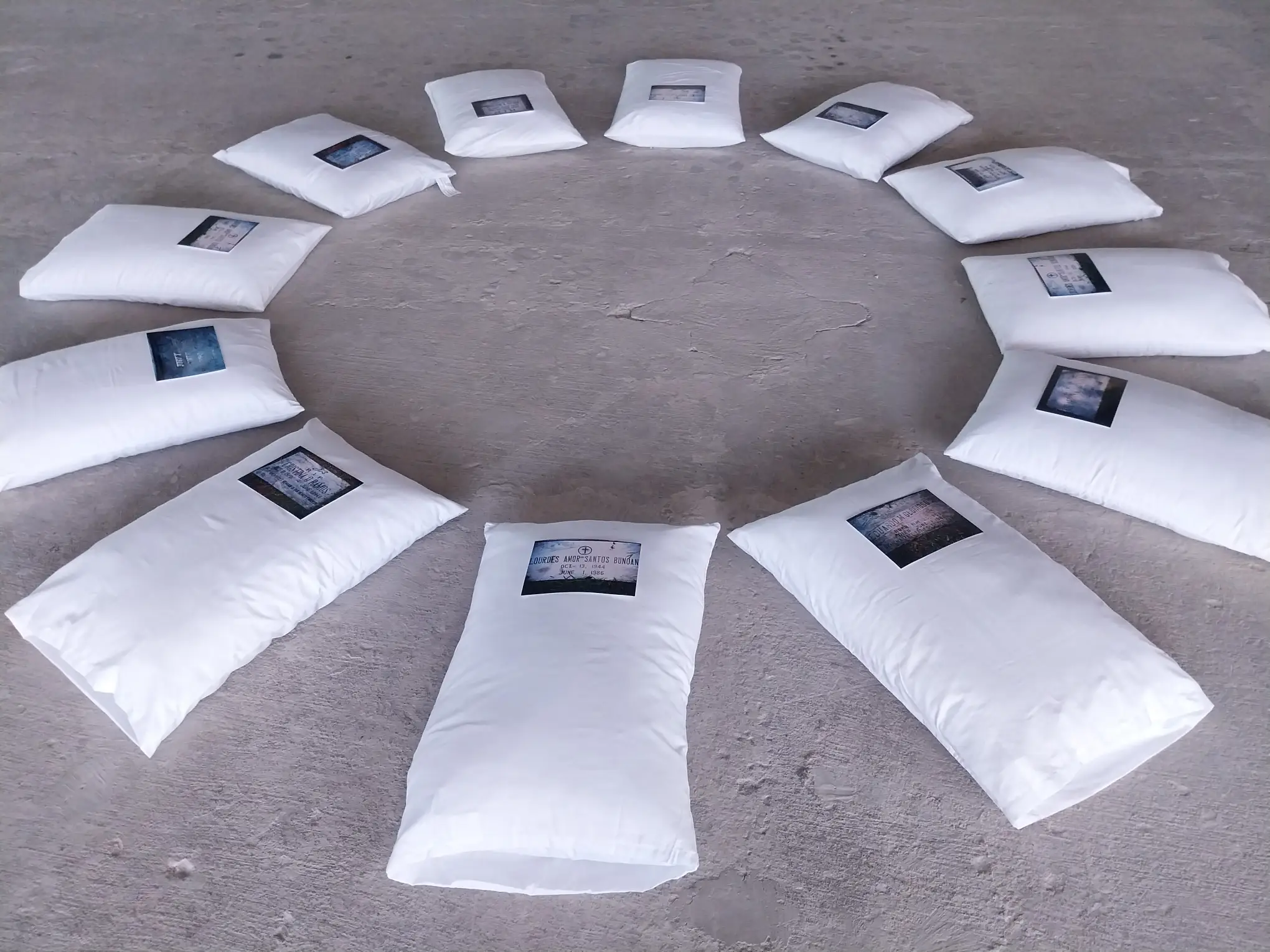
Possibly the most interesting recontextualizing of the construction materials comes from Ringo Bunoan’s “In the Same Breath.” It’s an older piece from the artist where pillows that look like sacks of cement are arranged in a circle. The pillows have photographs of gravestones of people related to Bunoan—a personal piece of reflection from the artist.
Floating Through the Detritus
Other works in Here & Now & Now & Then, meanwhile, display a contrast between the bareness of the space and the flashiness of their artworks. It’s most obvious with the works of Roberto Chabet; bright neon signs that flash messages both inspirational and cynical in its vague panderings.
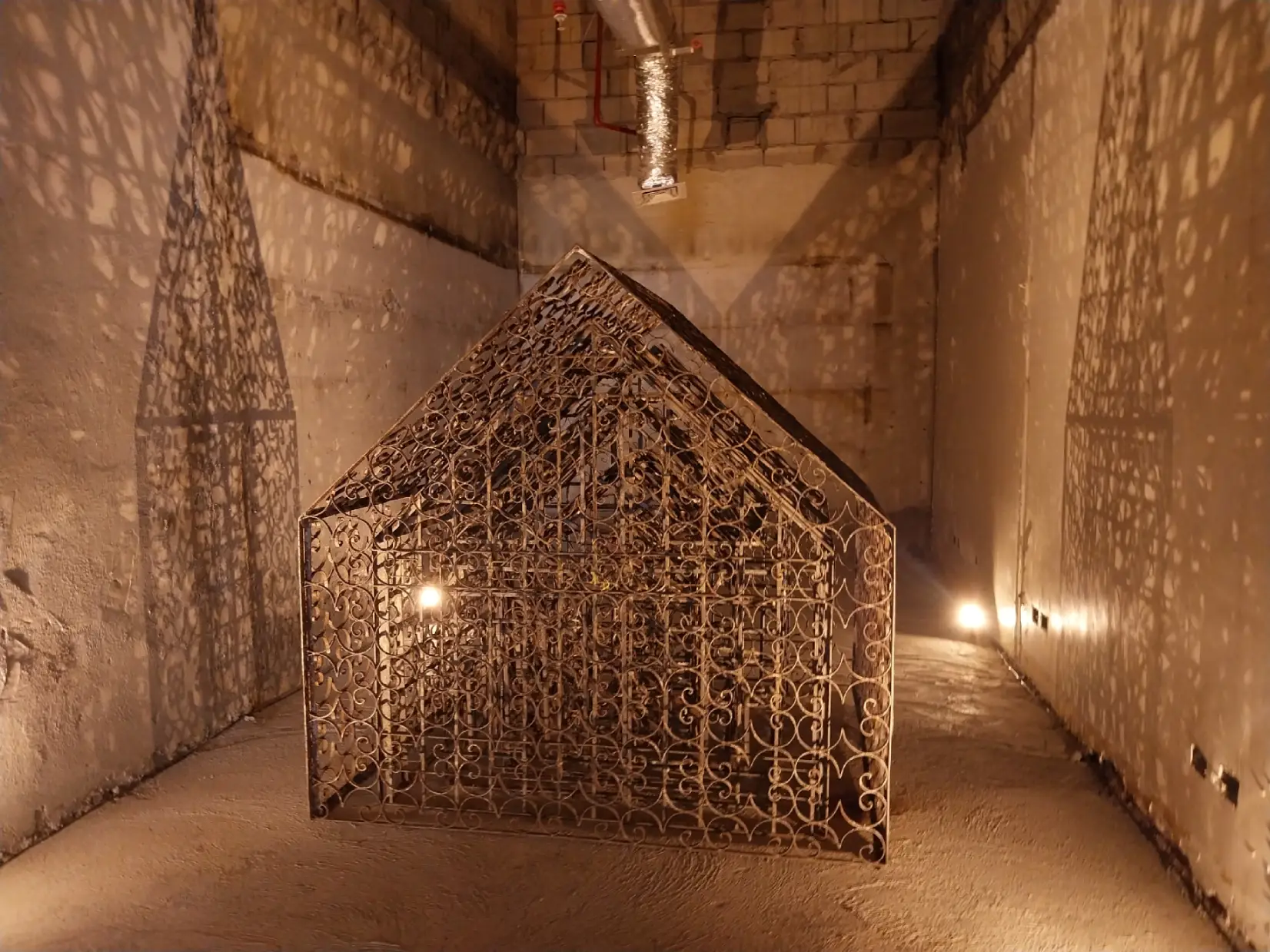
Another excellent piece is “Dwelling Place” by Pete Jimenez. It is a series of stacking steel houses entrapped in an unadorned room; one can still see the cement blocks with how exposed the space is. The stacks of steel houses are illuminated by bright lights, crafting what looks like a prison-like environment inside the small room.
Elaine Navas showcases a quadriptych painting of the ocean with “Nothing Moves Itself,” the blueness of the work another bright spot in the greyness of the space. Acrylic paintings by MM Yu are colorful and abstract, with “if you could hear a pin drop 1-2” especially looking like color gradients one finds in a palette book.
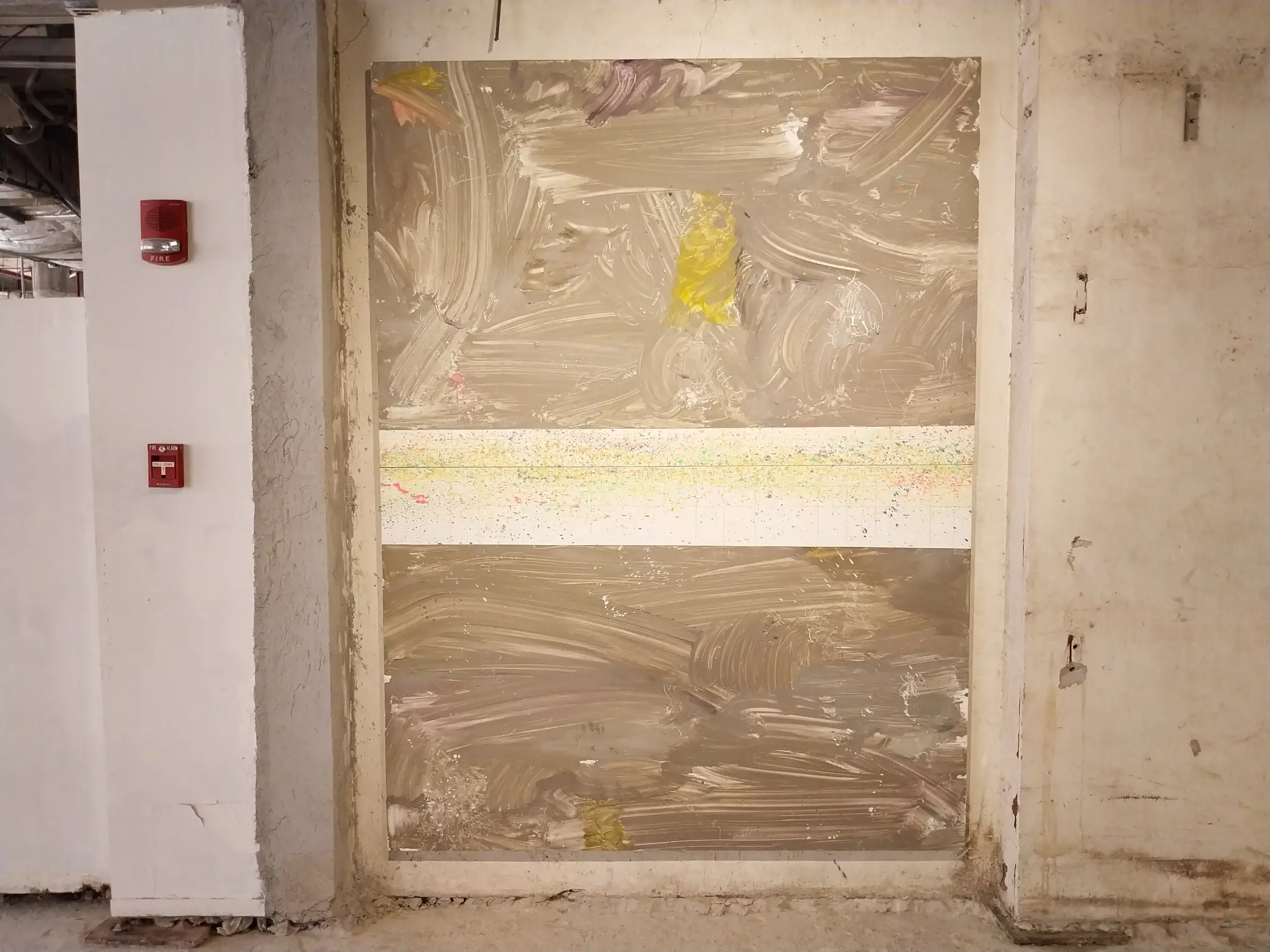
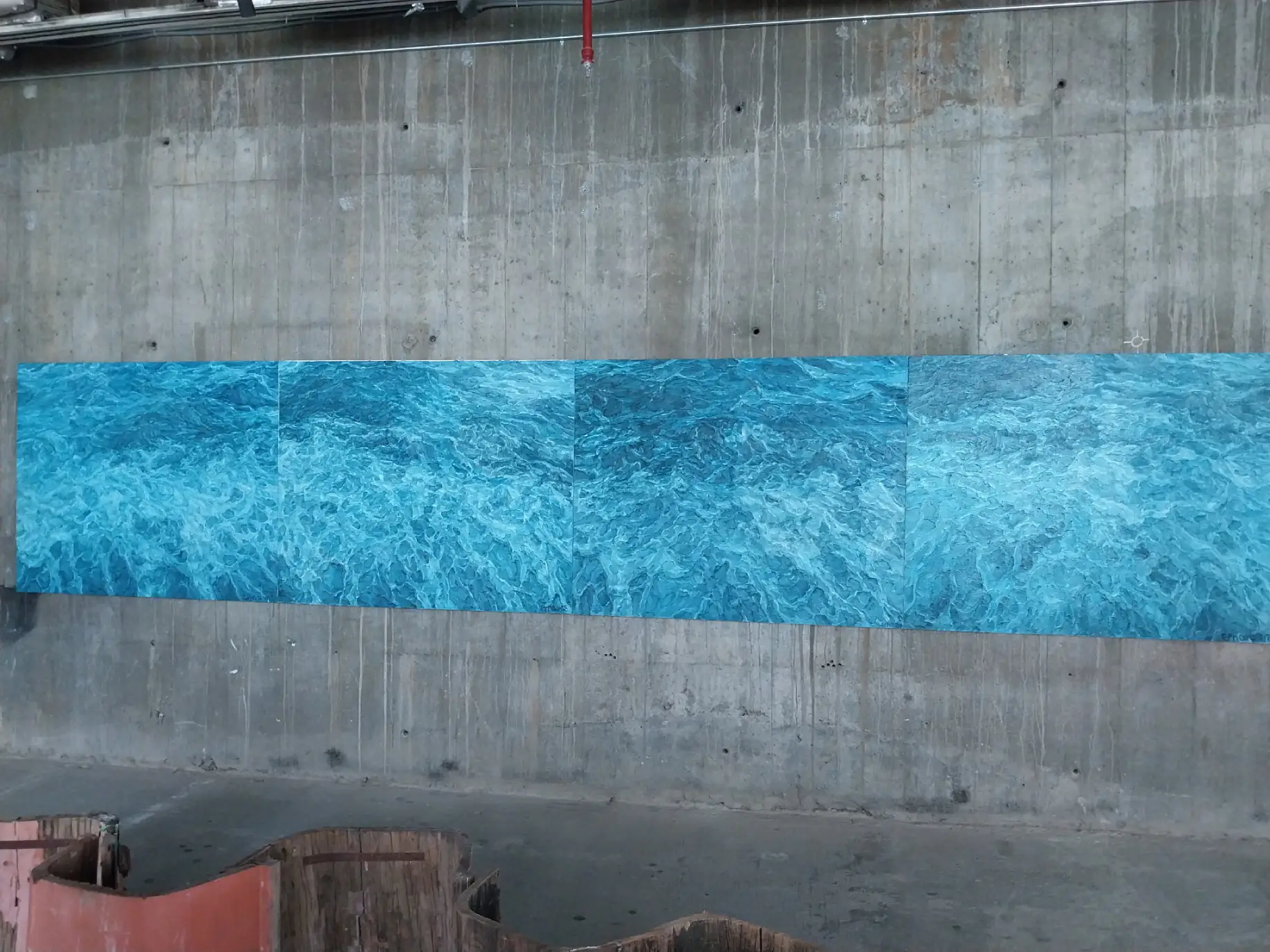
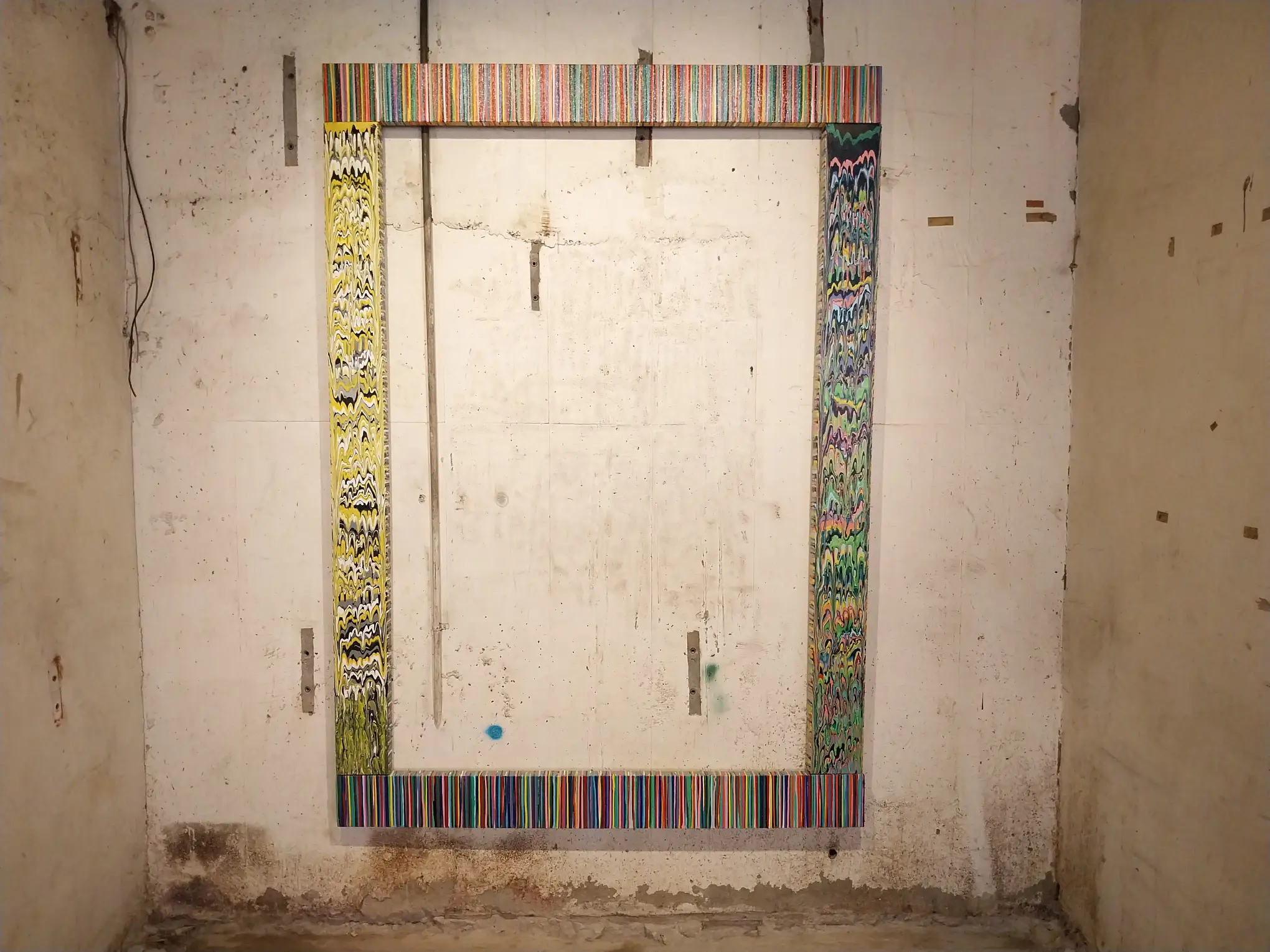
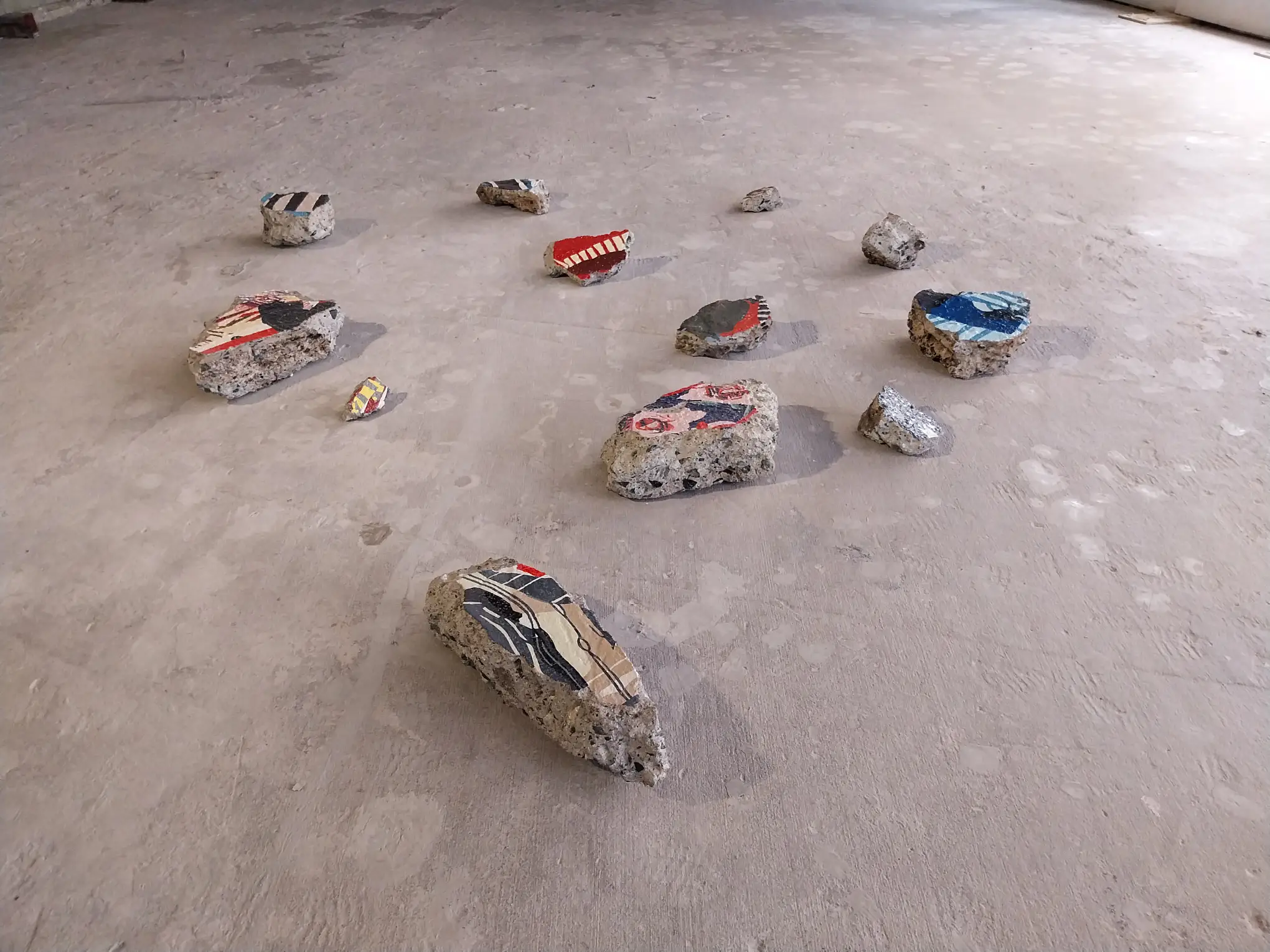
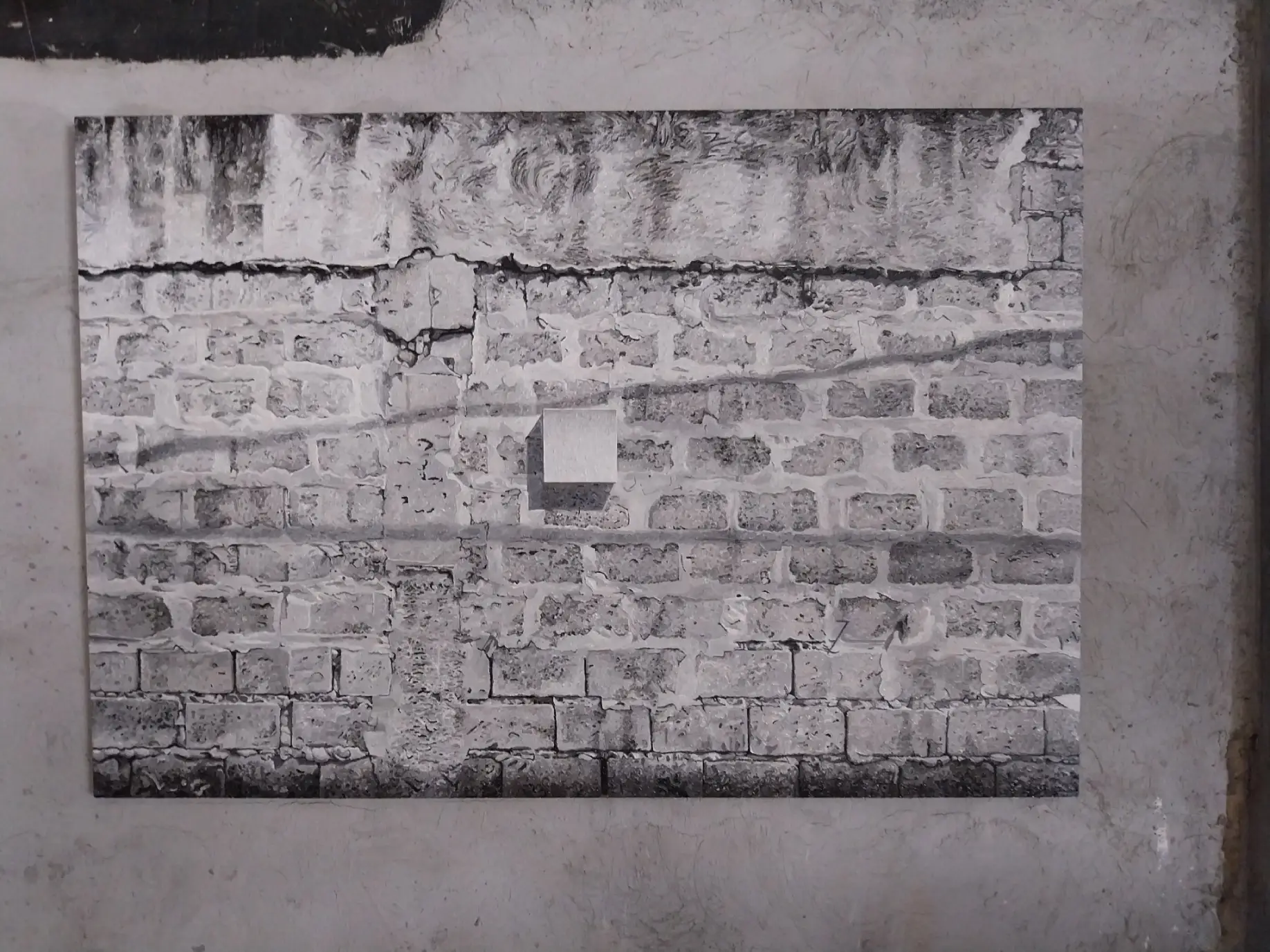
Lumbao said that these works have a way of producing “their own kind of pattern, as if floating amidst the chaos.” It feeds into the main idea of the exhibition of how meaning changes in the works depending on the space where they’re exhibited, and discovering new truths about different ideas in the process.
“The paintings that adorn the dilapidated walls of the space are also seen from this peculiar vantage point,” the write-up said. “These works, whose subject matter and processes are deeply associated with the artists, can give way to new meaning because of their present surroundings and context.”
Removing the Rigid Walls in Art
If there’s one consistent theme in Here & Now & Now & Then, it’s redefinition. The unembellished look of the space functions as a kind of tabula rasa, allowing artists and audiences to project their own meaning into the pieces. It gives a freer flow of ideas unencumbered by boxes and labels, instead being in conversation with what the space needs and desires.
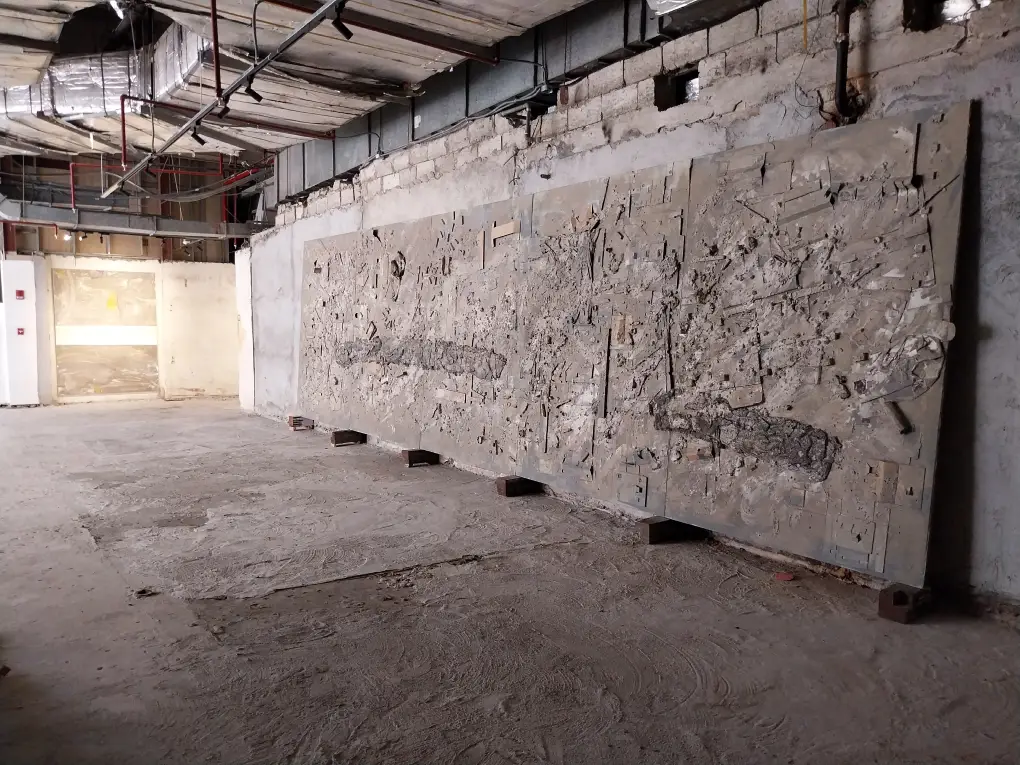
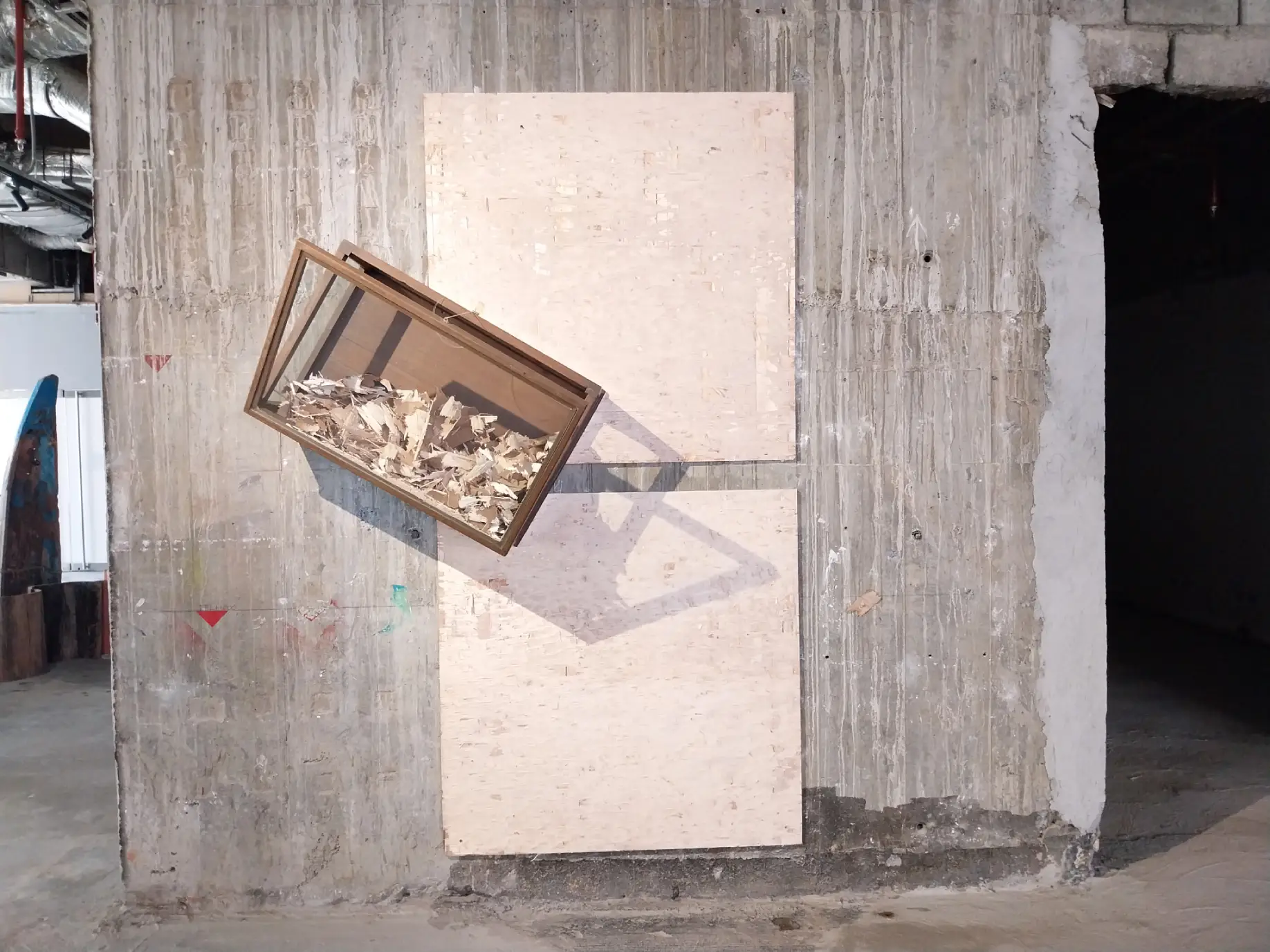
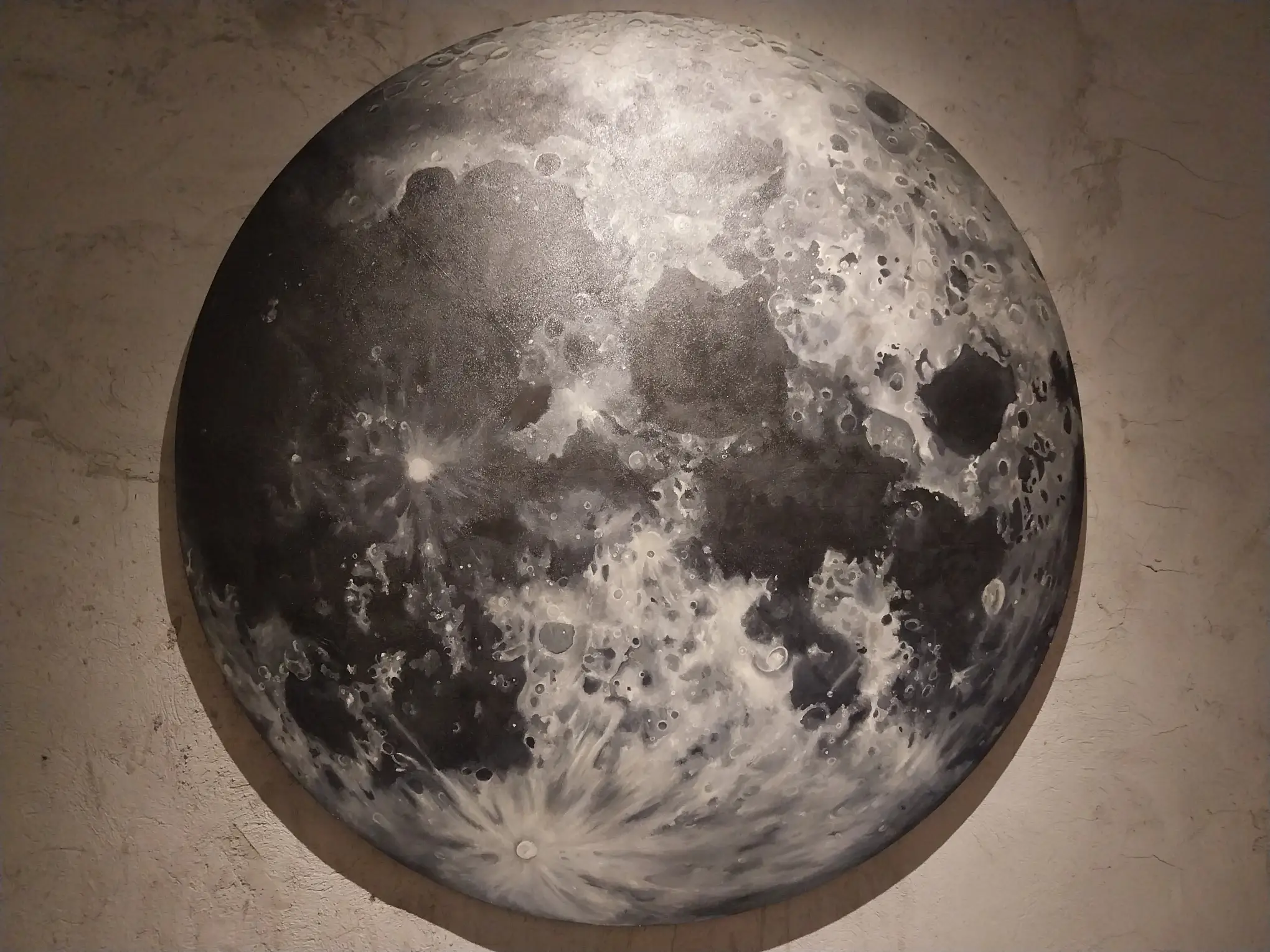
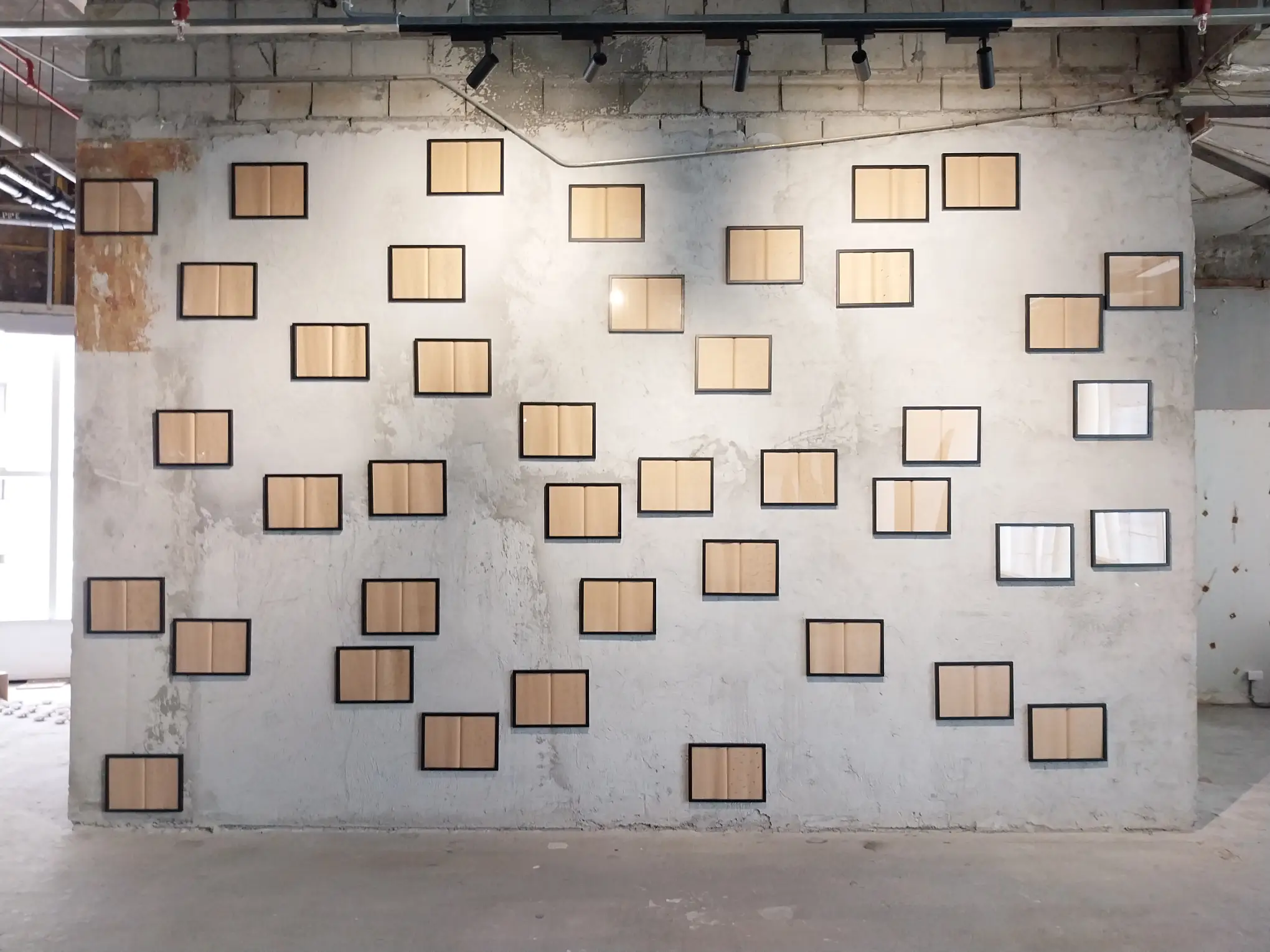
“The term art space has long served as a neutral descriptor—functional, even forgettable,” Lumbao wrote. “Yet today, it carries with it a persistent shift in meaning. It no longer simply pertains to a room, a gallery, or a designated area for hanging work. Instead, it signals a broader approach to art-making: one that values openness over enclosure, process over product, and dialogue over display.”
Photos by Elle Yap.
Related reading: Building Narratives: A Look Into Architectural Art Exhibits
Frequently Asked Questions
The exhibit, curated by Nilo Ilarde, transforms a raw, unvarnished office floor in RCBC Plaza into a commentary on societal abandonment and presence. By stripping away the “neutral” gallery box and utilizing an expanse of concrete, exposed wiring, and pillars, the space forces the artworks to converse with both the history of what was there and the possibilities of what might become of it.
Many participating artists created adaptive works that mimic construction debris or abandoned materials to blend into the unfurnished environment. For example, Jose Santos III’s “Phermones” features resin bugs crawling toward a ceiling hole, while Oca Villamiel’s nylon fish nets resemble discarded building insulation, effectively turning the site’s decay into a curated aesthetic.
Artists like Ringo Bunoan reframe industrial objects for deeper reflection; her piece “In the Same Breath” uses pillows that resemble cement sacks but are printed with photographs of family gravestones. This blending of harsh construction imagery with soft, personal memory highlights the “liminal” nature of the exhibit—existing between an unfinished project and a graveyard of ideas.
While many works mimic the grey environment, others provide a sharp visual break. Roberto Chabet’s bright neon signs and MM Yu’s colorful abstract acrylics act as patterns “floating amidst the chaos.” This contrast emphasizes how the meaning of a work shifts based on its surroundings, proving that color and light can feel even more intentional when placed against dilapidation.
According to the exhibit’s narrative, an art space is no longer just a functional room for hanging work. Instead, it represents a broader philosophy that values openness over enclosure and dialogue over display. By using a “tabula rasa” like RCBC Plaza, the exhibit promotes art-making that prioritizes the process and the relationship between the work and its environment.
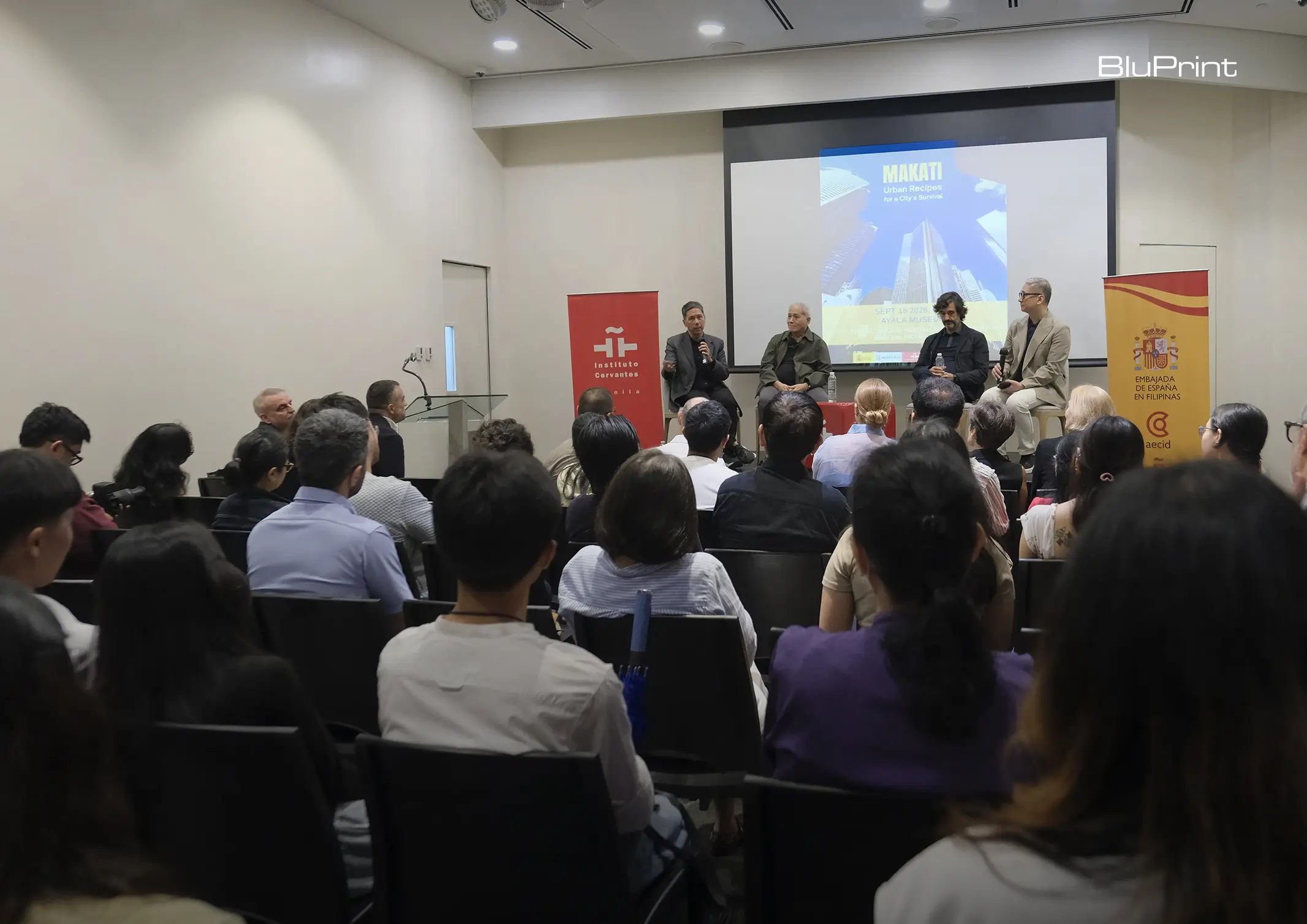
How can better-planned cities create the conditions for more creative, livable, and resilient urban environments? “Makati Urban Recipes for a City’s Survival,” a colloquium held at the Ayala Museum on September 15, brought together architects and practitioners from the fields of urbanism and the creative economy to discuss how design, planning, and collaboration can address […]
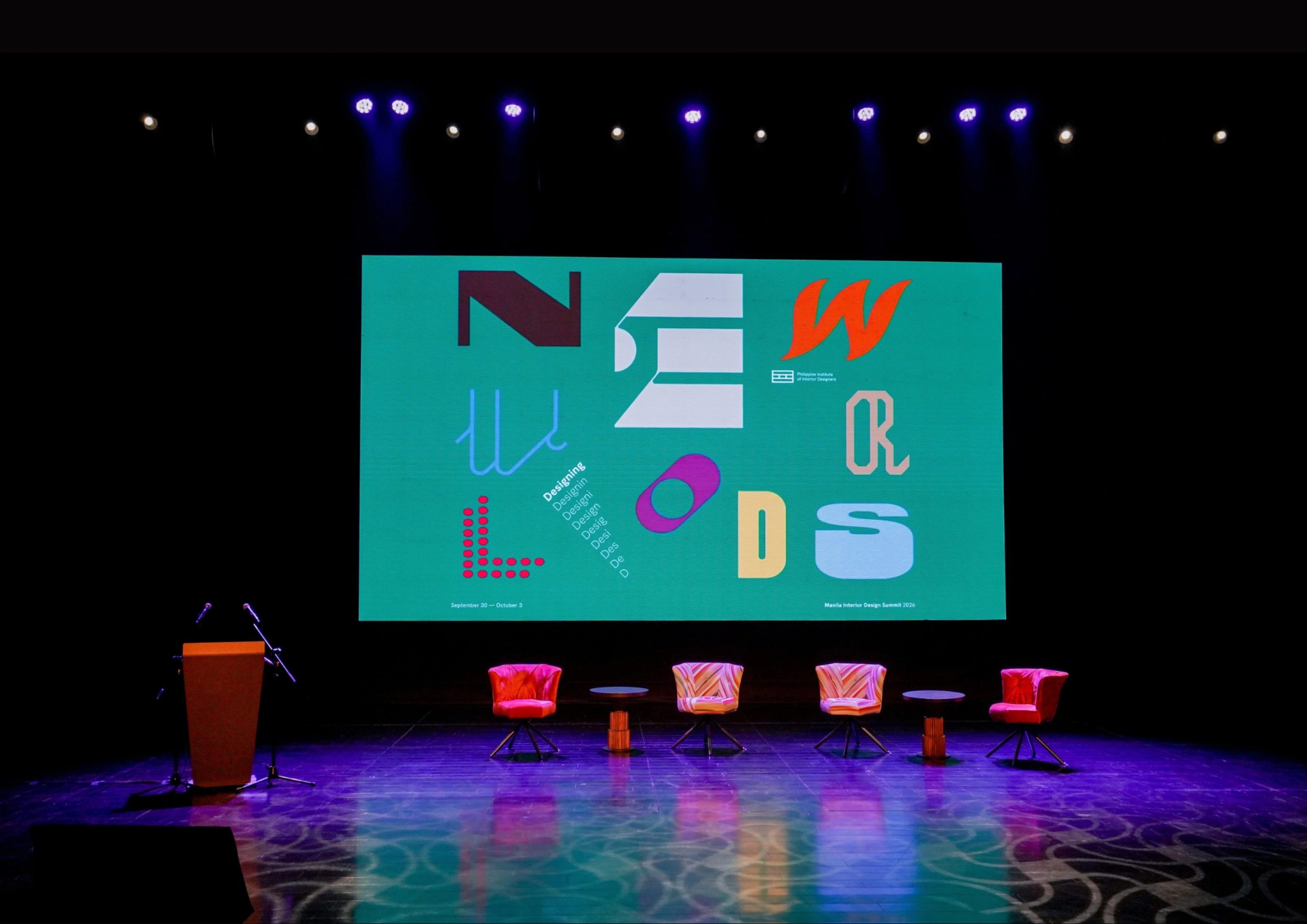
The fourth Manila Interior DesignInterior DesignThe discipline of planning and shaping interior spaces for function, comfort, safety, and beauty. It covers layout, lighting, materials, finishes, furniture, and color, and in the Philippines is a licensedGo to Interior Design Glossary Summit (MIDS) brought together more than 300 delegates for four days of conversations, exhibitions, and design […]
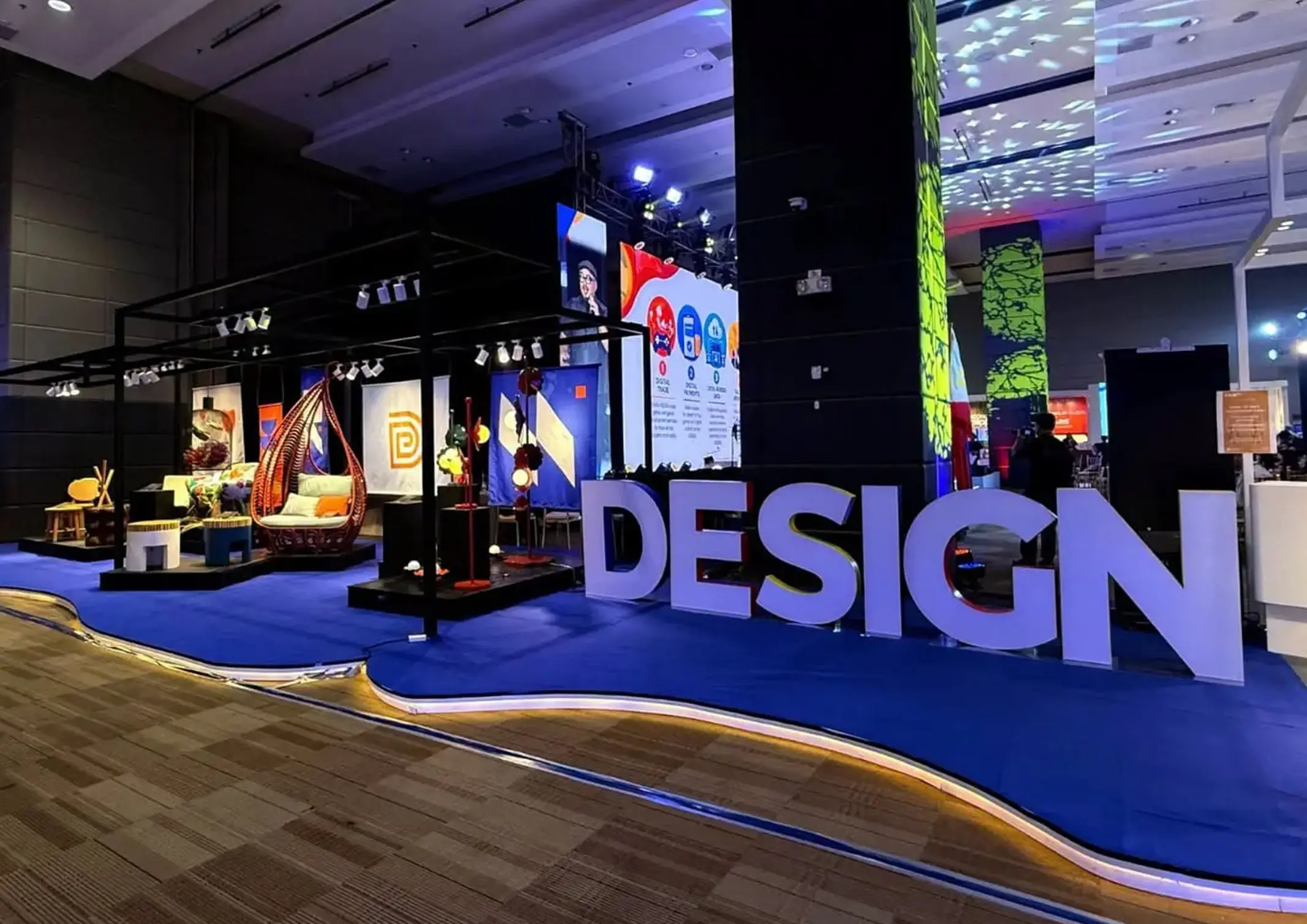
Held at the SMX Convention Center Aura in Taguig City, the first ASEAN Creative Industries Expo by Malikhaing Pinoy (ASEAN MPEx) features nine creative domains, including design, visual arts, digital interactive media, and performing arts. Organized by the Department of Trade and Industry (DTI), the event includes exhibitions, cultural performances, industry talks, and pitching sessions […]
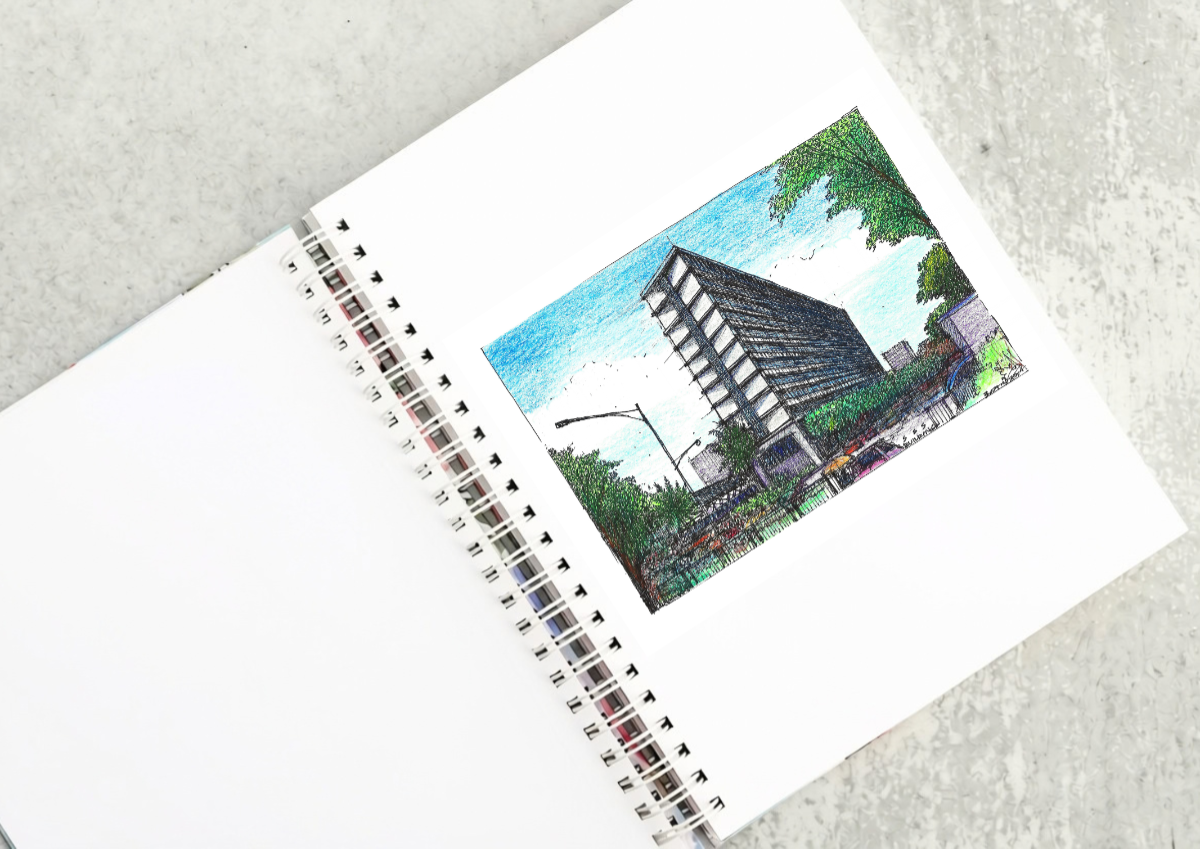
The SSS Building as an Expression of Civic Modernism My favorite modernist landmark in Quezon City is the SSS building on East Avenue. Designed by National Artist for ArchitectureArchitectureThe art and science of designing and constructing buildings, structures, and spaces that are functional, safe, and aesthetically pleasing. It encompasses the planning, design, materials, and techniques […]
Read the issues.

Collect the volumes.

Recommended Video
Tap to Unmute
Unmute
0:00
0:00