Contemporary design refers to the constantly evolving design trends of today. With the power to design our built environments, architects have been experimenting with various architectural approaches. Whether that is through unconventional forms or the integration of smart technologies, BluPrint lists down Filipino architects who are defining contemporary architecture. Deo Alam Architect Deo Alrashid Alam […]
‘I/Land’: FotomotoPH Captures the Diversity of the Country



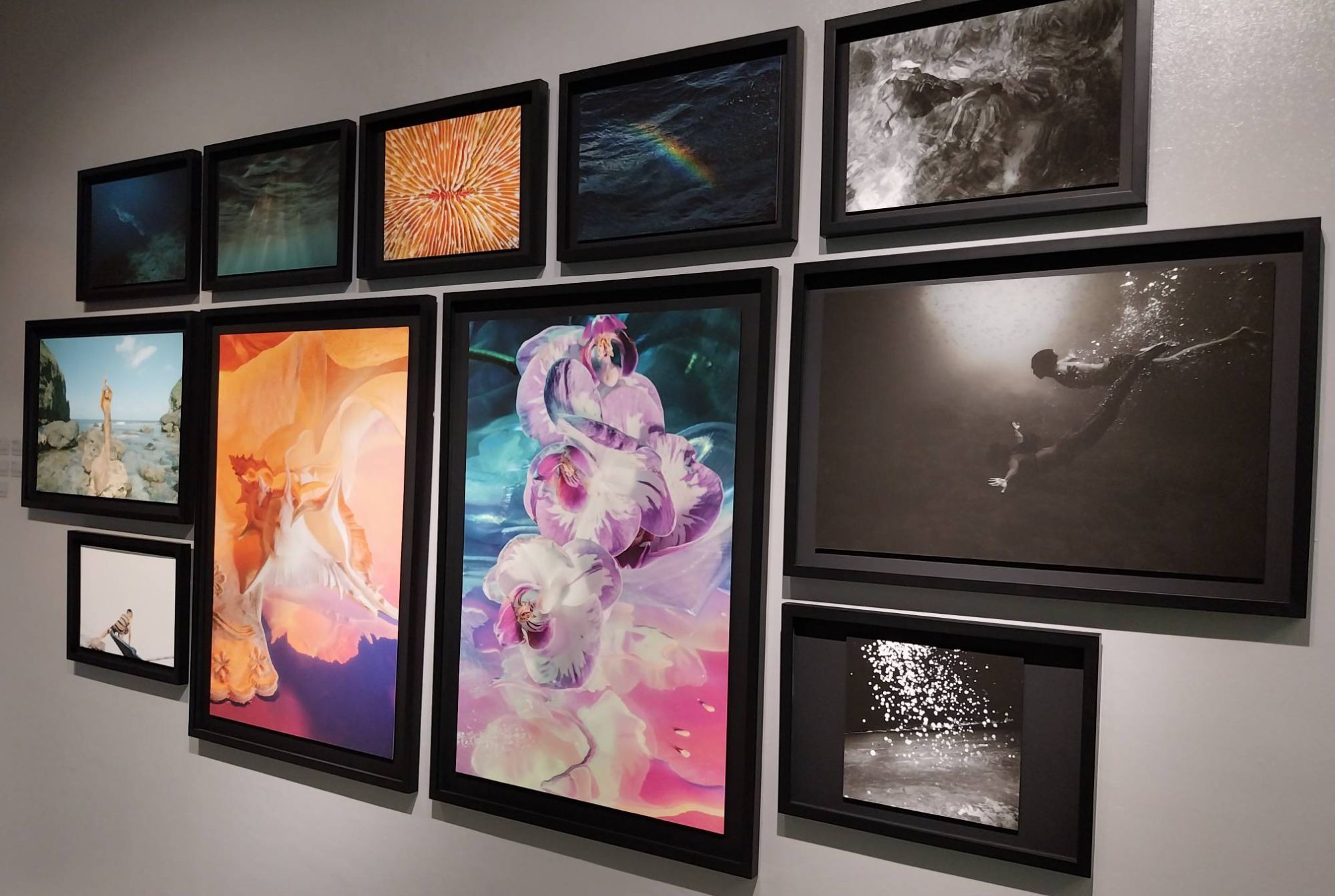
How do we comprehend the variety of customs and societies that exist in the Philippines? With I/Land, photography collective FotomotoPH, in partnership with Ayala Museum, provides us with a dazzling array of images from different areas of the Philippines.
These images, taken by 74 different photographers from across the country, focus the lens on the different realities that every Filipino lives through. Whether it’s urban or rural, in vast farmlands or in the middle of large bodies of water, they highlight the unique multicultural aspect that appears to blossom in an archipelago like ours.
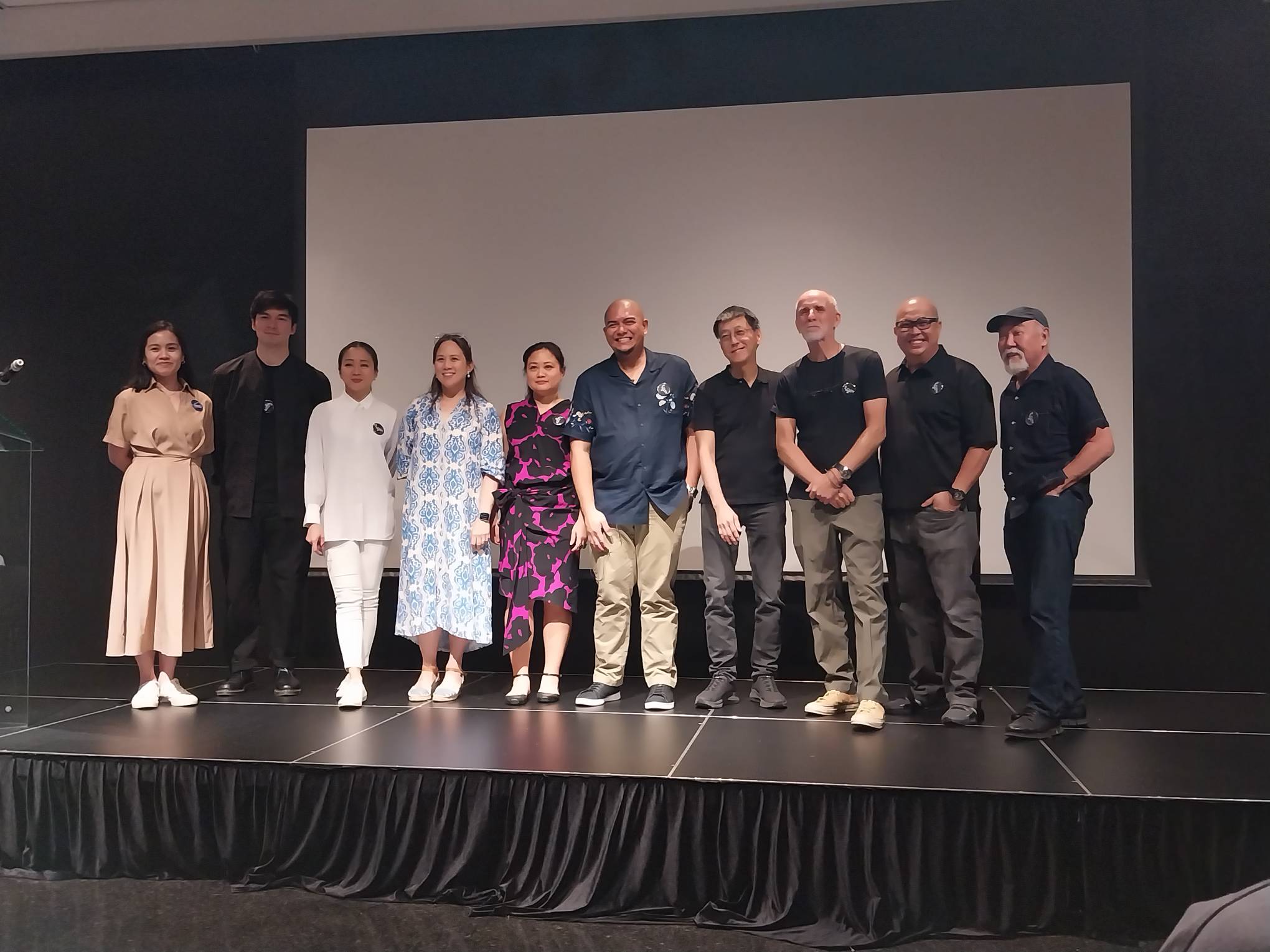
“ Philippine society is extremely diverse,” FotomotoPH co-founder Stephanie Frondoso said. “Part of the reason is because we live within islands, archipelagos and have many ethno-linguistic groups, [and] many languages. But now the theory of archipelagic thinking is becoming stronger and stronger in which the waters don’t just fragment us, they’re like our highways.”
Advertisement
“It tries to push that boundary of ‘how do you visualize a specific topic, especially a topic that’s sort of close to your identity?’” fellow FotomotoPH co-founder Veejay Villafranca said about the topic.
Choosing the Photographs of ‘I/Land’
The images featured for I/Land were found through an open call, with FotomotoPH receiving over a thousand photographs from 300 different photographers. The collective involved the heads of Angkor Photo Festival, Objectives Singapore, and Jakarta International Photo Festival in a blind vetting process that kept the photographers’ identities anonymous.
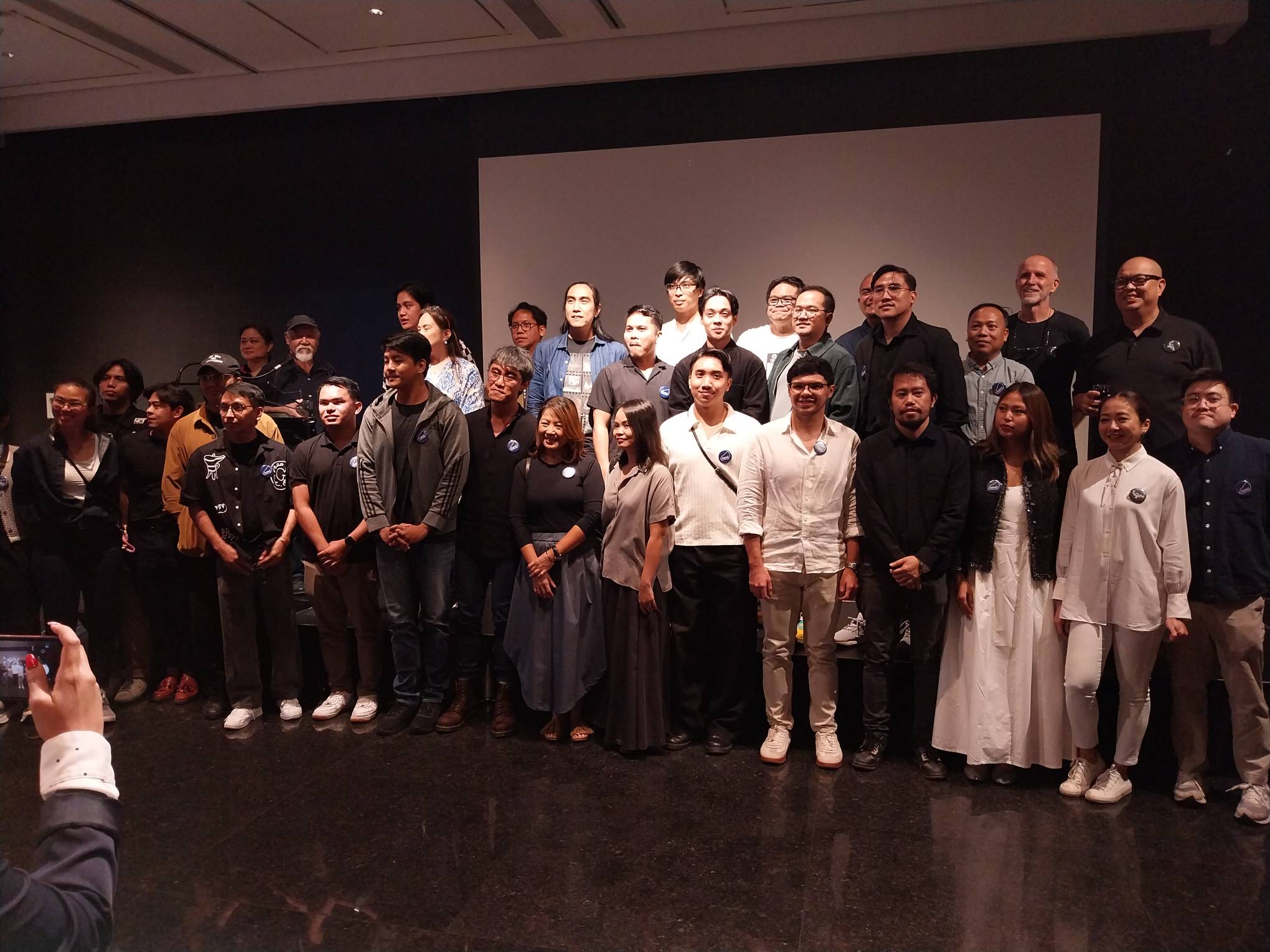
“It’s based purely on the image,” Frondoso said. “Which is why the mix of the Open Call are from very established photographers to new ones we’ve never met. And that’s how we discover talent from all around the Philippines, which we’ve been discovering for the past three editions.”
Advertisement
“All of these three people bring together their expertise and also their knowledge in photography [and] in representation,” Villafranca added. “Mix that with the local experts, the local Filipino photographers and also curators meeting together.”
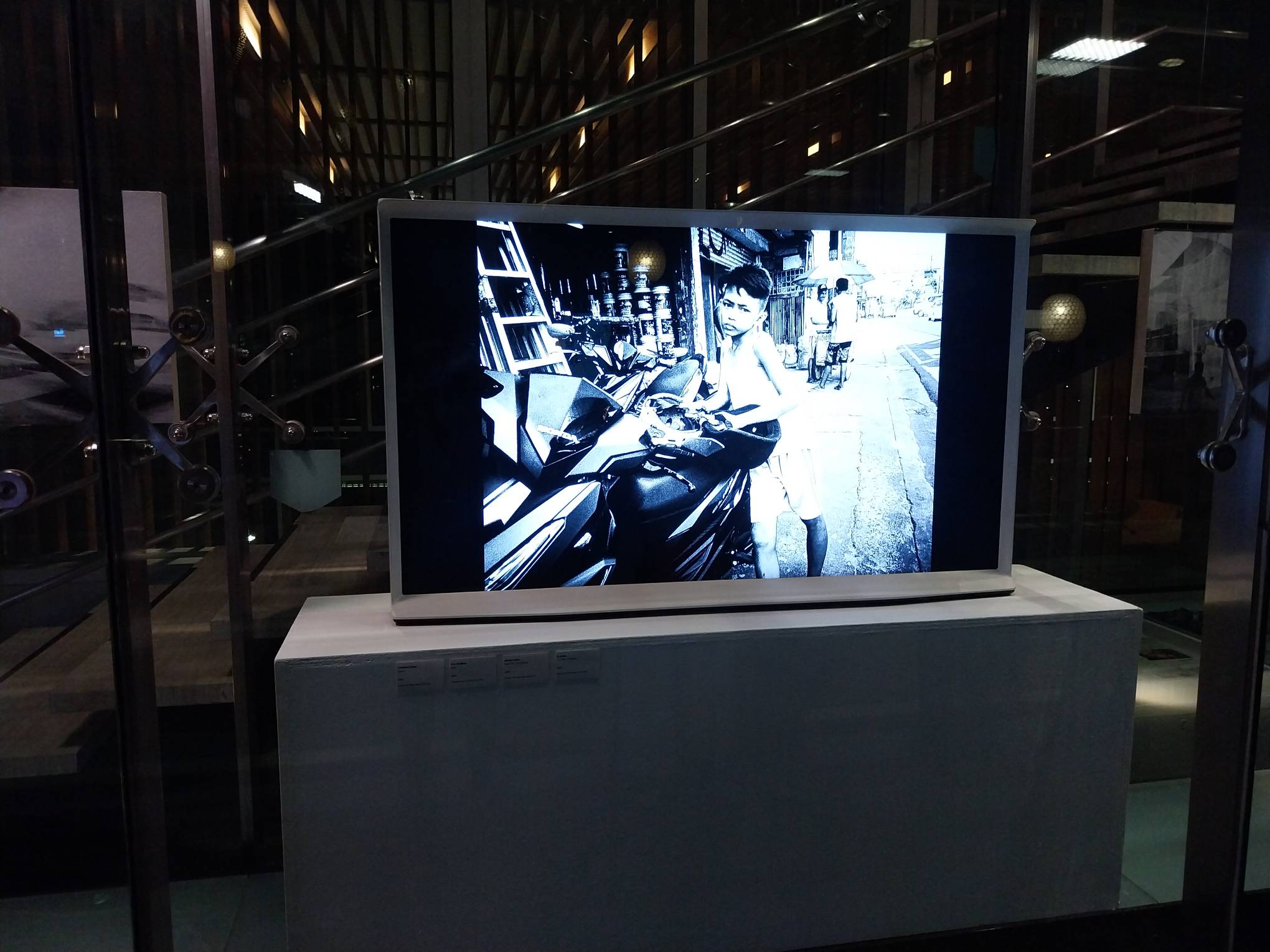
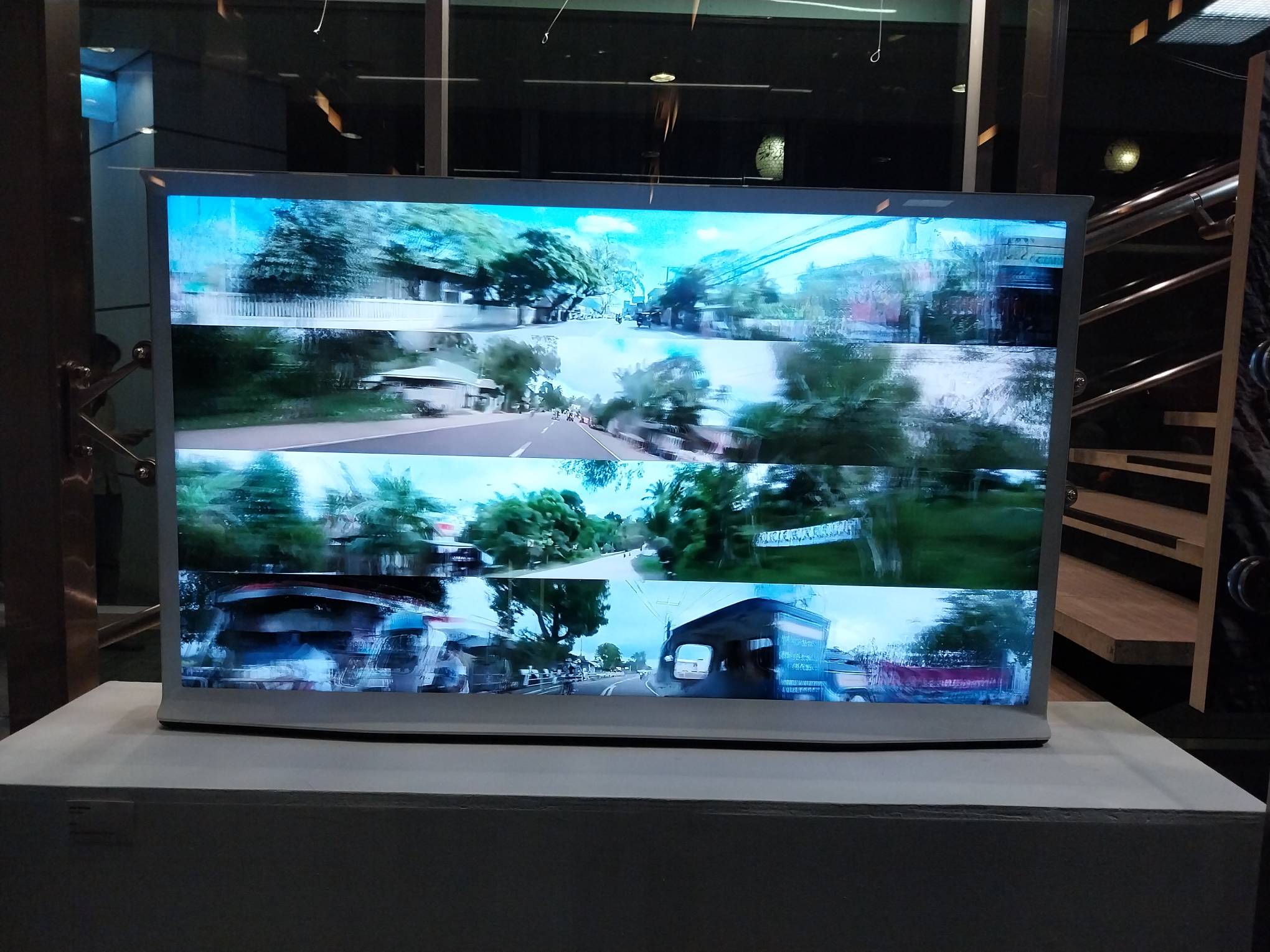
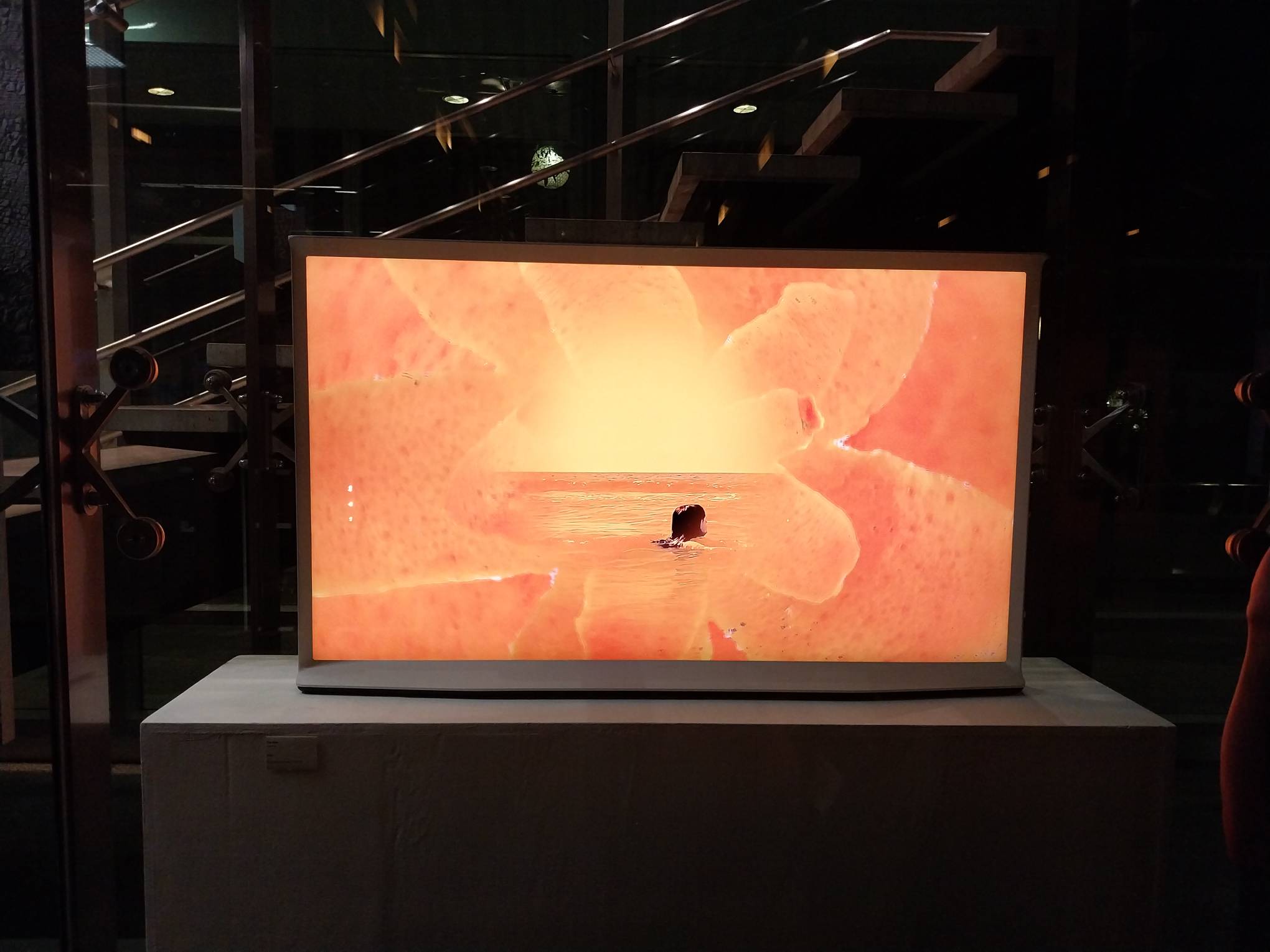
In the end, seventy-four photographers were chosen for the exhibit. Though that number does not include the photographers featured on Centrefold, a different side exhibit running alongside I/Lands. Curated by FotomotoPH co-founder Gio Panlilio, it features dynamic videos of island life across the country.
Documenting the Country
That variety shows up a lot on I/Land, which overpowers viewers with the vastness of its collection. From oceanic landscapes to city life, from the rural countryside to the frenetic rush of rebellion, the exhibit offers a variety of spectacle for everyone.
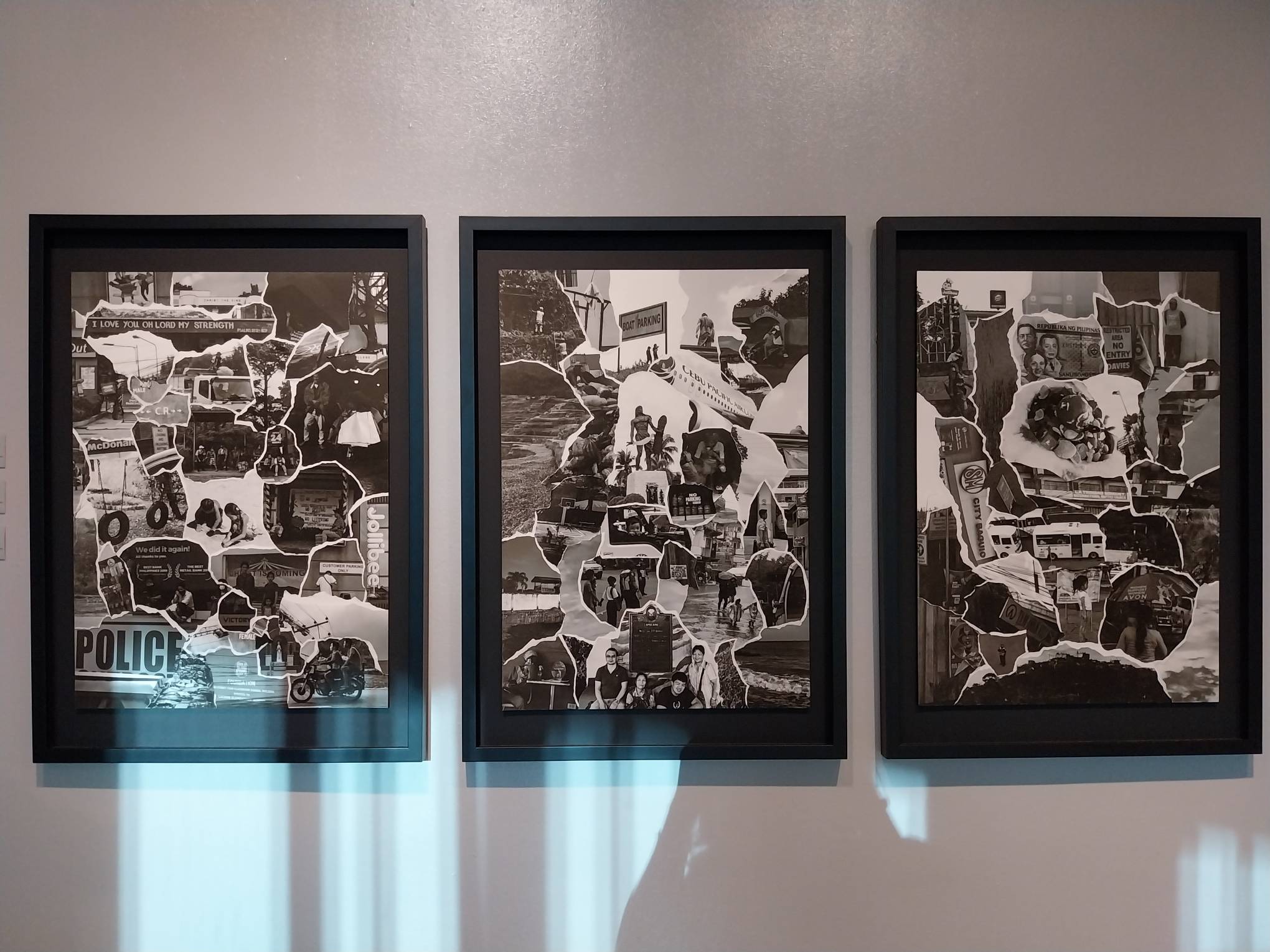
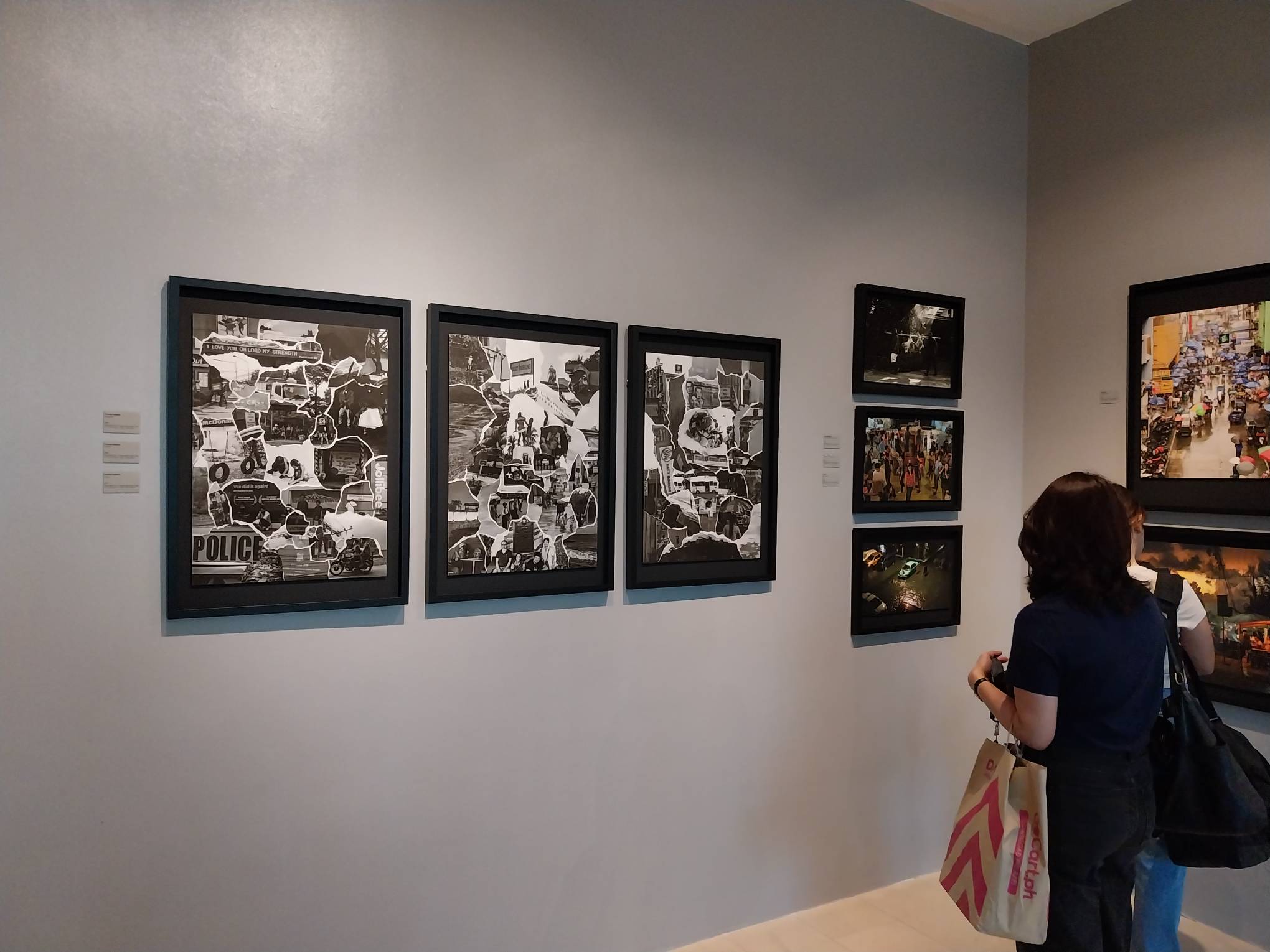
Unique images include Ricky Ladia’s black-and-white photographs of small buildings surrounded by large bodies of water, or Christian Balictan’s three collages of different photographs pasted together like puzzle pieces from around the country.
Advertisement
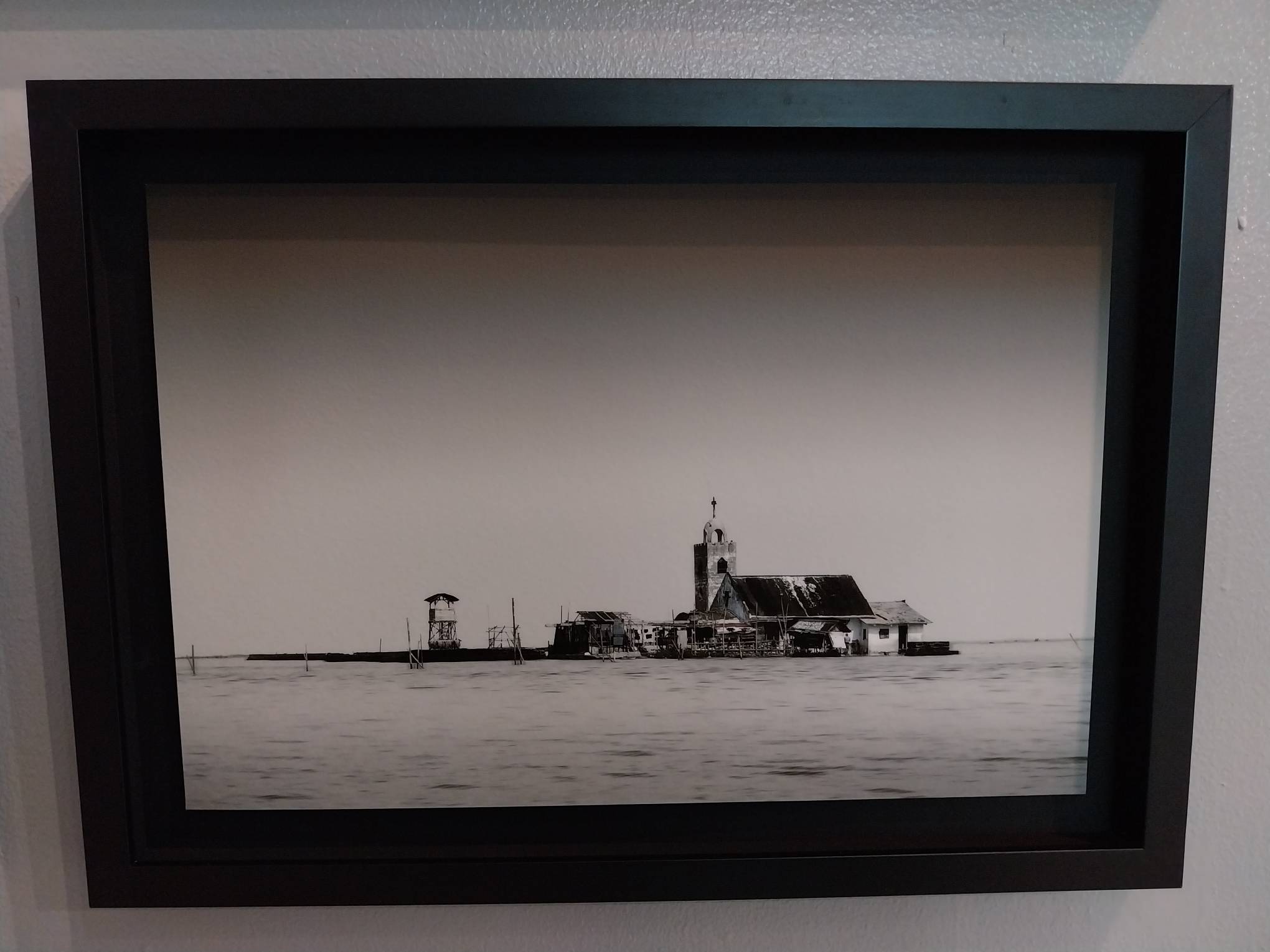
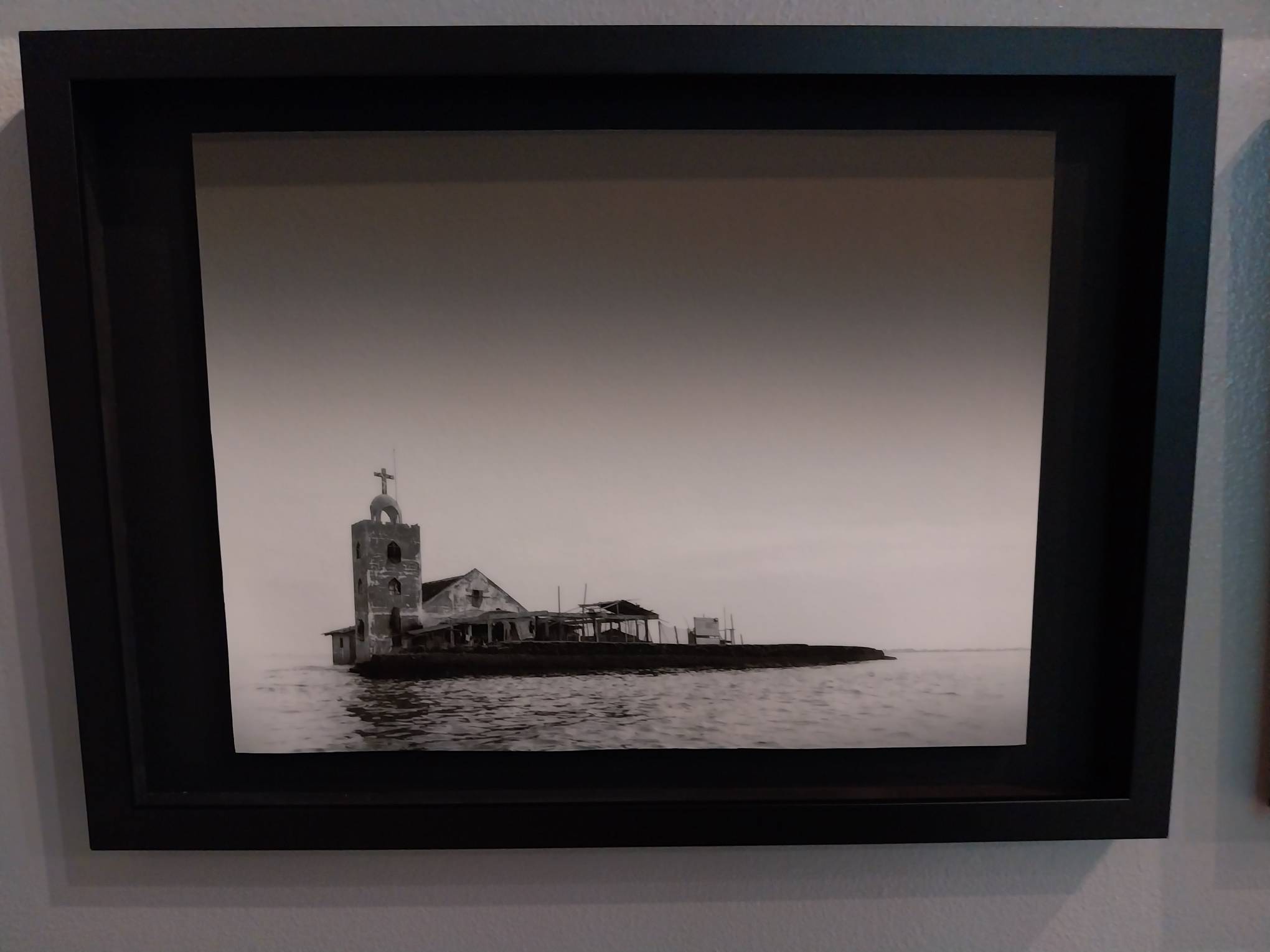
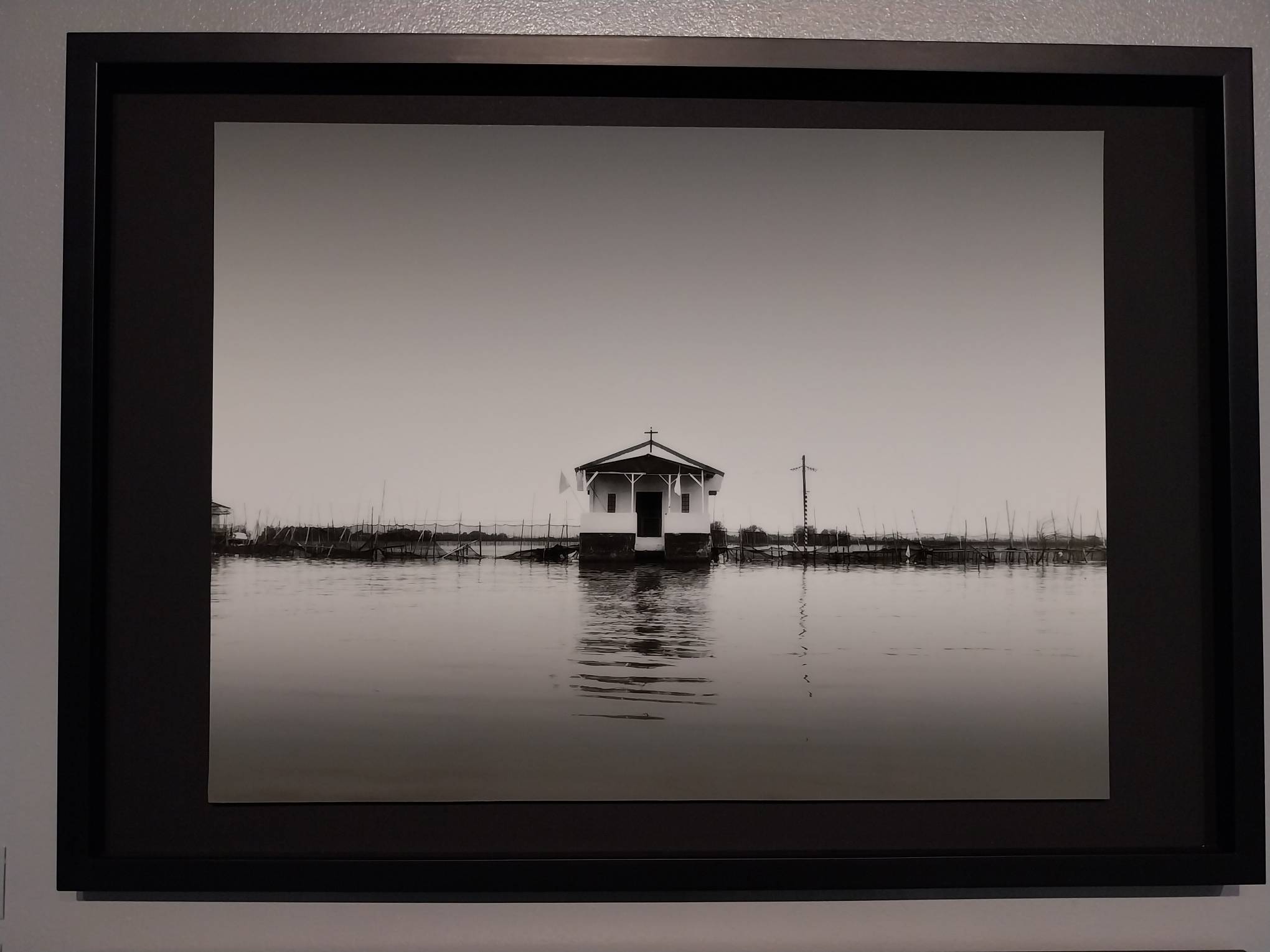
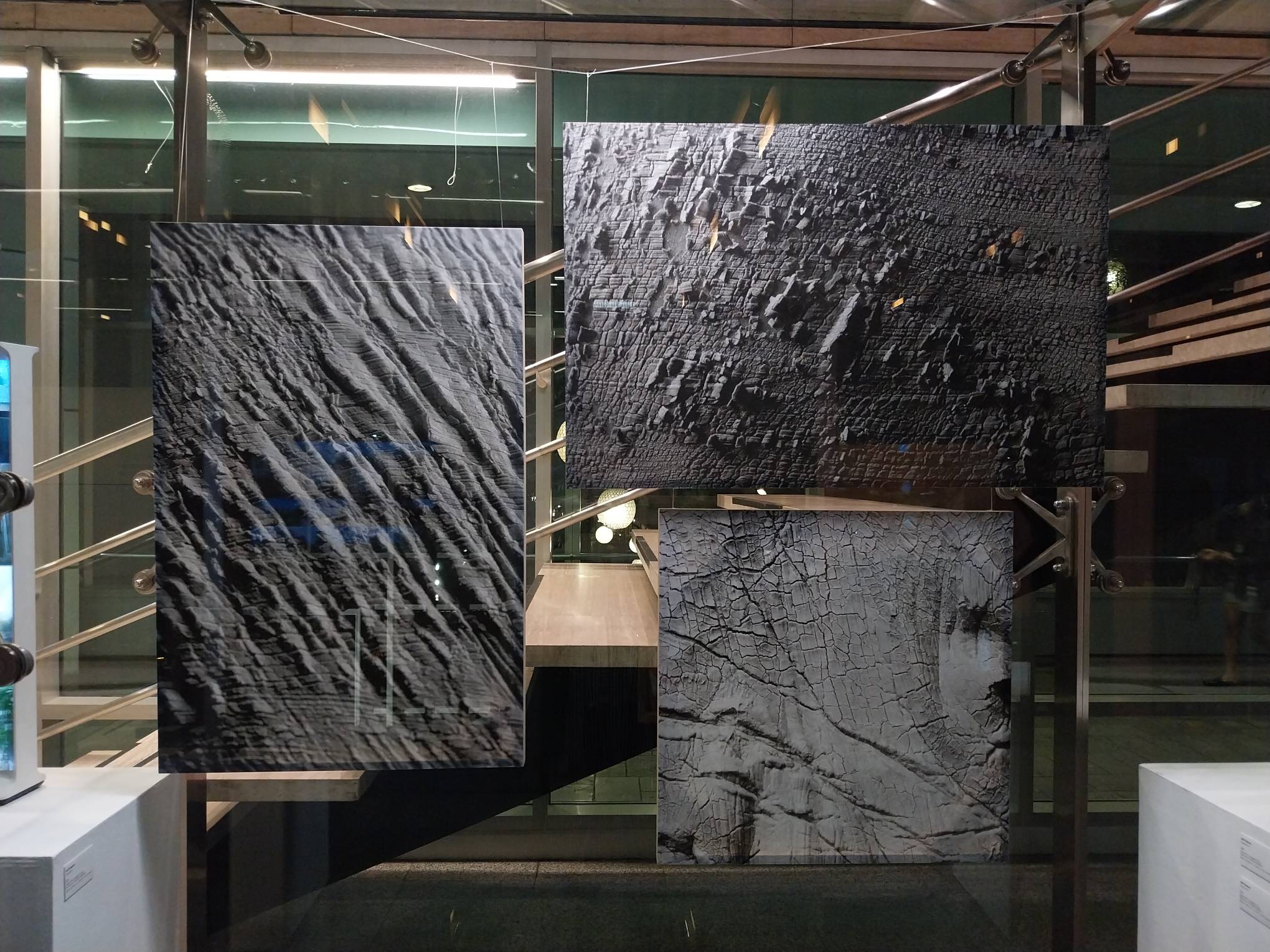
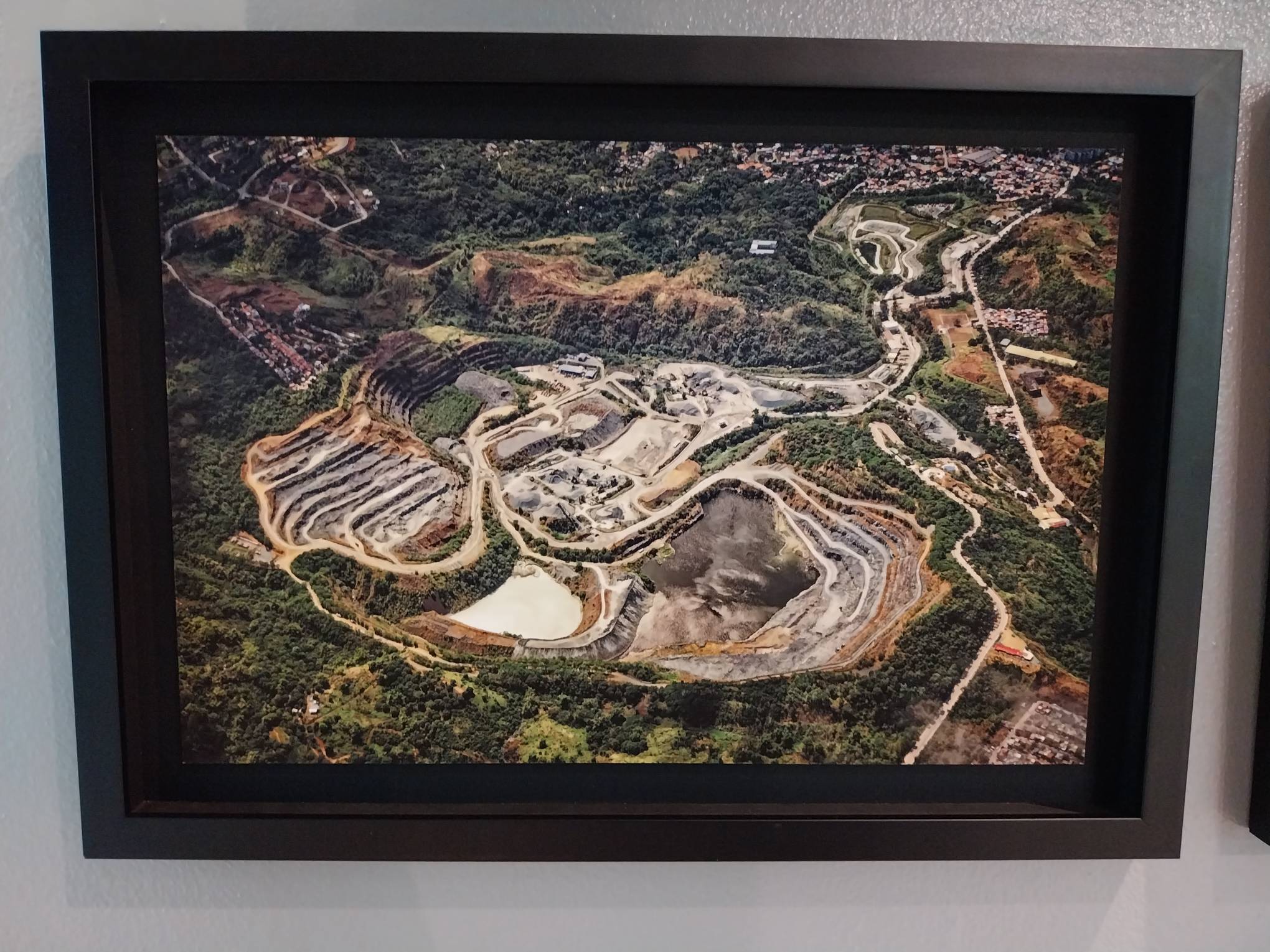
Decay, at times, is highlighted in some of the photographs. MM Yu’s two contributions, both set in the ruined remains of a church, portray that symbolic destruction happening in our world today. So does the image that Effy Calingao contributed to the exhibit, which shows a mountainside being carved with subdivisions and roads.
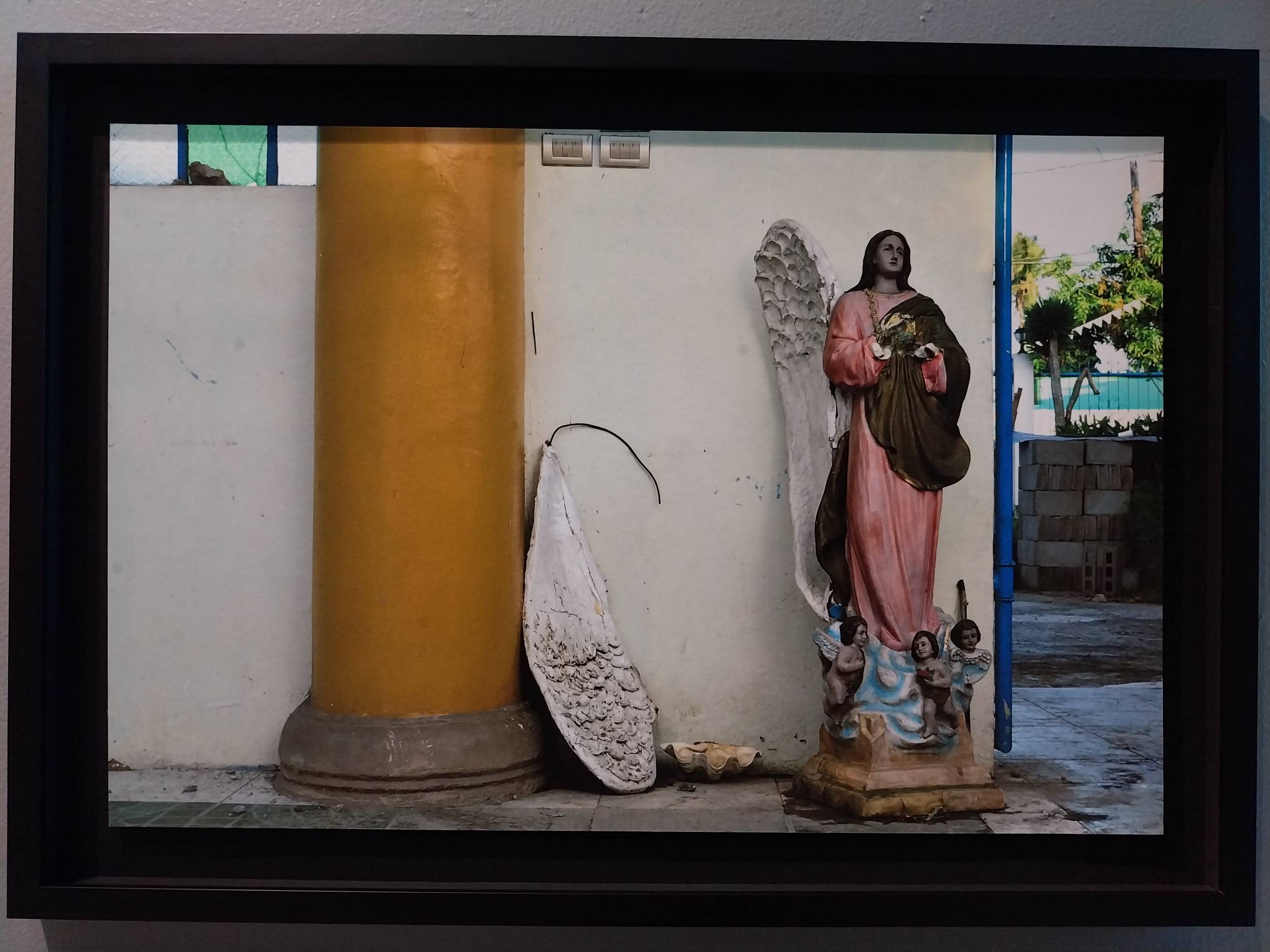
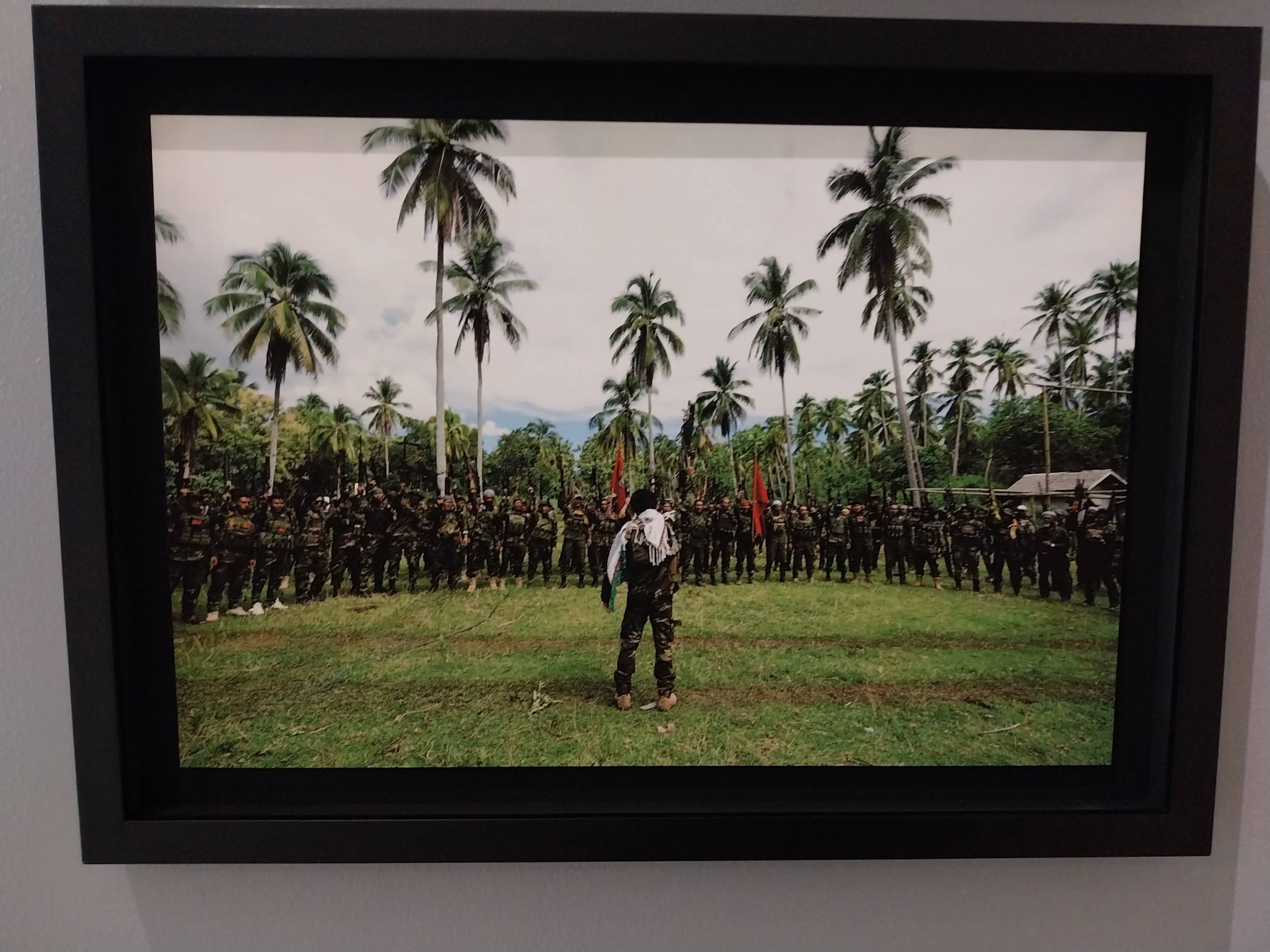
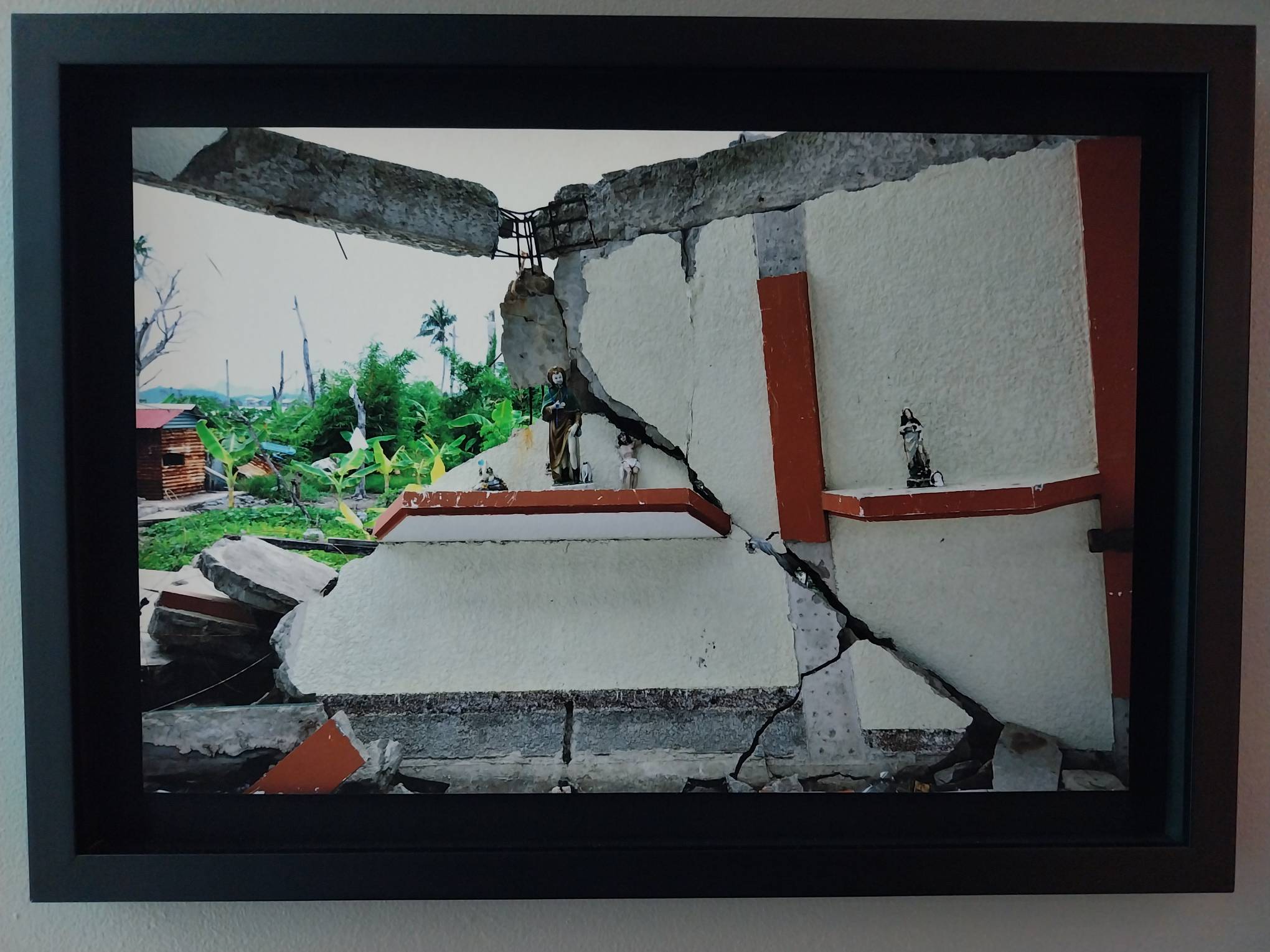
Rebellion and Signs of Life
Others, however, provide a feeling of rebellion from the norms that tend to be missing from many people’s lives. One photograph from Billy shows a trio of women hiding in the mud. Another photograph, credited to Romy, shows a group of indigenous people in the midst of a tug-of-war contest in a rushing stream.
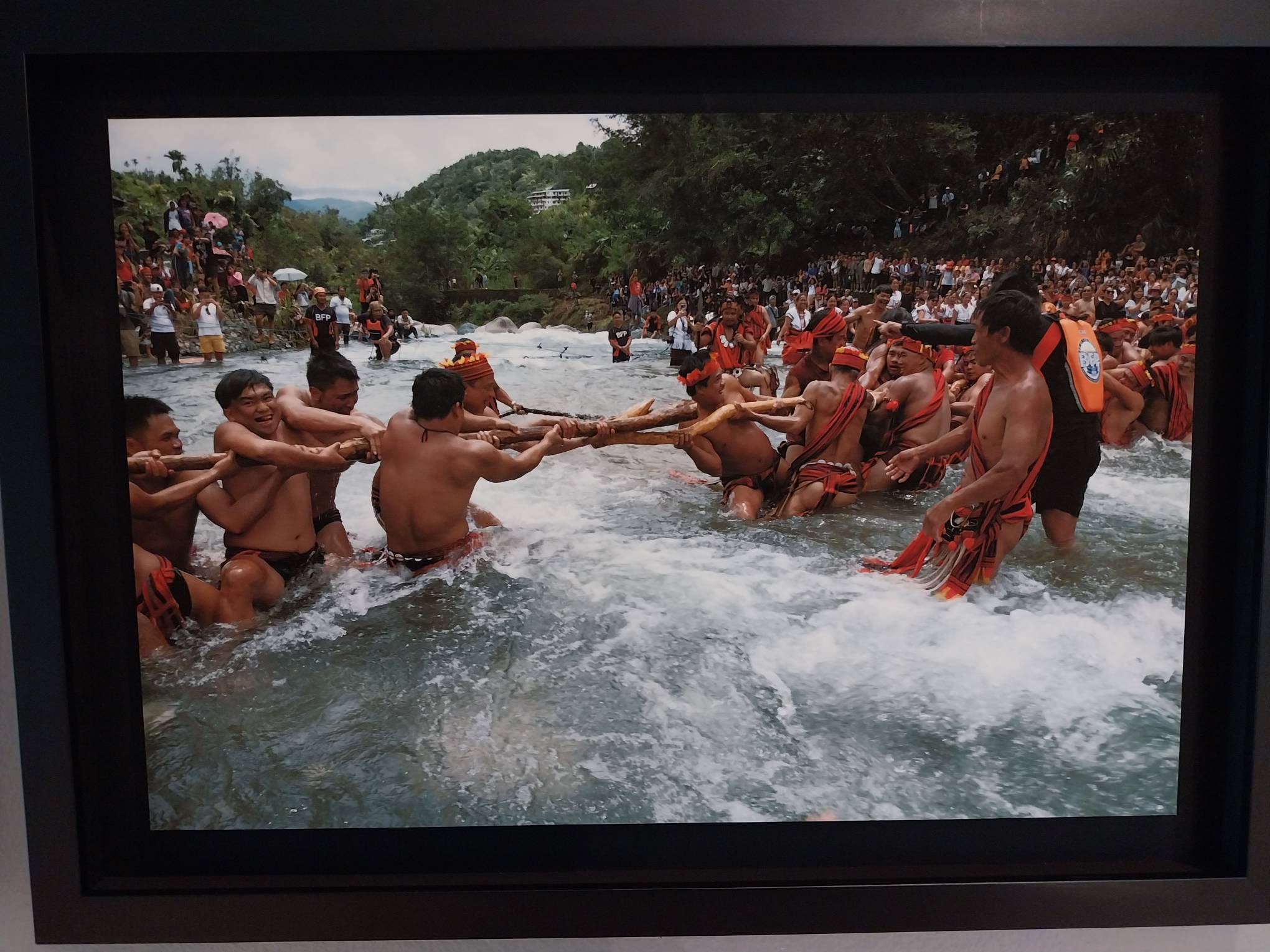
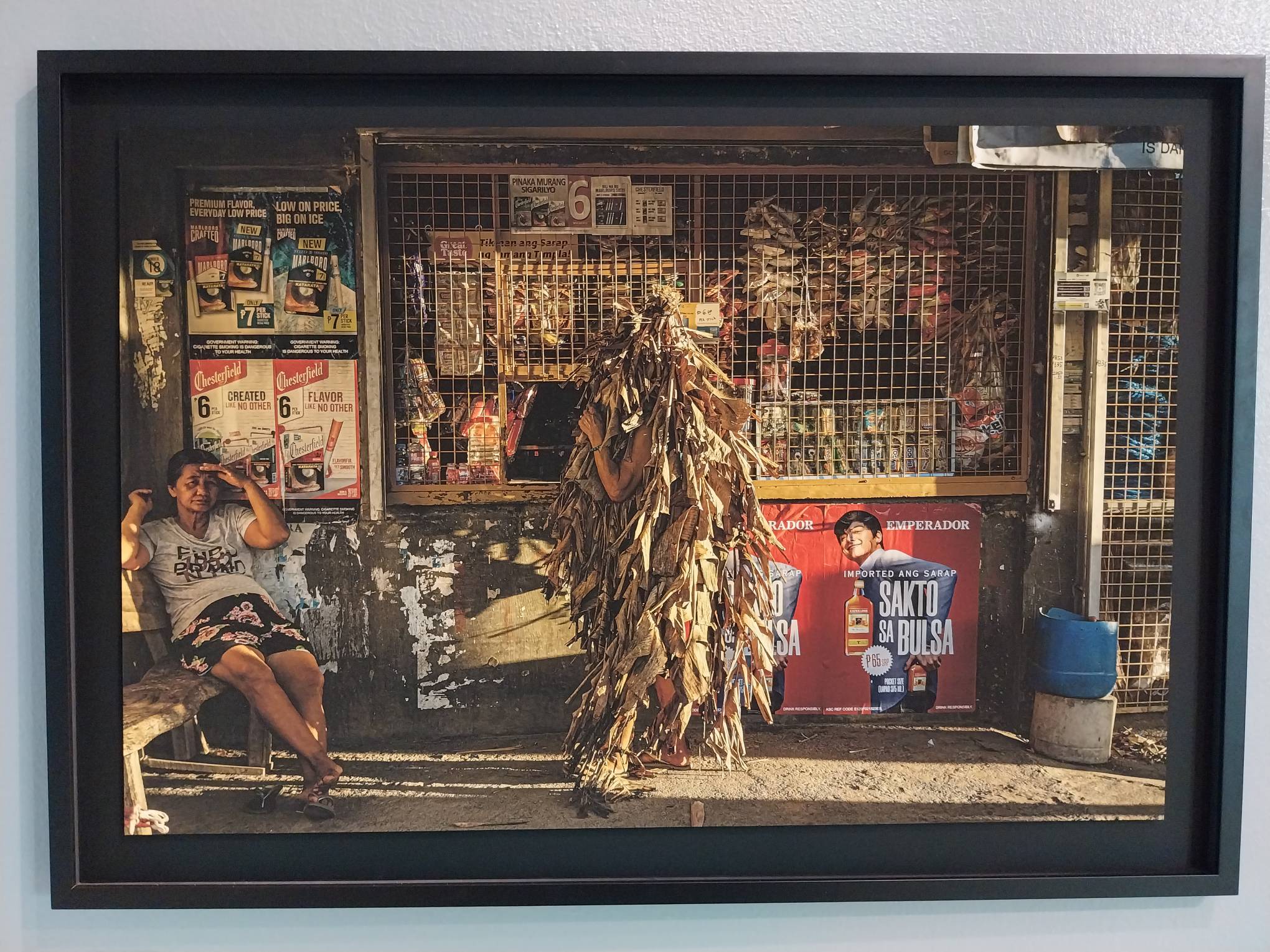
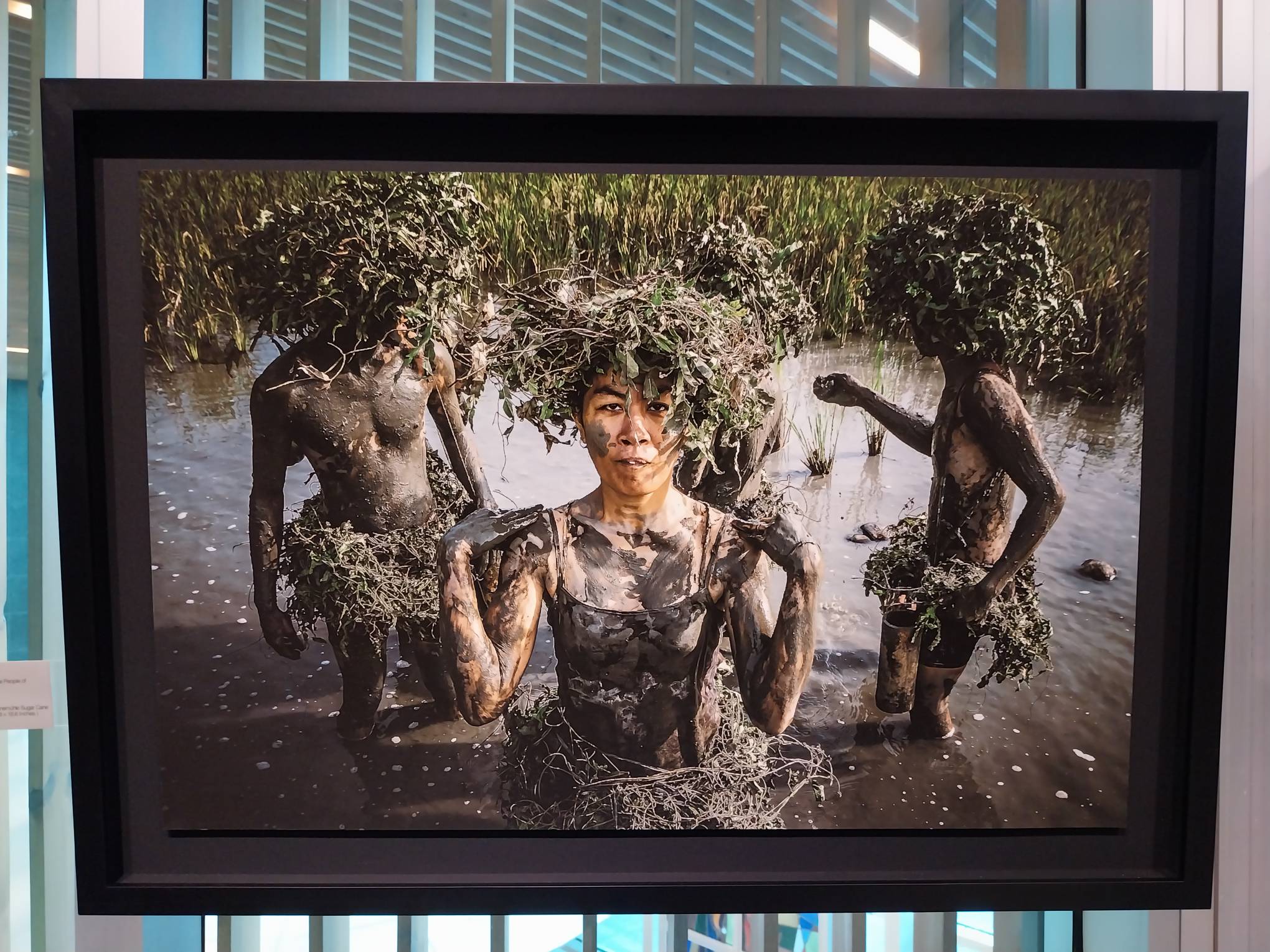
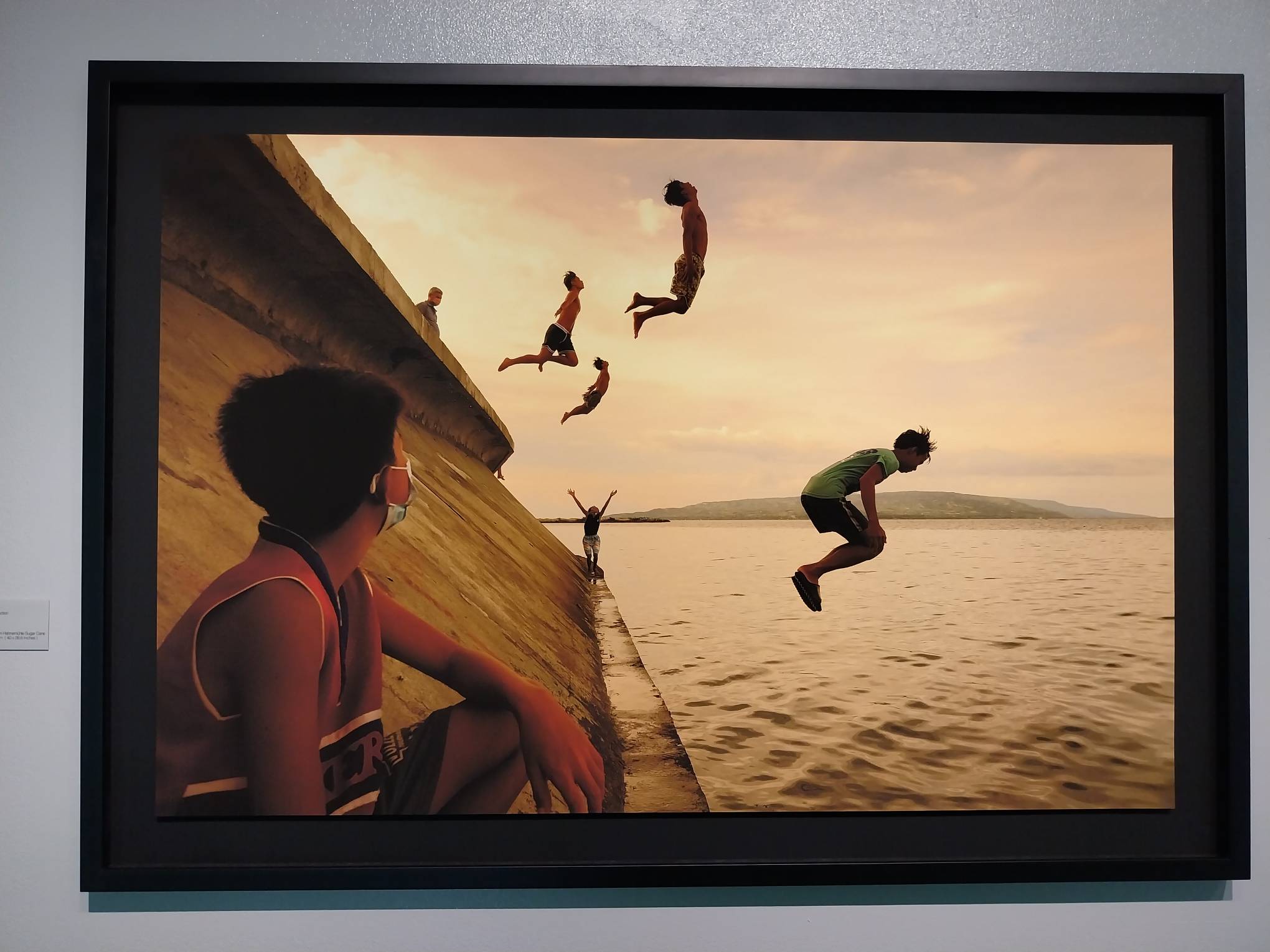
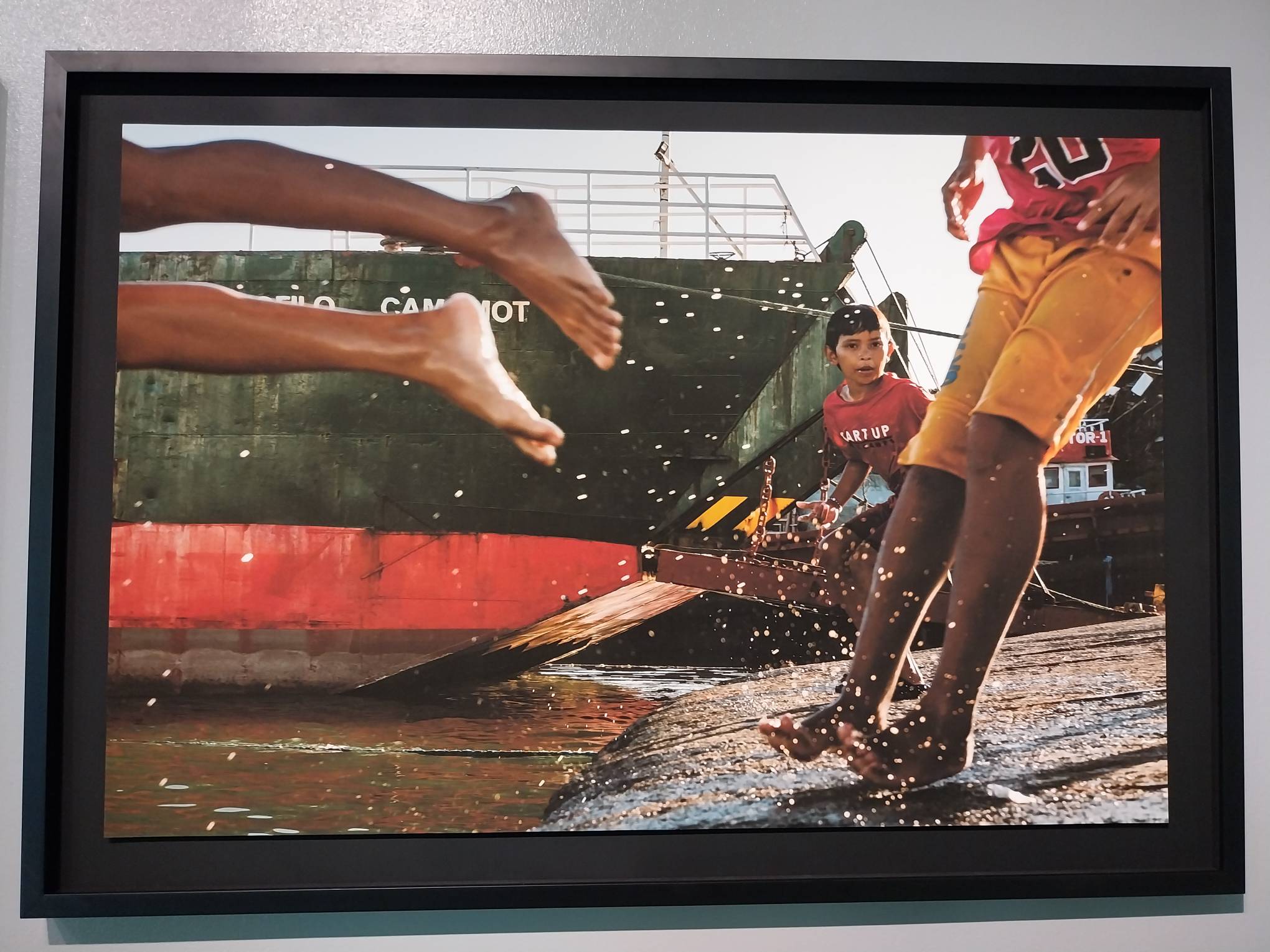
In the same vein, Hersley Casero captures the recklessness of youth as he photographs a group of children jumping into the water from a boardwalk. All these highlight the broadness of experiences that happen around the Philippines. I/Land attempts to capture that to show to a larger audience that would typically never have exposure to such images in the first place.
Advertisement
“I think [this] is the unique point of FotoMoto,” Frondoso said. “I don’t know of any other art show that really looks around the whole Philippines and tries to decentralize art from Metro Manila or decentralize photography from Metro Manila.”
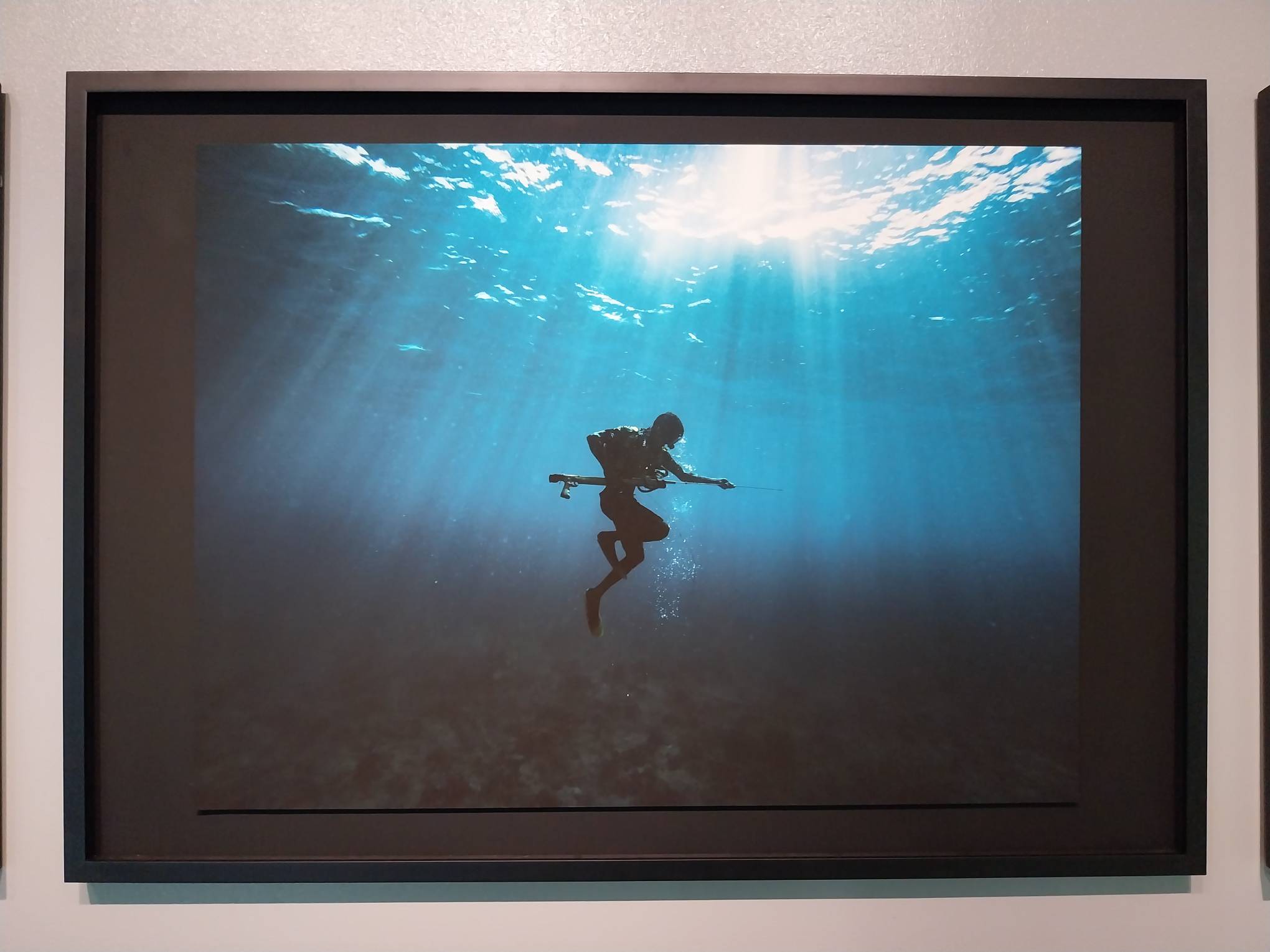
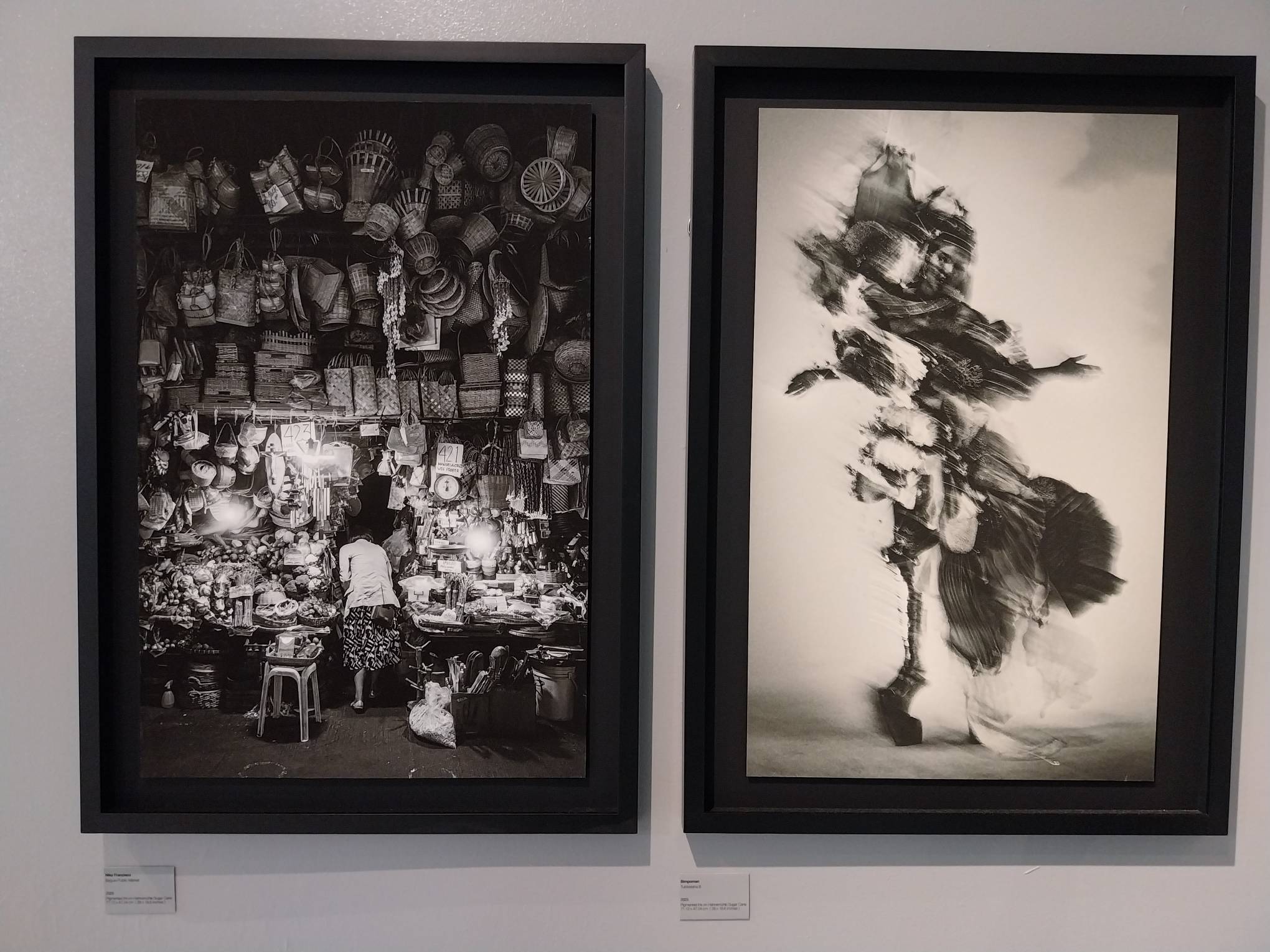
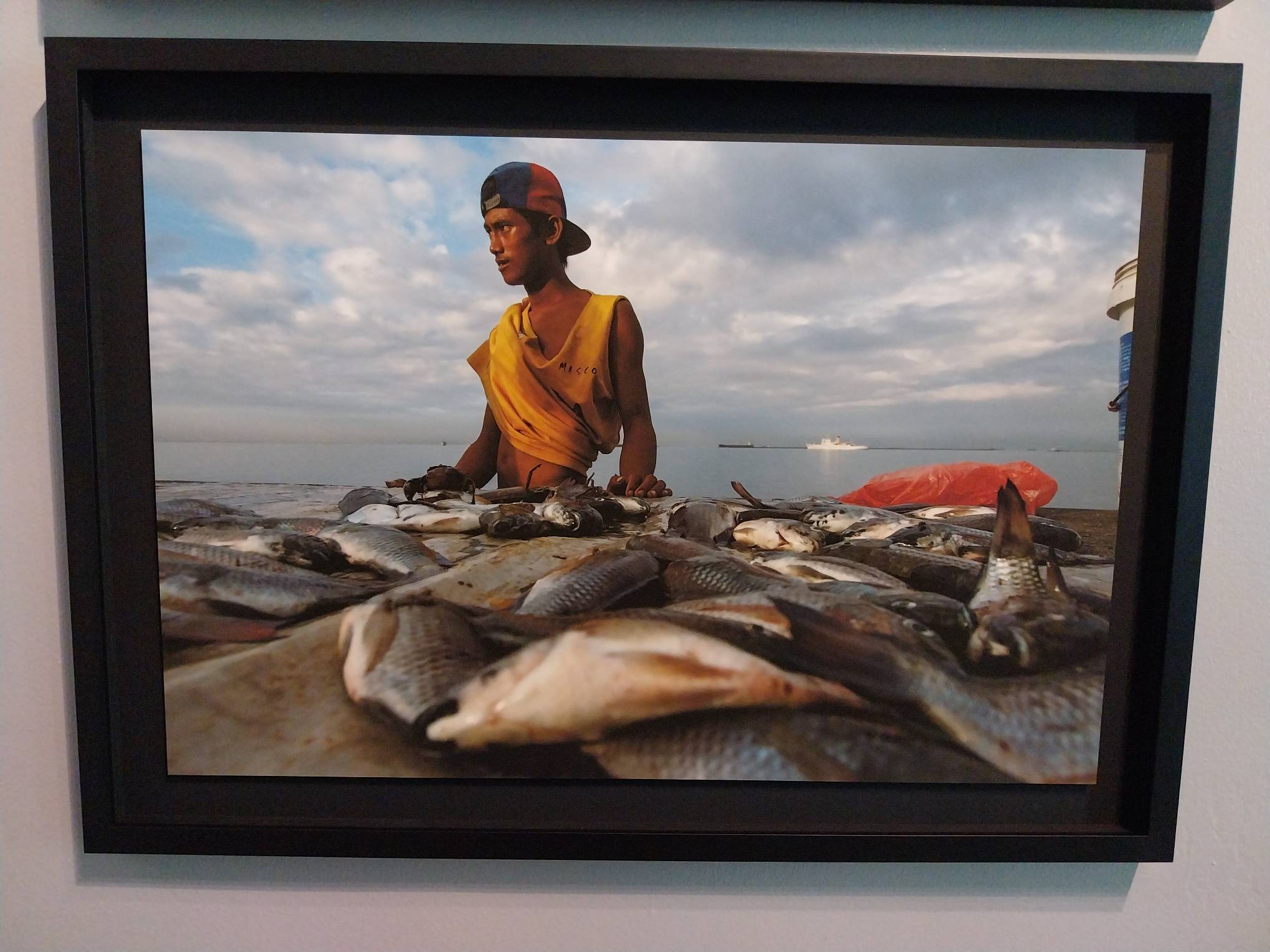
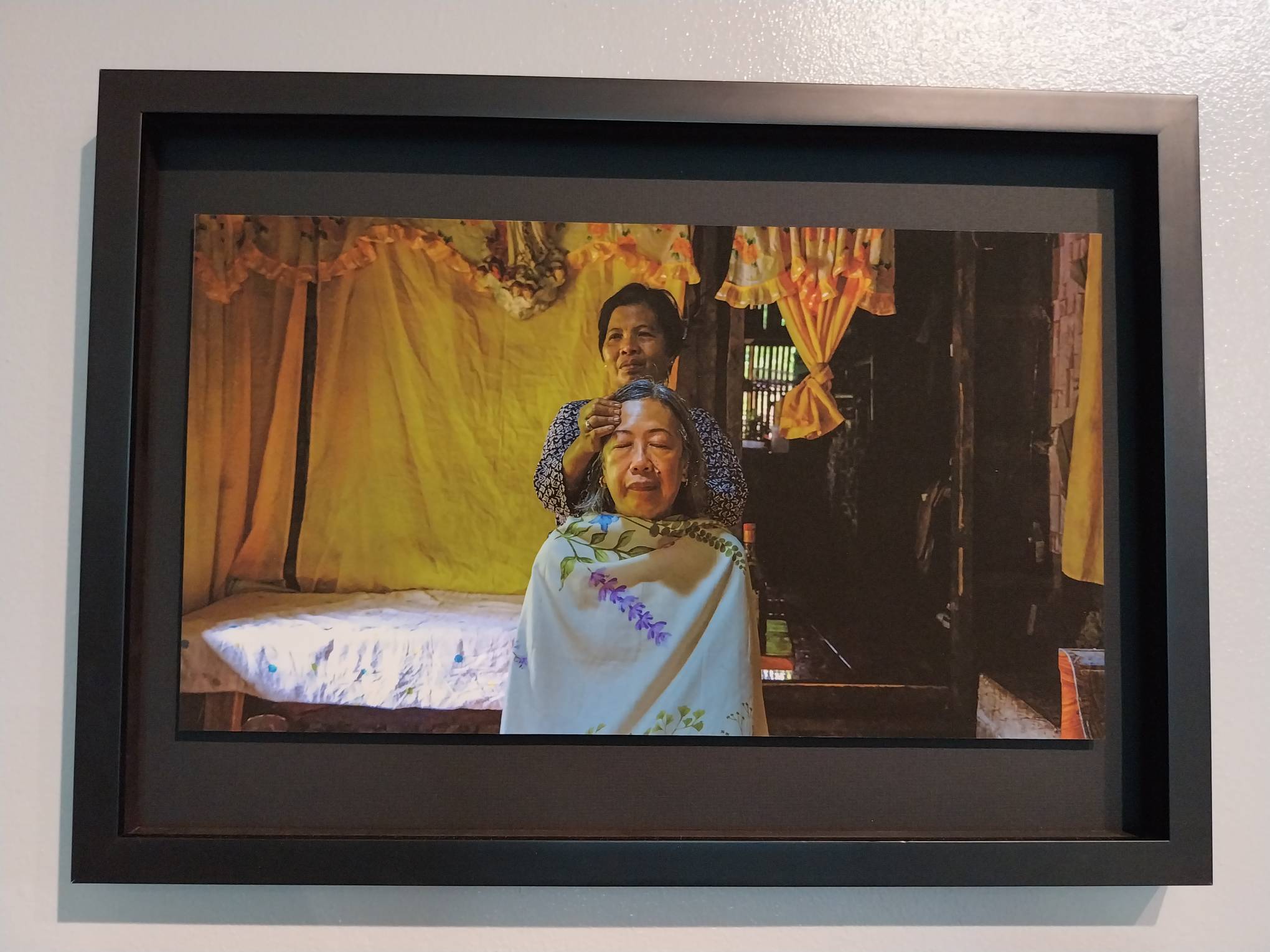
Photography as an Art Tool
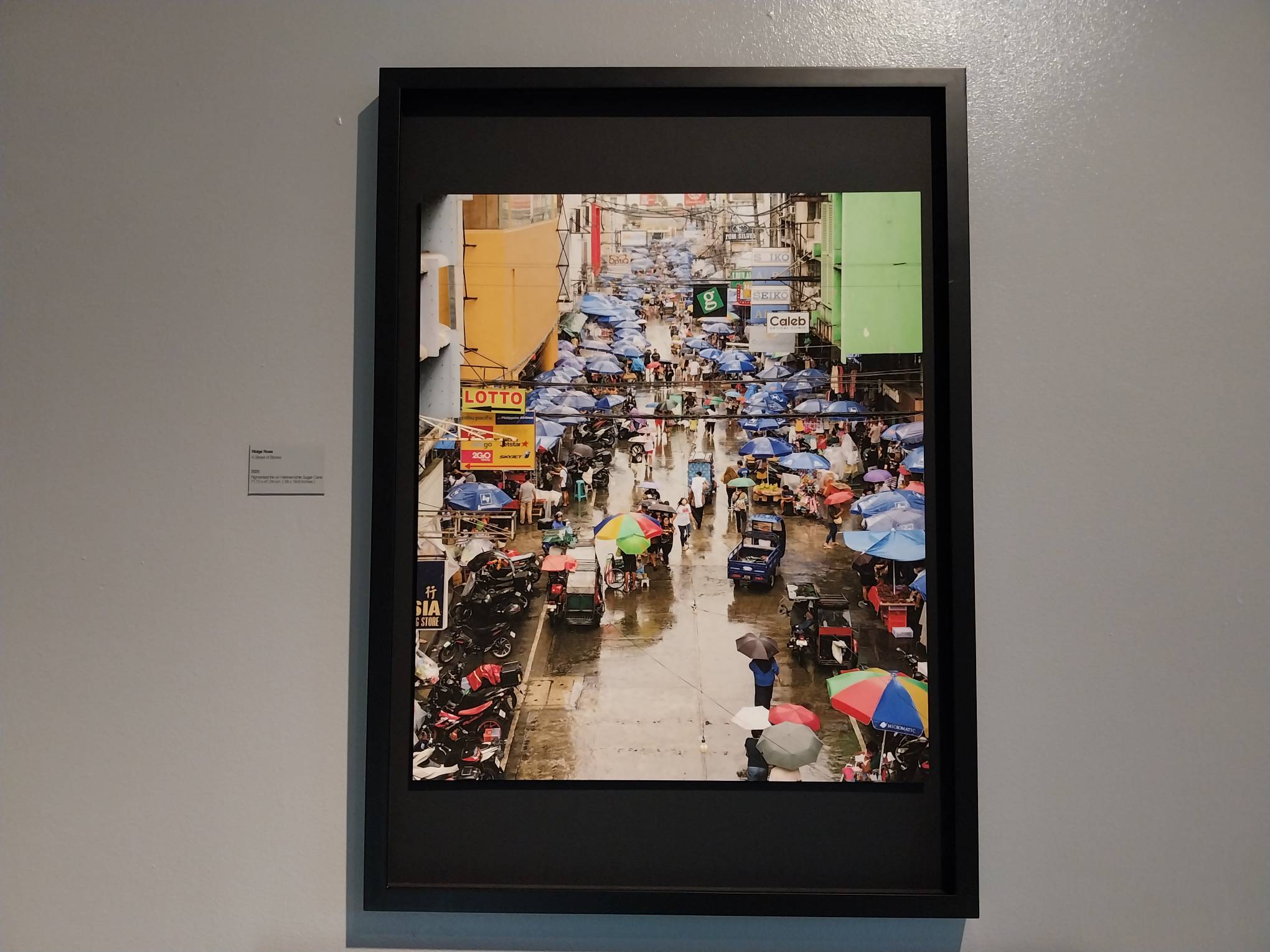
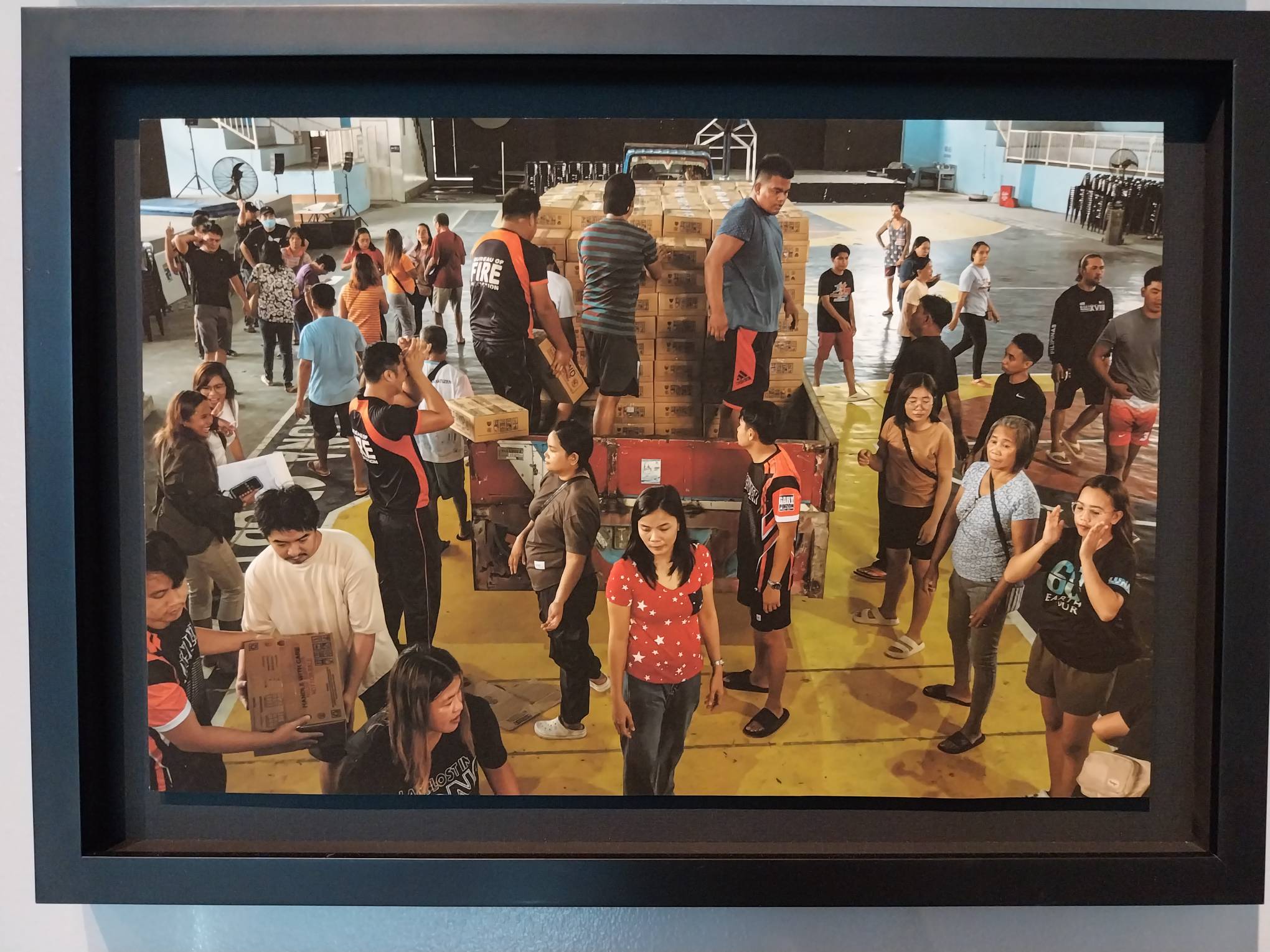
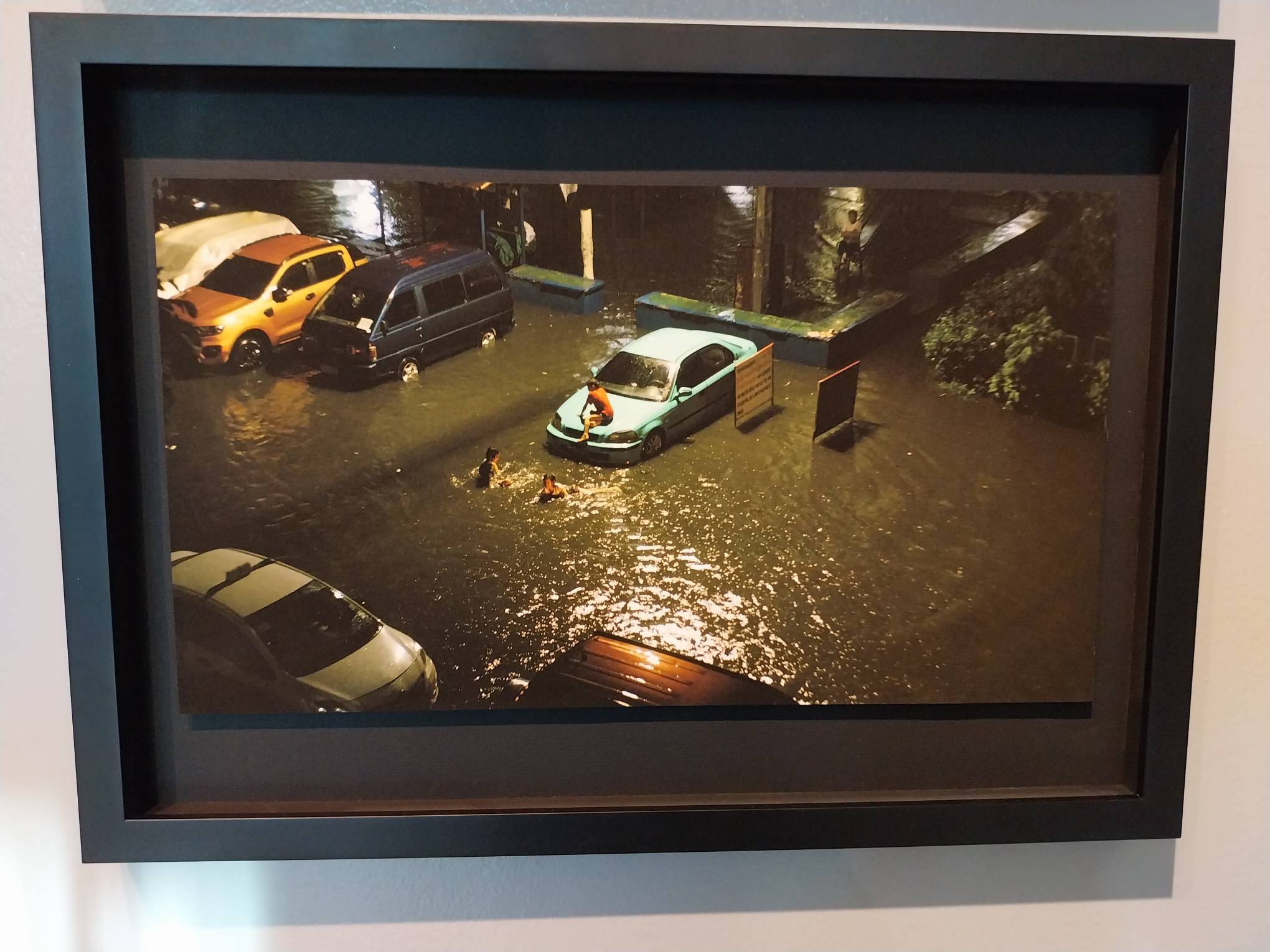
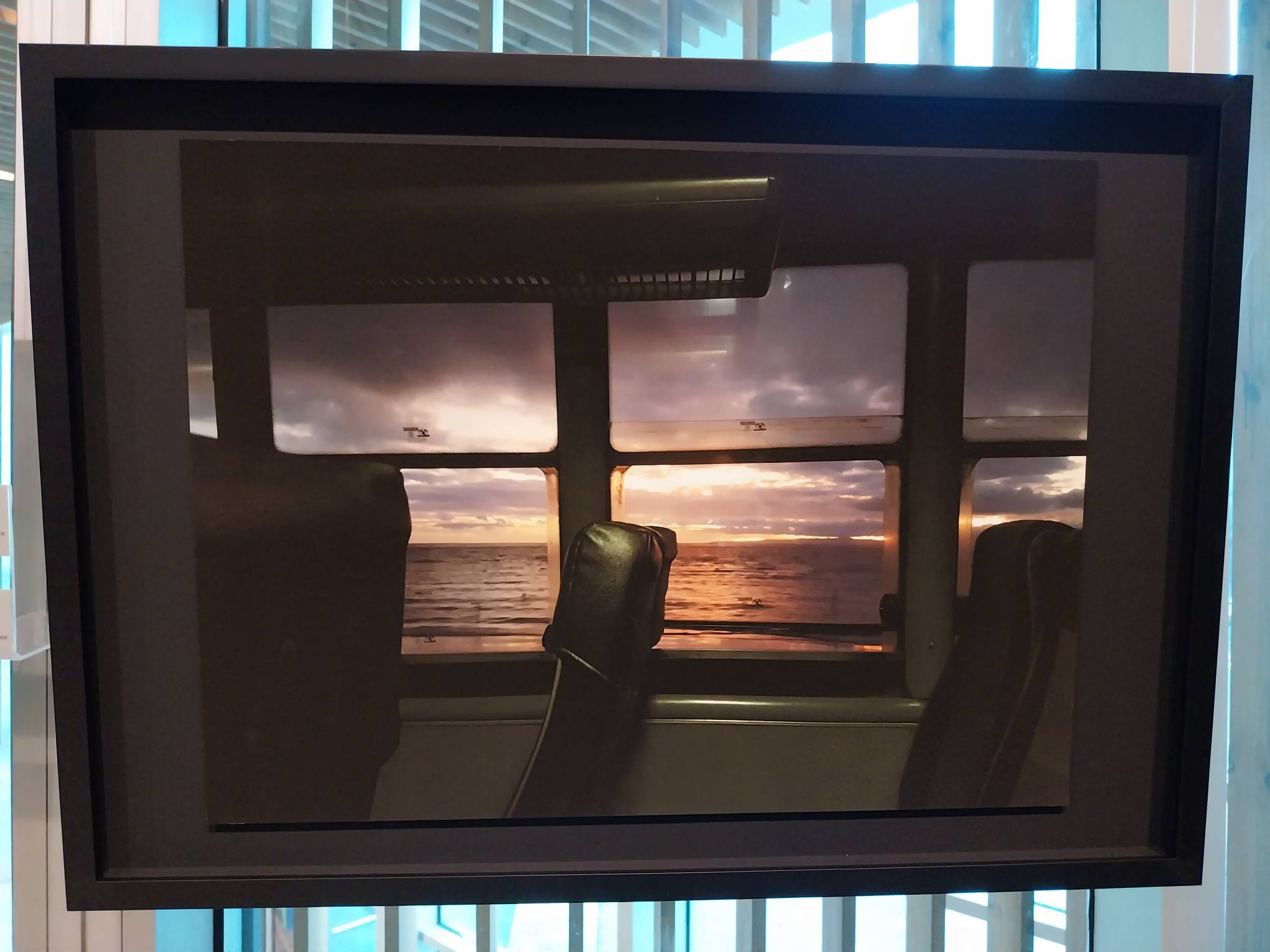
Even what some would call the more typical photographs have a flair of the fantastic in them. The moments where city life is captured either finds a quiet sense of peace in the midst of spectacle, or allows one to dive right into the rush.
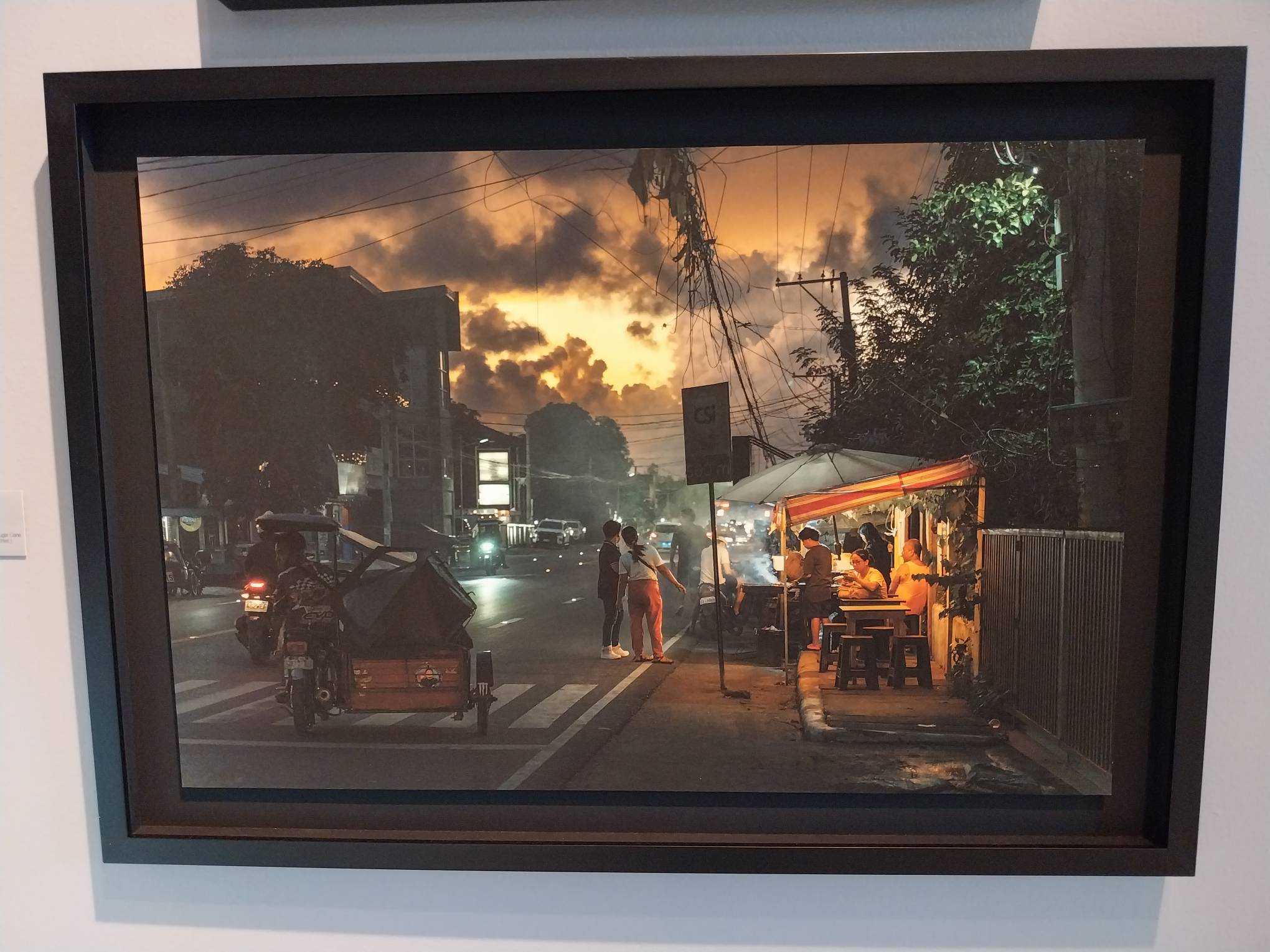
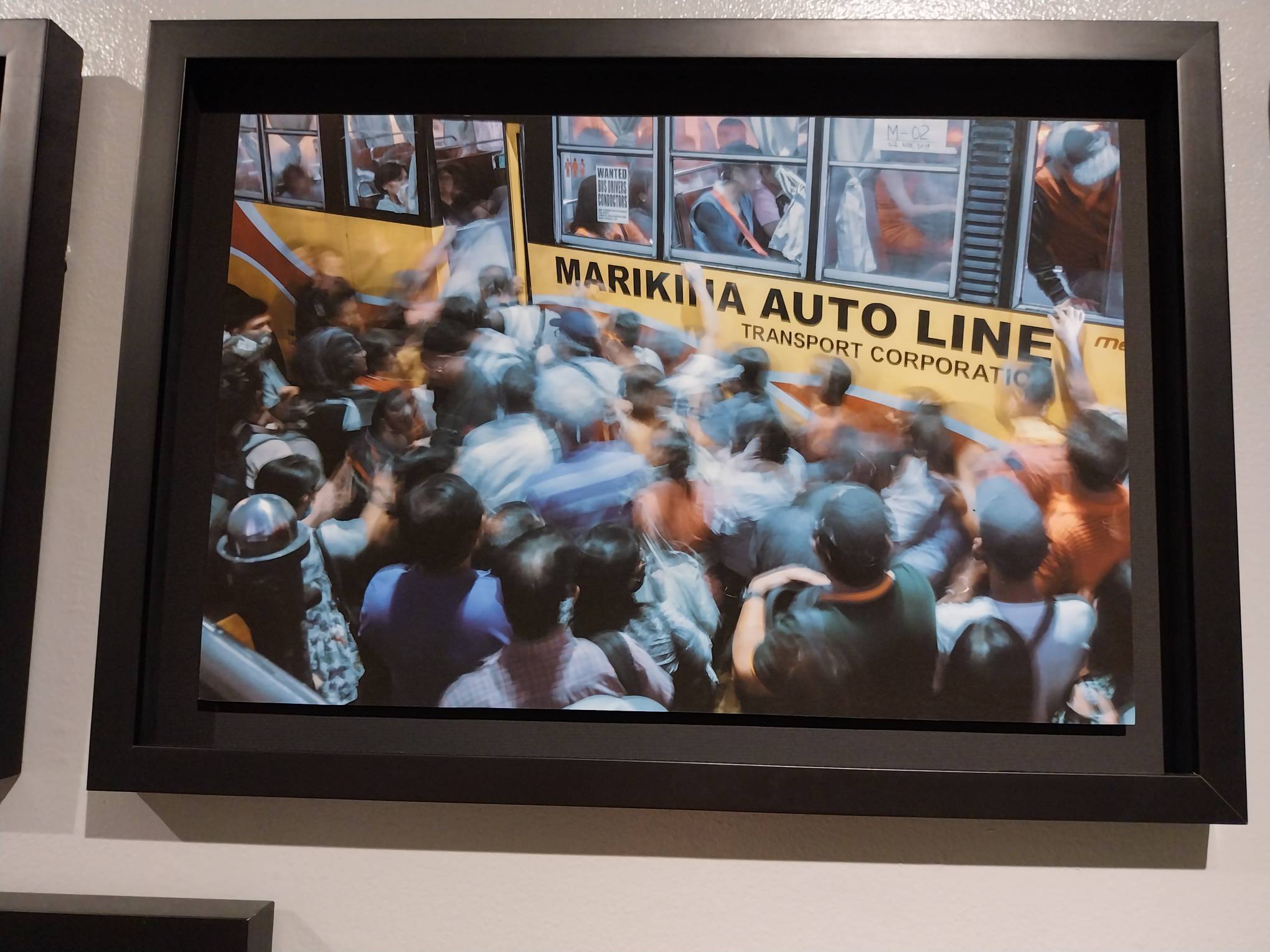
Christopher Salvador photographs a city street at sunset, smoke coming out of a street food stall, and it finds a haunting note to the normalcy of city life. Another photograph by a different photographer shows a group of commuters rushing eagerly into a bus, their bodies blurring in the scramble for seats.
Can All Tools Become Art?
I/Lands showcases how photography can be used beyond a tool for documenting. Like how art can represent the world without the worry of being a perfect facsimile, photography allows for unique interpretations of reality that are grounded without being tethered to slavish devotion. It reminds us that art can come from any medium, that it is in the hands of the artist to distinguish from the norms.
“Ideally, one of Fotomoto’s main goals is to help promote photography not only as an art form but as a mode of representation and expression,” Villafranca said.
Advertisement
“Parang [it] helps us highlight that photography is an actual discipline; hindi siya how the majority knows of photography na, you know, you have a phone camera and then [just shoot]. There are different facets to it, but originally, it’s still an art form, it’s a discipline, it’s a method that people use and has been using for quite some time already.”
I/Lands will be shown for free at the Ayala Museum until February 23.
Photos by Elle Yap.
Related reading: Romancing the Lens: Architecture through the eyes of a travel photographer
Advertisement
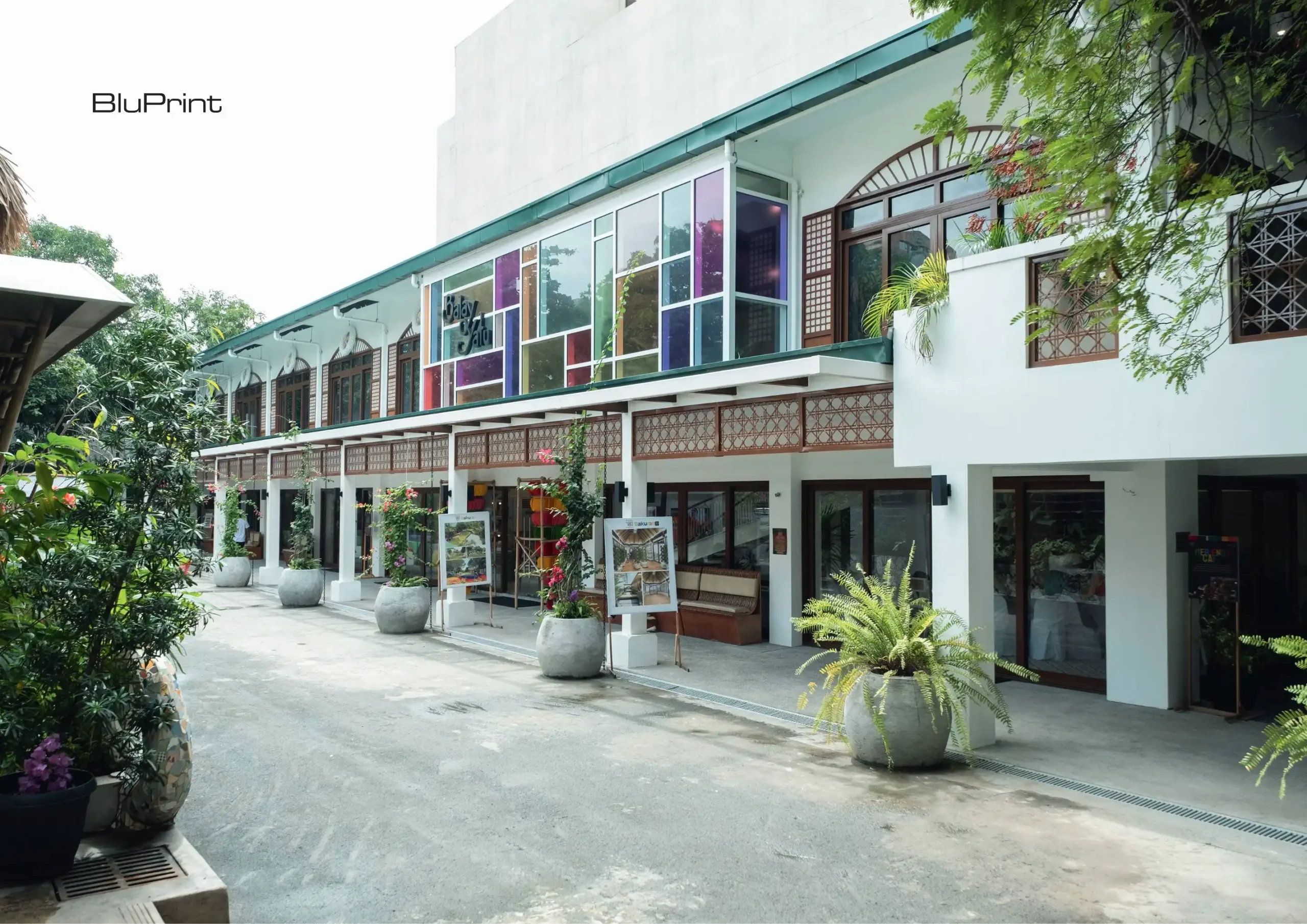
In the Philippines, adaptive reuse gained traction during the 1970s with the rise of conservation and environmental preservation movements. It offered an architectural solution that reuses existing spaces to fit modern needs. Across the country, several projects demonstrate how this approach is being applied—transforming heritage structures into active spaces for culture, hospitality, and community life. […]
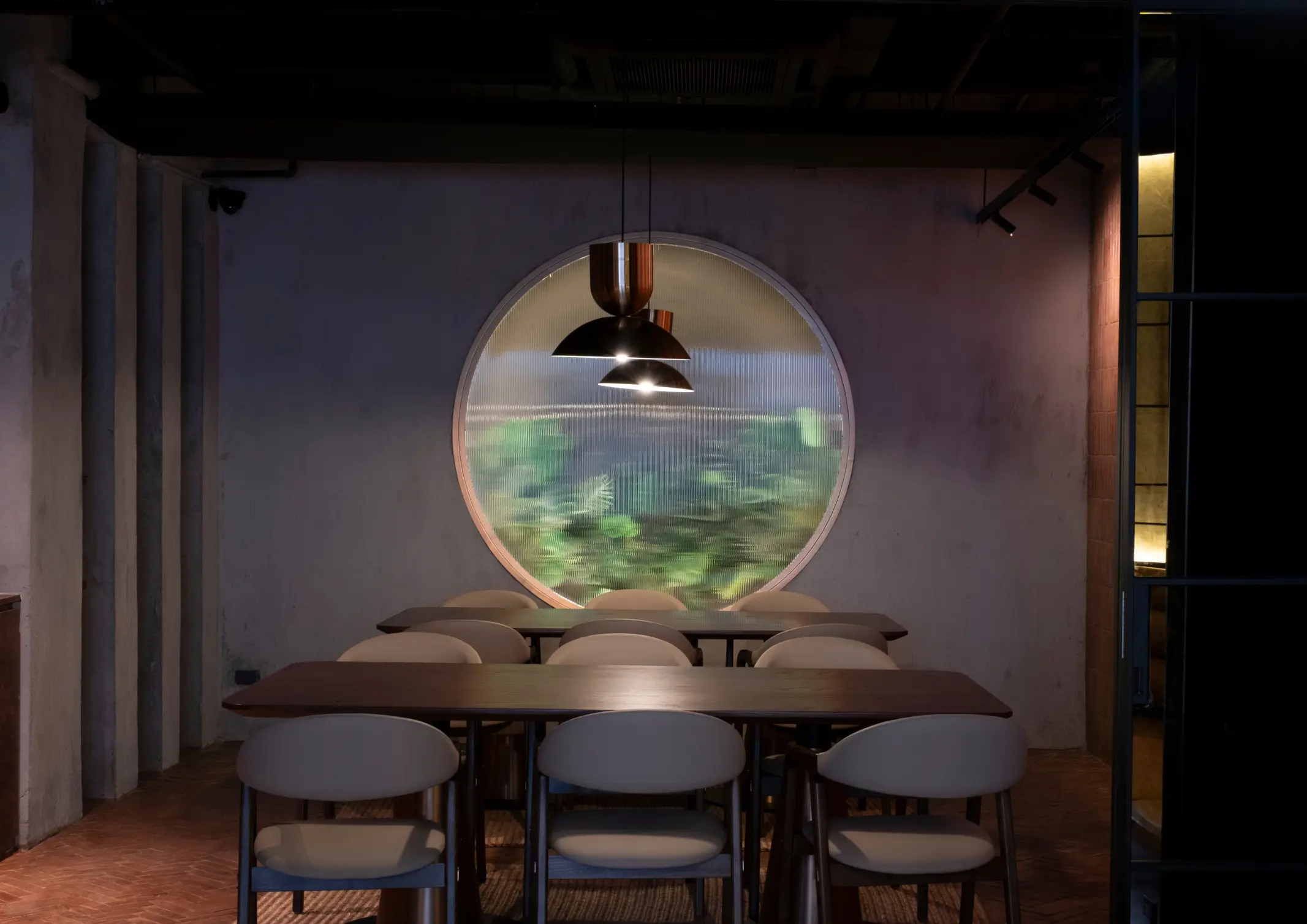
From residential spaces to civic structures, lighting dictates the mood of a space. It controls the visual dynamics of an interior, serving as a guiding tool that highlights key design elements, including materials and textures. Related Reading: Lampscaping: How to Light up Your Home like a Pro Regulating the Mood: Natural and Artificial Light in […]
Advertisement
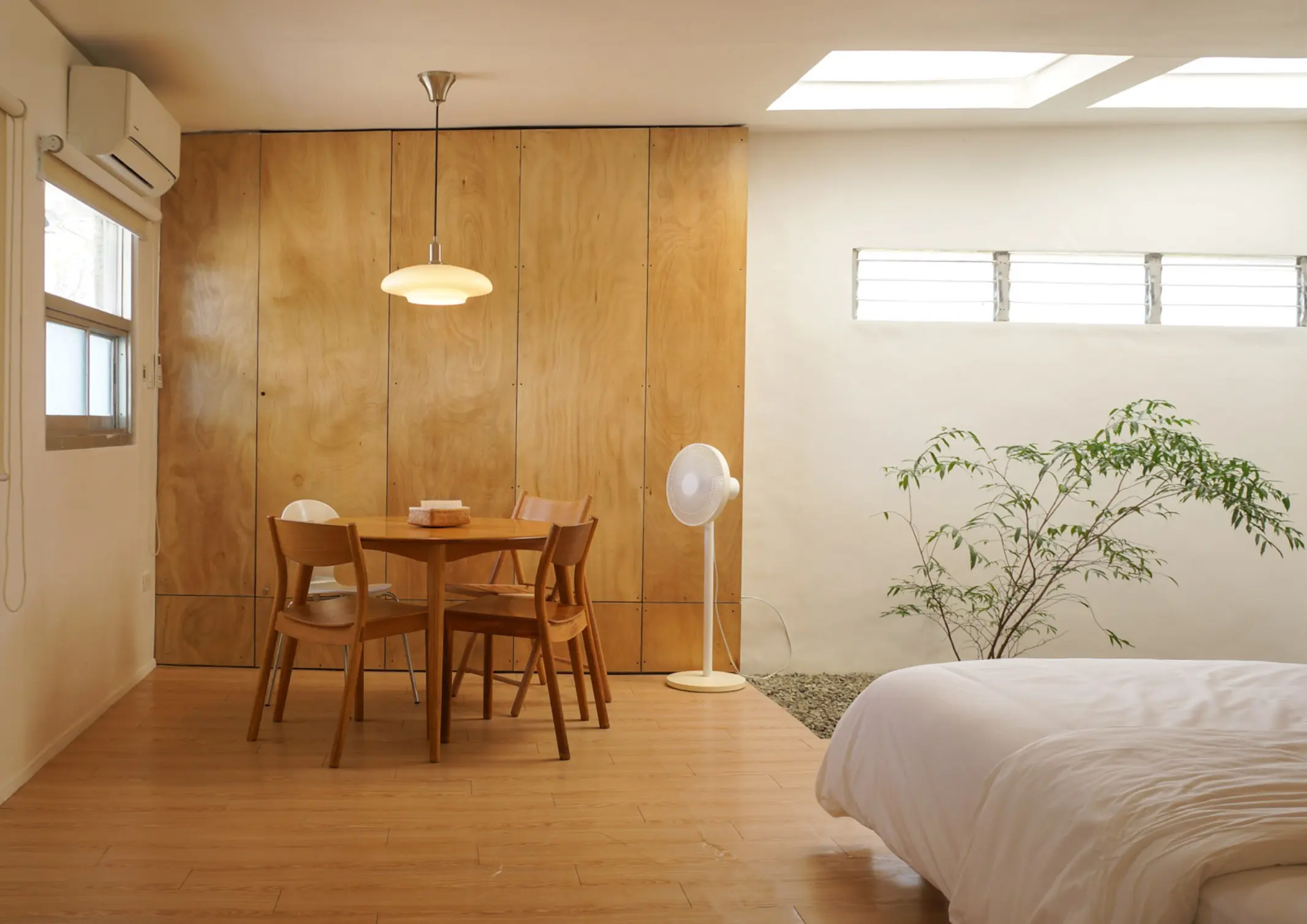
More and more Filipinos are flocking to condominium communities. Often tucked within busy city centers, condo living acts as a small respite from urban chaos. Faced with the challenge of transforming a cramped condominium into a warm living space, BluPrint lists condo interior design ideas that can maximize each square foot of small spaces. Purposeful […]
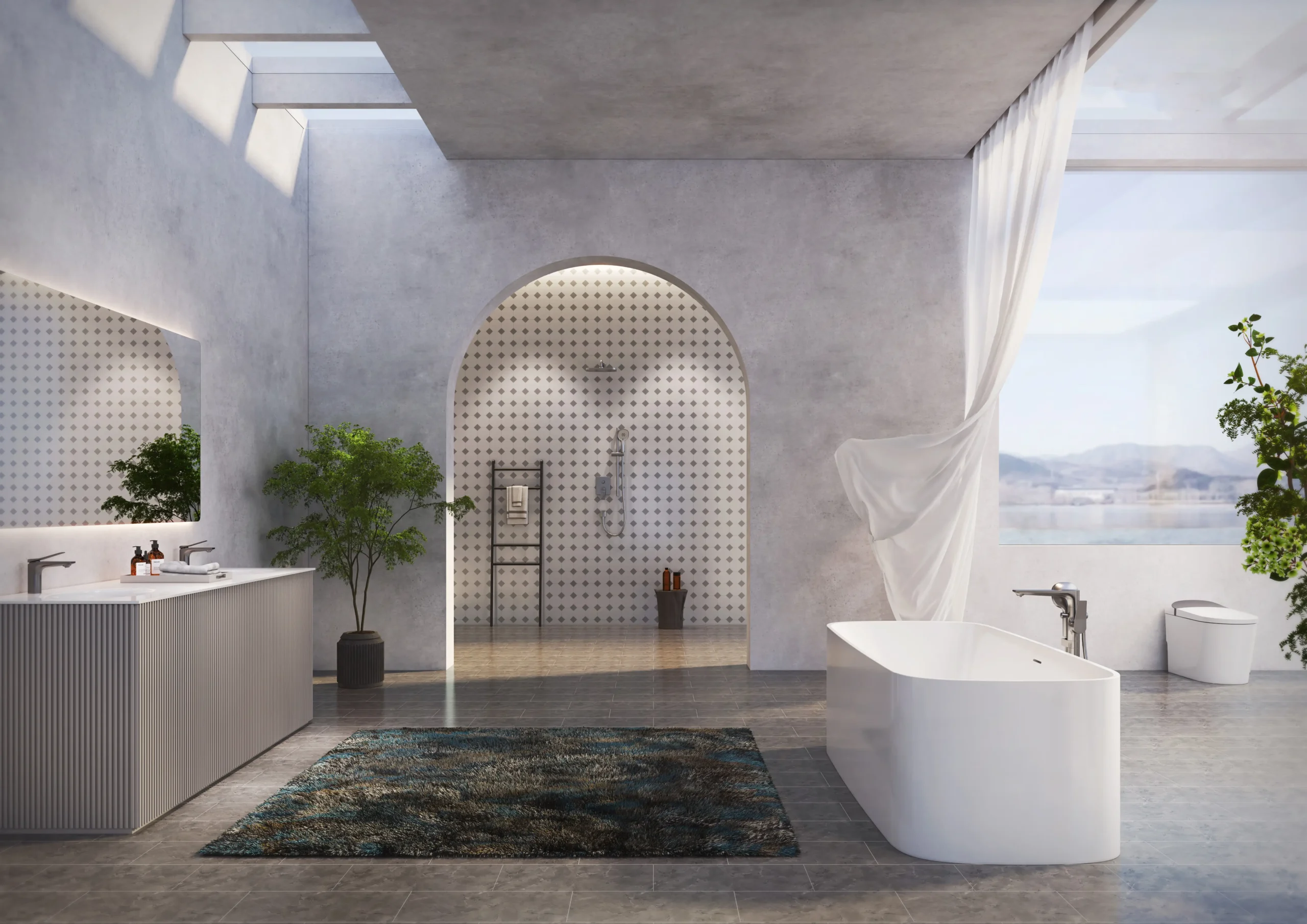
Modern bathrooms are no longer purely functional spaces. Increasingly, they are being designed as environments that support cleanliness, ease, and quiet restoration within the home. As daily life becomes more demanding and health awareness continues to rise, homeowners are beginning to expect more from the spaces where daily rituals begin and end. For architects and […]
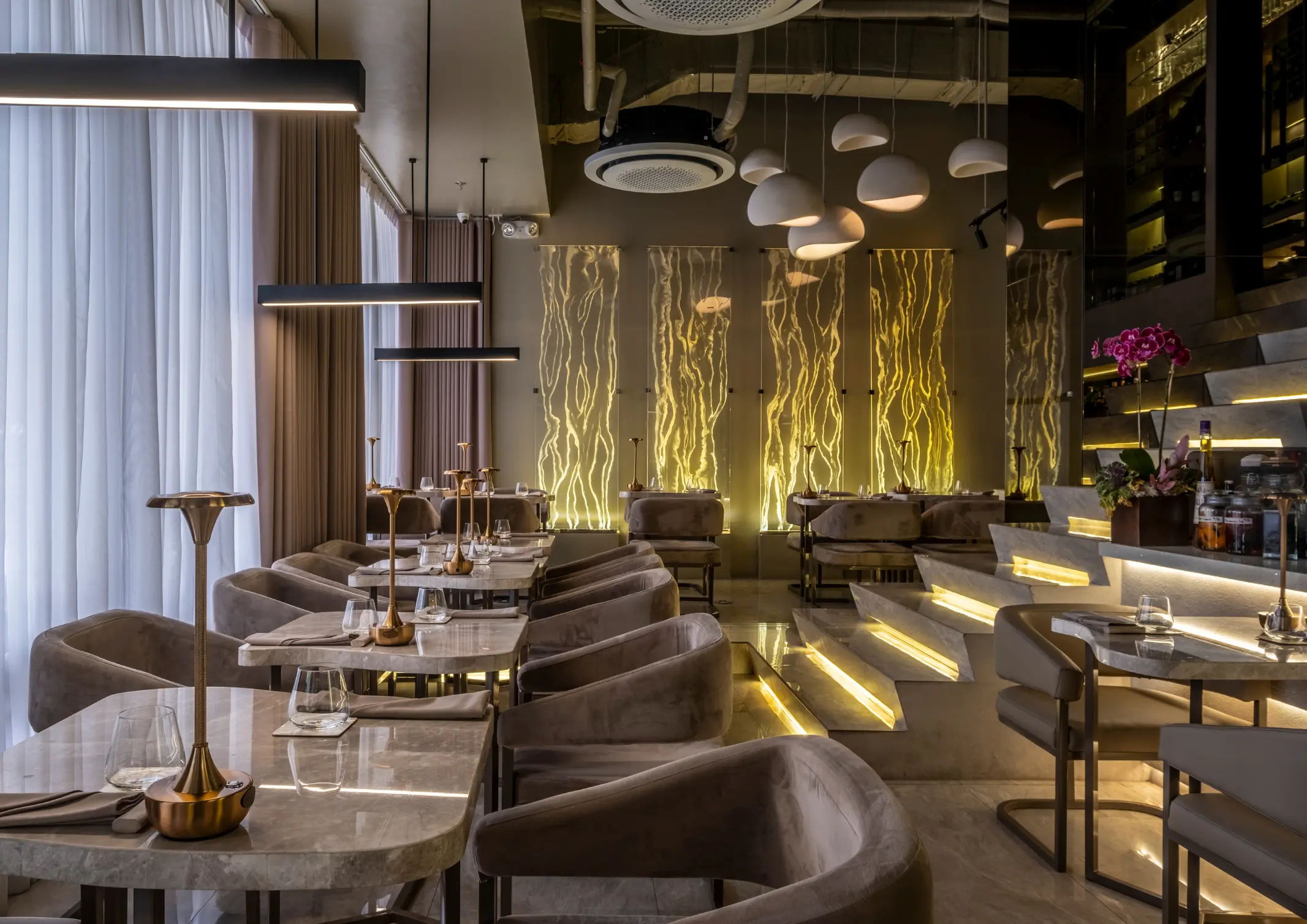
From the moment a diner steps through the door, each detail shapes how a meal is experienced. Restaurant design has evolved, with architects and culinary professionals collaborating to create built spaces that are as intentional as the menu itself. The spatial atmosphere acts as an additional ingredient that can define the culinary experience. Taupe and […]
Advertisement

Download this month's BLUPRINT magazine digital copy from:



Subscribe via [email protected]