Bigkis is the act of binding. In Tagalog, the word can refer to something used to bind or encircle, as well as a bundle formed by tying several separate elements together. Figuratively, it can also mean a bond, union, or unity. The meanings move from the physical act of joining things together to the connection […]

‘On The Self’ Deconstructs the Idea of Self-Portraits


On the Self, a group exhibit curated by writer and artist Patrick de Veyra, expands and redefines the idea of what a self-portrait can be. The show was conceived for Faculty Projects, a space run by artists for academic themes in contemporary art. With a roster of fourteen different artists contributing to the project, each of them presents a vision of themselves without the limits of verisimilitude.

“Through their varied approaches,” de Veyra wrote in their exhibit write-up, “these artists confront the fluid, oftentimes fragmented, and at times paradoxical nature of the self, creating spaces and producing objects wherein perception, memory, and emotion intersect.”
It’s certainly provocative, especially in how it showcases the way an artist sees themselves. “What would you be without your face,” the exhibit seems to ask its audience. “How would you define yourself outside of your physicality?”
How Do You See Yourself?
The artists deliver a lot of creativity in bringing the concept of On the Self to life. Some of the ideas that the artists showcase feel like pure conceptual candy, utilizing different mediums and forms to create a portrait of themselves.

Stephanie Frondoso, for example, contributes to the exhibit with “If You Are Bored, You Must Be Boring.” The artist found photographs from their youth, including random objects like newspapers, shoes, and a birthday cake. They then transferred these photographs into broken tiles, representing the fragmented, incomplete nature of these memories.

“These everyday images that were not originally meant for the art gallery or museum, inevitably become a record of objects that may no longer exist or are on their way to obsolescence. They take on a value beyond personal nostalgia; they gain historical value,” she said.
Wipo, meanwhile, provides the exhibit with “Dimensions,” a strange faceless bust that represents his journey away from “personal ego.” The bust, which personally looks a lot like the Toxic Avenger, came about by the artist throwing the sculpture on a recent artwork to damage it.

“Through this act of measured violence, he establishes both a material and conceptual relationship, where the act of collision becomes a metaphor for breakthrough and surrender, an exploration of transformation through destruction,” de Veyra wrote.
The most provocative work in the exhibit is Isabel Reyes Santos’ work, which shows the artist drawing 19 squares of black with markers that were nearly-depleted of ink. It ends with a single white square in the end, implying the loss of ink. According to the artist, it represented their state of mind at the time, the feeling of emptiness they felt.

Detaching Physicality from the Self
On the Self gives the artists a lot of leeway for self-interpretation, defining the portrait in their own way. For artist Julieanne Ng, for example, she creates her self-portrait through the burning of incense sticks in paper—adding details like fingerprints, dots, and spirals in the process to make it more personal.


“These patterns express the macrocosm of production and transform into the language that bridges the material and natural world, machine and man. I respond to the monotony of mass production with my own patient and mindful process, no less intense yet meditatively repetitive,” the artist said about her process.
Ayka Go, meanwhile, paints this image of what seems to be either “crumpled paper or the worn blankets of an unmade bed.” It radiates a vibe of fragility. According to de Veyra, the work is “inviting viewers into a space where the mundane transcends its ordinariness, revealing the unexpected and profound poetry embedded in the everyday.”

In the end, On the Self doesn’t necessarily redefine the self-portrait as much as it expands its potential towards abstraction. As the way we define ourselves transcends physical features, maybe the way we define the self-portrait needs to transcend the realism of depicting faces to find hidden truths about who we are and how we feel.


On the Self will be showing at Faculty Projects until December 15.
Related reading: ‘On Appropriation’ Explores the Nuances of Repurposing in Art
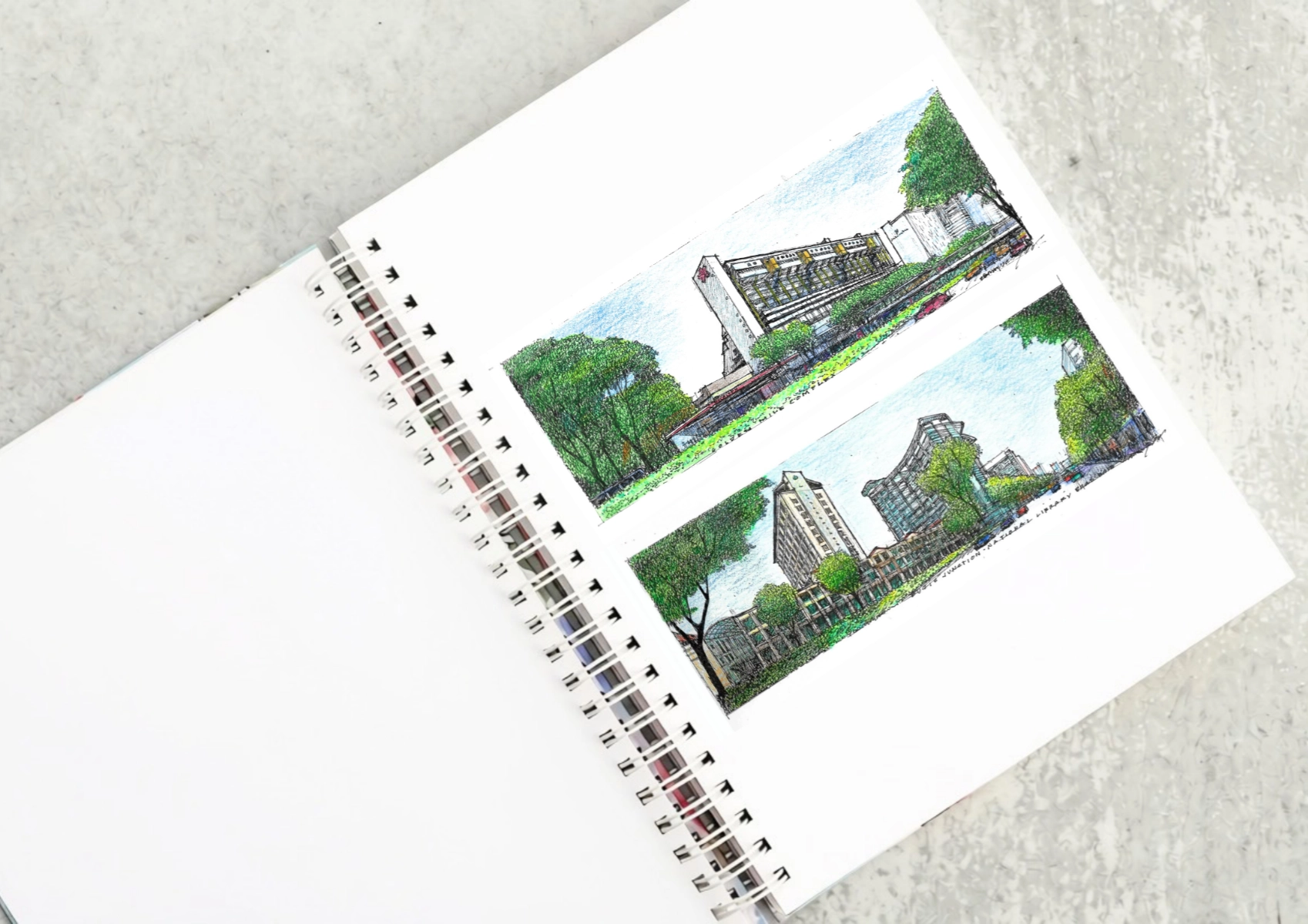
Two sketches of Singapore connect BluPrint Editor in Chief Paulo G. Alcazaren’s personal and professional history with Shared Ground: ArchitectureArchitectureThe art and science of designing and constructing buildings, structures, and spaces that are functional, safe, and aesthetically pleasing. It encompasses the planning, design, materials, and techniques used to createGo to Architecture Glossary of Care, Culture, […]
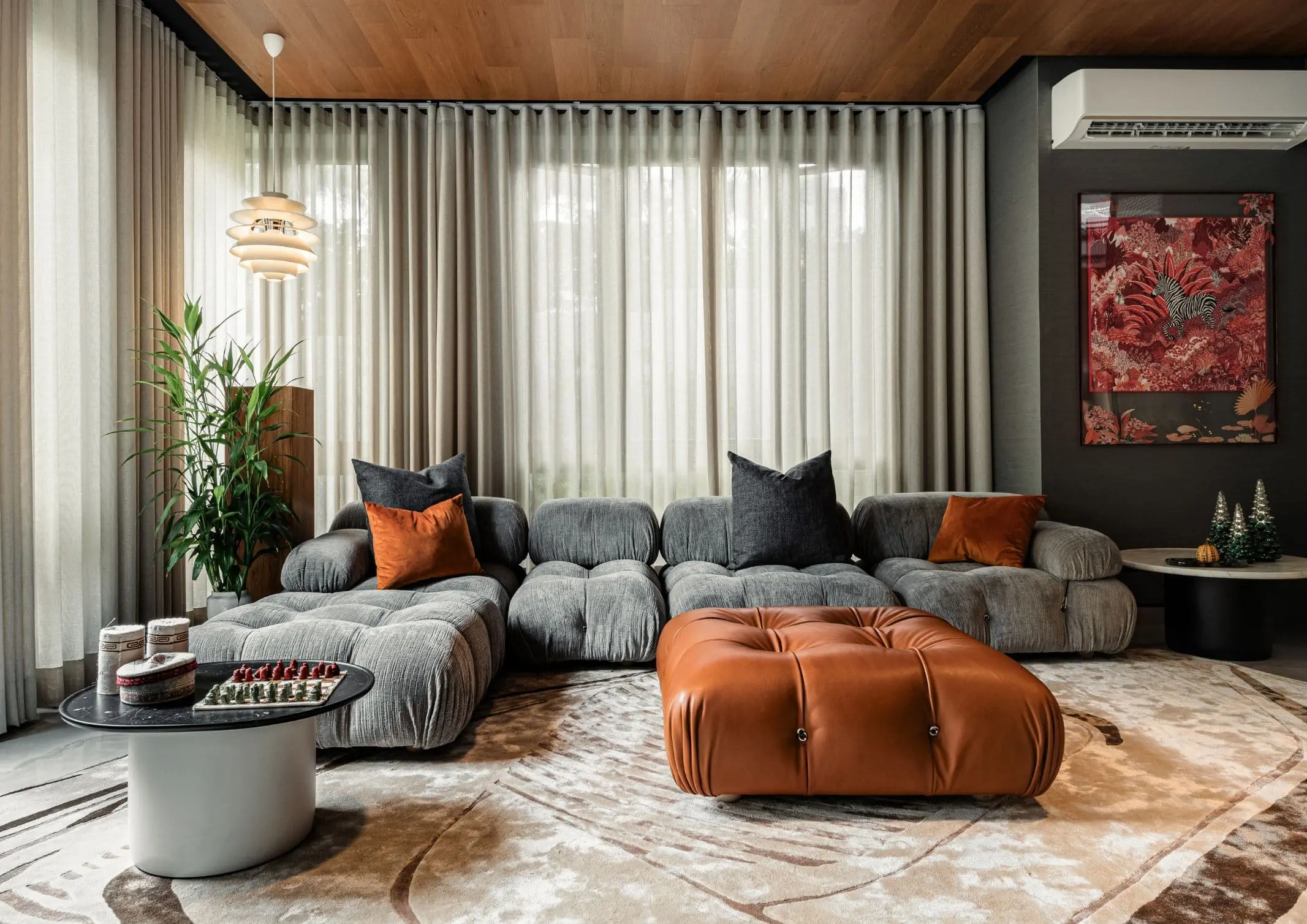
Some have become household names – Coleman, Oster, and KitchenAid – products that have found their way into Filipino kitchens, homes and family routines. In home furnishings, brands such as B&B Italia, Ethan Allen, Sub-Zero, Miele, SieMatic, Louis Poulsen, Hunter Douglas, Tempur, and Technogym, have helped shape the way Filipinos live. From everyday essentials to […]
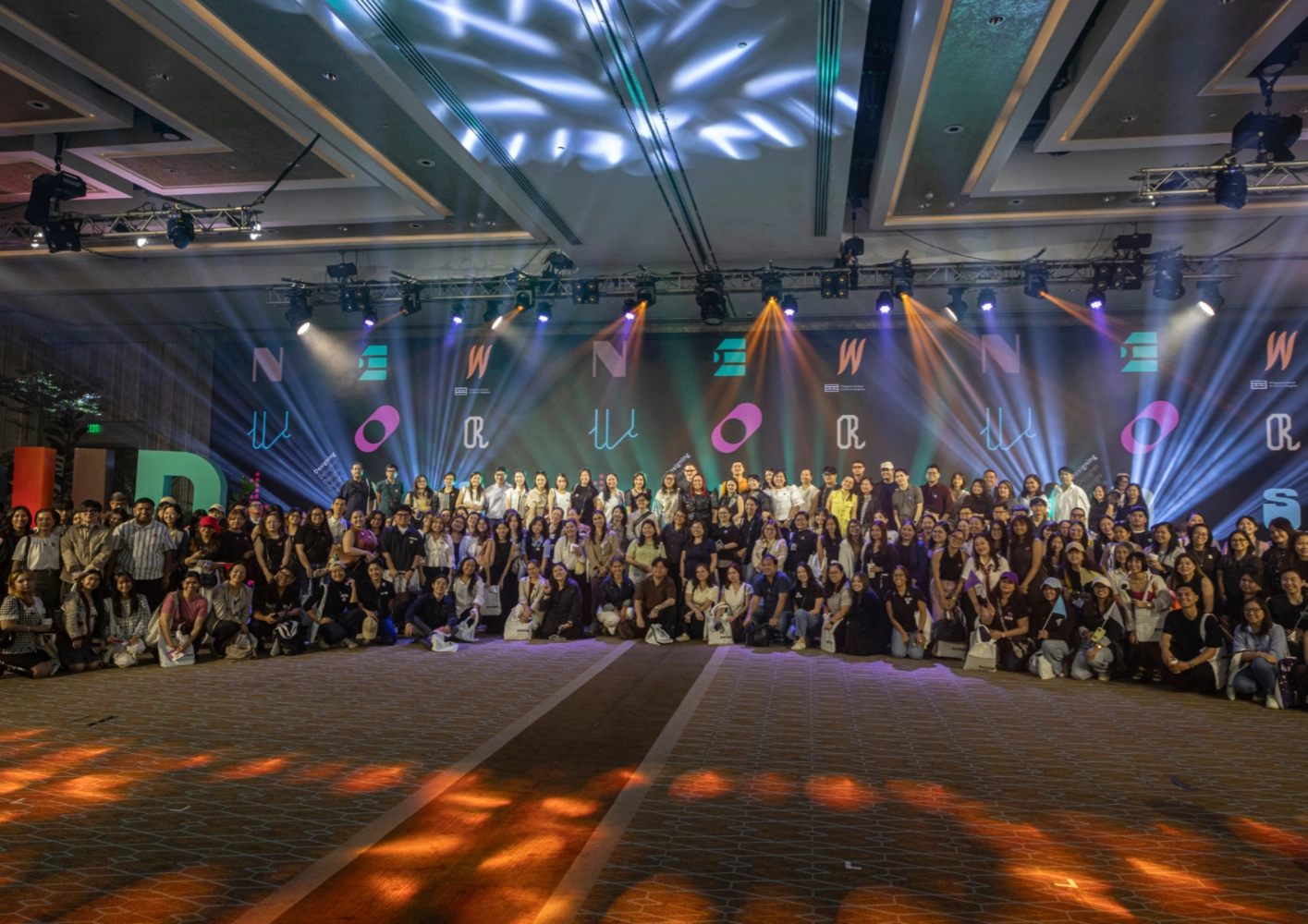
In a way, designers are the modern-day soothsayers and prophets. They design for the future, predicting how a room, a house, a building or a whole city will be used by people. They foresee how users will interact with a space, conjure exact shades of colors to elicit specific behavior and arrange furniture to build […]
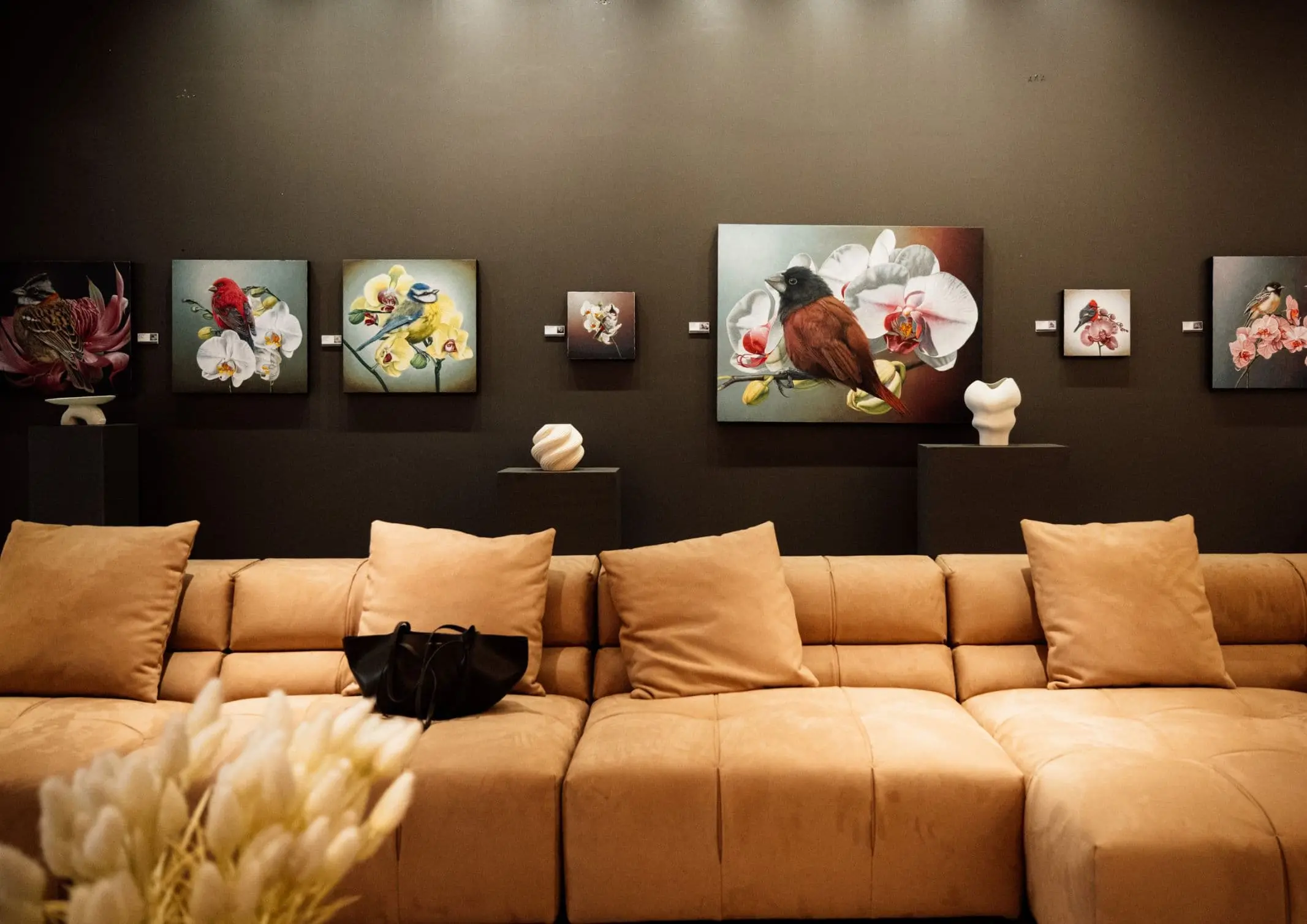
Art and furniture are often selected separately, yet their relationship can shape how a room looks and feels. The collaboration between Hooga and Galerie Joaquin explores how these elements can work together, bringing contemporary artworks into furnished residential settings at Hooga’s showroom in Uptown Mall, Bonifacio Global City. For Hooga, which curates furniture, lighting, and […]
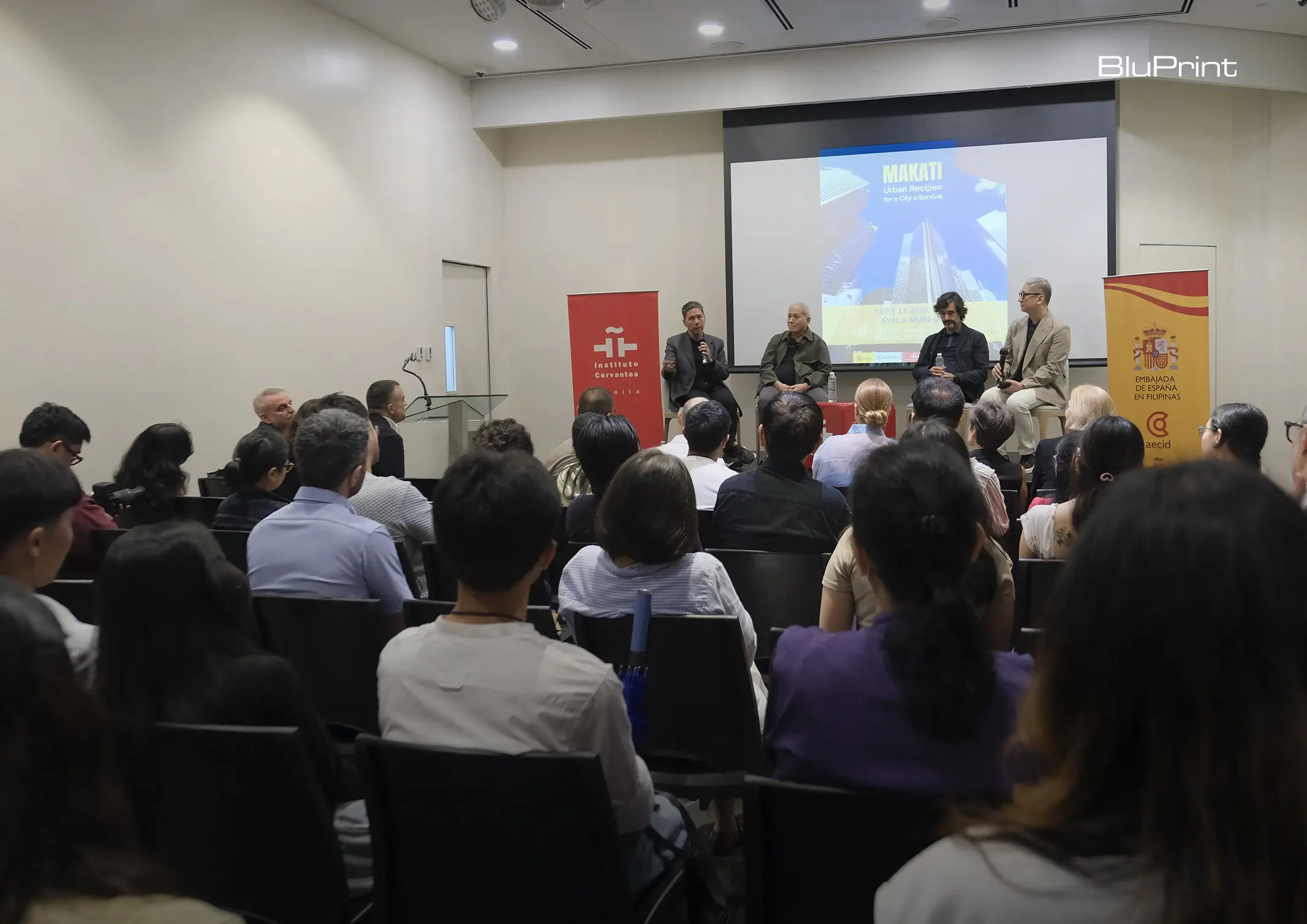
How can better-planned cities create the conditions for more creative, livable, and resilient urban environments? “Makati Urban Recipes for a City’s Survival,” a colloquium held at the Ayala Museum on September 15, brought together architects and practitioners from the fields of urbanism and the creative economy to discuss how design, planning, and collaboration can address […]
Read the issues.

Collect the volumes.
Recommended Video
Tap to Unmute
Unmute
0:00
0:00