Bigkis is the act of binding. In Tagalog, the word can refer to something used to bind or encircle, as well as a bundle formed by tying several separate elements together. Figuratively, it can also mean a bond, union, or unity. The meanings move from the physical act of joining things together to the connection […]
Postcolonial Art in 2024 and Expressing Discontent Today



For BluPrint’s 2024 in Art year-end series, we showcase different types of postcolonial art and how artists distilled these thoughts and philosophies in a local context.
Colonialism still pervades in Philippine society today. You can see it in our language, in the popularity of imported Western brands, and even in the strain of conservatism that dominates public thought. Thus, postcolonial theory and thinking remains an important lens to assess our country’s present and future.
Postcolonial theory looks into the consequences of countries that were subjugated and exploited by imperialist powers. As a country who’s had three imperial powers in the past, the Philippines remains affected by the long-term effects of colonialism, even decades after the last foreign power left this country.
Thus, the importance of highlighting postcolonial art within our country’s contemporary scene. Whether dealing with personal or societal repercussions, these tackled the Philippines in a postcolonial perspective, showing how Filipinos attempt to deal with these issues.
Dealing with Modern-Day Colonialism
The most interesting exhibits of this year dealt with the very real specter of imperialism and colonialism still hanging on the Philippines like the sword of Damocles. From the plight of Palestinians in Gaza and the West Bank to our local problems related to China and the West Philippine Sea, thoughts of subjugation and fighting back abound.
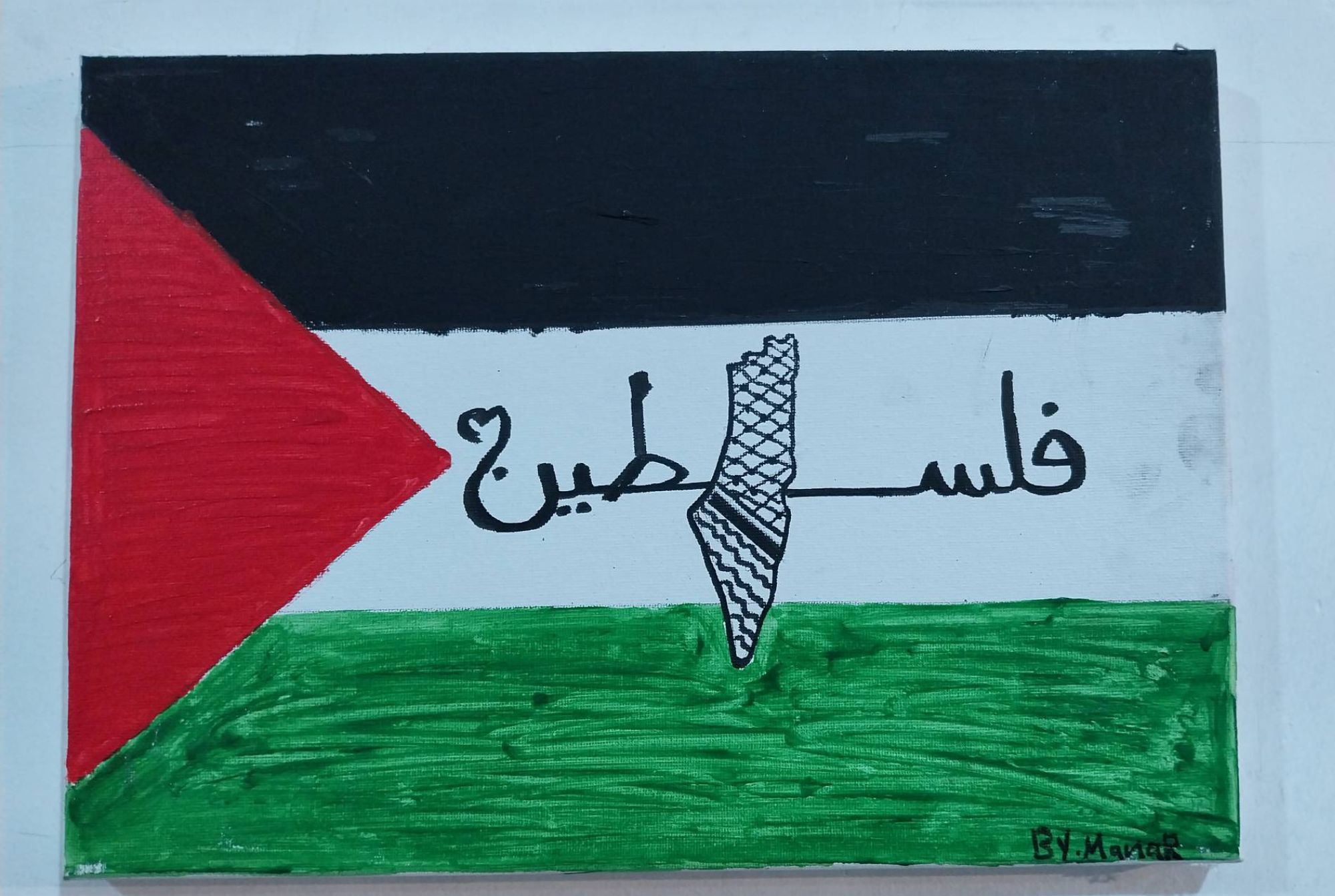
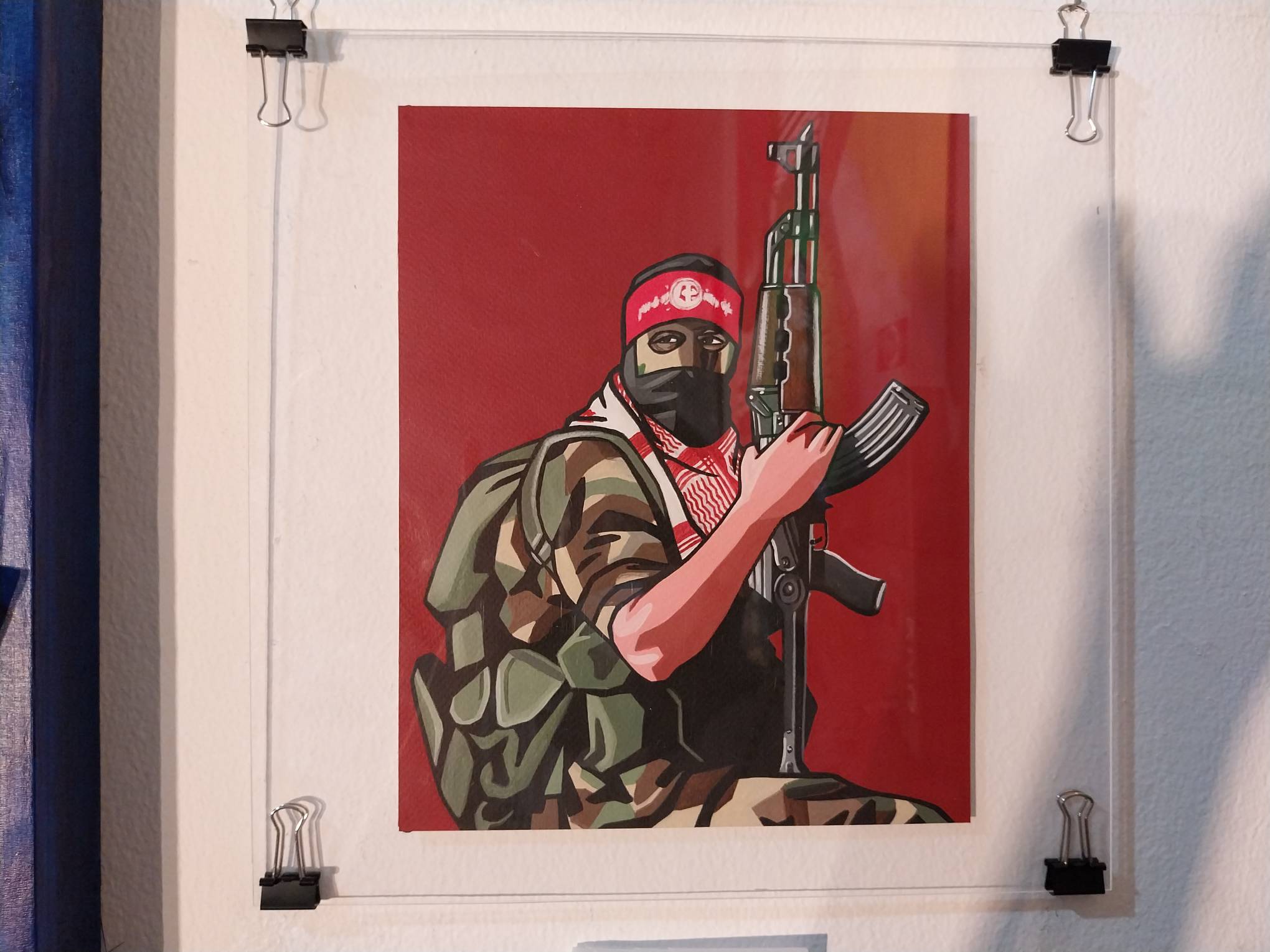
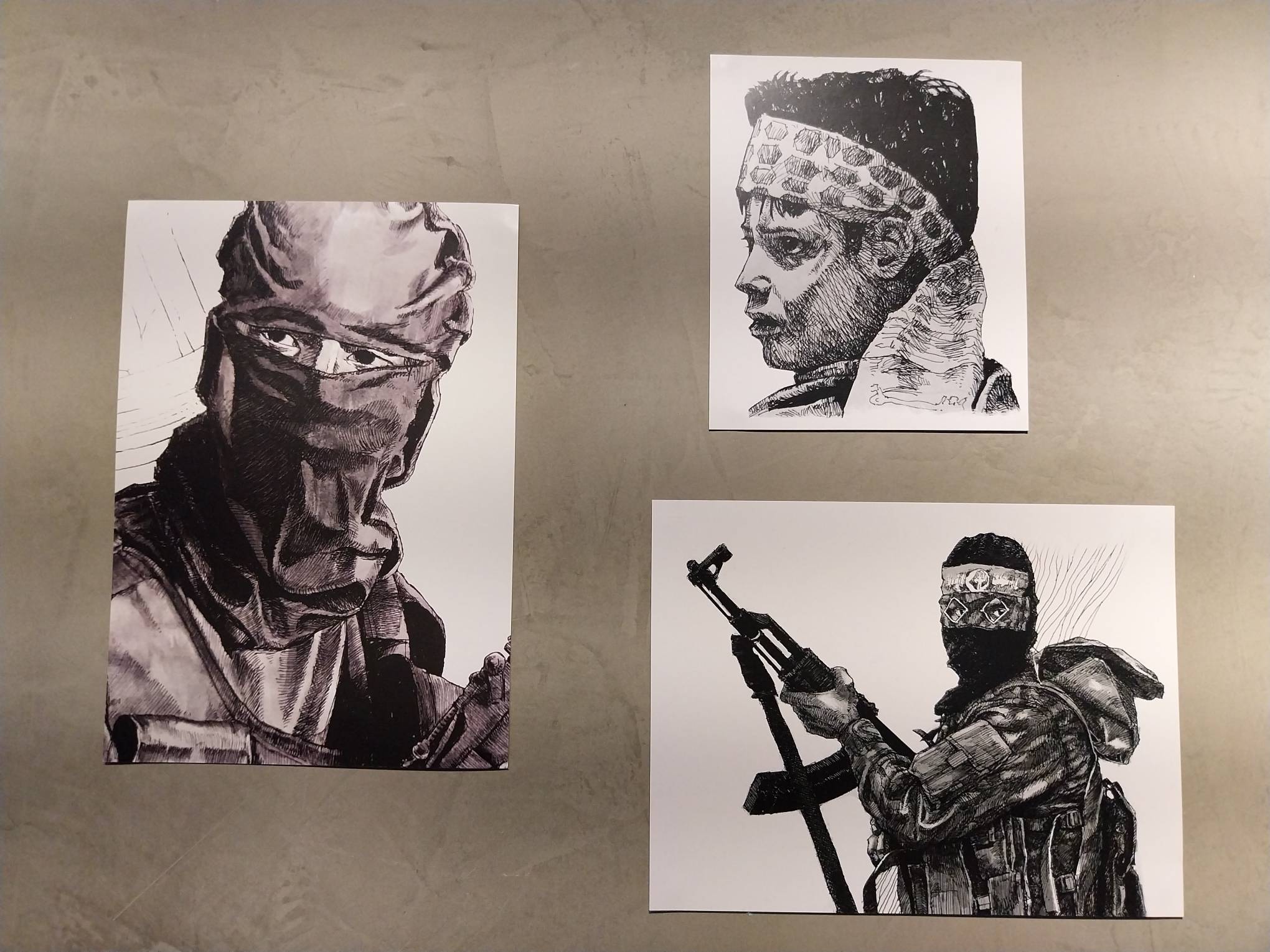
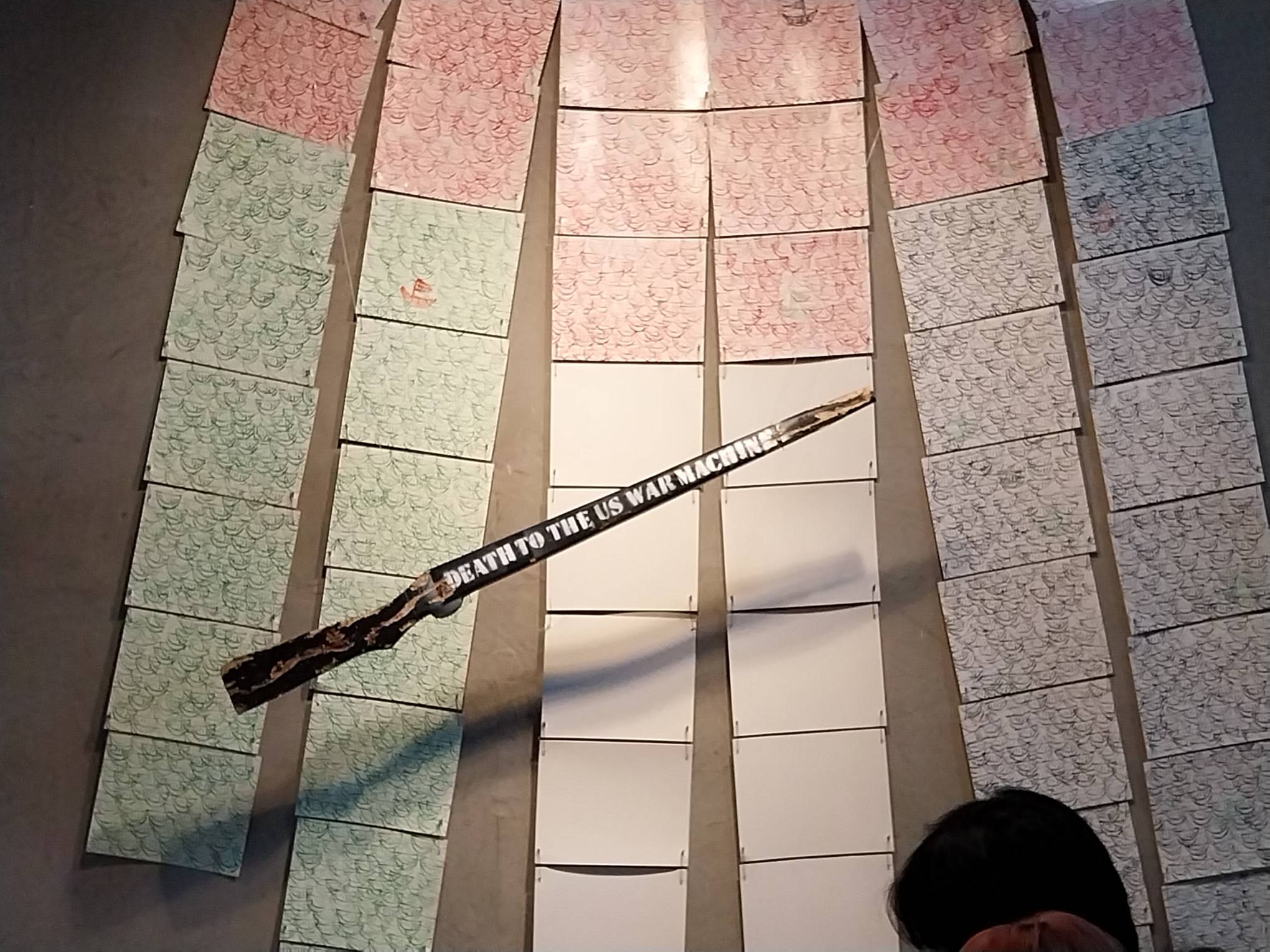
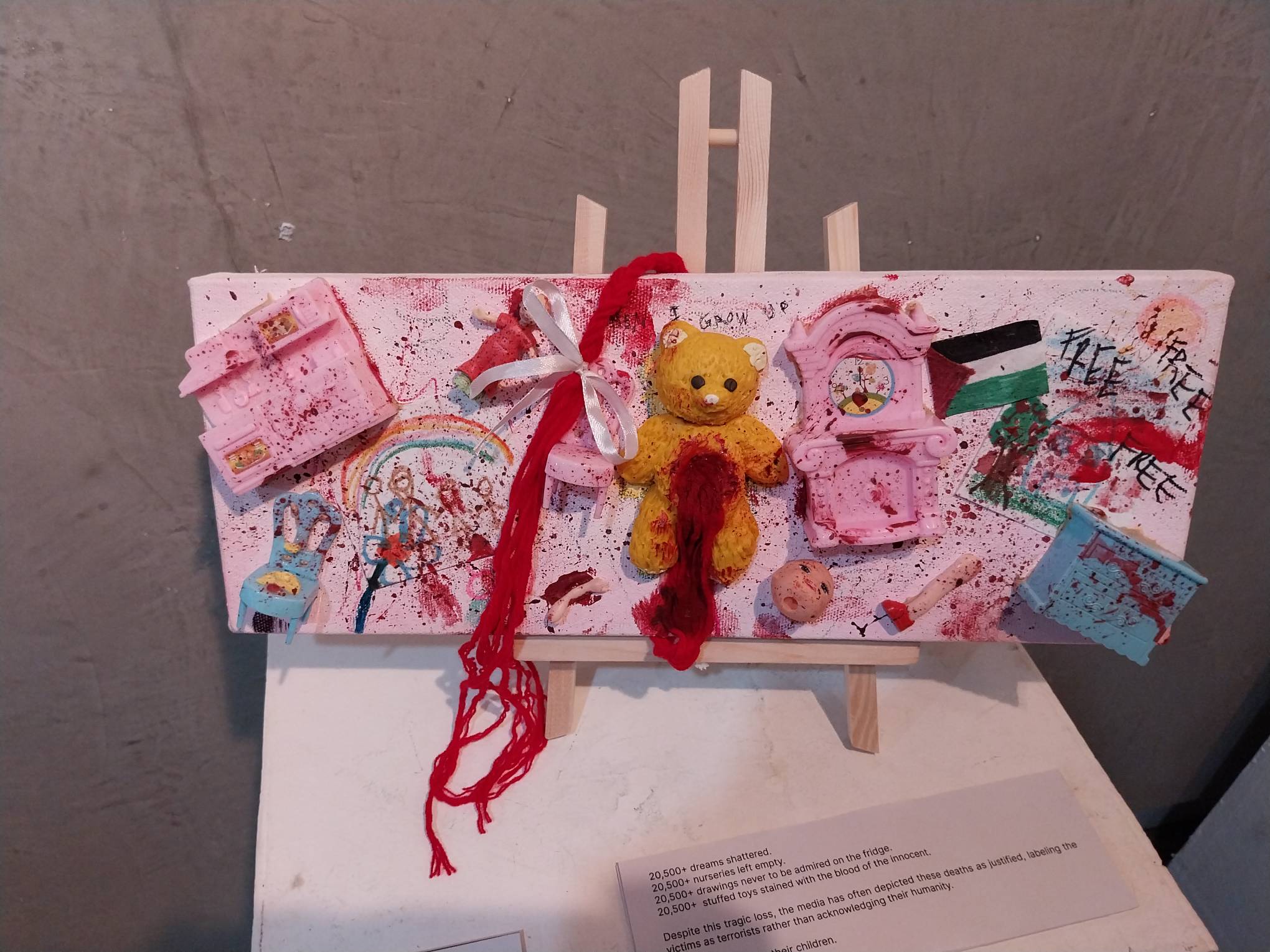
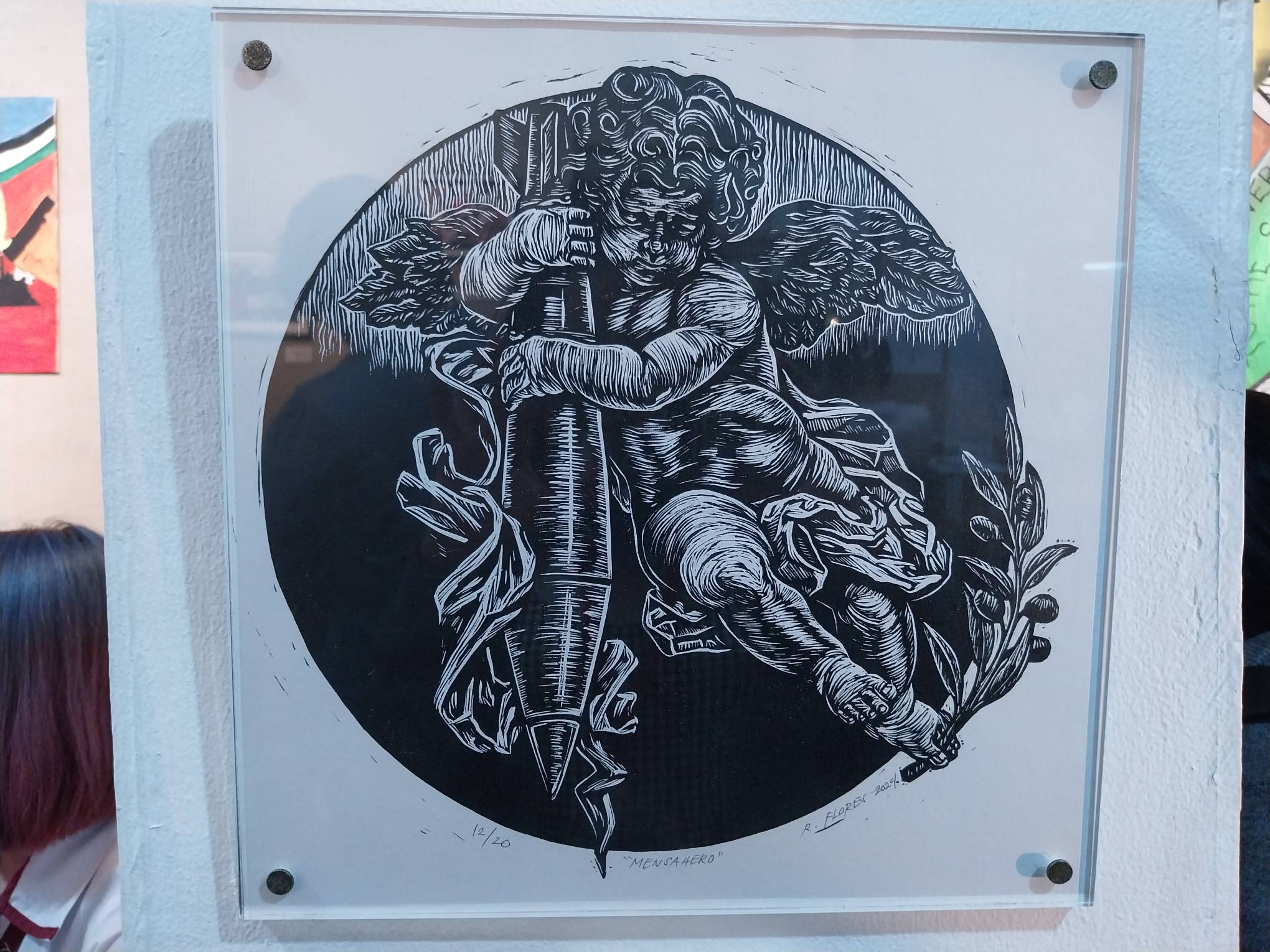
Exhibits like Ilog Hanggang Laot from SIKAD pushes an anti-war sentiment in relation to a war-weary nation like Palestine. The current genocidal actions pushed on by the economic and political interests of the United States and Israel necessitate such sentiments. Tools of war used on civilians create an environment where the only way to survive and win back their freedom is to fight back.
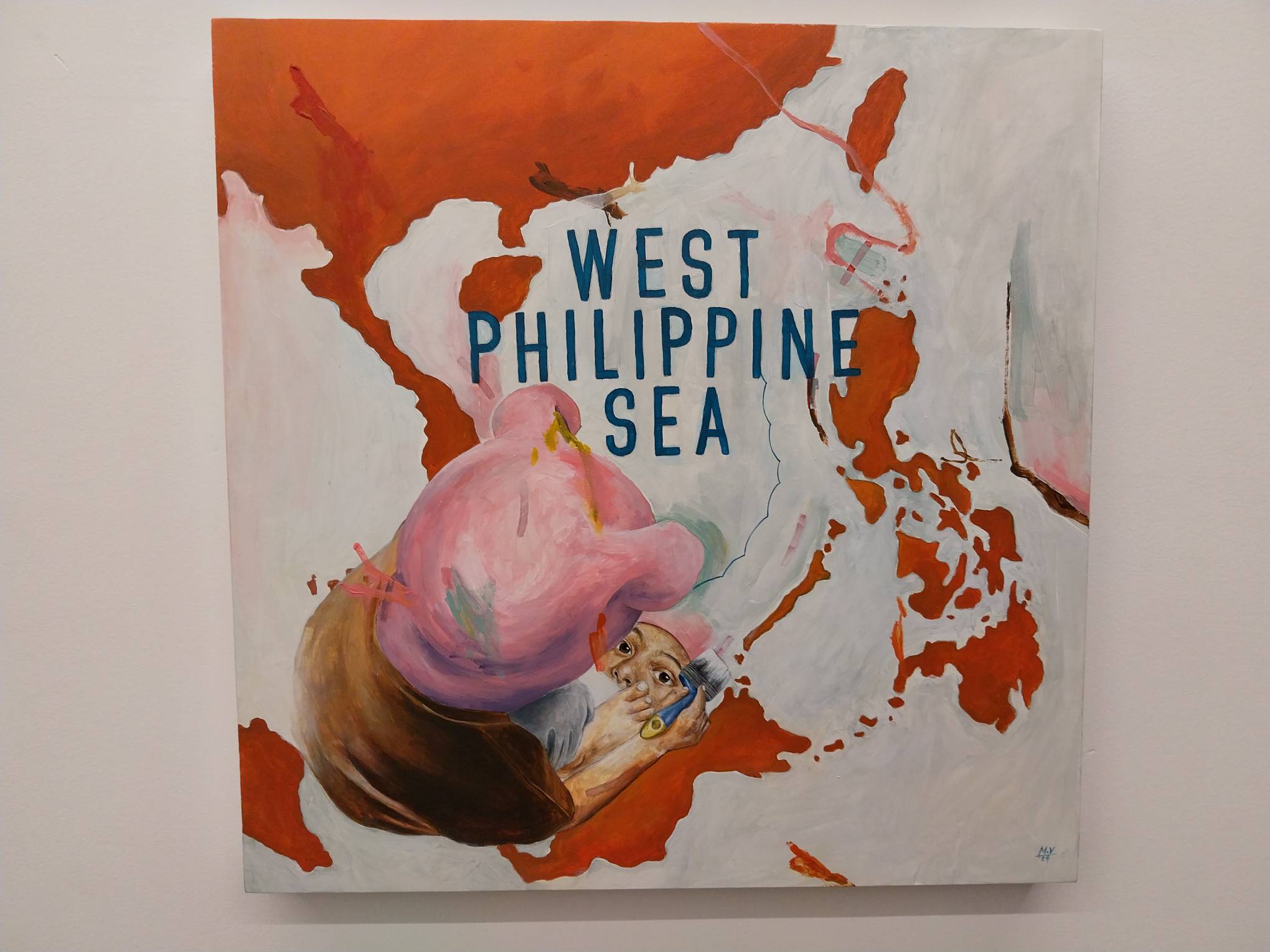
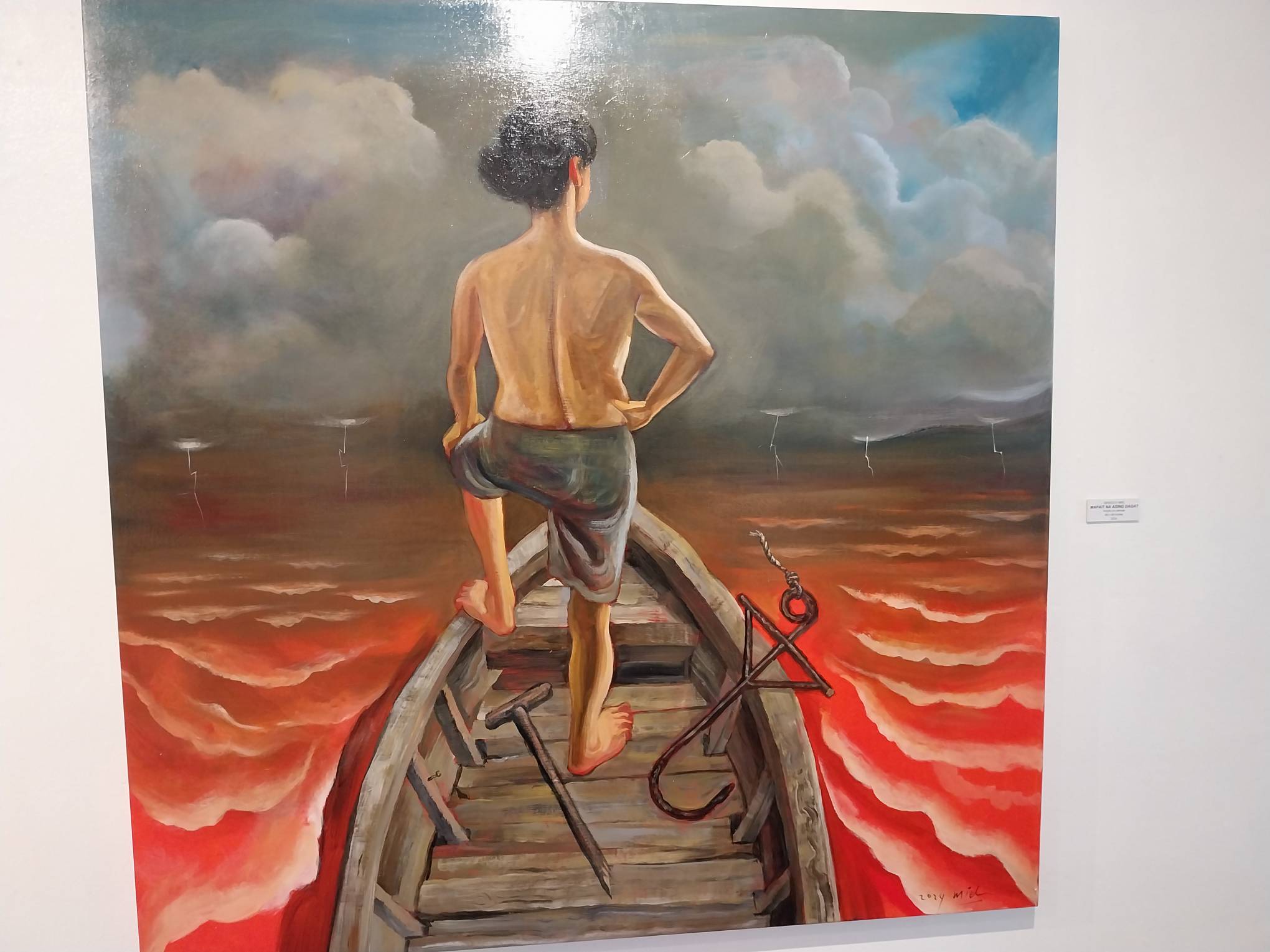
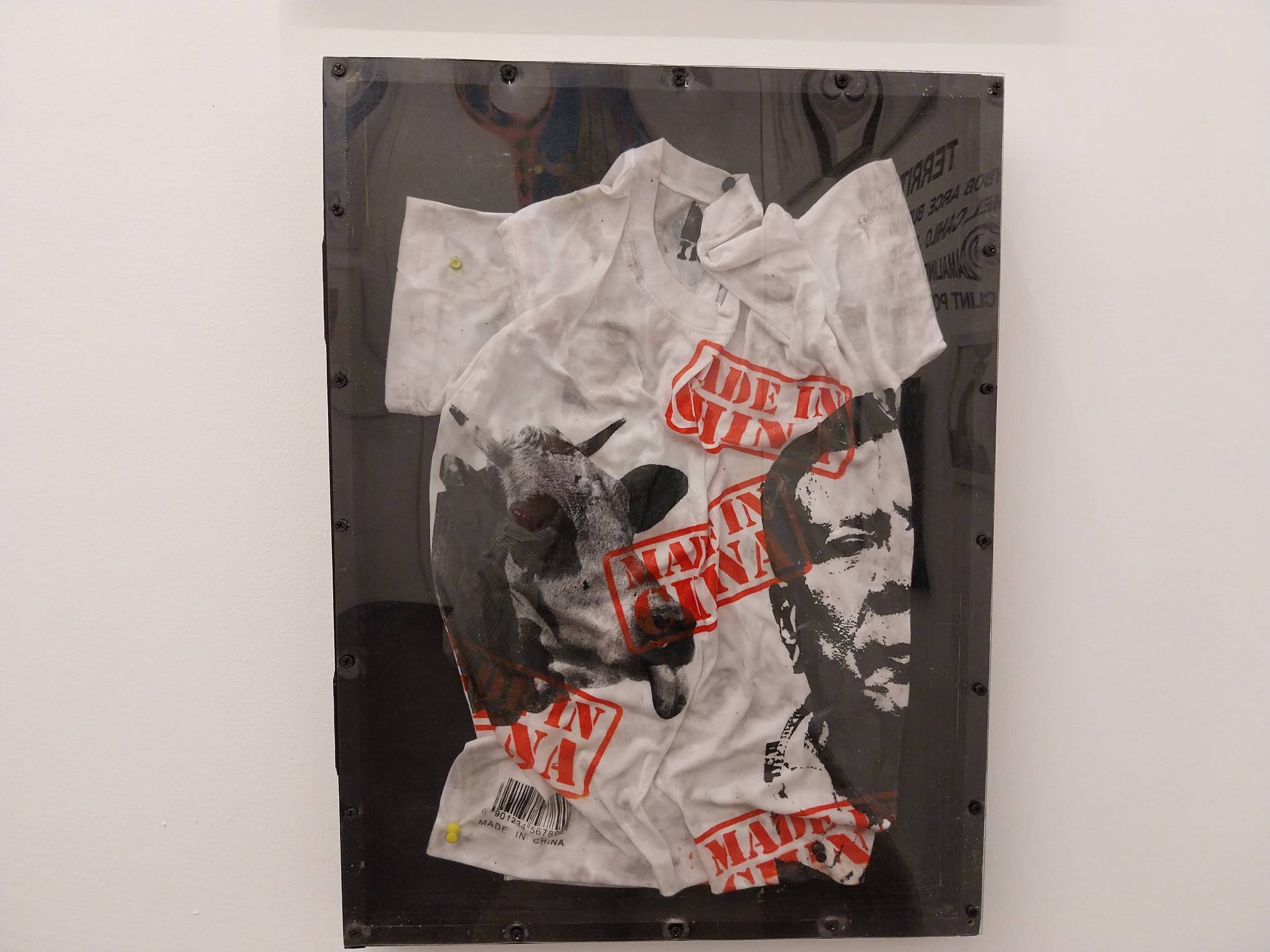
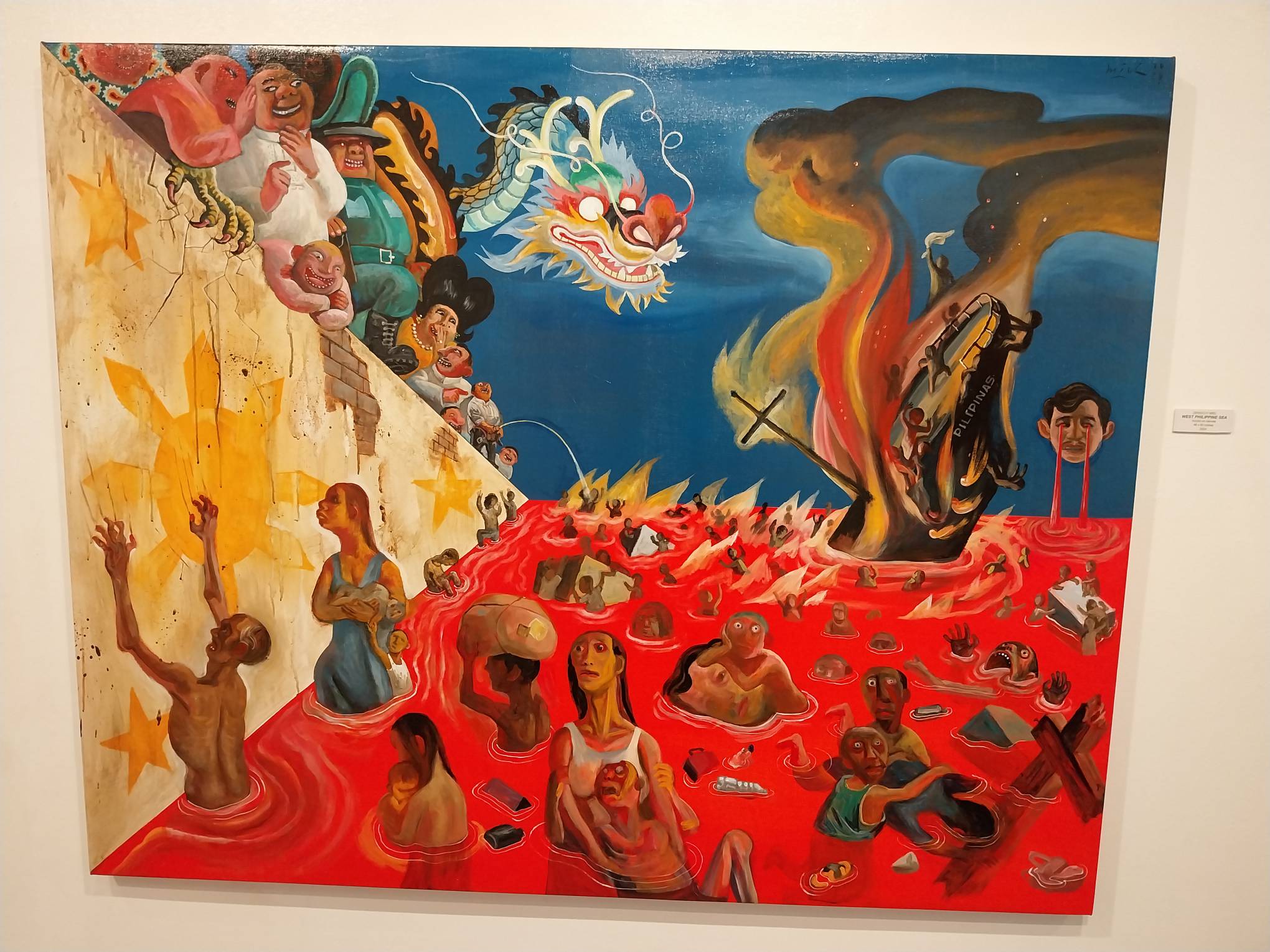
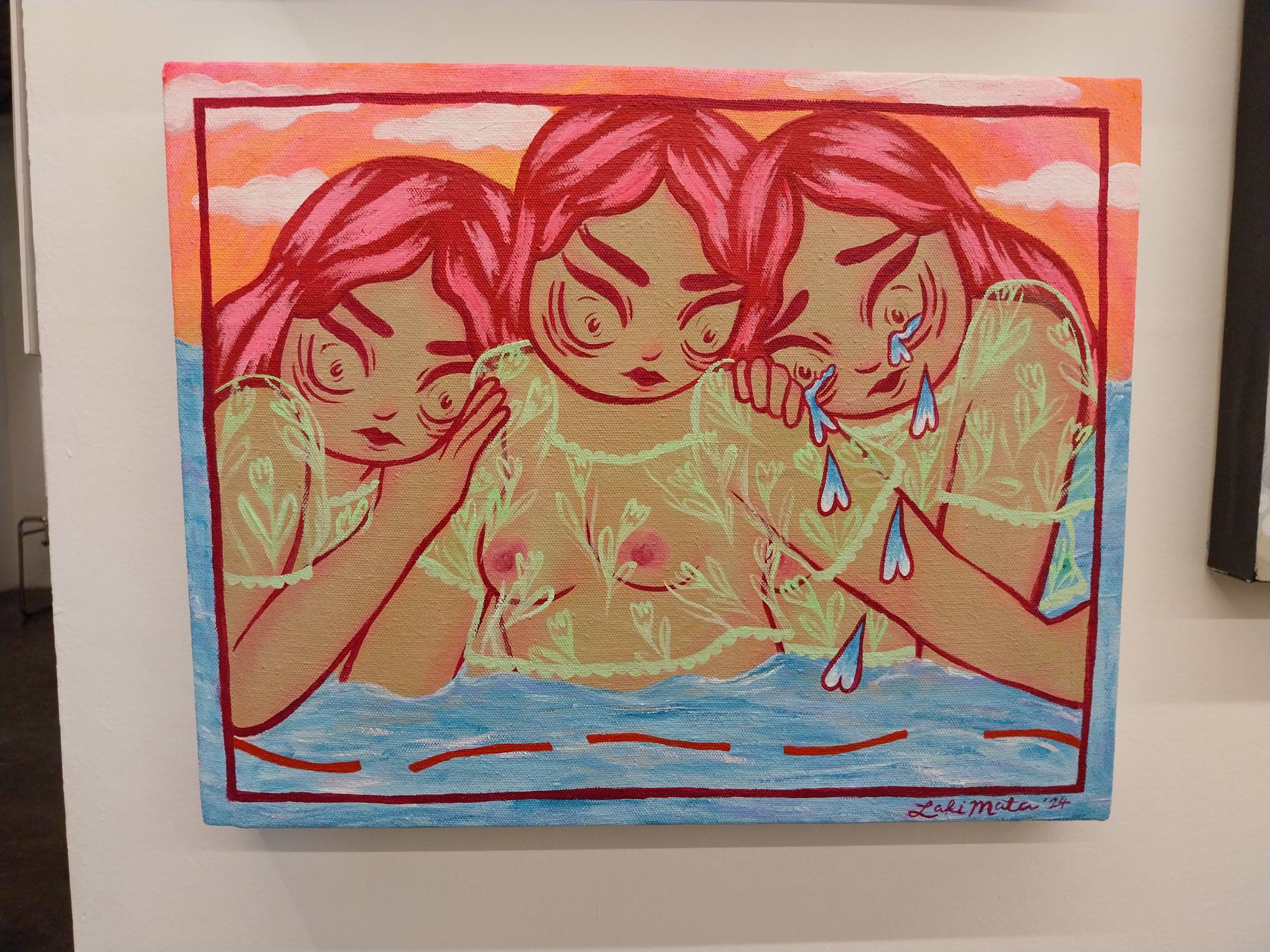
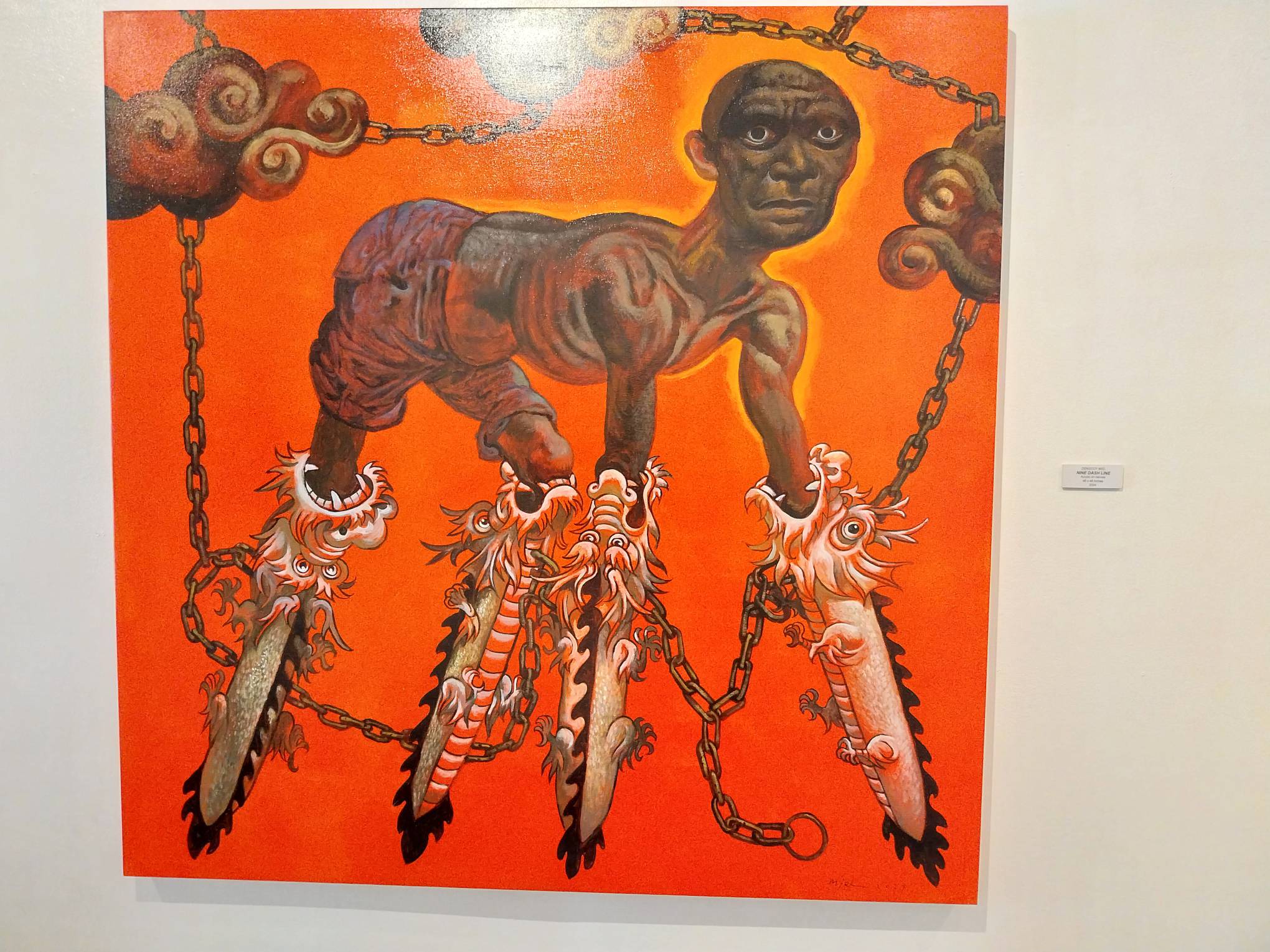
While the Philippines is not in a similar predicament at all with Palestine, the threat of being so remains, especially with the current political climate in China. Exhibits like Territorial and Sacred Shores express this angry energy that readies itself to fight for the country’s sovereignty. It shows an evolution of Filipino attitudes: instead of bahala na, a sense of earnest assertiveness has taken over.
Talking about the Filipino Diaspora
Meanwhile, more and more exhibitions find themselves discussing the diaspora experienced by Filipino families here and abroad. A subject within postcolonial art, these experiences continue to transcend generations, as even younger artists tackle the meaning of diaspora for them personally.
Recently, artist Nicolei Buendia Gupit’s Mother/land demythologizes the immigration of Filipino families to the United States. She likens it to a lottery that harshly alienates us from Filipino culture, preventing them from building stronger community ties with the country.
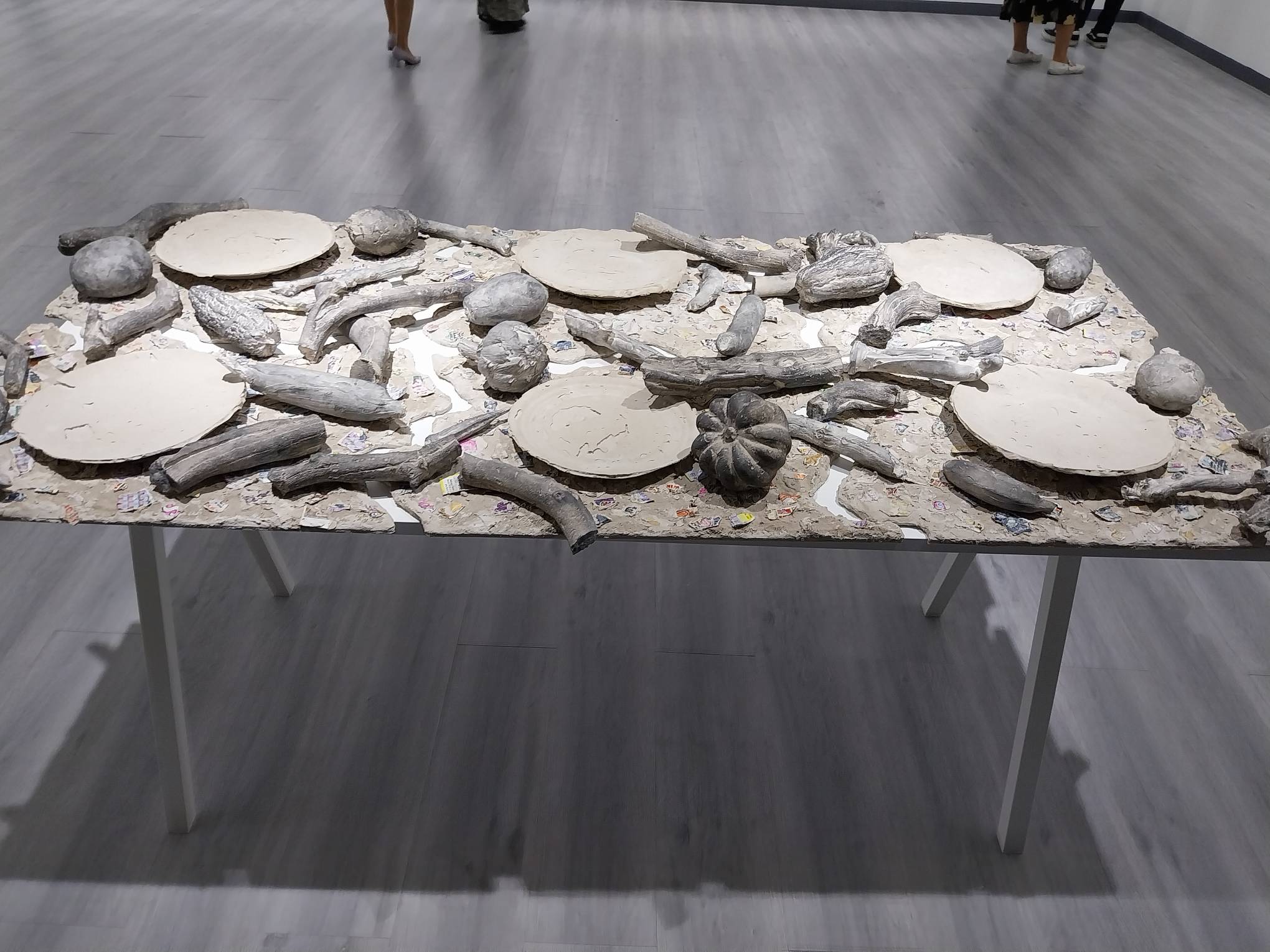
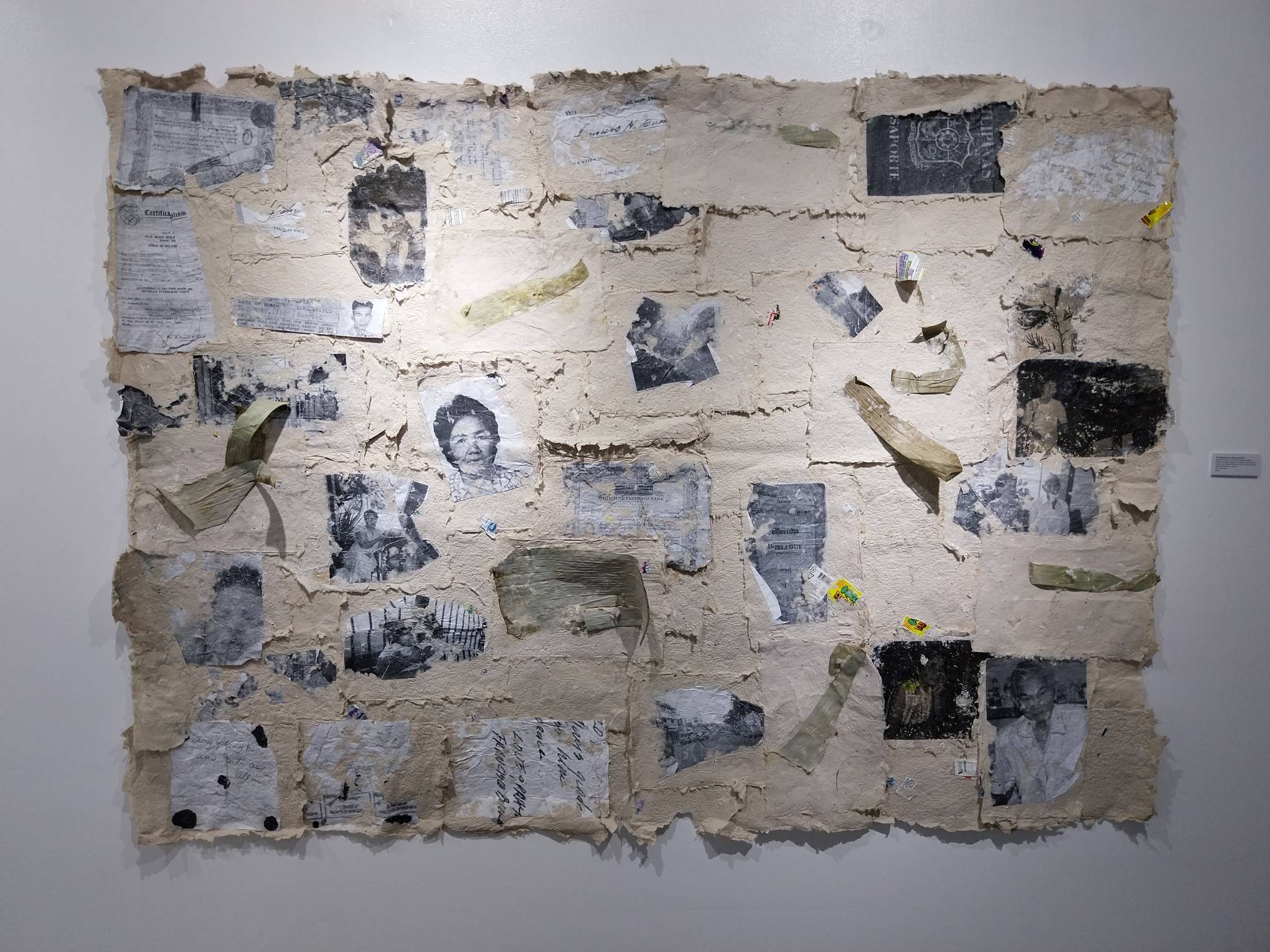
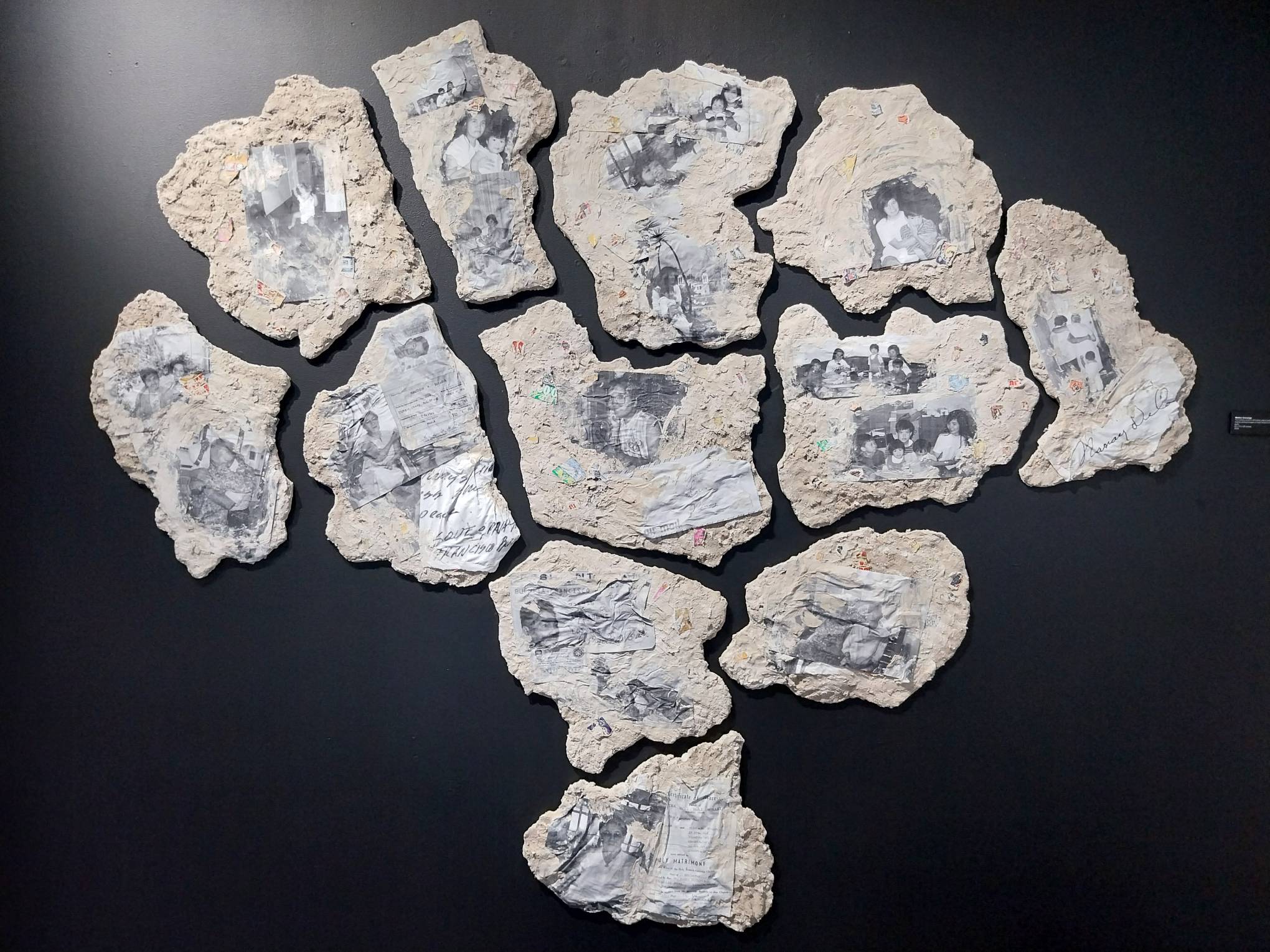
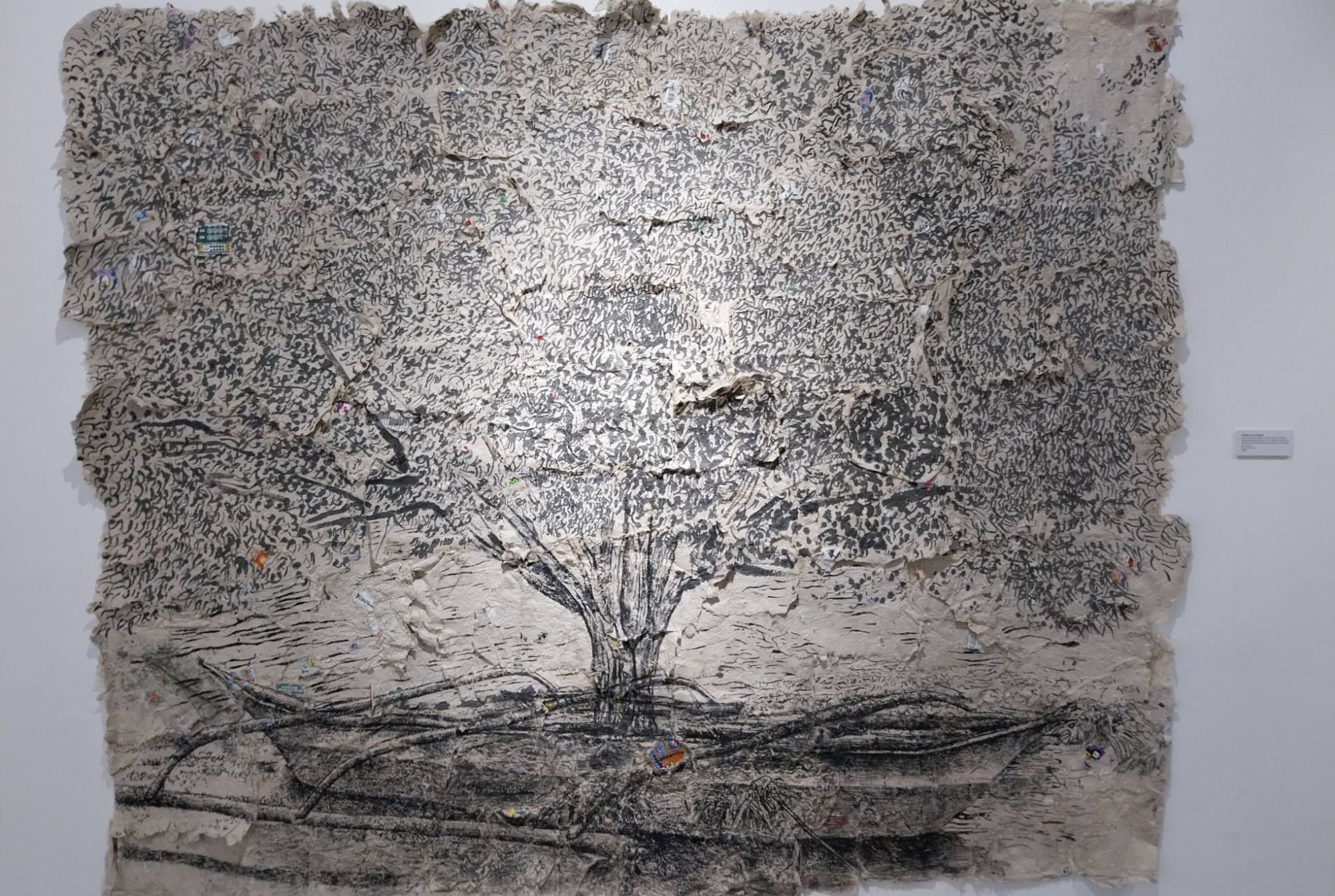
Project Belonging: From There to Here—The Familiar in the Foreign at Ateneo Art Gallery, meanwhile, utilized art from Isabel & Alfredo Aquilizan, the premier art couple for discussing the experience of migration in the country. Their postcolonial art tends to center on found objects and communities around the world.
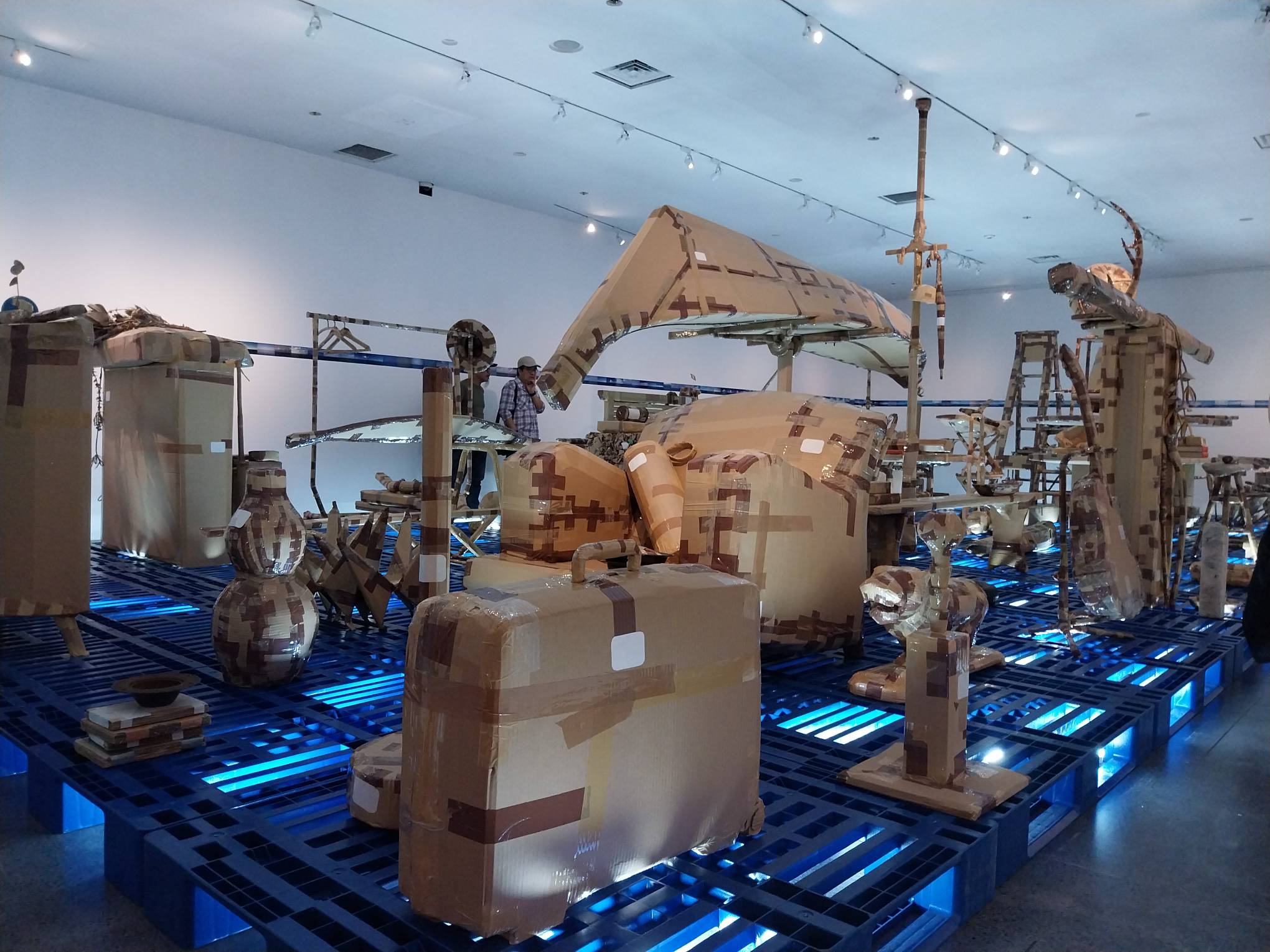
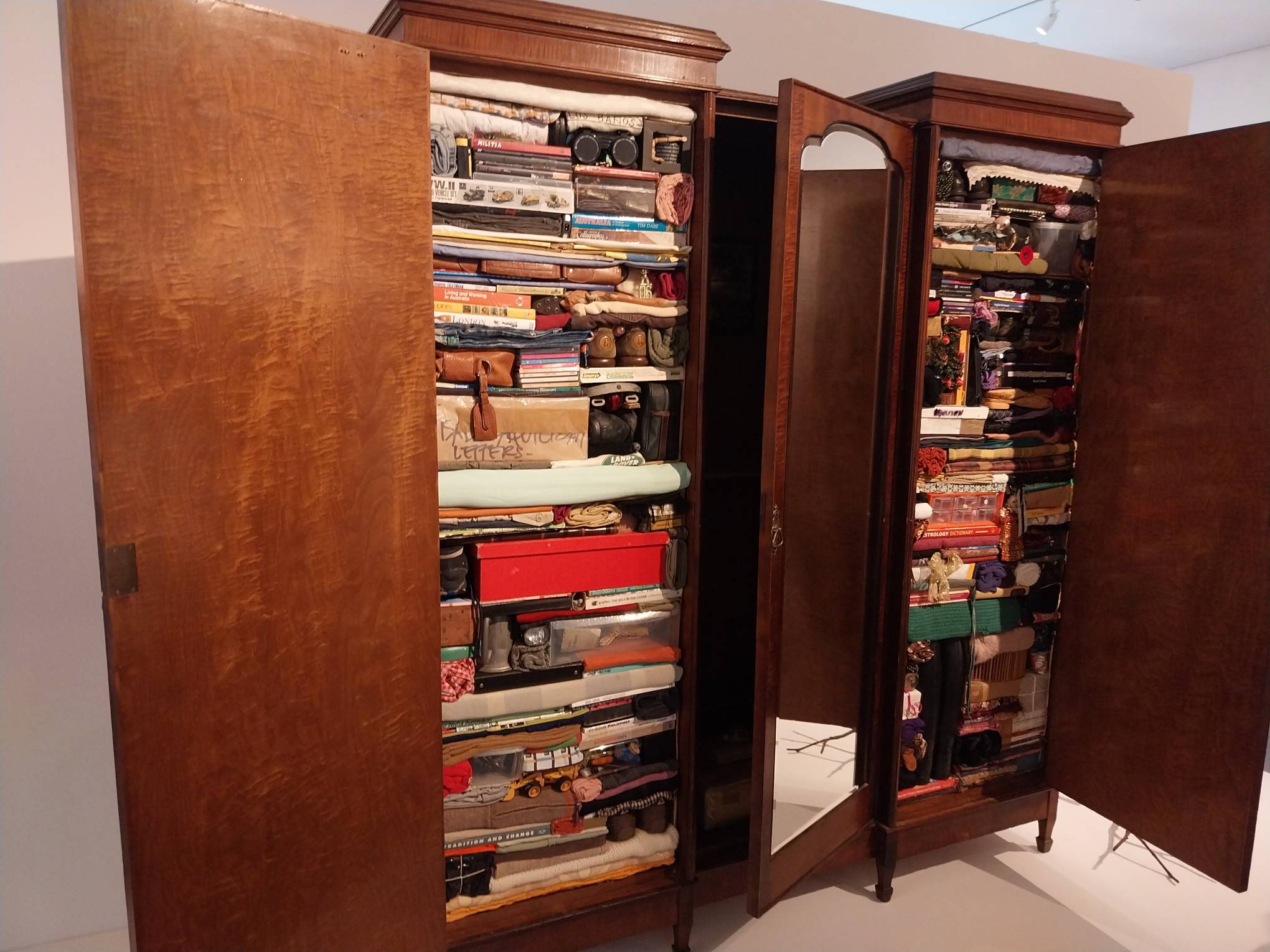
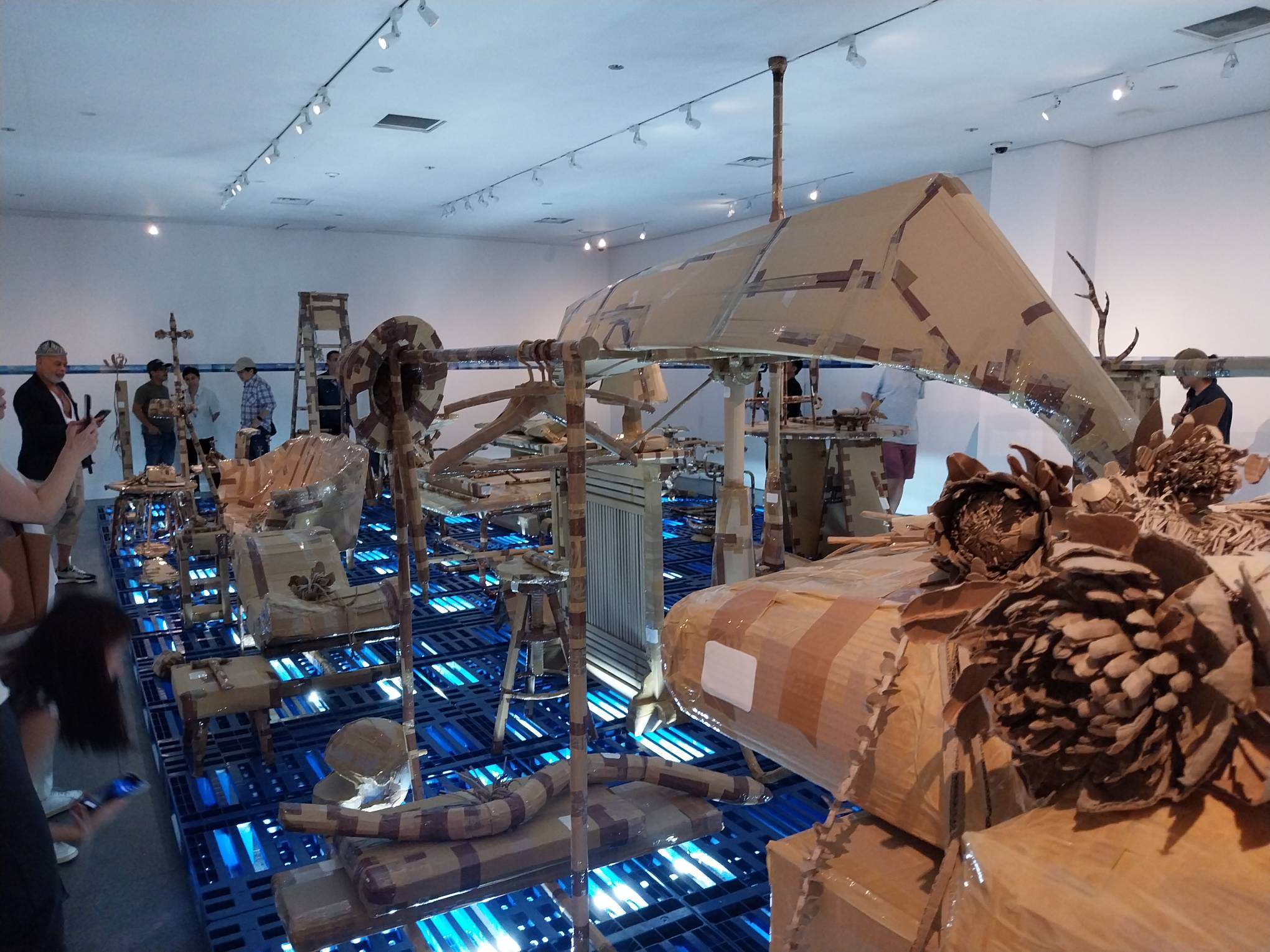
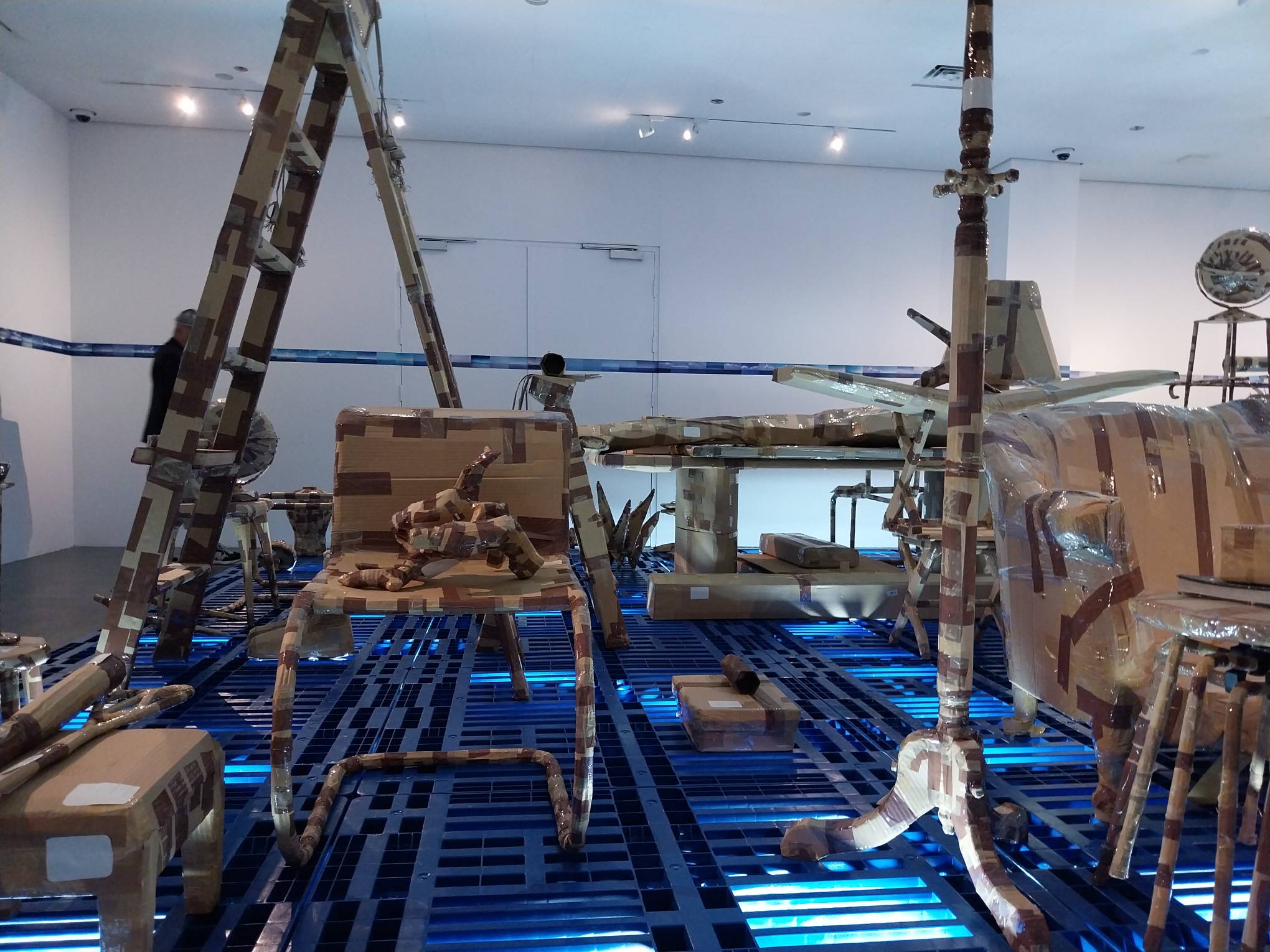
Their works here speak to the idea of attempting to transplant the self and the community to a different place. More than that, it reflects the harshness of the experience of having to compress the self into small, transportable bits in other countries. Their use of common everyday materials exemplifies these feelings further.
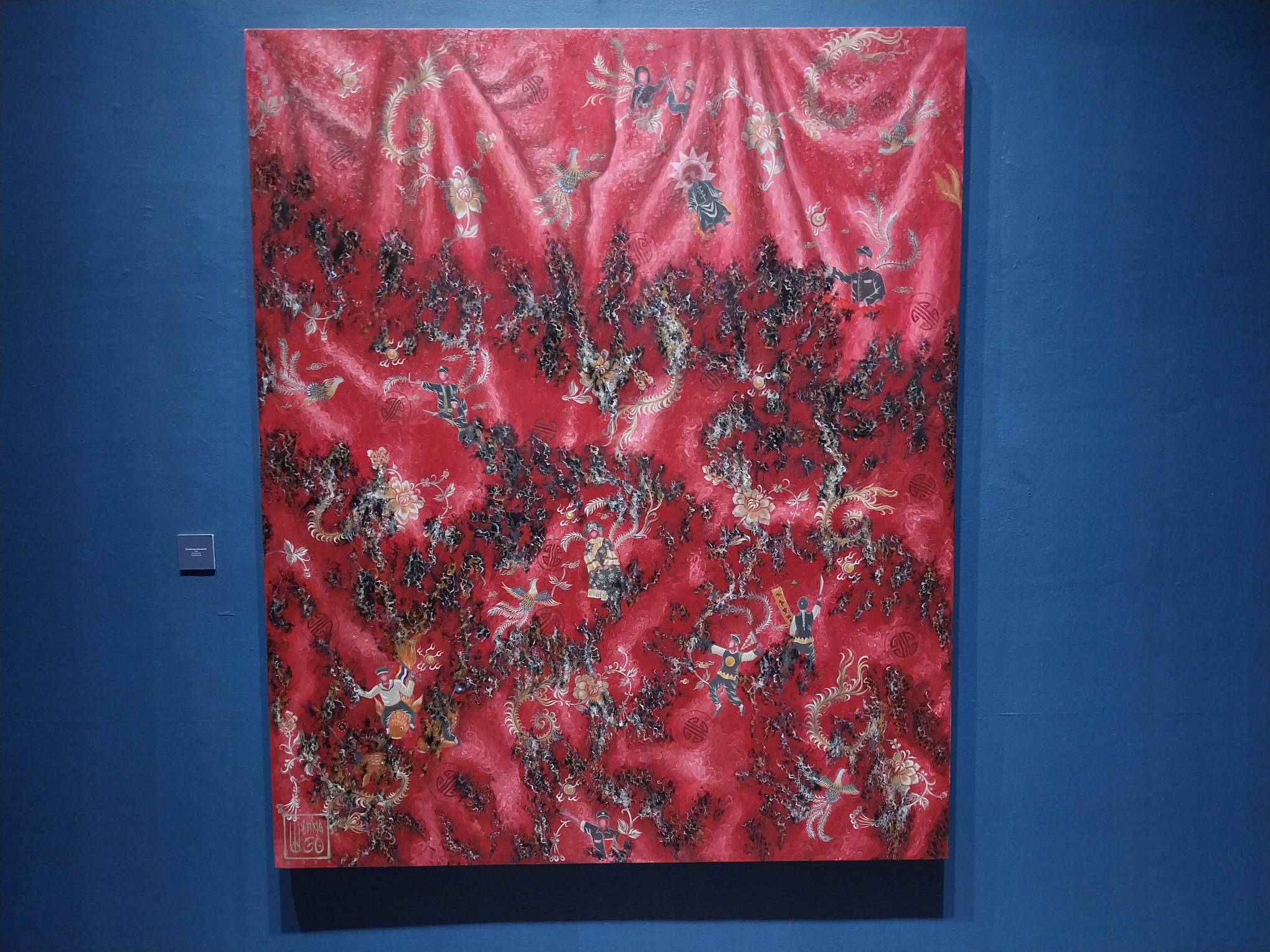
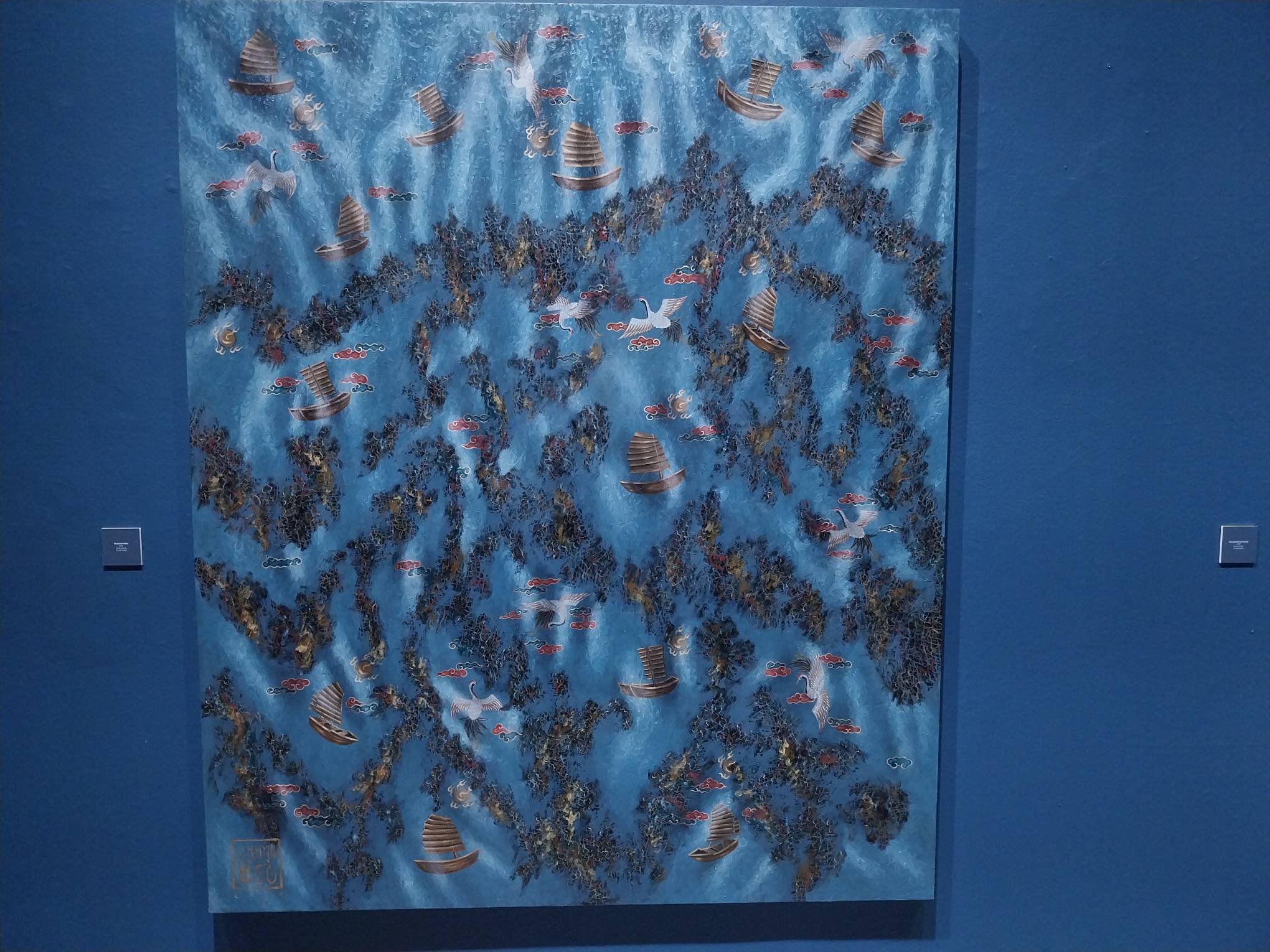
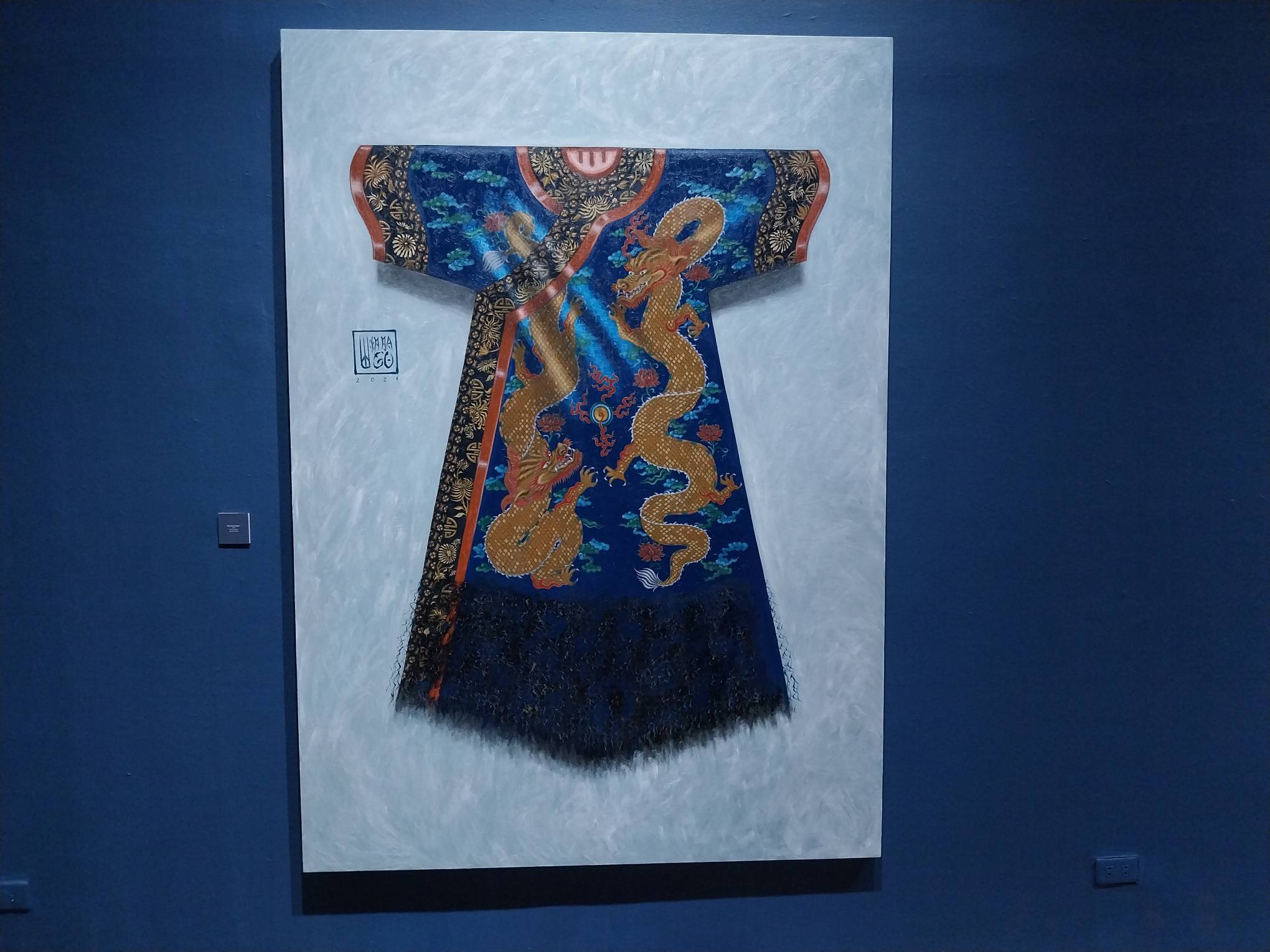

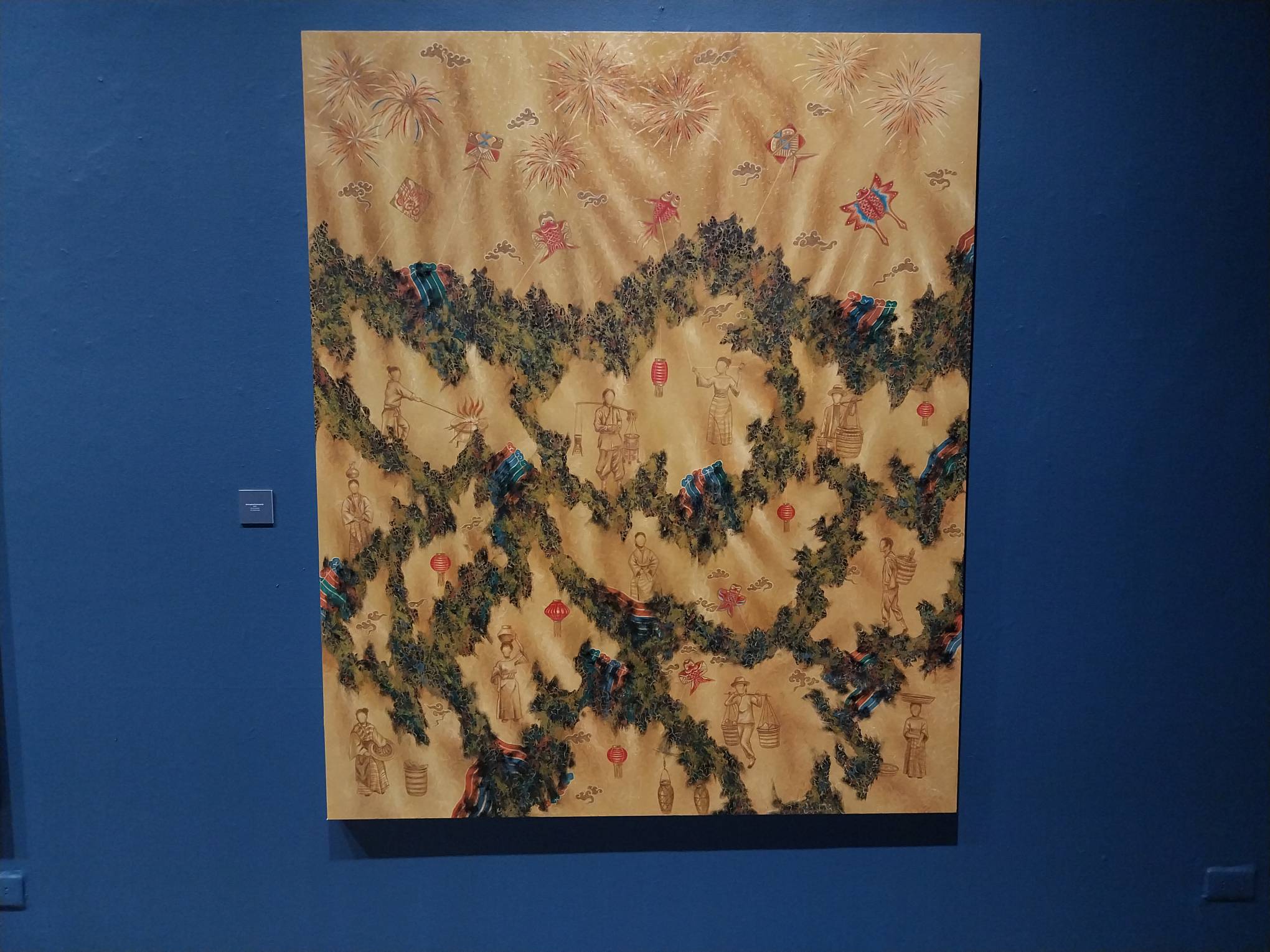
Finally, for the different experience of the Chinese diaspora, Winna Go’s postcolonial art for On the Roots and Routes of Diaspora offers a perspective on how broad the experience is. Even in a superpower like China, empires fall and displace people, leaving centuries of trauma that even the current generation continues to deal with.
Nontypical Mediums Discussing Colonialism
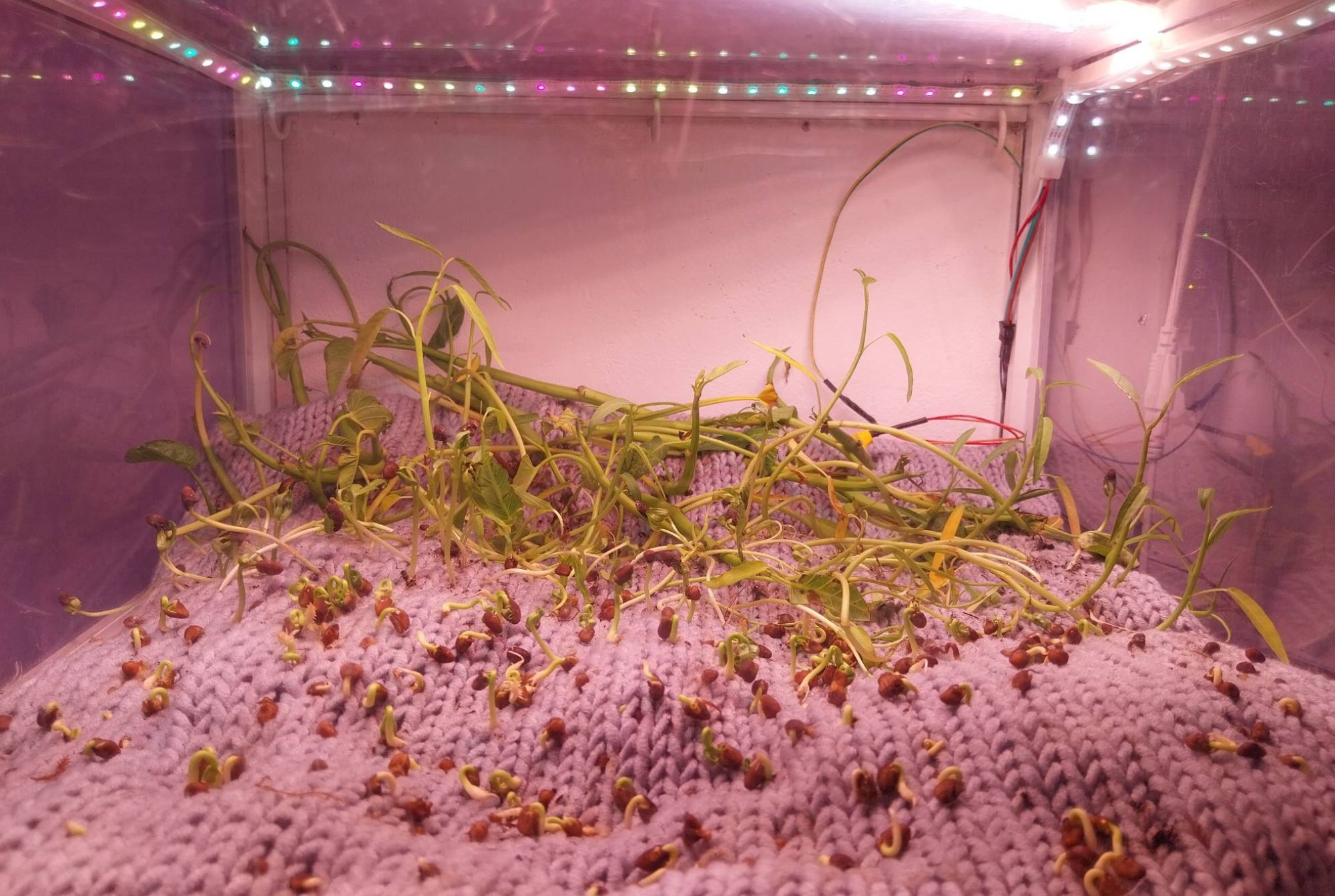
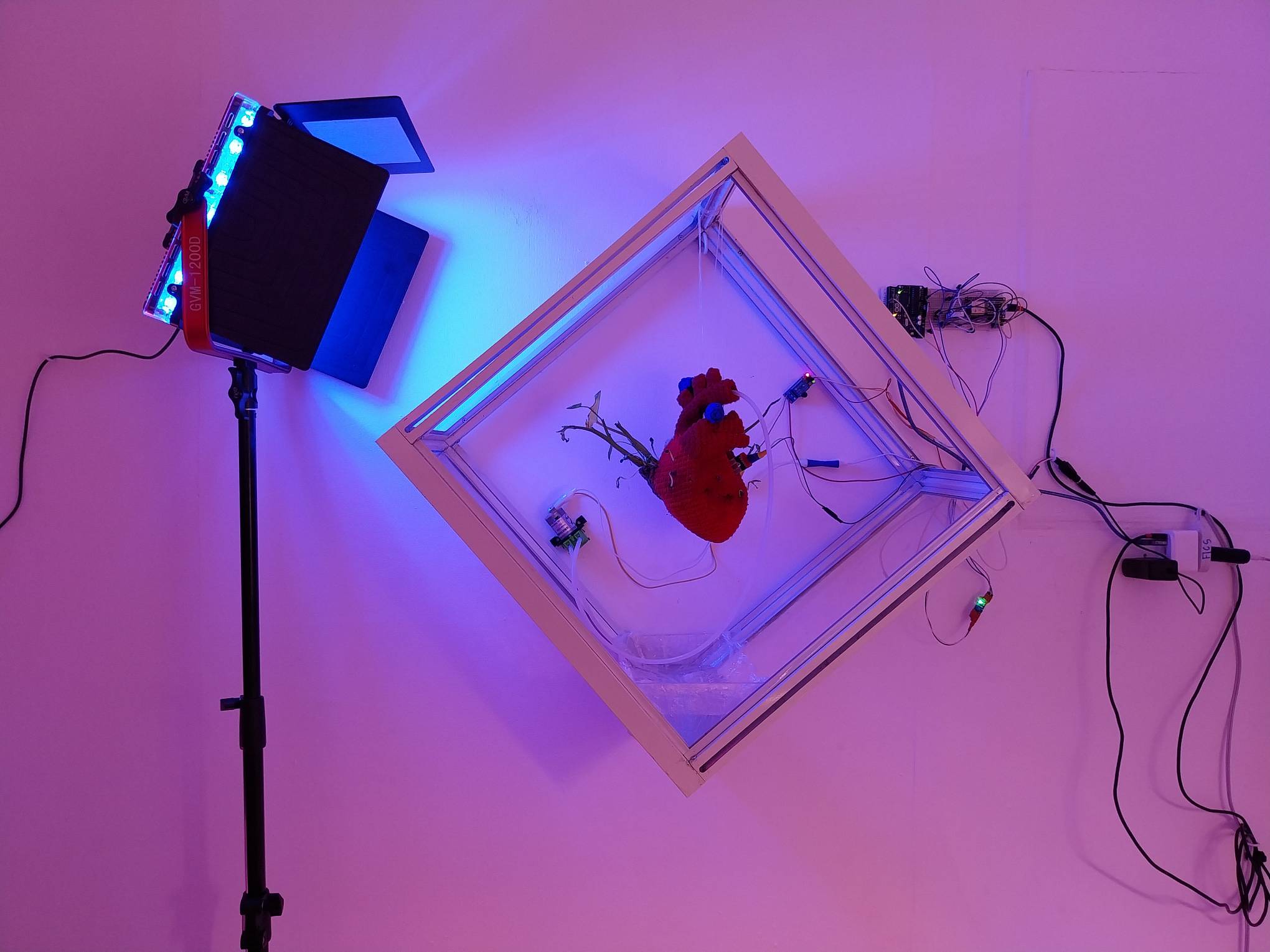
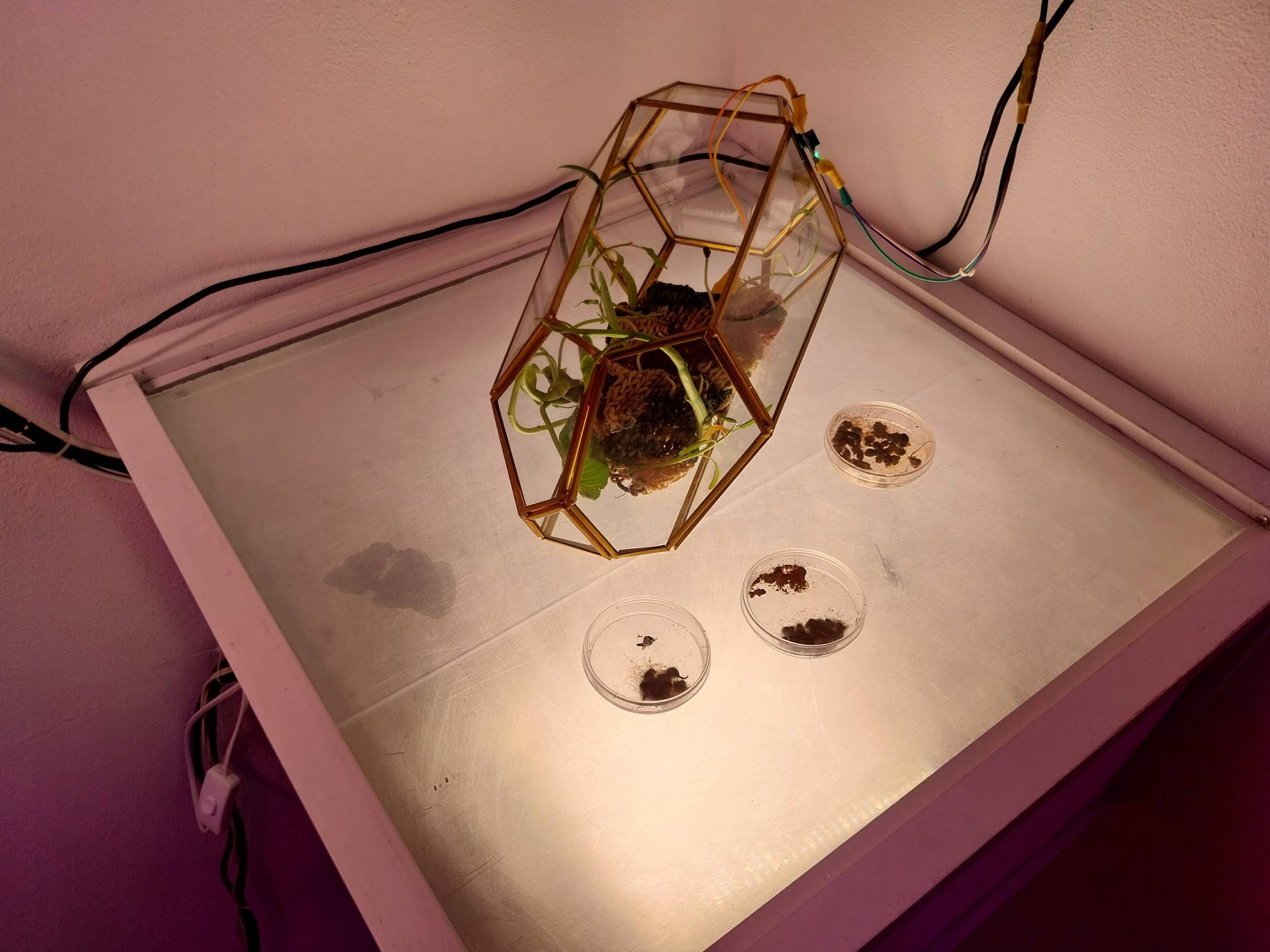
Discussions of the effects imperialism through postcolonial art can take on unique ways that reflect the topic at hand. For example, bioSignals at NO Community-run Space merges plants with science and art to craft a message about the effects of climate change to the Global South.
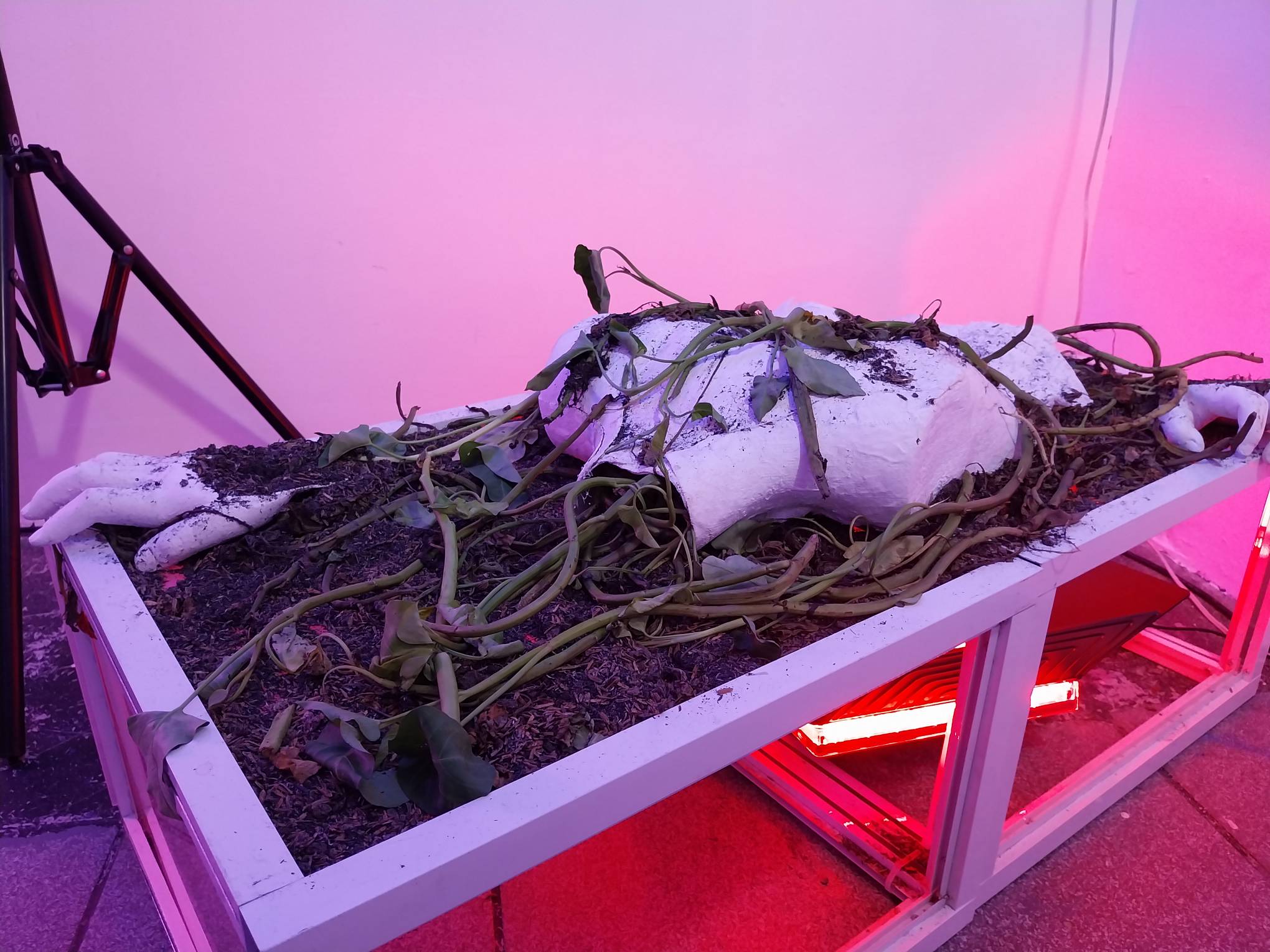
Meanwhile, the rough, Mad Max-esque stylings of Jose Olarte’s Gyre Dominion showcase how marginalized groups are affected by unchecked industrialization that tends to ravage our environments and displace indigenous groups all for the comfort of a few.
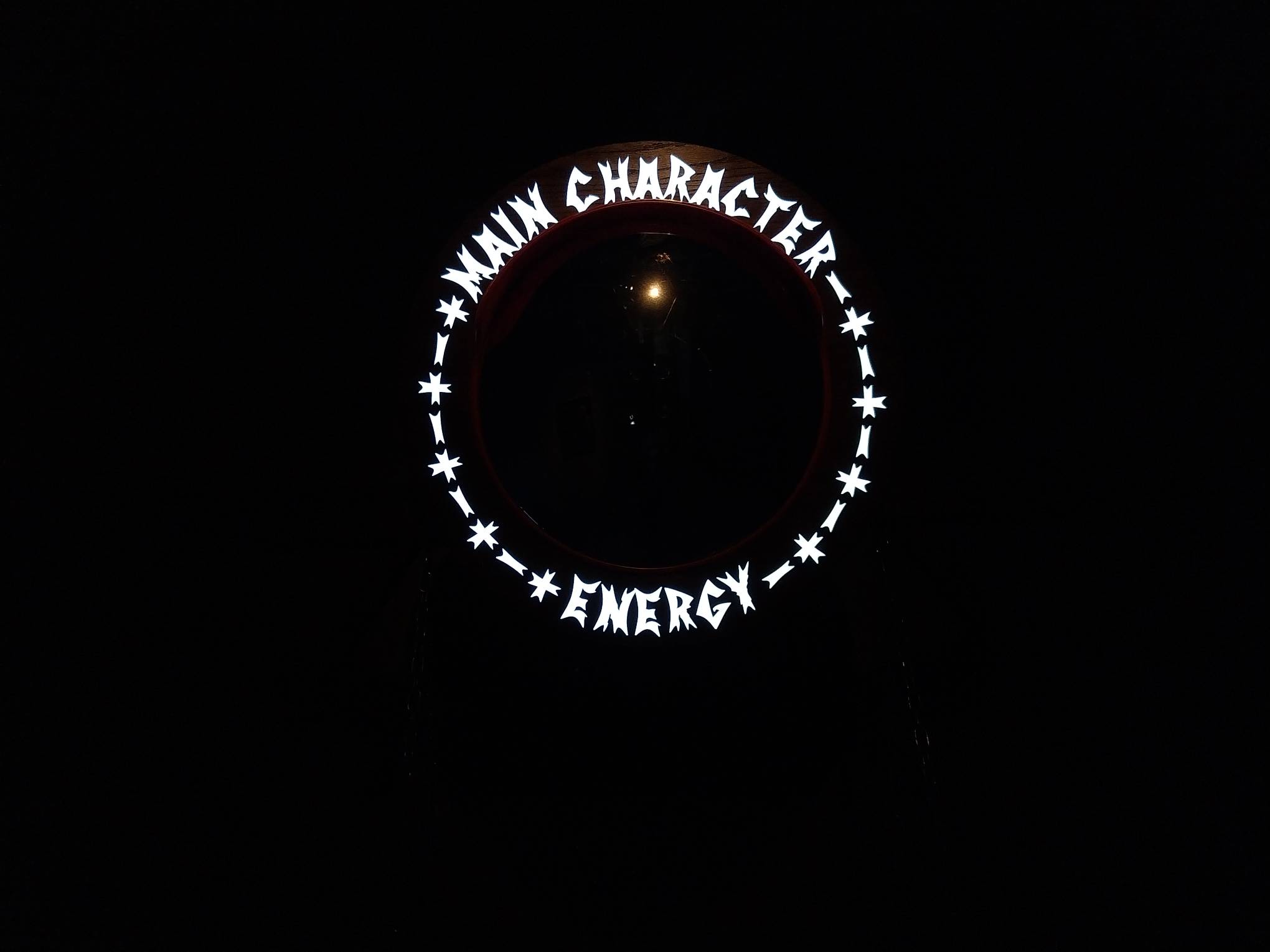
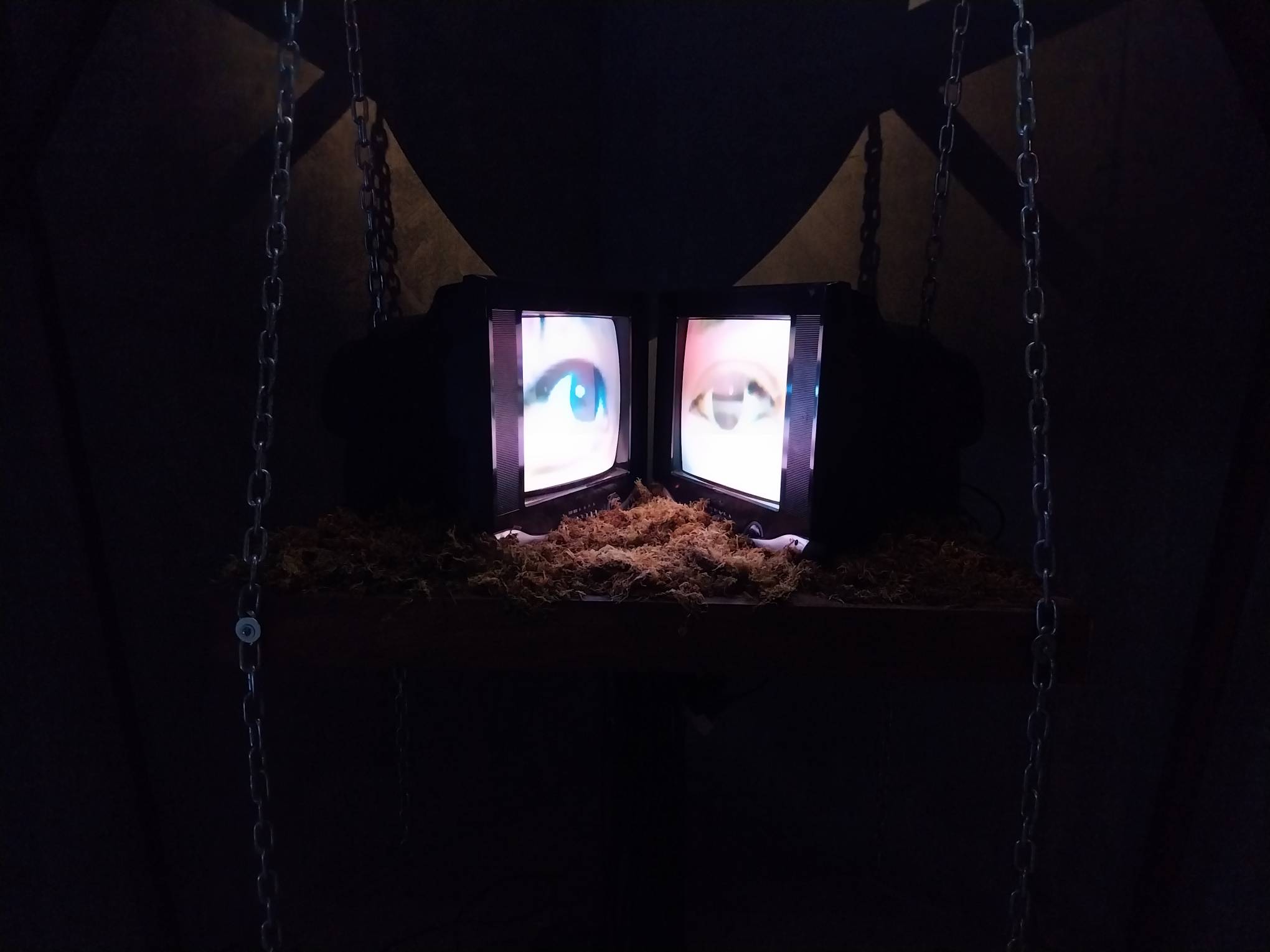
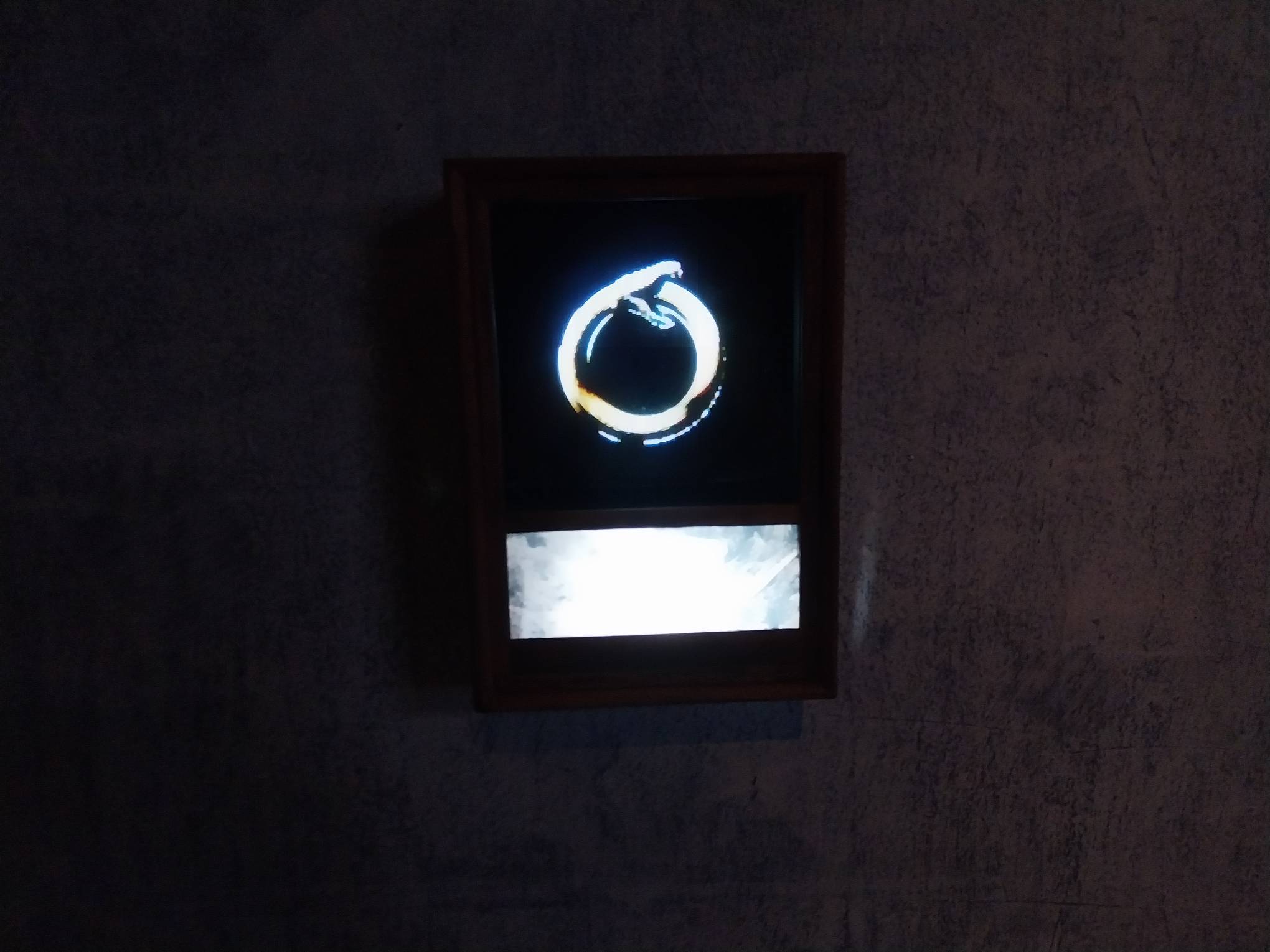
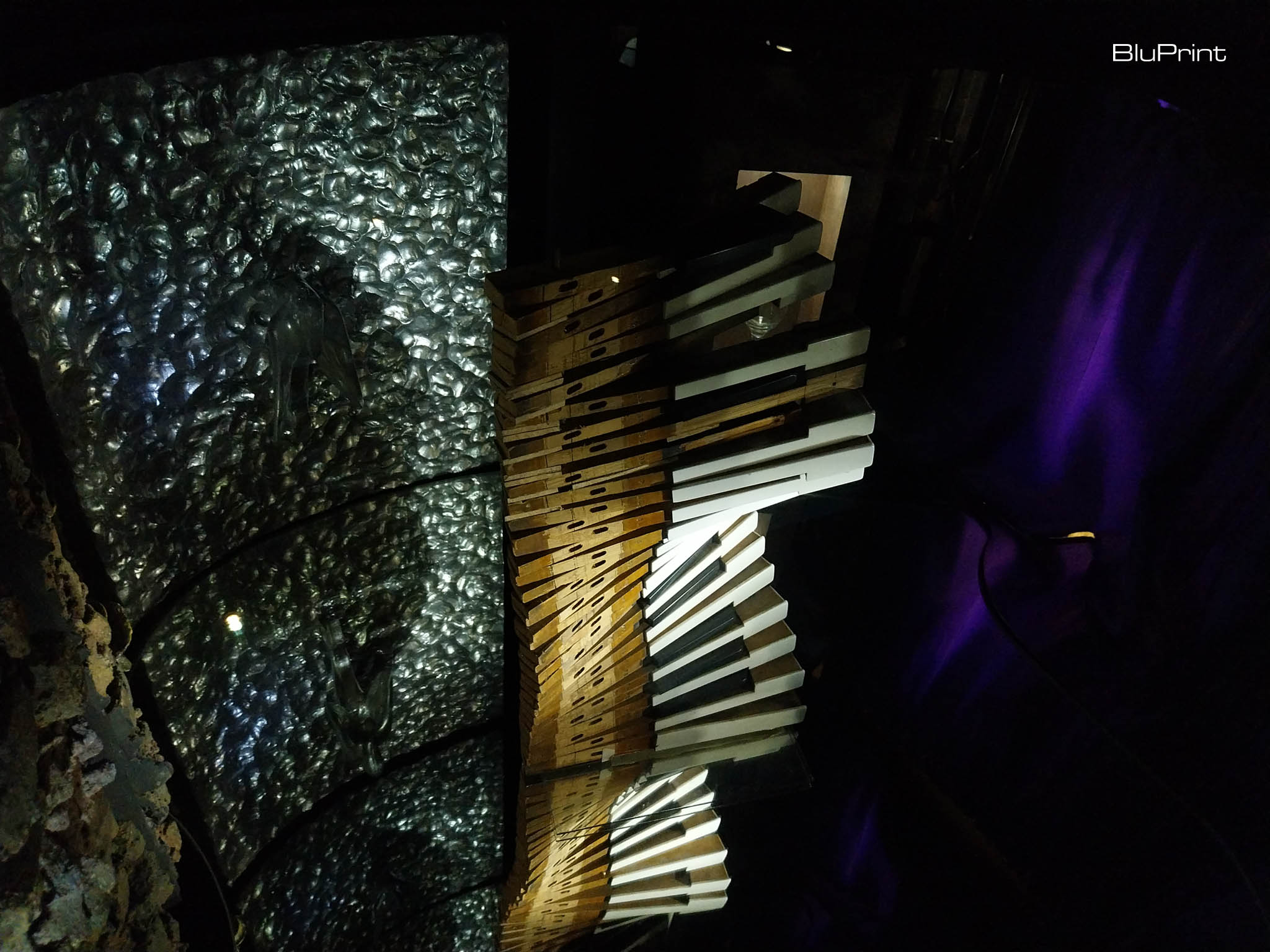
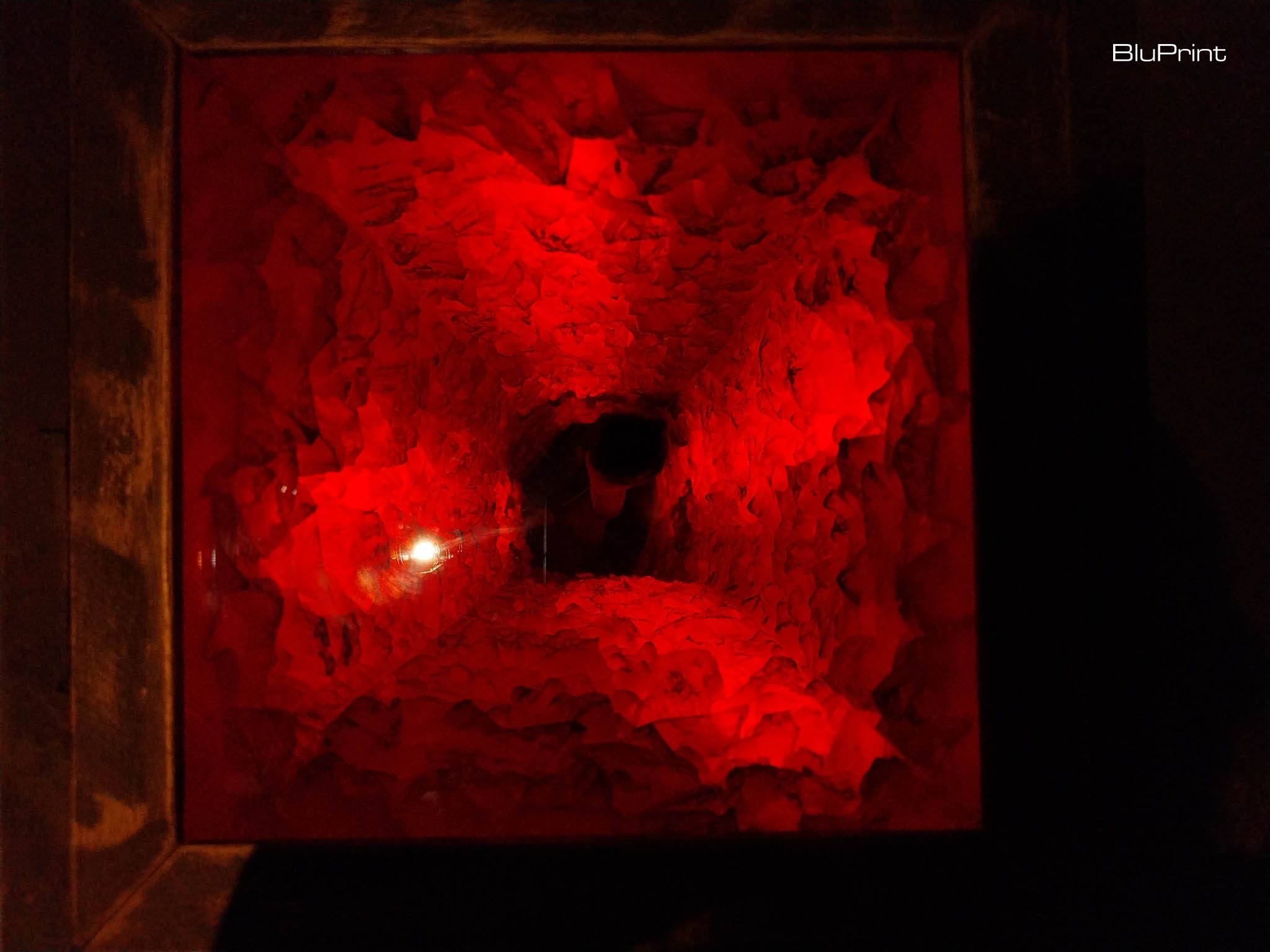
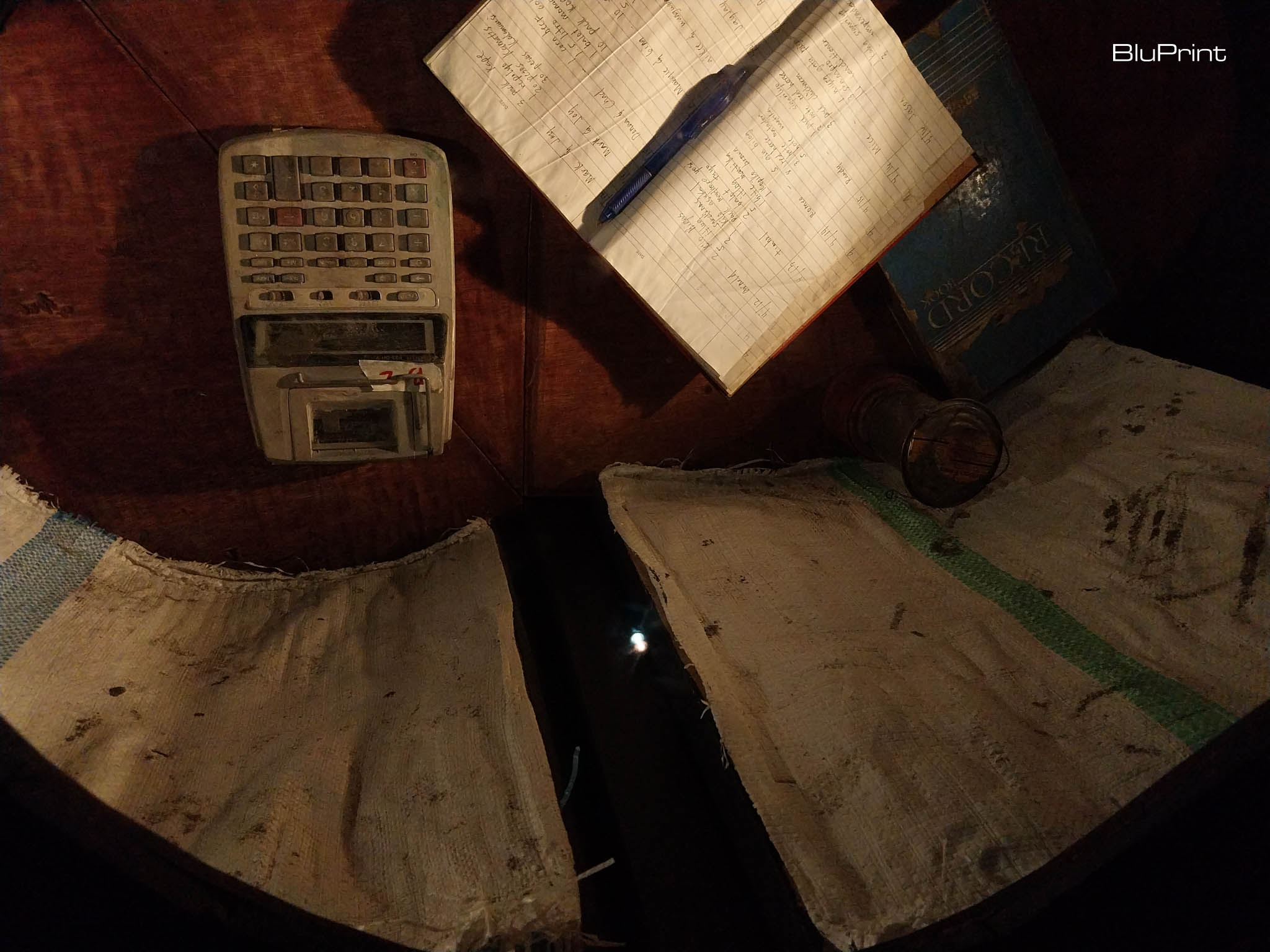
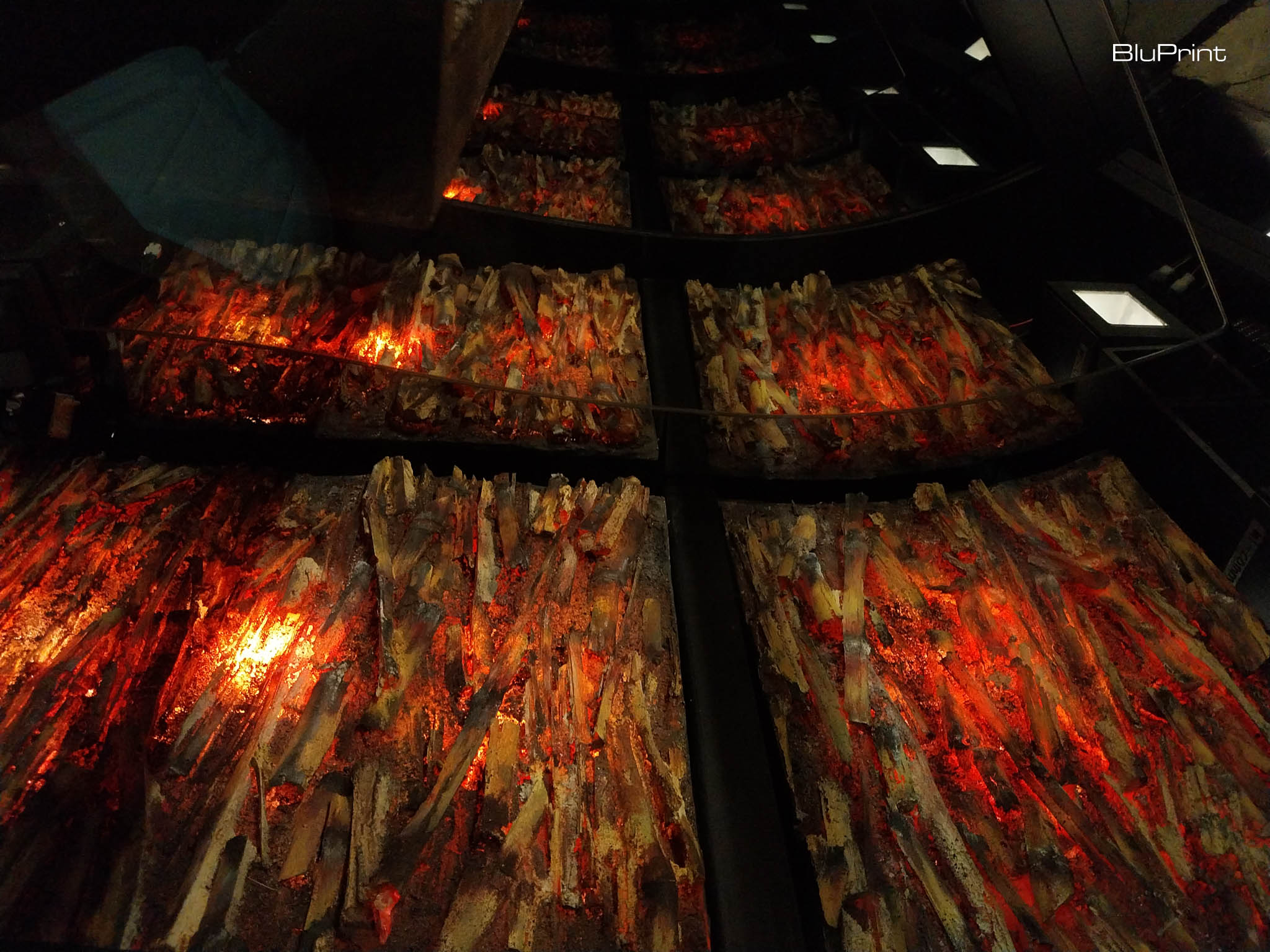
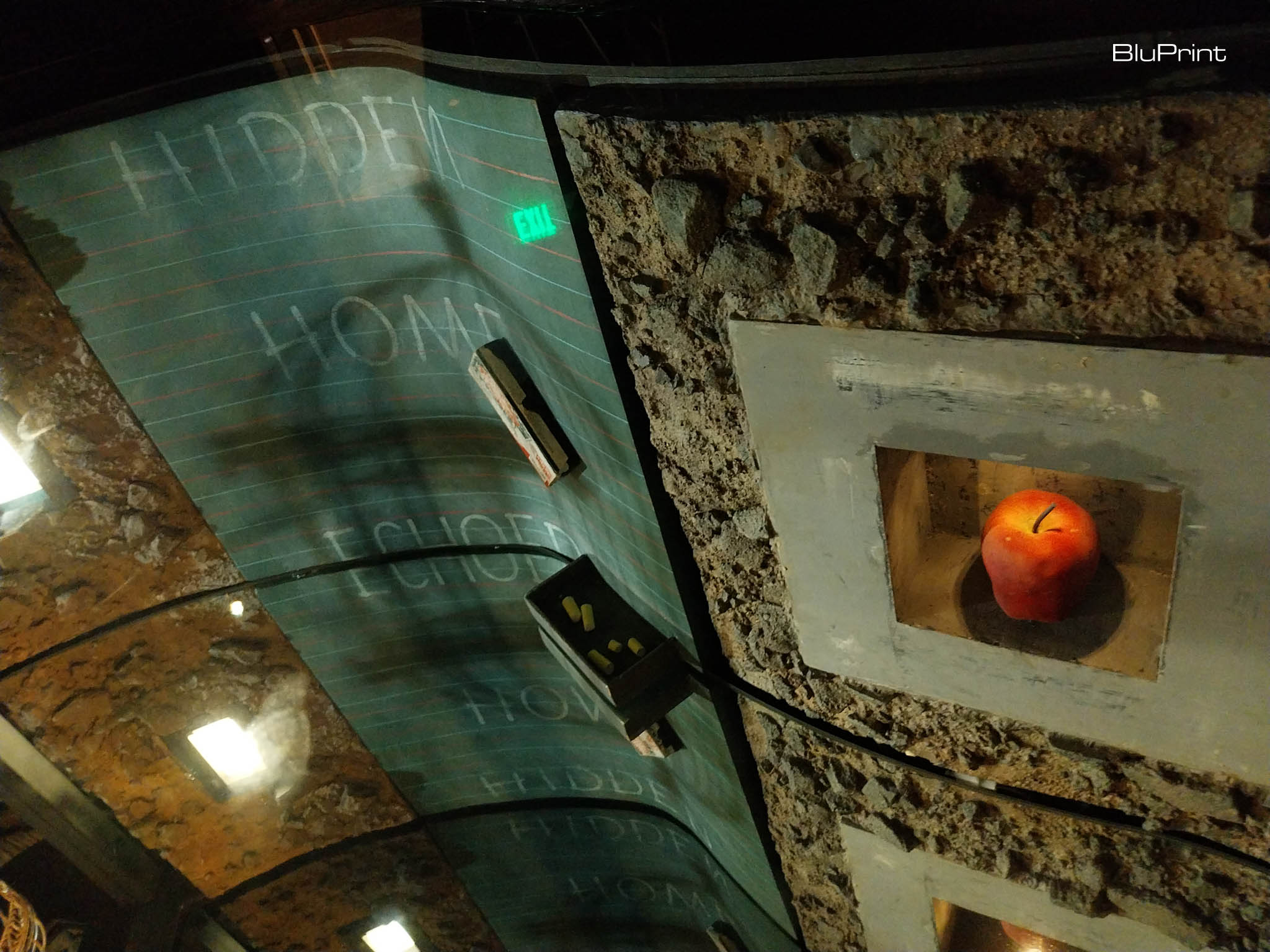
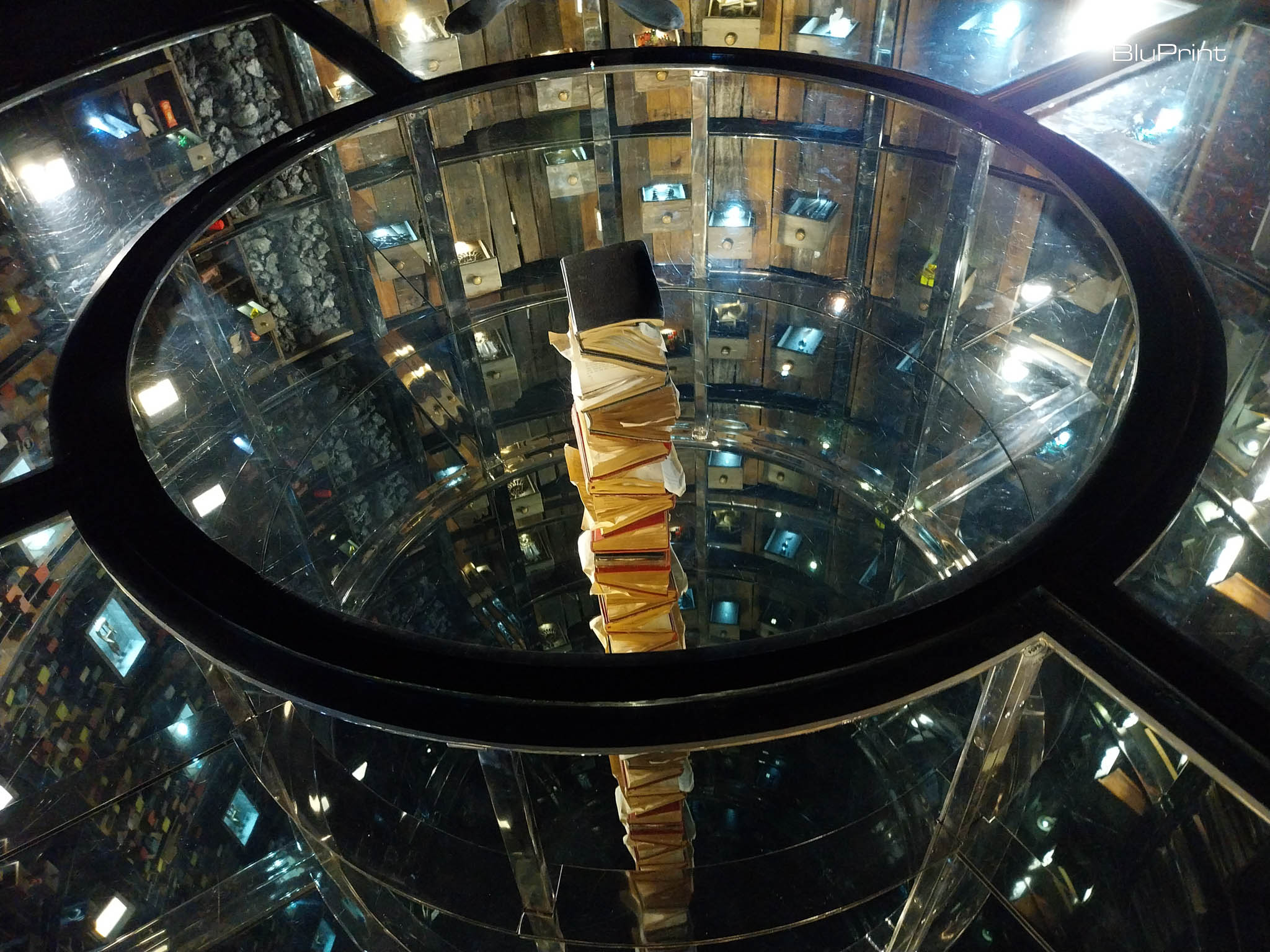
And finally, with Void of Spectacles, mirrors and repeating images and figures commentate on society’s self-perpetuating cycles of poverty and violence. The images repeat and expand, seemingly creating an infinite loop where nothing but the violence can coexist within society.
The Continuing Trauma of Colonialism
For many of these artists, postcolonial art becomes a pertinent rallying point in reflecting the chaos of our world today. Disparate events and emotions find themselves interconnected as the continued waves of imperialism crash into the present.
The lingering effects of colonialism will likely never disappear. But as long as artists continue to discuss and dissect it in their works, our country (and others like ours) can continue to work towards representing and expelling these experiences in a way true to our own lived realities.
Photos by Elle Yap.
Related reading: Political Art in 2024: How Artists Discuss Our Sociopolitical Climate
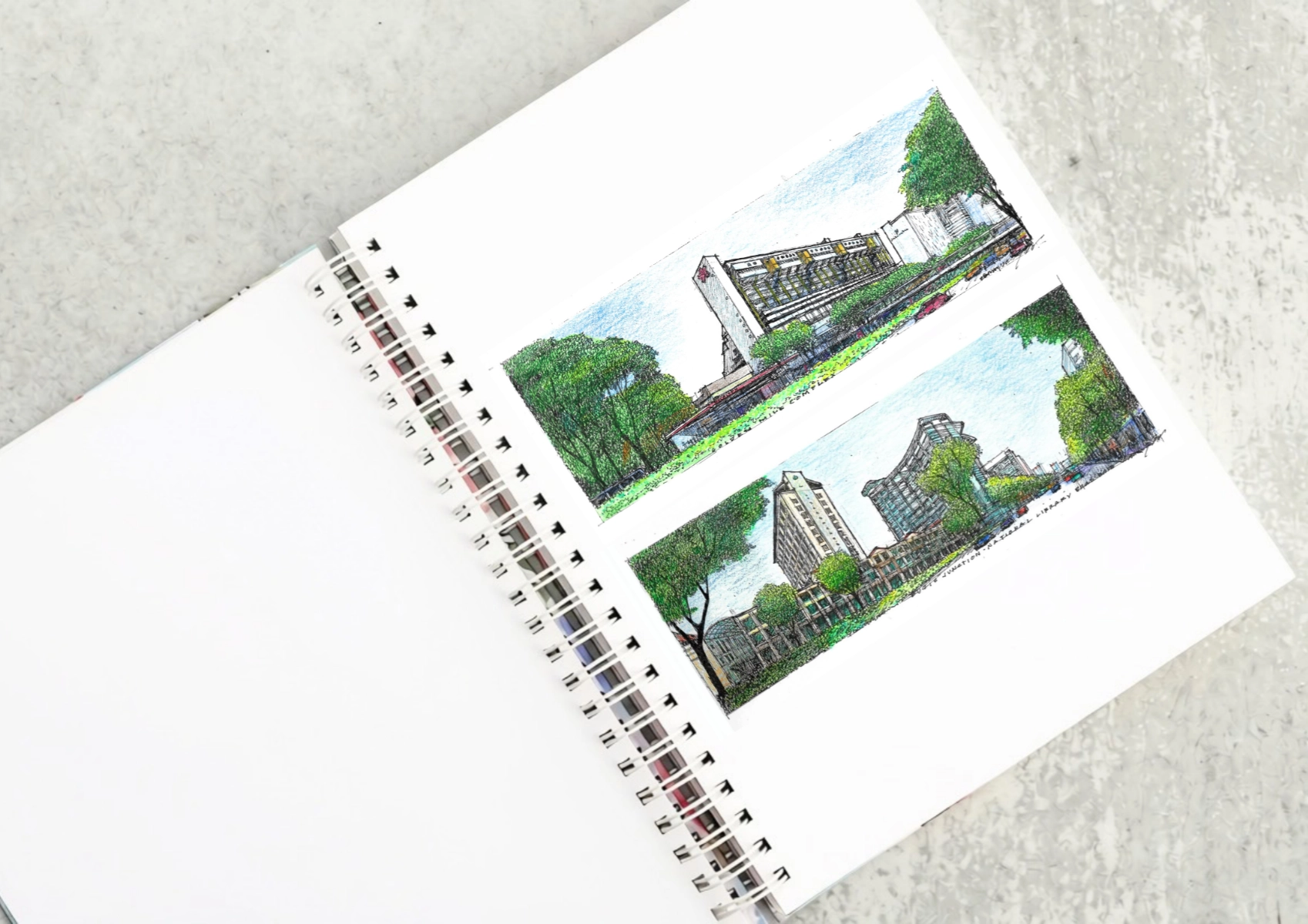
Two sketches of Singapore connect BluPrint Editor in Chief Paulo G. Alcazaren’s personal and professional history with Shared Ground: ArchitectureArchitectureThe art and science of designing and constructing buildings, structures, and spaces that are functional, safe, and aesthetically pleasing. It encompasses the planning, design, materials, and techniques used to createGo to Architecture Glossary of Care, Culture, […]
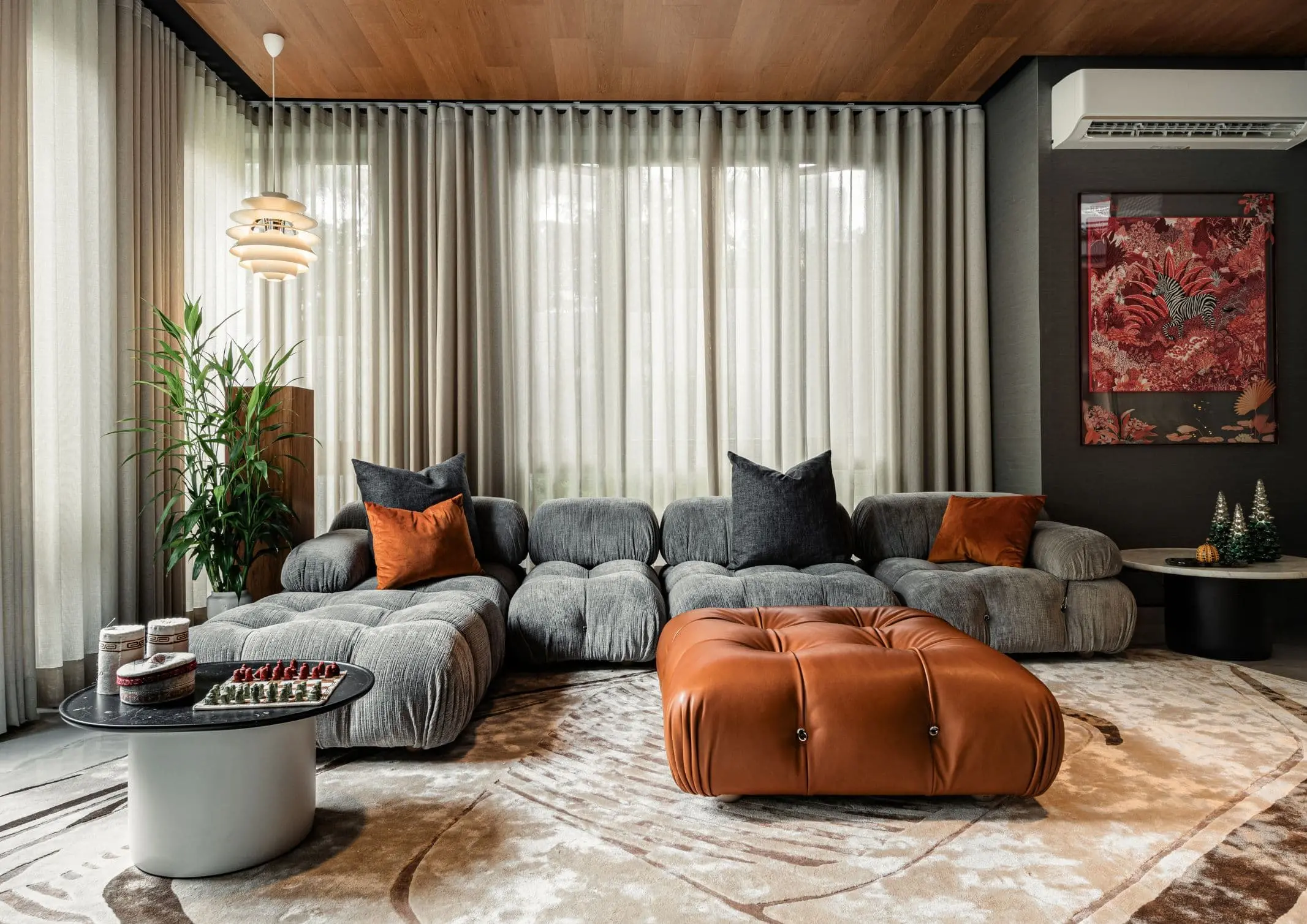
Some have become household names – Coleman, Oster, and KitchenAid – products that have found their way into Filipino kitchens, homes and family routines. In home furnishings, brands such as B&B Italia, Ethan Allen, Sub-Zero, Miele, SieMatic, Louis Poulsen, Hunter Douglas, Tempur, and Technogym, have helped shape the way Filipinos live. From everyday essentials to […]
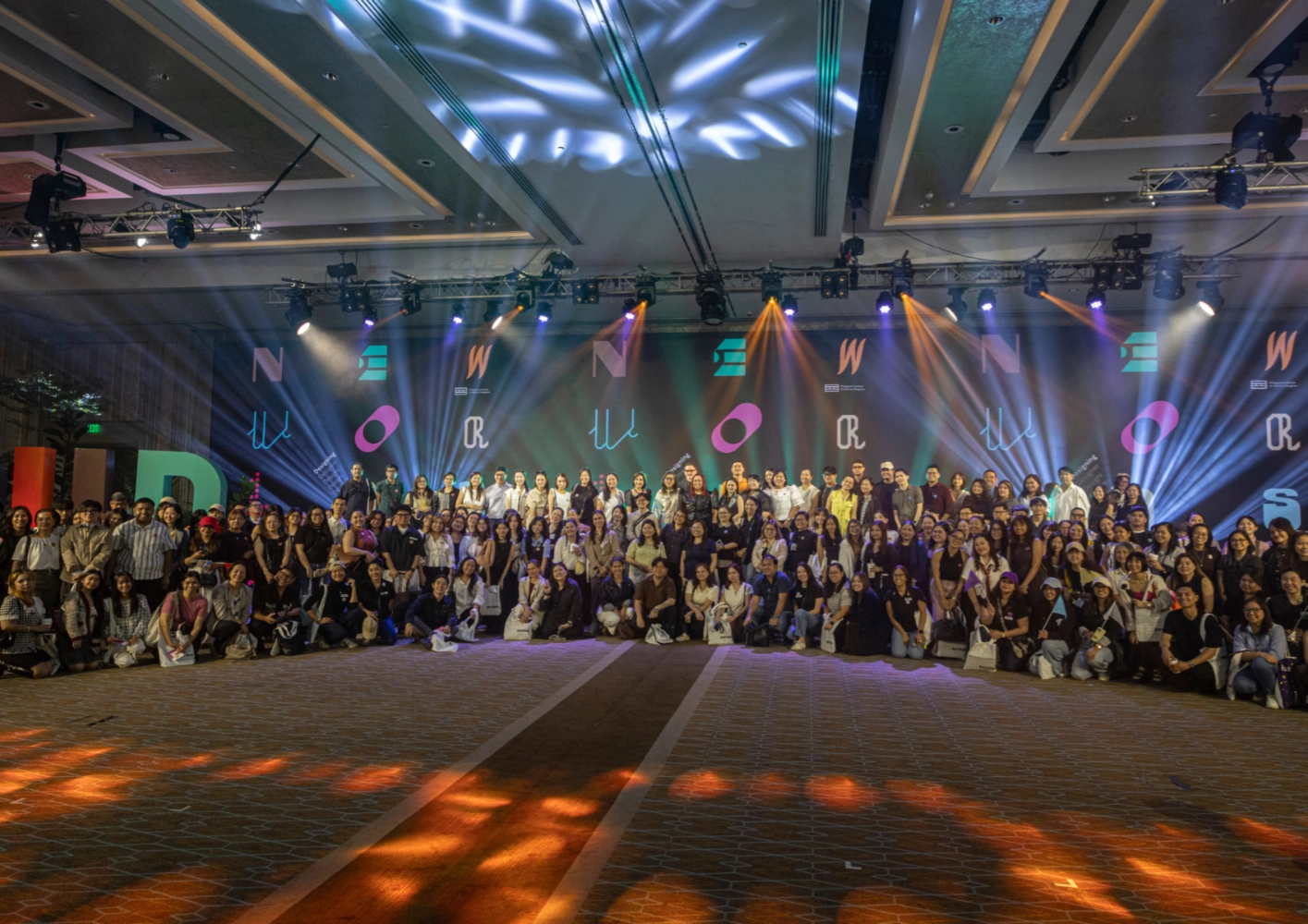
In a way, designers are the modern-day soothsayers and prophets. They design for the future, predicting how a room, a house, a building or a whole city will be used by people. They foresee how users will interact with a space, conjure exact shades of colors to elicit specific behavior and arrange furniture to build […]
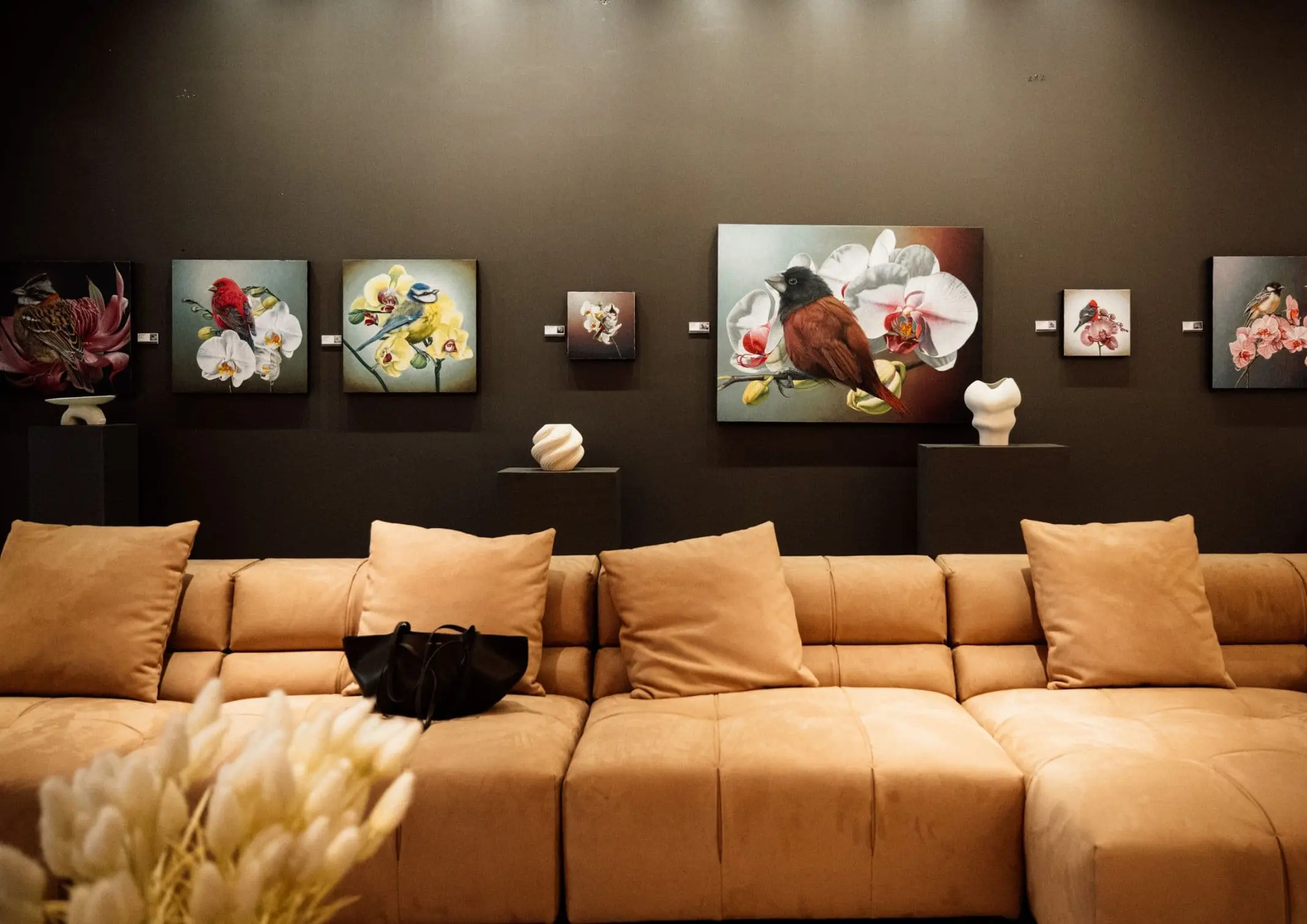
Art and furniture are often selected separately, yet their relationship can shape how a room looks and feels. The collaboration between Hooga and Galerie Joaquin explores how these elements can work together, bringing contemporary artworks into furnished residential settings at Hooga’s showroom in Uptown Mall, Bonifacio Global City. For Hooga, which curates furniture, lighting, and […]
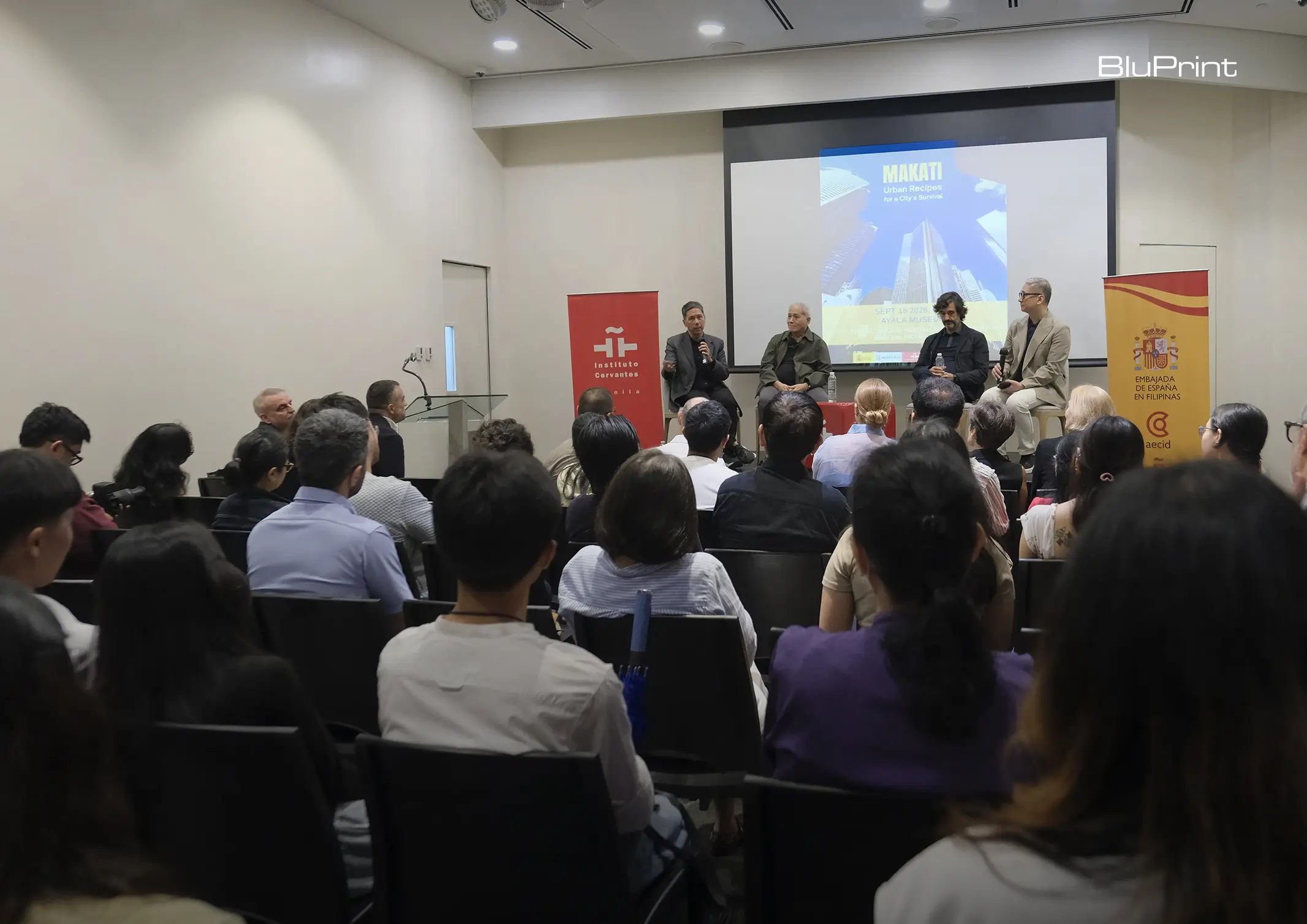
How can better-planned cities create the conditions for more creative, livable, and resilient urban environments? “Makati Urban Recipes for a City’s Survival,” a colloquium held at the Ayala Museum on September 15, brought together architects and practitioners from the fields of urbanism and the creative economy to discuss how design, planning, and collaboration can address […]
Read the issues.

Collect the volumes.

Recommended Video
Tap to Unmute
Unmute
0:00
0:00