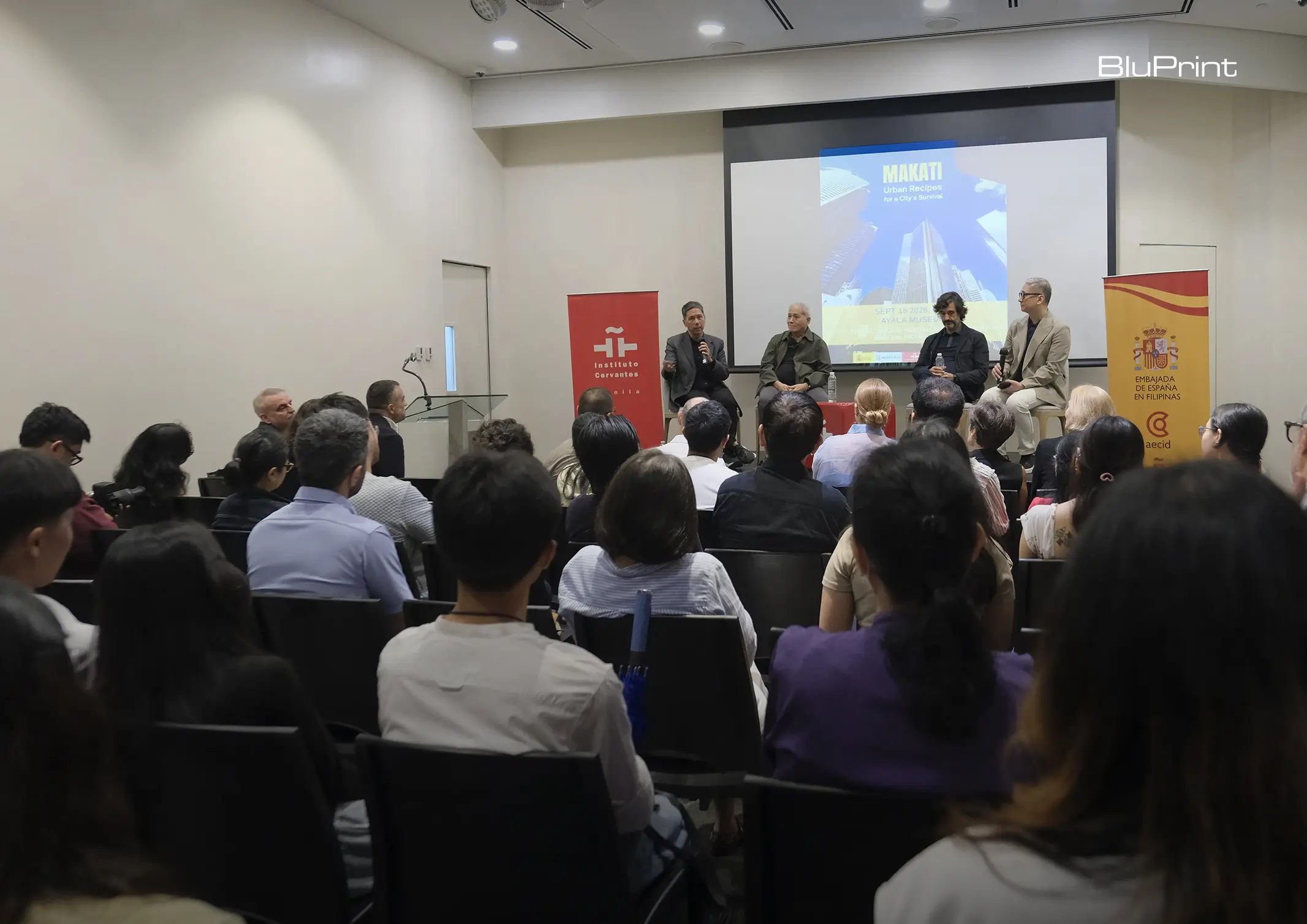
How can better-planned cities create the conditions for more creative, livable, and resilient urban environments? “Makati Urban Recipes for a City’s Survival,” a colloquium held at the Ayala Museum on September 15, brought together architects and practitioners from the fields of urbanism and the creative economy to discuss how design, planning, and collaboration can address […]
‘Territorial’: Artists Discuss the West Philippine Sea Dispute in New Exhibit



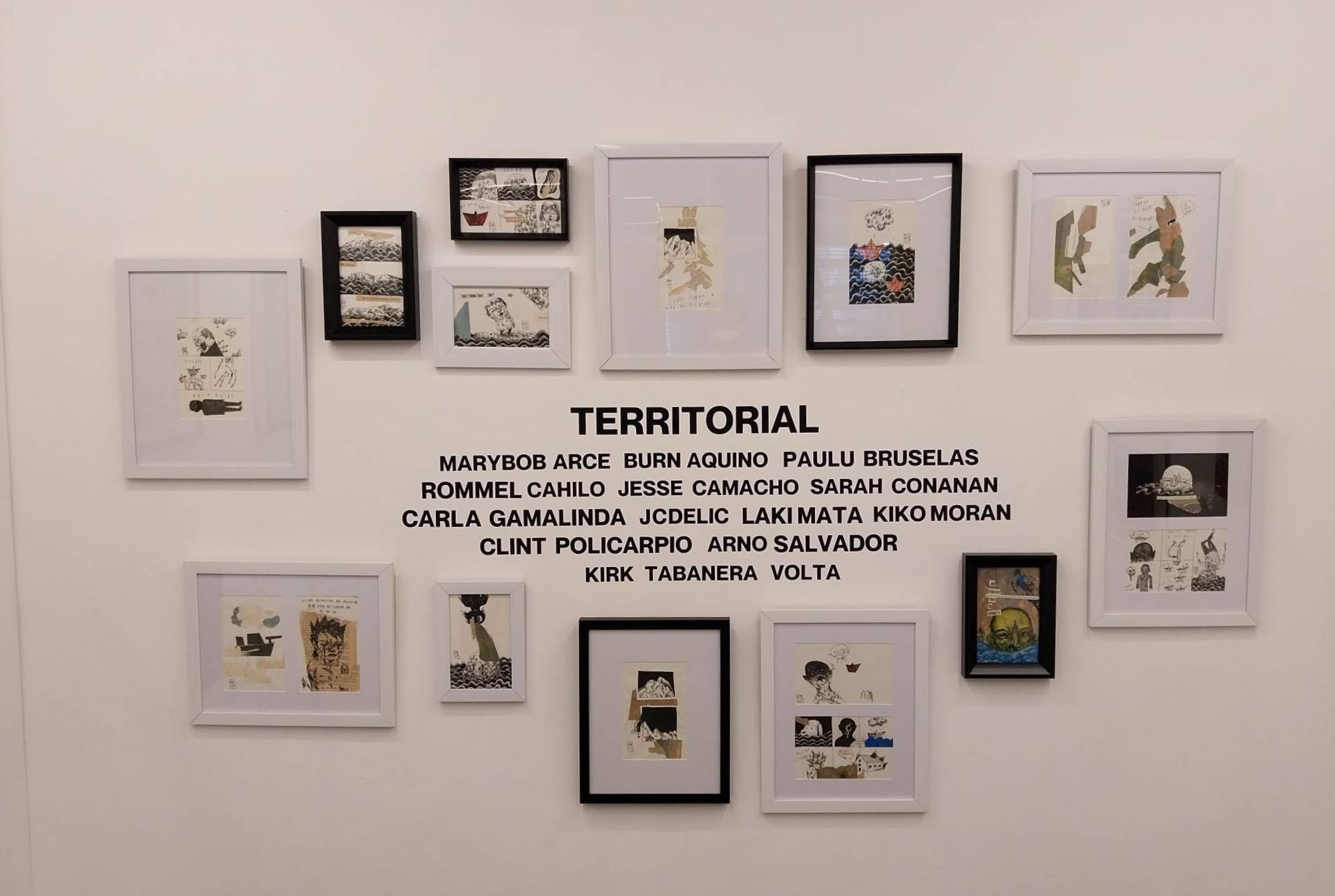
Territorial, a group exhibition by Space Encounters opened on July 12, takes on a timely, news-worthy topic. The new exhibit lays bare the angry, complicated feelings that lay beneath the current territorial dispute between China and the Philippines at the West Philippine Sea.
The Philippines has been locked in a decades-long battle against China over the latter’s “nine-dash line” territorial claims. On July 12, 2016, the Philippines won its case against the “nine-dash line” claims in a UN arbitral tribunal.
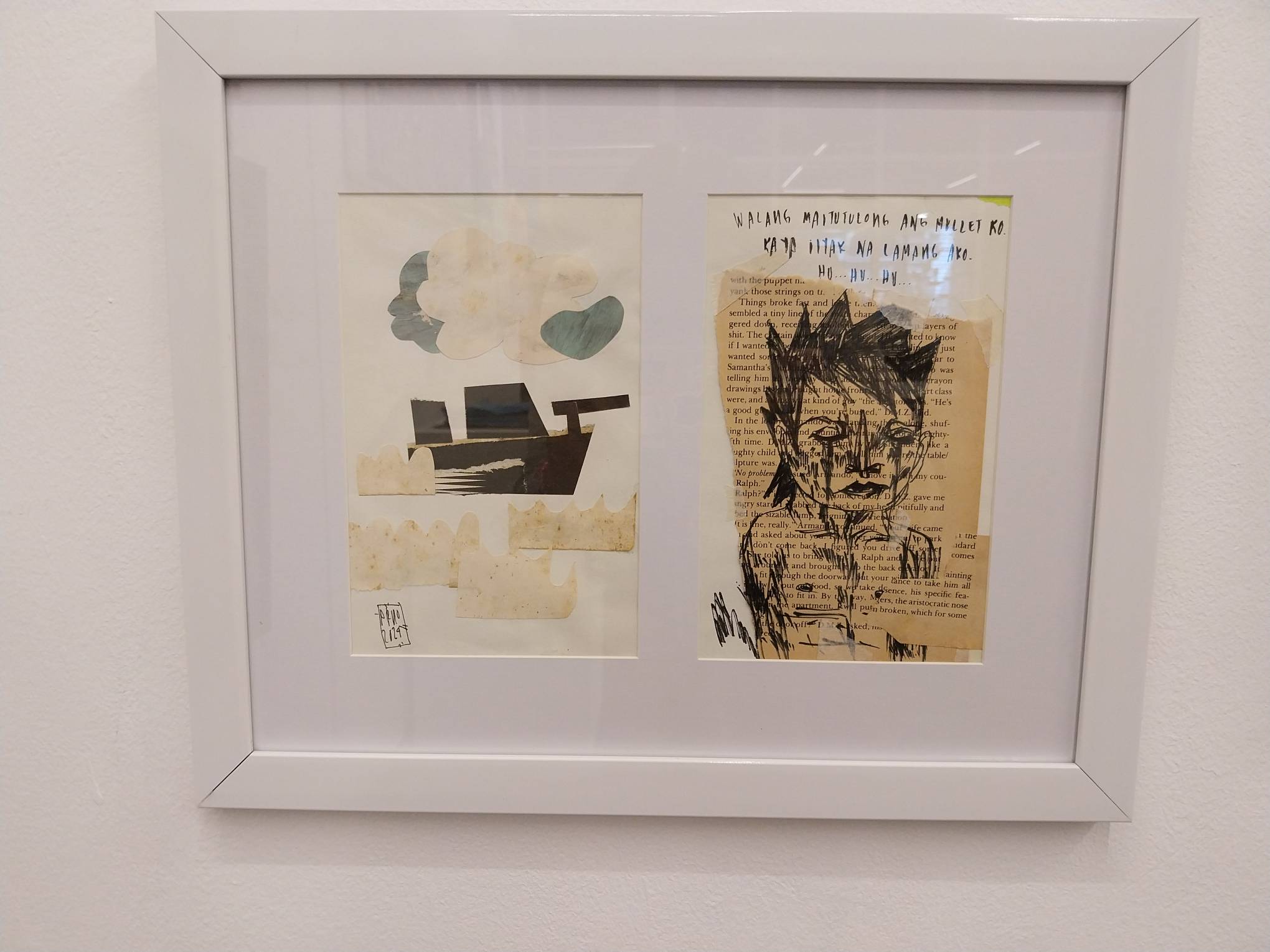
Instead of being able to follow through on the ruling, however, the Philippines has spent over eight years in an escalating fight against China over its own sovereign territory. Different twists in the plot abound over it, from Duterte’s alleged agreement to waive the country’s claims, to Marcos, Jr.’s more aggressive push for the territories.
It appears likely that this fight will continue for years to come.
From the Political to the Personal
Territorial, then, comes in a fraught time in this dispute. Reports about the Chinese Coast Guard’s attacks against Filipino fishermen circle the news daily. There’s a push from the government for militarization and an alliance with the West. The artists in the exhibit create their art from such a charged political atmosphere.
“Mention ‘territorial’ and Pinoys will say, ‘Ay possessive!’ Is it the years of colonization that makes us think that this trait—to fiercely protect—is bad? Have we gotten so used to having our possessions, our lands, taken away?” the exhibit write-up said.
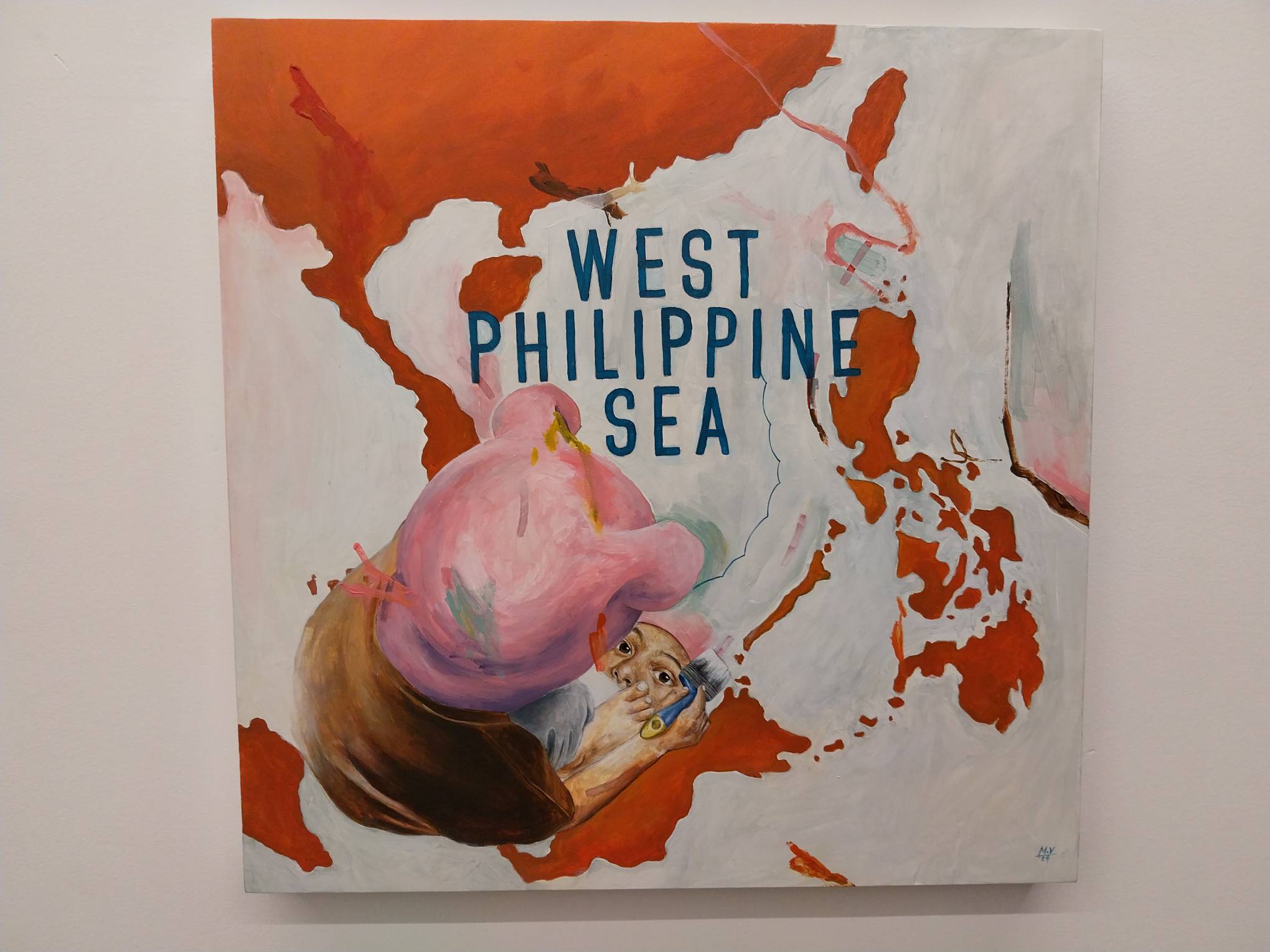
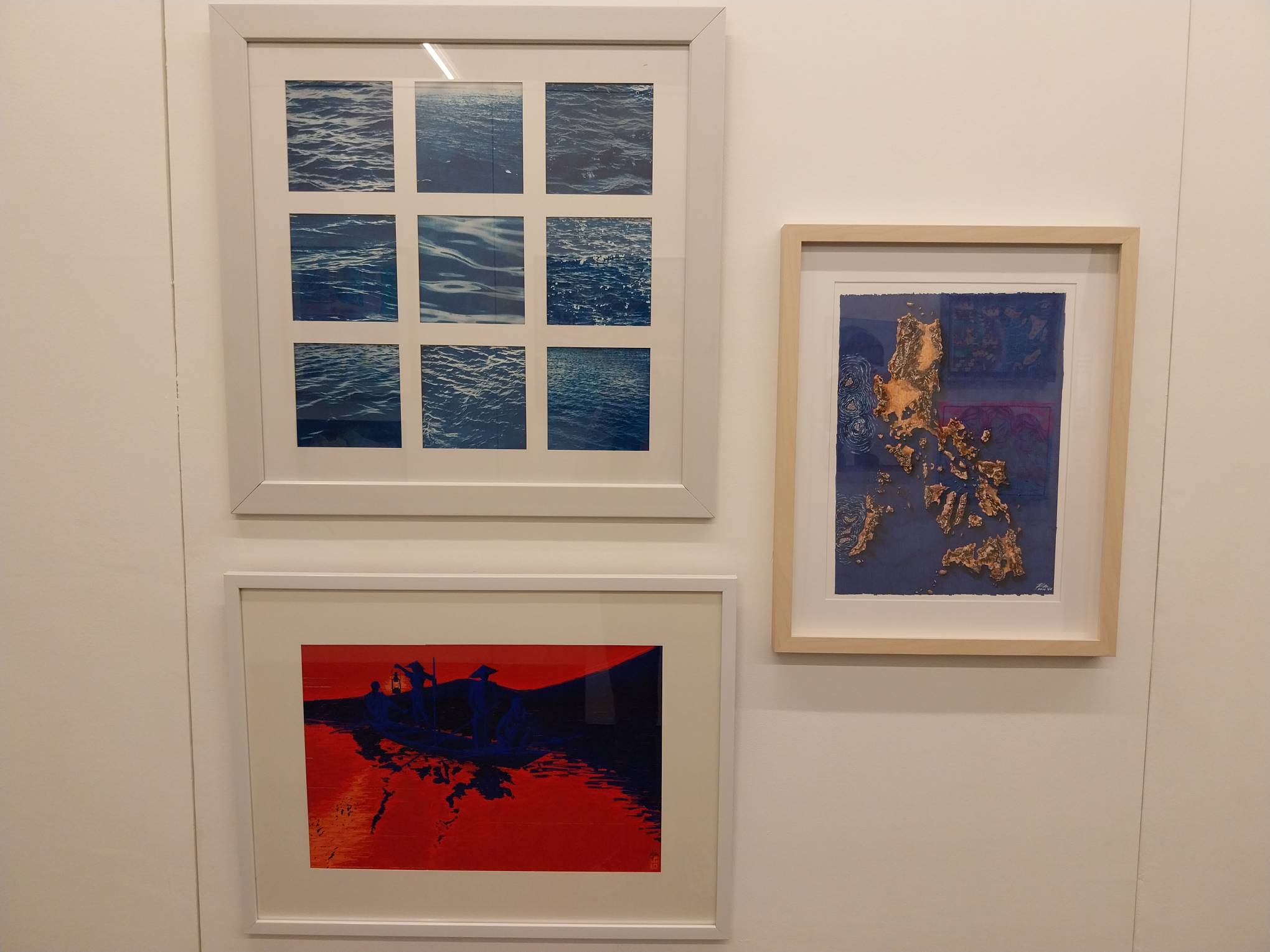
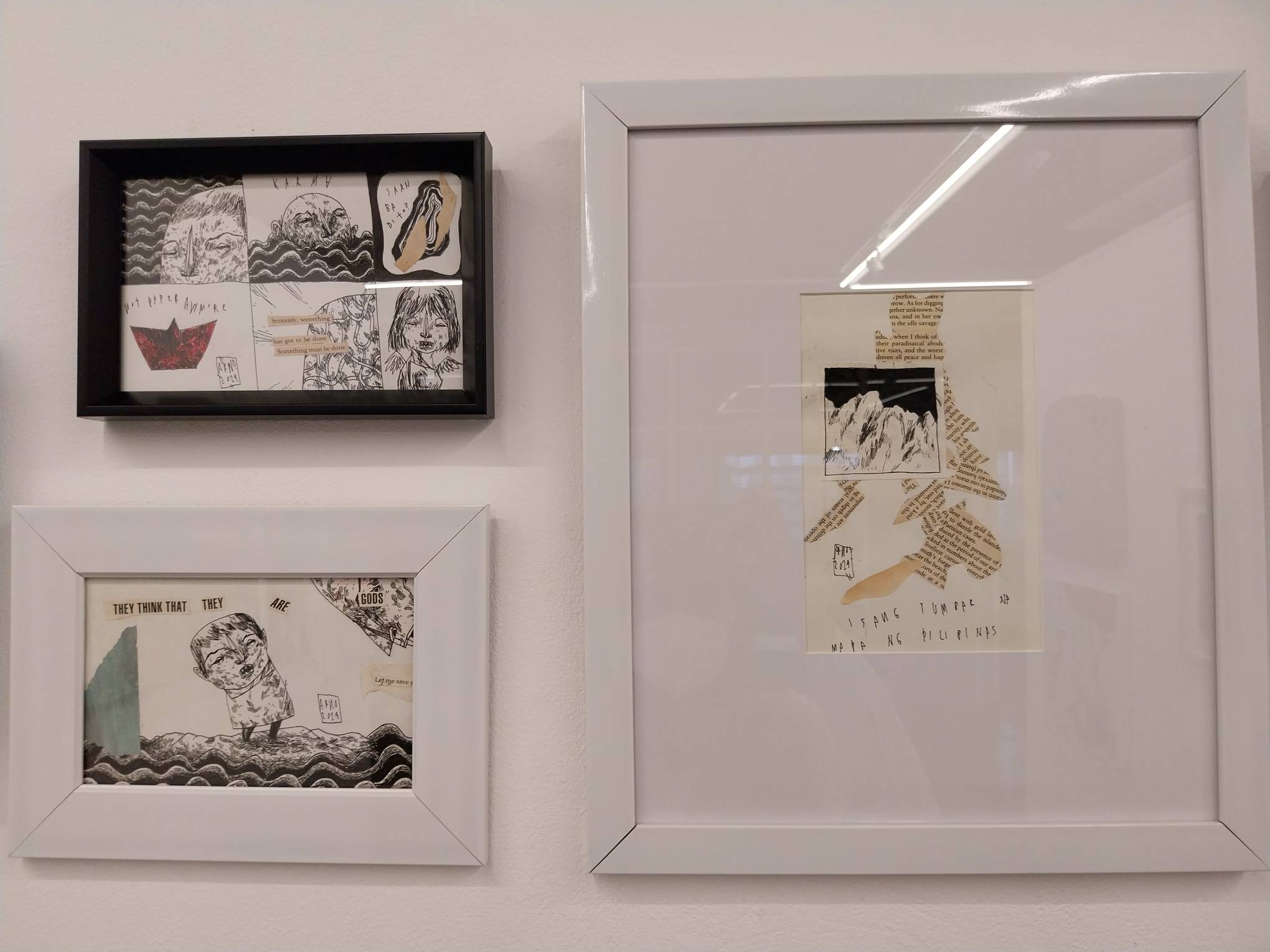
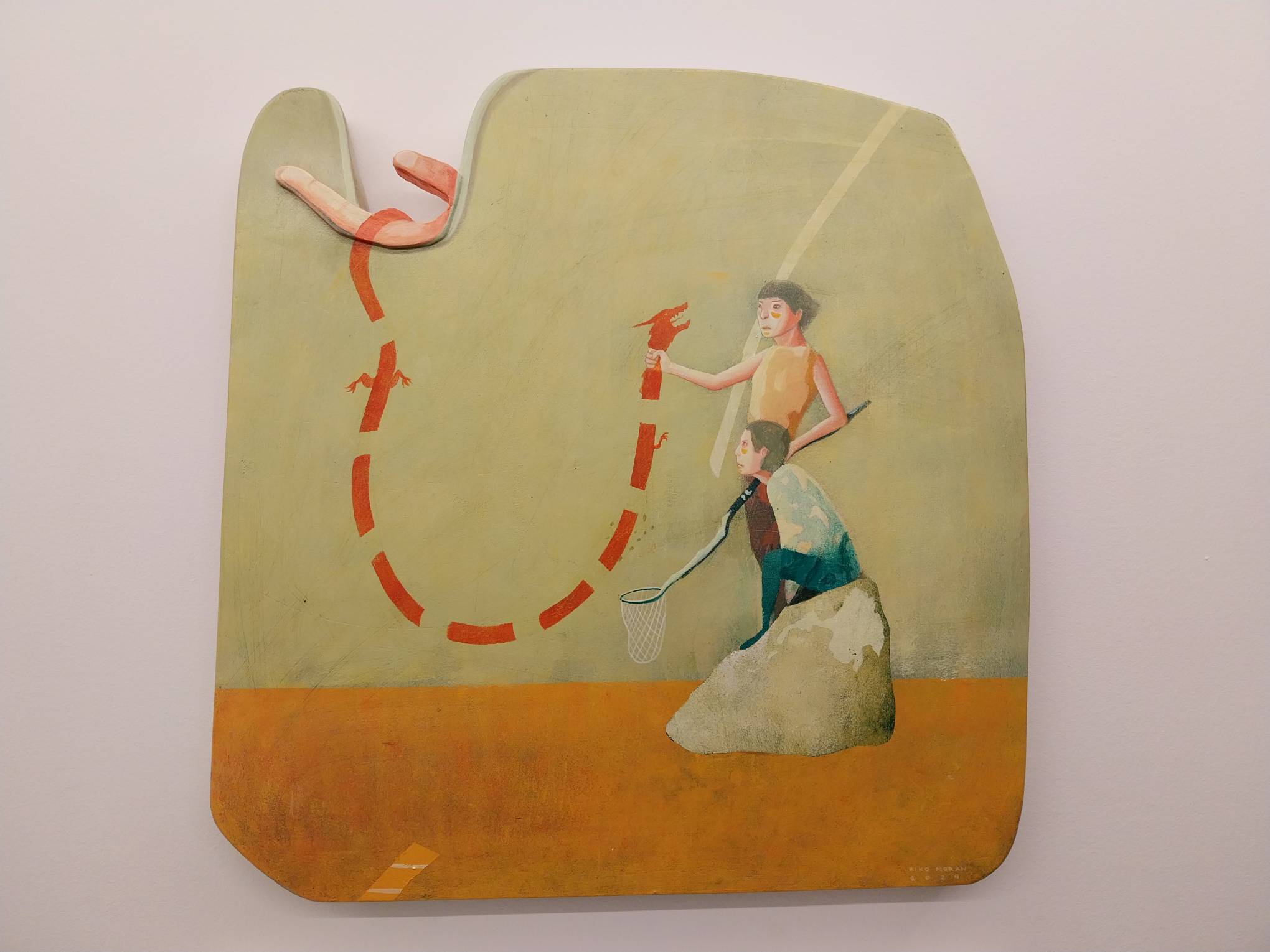
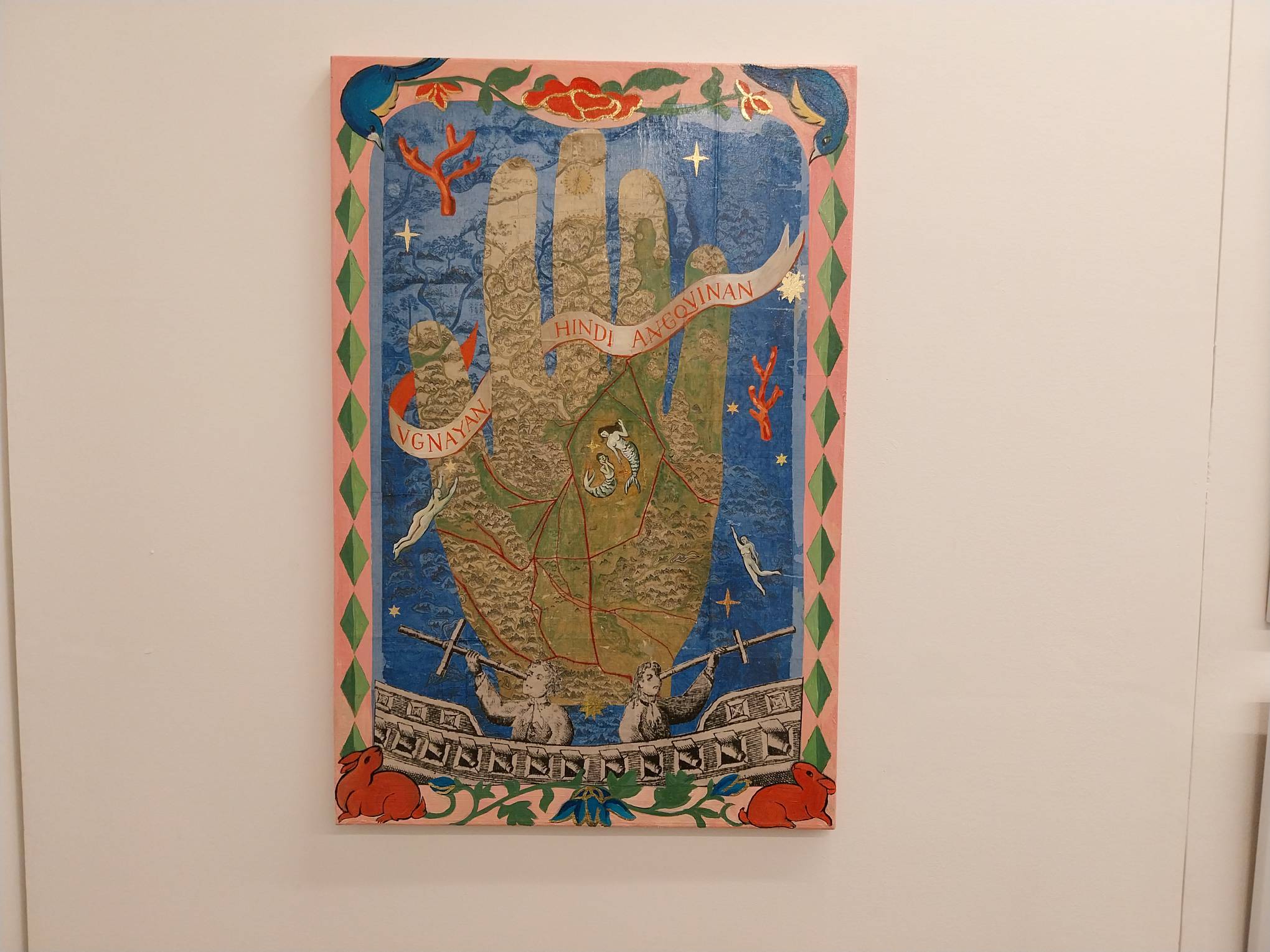
For the exhibit, much of the works showcase interpretations of the Philippine map to portray the subjugation felt by the populace over the matter. Rommel Cahilo’s “Kanlurang Kilapsaw,” for example, recreates the Philippine map with the disputed areas in prominent display.
Volta’s “Gonna Tell My Kids This is West Philippine Sea” paints a map of South East Asia, with the eyes of a Filipino peering through the waters as it gets painted over by a pig-humanoid creature. Meanwhile, Arno Salvador’s “Tumpak na Mapa ng Pilipinas” pieces the map together through pages of paper, before superimposing a drawing of the mountains over it.
Betrayal in the Territorial Fight
But it goes beyond images of the territory; the exhibit itself focuses on yielding space to allow the artists to dissect the complicated emotions related to this fight.
So we get “Kanlungan Sa Kanluran” by JCDELIC, who paints fishermen out at sea as the skies and waters turn blood red. The painting evokes a sense of doom for the fisherman, who day-in and day-out face the aggression of Chinese forces as they attempt to do their living.
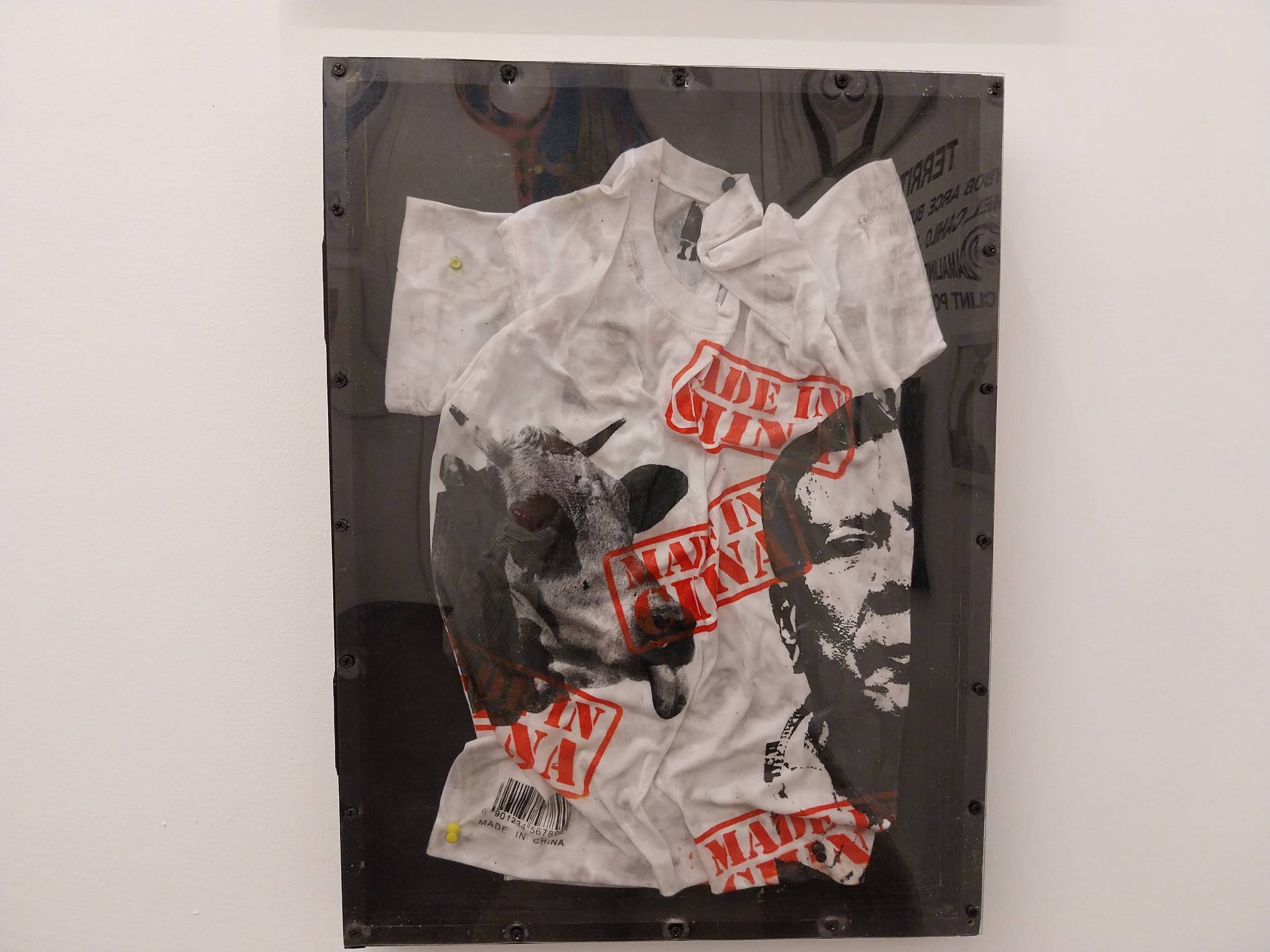
We also get Burn Aquino’s “Gentleman’s Agreement,” which is a crumpled shirt with Duterte’s face and bull printed on it. Stamped ink saying “Made in China” proliferate the shirt. It expresses the artist’s anger over the former President’s apparent selling-out of the country to Chinese interests.
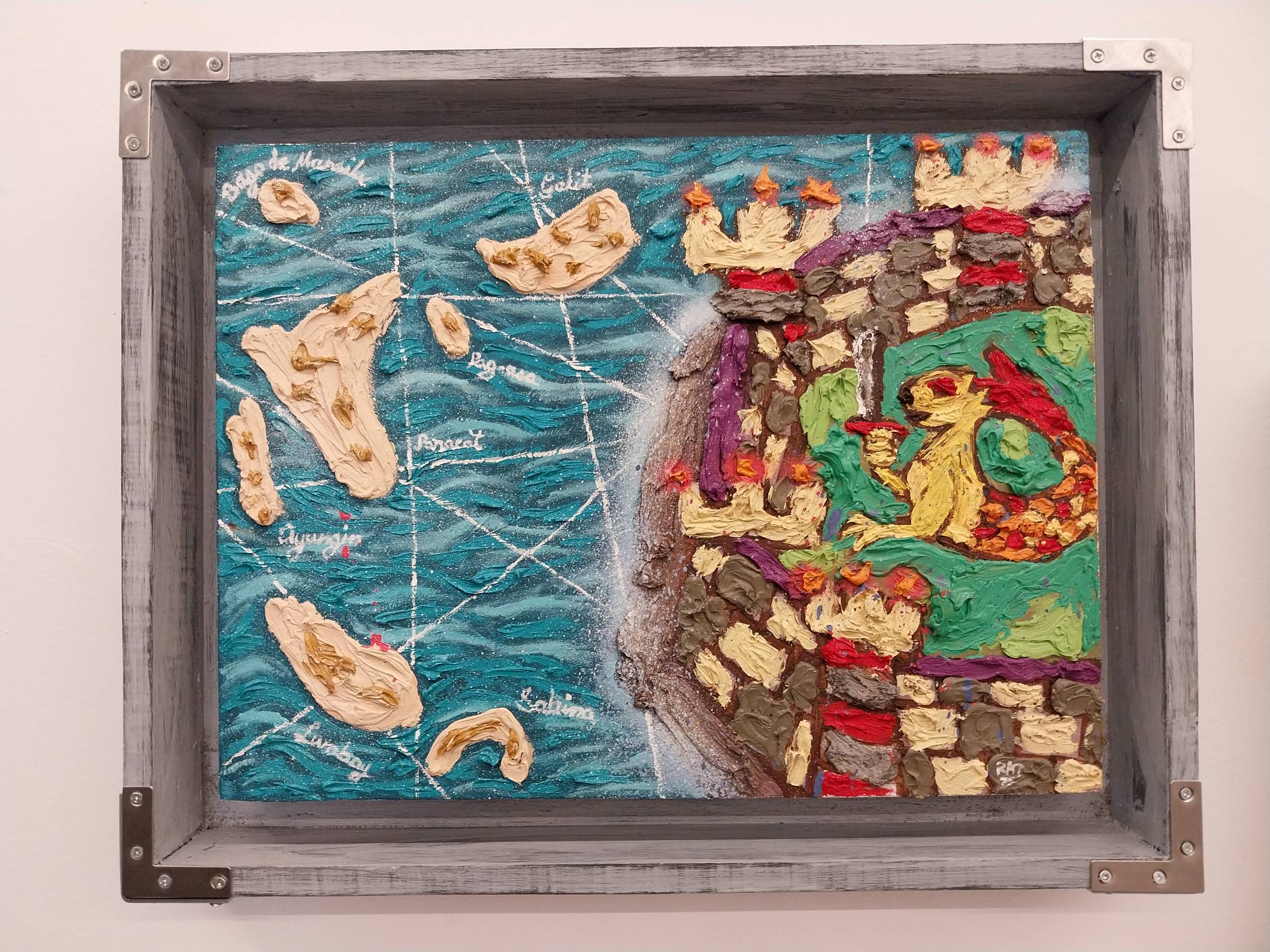
“Colmillos del Archpélago” by Kirk Tabanera takes a more proactive stance on the subject. Their work portrays a sea-lion behind imperial walls watching over the disputed islands. In essence, the artist is reiterating the need for the powerful to keep possession of the lands of the country. It is, more than anything, a call to fight for what’s ours instead of yielding to other powers.
Dealing with Trauma
The works feel deeply rooted in the meaning and identity of the Filipino themselves. For these artists, this territorial dispute is a time for togetherness, as a way of rediscovering the meaning of being Filipino.
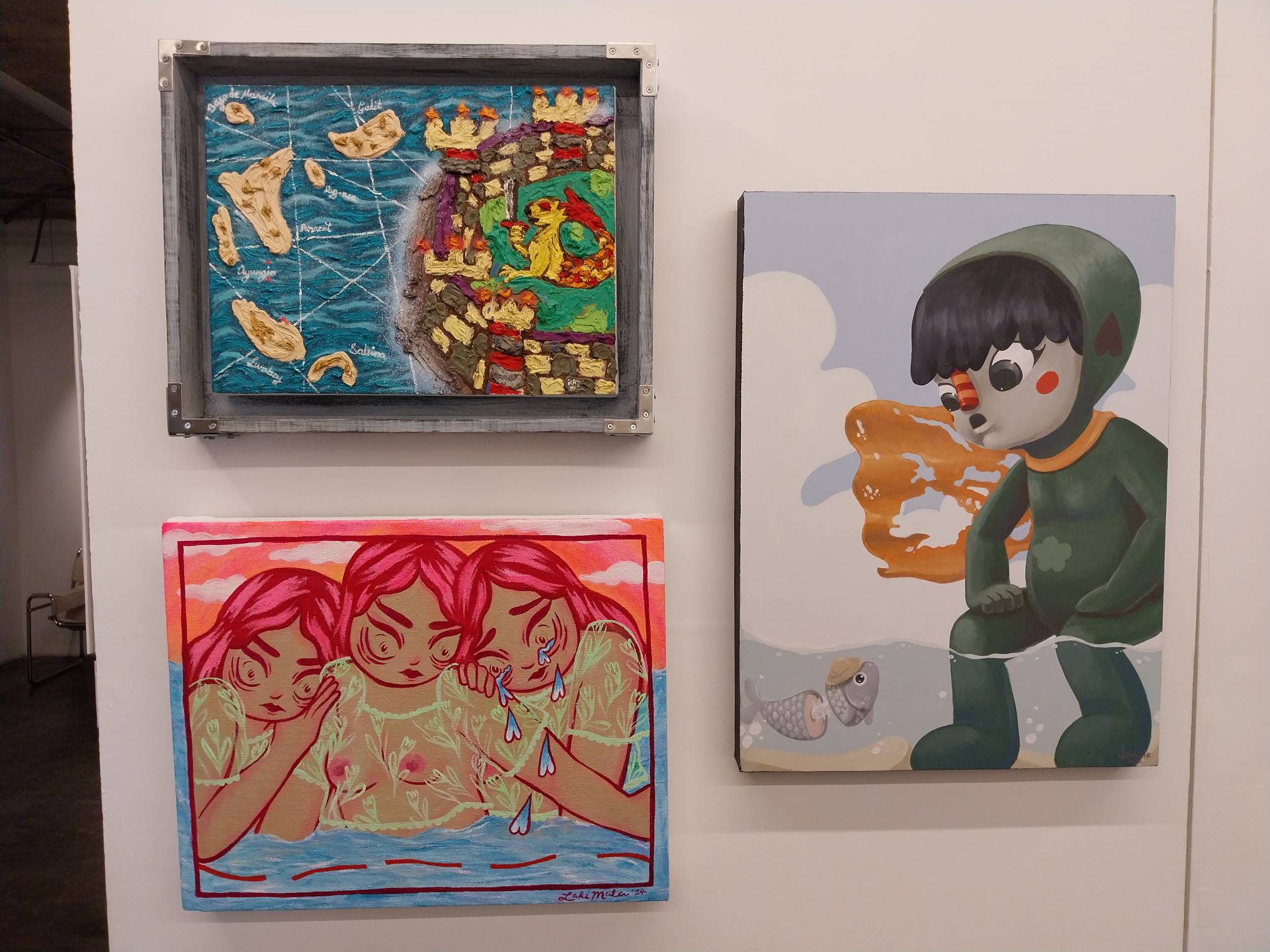
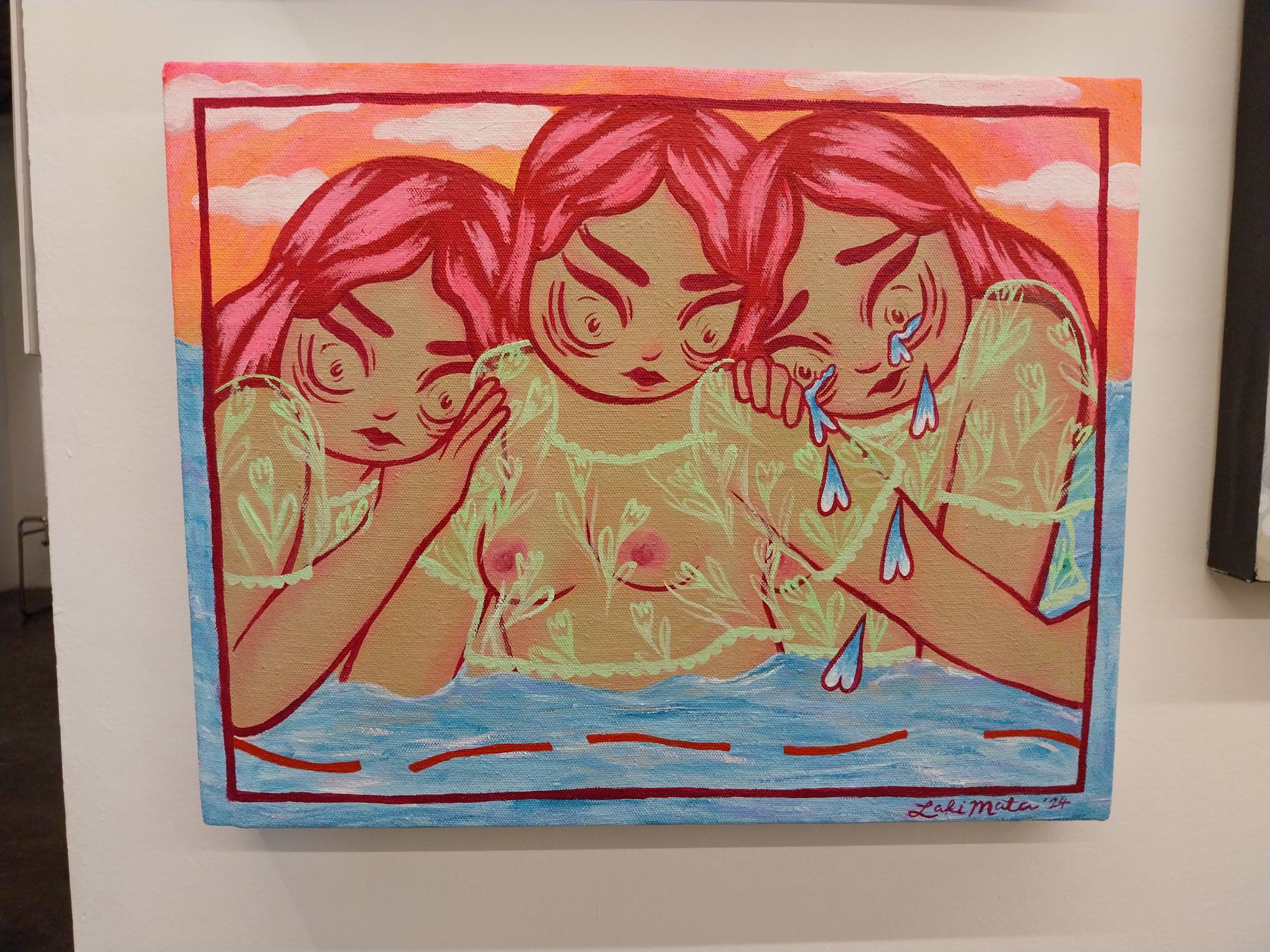
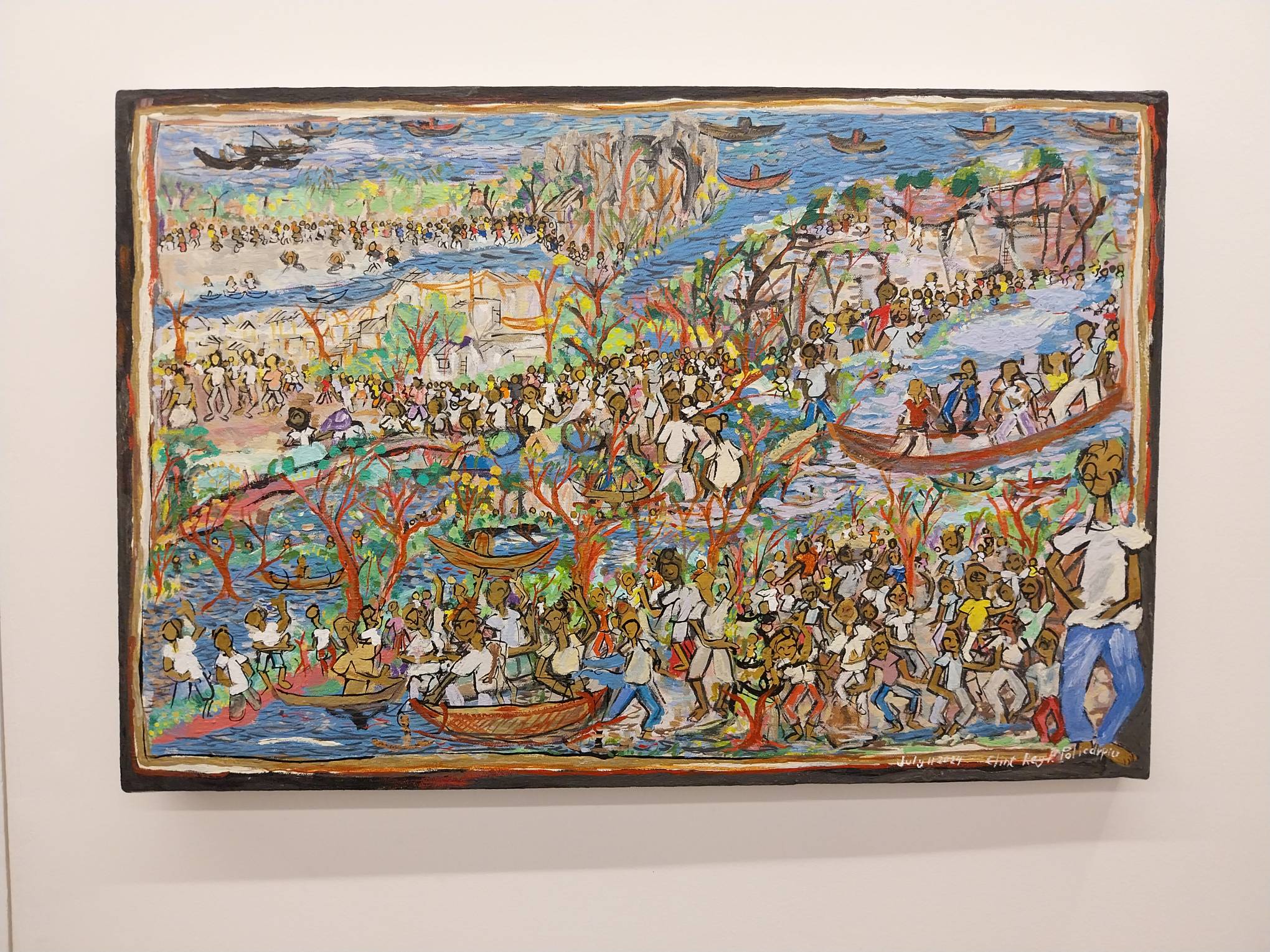
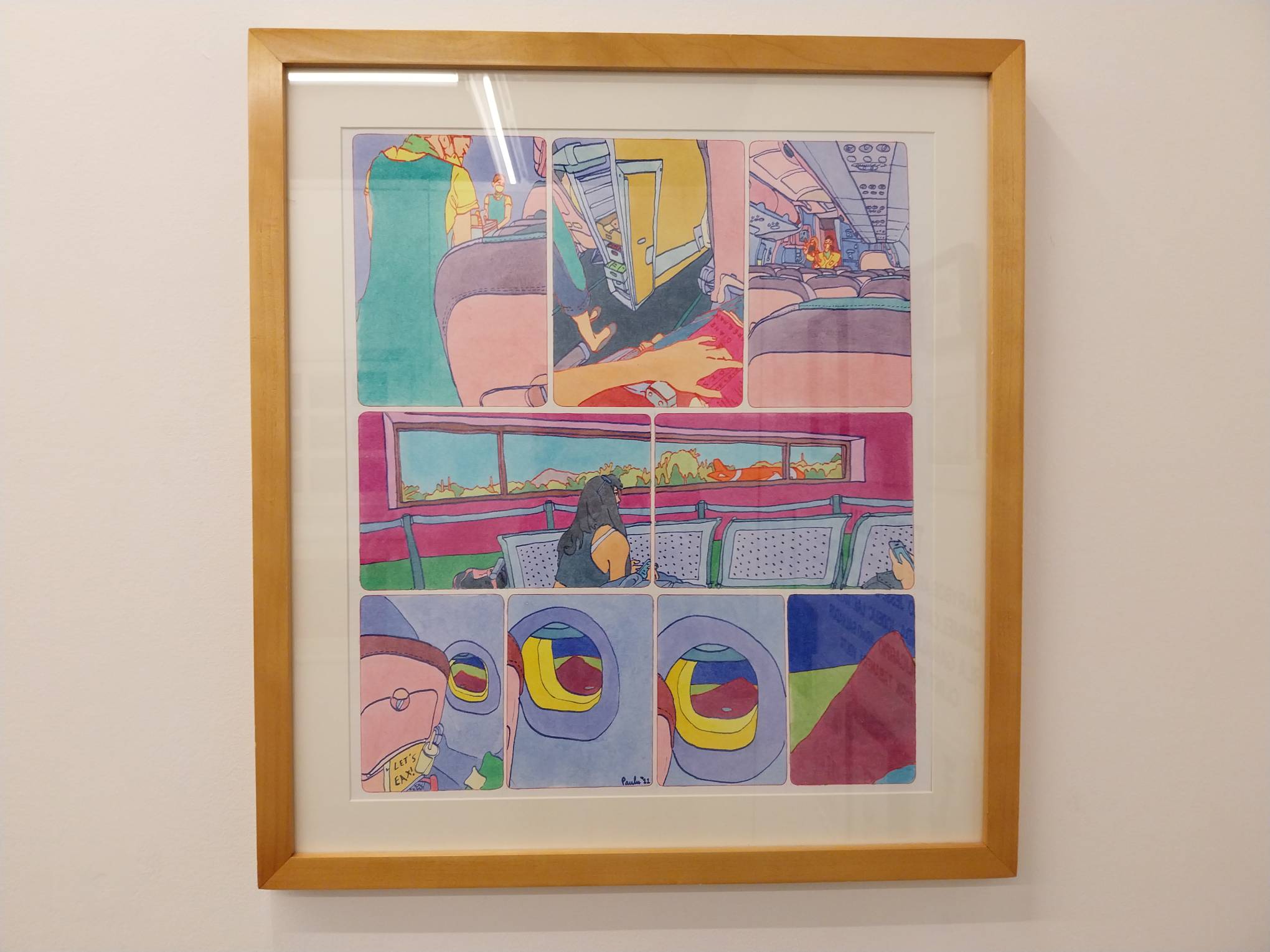
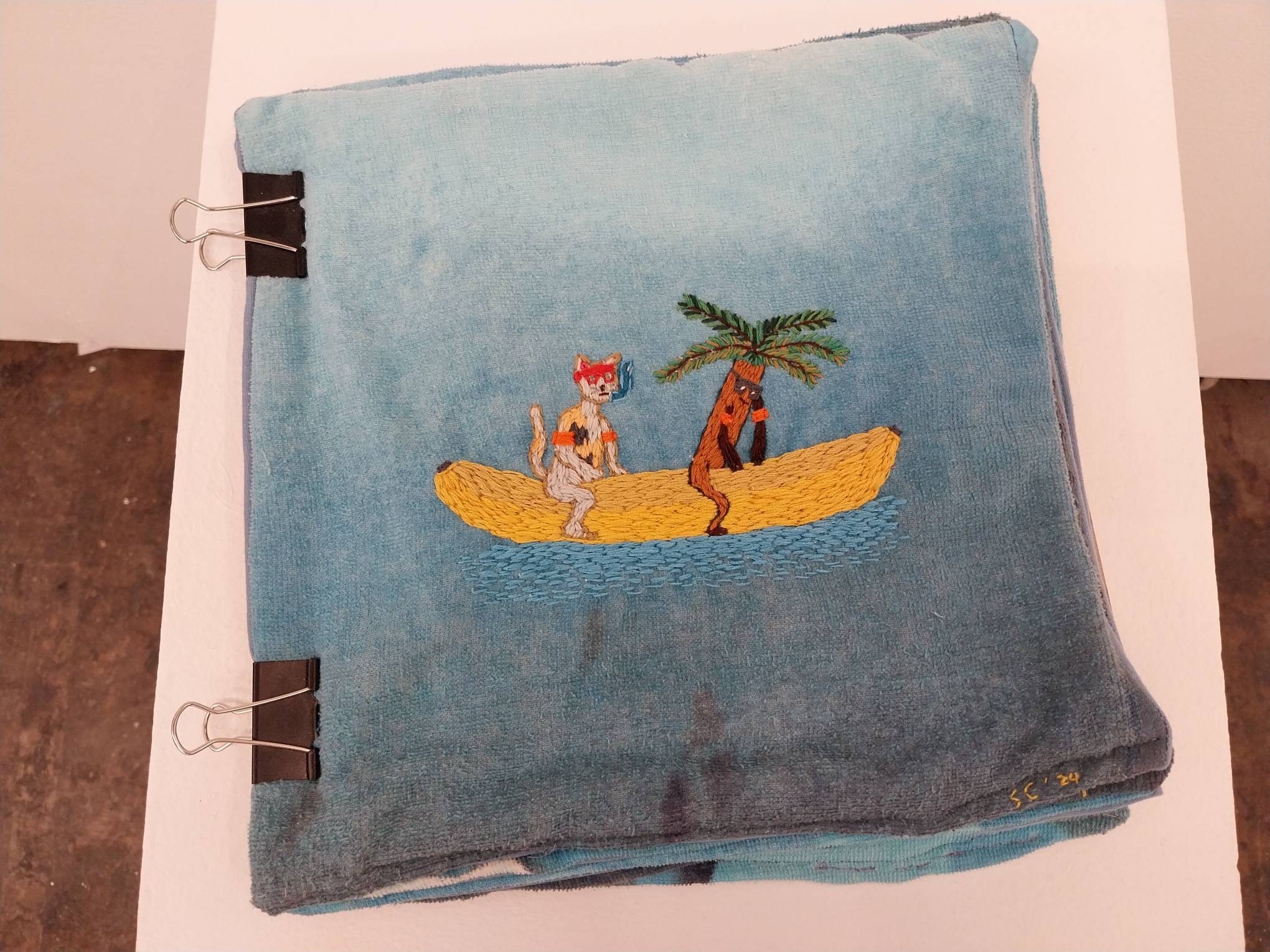
Works like Jesse Camacho’s “Even the Fishes are Filipino” or “Panacot, Galit, at Lumbay” by Laki Mata communicate this feeling of togetherness that we have as we experience this collective trauma in our country. And “Barangay Bantigue Palawan” by Clint Policarpio finds the community which exists in the experience—one that transcends the trauma into creating a better future for the country.
Territorial expresses some of the grand emotions felt by the Filipino people for this dispute. Beyond that, it works as a time capsule for our politically-fraught time, as a way for Filipinos to find the strength inside them to stand for their own interests against a world superpower.
Related reading: Josephine Turalba Showcases Her Tapestry of Life ‘Click. Share. Tag.’
Frequently Asked Questions (FAQs)
The exhibit marks the arbitral ruling anniversary, showing art’s role in highlighting the West Philippine Sea.
Artists use paintings and installations to depict conflict, hope, and sovereignty over the West Philippine Sea.
Themes include sovereignty, identity, resilience, and the environmental and political aspects of the sea dispute.
Artists use mixed media and textures to symbolize the sea, land, and human interaction in their artworks.
Exhibits educate the public, sparking dialogue and awareness on the Philippines’ maritime rights and sovereignty.
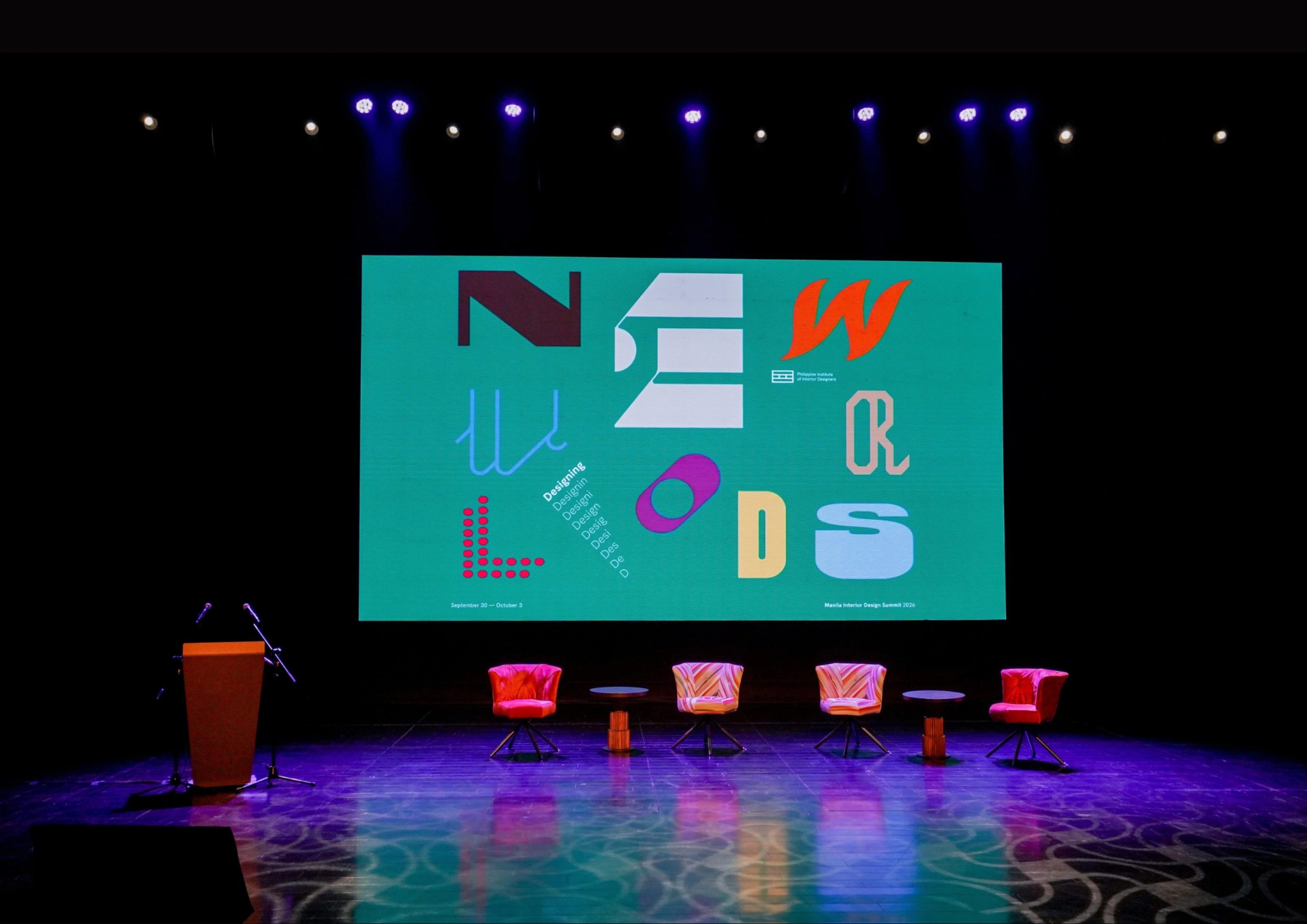
The fourth Manila Interior DesignInterior DesignThe discipline of planning and shaping interior spaces for function, comfort, safety, and beauty. It covers layout, lighting, materials, finishes, furniture, and color, and in the Philippines is a licensedGo to Interior Design Glossary Summit (MIDS) brought together more than 300 delegates for four days of conversations, exhibitions, and design […]
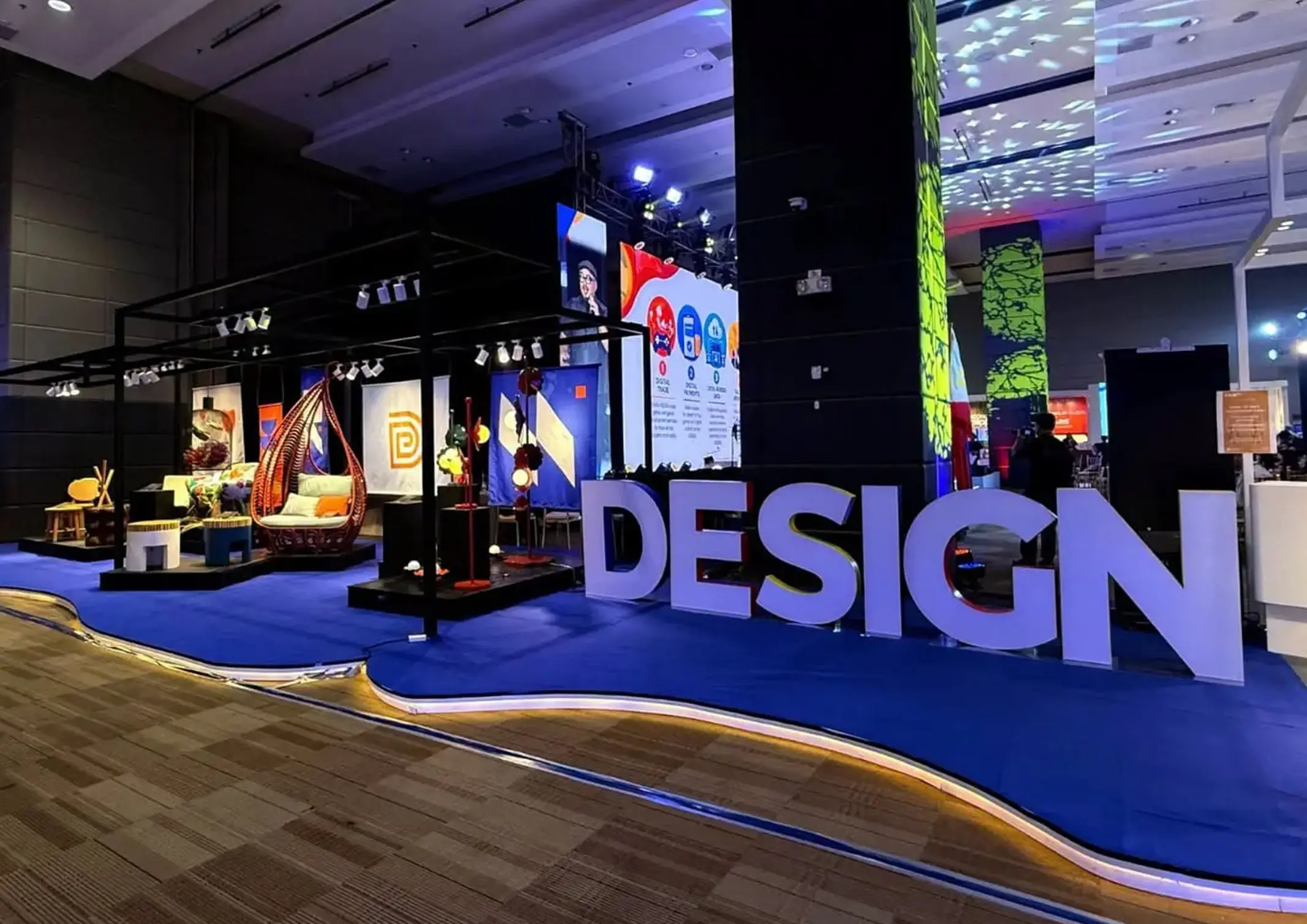
Held at the SMX Convention Center Aura in Taguig City, the first ASEAN Creative Industries Expo by Malikhaing Pinoy (ASEAN MPEx) features nine creative domains, including design, visual arts, digital interactive media, and performing arts. Organized by the Department of Trade and Industry (DTI), the event includes exhibitions, cultural performances, industry talks, and pitching sessions […]
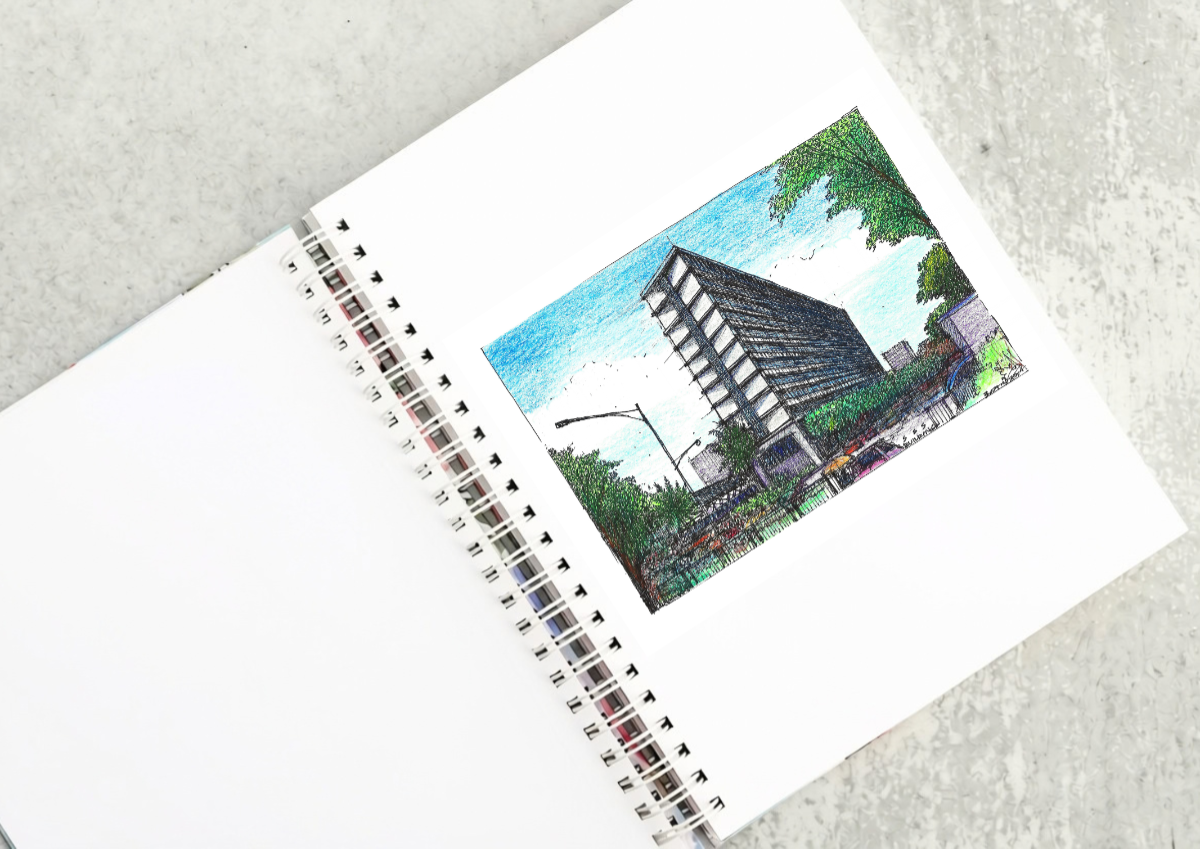
The SSS Building as an Expression of Civic Modernism My favorite modernist landmark in Quezon City is the SSS building on East Avenue. Designed by National Artist for ArchitectureArchitectureThe art and science of designing and constructing buildings, structures, and spaces that are functional, safe, and aesthetically pleasing. It encompasses the planning, design, materials, and techniques […]
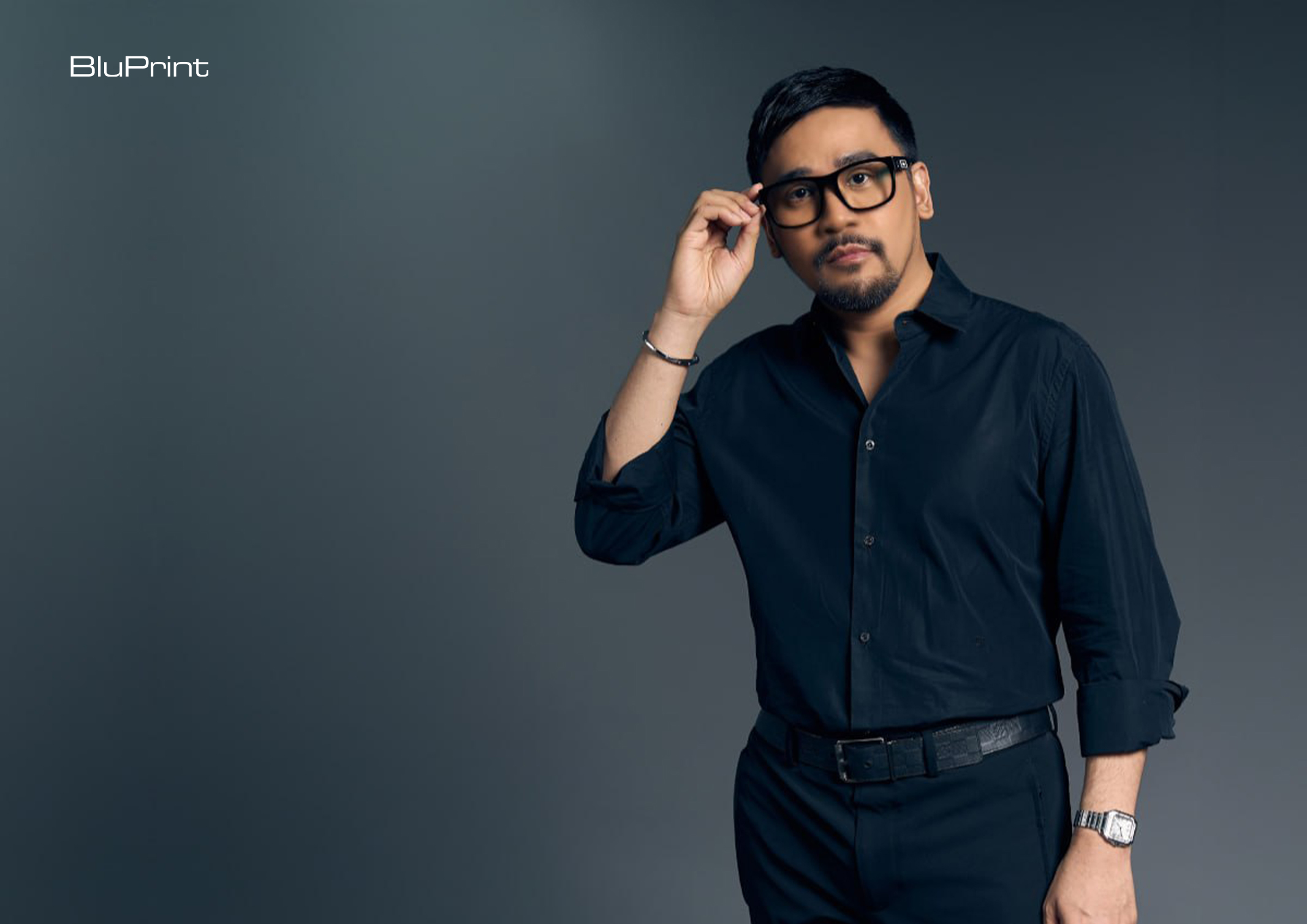
Archie G. Carrasco, Chairman and CEO of AGC Power Holdings Corp. (AGC PHC), has been named to The BoF 500 Class of 2026 under the Media category, joining The Business of Fashion’s global community of individuals shaping the fashion industry. Carrasco is among 100 new members from 33 countries and 48 nationalities selected for the […]
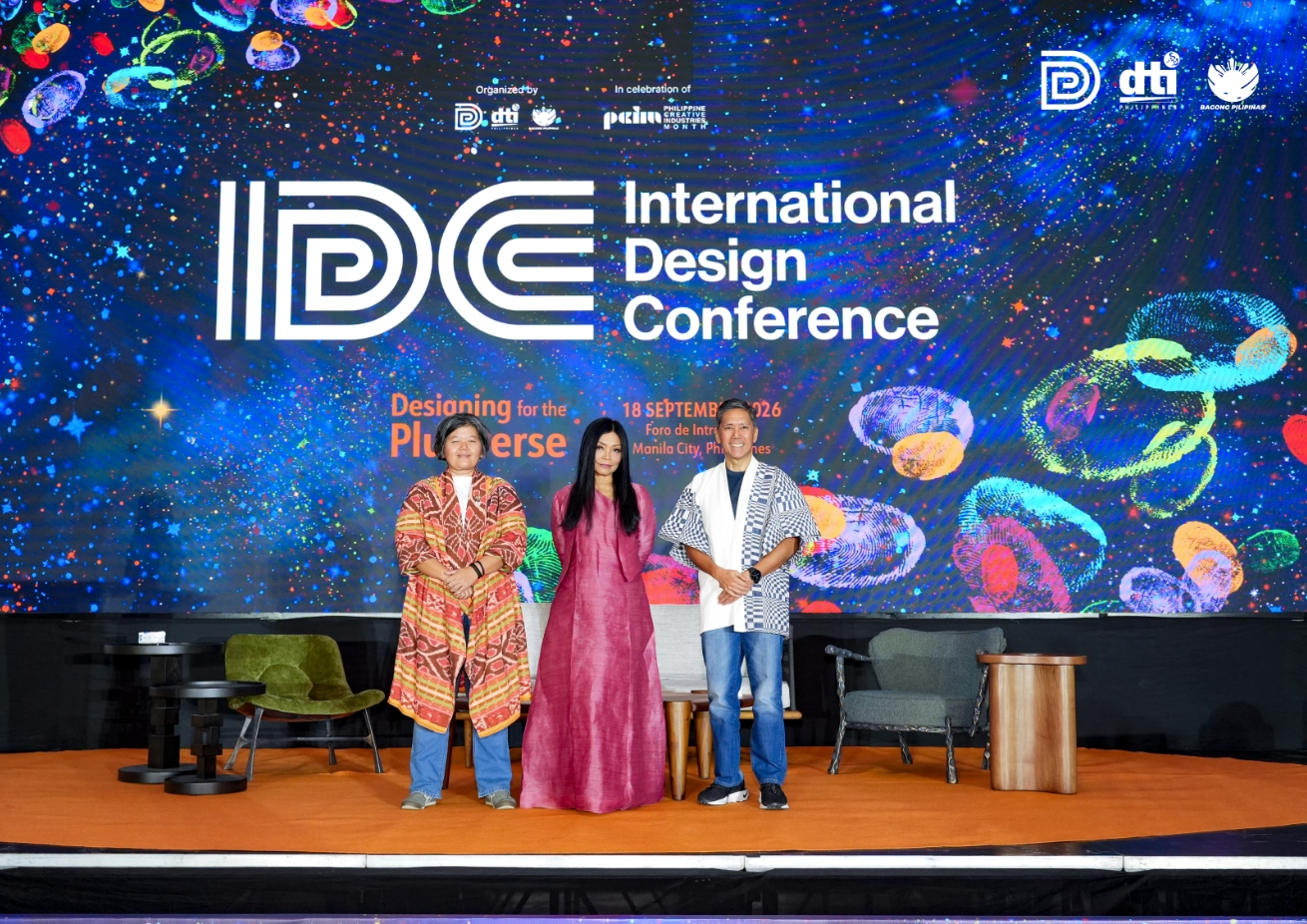
Culture in design does not always announce itself through a recognizable motif, material, or symbol. It can also be embedded in the relationships designers build, the knowledge they listen to, the materials they choose, and the decisions they make in response to communities and their environments. This distinction emerged throughout the 2026 International Design Conference […]
Read the issues.

Collect the volumes.

Recommended Video
Tap to Unmute
Unmute
0:00
0:00