Bigkis is the act of binding. In Tagalog, the word can refer to something used to bind or encircle, as well as a bundle formed by tying several separate elements together. Figuratively, it can also mean a bond, union, or unity. The meanings move from the physical act of joining things together to the connection […]
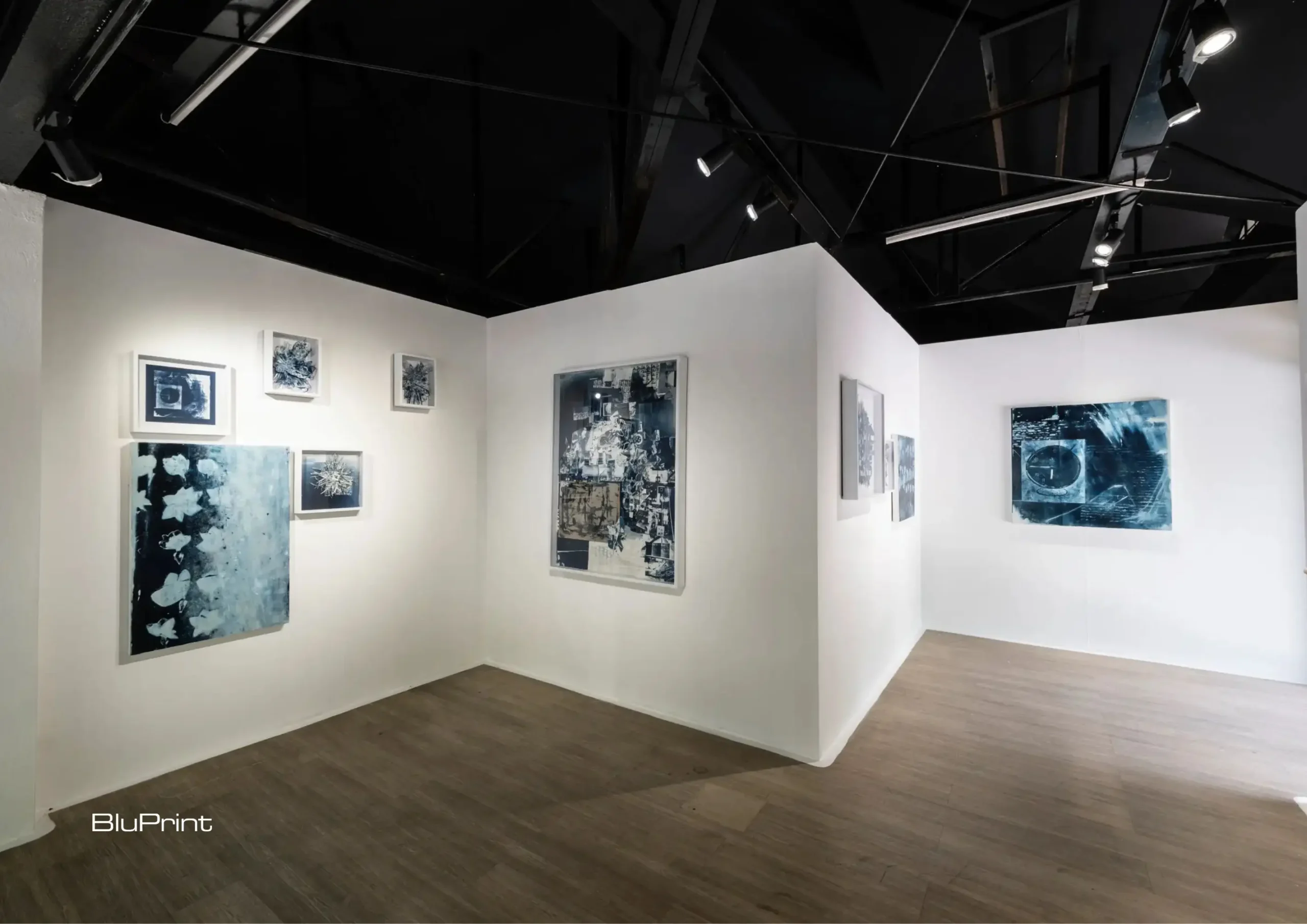
Artist-Run Spaces and Balancing Business with Community



Artist-run spaces and galleries like MONO8, Gravity Art Space, and Kalawakan Spacetime usually focus on the artistic ambitions that they foster. And yet, even they need to find ways to pay bills and make money. That is how our world is structured, and artist-run spaces are not immune to those needs. They constantly need to find the balance between that and staying true to the community they’ve built and the ideals that matter to them.
In a continuation of our profiles on artist-run spaces, their founders and creative directors elaborate on their community-building outreaches, and discuss how they are able to continue to sustain the business while remaining true to their values.
Opening Towards the Community
With that in mind, all three galleries work very hard to ensure that the artwork reaches a broader audience than what they have in mind. With MONO8 and Gravity Art Space especially, they make sure to create programs that go beyond the exhibits and the artworks that are being shown.
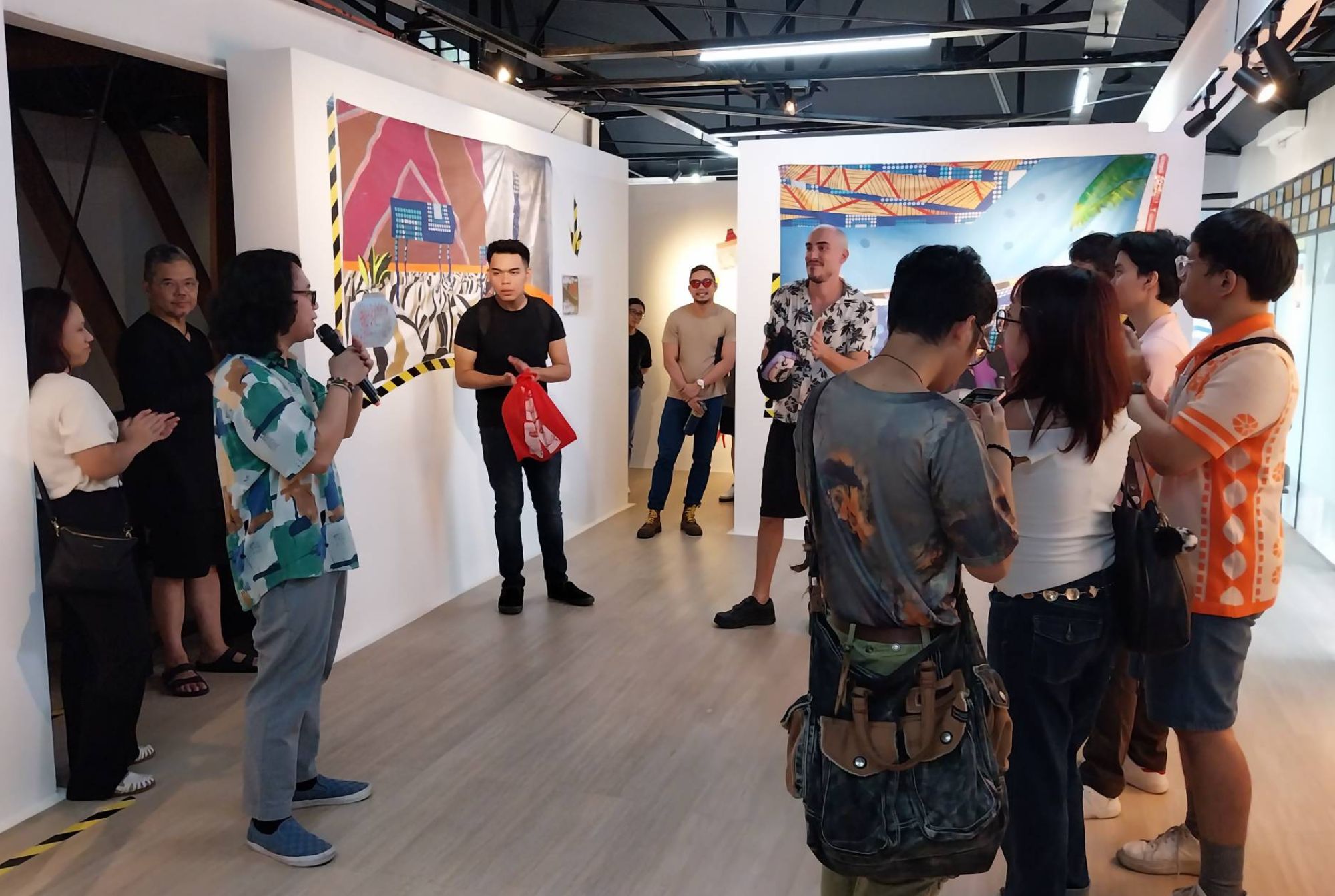
“[Ang] nga-yayari din dito [ay] tinatry natin na punuan ng mas maraming human connection, human interaction,” Indy Paredes said. “Kaya may exhibits na anim sabay-sabay, merong talks, may discussions, may internship.”
(“What happens in our gallery is we try to create more human connection and interaction. Thus the six exhibits, the talks and discussions, and even our internship program.”)
Gravity Art Space does a lot of artist talks and events, giving people the opportunity to freely discuss the artworks directly to the artists in question. Their location, close to schools and residential areas, make them the perfect location for first-timers, especially, to engage with art.
Going to the Grassroots
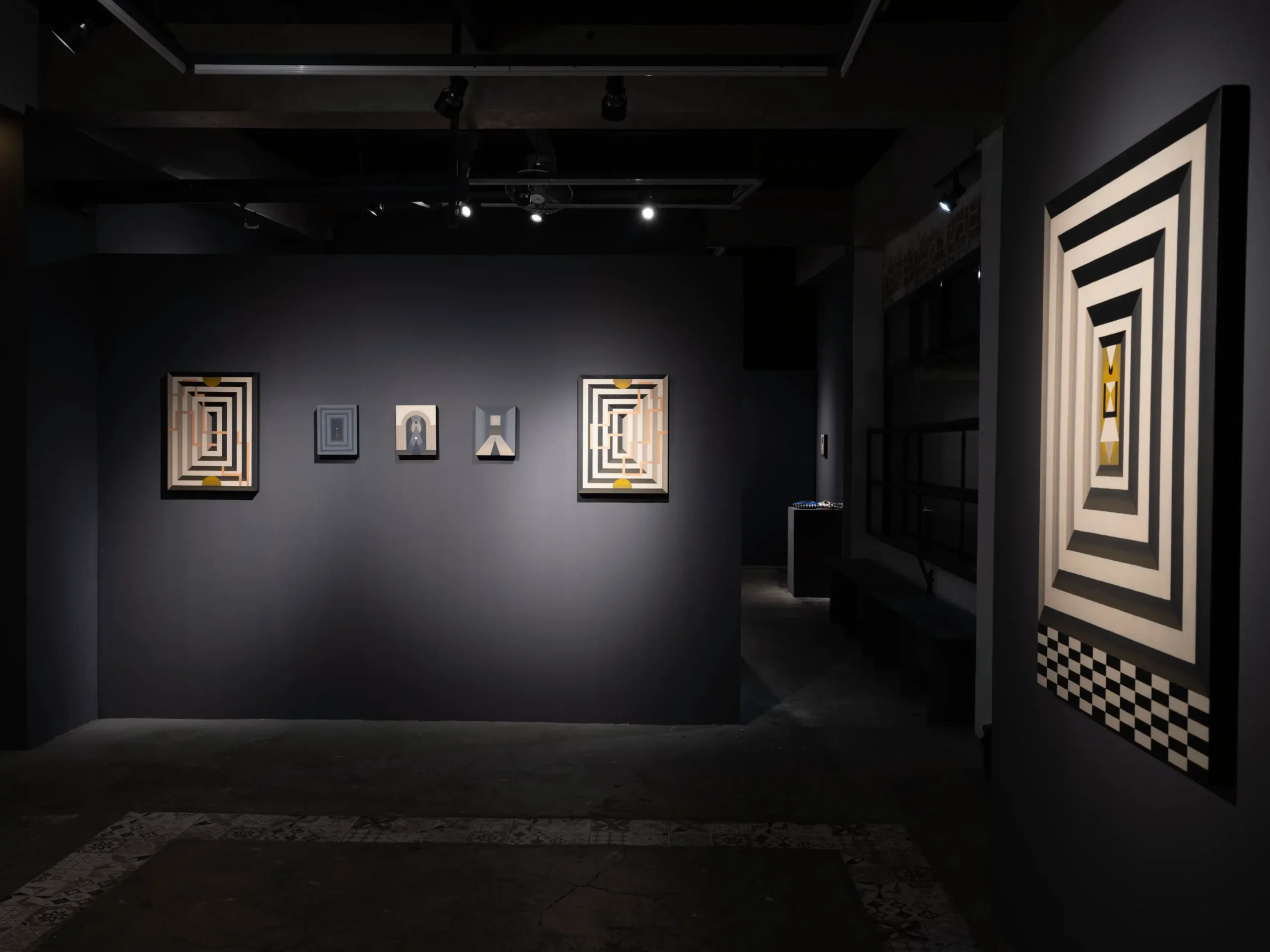
MONO8, meanwhile, seeks a lot more than just artist talks for their programming. For example, their recent exhibit with Pepe Delfin, A Bird, A Cage, A God of Flowers, had a zine-making workshop for women that they did in collaboration with Lunas Collective. Just like her desire to create a close-knit community with her artists, Gwen Bautista also wants to create a close-knit community with their audience.
“I’m always, ‘if you want to change something, you have to try to do it in small ways,’” she explained. “It’s OK if you can’t do bigger things, if you can’t do grand things—that’s OK. But you know, when you do even the smallest contribution, that gets multiplied because of the people that are part of the smallest, most intimate program we have here.
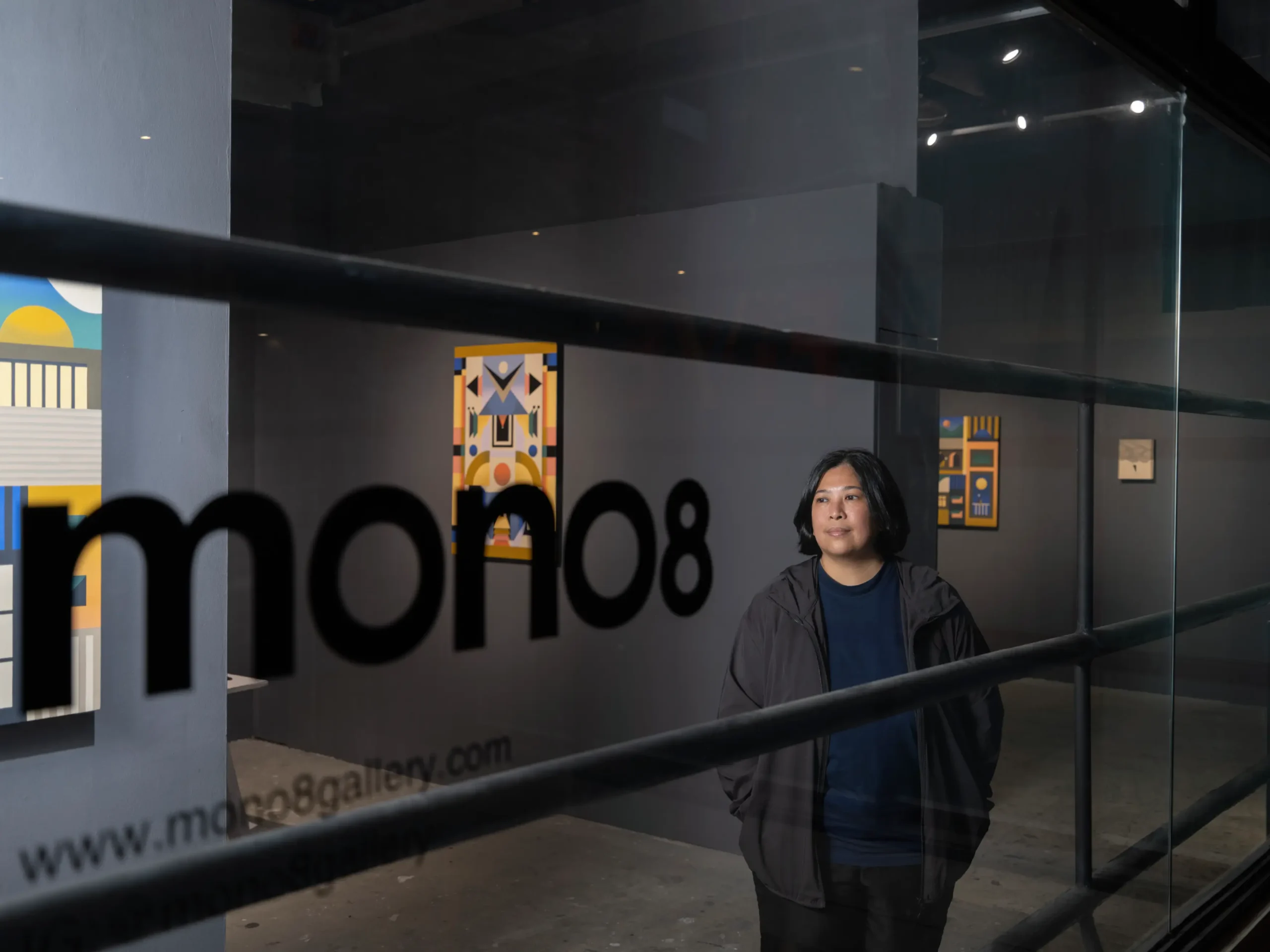
“That’s the kind of change that we want. It is more for people to be more open into voicing themselves out and for people to have a platform to have this voice.”
Beyond that, MONO8 also does more expanded exhibitions compared to their peers: their exhibits tend to run for two months instead of the typical one-month span of time, giving people more time to visit their exhibits and more time to discuss the works.
“We wanna be able to have a program where people can slow down,” Bautista explained. “Artists can really take their time when we do exhibitions, curators [would] be able to come here and freely discuss [the exhibits], or [even] invite curators also who can help us work on our exhibitions and work with artists fully.”
A Safe Space for the Underground
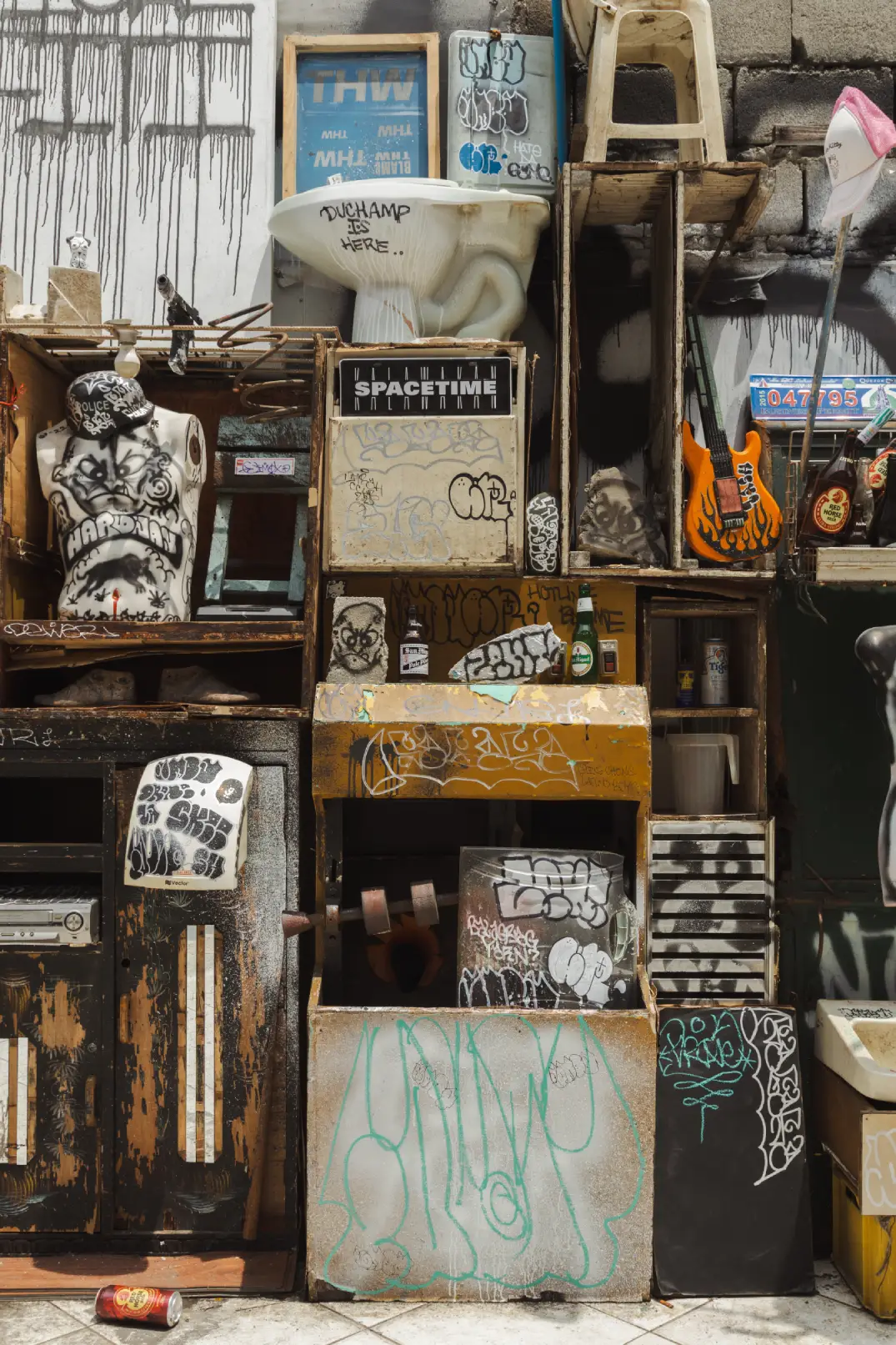
Kalawakan Spacetime, already catering to the underground, naturally attracts their own communities and subcultures from the work that they show. But even Gabriel Naguiat was surprised at the intersectional nature of the communities that they end up attracting.
“Nakakagulat nga because, noong opening last Sunday, ang daming pumunta,” he shared. “Tapos iba’t-ibang scene. Yung iba naka-motor na, the bike scene, the motorcycle scene, the tattoo artists, the hip-hop scene was also present, skateboarding scene, the punk rock scene.
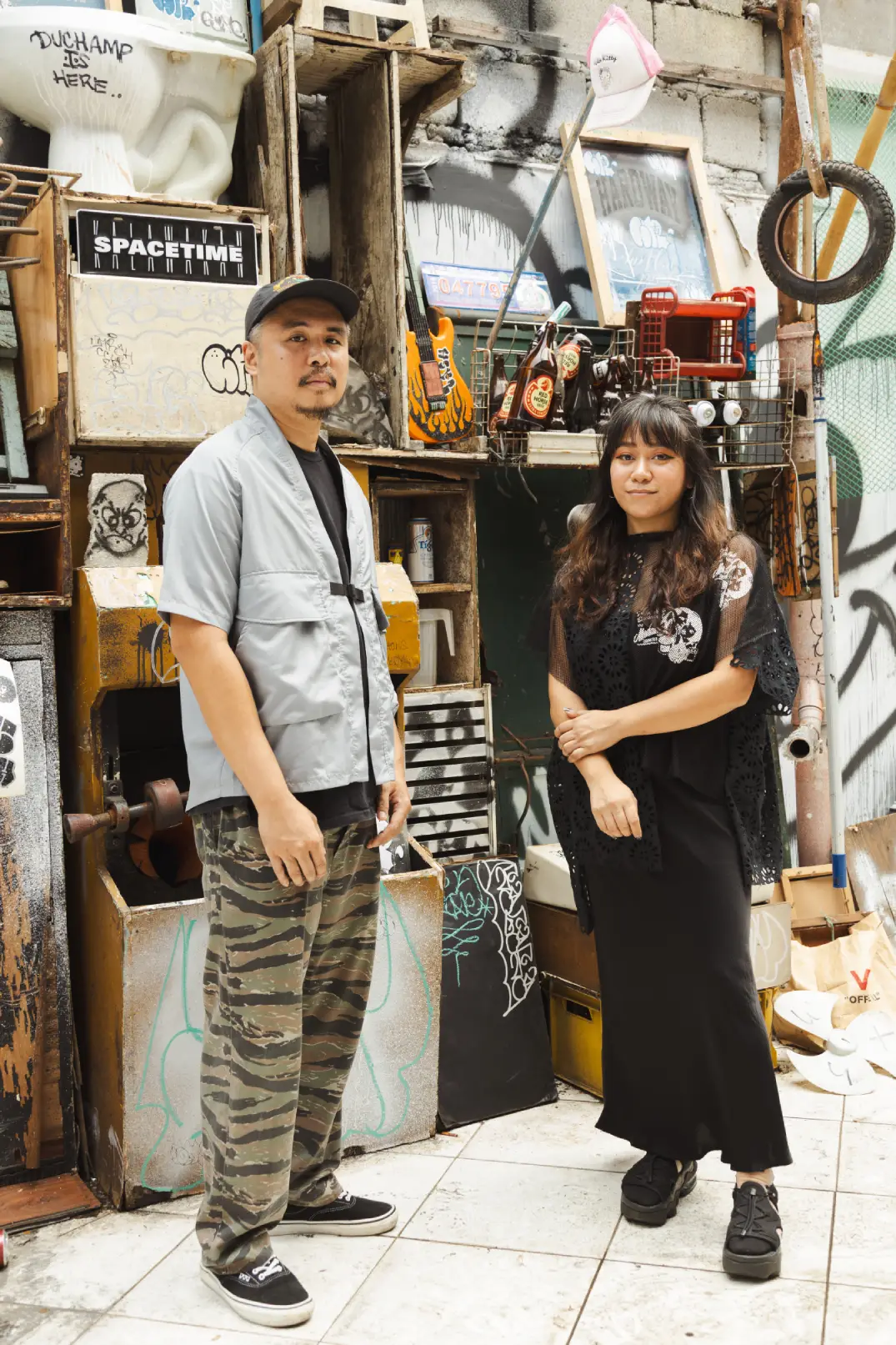
“Lumalawak din ng lumalawak. Nagkaroon na sila ng sari-sariling barkada. Naging hybridized na siya. And then they start collaborating with each other na. An artist does a shirt for this other brand group. There’s also collaboration style music din, [between] mga DJs.”
(“It’s surprising because in our last opening, a lot of people came, and it’s people from different scenes. The communities we attract get broader and broader, and they create their own subcommunities and start collaborating together.”)
“I guess it’s also important to see, to even just see people as they are: see talent and appreciate that before,” Sunday added. “I mean, you know, as artists, you just want someone to understand or see you and then when that happens, it gives you another chance in life.”
The Business of Making Art
Of course, challenges exist in showcasing art. For all three galleries, a common refrain is a lack of funding, especially with the narrow focus that the government and private institutions tend to give with regards to what art they fund.
“Let’s be straightforward, there’s a lot of people here who are very hard-working; brilliant, even,” Bautista said. “But they get into a lot of challenges because of funding. There’s not a lot of exhibitional funding available. […] There’s funding, but I don’t think it’s balanced out: some areas have more of it, some areas probably do not have it. Our role as artists and curators and cultural workers and collectors is to bridge that gap. That’s the biggest challenge.”
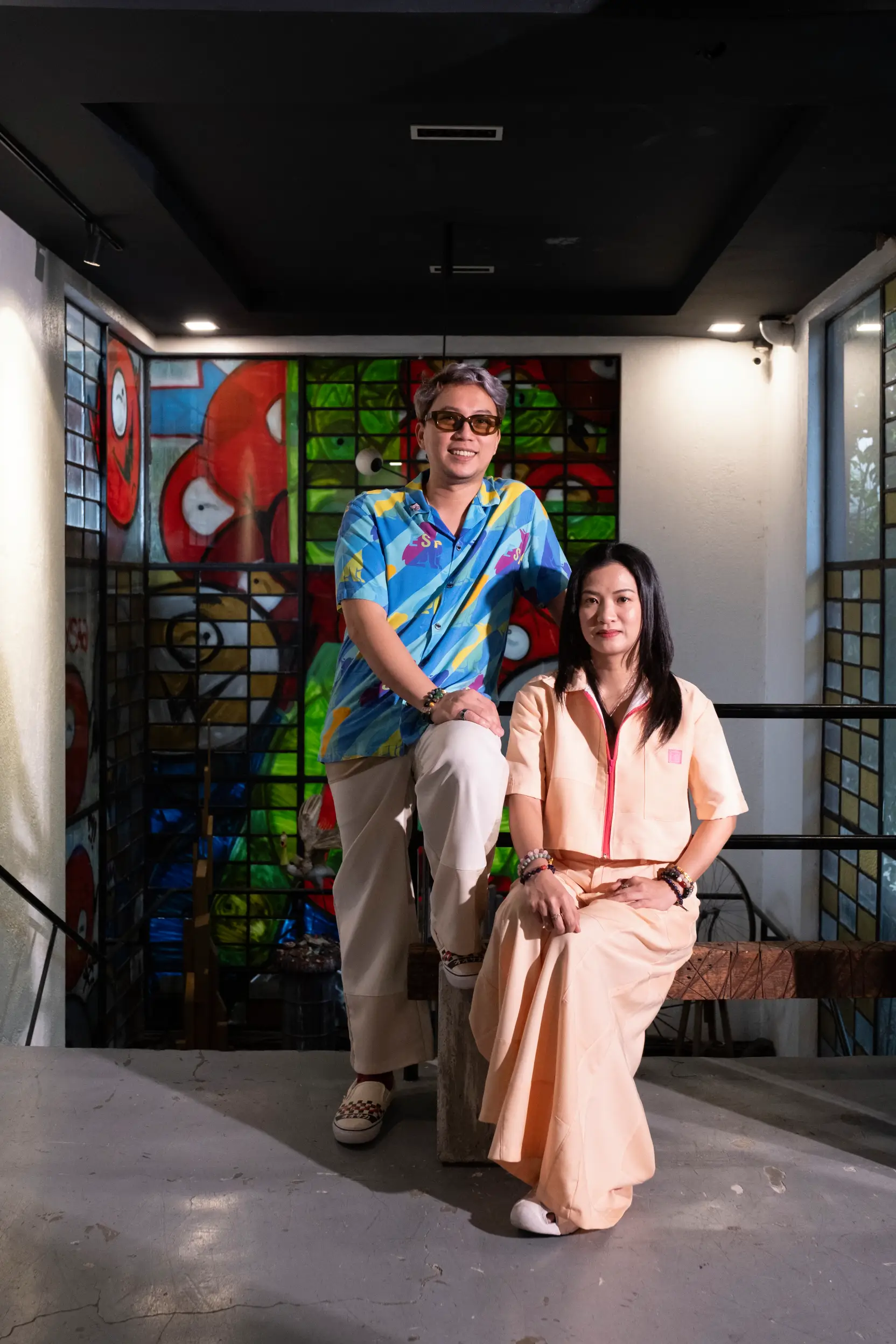
Bautista is upfront to her artists about the challenges of running a gallery. While she does not impede their goals, she guides them through the economic conundrum of it all.
“Every time I speak with an artist, I always highlight or I always emphasize that we inherited a structure where we have to commercially-sustain our own practices and livelihood and so I help them understand the realities of this industry,” she said.
Jan Sunday shared that Kalawakan Spacetime’s recent exhibition in relation to the Quezon City Biennale, they did fundraisers to mount it, not getting any commercial sponsors for the project.
“It’s really a major challenge that mostly artist-run spaces [face] is sustainability, funding,” she said.
“ To sustain the art craft, you have to find ways to bring enough money to produce the art,” Naguiat added.
Finding the Right Collectors
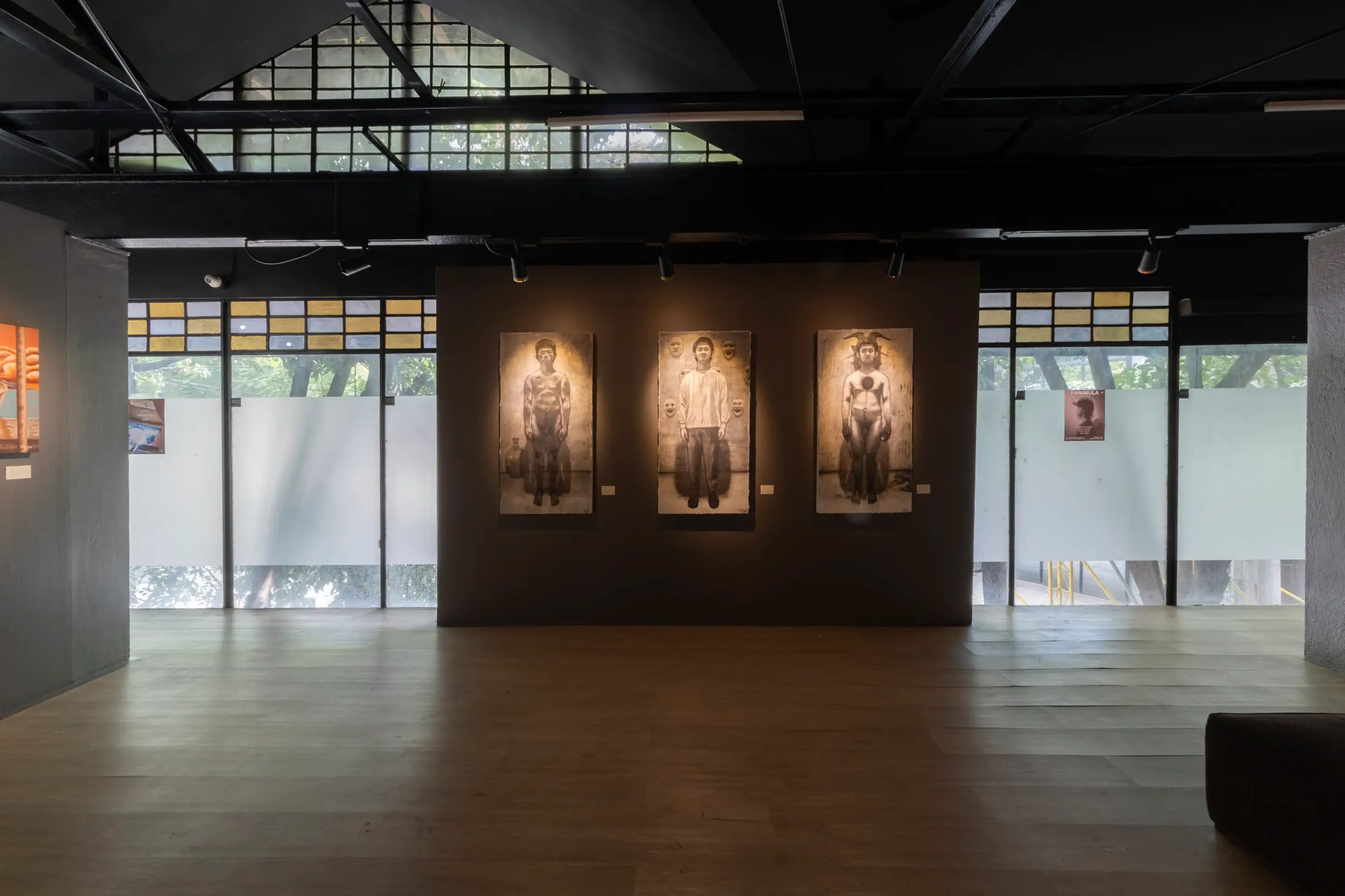
Melai Matias of Gravity Art Space called finding funding for the gallery a “super grind.” In months where they don’t sell enough artworks, they go into “zombie mode,” she said, utilizing other programs to bridge the gap of the lack of funds. They also have patrons that support the gallery and its artistic endeavors.
And yet, even with this outlook, Matias admitted that they are very careful with whom they sell the artworks to. Their motto is “know your collector,” vetting each of the buyers to make sure that they understand the intent of the artist and the meaning of the artwork behind them.
“It’s a piece of the soul of the artist, eh, nag-gugol siya ng time, concept, effort, dugo’t pawis at iyak iyan,” she said. “Tapos syempre, ang goal din naman—for me, gusto ko yung mga artists magkaroon ng retrospective exhibitions, which is ten to fifty years from now pagka i-exhibit yung mga artwork nila […] [Kung] hindi natin alam kung kanino hihiramin ang work, hindi magkakaroon ng ganong exhibit ang artist.”
(“Our goal is for our artists to have retrospective exhibitions ten to fifty years from when they first exhibited. If we don’t know from which collector we can get the work from, the artist won’t get an exhibition like that.”)
The Future of Artist-Run Spaces
Success is defined by different things to different people, and so it goes with artist-run spaces. For MONO8, their measure of success is to be able to continue discussing art to the masses. Bautista is also a big proponent of ensuring that a larger group of people will have a deeper understanding of art in general, hoping that it could lead to better things within our culture.
“I think it’s important for a gallery like MONO8, for our platform, for myself and for the rest of the artists and the cultural workers that we work with here, to be able to contribute to shaping this generation and maybe how this country critically can move forward,” she said.
For Gravity Art Space, it’s more about propagating Filipino culture and artistry here and abroad. They’ve already made headway, as Gravity Art Space Bangkok nears its first anniversary and they continue to plan out their Asia-centric Intersections Art Summit for 2027, which provides a venue for cross-cultural discussions of art within the region.
“Kung ang Pilipinas ay magiging isang aktibong player o aktibong entity na lalahok sa movement na iyon, I’m pretty certain na isa tayo sa mga best na meron ng Asia,” Indy Paredes said.
(“If the Philippines becomes an active player within our region’s art movement, I’m pretty certain that we would be among the best in Asia.”)
Where the Misfits Can Go
Kalawakan Spacetime works towards ensuring that their gallery space continues to be a safe space for the different marginalized communities that they work with. They also hope to expand more towards featuring more of the country’s art, not just from marginalized communities in Luzon, but also in Visayas and Mindanao.
“I’m very excited to collaborate more, not just abroad, but more for the Visayas and Mindanao [region],” Jan Sunday said. “As a Bisaya myself, we always make sure to include artists almost every month from the Visayas and Mindanao, because what is Filipino art if it’s not encompassing the whole Philippines?”
“ We try to build a relationship na very personal,” Naguiat added. “We make sure everyone’s okay in their personal lives [and] also try to make sure they get all the resources they need, like if there’s a particular book that would help them in their practice, we’d lend it to them.”
Photos by Ed Simon.
Related reading: Mono8 Gallery Opens Two New Exhibits Musing on Artistic Creativity
Frequently Asked Questions
Because artist-run spaces often lack government or corporate funding, they rely on a diversified survival model. This includes direct artwork sales to vetted collectors, small-scale fundraisers, and “zombie mode” periods where the gallery relies on volunteer labor or secondary programs to bridge funding gaps. Unlike purely commercial galleries, these spaces often prioritize “knowing the collector”—vetting buyers to ensure they respect the artist’s intent and will make the work available for future museum retrospectives, which protects the long-term value and legacy of the art.
Grassroots programming involves creating intimate, high-impact events that foster human connection over high-volume sales. Examples include:
Zine-Making Workshops: Collaborations with social collectives (e.g., Lunas Collective) to engage specific demographics like women or marginalized groups.
Extended Exhibition Cycles: Running shows for two months instead of one to allow for “slow art” consumption and deeper curatorial discussion.
Artist Talks: Open-access discussions that remove the intimidation factor for first-time visitors from nearby residential and school areas.
Artist-run spaces like Kalawakan Spacetime act as intersectional hubs where various subcultures—such as the skating, hip-hop, tattoo, and punk rock scenes—overlap. This hybridization leads to organic cross-pollination, where artists from different scenes begin collaborating on multidisciplinary projects like apparel design, music production, and street art. This social synergy provides a safety net of mutual support, giving marginalized artists a platform and a “barkada” (peer group) that traditional institutions often overlook.
Independent galleries think in decadal timelines (10 to 50 years) rather than quarterly profits. By documenting exactly which collectors own which pieces, galleries ensure that an artist can eventually mount a “retrospective” exhibition. This long-term tracking is essential for art history; if a gallery “loses” a work to an unknown buyer, the artist’s historical narrative remains incomplete. This technical oversight is what transforms a simple sale into a brick in the wall of an artist’s lifelong legacy.
Sustainability for these spaces also means geographic inclusivity. Directors at spaces like Kalawakan Spacetime (who have Bisaya roots) purposefully curate artists from the Visayas and Mindanao regions every month. This strategy challenges the centralized power of the Metro Manila art market, ensuring that “Filipino art” is technically and culturally encompassing of the entire archipelago. By lending resources like books and personal mentorship to regional artists, these galleries build personal relationships that sustain the practice of art across physical and economic borders.
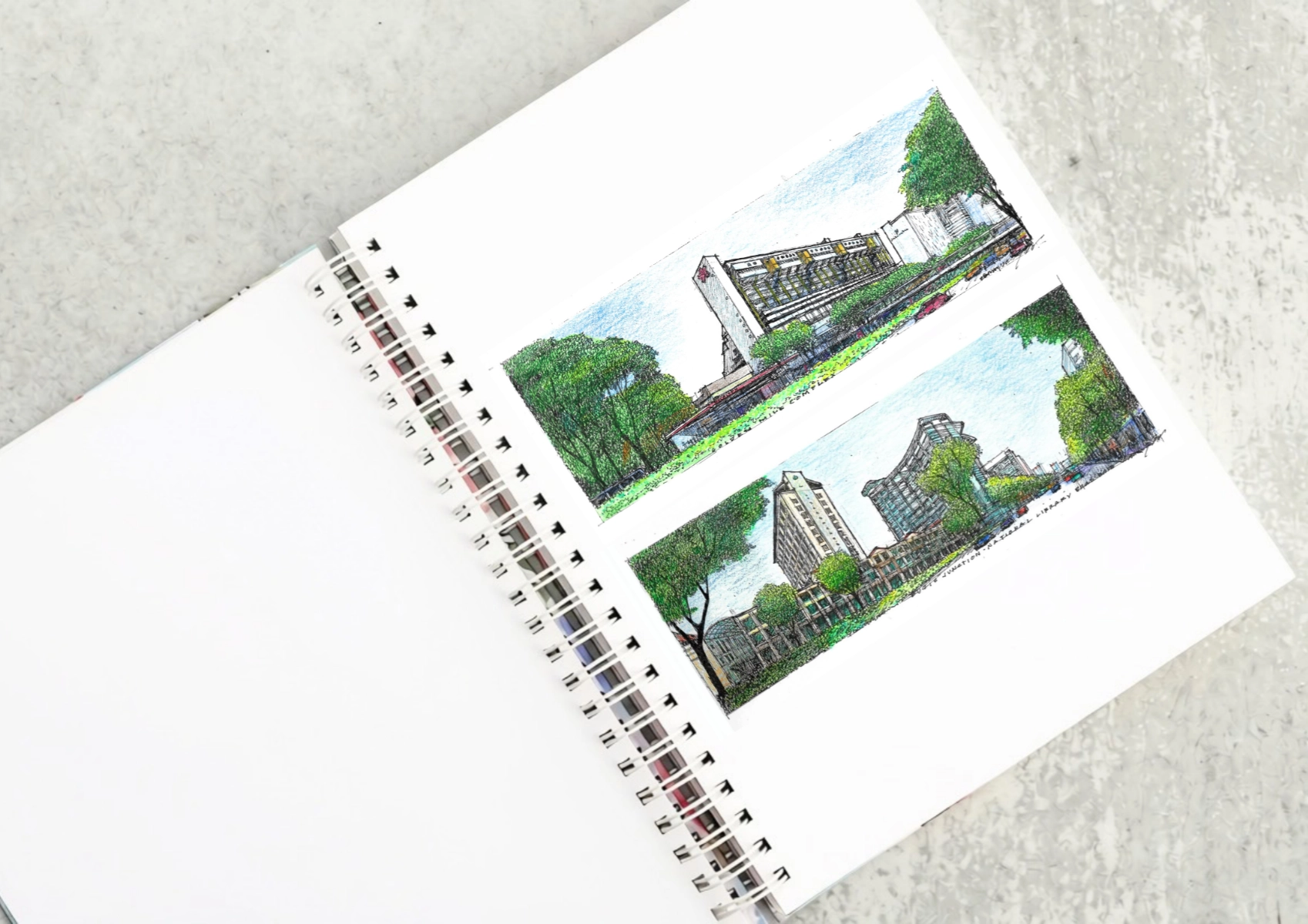
Two sketches of Singapore connect BluPrint Editor in Chief Paulo G. Alcazaren’s personal and professional history with Shared Ground: ArchitectureArchitectureThe art and science of designing and constructing buildings, structures, and spaces that are functional, safe, and aesthetically pleasing. It encompasses the planning, design, materials, and techniques used to createGo to Architecture Glossary of Care, Culture, […]
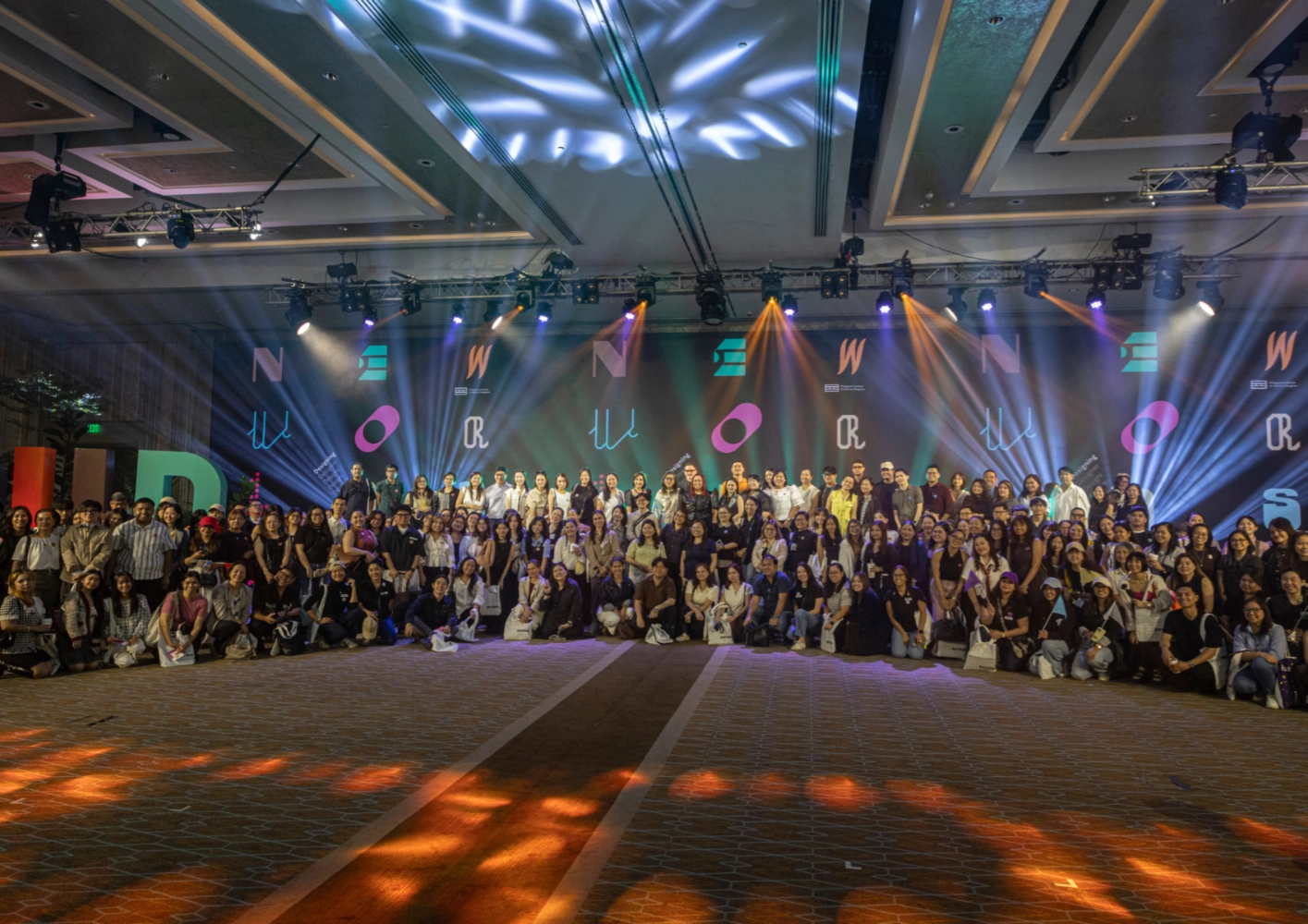
In a way, designers are the modern-day soothsayers and prophets. They design for the future, predicting how a room, a house, a building or a whole city will be used by people. They foresee how users will interact with a space, conjure exact shades of colors to elicit specific behavior and arrange furniture to build […]
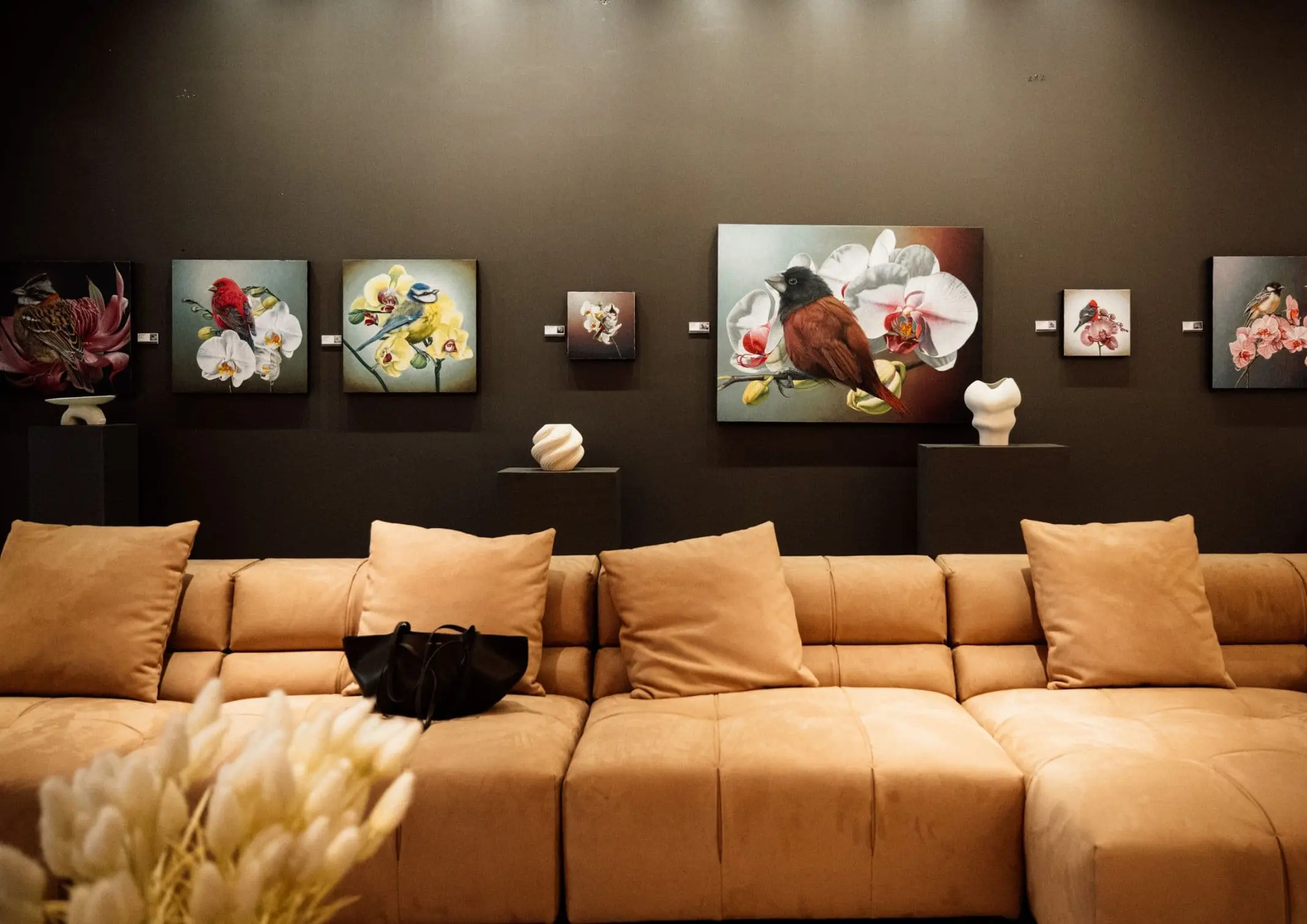
Art and furniture are often selected separately, yet their relationship can shape how a room looks and feels. The collaboration between Hooga and Galerie Joaquin explores how these elements can work together, bringing contemporary artworks into furnished residential settings at Hooga’s showroom in Uptown Mall, Bonifacio Global City. For Hooga, which curates furniture, lighting, and […]
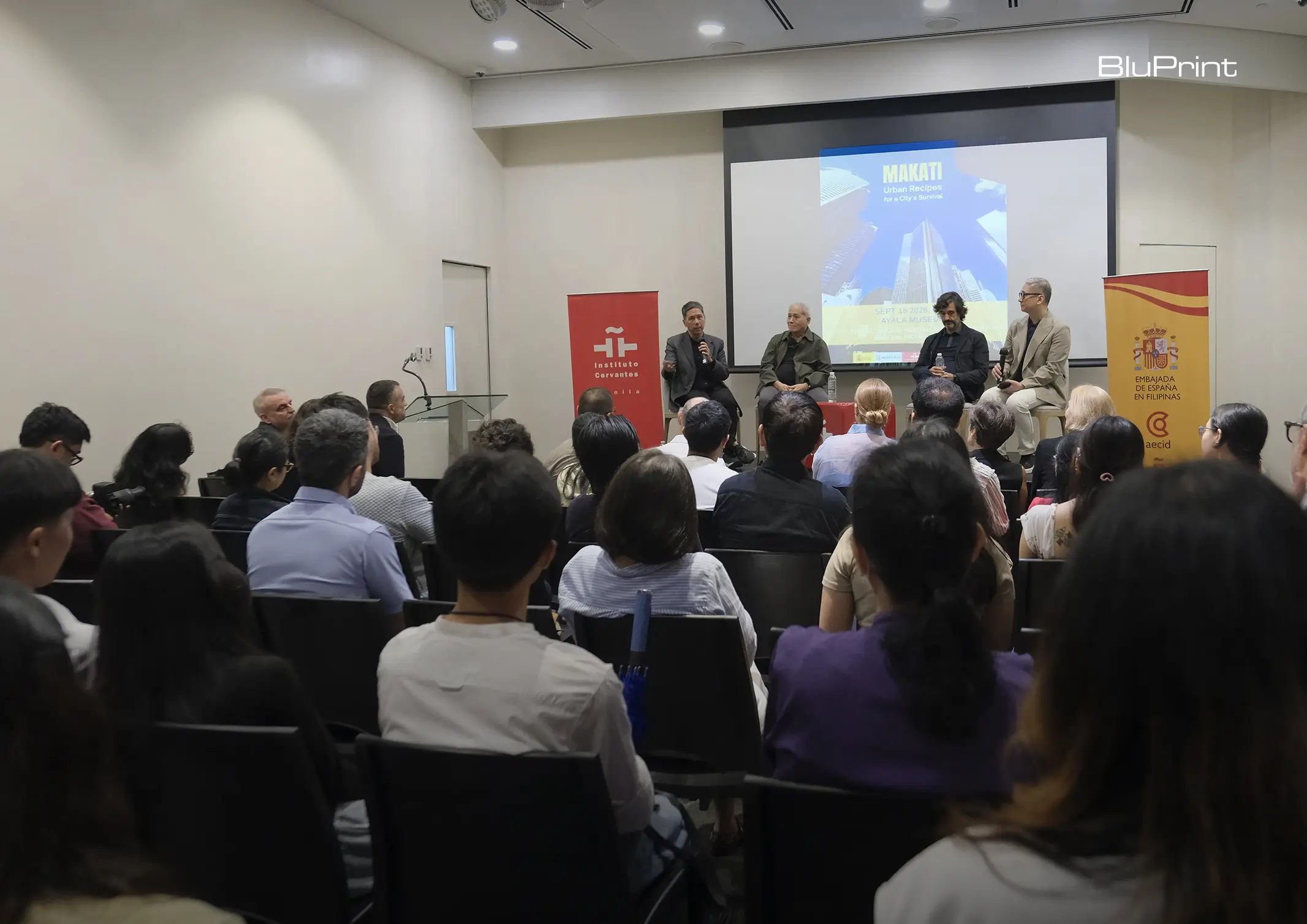
How can better-planned cities create the conditions for more creative, livable, and resilient urban environments? “Makati Urban Recipes for a City’s Survival,” a colloquium held at the Ayala Museum on September 15, brought together architects and practitioners from the fields of urbanism and the creative economy to discuss how design, planning, and collaboration can address […]
Read the issues.

Collect the volumes.

Recommended Video
Tap to Unmute
Unmute
0:00
0:00